18 Whimsical Kids Bedroom Ideas Full of Magic and Fun
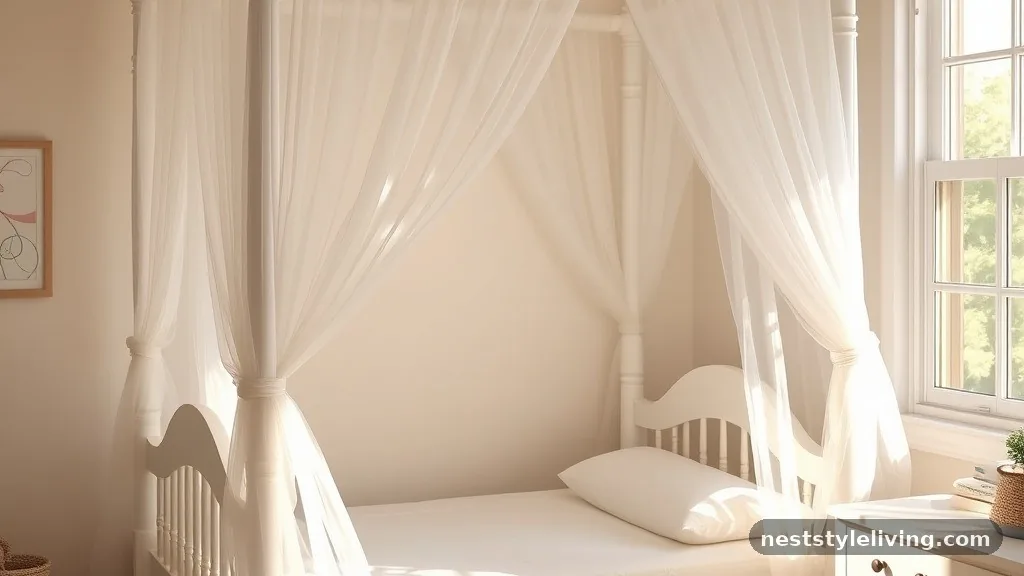
Creating a bedroom that captures a child’s imagination requires moving beyond standard furniture layouts to embrace elements of wonder. Exploring whimsical kids bedroom ideas full of magic and fun allows you to transform a standard space into a private sanctuary where play and rest coexist harmoniously.
By focusing on sensory details, textures, and interactive decor, you can build an environment that feels like a backdrop for a storybook. Whether you are working with a small nook or a large bedroom, these concepts provide a foundation for designing a room that grows with your child while maintaining a sense of enchantment.
1. Canopy Bed with Fairytale Netting
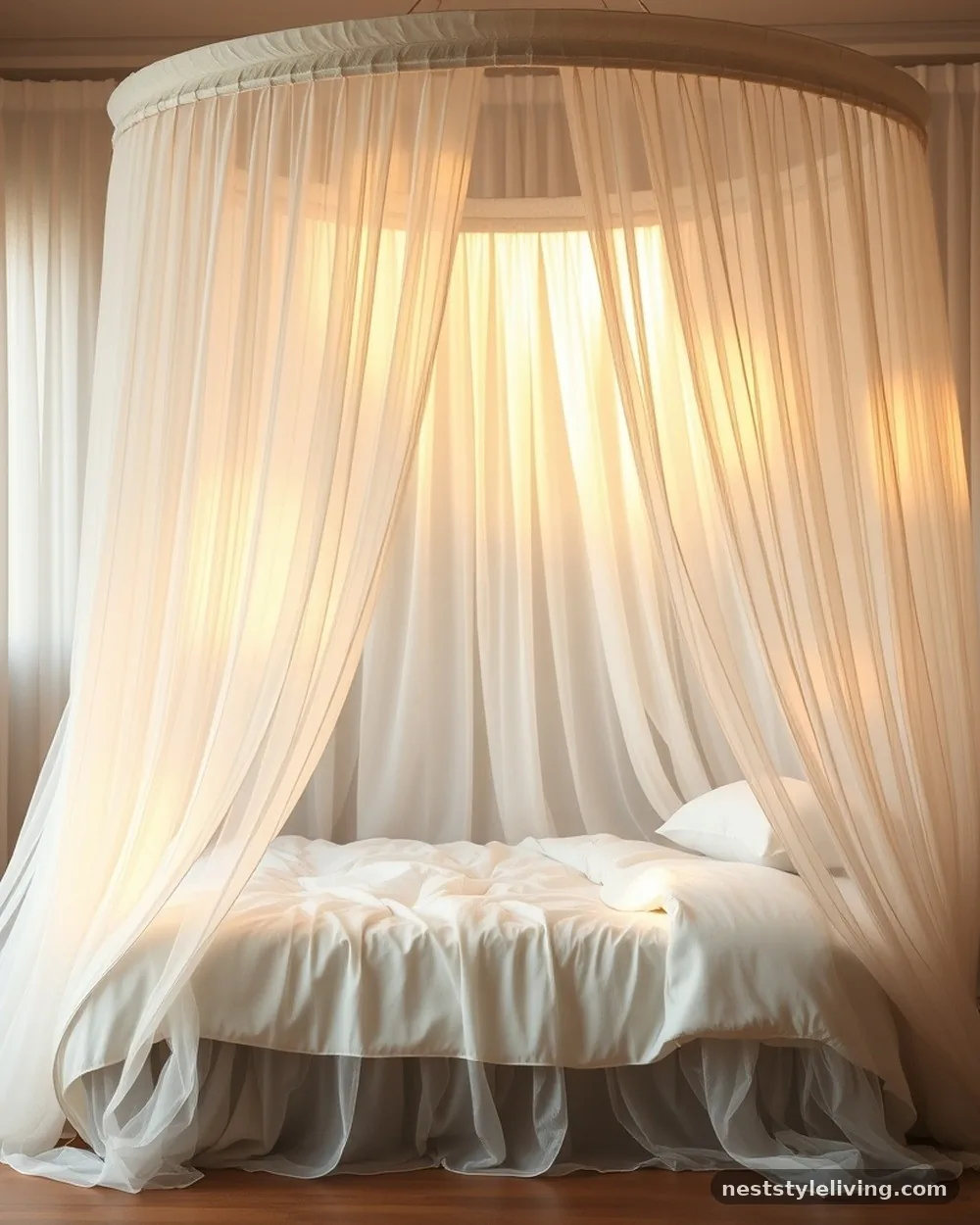
A draped canopy bed serves as the centerpiece for a magical bedroom, instantly creating a sense of enclosure and safety. Use sheer, lightweight fabrics like voile or soft tulle in pastel shades to soften the hard lines of a standard bed frame. You can mount a circular hoop to the ceiling directly above the headboard and let the fabric flow down to the floor, or opt for a four-poster frame wrapped in linen.
This setup provides a cozy, tent-like atmosphere that makes bedtime feel like an adventure rather than a chore. It works best in rooms with high ceilings, but even in smaller spaces, a partial canopy can define the sleeping zone effectively.
To achieve this look, install a ceiling-mounted hook or a specialized canopy hoop kit from a home goods retailer. Ensure the fabric is secured tightly to the mount so it cannot be pulled down by a child. Use tension rods if you cannot drill into the ceiling, which allows for a temporary, damage-free installation that is perfect for renters.
2. Interactive Chalkboard Wall
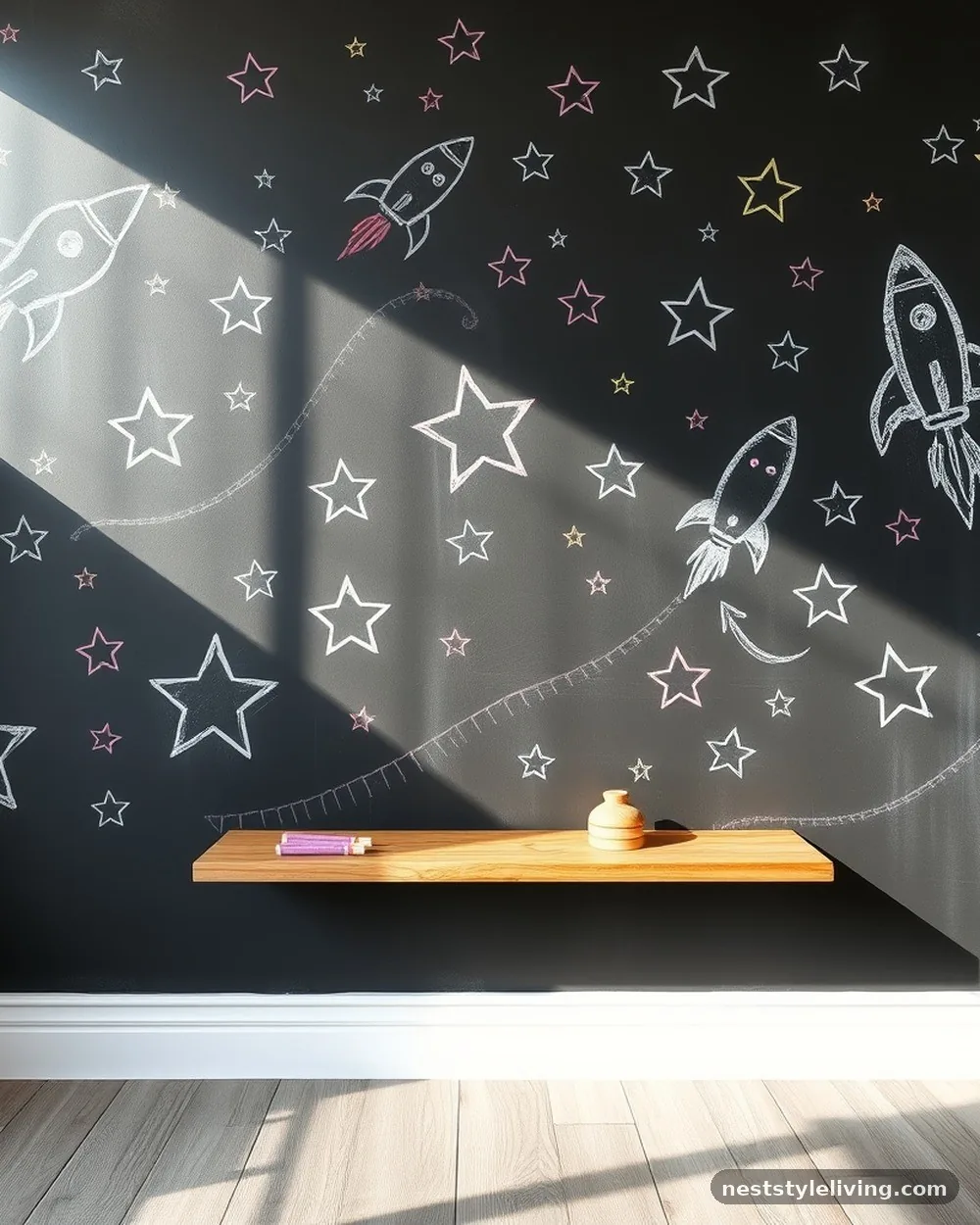
Transforming a section of a wall into a giant canvas gives a child the freedom to express their creativity without limits. Use high-quality chalkboard paint in deep charcoal or forest green to create a functional art surface that doubles as decor. This addition turns a blank vertical space into a dynamic, changing display of drawings, notes, and imaginative play.
It is particularly effective in playrooms or shared bedrooms where children can collaborate on murals or practice writing. The matte finish of the paint provides a sophisticated contrast to lighter furniture, grounding the room’s design while keeping the aesthetic playful and accessible.
Purchase a quart of chalkboard paint and apply three thin coats to a wall, allowing for adequate drying time between applications. Use a high-density foam roller to ensure a smooth, professional-looking surface that is easy to wipe clean with a damp cloth.
3. Floating Cloud Light Fixtures
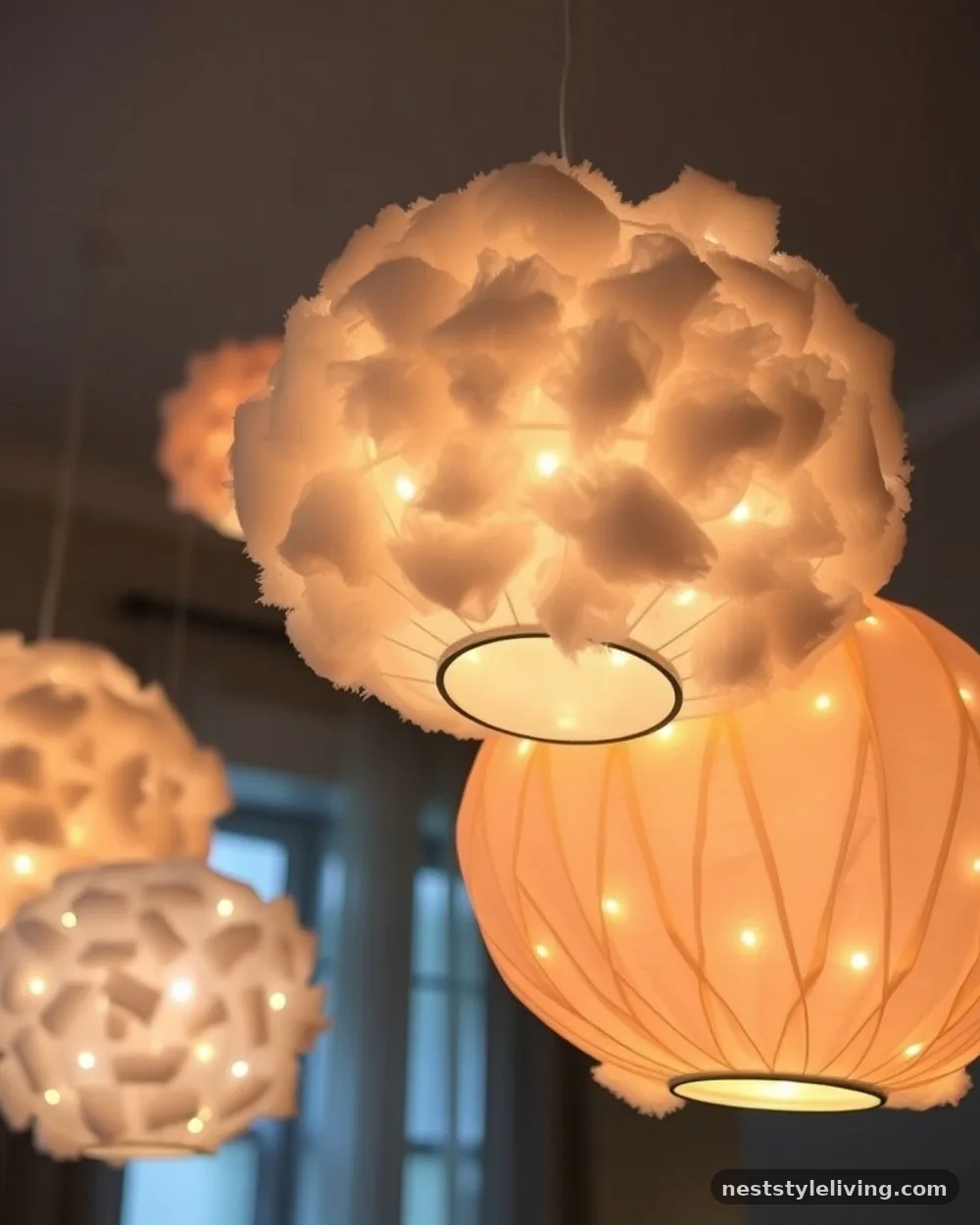
Overhead lighting can define the entire mood of a space, and creating DIY cloud fixtures adds a dreamy, ethereal quality to the ceiling. These fixtures are constructed using paper lanterns as a base, which are then covered in layers of polyester fiberfill or cotton batting to mimic the texture of fluffy clouds.
By embedding small LED fairy lights within the batting, the clouds emit a soft, diffused glow that mimics the appearance of a sunset or a twilight sky. This design choice is ideal for calming a child before sleep, as the light is gentle and indirect, reducing harsh shadows that might cause anxiety at night.
Glue the polyester fiberfill to the paper lantern using a low-temperature hot glue gun, pulling and stretching the fibers to create irregular, organic shapes. Hang them at varying heights using clear fishing line to simulate a drifting sky effect, ensuring all electrical components are strictly battery-operated to avoid fire risks.
4. Secret Reading Nook Under the Stairs
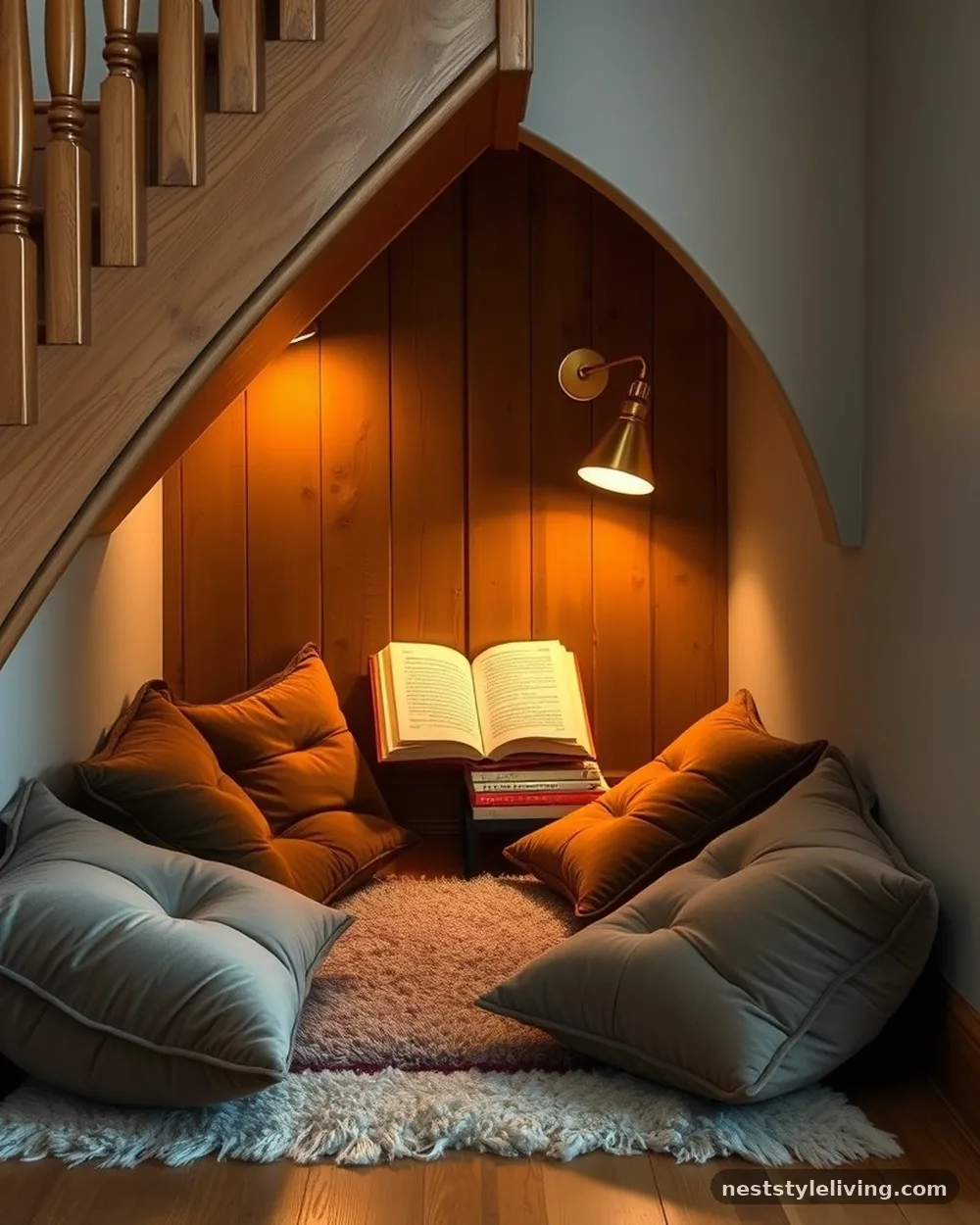
If your home layout allows, the space beneath a staircase is the perfect location for a hidden, cozy reading retreat. Line the interior with plush cushions, floor pillows, and a thick, high-pile rug to create a sensory-rich environment that encourages reading and quiet time.
Install a small, warm-toned reading light and a floating bookshelf at the child’s eye level to make the nook fully functional. Covering the entrance with a velvet curtain or a fabric flap adds an element of mystery, turning a mundane storage area into a private portal for their favorite books.
Use peel-and-stick wallpaper inside the nook to create a distinct visual theme, such as a forest or celestial pattern, that contrasts with the rest of the bedroom. Mount a battery-operated LED sconce inside to provide sufficient light for reading without requiring complex electrical wiring.
5. Wall-Mounted Wooden Tree Shelving
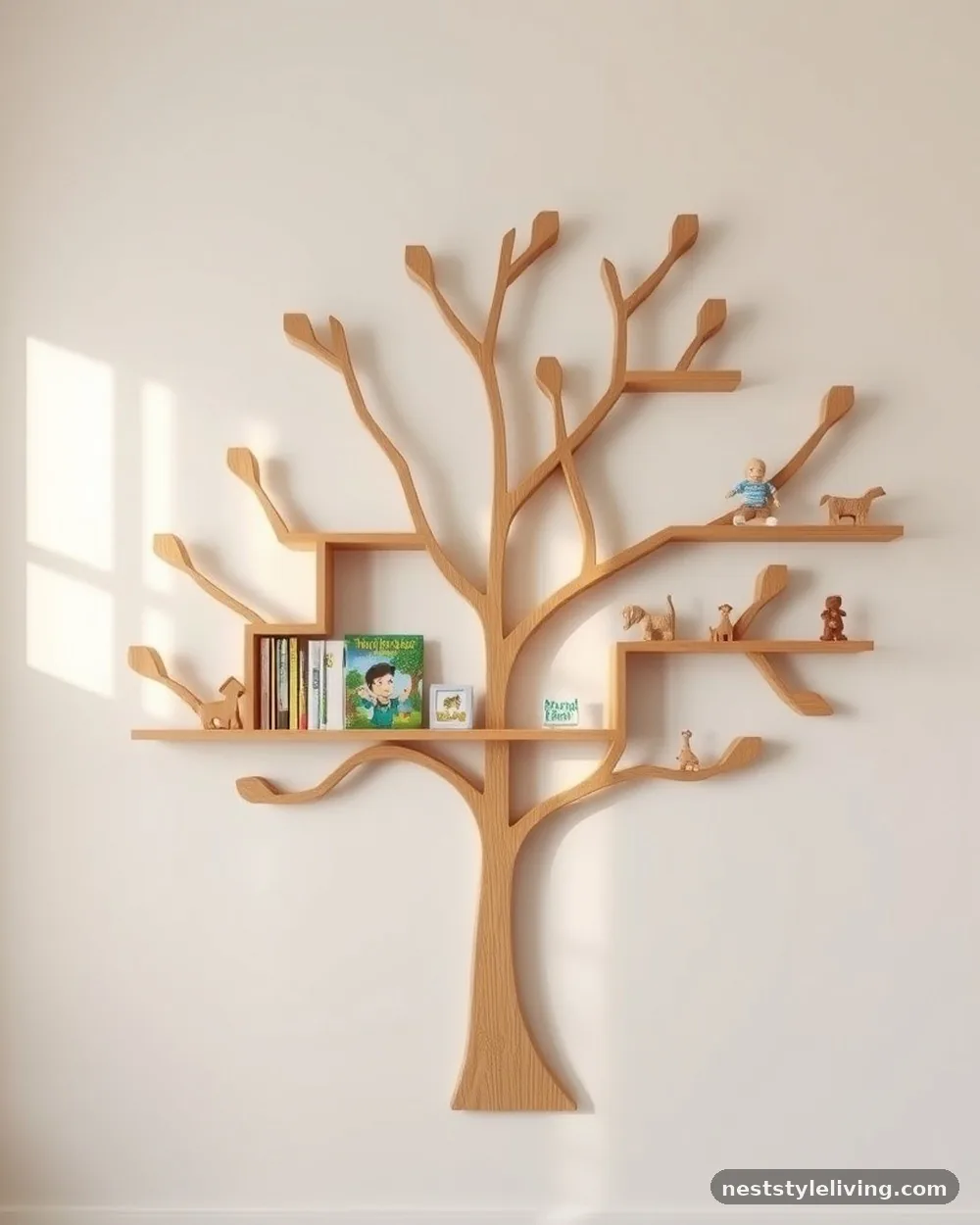
A wall-mounted shelf shaped like a tree is both a functional storage solution and a striking piece of wall art. These shelves feature a central trunk with branches that extend outward, providing multiple surfaces for displaying books, small toys, or decorative items. Constructed from birch plywood or solid pine, they bring a natural, earthy aesthetic to a room.
This design is highly durable and can be painted to match the room’s color palette, or left in a natural wood finish for a more organic, Scandinavian-inspired look. It effectively utilizes vertical space while keeping the floor clear for play.
Secure the shelf to wall studs using heavy-duty anchors, as the weight of books can be significant. Arrange the shelving branches so that the lower ones are accessible to your child, allowing them to participate in organizing their belongings and fostering a sense of independence.
6. Celestial Ceiling Murals
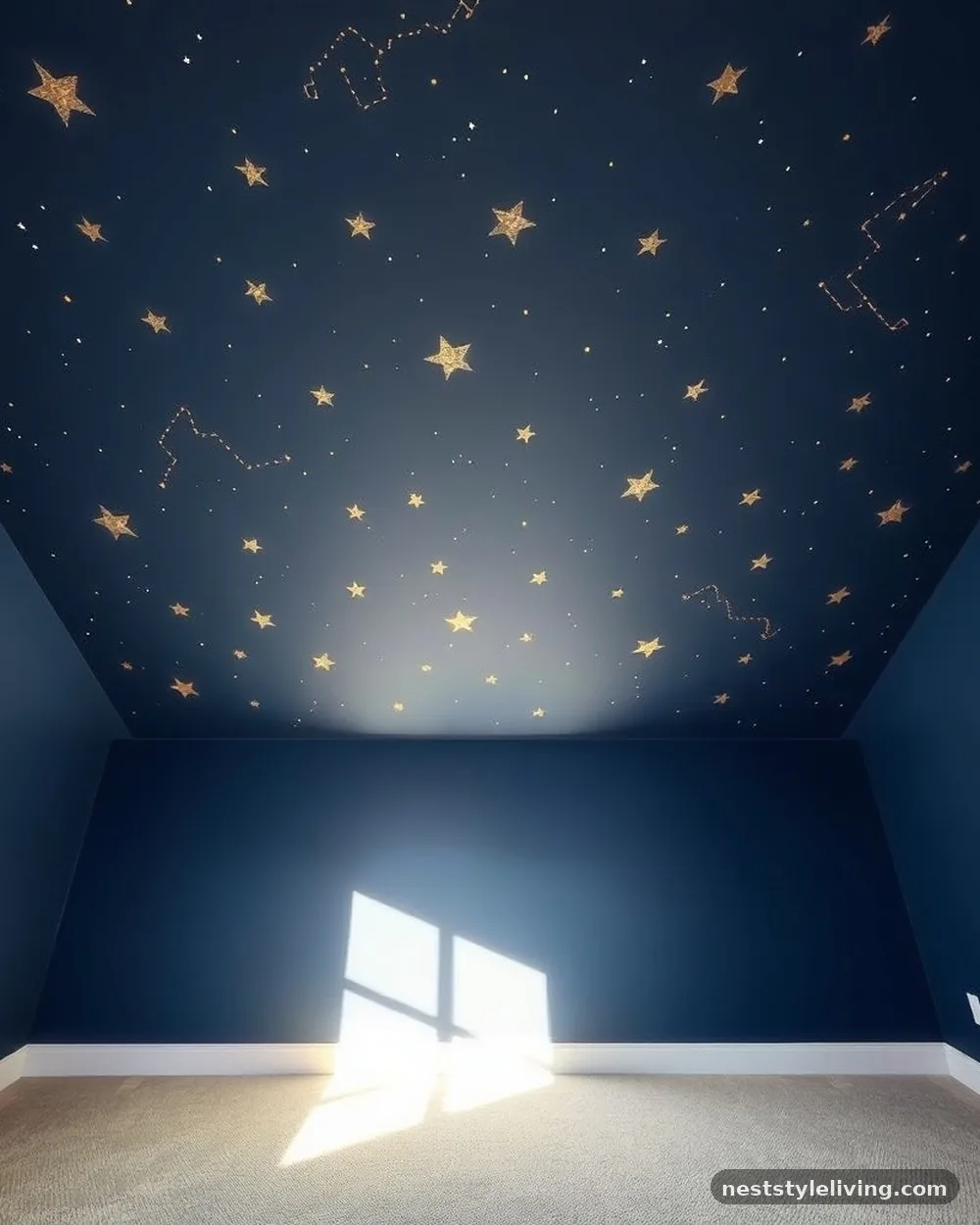
Painting the ceiling with a night sky theme introduces a sense of wonder that is literally above everything else in the room. Use a deep navy or midnight blue base coat, then layer on hand-painted stars, moons, and constellations using glow-in-the-dark or metallic paint. This creates a subtle effect during the day and a magical transformation once the lights go out.
The ceiling becomes the most interesting part of the room, encouraging children to look up and dream. It is a timeless design choice that pairs well with minimalist furniture, as the ceiling provides all the necessary visual interest.
Apply the base coat with a high-quality roller for an even finish, then use a small artist’s brush to dab on the stars. If you are not confident in your painting skills, use high-quality vinyl star decals, which can be easily removed later if you decide to update the decor as the child grows.
7. Velvet Floor Poufs
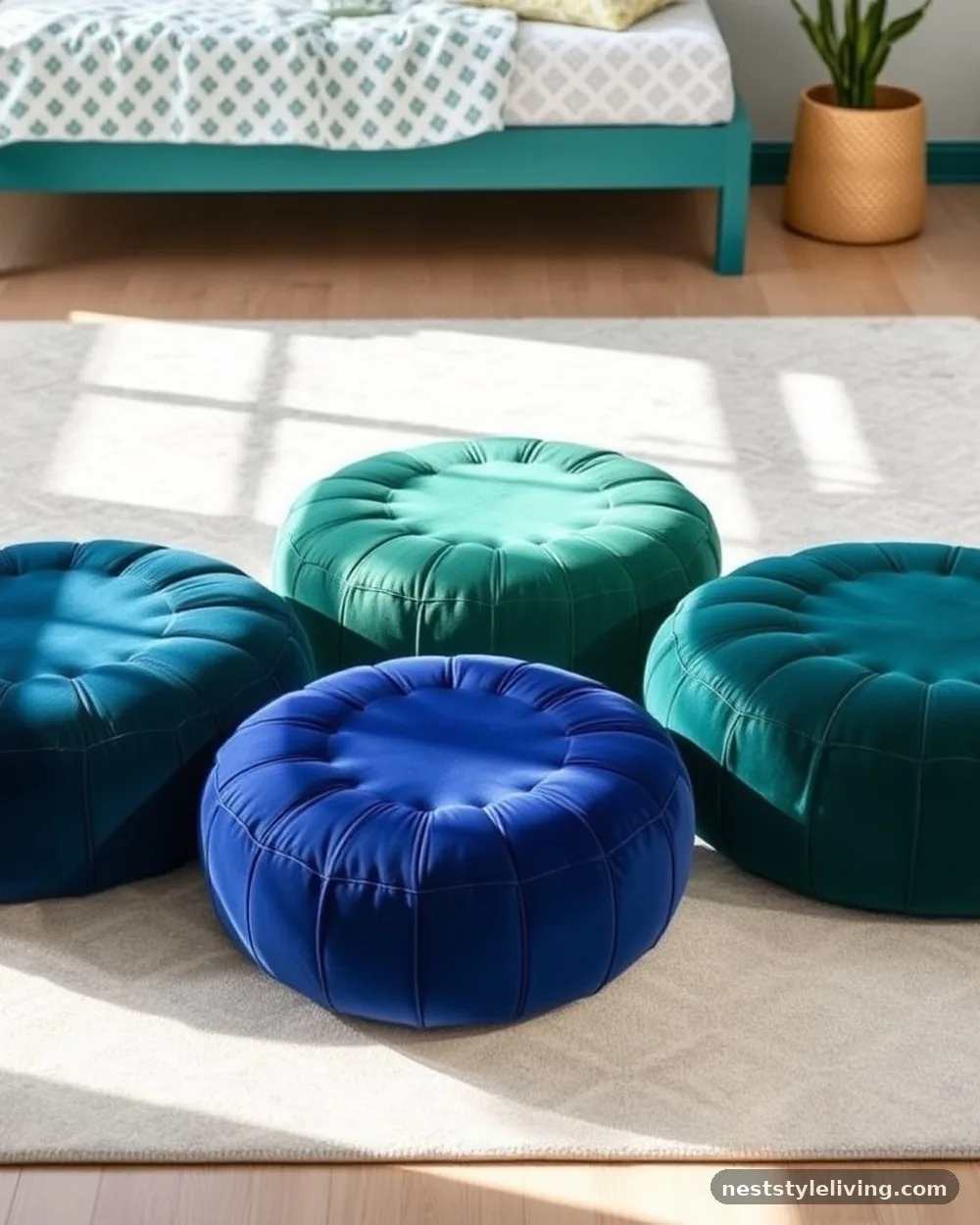
Floor poufs offer flexible seating that is both comfortable and aesthetically pleasing. Choose velvet or faux-fur fabrics in jewel tones like emerald, sapphire, or mustard to add a luxurious, tactile element to the room. These pieces are lightweight enough for a child to move around, making them perfect for building forts, sitting with friends, or lounging while playing games.
Unlike traditional chairs, poufs have no sharp corners, increasing the safety factor in a high-activity space. They act as “soft furniture” that breaks up the rigid lines of beds and desks, adding a layer of comfort and whimsy.
Select poufs with a removable, machine-washable cover to ensure they remain clean despite heavy daily use. If you are on a budget, look for bean-bag style inserts that you can fill yourself with recycled foam or fabric scraps to create a custom-sized seating solution.
8. Whimsical Animal-Shaped Wall Hooks
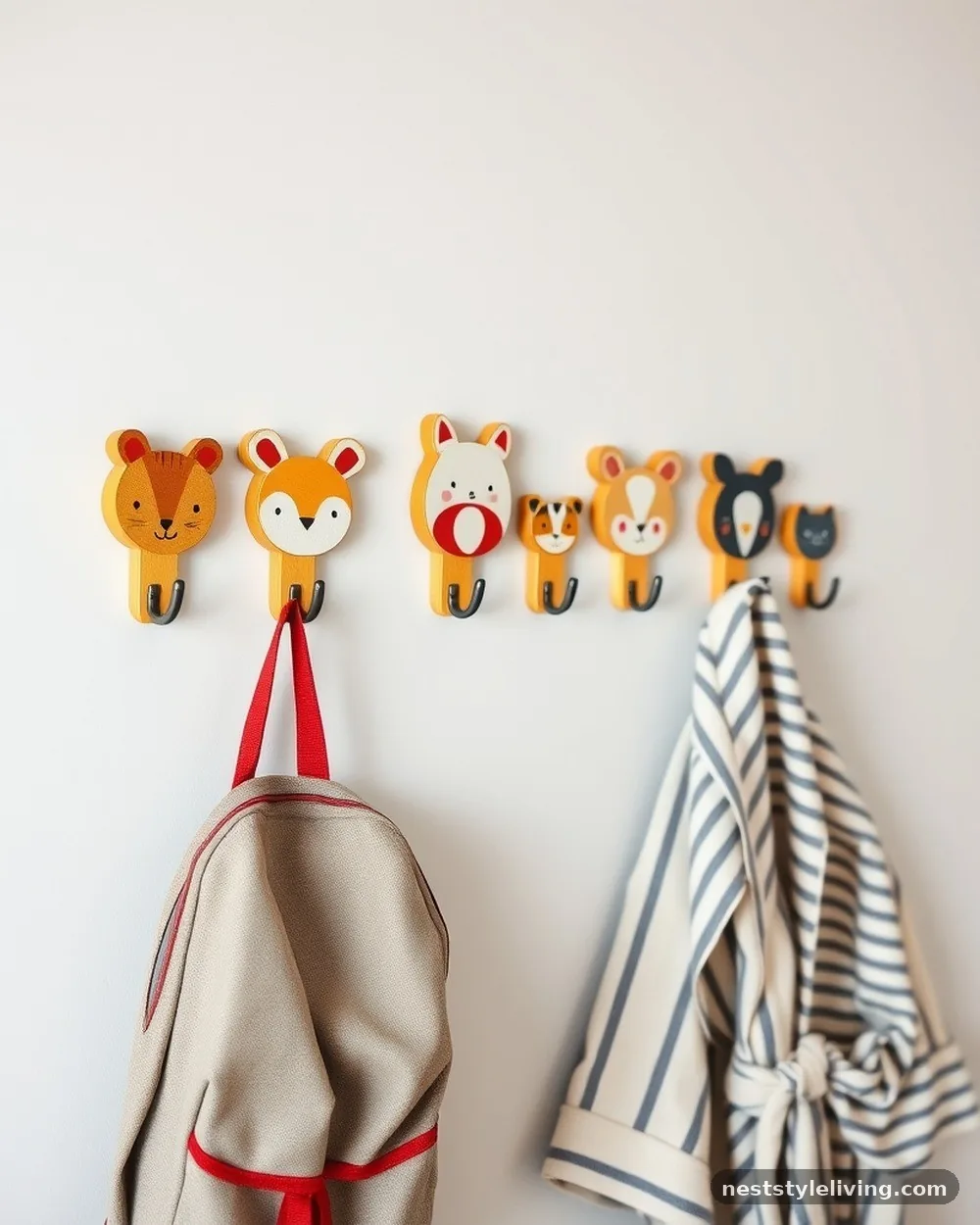
Small details like animal-shaped wall hooks can turn mundane storage into a playful design feature. Whether you choose brass, cast iron, or painted wood, these hooks serve as functional accents for hanging backpacks, costumes, or robes. By grouping them together at a height reachable by your child, you encourage them to keep their room tidy.
These items are inexpensive and easy to swap out, allowing you to update the room’s theme—from safari animals to woodland creatures—without a major renovation. They add character to plain walls and provide a sense of personality that makes the space feel truly custom.
Install the hooks using appropriate wall anchors to ensure they can support the weight of heavy bags or winter coats. Arrange them in a staggered, asymmetrical pattern on the wall to mimic the movement of animals, which looks much more dynamic and intentional than a straight, uniform row.
9. Oversized Plush Area Rugs
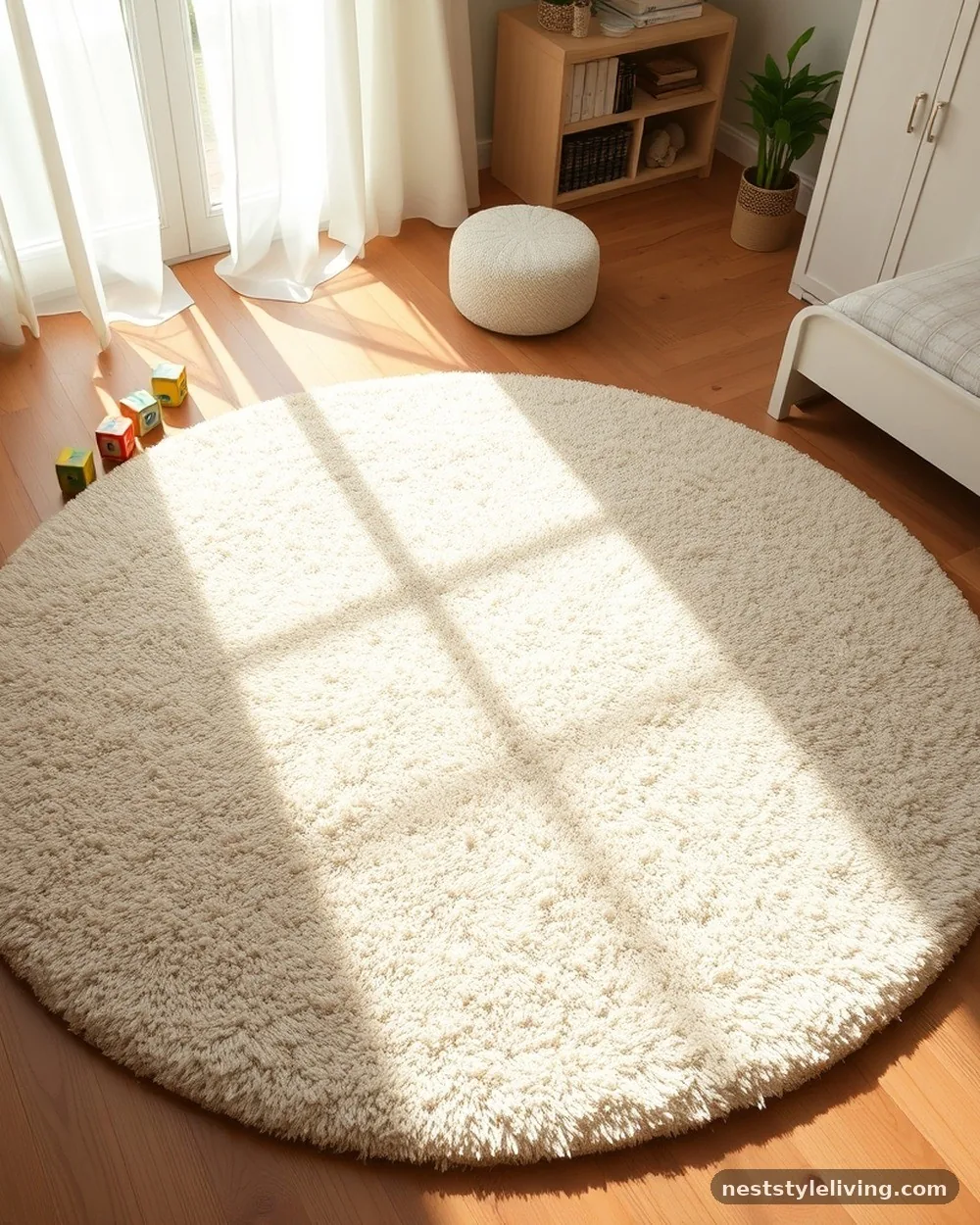
A rug defines the floor space and provides a soft foundation for play. Look for high-pile, shaggy rugs or those shaped like animals, flowers, or clouds to add a whimsical touch. A round rug, in particular, can soften the edges of a square room and create a designated “play circle” in the middle of the space.
Because children spend a significant amount of time on the floor, investing in a high-quality, plush rug significantly improves the comfort level of the room. Choose materials like natural wool or easy-to-clean synthetics that can withstand heavy traffic and frequent vacuuming.
Use a thick, non-slip rug pad underneath the rug to prevent shifting and provide additional cushioning. This is essential for safety, especially on hardwood or laminate floors, and it also extends the life of the rug by reducing friction against the subfloor.
10. Custom Name Bunting
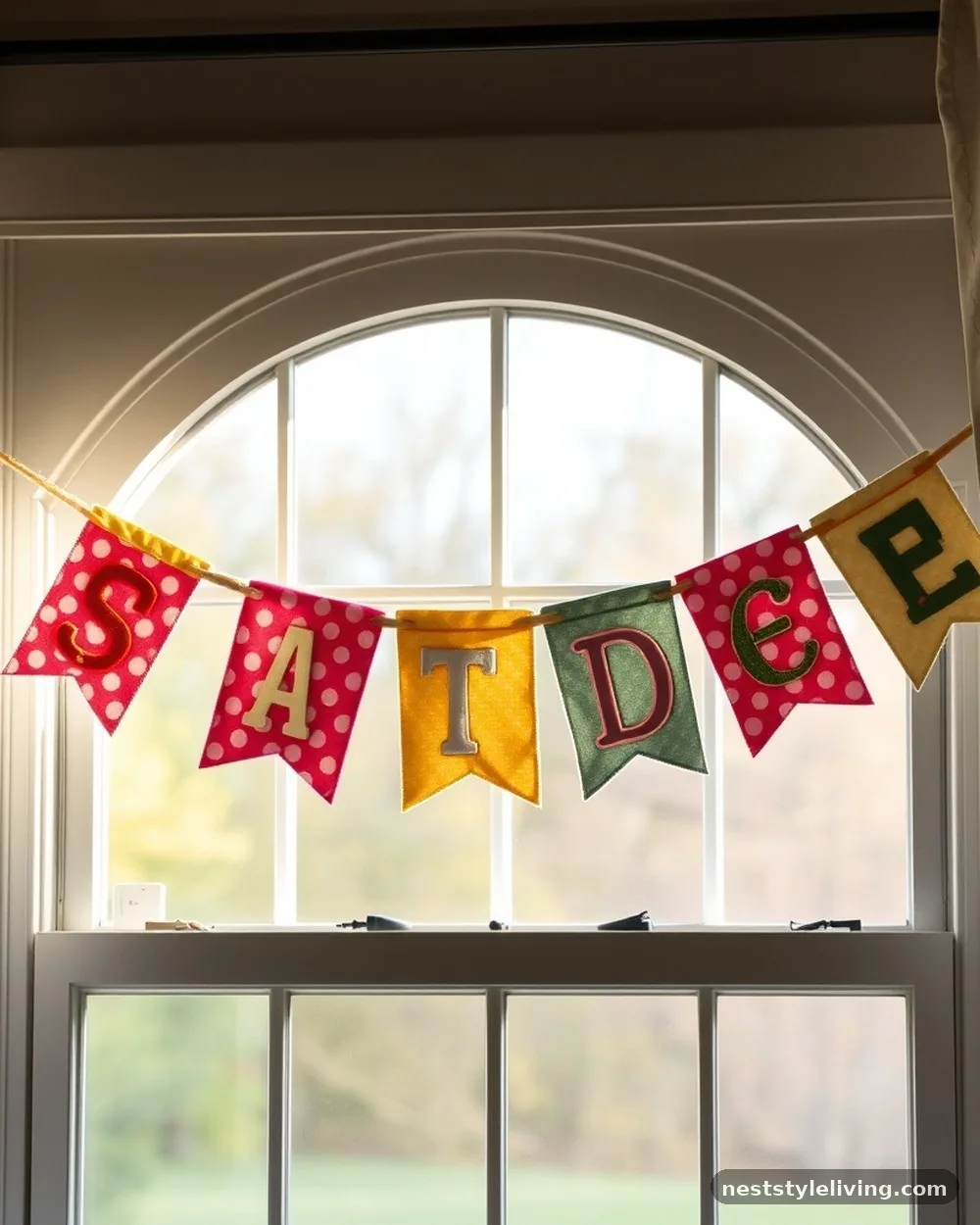
Personalized decor makes a child feel a sense of ownership over their environment. A bunting banner featuring their name, hung above the bed or across a window, adds a festive, celebratory feel to the daily bedroom experience. Use fabric scraps, felt letters, or wooden pennants to create a banner that matches the room’s color scheme.
This simple craft project is an easy way to introduce texture and color without overwhelming the space. It acts as a focal point that ties together disparate elements like wall art and bedding, creating a cohesive, curated look that feels personal and unique.
Use a simple twine or ribbon base and attach the letters with small wooden clothespins, which allows you to easily adjust the spacing or remove the letters if you want to change the banner’s length. This method is completely damage-free and works on any wall surface.
11. Integrated Indoor Play Tents
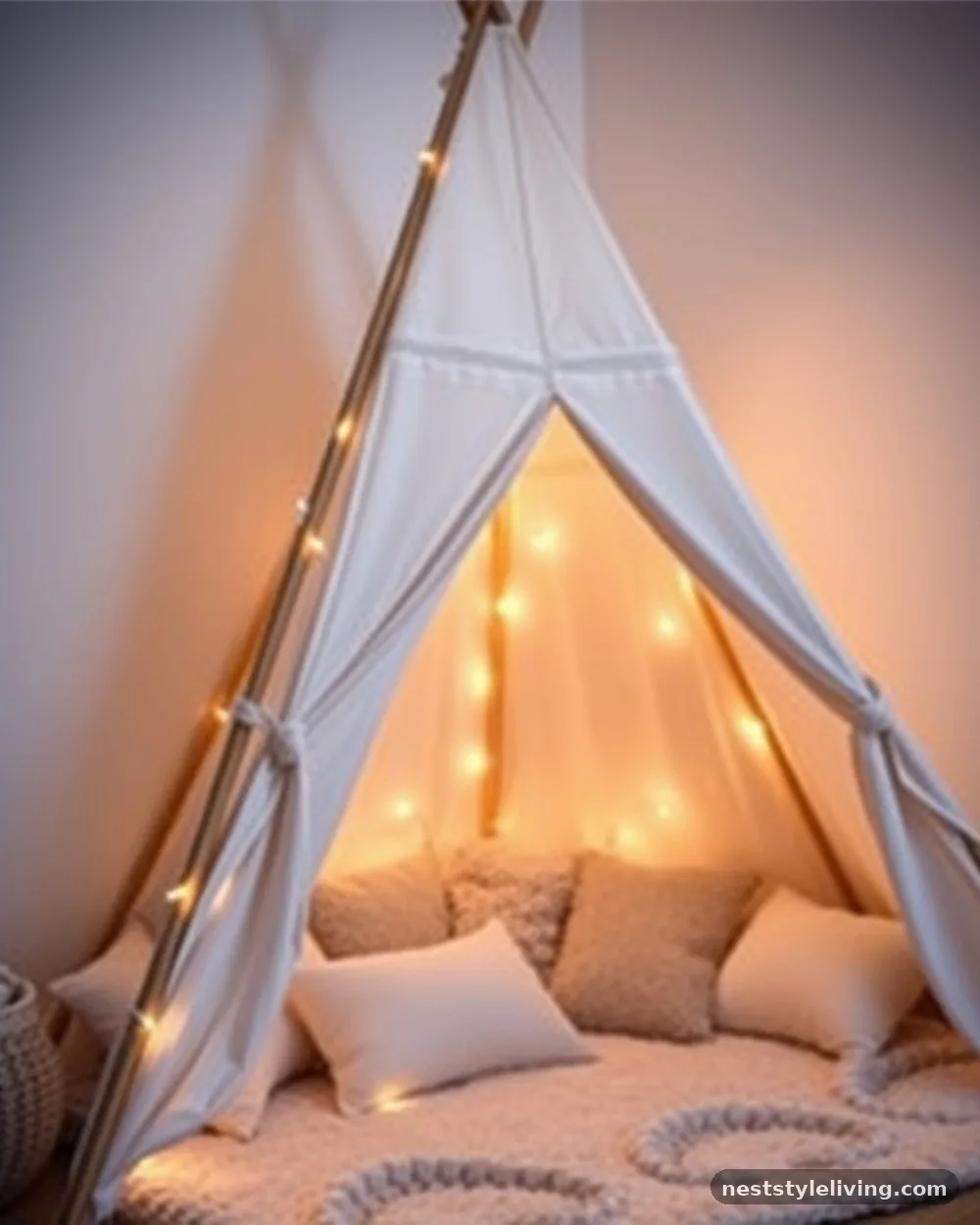
A dedicated play tent or teepee creates a “room within a room,” offering a private space for imaginative play or quiet reflection. Choose a design made from sturdy cotton canvas with wooden poles for a classic look that fits well with most decor styles. Placing the tent in a corner allows it to feel tucked away, while adding fairy lights inside turns it into a glowing den.
This element is particularly useful in smaller bedrooms where you cannot add much furniture but still want to create a sense of adventure. It serves as a visual anchor that signals the area is meant for play.
Drape a soft throw blanket over the top of the tent to make it feel more inviting, and fill the interior with a few favorite stuffed animals. Ensure the tent is positioned away from direct heat sources and that the fabric is flame-retardant for maximum safety in a child’s bedroom.
12. Gallery Walls with Kids’ Artwork
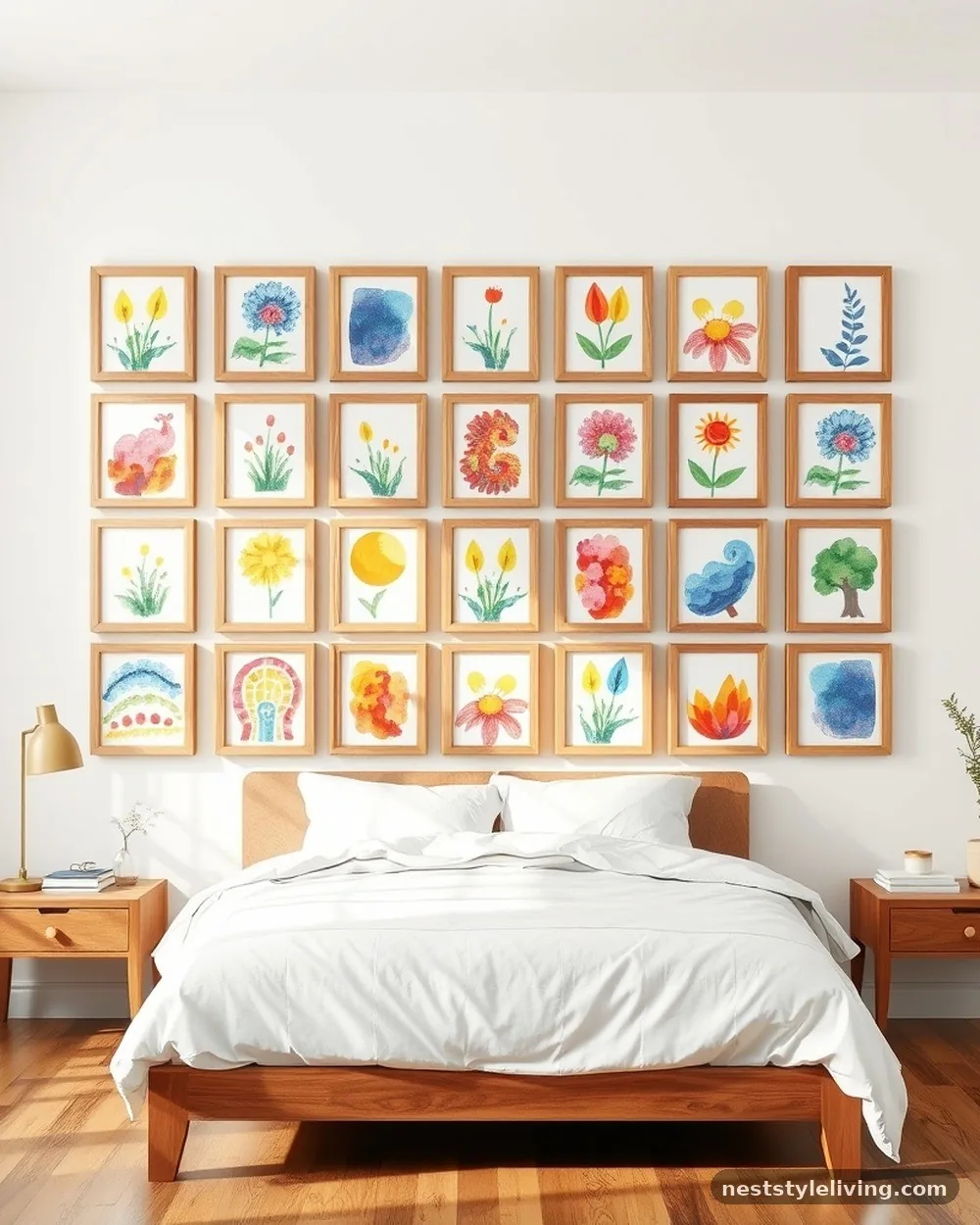
Displaying a child’s own creations on the wall validates their efforts and adds a deeply personal touch to the room. Use uniform, simple frames to create a clean gallery wall, which makes even scribbles look like intentional art pieces. By rotating the artwork periodically, you keep the decor fresh and exciting, reflecting the child’s current interests and skill level.
This approach prevents the room from feeling like a sterile showroom, instead making it a living space that evolves alongside the child. It is a cost-effective way to decorate that puts the focus on the child’s own perspective.
Use removable adhesive strips to hang the frames, which allows you to rearrange the layout without damaging the walls. This is particularly helpful when you want to add new pieces or change the configuration as your child produces more artwork throughout the year.
13. Floating Bookshelves for Cover-Forward Display
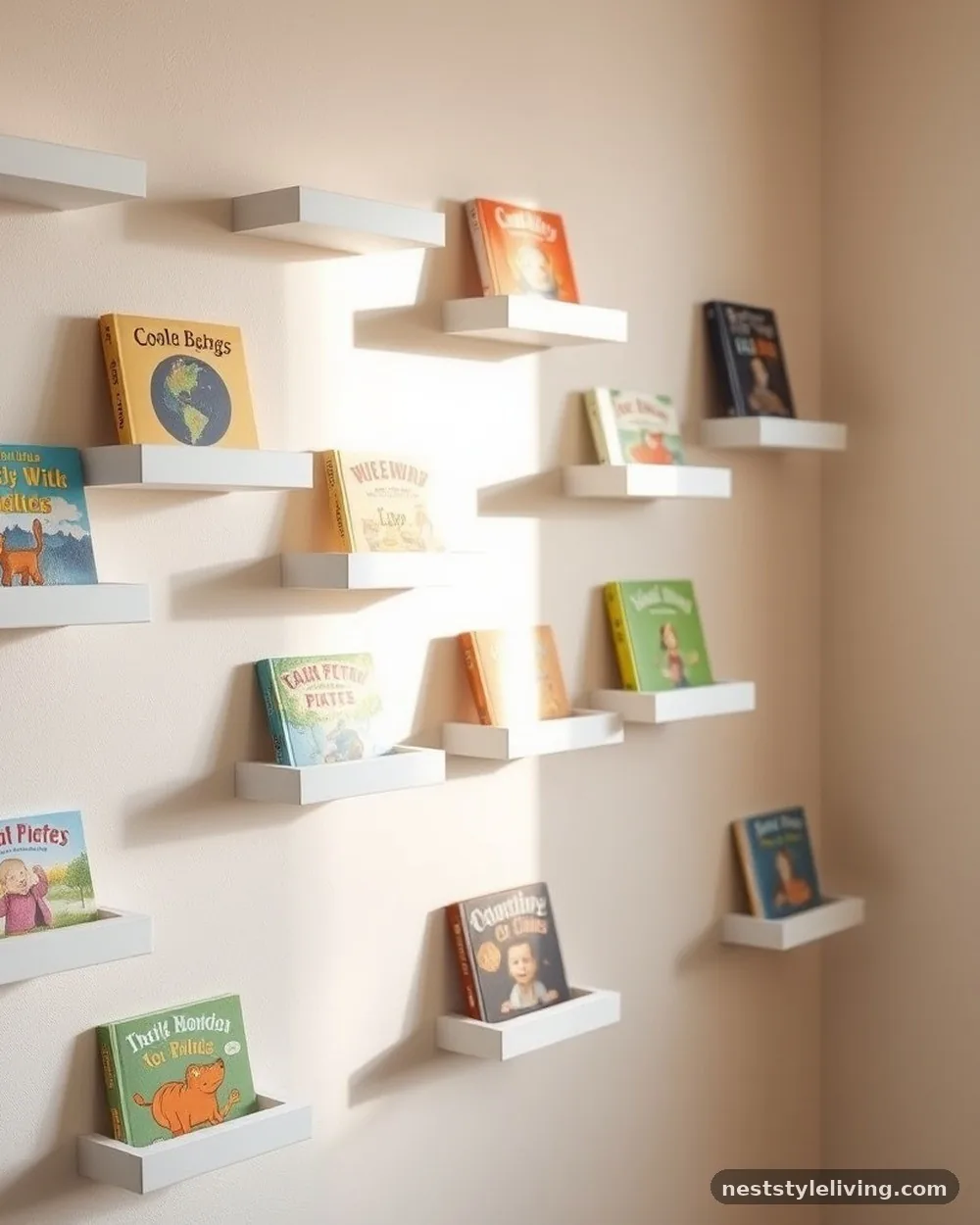
Displaying books with their covers facing forward is a hallmark of a modern, whimsical bedroom. Instead of hiding the titles on a traditional spine-out shelf, use narrow wall-mounted ledges to showcase the beautiful illustrations on the front covers. This encourages reading by making the books visually appealing and easy to grab.
You can arrange these shelves in a staggered pattern up a wall, creating a “book mountain” that looks great and serves as a functional library. It is a simple, low-cost way to turn your child’s collection of books into a vibrant, colorful feature wall.
Mount the ledges at a height where the child can easily reach their favorite titles, fostering autonomy. Use a level during installation to ensure the shelves are perfectly straight, as even a slight tilt will be noticeable when displaying multiple books in a row.
14. Whimsical Wallpaper Accents
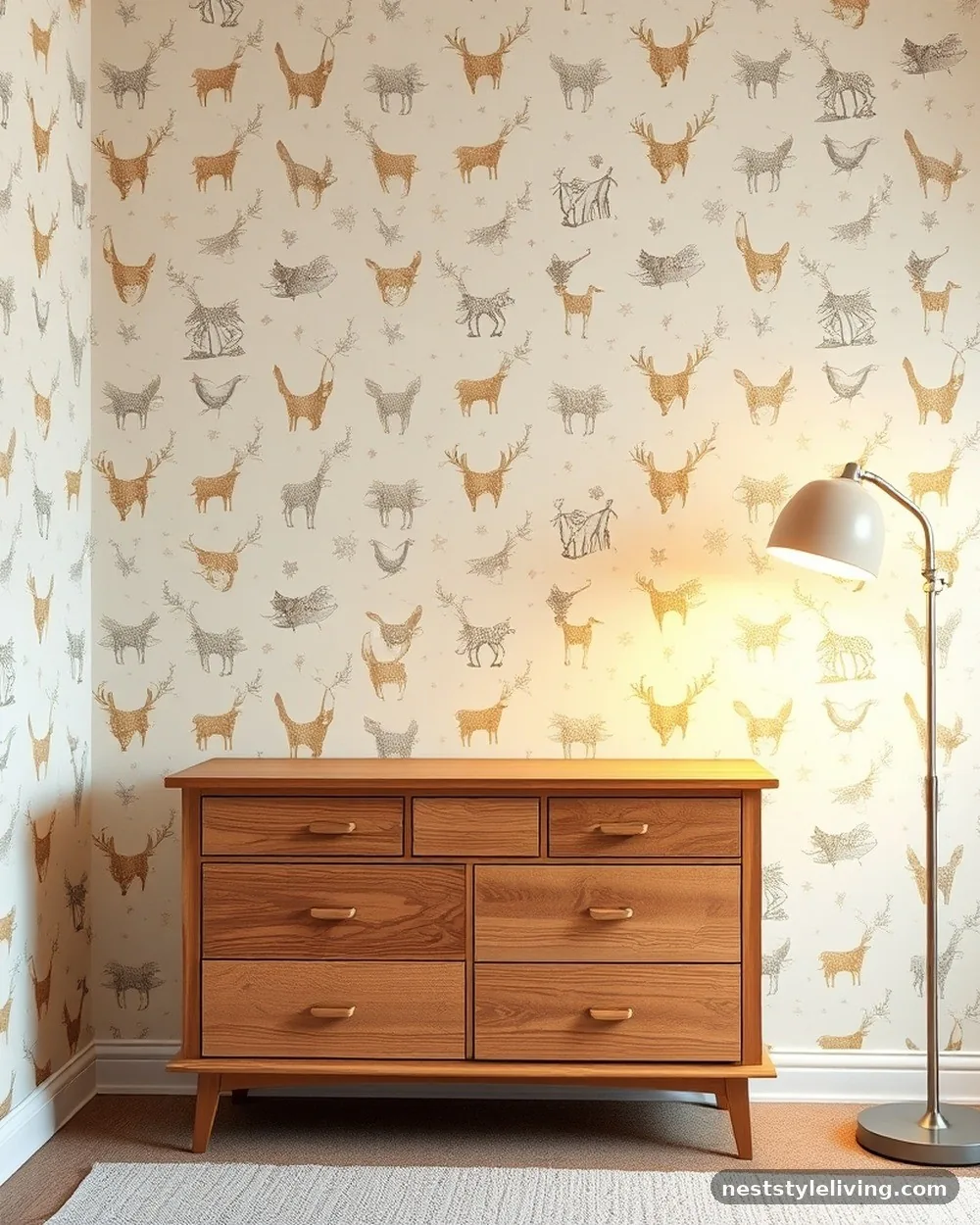
A single accent wall covered in whimsical wallpaper can completely change the character of a room. Look for patterns featuring hand-drawn botanicals, vintage-inspired animals, or soft geometric shapes that feel playful rather than busy. Wallpaper adds a layer of depth and texture that paint simply cannot replicate.
By limiting it to one wall, you avoid overwhelming the space, allowing the rest of the room to remain neutral and calm. This is an excellent way to introduce a theme without committing to a full-room overhaul, and it provides a beautiful backdrop for furniture and decor.
Choose peel-and-stick wallpaper if you want a temporary solution that is easy to remove when your child outgrows the pattern. Ensure the wall surface is clean and smooth before application to prevent bubbles and ensure the adhesive bonds properly for a long-lasting, professional finish.
15. Magnetic Wall Panels
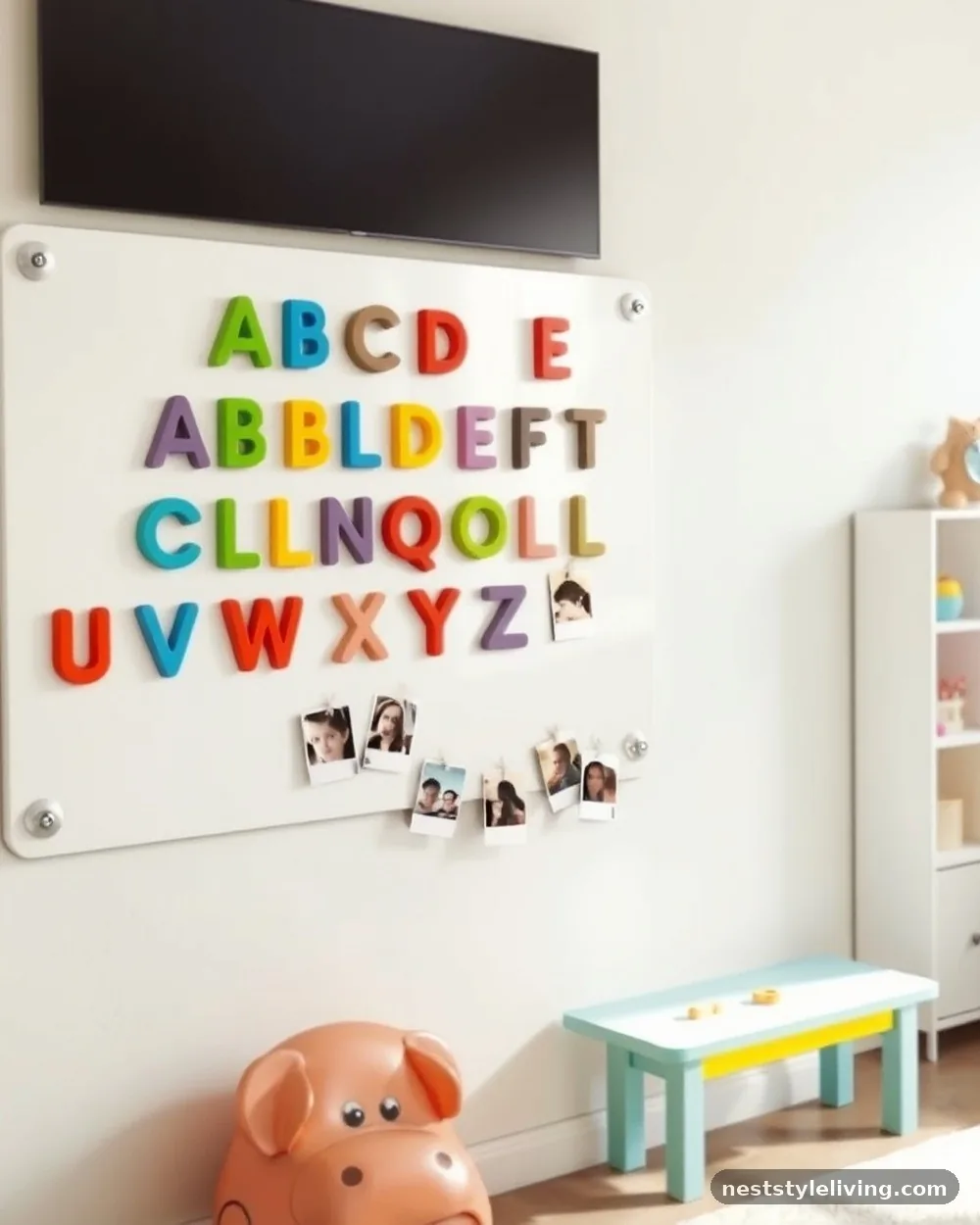
A magnetic wall panel provides an interactive surface for arranging photos, artwork, or magnetic letters and shapes. You can buy magnetic paint to cover a small area or use a sleek metal sheet mounted to the wall. This turns a functional wall space into a creative hub where the child can curate their own displays.
It is much more versatile than a traditional corkboard, as it doesn’t require pins that can be dangerous or damage the items being hung. The metallic finish adds a modern, industrial touch that balances well with softer, whimsical textures like velvet or wool.
Frame the magnetic area with wood molding to give it a finished, polished look that blends into the room’s architecture. Use high-quality, strong magnets to ensure that heavier items like photos or cardstock art stay securely in place during active play.
16. Soft Fabric Pennant Banners
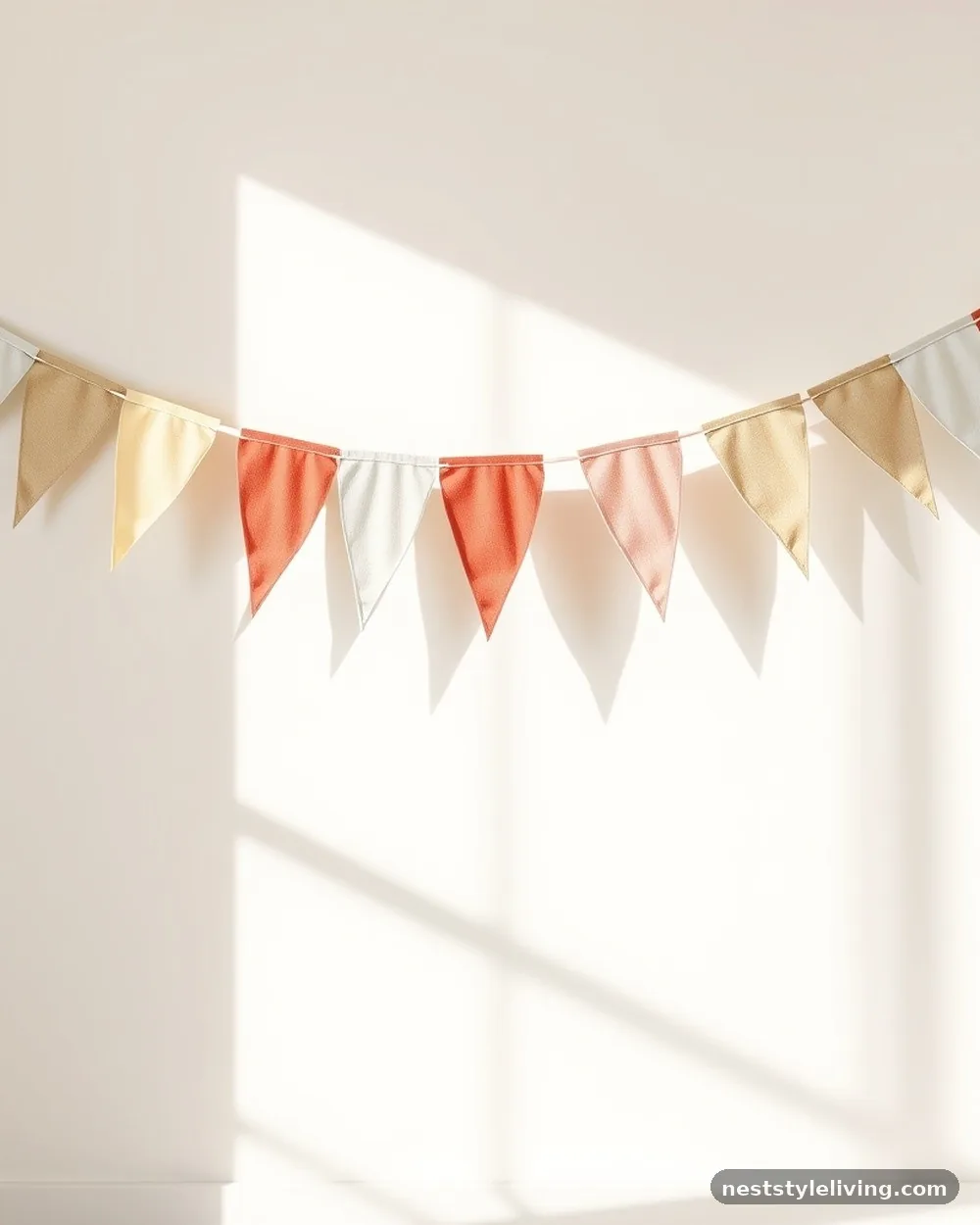
Pennant banners made from soft fabrics like linen, felt, or cotton add a touch of warmth and softness to the room. Unlike plastic or paper decorations, fabric banners provide a tactile quality that makes the room feel cozy and lived-in. They are perfect for hanging above a bed, along a window frame, or across a shelf.
By choosing colors that complement the room’s palette, you create a cohesive, decorative detail that feels intentional. These banners are durable, machine washable, and can be easily stored if you want to swap them out for different seasons or themes.
Measure the length of the wall or furniture where you plan to hang the banner to ensure you buy or make the right size. Use small, clear command hooks to attach the banner to the wall, which allows for easy removal and prevents any damage to the paint or wallpaper.
17. Floor-to-Ceiling Built-in Storage
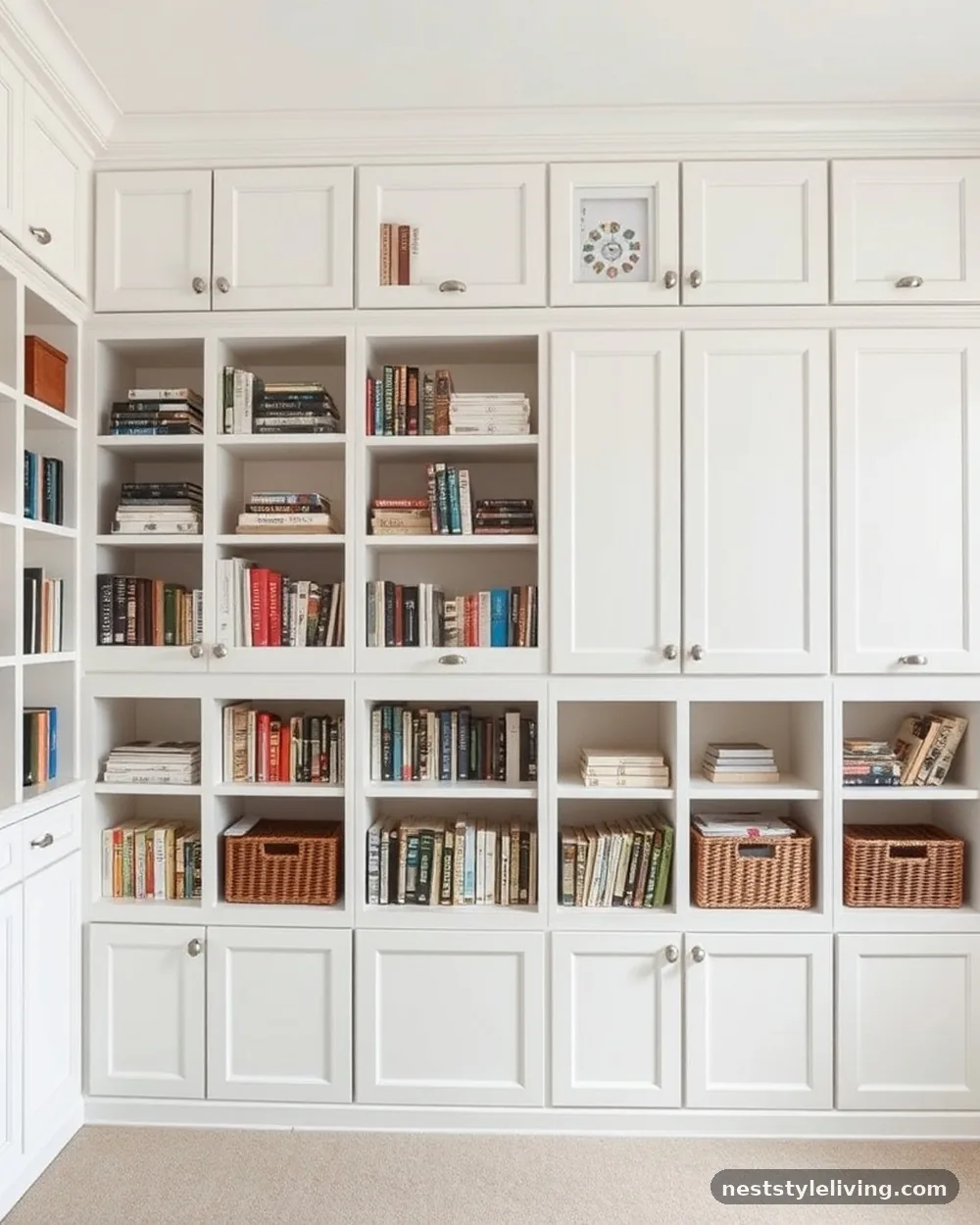
Built-in storage that reaches the ceiling maximizes every inch of space, which is essential in a smaller room. By incorporating open cubbies for toys and closed cabinets for clothes, you create a system that hides clutter while displaying favorite items.
Painting the built-ins the same color as the wall helps them disappear into the room, making the space feel larger and more open. This is a significant investment, but it provides a long-term solution that adapts as a child’s needs change from storing diapers and onesies to books and sports equipment.
Add decorative baskets or bins in the open cubbies to keep smaller toys organized and out of sight. Ensure that the most frequently used items are placed on the lower shelves, keeping the middle and upper tiers for seasonal storage or items that require adult supervision.
18. Whimsical Window Treatments
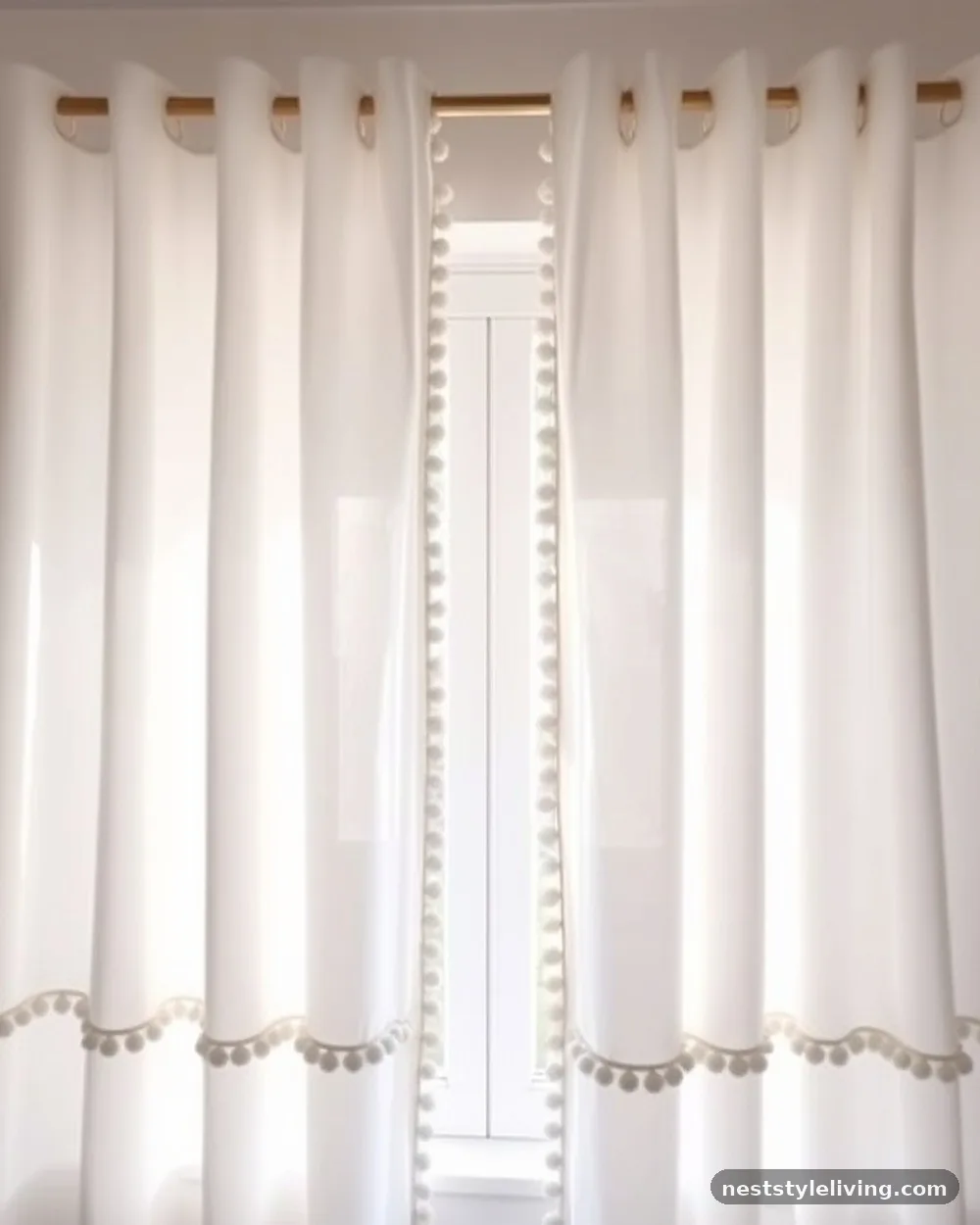
Curtains are an often-overlooked element of room design, but they offer a great opportunity to add color, pattern, and whimsy. Consider curtains with pom-pom trim, scalloped edges, or a playful print that ties the whole room together. These details add softness and a sense of movement to the room, especially when the breeze catches them.
By choosing a fabric that allows some light to filter through, you keep the room bright and airy. They act as a “frame” for the window, drawing the eye and adding a layer of texture that contributes to the overall magical atmosphere.
Install the curtain rod a few inches higher and wider than the window frame to make the windows appear larger and allow more natural light to enter the room. Use tie-backs that feature cute shapes or fabric knots to keep the curtains open during the day, adding another layer of visual interest to the window area.
Frequently Asked Questions
How can I make a kids room feel whimsical on a budget?
You can achieve a whimsical look by focusing on small, high-impact changes rather than major furniture purchases. Use paint to create a feature wall, add inexpensive fabric bunting, or swap out standard hardware for fun, animal-shaped knobs. These small details add personality without a high cost.
What are the best colors for a magical-themed bedroom?
Soft, muted tones like sage green, dusty rose, sky blue, and buttery yellow create a calming, magical base. Pair these with pops of jewel tones or metallic accents like gold or brass to add depth and a sense of luxury to the space.
How do I keep a themed room from feeling too cluttered?
Focus on hidden storage solutions like baskets, bins, and built-in shelving to keep toys and gear out of sight. By keeping the floor clear and maintaining a consistent color palette, you ensure the room feels organized despite having decorative, whimsical elements.
When should I update a whimsical room?
There is no set time, but most children begin to express different tastes around age seven or eight. Rather than redoing the whole room, you can swap out the accessories—like changing the bedding, wall art, or rug—to transition the room into a more mature version of the original theme.
Is it better to use wallpaper or paint for a theme?
Wallpaper is excellent for adding pattern and texture that paint cannot match, making it a great choice for one statement wall. Paint is more versatile, easier to change, and more cost-effective if you want to cover the entire room or experiment with complex designs.
Conclusion
Designing a space that incorporates these whimsical kids bedroom ideas full of magic and fun is a rewarding project that pays dividends in your child’s daily happiness. By focusing on textures, lighting, and personal touches, you create more than just a place to sleep; you build a backdrop for their most formative years of play and discovery. Start with one or two projects, such as a gallery wall or a reading nook, and watch how these small additions transform the room.
Engaging your child in the process ensures the final result feels like a true reflection of their personality. We hope these concepts inspire you to create a bedroom that is as enchanting as it is functional for your family.