18 Sunroom Designs That Make Your Home Feel More Inviting
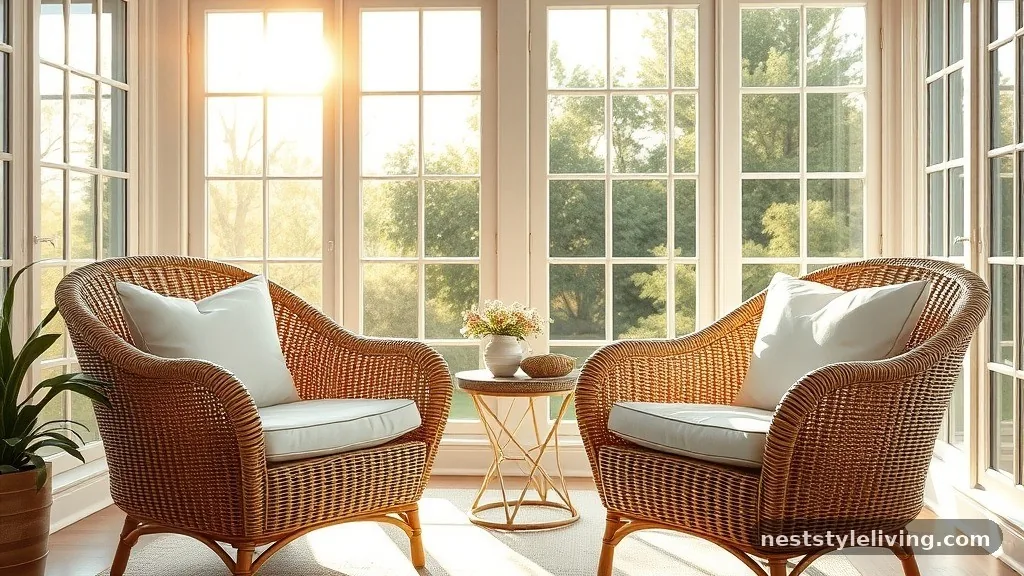
Achieving sunroom designs that make your home feel more inviting requires a careful balance between outdoor exposure and indoor comfort. These spaces serve as a unique bridge between your garden and your living area, offering a sanctuary that captures natural light throughout the day.
By focusing on specific textures, layout choices, and lighting solutions, you can transform a standard glass-enclosed porch into the most popular destination in your house. Whether you are aiming for a minimalist retreat or a vibrant family hub, the following selection of design concepts provides a clear roadmap for creating a space that feels both airy and grounded.
1. Woven Rattan Statement Chairs
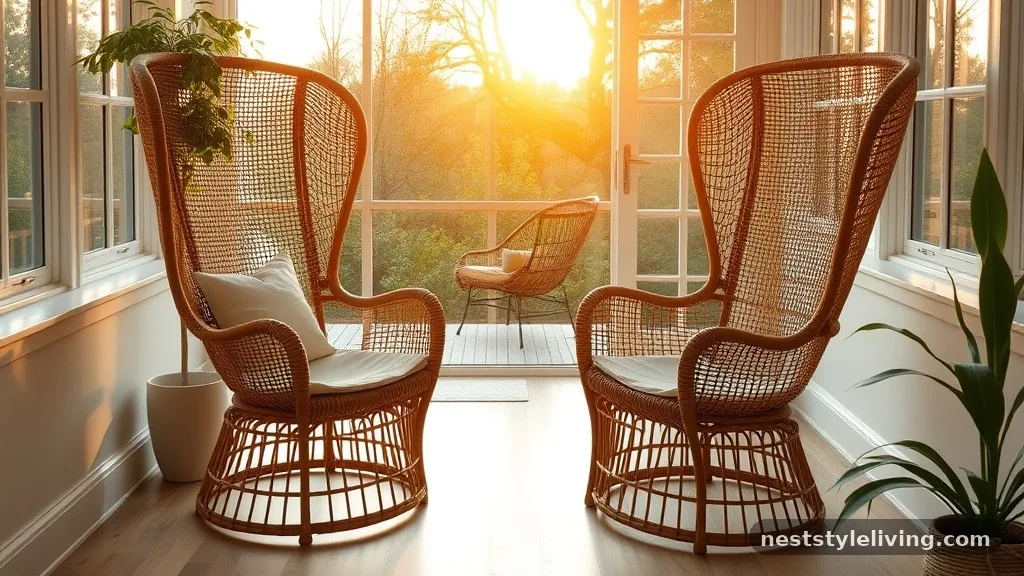
A pair of high-backed rattan chairs creates an immediate sense of organic warmth in a sun-drenched room. The natural texture of the reeds provides a tactile contrast to the smooth, cold surfaces of glass walls and window frames. When you select pieces with a honey-toned finish, they catch the golden hour light beautifully, making the seating area appear as though it belongs in a tropical conservatory.
Avoid mass-produced plastic imitations; look for authentic, tightly woven rattan that features natural variations in color. These chairs are durable enough to handle high UV exposure, provided you condition the material annually with a light coat of furniture oil to prevent brittleness.
To incorporate this look, pair your rattan chairs with linen-covered cushions in a neutral oatmeal or soft sage green. Ensure the chairs are placed at a slight angle toward the garden view rather than directly facing each other, which encourages a more relaxed, conversational flow within the space.
2. Floor-to-Ceiling Sheer Linen Curtains
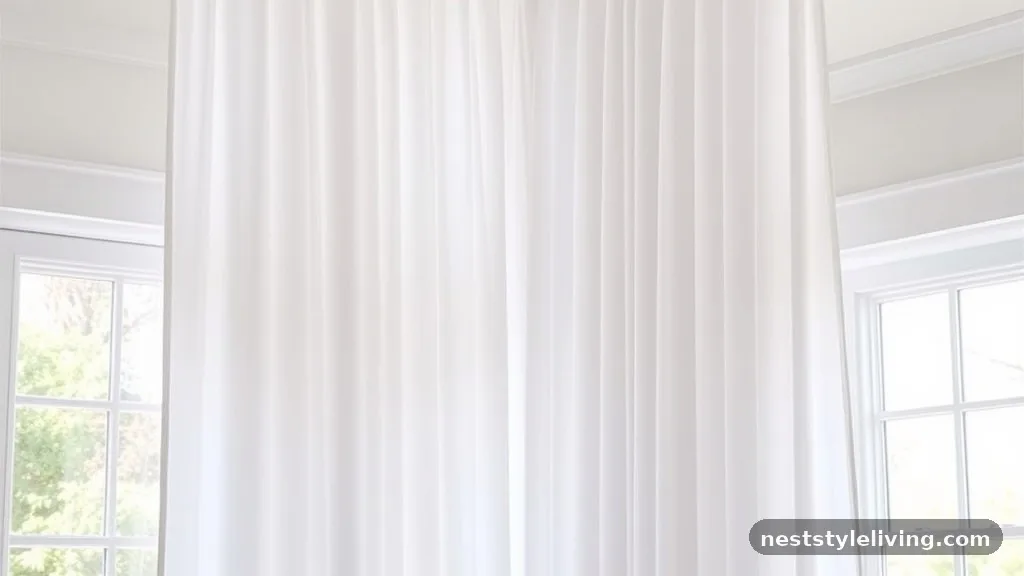
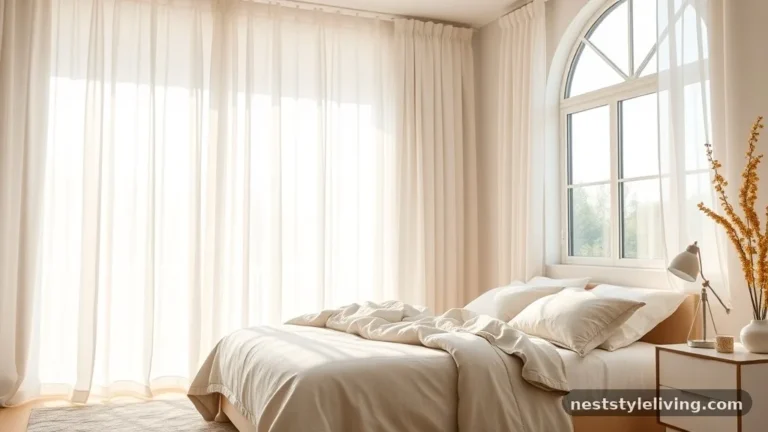
Sheer linen curtains soften the harsh glare of direct afternoon sun while maintaining the open, airy aesthetic that defines a quality sunroom. By installing a ceiling-mounted track that runs the full perimeter of the room, you can manipulate the light levels throughout the day. Linen is the superior choice here because it drapes with a slight weight, preventing the fabric from looking flimsy or cheap.
The material also breathes well, ensuring that the room remains comfortable even during humid summer months. Choose a crisp white or unbleached cream to maximize the reflection of light, which helps the space feel significantly larger.
Mount your curtain tracks as high as possible—ideally flush against the ceiling—to draw the eye upward and emphasize the vertical lines of the room. Use double-pronged hooks for a professional, pleated look that holds its shape even when the fabric is pulled back.
3. Terracotta Tile Flooring
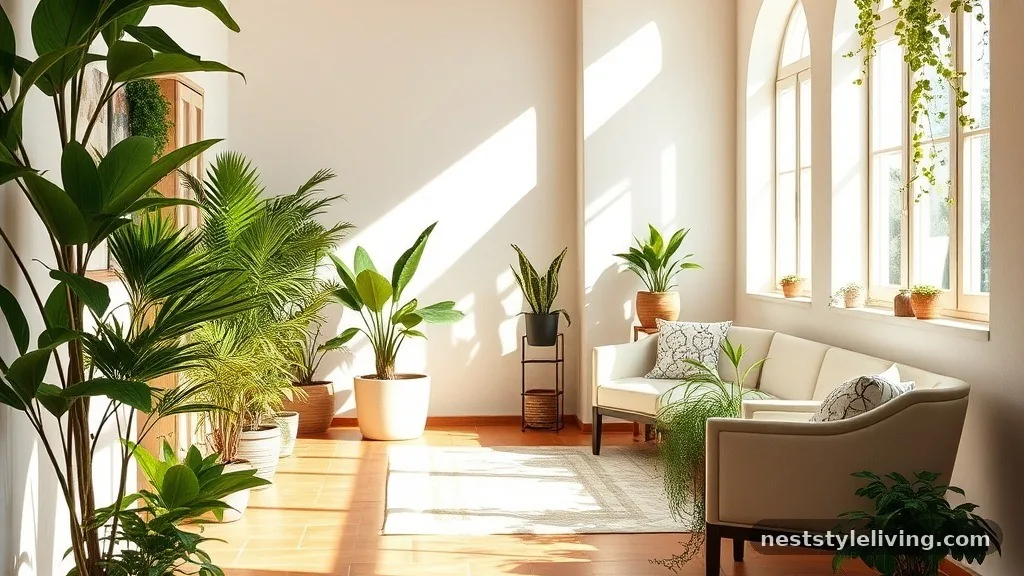
Terracotta tiles bring an earthy, Mediterranean grounding to a sunroom, balancing the transparency of the surrounding glass. These clay tiles absorb heat during the day and release it slowly in the evening, which naturally regulates the temperature of the room. The deep, rust-colored hues provide a warm contrast against lush green plants and light-colored upholstery.
When choosing terracotta, opt for a matte, hand-pressed finish rather than a high-gloss glaze to maintain an authentic, rustic appearance. Because these tiles are porous, they require a high-quality penetrating sealer to protect against moisture and stains, especially if your sunroom opens directly onto a garden.
Apply a matte-finish sealer at least once every two years to ensure the floor remains easy to clean. If you are working on a budget, consider using high-quality porcelain look-alikes that mimic the color variations of authentic clay while offering superior scratch resistance.
4. Hanging Rattan Pendant Lights
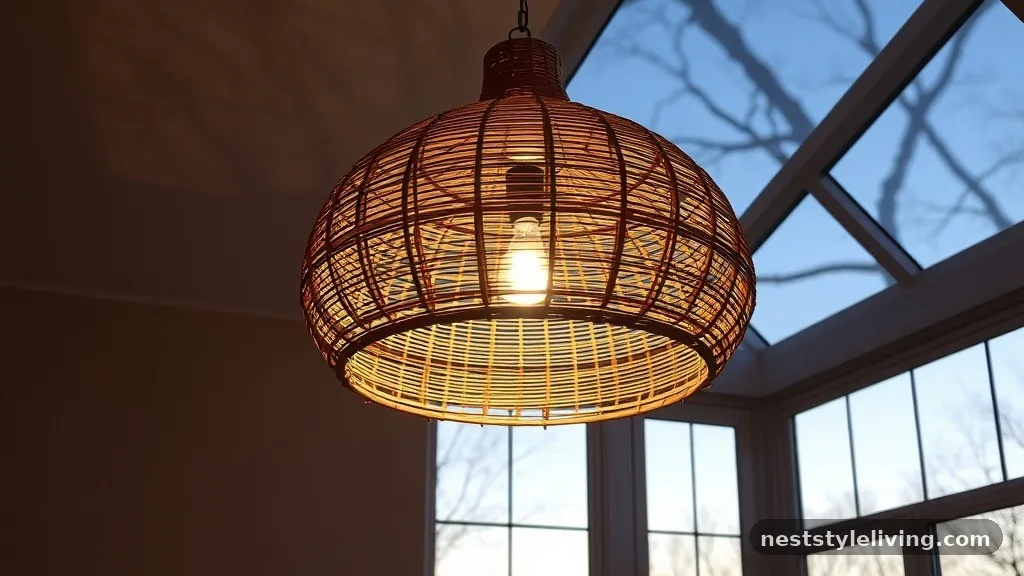
Large, woven pendant lights act as a sculptural anchor in a sunroom, especially in the evenings when natural light fades. A wide, dome-shaped basket weave light fixture diffuses the bulb’s glow, casting intricate, branch-like shadows across the walls. This creates a cozy, atmospheric environment that feels intimate rather than clinical.
Ensure the fixture is suspended at a height that does not obstruct the view of the outdoors; typically, this means hanging it slightly higher than you would in a dining room. Use warm-spectrum LED bulbs to mimic the color temperature of late afternoon sunlight, which keeps the space feeling inviting after dark.
Install your pendant light on a dimmer switch to adjust the mood according to the time of day. This allows you to toggle between a bright, functional space for reading and a dim, romantic setting for evening relaxation.
5. Built-in Window Bench Seating
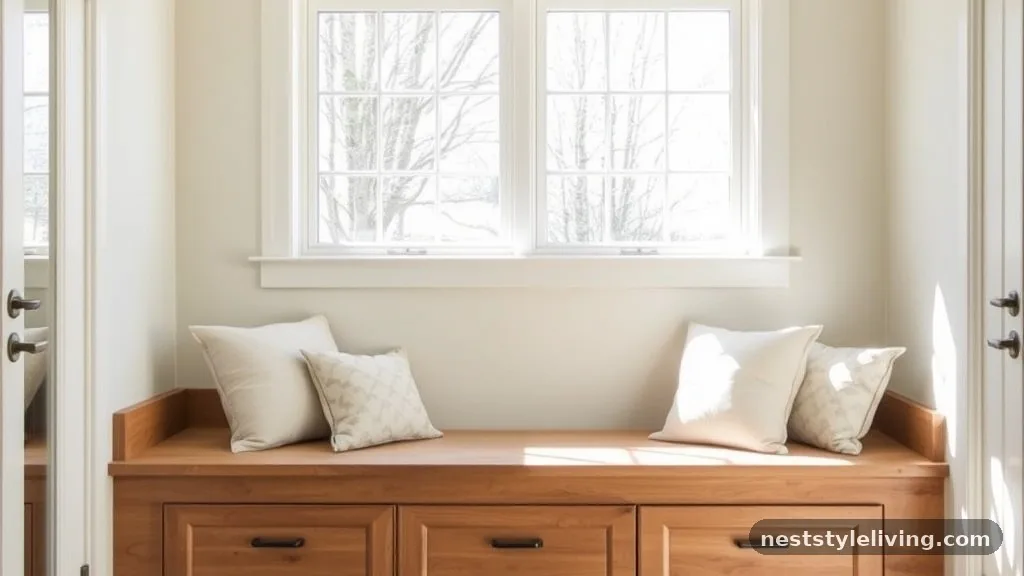
A built-in bench positioned directly beneath a low window maximizes your floor space while providing a cozy nook for reading. By integrating storage drawers underneath the seat, you gain a practical solution for hiding away cushions, throws, or gardening supplies. Construct the bench using wood that matches your existing window trim to create a cohesive, architectural look that feels like an intentional design choice rather than an afterthought.
Top the bench with a custom-fitted mattress cushion upholstered in a fade-resistant, performance fabric. This keeps the seating comfortable for long periods and protects the fabric from the inevitable wear caused by direct sun exposure.
Use indoor-outdoor fabric for the bench cushion to ensure it stands up to the high-light environment. If you want a more custom look, add a series of smaller throw pillows in varying textures like velvet or wool to break up the long horizontal line of the bench.
6. Oversized Potted Olive Trees
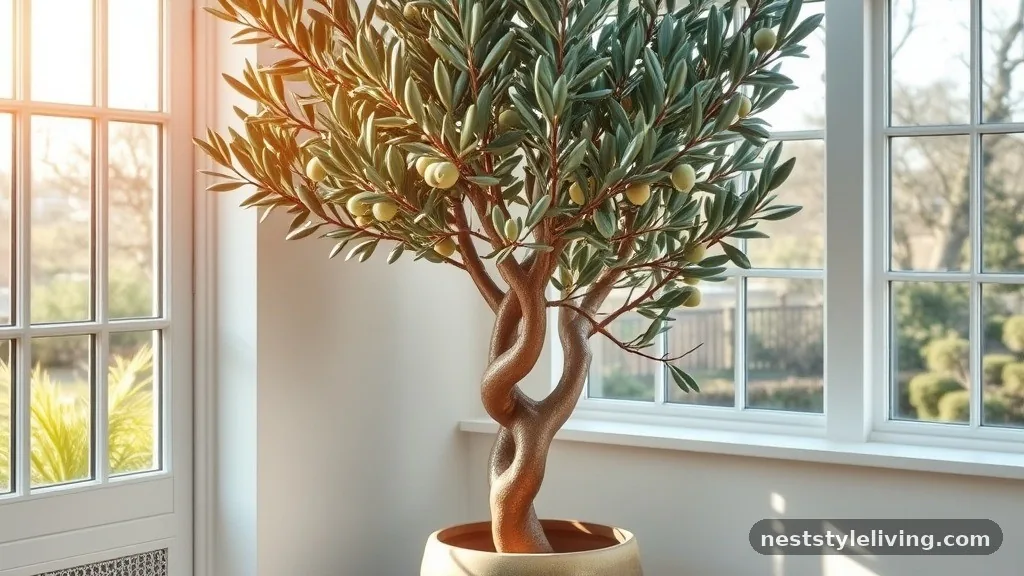
Bringing a large, sculptural plant into the corner of your sunroom softens the sharp corners of the room’s geometry. An olive tree is an ideal candidate for this space, as it thrives in the bright, unfiltered light of a conservatory. The silvery-green leaves add a sophisticated color palette that feels fresh and airy, while the woody trunk provides a necessary organic element.
Place the tree in a large, unglazed ceramic pot to keep the aesthetic rooted in natural materials. The pot should have a drainage hole to prevent root rot, which is the most common cause of failure for indoor trees.
Rotate your olive tree every two weeks to ensure all sides receive equal sunlight, which prevents the plant from growing lopsided. If your sunroom gets too cold in winter, move the plant to a warmer interior room to maintain its health.
7. Painted Beadboard Paneling
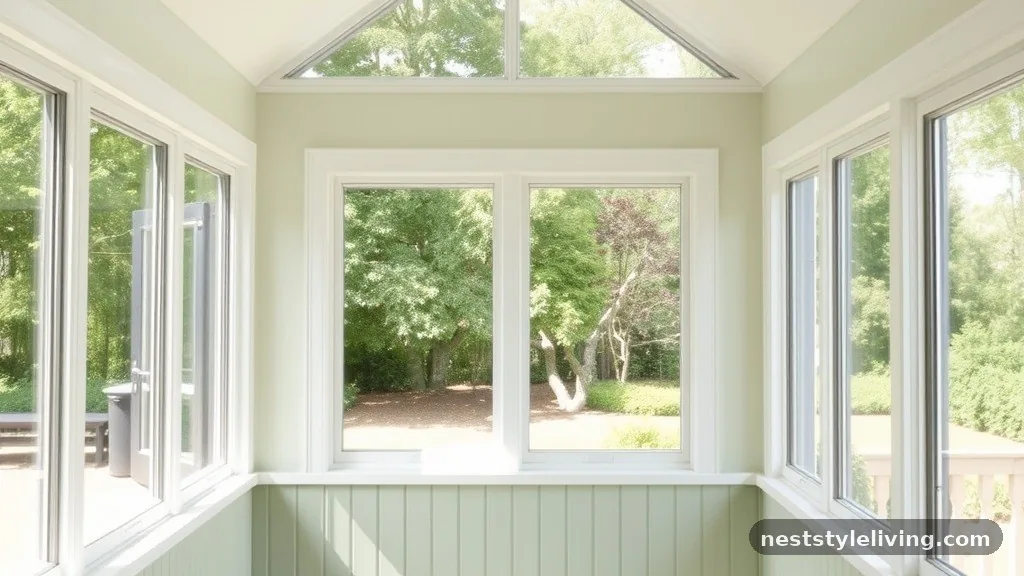
Beadboard paneling on the lower half of the walls adds a layer of cottage-style charm and architectural interest to an otherwise glass-heavy room. Painting the beadboard in a soft, muted color—such as slate blue, sage, or a creamy off-white—grounds the room and prevents it from feeling like a sterile greenhouse. The vertical lines of the boards draw the eye upward, making the ceiling feel higher and the room more spacious.
This treatment is particularly effective in older homes where you want to maintain a sense of history while updating the functionality of the porch. It is a durable, easy-to-maintain wall finish that hides minor wall imperfections.
Use a semi-gloss or satin paint finish on the beadboard, as these are easier to wipe down than matte paints. This is essential for a sunroom where dust and pollen from the garden can easily settle on surfaces.
8. Modular Sectional with Performance Fabric
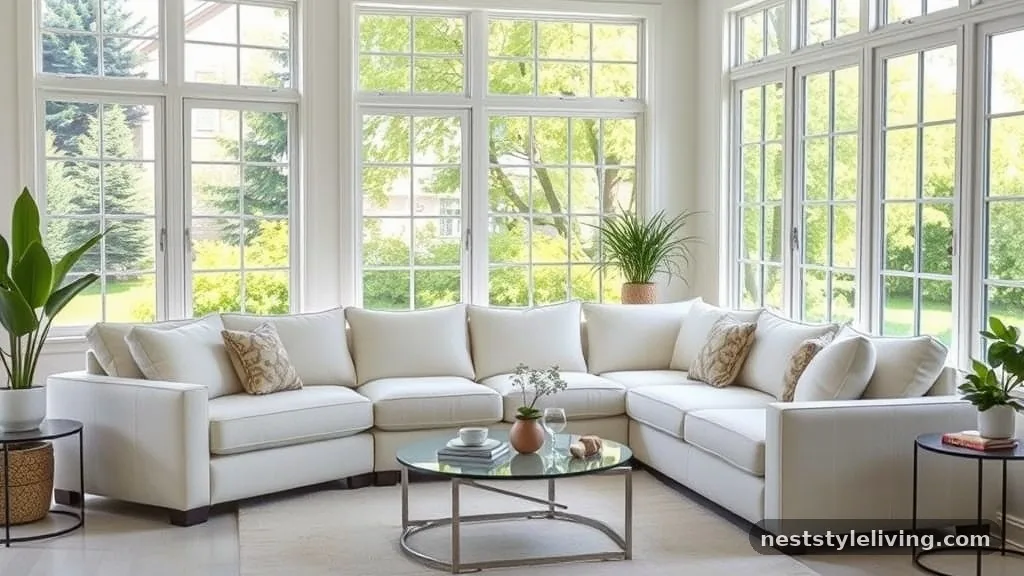
A low-profile modular sectional allows you to customize the seating arrangement based on your specific needs, whether you are hosting guests or lounging alone. Select pieces with clean, minimalist lines to ensure the furniture doesn’t overwhelm the space. Performance fabrics, such as those treated for UV resistance and stain repellency, are non-negotiable in a sunroom.
These materials are engineered to resist fading, which is critical when the room is exposed to intense solar radiation for several hours a day. Look for fabrics that feel soft to the touch rather than plastic-like, as comfort is paramount in a room designed for relaxation.
Choose a light gray or sand-colored sectional to keep the room feeling bright and airy. If you want to change the look seasonally, you can easily swap out colorful throw pillows and blankets without needing to replace the main furniture pieces.
9. Vintage-Inspired Wrought Iron Accents
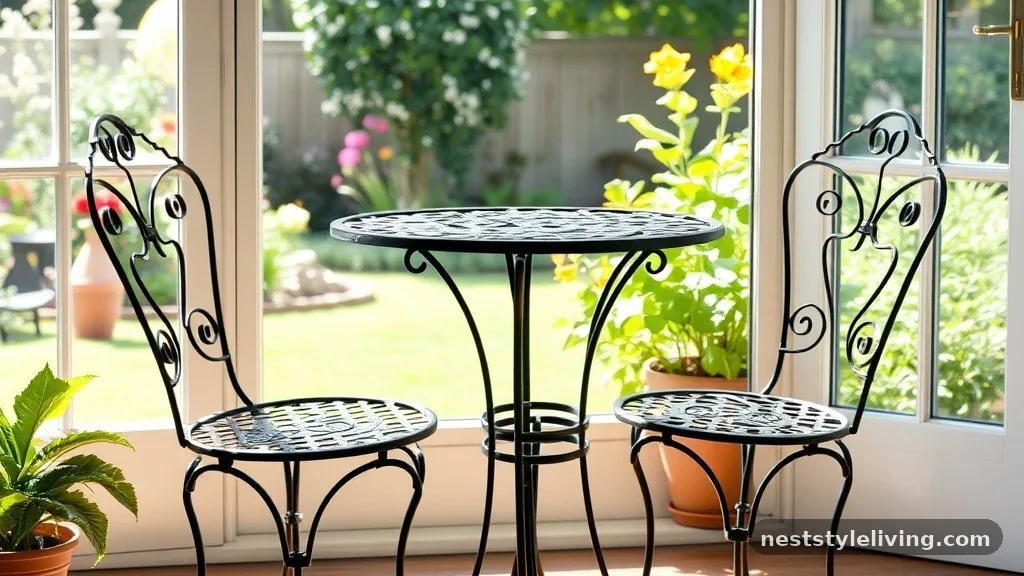
Wrought iron brings a touch of classic elegance to a sunroom, echoing the traditional style of Victorian-era conservatories. A delicate iron side table or a set of bistro chairs adds a sense of history and lightness that heavy wooden furniture lacks. The thin lines of the metal ensure that the view of the outdoors remains unobstructed, which is key to maintaining the room’s connection to the garden.
To prevent the iron from looking too cold, pair it with soft textiles or warm-toned accessories. If you source vintage pieces, ensure they are properly cleaned and treated with an anti-corrosion spray to keep them in good condition for years.
Use a matte black or dark bronze finish for your iron pieces to create a sharp, modern contrast against the bright, light-filled environment. If the metal starts to show signs of rust, a light sanding followed by a quick spray-paint touch-up will restore it to its original condition.
10. Jute or Sisal Area Rugs
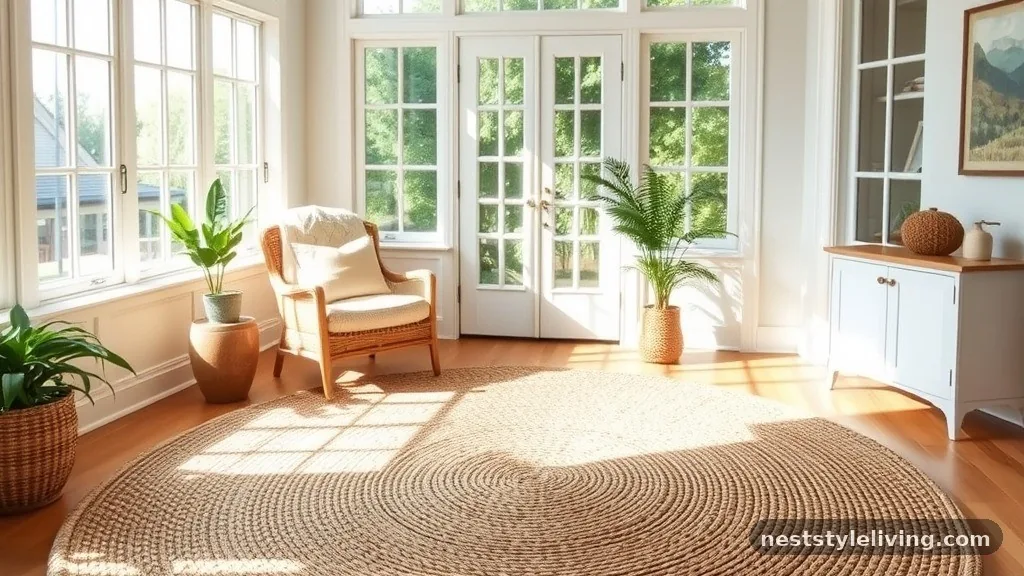
Natural fiber rugs like jute or sisal provide the perfect textural foundation for a sunroom. Their neutral, earthy tones complement almost any decor style and help to define the seating area within a larger, open space. These rugs are exceptionally durable and can withstand high traffic, making them ideal for areas that serve as a transition between the home and the outdoors.
Because they are woven from plant fibers, they possess a subtle, organic variation that keeps the floor from looking flat or lifeless. While they are not meant for wet environments, they handle bright sunlight well without fading significantly.
Place a rug pad underneath your jute rug to prevent slipping and to add a layer of cushioning. If you have pets or children, consider a blend of jute and wool for a softer feel that is still highly durable and easy to clean.
11. Gallery Wall of Botanical Prints
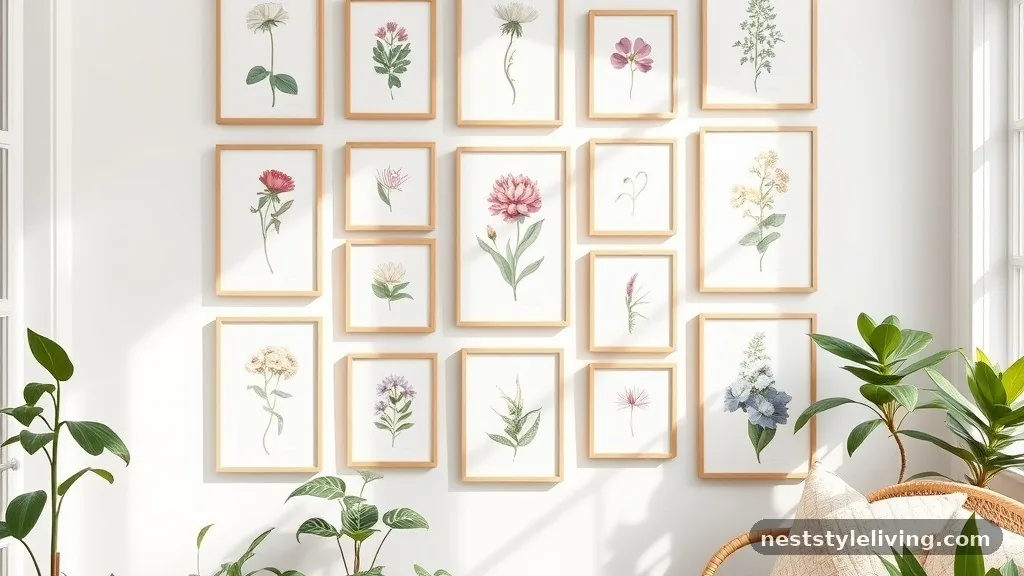
A wall dedicated to vintage botanical prints reinforces the connection between the sunroom and the natural world outside. Framing these prints in thin, light-wood frames maintains a clean and modern look while highlighting the intricate details of the illustrations. Arrange the frames in a uniform grid for a structured, intentional appearance, or use a more organic, scattered layout for a relaxed, bohemian vibe.
This is a cost-effective way to add personality and color to the room without requiring large-scale furniture pieces. Choose prints with a shared color palette—such as deep greens, soft yellows, or faded blues—to ensure the display feels cohesive.
Use acid-free matting for your prints to prevent yellowing over time. Since sunrooms are prone to temperature fluctuations, ensure your frames are properly sealed to protect the paper from humidity and condensation.
12. Ceiling Fans with Natural Wood Blades
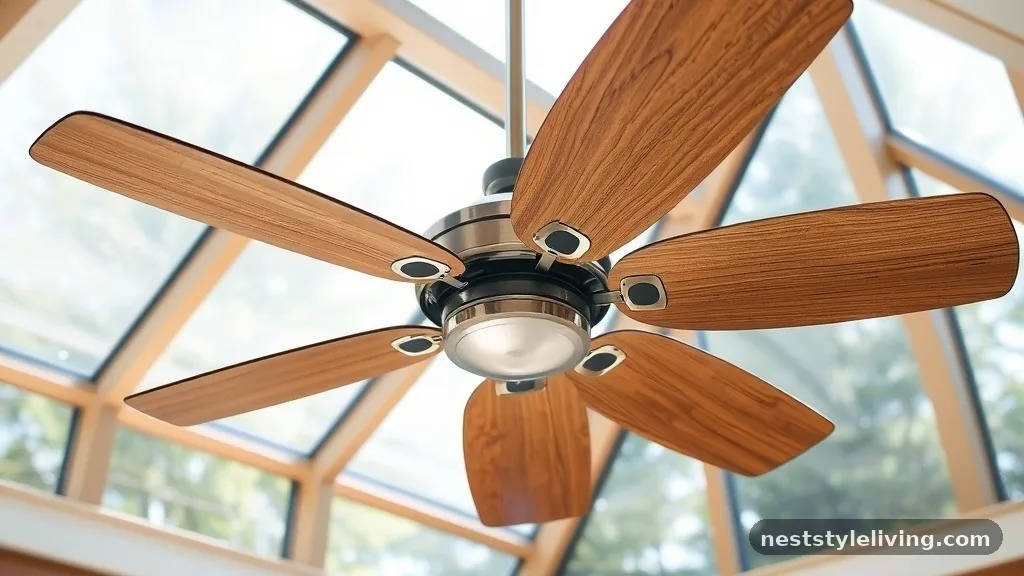
A ceiling fan is essential for maintaining air circulation, which prevents the sunroom from becoming stifling during the hottest parts of the day. To keep the look inviting rather than industrial, choose a fan with blades made from natural wood or a wood-grain finish. This choice grounds the overhead fixture and ties it into the other natural elements in the room, such as rattan chairs or wooden side tables.
Look for a model with a quiet, high-efficiency motor so the fan doesn’t distract from the peaceful atmosphere of the space. A reversible motor is also a smart feature, allowing you to push warm air down during the winter months.
Choose a fan with a low-profile mount if your sunroom has a standard-height ceiling, or a downrod mount for high or vaulted ceilings. Avoid fans with built-in light kits if you already have adequate lighting, as this keeps the design cleaner and more focused.
13. Open Shelving for Plant Collections
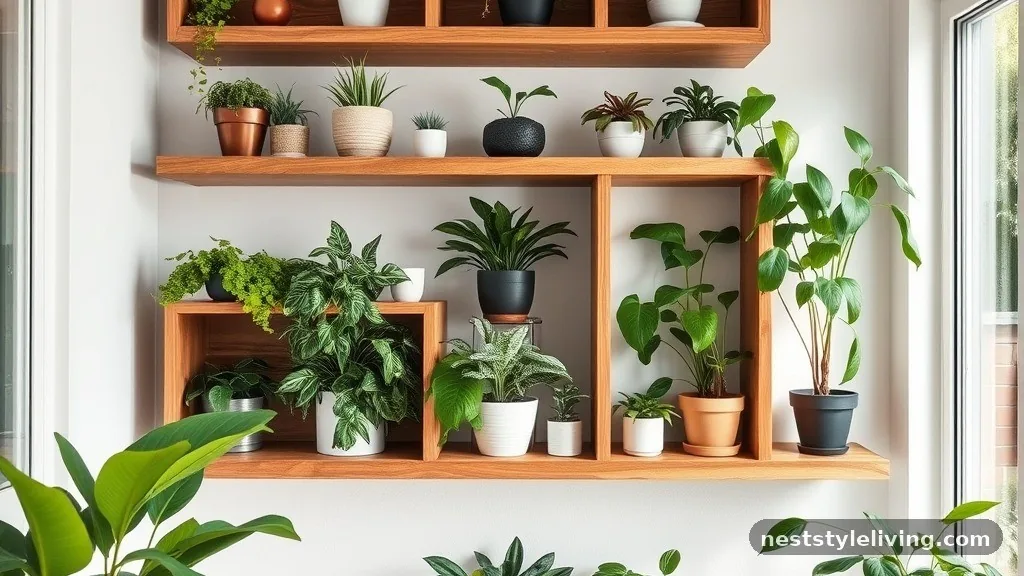
Open shelving allows you to display your collection of houseplants, pottery, and books without closing off the space. By mounting wooden shelves directly onto a wall, you create a vertical garden that draws the eye upward and makes the room feel taller. This layout is perfect for sunrooms, as it places your plants exactly where they need to be to receive the most light.
Use shelves of varying lengths to create a dynamic, layered look. This design is highly adaptable; you can easily rotate your plant collection as the seasons change, ensuring that your sunroom always looks fresh and vibrant.
Use brackets that are simple and unobtrusive to keep the focus on the items being displayed. If your sunroom wall is glass, consider a floor-standing open shelving unit placed against a solid wall to avoid blocking the natural light.
14. Mismatched Bistro-Style Furniture
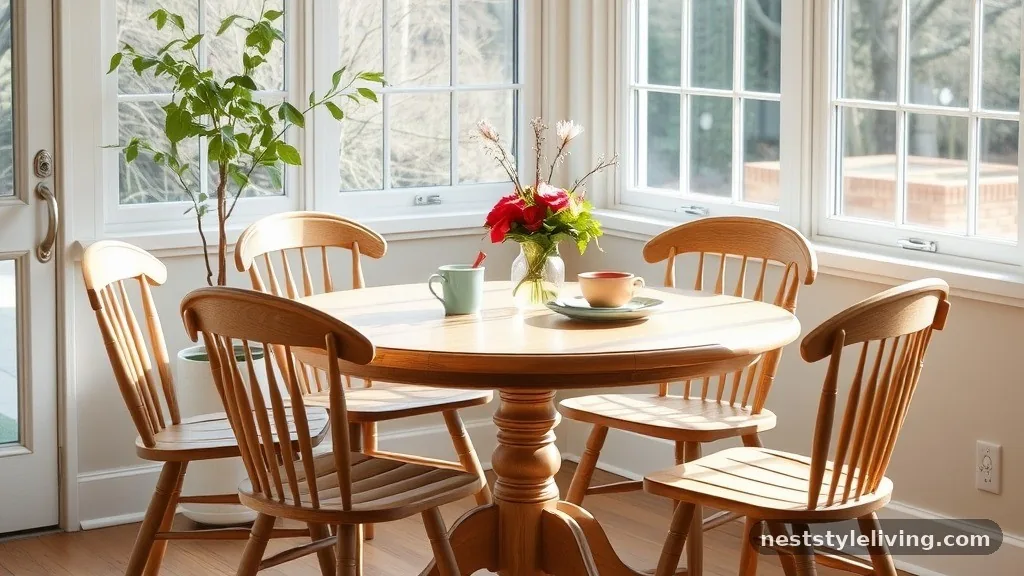
A collection of mismatched bistro-style chairs around a small table creates a charming, informal vibe that feels collected rather than staged. This approach is perfect for smaller sunrooms where you want to maximize seating without the bulk of a large dining set. Mix and match styles—perhaps a classic bentwood chair paired with a wire-mesh seat—to create an eclectic, personal look.
The key to making this work is to keep the color palette consistent, such as using only white, black, or natural wood tones across all the chairs. This provides a sense of unity despite the varied shapes and textures of the individual pieces.
Search for these pieces at local antique shops or flea markets to find authentic, weathered items that add character. If you find chairs in different colors, a quick coat of matching spray paint will instantly tie the set together.
15. Soft Pastel Colour Palette
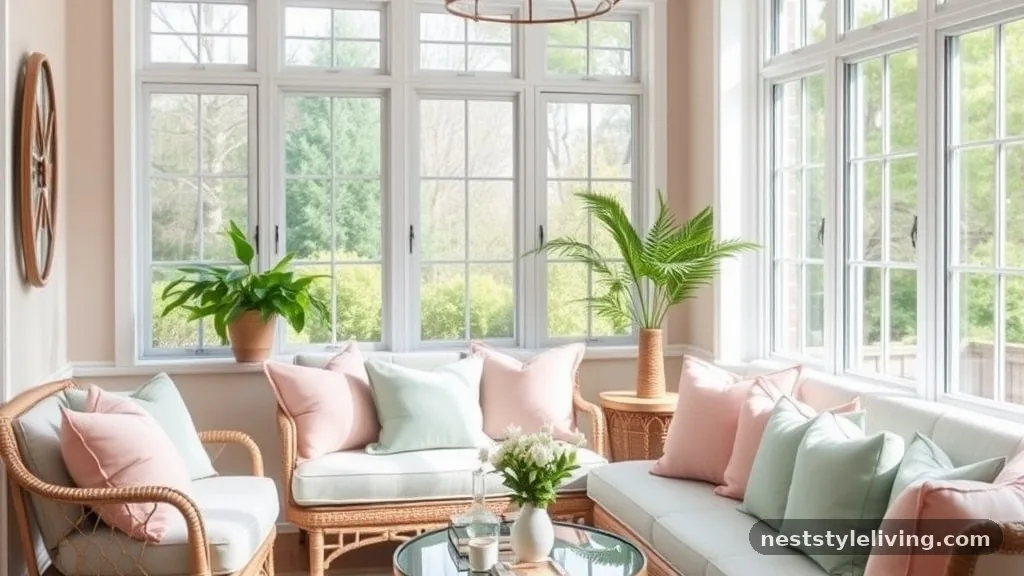
Using a soft pastel color palette—such as pale blush, mint green, or sky blue—can make a sunroom feel incredibly serene and welcoming. These colors reflect light beautifully, amplifying the airy feel of the space and creating a soft, dreamlike atmosphere.
Apply these colors through textiles, throw pillows, and decorative accessories rather than painting the walls, which allows you to change the mood of the room as your tastes evolve. This approach is particularly effective in smaller rooms, as light colors help to visually expand the space and keep it from feeling cramped or dark.
Pair your pastel elements with a neutral base of white or cream to keep the room from feeling too much like a nursery. The combination of pastels and natural textures like wood and stone creates a sophisticated, modern look.
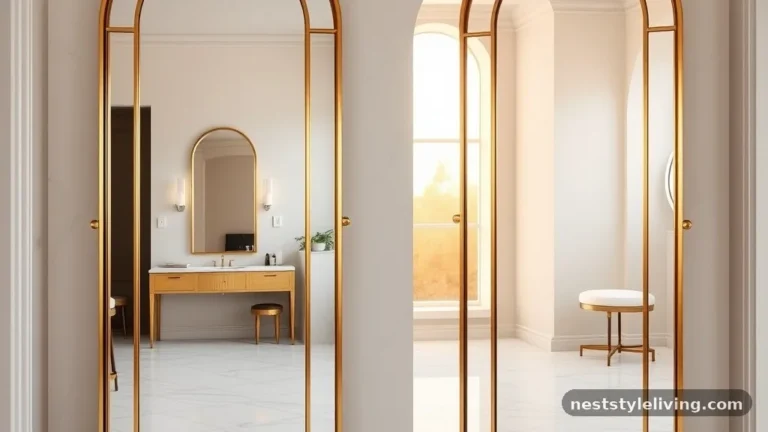
16. Floor-to-Ceiling Mirrors
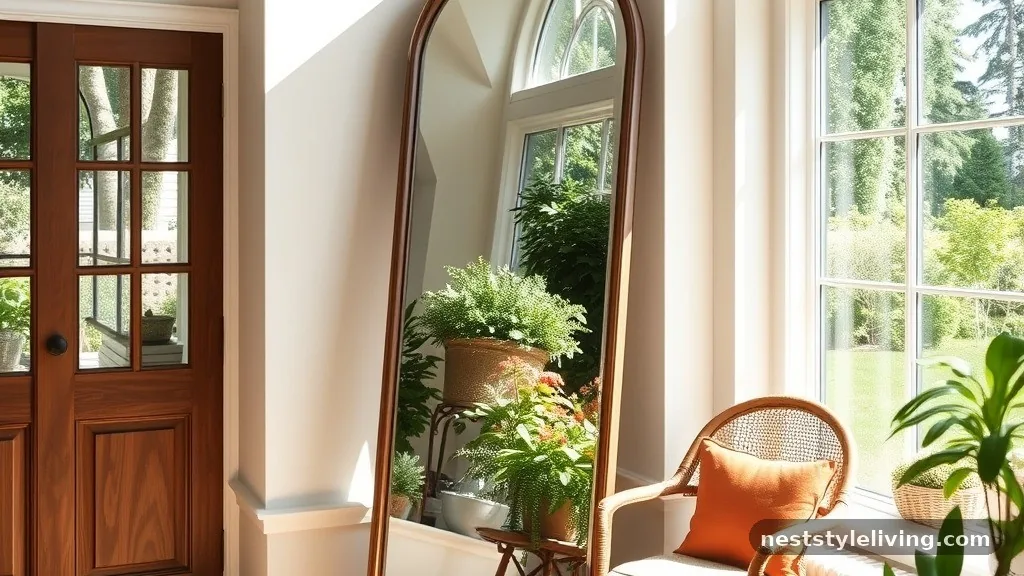
If your sunroom is on the smaller side, a large mirror can double the visual space and bounce natural light into the darker corners of the room. A floor-standing mirror with an arched top adds a touch of architectural elegance and softens the straight lines of the room. Position the mirror so that it reflects the garden view, which effectively brings the outdoors inside and creates a sense of depth.
This trick works wonders in rooms that have limited windows, as it helps to simulate the feeling of being surrounded by glass. Ensure the mirror is securely anchored to the wall, especially in a room with high foot traffic.
Choose a mirror with a thin, metallic frame to keep the focus on the reflection. If you have a particularly beautiful view, angle the mirror to capture that specific scenery, turning it into a piece of living art.
17. Weathered Wood Coffee Table
A low coffee table made from reclaimed or weathered wood acts as a grounding anchor in the center of your seating area. The natural grain and imperfections of the wood provide a tactile, rustic contrast to the glass and metal typically found in a sunroom. Look for a table with a chunky, solid profile to ensure it doesn’t get lost in the brightness of the room.
The wood will age gracefully over time, especially if it is exposed to sunlight, developing a unique patina that adds to the charm of the space. This is a functional piece that provides a sturdy surface for drinks, books, and decorative items.
Choose a table that is finished with a natural oil or wax rather than a thick, glossy lacquer. This keeps the wood feeling organic and allows you to easily sand out any scratches or water rings that may occur over time.
18. Hanging Macramé Plant Hangers
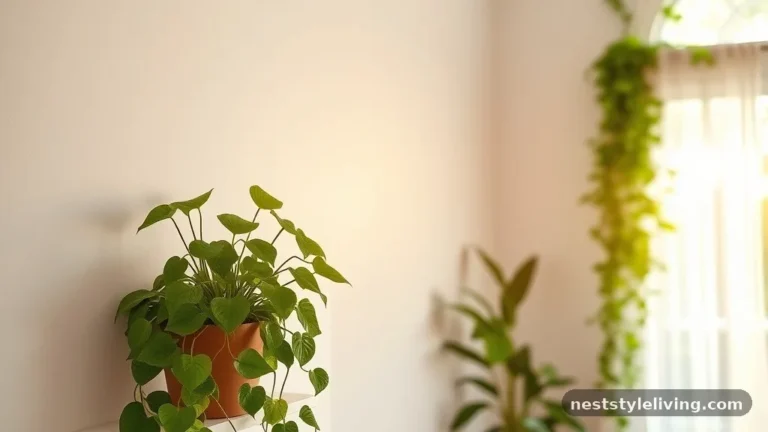
Macramé plant hangers introduce a bohemian, handcrafted element that feels perfectly at home in a bright sunroom. By suspending your plants at different heights, you create a dynamic, layered display that draws the eye upward and utilizes the vertical space of the room. Choose white or natural cotton cord for a fresh, clean look, or opt for colored rope if you want to tie in with your existing decor.
These hangers are ideal for trailing plants like pothos or ivy, which will eventually cascade down and soften the look of your window frames. It is a simple, budget-friendly way to add texture and life to your sunroom walls.
Ensure your ceiling hooks are properly anchored to a joist to support the weight of the plants, especially after watering. If you have a large sunroom, create a “cluster” of three hangers at varying heights to make a more significant visual impact.
Creating sunroom designs that make your home feel more inviting is about more than just filling a space with furniture; it is about curating an environment that balances light, texture, and comfort. By incorporating elements like natural wood, layered textiles, and well-placed greenery, you transform a simple structure into a true sanctuary. These design choices ensure that your sunroom serves as a peaceful escape, whether you are enjoying a morning coffee or relaxing in the soft glow of the evening.
As you implement these ideas, focus on the details that speak to your personal style and enhance the connection between your indoor living area and the beauty of the outdoors. Start with one or two of these concepts, and you will quickly see how a few thoughtful changes can redefine the entire atmosphere of your home.
Frequently Asked Questions
How much does a 20×20 sunroom cost?
The cost of a 20×20 sunroom varies significantly based on whether it is a three-season or four-season structure, the quality of the glass, and the complexity of the foundation. Generally, you can expect a substantial investment for a fully insulated, climate-controlled addition.
Simple, pre-fabricated screen rooms are at the lower end of the spectrum, while custom-built glass extensions with high-end finishes represent the higher end. It is best to consult with local contractors to get a quote that accounts for your specific climate and building codes.
What is the most popular color for a sunroom?
White and off-white remain the most popular choices for sunrooms because they maximize natural light and create a clean, airy aesthetic. These neutral tones allow your plants and outdoor views to take center stage. However, soft sage green, pale blue, and warm sand are increasingly favored for those wanting to bring a more organic, calming feel to the space.
What is the 3-5-7 rule in interior design?
The 3-5-7 rule refers to the practice of grouping objects in odd numbers to create visual interest and balance. In a sunroom, this might mean grouping three potted plants of different heights on a shelf, or arranging five decorative items on a coffee table. Odd numbers are generally more appealing to the eye because they prevent the arrangement from looking too symmetrical or static, forcing the viewer to engage with the display.
How to make a sunroom feel cozy?
To make a sunroom feel cozy, focus on adding layers of soft textiles and warm lighting. Use plush rugs, throw blankets, and pillows to break up the hard surfaces of glass and tile.
Incorporate warm-toned light sources, such as table lamps with fabric shades or hanging lanterns, to create an intimate atmosphere after the sun goes down. Wood furniture and plants also play a major role in grounding the space and adding warmth.
Are sunrooms worth the investment for home resale?
Sunrooms are generally considered a desirable feature that can increase home value, particularly in regions with long summers or beautiful landscapes. A high-quality, four-season room that integrates well with the rest of the house provides extra living space that potential buyers often find attractive. However, the return on investment depends on the quality of construction, the local real estate market, and the overall maintenance of the room.