14 Japandi Living Room Ideas for a Calm, Modern Look
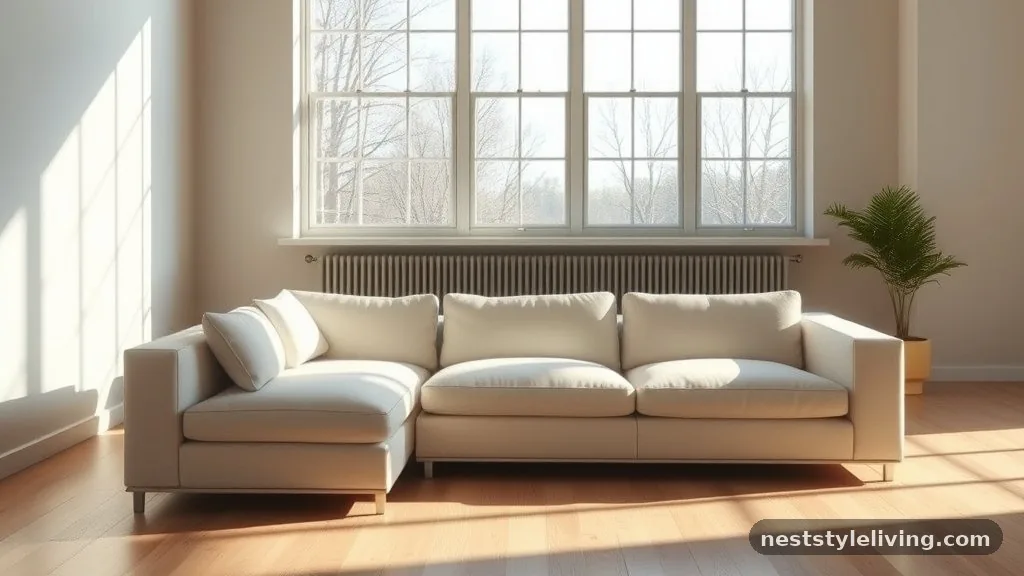
Implementing Japandi Living Room Ideas for a Calm, Modern Look allows you to merge the rustic, cozy warmth of Scandinavian hygge with the sleek, disciplined elegance of Japanese minimalism. This design philosophy prioritizes intentional living, ensuring your primary gathering space remains a sanctuary rather than a collection of clutter.
By focusing on organic textures, muted palettes, and functional forms, you can create an environment that feels both grounded and expansive. Whether you are refreshing a small apartment or styling a spacious family home, these design strategies offer a path toward achieving a serene, balanced, and timeless aesthetic in your residence.
1. Low-Profile Platform Sofas
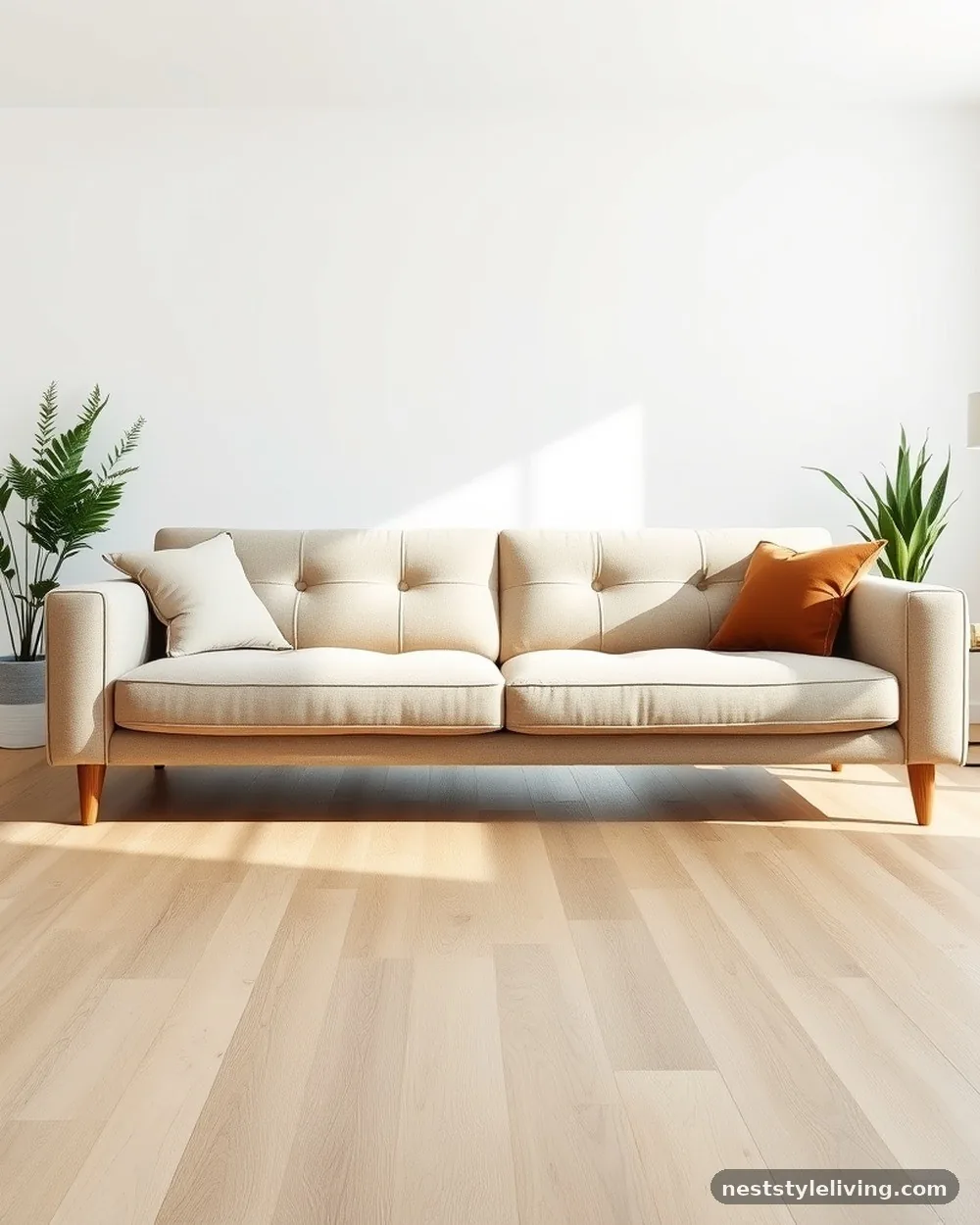
The cornerstone of this aesthetic is a low-profile sofa that anchors the room without overwhelming the visual horizon. These pieces typically feature clean, horizontal lines and a deep seating depth, encouraging a relaxed, grounded posture.
By choosing a frame that sits close to the floor, you create a sense of height in the rest of the room, making even modest spaces feel more airy and open. Upholstery in tactile fabrics like linen, bouclé, or heavy-weight cotton in shades of oatmeal, stone, or charcoal enhances the connection to natural materials.
To pull this off, prioritize a frame with solid wood legs or a visible timber base. Avoid bulky recliners or ornate tufting, which disrupt the minimalist silhouette. You can source these from modern furniture retailers that specialize in modular, low-slung designs, ensuring the fabric is durable enough for daily use while maintaining a matte, non-synthetic appearance.
2. Warm Oak Slat Wall Accents
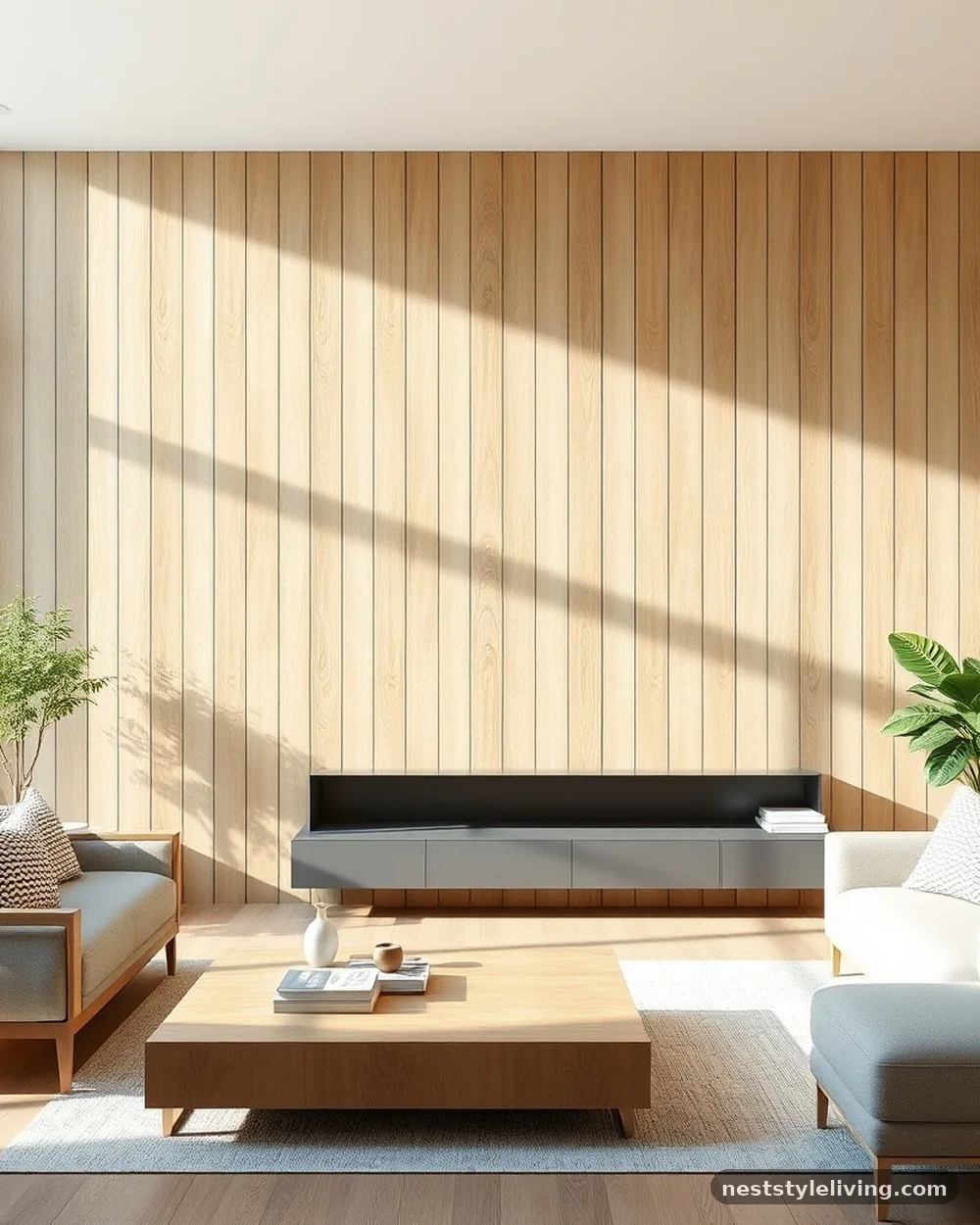
Introducing vertical timber slats on a single feature wall provides an immediate architectural upgrade that mimics the warmth of traditional Japanese screens. These slats break up a blank wall, adding subtle rhythm and depth without requiring heavy artwork.
When installed using light-toned wood like white oak or ash, they keep the space feeling bright and modern rather than dark or traditional. This technique works exceptionally well behind a television or a console table to create a focal point.
Purchase pre-fabricated wood slat panels that come on a felt or acoustic backing for a DIY-friendly installation. Apply them using high-strength construction adhesive or screws directly into the wall studs, ensuring you measure twice to maintain perfectly vertical alignment. This approach is highly effective at absorbing sound, which helps soften the acoustics of a living room with hard flooring.
3. Paper Lantern Pendant Lighting
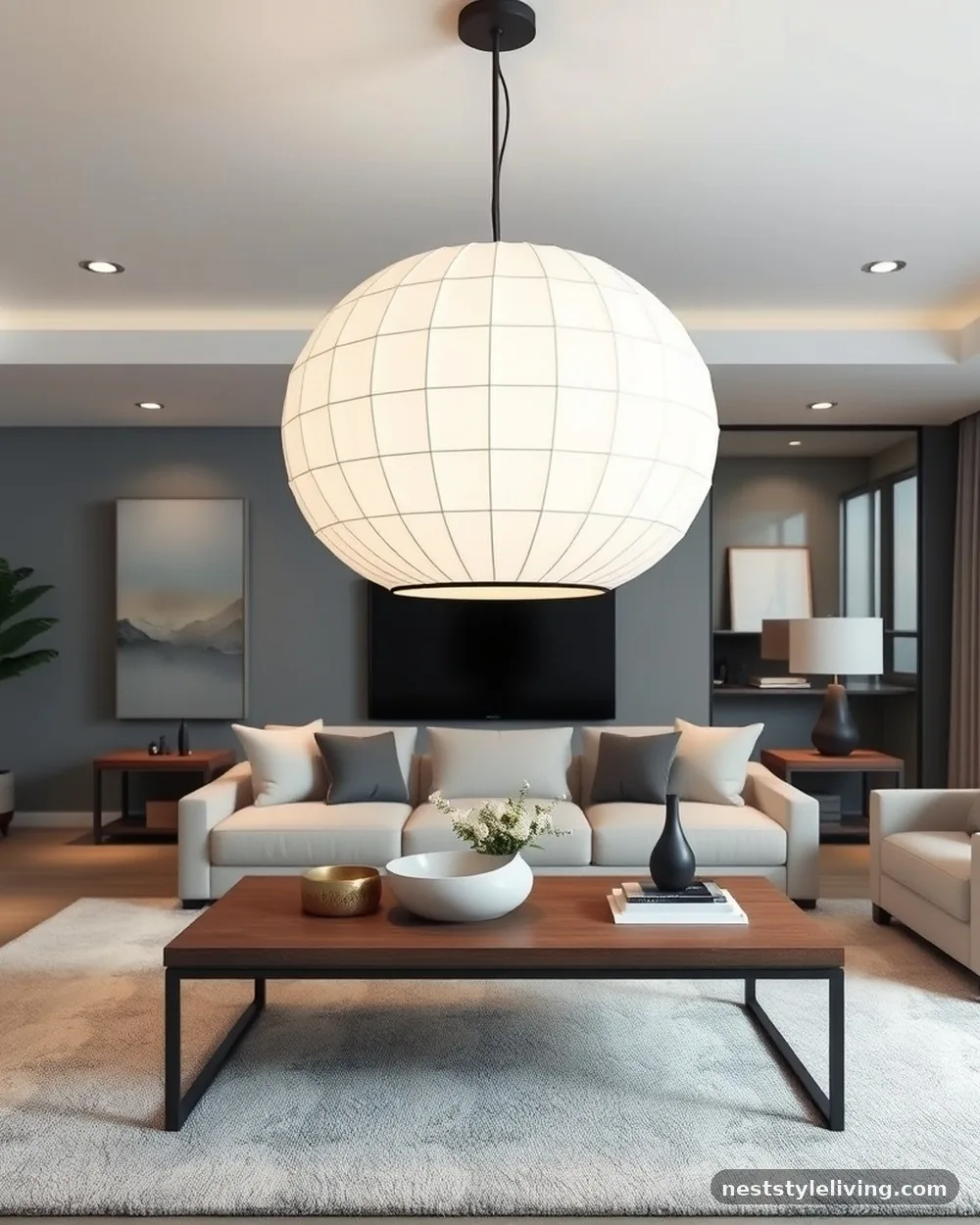
Washi-style paper lanterns provide a soft, diffused glow that is essential for a tranquil atmosphere. Unlike harsh, direct spotlights, these fixtures scatter light through delicate materials, eliminating sharp shadows and creating a sense of calm.
Large, sculptural shapes—such as oversized spheres or irregular, organic forms—act as the room’s jewelry, providing a stark contrast to the linear furniture below. They are particularly effective when hung low over a coffee table or in a corner to define a reading nook.
Select a lantern made from high-quality mulberry paper or durable rice paper with a sturdy bamboo or wire frame. To maximize the effect, pair the fixture with a warm-toned LED bulb, typically around 2700K, which mimics the gentle quality of candlelight. This is a cost-effective lighting solution that adds significant character without the heavy visual weight of glass or metal chandeliers.
4. Matte Ceramic Vases
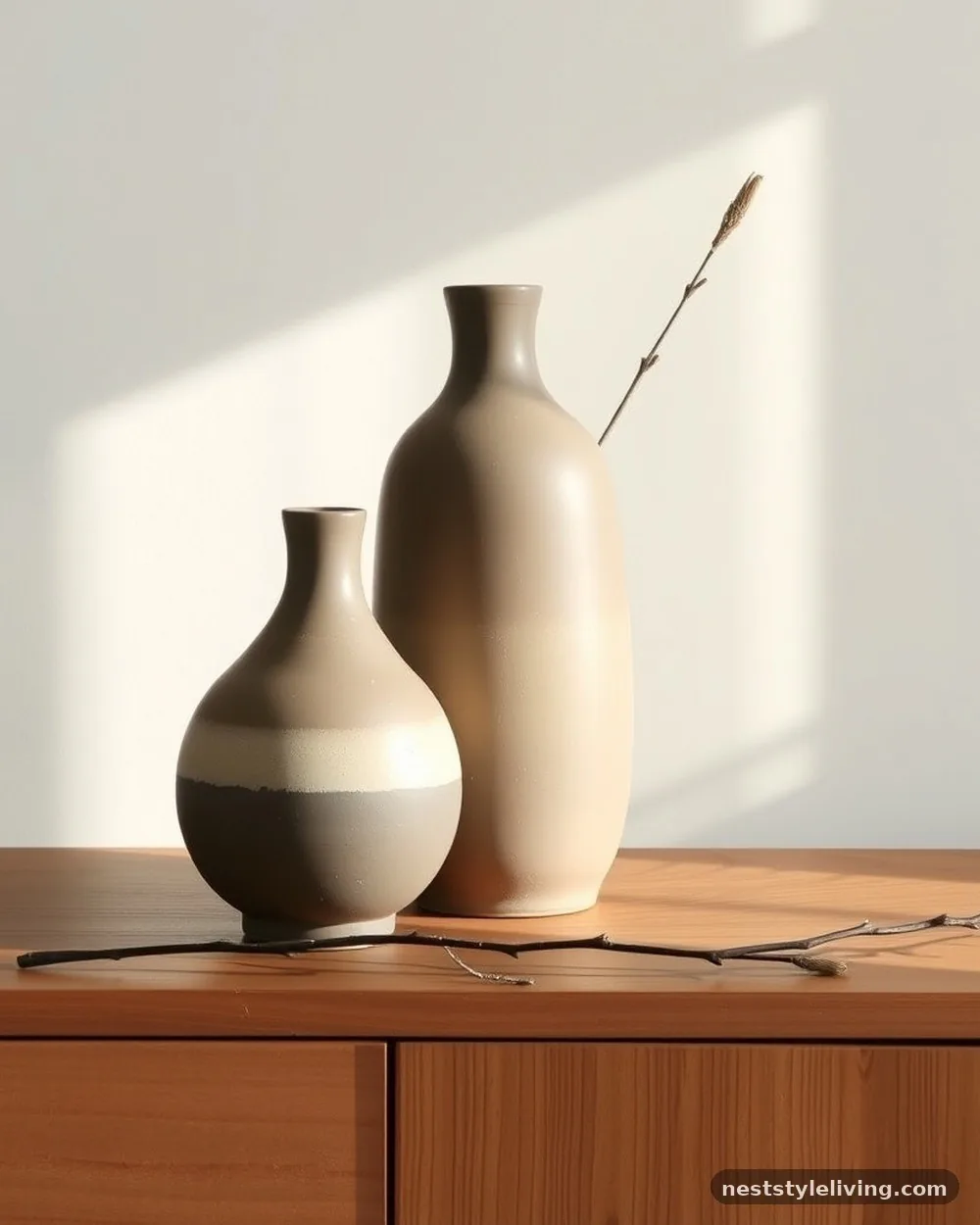
Displaying a collection of matte, hand-thrown ceramic vases allows you to introduce sculptural art that remains functional and understated. These pieces often feature irregular shapes and earthy, unglazed, or sand-blasted finishes that celebrate the beauty of imperfection—a core tenet of wabi-sabi. Stick to a monochromatic palette of whites, grays, and deep terra-cotta to ensure the items feel cohesive when grouped together on a sideboard or shelf.
Look for local pottery that emphasizes form over decoration. A cluster of three vases in varying heights creates the most natural visual interest. If you want to add life, place a single dried branch or a singular green stem in the tallest vase; avoid busy, multi-colored floral arrangements, which clutter the visual field and distract from the minimalist architecture of the room.
5. Natural Jute and Wool Rugs
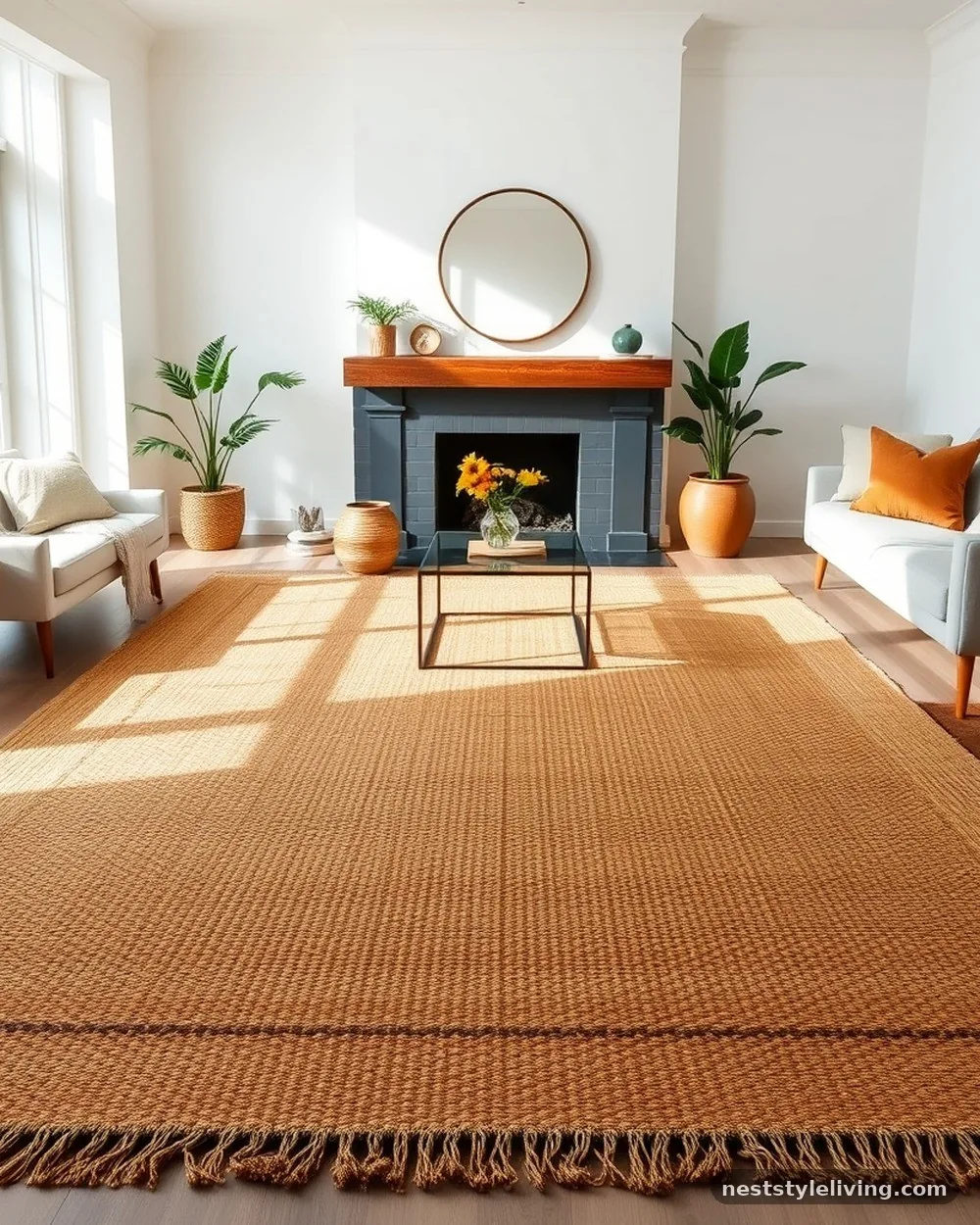
A high-quality rug serves as the foundation for the entire color scheme. Combining jute or sisal with a wool border or weave creates a satisfying contrast between rugged, organic texture and soft, comforting warmth.
This layering provides durability in high-traffic zones while ensuring the room feels cozy underfoot. Stick to neutral tones like sand, mushroom, or slate to keep the backdrop of your space versatile and calm.
When selecting a rug, aim for the largest size your floor plan allows. A common mistake is using a rug that is too small, which makes the furniture look like it’s floating.
Ensure the front legs of your sofa and armchairs sit firmly on the rug to unify the seating area. If you live in a climate with cold winters, look for a wool blend to add insulation.
6. Minimalist Floating Media Consoles
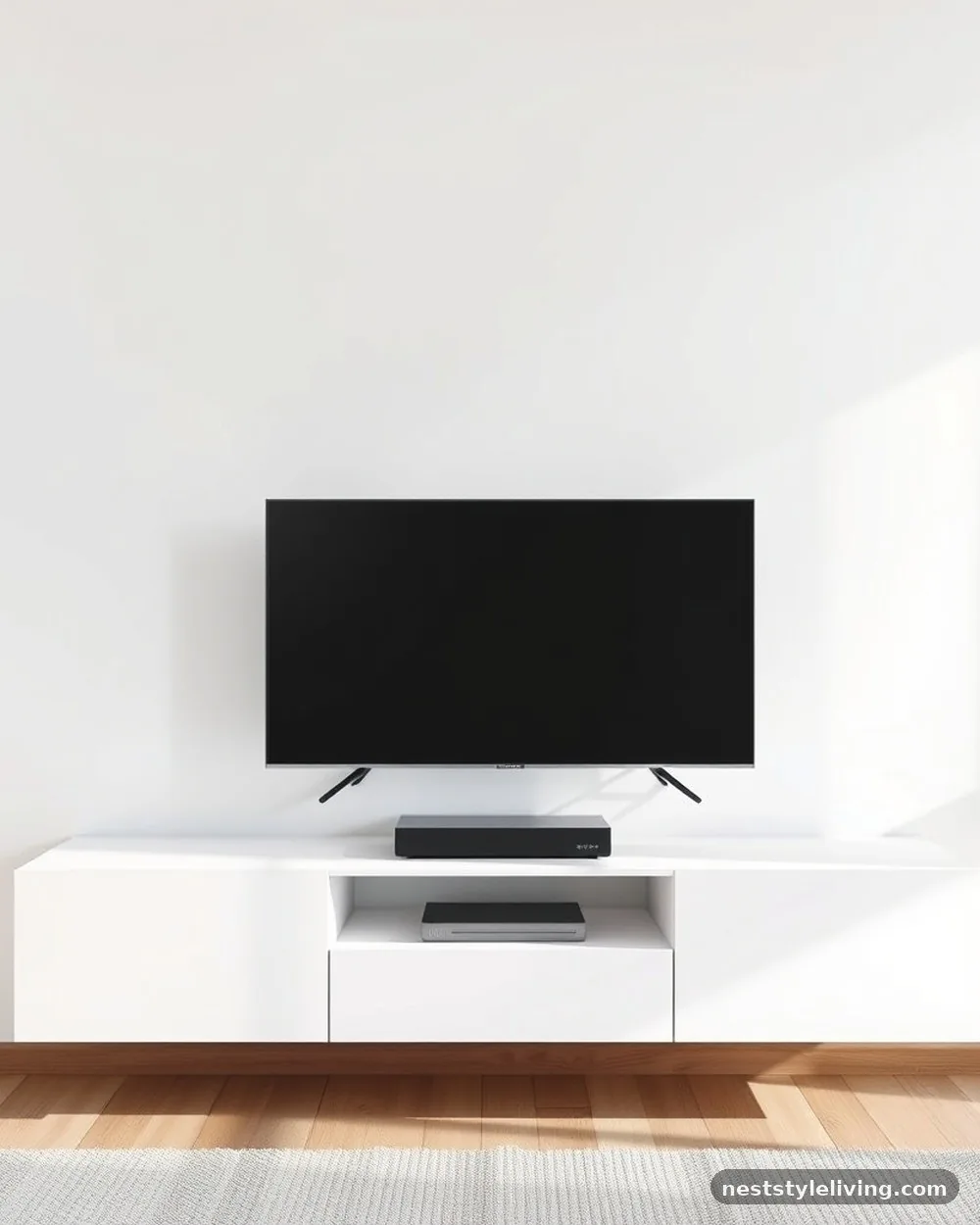
Removing the legs from your storage furniture is a simple trick to make a living room feel larger. A floating media console keeps the floor visible, which reinforces the clean, modern look of the space. Opt for a unit made from light wood veneer or a matte white finish to match your walls, effectively making the storage appear as if it is part of the architecture rather than a separate piece of furniture.
Choose a console with handle-less, push-to-open doors to maintain a seamless front. When installing, ensure it is anchored securely into the wall studs, especially if it will support the weight of a television or heavy decorative objects. Keep the top surface clear of clutter, housing gaming consoles or cable boxes inside the cabinets to preserve the minimalist aesthetic.
7. Indoor Bonsai or Olive Trees
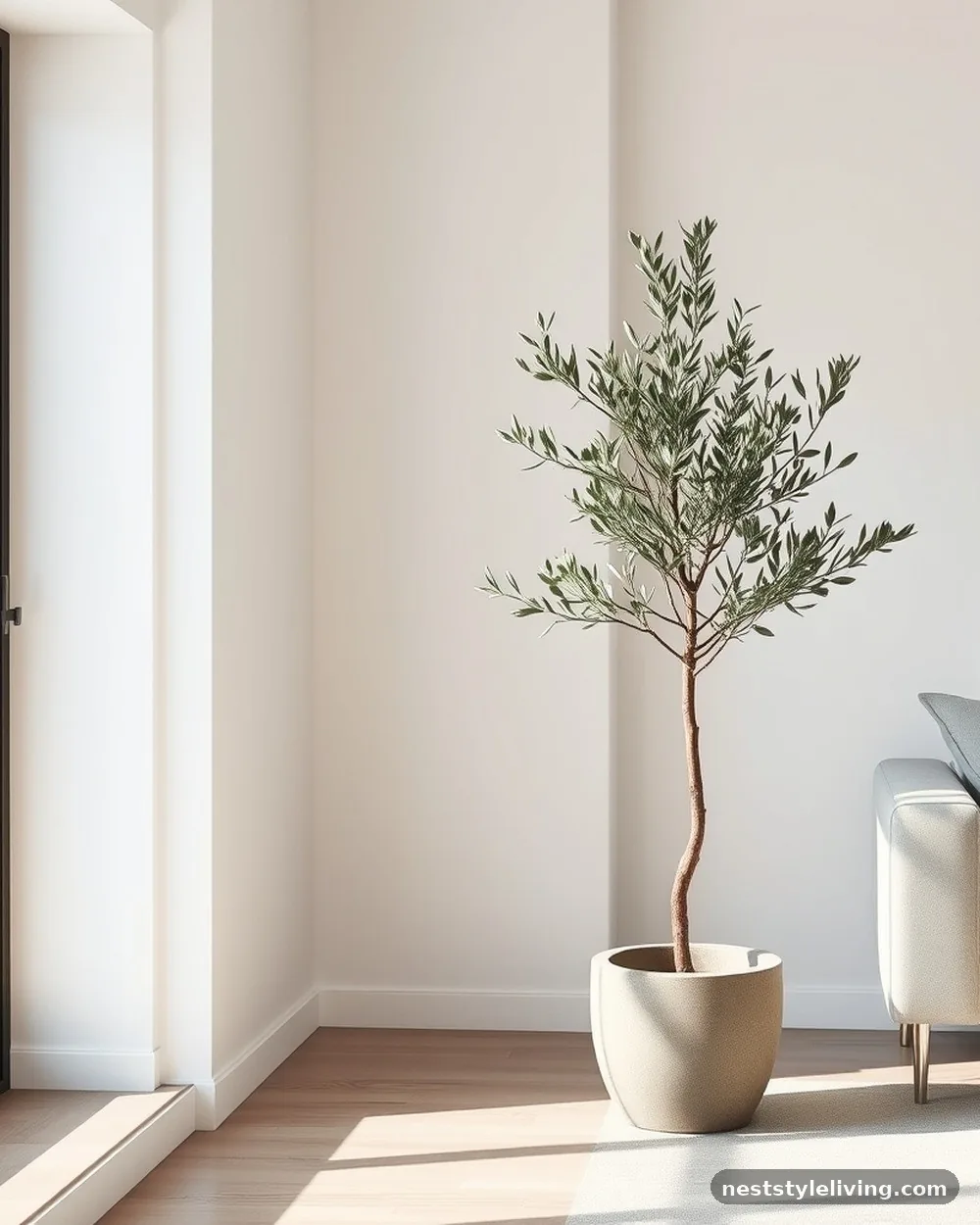
Bringing nature inside is essential for achieving a balanced, living space. A single, well-placed tree acts as a living sculpture, softening the hard edges of furniture and walls. A bonsai tree offers a traditional Japanese touch, while a tall, slender olive tree or a fiddle-leaf fig provides a more contemporary, Mediterranean-inspired greenery that fits perfectly within the Japandi framework.
Place your plant in a simple, unadorned concrete or ceramic planter that complements the room’s color palette. Ensure the location receives adequate natural light, as these plants are the primary source of life in an otherwise neutral room. If you are not a natural gardener, look for high-quality preserved or faux options that feature realistic bark and leaf textures, as they maintain the clean look without requiring maintenance.
8. Linen Window Treatments
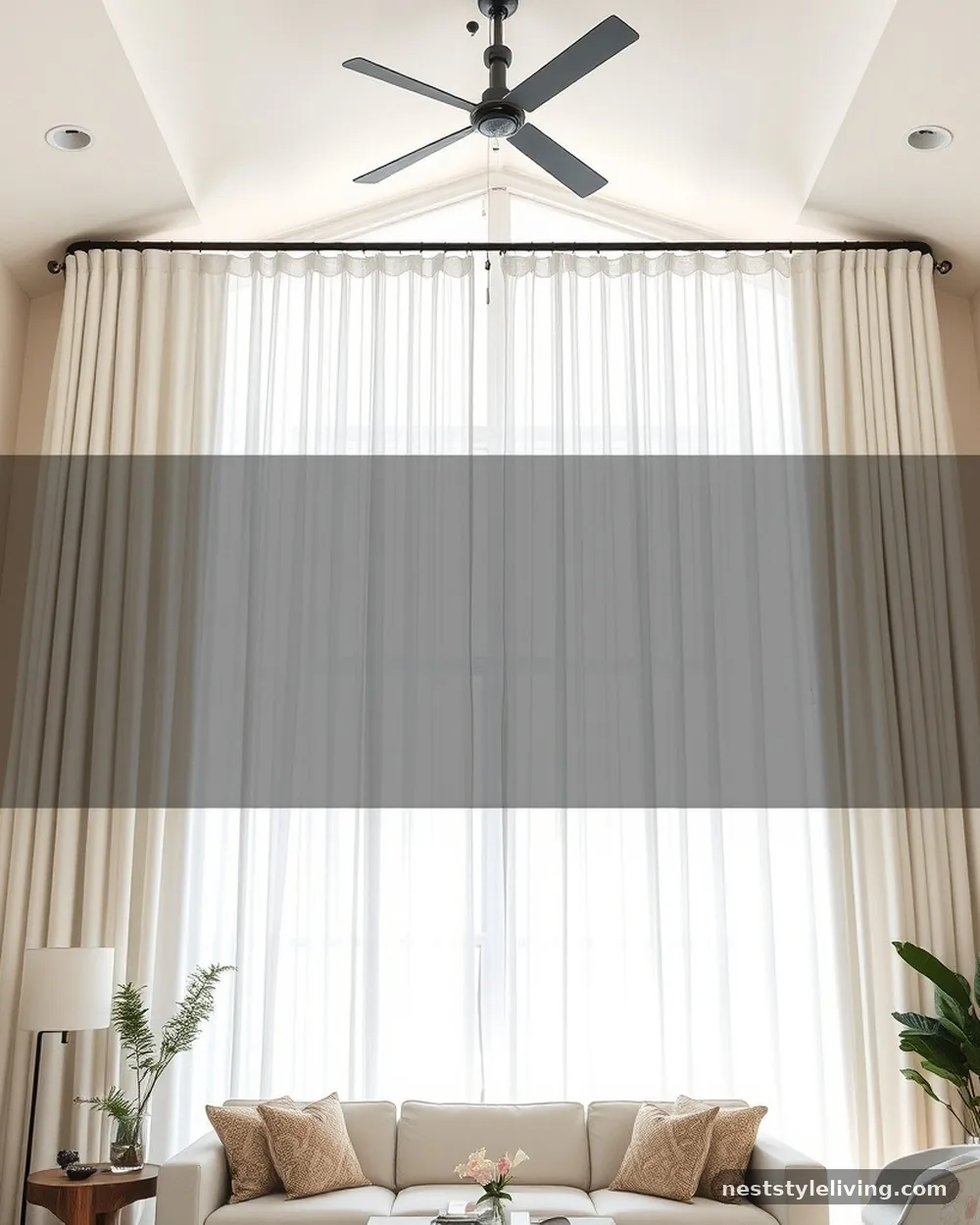
Curtains should be treated as a functional element that softens incoming light rather than a decorative distraction. Heavy, patterned drapes feel out of place in a minimalist home; instead, opt for floor-to-ceiling linen panels in a soft, translucent white or cream. These curtains allow natural light to filter through while providing privacy, creating a ethereal, relaxing vibe that changes throughout the day as the sun moves across the room.
Install your curtain rod as high as possible, ideally near the ceiling, and extend it beyond the window frame. This makes the windows appear larger and adds a sense of verticality to the room. Use simple, hidden tabs or a ripple-fold track system to ensure the fabric hangs in straight, clean lines when closed.
9. Curved Wooden Accent Chairs
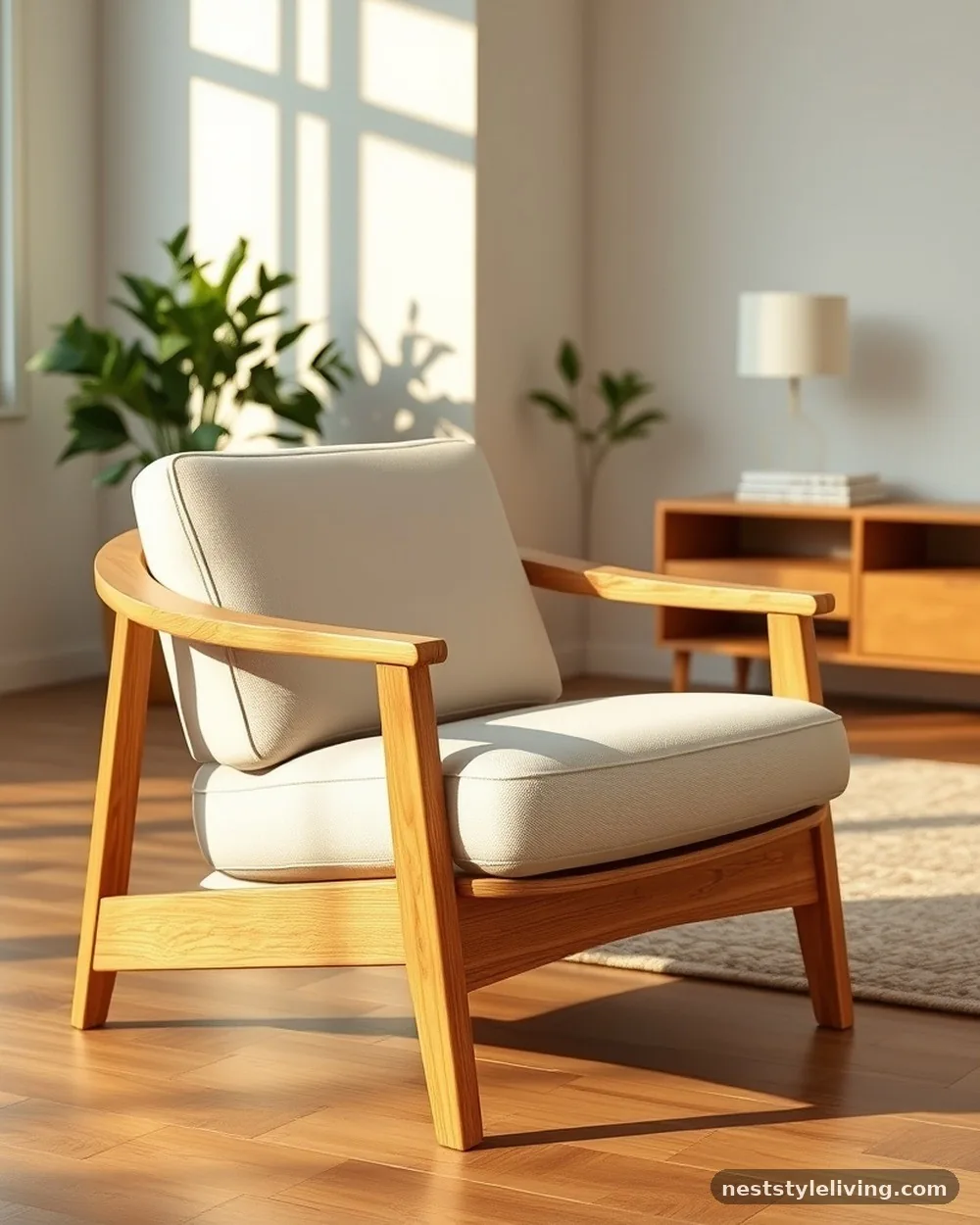
While the main sofa should be linear and low, an accent chair provides an opportunity to introduce organic curves. Mid-century modern designs that feature bentwood frames or rounded, soft upholstery work exceptionally well.
These chairs provide a visual break from the rigid lines of the rest of the room and offer a comfortable spot for reading or conversation. Look for frames in walnut or light oak to maintain the wood-centric theme.
Position your accent chair at an angle to the main sofa to create an inviting conversation circle. If the chair has a leather seat, choose a vegetable-tanned, cognac, or sand color that will develop a patina over time. The combination of wood and natural leather is a hallmark of high-end, timeless interior design that ages beautifully.
10. Stone and Timber Coffee Tables
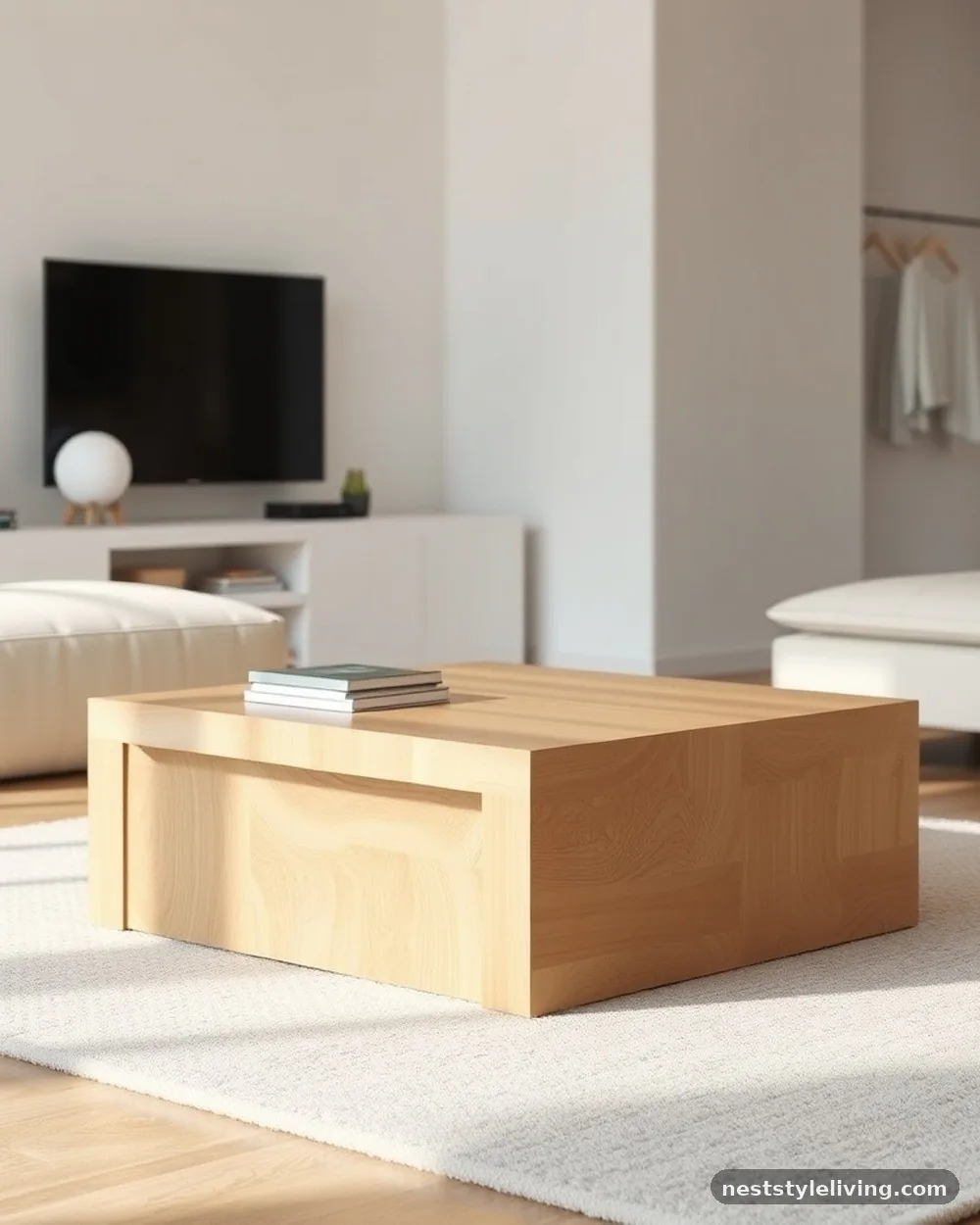
The coffee table is the heart of the living room and should reflect the core material palette of wood and stone. A heavy, solid wood block table or a slab of raw-edged stone on a minimalist base creates a grounded, elemental feel. Avoid glass-top tables, which can look cluttered once you place magazines or remotes on them; a solid surface keeps the focus on the natural beauty of the materials.
Select a table that is proportional to your sofa—roughly two-thirds of the sofa’s length is a good rule of thumb. If you have a small space, consider a set of nesting tables that can be pulled apart when needed and tucked away to free up floor space. This keeps the room functional for daily use while maintaining a clean, modern aesthetic.
11. Hidden Storage Ottomans
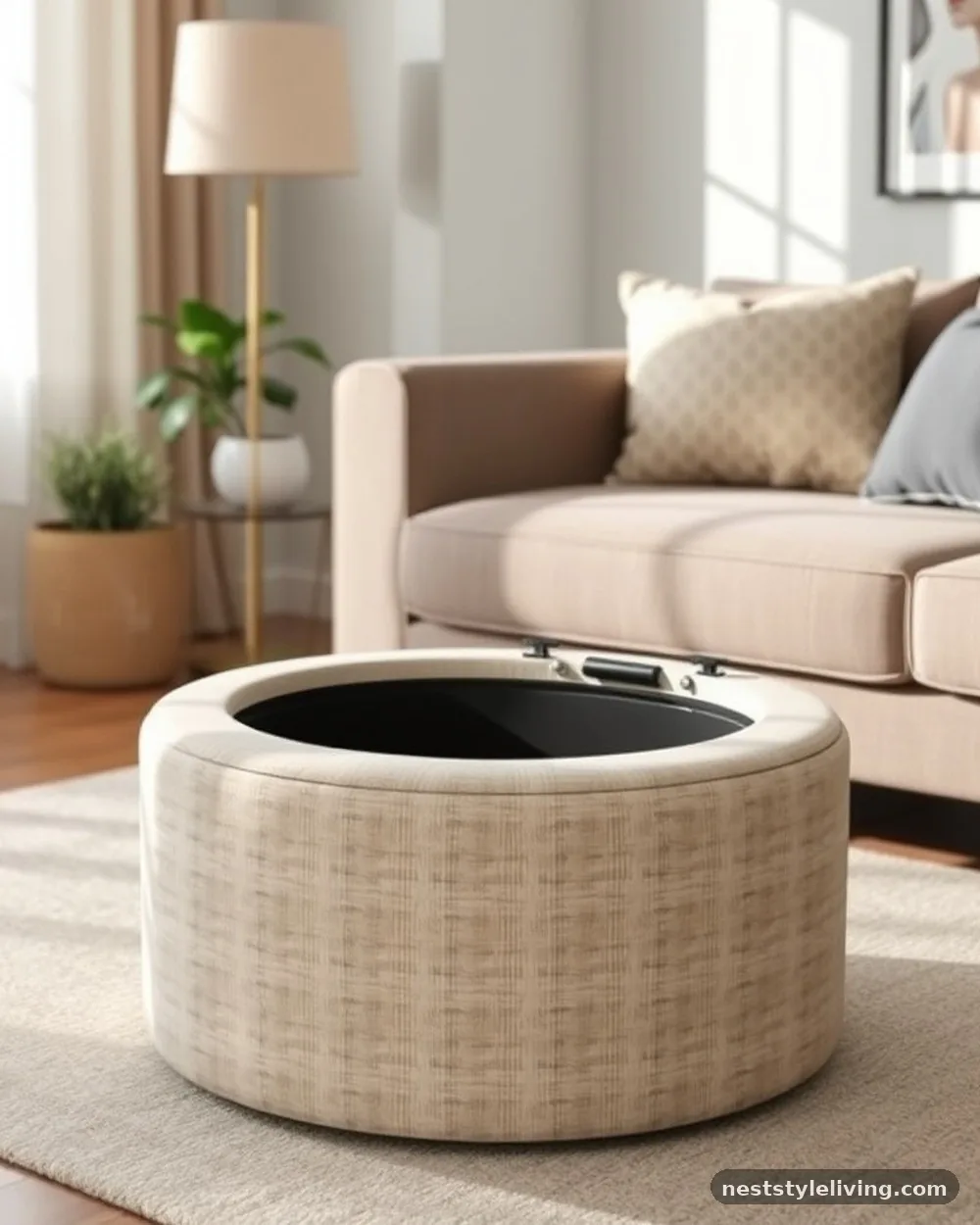
Clutter is the enemy of a calm, modern living room. A storage ottoman serves the dual purpose of providing extra seating or a footrest while hiding away blankets, remotes, and chargers.
Look for pieces upholstered in a textured fabric like wool or linen, or choose a solid wood design that doubles as a side table. This keeps the surfaces of your room clear, which is vital for the minimalist aspect of the style.
Choose an ottoman with a firm top that can support a tray, allowing it to function as a coffee table when needed. If you opt for a fabric-covered version, ensure the material is stain-resistant or easily cleanable, as these pieces see high use. Keeping the design simple and boxy ensures it blends into the background rather than acting as a visual focal point.
12. Black Metal Hardware Accents
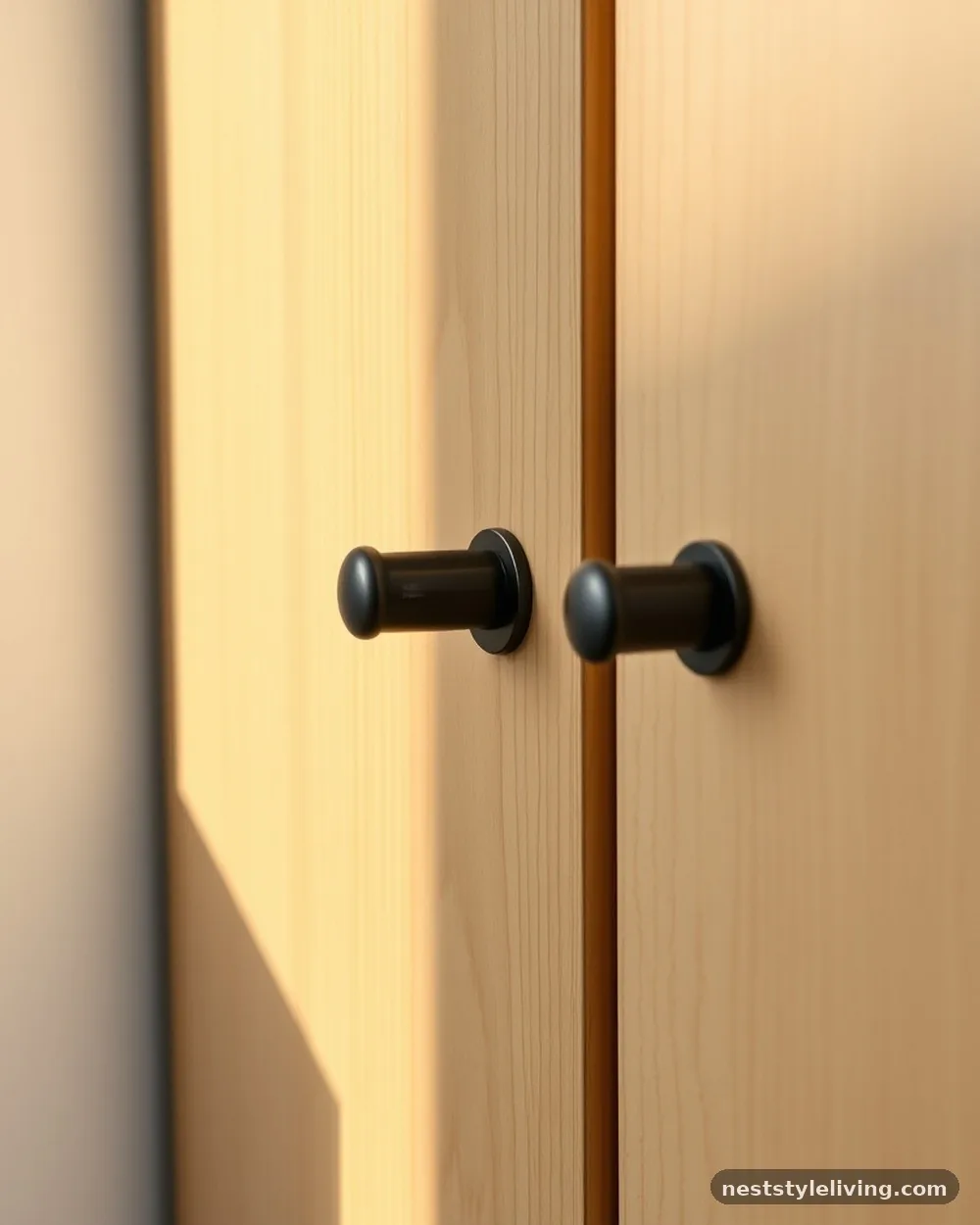
While the base of the room should be neutral, small touches of matte black provide necessary contrast and definition. Use black metal for hardware, such as cabinet pulls, floor lamp stems, or the frames of small side tables.
This adds a graphic, modern edge that prevents the room from feeling too soft or washed out. The key is restraint; only use these accents in small, strategic doses.
Swap out existing shiny brass or chrome hardware on media units for matte black alternatives to instantly modernize a piece of furniture. A slim, black floor lamp with a simple shade placed next to your sofa provides a high-contrast element that draws the eye and anchors that corner of the room. This is one of the easiest and most affordable ways to update a room’s look.
13. Textured Wall Art
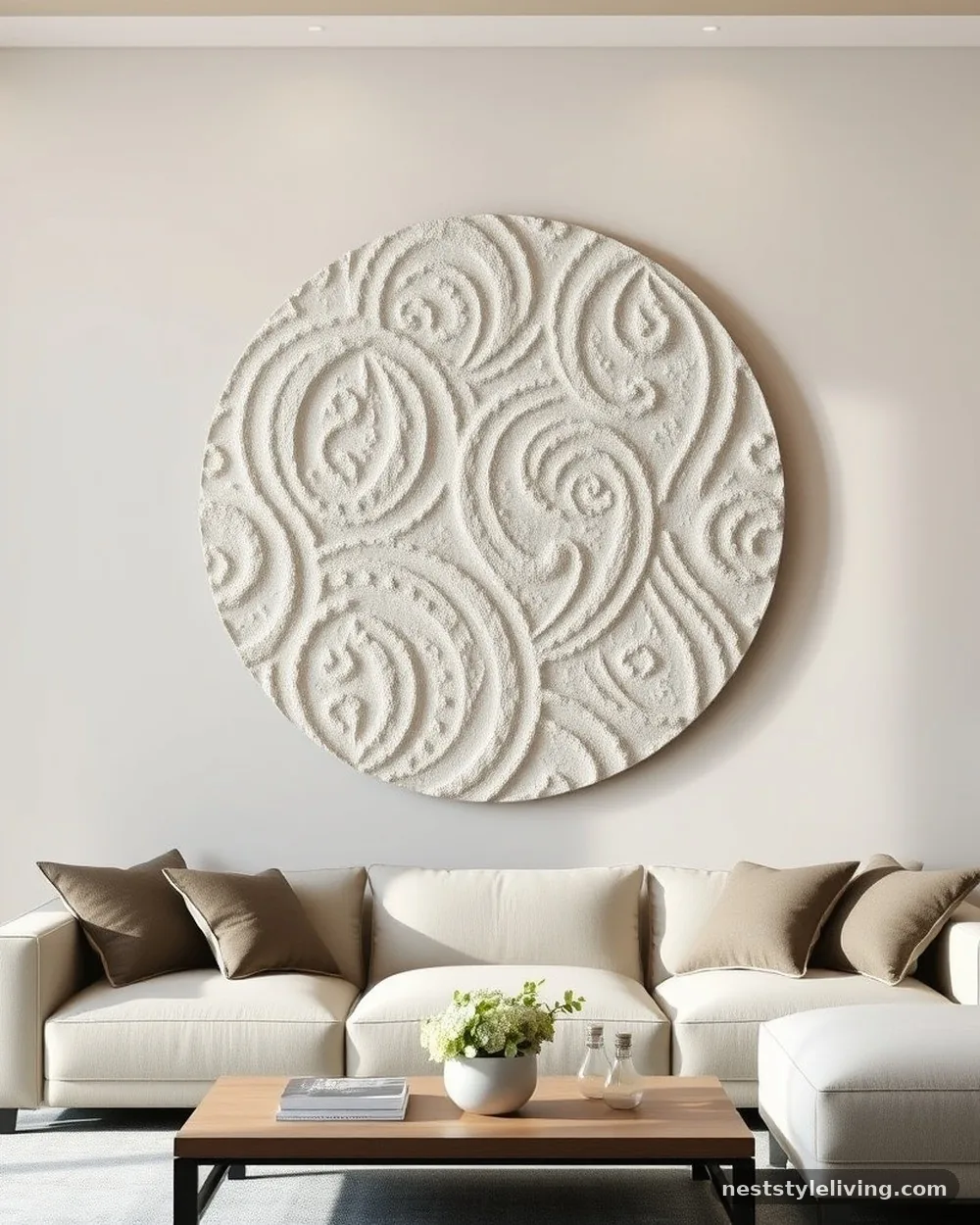
Avoid busy gallery walls or colorful, high-contrast prints. Instead, opt for large-scale, textured artwork that relies on shadow and relief.
Plaster wall art, woven fiber hangings, or simple charcoal sketches on thick, off-white paper provide visual interest without demanding too much attention. These pieces should feel like an extension of the wall itself, contributing to the room’s overall sense of harmony.
Hang a single, large-scale piece above the sofa to create a sophisticated focal point. If you are artistic, you can create your own textured art using joint compound on a canvas, which allows you to customize the size and pattern to fit your specific wall space perfectly. This approach is much more cost-effective than buying large-scale fine art and creates a unique, personal touch.
14. Paper and Wood Room Dividers
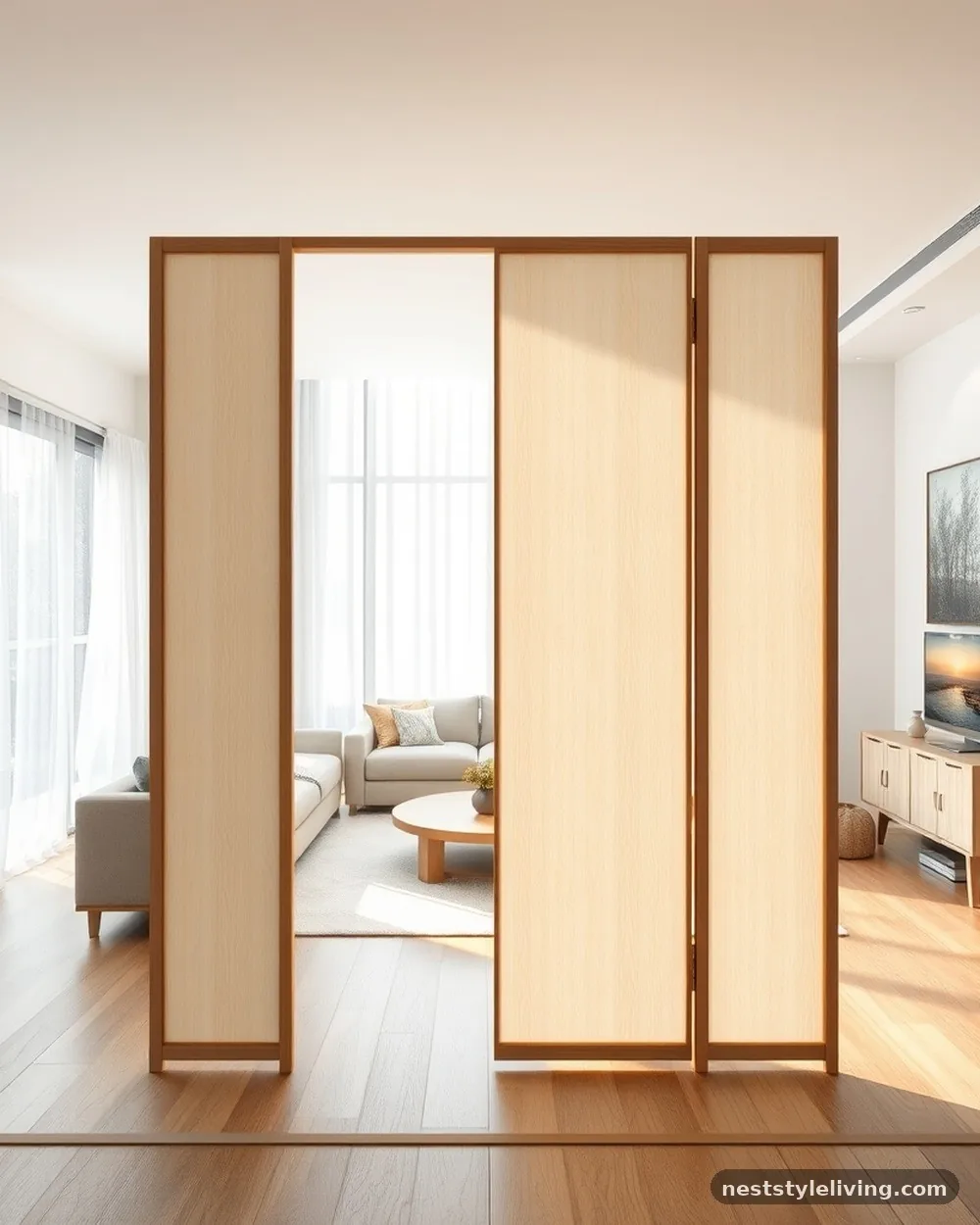
In open-concept homes, you may need to define the living room area without building permanent walls. A traditional shoji-inspired screen made of light wood and rice paper is the perfect solution.
It allows light to pass through while creating a physical separation that feels airy and temporary. This is an excellent way to create a dedicated office or reading corner within a larger living space.
Look for a folding screen that you can easily move or store when not in use. Ensure the frame matches the wood tones of your other furniture to keep the design cohesive. If you don’t need a full screen, even a low, open-shelving unit can act as a divider, provided you keep the items on the shelves sparse and curated to maintain that essential, calm, and modern look.
Frequently Asked Questions
What is the core philosophy of modern Japandi style?
The core philosophy revolves around the intersection of Japanese wabi-sabi—the appreciation of imperfection and nature—and Scandinavian functionality, often called hygge. It emphasizes a “less is more” approach, focusing on high-quality materials, neutral color palettes, and intentional furniture choices. The goal is to create a space that is both visually serene and highly practical for daily life.
What are common decor mistakes to avoid in this style?
The most common mistake is over-decorating. Japandi relies on negative space, so filling every corner with knick-knacks or busy patterns will ruin the calm aesthetic. Another mistake is using cold, synthetic materials.
Always prioritize natural elements like wood, stone, wool, and linen. Finally, avoid high-contrast, loud color schemes; keep the palette muted and earthy to maintain the intended sense of balance.
Is this design style still trending?
Yes, it remains a dominant trend in interior design because it is a reaction against the fast-paced, disposable nature of modern consumerism. Its focus on sustainability, natural materials, and mental well-being ensures it isn’t just a passing fad. As people continue to seek out homes that function as personal sanctuaries, the principles of this style will likely remain relevant for years to come.
How can I make a living room look more modern without renovating?
Modernizing a room is often about subtraction rather than addition. Start by removing excess clutter and dated decor. Replace heavy curtains with simple, floor-to-ceiling linen panels.
Swap out bulky, ornate furniture for pieces with cleaner, more linear silhouettes. Finally, update your lighting to warmer, softer sources like paper lanterns, and replace busy rugs with neutral, textured options to ground the space instantly.
Conclusion
Creating a space that embodies these Japandi Living Room Ideas for a Calm, Modern Look is a journey toward intentionality. By choosing furniture that honors natural materials and keeping your surfaces clear, you transform your home into a place of rest rather than a source of visual noise. Focus on one element at a time, such as upgrading your lighting or clearing your shelves, to see the immediate impact on your living environment.
This design approach is not about perfection, but about cultivating a home that feels authentic and grounded. As you integrate these principles, you will find that the space you create serves your well-being just as much as it serves your aesthetic goals. We invite you to begin your transformation today by stripping away the unnecessary and embracing the beauty of a simpler, more balanced home.