21 Japandi Bedroom Ideas for a Calm, Modern Retreat
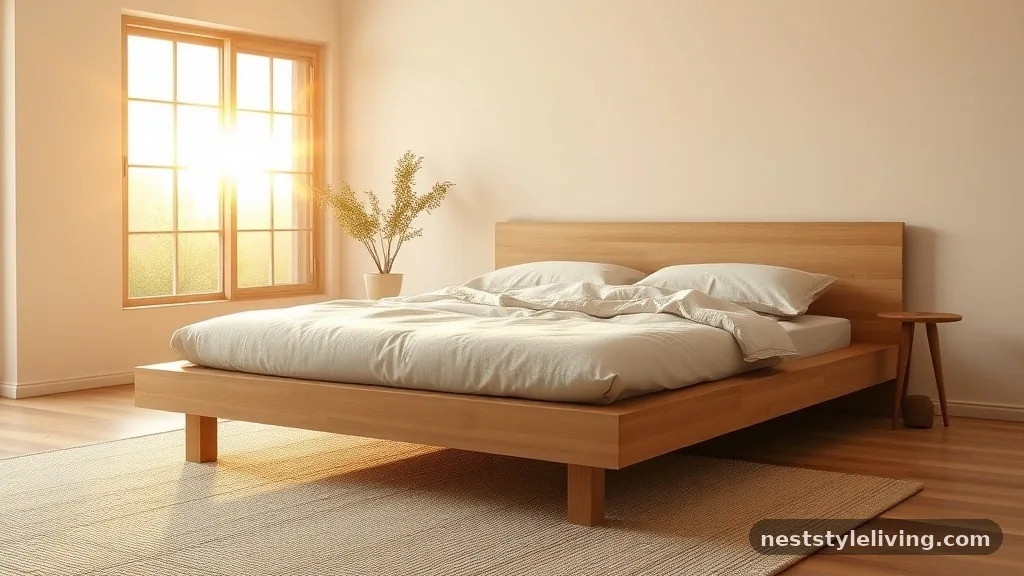
Designing a space that balances Japanese minimalism with Scandinavian warmth requires a focus on intentionality and texture. These Japandi bedroom ideas for a calm, modern retreat prioritize clean lines, organic materials, and a neutral palette to help you cultivate a sanctuary that feels both grounded and airy.
By blending the functional simplicity of Nordic design with the rustic, nature-focused aesthetic of Japanese interiors, you can transform your sleeping area into a truly restorative environment. Whether you are starting with a blank canvas or refining an existing layout, the following suggestions offer practical ways to achieve this balanced, timeless look in your own home.
1. Low-Profile Platform Bed
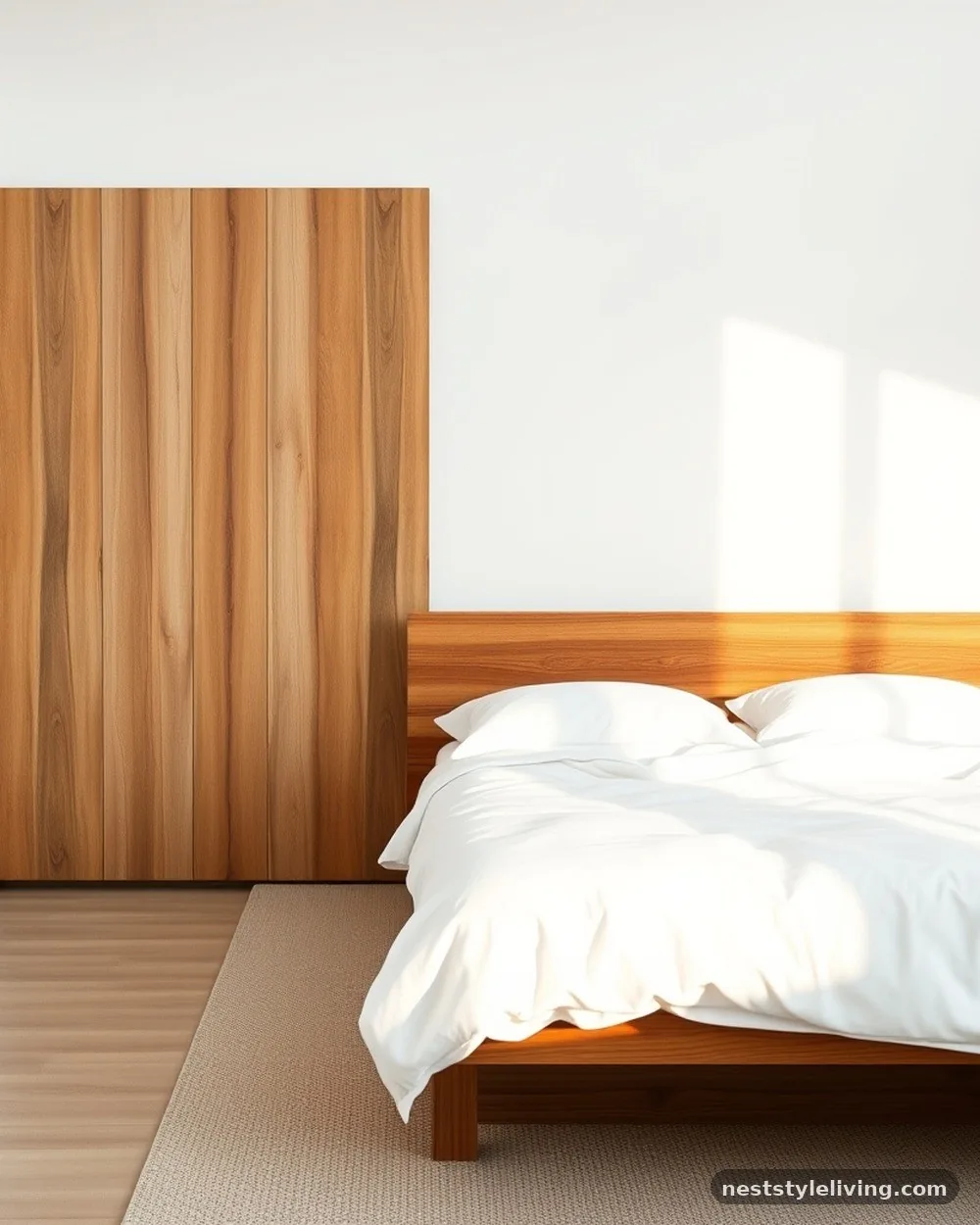
A low-profile bed is the cornerstone of the aesthetic, anchoring the room and drawing the eye downward to create a sense of grounded stability. These frames are typically crafted from solid light oak or walnut, featuring a simple, boxy silhouette that lacks a traditional headboard or ornamental carvings. By keeping the mattress close to the floor, you emphasize the vertical height of the room, which makes the space feel more expansive and uncluttered. The lack of a bulky base also encourages a more mindful, intentional approach to furniture selection, ensuring the bed serves as a functional foundation rather than a visual distraction.
To implement this, look for solid wood platform frames that use interlocking joinery rather than metal hardware. If your current mattress is too high for a minimalist frame, consider a thinner, high-density foam topper or a traditional Japanese-style futon mattress to maintain the sleek, low-slung profile that defines the look.
2. Woven Rattan Pendant Lighting
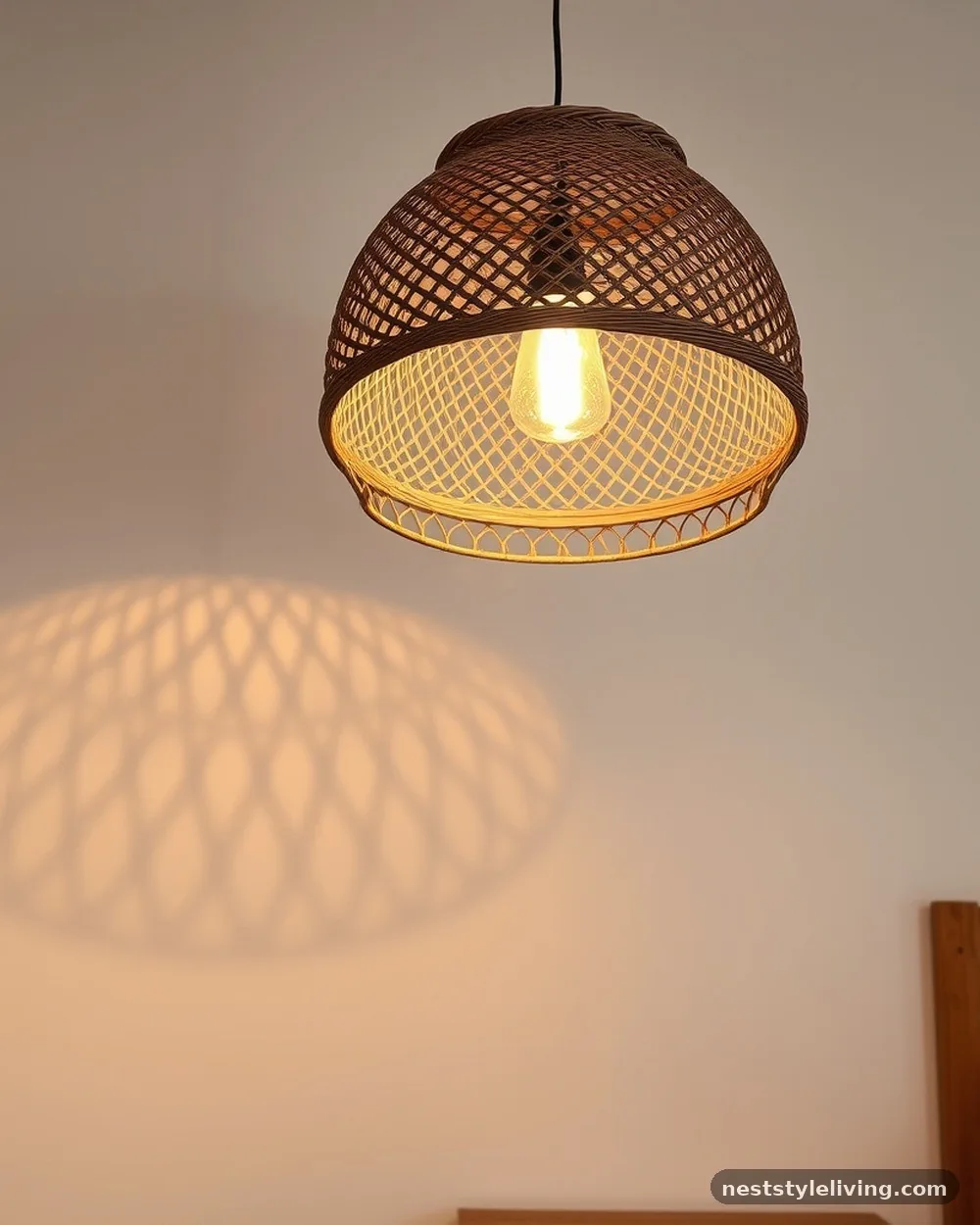
Lighting serves as the jewelry of the room, and woven rattan pendants provide the perfect organic texture to soften the sharp, modern edges of the furniture. When hung low over a nightstand or centered above the bed, these fixtures cast intricate, soft shadows that enhance the warmth of the space. The material acts as a bridge between the two design styles, offering the rustic, handcrafted quality found in Japanese craft and the cozy, hygge-inspired textures common in Scandinavian homes. These lights are particularly effective at creating a focal point without overwhelming the room’s calm, neutral atmosphere.
To achieve this, select a shade with a tight, uniform weave to ensure the light is diffused evenly rather than creating harsh, distracting patterns on the walls. Install a dimmer switch to control the intensity of the light, allowing you to transition the room from a bright, functional space in the morning to a soft, ambient retreat at night.
3. Neutral Linen Bedding

Textiles define the tactile experience of a bedroom, and heavy-weight linen in muted, earthy tones is essential for achieving a serene look. Opt for shades like oat, sand, stone, or soft charcoal, which provide a sophisticated backdrop that feels both natural and timeless. Linen is prized for its lived-in, slightly rumpled appearance, which adds depth to the room without requiring excessive styling or maintenance. The breathable nature of the fabric also contributes to a comfortable sleep environment, ensuring the space remains as functional as it is visually appealing.
When shopping for linens, prioritize pure, long-staple flax to ensure durability and a softer feel that improves with every wash. Layering different weights—such as a linen duvet cover paired with a lighter throw blanket—adds necessary visual complexity to an otherwise monochromatic bed arrangement.
4. Matte Black Hardware
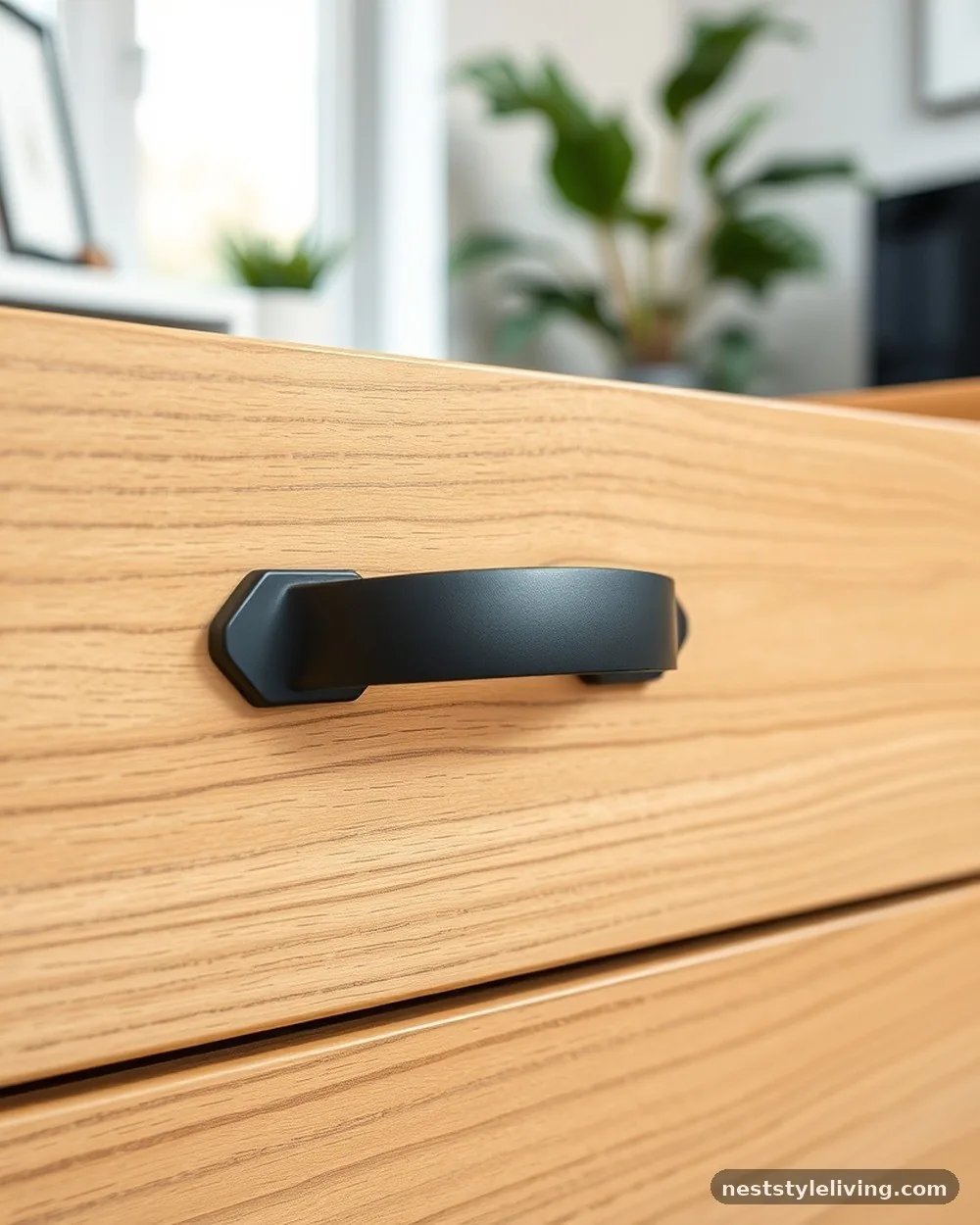
While Japandi design leans toward light, natural wood tones, incorporating matte black accents provides the necessary contrast to keep the space from feeling washed out. Use matte black for drawer pulls, door handles, or even a thin metal floor lamp to introduce a sharp, modern edge. This color choice mimics the look of traditional Japanese calligraphy and ironwork, grounding the room and highlighting the clean lines of your furniture. Because black is a neutral, it doesn’t compete with the primary wood-and-white color scheme but rather gives the room a sense of definition and maturity.
To apply this, replace standard hardware on existing dressers or nightstands with matte black alternatives. Ensure the finish is powder-coated or anodized to prevent peeling or scratching over time, as these small details are handled frequently and need to withstand daily use.
5. Paper Shoji-Inspired Screens
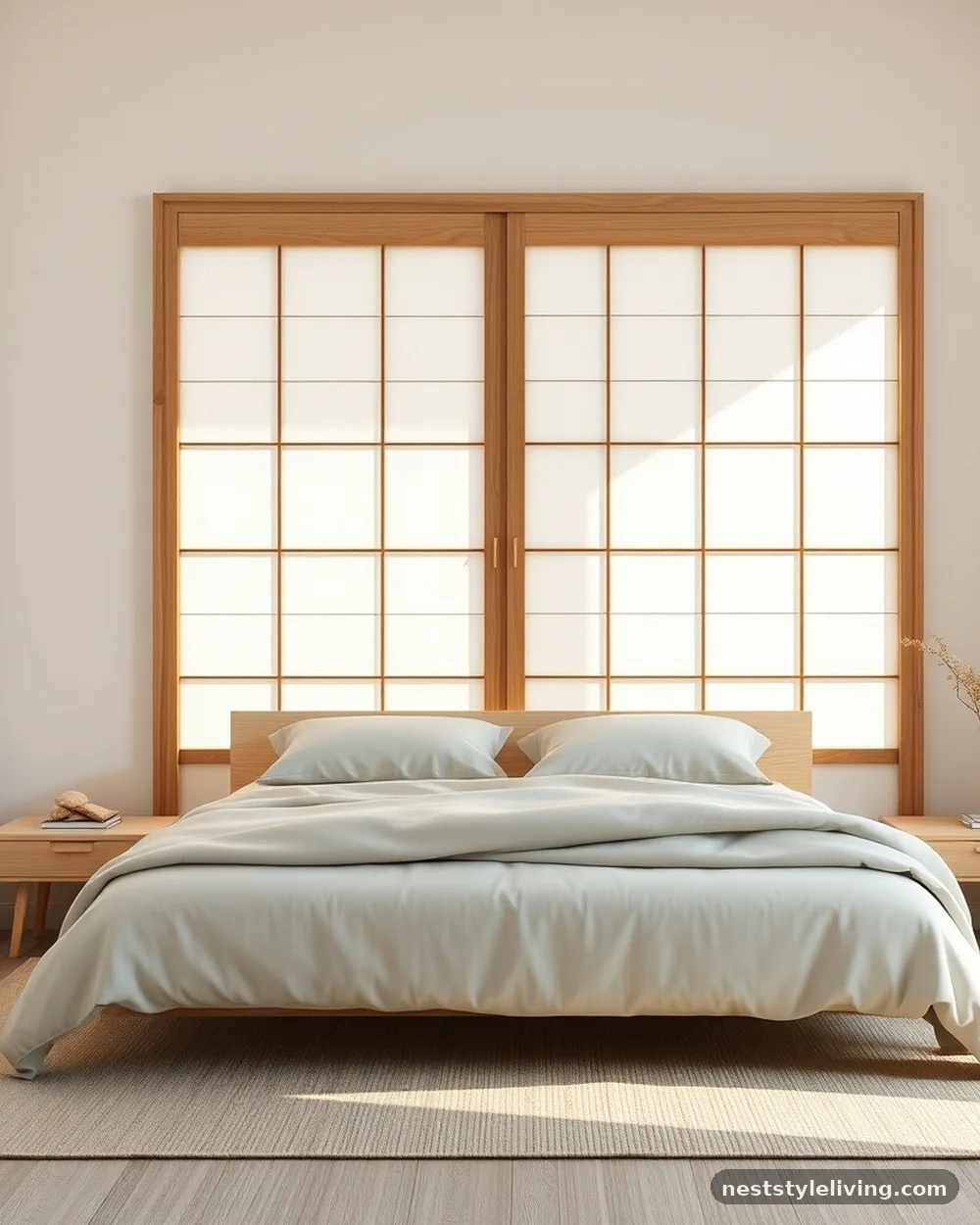
A room divider or a decorative screen made of rice paper and light wood offers a nod to Japanese architecture while serving as a functional privacy element. In a bedroom, these screens can be placed behind the bed to act as a soft, translucent headboard or used to section off a small reading nook. The paper filters natural light, creating a diffused, ethereal glow that makes the space feel incredibly calm and secluded. These pieces are lightweight, making them an excellent choice for renters or those who prefer a flexible, adaptable layout.
When choosing a screen, ensure the frame is constructed from a light-toned wood like pine or ash to maintain the cohesive color palette. If you are worried about the fragility of paper, look for modern versions that use durable, washable synthetic materials that mimic the look and texture of traditional rice paper.
6. Minimalist Floating Shelves
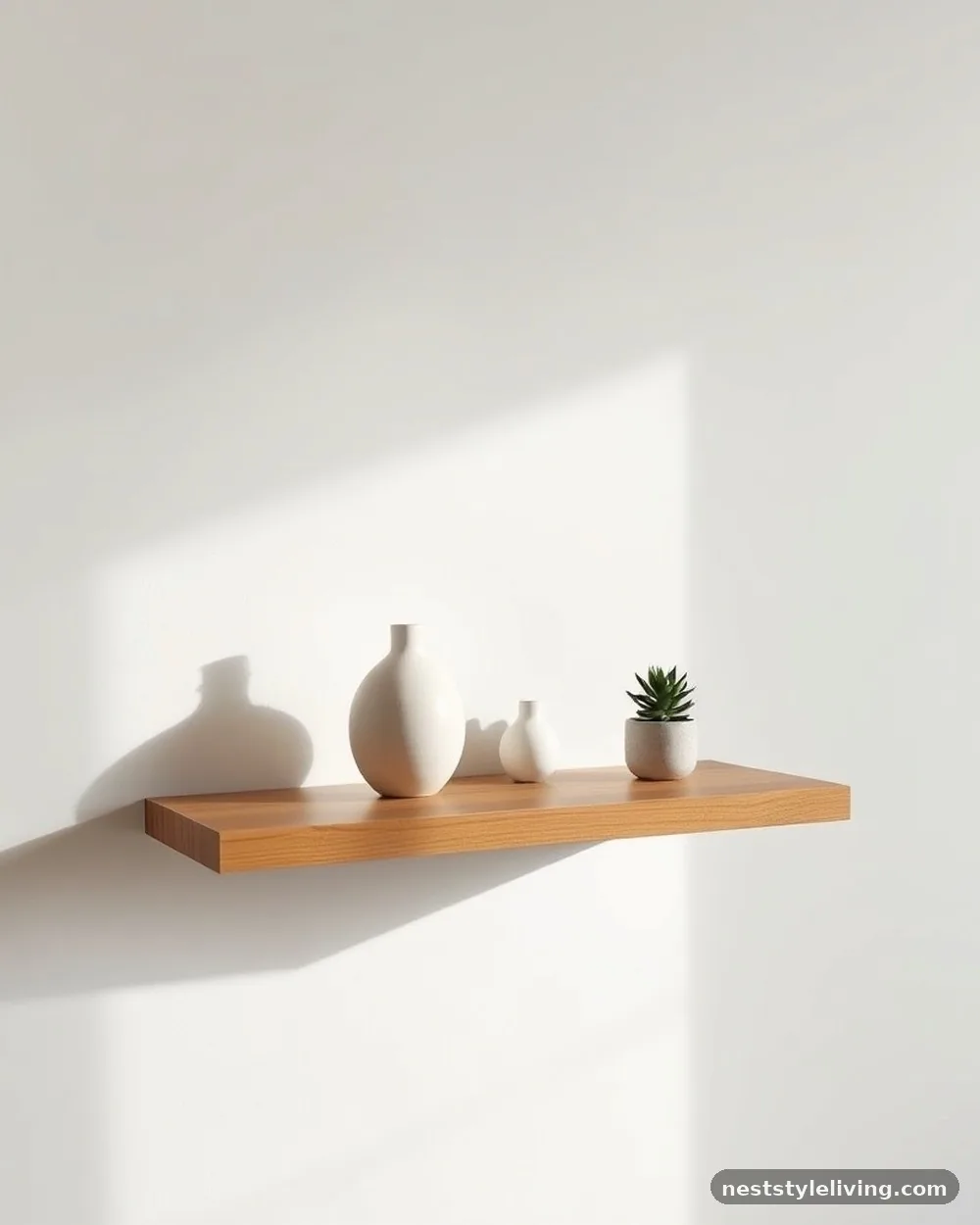
Floating shelves maintain the open, airy feeling of a room by eliminating the visual clutter of bulky floor-standing bookcases or cabinets. Use them to display a few carefully curated objects—like a single ceramic vase, a stack of books, or a small potted plant—rather than filling them to capacity. This approach honors the Japanese concept of ma, or negative space, which suggests that the empty areas in a room are just as important as the physical objects within it. By keeping the shelves sparse, you prevent the room from feeling cramped and ensure the focus remains on the peacefulness of the environment.
Install these shelves at eye level, ensuring they are mounted securely into wall studs to maintain a clean, seamless look. Opt for shelves that feature concealed mounting brackets to emphasize the minimalist aesthetic, and keep the wood finish consistent with other furniture pieces in the room.
7. Sculptural Ceramic Vases
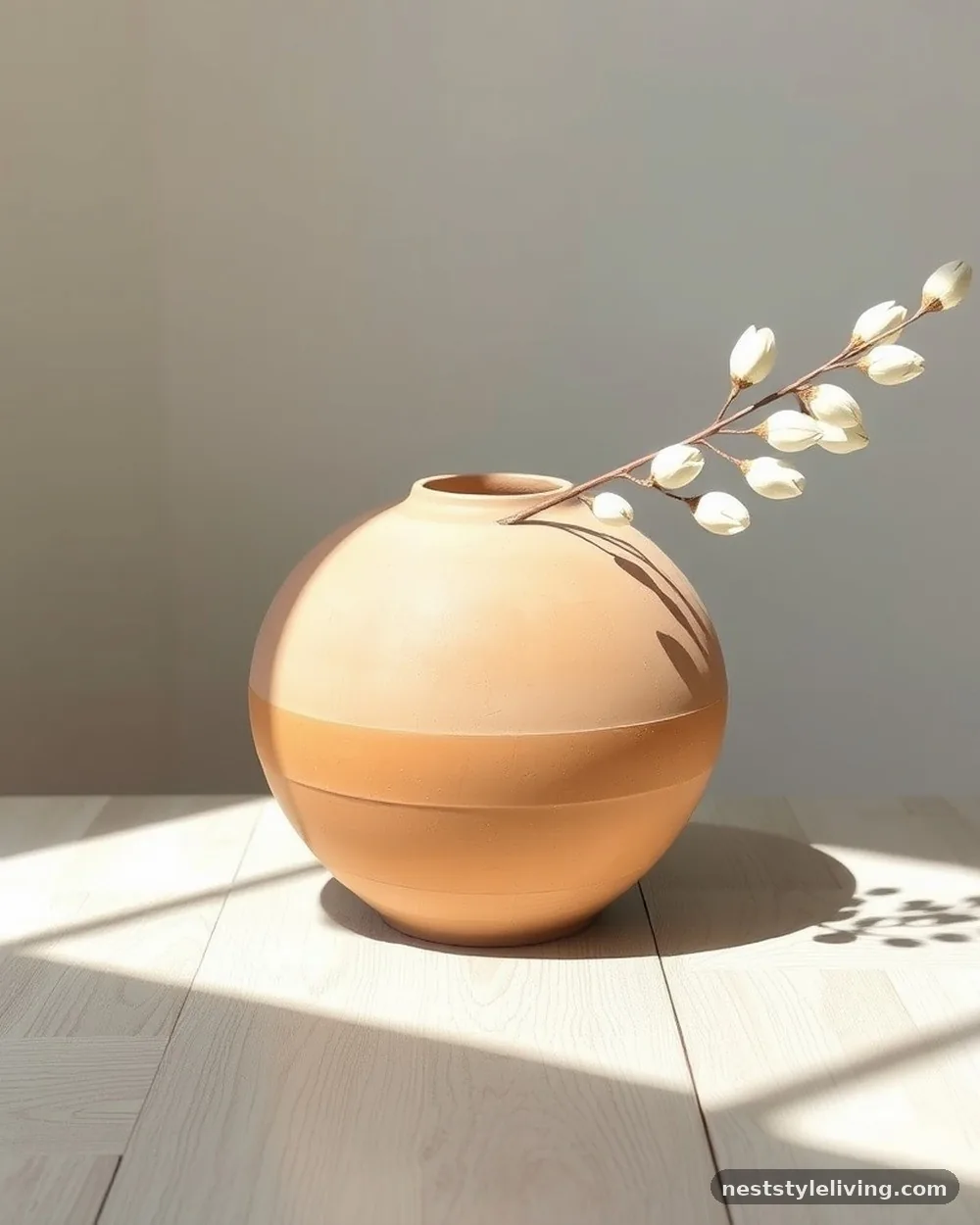
Ceramics are a staple in the Japandi aesthetic, particularly pieces with matte, unglazed, or earth-toned finishes that feel handcrafted and imperfect. A single, large-scale sculptural vase placed on a dresser or in the corner of the room acts as an anchor for the space. Look for shapes that are organic and asymmetrical, reflecting the beauty of the natural world. These objects provide a sense of history and human touch, contrasting against the more rigid, machine-made lines of modern bed frames or storage units.
To source these, look for local potters or artisans who specialize in stoneware or terra cotta. If you choose to fill the vase, stick to dried botanicals like pampas grass, eucalyptus branches, or single, sculptural twigs, which require no water and contribute to the low-maintenance, serene atmosphere of the bedroom.
8. Raw Wood Nightstands
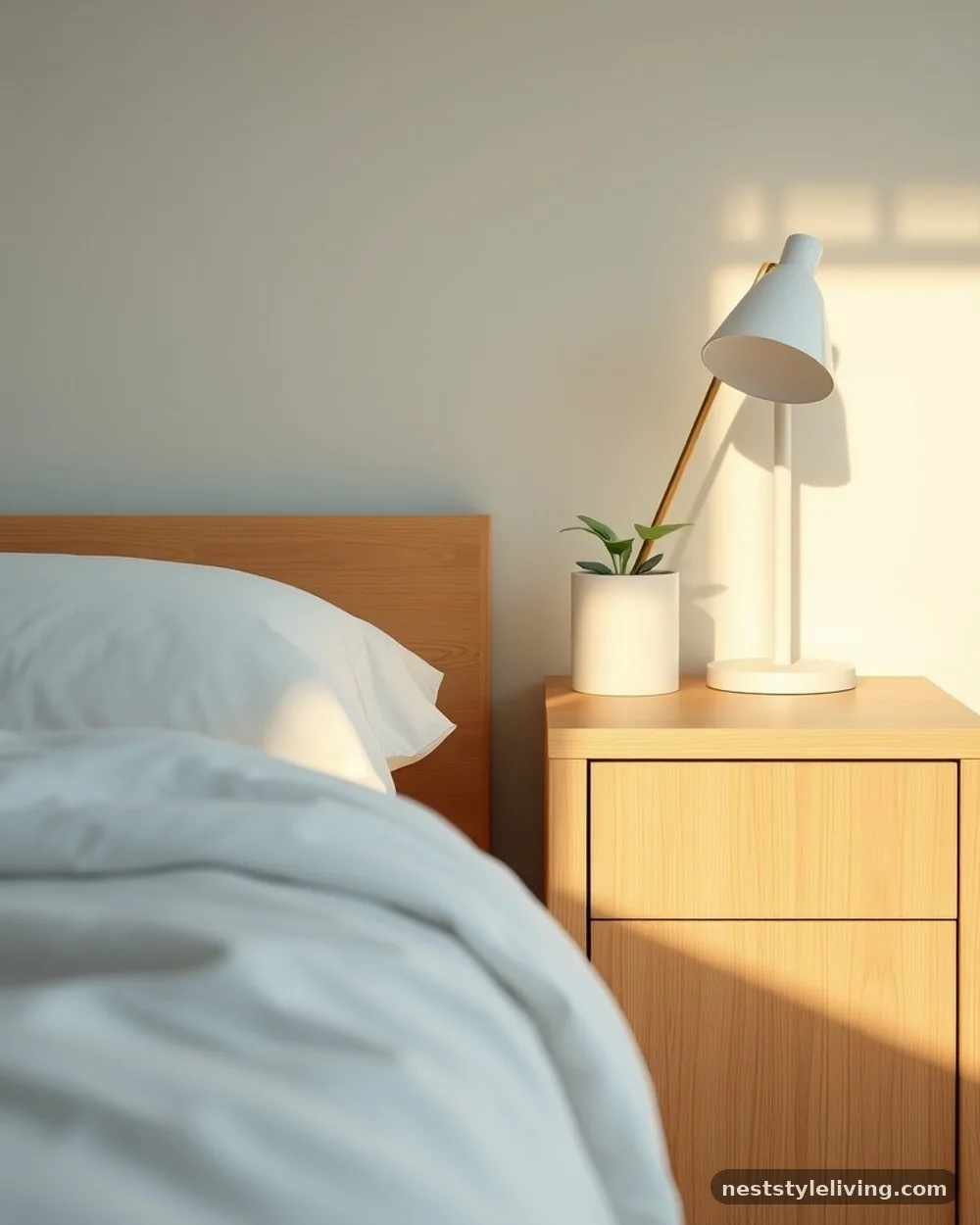
Nightstands in a Japandi bedroom should prioritize natural textures, such as visible wood grain, knots, and variations in color. Avoid high-gloss lacquers or heavy stains, opting instead for a matte oil or wax finish that lets the material speak for itself. A simple cube or cylindrical shape works best, as it keeps the floor clear and maintains a sense of lightness. The goal is to bring the outside in, creating a connection to nature that feels restorative and grounding at the start and end of each day.
When selecting your nightstands, choose solid timber over particle board for better longevity and a more authentic feel. If you prefer a bit of storage, look for models with a single, push-to-open drawer rather than traditional handles, which helps maintain the clean, uninterrupted silhouette that defines the style.
9. Soft Wool Area Rugs
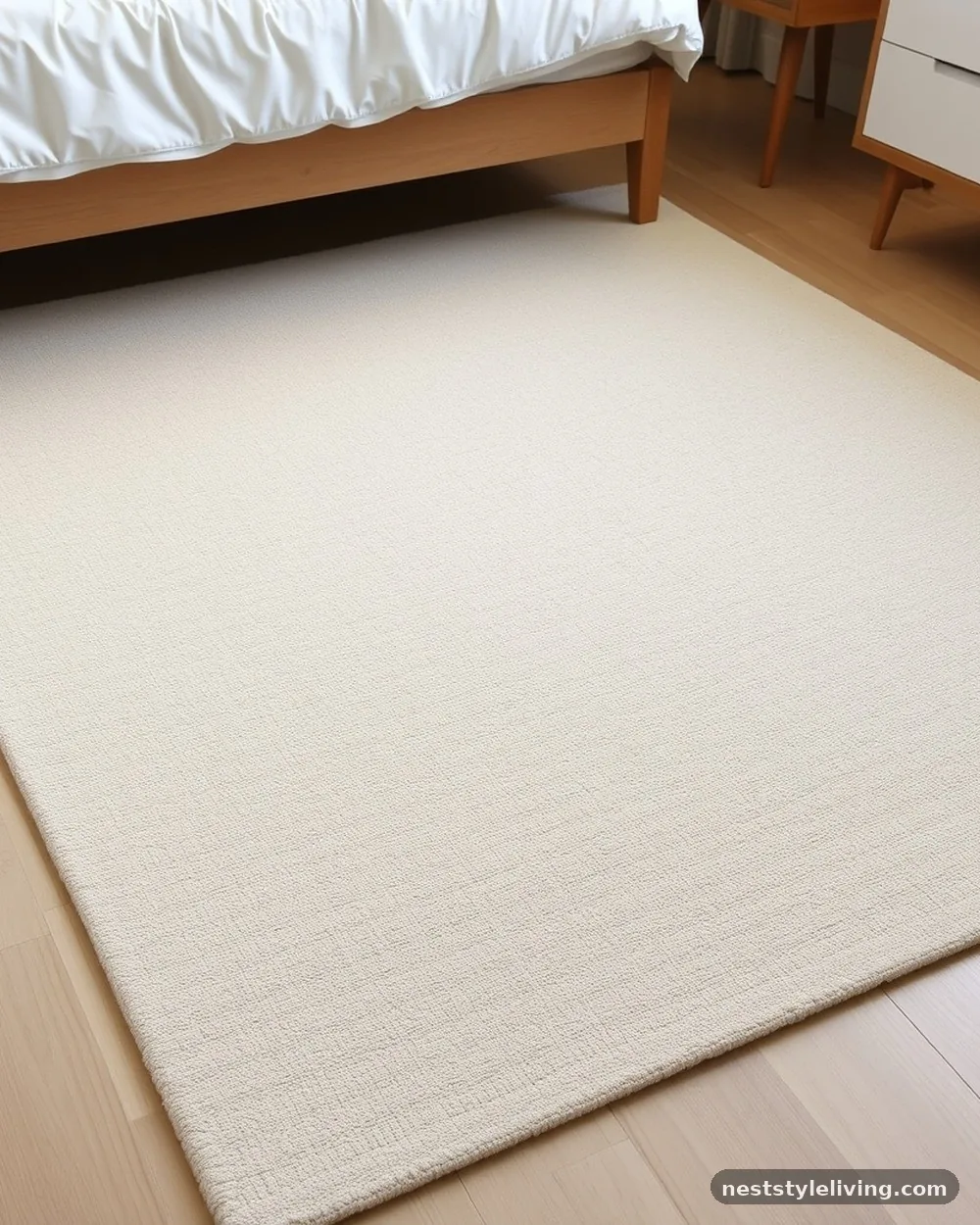
A rug serves as the foundation for the room’s comfort, and choosing a soft, high-quality wool option in a neutral tone is essential. Look for designs that feature subtle geometric patterns or high-low pile textures, which add depth without introducing chaotic colors. Wool is naturally durable, insulating, and soft underfoot, making it the perfect choice for a bedroom where comfort is the priority. By choosing a rug that spans most of the floor area, you create a cohesive, unified look that ties all the furniture pieces together into a singular, tranquil zone.
For maintenance, choose a rug with a low to medium pile to make vacuuming easier and to prevent dust buildup. If you are layering, ensure the rug is large enough so that at least the front two-thirds of the bed frame sits on it, which helps define the sleeping area clearly.
10. Low-Light Indoor Plants
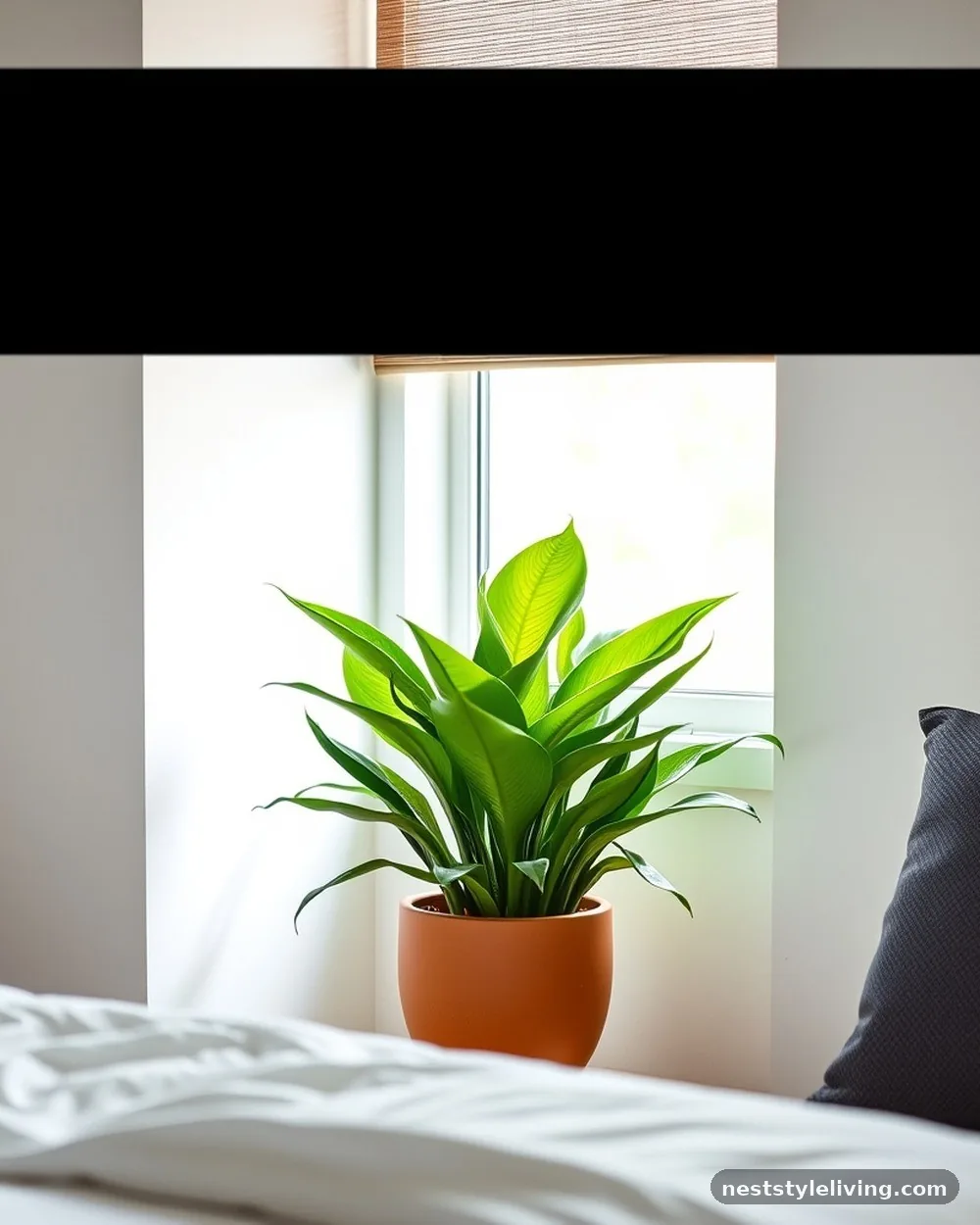
Plants are vital for bringing life into a minimalist space, but they should be selected with a focus on simplicity. Choose varieties with architectural foliage, such as a Snake Plant or a ZZ Plant, which require minimal care and thrive in the lower-light conditions typical of many bedrooms. Place these in simple terracotta or stone pots that complement your room’s color palette. The presence of greenery not only improves air quality but also adds a necessary organic element that softens the rigid lines of modern furniture, reinforcing the connection to the natural world.
When styling your plants, group them in odd numbers to create visual interest without appearing cluttered. Wipe the leaves periodically with a damp cloth to keep them free of dust, as a clean plant is essential to maintaining the crisp, intentional aesthetic of a modern, calm bedroom.
11. Hidden Storage Solutions
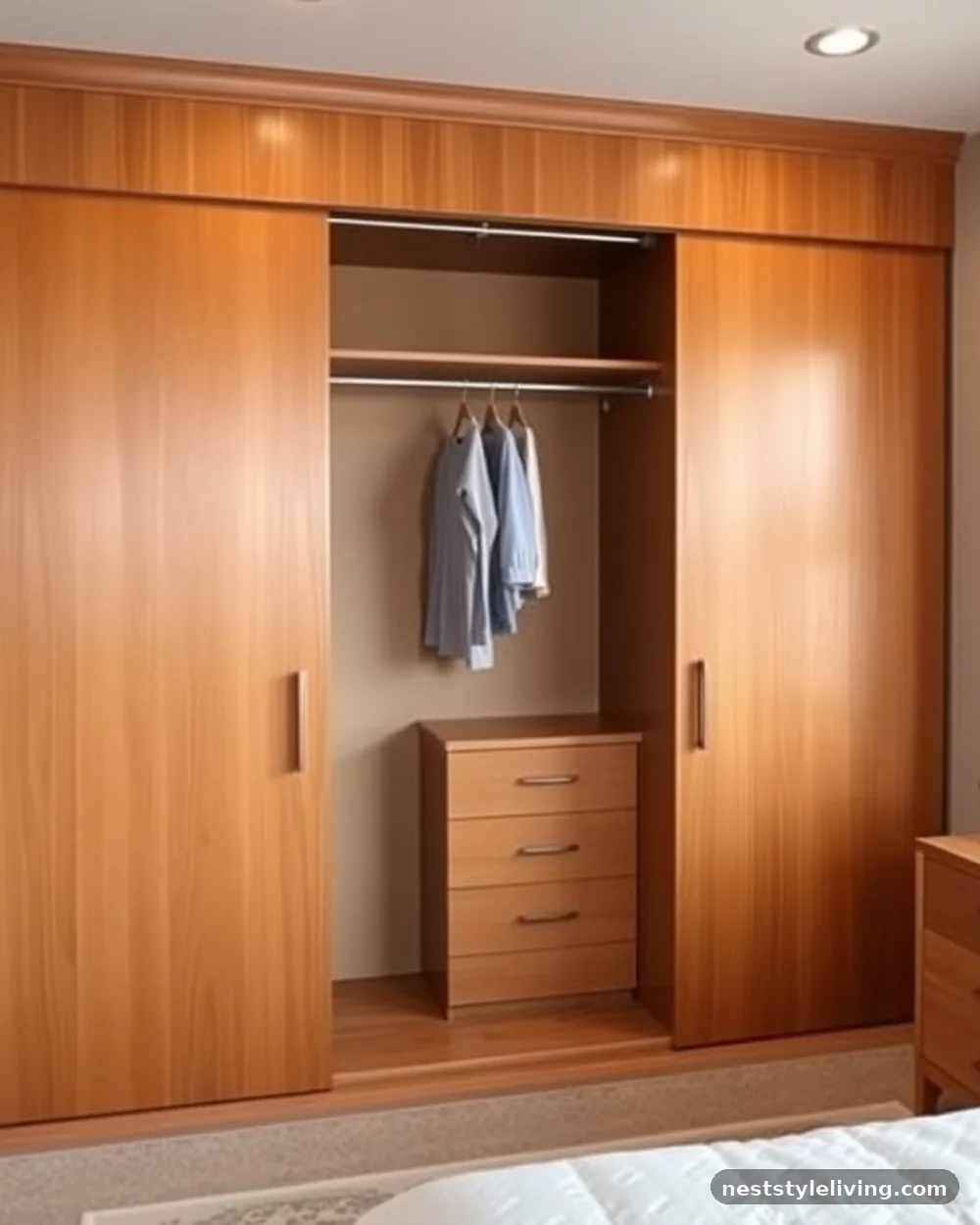
Clutter is the enemy of a calm retreat, so incorporating hidden storage is essential for keeping surfaces clear and the mind at ease. Use under-bed storage bins, a bench with a hinged lid at the foot of the bed, or built-in cabinetry that blends into the wall. By concealing items like seasonal clothing, extra bedding, or personal belongings, you ensure that the room remains a dedicated space for rest. This focus on organization allows you to enjoy the beauty of your furniture without the distraction of daily life’s mess.
Choose storage containers made from natural materials like seagrass or wood to maintain the aesthetic even when items are tucked away. If you are using built-in storage, paint the doors the same color as the walls to make them disappear entirely, creating a sleek, unified look that feels expansive.
12. Earth-Toned Wall Art
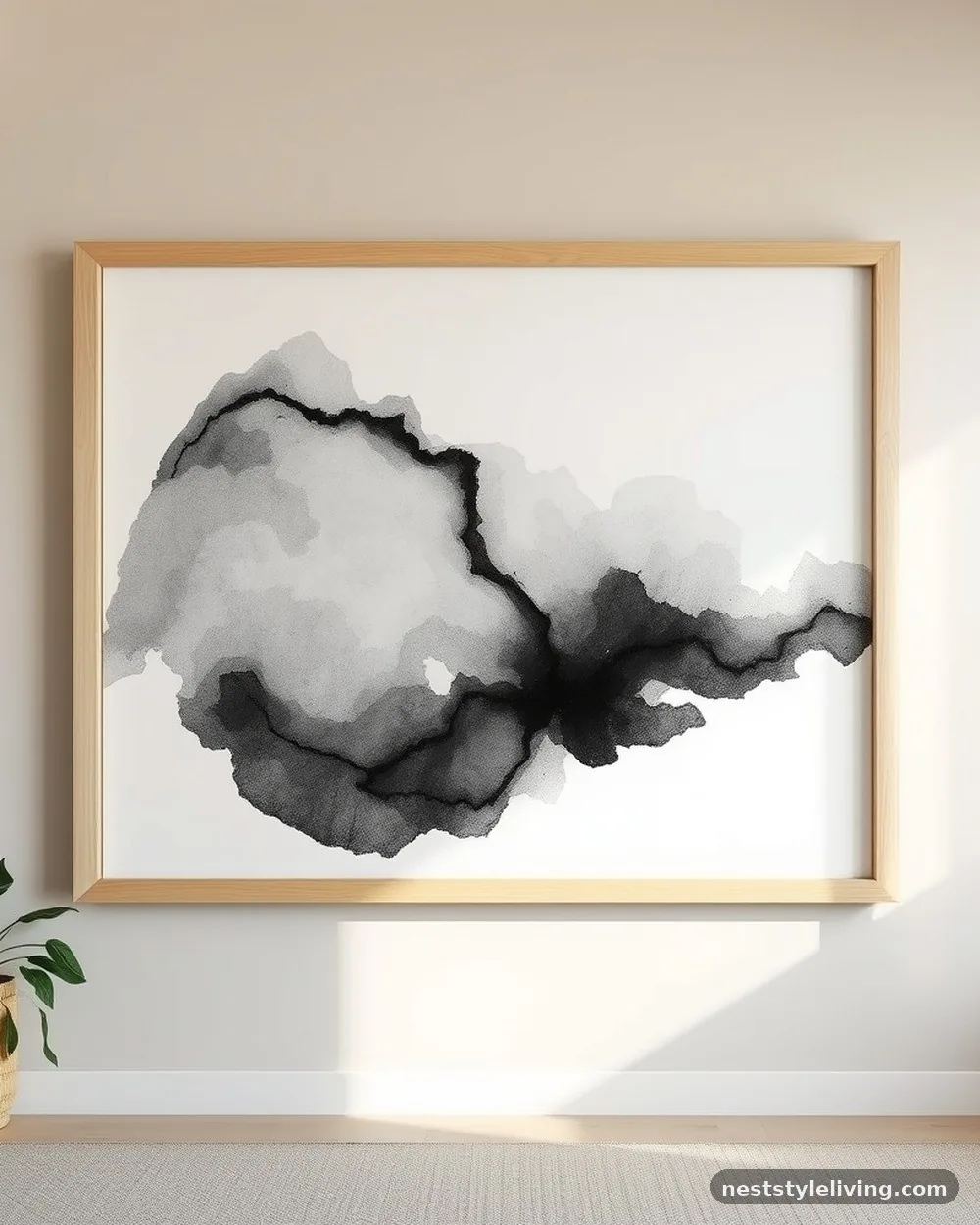
Art in a Japandi bedroom should be subtle, focusing on muted, earthy palettes that evoke a sense of calm. Large-scale abstract prints, ink-wash paintings, or framed botanical sketches work well, provided they are mounted in simple, light-wood frames. Avoid busy, vibrant colors that might stimulate the senses, instead opting for soft grays, beiges, terracottas, and mossy greens. The goal is to create a moment of visual interest that invites contemplation rather than demanding attention, allowing the eye to rest as you unwind at the end of the day.
When hanging art, keep it at eye level and leave plenty of negative space around each piece to prevent the walls from feeling overcrowded. Use acid-free mats and museum-grade glass if possible to protect your art and ensure that reflections don’t disrupt the soft, ambient lighting of your retreat.
13. Bamboo Blinds or Shades
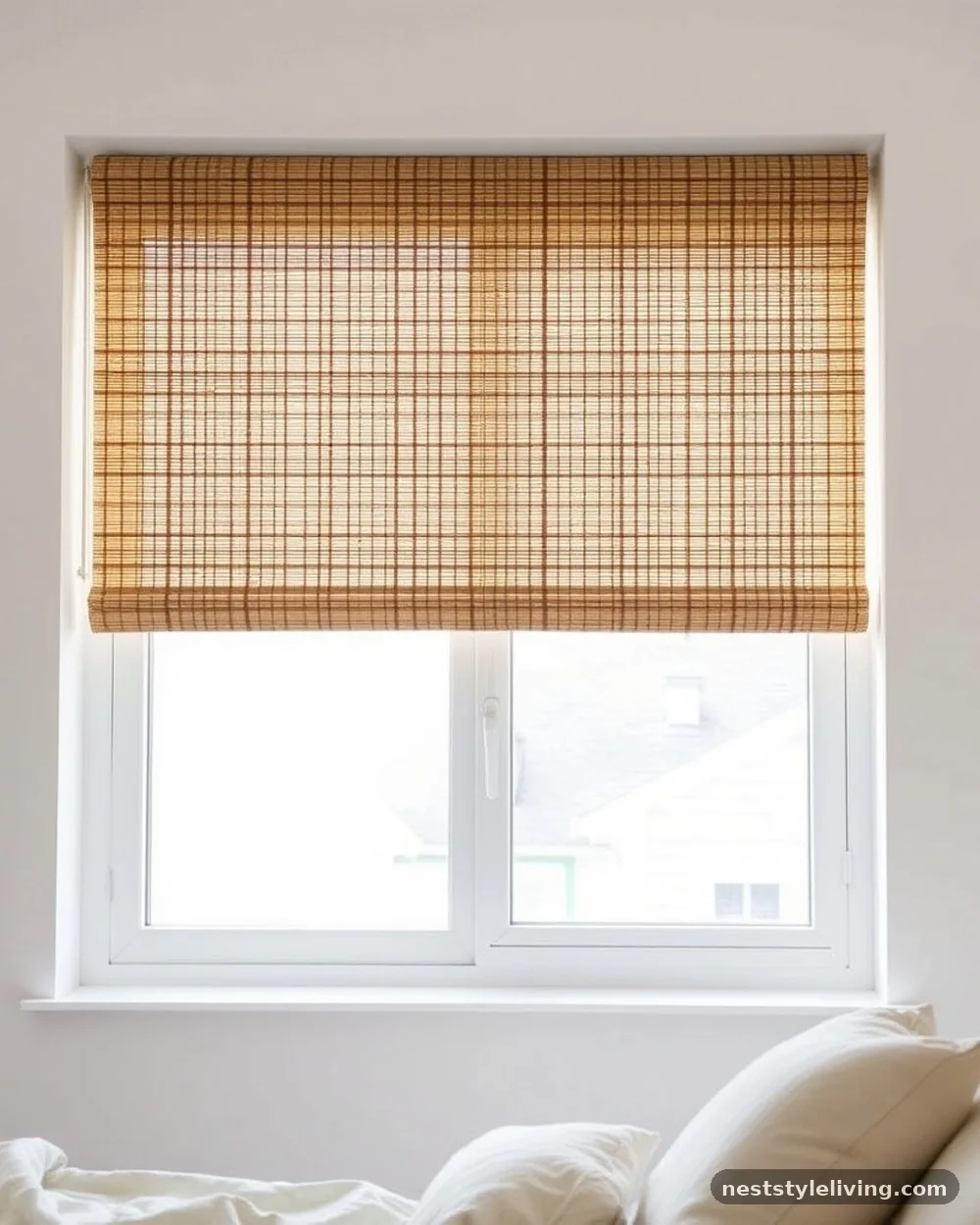
Window treatments should prioritize natural light while offering privacy and texture. Bamboo or woven wood shades are ideal because they filter sunlight into soft, dappled patterns, creating a beautiful atmosphere throughout the day. Unlike heavy curtains, these shades don’t collect as much dust and maintain a clean, minimalist profile when raised or lowered. They provide a warm, organic contrast to the white walls and modern furniture, reinforcing the Japandi theme of bringing nature indoors.
When installing, mount the shades inside the window frame for a flush, custom look. If you need complete darkness for sleeping, pair these with a hidden blackout roller shade mounted behind the bamboo, or use linen curtains on a simple, matte black rod to add a layer of softness.
14. Muted, Monochromatic Color Palette
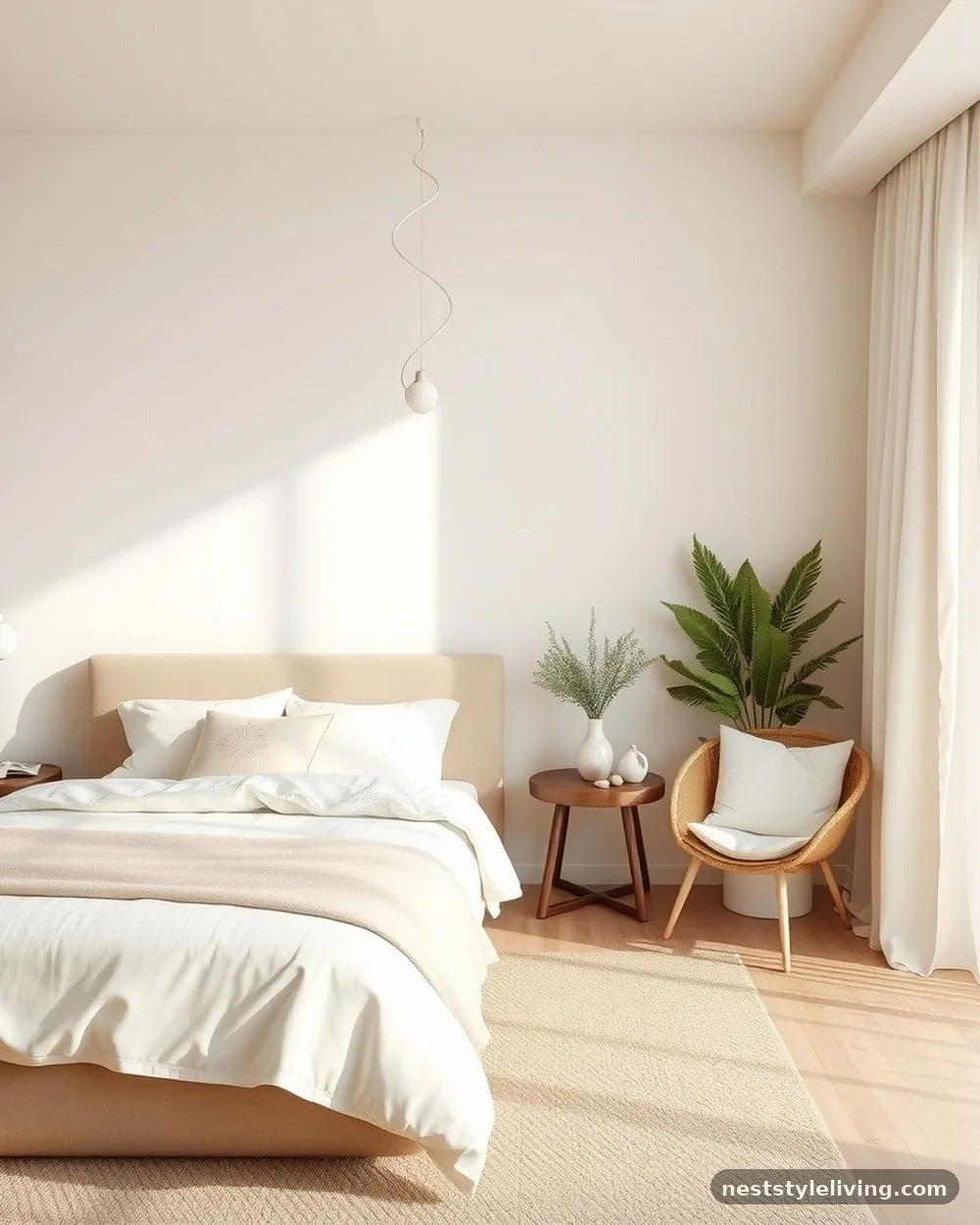
A successful Japandi bedroom relies on a restrained, monochromatic color palette to achieve its trademark sense of calm. Stick to a base of warm whites, creams, and light grays, then layer in subtle variations of taupe, sand, or muted sage. This strategy prevents the room from feeling sterile while ensuring that every element feels cohesive and intentional. By limiting your color choices, you allow the textures of your furniture and textiles to take center stage, creating a rich, sensory experience that feels luxurious precisely because it is so understated.
To maintain this look, use a consistent paint color across all walls and trim, which helps to blur the boundaries of the room and make it feel larger. If you want to introduce a darker accent, use it sparingly—perhaps in a throw pillow or a single piece of pottery—to anchor the room without disrupting the overall sense of tranquility.
15. Hand-Thrown Clay Accessories

Small, functional accessories like jewelry dishes, incense holders, or soap trays should feel like they were made by hand. Look for clay pieces with visible thumbprints, irregular edges, or crackled glazes that showcase the maker’s process. These items add a layer of human warmth to the bedroom, reminding you that your space is a curated collection of meaningful objects rather than a catalog display. By focusing on quality over quantity, you create a room that feels personal, grounded, and deeply rooted in the philosophy of slow living.
When selecting these items, opt for pieces that serve a specific purpose, such as a small bowl for your watch or a tray for your bedside reading glasses. This keeps your nightstand functional and tidy, ensuring that your accessories enhance the calm atmosphere rather than adding to the visual noise of the space.
16. Soft, Indirect Ambient Lighting
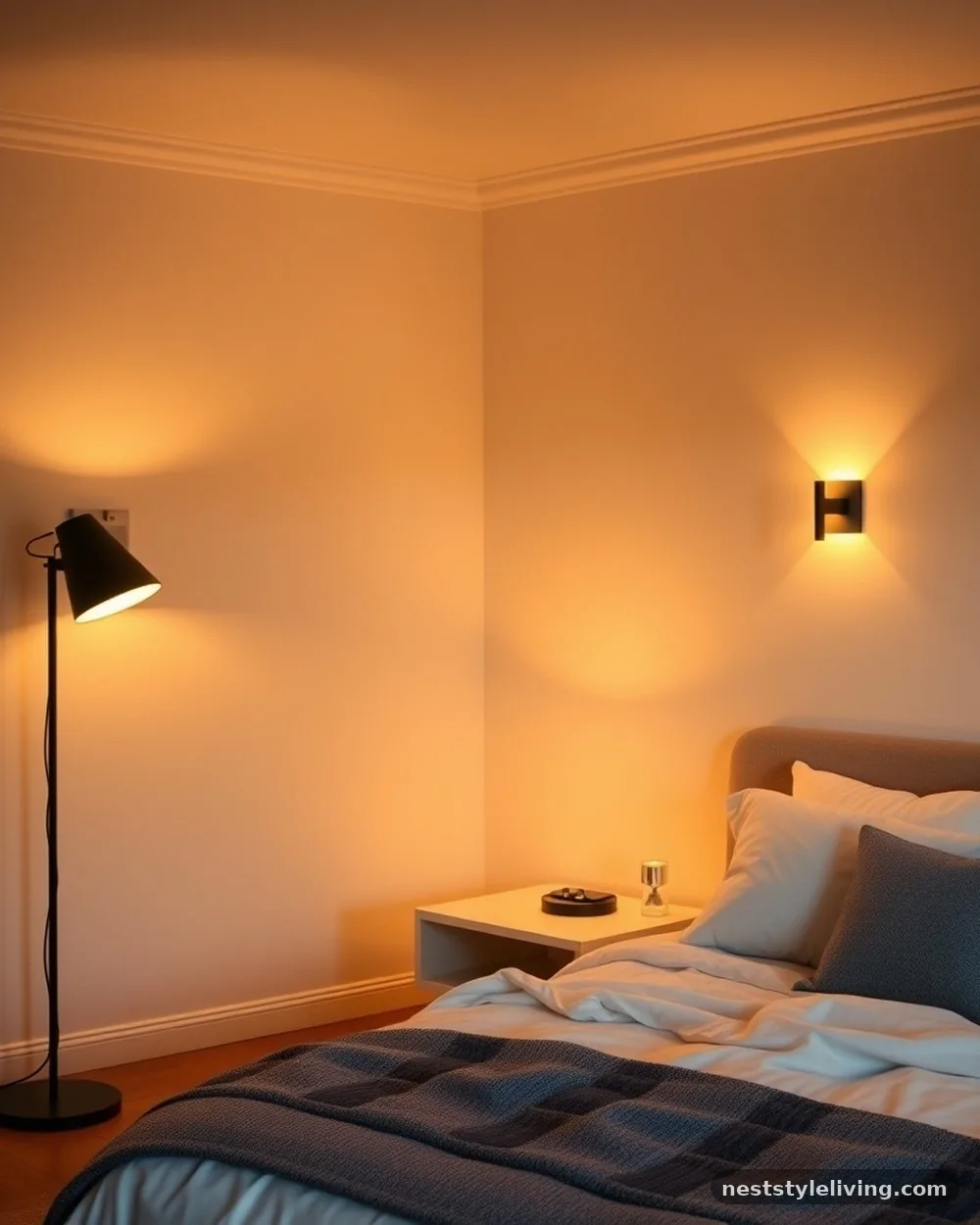
Lighting design in a bedroom should favor indirect sources that create a gentle, inviting glow. Avoid harsh overhead lighting, opting instead for wall sconces, floor lamps with paper or linen shades, and small table lamps that cast light upward or outward. This technique eliminates deep shadows and creates a cozy, cocoon-like feeling that is perfect for winding down. By controlling the light, you can shift the mood of your bedroom instantly, making it feel like a private sanctuary away from the outside world.
Install smart bulbs that allow you to adjust the color temperature, favoring warmer, yellow-toned light in the evening to mimic the natural sunset. This helps signal to your brain that it is time to rest, improving your sleep quality while maintaining the sophisticated, modern aesthetic of your Japandi-inspired bedroom.
17. Natural Fiber Throw Blankets

A throw blanket made from wool, alpaca, or heavy cotton adds an essential layer of texture to the end of your bed. Look for blankets with subtle, organic patterns or simple weaves that coordinate with the rest of your bedding. Beyond the aesthetic value, these blankets provide functional warmth and comfort, making your bed feel like a more inviting place to spend time. The tactile quality of natural fibers is a hallmark of the Japandi style, grounding the room in materials that are both beautiful and durable.
To keep the look clean, drape your throw blanket neatly at the foot of the bed rather than tossing it randomly. Choose colors that are one or two shades darker than your duvet to add depth to your layering, creating a visual progression that draws the eye toward the center of the room.
18. Asymmetrical Furniture Arrangement
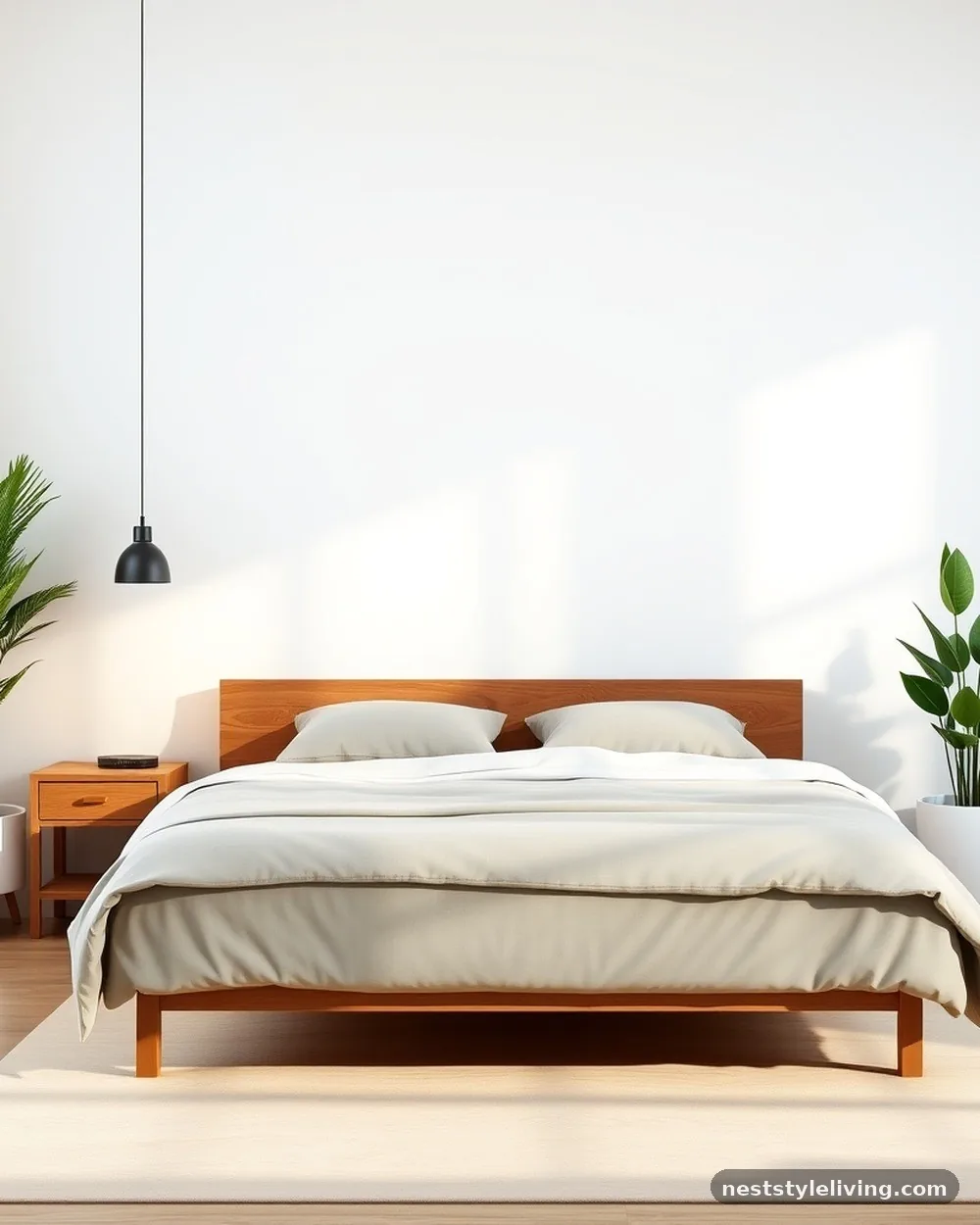
Japandi design often moves away from the rigid symmetry common in traditional bedroom layouts, opting instead for a more fluid, organic arrangement. You might place a single, large piece of art off-center, or use two different types of nightstands that share a common material or tone. This approach creates a more dynamic, interesting space that feels curated rather than forced. By embracing a bit of imbalance, you allow the room to breathe, making it feel more like a personal retreat than a showroom.
If you are unsure where to start, try placing your bed slightly off-center to allow for a larger nightstand on one side and a tall, floor-standing plant on the other. This creates a balance of weight rather than a literal mirror image, giving you more flexibility for your daily routines while maintaining the calm, modern feel of the room.
19. Sustainable Wood Flooring
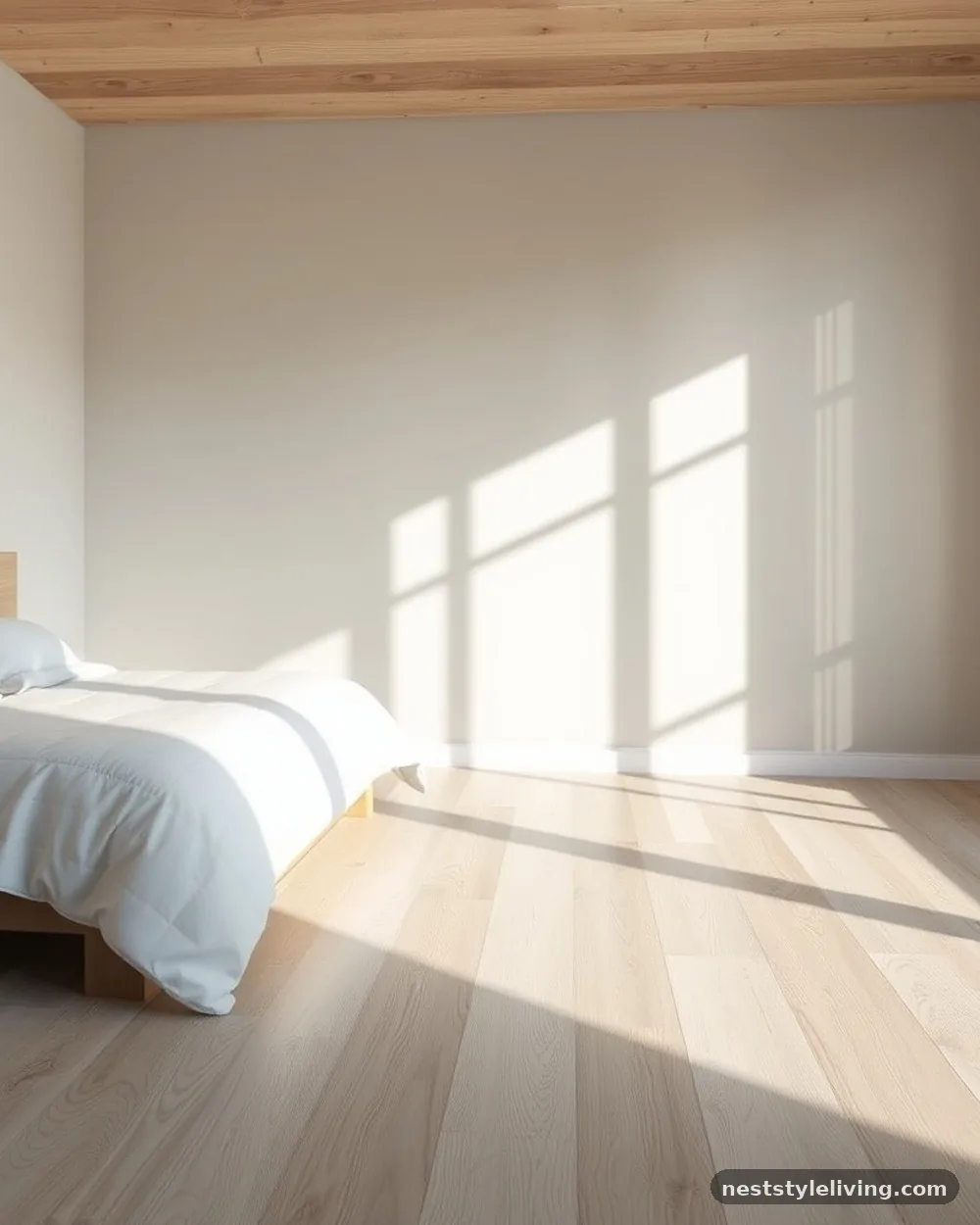
If you are planning a renovation, choose light-toned wood flooring like white oak, ash, or maple to serve as the foundation of your Japandi bedroom. These woods have a natural, warm undertone that complements the minimalist aesthetic and provides a neutral canvas for your furniture. If you cannot replace your floors, use a large area rug to cover darker or outdated materials, focusing on light-colored wool or jute to keep the space feeling bright and airy. The goal is to create a seamless transition between the floor and the furniture, enhancing the sense of continuity and calm.
For maintenance, use a matte finish sealant that protects the wood without creating a distracting, high-gloss shine. This preserves the natural feel of the timber while ensuring that the floor is easy to clean and resistant to the wear and tear of daily life in a modern home.
20. Breathable Cotton Curtains
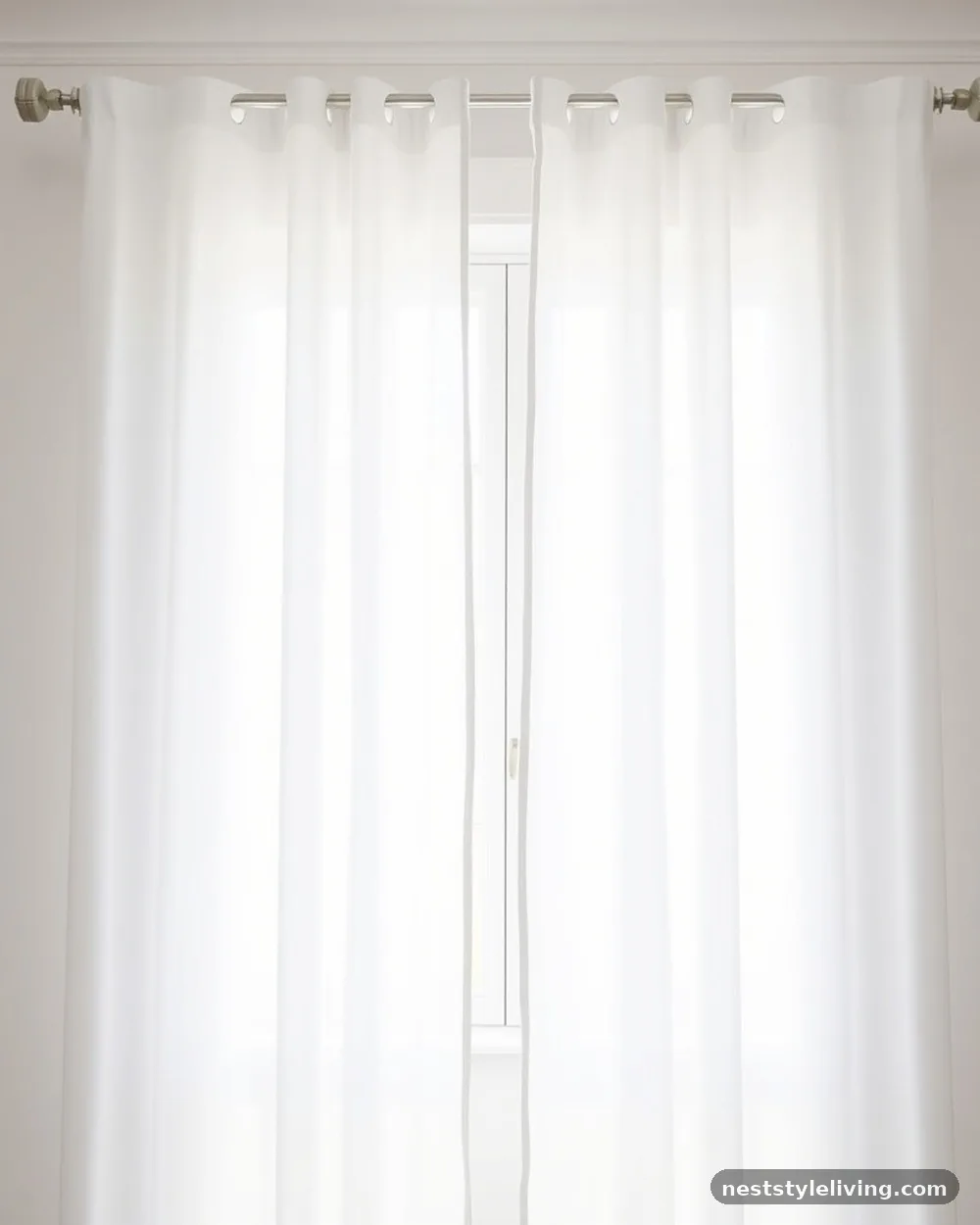
Curtains in a bedroom should be lightweight and breathable, allowing for air circulation while providing soft, diffused privacy. Choose sheer or light-weight cotton in a crisp white or soft cream, which will billow gently with a breeze and contribute to the airy, serene atmosphere. Avoid heavy, light-blocking fabrics unless paired with a hidden blackout shade, as the goal is to keep the room feeling as open as possible. By keeping the curtains simple and unadorned, you ensure they complement the clean lines of the space without drawing unnecessary attention.
Install the rod as close to the ceiling as possible to make the room feel taller, and ensure the curtains are long enough to just kiss the floor. This simple trick adds a sense of luxury and height, reinforcing the modern, sophisticated look of your Japandi retreat without requiring a significant investment.
21. Minimalist Desk or Vanity
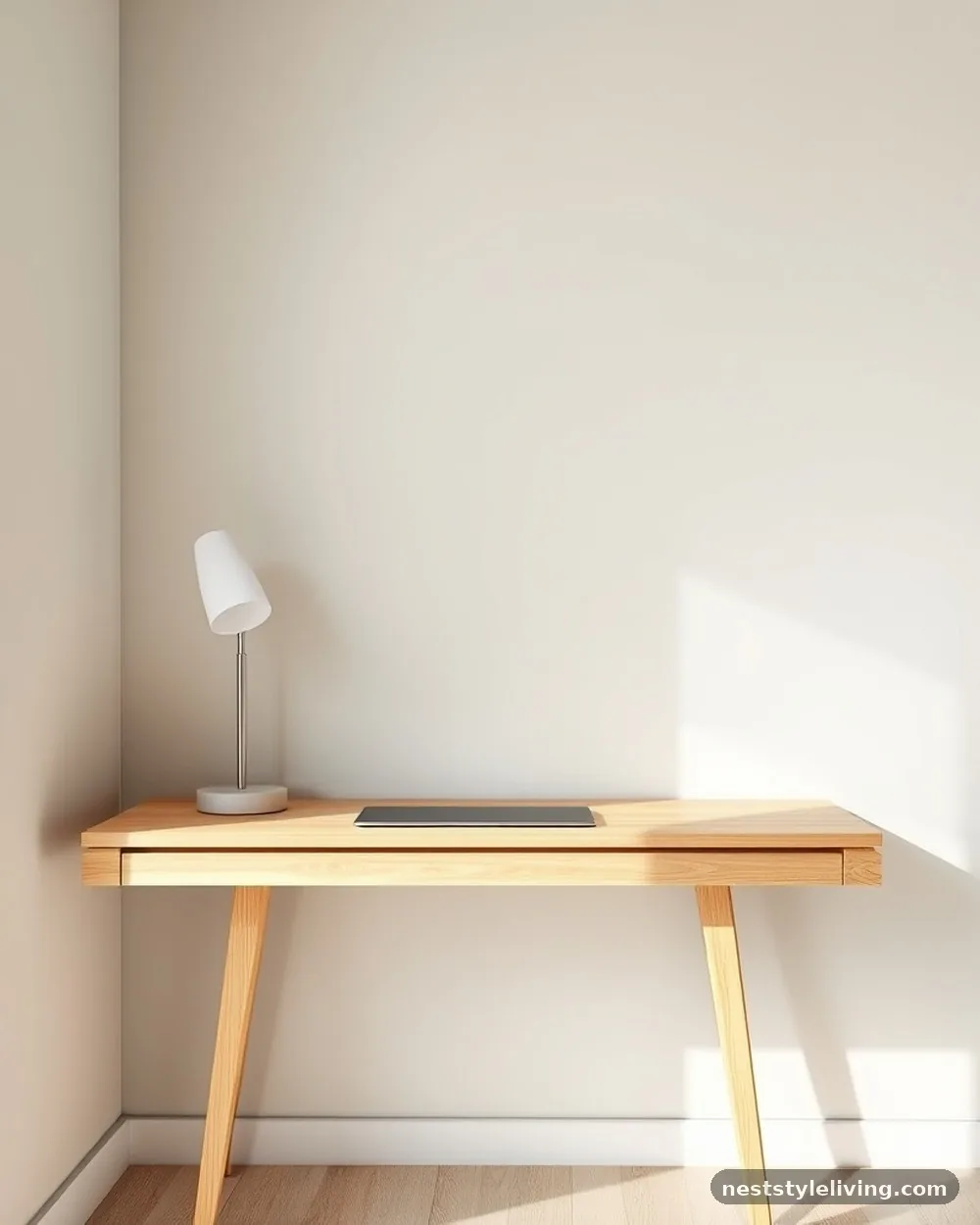
If your bedroom must double as a workspace or a grooming area, select a desk or vanity that adheres to the same minimalist principles as your bed. Look for a slim, wall-mounted desk or a simple table with tapered legs in a light wood finish. By keeping the surface clear of unnecessary items, you maintain the peaceful environment required for rest. Use a stool or a chair with a woven seat to add texture, and keep your workspace tools stored in a closed drawer to avoid visual clutter.
When not in use, ensure your desk or vanity is cleared completely, leaving only one decorative element like a small lamp or a single book. This discipline is essential for preserving the calm of the room, ensuring that even if you use the space for work, it remains a dedicated area for relaxation when the day is done.
Frequently Asked Questions
Is the Japandi style still popular in 2026?
Yes, the style remains a dominant trend because it prioritizes long-term comfort and sustainability over fast-fashion decor. Its focus on natural materials and a calm, neutral palette aligns with the growing desire for homes that serve as functional, restorative sanctuaries.
How do I make a small bedroom feel like a Japandi retreat?
Focus on vertical space and multi-functional furniture. A low-profile bed and wall-mounted shelves will open up the floor area, while a monochromatic color scheme will prevent the walls from feeling like they are closing in. Keep surfaces clear to maximize the sense of space.
What are the key materials used in Japandi design?
The aesthetic relies heavily on organic, natural materials. Look for light-toned woods like oak and ash, natural textiles like linen and wool, and accents made from stone, ceramic, paper, and rattan. These materials add warmth and texture without requiring bright, distracting colors.
Can I mix modern furniture with vintage pieces?
Absolutely. The style thrives on the mix of modern, clean-lined pieces with one or two vintage items that show signs of age and character. Just ensure that the vintage pieces match the overall color palette and don’t overwhelm the space with ornate or busy details.
How do I maintain the minimalist look without the room feeling cold?
The secret is in the texture. If your room feels too sterile, introduce layered textiles like a chunky wool throw, a linen duvet, or a jute rug. These soft, tactile elements add warmth and depth, ensuring the space feels cozy and lived-in while remaining perfectly organized.
Conclusion
Creating a Japandi bedroom is about more than just aesthetics; it is a commitment to a lifestyle that values simplicity, quality, and peace. By incorporating the natural materials, neutral tones, and intentional layouts discussed, you can build a bedroom that truly serves as a refuge from the noise of the modern world. Remember that the goal is not to fill every corner, but to curate a space where you can breathe, relax, and recharge. Start by clearing your surfaces and introducing one or two pieces that speak to the balance of Scandinavian comfort and Japanese precision. As you refine your space, you’ll find that the environment itself helps you cultivate a calmer, more focused mindset each day. We invite you to begin your transformation today and share your progress as you design your own perfect, tranquil retreat.