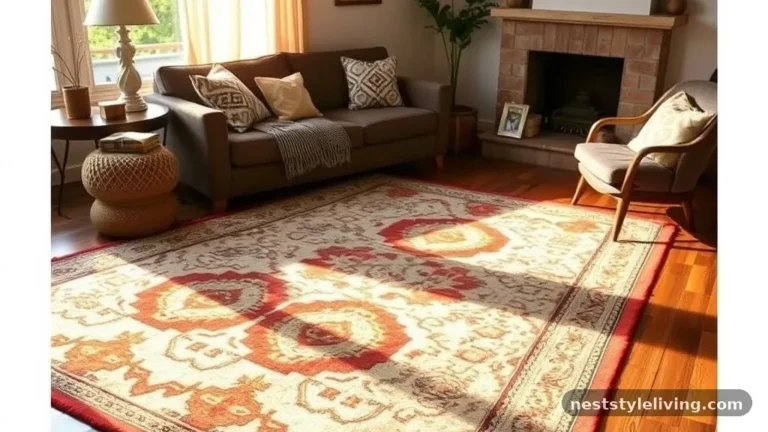
18 White Living Room Ideas That Feel Warm & Inviting
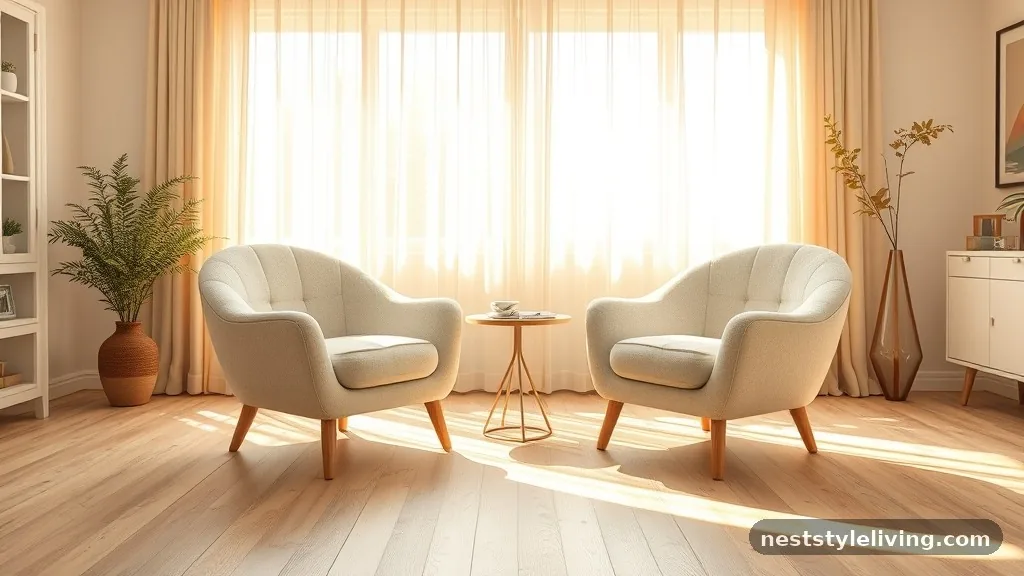
Achieving a balance between a crisp aesthetic and a truly comfortable atmosphere is the primary goal when exploring white living room ideas that feel warm & inviting. Many people fear that an all-white color palette will result in a sterile, clinical environment, but the secret lies in layering textures, incorporating organic materials, and selecting the right undertones.
By focusing on tactile elements and soft lighting, you can transform a blank canvas into a sanctuary that feels both airy and grounded. This collection provides actionable strategies for creating a refined, cozy home that stays bright without losing its sense of comfort.
1. Creamy Bouclé Accent Chairs
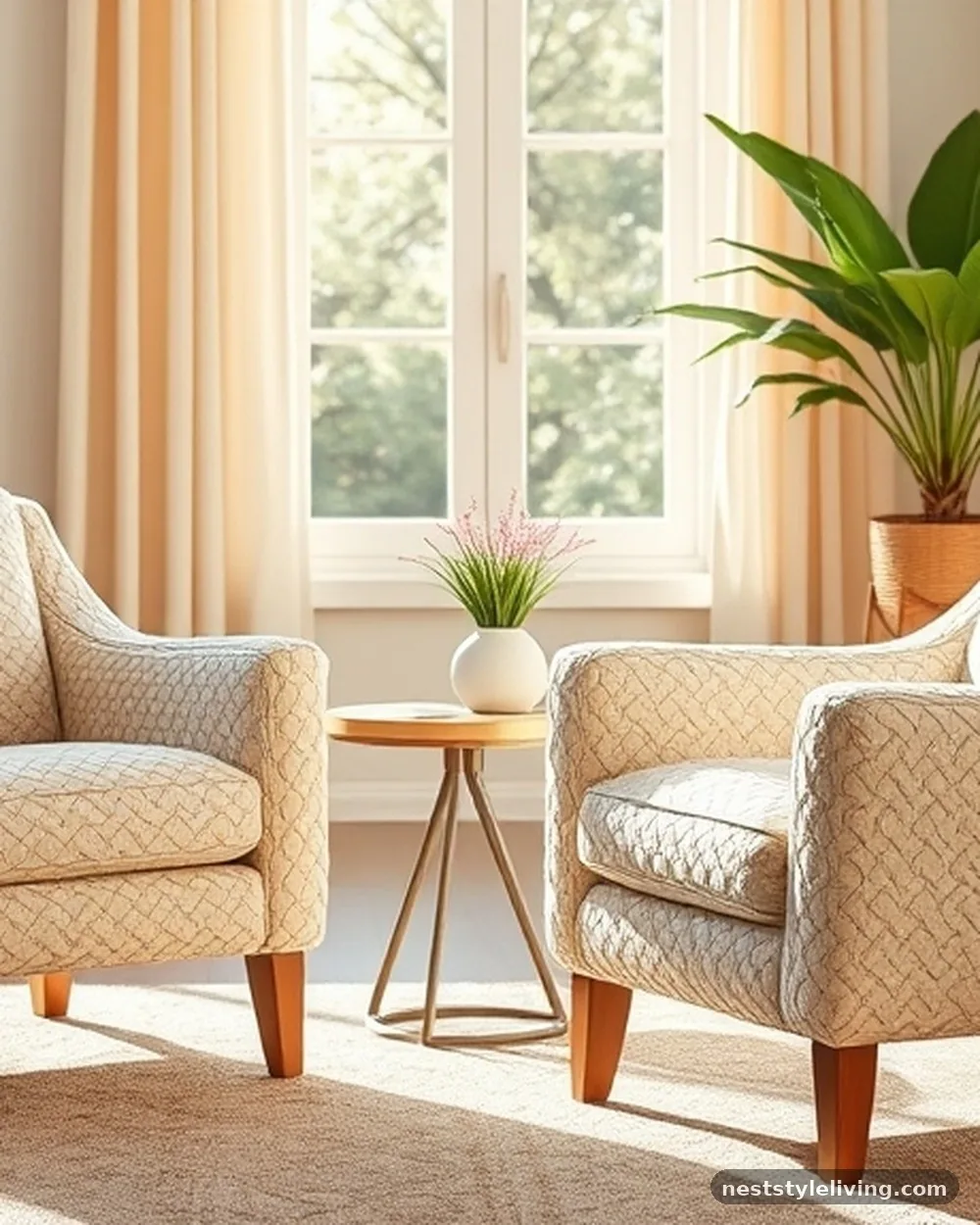
Bouclé fabric brings an immediate sense of softness to a room through its nubby, looped texture. When you choose an off-white or cream-colored bouclé chair, you introduce a tactile element that breaks up the monotony of flat painted walls.
These pieces work exceptionally well in modern spaces where the architecture might feel a bit too sharp, as the rounded, plush silhouette of a bouclé chair softens the overall geometry of the room. The material is surprisingly durable, though it requires occasional vacuuming to keep the loops free of dust.
To implement this, look for chairs with a rounded, “crescent” or “barrel” shape to maximize the cozy factor. Place the chair at an angle to your sofa rather than directly parallel, which creates a more organic, inviting seating arrangement that encourages conversation.
2. Warm White Wall Glazes
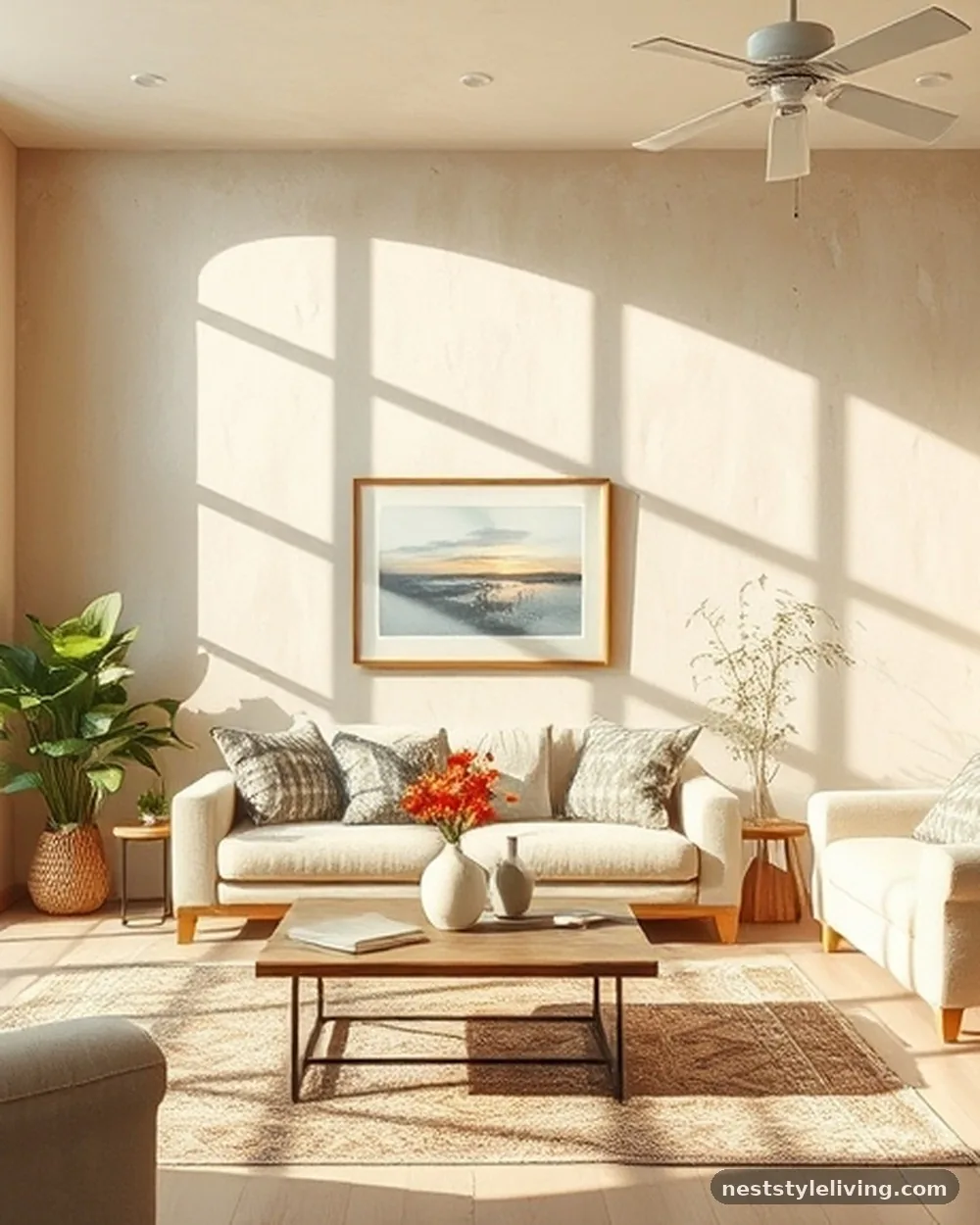
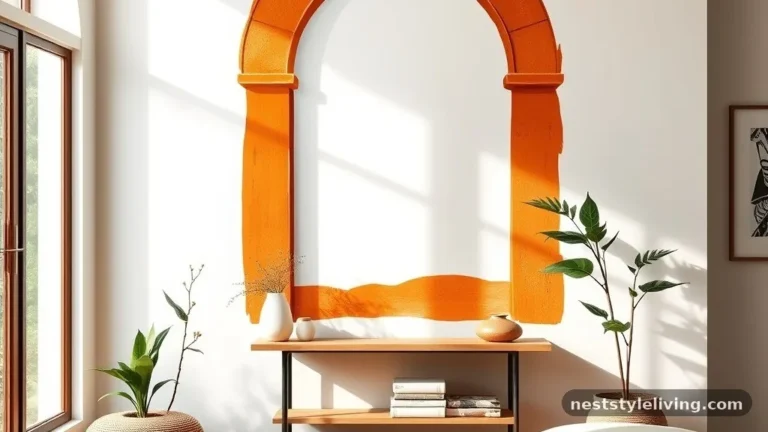
Standard flat white paint can sometimes fall flat, especially in rooms with low natural light. A subtle warm white glaze or a lime wash finish adds depth and movement to your walls, mimicking the look of old-world plaster.
This technique creates a soft, cloud-like appearance that changes throughout the day as the sun hits different angles. It is a sophisticated way to add character to a space without introducing bold colors or patterns.
Apply a lime wash or a specialized decorative glaze using a wide, natural-bristle brush in a cross-hatch pattern. This technique requires a bit of practice to ensure the strokes look intentional rather than messy, so test a small, hidden section of the wall before committing to the entire living room.
3. Chunky Knit Wool Throws
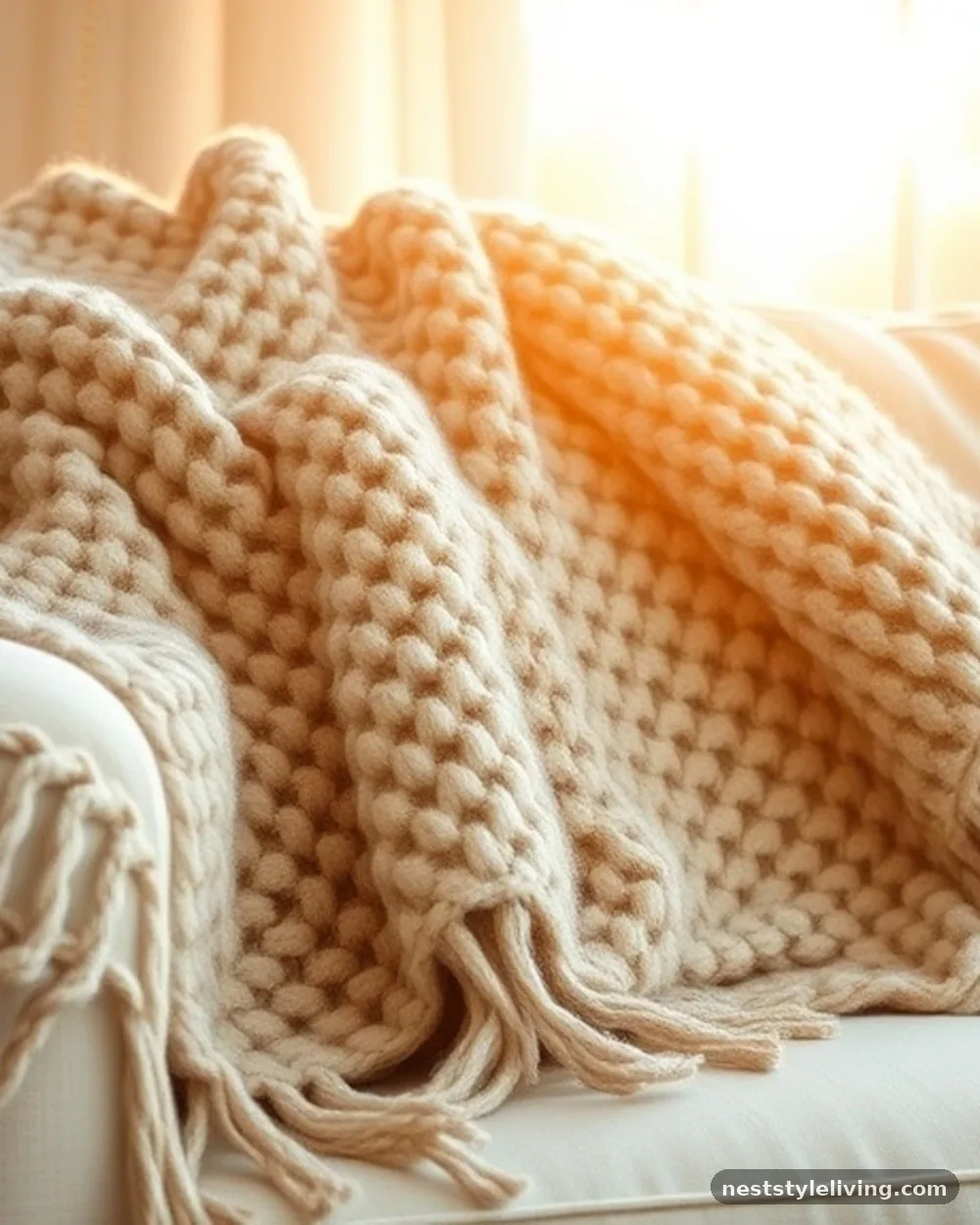
A heavy, oversized knit throw is perhaps the most effective tool for adding immediate warmth to a white leather or linen sofa. The sheer scale of the weave creates a visual anchor that makes the seating area feel lived-in and approachable. Choose a throw in a warm ivory or oatmeal shade to maintain the monochromatic scheme while providing just enough tonal contrast to keep the eyes interested.
Drape the blanket over the corner of the sofa in a loose, asymmetrical fashion rather than folding it neatly. This relaxed placement signals that the space is meant for lounging, making the room feel significantly more welcoming to guests and residents alike.
4. Natural Jute Area Rugs
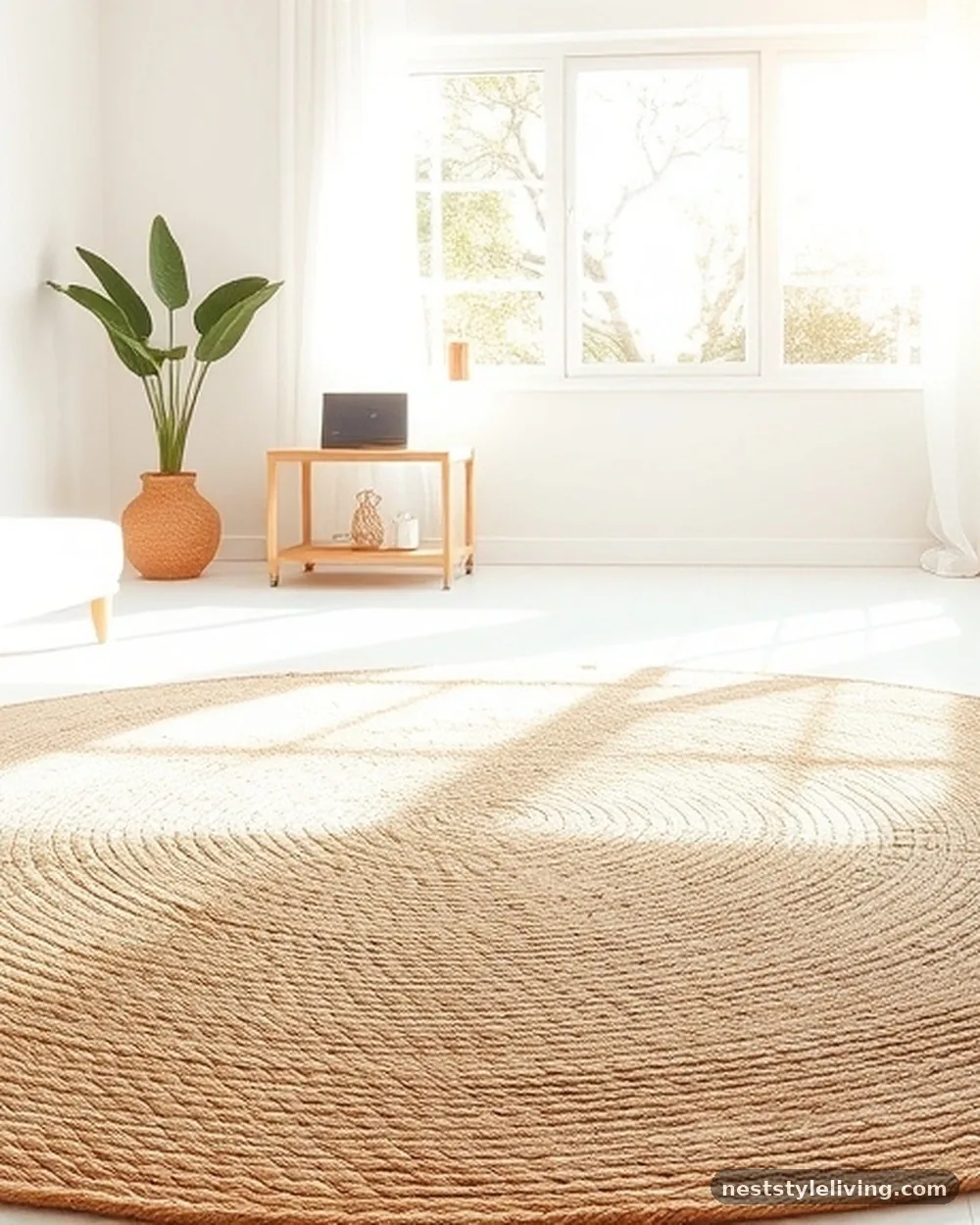
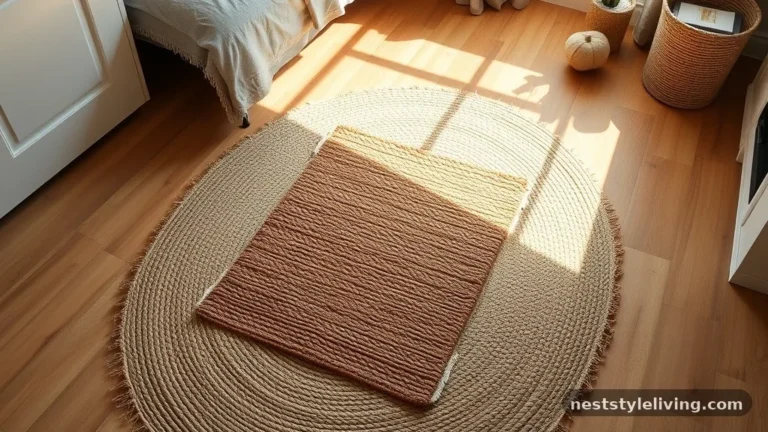
Jute is a plant-based fiber that provides an earthy, grounded foundation for a white room. The golden-brown undertones of natural jute act as a neutral bridge, warming up the starkness of white floors or walls.
Because jute is highly textured and visually “heavy,” it prevents an all-white space from feeling like a sterile gallery. It is an incredibly durable material that stands up well to high-traffic areas, though it can be coarse underfoot, so consider layering a softer, smaller wool rug on top for added comfort.
Select a rug with a tight, flat weave if you want a clean look, or a braided chunky weave for more visual interest. Ensure the rug is large enough that at least the front legs of your primary furniture pieces sit on it, which helps define the seating area within the larger white space.
5. Aged Brass Lighting Fixtures
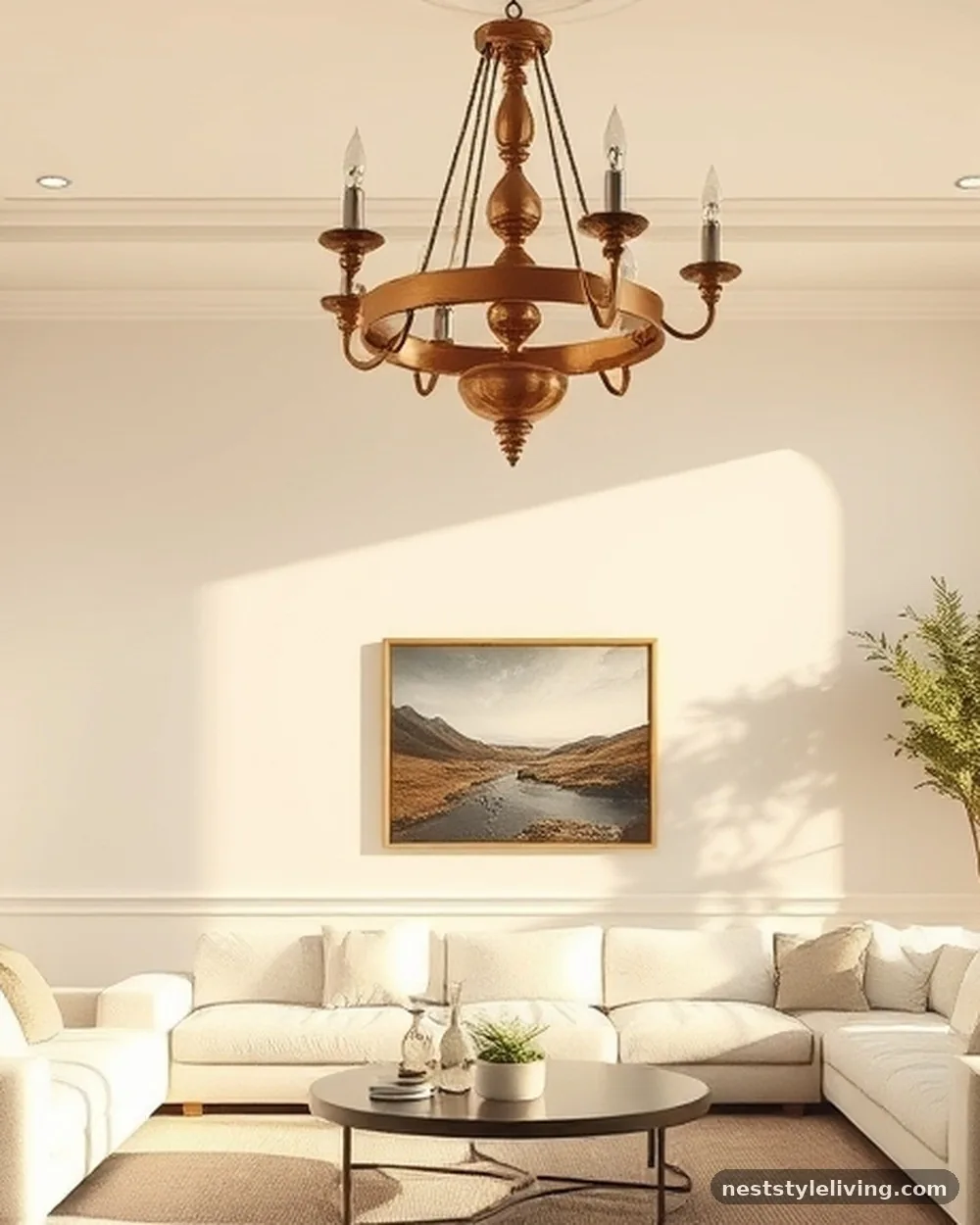
Metal finishes play a crucial role in warming up a white interior. While chrome or silver can feel cold and industrial, aged brass offers a soft, golden glow that complements the creamier sides of the white spectrum.
Whether it is a floor lamp with a vintage patina or a chandelier with a brushed brass finish, these metallic accents serve as the “jewelry” of the living room. The warmth of the metal reflects light in a way that makes the room feel sun-drenched even on cloudy days.
Look for fixtures with a matte or satin finish rather than high-polish brass to avoid a dated aesthetic. Incorporate at least two brass elements in the room—such as a side table base and a lamp—to create a sense of cohesion throughout the space.
6. Raw Edge Reclaimed Wood Coffee Tables
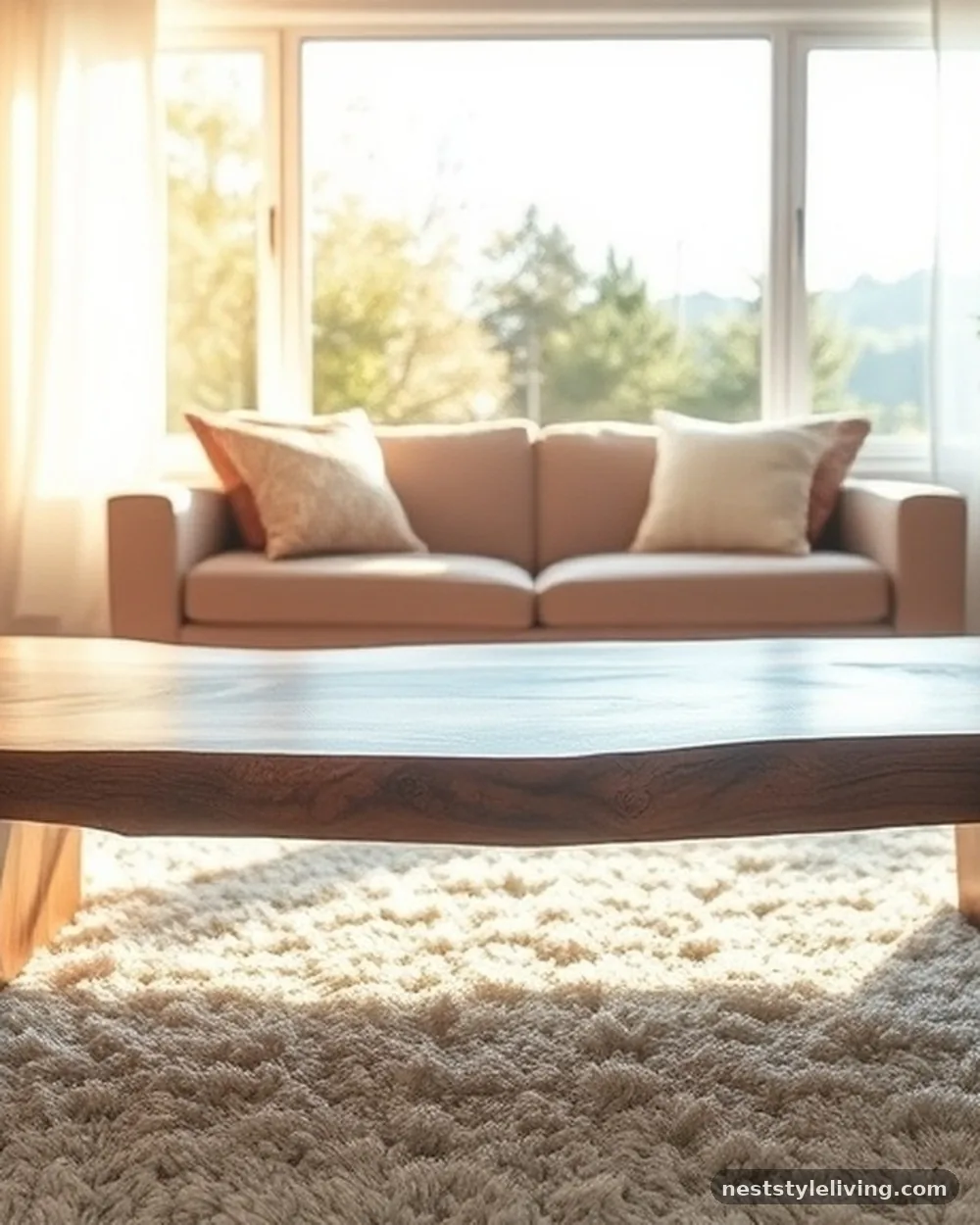
A coffee table made from raw-edge, reclaimed wood introduces organic imperfections that contrast beautifully with clean white surfaces. The natural grain, knots, and warm honey or walnut tones of the wood break up the brightness of the room and provide a necessary focal point. This is an ideal way to bridge the gap between modern design and rustic comfort, as the wood adds a sense of history and permanence to a space that might otherwise feel temporary.
Seek out tables that retain some of the original saw marks or uneven edges for a more authentic, artisanal look. If you are worried about the wood feeling too dark, opt for a lighter oak finish, which still provides the necessary warmth without overwhelming a small or delicate white design scheme.
7. Floor-to-Ceiling Linen Curtains
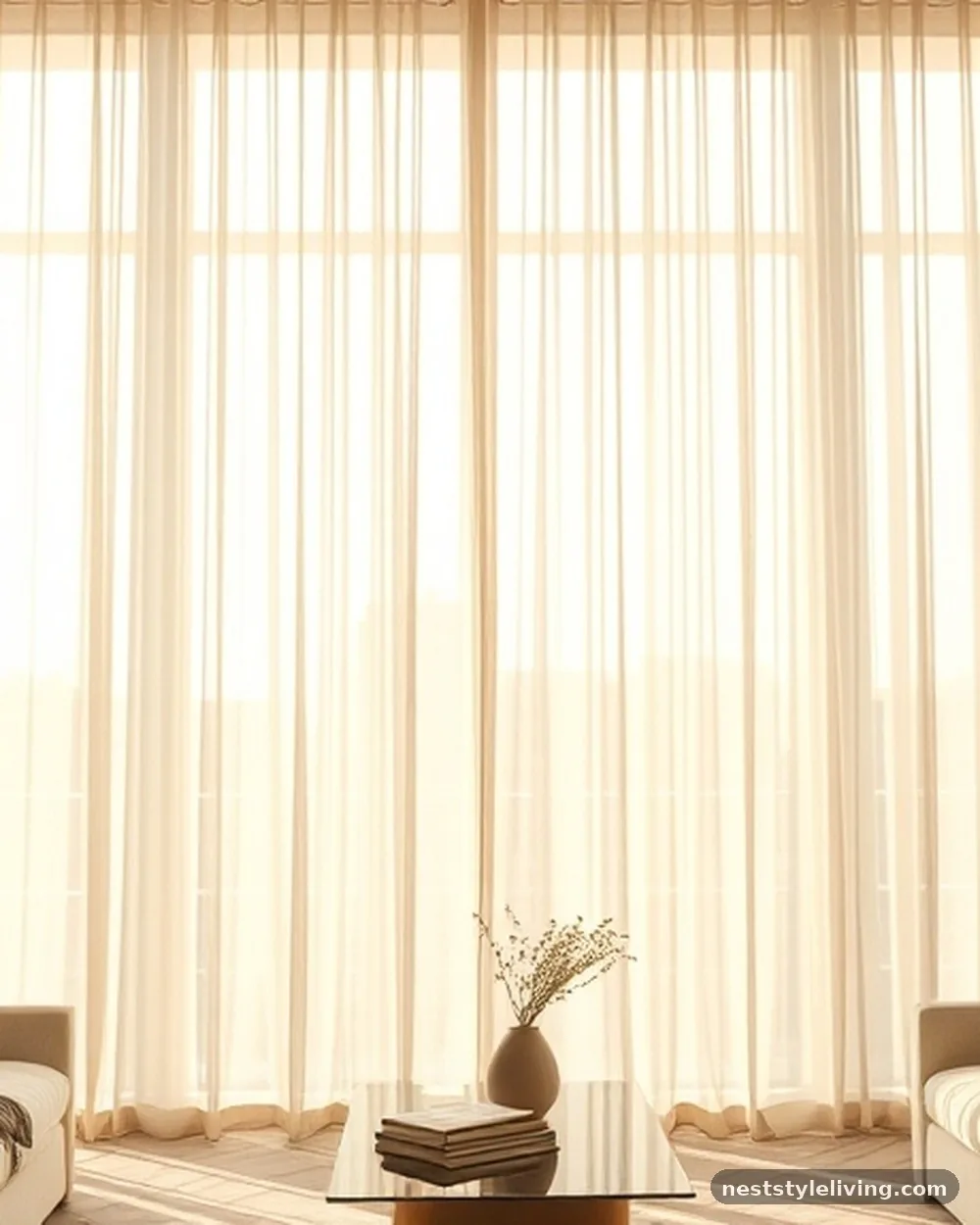
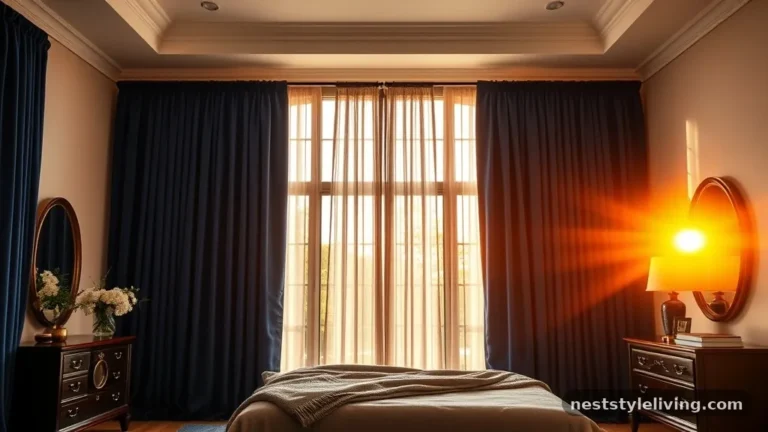
Linen is the quintessential fabric for a light-filled home because it diffuses sunlight, creating a soft, ethereal glow rather than harsh glare. When hung from the ceiling to the floor, these curtains draw the eye upward and make the room feel larger and more intentional.
Choose a “warm white” or “oatmeal” linen to avoid the clinical feel of pure, bleached white. The natural wrinkles inherent in linen add a relaxed, casual elegance that is synonymous with inviting home decor.
Install the curtain rod as close to the ceiling as possible, rather than directly above the window frame, to maximize the sense of height. Use double-width panels so that the curtains look full and luxurious even when they are pulled shut over the windows.
8. Terracotta Planter Pots
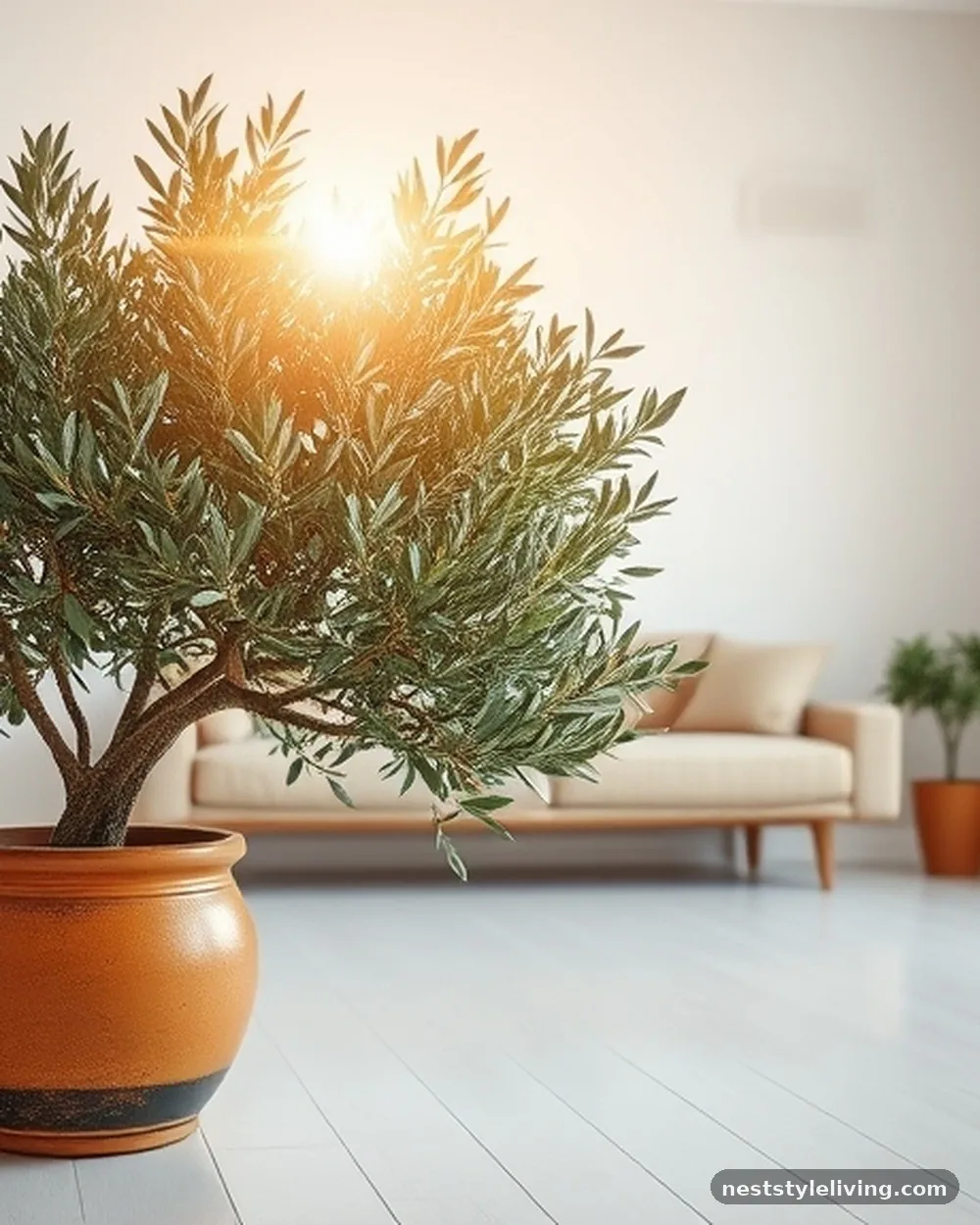
The earthy, burnt-orange hue of terracotta is the perfect color complement to white. Placing a large, potted olive tree or a fiddle leaf fig in a weathered terracotta pot adds a pop of natural warmth that feels grounded and alive.
The porous nature of the clay also adds a rough, matte texture that contrasts nicely with smoother finishes like painted trim or glass surfaces. These pots are inexpensive and improve in appearance as they age and develop a natural patina from water and soil.
Group pots in varying heights to create a dynamic visual display in a corner of the room. If the terracotta color feels too intense, look for “white-washed” or “limewashed” terracotta pots, which offer a more subtle, muted take on the classic orange clay look.
9. Velvet Throw Pillows in Earth Tones
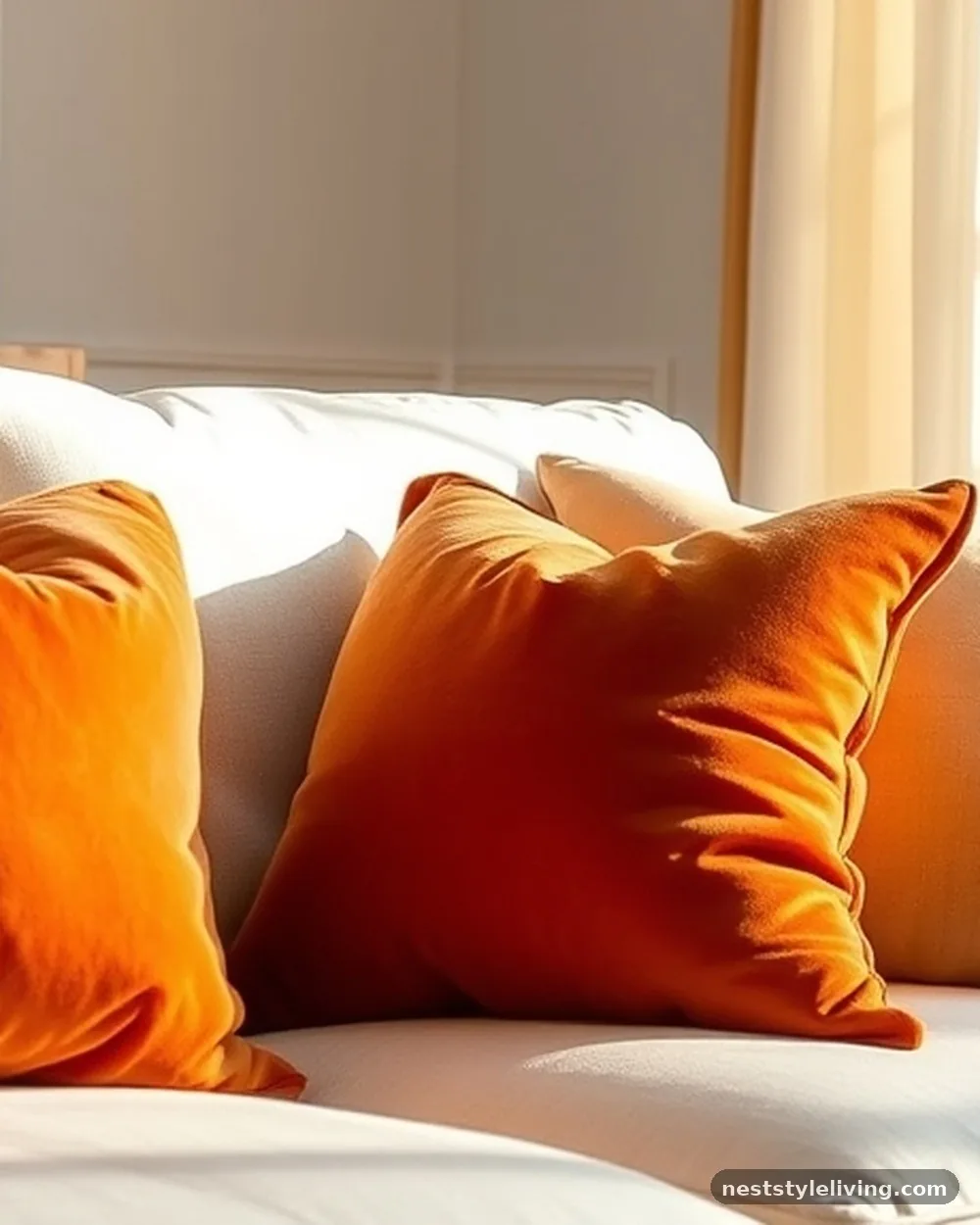
Velvet is a high-pile fabric that catches light and creates shadows, which adds dimension to a sofa. In a white living room, velvet pillows in muted, warm tones like terracotta, camel, or soft gold prevent the furniture from fading into the background.
The richness of the velvet provides a sensory contrast to the lightness of the rest of the room, making the seating area feel like a destination for relaxation. Because velvet is durable and easy to spot-clean, it is a practical choice for a family-friendly home.
Mix two or three different textures of pillows—perhaps one velvet, one linen, and one cotton—to prevent the sofa from looking like a showroom display. Keep the shapes simple, such as standard squares or lumbar pillows, to maintain a clean, modern silhouette.
10. Rattan or Woven Baskets
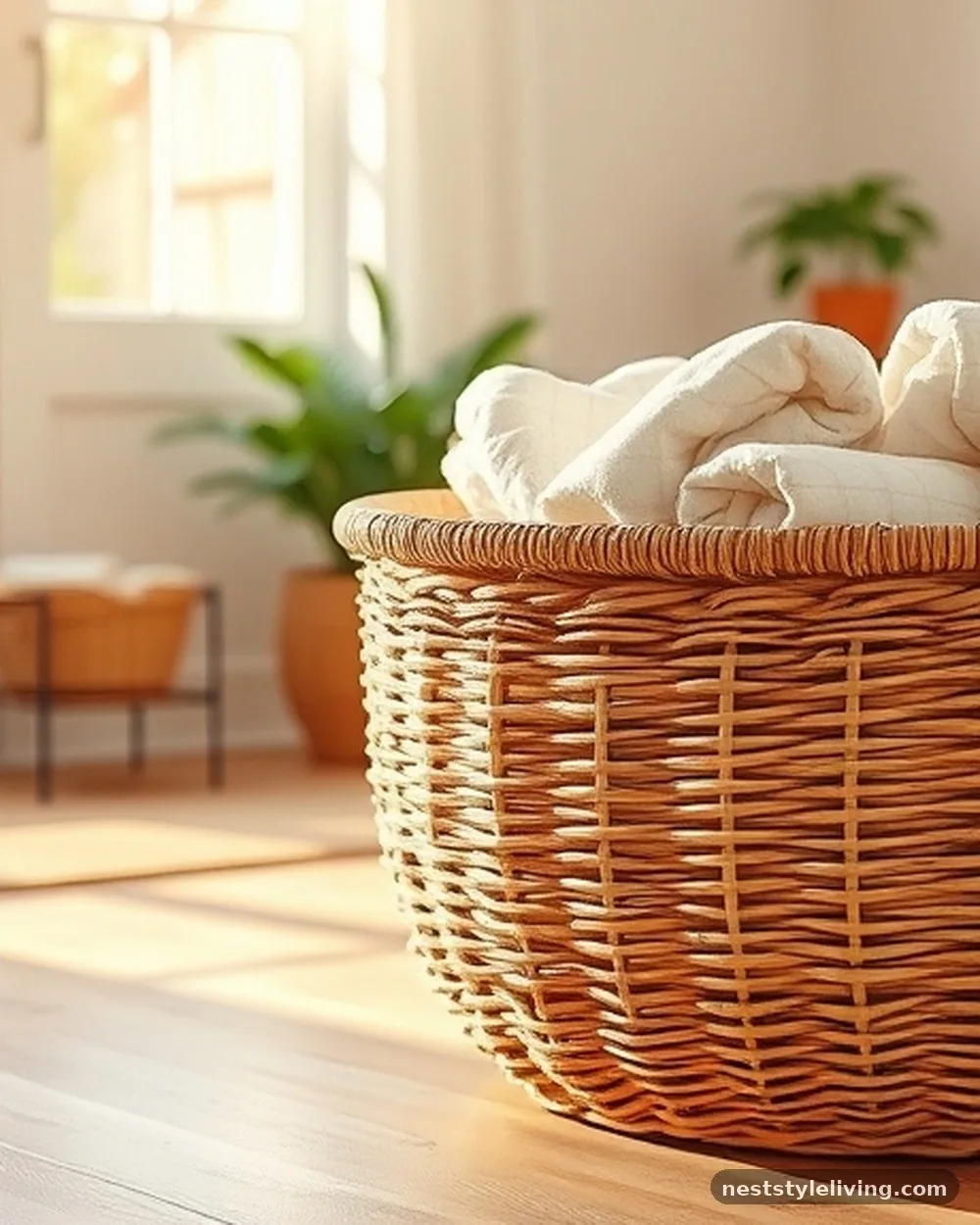
Woven storage solutions bring a natural, hand-crafted element to white spaces. Whether used for storing blankets, magazines, or firewood, baskets made from rattan, seagrass, or wicker introduce warm, honey-colored tones that feel organic and inviting.
These items are excellent for hiding clutter, which is essential in a white room where any mess is immediately visible. The intricate patterns of the weave provide a subtle layer of visual interest that doesn’t compete with other decor elements.
Use oversized baskets on the floor to anchor empty corners, or wall-mounted baskets to create a unique, sculptural gallery wall. Ensure the tone of the rattan matches the other wood tones in the room to keep the palette feeling intentional and cohesive.
11. Softened Minimalist Artwork
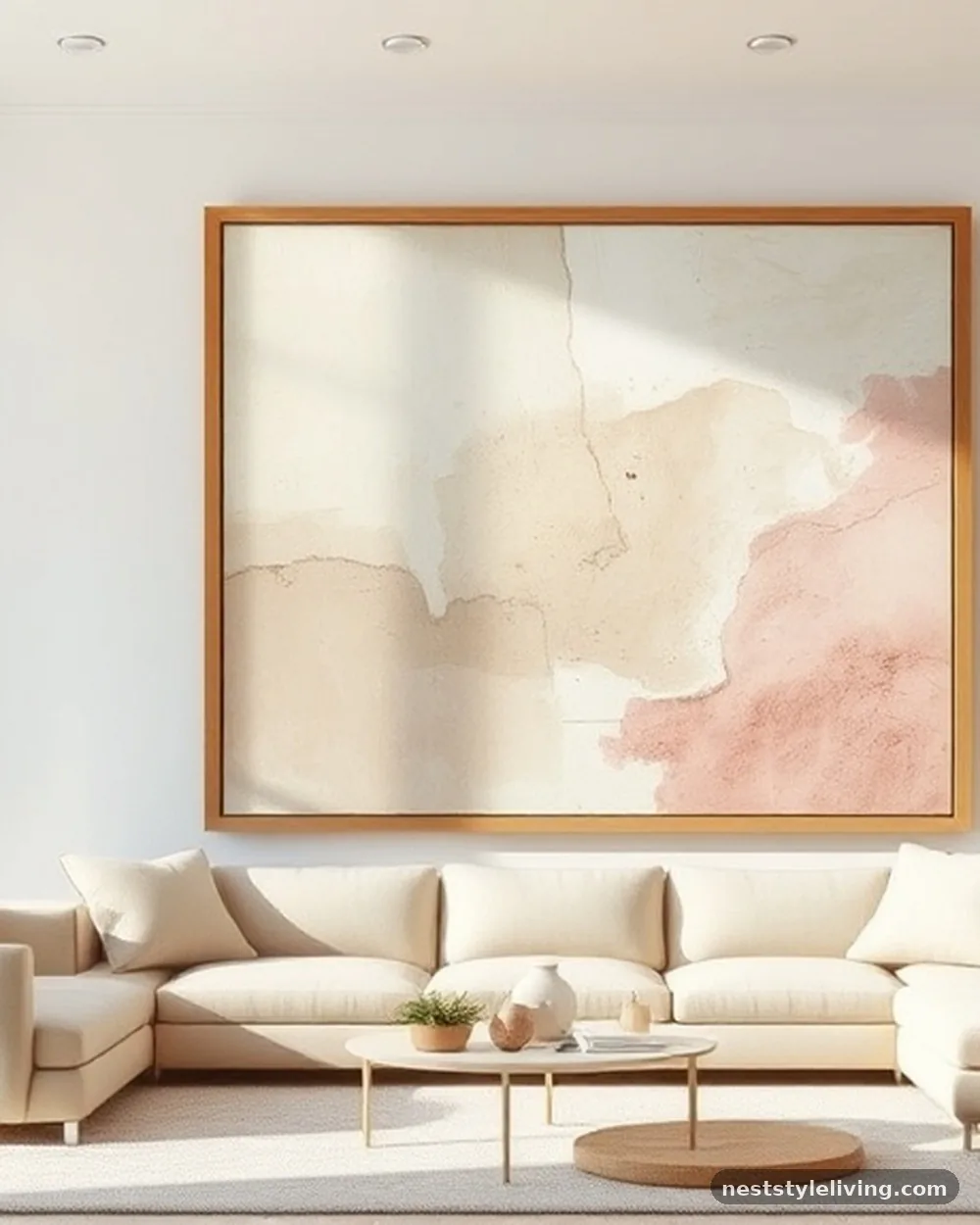
In a room with white walls, artwork should be selected carefully to maintain a warm aesthetic. Instead of high-contrast black and white photography, look for abstract pieces that feature soft, blended colors like beige, sage, or muted rose.
These palettes feel less aggressive and contribute to a serene, calming atmosphere. Framing these pieces in light natural wood frames rather than black or silver helps bridge the gap between the art and the rest of the room’s warm elements.
Choose large-scale art instead of many small pieces to keep the walls from looking cluttered. This creates a bold statement that feels curated rather than chaotic, allowing the artwork to become a peaceful focus point rather than a distraction.
12. Architectural Exposed Beams
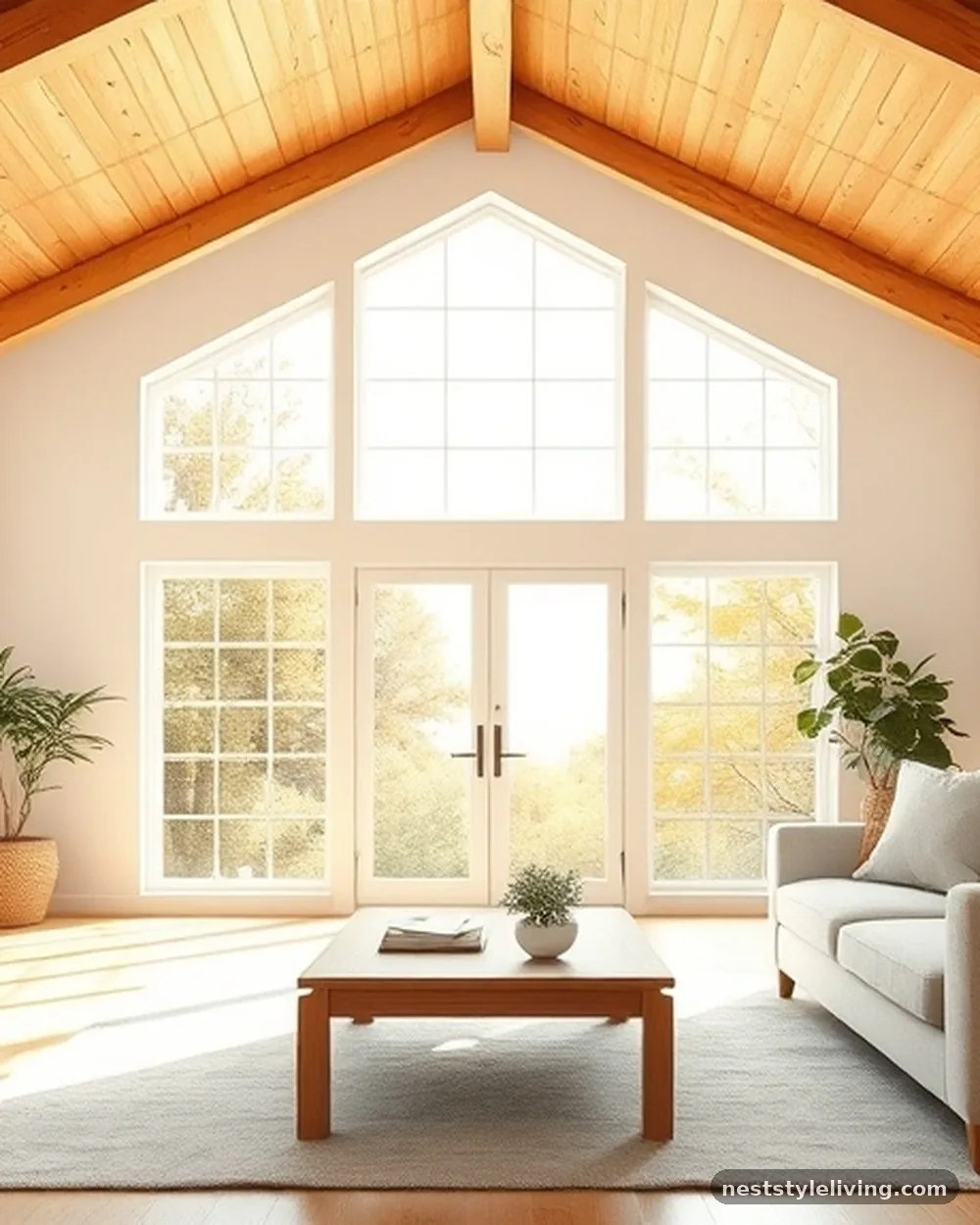
If you are lucky enough to have exposed beams, highlighting them with a natural wood stain is one of the best ways to warm up a white living room. The horizontal lines created by the beams add character and structure to the ceiling, preventing an all-white room from feeling like a “white box.” If you do not have original beams, adding faux reclaimed wood beams is a significant but rewarding renovation that instantly adds architectural weight and warmth to a space.
Keep the wood tone medium-to-light to ensure the ceiling doesn’t feel like it is closing in on you. Pair the wood beams with other wood furniture in the room to create a visual “loop” that ties the ceiling to the floor-level furniture.
13. Leather Ottomans or Poufs
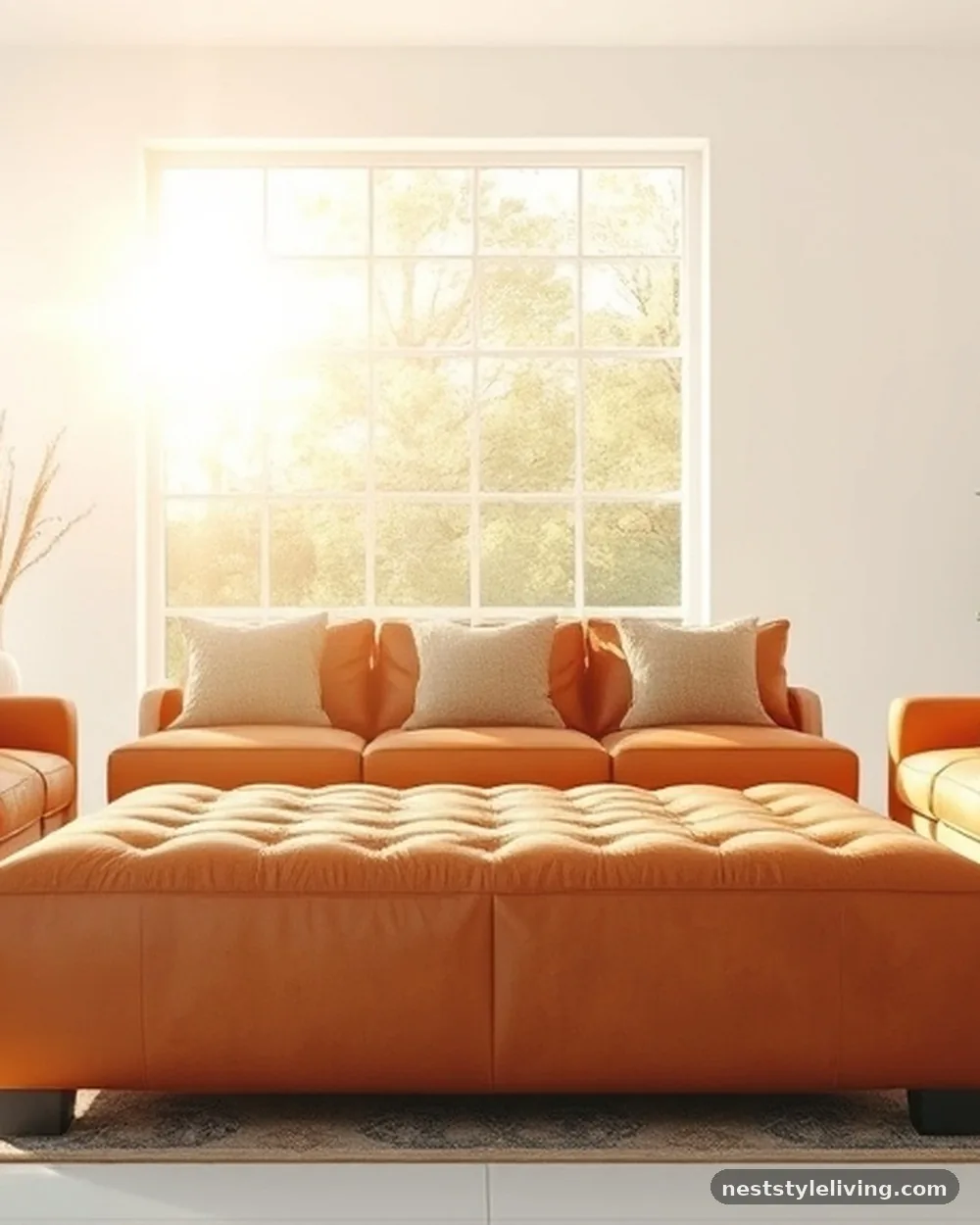
Leather is a timeless material that develops a beautiful patina over time, making it an ideal choice for adding warmth to a monochromatic room. A cognac or tan leather ottoman serves as a functional, durable center point that brings a rich, saturated tone to the space.
Unlike fabric, leather is easy to wipe clean, making it a perfect choice for households with pets or children. The slight sheen of the leather also adds a subtle hint of luxury to an otherwise understated room.
Choose a pouf with visible stitching or a quilted pattern to add tactile depth. If you have a small living room, a leather ottoman can double as extra seating for guests, making it a versatile piece that justifies its footprint.
14. Dried Botanical Arrangements
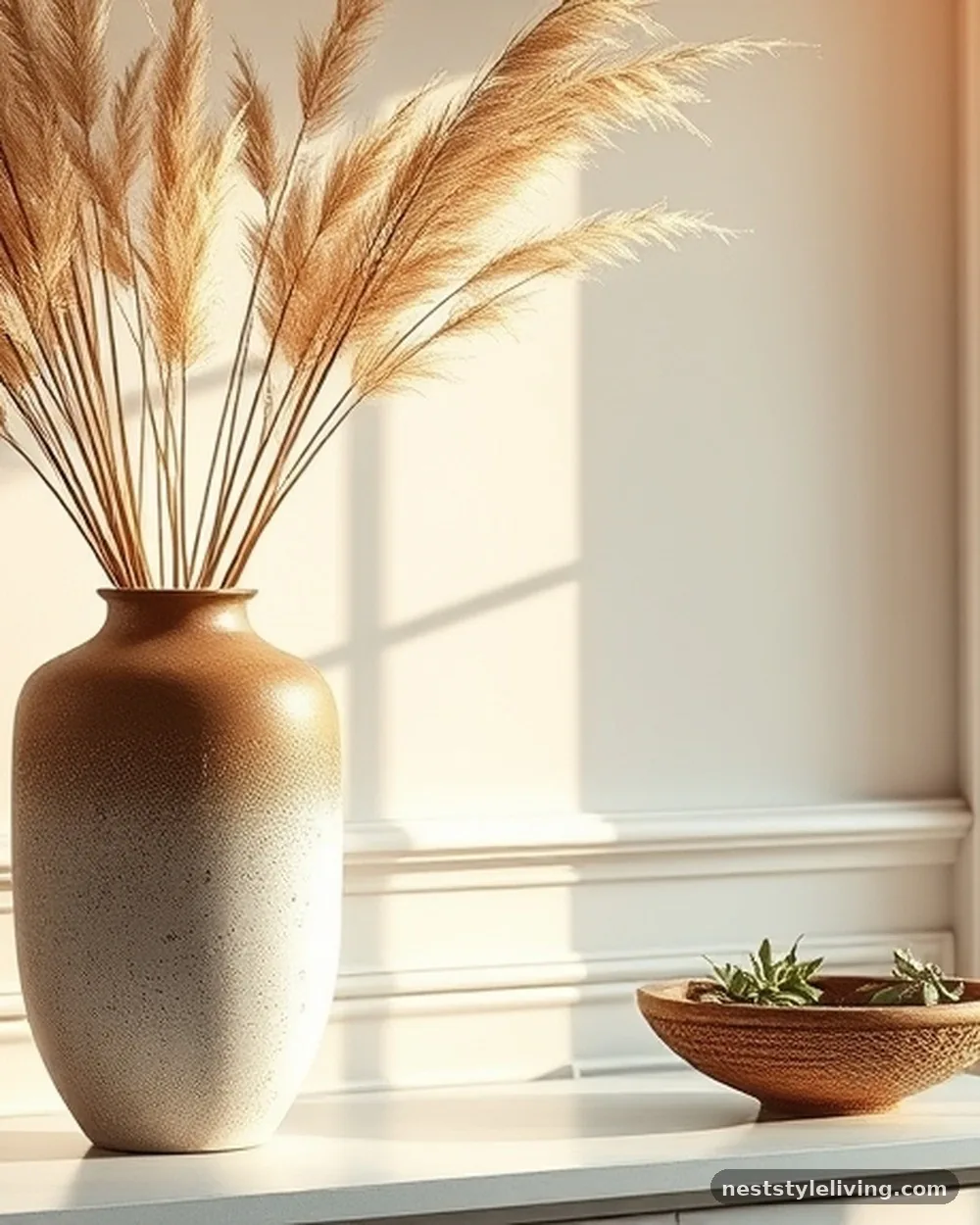
Fresh flowers are lovely, but dried botanicals like pampas grass, eucalyptus, or wheat stalks offer a permanent, sculptural warmth that feels right at home in a white, airy space. The muted, sun-bleached tones of dried plants complement a white interior perfectly, adding a wild, natural element that softens the edges of the room. These arrangements are low-maintenance and provide a sense of seasonal transition without the need for constant replacement or watering.
Arrange the dried stems in a ceramic vase with a matte or textured finish to enhance the organic feel. Place the vase on a console table or a floating shelf where the light can hit the stems, highlighting their delicate textures and golden hues.
15. Layered Lighting Schemes
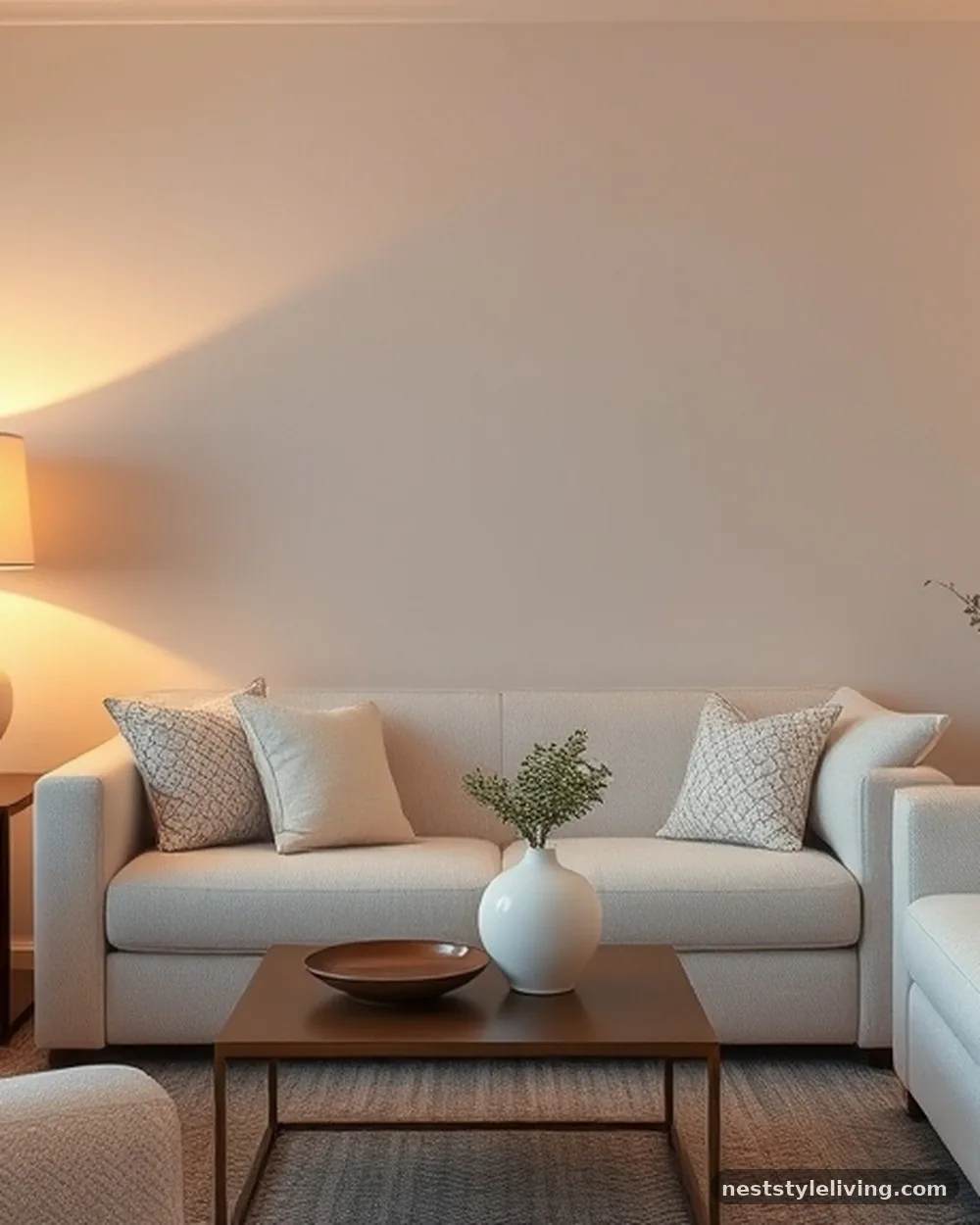
A single overhead light is the enemy of a cozy, inviting atmosphere. To make a white room feel warm, you must layer your lighting using floor lamps, table lamps, and wall sconces.
Use bulbs with a “warm” color temperature—ideally around 2700K—to cast a golden, flattering glow that highlights the textures in your furniture. This layered approach allows you to control the mood of the room, shifting from bright and airy during the day to intimate and cocoon-like in the evening.
Install a dimmer switch on your primary overhead lighting to ensure you can soften the light output when needed. Incorporate lamps with fabric shades, which help diffuse the light and prevent the harsh shadows often associated with exposed bulbs.
16. Sculptural Ceramic Decor
Ceramic objects with interesting shapes or matte, earthy glazes add a human touch to a white living room. Whether it is a small bowl on a coffee table or a large, sculptural vase on the floor, ceramics bring a sense of craftsmanship and history to the design.
Look for pieces in off-white, sand, or terracotta tones to maintain the warm color palette while introducing new shapes. These objects act as subtle punctuation marks in the room, breaking up the white surfaces with their unique silhouettes.
Display your ceramics in odd-numbered groupings—threes or fives—to create a natural, balanced look. Avoid overcrowding surfaces; let each piece have enough “breathing room” so that its shape can be fully appreciated against the backdrop of the room.
17. Wool-Blend Area Rugs
While jute is excellent for texture, a wool-blend rug provides the softness required for a truly comfortable living room. Wool is naturally insulating, durable, and holds color beautifully, making it an ideal choice for a high-traffic area.
Look for rugs in cream, light grey, or soft beige with subtle patterns like a Moroccan trellis or a simple stripe. These patterns add visual depth without introducing overwhelming color, allowing the room to feel cozy underfoot while maintaining its bright, light-filled aesthetic.
Vacuum your wool rug regularly to prevent dust from settling deep into the fibers. If you have a large living room, consider using a high-quality rug pad underneath to provide extra cushioning, which significantly enhances the comfort level of the space.
18. Open Shelving with Curated Books
Open shelving allows you to display books and personal items, adding color and personality to a white living room. To keep it feeling warm and inviting, avoid over-stuffing the shelves.
Instead, arrange books by color or size, and intersperse them with small plants, wooden boxes, or framed photos. The warmth of the book spines and the personal nature of the objects will prevent the white walls from feeling cold, transforming the shelving into a curated display that tells your story.
Paint the backs of the shelves a shade or two darker than the walls to add a sense of depth and contrast. Keep the shelf brackets simple and clean, such as matte black or brushed brass, to maintain a modern, uncluttered look that draws the eye to the objects themselves.
Frequently Asked Questions
How do I stop a white living room from feeling like a hospital?
The key is texture and undertones. Avoid pure, “blue-white” paints, which can feel cold.
Instead, opt for whites with yellow, pink, or beige undertones. Layering different materials—such as wool, wood, leather, and linen—adds sensory richness that prevents the space from feeling flat or clinical.
What are the best accent colors for a warm white room?
Earth tones are your best choice. Think camel, terracotta, sage green, mustard yellow, and soft charcoal.
These colors are grounded and natural, making them feel like an extension of the white palette rather than a jarring interruption. Stick to muted or desaturated versions of these colors for a more cohesive, serene look.
Is white furniture practical for a family with kids or pets?
It can be, provided you choose the right fabrics. Look for performance fabrics that are stain-resistant and machine-washable.
Slipcovered sofas are an excellent choice because the covers can be removed and laundered. Leather is also a fantastic, durable option that actually looks better as it develops a worn-in patina.
How do I make a small, all-white living room feel cozy instead of cramped?
Use large-scale furniture rather than many small pieces, which can make a room feel cluttered. Incorporate soft lighting, such as table lamps and floor lamps, to create pools of warm light that define the space. Finally, use rugs to anchor the seating area, which helps create a sense of intimacy within the room.
Can I mix different shades of white in the same room?
Absolutely. In fact, it is encouraged.
Using a variety of whites—from bright, crisp white on the trim to creamy, warm white on the walls—adds subtle dimension and keeps the room from feeling one-dimensional. Just ensure that the undertones of the whites you choose play well together; avoid mixing a cool, blue-toned white with a very yellow, creamy white.
Conclusion
Creating a space that feels both light and cozy is entirely achievable when you prioritize texture and warm, natural materials. By integrating elements like reclaimed wood, aged brass, and soft textiles, you can successfully design a home that remains bright and airy without sacrificing comfort. The goal is to move beyond the visual simplicity of white and embrace the tactile details that turn a house into a home.
As you begin implementing these white living room ideas that feel warm & inviting, remember that the most successful spaces are those that feel personal and lived-in. Start with one or two changes, such as adding a new rug or updating your lighting, and enjoy the transformation of your living room into a serene, welcoming retreat.