16 Mid Century Modern House Exterior Ideas to Copy
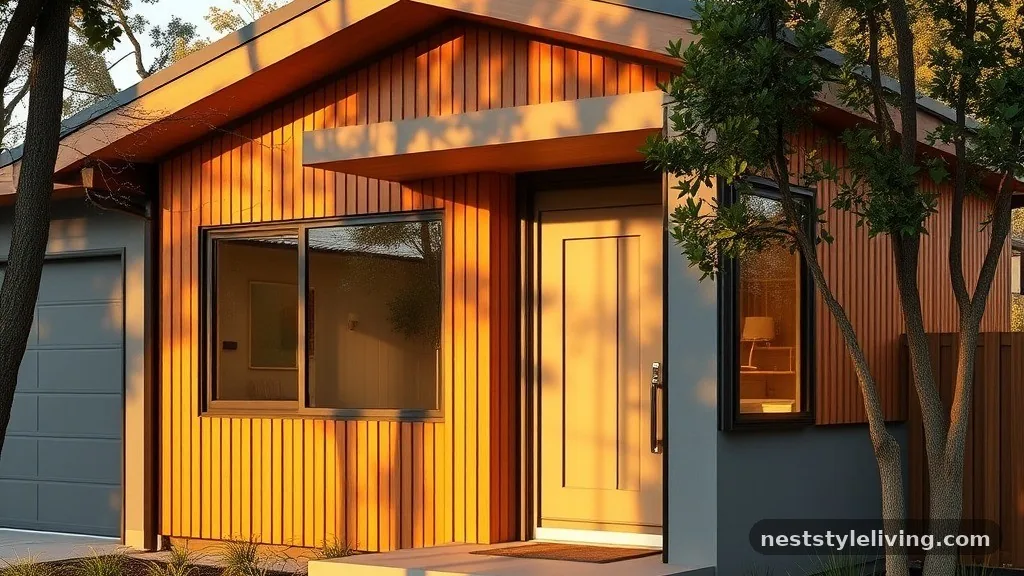
Refining your home‘s aesthetic starts with the facade, and these 16 Mid Century Modern House Exterior Ideas to Copy offer a blueprint for achieving that iconic, clean-lined look. Whether you are renovating an existing ranch or looking to add character to a contemporary structure, focusing on authentic period details is essential. Achieving high curb appeal requires a careful balance of geometry, texture, and color.
By incorporating these specific design elements, you can transform your property into a striking example of residential architecture that honors its roots while feeling fresh and purposeful. Read on to discover how to implement these design strategies effectively on your own project.
1. Vertical Cedar Siding Accents
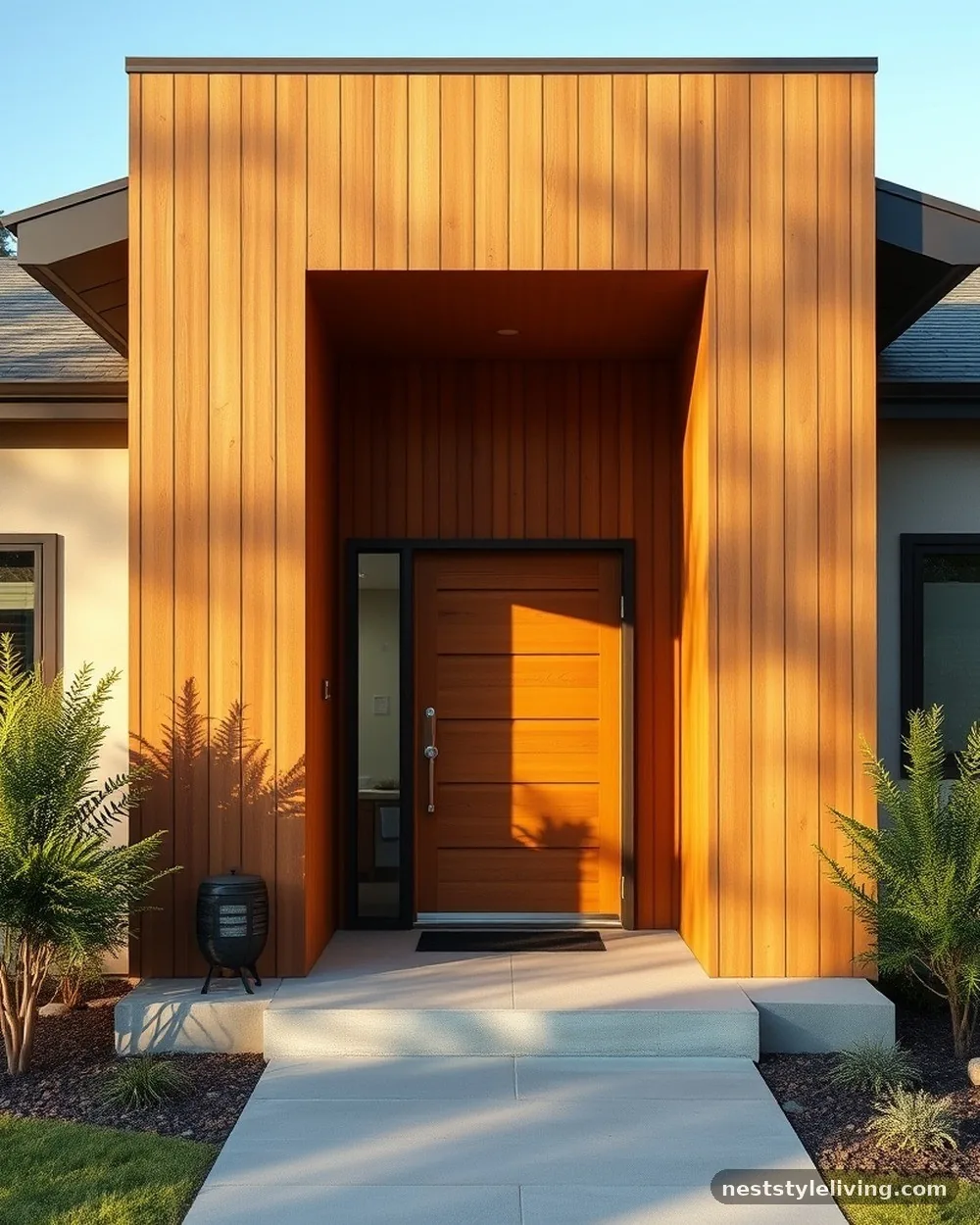
Vertical cedar siding creates an immediate sense of height and natural warmth, breaking up the horizontal planes often found in mid-century design. By applying tongue-and-groove cedar boards in a vertical orientation, you draw the eye upward and provide a tactile, organic contrast to smoother materials like stucco or painted brick. This application works exceptionally well on bump-out sections or entryways, acting as a focal point that anchors the house to its surrounding landscape.
To implement this, source high-quality, clear-grade cedar and ensure it is treated with a semi-transparent UV-protectant stain to prevent premature graying. Install the boards over a rain-screen system to allow for proper airflow, which prevents moisture buildup behind the wood and keeps the siding stable over decades of exposure.
2. Geometric Clerestory Windows
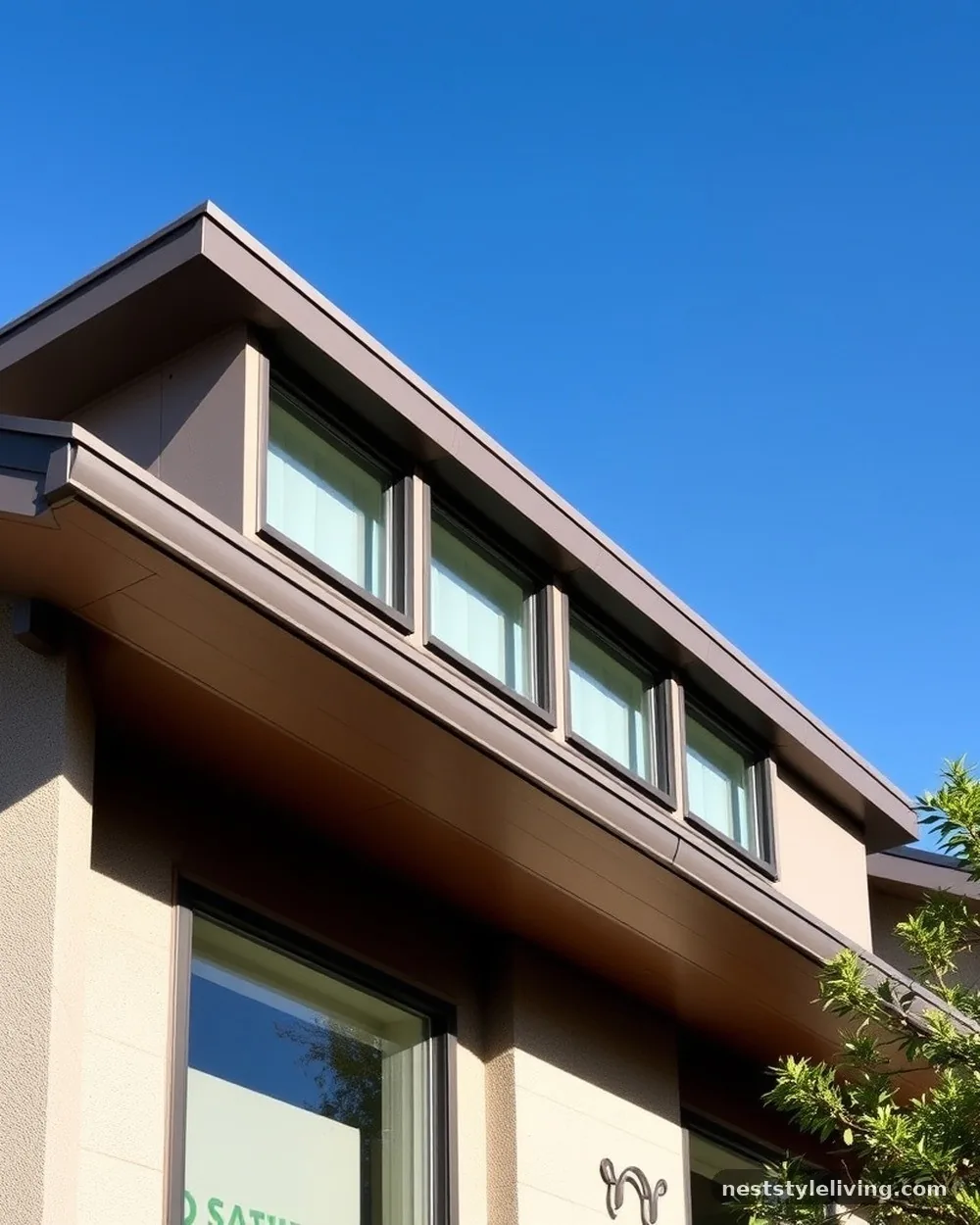
Clerestory windows are high-placed, narrow windows that allow light to flood into the interior without sacrificing the privacy of the occupants. In a mid-century modern exterior, these windows often span the width of the roofline, creating a floating effect where the roof appears to detach from the walls. This feature emphasizes the horizontal nature of the design and introduces a rhythmic pattern along the upper edge of the facade.
Work with a structural engineer to ensure the placement of these windows doesn’t interfere with load-bearing headers. If your budget allows for custom sizes, prioritize a continuous run of glass rather than segmented frames to maintain the sleek, minimalist aesthetic that defines this architectural period.
3. Low-Pitch Butterfly Roofline
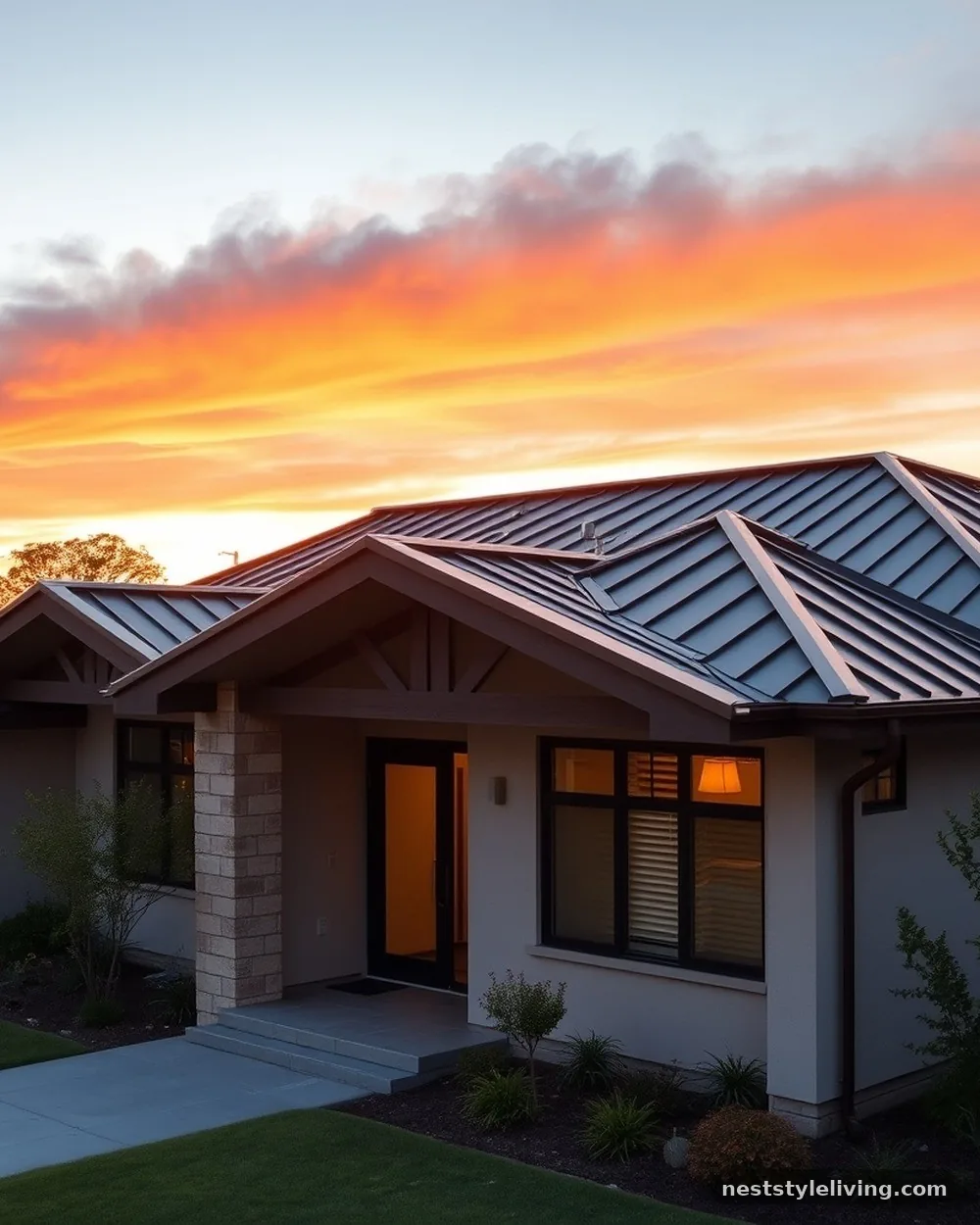
The butterfly roof is perhaps the most recognizable silhouette in mid-century architecture, featuring two concave slopes that meet in the center. This dramatic shape not only provides a distinct profile against the sky but also facilitates efficient water drainage and allows for the installation of large, high-reaching windows in the center of the home. It is a bold, sculptural choice that instantly elevates the exterior from standard to iconic.
Consult with a local architect regarding local zoning laws, as some areas have strict height restrictions that might limit the pitch of your roof. When re-roofing, opt for a dark-toned standing seam metal roof to highlight the sharp angles and clean lines of the butterfly structure.
4. Bold Orange Entry Doors
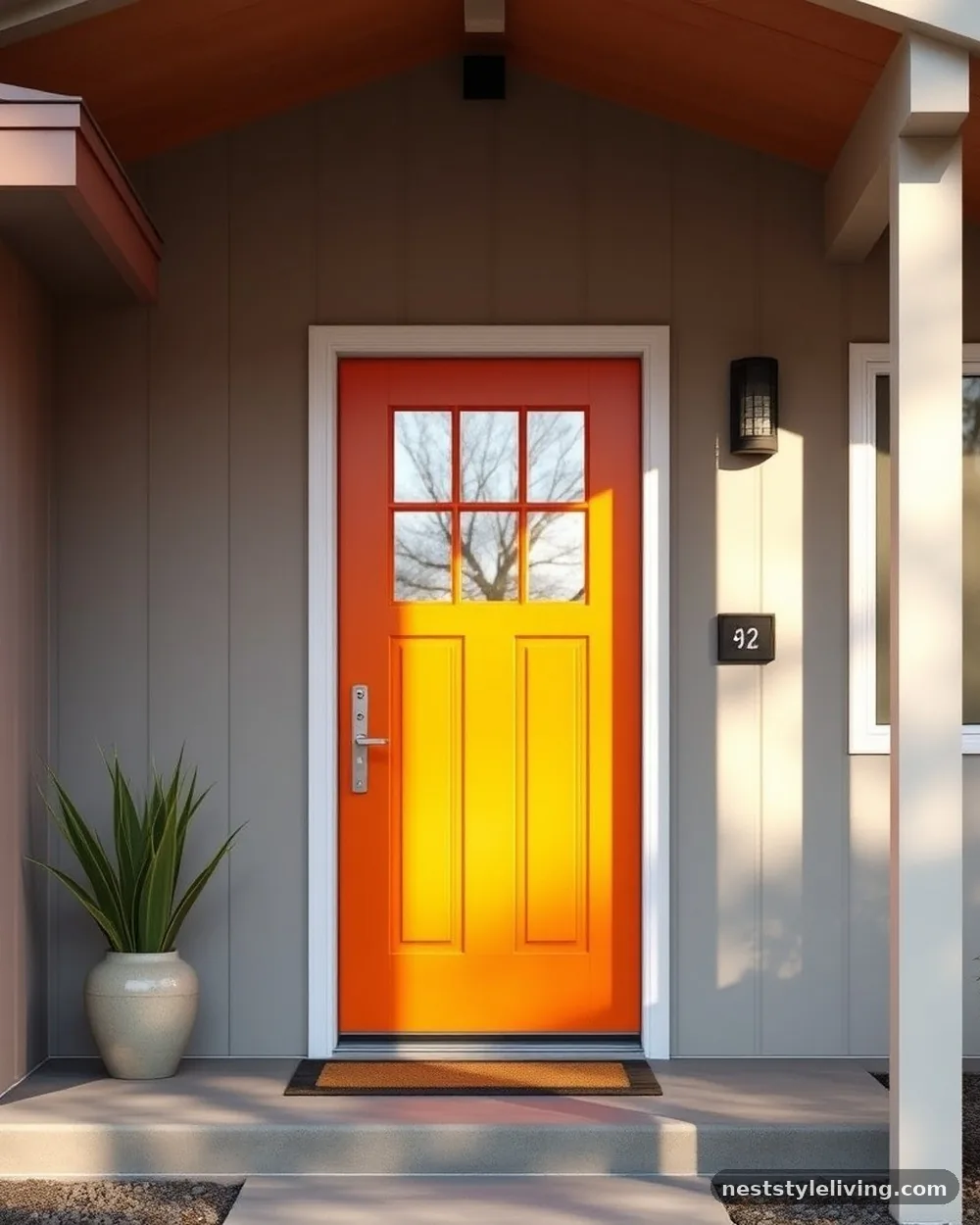
A vibrant, saturated door color serves as a welcoming beacon and provides the perfect pop of contrast against neutral exterior walls. In the mid-century palette, shades like burnt orange, mustard yellow, or deep teal are classic choices that draw attention to the entry point. A solid wood door or one with a simple vertical glass panel works best to maintain the clean, geometric integrity of the front facade.
Choose a high-gloss or semi-gloss exterior enamel paint to ensure the door stands out against the matte texture of the home’s siding. Before painting, apply a high-quality primer to ensure the finish remains durable and resists fading under direct sunlight.
5. Stacked Stone Feature Walls
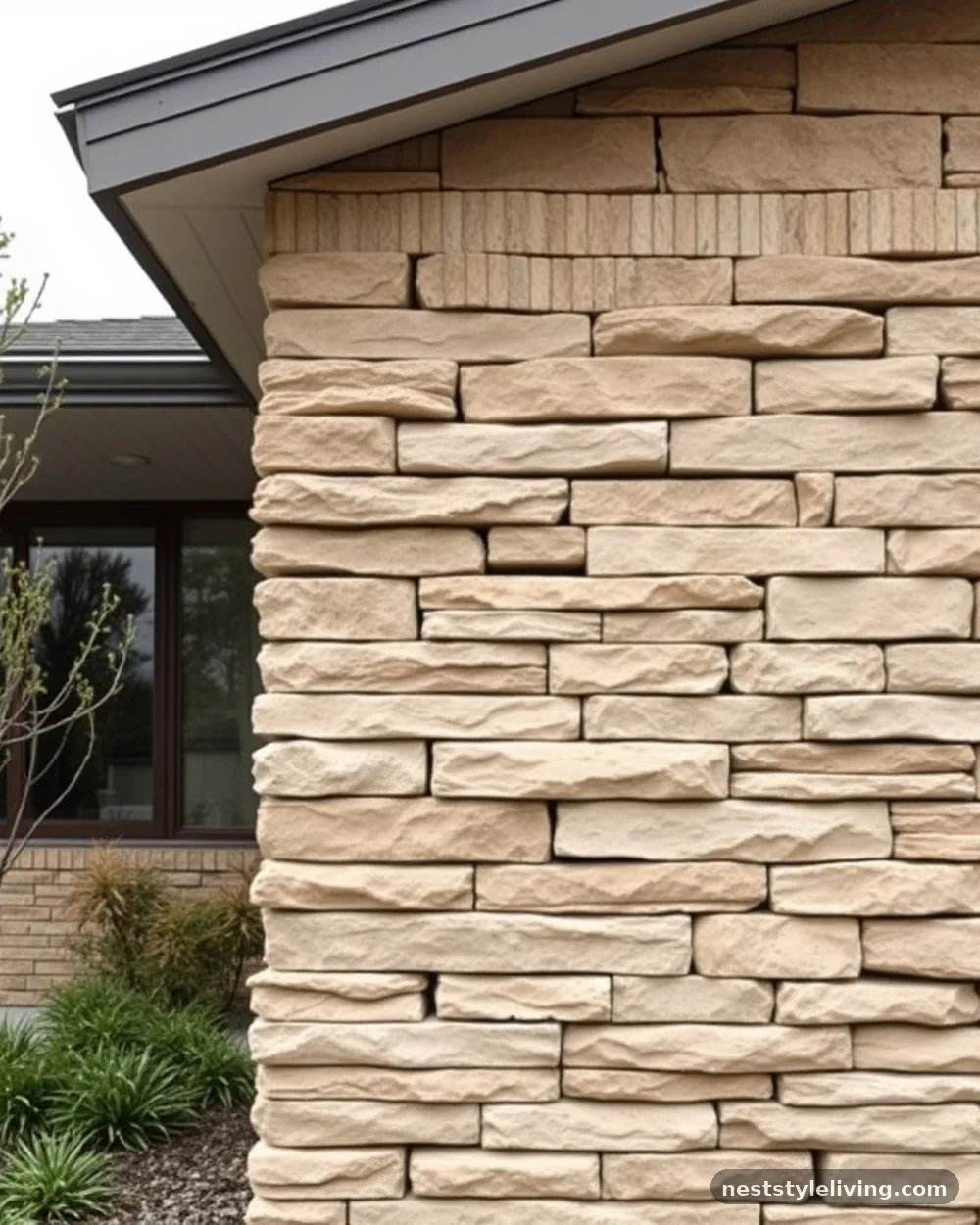
Stacked stone provides a rugged, earthy texture that grounds the light, airy feel of a mid-century home. Placing this stone on a chimney stack, a portion of the front wall, or a garden wall creates a sense of permanence and depth. The key is to keep the stone profile thin and linear, avoiding overly rounded or rustic river rocks that would clash with the modern aesthetic.
Select a local fieldstone or a high-quality manufactured stone veneer that mimics the appearance of dry-stacked slate or sandstone. Ensure the mason uses a recessed mortar joint to emphasize the individual layers of the stone, which enhances the shadow lines and creates a more sophisticated, layered appearance.
6. Exposed Beam Rafter Tails
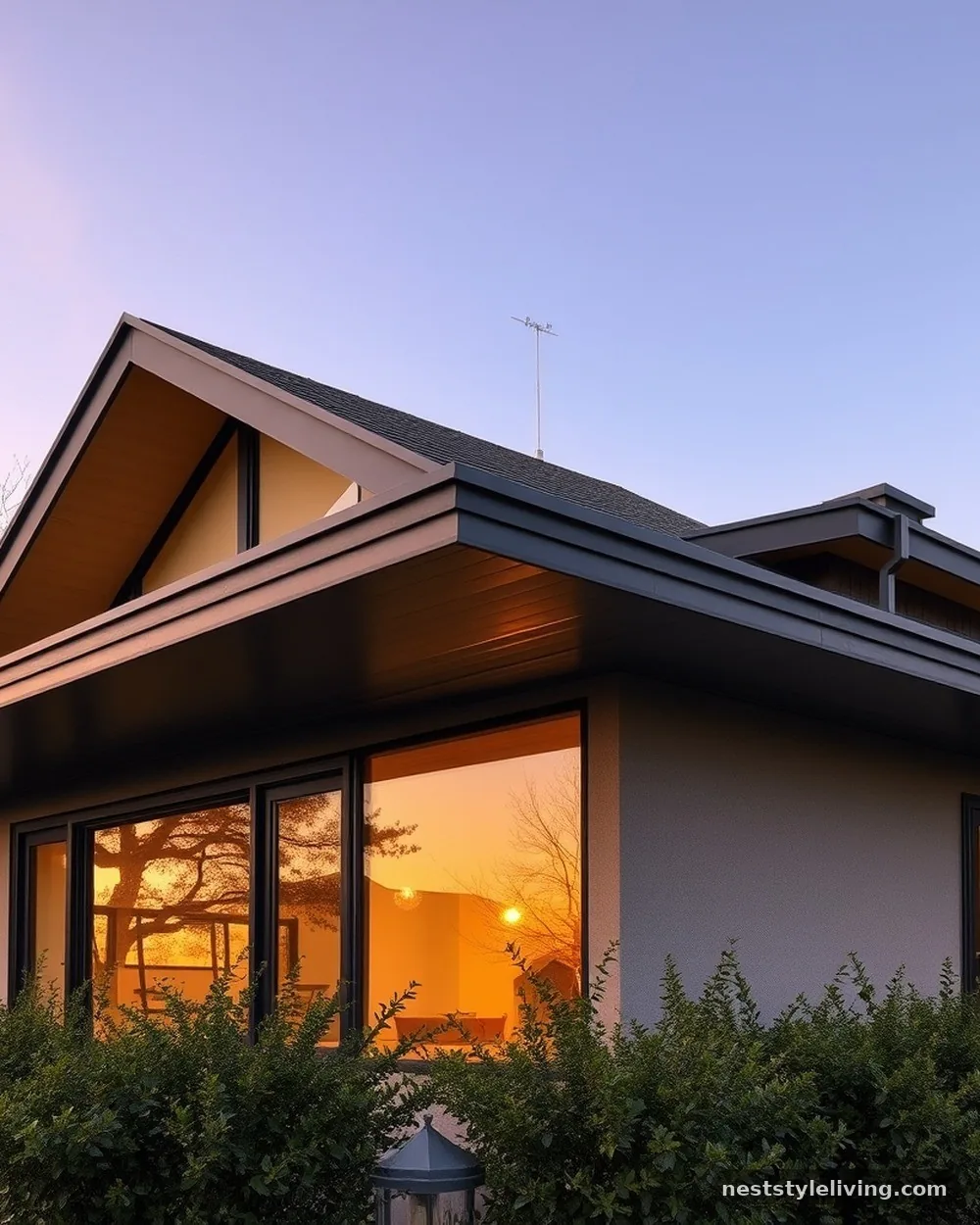
Extended roof rafters that poke through the eaves create a rhythmic, structural detail that highlights the craftsmanship of the home. These exposed beams serve as both a decorative and functional element, providing extra shade and emphasizing the connection between the indoor and outdoor spaces. Keeping these beams clean and painted in a contrasting color, such as dark charcoal or black, adds a crisp, graphic quality to the roofline.
Regularly inspect these exposed elements for signs of rot or insect damage, as they are more susceptible to the elements than enclosed eaves. Apply a high-quality exterior wood preservative or paint every few years to keep the wood sealed and structurally sound.
7. Sunburst Decorative Hardware
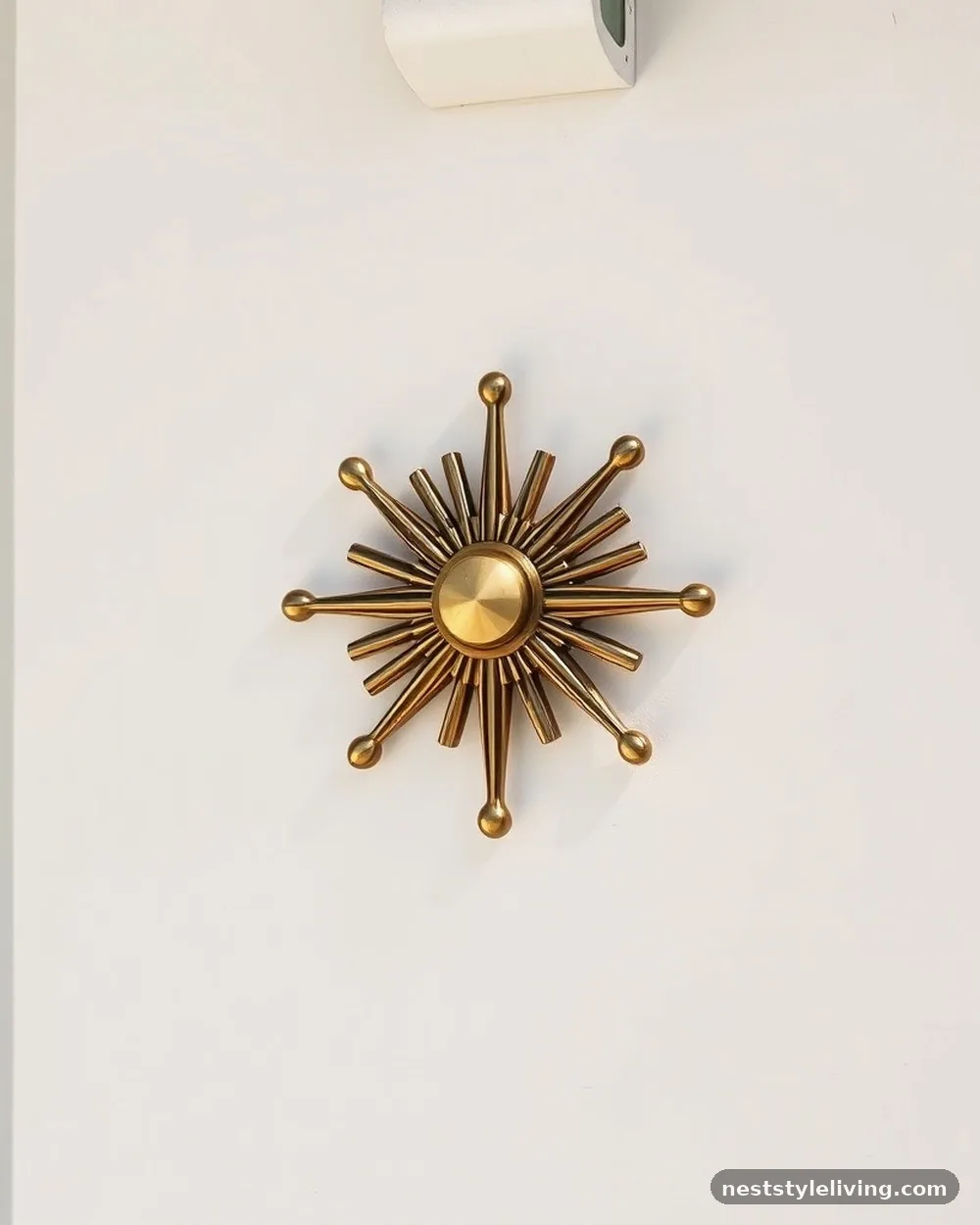
Mid-century design often relies on small, intentional details like starburst or sunburst house numbers and door knockers. These items add a touch of personality and historical accuracy to the front entry. Placed against a plain, light-colored background, these metal accents become pieces of functional art that define the era of the house.
Look for solid brass or brushed nickel hardware to avoid the cheap look of plated plastics. Mount your house numbers at eye level, spaced evenly, and ensure they are large enough to be legible from the street, balancing the decorative flair with practical utility.
8. Breezeblock Screen Walls
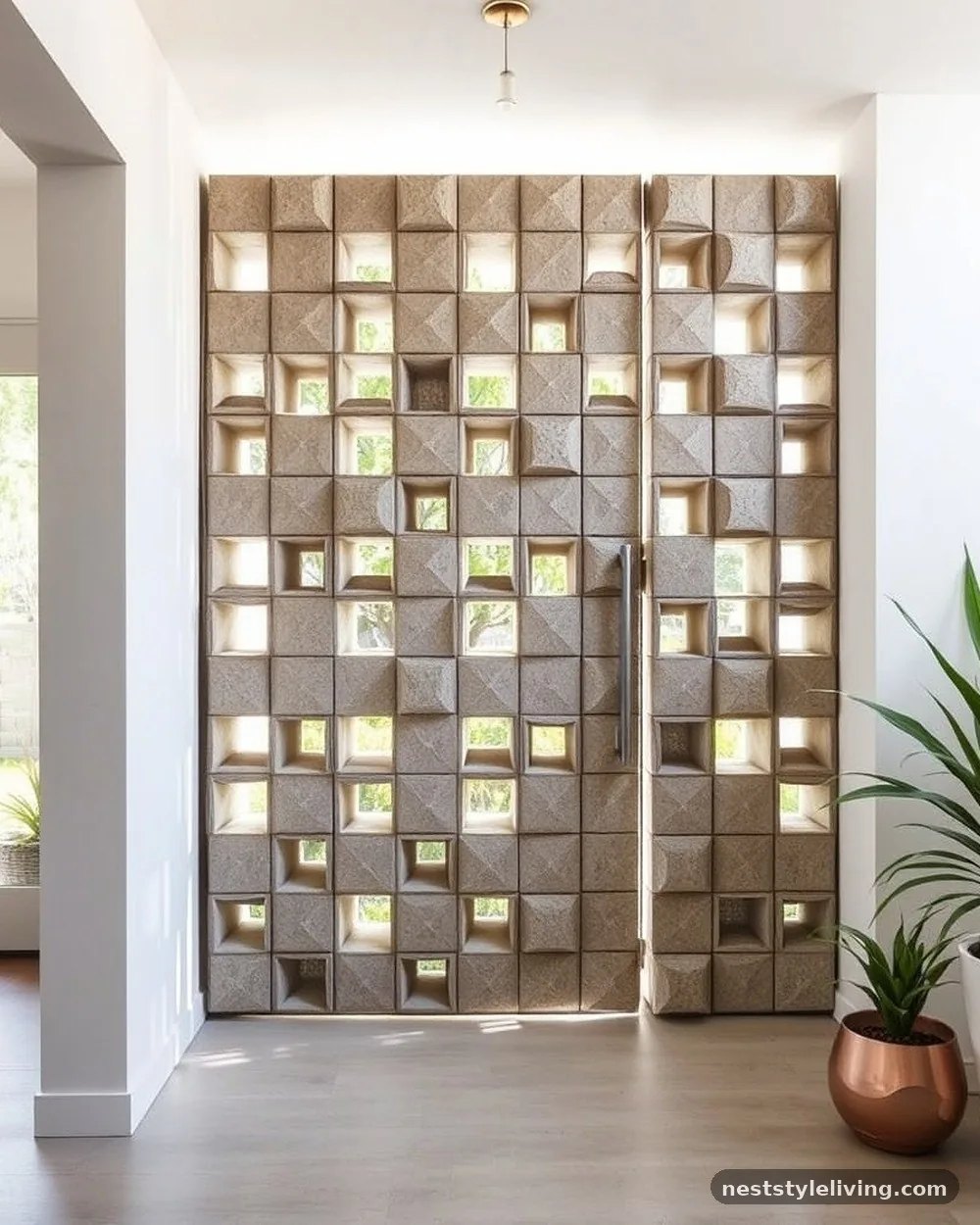
Breezeblocks, or decorative concrete screen blocks, are a brilliant way to add texture and privacy while maintaining airflow. These blocks feature geometric cutouts that cast intricate, shifting shadows throughout the day. Using them to form a screen wall for an entryway or a patio creates a semi-private transition zone that feels both open and secure.
When installing a breezeblock wall, it must be reinforced with vertical steel rebar and concrete footings to ensure stability. Seal the concrete with a clear masonry sealer to prevent staining and water absorption, which will keep the blocks looking pristine for years to come.
9. Flat-Roof Overhangs
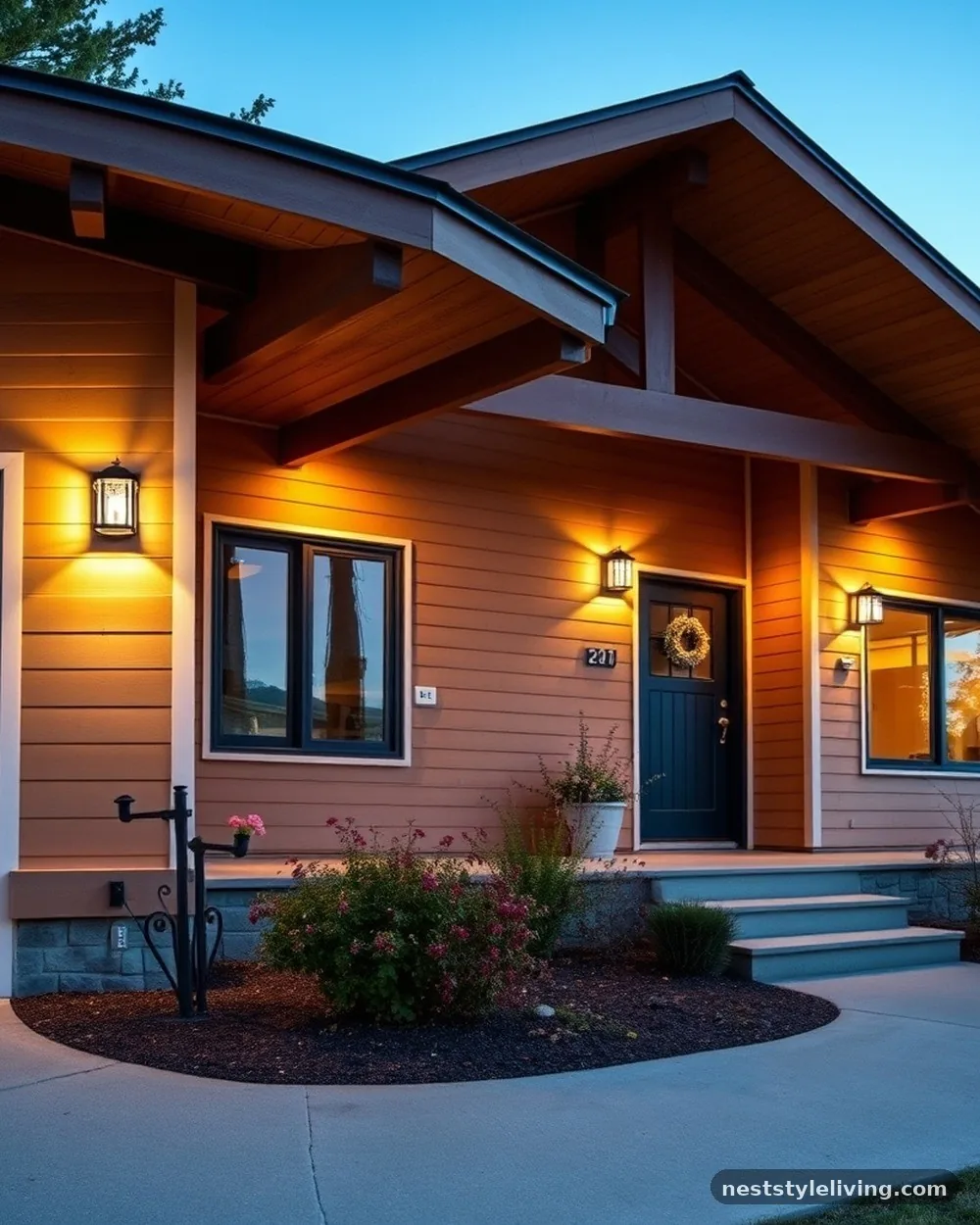
Deep, flat-roof overhangs are essential for the classic mid-century ranch look, providing shade and protecting the home’s foundation from rain. These extensions blur the line between the interior and the exterior, especially when they are finished with wood paneling on the underside. They create a protected outdoor walkway that makes the entrance feel sheltered and inviting.
Finish the underside of your overhangs with cedar or hemlock tongue-and-groove boards rather than standard vinyl soffits. This adds a layer of warmth and texture that is highly characteristic of the era, and it will age beautifully if properly stained or sealed.
10. Integrated Planter Boxes
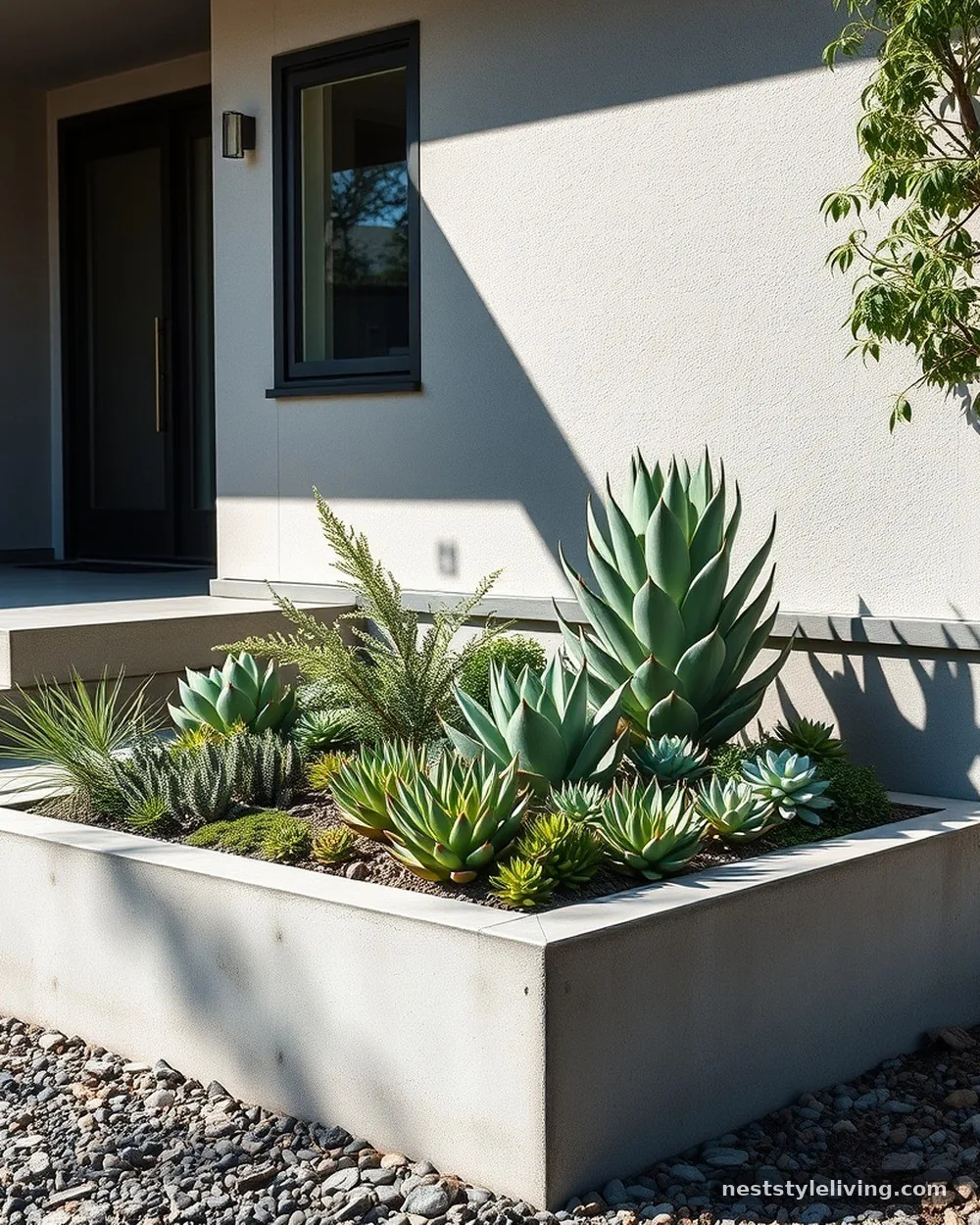
Low-profile concrete or wood planter boxes that are structurally tied to the house exterior create a harmonious transition between the architecture and the garden. These boxes are often used to define the entryway or to line a walkway, encouraging a tidy, curated look. By choosing plants with architectural forms, such as succulents, ornamental grasses, or Japanese maples, you complement the sharp lines of the house.
Ensure that all built-in planters have proper drainage holes and a waterproof liner to protect the house structure from moisture damage. Use lightweight potting mixes to reduce the load on the foundation and allow for easier seasonal plant rotation.
11. Horizontal Batten and Board Siding
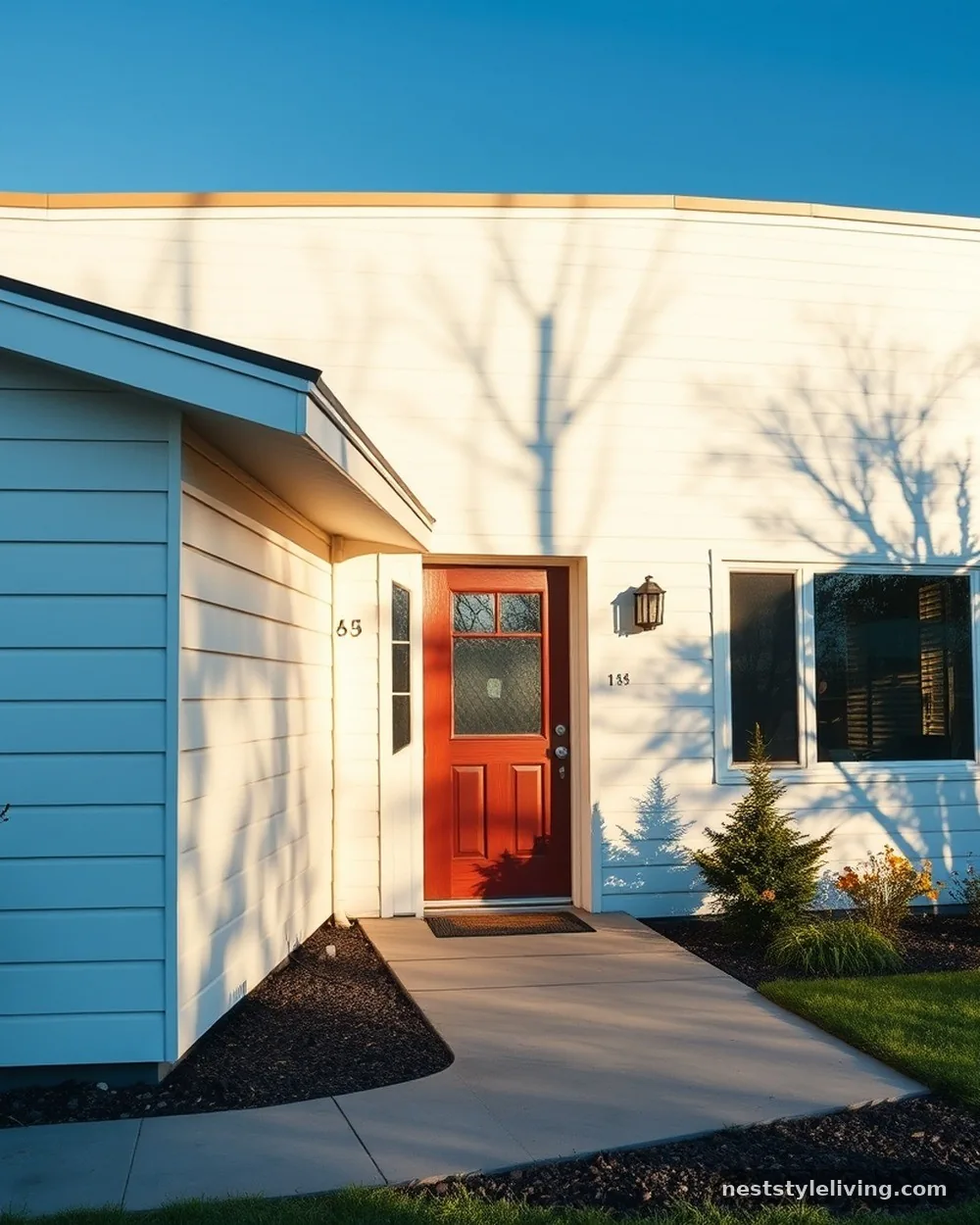
While vertical siding draws the eye up, horizontal board-and-batten siding emphasizes the long, low profile of a mid-century home. Using wide boards with narrow battens creates a clean, linear look that feels intentional and well-structured. This style works particularly well on homes with long, single-story facades, as it reinforces the ground-hugging aesthetic.
Use fiber-cement panels for the boards to ensure long-term durability and resistance to warping or rot. Install the battens with precision, ensuring they are perfectly plumb, as any deviation will be highly visible against the long, horizontal lines of the house.
12. Cantilevered Porch Roofs
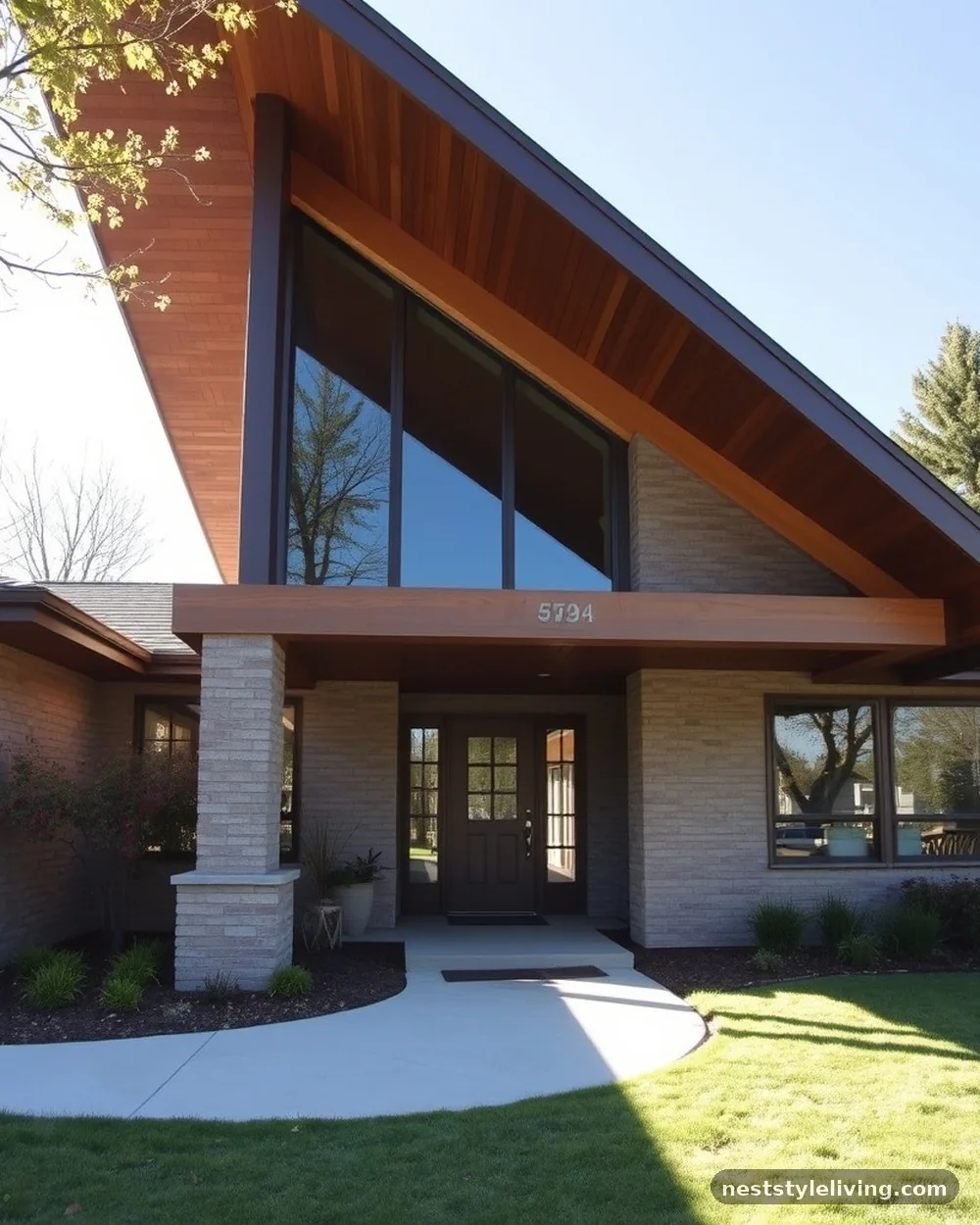
A cantilevered roof section, which extends out without visible support posts, creates a dramatic, gravity-defying look that is a hallmark of high-end modern design. This feature makes the entrance feel light and airy, drawing visitors toward the door without visual obstruction. It’s a sophisticated structural detail that implies precision and architectural confidence.
This type of structure requires significant engineering, usually involving steel beams hidden within the roof framing. Work with a structural engineer to calculate the necessary cantilever depth, and ensure the roof is properly insulated to prevent thermal bridging where the steel passes through the wall.
13. Recessed Entryways
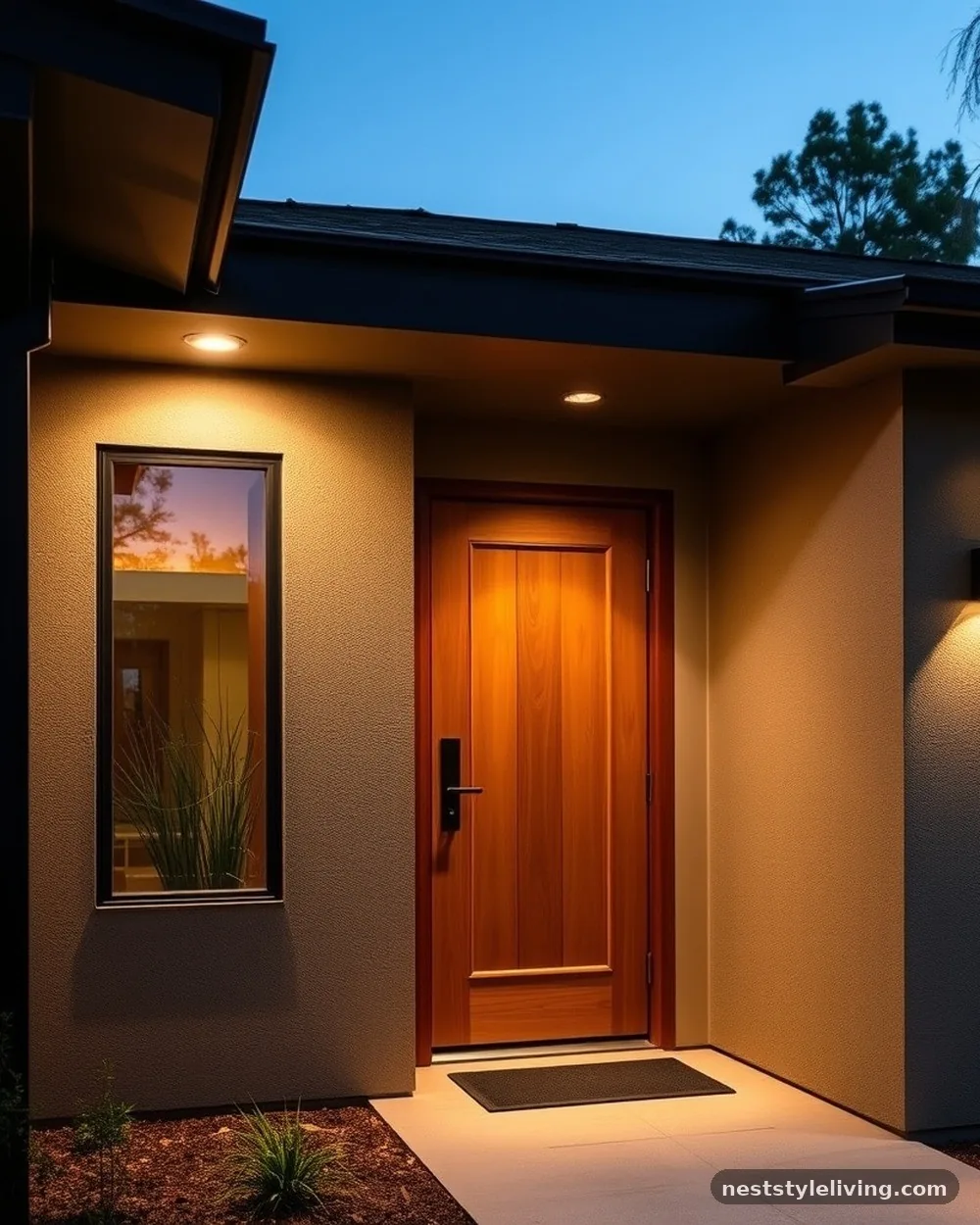
A recessed entry creates an immediate sense of depth and shelter on a flat facade. By pushing the front door back a few feet, you create a shaded transition space that protects guests from the weather and adds a layer of privacy. This simple architectural shift creates a distinct focal point that can be highlighted with contrasting materials or specialized lighting.
Install recessed LED lighting in the ceiling of the entry alcove to illuminate the door at night. Using a warm color temperature bulb will make the wood door and the surrounding materials look inviting and cozy against the exterior of the house.
14. Mismatched Exterior Material Palette
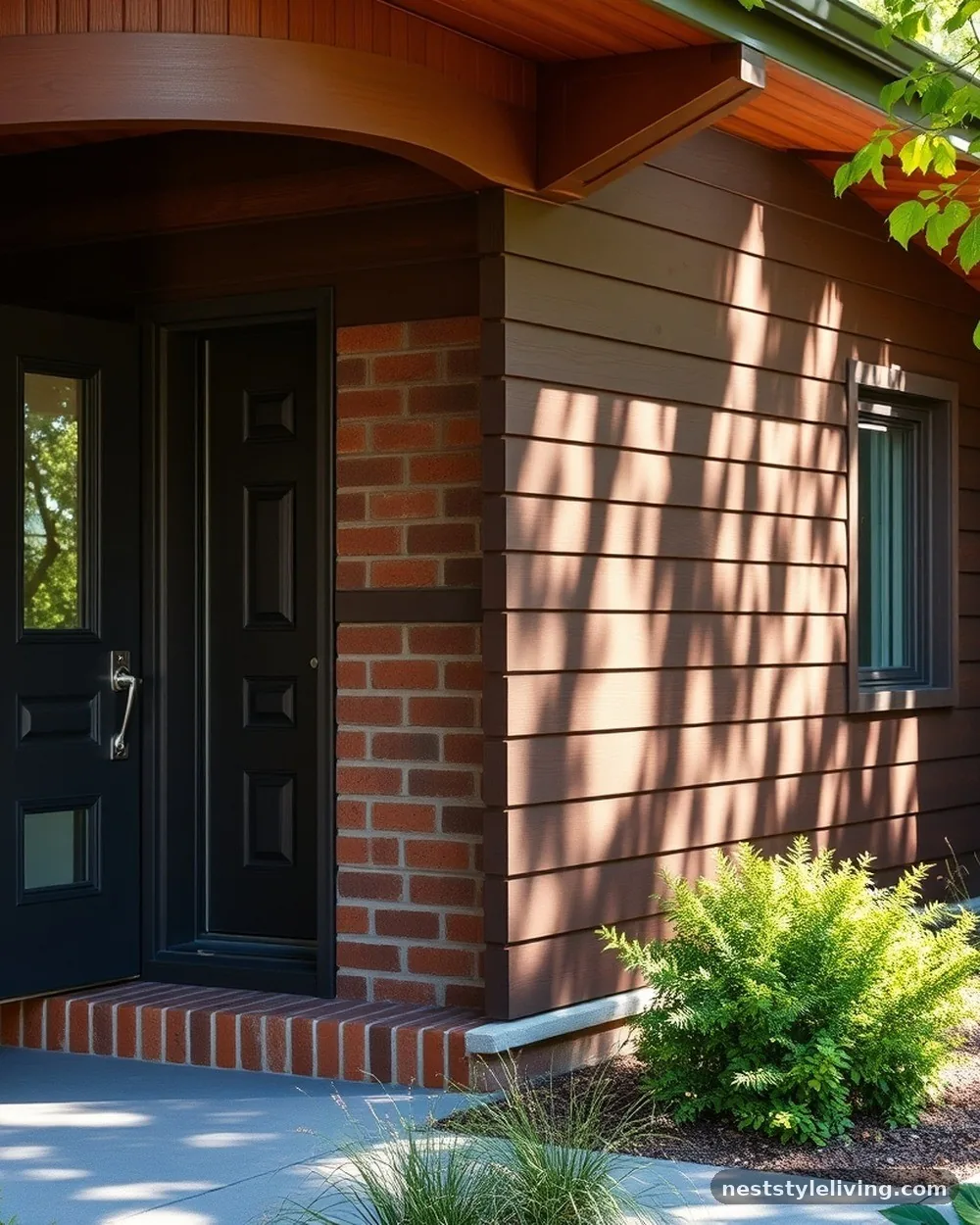
Mid-century modern homes often feature a mix of materials on the facade, such as brick paired with wood or stone paired with stucco. This contrast is not random; it is used to highlight different volumes or sections of the house. For example, a brick chimney might contrast with horizontal wood siding on the main living area, creating a balanced, layered look.
Limit your palette to three primary materials to keep the design from feeling cluttered. Ensure the transition points between materials are finished with clean metal flashings or trim to maintain a crisp, professional appearance that defines the boundaries of each texture.
15. Minimalist Landscaping and Hardscaping
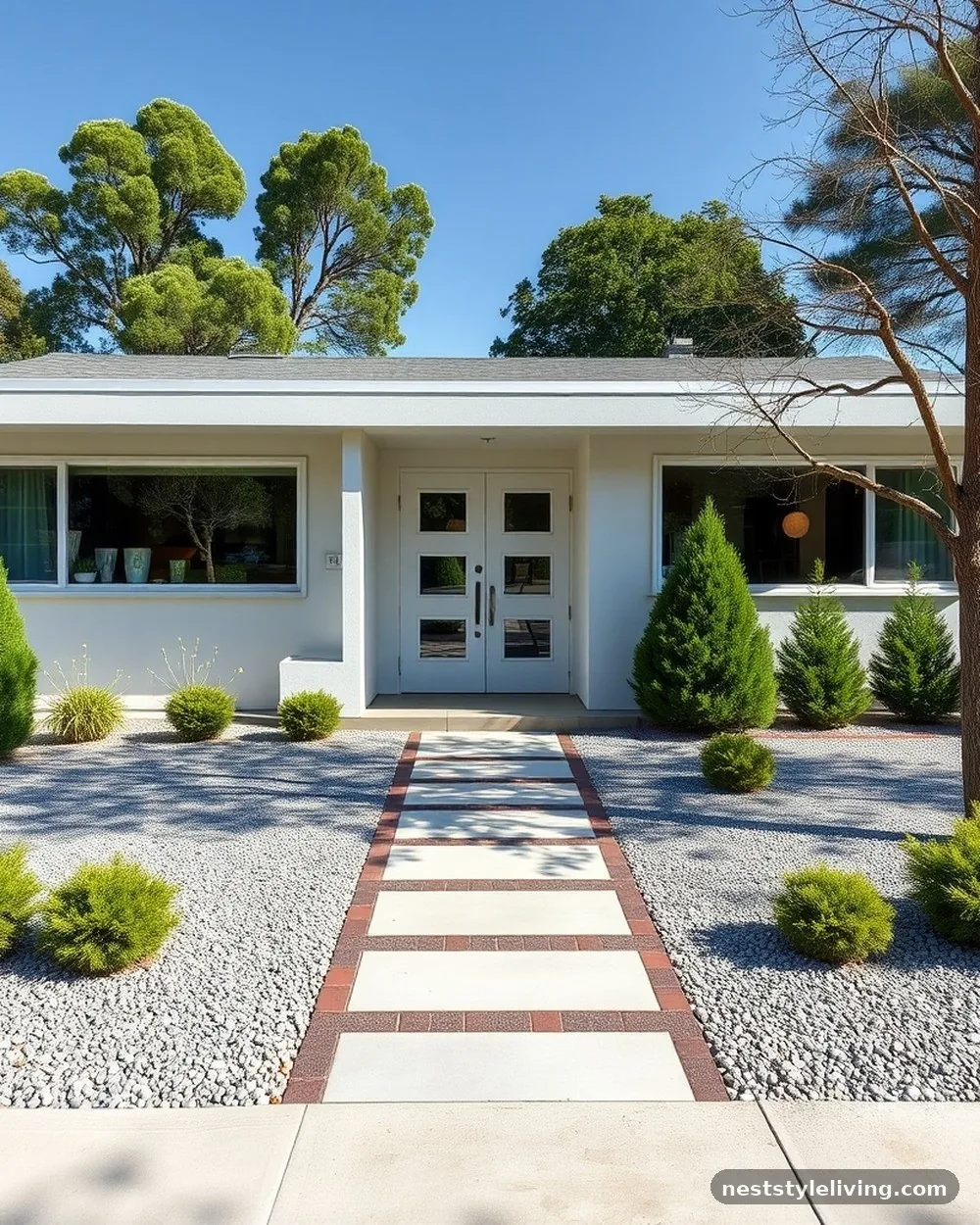
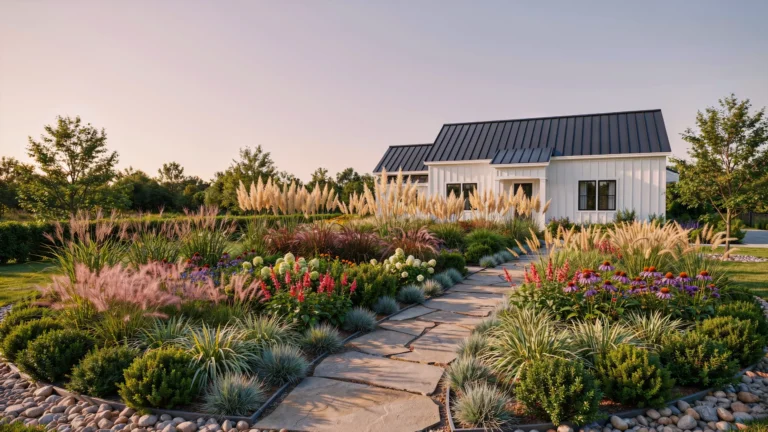
The exterior of a mid-century home is an extension of the house itself, so the landscaping should follow a minimalist, geometric approach. Avoid overgrown, cottage-style flower beds in favor of clean lines, gravel beds, and concrete pavers. Large, flat stepping stones laid in a grid or an asymmetrical pattern lead the eye to the front door and reinforce the modern aesthetic.
Use a landscape design software or sketch your layout to ensure the pathways follow the natural flow of traffic. Incorporate low-growing, evergreen shrubs to maintain a tidy look year-round, which allows the architectural features of the house to remain the primary focus.
16. Dark Charcoal or Black Trim
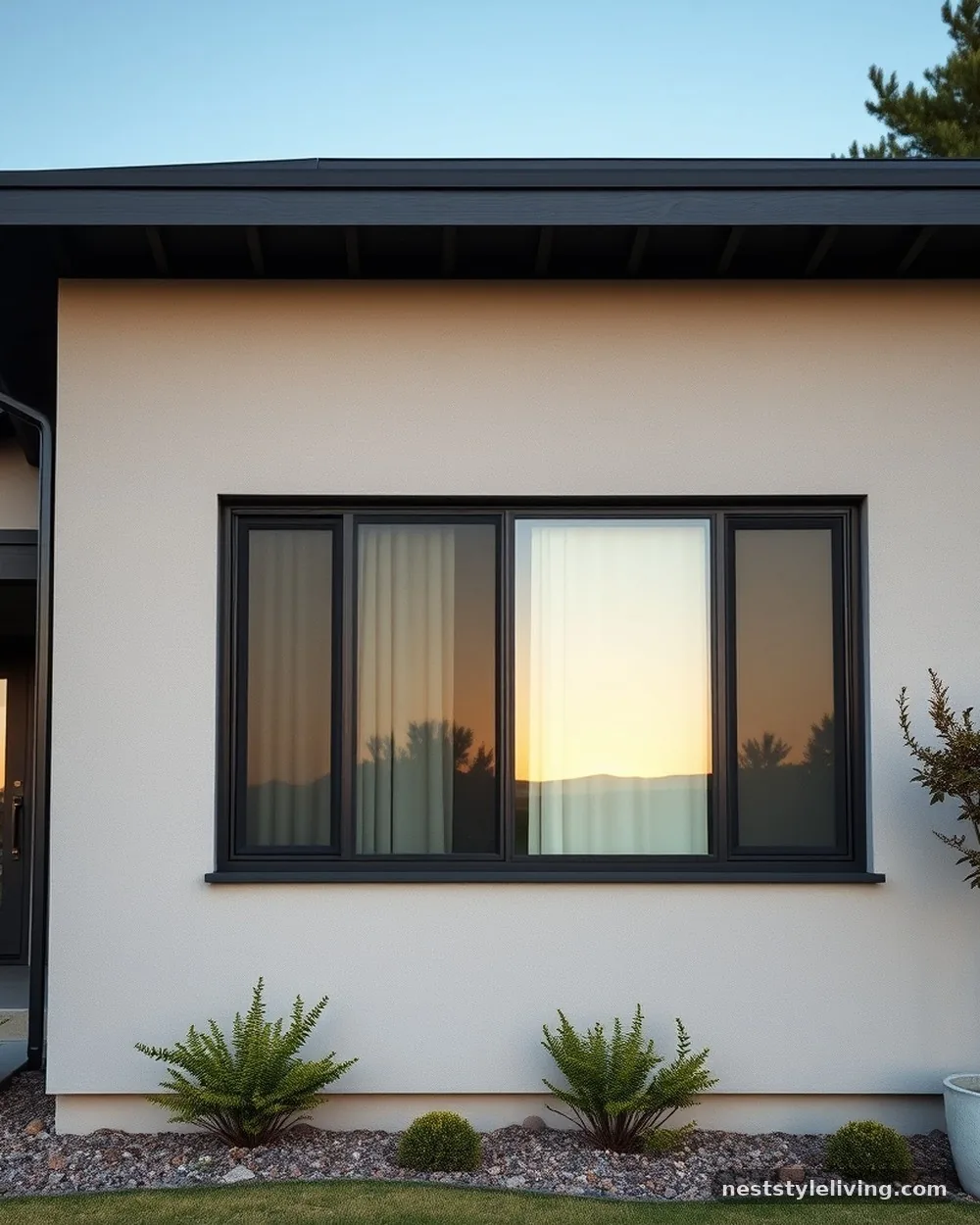
While many mid-century homes use white for trim to create a crisp look, using dark charcoal or black is a modern update that makes the house feel sharper and more defined. Dark trim recedes into the background, allowing the natural textures of the wood or stone to stand out. It also makes the glass of the windows look larger and more expansive, especially against a lighter-colored wall.
Choose a high-quality, fade-resistant exterior paint specifically formulated for trim and doors. Apply it to window frames, fascia boards, and any other exposed structural elements to create a cohesive, graphic look that ties all the other exterior elements together.
Frequently Asked Questions
How can I choose the right exterior color for a mid-century modern home?
Look for colors that complement the natural materials used in the construction, such as stone, brick, or wood. Earthy tones like olive green, warm gray, or muted terracotta are historically accurate, while crisp white or deep charcoal provides a more contemporary interpretation of the style.
What is the most cost-effective way to update a home’s curb appeal?
Focusing on the front door and lighting is the most impactful, budget-friendly strategy. Painting the door a bold, period-appropriate color and replacing dated light fixtures with sleek, geometric designs can drastically change the perception of the house without requiring major structural renovations.
Should I replace my traditional windows with floor-to-ceiling glass?
While floor-to-ceiling glass is iconic, it is a significant investment that requires careful consideration of energy efficiency and privacy. If you cannot do a full replacement, consider using thinner, modern window frames that mimic the look of larger glass panels or adding horizontal trim to create the illusion of a wider window span.
How do I maintain wood siding in a mid-century modern design?
Regular maintenance is key to preserving wood siding. Depending on your climate, you should expect to re-stain or reseal the wood every three to five years to prevent UV damage and moisture absorption, which can lead to warping, rot, or peeling finishes.
Are breezeblocks still a viable option for modern renovations?
Yes, they are experiencing a resurgence in popularity and are readily available from architectural masonry suppliers. They are excellent for creating semi-private, ventilated outdoor spaces, but you must ensure they are properly installed with steel reinforcement to meet modern building codes.
Conclusion
Implementing these 16 Mid Century Modern House Exterior Ideas to Copy is a practical way to honor the architectural heritage of your residence while ensuring it meets contemporary standards of beauty and function. By focusing on the interplay of natural materials, geometric precision, and thoughtful color choices, you can create a facade that stands out for its clarity and style. Whether you start with a simple update like new hardware or commit to a larger renovation involving siding and rooflines, each change contributes to the overall character of the home.
We encourage you to evaluate your current exterior, identify the elements that best suit your structure, and begin the process of refining your home’s aesthetic. A well-executed mid-century design will remain timeless, offering a welcoming and sophisticated presence for years to come.