20 Birdhouse Ideas That Make Your Backyard Feel Special
Integrating creative birdhouse ideas that make your backyard feel special transforms a standard lawn into a vibrant sanctuary for local wildlife. By selecting designs that blend architectural charm with species-specific functionality, you provide more than just a nesting spot; you curate an aesthetic focal point. Whether you prefer rustic, weathered textures or modern, minimalist silhouettes, the right structure invites feathered guests to become permanent residents.
Discovering these unique ways to display your houses ensures your outdoor space remains both a haven for birds and a compelling display of personal style. This collection provides the inspiration needed to curate a backyard environment that feels intentional, inviting, and truly alive with activity.
1. Copper-Topped Cedar Cottages
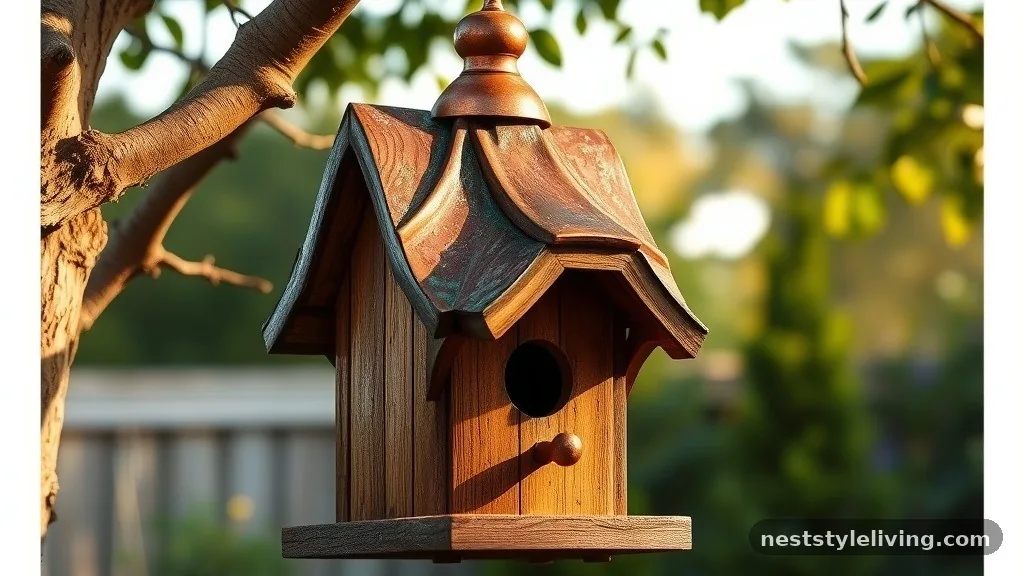
These structures feature a natural, unfinished cedar body that mellows to a silvery grey over time, contrasted by a hand-formed copper roof. The copper develops a rich, green patina after several seasons of exposure to rain and humidity, giving the house an antique, high-end appearance.
Beyond aesthetics, the metal roof provides superior water shedding, keeping the interior dry during heavy storms. The cedar wood remains naturally rot-resistant, ensuring the structure holds up for years without the need for chemical preservatives or stains.
Mount these on a sturdy, pressure-treated 4×4 post at least five feet above the ground to deter predators. Use copper nails for assembly to match the roof material and prevent galvanic corrosion that occurs when dissimilar metals contact each other in damp environments.
2. Mid-Century Modern A-Frames
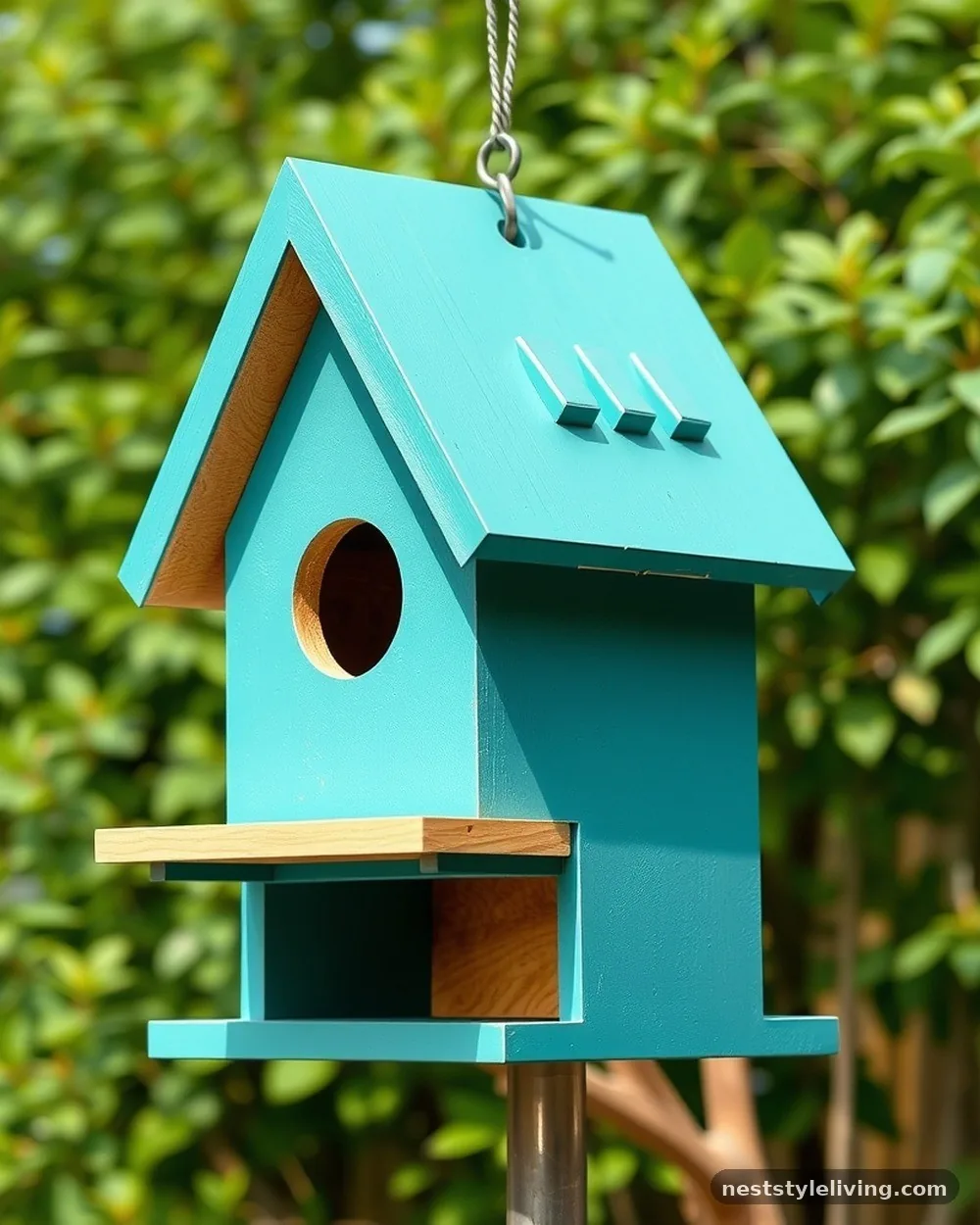
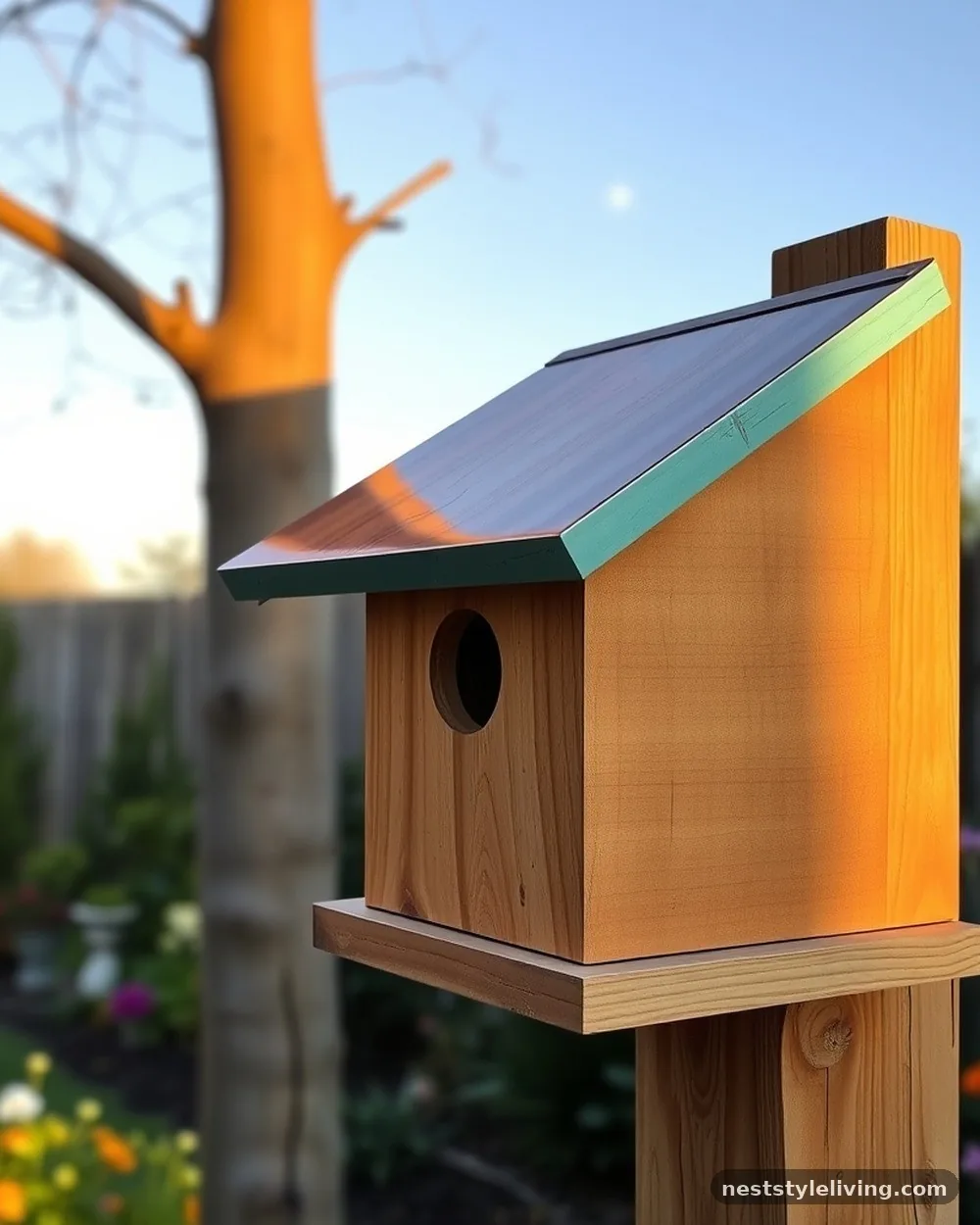
Inspired by 1950s architectural trends, these houses feature clean, geometric lines, flat or steep-angled roofs, and vibrant, minimalist color palettes like teal or mustard yellow. They often include an extended roofline that creates a small porch area, perfect for birds to perch before entering. The design prioritizes airflow, utilizing ventilation gaps near the roofline that prevent the interior from overheating during the peak of summer.
Apply a low-VOC, exterior-grade latex paint to the exterior to ensure the bright colors remain vivid against the greens of your garden. Keep the interior walls unfinished to provide a safe, non-toxic environment for nestlings, and ensure the floor is made of untreated cedar to manage moisture levels effectively.
3. Reclaimed Barn Wood Farmhouses
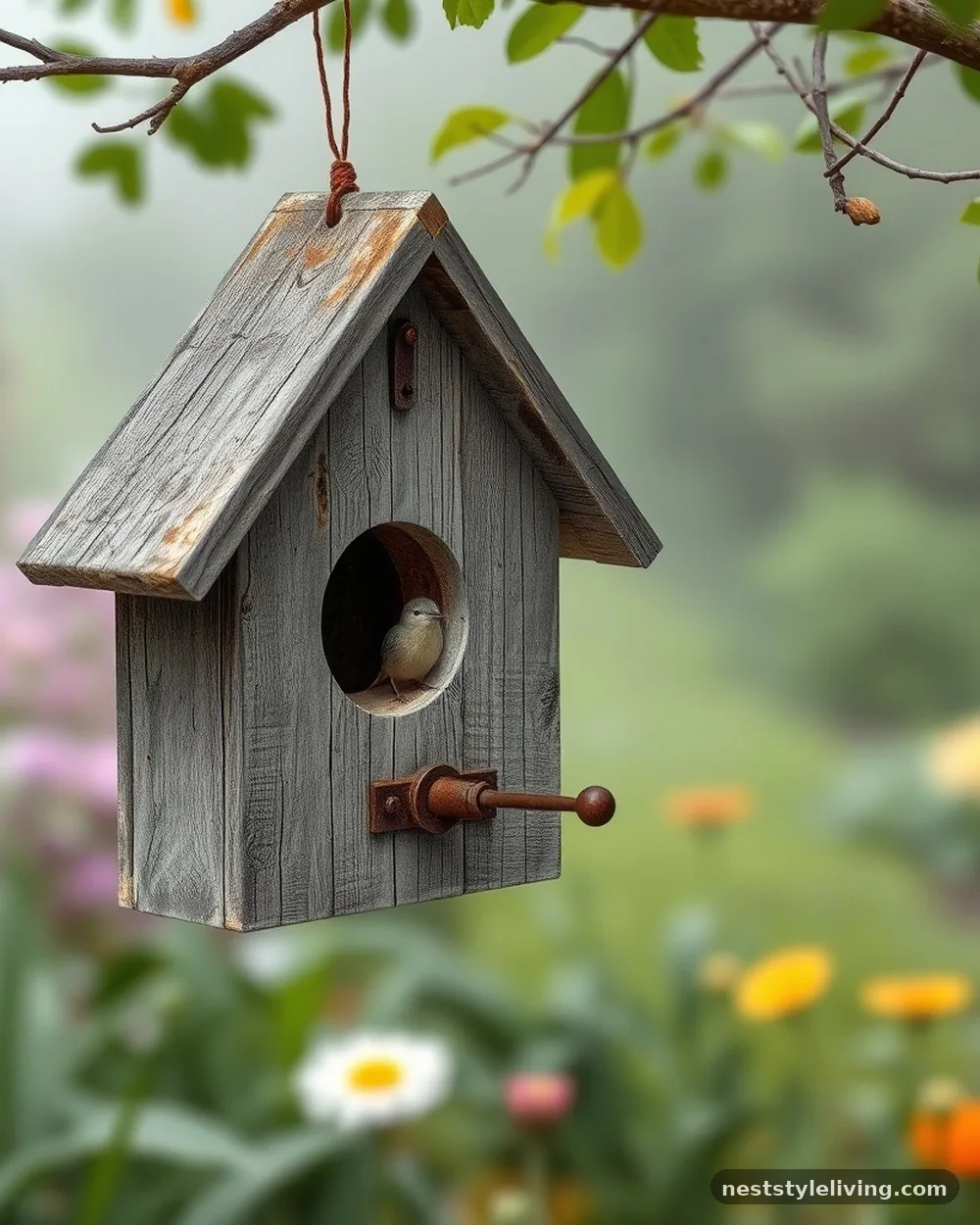
Using weathered timber salvaged from old structures adds immediate character and a sense of history to your garden. These birdhouses often incorporate rusted metal accents, such as old hinges or washers used as decorative elements around the entrance hole. The rough texture of the wood serves a functional purpose, providing grip for fledglings as they learn to climb toward the opening.
Seal the wood with a clear, water-based exterior sealer to maintain the weathered look without letting the timber rot too quickly. Place these in a semi-shaded area to prevent the darker, recycled wood from absorbing excessive heat, which can be dangerous for smaller species during heatwaves.
4. Birch Bark Forest Nests
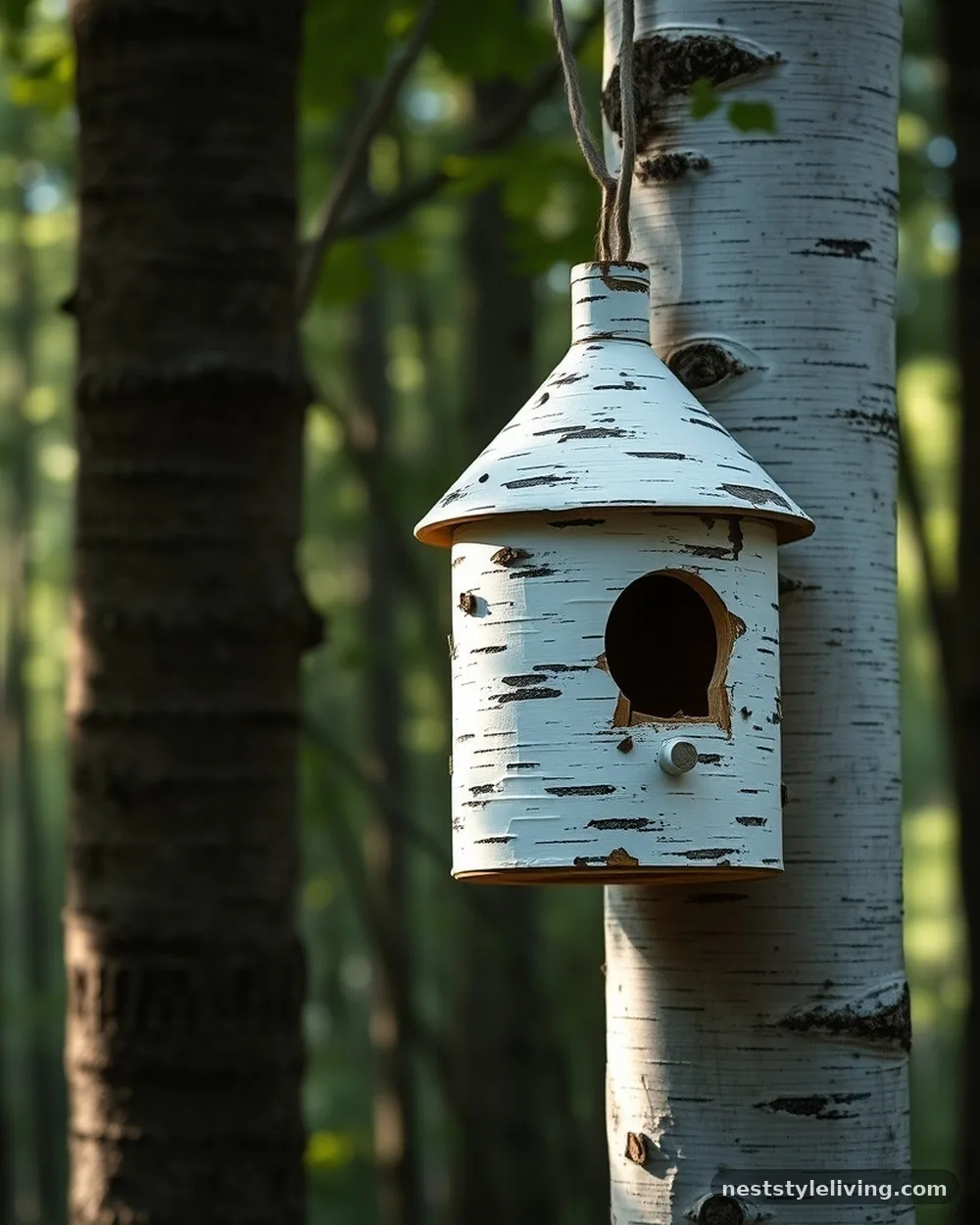
These houses mimic the natural look of tree trunks, using thin sheets of birch bark wrapped around a sturdy plywood core. They blend seamlessly into a wooded backyard, appearing as an extension of the surrounding trees rather than an artificial addition. The white, papery texture of the bark creates a bright contrast against dark foliage, making them visible even in dense brush.
Apply a thin layer of outdoor-rated waterproof glue to the plywood base before wrapping the bark to ensure a tight, weather-resistant seal. Use small, hidden brad nails to secure the edges of the bark, ensuring the heads are flush so they don’t snag on the birds’ feathers as they enter or exit the hole.
5. Ceramic Teapot Birdhouses
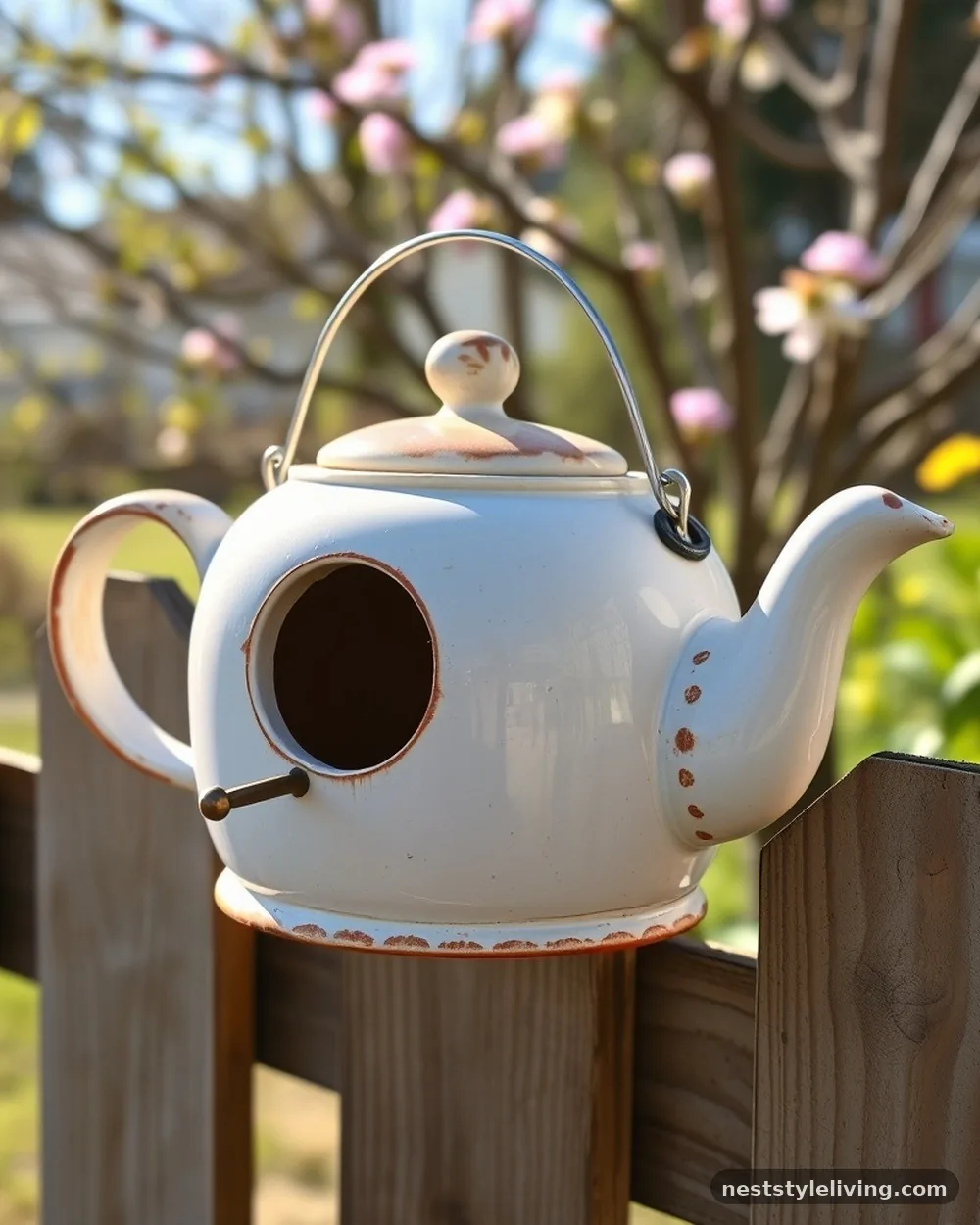
A classic, quirky choice, these houses repurpose vintage or new ceramic teapots as the primary nesting chamber. The handle of the teapot provides a perfect natural perch, while the spout acts as an secondary ventilation point if positioned correctly. Because ceramic is non-porous and retains temperature, these work best in cooler, temperate climates where the house won’t bake in direct, intense sunlight.
Use a diamond-tipped drill bit to expand the existing spout or create a hole in the side if the spout opening is too small for your target species. Secure the teapot to a wooden backboard using heavy-duty galvanized wire or a custom-made metal bracket to ensure it doesn’t shift during high winds.
6. Living Roof Succulent Houses
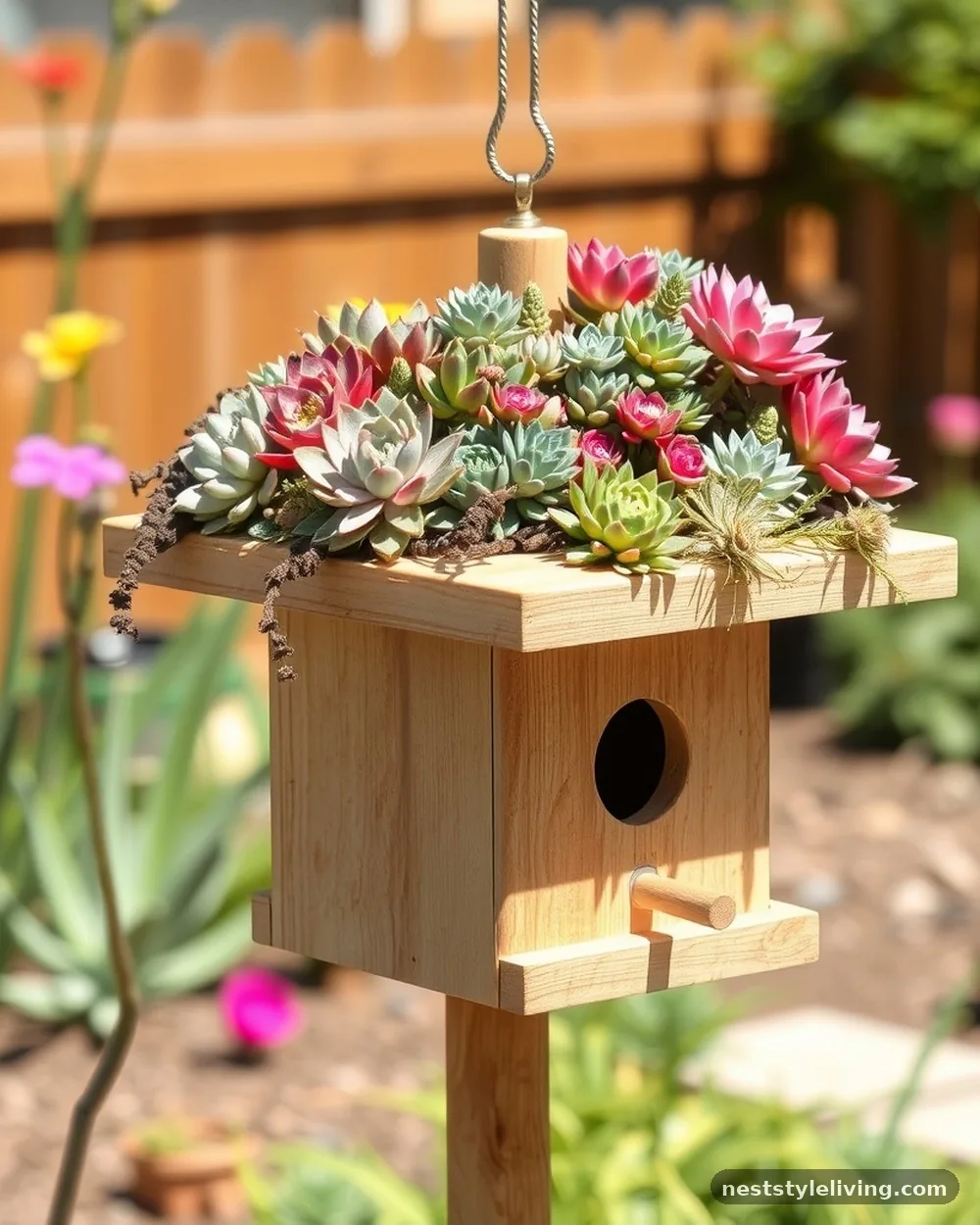
These houses feature a shallow, tray-like roof filled with a lightweight soil mix and drought-tolerant succulents like Sedum or Sempervivum. The plants act as natural insulation, keeping the interior significantly cooler during the summer months while adding a splash of vibrant, living color to the top of the house. As the plants grow, they spill over the edges, softening the hard lines of the structure.
Ensure the roof tray has adequate drainage holes to prevent the soil from becoming waterlogged, which could rot the wooden roof underneath. Select slow-growing succulents that don’t require frequent watering, as the roof will be exposed to the elements and may dry out quickly during sunny spells.
7. Hanging Woven Willow Pods
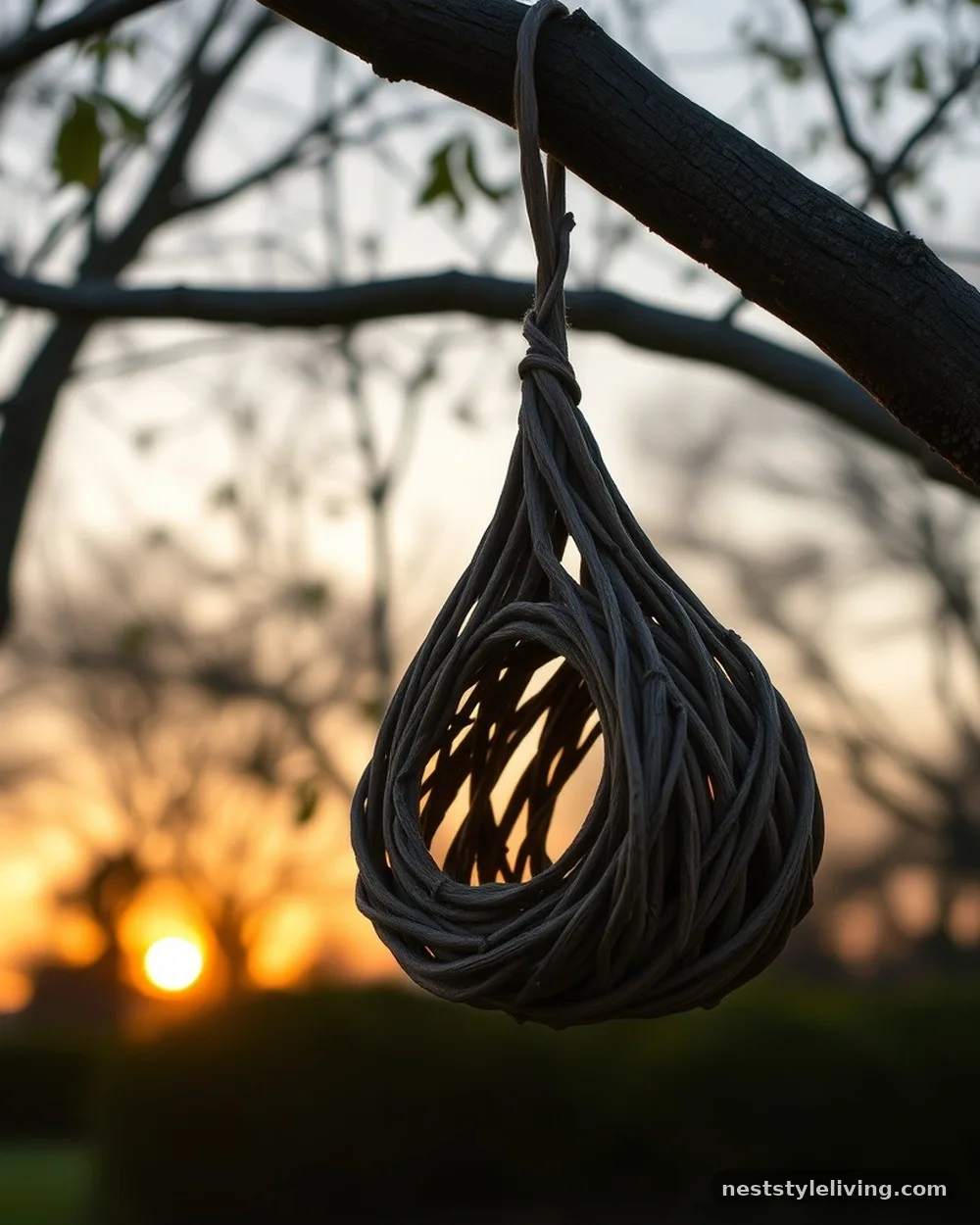
Crafted from flexible, natural willow branches, these teardrop-shaped houses hang gracefully from tree limbs. Their organic, rounded shape mimics natural bird nests found in the wild, making them highly attractive to smaller, shy species like wrens or chickadees. The woven structure is naturally breathable, allowing air to circulate freely through the sides of the pod.
Treat the willow with a light coat of natural linseed oil once a year to prevent the branches from becoming brittle and snapping in the wind. Use a flexible, braided nylon cord to hang the pod, as this allows it to sway gently without the risk of the material fraying or snapping under the weight of the birds.
8. Miniature Victorian Manors
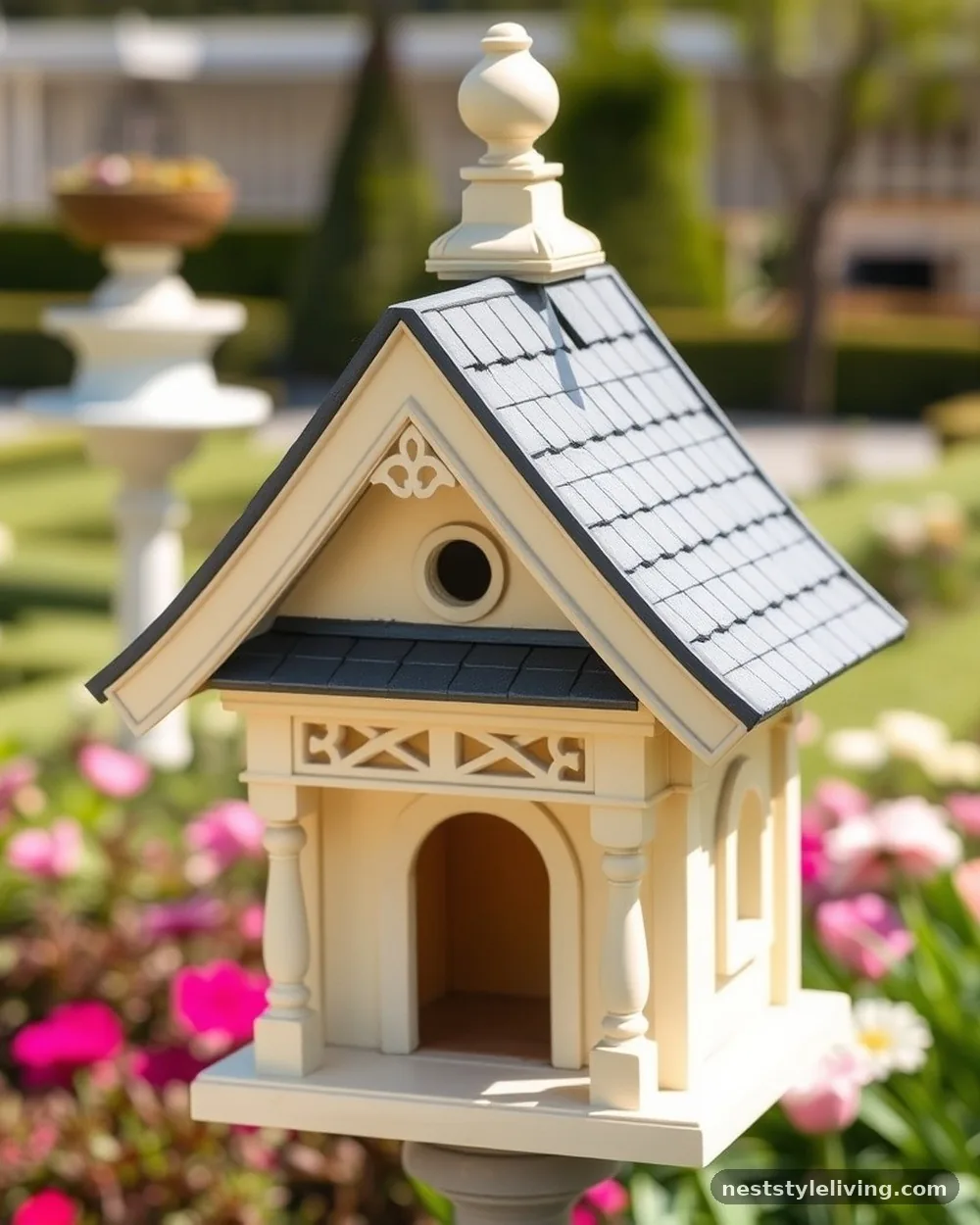
These houses lean into intricate detailing, featuring porch railings, decorative trim, and multi-pitched rooflines. Often painted in classic, muted tones like cream, sage, or slate grey, they serve as a sophisticated architectural accent in a formal garden. While they look delicate, they are built with durable, weather-resistant materials to ensure the ornate trim doesn’t warp or peel.
Clean the decorative trim with a soft-bristled brush every spring to remove spider webs and debris that accumulate in the nooks and crannies. To preserve the fine details, use high-quality exterior acrylic paint that resists cracking, and apply a final coat of UV-protective clear spray to prevent the colors from fading in the sun.
9. Stacked Stone Masonry Houses
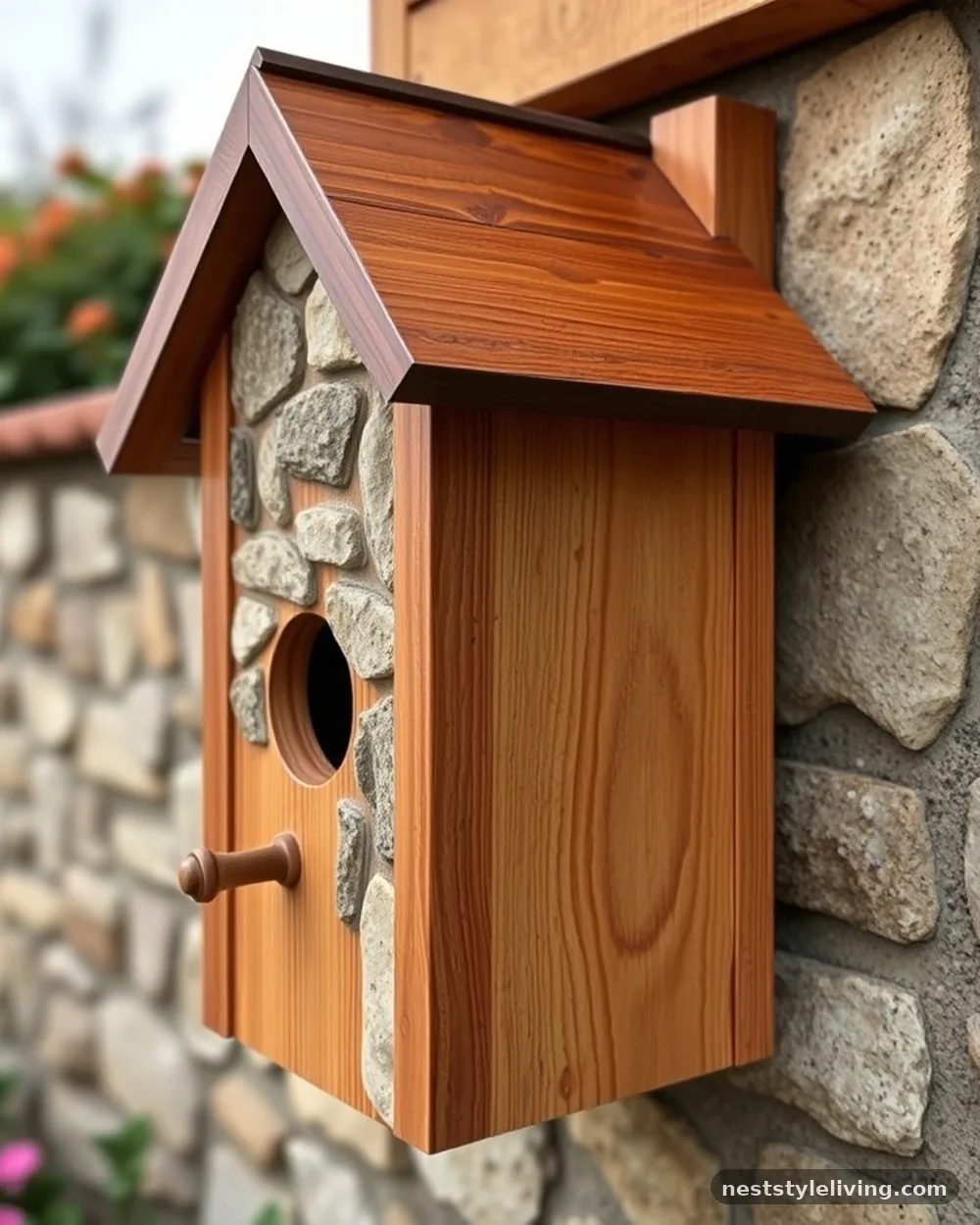
By using thin, lightweight veneer stone on the exterior of a wooden frame, you create a birdhouse that echoes the look of a stone cottage. The thermal mass of the stone helps regulate the internal temperature of the house, providing a stable environment for eggs and nestlings. These are heavy, so they require a very secure mounting system.
Use construction-grade adhesive designed for masonry to attach the stone veneer to the plywood frame. Ensure the stone doesn’t block the entrance hole; use a circular diamond-blade saw to cut the stone cleanly around the opening for a professional, finished appearance that protects the wood edges from moisture.
10. Geometric Copper-Clad Cubes
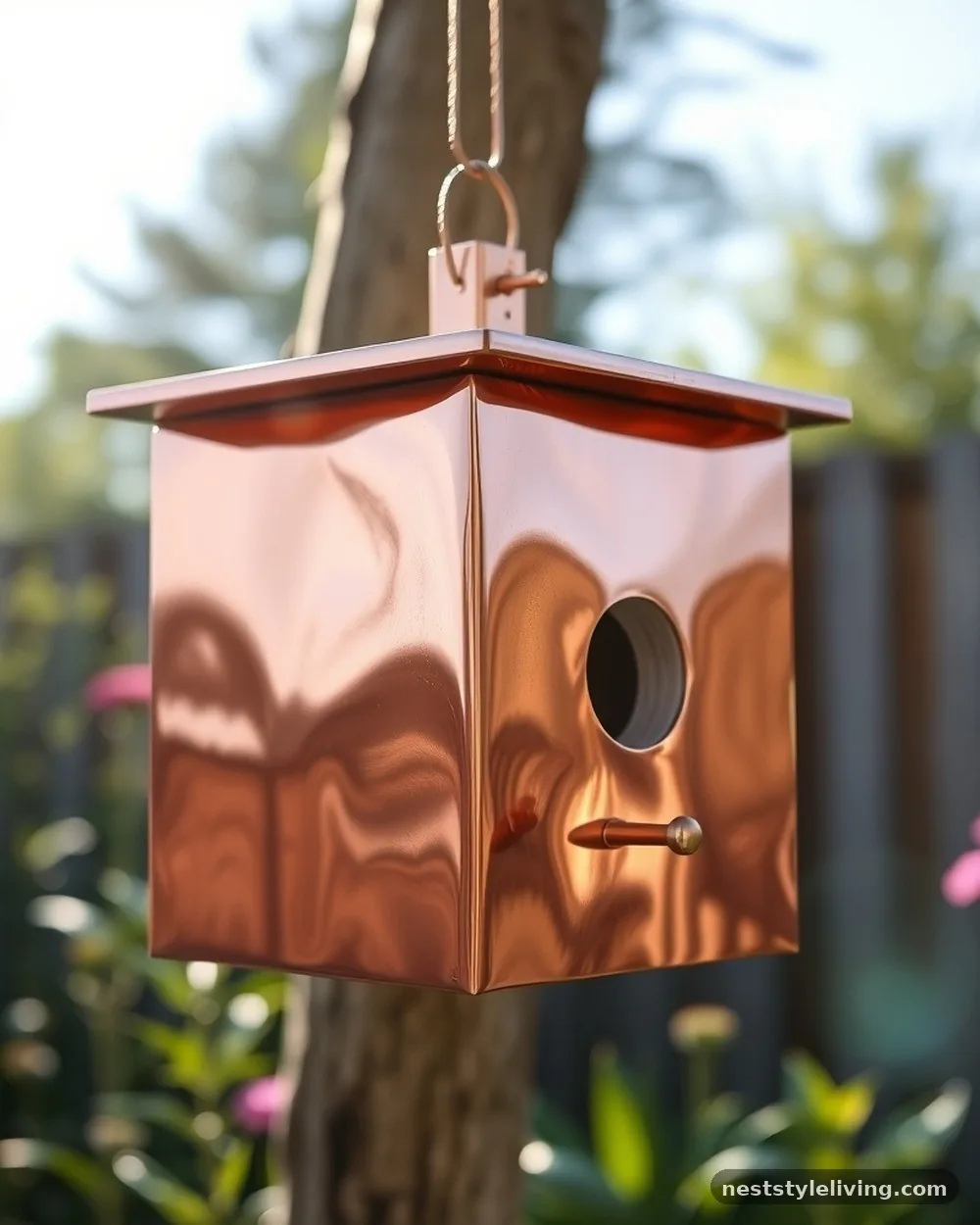
Modern and minimalist, these houses consist of simple cube shapes entirely wrapped in thin sheets of copper. They reflect the light of the garden, creating a shimmering effect that changes throughout the day as the sun shifts. The copper is naturally antimicrobial, which can help keep the nesting environment healthier for the birds over time.
Buff the copper with a soft cloth periodically if you want to maintain the high-shine, metallic finish. If you prefer the aged, weathered look, simply leave it alone and let the natural oxidation process take its course, which will eventually turn the bright metal into a deep, earthy brown and then a soft seafoam green.
11. Vertical Log Cabin Clusters
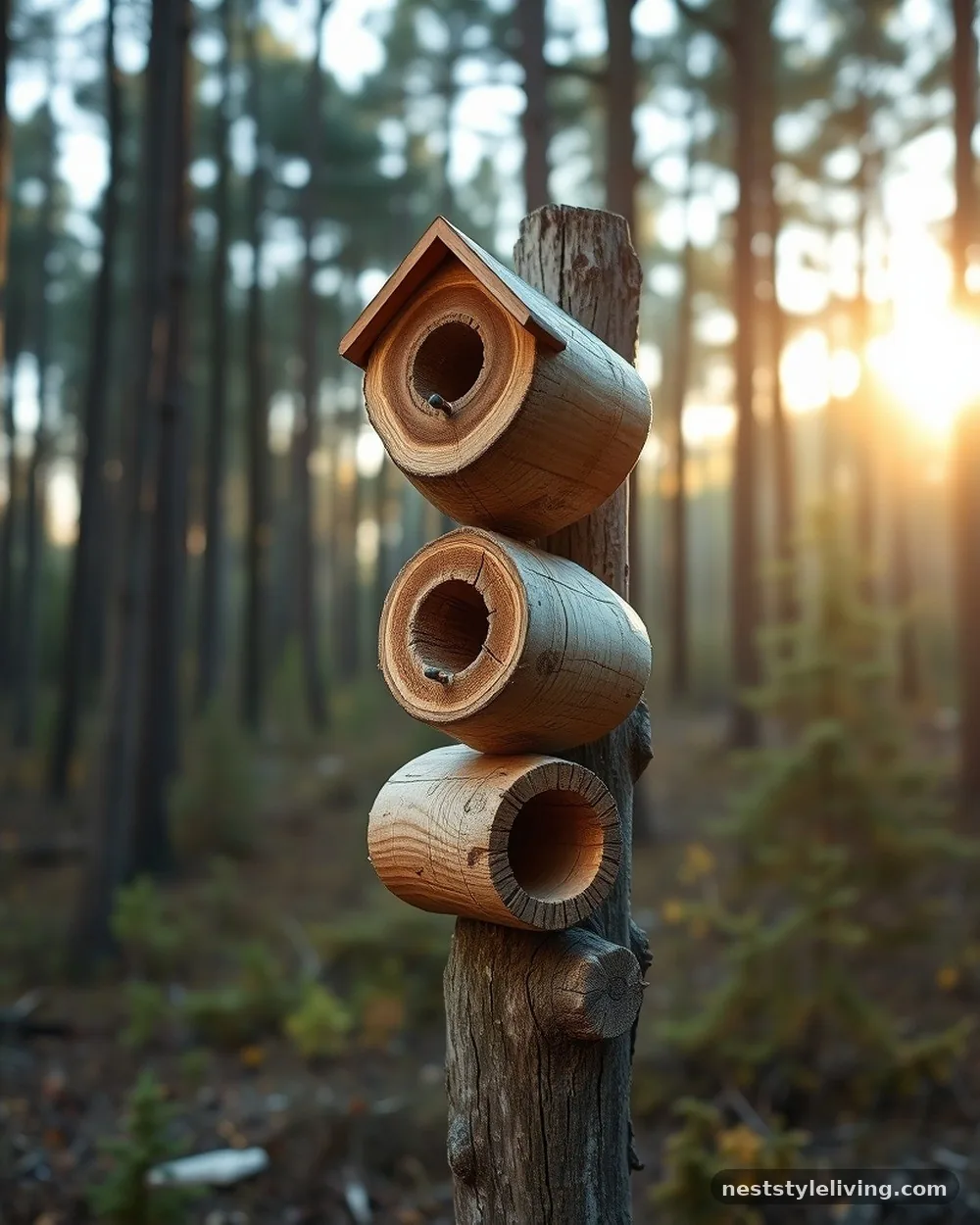
These houses use sections of hollowed-out logs stacked vertically to create a multi-unit apartment for birds. The thick bark provides excellent insulation, and the natural cavities inside are already shaped in a way that birds find familiar and safe. Stacking them in a cluster allows for a “bird community” feel, attracting several pairs of the same species to nest in close proximity.
Ensure each log section has a separate entrance hole facing different directions to maintain territorial boundaries between the nesting pairs. Anchor the entire cluster to a heavy-duty steel post set deep into the ground, as the weight of multiple logs can be significant and susceptible to tipping in strong winds.
12. Painted Galvanized Metal Houses
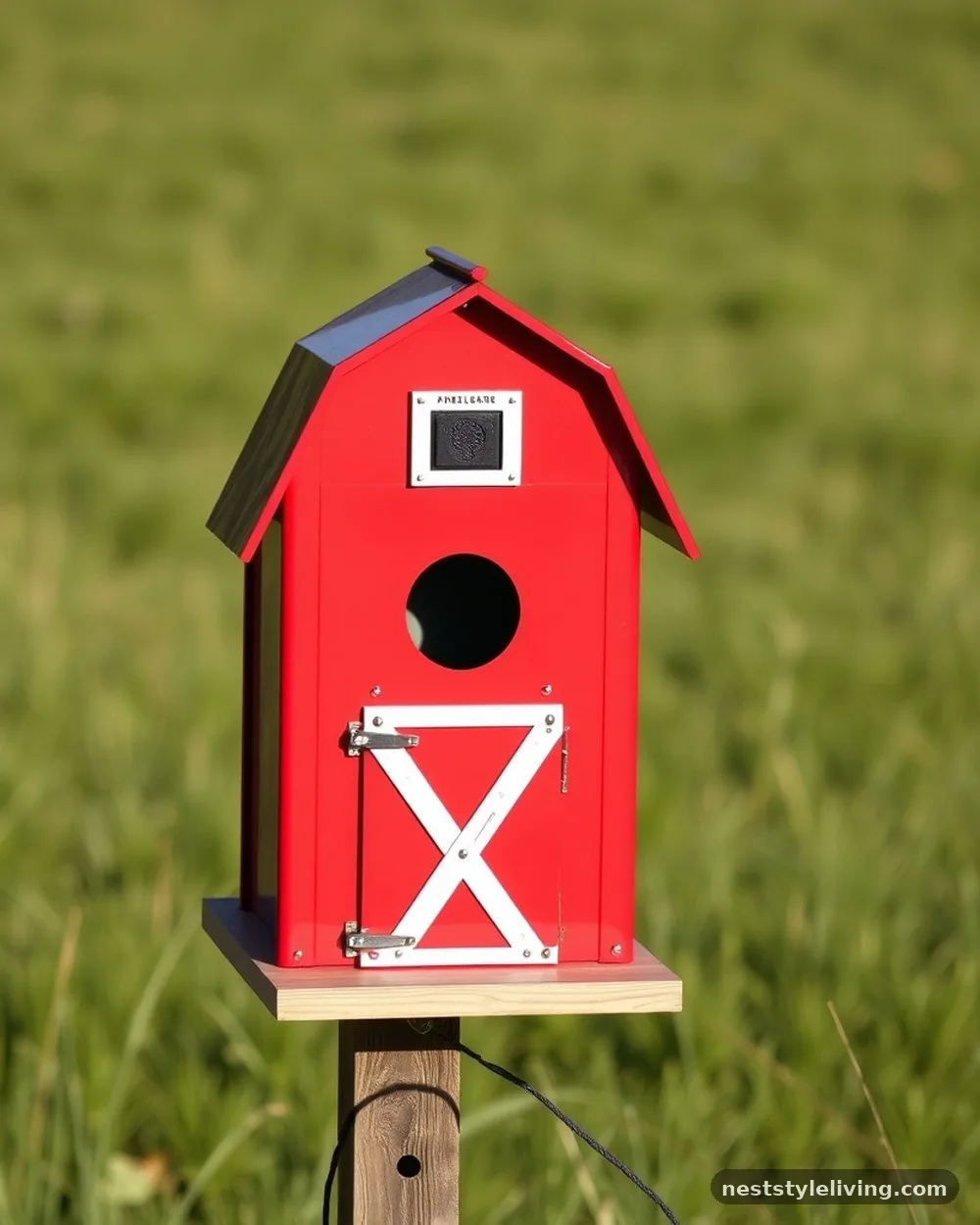
Drawing inspiration from vintage farm equipment, these houses are made from powder-coated or painted galvanized steel. They are incredibly durable, resisting rot, squirrels, and chewing predators that often plague wooden alternatives. The smooth metal surface is easy to clean, making it a low-maintenance option for busy backyard enthusiasts.
Choose a light-colored exterior paint to reflect solar radiation, as metal heats up much faster than wood. If the paint begins to chip, sand the area lightly and touch it up immediately with a rust-inhibiting exterior metal paint to keep the structure looking sharp and protecting the underlying steel from corrosion.
13. Floating Teardrop Glass Houses
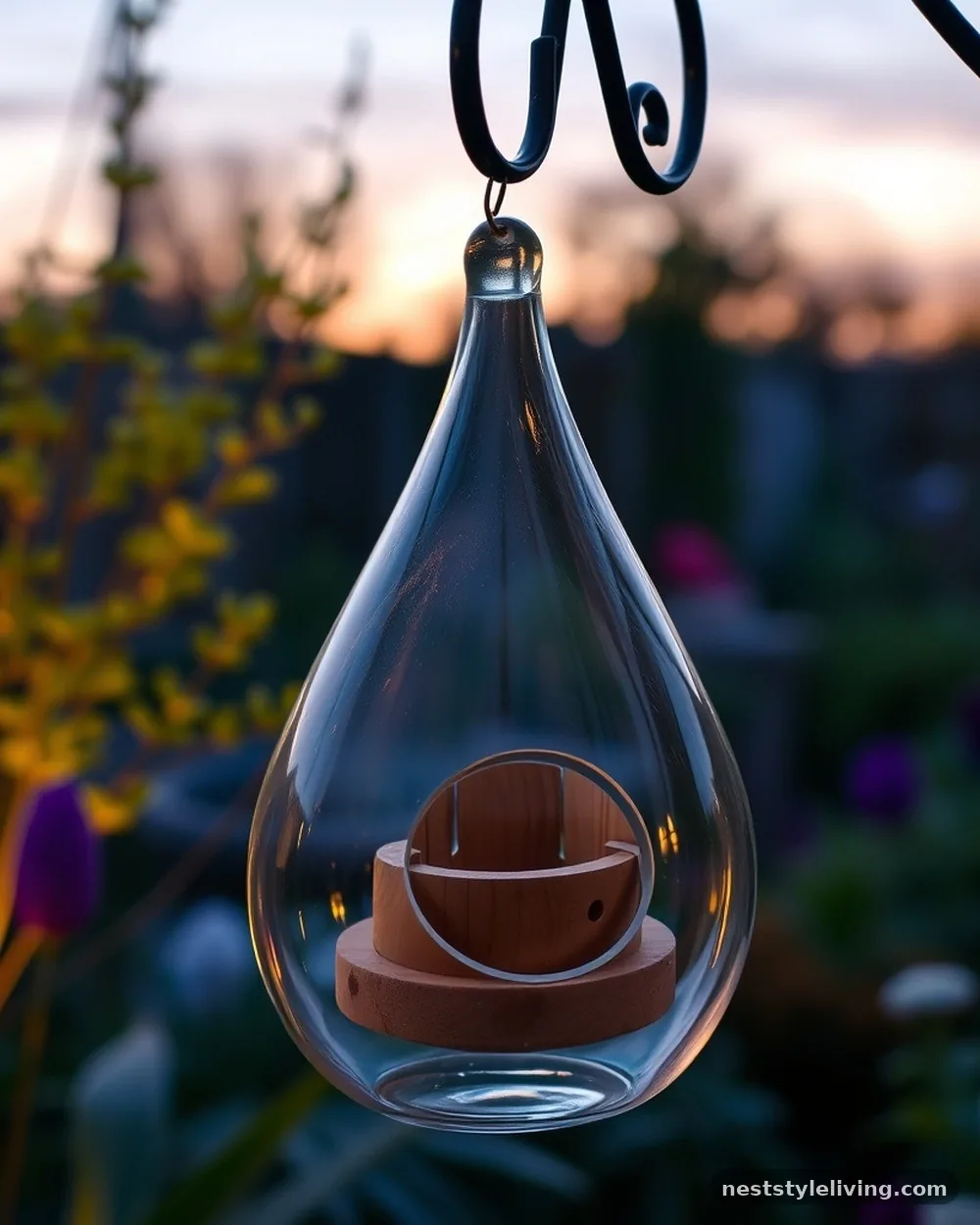
For a contemporary look, these houses utilize thick, tempered glass walls with a central wooden chamber for nesting. They are designed to be suspended from a sturdy tree branch or a decorative shepherd’s hook. The glass provides a protective shell against wind and rain while allowing for a clear view of the interior from the sides.
Keep the glass surfaces clean by wiping them down with a simple vinegar-and-water solution every few weeks to ensure the birds aren’t confused by reflections. Ensure the internal wooden chamber is removable so you can easily access it for seasonal cleaning, as the glass will make the interior harder to reach otherwise.
14. Mosaic Tiled Houses
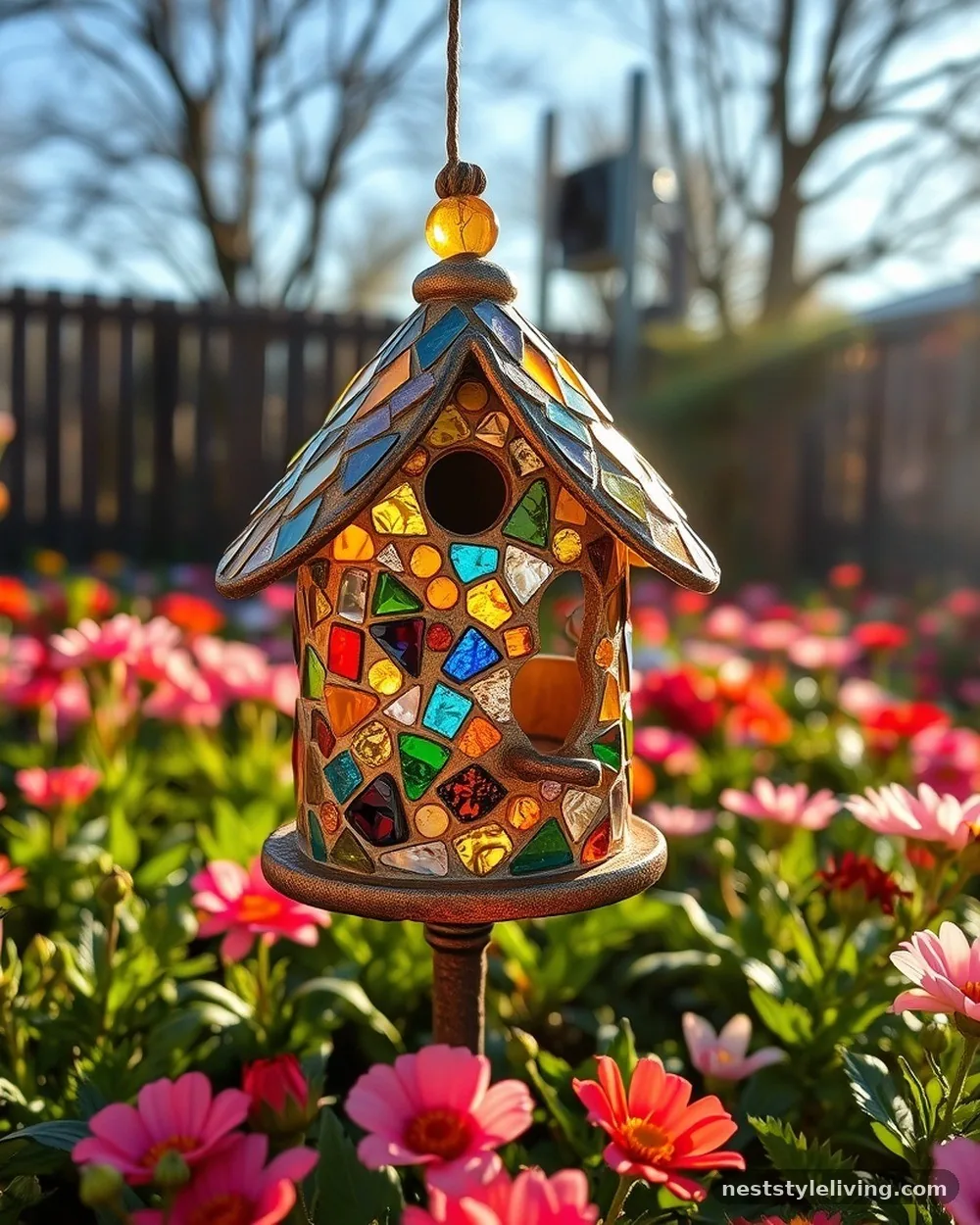
These houses turn the structure into a piece of art, featuring intricate designs created from broken ceramic tiles, glass beads, or sea glass. The mosaic surface is not only beautiful but also incredibly weather-resistant, as the tile acts as a protective layer over the wooden frame. They catch the light beautifully, making them a standout feature in any flower bed.
Use an exterior-grade, flexible grout to ensure the tiles don’t crack as the wood expands and contracts with changes in temperature. Apply a heavy-duty grout sealer once the mosaic is finished to prevent water from seeping behind the tiles, which could otherwise lead to the grout crumbling or the wood rotting underneath.
15. Cedar Shingle Cape Cods
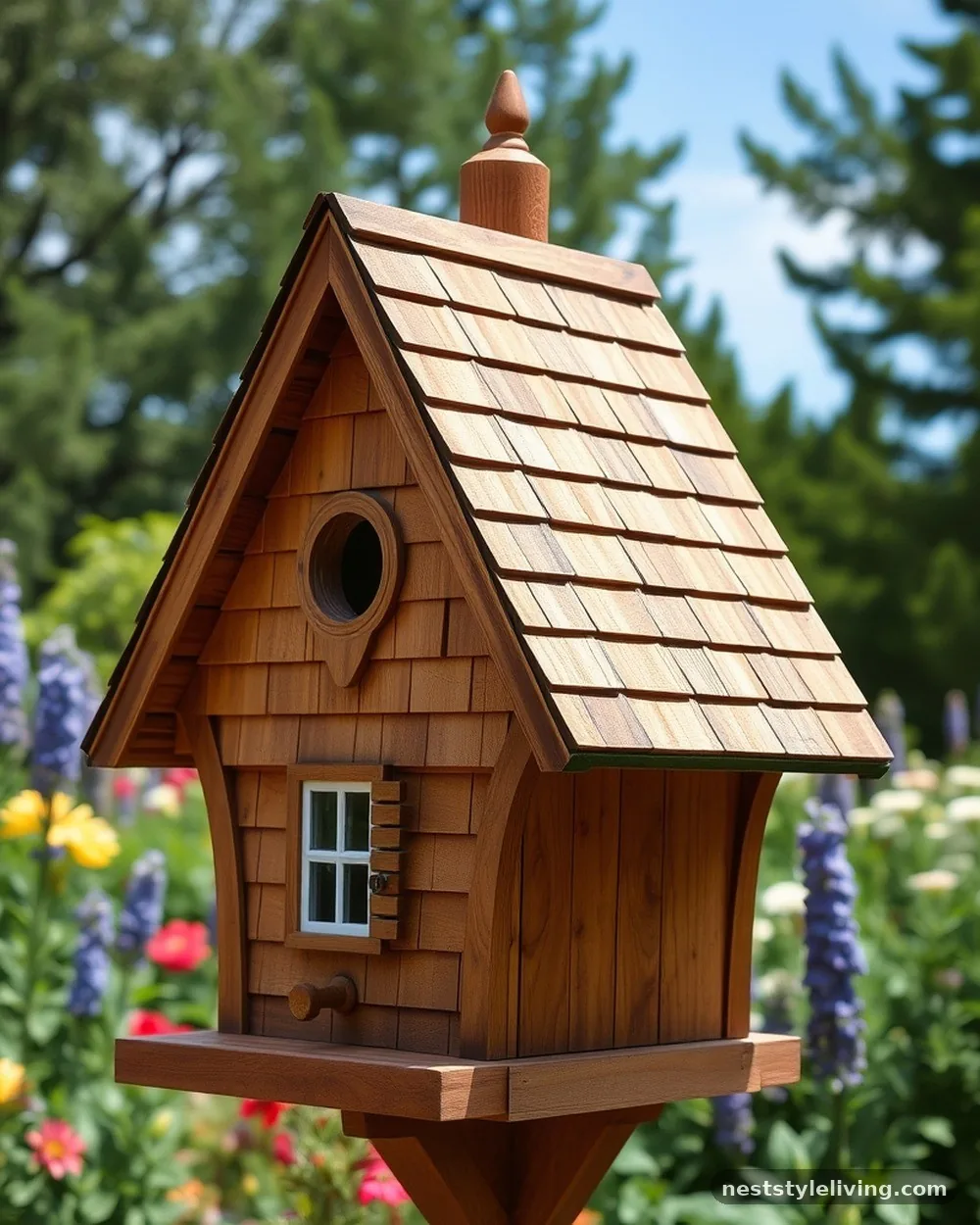
A classic choice for any backyard, these houses mimic the traditional architecture of coastal homes, complete with cedar shingles and a steep, gabled roof. The shingles provide excellent drainage, with the overlapping layers ensuring that water runs off the sides rather than soaking into the walls. They are timeless, blending perfectly with almost any landscaping style.
Stain the shingles with a semi-transparent wood preservative to enhance the natural grain while providing a barrier against UV rays. Check the shingles each spring to ensure none have cracked or loosened during the winter, and replace individual shingles as needed to keep the house fully weather-tight and secure.
16. Bamboo Tube Apartment Blocks
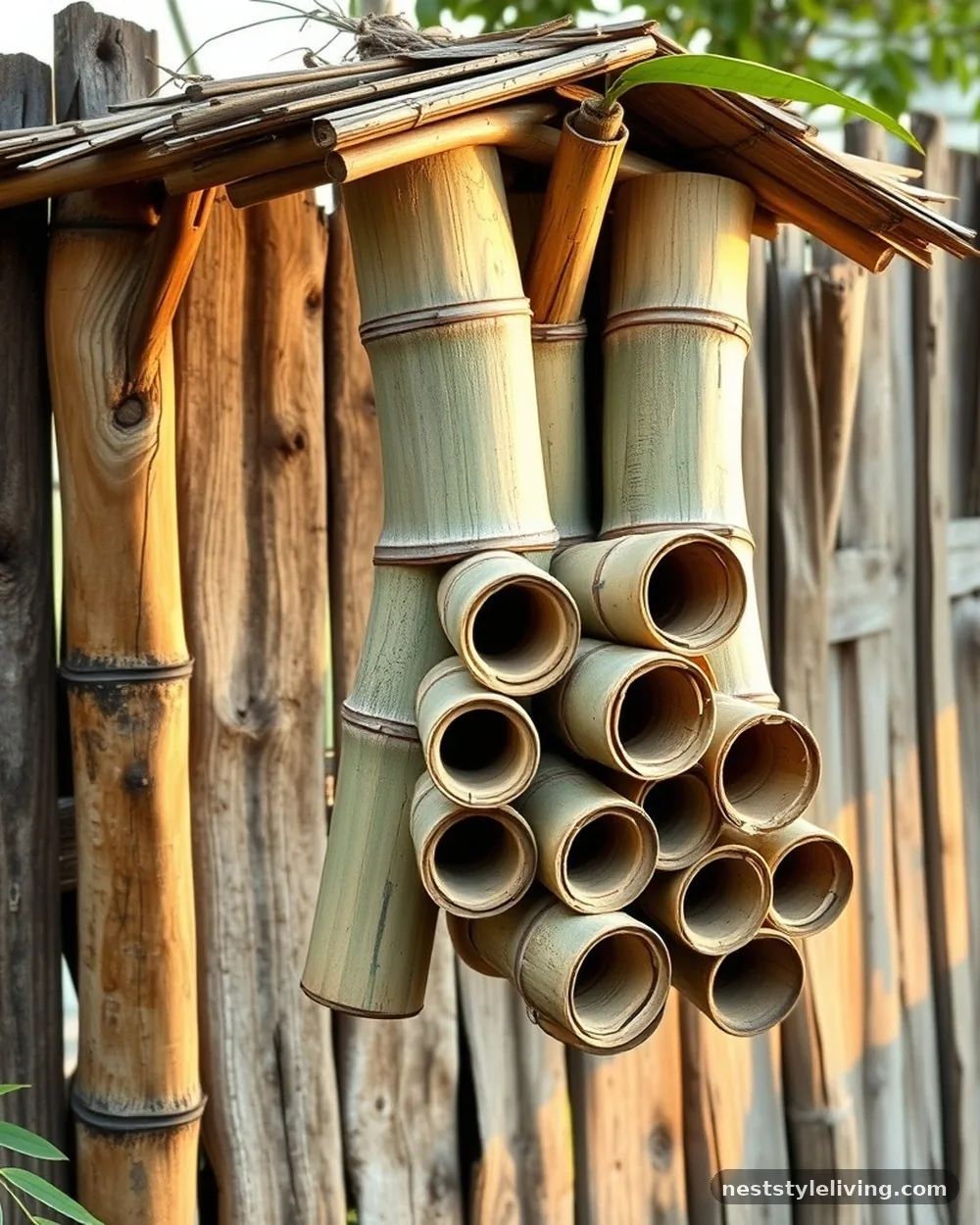
These houses consist of numerous lengths of hollow bamboo stalks, bundled together and capped with a roof. They are specifically designed for solitary bees and smaller birds that prefer narrow, tube-like nesting cavities. The natural texture and diameter of the bamboo are ideal for these species, and the bundle creates a dense, protective environment.
Ensure the bamboo tubes are cut so that the internal nodes are left intact at the back of each tube, creating a “dead end” that keeps the nest protected from drafts. Replace the bamboo bundle every two years, as the wood will eventually deteriorate and start to harbor mold or parasites that could harm the next generation of residents.
17. Stained Glass Accent Houses
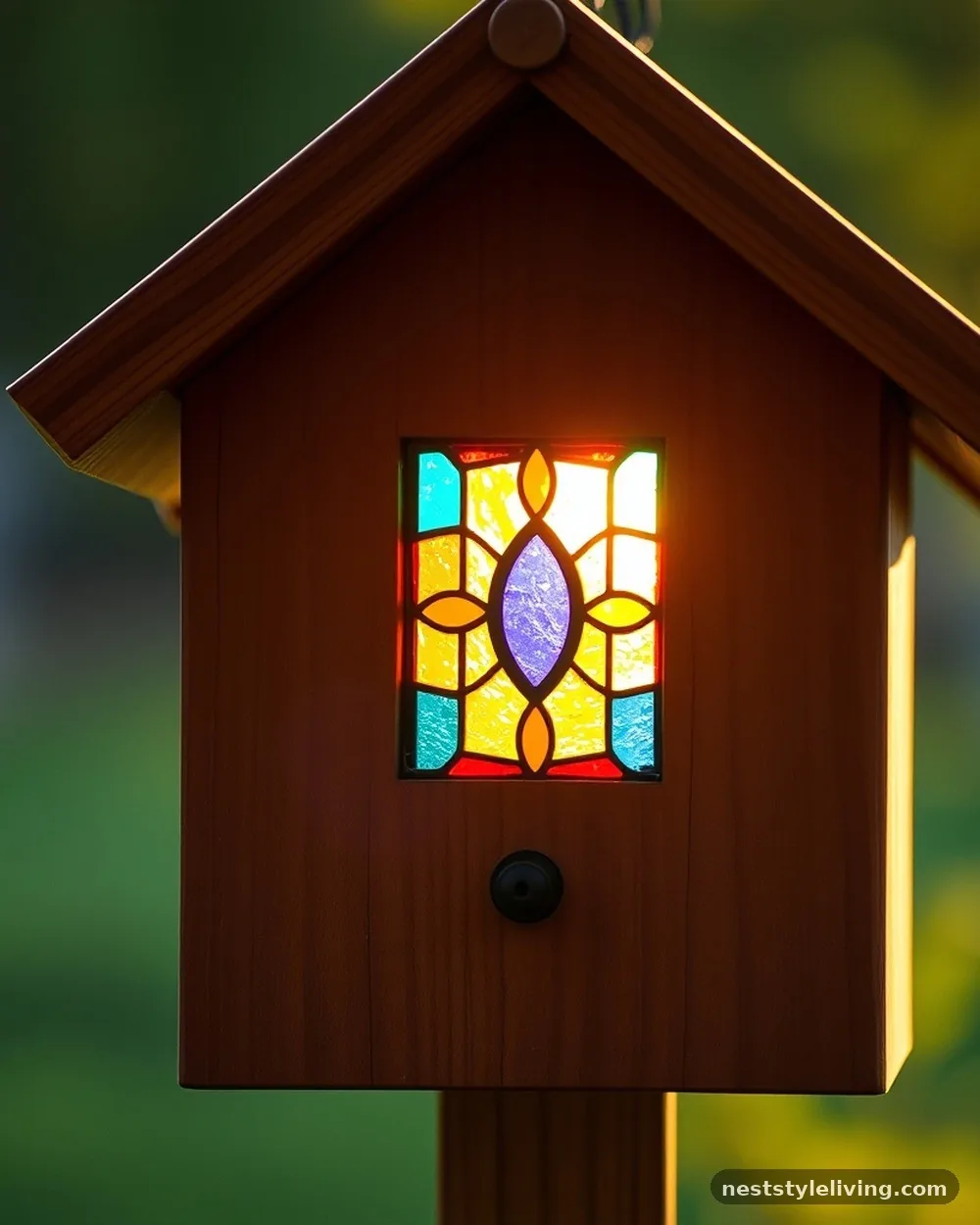
By incorporating small panels of stained glass into the sides or roof of a wooden birdhouse, you add a touch of color that glows when the sun hits it. These houses feel like miniature jewels in the garden, providing a beautiful focal point that changes as the light shifts throughout the day. The glass is usually set into a routed groove in the wood for a flush, secure fit.
Use lead-free solder if you are constructing the glass panels yourself to ensure the environment remains safe for the birds. Keep the glass sections away from the immediate entrance hole to prevent birds from flying into the material, as they may not recognize the glass as a solid barrier.
18. Recycled Wine Box Houses
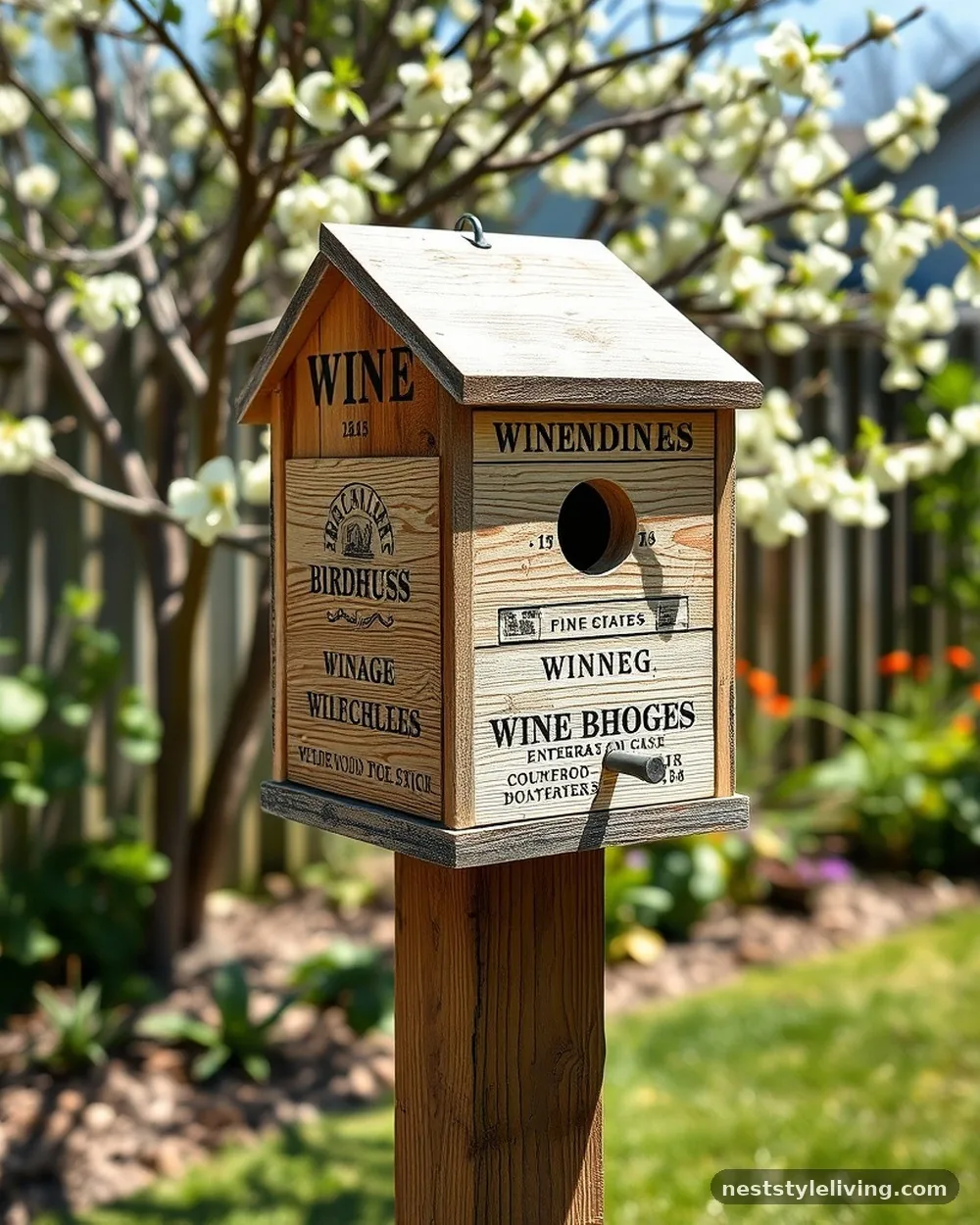
Repurposing old wooden wine crates provides a sturdy, ready-made frame for a birdhouse. The wood is typically high-quality pine or oak, and the branding on the side of the box often adds a rustic, vintage charm. These houses are generally larger than standard models, making them perfect for slightly bigger species like bluebirds or swallows.
Drill multiple ventilation holes near the top of the box to prevent heat buildup, as the original crate was not designed for animal housing. Sand down any rough edges or splinters around the entrance hole to ensure the birds can enter and exit without damaging their wings or feathers.
19. Heavy-Duty Redwood Chalets
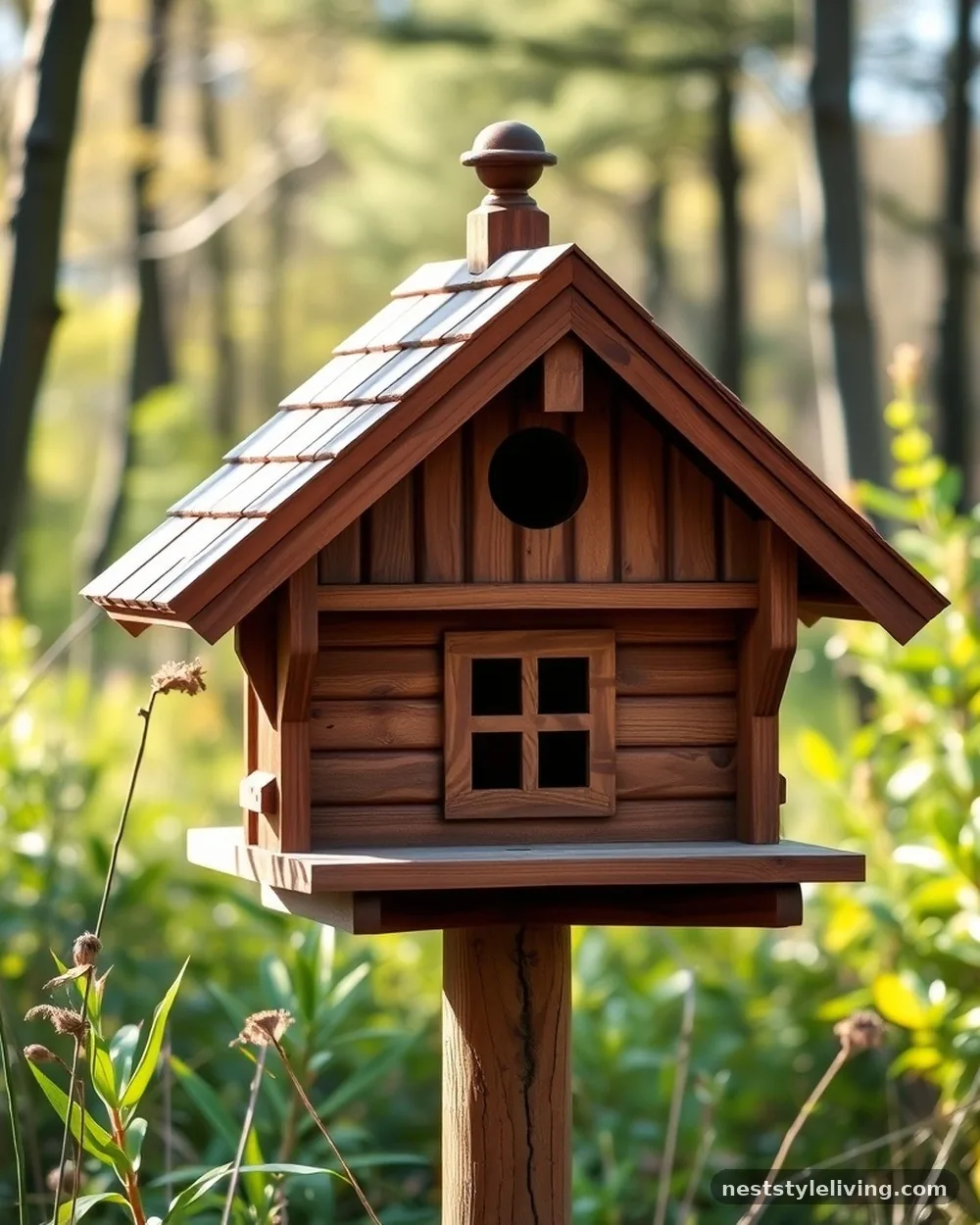
Redwood is one of the most rot-resistant woods available, making it the gold standard for long-lasting outdoor structures. These chalet-style houses feature wide eaves that protect the entrance from driving rain and snow. Because redwood is naturally beautiful, it requires no paint or stain, allowing you to enjoy the deep, rich color of the wood for decades.
Clean the exterior with a light pressure wash on a low setting once a year to remove algae or moss buildup. Avoid using harsh chemical cleaners, as the natural oils in the redwood are sufficient to keep the wood healthy; simply rinsing with water and scrubbing gently will maintain its appearance.
20. Wrought Iron Frame Houses
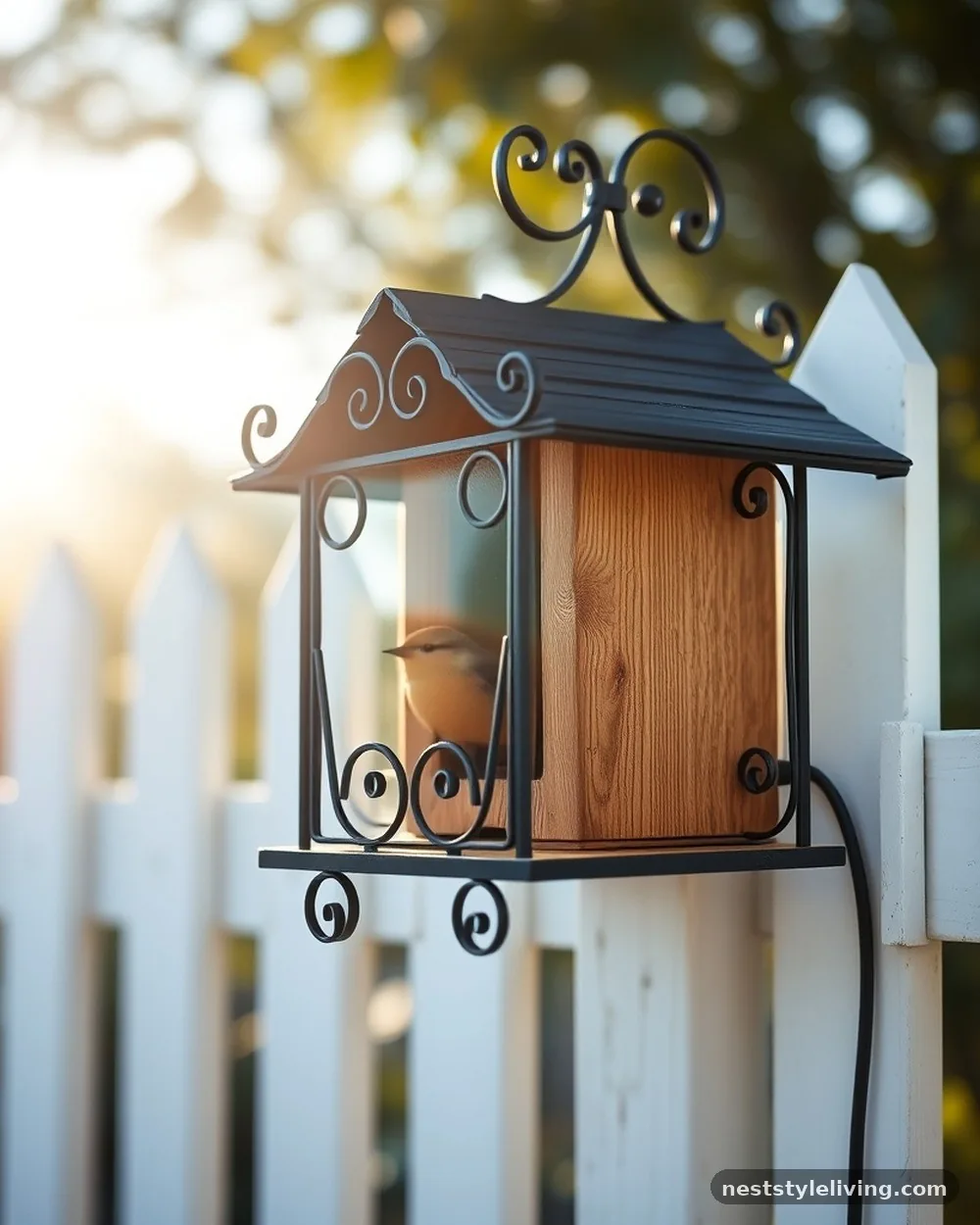
These houses feature a delicate, black wrought iron frame with panels of tin or wood set inside. They offer a Victorian-inspired elegance that looks sophisticated against a brick wall or a white picket fence. The iron provides a permanent, sturdy structure that will not warp or rot, while the internal panels are easily replaceable if they suffer weather damage.
Paint the iron with a rust-preventative black enamel every few years to keep it looking pristine and to stop any surface oxidation from spreading. Ensure the iron is securely anchored to a wall or post, as the weight of the metal frame can be significant and requires a solid mounting point to prevent it from sagging over time.
Frequently Asked Questions
What is the best height to mount a birdhouse?
Most small songbirds prefer their nests to be between five and ten feet off the ground. Mounting the house at this height keeps it out of reach of most ground-based predators like cats while remaining accessible for you to clean and monitor. Always mount it on a pole or a tree trunk that is difficult for squirrels to climb.
What color birdhouse attracts the most birds?
Birds generally prefer natural, muted colors that blend into their environment. Earth tones like sage green, tan, grey, or natural wood finishes are ideal. Avoid bright, reflective colors, which can act as a beacon for predators and make the birds feel exposed and vulnerable to attack.
How do I keep predators away from my birdhouses?
The most effective method is to use a stovepipe-style baffle on the mounting pole. This slick, cylindrical metal barrier prevents squirrels, raccoons, and snakes from climbing up to the house. Additionally, ensure the entrance hole is sized specifically for the species you want to attract, as this prevents larger birds or predators from squeezing inside.
When is the right time to clean out my birdhouses?
Late autumn or early winter is the ideal time to clean out old nests. By this point, the breeding season is over and the birds have migrated or moved to winter roosts. Removing the old nesting material helps prevent the buildup of parasites, mites, and bacteria that could affect the health of future broods in the spring.
Do birdhouses need ventilation?
Yes, proper ventilation is critical to prevent the interior from becoming too hot during the summer. Small gaps near the roofline or drilled holes near the top of the side walls allow heat to escape and promote air circulation. Without these, the temperature inside a birdhouse can rise to lethal levels for nestlings on a sunny day.
Conclusion
Creating a sanctuary for local wildlife is a rewarding pursuit that pays dividends in the form of daily song and activity. By incorporating these birdhouse ideas that make your backyard feel special, you shift your outdoor space from a static lawn to a dynamic, living ecosystem. Whether you choose a modern minimalist silhouette or a rustic, reclaimed wood design, the key is to prioritize the safety and comfort of your feathered guests.
Start by choosing one location that needs a focal point and installing a house that suits the species native to your area. With the right placement and maintenance, you will enjoy the presence of these beautiful creatures for many seasons to come. Observe how they interact with their new home and enjoy the unique character they bring to your landscape.