14 Ornamental Grasses to Elevate Your Landscape
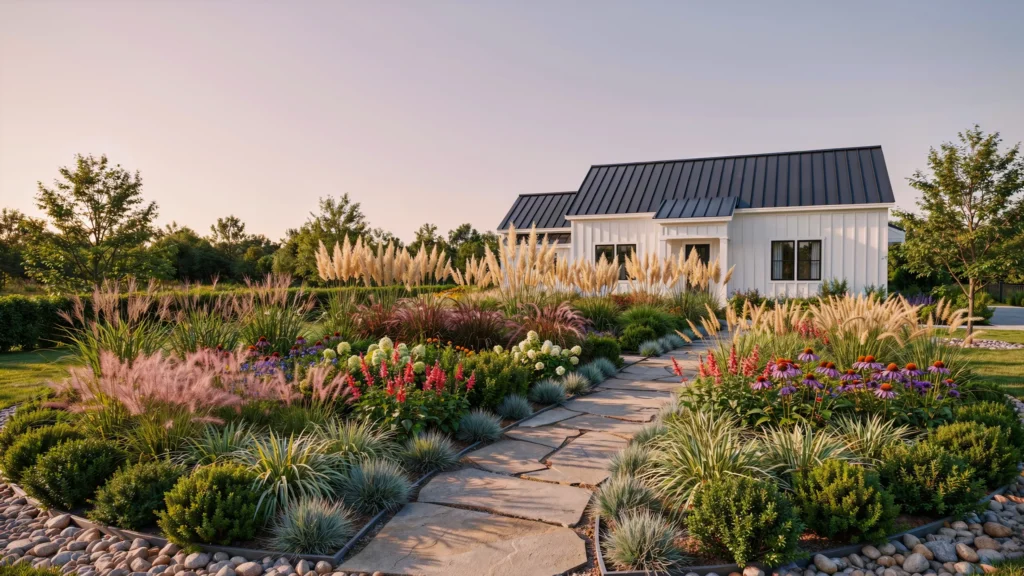
In this collection, you’ll discover 14 stunning varieties that add height, graceful movement, rich color, and lasting visual interest to landscapes of every size. From elegant feather reed grass to dreamy pink muhly and dramatic pampas plumes, each option offers its own unique style while blending beautifully with flowers, shrubs, stone pathways, and modern garden designs. In my experience, adding a few carefully chosen grasses creates a more natural and professionally designed landscape than relying on flowers alone. I’ve noticed these versatile plants make outdoor spaces feel fuller, softer, and more inviting throughout every season. Whether you’re refreshing your front yard or planning a complete landscape makeover, these inspiring ideas will help you create a beautiful outdoor space you’ll be proud to save, share, and enjoy.
1. Feather Reed Grass
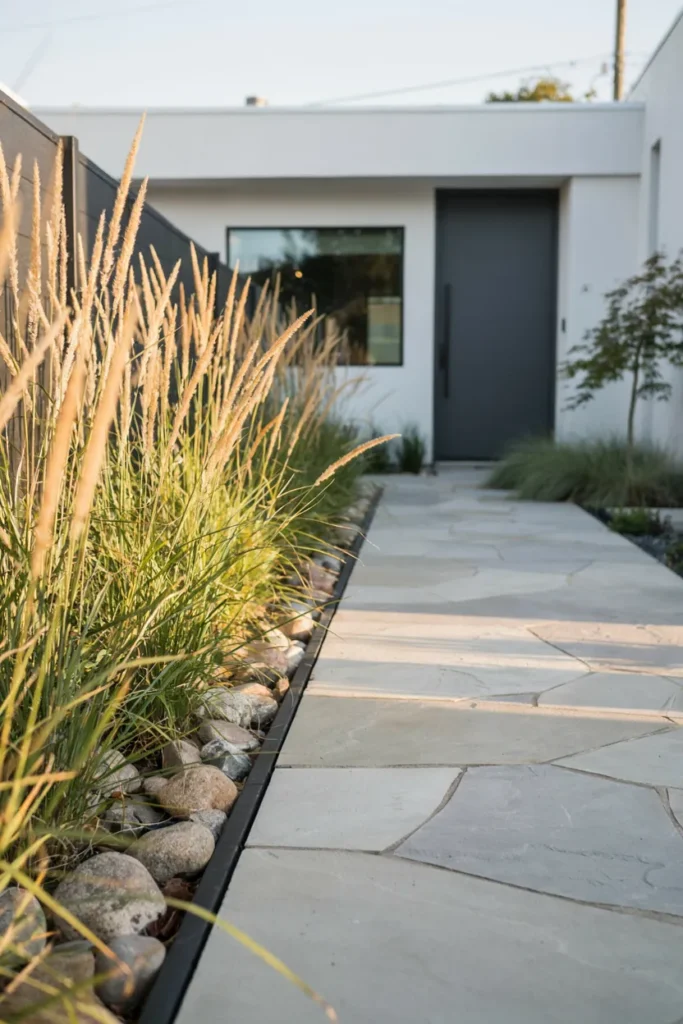
- Adds graceful height without overwhelming the space.
- Creates year-round texture and movement.
- Defines walkways and planting beds beautifully.
- Requires minimal maintenance after establishment.
- Blends well with both modern and traditional landscapes.
Nothing elevates a landscape faster than tall, upright grasses that create instant structure and movement. Feather reed grass forms elegant vertical lines while its soft plumes gently sway in the breeze, bringing life to otherwise static planting beds. Placed along pathways or property borders, it naturally frames the landscape and adds visual depth without making the yard feel crowded. Homeowners looking to incorporate ornamental grasses will appreciate how this variety delivers a polished appearance while remaining easy to maintain throughout the seasons.
I’ve noticed that feather reed grass looks especially striking when planted in repeating clusters instead of single specimens. Grouping three or five plants together creates rhythm and helps guide the eye through the landscape. That’s why many designers recommend pairing it with stone edging, evergreen shrubs, or flowering perennials for added contrast. The result is a balanced outdoor space that feels professionally designed while staying practical for everyday maintenance.
2. Blue Fescue Border
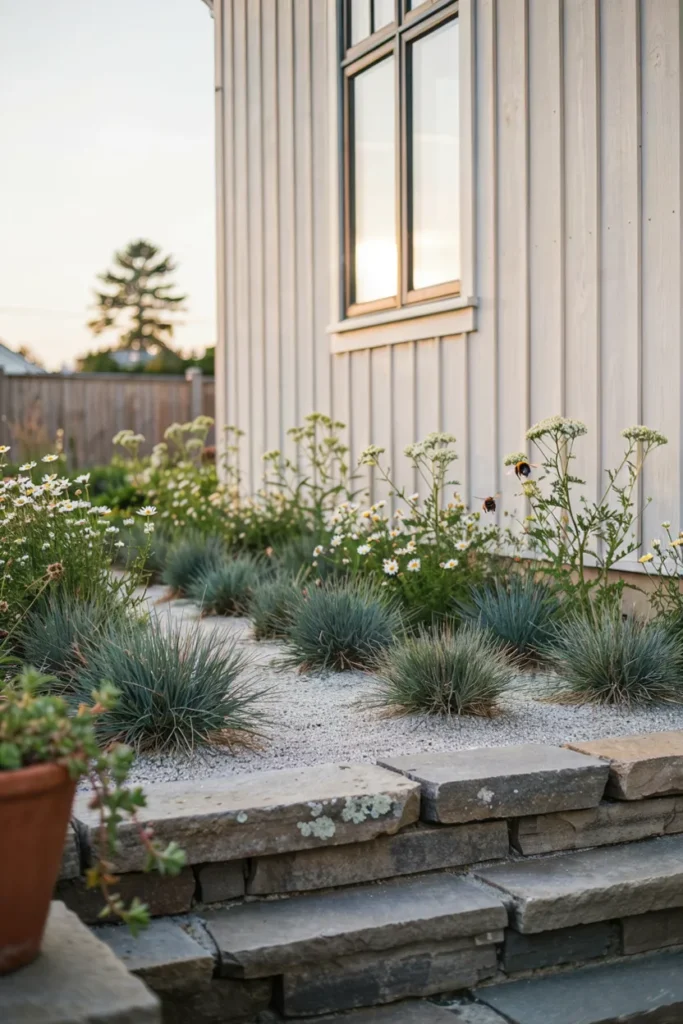
- Introduces unique blue-green color.
- Creates tidy borders with little upkeep.
- Softens hardscape edges naturally.
- Complements stone and gravel features.
- Works well in small front gardens.
Small details often create the biggest visual impact, and blue fescue proves exactly that. Its compact shape and soft blue-green foliage provide year-round color while adding texture that contrasts beautifully with flowers, gravel, and stone pathways. Lining walkways or garden beds with evenly spaced clumps creates a neat, organized appearance without requiring constant trimming. This low-growing grass is ideal for homeowners who want an elegant landscape that stays attractive with minimal effort.
In my experience, blue fescue performs best when planted where it receives plenty of sunlight and good drainage. I’ve seen this work well in many homes because repeating its rounded shape creates harmony throughout the landscape. Combining it with natural stone or darker mulch further enhances the cool foliage color. These subtle design choices make even a simple front yard feel carefully planned and visually appealing.
3. Purple Fountain Grass
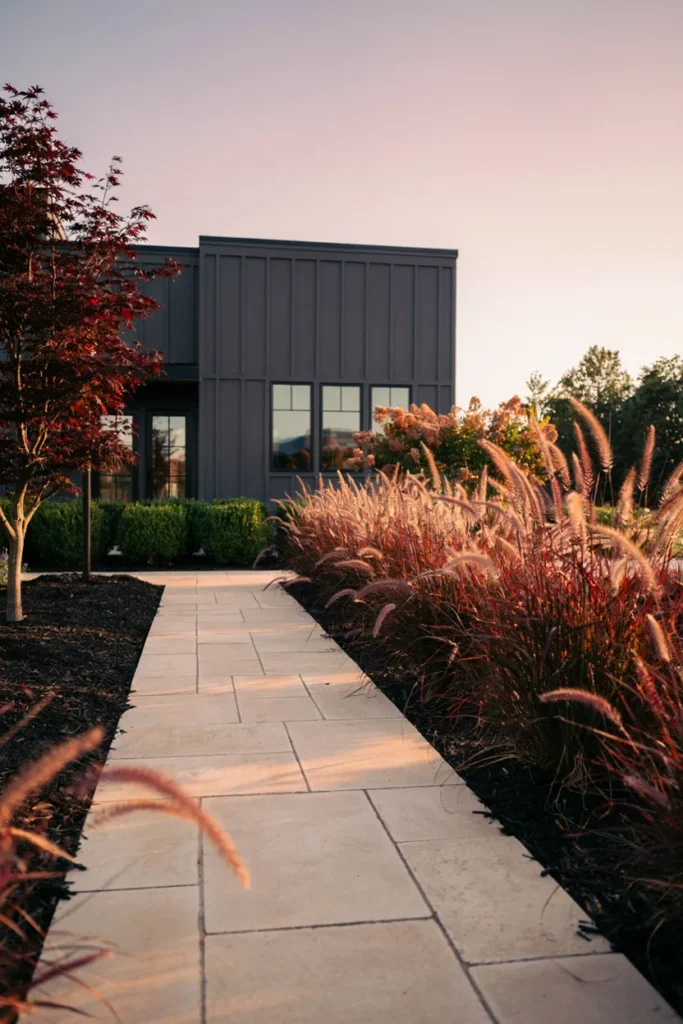
- Adds dramatic seasonal color.
- Creates soft movement in the breeze.
- Brings contrast to green landscapes.
- Makes planting beds feel fuller.
- Delivers a bold focal point.
Rich burgundy foliage instantly transforms an ordinary landscape into something memorable. Purple fountain grass introduces vibrant color, graceful texture, and flowing movement that changes beautifully with the light throughout the day. Its arching form softens straight lines created by pathways, patios, or retaining walls while adding depth to mixed planting beds. Whether used alone or alongside flowering plants, it creates a striking focal point that feels elegant without becoming difficult to maintain.
I’ve seen this work well in many homes because the deep foliage color contrasts beautifully against lighter gravel, stone, or white exterior walls. That’s why many designers recommend planting it where afternoon sunlight highlights its rich tones and feathery plumes. Pairing it with evergreen shrubs creates year-round balance while allowing the seasonal color to stand out. The finished landscape feels vibrant, welcoming, and effortlessly sophisticated.
4. Japanese Forest Grass
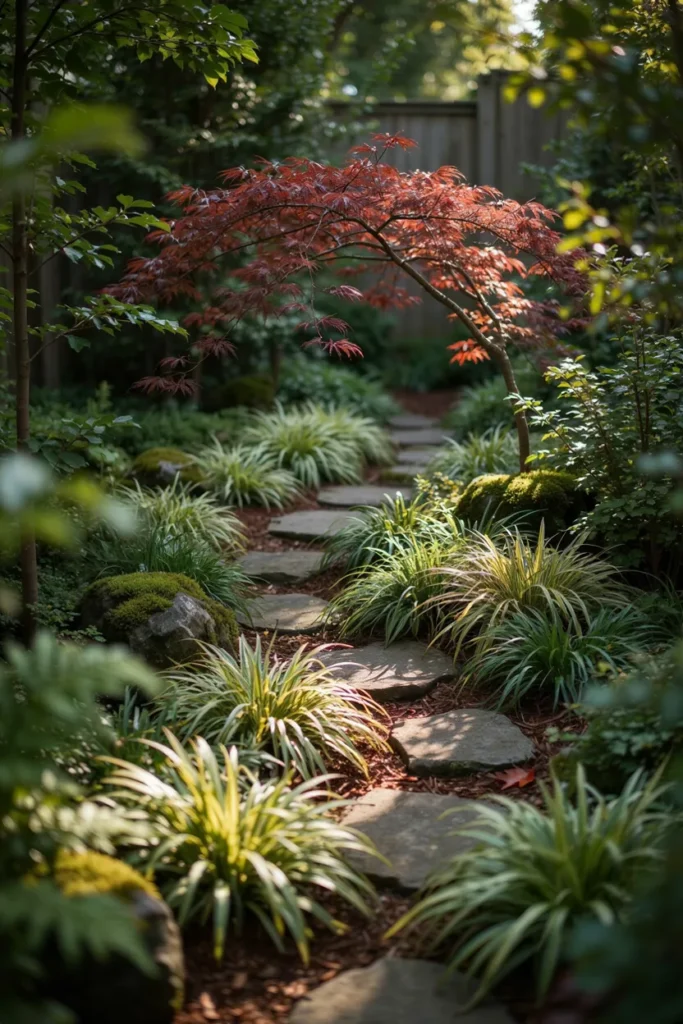
- Brightens shaded landscape areas.
- Creates soft cascading texture.
- Pairs beautifully with stone pathways.
- Adds a peaceful garden atmosphere.
- Requires very little ongoing maintenance.
A shaded corner becomes far more inviting when cascading foliage introduces softness and natural movement. Japanese forest grass gently spills over borders, rocks, and pathways, creating a layered appearance that instantly feels calm and refined. Its graceful arching habit breaks up hard landscaping while adding texture that changes beautifully with shifting sunlight. This elegant plant works especially well in quiet garden spaces where subtle color and flowing form become the main visual attraction.
In my experience, this variety performs best when planted beneath small trees or beside stone walkways where filtered sunlight highlights its delicate leaves. I’ve noticed that repeating several clumps instead of using one single plant creates a fuller and more balanced design. Combined with moss, natural stone, and evergreen shrubs, it produces a timeless landscape that feels peaceful throughout every season without demanding constant care.
5. Switch Grass Drift
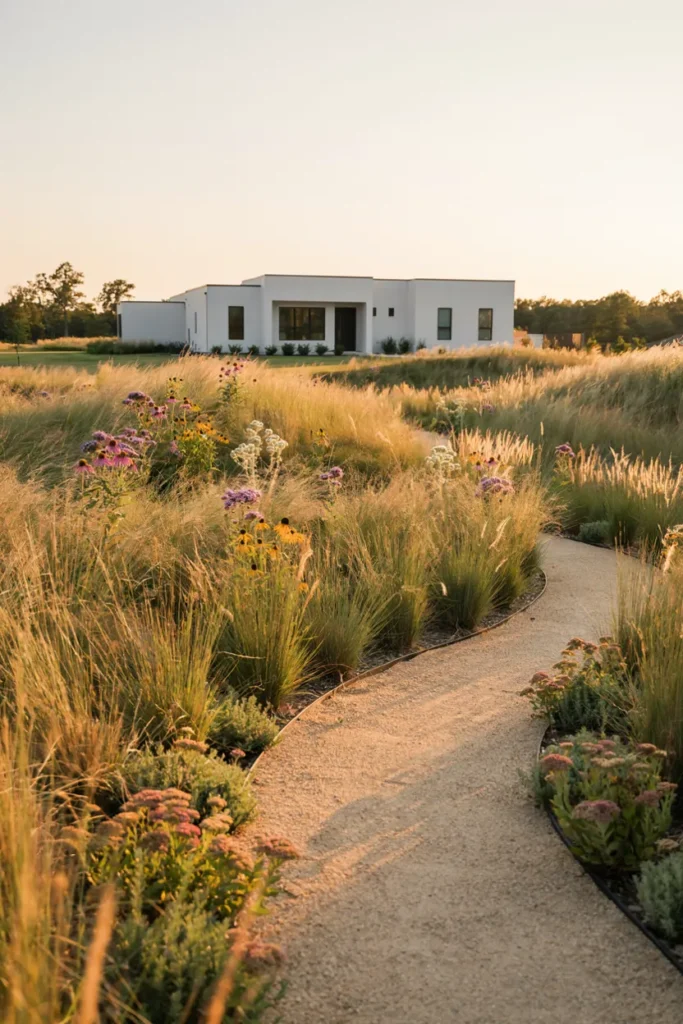
- Creates a soft prairie-inspired look.
- Adds natural movement throughout the yard.
- Tolerates drought after establishment.
- Fills large spaces beautifully.
- Blends effortlessly with native flowers.
Wide planting drifts instantly make a landscape feel more natural and professionally designed. Switch grass grows in elegant upright clumps that gently sway with every breeze, creating movement that keeps the yard visually interesting throughout the year. Its airy seed heads add seasonal beauty while blending effortlessly with flowering perennials and native plants. This combination creates a welcoming outdoor space that feels relaxed, balanced, and connected to nature.
I’ve seen this work well in many homes because repeating the same planting across larger areas creates visual rhythm without adding clutter. That’s why many designers recommend combining switch grass with colorful native flowers instead of using too many different plant varieties. The result is a landscape that appears lush, cohesive, and remarkably easy to maintain while supporting local wildlife and pollinators.
6. Zebra Grass Accent
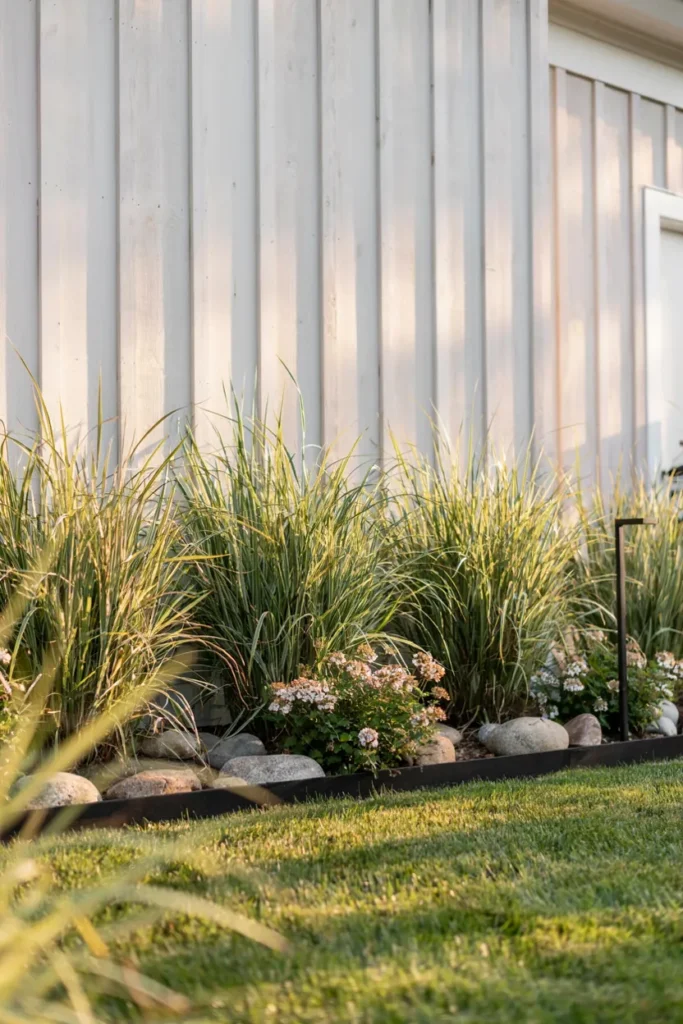
- Adds striking striped foliage.
- Creates an impressive vertical focal point.
- Enhances modern landscape designs.
- Pairs well with shrubs and stone.
- Provides texture in every season.
Bold striped foliage immediately draws attention and creates an eye-catching focal point in the landscape. Zebra grass stands tall with elegant arching leaves that introduce height without making planting beds feel crowded. Its distinctive pattern naturally contrasts with surrounding shrubs, flowers, and stone features, adding character that remains attractive long after blooming plants have faded. The result is a landscape that feels balanced, textured, and visually memorable from every angle.
I’ve noticed that zebra grass looks most effective when given enough space to display its graceful shape without competing with nearby plants. Placing it near entryways or at the corners of planting beds creates strong visual anchors throughout the landscape. Combined with decorative rock and evergreen shrubs, it delivers a timeless design that feels sophisticated while remaining easy for homeowners to maintain year after year.
7. Mexican Feather Grass
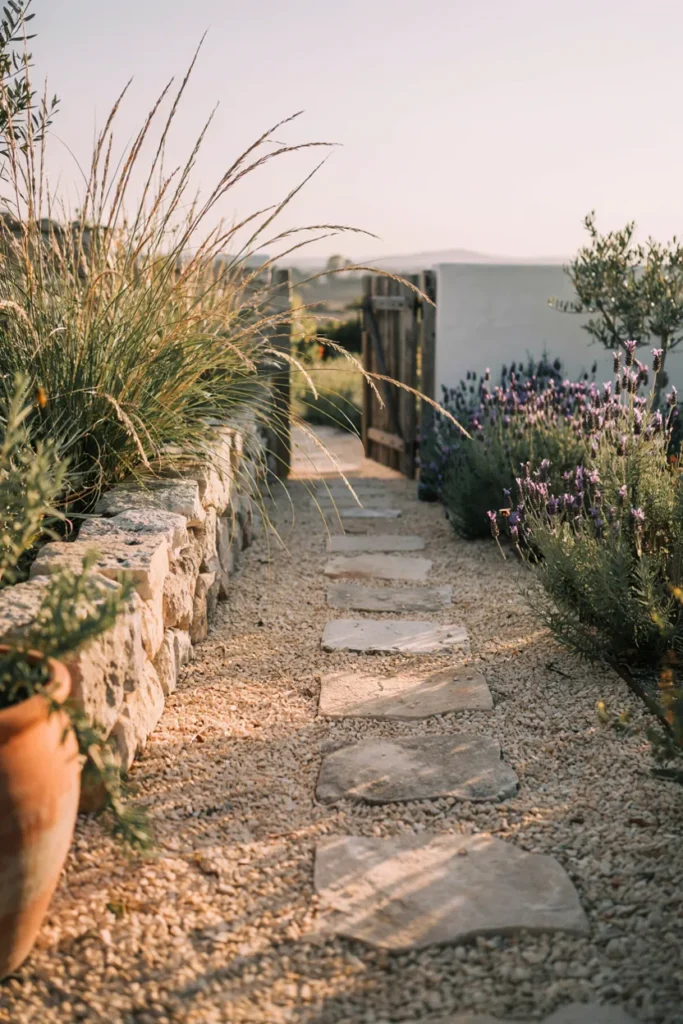
- Creates soft, flowing movement.
- Brightens sunny planting areas.
- Blends beautifully with gravel landscapes.
- Adds a light, airy appearance.
- Requires very little maintenance.
Few plants create effortless elegance like Mexican feather grass with its fine, flowing blades that dance in even the gentlest breeze. Its delicate texture softens pathways, decorative stone, and flower beds while adding natural movement that makes the landscape feel alive. The light golden-green foliage catches sunlight beautifully throughout the day, creating subtle highlights that bring warmth to outdoor spaces. This graceful addition works especially well in relaxed, drought-friendly garden designs.
In my experience, planting this variety in generous clusters creates the most impressive visual effect. I’ve noticed that combining it with gravel, lavender, or natural stone enhances its airy appearance without making the landscape feel crowded. Allowing enough space between planting groups also helps every clump maintain its graceful shape. The finished design feels timeless, welcoming, and wonderfully easy to maintain through every season.
8. Pink Muhly Grass
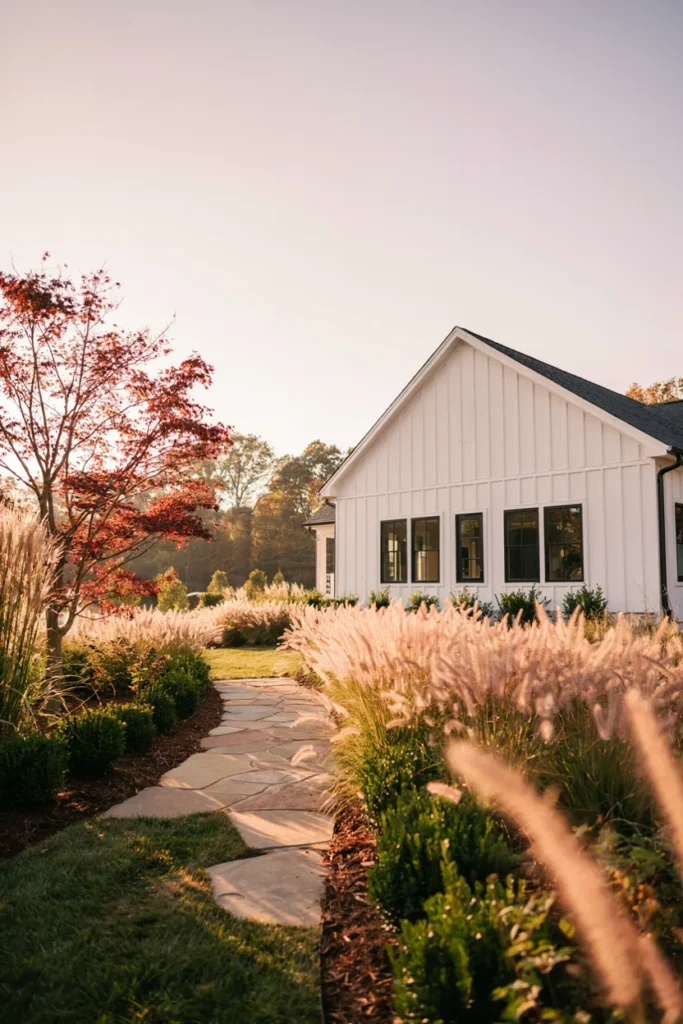
- Produces spectacular pink blooms.
- Creates a soft, romantic landscape.
- Adds seasonal color without flowers.
- Makes the garden highly photogenic.
- Provides texture well into fall.
Nothing captures attention quite like the soft pink cloud created by blooming muhly grass in late summer and autumn. Its delicate plumes transform ordinary planting beds into stunning focal points while adding gentle movement with every breeze. Even simple landscapes become more memorable when this graceful plant introduces seasonal color and airy texture. The soft blush tones blend beautifully with neutral hardscaping, evergreen shrubs, and flowering perennials for a balanced outdoor design.
I’ve seen this work well in many homes because the vibrant blooms naturally become the centerpiece without overwhelming surrounding plants. That’s why many designers recommend placing pink muhly grass where afternoon sunlight can illuminate the feathery plumes. Pairing it with dark mulch or decorative gravel further enhances the color contrast. The result is a landscape that feels elegant, inviting, and worthy of every Pinterest inspiration board.
9. Maiden Grass Cluster
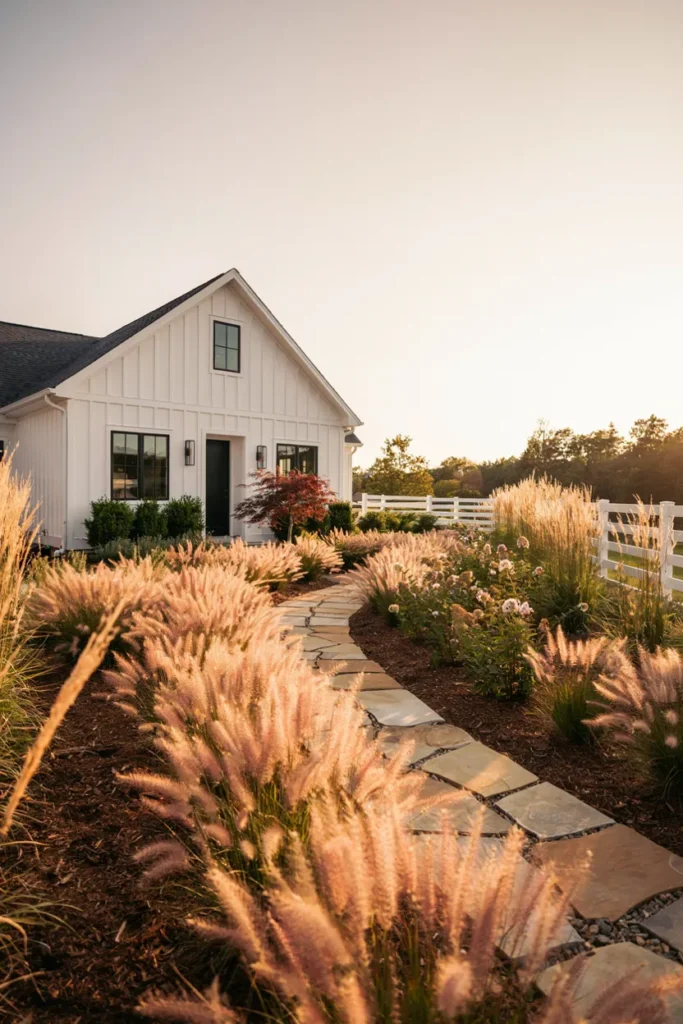
- Adds height with graceful form.
- Creates privacy without heavy fencing.
- Softens hard landscape edges.
- Looks attractive throughout the seasons.
- Complements mixed planting beds.
Layered planting instantly makes a landscape feel richer, and maiden grass delivers that effect with elegant height and flowing texture. Its arching leaves create a soft backdrop for colorful flowers while gently screening less attractive areas of the yard. The feathery plumes continue adding beauty long after many garden plants have finished blooming, helping the landscape maintain visual interest throughout multiple seasons. This versatile choice suits both traditional and contemporary homes.
I’ve noticed that grouping maiden grass in odd numbers creates a more natural appearance than perfectly symmetrical layouts. Placing the tallest clumps toward the back of planting beds also builds depth while allowing smaller flowers to remain visible. These thoughtful arrangements create balance without making the space appear crowded. The finished landscape feels professionally designed, inviting, and surprisingly simple to care for all year.
10. Little Bluestem
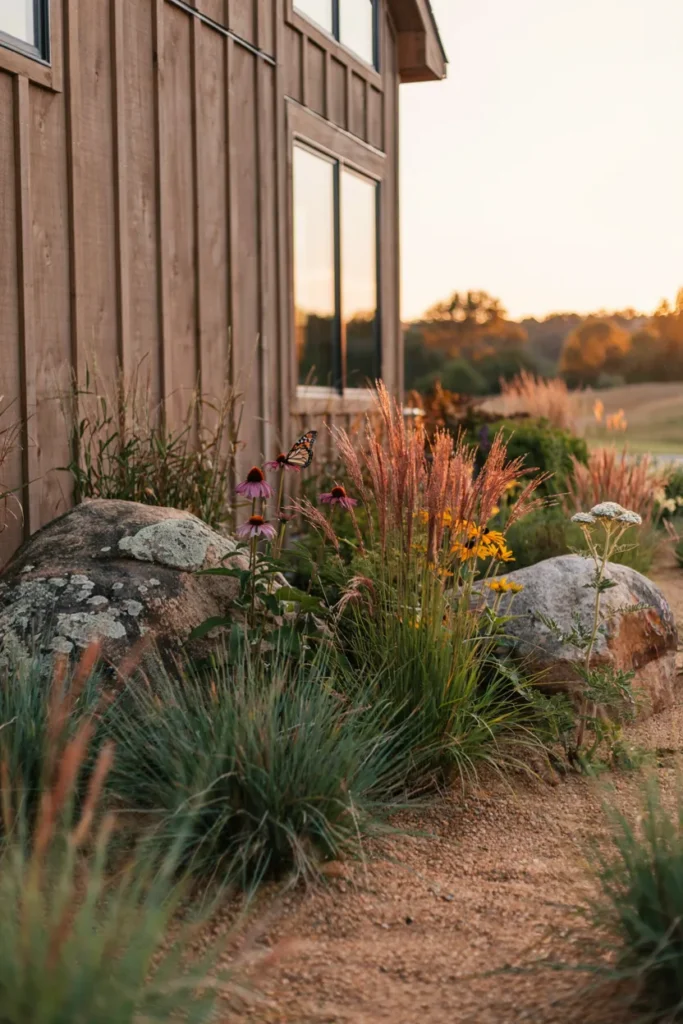
- Brings stunning seasonal color changes.
- Blends beautifully with native flowers.
- Creates a natural prairie look.
- Thrives in sunny locations.
- Offers year-round visual interest.
A landscape feels more dynamic when plants change beautifully with the seasons, and little bluestem does exactly that. Its blue-green foliage gradually transforms into warm shades of copper, orange, and burgundy, adding rich color without relying on flowers alone. The upright clumps introduce texture while blending effortlessly with wildflowers, decorative stone, and natural pathways. This ever-changing display keeps outdoor spaces visually interesting from spring through winter while requiring very little ongoing maintenance.
I’ve seen this work well in many homes because repeating this grass throughout planting beds creates a natural rhythm that ties the landscape together. That’s why many designers recommend pairing it with drought-tolerant perennials and native flowers for a balanced appearance. The combination produces a relaxed yet professionally designed outdoor space that feels colorful, welcoming, and easy to maintain throughout every season.
11. Pampas Grass Feature
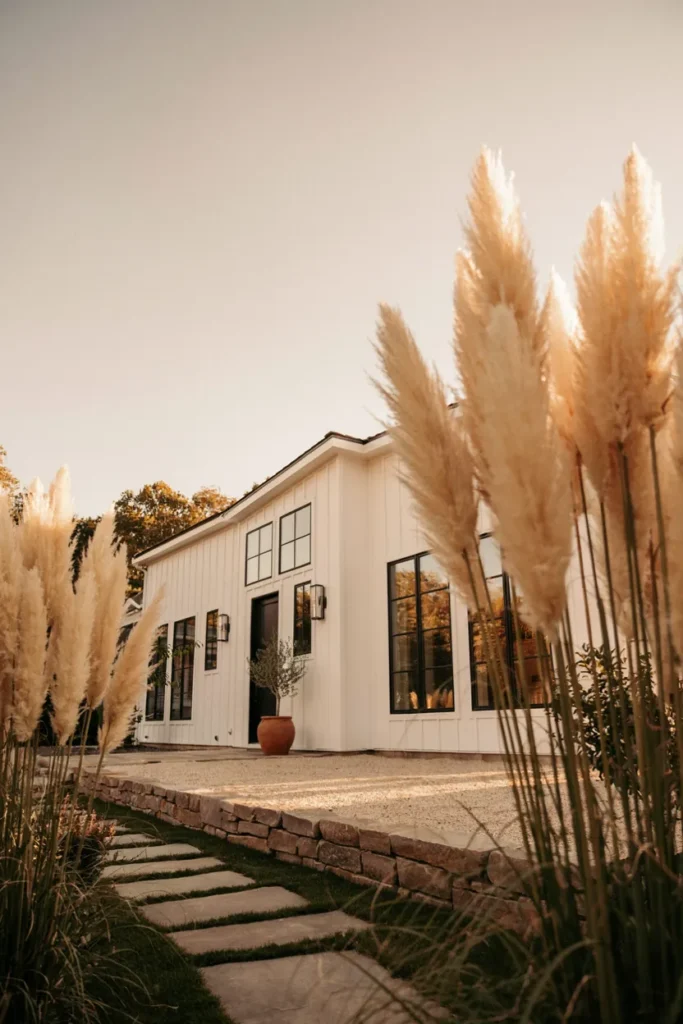
- Creates an impressive statement piece.
- Adds dramatic height and softness.
- Frames entrances beautifully.
- Complements modern home designs.
- Looks striking throughout the year.
Large, feathery plumes instantly create a luxurious focal point that transforms an ordinary landscape into something unforgettable. Pampas grass introduces dramatic height while its soft cream-colored blooms bring elegance and movement throughout the seasons. Positioned near entrances or at the corners of planting beds, it naturally draws attention without requiring elaborate landscaping. The graceful form balances modern architecture and rustic garden styles alike, making the entire exterior feel more refined.
In my experience, pampas grass creates the greatest impact when used sparingly as a feature rather than planted everywhere. I’ve noticed that surrounding it with low-growing shrubs and decorative stone allows the towering plumes to remain the main attraction. Regular pruning during the dormant season also keeps the plant healthy and attractive. The finished landscape feels sophisticated, balanced, and worthy of a professionally designed garden.
12. Sedge Garden Edge
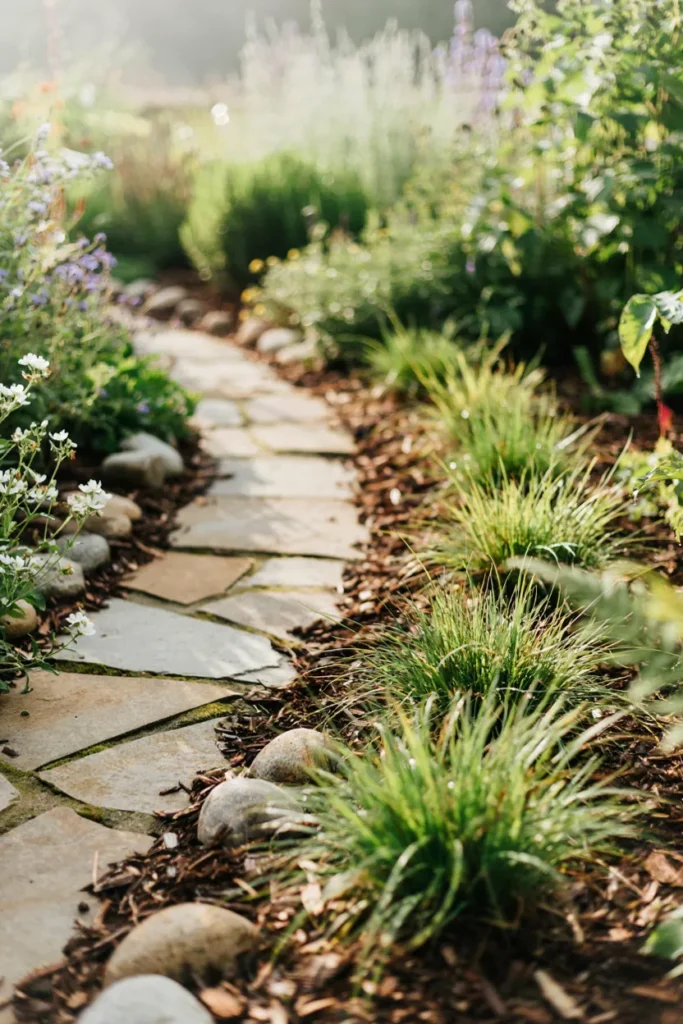
- Defines planting beds naturally.
- Softens pathway edges beautifully.
- Creates a fresh, lush appearance.
- Requires minimal seasonal maintenance.
- Complements flowers and shrubs.
Clean garden borders instantly improve the appearance of any landscape, and sedge grass creates that polished look with soft texture instead of harsh lines. Its compact growth forms attractive edging around pathways and planting beds while blending naturally with flowers, shrubs, and decorative stone. The rich green foliage keeps the landscape looking fresh throughout much of the year, creating a calm and welcoming outdoor environment that feels thoughtfully designed.
I’ve noticed that repeating sedge along curved pathways creates a smoother transition between hardscape and planting areas. That’s why many designers recommend using it to connect different sections of the landscape while maintaining a consistent appearance. Pairing it with flowering perennials and natural mulch adds even more texture without creating unnecessary clutter. The result is a refined garden edge that remains attractive and easy to maintain.
13. Ravenna Grass Screen
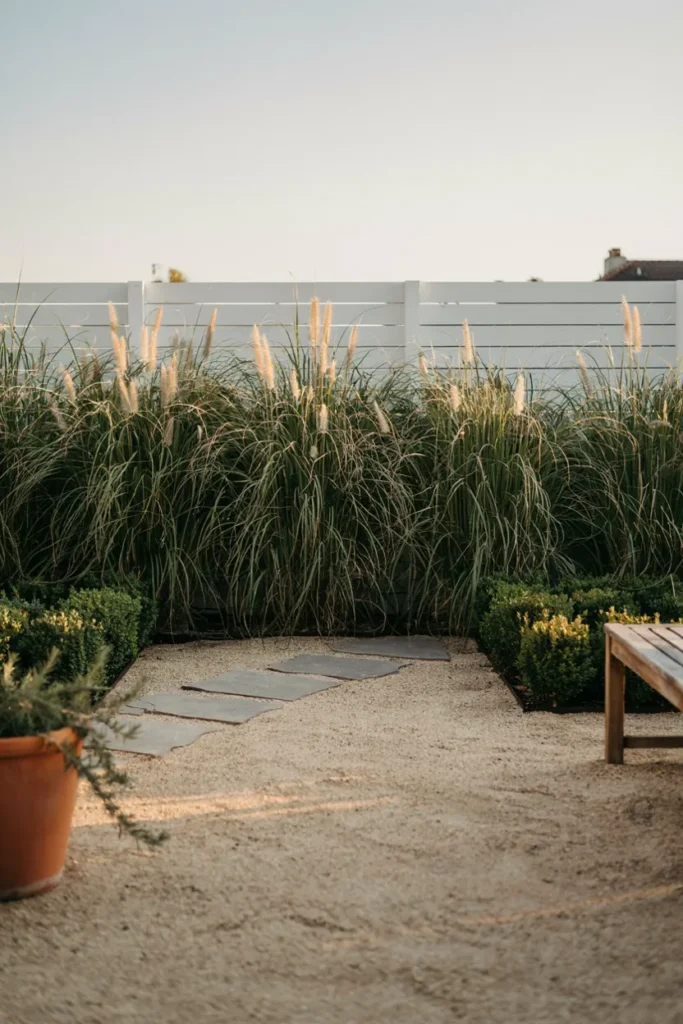
- Creates natural privacy without solid fencing.
- Adds impressive vertical height.
- Softens property boundaries beautifully.
- Introduces movement with tall plumes.
- Makes large landscapes feel more inviting.
A natural privacy screen feels far more welcoming than a solid fence, and Ravenna grass offers that effect with remarkable elegance. Its tall stems and soft, feathery plumes create height while allowing gentle airflow and filtered sunlight to pass through. This combination gives outdoor spaces a sense of openness without sacrificing privacy. Planted along property lines or around patios, it introduces texture, movement, and a relaxed atmosphere that enhances the overall landscape throughout the seasons.
I’ve seen this work well in many homes because repeating tall grass in evenly spaced groups creates a softer, more cohesive boundary. Pairing it with evergreen shrubs or decorative gravel strengthens the contrast while keeping the design balanced. Allowing enough room for each plant to mature also helps preserve its graceful form. The finished landscape feels private, elegant, and naturally connected to the surrounding environment.
14. Mixed Grass Layers
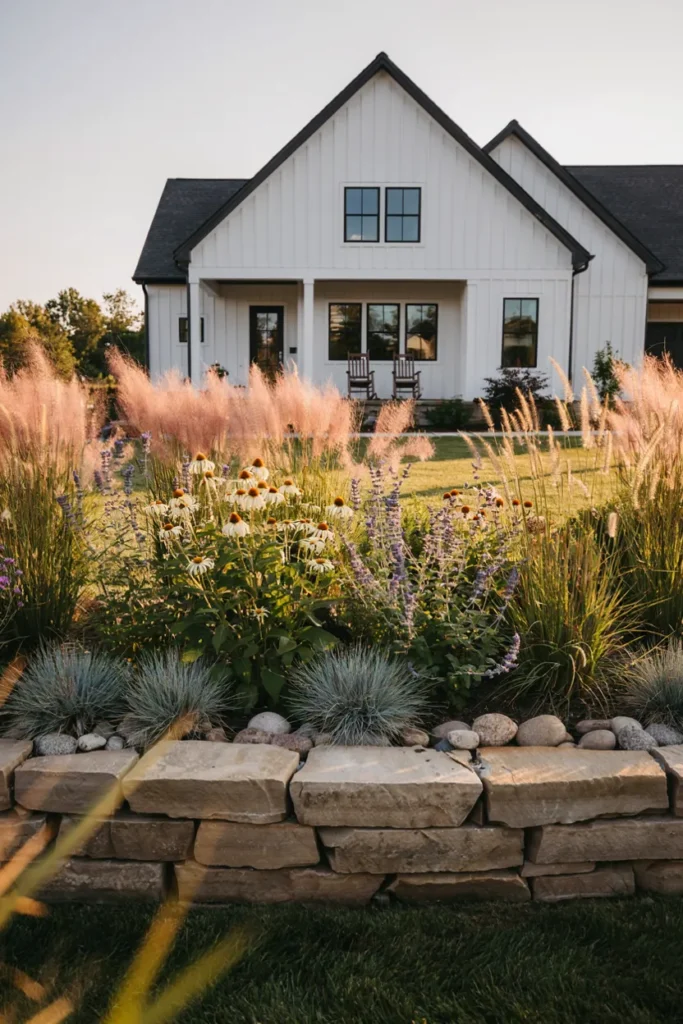
- Combines multiple textures naturally.
- Creates depth throughout the landscape.
- Keeps the garden visually interesting year-round.
- Blends beautifully with flowering plants.
- Gives the yard a professionally designed appearance.
The most memorable landscapes rarely rely on a single plant variety. Layering different heights, colors, and textures creates a rich outdoor design that feels balanced and full of life. Mixing upright grasses with rounded mounds and soft cascading varieties introduces natural movement while preventing planting beds from looking flat. Homeowners who enjoy ornamental grasses can achieve a landscape that changes beautifully through every season while remaining organized and visually harmonious.
In my experience, choosing three or four complementary varieties creates a stronger design than using too many different plants. I’ve noticed that repeating the same combinations across multiple planting beds ties the entire landscape together and creates a polished, professional appearance. That’s why many designers recommend balancing taller specimens with compact grasses and flowering perennials. The result is a lush, inviting garden that feels timeless, easy to maintain, and worthy of saving for future inspiration.
Conclusion
The right plants can completely redefine your outdoor space, and these ornamental grasses prove that texture and movement are just as important as colorful flowers. Whether you prefer a modern, cottage, prairie, or minimalist landscape, there’s an option here to match your style while keeping maintenance simple. I’ve seen how even a few thoughtfully placed grasses can make a yard feel larger, softer, and more professionally designed. Save this article to Pinterest for future inspiration, try one or two varieties in your own landscape, and share these ideas with anyone looking to create a more beautiful, inviting garden