15 Living Room Wall Art Ideas That Look Expensive
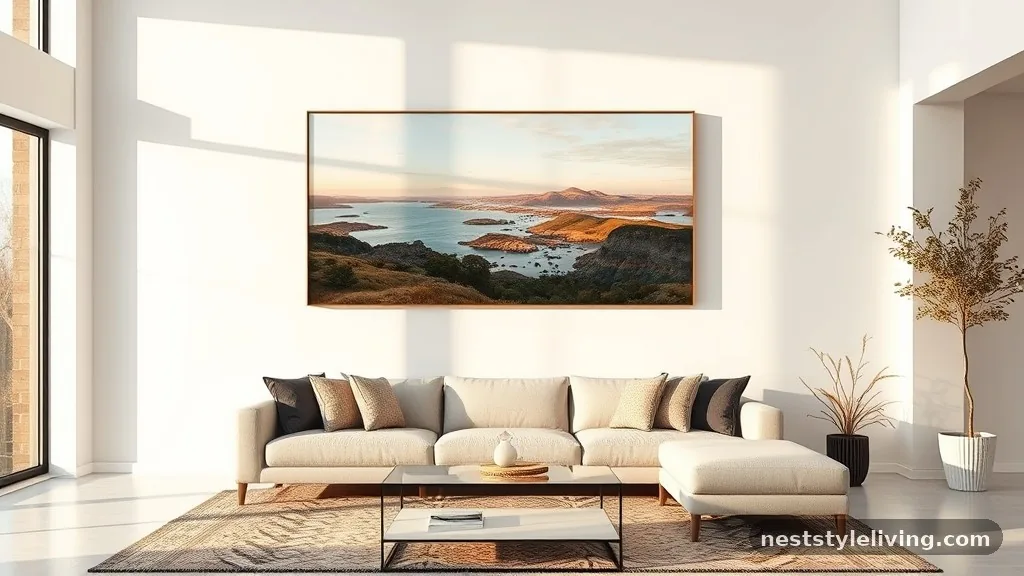
Finding the right living room wall art ideas that look expensive is about prioritizing scale, texture, and intentional framing over mass-produced prints. High-end interiors rely on a sense of curation, where every piece serves a specific purpose in the room’s overall narrative.
By focusing on materials that suggest history or craftsmanship, you can transform a blank wall into a focal point that feels bespoke. These selections provide professional-level design strategies for achieving a sophisticated atmosphere without needing an unlimited budget or a gallery curator.
1. Oversized Gallery-Wrapped Canvas
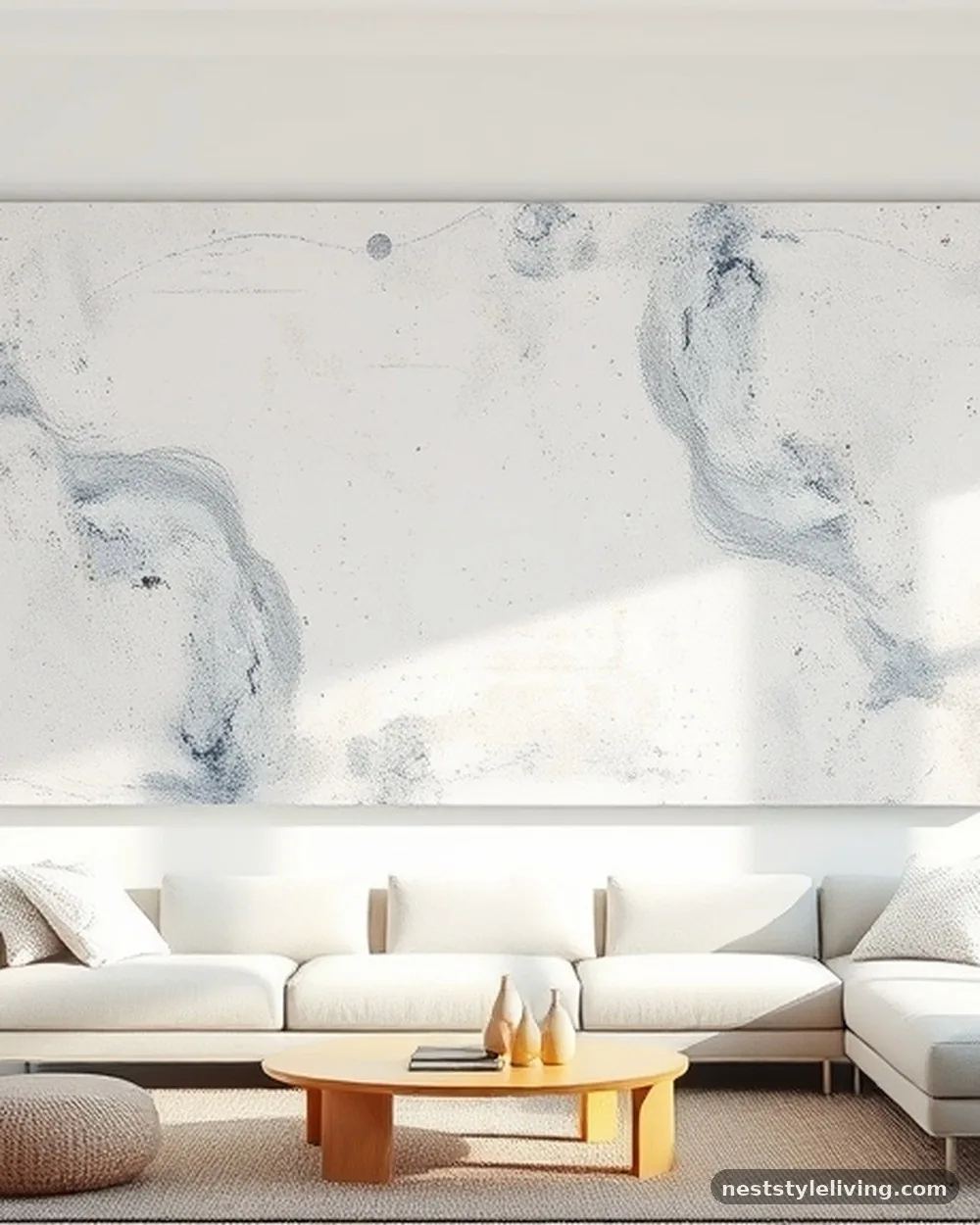
A single, massive canvas covering a significant portion of the wall creates an immediate sense of luxury. When the artwork is gallery-wrapped—meaning the canvas continues around the sides of the stretcher bars—it eliminates the need for a bulky frame, resulting in a clean, modern aesthetic.
Focus on abstract expressionist styles with heavy paint texture or monochromatic palettes, which tend to look more intentional and expensive than mass-market photography. The sheer scale dictates the room’s mood, so choose a piece that anchors your furniture rather than competing with it.
To achieve this look on a budget, purchase a large-scale blank canvas from an art supply store and apply thick layers of modeling paste or joint compound before painting over it with a single, sophisticated color. This adds the physical dimension and texture of a high-end textured painting, making it look far more substantial than a flat print.
2. Antique Brass Picture Lights
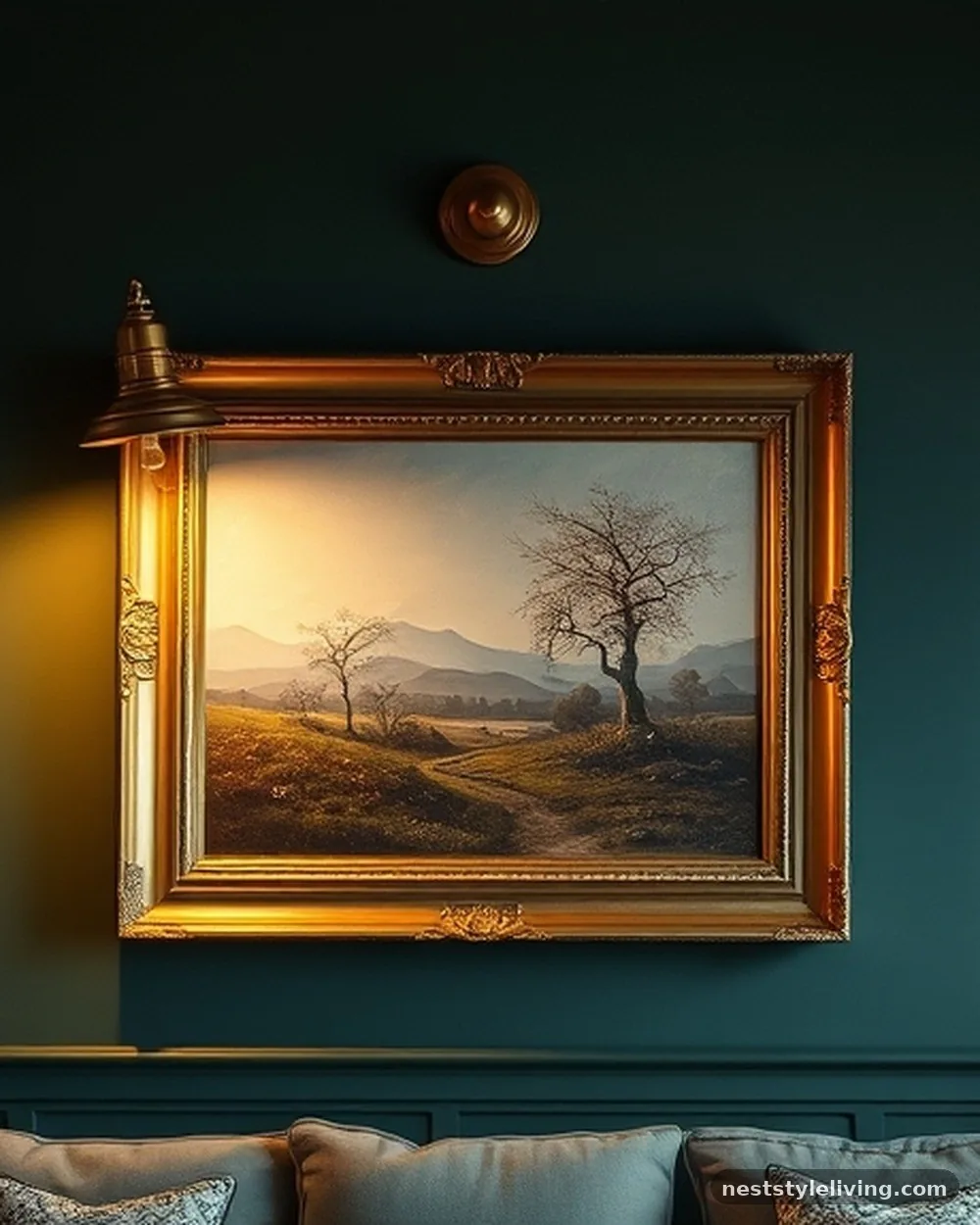
Adding a dedicated light source above a piece of art is perhaps the most effective trick for making standard wall decor look like a museum exhibit. Antique brass hardware provides a warm, metallic contrast to the artwork, signaling that the piece is worth illuminating.
This technique works best with oil paintings, charcoal sketches, or vintage prints that benefit from the focused, moody glow of a directed beam. The light creates a soft shadow around the frame, adding depth to the entire wall arrangement.
Install a rechargeable, battery-operated LED picture light to avoid the need for professional electrical work. Look for models with a remote control or a motion sensor, ensuring the finish matches your existing hardware, such as cabinet pulls or curtain rods, for a cohesive, high-end appearance.
3. Floating Acrylic Frames
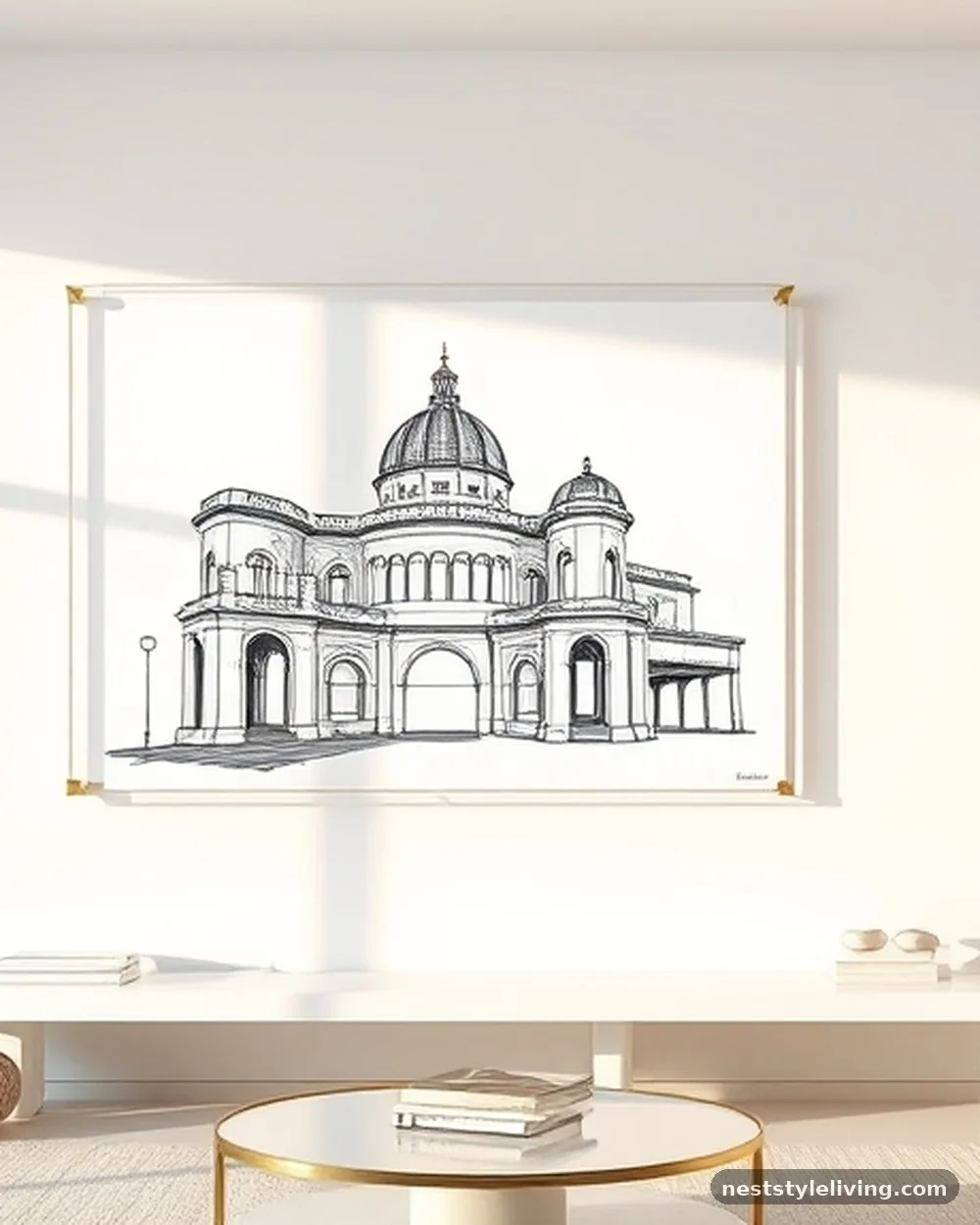
Acrylic frames offer a sleek, contemporary look that allows the artwork to appear as if it is suspended in mid-air. This method is particularly effective for high-contrast photography or architectural sketches, as the clear border keeps the visual focus entirely on the subject matter.
The transparency of the material makes the piece feel light and airy, which is perfect for smaller living rooms where you want to avoid heavy, visual clutter. The polished edges of high-quality acrylic catch the ambient light, providing a subtle shimmer that feels expensive.
Use stainless steel stand-offs to mount your acrylic sheets to the wall. This hardware provides a industrial, professional finish that keeps the art secure and adds a necessary layer of depth between the wall surface and the artwork itself, creating a sophisticated shadow effect.
4. Triptych of Large-Scale Botanical Prints
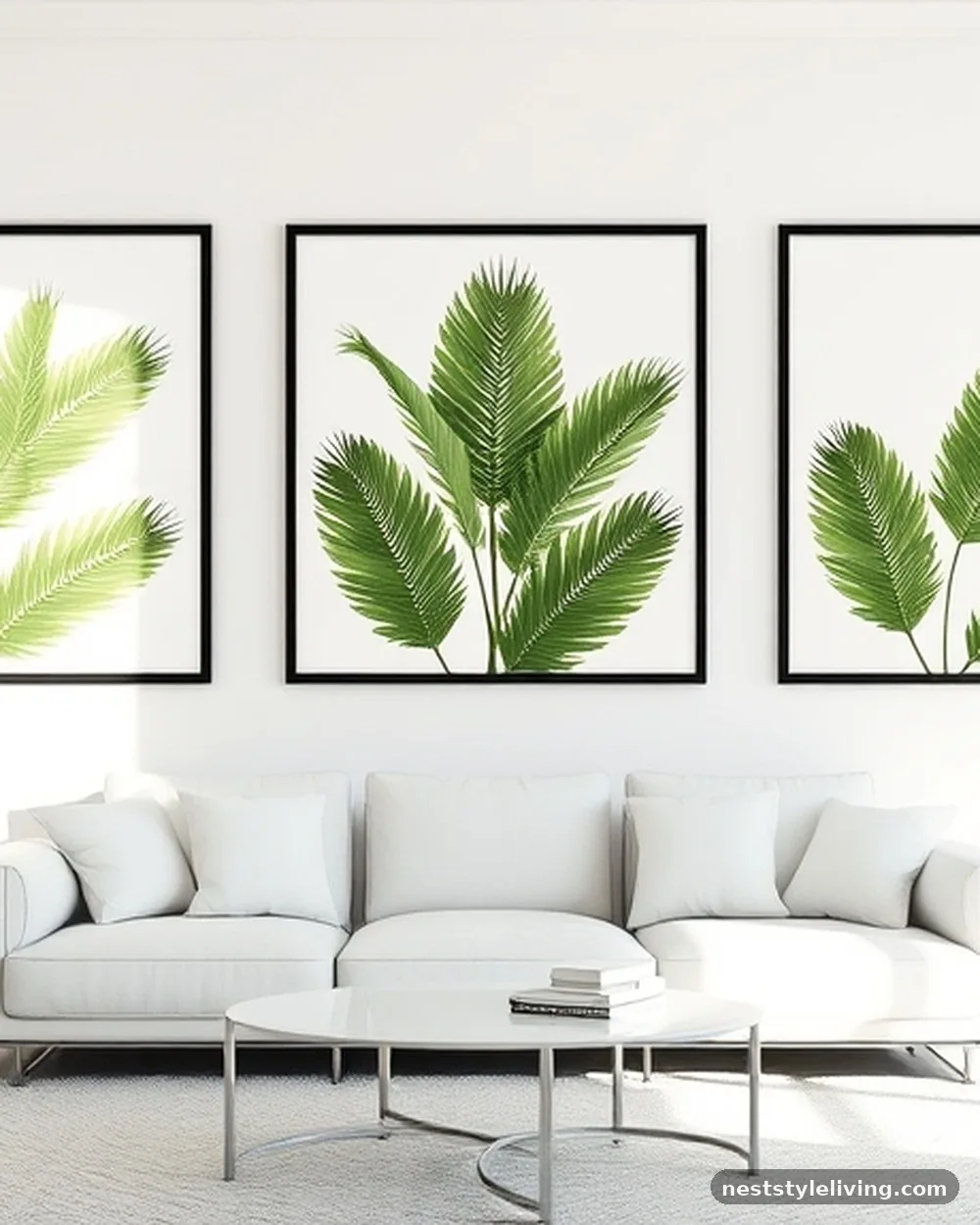
A triptych involves breaking a single, expansive image or a thematic series into three separate panels. When these panels are framed in matching thin-profile black or gold frames and hung with precise, uniform spacing, they create a sense of symmetry and order that defines luxury design.
Botanical prints in particular offer a timeless, classic feel that bridges the gap between traditional and modern styles. The repetition of the frame design creates a rhythmic visual flow that makes the wall feel like a curated gallery installation.
Ensure the frames are identical and the spacing between each piece is exactly two inches. Use a laser level during installation to guarantee the alignment is perfect; even a slight deviation in height will immediately cheapen the look of a multi-piece display.
5. Hand-Stitched Textile Tapestries

Textiles add a warmth and acoustic softening that standard prints cannot replicate. Look for vintage kantha quilts, woven wool wall hangings, or antique rug fragments mounted on a wooden dowel.
The tactile nature of the fabric signals high-quality craftsmanship, and the organic movement of the material makes a room feel lived-in and refined. This approach is ideal for minimalist spaces that need a touch of softness to balance out hard furniture lines or stone flooring.
Mount your textile using a heavy-duty wooden rod or a hidden strip of Velcro sewn onto the top edge of the fabric. Hanging it this way allows the piece to drape naturally, which looks more intentional and sophisticated than stretching the fabric tightly over a frame.
6. Black-and-White Architectural Photography
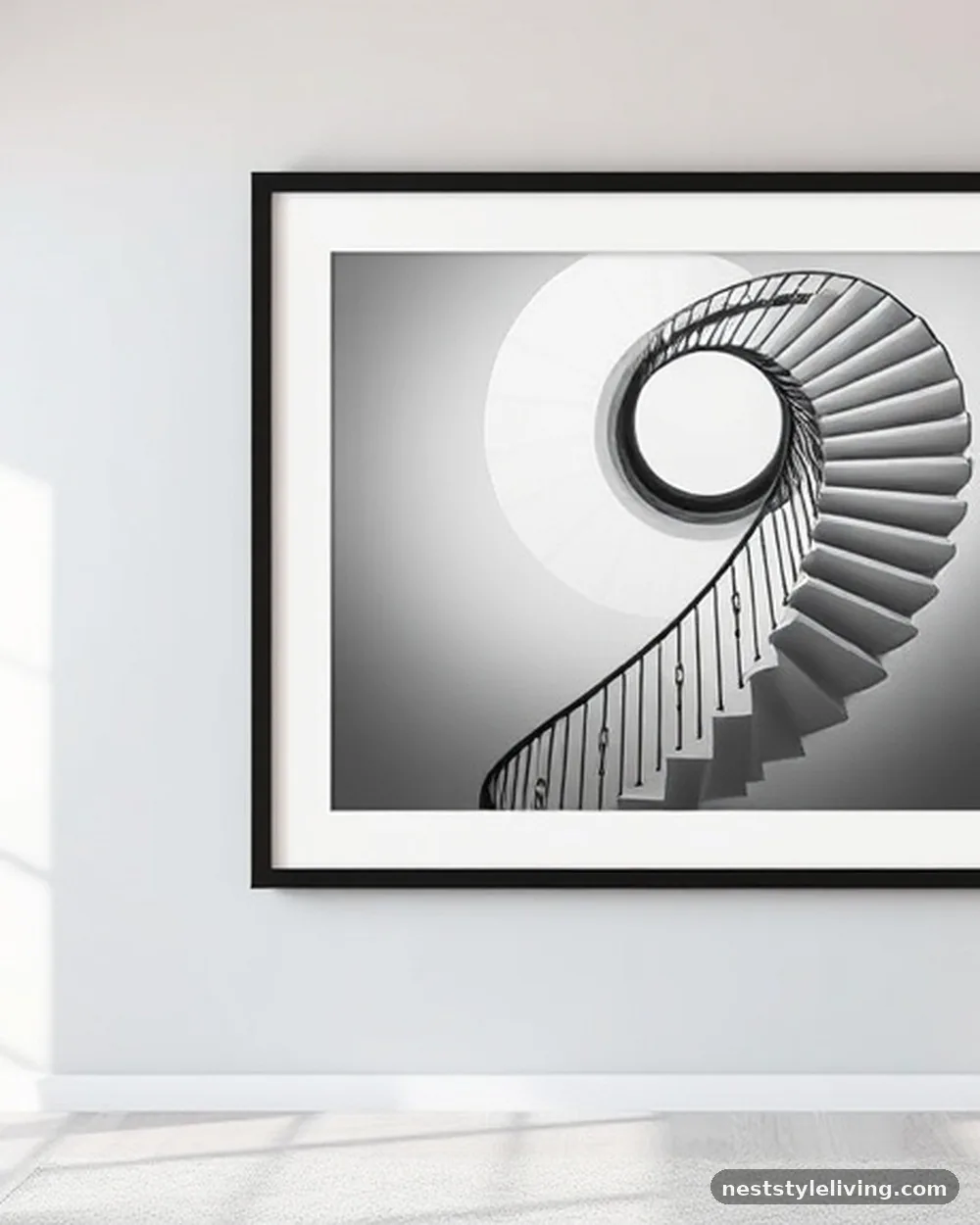
Large-scale black-and-white photography is a staple in high-end residential design because it removes color distraction and focuses on shape, light, and shadow. To make this look expensive, ensure the prints are matted with oversized white borders, which draw the eye inward and give the subject room to breathe.
High-contrast images of staircases, city skylines, or macro textures work exceptionally well. The simplicity of the palette ensures the art remains versatile and timeless, regardless of how your furniture or accent colors change.
Order your prints with a professional-grade matte finish rather than glossy, as gloss can create distracting reflections. A wider mat—at least four to six inches—dramatically increases the perceived value of the artwork, making even a simple print look like a high-end gallery acquisition.
7. Sculptural Metal Wall Art
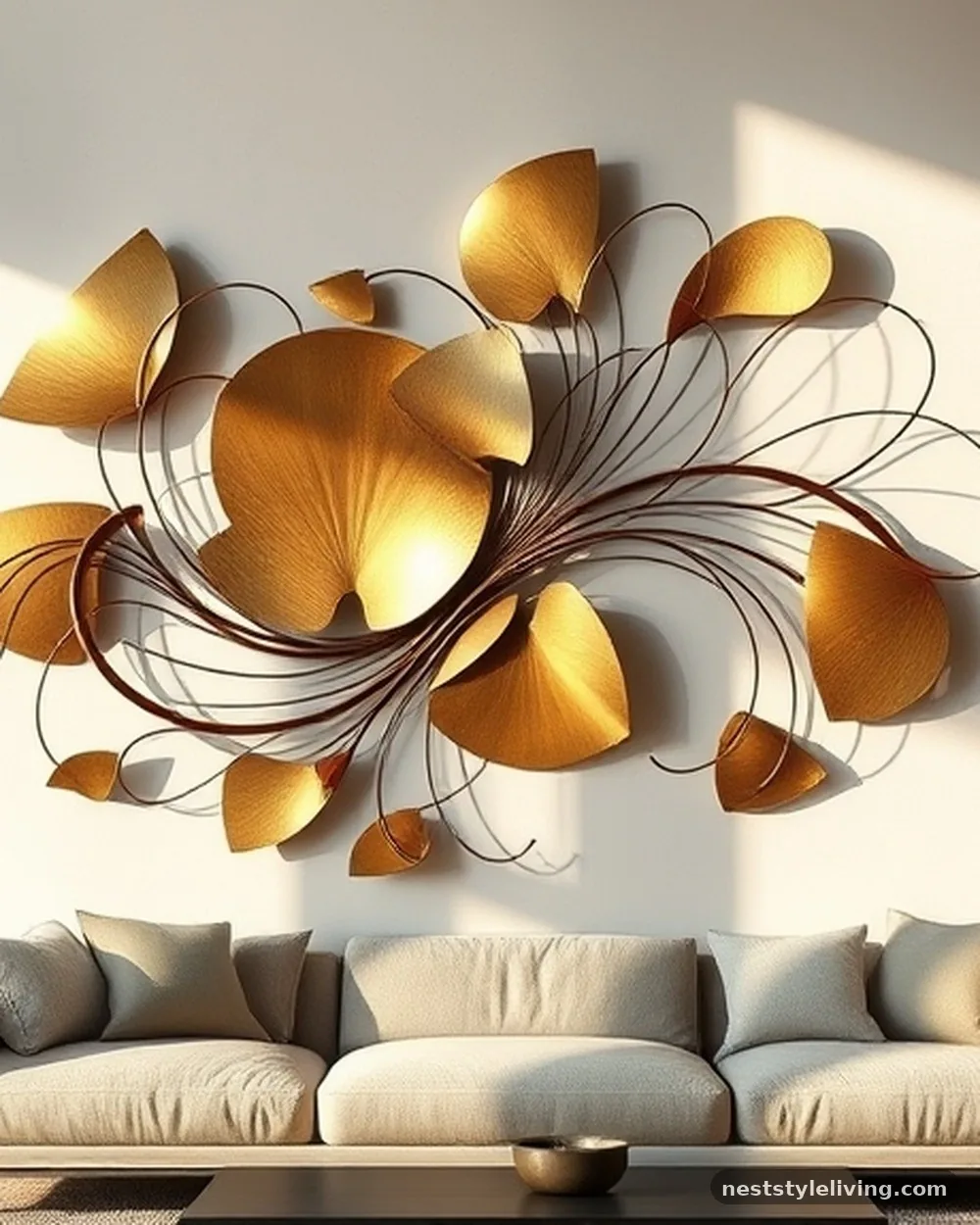
Sculptural elements bring a three-dimensional quality to the wall that shifts as you move around the room. Look for pieces made of iron, brass, or copper that feature organic, abstract shapes rather than literal representations of objects.
These pieces act as jewelry for the room, catching light and casting interesting shadows throughout the day. Because they are not flat, they provide a sense of architectural interest that feels more like a deliberate design choice than an afterthought.
Choose a piece with a matte or brushed finish to avoid a cheap, shiny appearance. Position the sculpture in a spot where it receives natural side-lighting, as this will accentuate the depth and texture of the metalwork, making it appear much more valuable than its price point suggests.
8. Vintage Oil Painting Replicas
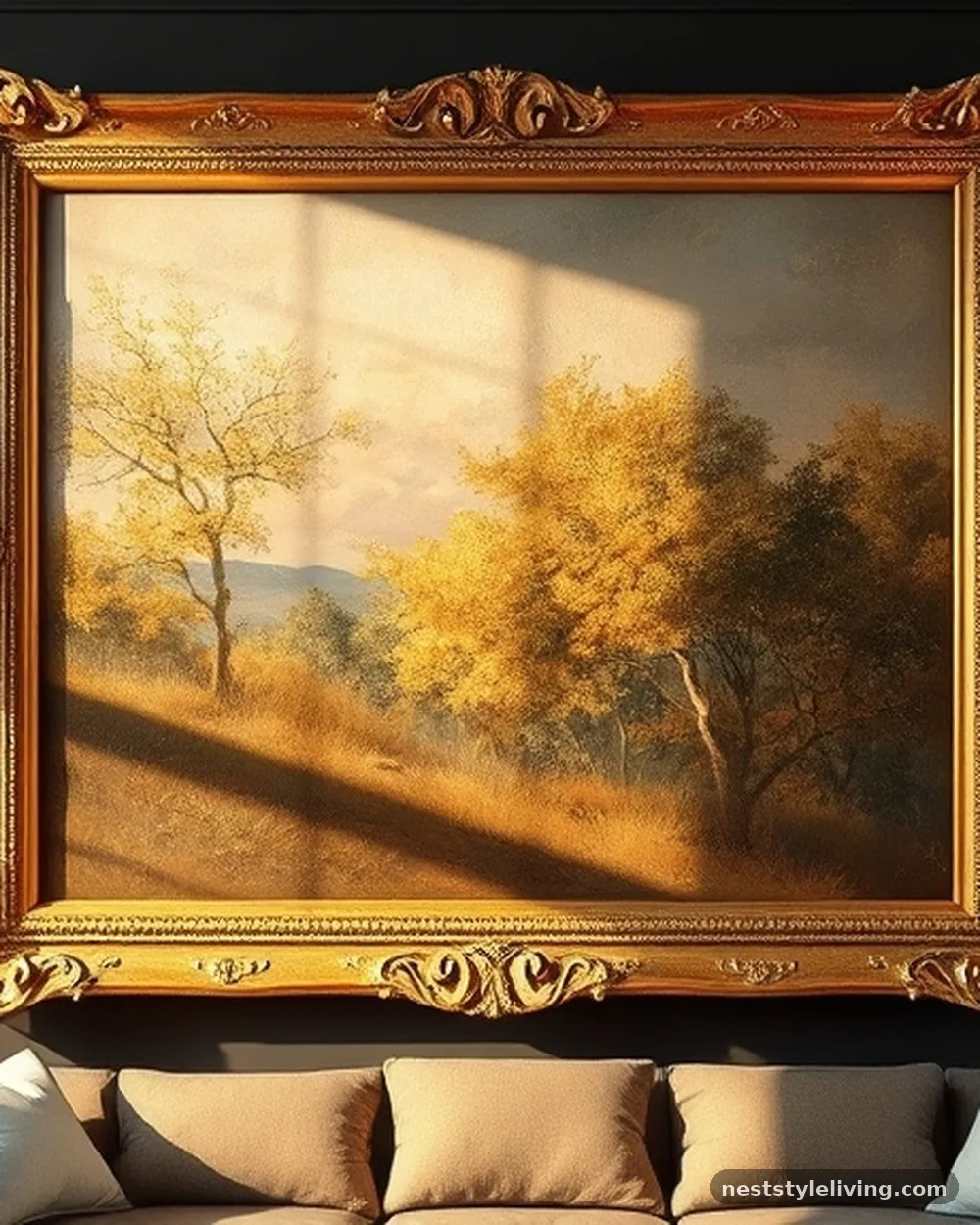
There is a distinct luxury in the look of aged oil paintings, characterized by visible brushstrokes and rich, moody color palettes. You do not need to spend a fortune at an auction house to achieve this; source high-quality digital prints of classical or impressionist works and have them printed on canvas.
The key to making these look authentic is the frame. Avoid modern, thin frames and instead search for ornate, gilded, or heavy wooden frames at thrift stores or estate sales.
Apply a thin layer of clear gel medium over the print using a dry paintbrush to mimic the texture of real brushstrokes. Once dry, this creates a subtle relief that catches the light, making it nearly impossible for the casual observer to distinguish the print from an original oil painting.
9. Floating Shelves with Layered Art
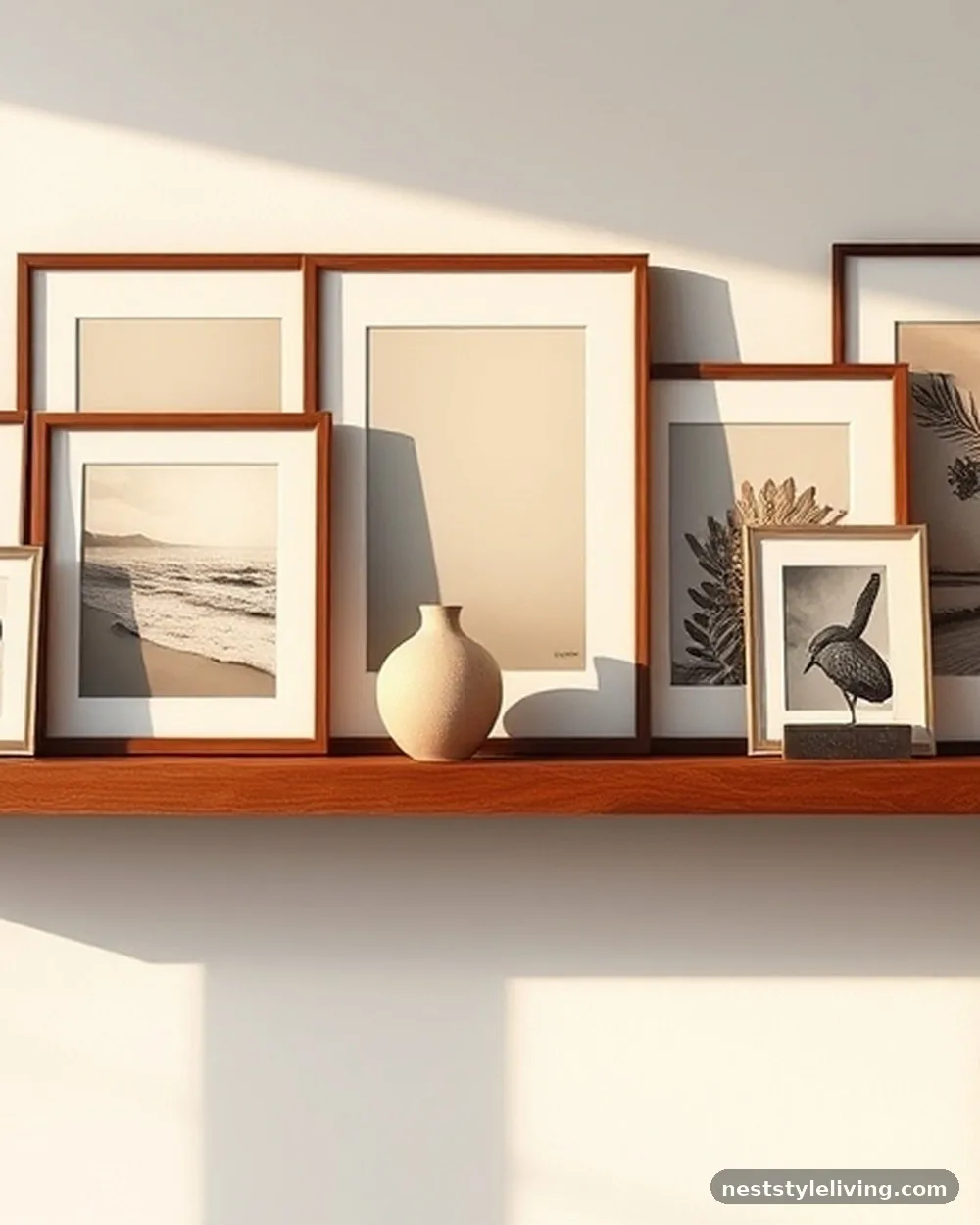
Instead of hanging art directly on the wall, use a deep floating shelf to lean multiple frames against the wall. Layering frames of different sizes and orientations creates a casual yet sophisticated “studio” vibe.
This method allows you to swap out artwork seasonally without putting new holes in the wall. It also provides a space to integrate small sculptures or vases among the frames, which adds depth and a sense of collected history to the display.
Choose shelves that have a depth of at least four inches to accommodate multiple layers of artwork safely. Keep the color palette of the frames consistent—such as all wood or all metal—to ensure the layered look feels cohesive rather than cluttered.
10. Oversized Custom Matting
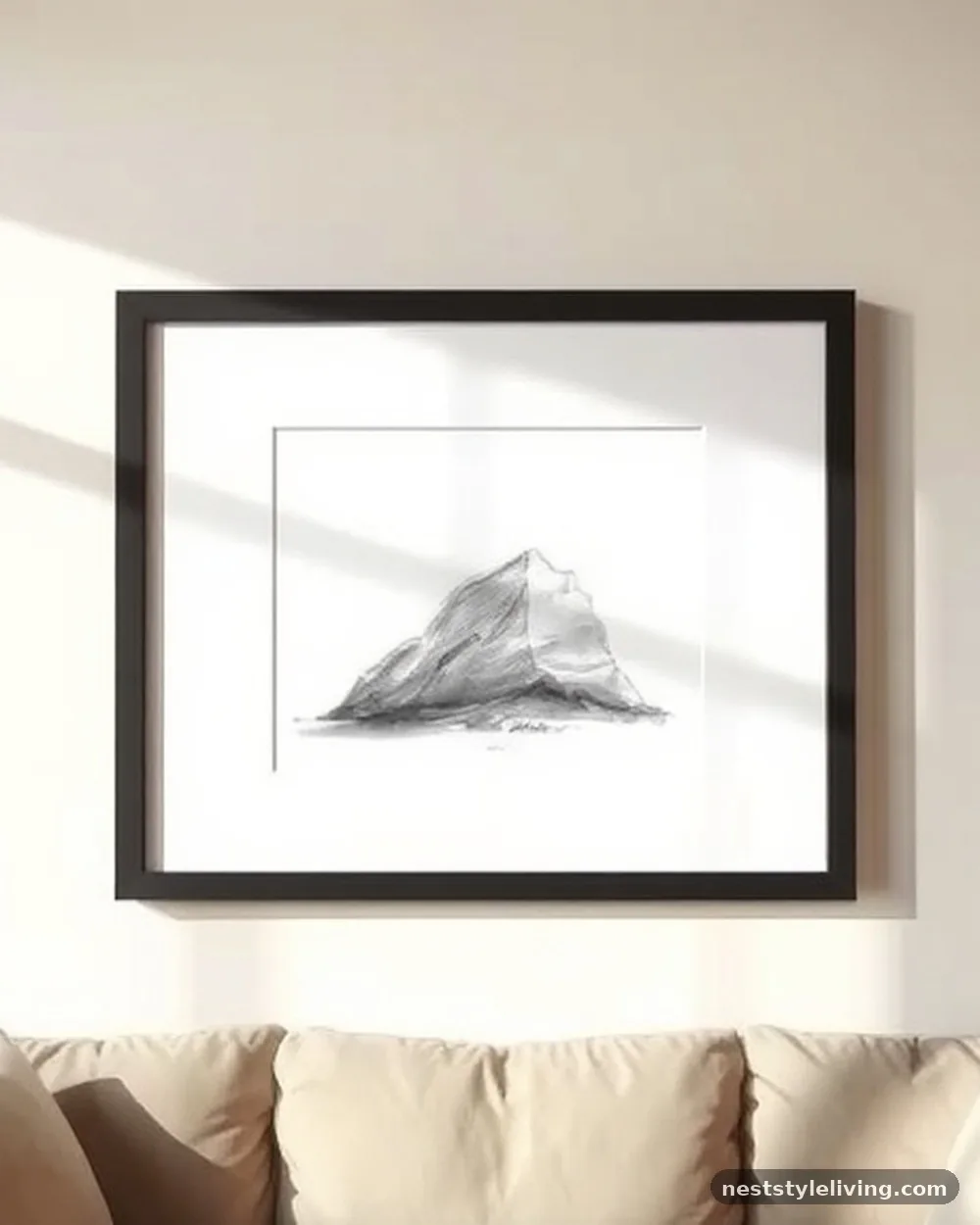
The framing technique is often more important than the art itself. By using a custom mat that is significantly wider than standard store-bought options, you elevate the status of any print.
A large, white or off-white mat acts as a buffer, isolating the art and giving it a sense of importance. This is a common trick used by professional designers to make small, inexpensive prints look like valuable, limited-edition works that deserve a prominent place on the wall.
Visit a local frame shop for custom-cut mats rather than buying ready-made frames. Request a “double mat” with a thin metallic or black core, which adds a professional, high-end detail that is rarely found in off-the-shelf products and significantly enhances the overall aesthetic.
11. Minimalist Line Art Series
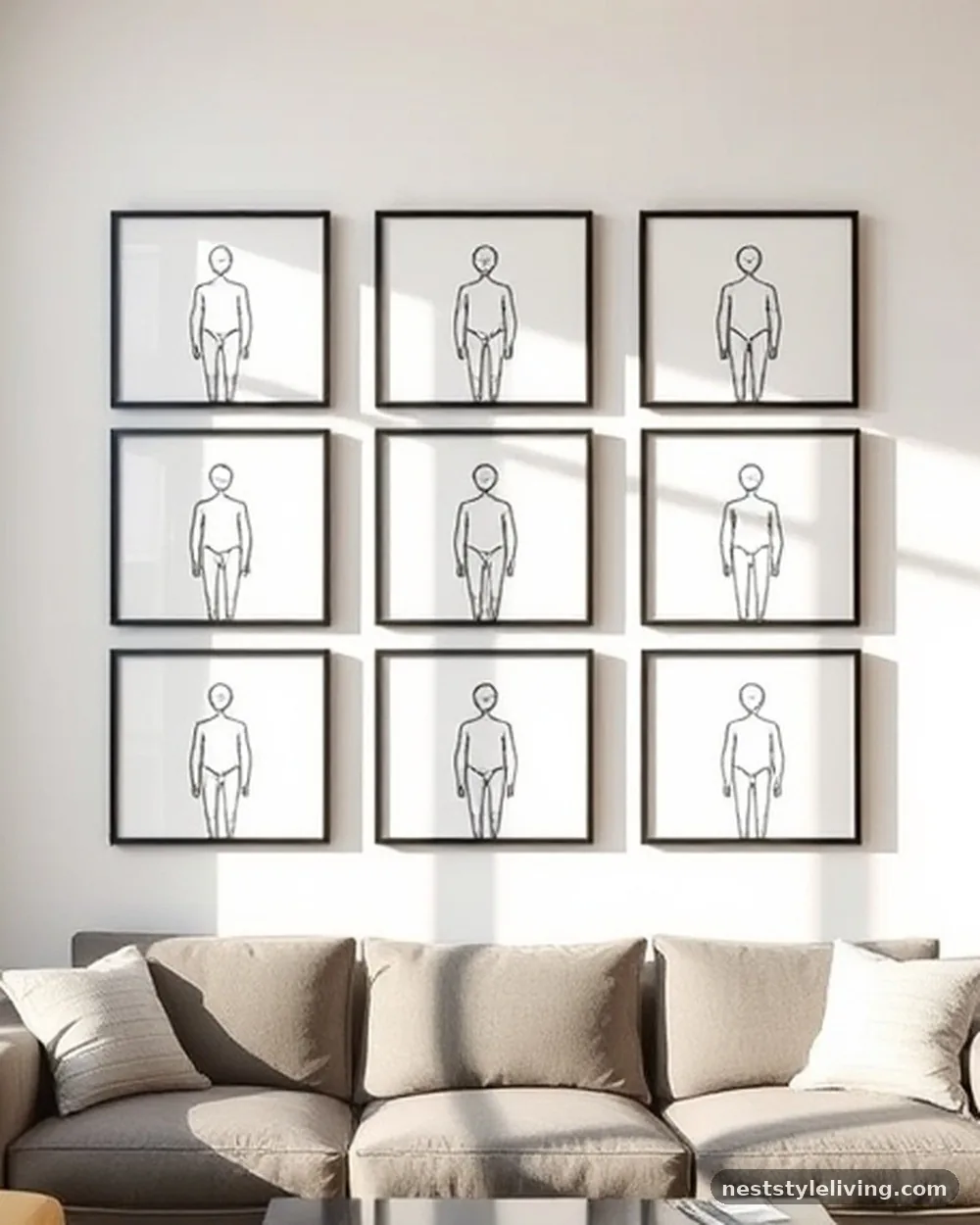
A series of minimalist line drawings provides a sophisticated, intellectual look that is perfect for modern living rooms. These pieces rely on economy of line to convey form, often focusing on the human figure or organic shapes.
When hung in a grid formation—such as a 2×2 or 3×3 layout—the repetition creates a strong graphic impact. The key here is uniformity; every frame must be identical, and the spacing must be mathematically precise to maintain the clean, gallery-like appearance.
Use thin, light-wood frames to maintain the minimalist theme. Print your designs on heavy-weight, textured cotton paper rather than standard printer paper; the subtle tooth of the paper adds a tactile quality that elevates the entire presentation and prevents the frames from looking like simple office decor.
12. Large-Scale Maps or Blueprints
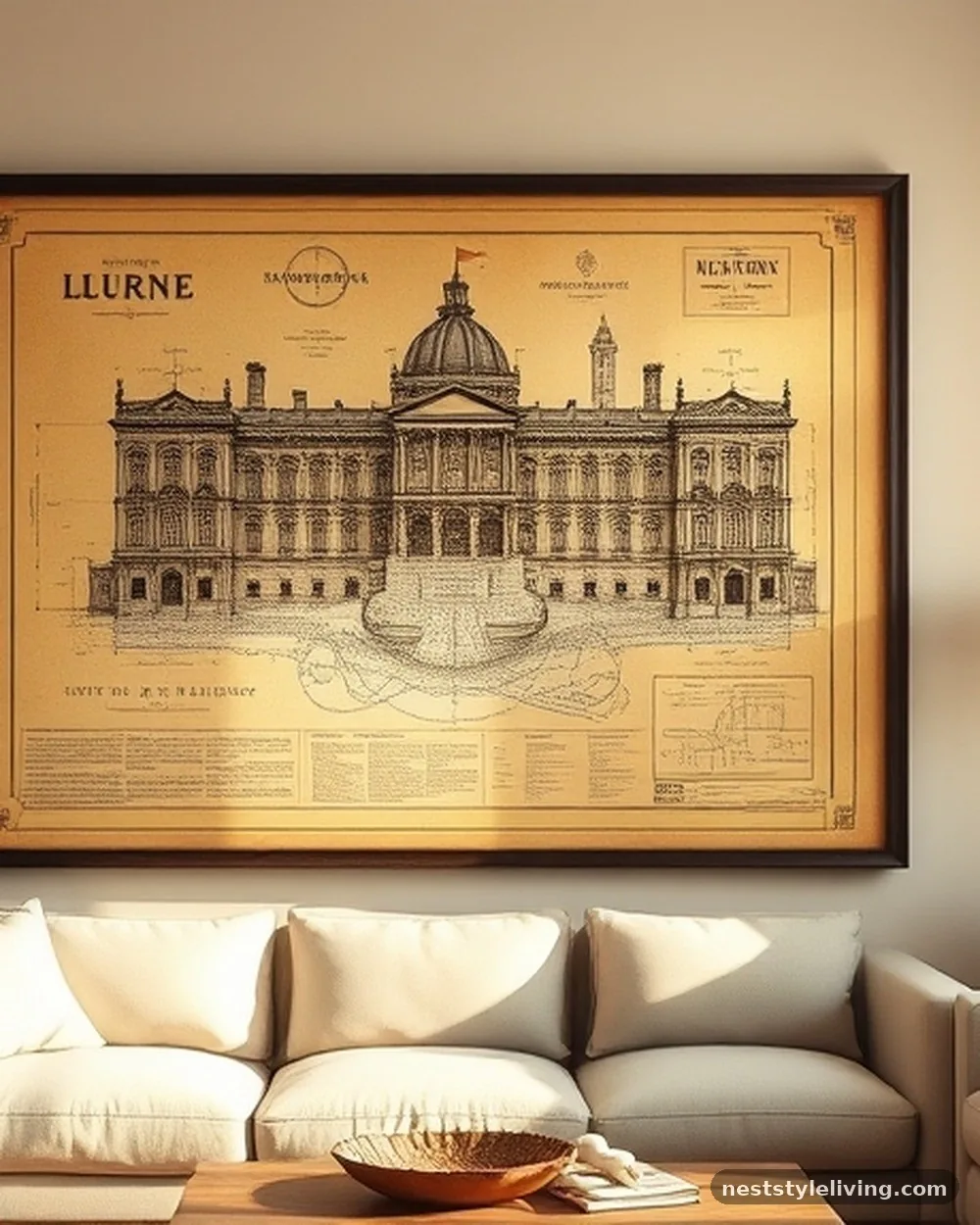
Vintage maps or architectural blueprints offer a sense of history and intellectual curiosity. Whether it is a historical map of your city or a technical drawing of a classic piece of furniture, these items serve as great conversation starters.
To make them look expensive, choose high-resolution scans and have them printed at a large scale. A neutral color palette—creams, sepias, or cool blues—ensures the piece feels sophisticated and integrates well with various interior styles, from industrial to traditional.
Frame these in simple, oversized wood or black frames with a wide mat. If the blueprint is particularly large, consider a wooden poster hanger system, which provides a clean, Scandinavian-inspired look that is both modern and incredibly easy to install.
13. Wall-to-Wall Gallery Grid
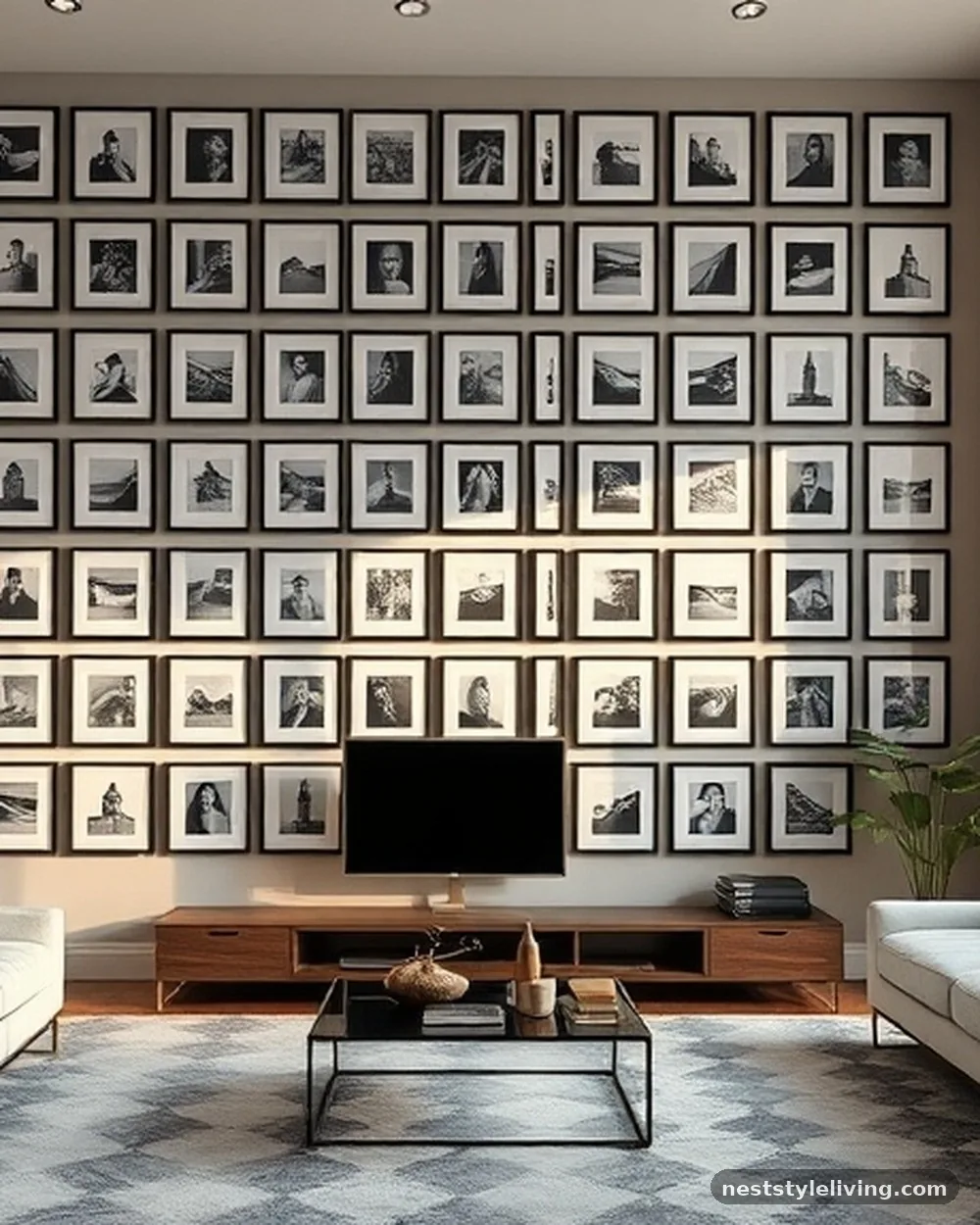
A grid of identical frames covering a large portion of the wall makes a powerful architectural statement. This is one of the most effective living room wall art ideas that look expensive because it requires commitment and precision.
By using the same frame for every image, you create a sense of rhythm and control that feels very high-end. The subject matter of the photos should be unified—perhaps all black-and-white portraits or all architectural details—to keep the large display from becoming visually chaotic.
Use a template made of paper to mark the exact position of every nail before you start. This ensures that the grid is perfectly square and centered, which is the secret to making a large-scale installation look like it was designed by a professional rather than thrown together.
14. Shadow Box with Found Objects
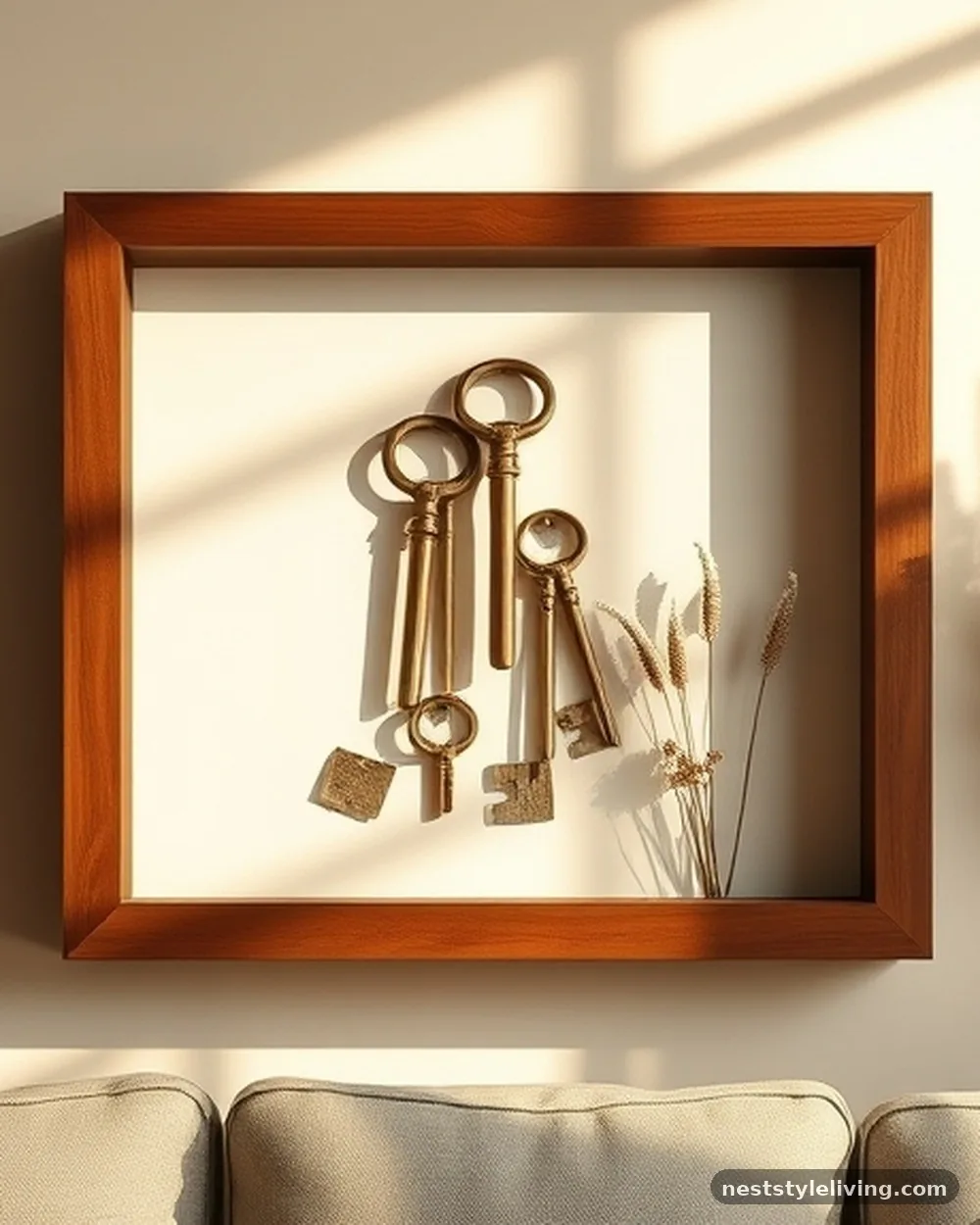
A shadow box provides depth that flat frames cannot, allowing you to display three-dimensional objects like dried botanicals, vintage keys, or small sculptural fragments. The glass front protects the contents while creating a museum-like display case.
This is an excellent way to showcase items that have personal meaning, which inherently makes the room feel more curated and intentional. The depth of the frame adds a layer of shadow and complexity to the wall that changes as the ambient light in the room shifts.
Choose a shadow box with a linen or velvet backing to add a luxurious texture behind the objects. Use museum wax to secure the items in place, ensuring they stay perfectly positioned over time without risking damage to the objects themselves.
15. Oversized Macramé or Fiber Art
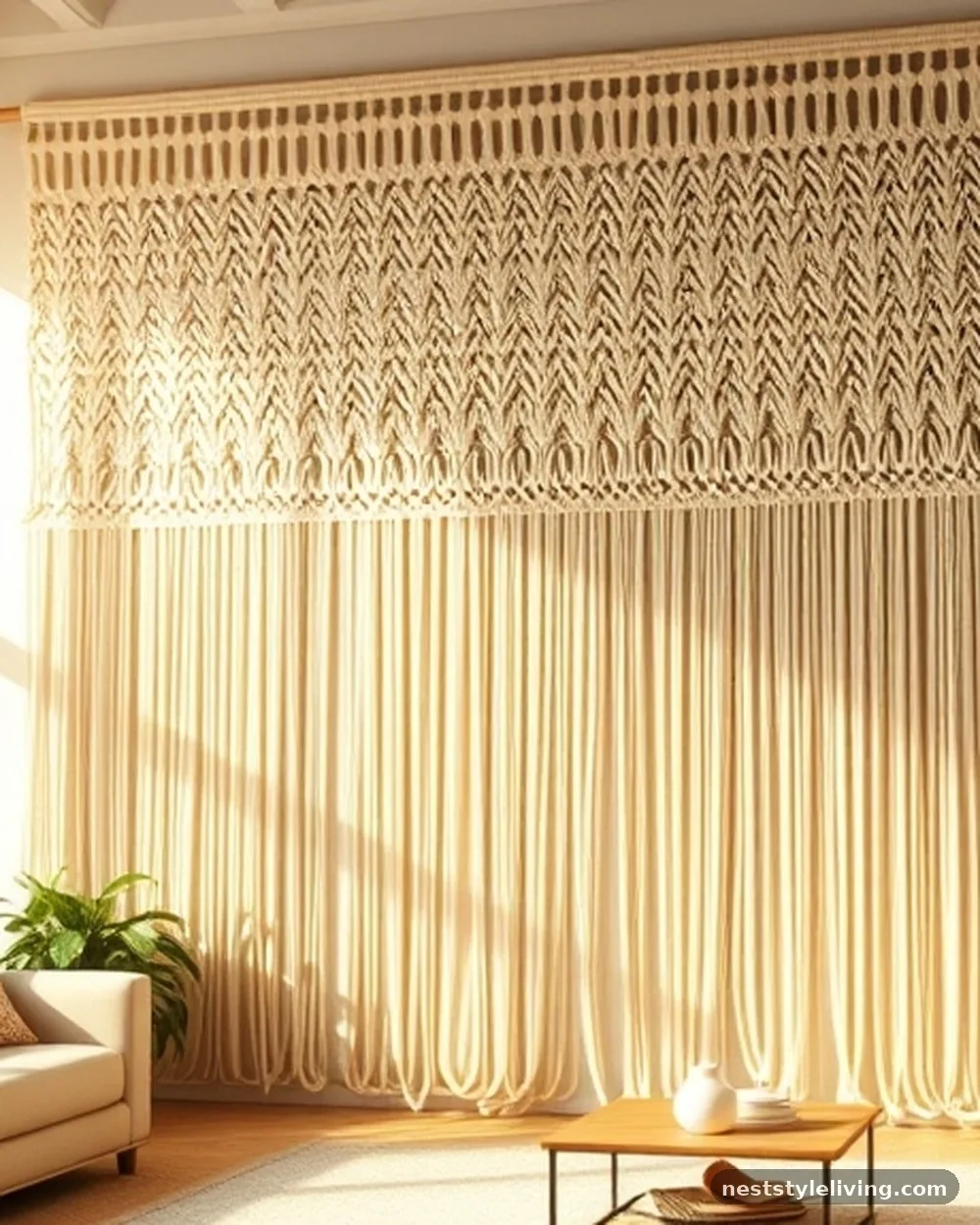
Large-scale fiber art brings a sense of softness and organic texture to a room, which is a hallmark of high-end, comfortable interior design. Look for intricate knotting patterns in neutral tones like cream, beige, or charcoal.
Unlike thin wall hangings, a substantial macramé piece serves as a focal point, providing the same visual weight as a large painting while adding a unique, tactile element. It is particularly effective for rooms with high ceilings or large, empty walls that need a bit of softening.
Maintain the piece by using a wide-tooth comb to gently detangle the fibers every few months. Because these pieces are often handmade, they carry an inherent sense of value; hanging them on a polished brass or dark iron rod adds a metallic accent that contrasts beautifully with the soft, organic fibers.
Frequently Asked Questions
How do I choose the right size for a living room wall?
The general rule of thumb is that artwork should occupy roughly two-thirds to three-quarters of the available wall space above a piece of furniture, such as a sofa or console. If the art is too small, it will look like it is floating; if it is too large, it will overwhelm the room. Always measure your furniture width first, as the art should generally be narrower than the piece it hangs above to maintain visual balance.
Does my artwork need to match my room’s color palette?
While the art does not need to match your furniture exactly, it should share at least one or two undertones with the room to feel cohesive. If your living room is primarily cool-toned, look for artwork with hints of blue, grey, or crisp white. If you have warm wood tones, artwork with earthy, golden, or terracotta hues will create a natural, sophisticated connection between the wall decor and the rest of the space.
Is it better to have one large piece or a gallery wall?
One large piece creates a bold, modern, and uncluttered look that is easier to maintain and style. A gallery wall, conversely, allows for a more personal, collected aesthetic but requires more effort to keep from looking messy.
If you want a space that feels calm and high-end, a single large piece is usually the safer, more expensive-looking choice. If you prefer a layered, eclectic vibe, a gallery wall with uniform frames is the best way to keep it looking professional.
How high should I hang my wall art?
The center of your artwork should generally hang at eye level, which is approximately 57 to 60 inches from the floor. When hanging art above a sofa or console, ensure the bottom of the frame is about 6 to 8 inches above the top of the furniture. Following these standard height guidelines ensures that the art feels connected to the room rather than disconnected or floating too high on the wall.
Can I mix different types of frames in the same room?
Mixing frame styles can look intentional if you maintain a consistent color or material theme. For example, you can mix various sizes and shapes of frames if they are all black or all brass. Avoid mixing too many different materials, such as bright gold, dark wood, and white plastic, as this will quickly make the arrangement look disjointed and inexpensive.
Conclusion
Creating a sophisticated living room is less about spending money and more about making intentional design choices. By focusing on scale, texture, and proper installation, you can elevate any space. These living room wall art ideas that look expensive rely on the principle that curated, thoughtful decor always outperforms mass-produced alternatives.
Whether you choose a massive, textured canvas or a collection of minimalist prints in uniform frames, the goal is to create a cohesive environment that reflects your personal taste. Take the time to measure, plan your layout, and invest in high-quality framing to see the most significant impact on your home. Start with one wall, refine your selection, and enjoy the transformative power of well-considered art.