16 Fireplace Design Ideas That Make Rooms Feel Cozy
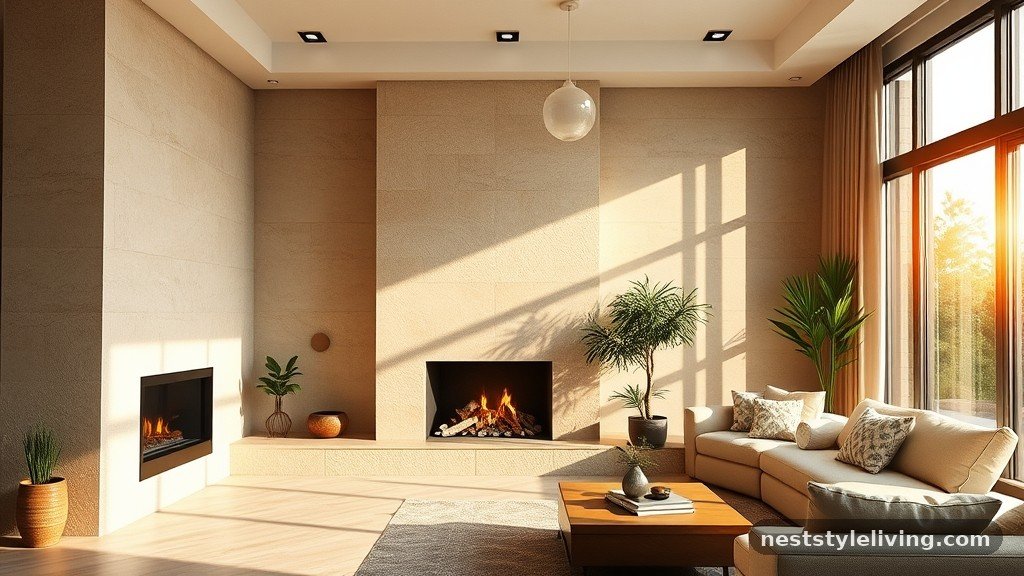
Transforming your living area into a sanctuary begins with the hearth, as implementing effective fireplace design ideas that make rooms feel cozy is the fastest way to anchor a home. Whether you are dealing with a drafty historic brick structure or a sleek modern insert, the right approach changes the entire mood of your living room. By focusing on textures, lighting, and thoughtful styling around the fireplace, you create a natural focal point that invites relaxation.
This collection of approaches helps you refine your space with intentional choices that prioritize comfort and warmth. You will find practical ways to turn a cold, neglected corner into the most welcoming part of your house.
1. Floor-to-Ceiling Limestone Cladding
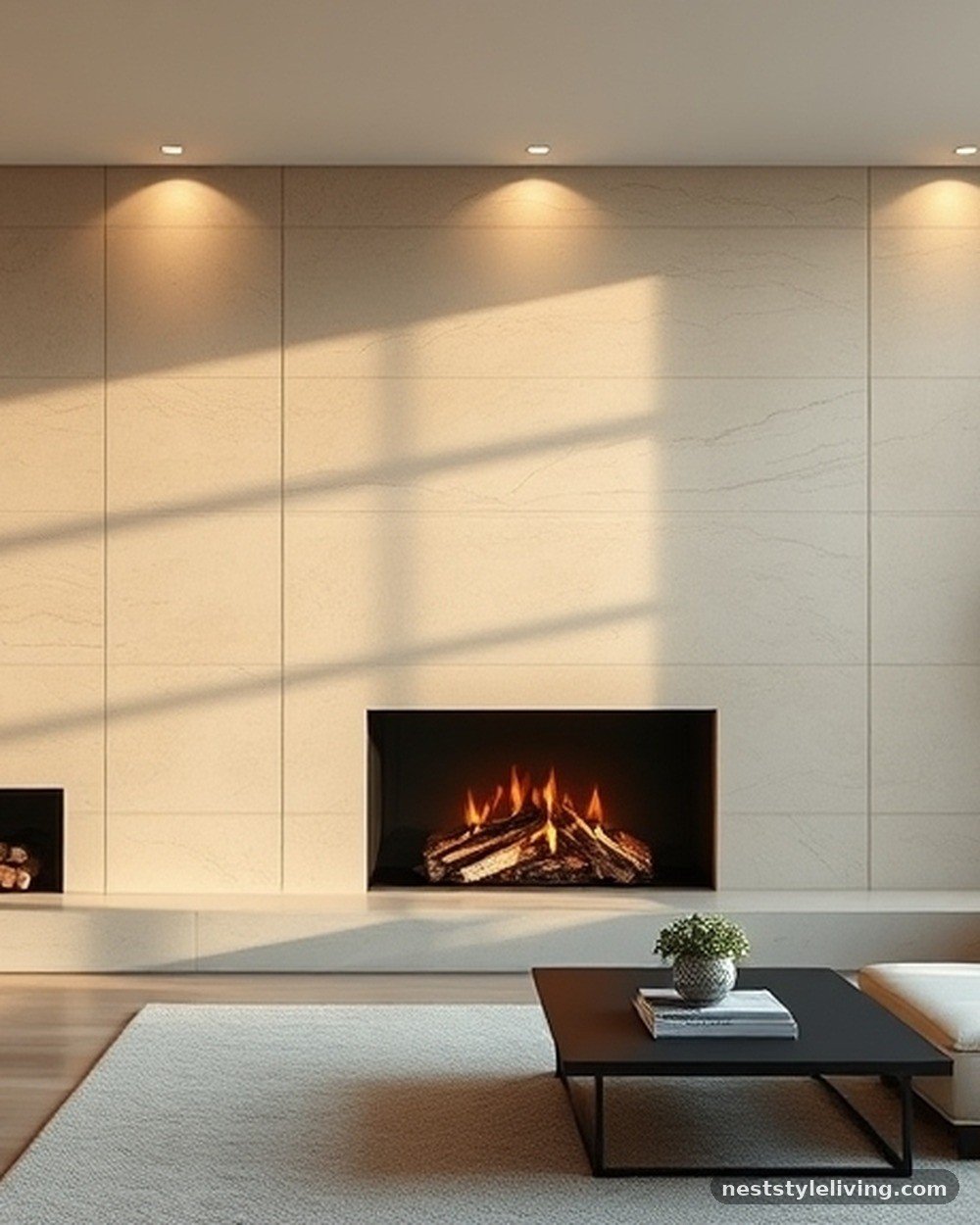
Applying large-format limestone slabs creates a seamless, monolithic look that feels both grounded and sophisticated. The soft, porous texture of the stone absorbs light rather than reflecting it, which naturally softens the atmosphere of the room. By running the material from the floor all the way to the ceiling, you emphasize the verticality of the space, drawing the eye upward and making the hearth feel more substantial.
This design works exceptionally well in rooms with high ceilings where a smaller mantel might look lost or out of scale. The natural variations in the limestone provide a subtle, organic pattern that prevents the room from feeling too sterile or clinical.
To achieve this look, hire a professional stone mason to ensure the slabs are properly anchored to the wall substrate. If you are working on a budget, look for limestone-look porcelain tiles that mimic the texture and color of natural stone while offering easier maintenance and a more accessible price point.
2. Reclaimed Timber Floating Mantel
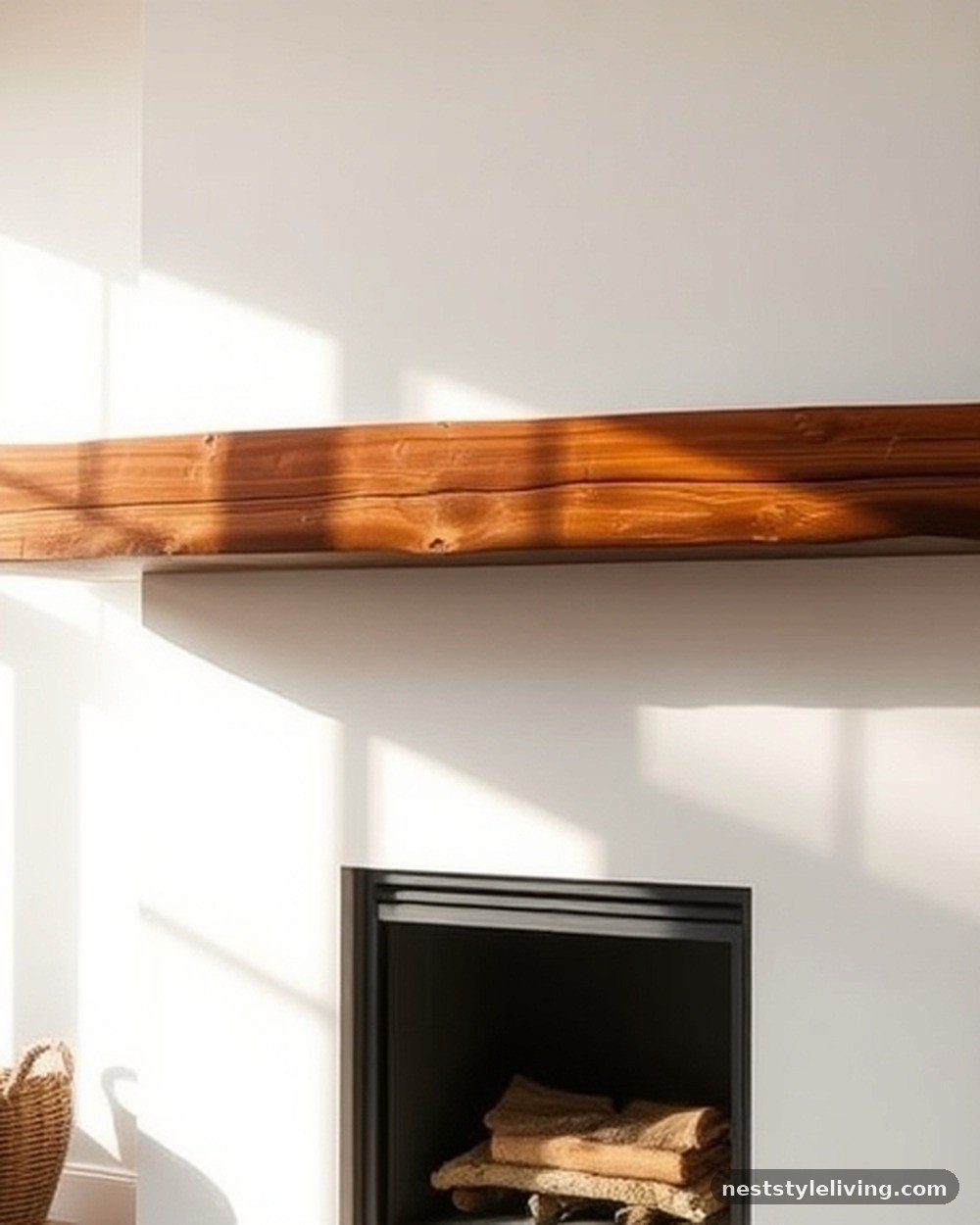
A thick, hand-hewn timber beam adds an immediate sense of history and warmth to a fireplace. These beams often feature original saw marks, nail holes, and deep grain patterns that provide a tactile contrast to smooth drywall or painted brick.
By installing the beam as a floating mantel, you maintain a clean, minimalist aesthetic while introducing a heavy, natural element that anchors the fireplace design. This style works best when the timber is left in a natural, matte finish, allowing the wood’s innate character to stand out against the surrounding wall color.
Source your beam from a local architectural salvage yard to ensure you get authentic, aged wood rather than a modern reproduction. Ensure that your wall mounting hardware is rated for the significant weight of solid timber, as these pieces are often much heavier than their appearance suggests.
3. Painted Herringbone Brick
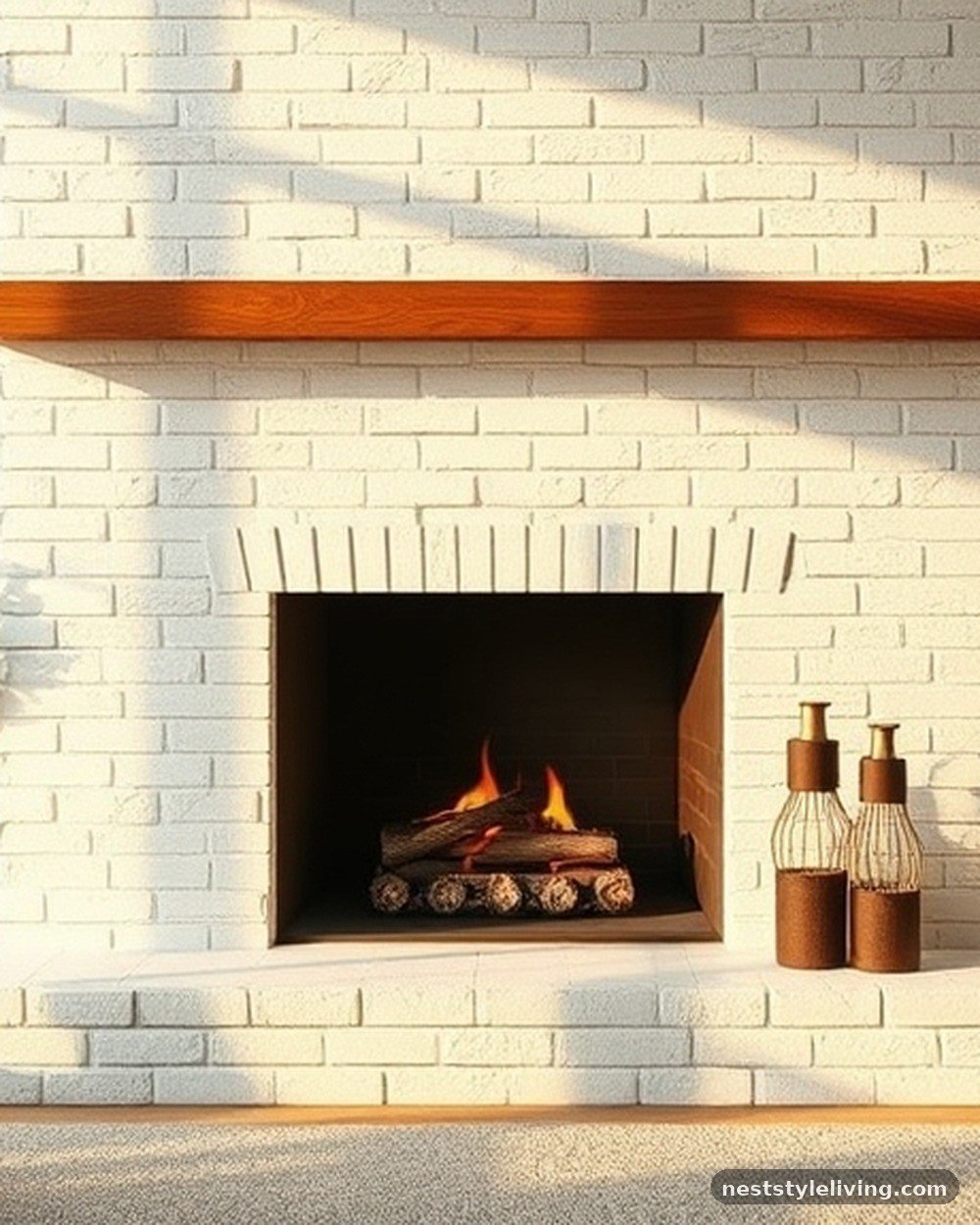
Painting an existing, dated brick fireplace in a crisp, matte white or a deep, moody charcoal can completely modernize the look without requiring a total demolition. Applying a herringbone pattern to the firebox surround using new brick or tile introduces a geometric interest that feels classic yet refreshed.
The contrast between the texture of the brick and the uniformity of the paint creates a sophisticated look that feels intentional and curated. This method is particularly effective if you want to keep the architectural footprint of your fireplace but need to update the color palette to match your modern decor.
Use a high-temperature-rated paint specifically designed for masonry to ensure the finish does not peel or blister when the fireplace is in use. Before painting, deep clean the brick with a wire brush to remove soot and debris, which ensures the paint bonds correctly to the porous surface.
4. Built-in Bookshelves with Integrated Lighting
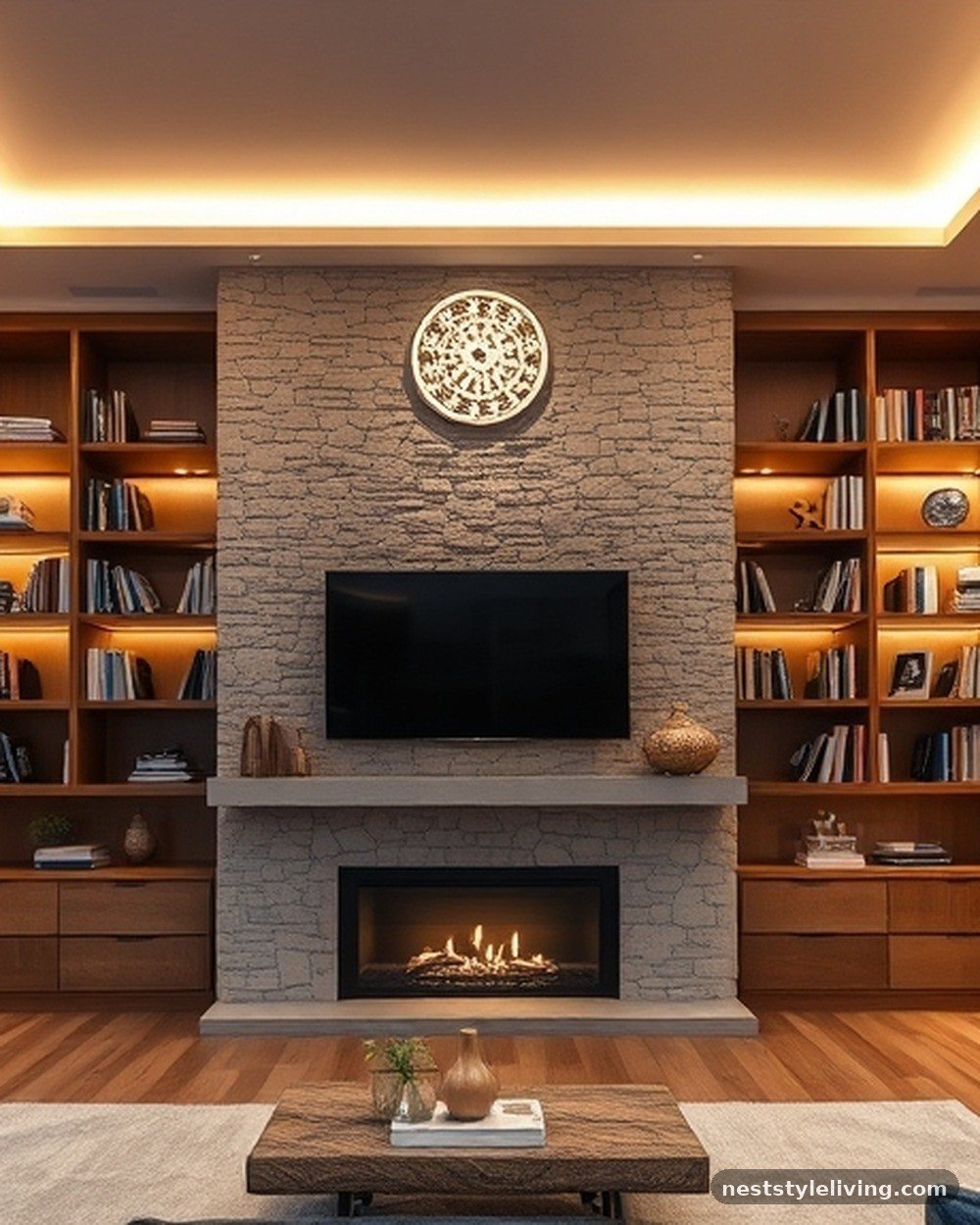
Framing your fireplace with floor-to-ceiling built-in cabinetry turns the hearth into the heart of a library-style living room. By adding recessed LED strip lighting along the front edge of each shelf, you cast a warm, ambient glow across your books and decorative objects.
This lighting strategy eliminates harsh shadows and creates a cozy, intimate atmosphere that is perfect for evenings spent reading by the fire. The symmetry of bookcases on either side of the fireplace provides a sense of balance and structure, making the entire wall feel like a high-end, custom architectural feature.
Consult with a carpenter to have the units scribed perfectly to your walls for a built-in appearance. For the lighting, use warm-temperature LED tape lights with a high color rendering index to ensure your books and decor look vibrant and natural under the glow.
5. Deep Velvet Hearth Seating
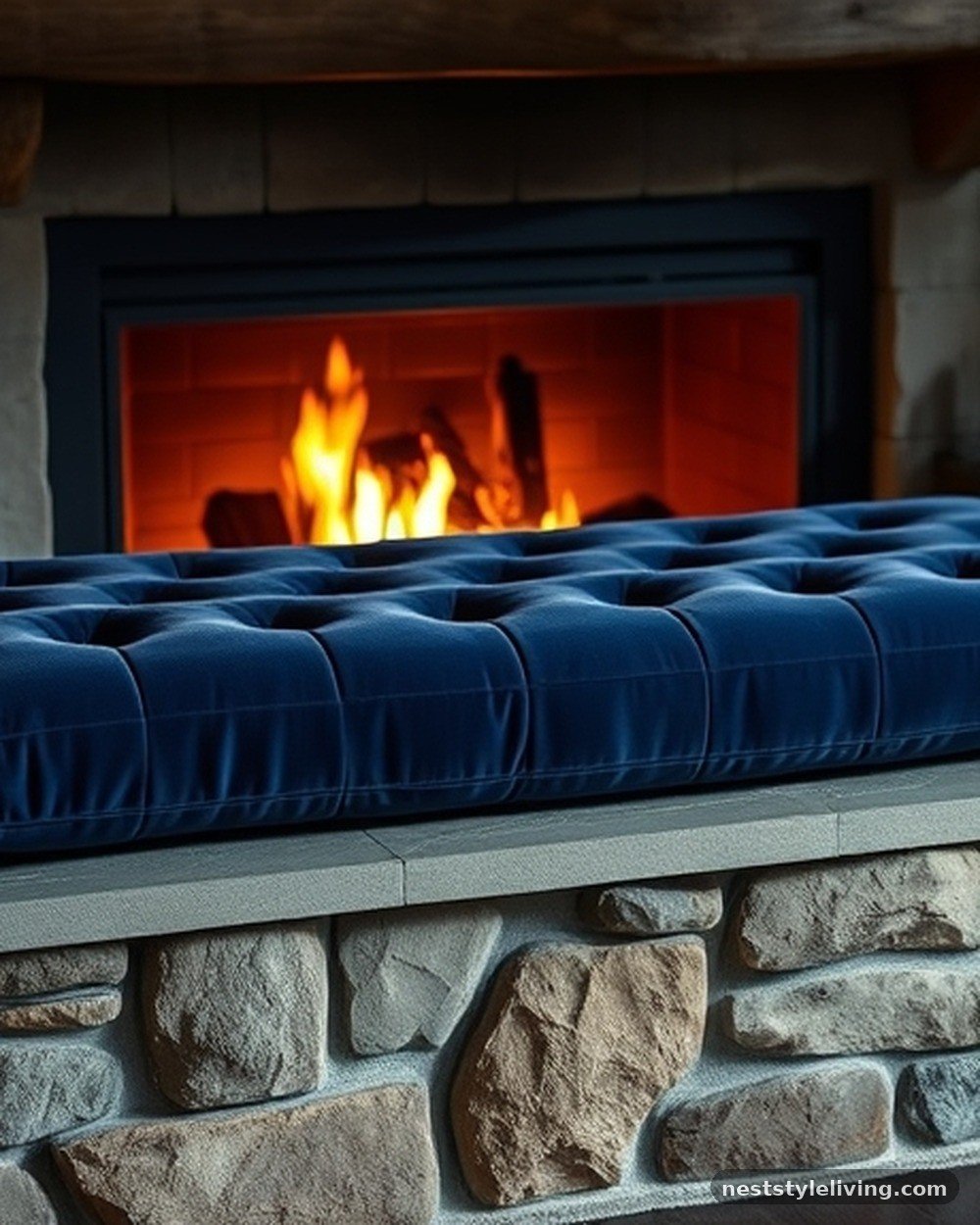
If your fireplace features a raised hearth, transforming that ledge into a functional seating area is a brilliant way to maximize space. Upholstering a custom bench cushion in a rich, durable velvet fabric turns the cold stone or tile into a soft, inviting spot to sit and warm up.
Choose a deep, saturated color like navy, forest green, or terracotta to add a layer of luxury and comfort to the room. This design idea is perfect for smaller living rooms where traditional armchairs might take up too much floor space, allowing you to use the fireplace structure itself as a key piece of furniture.
Measure your hearth precisely and order a high-density foam cushion with a durable, stain-resistant velvet cover. Ensure the fabric is rated for high traffic so it holds up to the heat and potential abrasion of being sat upon regularly.
6. Minimalist Black Steel Surround
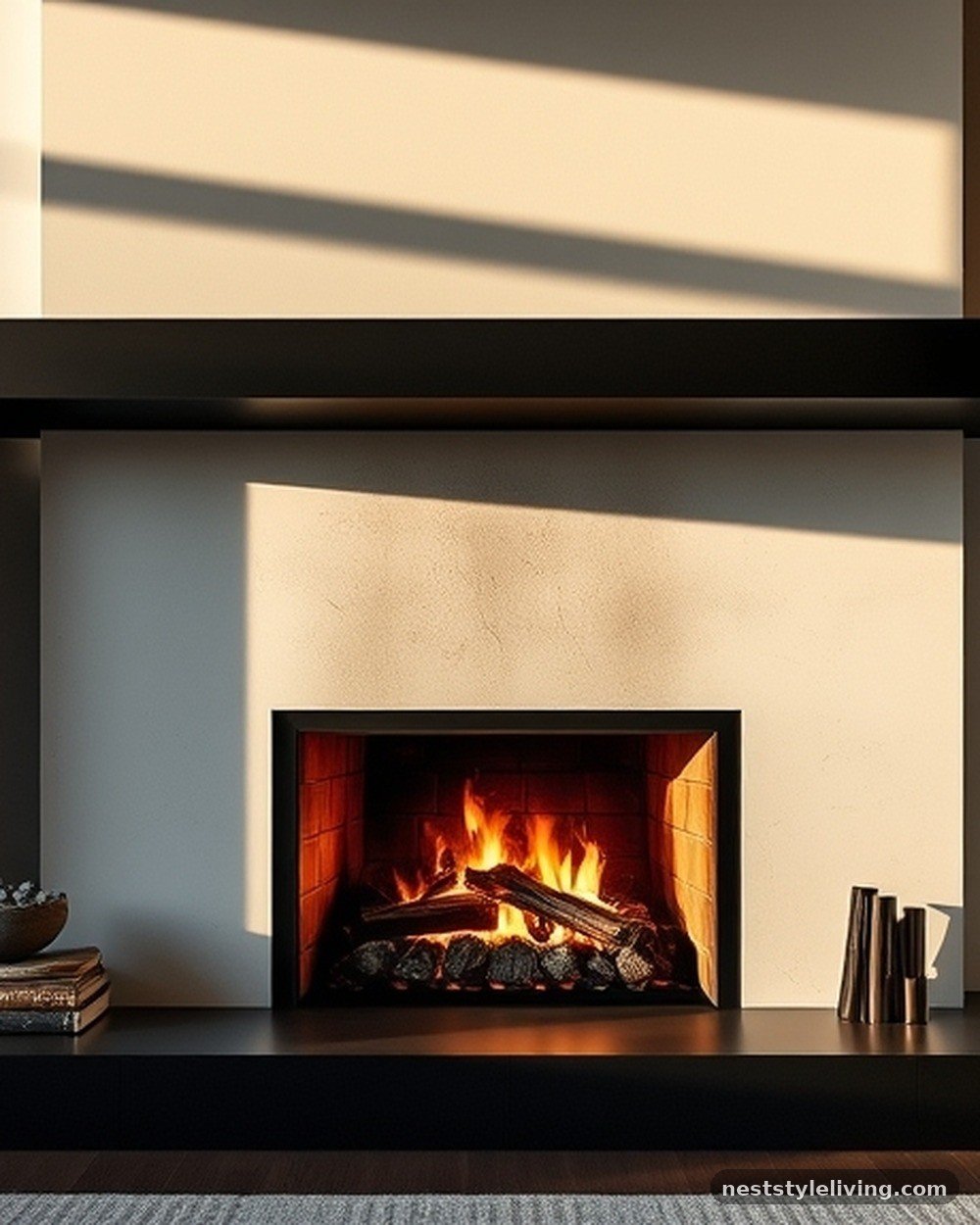
For a sleek and modern look, a custom-fabricated black steel surround offers a sharp, industrial edge to the fireplace. This material is incredibly durable and creates a bold frame that makes the fire itself pop visually.
The stark contrast between the dark metal and a lighter wall color creates a clean, architectural statement that feels very much at home in contemporary interiors. Because steel can be cut to precise dimensions, it is an ideal solution if you have an awkward existing opening that you want to hide behind a more refined finish.
Have a local metal shop fabricate the surround as a single piece or in interlocking panels for a seamless finish. Keep the surrounding walls a clean, neutral white to ensure the steel remains the undisputed focal point of the wall.
7. Zellige Tile Firebox Surround
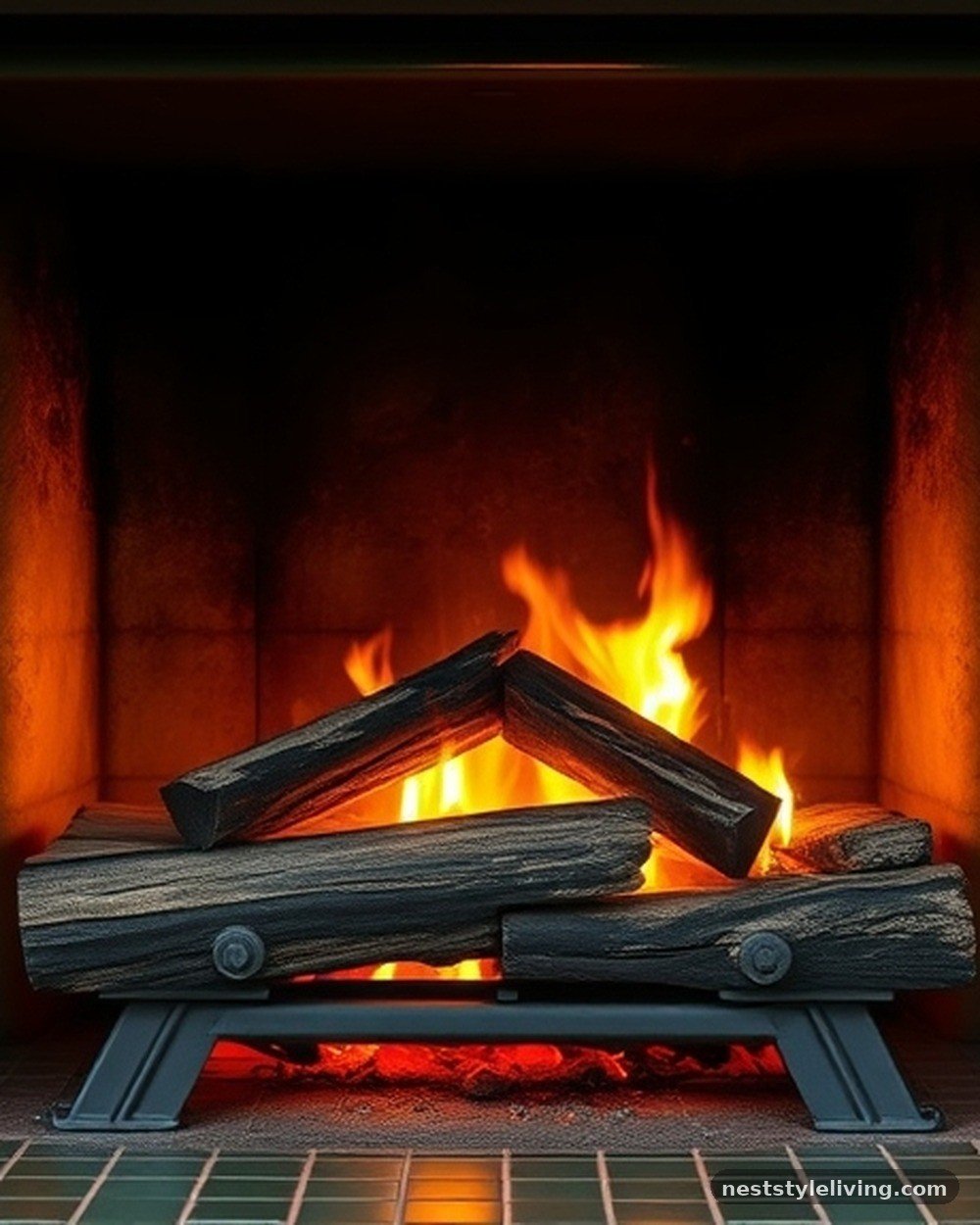
Zellige tiles, with their signature uneven surfaces and glossy, translucent glazes, add a beautiful, handcrafted quality to any fireplace. The variations in color and texture across each tile create a shimmering, liquid effect that reflects the light of the fire in a way that flat, machine-made tiles simply cannot.
Choosing a warm, earthy tone like sand, clay, or sage green keeps the space feeling cozy and grounded. Because these tiles are handmade, they introduce a sense of imperfection that makes a room feel lived-in and authentic rather than like a showroom.
Use a thin grout line to keep the focus on the tiles themselves and their unique, irregular edges. Because these tiles are delicate, hire an installer familiar with working with artisanal materials to ensure they are handled and set correctly.
8. Arched Plaster Fireplace
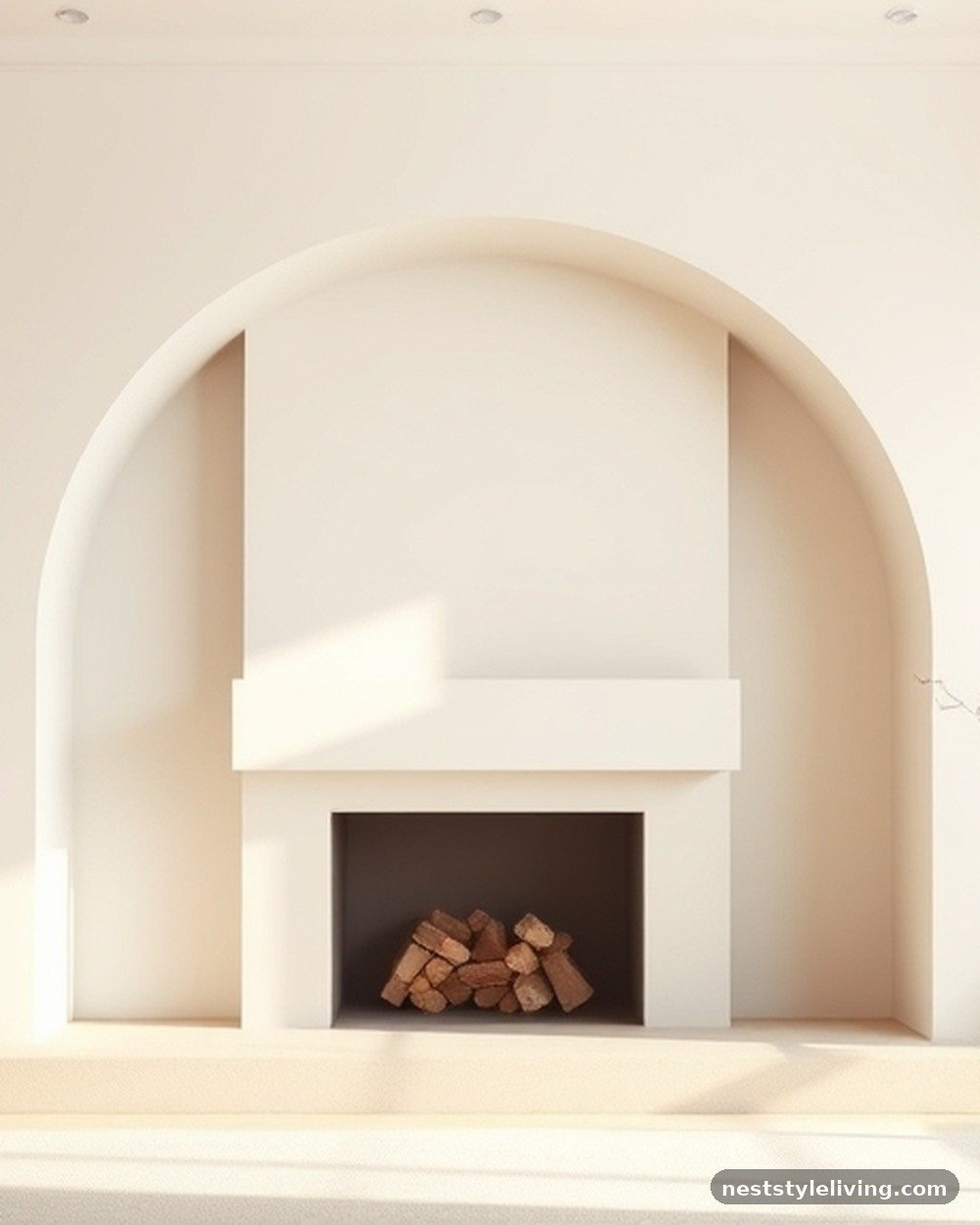
Plaster is a timeless material that offers a soft, sculptural quality, especially when applied in an arched shape. An arched fireplace opening creates a sense of elegance and softness that contrasts beautifully with the straight lines of modern furniture.
By finishing the entire structure in a matte, hand-applied plaster, you get a seamless surface that feels organic and tactile. This look is particularly effective in Mediterranean or minimalist-inspired homes where warmth is achieved through texture rather than bold patterns or colors.
Work with a professional plasterer who specializes in lime-based finishes, which provide that classic, chalky look that ages gracefully. You can achieve this effect over existing drywall by applying a thin coat of plaster, which is a great way to update an old fireplace without tearing out the entire structure.
9. Large-Scale Art Placement
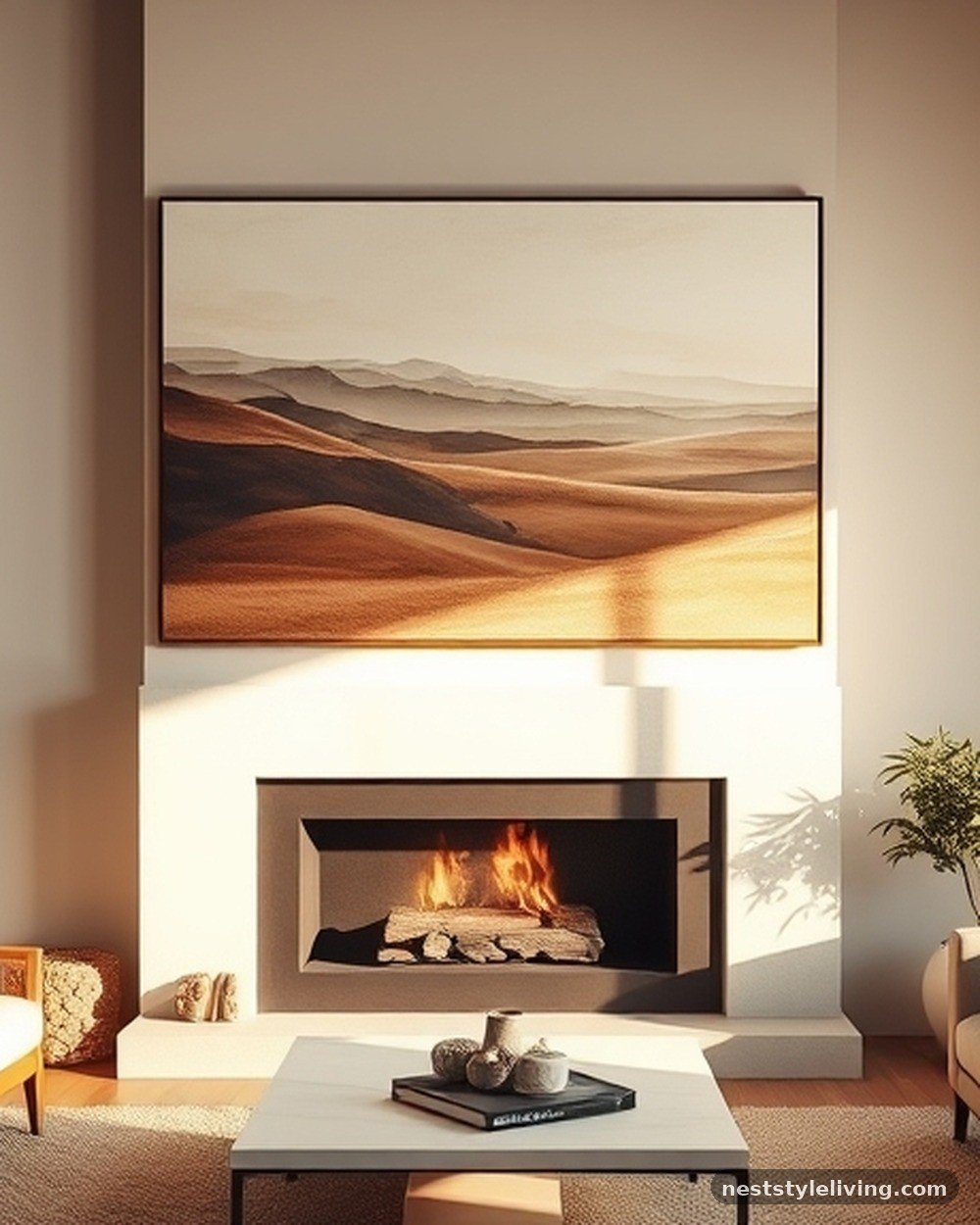
Instead of a traditional mantel, hang a single, oversized piece of art directly above the firebox to create a dramatic focal point. Choosing a landscape painting or an abstract piece with warm, muted tones can help ground the fireplace and tie the color palette of the room together.
The key is scale; a small frame will look lost, but a large piece that fills the width of the fireplace creates a cohesive and intentional look. This approach keeps the area above the hearth clean and uncluttered, which is ideal if you prefer a minimalist aesthetic in your living area.
Use a heavy-duty picture hanging system to ensure the art is secure, especially if it is quite large. To avoid heat damage, ensure the art is placed high enough above the firebox to prevent excessive temperature fluctuations from warping the frame or affecting the paint.
10. Warm Brass or Bronze Fire Screen
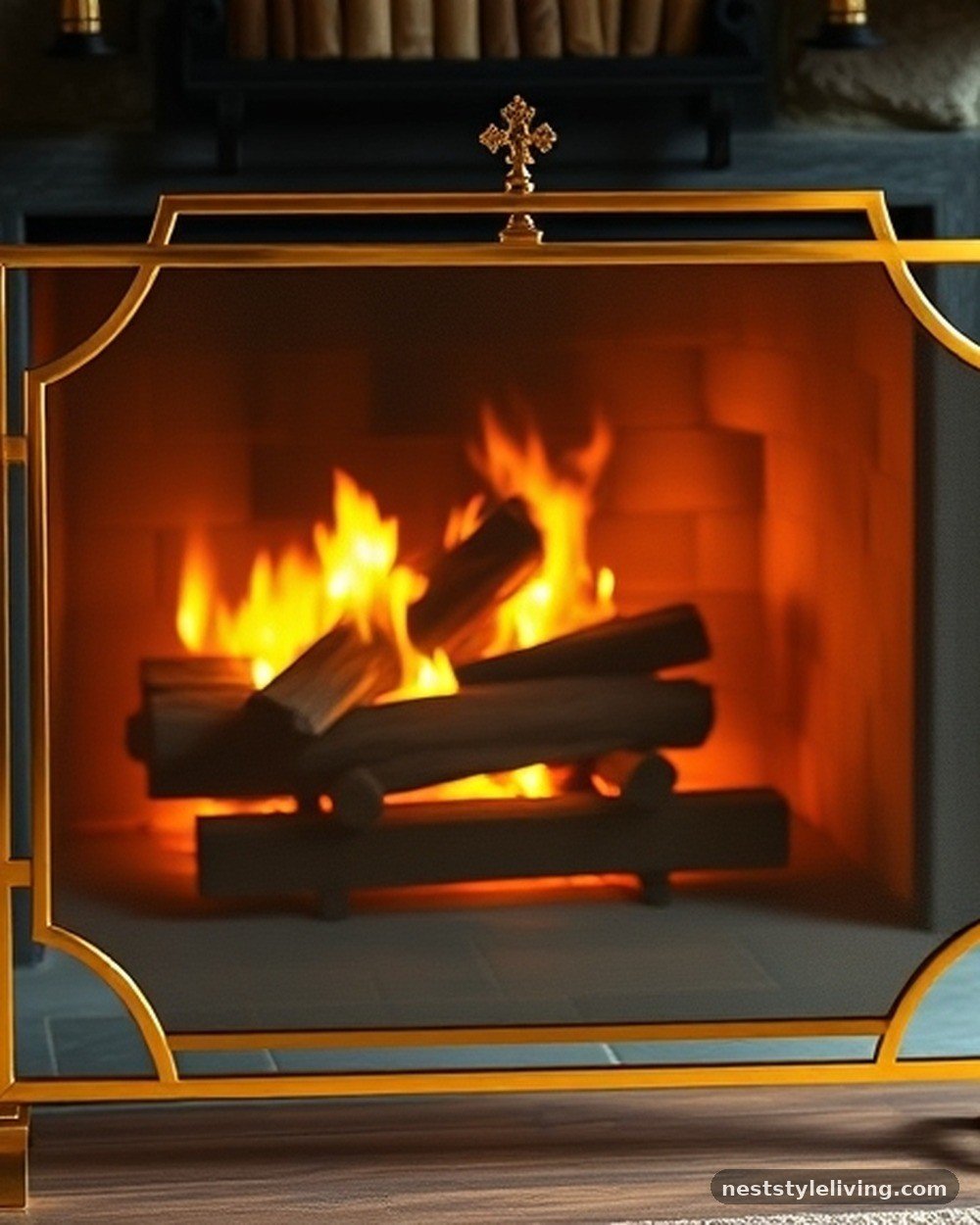
A high-quality fire screen made of brass or bronze adds a touch of metallic warmth that glows beautifully when the fire is lit. These metals develop a rich patina over time, which only adds to their character and sense of history.
Instead of a purely functional mesh screen, look for one with an interesting geometric design or a vintage-inspired frame. The metallic finish catches the flickering light of the flames, creating a layered, cozy effect that makes the fireplace feel like a piece of jewelry for your room.
Look for a screen with a solid frame that offers enough weight to stay stable on your hearth. Brass is a classic choice that works with almost any decor style, from traditional to mid-century modern, and it is easy to maintain with an occasional wipe-down.
11. Vertical Slat Wood Paneling
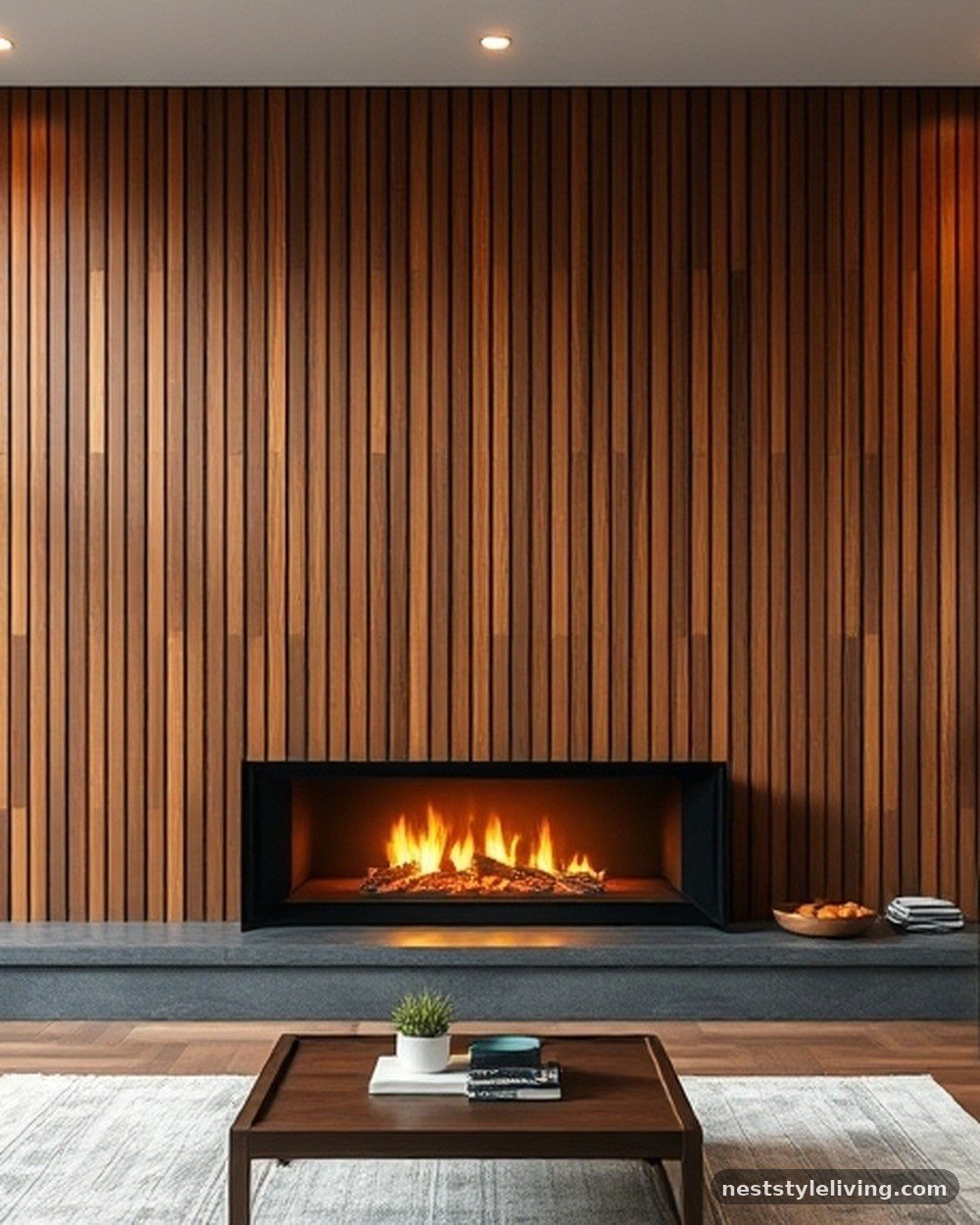
Installing vertical wood slats from the floor to the ceiling creates a modern, linear texture that draws the eye upward and adds significant warmth to the room. The deep grooves between the slats create interesting shadows that shift throughout the day, providing a dynamic look that feels very contemporary.
This design works exceptionally well when the wood is stained in a warm oak or walnut tone, which complements the natural fire light perfectly. It is an excellent way to cover an outdated brick or stone fireplace while adding a layer of acoustic softness to your living space.
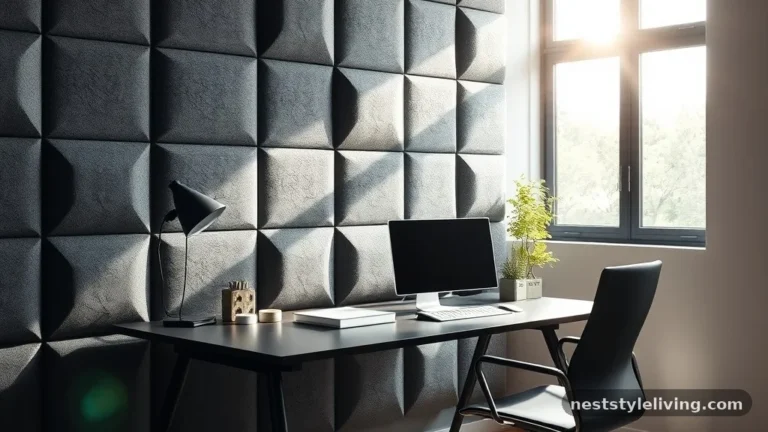
Ensure that the wood slats are spaced evenly and mounted on a fire-rated backing board to meet safety codes. You can purchase pre-made slatted acoustic panels that are easy to install as a DIY project, providing a professional finish with minimal labor.
12. Recessed TV Niche
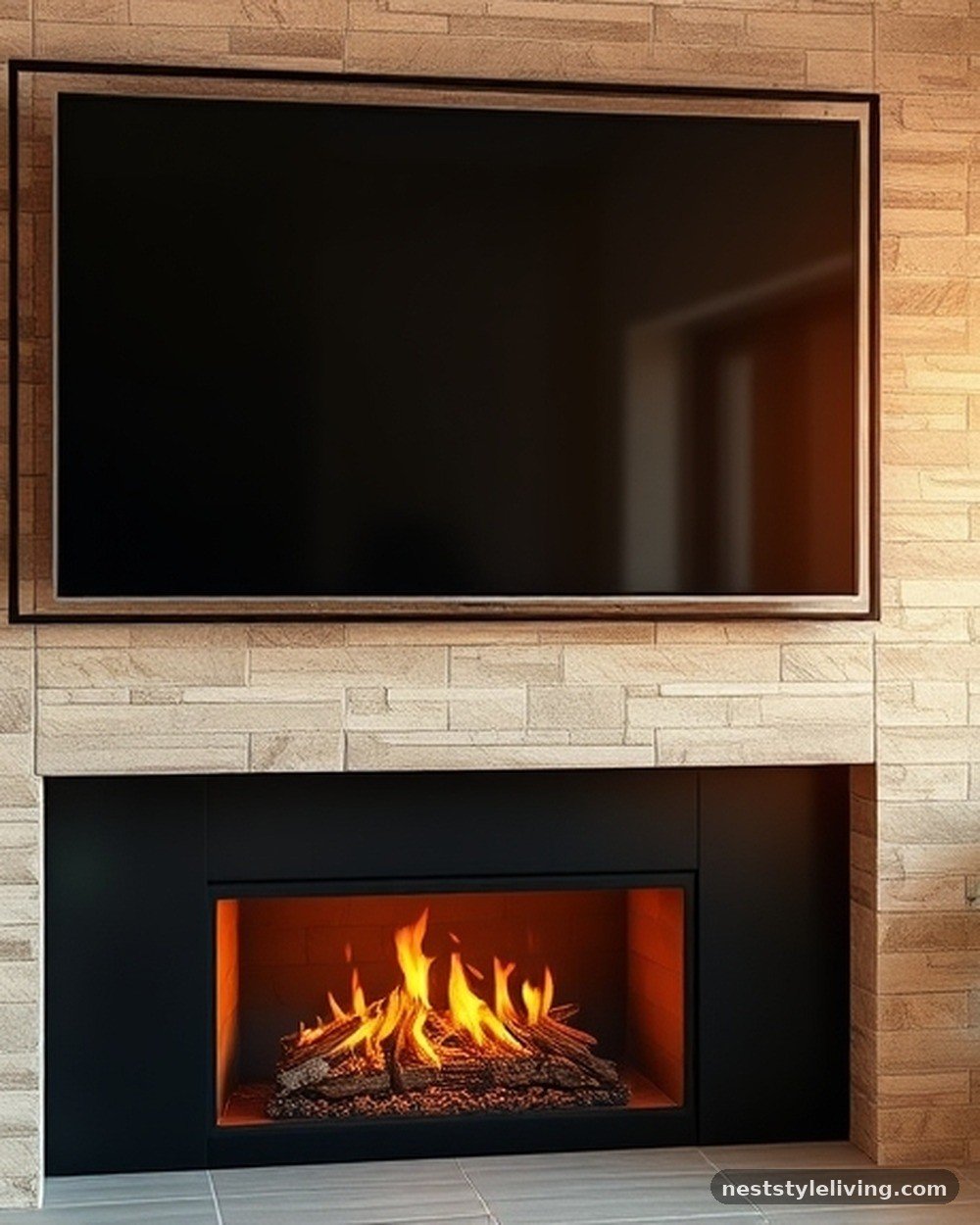
If you must have a television in the living room, recessing it into a custom niche above the fireplace keeps the screen from dominating the space. By framing the niche with the same material as the fireplace surround, such as stone or plaster, you make the TV feel like a deliberate part of the design rather than an afterthought.
This approach creates a clean, streamlined wall that hides cables and components, keeping your living area clutter-free. It is the perfect compromise for those who want the convenience of a screen without sacrificing the cozy, hearth-centered feel of the room.
Hire a contractor to ensure the niche is properly ventilated, as electronics generate heat that needs to escape. Use a mount that allows the TV to sit flush with the wall surface for the most professional, integrated appearance.
13. Patterned Cement Tile Surround
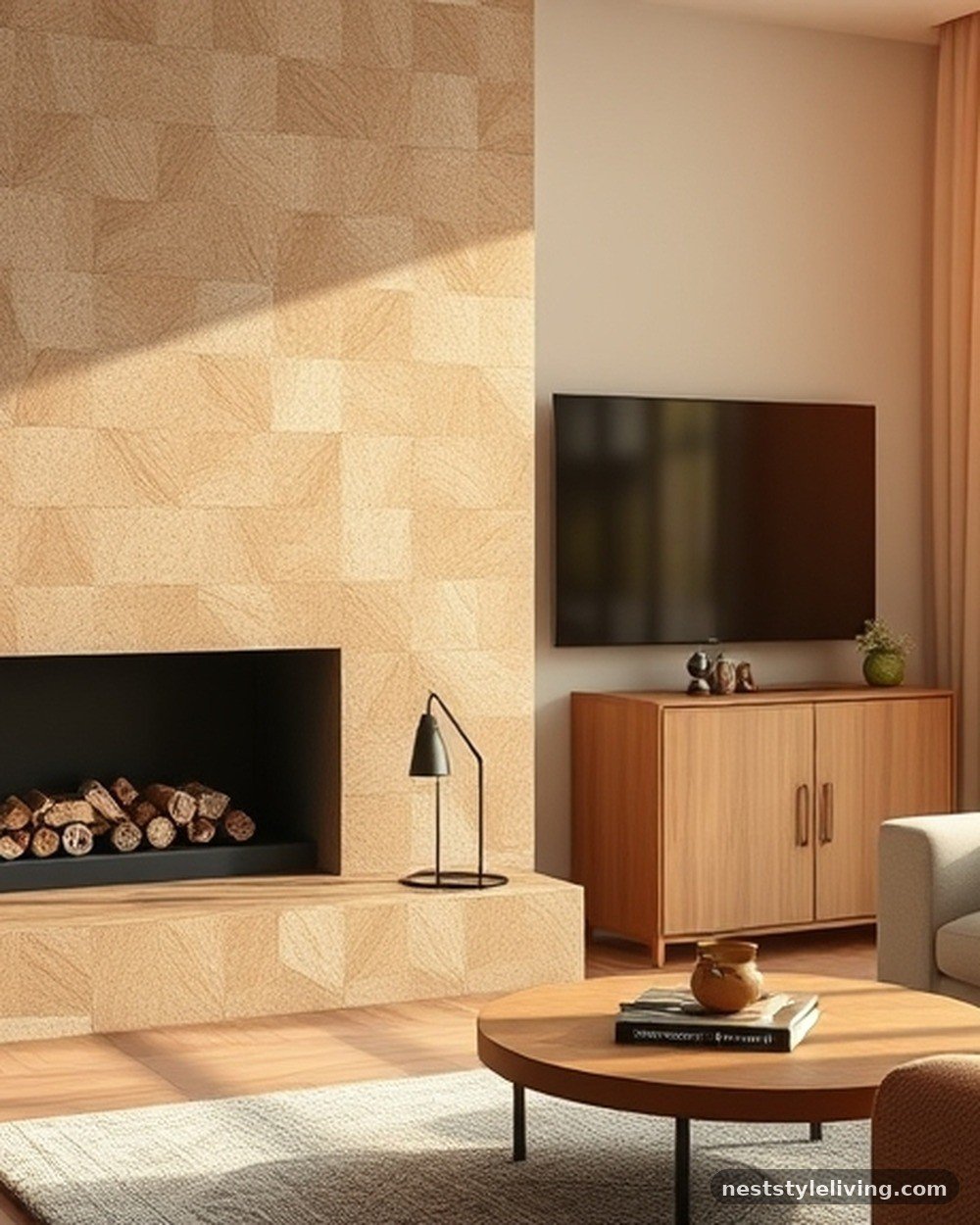
Cement tiles with bold, geometric patterns can transform a plain fireplace into a vibrant, artistic feature. Choosing a pattern with muted, earthy colors ensures the fireplace remains cozy rather than overwhelming, allowing the design to serve as the main focal point of the room.
The matte, chalky finish of cement tiles feels incredibly authentic and pairs well with natural materials like wood and wool. This is an excellent way to introduce color and personality into a room without having to commit to painting the walls or buying new furniture.
Seal your cement tiles with a high-quality penetrating sealer immediately after installation to protect them from soot and dust. Because these tiles are thick, ensure your installer accounts for the extra depth when planning the transition to the surrounding floor or wall materials.
14. Stacked Stone with Natural Variation
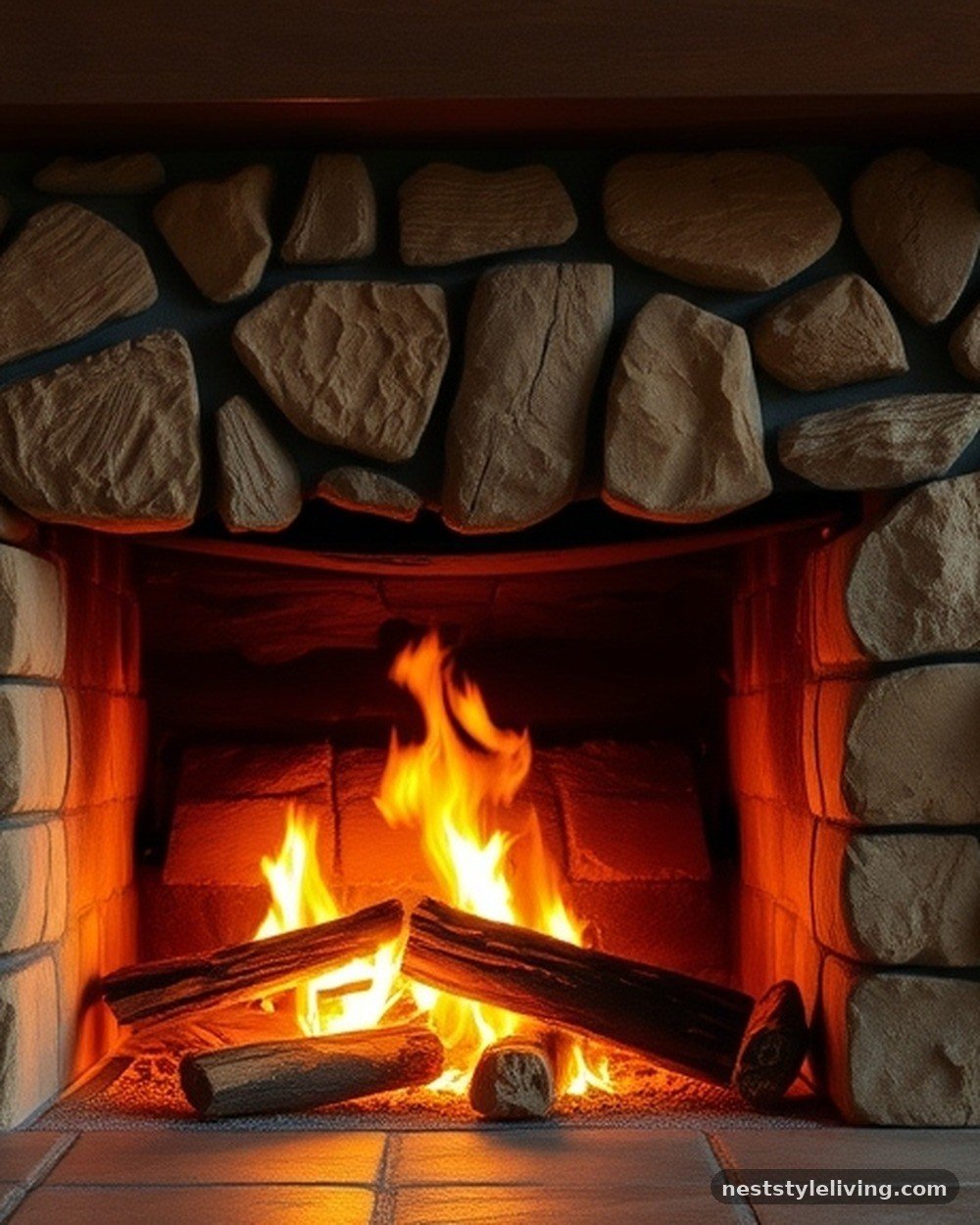
Using dry-stacked stone—where pieces are fitted together without visible mortar—creates a rustic, tactile texture that feels like it was plucked from the landscape. The shadows created by the irregular depths of the stones make the fireplace feel incredibly cozy and substantial.
This design works best when you use a stone with a warm color palette, such as gold, copper, or soft gray, which complements the dancing light of a fire. It is a timeless look that brings an outdoor element inside, grounding the room and providing a sense of permanence and comfort.
Select a stone veneer that is lightweight and easy to install, which allows you to achieve the look of heavy masonry without the need for structural wall reinforcement. Work with a variety of stone sizes to ensure the pattern looks natural and random, avoiding a repetitive or manufactured appearance.
15. Matte Black Firebox Interior
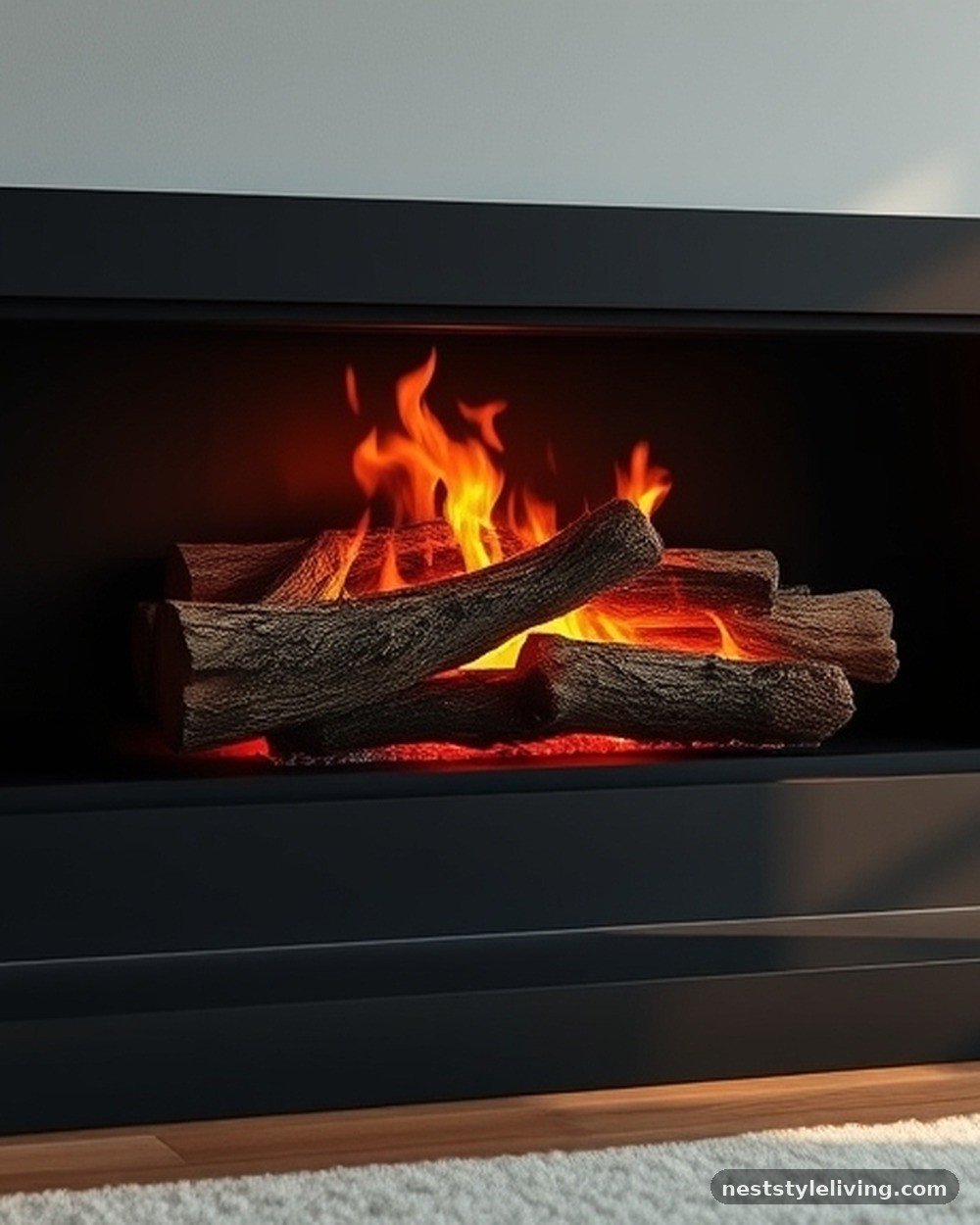
Painting the inside of your firebox a deep, matte black creates a dramatic, high-contrast look that makes the fire seem brighter and more intense. This simple change is one of the most effective ways to modernize an old fireplace, as it hides soot stains and makes the hearth look clean and intentional.
The black background provides a stark frame that allows the colors of the flames and the logs to stand out beautifully. It is a budget-friendly update that delivers a massive visual impact, immediately making the fireplace feel like a high-end designer feature.
Use a high-heat spray paint specifically formulated for fireboxes to ensure the finish remains durable under extreme temperatures. Clean the interior thoroughly with a wire brush before painting to remove all loose residue and ash, which ensures a smooth, long-lasting application.
16. Layered Textiles Around the Hearth
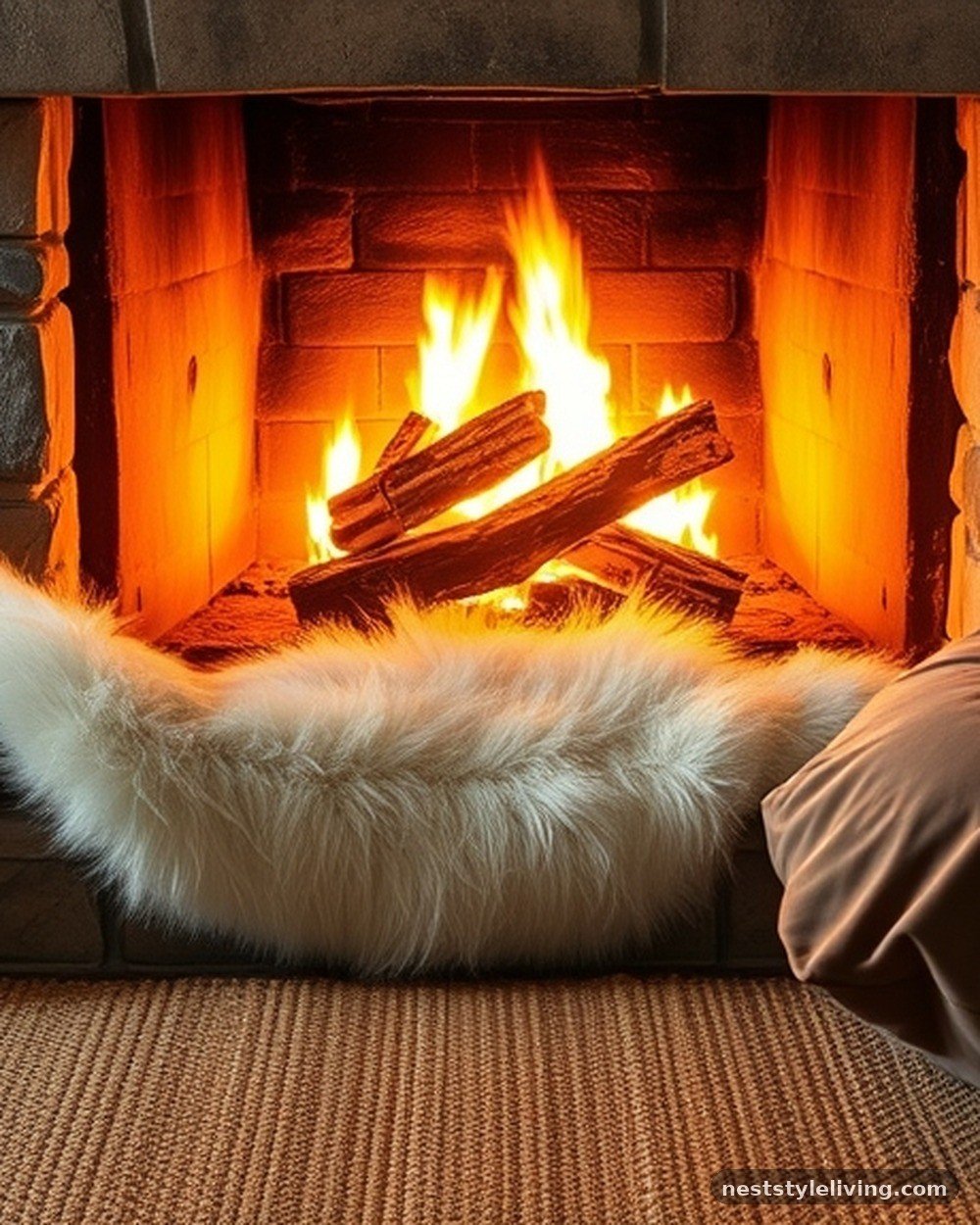
To truly lean into the cozy factor, surround your fireplace with layered textiles like wool rugs, sheepskin throws, and oversized floor cushions. Placing a large, thick-pile rug directly in front of the hearth creates a dedicated relaxation zone that invites you to sit on the floor and enjoy the fire.
This approach softens the room and adds a layer of comfort that is impossible to achieve with furniture alone. By mixing textures—like a coarse jute rug topped with a soft sheepskin—you create a visually interesting and highly tactile space that feels warm and welcoming all year round.
Opt for natural fibers like wool or cotton, which are more resistant to stray embers than synthetic materials. Keep the arrangement loose and informal to maintain a relaxed, inviting atmosphere that encourages people to gather and linger near the fire.
Frequently Asked Questions
How can I make a fireplace the focal point of a room?
To make your fireplace the focal point, you should use lighting and furniture arrangement to direct attention toward it. Position your main seating pieces so they face the hearth, and use a contrasting material or color on the fireplace surround to make it stand out from the rest of the wall. Keeping the mantel decor simple but intentional also helps draw the eye toward the center of the room.
What materials are best for a cozy fireplace look?
Natural materials like limestone, raw timber, plaster, and stone are the best choices for creating a cozy aesthetic. These materials have inherent textures and warm undertones that soften the look of a room. Avoid overly polished or reflective surfaces like chrome or high-gloss tiles if you want to maintain a relaxed, inviting atmosphere.
Can I update a fireplace without a major renovation?
Yes, you can significantly update a fireplace with minor changes like painting the brick, installing a new mantel, or adding a stylish tile surround. These projects are often manageable as DIY tasks and can be completed over a weekend. Focusing on the firebox interior and adding modern decor around the hearth can also refresh the entire look without tearing anything out.
How do I choose the right size for a mantel?
Your mantel should be proportional to the size of the fireplace and the scale of the wall it sits on. As a general rule, the mantel should extend at least 6 inches beyond the sides of the fireplace opening. If your fireplace is very large, a thicker, more substantial beam works better, while a smaller opening benefits from a slimmer, more refined profile.
How do I keep a fireplace clean and safe?
Regular maintenance is key, which includes sweeping the hearth, cleaning the glass doors, and having your chimney professionally inspected and swept annually. Avoid using harsh chemical cleaners on natural stone or brick; mild soap and water are usually sufficient. Always ensure your fireplace screen or glass doors are in good working order to contain embers safely.
Conclusion
Integrating these fireplace design ideas that make rooms feel cozy requires nothing more than a clear vision and a focus on tactile, warm elements. By choosing materials that reflect your personal style and ensuring the hearth serves as a functional anchor for your living room, you create a space that feels both polished and deeply comfortable. Whether you opt for a complete material overhaul or simple styling adjustments, the goal is to prioritize the warmth and atmosphere that a fireplace naturally provides.
Start with one area of focus, such as the surround or the mantel, and observe how it shifts the energy of your entire home. With these thoughtful design choices, you are well on your way to enjoying a more inviting and serene environment.