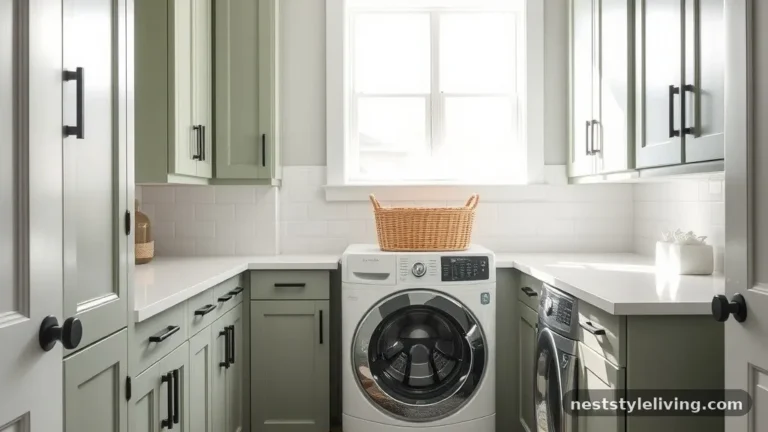
15 Dining Nook Ideas for a Cozy and Stylish Home
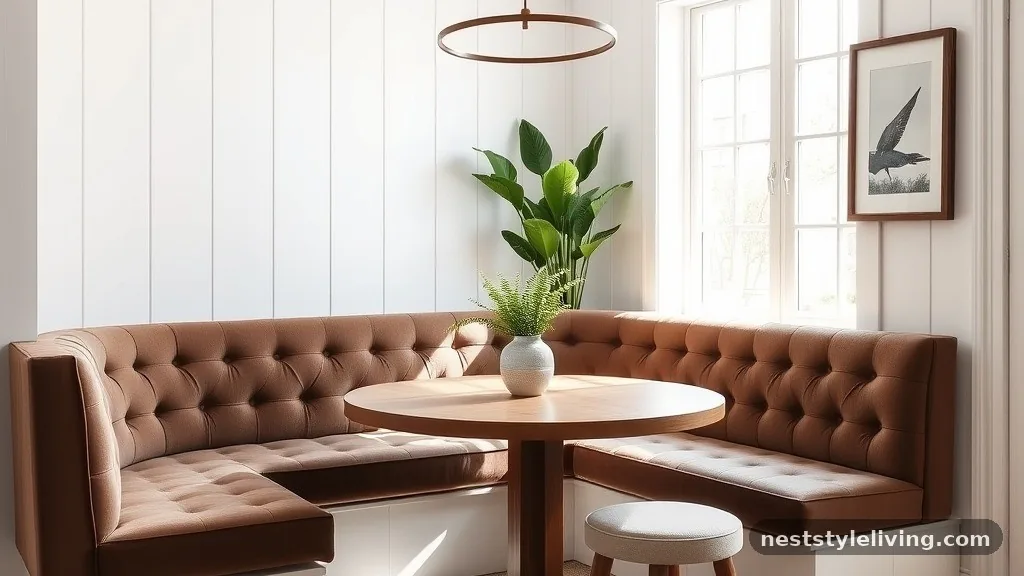
Designing functional dining nook ideas for a cozy and stylish home transforms underutilized corners into the most popular destination in your house. Whether you are working with a tight kitchen alcove or an open-concept living area, these dedicated zones encourage lingering over morning coffee or intimate dinners. By prioritizing smart seating, intentional lighting, and tactile textures, you turn a simple transition space into a destination.
The following collection provides specific design strategies to help you maximize your footprint while maintaining a high-end aesthetic. You will find practical ways to integrate storage, select durable materials, and curate a mood that reflects your personal style without sacrificing necessary household utility.
1. L-Shaped Corner Banquette
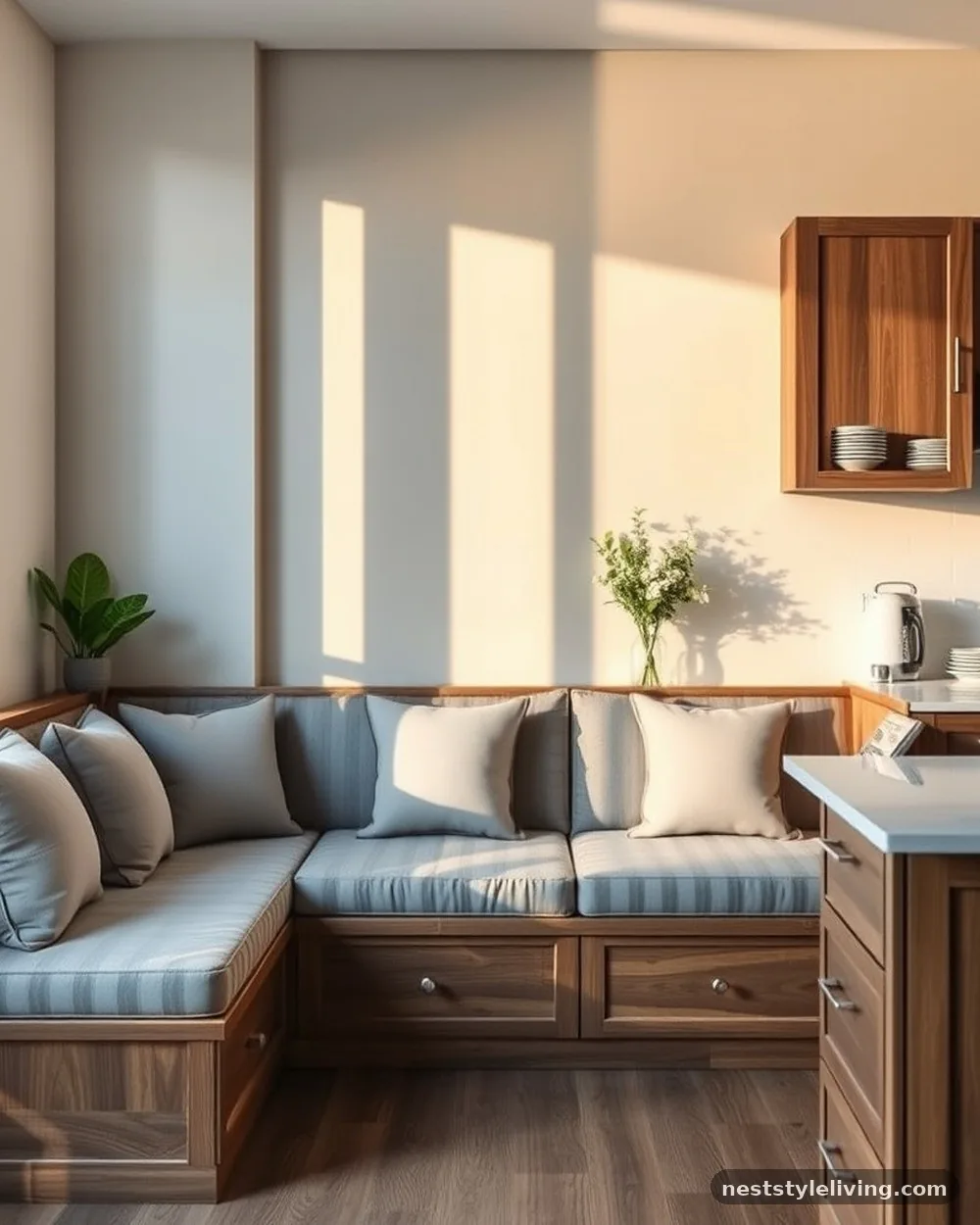
An L-shaped banquette is the gold standard for maximizing small square footage in a kitchen corner. By pushing seating against two walls, you eliminate the need for clearance space behind chairs, which is often the biggest hurdle in tight layouts. This configuration allows you to tuck a rectangular or square table neatly into the center, creating a structured island of comfort.
When opting for this design, look for custom upholstery that can be easily wiped down, such as high-performance velvet or faux leather. The key to making this look sophisticated rather than like a standard booth is using high-quality legs on the table that contrast with the base of the bench.
To achieve this look, measure your corner walls precisely and build a wooden frame that includes a hinged lid for the seat, allowing you to hide away seasonal table linens or rarely used kitchen appliances inside the bench structure.
2. Floating Wall-Mounted Table
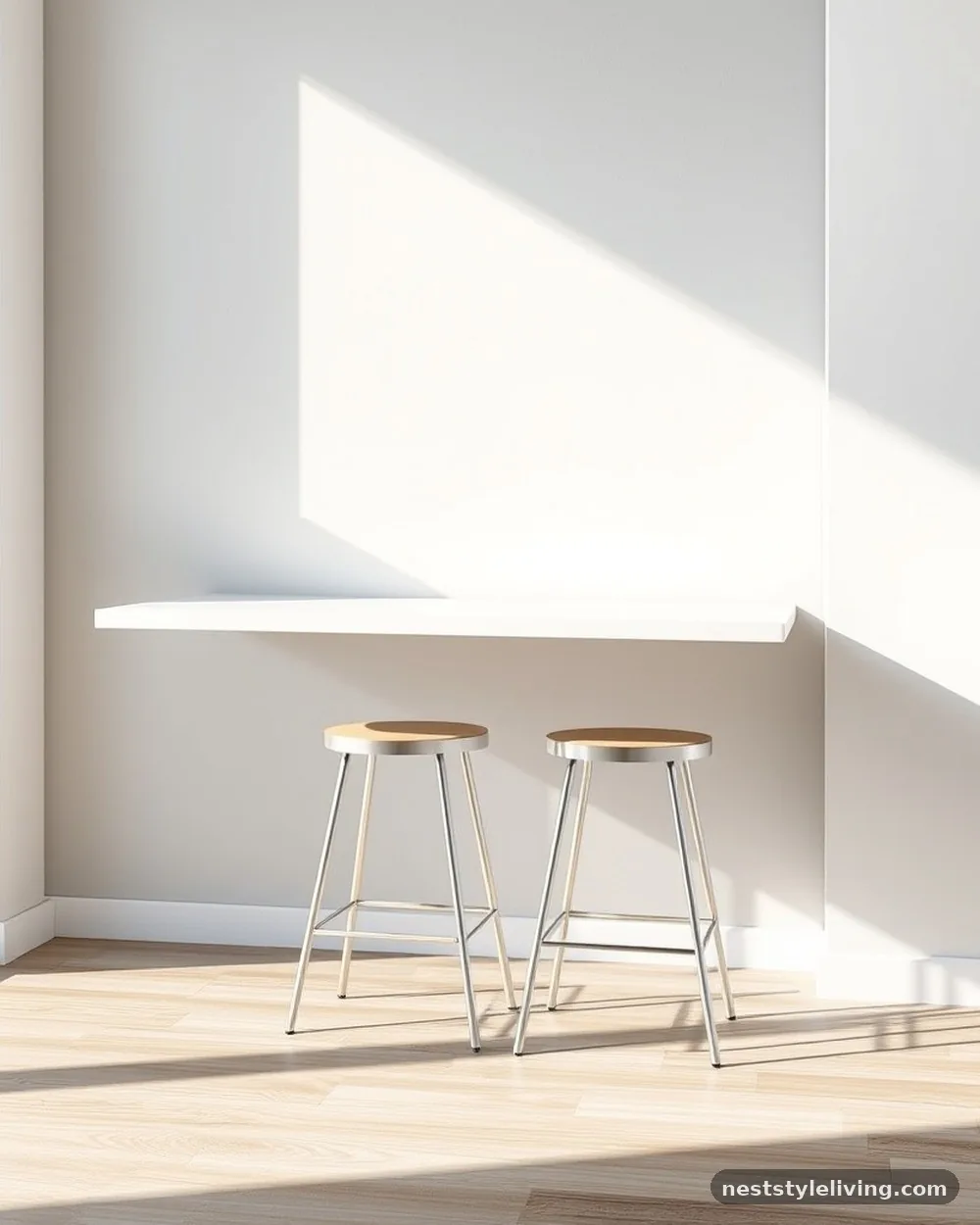
If your floor space is severely limited, a wall-mounted floating table removes the visual weight of legs, making the room feel significantly larger. This minimalist approach creates a sleek, modern aesthetic that works perfectly for a quick breakfast or a laptop workstation. Pair the floating surface with slim, backless stools that can slide completely underneath when not in use.
The secret to stability is anchoring the table into your wall studs using heavy-duty L-brackets or a custom-fabricated steel mount. Because the table occupies no footprint, you can keep the surrounding area open and airy, which prevents the kitchen from feeling cluttered or cramped.
When installing, ensure the table height is standard—approximately 29 to 30 inches from the floor—to remain compatible with standard dining chair heights, and use a durable wood veneer or solid surface material that can withstand daily spills and heat.
3. Velvet Upholstered Bench Seat
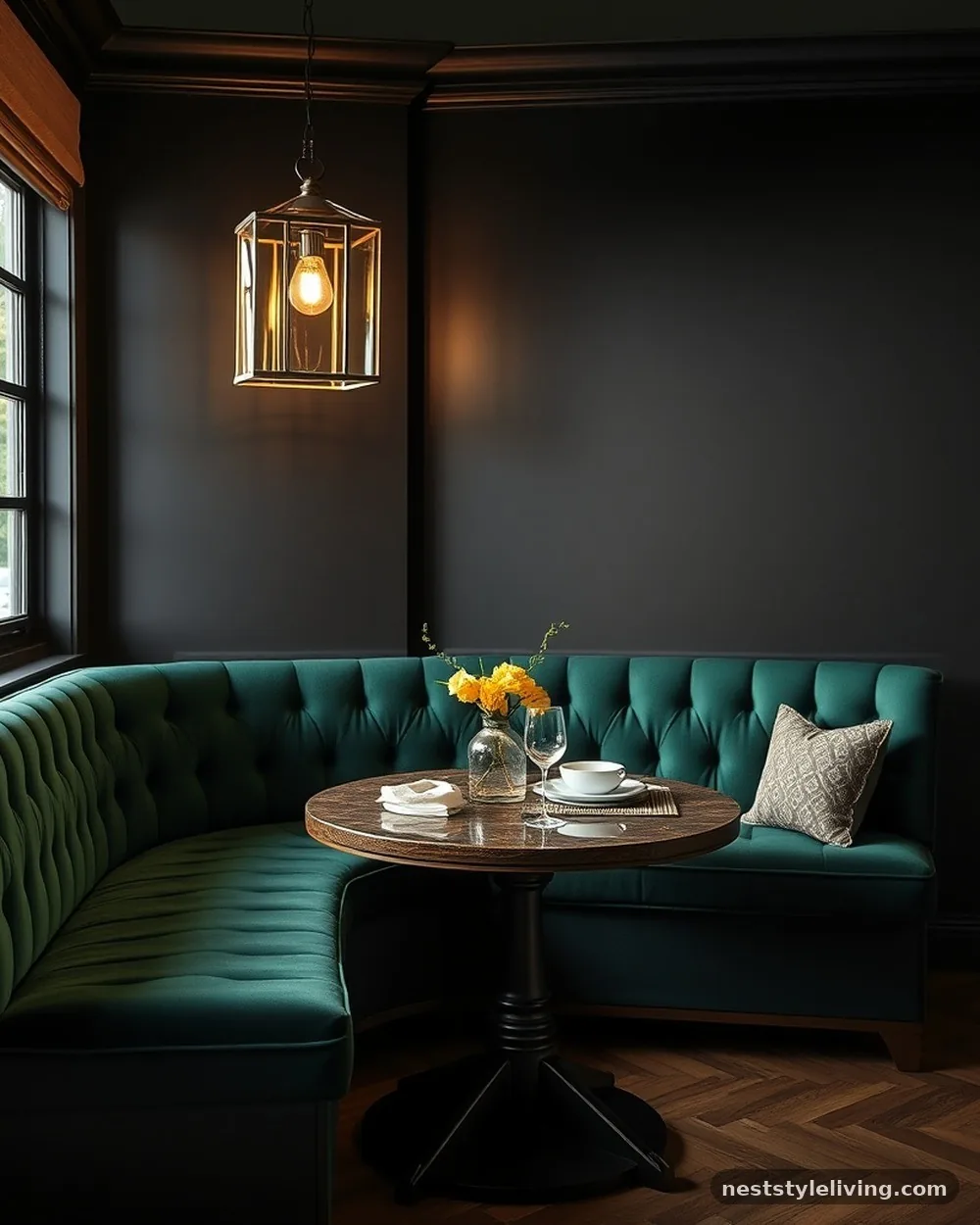
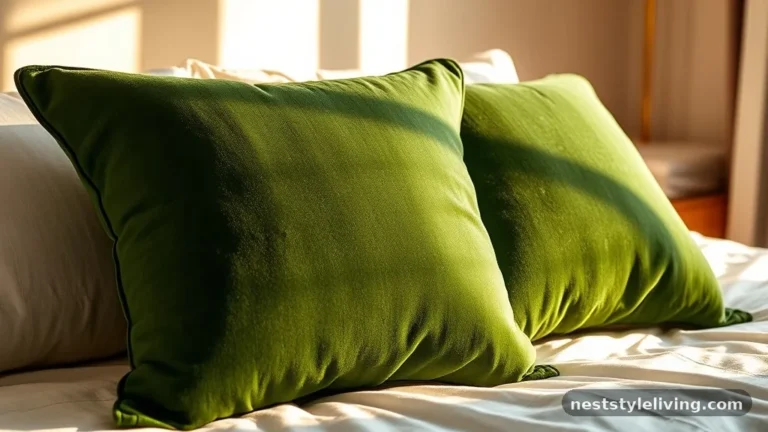
Nothing signals comfort quite like plush velvet, and incorporating it into a dining nook adds an immediate layer of luxury and depth. Velvet catches light differently than cotton or linen, creating a rich visual appeal that makes a breakfast nook feel like a private lounge. Choose a deep, saturated tone like emerald green, navy, or burnt orange to make the seating the focal point of the kitchen.
While velvet might seem high-maintenance, modern performance velvets are incredibly resistant to stains and wear, making them surprisingly practical for high-traffic dining areas. Keep the silhouette of the bench clean and streamlined to balance the softness of the fabric.
To maintain the finish, vacuum the seat regularly with a soft brush attachment and use a specialized upholstery cleaner to blot—never rub—any accidental spills immediately after they occur.
4. Pendant Light Cluster
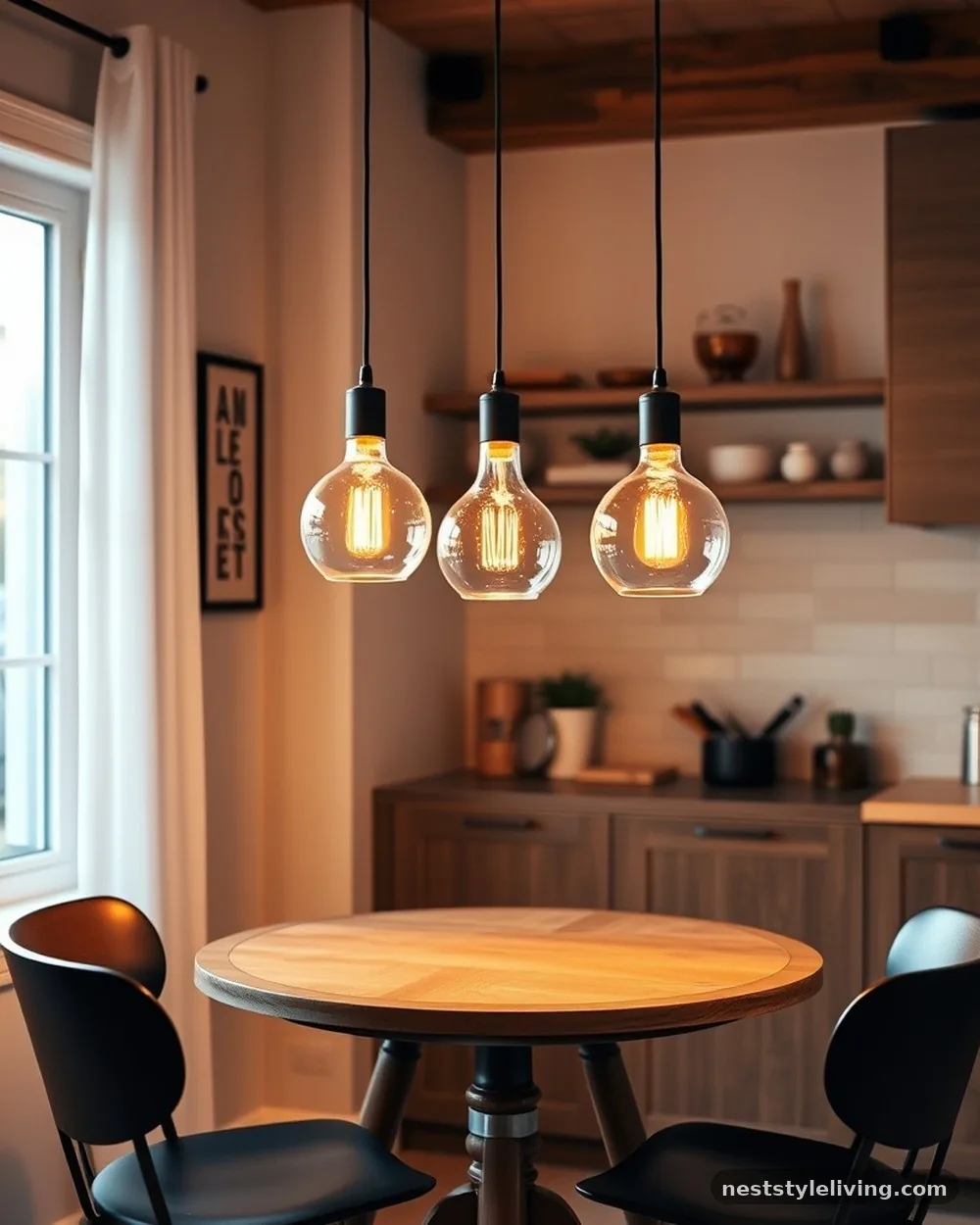
Lighting is the primary tool for defining a nook as its own distinct room within a larger space. A cluster of three small pendant lights at varying heights creates a sculptural, professional designer look that draws the eye downward toward the table. This technique works exceptionally well over a round table, as the organic shape of the lights complements the curve of the furniture.
Avoid standard overhead lighting; instead, use a dimmer switch to shift the mood from a bright, productive breakfast station to a moody, intimate dinner spot. The key is to hang the lowest pendant approximately 30 inches above the tabletop to avoid obstructing views.
Use pendants with different shade materials, such as frosted glass, matte metal, or woven rattan, to introduce texture to the dining area without needing to add extra floor-based decor.
5. Built-in Bookcase Integration
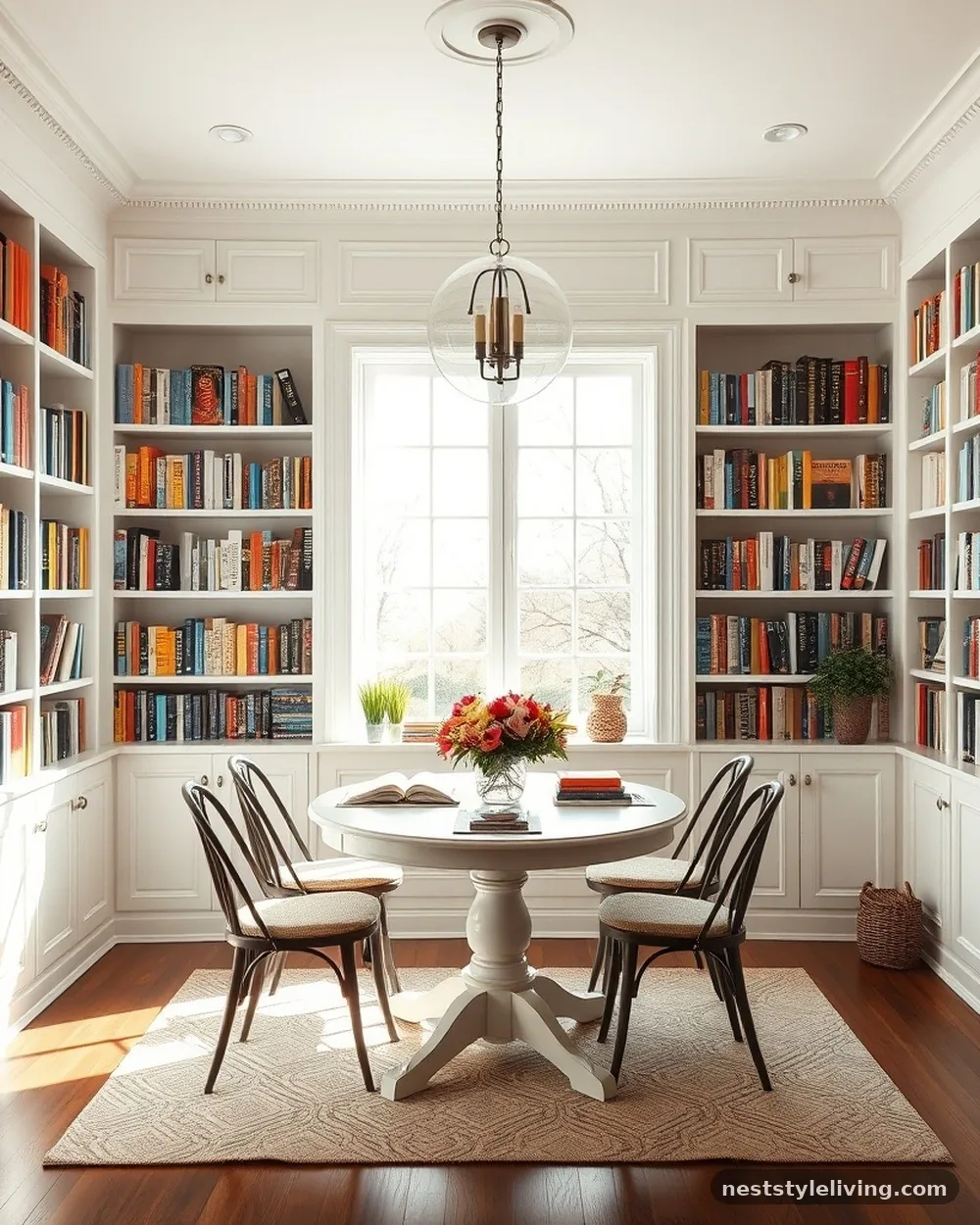
If your dining nook borders a wall, extending shelving into the surrounding space creates a cohesive, library-like atmosphere. By wrapping bookshelves around the seating area, you create a cozy “nook” that feels protected and intentional. This is an excellent way to display cookbooks, decorative ceramics, or glassware, effectively turning your dining area into a multi-functional space.
To keep the look stylish rather than cluttered, paint the shelving the same color as the walls to help the storage blend into the architecture. Ensure the bottom shelves are elevated to prevent them from interfering with the backrest of your seating.
Install the shelving so that the lowest shelf is at least 18 inches above the seat back to ensure you have enough room to sit comfortably without hitting your head or shoulder against the lower ledge.
6. Round Pedestal Table
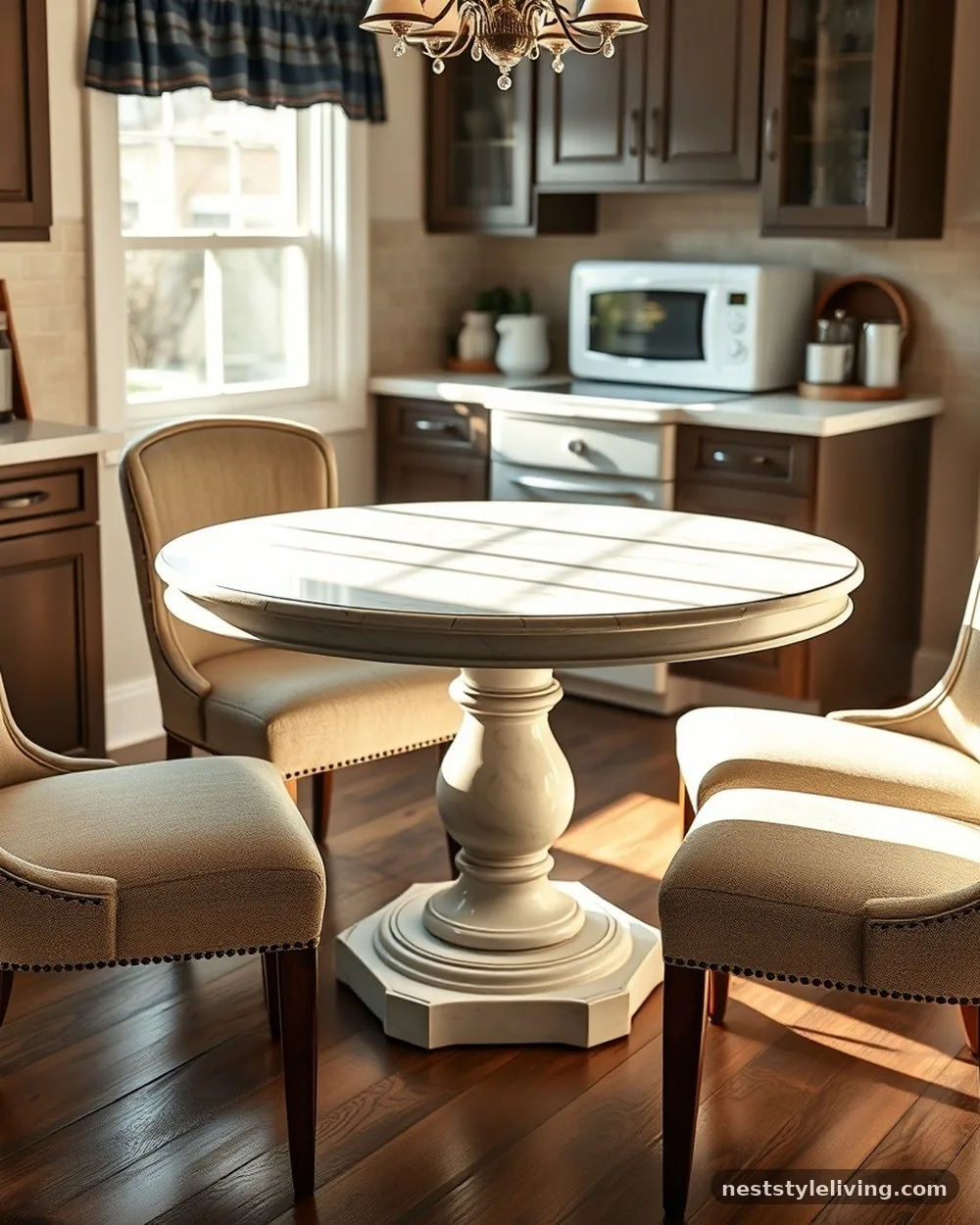
A round pedestal table is the most efficient choice for a small dining nook because it eliminates the sharp corners of a rectangular table, which improves traffic flow. The single central pedestal base allows for much more legroom than a four-legged table, making it easier to slide in and out of tight seating arrangements.
Visually, a round table breaks up the linear geometry of most kitchens, adding a soft, organic shape that feels welcoming. When selecting a pedestal table, look for a heavy base to ensure stability; a lightweight base can tip if someone leans on the edge of the table.
Pair the table with curved chairs that mirror the shape of the tabletop to create a harmonious silhouette that feels intentionally designed rather than like a collection of leftover furniture.
7. Gallery Wall Backdrop
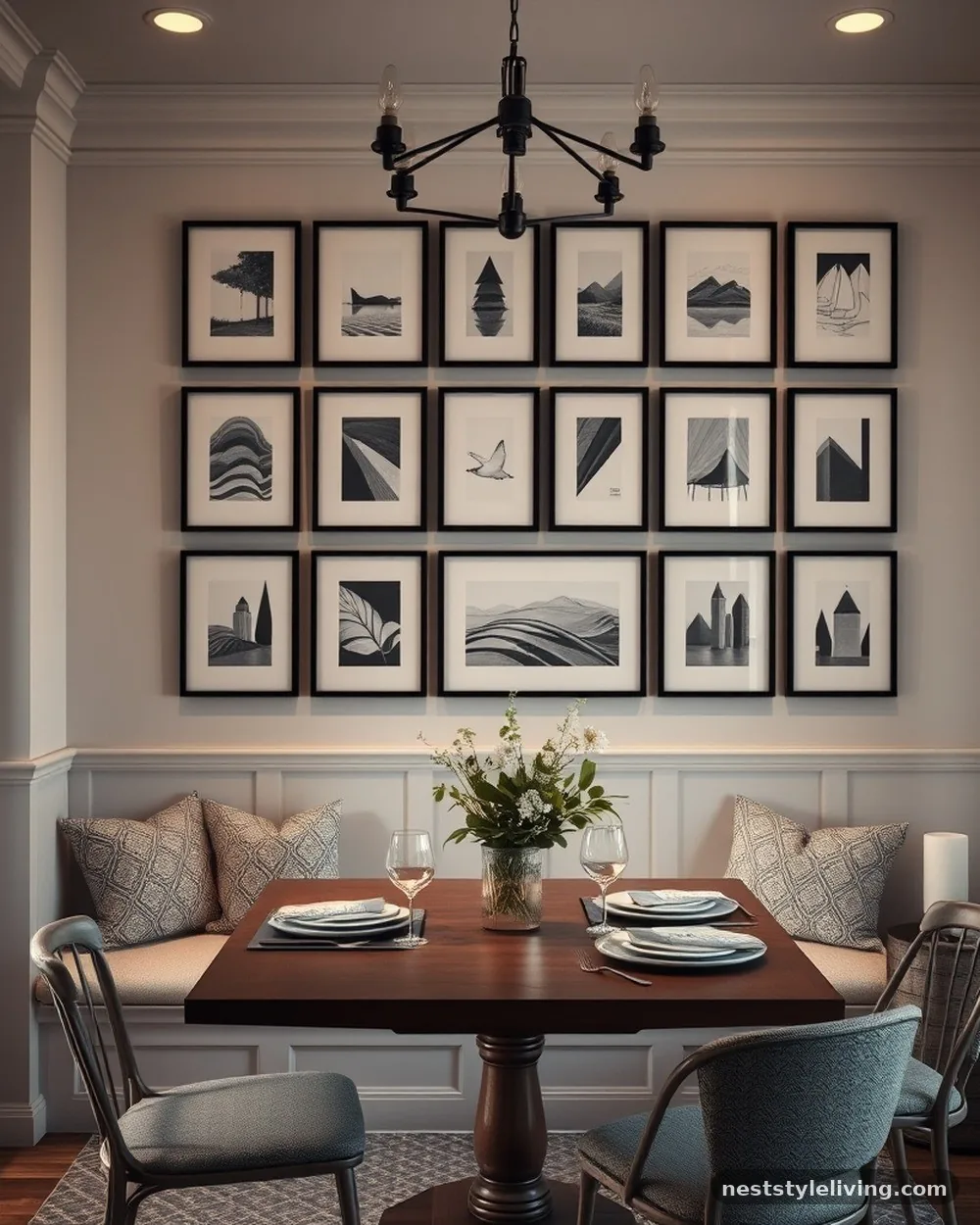
Since a dining nook is often a smaller, more intimate area, it serves as the perfect canvas for a focused gallery wall. Instead of spreading art throughout the entire house, concentrate your favorite framed prints, family photos, or mirrors on the wall directly behind the seating. This acts as a visual anchor, pulling the nook together and giving it a distinct identity.
To keep the look modern, choose frames in a consistent finish—like all matte black or all light wood—even if the art styles vary. This uniformity prevents the wall from feeling chaotic and ensures the dining area stays elegant.
Use picture rail molding or command strips to arrange your gallery without damaging the wall, allowing you to swap out prints seasonally to change the entire atmosphere of your breakfast space.
8. Slat Wood Wall Panelling
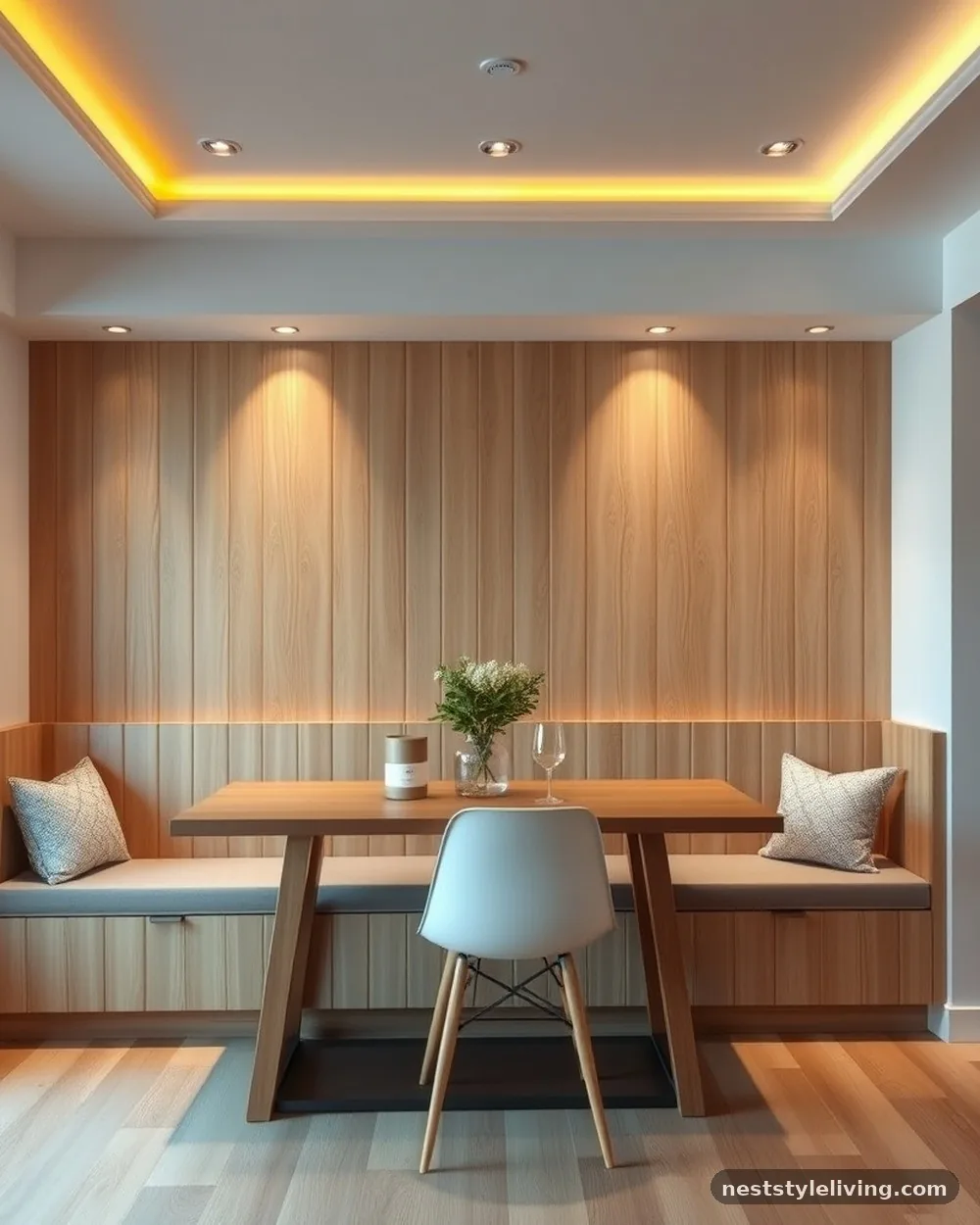
Vertical wood slats are a popular designer choice that adds texture, warmth, and a sense of vertical height to a dining nook. By installing slats behind your banquette, you create a sophisticated, tactile feature wall that acts as an acoustic buffer in a noisy kitchen. This is a great way to hide slight wall imperfections or uneven surfaces common in older houses.
Choose a light oak or walnut finish for a natural, Scandinavian-inspired look, or paint the slats a dark, moody charcoal to create a dramatic, high-end feel. The repeating lines of the slats draw the eye upward, making the ceiling feel higher.
When installing, use a pre-fabricated wood slat panel that comes on a felt backing; this makes the application much faster and provides additional sound absorption, which is ideal for a busy family kitchen.
9. Patterned Floor Tile Zonal Divider
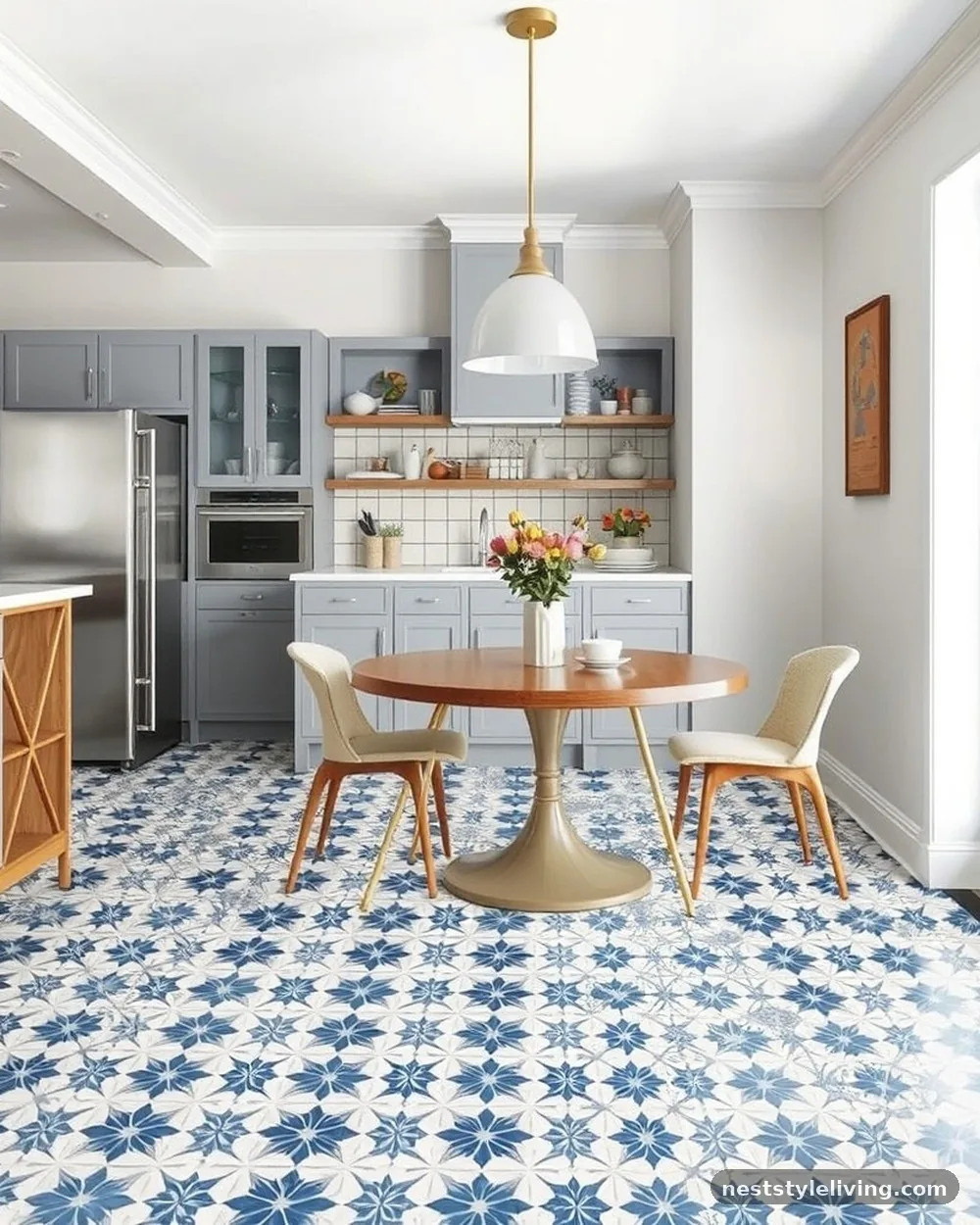
If your dining nook is part of an open-plan kitchen, you can visually separate the space without physical barriers by changing the flooring. Installing a bold, patterned encaustic tile just in the area under the table and chairs creates a “rug” effect that is durable and easy to clean. This defines the dining space as its own room while maintaining the flow of the open floor plan.
Choose a pattern with colors that tie into the rest of your kitchen cabinetry or accessories to ensure the transition feels intentional and cohesive. Because the tile is permanent, it’s a great way to inject personality into a neutral home.
Choose a matte-finish porcelain tile for the best durability, as it will handle dropped silverware and chair movement far better than a glossy glaze or natural stone that might scratch or chip over time.
10. Mixed Seating Arrangements
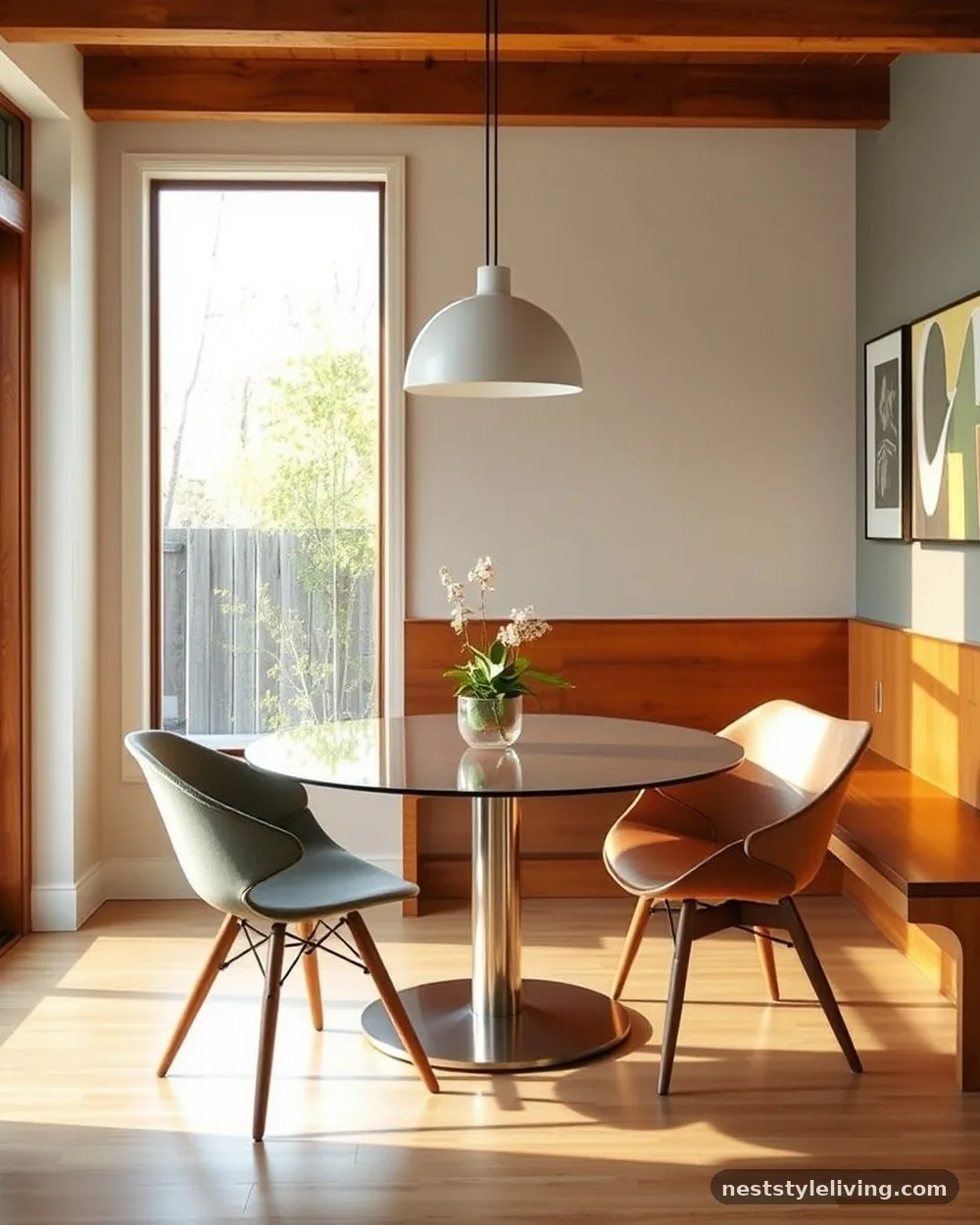
For a less formal, more curated look, avoid the matching set and mix your seating styles. Combine a built-in banquette on one side with two sculptural dining chairs on the opposite side. This layout feels more like a chic café than a rigid dining room, allowing for a more flexible and relaxed dining experience.
The key to making this work is to ensure the heights are compatible; make sure the chairs have a seat height that aligns comfortably with the table, even if the banquette is slightly lower. Using different styles of seating also allows you to introduce different textures, such as wood, metal, and upholstery, in one compact area.
When mixing chairs, keep a common thread—such as a shared color palette or a similar material finish—to ensure the arrangement looks like a thoughtful design choice rather than a random assortment of leftovers.
11. Hidden Storage Drawers
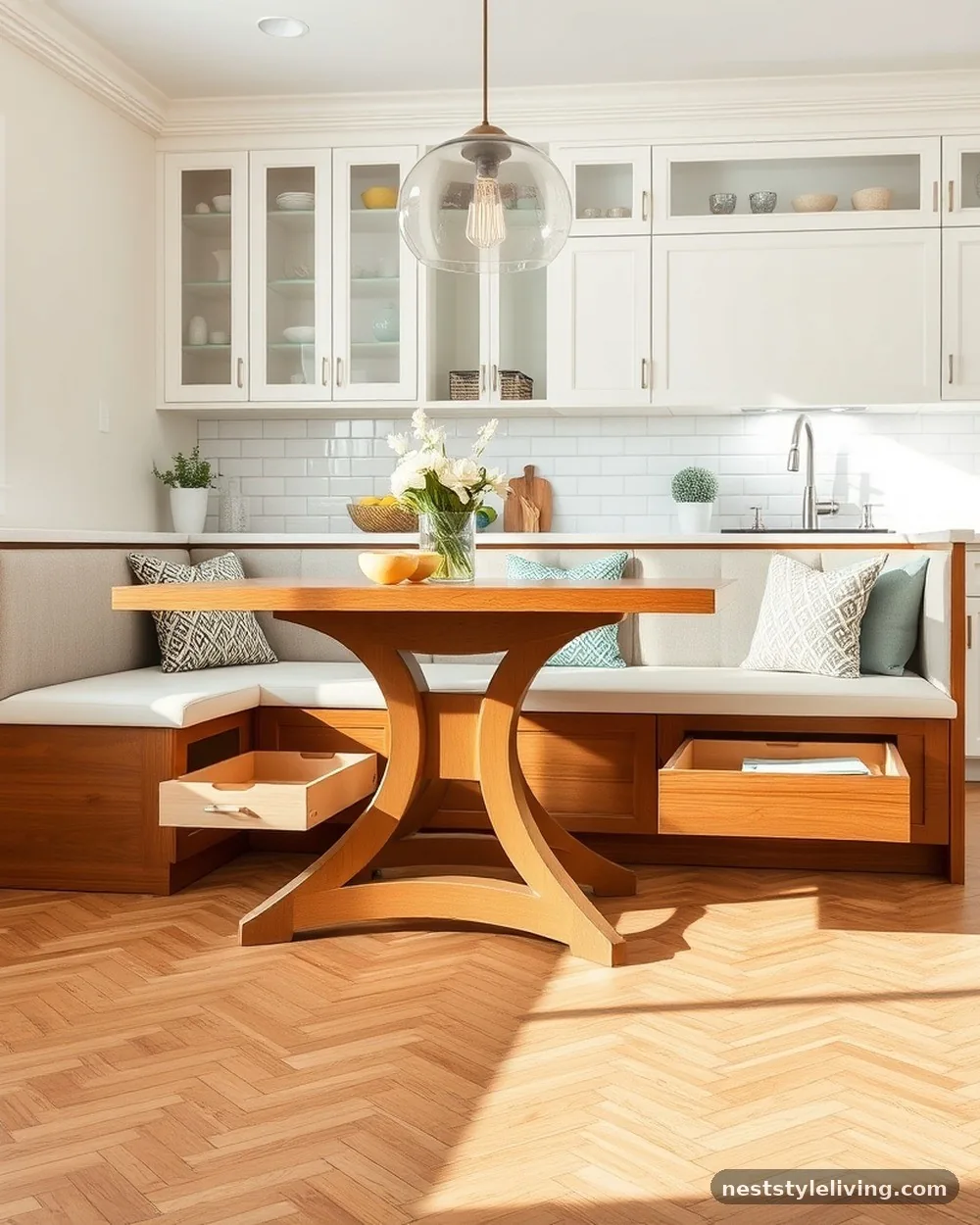
Maximize the footprint of your dining nook by incorporating drawers into the base of your banquette rather than just a top-hinged lid. Drawers are significantly more functional because they allow you to access items without clearing off the table or moving the seat cushions.
This is the perfect place to store heavy items like serving platters, extra placemats, or even board games for family nights. When designing the drawers, use soft-close glides to ensure they operate smoothly and don’t slam shut, which is especially important if you have children in the house.
Ensure the drawer fronts are finished with a durable, wipeable surface like cabinet-grade paint or a high-pressure laminate so that scuff marks from shoes and vacuums can be cleaned off easily.
12. Window Seat Nook
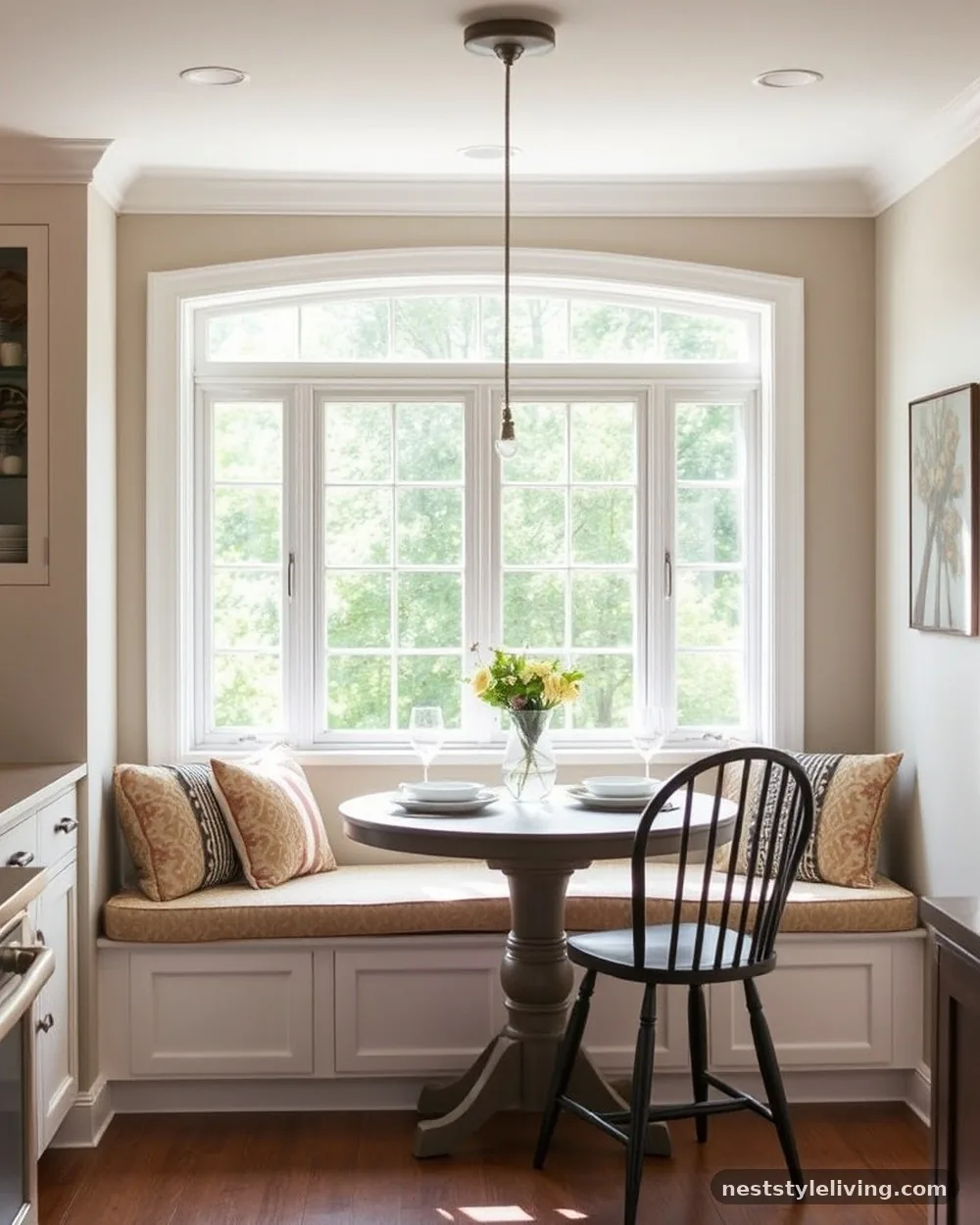
If you have a window in your kitchen or breakfast area, build your dining nook directly underneath it to take advantage of natural light. A window seat provides an unbeatable view and makes the space feel airy and open, even if the nook itself is small.
Frame the window with simple, tailored Roman shades rather than long curtains to keep the area functional and prevent fabric from getting caught in the seating or table. This layout is especially effective in small houses where you want to emphasize the connection between the indoors and the outdoors.
To enhance the comfort of a window-side nook, use a custom-cut foam cushion upholstered in a fade-resistant fabric, as prolonged exposure to direct sunlight can bleach standard fabrics over time.
13. Matte Black Accents
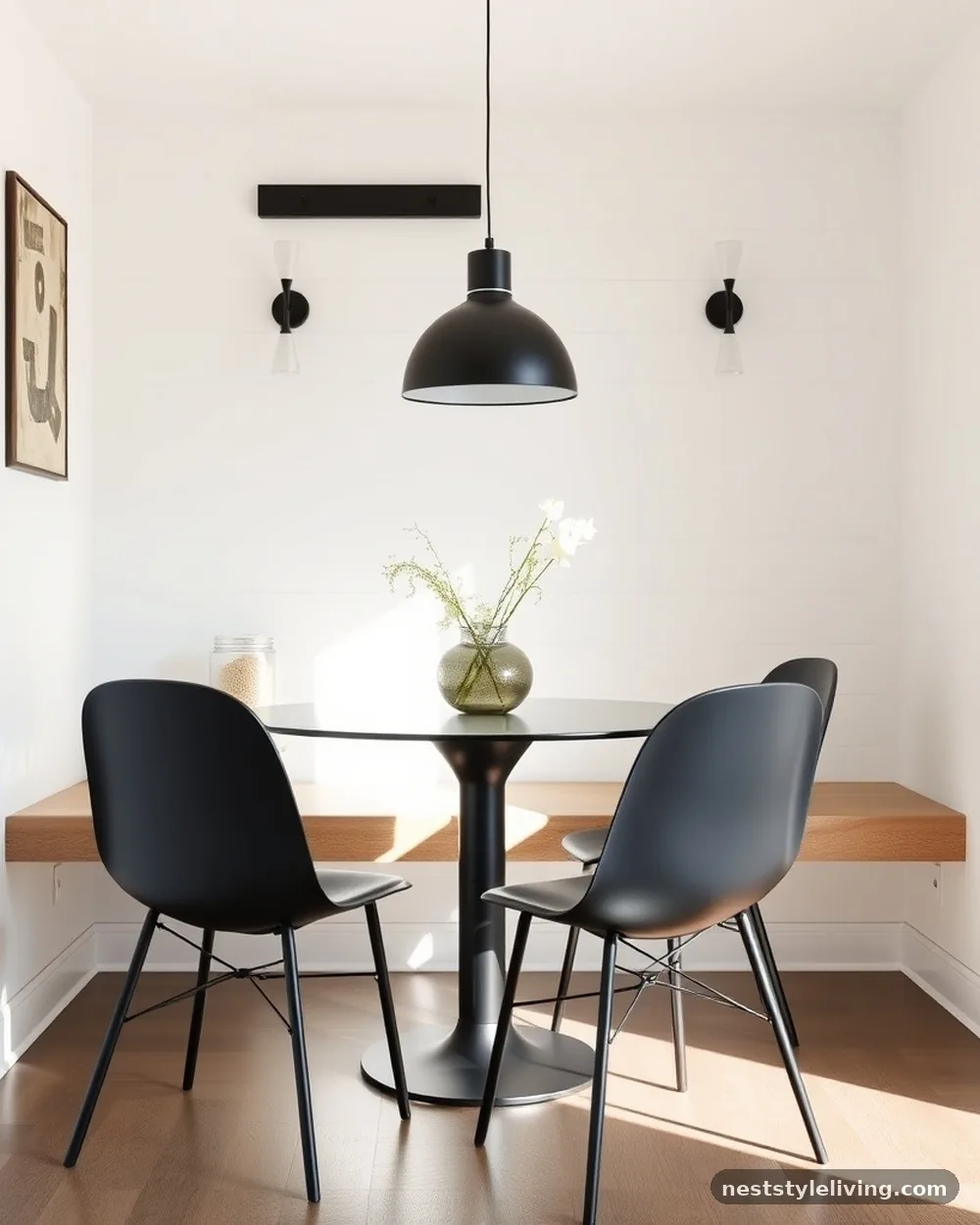
Introducing matte black elements is a fast way to give a dining nook a modern, edgy, and high-end feel. Use black for the metal legs of your table, the frames of your chairs, or even the hardware on your built-in storage. This sharp contrast works beautifully against almost any color, from soft whites and neutrals to bold, dark greens or blues.
Matte black is also highly forgiving, as it doesn’t show fingerprints or water spots as easily as polished chrome or nickel. The key is to distribute the black finish in at least three places around the nook so that the color feels intentionally placed.
Apply matte black spray paint to existing hardware or table legs for an budget-friendly update, but ensure you use a high-quality primer first to guarantee the finish adheres and resists chipping during daily use.
14. Wall-to-Wall Upholstered Cushion
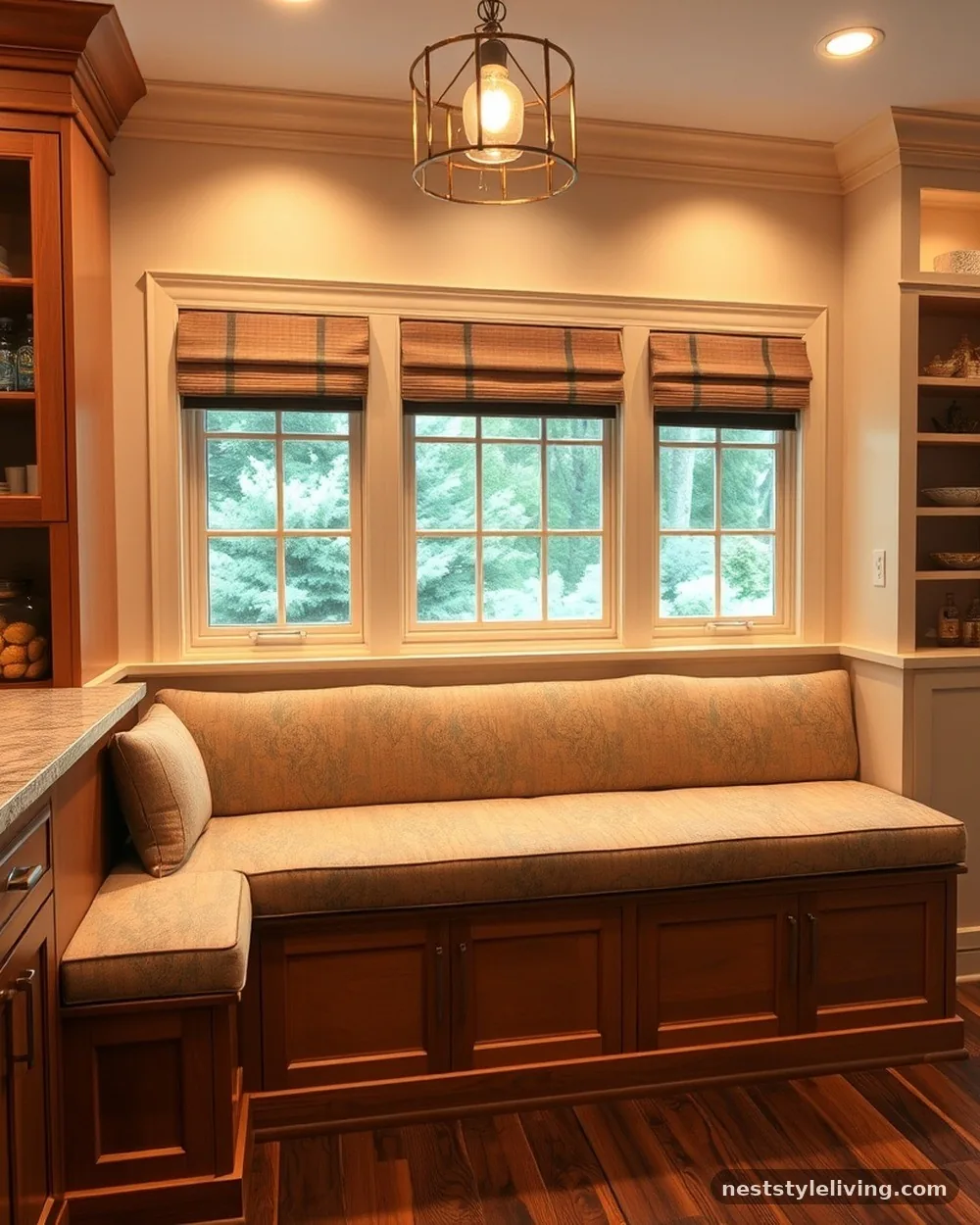
A single, long, continuous cushion that runs the entire length of your banquette provides a streamlined, professional look that eliminates the gaps between individual seat cushions. This makes the nook look custom-built and much more expensive than a collection of separate pieces.
Choose a durable, stain-resistant fabric like outdoor-rated canvas or treated linen, which can stand up to the spills that inevitably happen near a dining table. By using one long piece, you also make the bench much more comfortable, as there are no seams or ridges to sit on during long meals.
Attach the cushion to the bench using heavy-duty Velcro strips, which keep it from sliding around while still allowing you to easily remove it for deep cleaning or seasonal fabric changes.
15. Neutral Monochromatic Palette
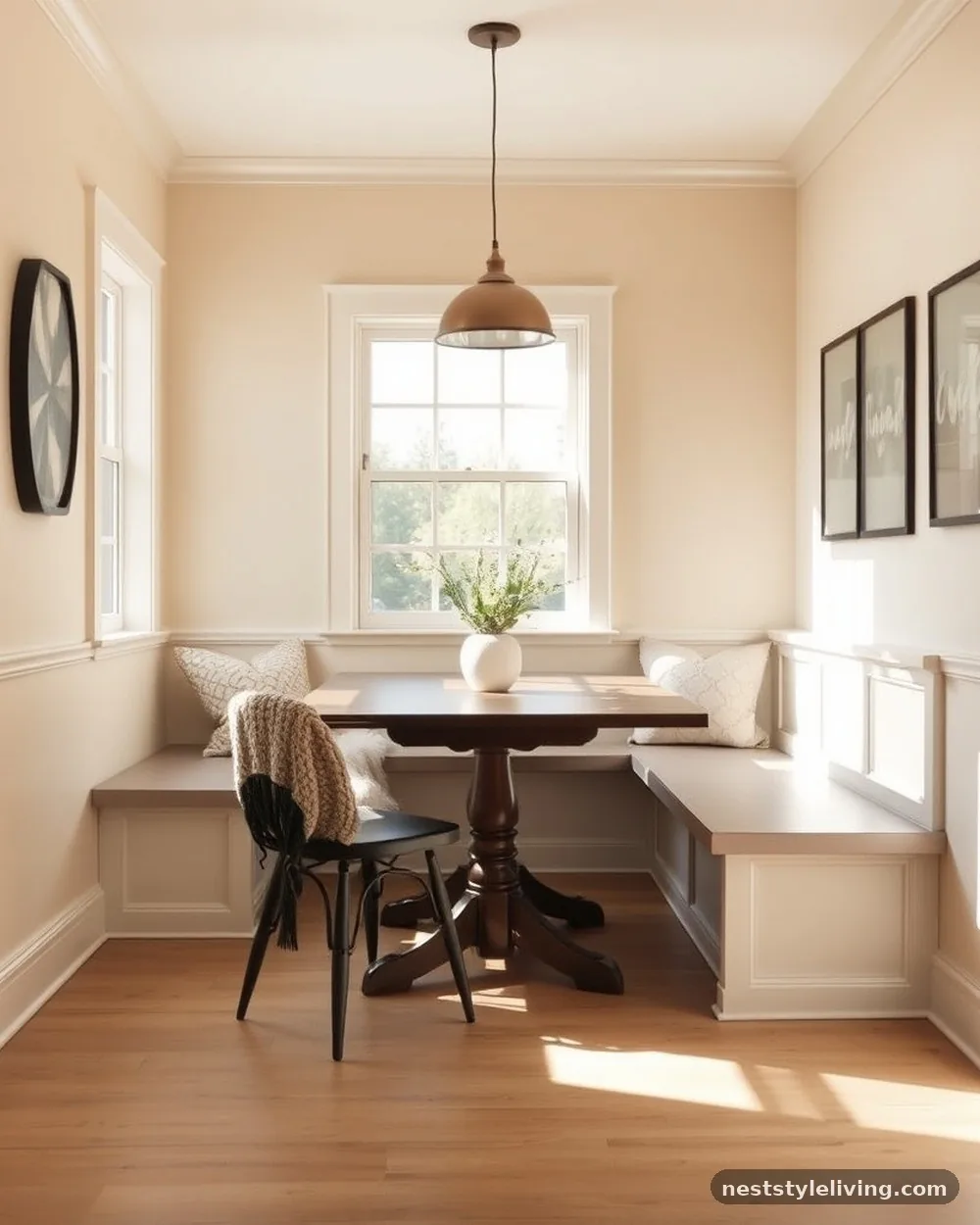
If your dining nook is part of a busy kitchen, a monochromatic color scheme can make the space feel calm and integrated rather than like a cluttered add-on. By painting the walls, the banquette base, and the trim the same shade of cream, warm white, or soft gray, you blur the boundaries of the nook and make the space feel larger.
Introduce interest through texture—a chunky knit blanket, a wood-grain table, or a ceramic light fixture—rather than through color. This approach is timeless and ensures your dining area remains a stylish, peaceful retreat for years to come.
To keep a monochromatic space from feeling flat, vary the sheens of your paint; use a matte finish for the walls to hide imperfections and a satin or semi-gloss finish for the banquette base to make it easier to wipe away scuffs.
Frequently Asked Questions
What are the best materials for a dining nook that sees daily use?
Prioritize high-performance fabrics for upholstery, such as solution-dyed acrylic or commercial-grade vinyl, which resist stains and fading. For tables, solid wood treated with a matte polyurethane or a high-pressure laminate surface will withstand heat and moisture better than delicate veneers or soft natural stones like marble.
How do I make a small dining nook feel larger?
Use furniture with legs rather than solid bases to allow light to travel underneath the seating. Incorporating a mirror on the wall behind the nook can also double the visual depth of the space. Finally, keep your color palette light and consistent with the surrounding kitchen to prevent the nook from feeling like a separate, cramped box.
What is the ideal table height for a built-in banquette?
A standard dining table height is 29 to 30 inches, which works perfectly with most standard dining chairs. When pairing a table with a built-in bench, ensure the seat height of your bench is approximately 18 inches. This leaves 11 to 12 inches of clearance between the seat and the underside of the table, which is the ergonomic sweet spot for comfortable leg movement.
Can a dining nook work in an open-concept house without walls?
Yes, you can define a nook without walls by using a rug to anchor the furniture or by installing a dedicated lighting fixture that hangs low over the table. Positioning the back of a banquette toward the rest of the room acts as a subtle room divider, creating a sense of enclosure without blocking the flow of the house.
How do I avoid common dining nook design mistakes?
The most common mistake is failing to account for enough “scoot” room, which is the space required to slide in and out of the seat. Always leave at least 18 to 24 inches of clearance between the edge of the table and the bench to ensure guests aren’t trapped. Also, avoid placing the nook in a high-traffic walkway where people will constantly bump into the table.
Final Thoughts
Creating the perfect dining nook is about balancing the practical needs of your daily routine with the aesthetic desires of your home. By focusing on smart, space-saving layouts and durable, tactile materials, you can build a corner that invites conversation and comfort. Whether you choose a sleek floating table or a plush, velvet-upholstered banquette, these dining nook ideas for a cozy and stylish home provide a roadmap for maximizing your house’s potential.
Start by identifying your most underutilized corner, clear the clutter, and apply these design principles to transform your space. We invite you to share your favorite nook transformation and join the conversation as you continue refining the most functional spots in your residence.