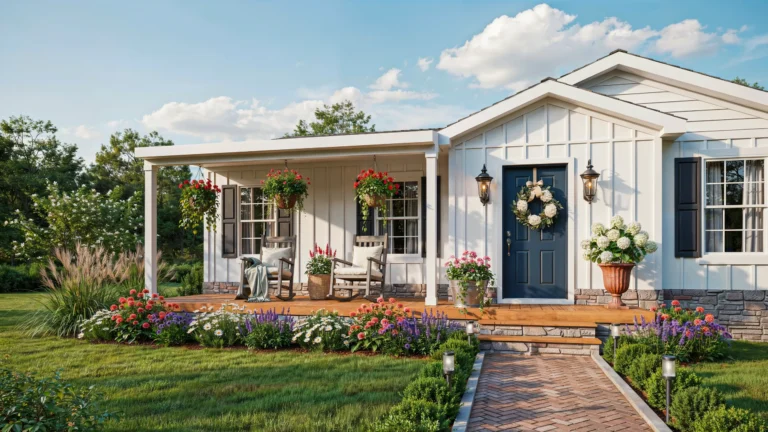
17 Deck Skirting Ideas That Instantly Elevate Your Yard
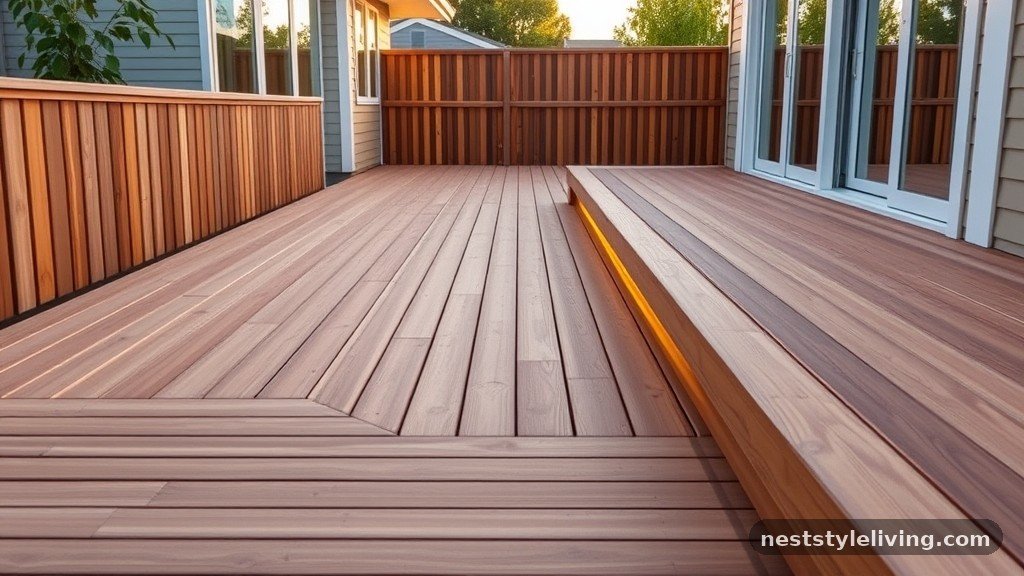
Transforming the area beneath your outdoor structure is one of the most effective ways to improve your home’s exterior aesthetic. Choosing the right deck skirting ideas that instantly elevate your yard requires balancing durability with visual appeal, as these panels must withstand direct contact with soil and moisture.
Whether you want to hide storage, prevent pests from nesting, or simply create a polished foundation for your living space, the materials you select define the overall character of your backyard. This collection of designs helps you visualize how different textures and patterns integrate with your existing architecture to create a cohesive, professional finish.
1. Horizontal Cedar Slats
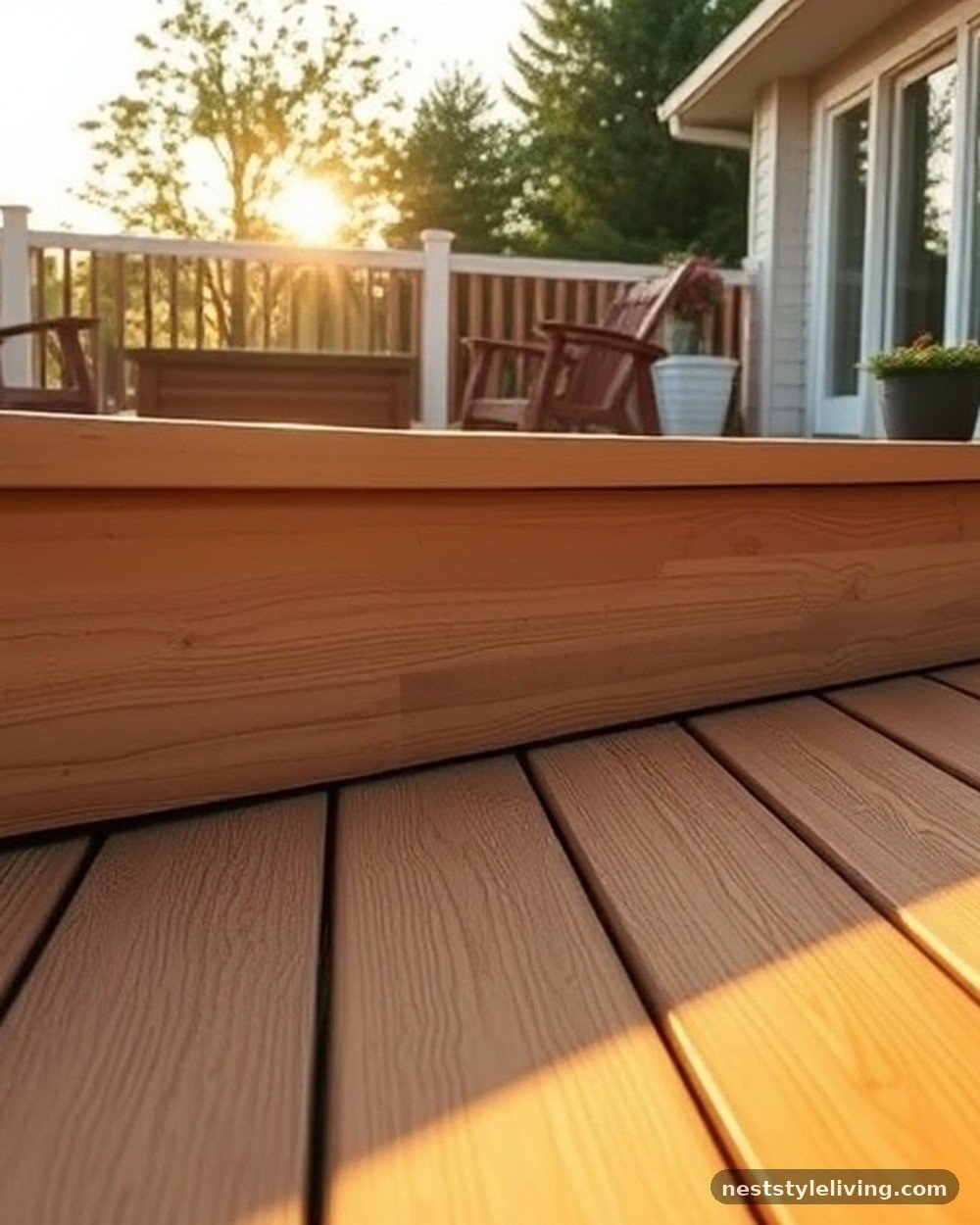
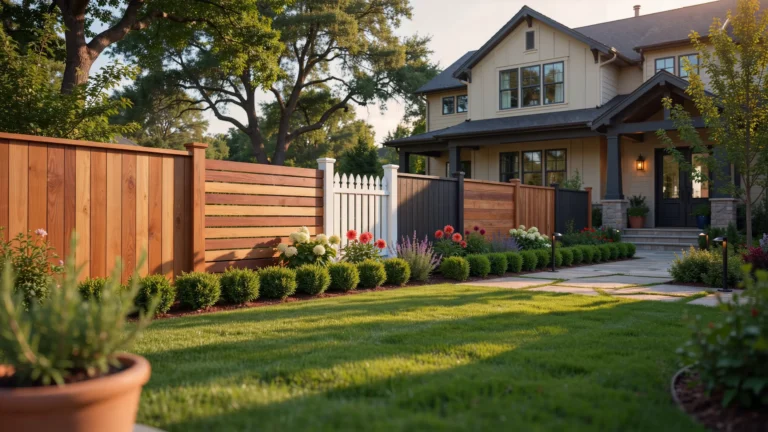
Horizontal cedar slats create a clean, contemporary look that mimics the lines of modern architecture. By spacing the boards with a small gap, you maintain essential airflow while obscuring the dark, hollow space underneath the deck.
Cedar is naturally resistant to decay and insects, making it a functional choice for ground-level contact. The warm, reddish-brown hues of the wood provide a soft contrast against greenery, especially as the material ages to a subtle silvery-grey over time.
To achieve this look, install a pressure-treated wood frame around the perimeter of the deck base. Use spacers—a simple scrap piece of wood cut to your desired gap width—to ensure every board is installed with identical spacing for a professional, uniform appearance.
2. Geometric Lattice Panels
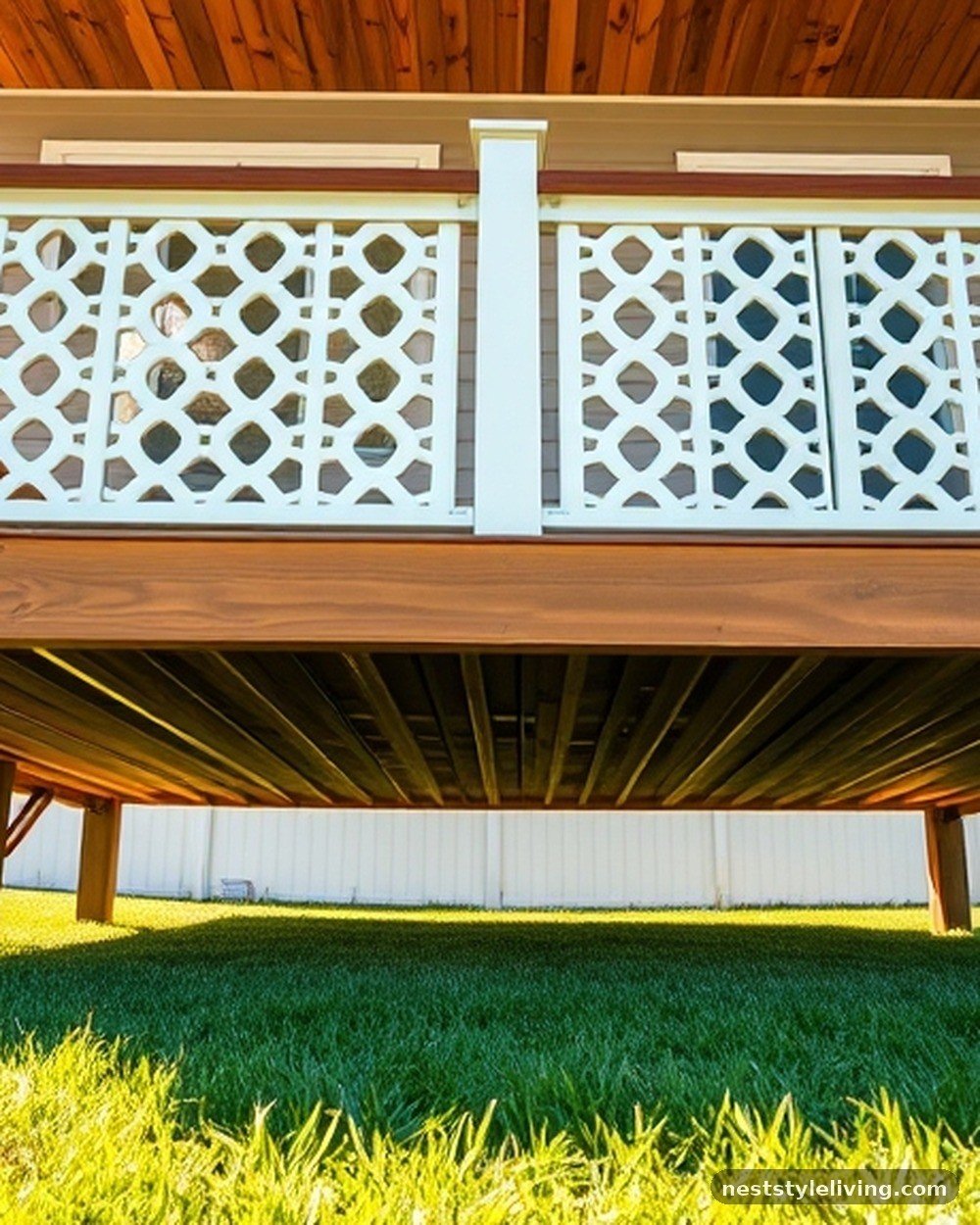
Traditional lattice often feels dated, but modern geometric patterns update the concept for a contemporary yard. Instead of the standard square grid, look for diagonal, hexagonal, or Moroccan-inspired patterns that add visual interest to the foundation.
These panels are typically made from maintenance-free vinyl or high-density polyethylene, which resist rot and never require painting or staining. They are particularly effective when you want to allow maximum light and air circulation under the structure.
When installing these, secure them to a wood or metal frame using color-matched screws or hidden fasteners. If the ground is uneven, trim the bottom edge of the panels to follow the slope of the yard rather than leaving unsightly gaps at the bottom.
3. Vertical Composite Boards
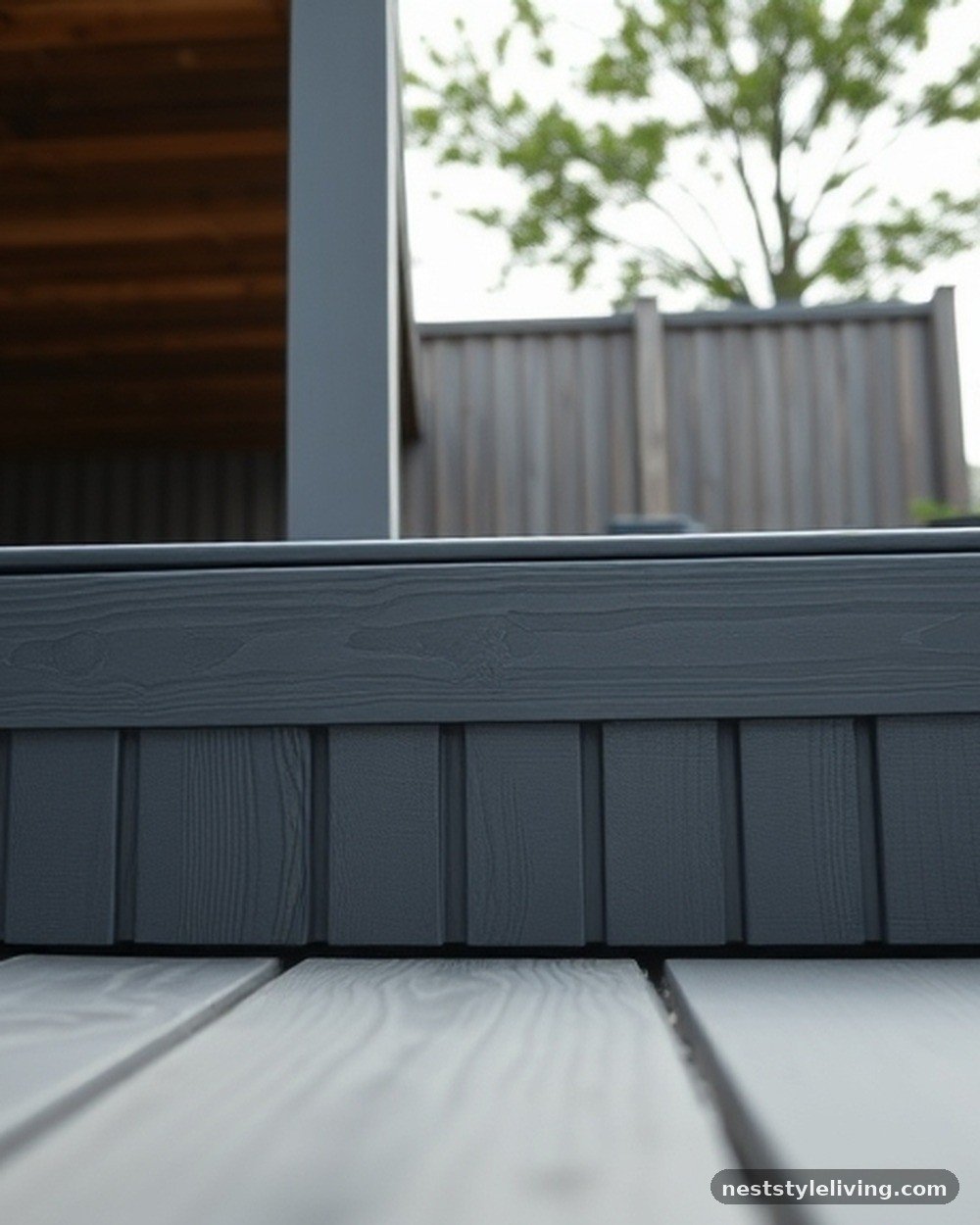
Composite decking materials offer extreme longevity, and using them for skirting ensures the base matches your deck surface perfectly. Installing these boards vertically creates a tall, sleek profile that makes the deck appear more grounded and substantial. Because composite is non-porous, it won’t warp or splinter when exposed to rain or damp soil, making it a smart long-term investment for low-clearance decks.
Use a hidden fastener system if you want a completely smooth, screw-free look. Ensure you leave a small gap at the bottom, roughly one inch, to prevent the material from wicking moisture directly from the ground or becoming submerged during heavy rainfall.
4. Natural Stone Veneer
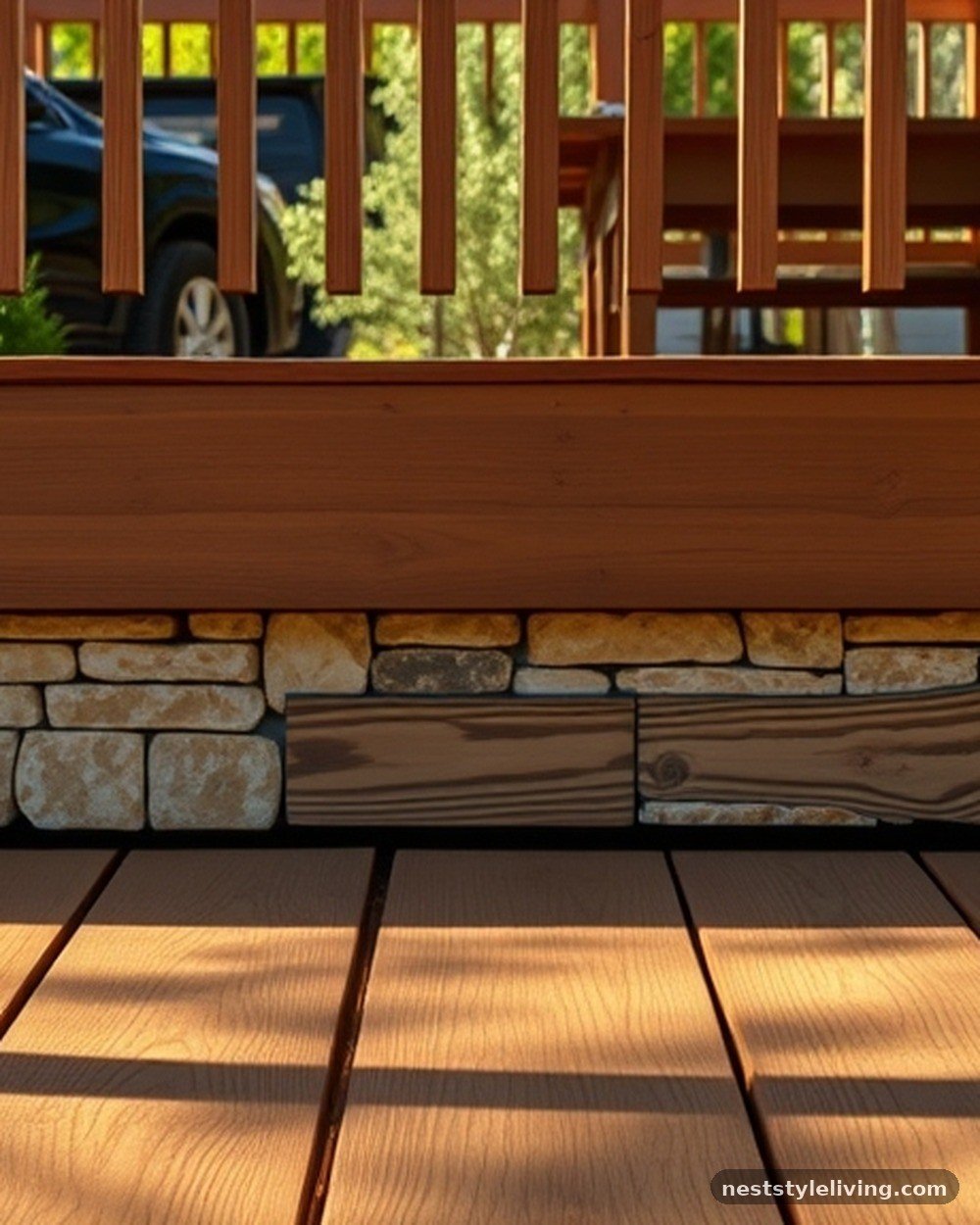
Stone veneer provides a heavy, permanent appearance that anchors a deck to the landscape. By applying thin, lightweight stone panels to a concrete backer board, you get the look of a solid masonry wall without the structural engineering requirements of real rock. This design works exceptionally well for homes with existing stone accents, creating a sense of unity between the house and the outdoor living area.
To install this, you must first build a solid frame and attach cement board as a substrate. Use a high-quality masonry adhesive to secure the stone pieces, and finish the joints with mortar to create a seamless, professional masonry finish.
5. Corrugated Metal Sheeting
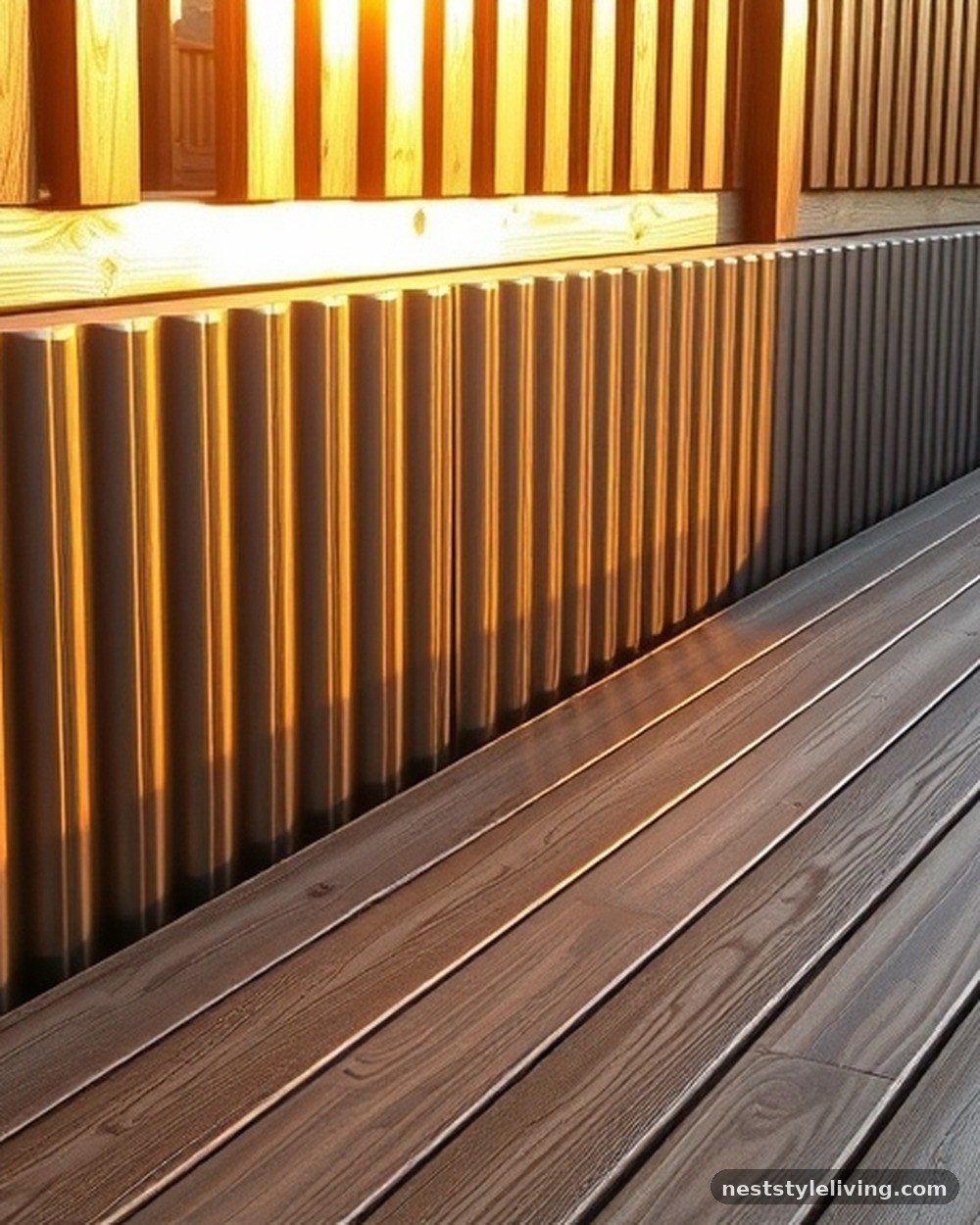
Corrugated metal offers an industrial, edgy aesthetic that stands out in a backyard setting. The texture of the ridges catches the light, while the metallic finish provides a stark, modern contrast to wood decking and soft garden beds. Galvanized steel is the most common choice, as it resists corrosion and develops a rugged, weathered patina that works well in rustic or minimalist garden designs.
Cut the panels to the desired height using a metal-cutting blade on a circular saw or a pair of heavy-duty tin snips. Always use rubber-gasketed roofing screws to secure the sheets, as these prevent water from entering the screw holes and causing rust streaks on your skirting.
6. Living Hedge Screen
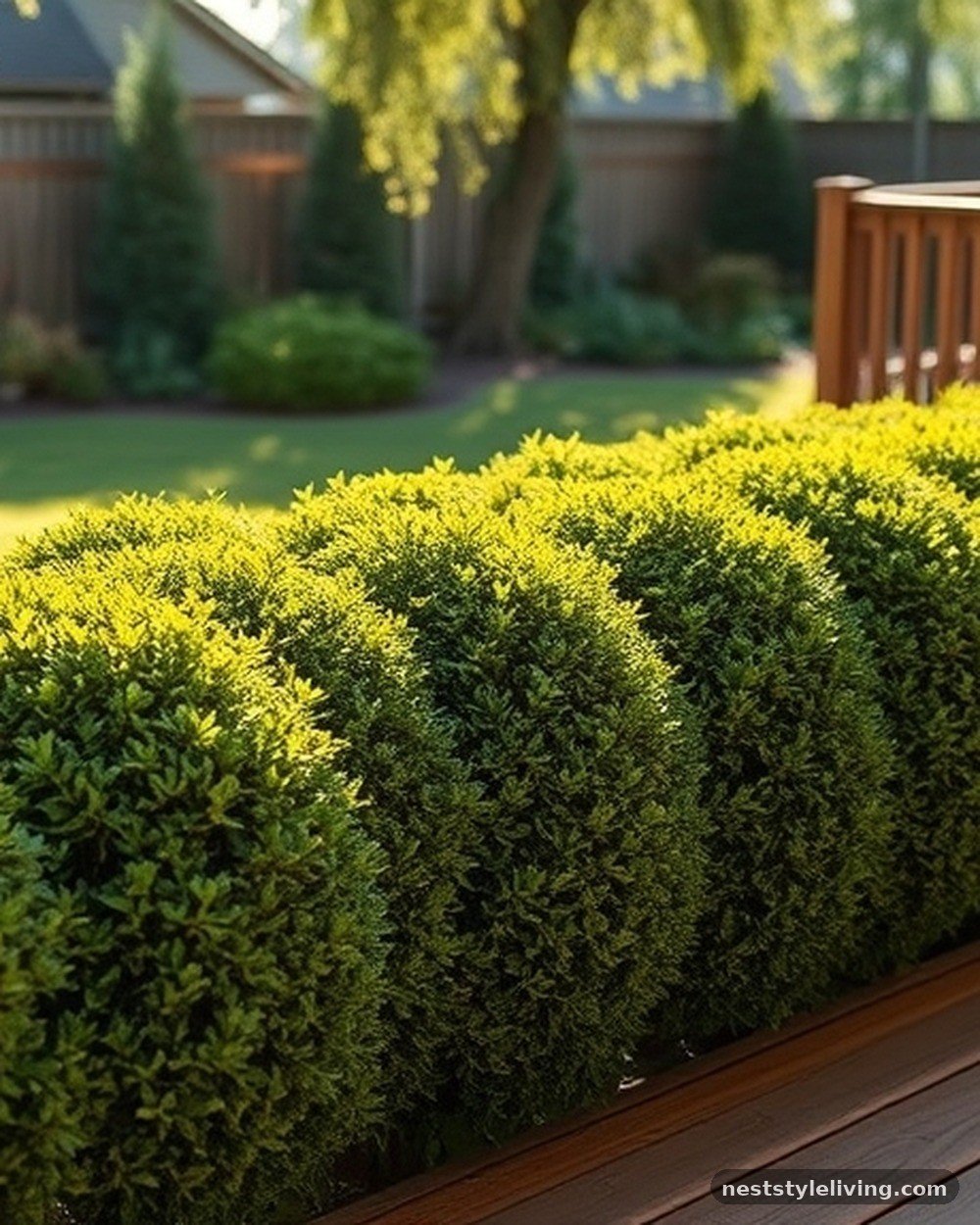
If you prefer a soft, organic look, planting a thick hedge directly in front of your deck opening serves as a natural, breathing screen. Boxwood, yew, or privet work well because they can be clipped into tight, formal shapes that mimic the lines of a wall. This approach requires patience as the plants mature, but it offers the best integration with your landscape design.
Choose plants that are shade-tolerant, as the area directly under the deck will receive limited sunlight. Install a drip irrigation line behind the plants to ensure they receive consistent moisture, as the deck overhang will prevent natural rainfall from reaching the root zone.
7. Decorative Laser-Cut Metal
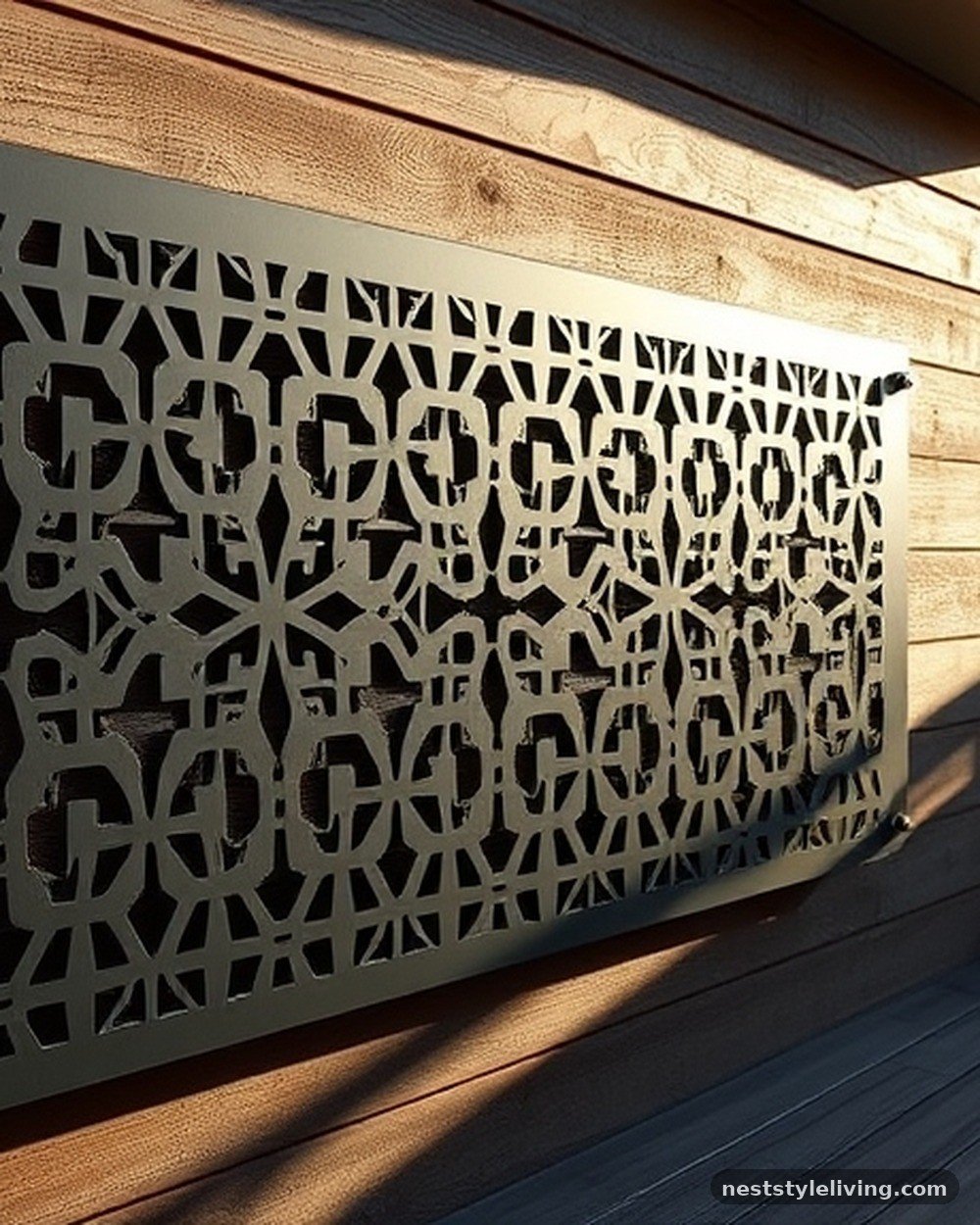
Laser-cut metal panels allow you to introduce intricate, artistic patterns into your yard. From abstract geometric shapes to organic leaf motifs, these steel panels act as a focal point rather than just a functional barrier. Because they are precision-cut, they offer high structural integrity while maintaining a lightweight profile that is easy to install and replace if your design tastes change.
Look for panels powder-coated in matte black or charcoal gray for a high-end look. Mount them using standoff brackets, which hold the metal slightly away from the frame, creating a sense of depth and allowing for interesting shadow play throughout the day.
8. Reclaimed Barn Wood
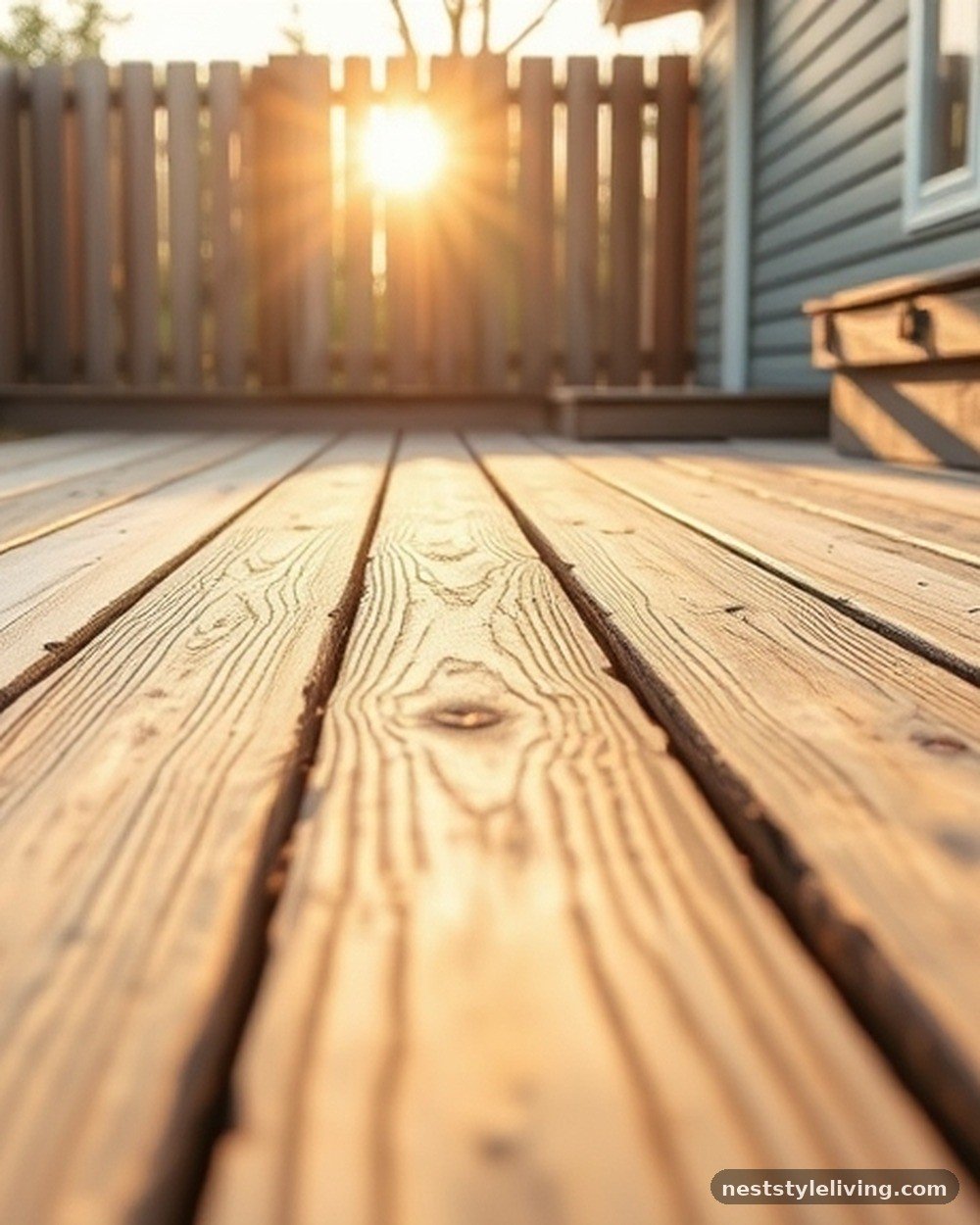
Reclaimed wood adds history and texture to a yard that new materials cannot replicate. The grey, weathered surface and natural imperfections provide a cozy, rustic feel that fits perfectly in cottage-style gardens. Because this wood is already seasoned, it is often more stable than fresh lumber, though you should treat the back side with a wood preservative before installation to prevent rot where it touches the ground.
Source your wood from local salvage yards or architectural recycling centers to find boards with unique character. When installing, vary the widths of the boards to create a “ship-lap” or “random-width” pattern that feels authentic and custom-made.
9. Stacked Slate Tiles
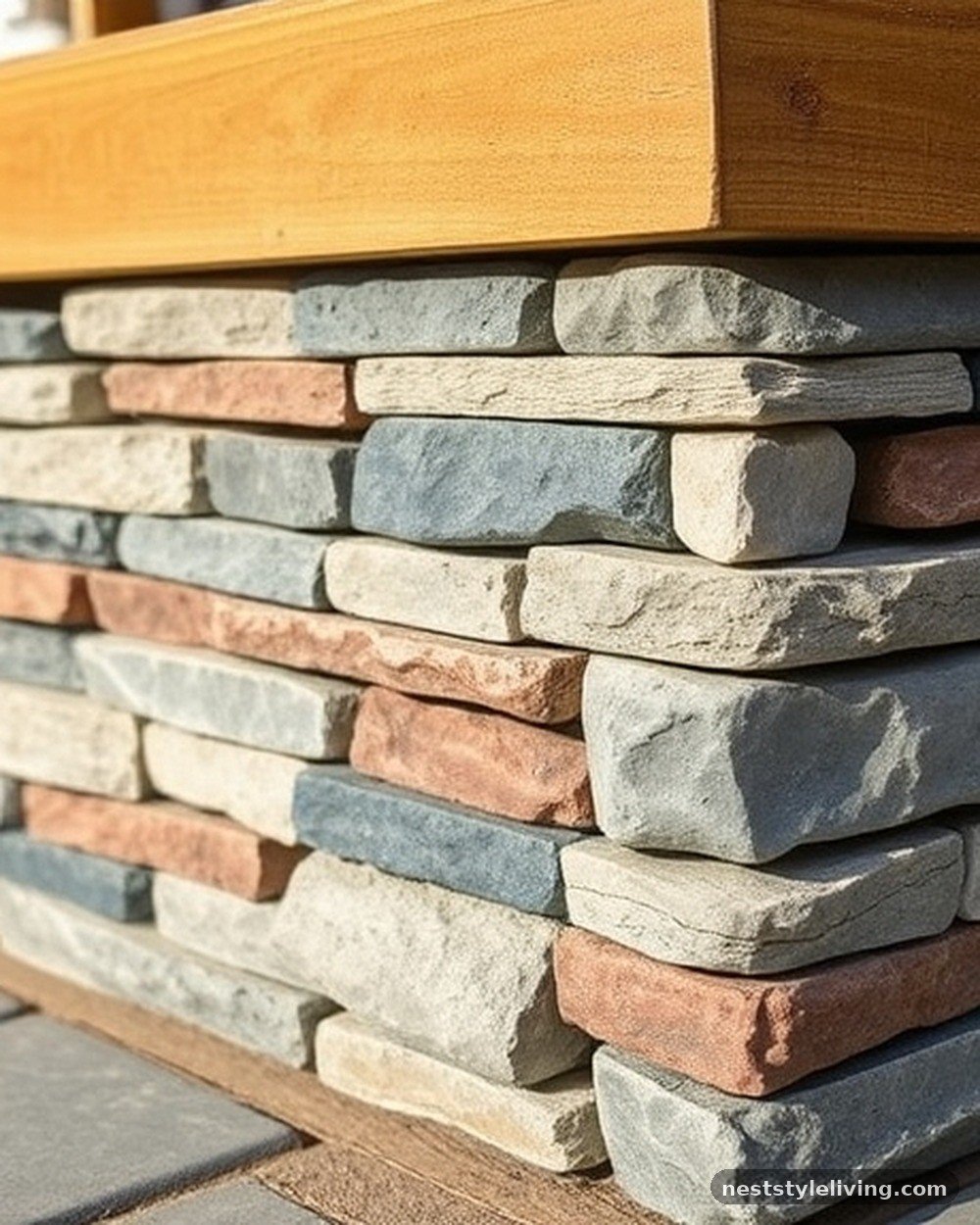
Stacked slate creates a sophisticated, textured barrier that looks expensive and well-crafted. The variations in color—from deep blues and greys to rust-toned accents—add depth that flat materials lack. This is an excellent choice for elevated decks where the skirting is highly visible from the yard, as it provides a refined, finished look that elevates the entire structure.
Use pre-fabricated slate ledger panels, which are glued together in a zigzag pattern to make installation faster. Apply these over a sealed plywood or fiber-cement board frame using exterior-grade thin-set mortar for a permanent, weather-resistant finish.
10. Weathered Steel (Corten)
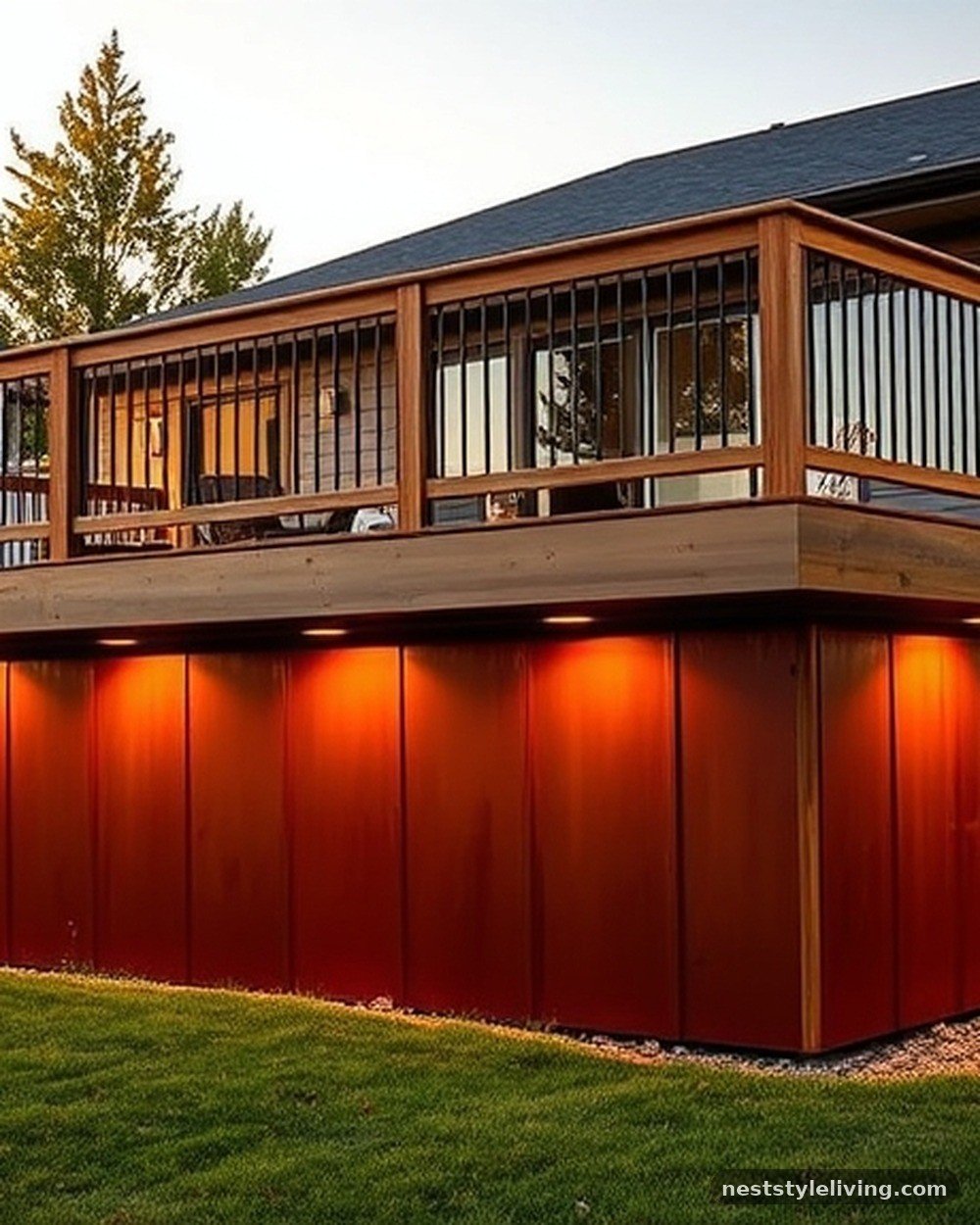
Corten steel is designed to rust, forming a protective outer layer that prevents further corrosion. This orange-brown, earthy aesthetic is perfect for modern yards and creates a beautiful contrast against green grass or white gravel. It is a maintenance-free material that only looks better as it ages, making it one of the most durable deck skirting ideas that instantly elevate your yard.
Order custom-cut sheets from a metal fabrication shop to ensure they fit your deck dimensions perfectly. Allow the steel to weather for a few weeks before installing it near white concrete or porous stone, as the initial runoff can leave rust stains on surrounding surfaces.
11. Horizontal Wire Mesh
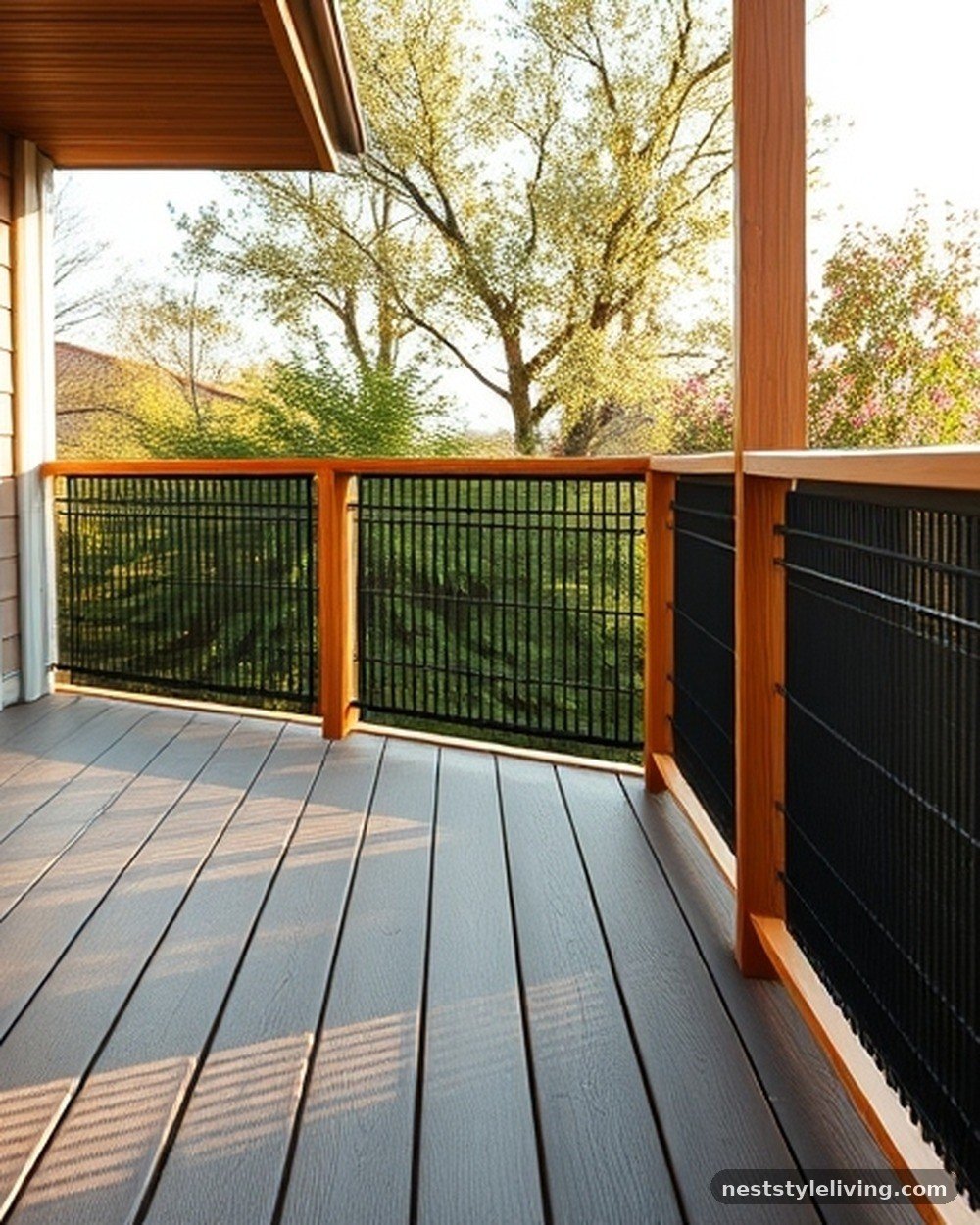
Wire mesh offers a “barely there” look that protects the space underneath without blocking the view or the breeze. By using a heavy-gauge welded wire mesh, you create a grid that feels architectural and crisp. This style is particularly effective in modern or industrial designs where you want to emphasize the structural frame of the deck rather than hiding it behind solid walls.
Paint the mesh in a matte black finish to make it disappear visually, or choose a stainless steel finish for a brighter, more polished look. Secure the mesh using U-shaped fence staples or specialized clips that allow for easy removal if you ever need to access the crawl space for maintenance.
12. Split Bamboo Fencing
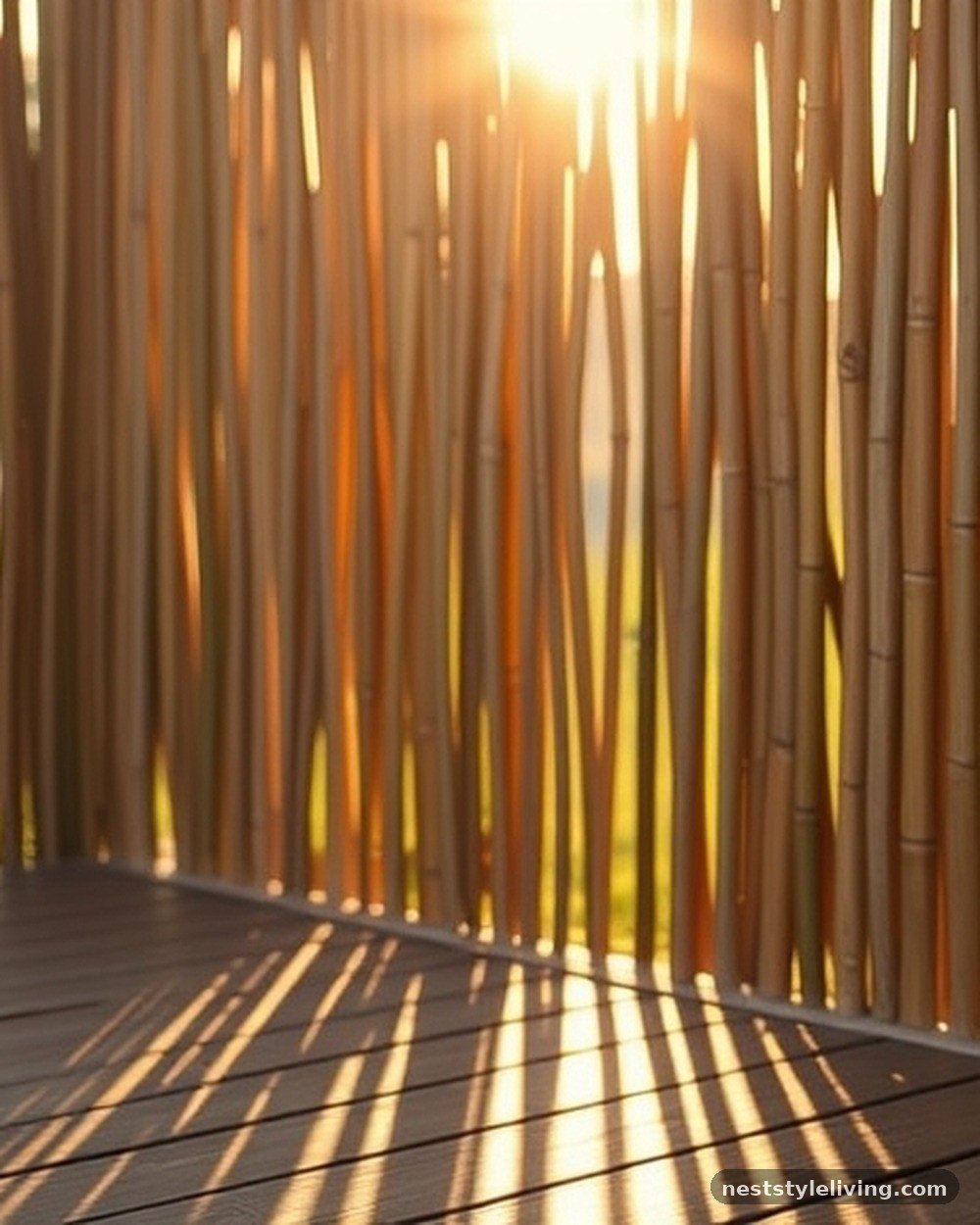
For a tropical or bohemian garden design, split bamboo offers a natural, textural look that is both inexpensive and effective. The thin, vertical reeds create a soft, rhythmic texture that feels light and airy. While it is not as permanent as composite or stone, it is an excellent budget-friendly choice that can be replaced every few years to keep the yard looking fresh.
Rolls of bamboo fencing can be stapled directly to the existing deck frame. To extend the life of the material, coat it with a clear, UV-resistant exterior sealer to prevent the bamboo from turning grey or brittle under the harsh sun.
13. Board and Batten
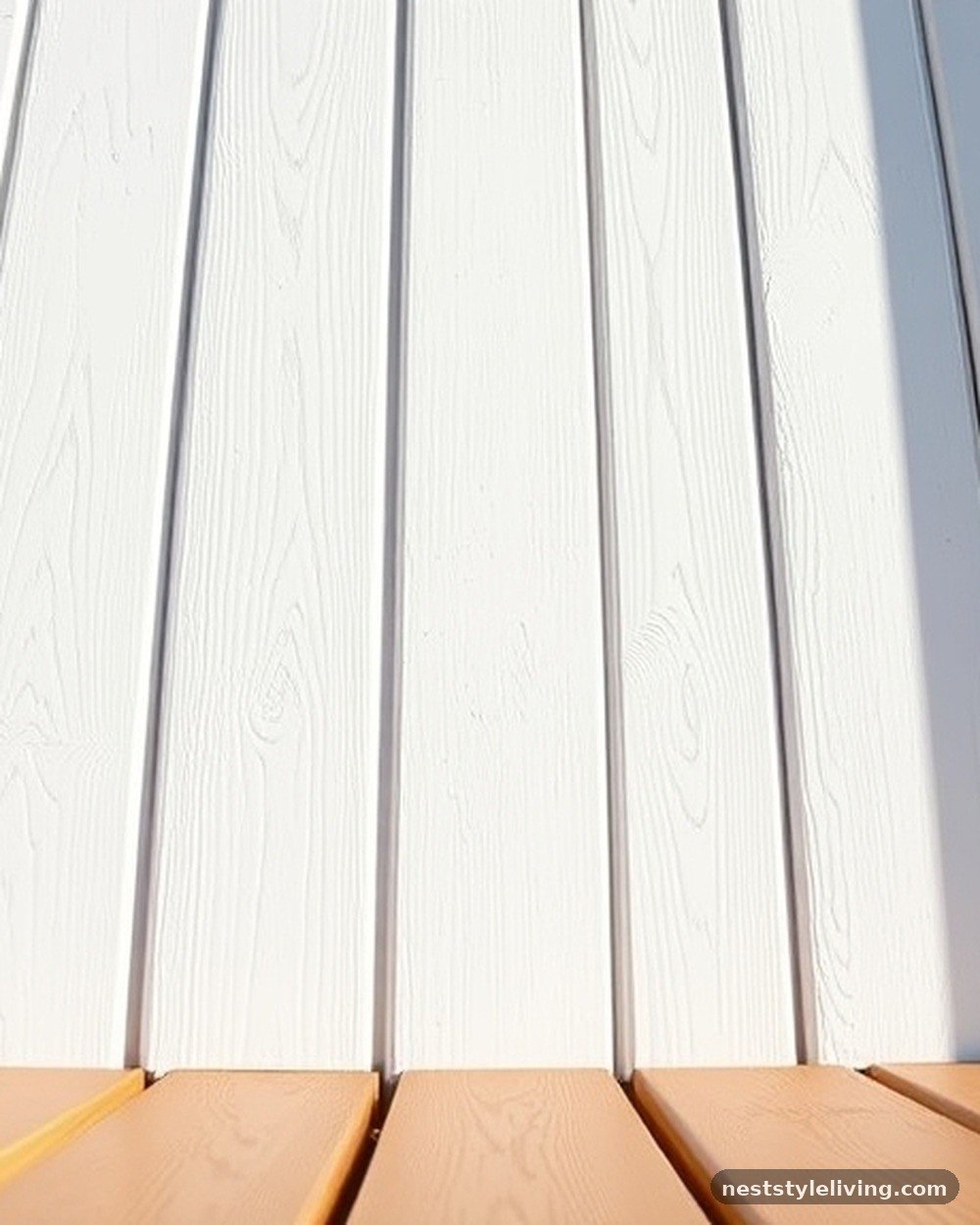
Board and batten is a classic architectural detail that adds verticality and shadow lines to your deck base. By installing wide boards and covering the seams with thinner “battens,” you create a formal, tailored appearance that mimics the siding of a traditional farmhouse. This style is highly versatile, as you can paint or stain the wood to match your home’s existing color palette.
Use pressure-treated cedar or pine to ensure the structure can handle moisture. If you want a modern twist, space the battens further apart than usual to create wider, more pronounced shadows, or use contrasting colors for the boards and the battens to make the pattern pop.
14. River Rock Gabion
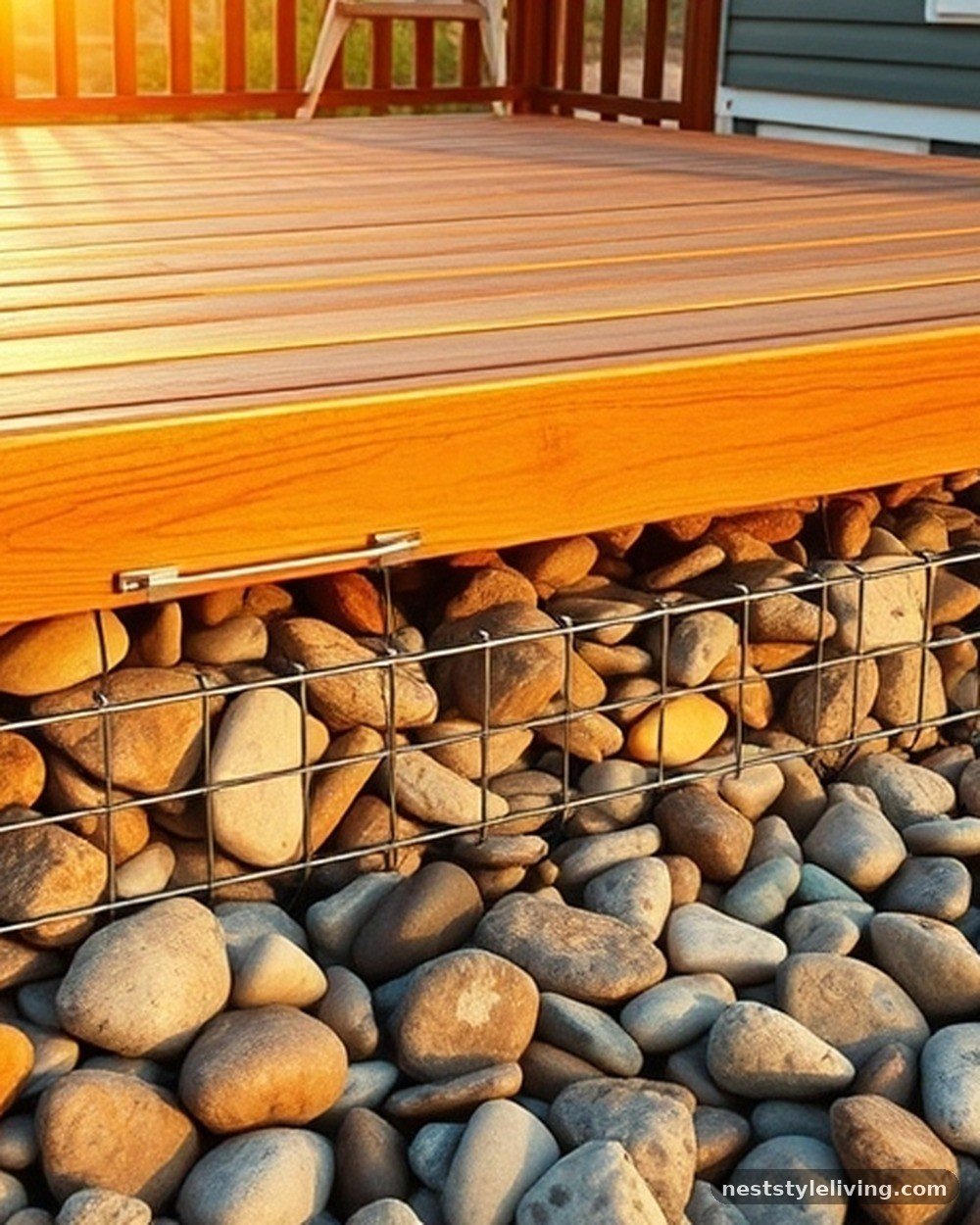
A gabion wall—a cage filled with river stones—adds a heavy, organic element that feels like a natural extension of the landscape. This is a great way to use stones sourced from the property or local landscape supply yards. The weight of the stones makes this an incredibly stable choice that requires no maintenance, provided the steel cage is galvanized to prevent rust.
Purchase pre-made gabion baskets in the size that fits your deck height. Fill them slowly, placing the largest, most attractive stones against the visible front face of the cage to ensure a polished look while using smaller, less attractive stones to fill the hidden interior.
15. Glass or Acrylic Panels
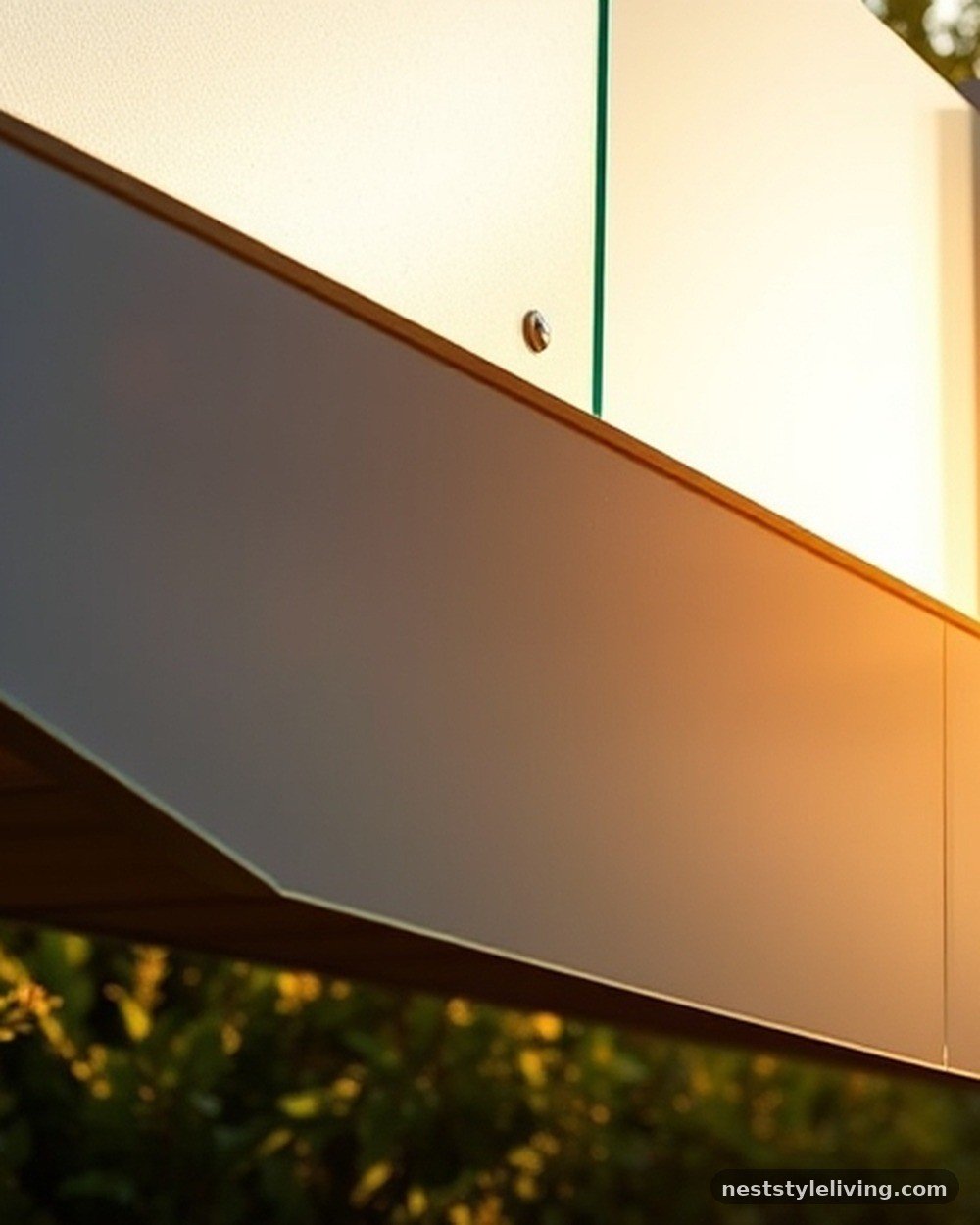
For a truly ultra-modern look, consider using frosted or tinted glass panels. These provide a clean, smooth surface that reflects the surrounding garden, making the deck appear as if it is floating. While glass requires regular cleaning to remain transparent or smudge-free, the aesthetic impact is unmatched in terms of contemporary design and sophistication.
Use tempered safety glass or high-impact acrylic sheets to ensure durability. Mount them using stainless steel standoffs that allow for a small gap between the panels, which prevents water from trapping and creating mildew behind the glass.
16. Reclaimed Brick
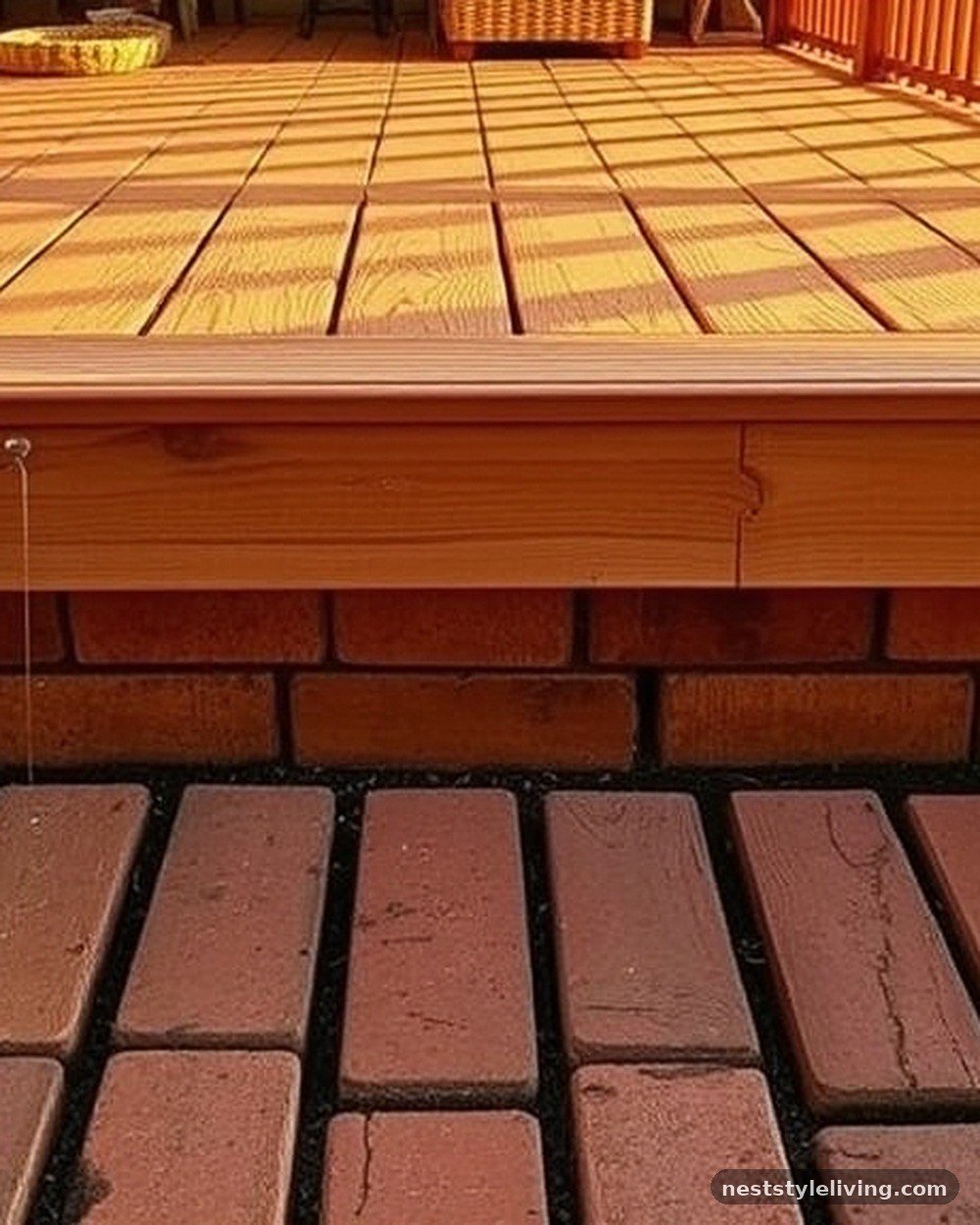
Brick provides a timeless, warm, and sturdy look that complements almost any home style, from colonial to modern ranch. Because brick is porous, it is essential to build a proper frame and ensure the brick is laid with a slight gap or weep holes to allow for drainage. This creates a solid, grounded appearance that makes the deck feel like a permanent part of the house architecture.
If you are not an experienced mason, use “thin brick” veneers rather than full-sized bricks. These are significantly lighter and easier to adhere to a backing board, allowing you to achieve the traditional brick aesthetic without the need for a deep concrete foundation.
17. Perforated Aluminum
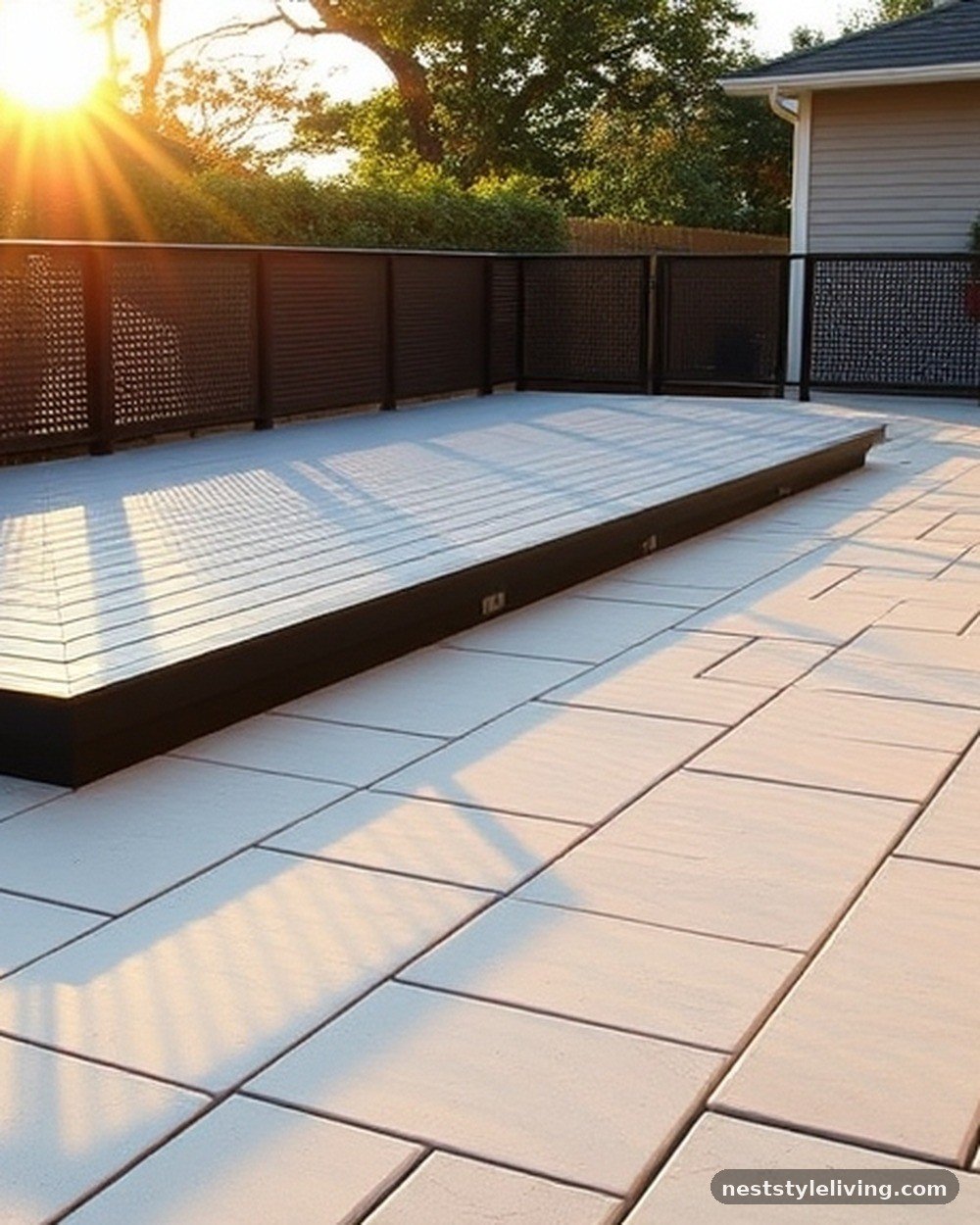
Perforated aluminum sheets offer a high-tech, clean appearance that is exceptionally durable and rust-proof. The tiny, uniform holes create a soft, filtered look that obscures the dark void under the deck while allowing for complete airflow. It is a popular choice for architects who want to emphasize a minimalist, functional aesthetic that is both lightweight and incredibly strong.
Look for sheets with a powder-coated finish in white, black, or grey to match your deck’s trim. You can easily cut these sheets with a jigsaw equipped with a metal-cutting blade, and they can be mounted using simple trim screws that blend into the surface of the panel.
Frequently Asked Questions
What is the most durable material for deck skirting in humid climates?
Composite boards and metal sheets are generally the best options for humid environments. These materials are non-porous, meaning they will not rot, warp, or harbor mold even when exposed to constant moisture or direct soil contact. While wood is beautiful, it typically requires more frequent maintenance and sealing to prevent decay in high-humidity zones.
How do I ensure proper ventilation for the space under my deck?
Ventilation is critical to prevent moisture buildup and rot in your deck’s support beams. Regardless of the material you choose, ensure there is at least one inch of space between the ground and the bottom of your skirting panels. If you are using solid materials like stone or brick, incorporate small, decorative vents or leave occasional gaps in the pattern to allow air to circulate freely.
Can I install deck skirting myself if I have no construction experience?
Yes, many skirting options are beginner-friendly. Lattice panels, bamboo fencing, and corrugated metal are relatively easy to install using basic tools like a drill, a level, and a circular saw. Focus on creating a solid, level wood or metal frame first; once that is secure, attaching the panels is typically a straightforward process of measuring, cutting, and screwing the material into place.
What is the best way to handle uneven ground under the deck?
If your yard slopes, avoid trying to build a perfectly level skirting line across the top. Instead, follow the slope of the ground by cutting your panels to match the terrain. You can use a scribe tool to trace the ground contour onto your material, then cut it to fit perfectly. This creates a professional, “built-in” look that acknowledges the natural landscape rather than fighting against it.
Do I need to leave an access door in the skirting?
Yes, it is essential to leave an access point. Even if you don’t plan to use the space for storage, you will eventually need to reach the area for electrical work, plumbing repairs, or inspections. Design a simple frame-within-a-frame door that matches your chosen material, and use hidden hinges and a discreet latch so the access point remains invisible when closed.
Conclusion
Selecting the right materials for your outdoor space is a practical way to finish your home’s exterior while protecting its structural integrity. Whether you choose the industrial edge of corrugated metal, the natural warmth of cedar, or the modern, clean lines of composite, these deck skirting ideas that instantly elevate your yard offer a range of solutions for every aesthetic. By focusing on durable materials and proper installation techniques, you ensure that your investment looks great and functions well for years to come.
Start by measuring your deck’s perimeter and considering the overall style of your home, then select a design that complements your existing architecture. Taking this step will transform a hollow, neglected area into a polished foundation that grounds your home and ties your entire yard together.