20 Ways to Make a Mobile Home Look Like a Real House
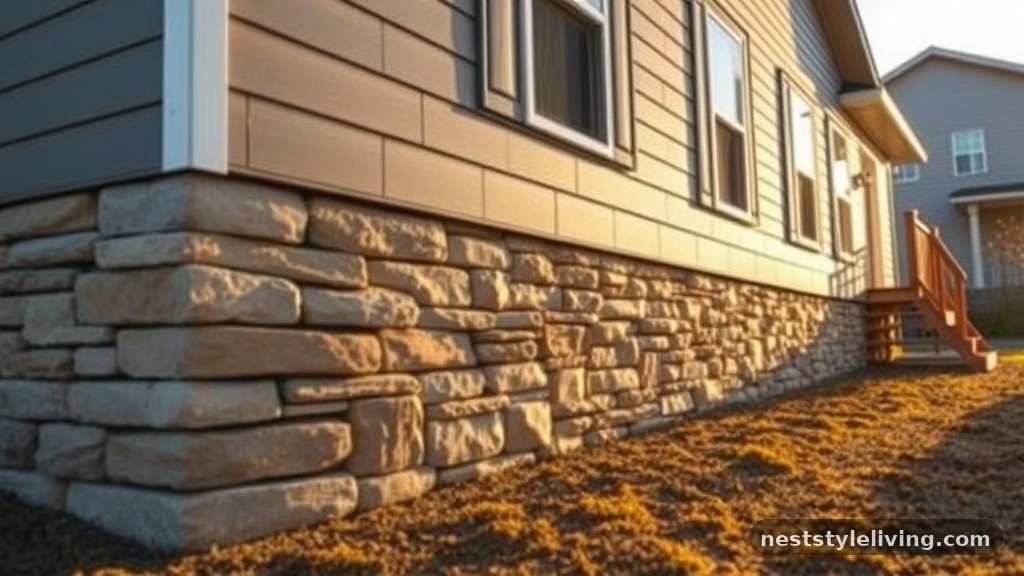
Transforming your living space requires shifting focus from the limitations of factory-built structures to the architectural potential of your property. Discovering practical ways to make a mobile home look like a real house involves addressing the visual cues that distinguish manufactured units from site-built dwellings. By upgrading exterior features, modifying interior finishes, and correcting common structural giveaways, you can achieve a sophisticated aesthetic that feels permanent and intentional.
This process is not about hiding your home’s origins but about refining its character to align with your personal style. The following strategies provide actionable steps to increase your curb appeal and internal comfort, helping your residence feel like a traditional, high-quality house.
1. Skirting with Faux Stone Panels
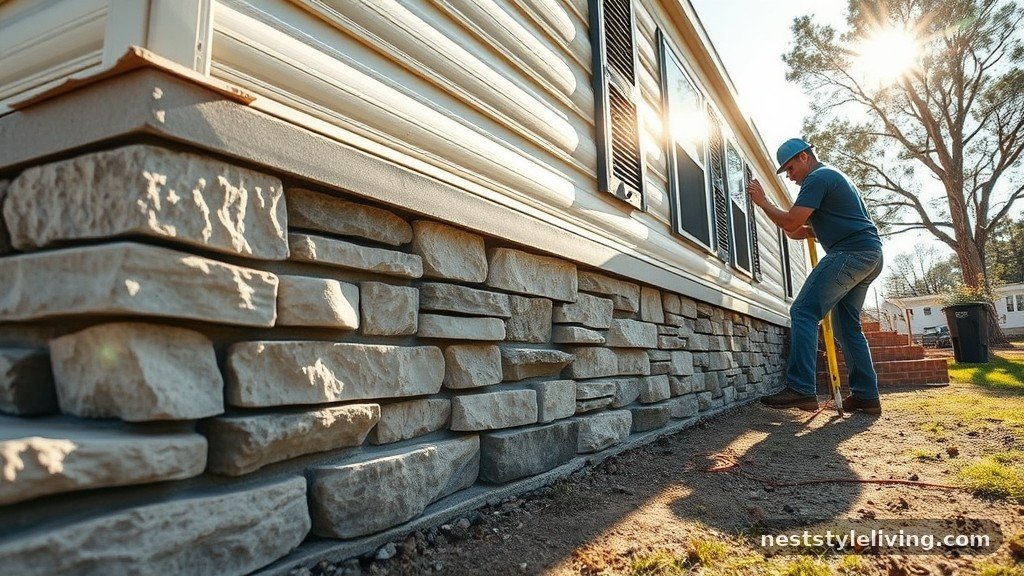
Standard vinyl lattice or basic metal skirting is the most immediate indicator of a manufactured home. Replacing this with faux stone or brick panels anchors the structure to the ground, giving it the visual weight of a foundation-built residence. These panels are typically made from high-density polyurethane, which mimics the texture and color of natural masonry without the structural requirement of a concrete footing. They create a clean, seamless transition from the siding to the earth, effectively hiding the crawl space and chassis.
To install these, you should first clear the perimeter of the home to ensure the ground is level. Purchase a kit that includes corner pieces and top-track flashing to ensure a professional finish, then secure the panels directly to a pressure-treated wooden frame built around the base of the home.
2. Replacing Factory Doors with Solid Wood
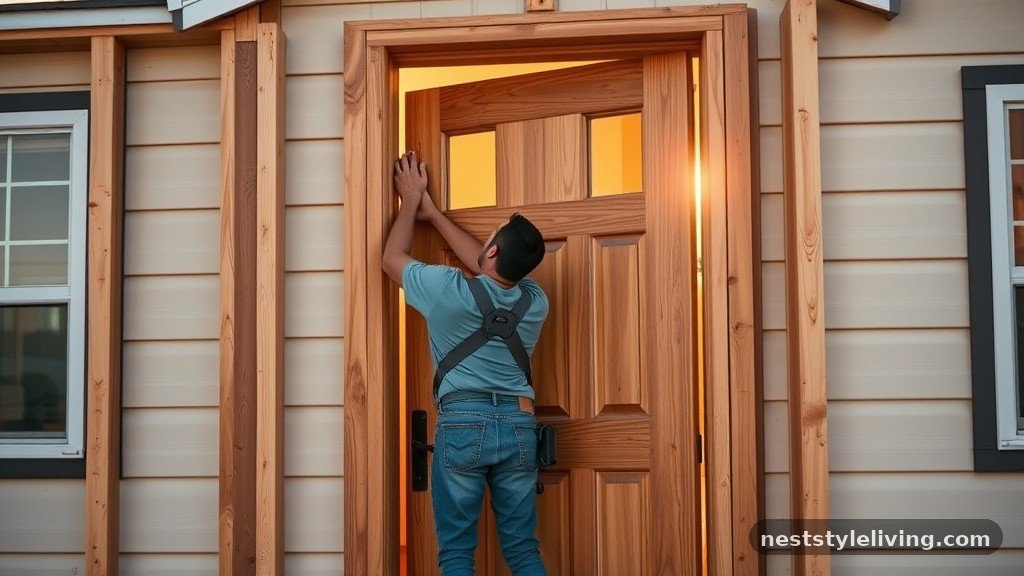
Mobile home doors are often thin, lightweight, and feature unique sizes that scream “trailer.” Swapping these for standard residential-grade exterior doors immediately changes the entry experience. A heavy, solid-core door with a proper threshold and a standard residential lockset provides a feeling of security and substance that factory doors lack. Look for doors with glass inserts or craftsman-style panels to add architectural interest to your facade.
Measure your rough opening carefully, as mobile home frames are sometimes slightly narrower than standard construction. You may need to adjust the framing studs slightly or use a custom-sized door ordered from a local lumber yard to ensure a tight, weathertight fit that operates smoothly.
3. Adding Residential Window Trim
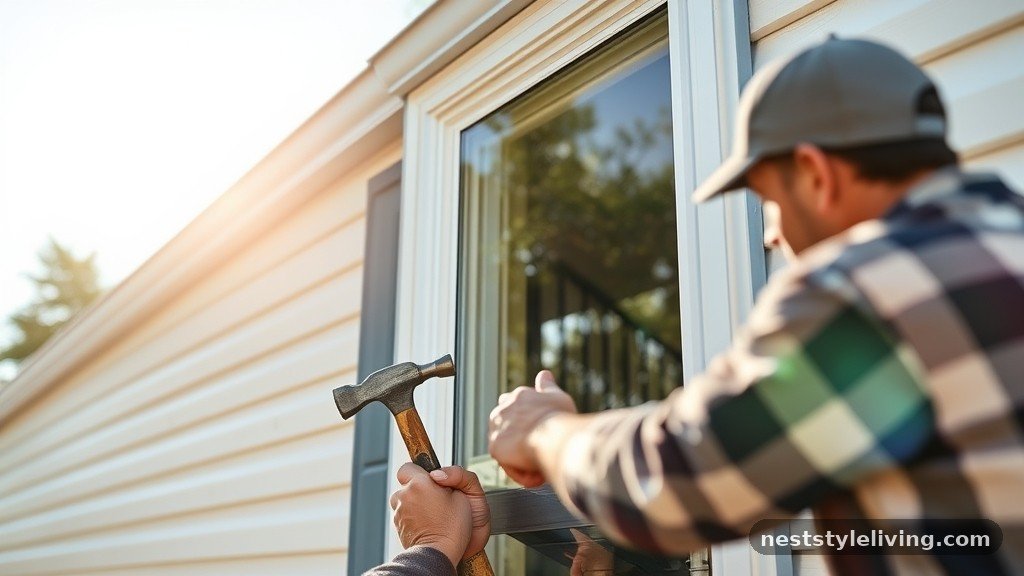
Most manufactured homes have windows that sit flush with the siding, often surrounded by thin, plastic J-channel trim. Adding thick, wooden or composite casing around the exterior of your windows creates depth and shadow lines that are hallmarks of traditional house construction. By installing a header board at the top and vertical trim pieces along the sides, you draw the eye to the window as an architectural feature rather than a utility gap.
Use cellular PVC trim boards for this project because they are resistant to moisture, rot, and insects. Cut the boards to size with mitered corners for a clean look, then attach them using exterior-grade adhesive and stainless steel finish nails to prevent rust streaks from marring your siding.
4. Installing a Permanent Porch
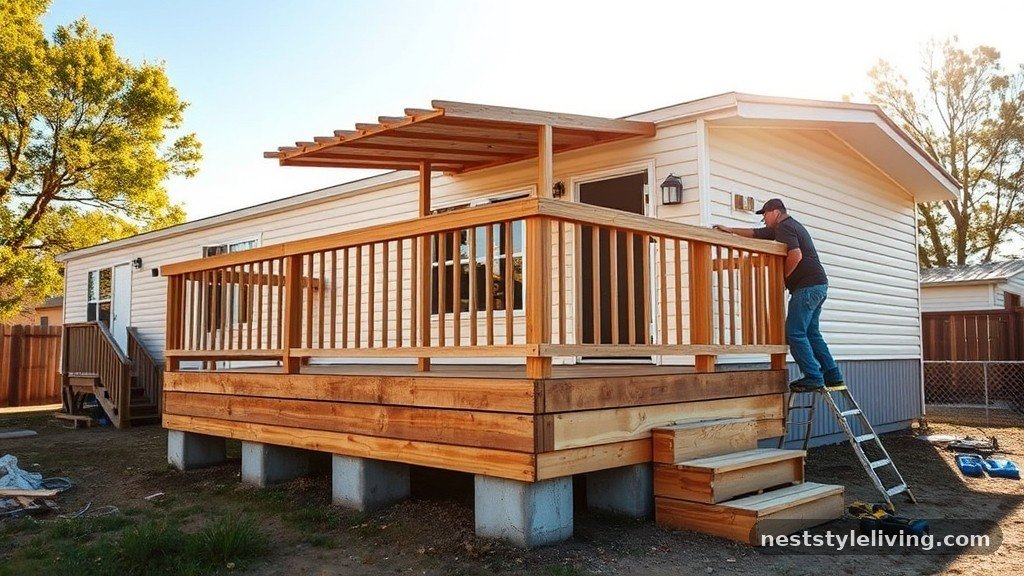
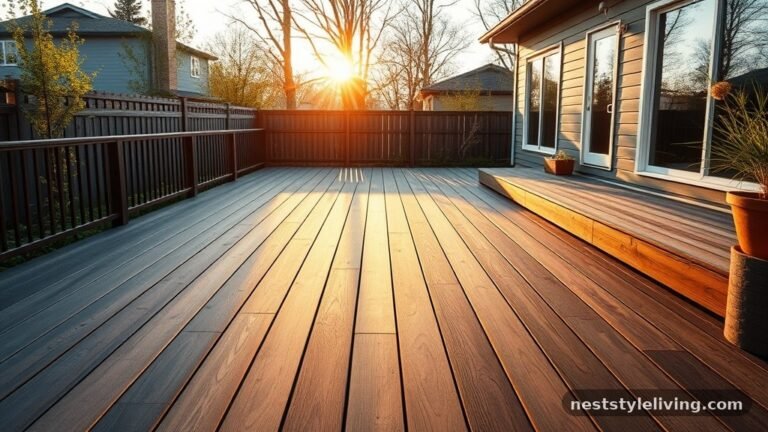
A floating metal staircase is a major detractor from a home’s curb appeal. Building a permanent, covered porch on a foundation of concrete piers or blocks grounds the home and provides a transition zone that feels like a traditional entryway. Using materials like composite decking or pressure-treated lumber allows you to design a porch that complements the style of your house, whether you prefer a wrap-around farmhouse look or a compact, modern entryway.
Construct the porch frame so it is structurally independent of the home to allow for minor settling. Install a roof over the porch area that ties into the existing exterior wall, which helps break up the long, flat lines of the home’s side profile.
5. Upgrading to Residential Siding
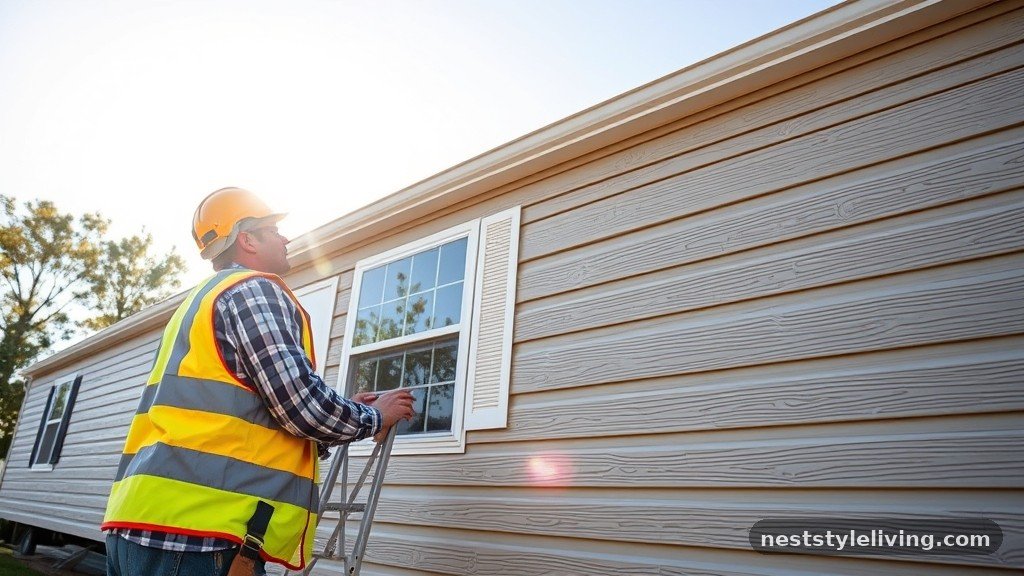
Many mobile homes come with metal or thin vinyl siding that feels flimsy and dated. Replacing this with fiber-cement lap siding or high-quality vinyl shakes gives your home a substantial, durable exterior that is indistinguishable from site-built construction. Fiber-cement, in particular, offers a heavy, textured finish that takes paint beautifully and stands up to harsh weather conditions for decades.
Before installing new siding, strip the old material and apply a new layer of weather-resistant house wrap. This provides an extra barrier against moisture and drafts, which is a common issue in older manufactured homes, while ensuring the new siding sits flush and level.
6. Adding Shutters with Hardware
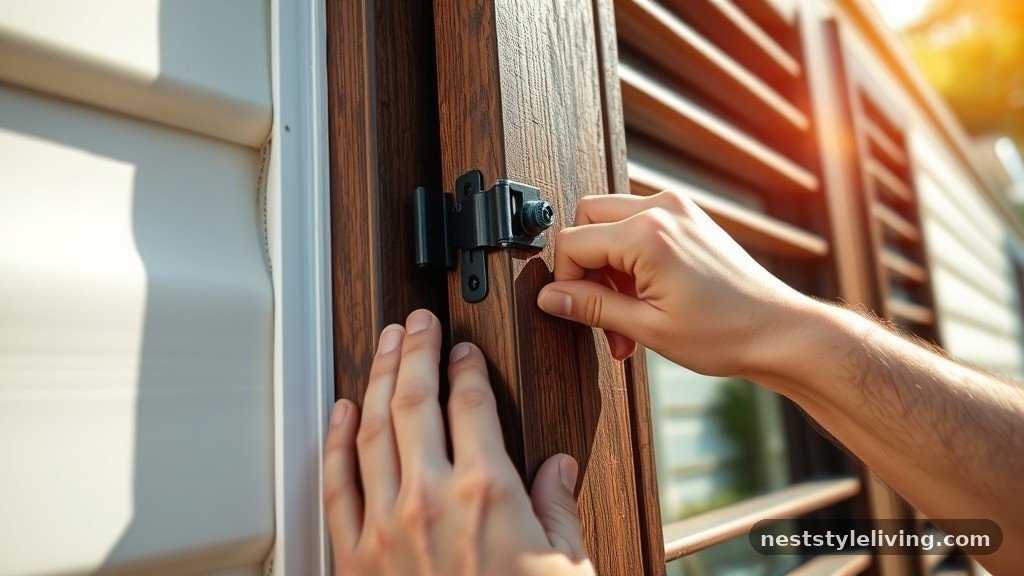
Shutters are a classic way to add character and color to a home’s exterior. Many mobile homes have small, decorative plastic shutters that look out of scale. Installing wider, wood or composite shutters that appear functional—complete with decorative hinges and shutter dogs—adds a layer of detail that makes the structure feel more like a traditional cottage or colonial house.
Ensure the shutters you choose are wide enough to cover half the width of the window opening. Mount them using real shutter hardware rather than simple plastic pins, as this detail signals quality and authenticity to anyone viewing the house from the street.
7. Incorporating a Roof Pitch Extension
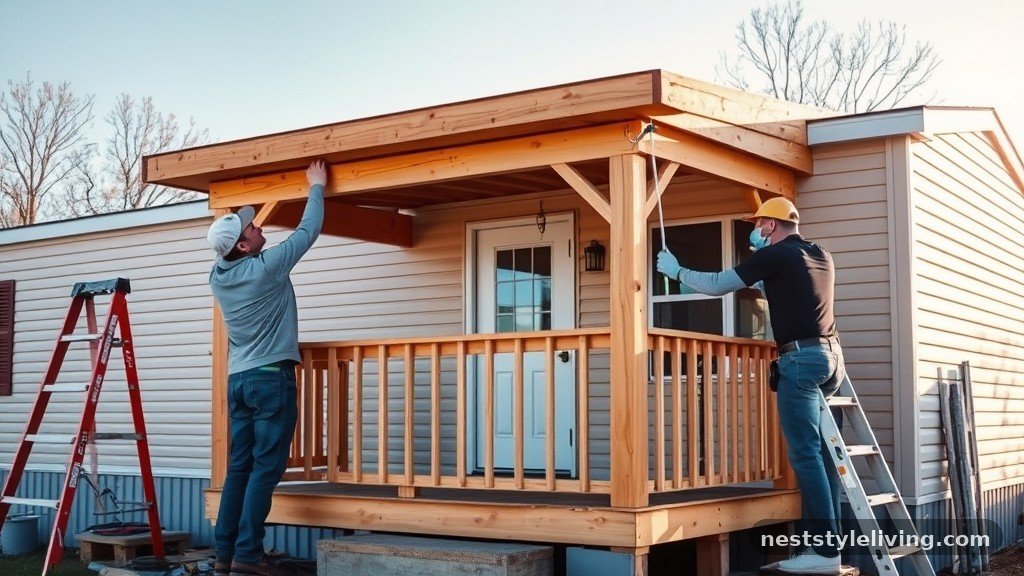
The low-slope roof of a typical mobile home is a dead giveaway of its construction type. While raising a roof is a major project, you can install a faux-mansard or a shed-style porch roof over the front entryway to create the illusion of a steeper roofline. By breaking up the horizontal line of the eaves with a different pitch, you add visual variety that mimics the complex rooflines of site-built homes.
Hire a qualified contractor to frame these additions, as they must be properly flashed to prevent water intrusion. Focus on the front facade first, as this is where the most significant visual impact will occur for visitors and neighbors.
8. Installing Crown Molding and Baseboards
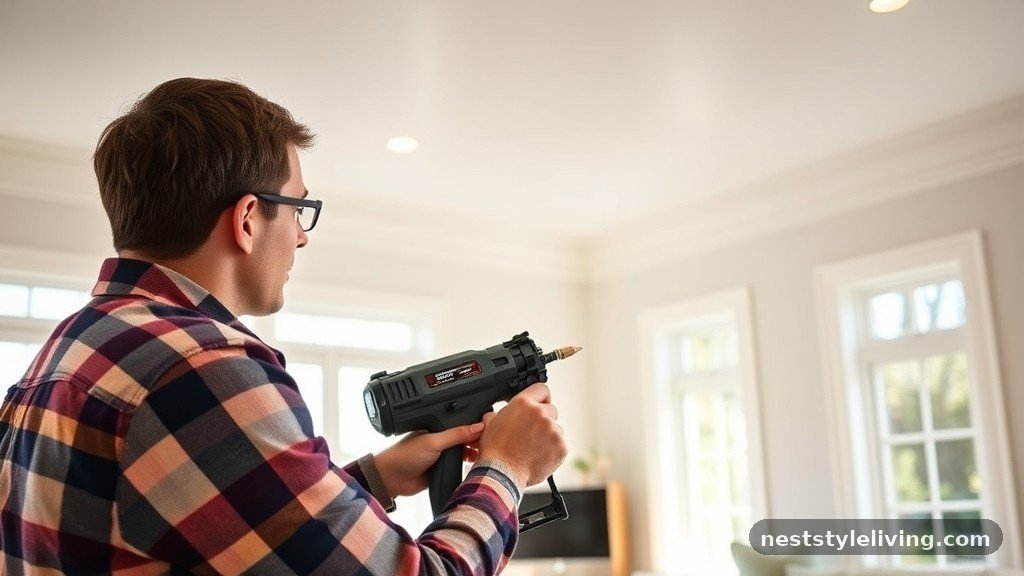
Inside, the thin battens that cover seams in walls are a constant reminder of the home’s origin. Covering these with wide, substantial baseboards, crown molding, and door casings creates the look of a custom-built interior. Thick, white-painted wood trim draws the eye away from wall seams and creates a sense of height and luxury in rooms with standard or low ceilings.
Use a high-quality wood filler to hide all nail holes, then caulk the seams where the trim meets the wall. A clean, smooth paint job on the trim will make your interior look like it was finished by a master carpenter.
9. Upgrading Interior Doors
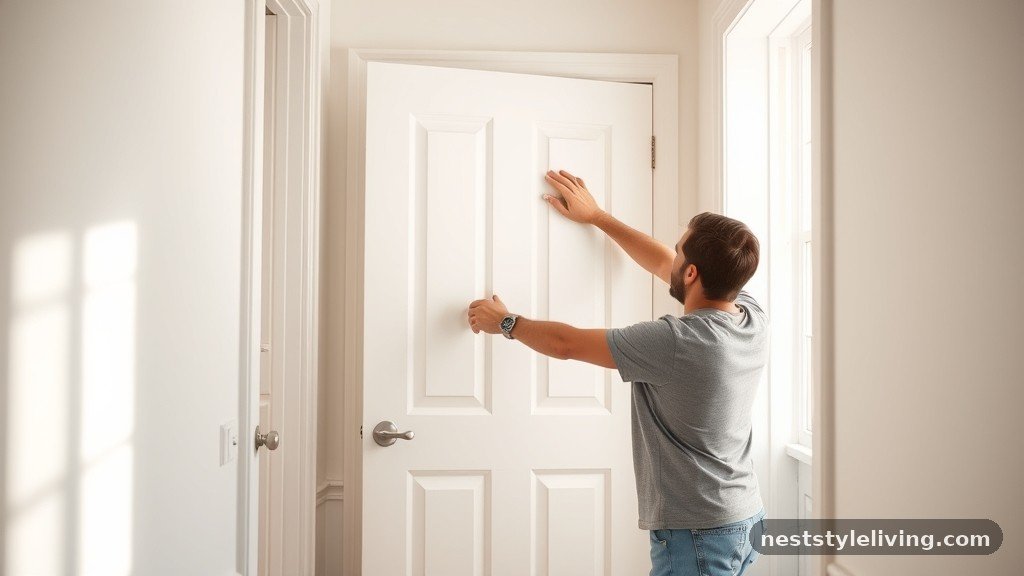
Flat, hollow-core doors with cheap knobs are standard in most manufactured homes. Replacing these with solid-core, six-panel doors or modern shaker-style doors transforms the feel of every room. When you upgrade the hardware to heavy, brushed-nickel or oil-rubbed bronze lever handles, the tactile experience of opening and closing a door changes completely, making the home feel solid and permanent.
Before you buy, check the thickness of your existing door frames, as mobile home interior doors are often thinner than standard residential versions. You may need to purchase new pre-hung door units to ensure a perfect fit and a clean, professional aesthetic.
10. Installing Real Hardwood or Laminate Flooring
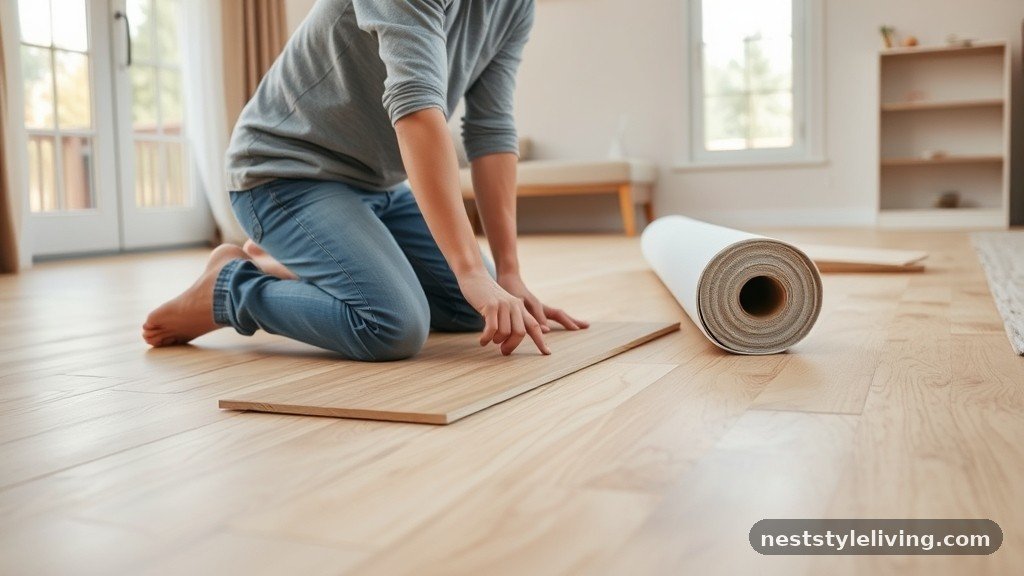
Linoleum or thin, peel-and-stick tiles are common in mobile homes but wear out quickly and look inexpensive. Installing a high-quality floating laminate or engineered hardwood floor throughout the main living areas unifies the space and adds a layer of warmth. These materials are durable, easy to clean, and provide the solid sound profile of a site-built home when you walk across them.
Ensure you use a high-density underlayment beneath your flooring to dampen noise and provide a softer feel underfoot. This step is crucial for preventing the hollow “drum” sound that can occur when installing hard flooring over a manufactured home’s plywood subfloor.
11. Adding Recessed Lighting
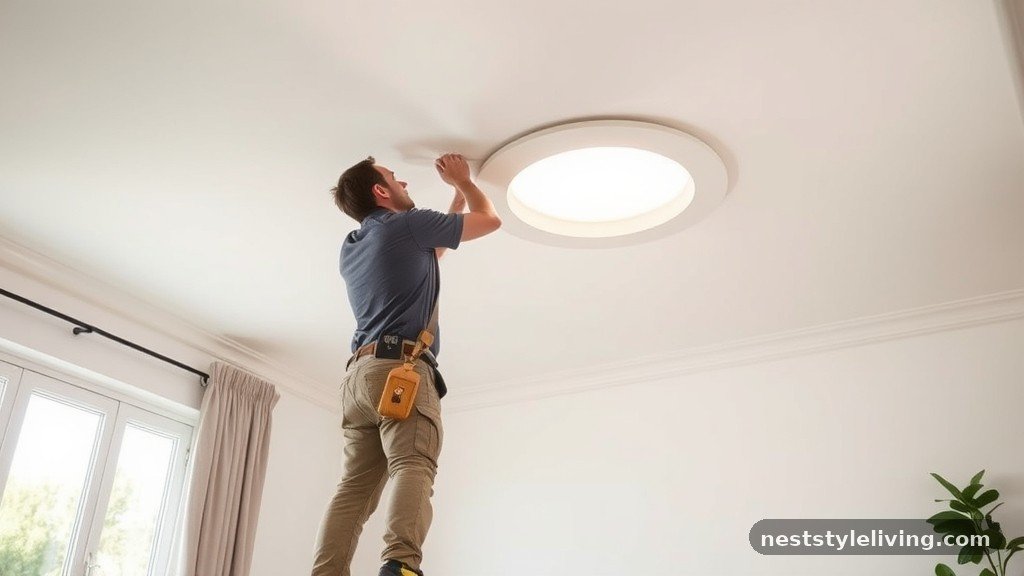
Mobile homes often rely on single, central light fixtures that create harsh shadows and make ceilings feel low. Installing recessed LED “can” lights creates a clean, modern look and makes the ceiling appear higher by eliminating protruding fixtures. This type of lighting is standard in custom homes and provides even, ambient illumination that makes small spaces feel much larger and more open.
You can purchase “slim” LED recessed lights that do not require a separate housing canister, making them perfect for the shallow ceiling cavities found in most manufactured homes. Use a dimmer switch to control the ambiance, which adds an extra layer of residential-style customization to your lighting plan.
12. Painting Cabinets and Updating Hardware
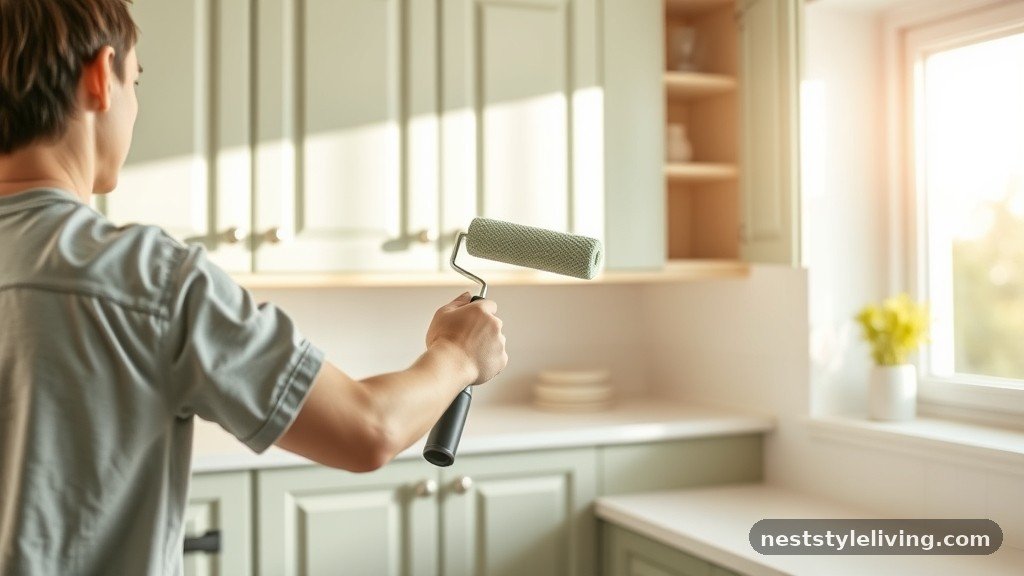
Kitchens in mobile homes often feature laminate cabinets with plastic pulls that look dated and cheap. Painting your existing cabinets a modern color—such as navy, sage, or a crisp matte white—and replacing the hardware with high-quality metal handles can completely change the room’s aesthetic. This simple update makes the kitchen look like a custom remodel rather than a factory-standard space.
Clean the cabinets thoroughly with a degreaser before sanding and priming with a high-adhesion primer. Use a cabinet-grade enamel paint to ensure a durable finish that won’t chip or peel with daily use in the kitchen environment.
13. Adding a Kitchen Backsplash
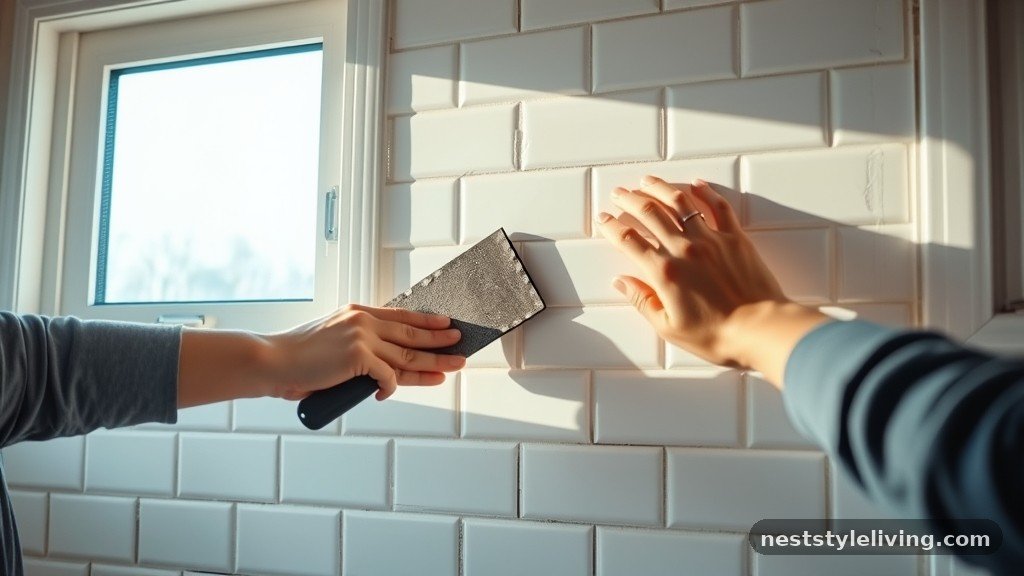
The backsplash area in a mobile home is often left bare or covered with a thin, matching laminate strip. Installing a real tile or high-quality peel-and-stick subway tile backsplash adds texture, color, and a sense of permanence to the kitchen. This detail is a hallmark of a finished, high-end house and helps define the kitchen as a distinct, functional zone.
If you choose real ceramic or glass tile, use a lightweight mastic adhesive to avoid adding too much weight to the walls. Finish the edges with metal trim pieces to create a clean, professional transition where the tile meets the wall or cabinetry.
14. Replacing Bathroom Vanities
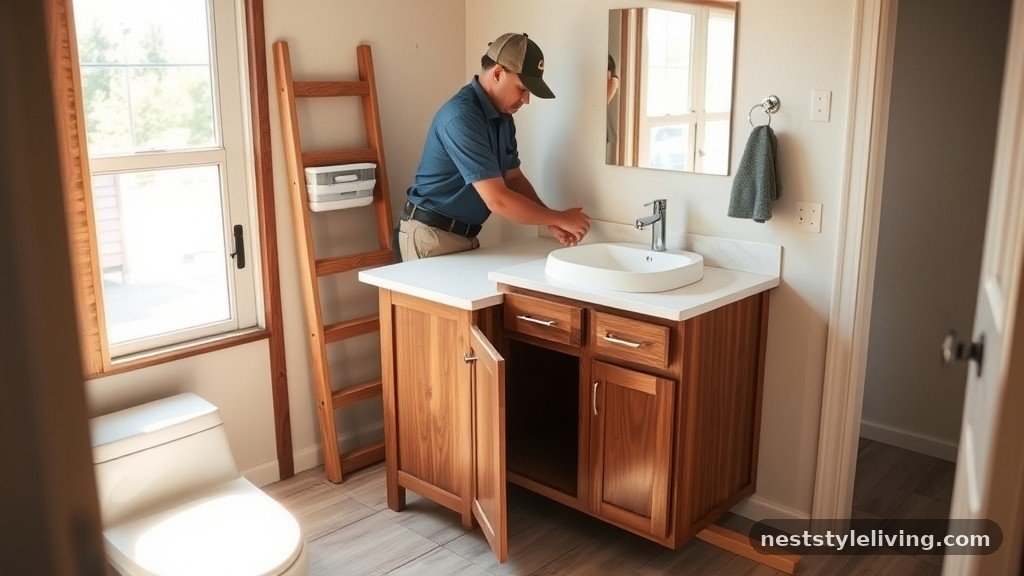
The small, plastic-topped vanities in many mobile homes lack storage and style. Removing these and installing a standard residential vanity with a stone or composite countertop and a modern undermount sink instantly elevates the bathroom. Look for vanities that offer deep drawers or cabinet space to improve functionality while adding a more substantial, high-end look to the room.
Check your plumbing rough-in locations before purchasing a new vanity, as you may need to adjust the drain or supply lines. A new faucet with a high-arc design will further enhance the look and make the space feel like a modern residential bathroom.
15. Creating a Feature Wall
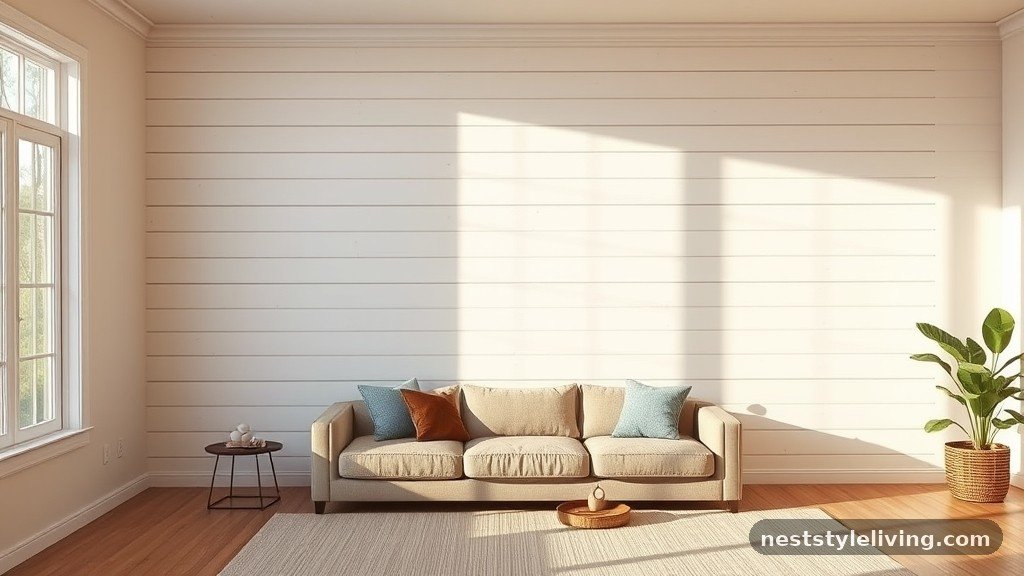
Mobile home walls are often uniform and plain, which can make a space feel like a box. Adding a feature wall using shiplap, reclaimed wood, or patterned wallpaper creates a focal point that draws the eye and adds architectural interest. This is a common design technique in site-built homes that helps break up the monotony of long, flat walls.
Choose a wall that doesn’t have windows or doors to make the installation easier. Ensure you anchor any heavy materials like wood boards directly into the wall studs to prevent sagging or movement over time.
16. Replacing Baseboard Heaters with Modern Units
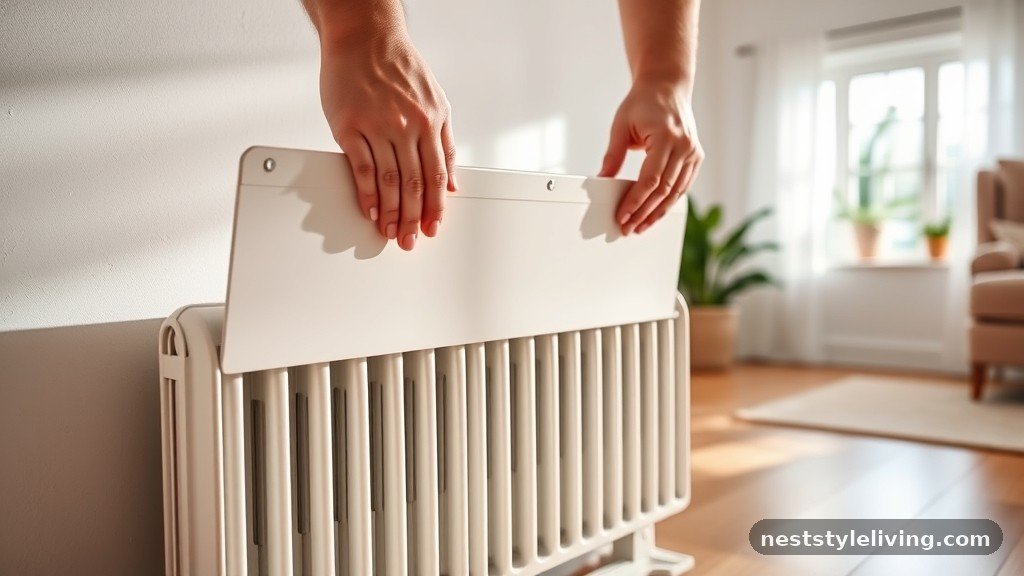
Old, dented baseboard heaters are an eyesore that dates a home instantly. Replacing these with newer, low-profile heater covers or upgrading to a different heating system entirely improves the aesthetic of your rooms. If you must keep the baseboard units, you can buy decorative metal covers that snap over the existing fins, providing a clean, modern look without the need for complex plumbing or electrical work.
Measure the length of your current heaters precisely before ordering covers to ensure a perfect fit. These covers come in various finishes, including white, black, and brushed metal, allowing you to match your interior design scheme.
17. Installing Ceiling Fans
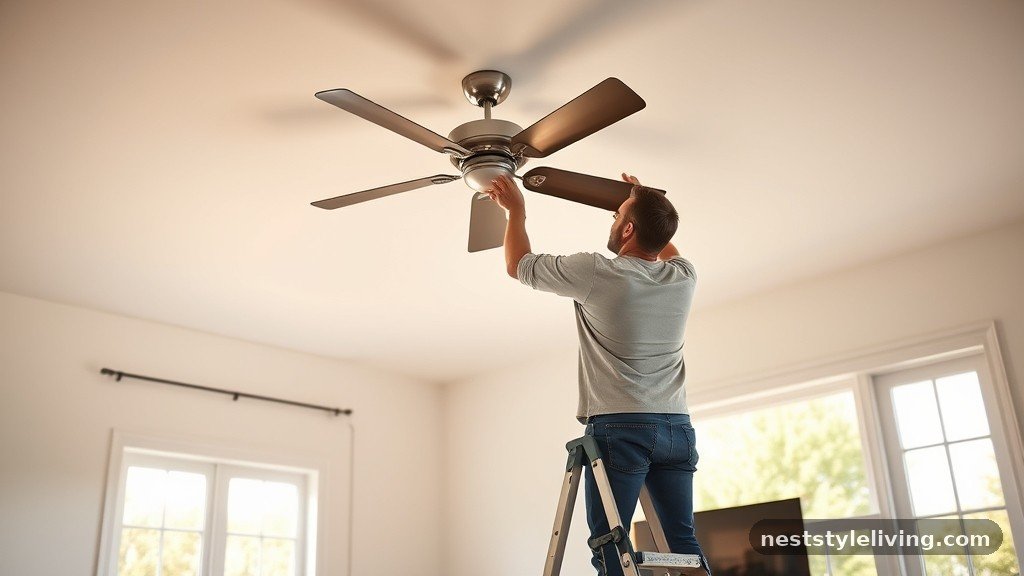
Standard-issue mobile home ceiling lights are often small and uninspiring. Replacing them with a high-quality ceiling fan adds both function and a sense of luxury to your living room or bedrooms. A large, well-designed fan with integrated lighting acts as a central design element, making the room feel like a permanent, well-appointed space.
Ensure you install a fan-rated electrical box in the ceiling to support the weight and movement of the fan. If your current ceiling isn’t reinforced, you can install a “retrofit” fan brace that expands between the ceiling joists to provide the necessary structural support.
18. Landscaping for Curb Appeal
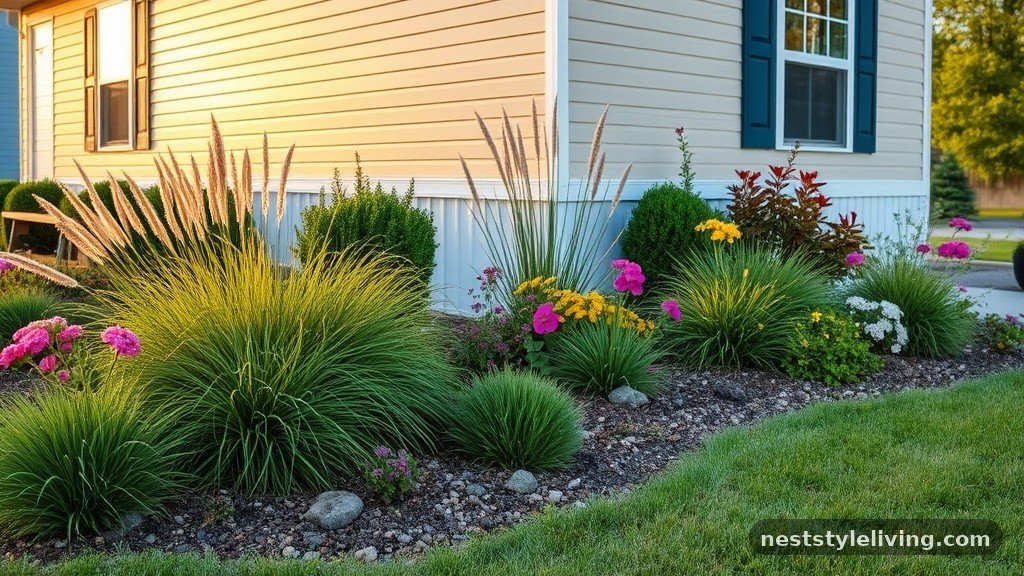
The exterior of a mobile home often looks isolated, but thoughtful landscaping can “tie” it to the site. Planting a foundation garden with perennial shrubs, flowers, and ornamental grasses hides the base of the home and softens its lines. By creating a layered landscape that includes a defined path leading to your front door, you create a welcoming transition that feels like a traditional residential property.
Group plants in odd numbers and vary the heights to create visual interest. Mulch the entire bed to keep it looking tidy and prevent weeds, which adds a professional, maintained appearance to your home’s exterior.
19. Upgrading Interior Window Treatments
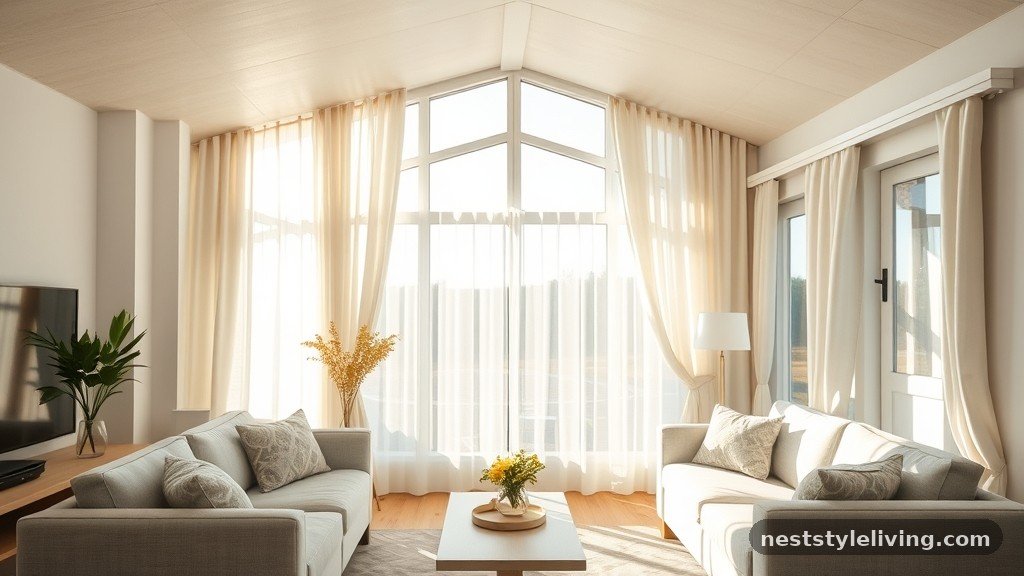
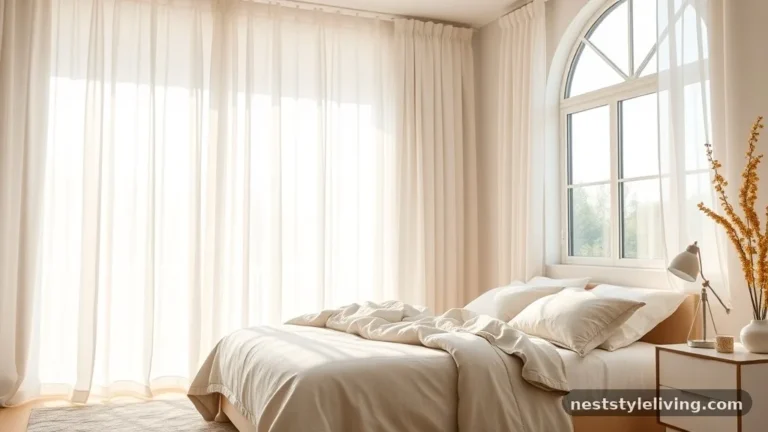
Cheap metal blinds are a common feature that makes a home feel temporary. Replacing these with custom-fit cellular shades, woven wood blinds, or floor-to-ceiling curtains adds texture and warmth to your home. Curtains hung high above the window frame can also make your ceilings feel taller, contributing to a more spacious and luxurious atmosphere.
Use double curtain rods to layer sheer panels with blackout curtains, which provides both privacy and light control. This simple change allows you to inject color and pattern into your rooms, moving the focus away from the windows themselves to the decor you’ve chosen.
20. Adding Exterior Lighting
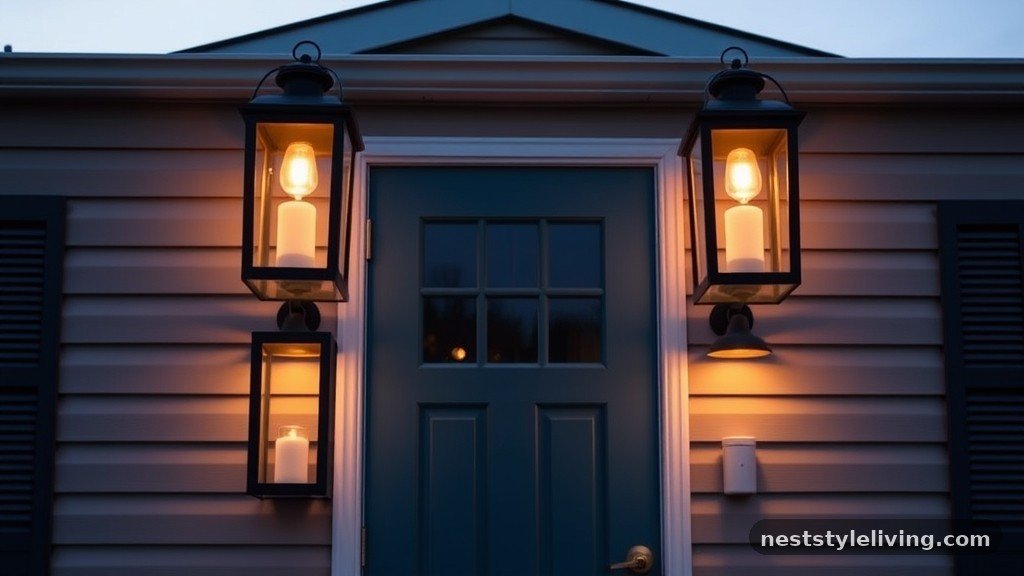
Most manufactured homes have basic, utilitarian lighting that provides little ambiance. Replacing these with stylish, oversized exterior lanterns at the front and back doors makes the home look more substantial and welcoming at night. Choosing fixtures with a cohesive metal finish—like matte black or copper—creates a polished, designer look that enhances the exterior aesthetic.
When installing new lights, ensure they are rated for wet locations to withstand the elements. Position them at eye level or slightly above to create a warm, inviting glow that highlights the entryway and makes your residence feel like a permanent part of the neighborhood.
Frequently Asked Questions
Can I install real stone or brick on the exterior of my mobile home?
Real stone or brick is typically too heavy for a manufactured home’s frame and foundation. Instead, use lightweight, high-density polyurethane faux stone panels, which offer the same aesthetic without the structural load.
Do I need a permit to renovate a mobile home?
Requirements vary by location, so check with your local building department. Generally, interior cosmetic changes don’t require permits, but structural changes, electrical work, or adding a porch usually do.
How do I fix the hollow sound of my floors?
The hollow sound often comes from the thin subfloor. Installing a layer of high-quality underlayment before laying down new flooring significantly dampens sound and provides a more solid feel underfoot.
Will these renovations increase the value of my mobile home?
Yes, high-quality, permanent-looking upgrades like new siding, skirting, and interior finishes can improve the marketability and perceived value of your home, making it more appealing to future buyers.
Can I replace mobile home doors with standard ones?
Yes, but you must measure the rough opening carefully. Mobile home door frames are often non-standard sizes, so you may need to adjust the framing or order a custom-sized door from a building supply store.
Moving Forward with Your Home Renovation
Transforming your manufactured residence into a home that feels solid, permanent, and visually striking is entirely achievable with the right strategy. By systematically upgrading the exterior facade and refining the interior finishes, you can successfully move past the limitations of factory construction. Each of the twenty methods shared here serves to ground your property, ensuring it fits naturally into any neighborhood while providing the comfort and character you desire.
Whether you start with a simple kitchen refresh or commit to a full exterior siding replacement, every improvement brings you closer to the aesthetic of a traditional house. Take these ideas as a starting point and focus on the details that matter most to your daily life. Your home has immense potential, and with consistent effort, you can create a space that feels truly yours for years to come.