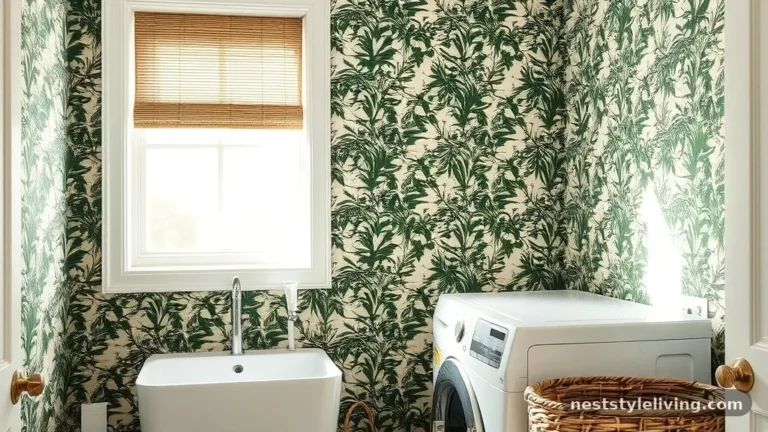
22 Grunge Apartment Ideas for a Cool Edgy Look
Integrating grunge apartment ideas for a cool edgy look requires a balance between raw, unfinished textures and intentional, moody styling. This aesthetic isn’t about clutter; it’s about curating a space that feels lived-in, authentic, and slightly rebellious.
By focusing on dark palettes, salvaged materials, and personal artifacts, you can transform a standard rental into a sanctuary that reflects a gritty, underground sensibility. Whether you gravitate toward the distorted chaos of the 90s or a more modern, industrial interpretation, these design strategies provide a blueprint for achieving that coveted, effortlessly cool atmosphere in any urban dwelling.
1. Distressed Concrete Wall Treatments
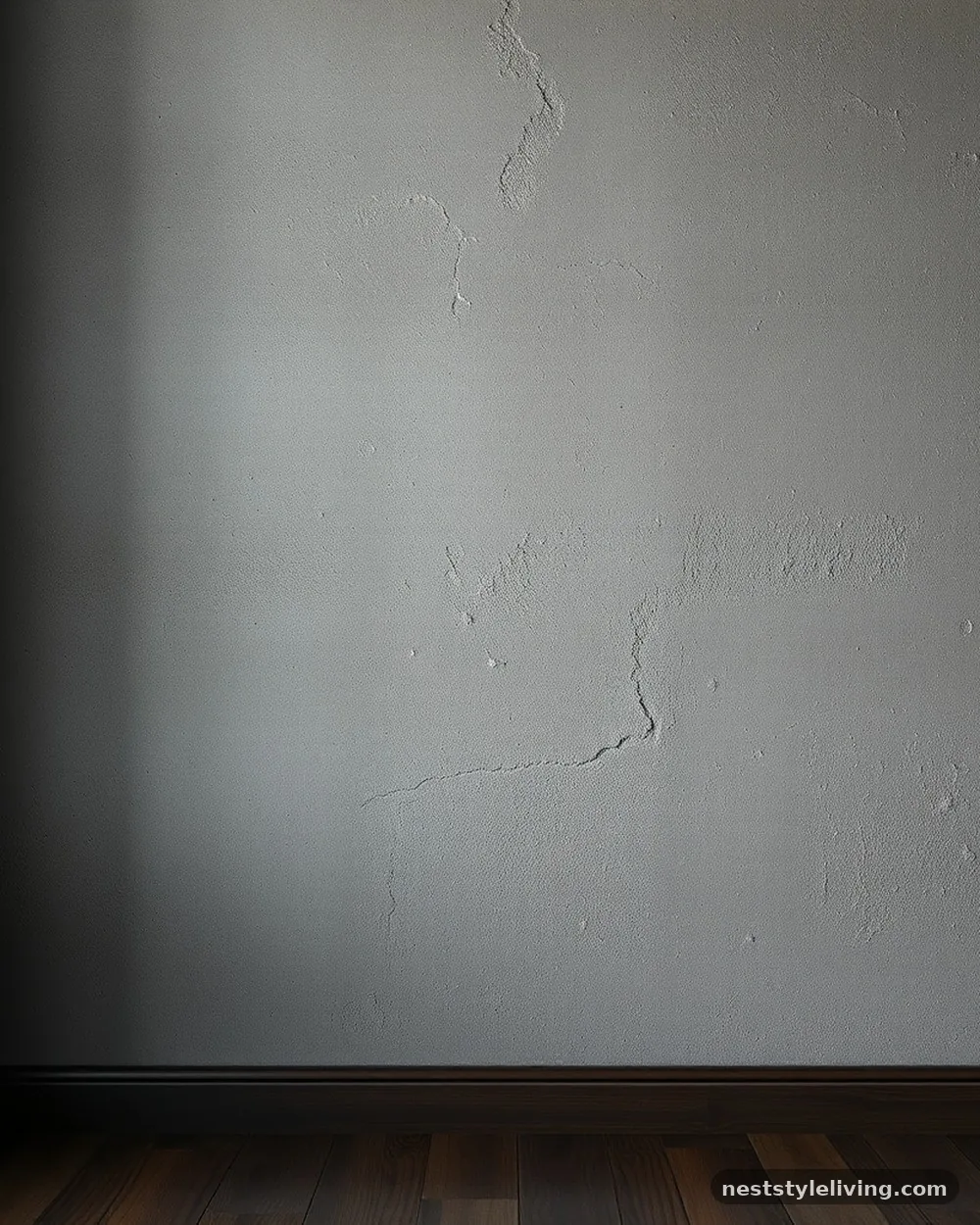
Nothing establishes a raw, industrial foundation like the look of unfinished concrete. Rather than attempting a full renovation, you can achieve this texture using lime wash or faux-concrete wallpaper. The goal is to create a mottled, uneven finish that mimics the damp, subterranean feel of a basement club or an abandoned warehouse.
This backdrop acts as a neutral canvas, allowing darker furniture and colorful band posters to pop against the grey, stony surface. It provides the perfect structural grit that defines the grunge aesthetic without requiring actual heavy masonry work.
Apply a grey-toned lime wash paint to a single focal wall in your living room. Use a large, natural-bristle brush to apply the wash in irregular, cross-hatch strokes to ensure the final finish has depth and visible brush marks rather than a flat, uniform appearance.
2. Exposed Electrical Conduit
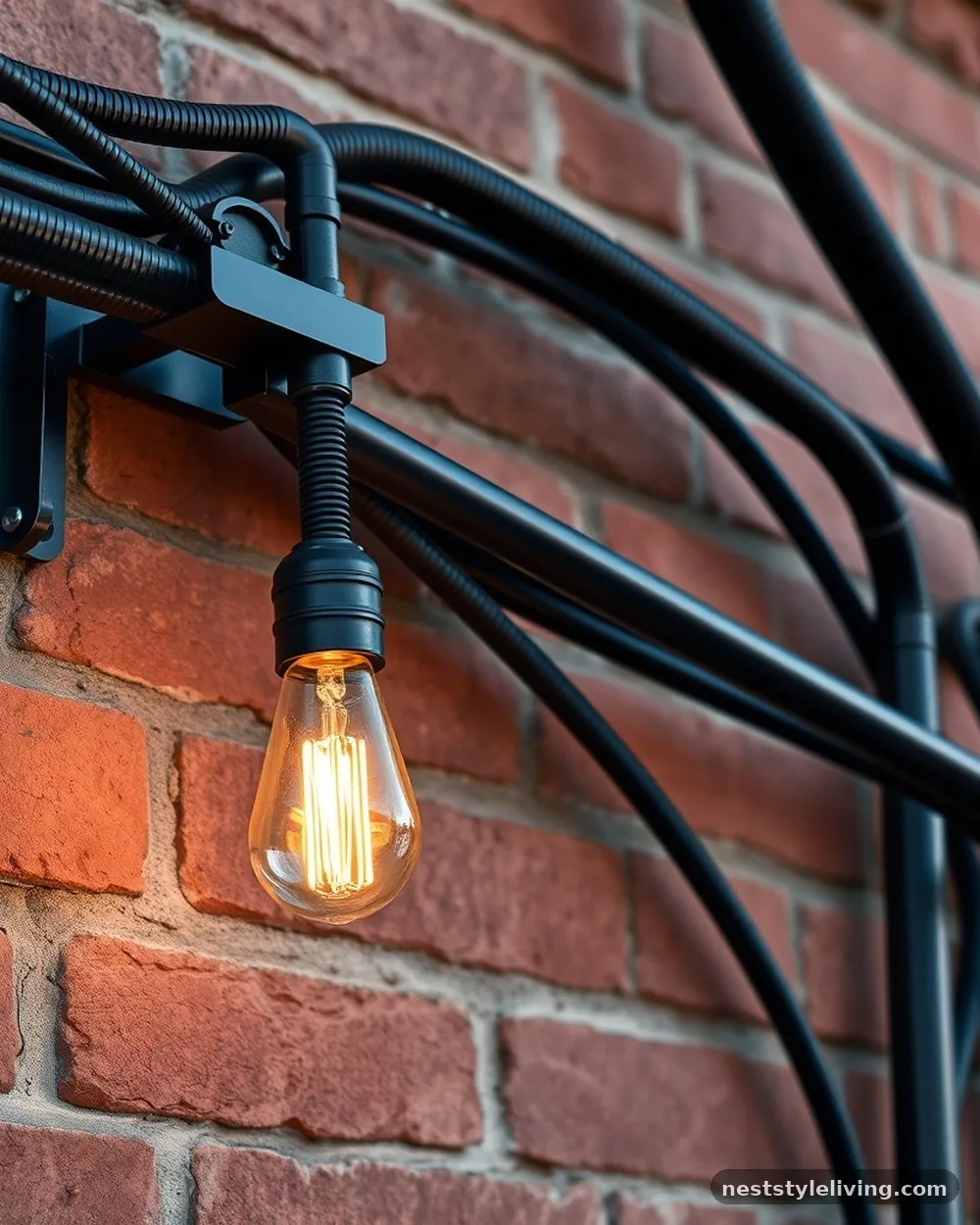
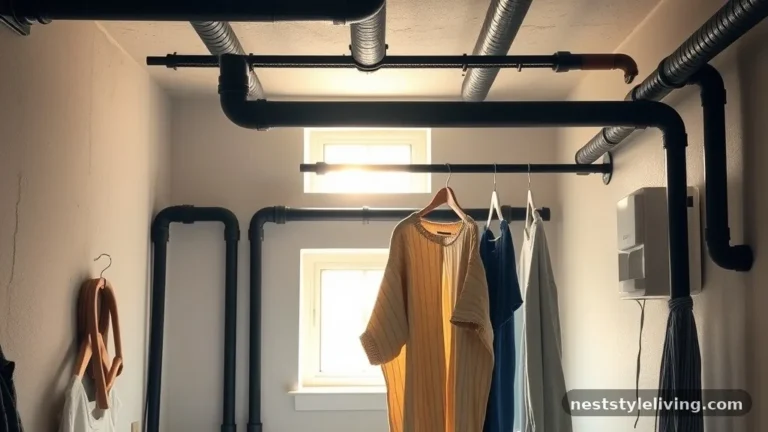
Concealing wiring is a standard design rule that this style actively rejects. By running surface-mounted metal conduits along your walls to power lamps or speakers, you embrace the mechanical, utilitarian vibe of a workshop or a backstage area.
This is particularly effective in spaces where the ceiling height is low, as it draws the eye upward and adds a layer of architectural complexity. The cold, metallic sheen of the conduit contrasts beautifully with softer textiles like velvet curtains or worn-in rugs, grounding your space in a reality that feels unpolished and intentional.
Purchase a kit of rigid metal conduit piping from a hardware store. Mount it using matching metal straps directly onto your wall, routing your existing lamp cords through the pipes to create a custom lighting path that frames your bed or workspace.
3. Vintage Band Tee Wall Gallery
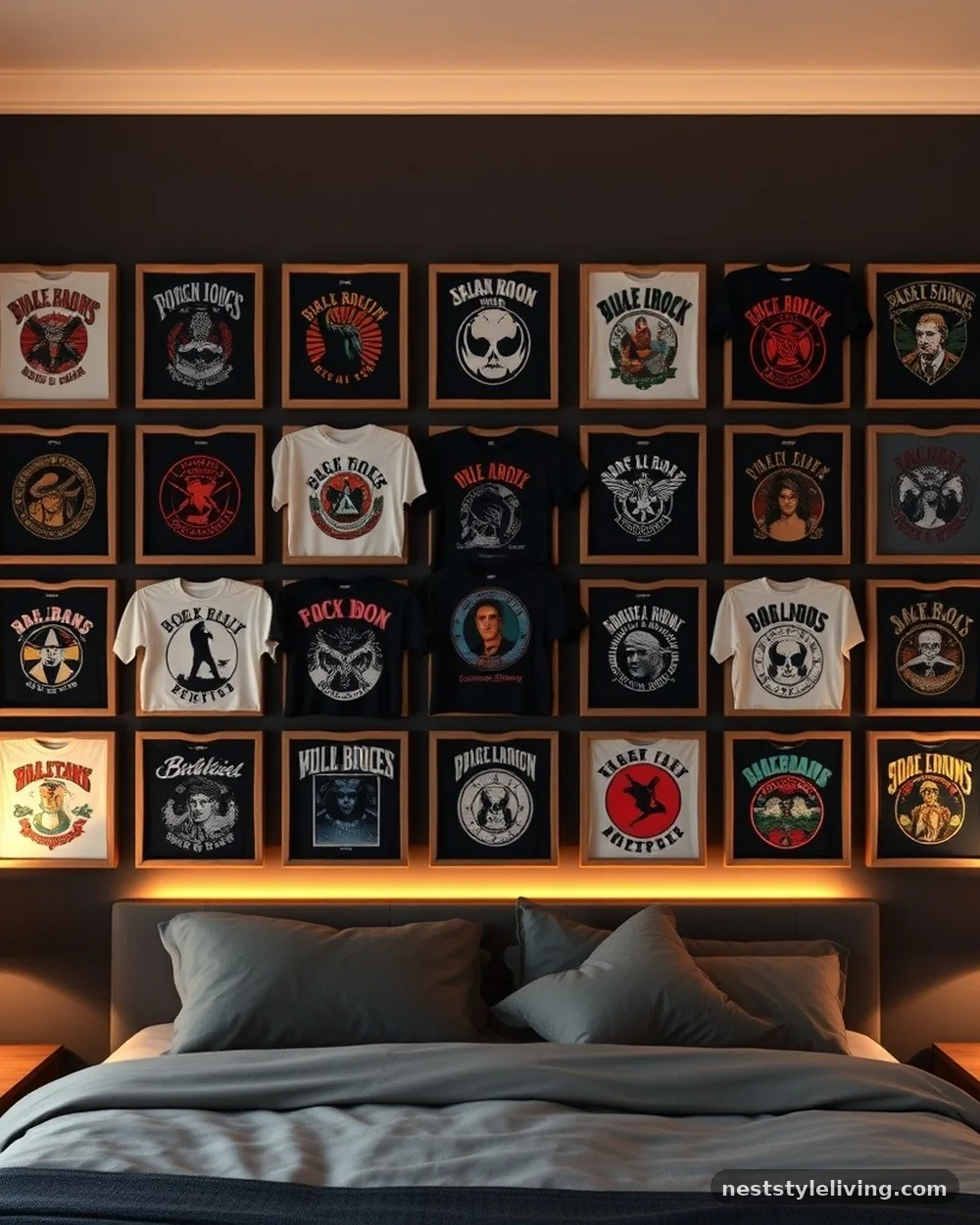
Transforming old, worn-out band shirts into framed art is a hallmark of the grunge movement. Instead of wearing your favorite vintage finds, stretch them over wooden canvases or hang them from simple black metal clips.
This approach treats these garments as artifacts of musical history, celebrating the specific fonts, faded screen prints, and iconic imagery that defined the era. It’s a highly personal way to decorate, as the selection of bands immediately signals your individual taste and connection to the music scene, turning your walls into a curated archive of your sonic identity.
Source authentic or high-quality reproduction shirts and mount them on 16×20 inch wooden canvas frames. Use a staple gun on the back of the frame to pull the fabric taut, ensuring the graphic is perfectly centered before securing it to the wall with heavy-duty picture wire.
4. Matte Black Metal Shelving
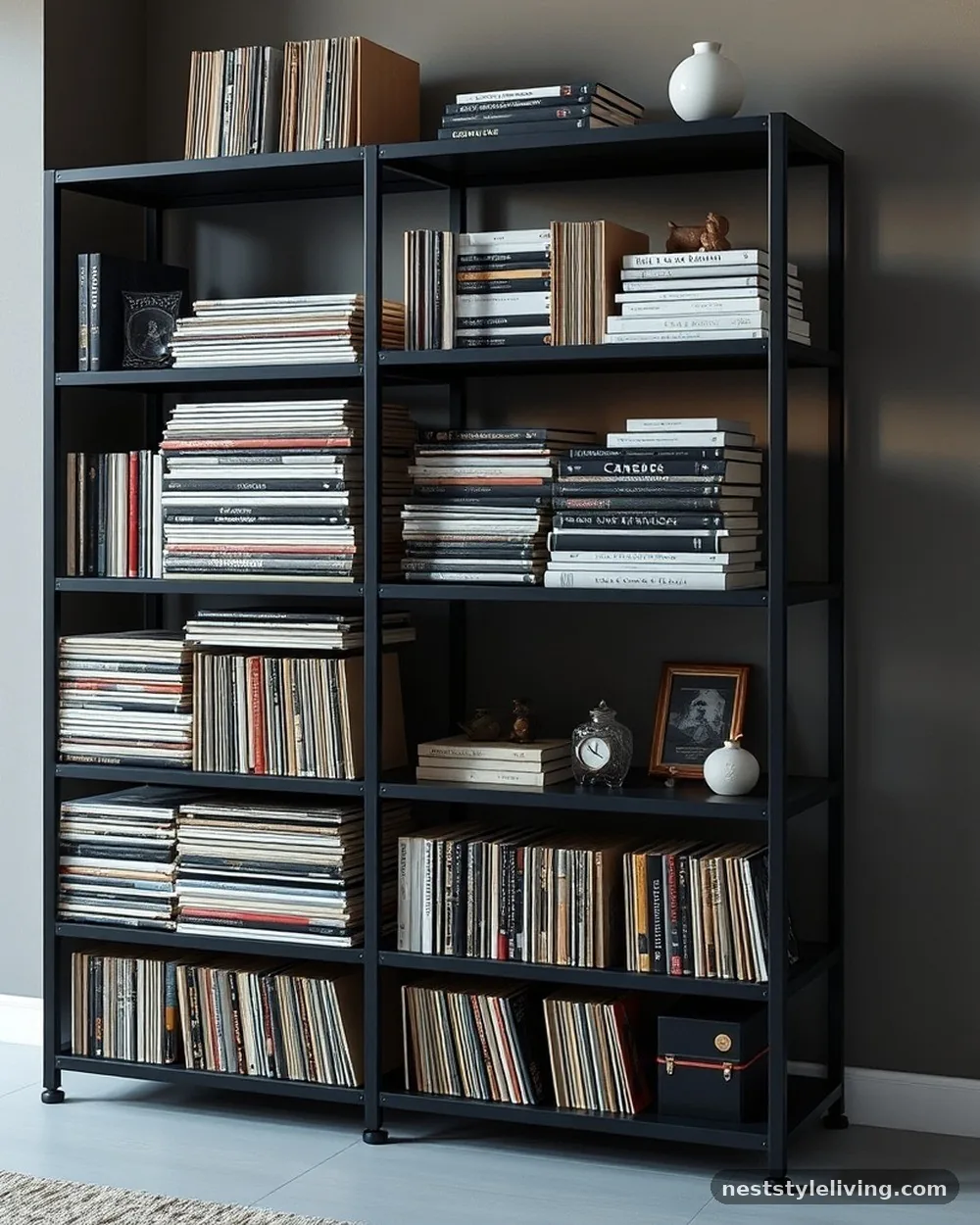
To keep your display items feeling sharp and modern, stick to matte black metal shelving units. These pieces have a severe, industrial look that avoids the softness of traditional wood or white laminate. The dark finish recedes into the background, allowing your books, records, and trinkets to take center stage.
When filled with objects, these shelves should look dense and layered. Avoid the temptation to leave empty space; the grunge look thrives on a sense of abundance and history, so stack your items to the brim to maintain that curated, collected feel.
Look for powder-coated steel shelving units in modular sizes. If you find a unit that is too bright or shiny, spray it with a matte black enamel paint to dull the reflection and achieve a more tactical, utilitarian finish that blends into a dark room.
5. Layered Rugs with Frayed Edges
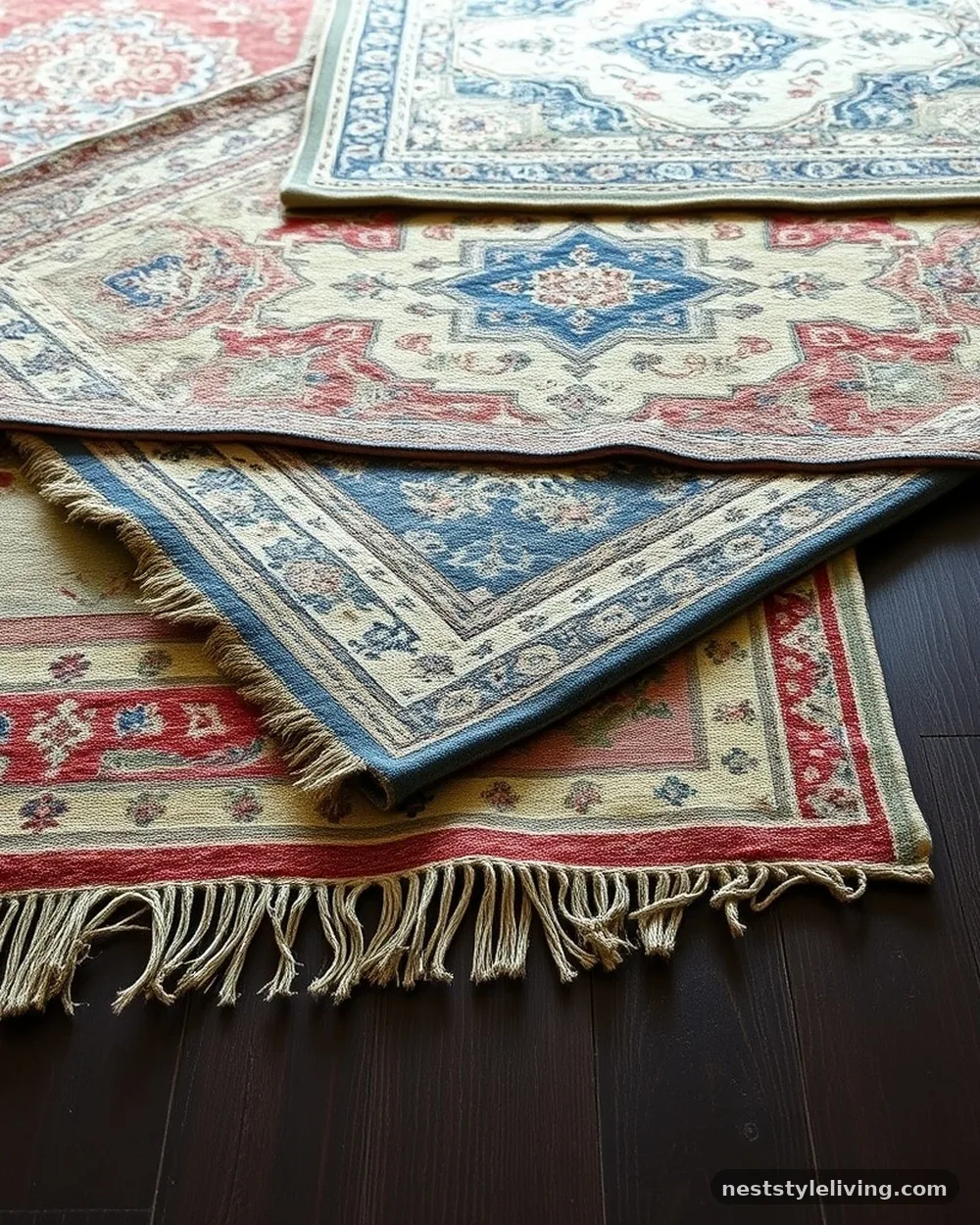
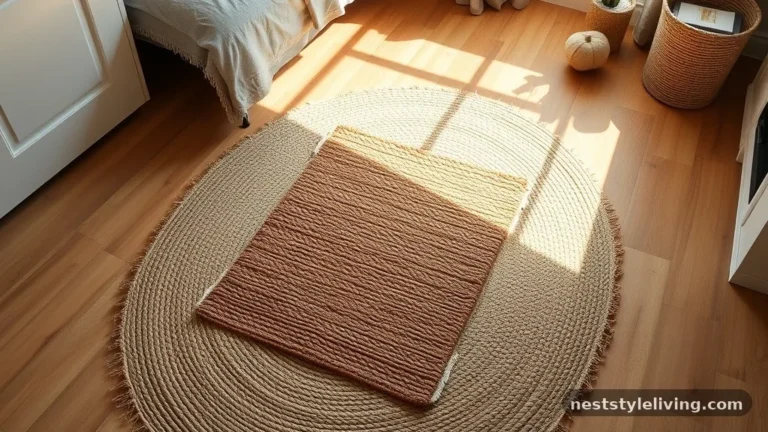
Floors in a grunge apartment should never look pristine. Layering multiple rugs creates a sense of history and comfort while hiding generic flooring. Start with a large, neutral jute or sisal rug as a base, then layer smaller, distressed Persian or geometric-patterned rugs on top.
Look for pieces that show signs of wear, such as fraying edges or faded dyes. This technique adds warmth to the floor and creates a soft, muffled acoustic environment that feels secluded and intimate, much like a hidden studio space or a musician’s practice room.
Visit thrift stores or estate sales to find vintage wool rugs that are already showing wear. Layer them at slightly off-kilter angles to avoid a rigid, traditional layout, and secure the bottom layers with double-sided carpet tape to prevent slipping.
6. Industrial Pendant Lighting

Lighting is the primary tool for creating a moody, atmospheric environment. Swap out standard builder-grade fixtures for heavy-duty industrial pendants, ideally those with cage guards or aged brass finishes. These lights produce a focused pool of illumination, leaving the corners of the room in shadow.
When paired with Edison bulbs, they cast a warm, amber glow that softens the harshness of the surrounding décor. This contrast between the cold metal of the fixture and the warm light it emits is essential for achieving a space that feels both edgy and livable.
Replace your dining or bedroom ceiling fixture with a multi-light pendant that features black steel cages. Use low-wattage, warm-toned LED Edison bulbs to ensure the light is ambient rather than clinical, and consider installing a dimmer switch to control the intensity throughout the evening.
7. Reclaimed Wood Pallet Platform
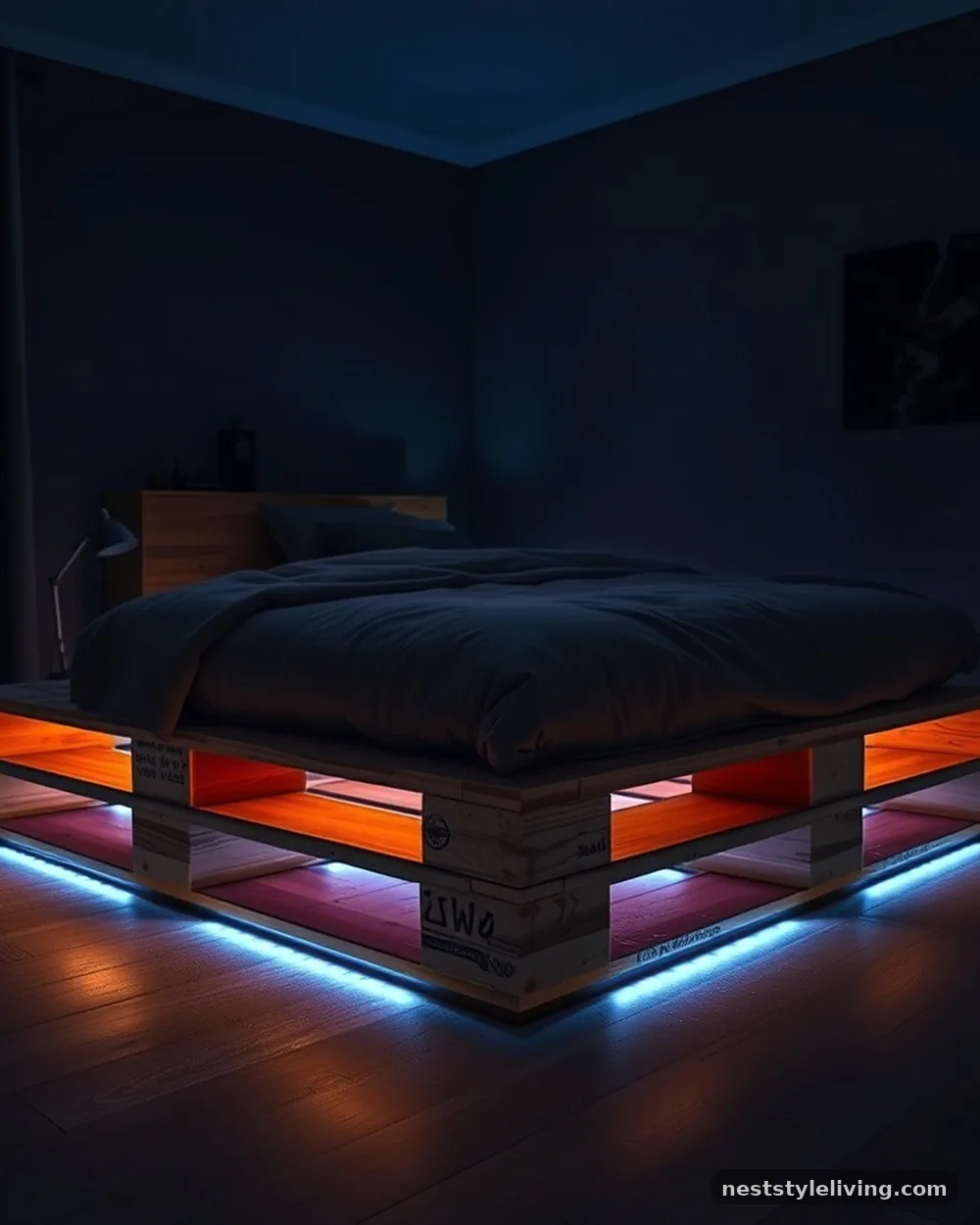
A DIY bed frame made from shipping pallets is an iconic element of the grunge aesthetic. It brings a low-profile, grounded feel to the bedroom and introduces a rough, organic material that contrasts with the softness of your bedding.
You can leave the wood in its raw, splintered state or sand it down just enough to prevent snags on your sheets. To elevate the look, add hidden LED strips under the perimeter of the pallets, which creates a floating effect and emphasizes the rugged construction of the platform.
Source heat-treated pallets—look for the “HT” stamp—to ensure they are free of pests and chemicals. Sand the top surfaces with a medium-grit paper, then arrange them in a grid and bolt them together before placing your mattress directly on top.
8. Velvet Curtains in Jewel Tones
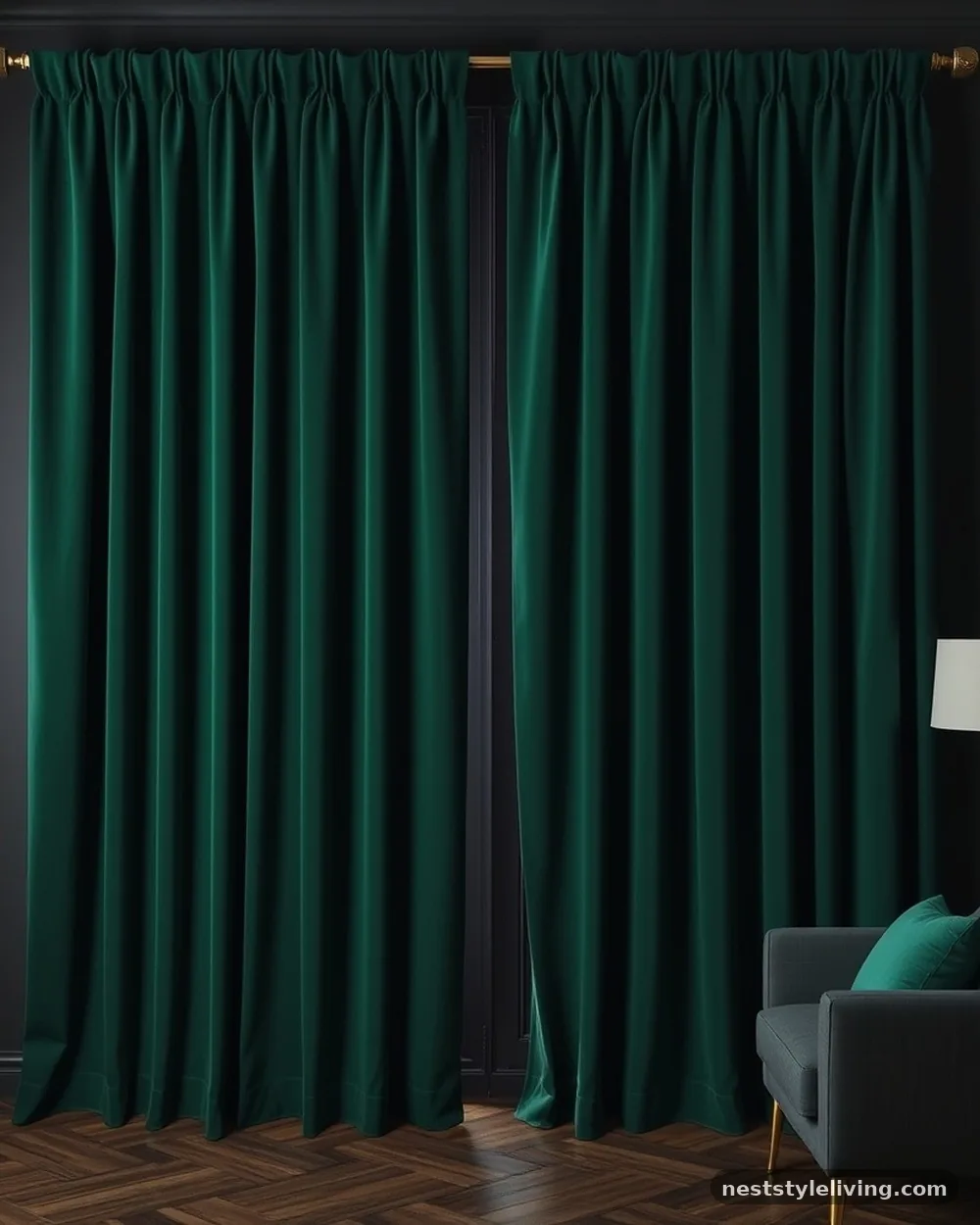
While the grunge style leans into darkness, it requires a tactile, luxurious element to balance the grit. Heavy velvet curtains in deep, moody shades like plum, forest green, or midnight blue add a layer of drama and soundproofing.
These fabrics absorb light and sound, making a room feel like a sanctuary away from the outside world. The weight of the fabric creates deep, vertical folds that add visual height to the room, while the sheen of the velvet provides a subtle, sophisticated contrast to the rougher textures of concrete or exposed brick.
Install a floor-to-ceiling curtain rod and hang heavy-duty velvet panels that are wide enough to overlap in the center. Choose dark, saturated colors to enhance the moody atmosphere and ensure the curtains are long enough to pool slightly on the floor for a more relaxed, unkempt look.
9. Oversized Floor Mirrors
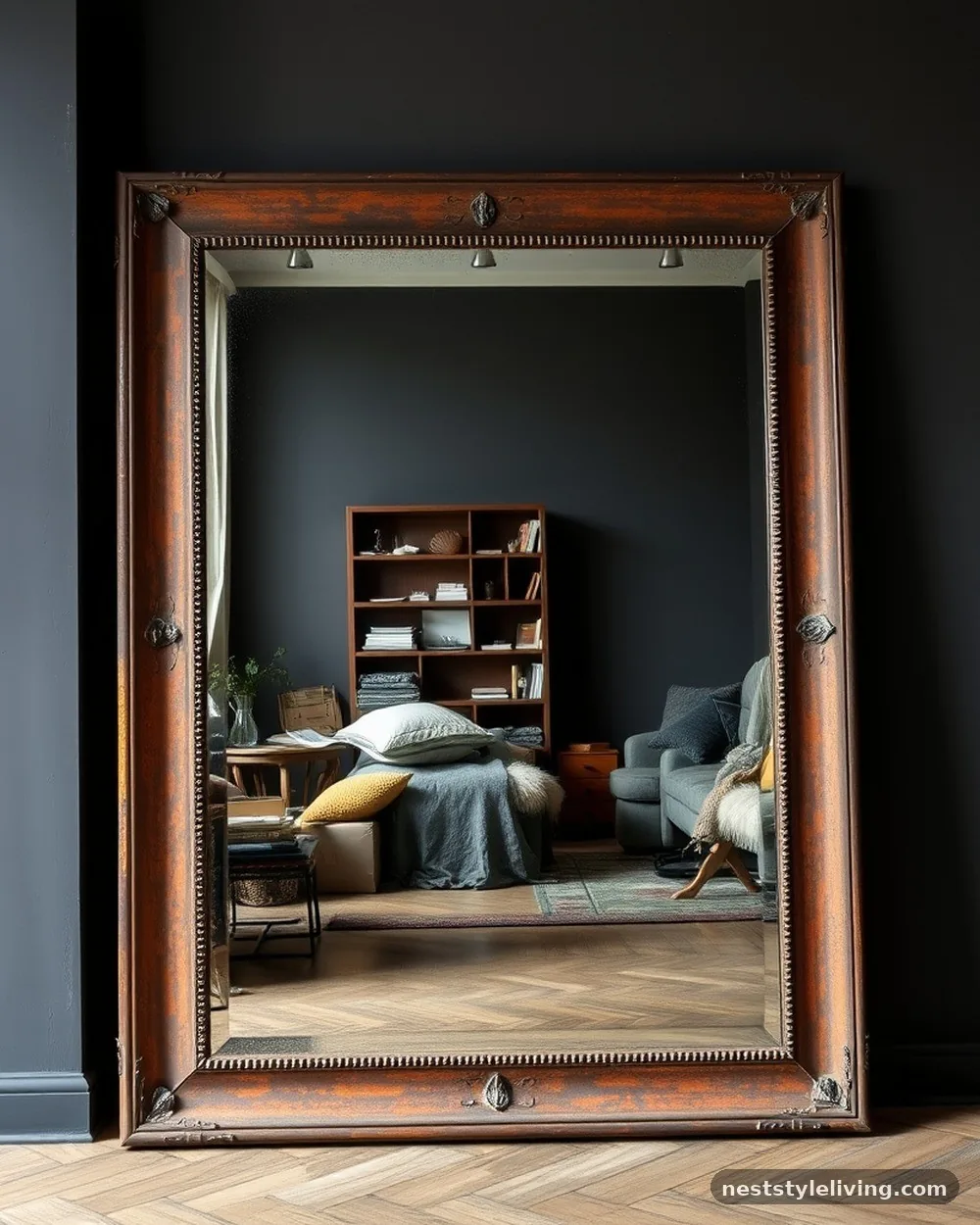
A large mirror with a distressed or iron frame serves two purposes: it creates the illusion of more space in a small apartment and reflects the light to brighten dark corners. For a grunge apartment, look for mirrors that show signs of age, such as foxing on the glass or a rusted metal border.
Leaning the mirror against a wall rather than hanging it creates a casual, temporary feel, as if you’ve just moved in or are constantly rearranging your workspace. This element adds a sense of depth and mystery to your living area.
Find an oversized mirror with a metal frame at a salvage yard. If the frame is too clean, apply a mixture of vinegar and steel wool to the metal to encourage a natural, weathered patina over time.
10. Gridded Wire Mesh Dividers
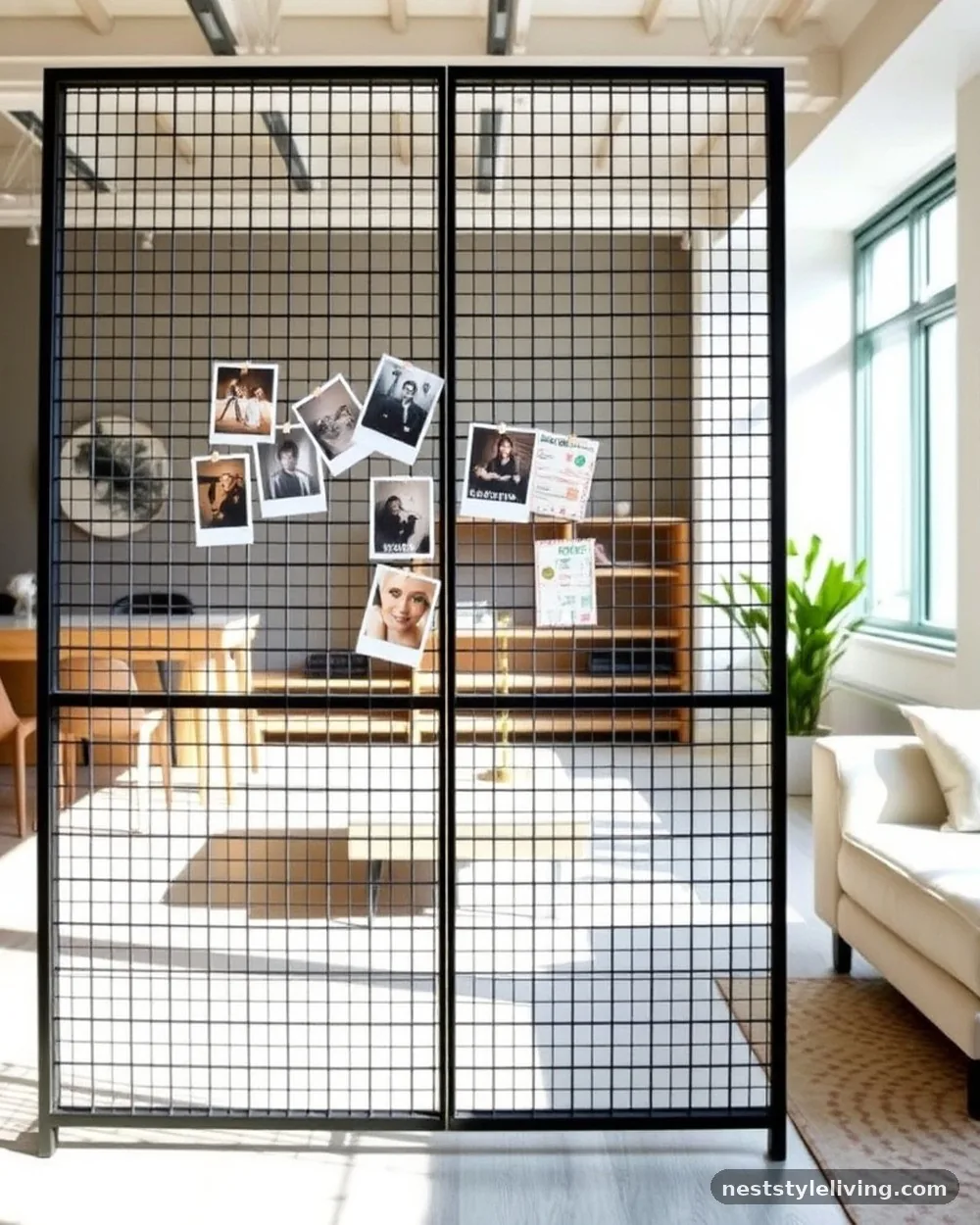
In open-plan apartments, wire mesh panels act as room dividers that don’t block light or visibility. They offer a modular, industrial aesthetic that can be used to separate a sleeping area from a living zone while maintaining an airy, open feel.
You can clip photos, notes, or even small accessories directly onto the grid, turning the divider into a functional display board. This keeps your space organized without resorting to bulky furniture pieces that would close off the room and diminish the sense of flow.
Use black powder-coated wire grid panels often found in retail display supplies. Connect them with heavy-duty zip ties or specialized metal clips to create a freestanding partition that can be moved or reconfigured as your layout requirements change.
11. Leather Accents and Upholstery
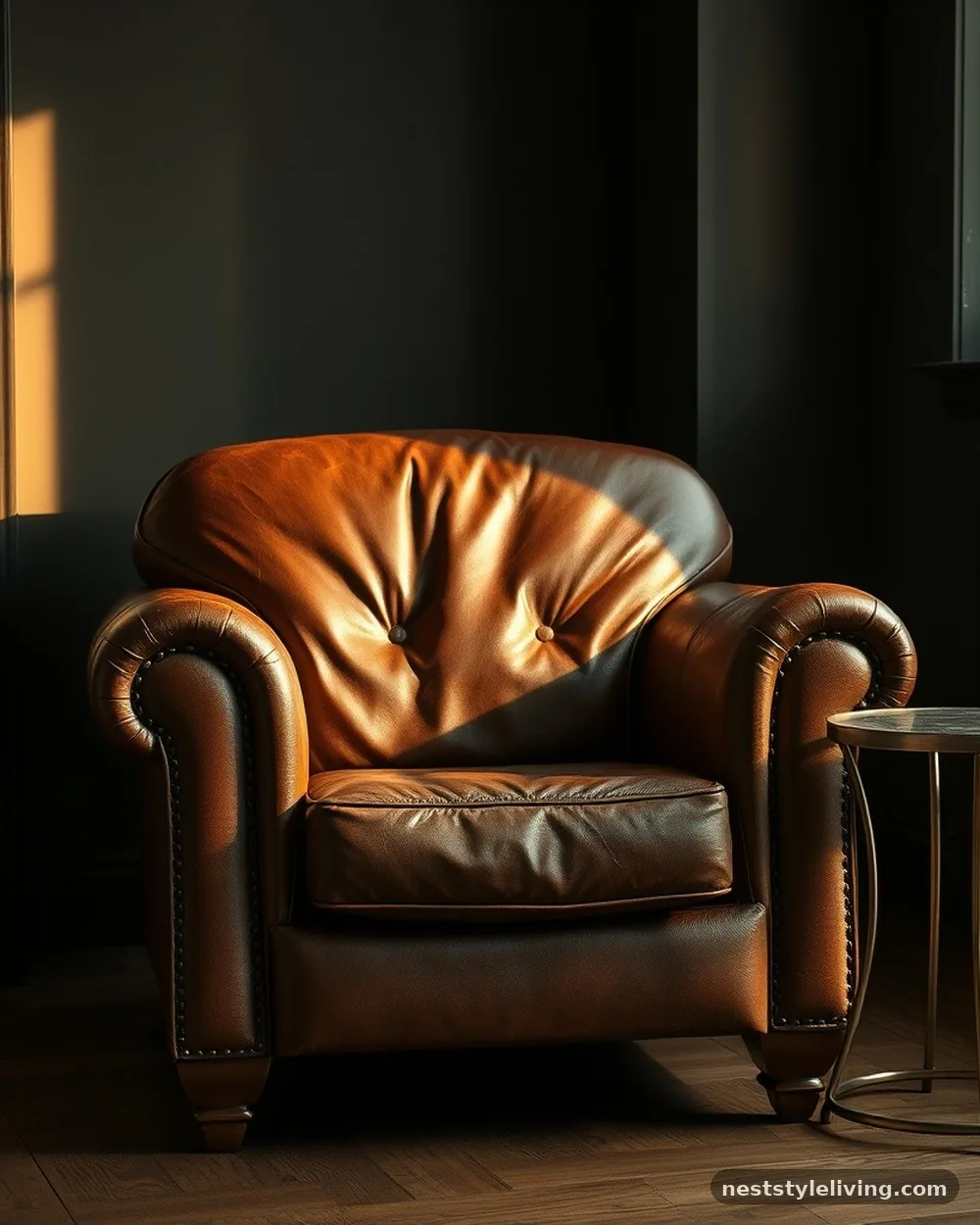
Leather is a staple of the grunge look, providing a durable, timeless texture that only improves with age. Whether it’s a worn-in armchair, a storage trunk used as a coffee table, or even just leather-wrapped handles on your cabinets, this material introduces a sense of ruggedness.
Look for leather that has a matte or distressed finish rather than a high-gloss, polished look. Over time, the scuffs and scratches on the leather will add to the narrative of your space, making it feel more like a collected home than a staged showroom.
Scout secondhand stores for a club chair with cracked or faded leather. If the leather is dry, use a high-quality leather conditioner to restore its flexibility, but avoid heavy polishes that make the material look brand new and plastic-like.
12. Metal Locker Storage
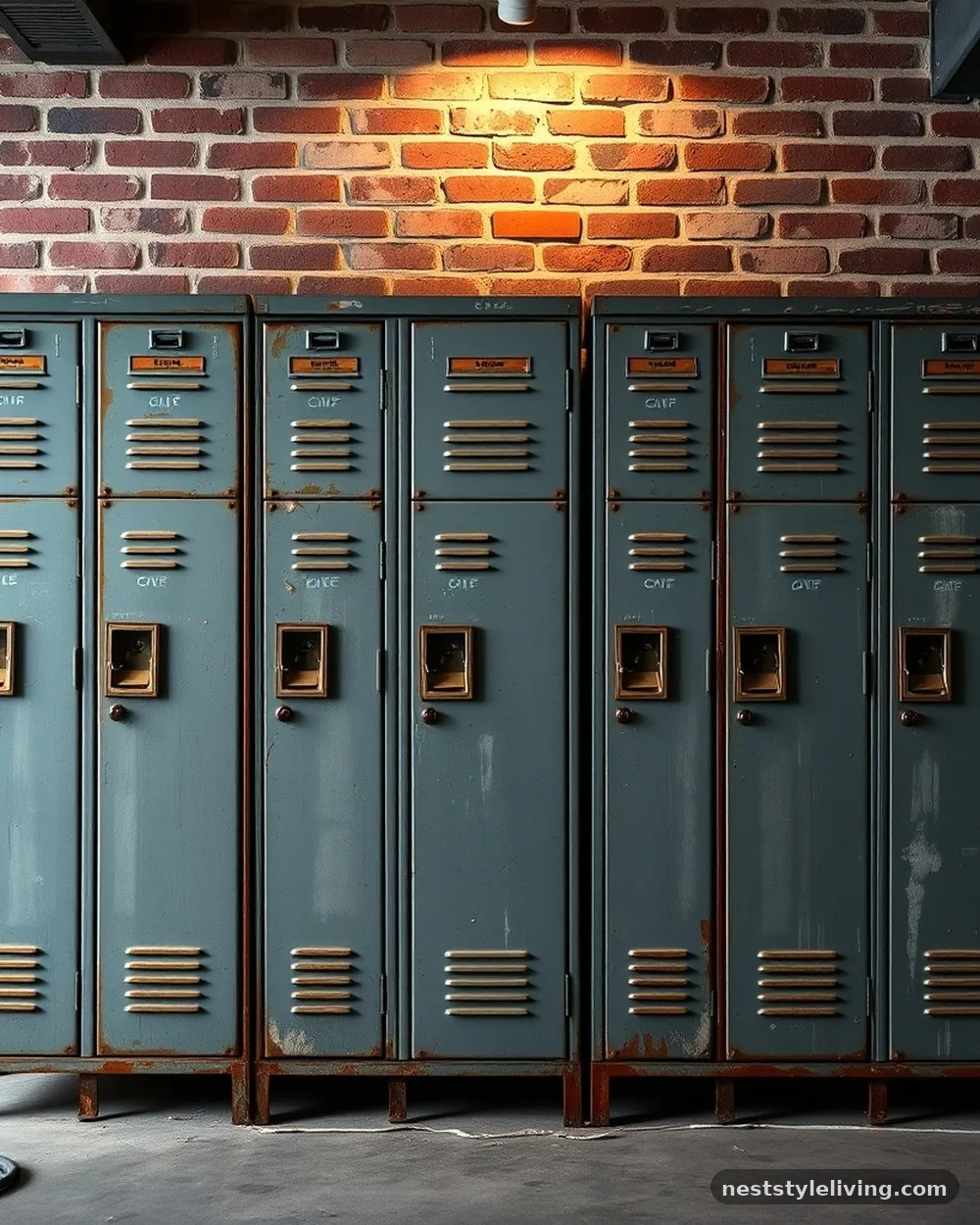
Incorporating vintage metal lockers provides a nod to the institutional, urban environment often associated with the grunge aesthetic. These units offer deep, vertical storage that is perfect for clothes, shoes, or music equipment.
The stark, utilitarian look of the metal doors, especially if they have some scratches or original paint chips, adds a layer of authenticity to your apartment. You can leave them as is for a purely industrial look or use magnets to attach concert tickets and ephemera to the front, adding a personal, messy layer to the rigid structure.
Find a single or double-column locker unit at a vintage warehouse. If you want to customize it, swap the standard handles for heavy-duty industrial pulls or spray paint the interior in a contrasting color to add a hidden element of surprise.
13. Botanical Overgrowth
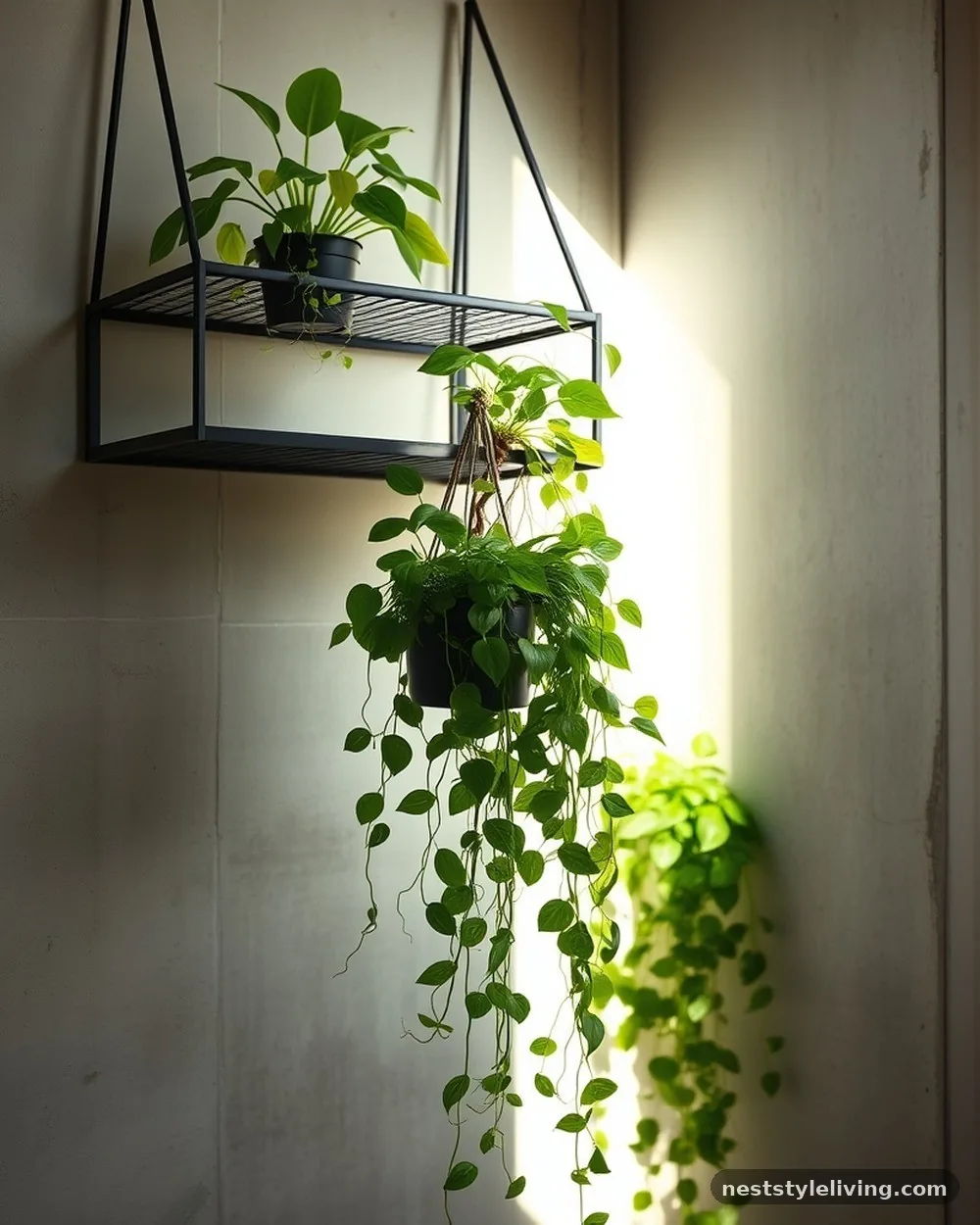
The contrast between urban decay and nature is a recurring theme in the grunge aesthetic. Fill your space with hardy, low-maintenance plants like snake plants, pothos, or devil’s ivy. Allow the vines to trail down from high shelves or climb up wire mesh dividers.
The deep, dark greens of the leaves look striking against black walls or grey concrete. Placing plants in unconventional containers, such as old tin cans or ceramic bowls, reinforces the “make-do” philosophy and adds organic life to an otherwise moody, industrial environment.
Choose trailing plants that thrive in lower light conditions. Use macramé hangers made of dark hemp cord to suspend them, and avoid overly decorative pots; opt for plain terracotta or matte black ceramic vessels to keep the focus on the plants themselves.
14. Mismatched Lighting Sources
Uniformity is the enemy of a cool, edgy home. Instead of a matching set of lamps, curate a collection of different light sources that serve different purposes. Mix a task-oriented desk lamp with a floor-standing tripod light and a string of exposed-filament bulbs draped across a corner.
This variety creates “zones” of light, allowing you to change the mood of the room instantly. The visual variety of the different lamp styles—some metal, some glass, some wood—contributes to the layered, eclectic feel that is central to a successful grunge apartment.
Collect lamps from various sources like flea markets or online marketplaces. Ensure they all use warm-toned bulbs so that even though the styles differ, the quality of the light remains consistent throughout the space, creating a cohesive, cozy glow.
15. Exposed Brick Wall Accents
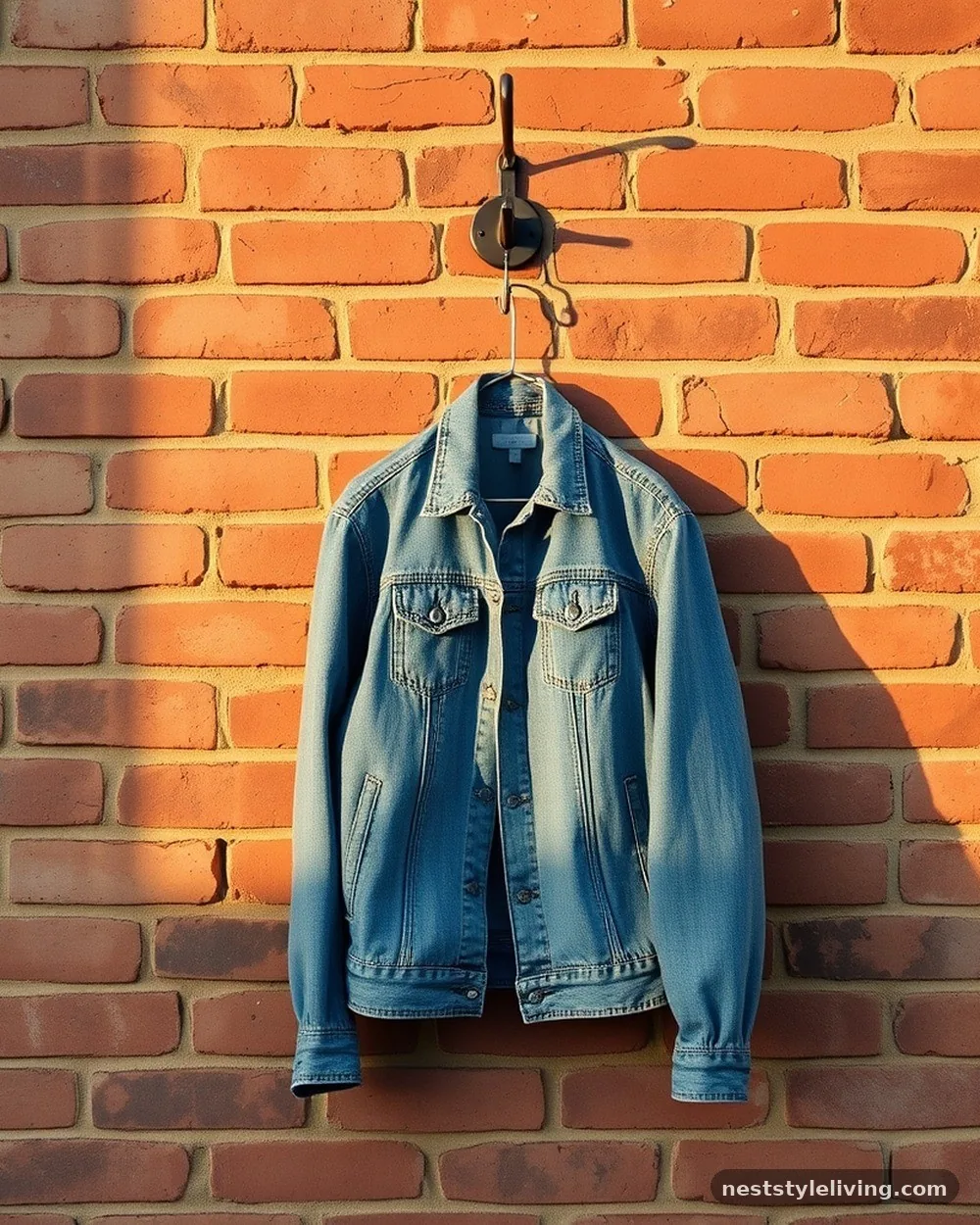
If you are lucky enough to have an exposed brick wall, celebrate it. If not, faux-brick veneers are a great way to add the necessary texture. The rough, irregular surface of brick provides a natural backdrop for band posters, art prints, or even just hanging a denim jacket.
The red, orange, and brown tones of the brick add essential warmth to a space that might otherwise feel too cold due to grey and black color palettes. It’s an architectural detail that instantly signals a building’s history and character.
If you have faux-brick, consider whitewashing it or applying a thin, diluted coat of grey paint to tone down the vibrant orange hues. This makes the wall look more aged and weathered, fitting the aesthetic better than brand-new, bright red brick.
16. Heavy-Duty Canvas Textiles
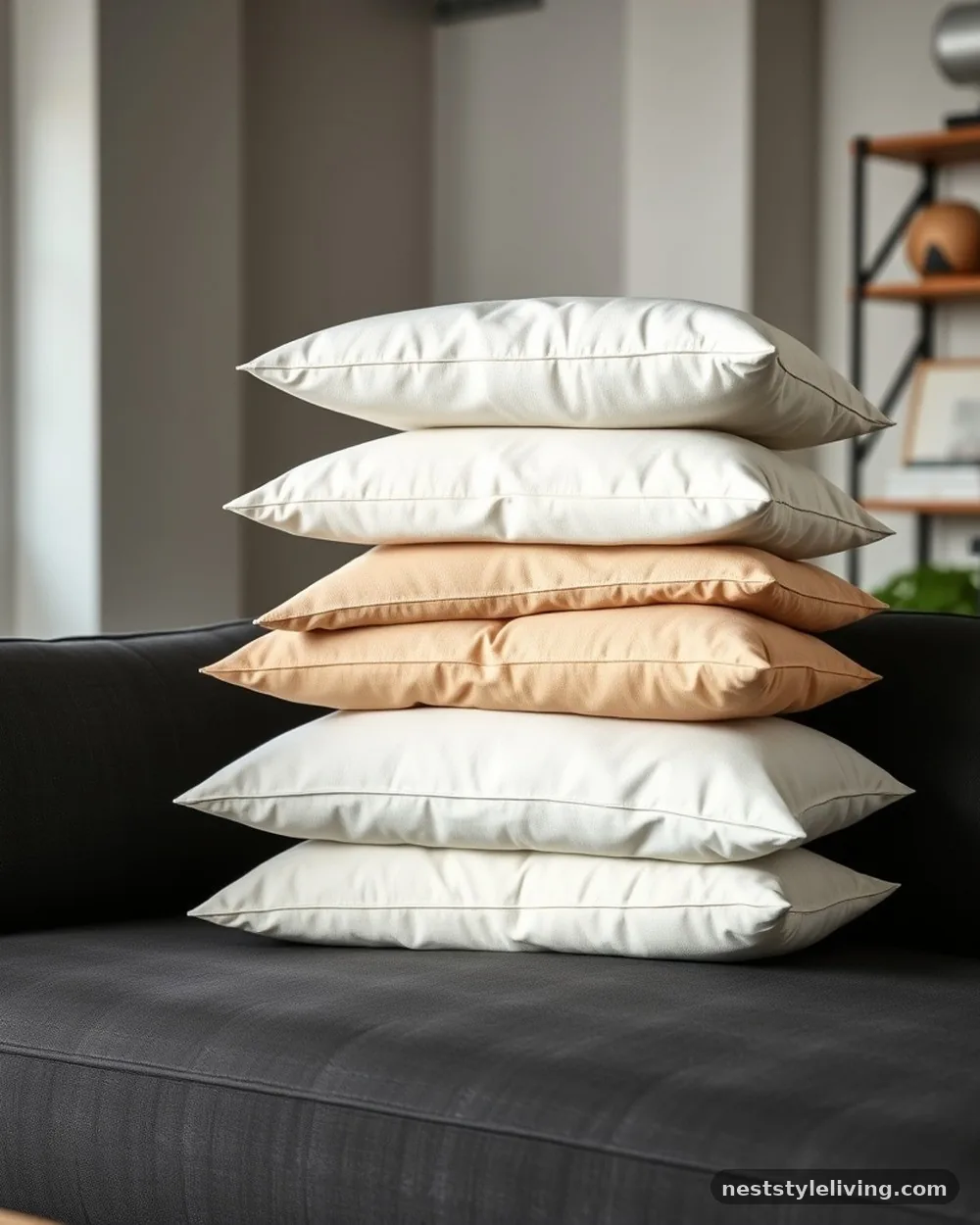
Canvas is a rugged, durable fabric that fits perfectly with the functional, unpretentious nature of a grunge apartment. Use heavy-duty canvas for throw pillows, floor cushions, or even as makeshift room dividers. The material is thick, holds its shape well, and has a matte finish that doesn’t reflect light.
Whether you choose natural, unbleached canvas or dyed charcoal, the texture feels utilitarian and ready for heavy use. It’s the perfect fabric for a space where you want to relax without worrying about delicate textures or constant upkeep.
Buy heavy-duty painter’s drop cloths to create custom pillow covers or curtains. The material is inexpensive and has a natural, slightly coarse texture that looks great when left raw or stained with a light tea wash to give it an aged appearance.
17. Framed Ephemera and Zines
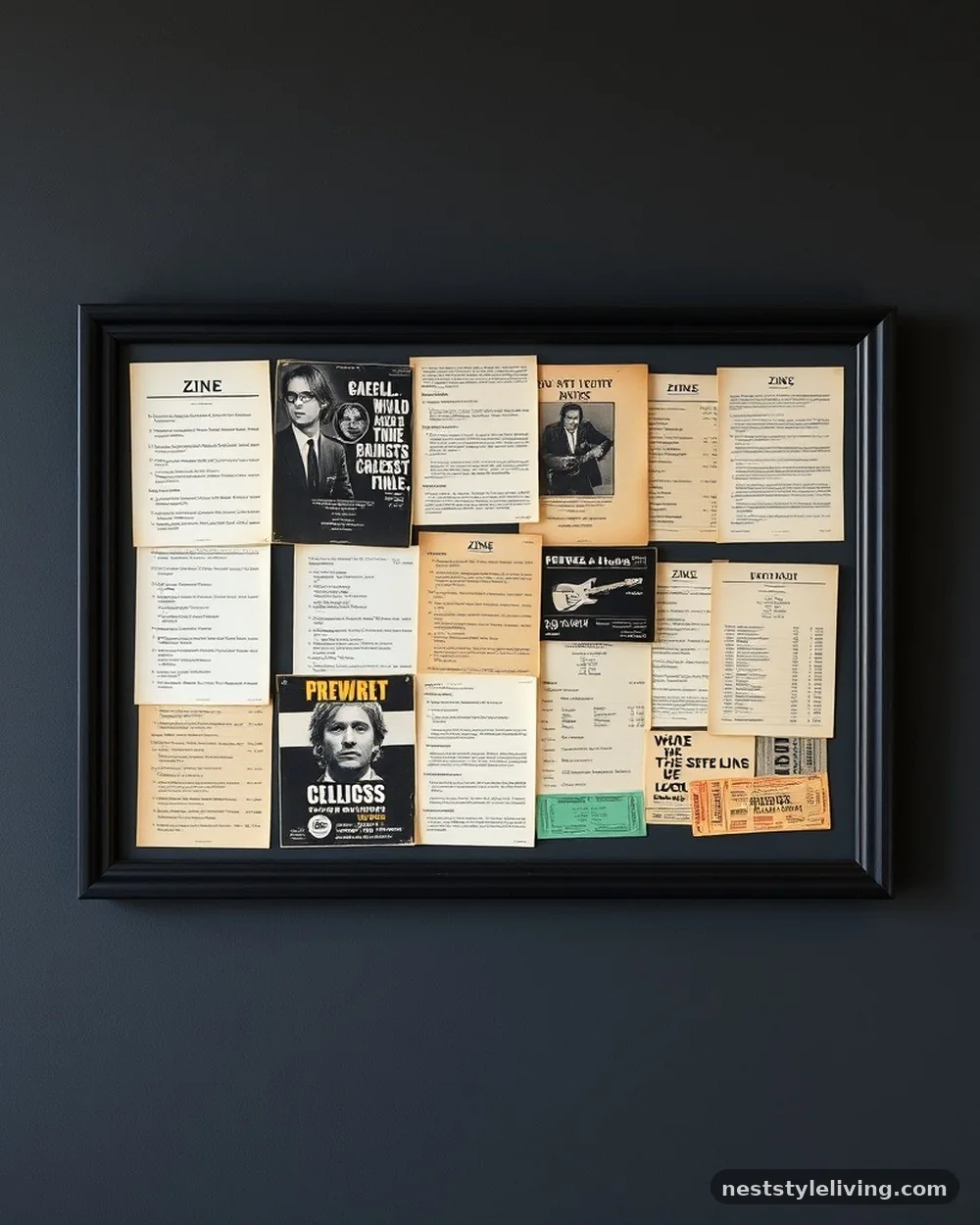
Grunge is deeply rooted in DIY culture, zines, and underground art. Instead of buying generic wall art, frame your favorite pages from old zines, concert tickets, or even handwritten setlists.
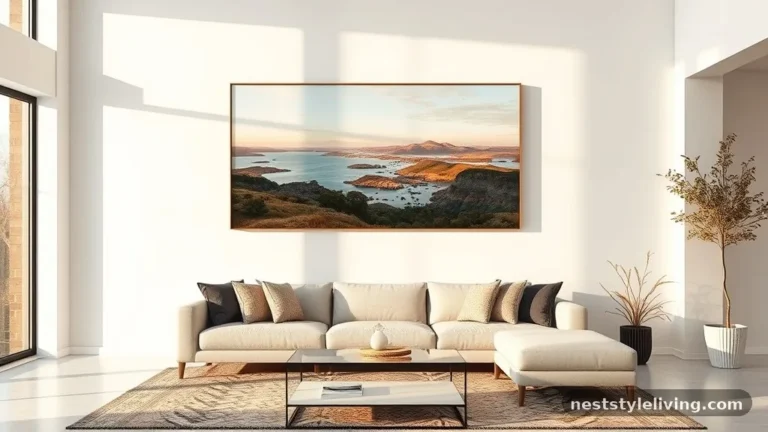
Grouping these smaller items in a large, uniform frame creates a sophisticated way to display ephemeral pieces. This personalizes your space and tells a story that is unique to your experiences, reinforcing the idea that your home is a reflection of your specific interests rather than a curated catalog look.
Collect interesting paper ephemera over time. When you have enough, arrange them on a large piece of black mat board and place them in a single, oversized black frame. This turns a collection of “junk” into a unified, deliberate art piece.
18. Darkly Painted Ceilings
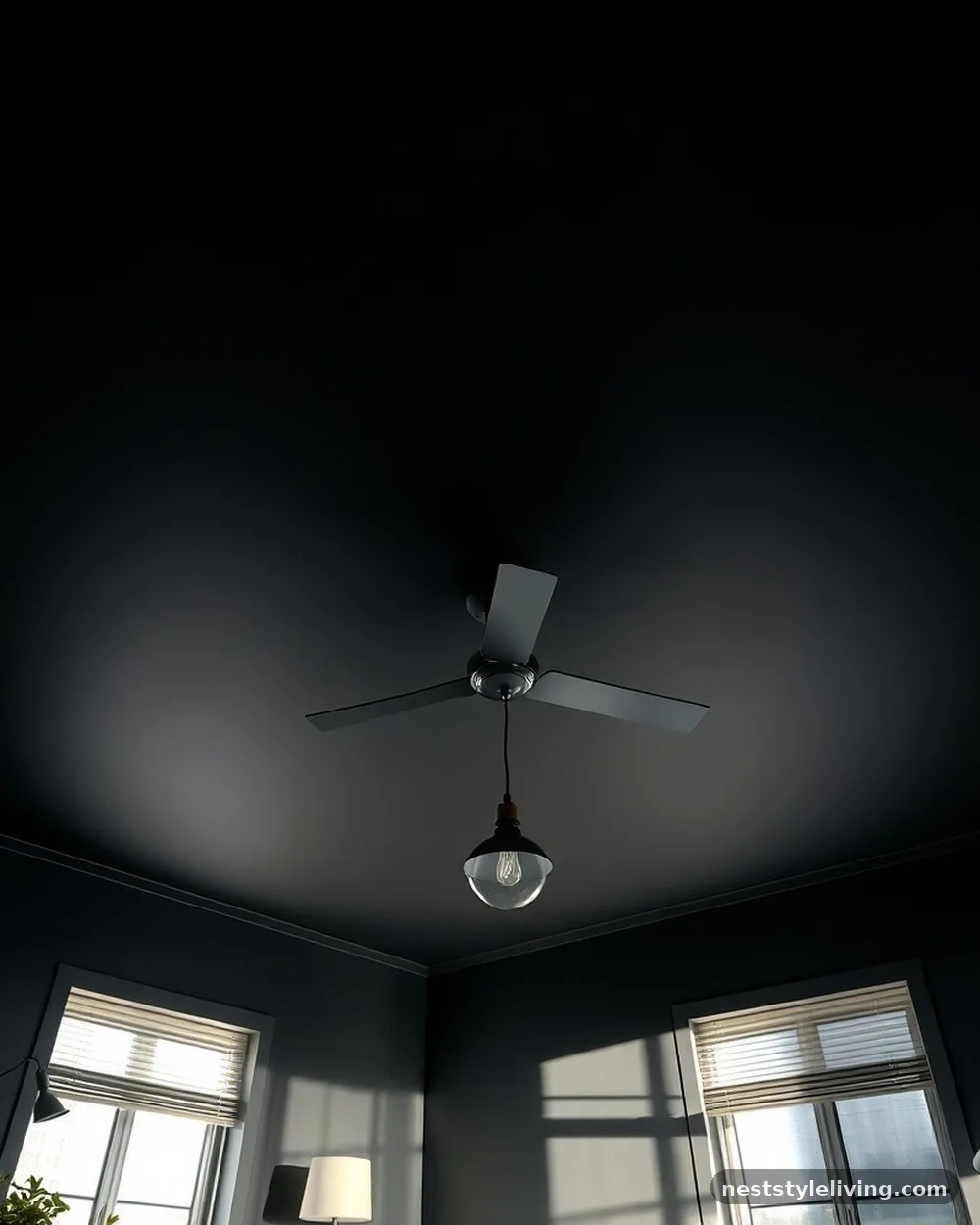
While most people paint their ceilings white to maximize height, a grunge apartment benefits from a darker, more enclosed feel. Painting the ceiling a deep charcoal or matte black can actually blur the lines between the wall and the ceiling, making the room feel more intimate and “cave-like.”
This is particularly effective in a bedroom or a small den. It forces the eye to focus on the items at eye level and creates a dramatic, moody atmosphere that is perfect for late-night relaxation and creative work.
Use a flat, matte finish paint for the ceiling to ensure that light does not reflect off the surface, which would highlight any imperfections. A matte black ceiling will make the room feel cozier and provide a stark contrast to any light-colored furniture or artwork on the walls.
19. Repurposed Industrial Carts
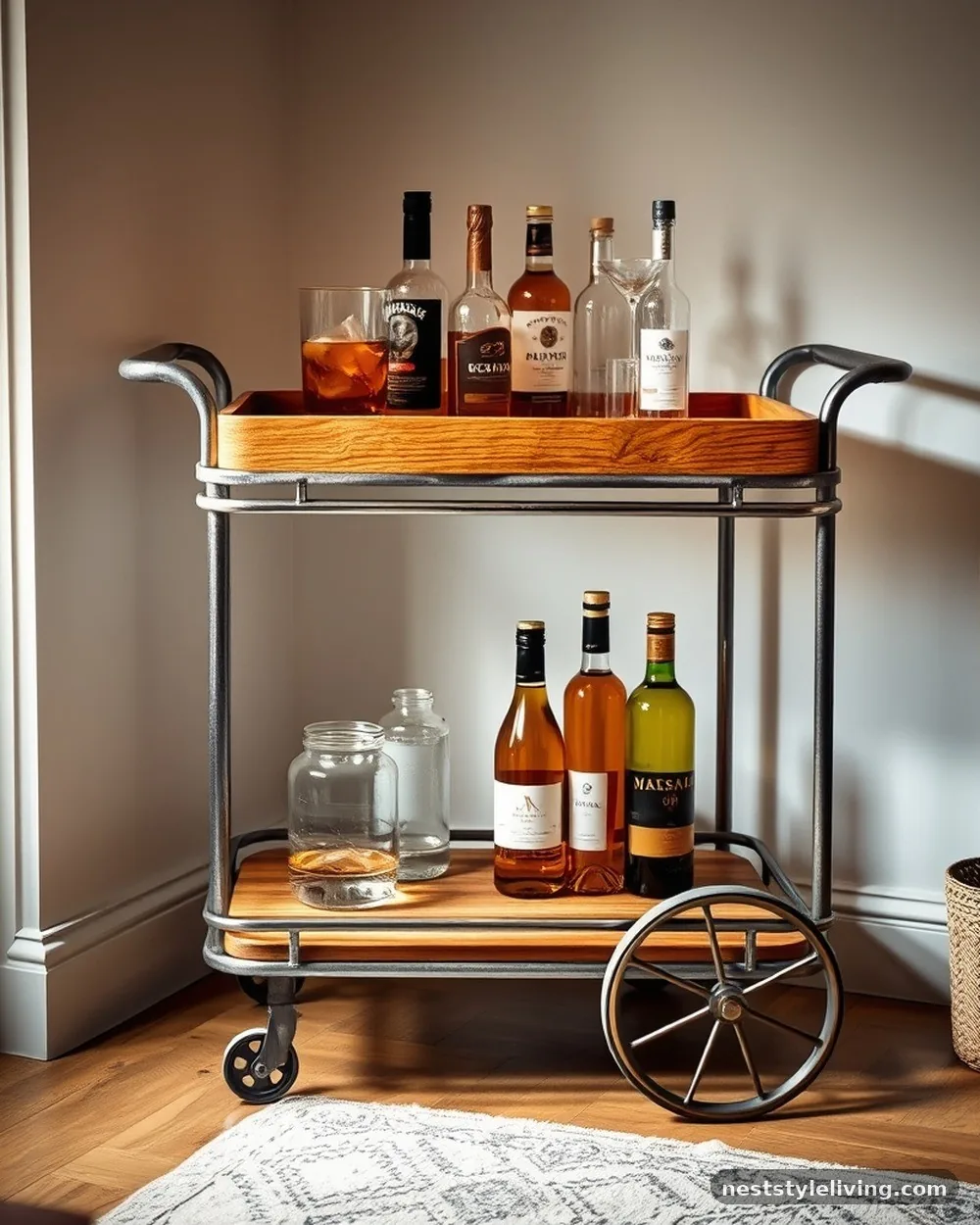
A metal industrial cart on wheels is one of the most versatile pieces of furniture for an edgy apartment. Use it as a mobile nightstand, a bar cart, or a place to store your record collection.
The wheels add a sense of movement and utility, while the metal construction ties into the broader industrial theme. These carts were originally designed for function in factories or workshops, so they bring an authentic, no-nonsense vibe to your living space that feels much more genuine than mass-produced decorative furniture.
Look for vintage medical or workshop carts at salvage stores. If the cart is too clean, rub a little bit of dark wax or oil onto the metal to give it a slightly grimy, well-used look that fits perfectly with the rest of your decor.
20. Worn-in Denim Accents
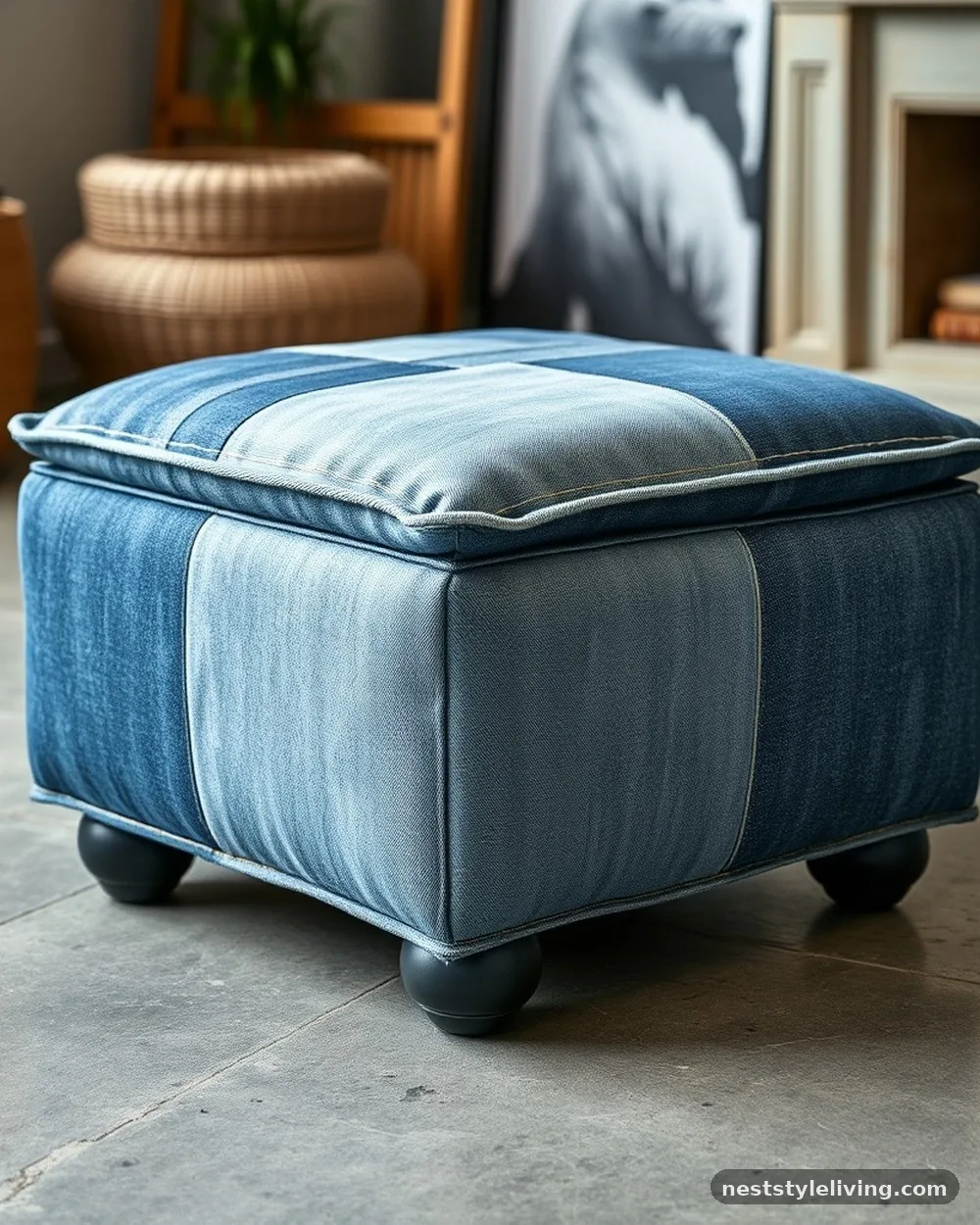
Denim is synonymous with the grunge movement, and bringing it into your apartment’s decor is a subtle way to reinforce that style. Think beyond clothing; you can use denim fabric to upholster small ottomans or even create a patchwork throw blanket.
The fading, fraying, and indigo hues of worn denim add texture and a casual, lived-in feel. It’s a material that everyone recognizes and associates with comfort and rebellion, making it an easy and effective way to ground your space in the right aesthetic.
Collect old jeans that are no longer wearable and cut them into squares to create a patchwork cushion cover. The different shades of blue and the varying textures of the worn denim will create a unique, tactile piece that feels completely authentic to the theme.
21. Concrete and Metal Side Tables
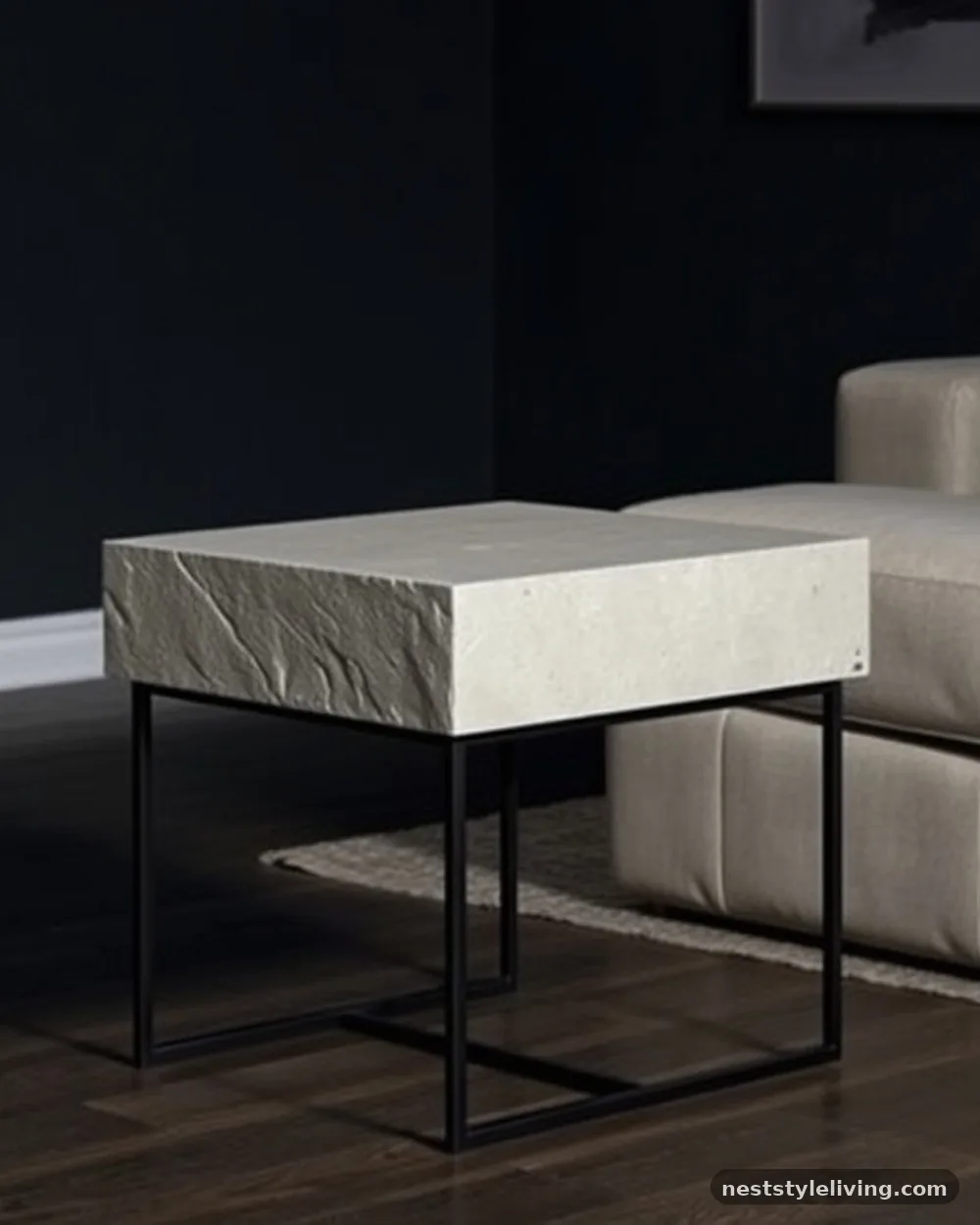
Side tables should be sturdy and utilitarian in a grunge-inspired space. Look for tables that combine raw concrete tops with simple, black metal legs. The weight of the concrete and the coldness of the metal provide a substantial, grounded feel that contrasts with softer elements like rugs and curtains.
These pieces are durable, easy to clean, and fit perfectly into the “industrial chic” aspect of the grunge aesthetic. They don’t try to be pretty; they prioritize function and longevity, which is exactly what a cool, edgy apartment requires.
If you can’t find the perfect table, build one by purchasing a pre-cast concrete paver and attaching four simple steel hairpin legs to the underside. It’s an easy, inexpensive project that delivers a highly professional, custom-made industrial look.
22. Clustered Art and Posters
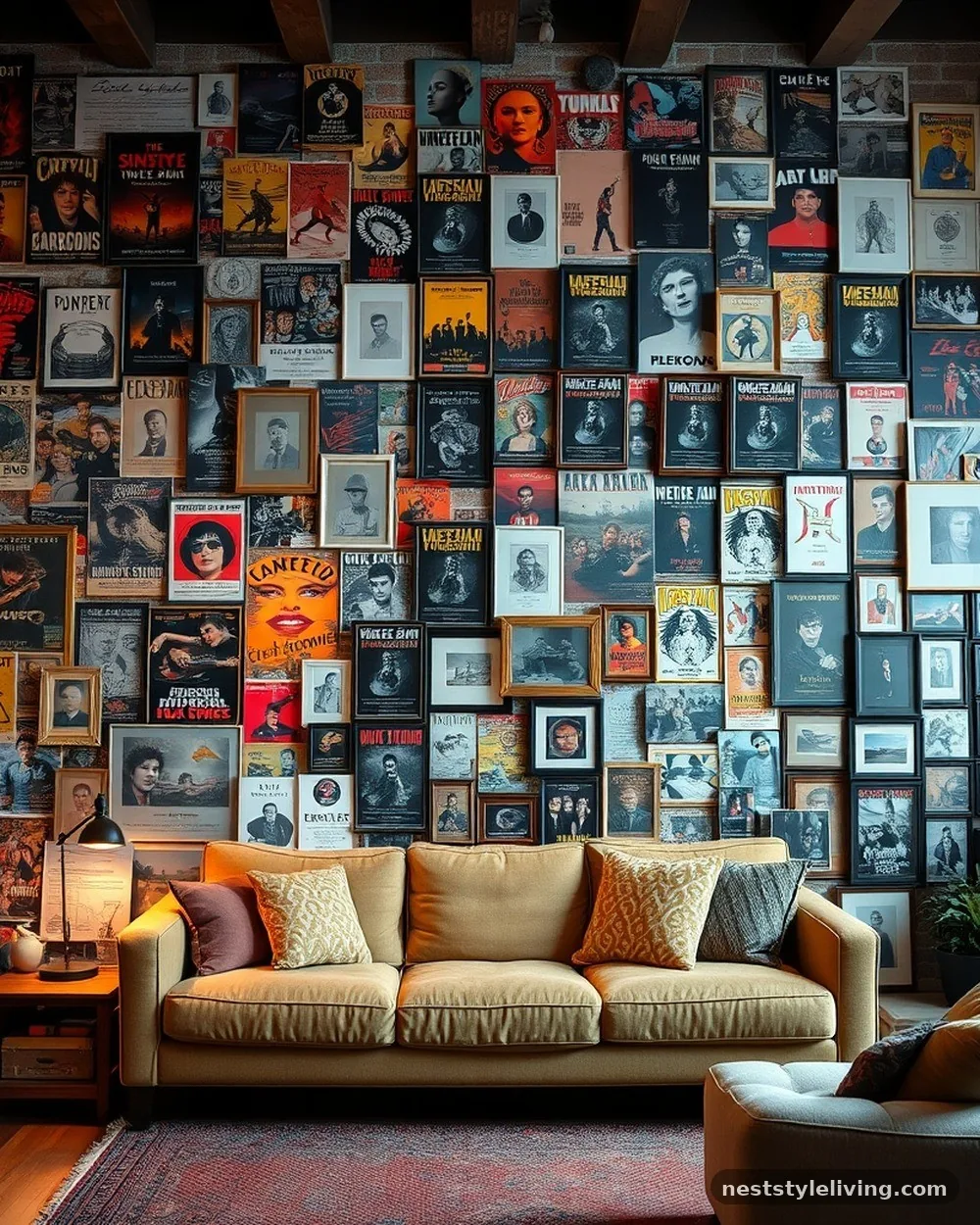
The “less is more” philosophy does not apply to grunge decor. A cluster of posters, prints, and photographs hung closely together creates a busy, layered look that feels like a bedroom wall in a musician’s home.
Don’t worry about matching frames; mixing different styles—thin metal, thick wood, or even no frames at all—adds to the eclectic, collected vibe. The goal is to fill the visual space with things that mean something to you, creating a dense, immersive environment that feels personal and intensely lived-in.
Start by laying your art out on the floor to find a configuration you like, then transfer it to the wall. Don’t stress about perfect alignment; the charm of this style comes from the slightly haphazard, organic layout that feels like it grew over time.
Frequently Asked Questions
How do I make my room look more grunge without spending a lot of money?
Focus on high-impact, low-cost changes like painting a wall a dark, matte color or creating your own art using band posters and thrifted frames. Prioritize sourcing items from secondhand shops, as vintage furniture and textiles naturally carry the worn-in texture that defines this aesthetic. DIY projects, such as building a platform bed from pallets or creating custom wall art from fabric, allow you to achieve the look for a fraction of the cost of new decor.
What color palette should I use for a grunge apartment?
The foundation of this style relies on dark, moody tones such as charcoal, slate grey, midnight blue, and matte black. These colors create the necessary depth and atmosphere. Use metallic accents like iron, steel, or aged brass to add contrast, and incorporate deep jewel tones like plum or forest green through textiles like velvet or wool to prevent the space from feeling too clinical or flat.
How can I incorporate the grunge look in a small, rented apartment?
Since you likely cannot make permanent changes, focus on removable decor elements that define the space. Use tension rods for curtains, command strips for hanging art, and area rugs to cover generic flooring. Focus on modular furniture that can be easily moved or repurposed, such as metal carts or wire shelving, which provide the industrial aesthetic without requiring any structural modifications to the unit.
What are the essential textures for a grunge aesthetic?
The grunge look thrives on the juxtaposition of rough and soft materials. Key textures include exposed concrete, brick, distressed leather, heavy-duty canvas, and raw metal. These rougher elements should be balanced with softer, tactile materials like velvet, worn wool, and faded denim to ensure the space remains comfortable and inviting despite its edgy, industrial appearance.
Conclusion
Creating a space that embodies the gritty, authentic appeal of the grunge aesthetic is an exercise in curation and contrast. By embracing raw materials like concrete, metal, and worn-in leather, and balancing them with soft, moody textiles, you can develop a home that feels both edgy and deeply personal. Remember that the goal is to avoid the overly polished or curated look of standard interior design; instead, lean into the history, the wear, and the individual artifacts that tell your story.
Whether you start with a single wall or a complete room overhaul, applying these grunge apartment ideas for a cool edgy look will help you build a sanctuary that feels like an extension of your own unique, rebellious spirit. Start by choosing one element that speaks to you and build your space from there.