23 Single Wide Trailer Living Room Ideas That Feel Cozy
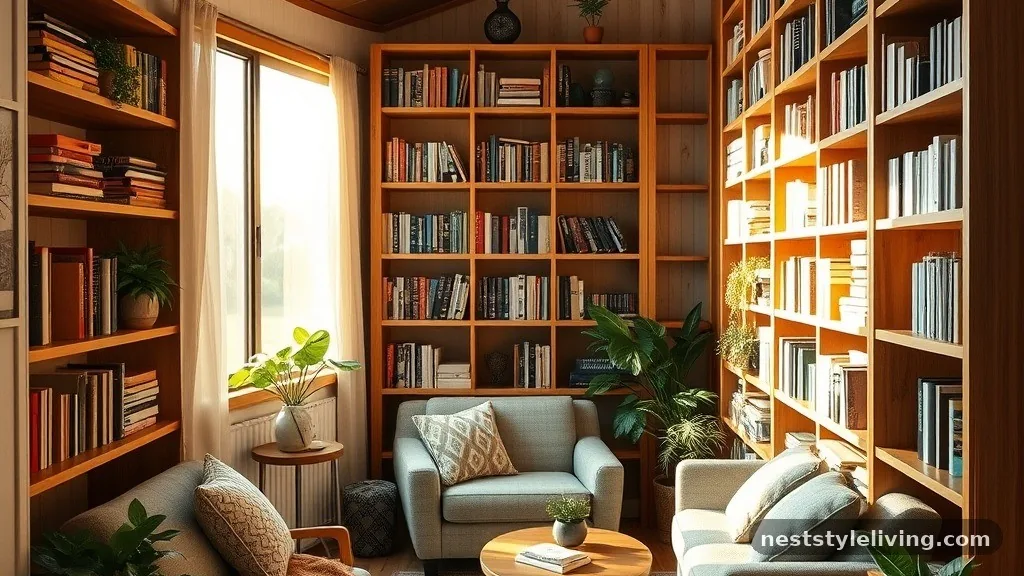
Transforming your home starts with finding the right single wide trailer living room ideas that feel cozy and functional. Because these spaces often feature narrow floor plans, the goal is to balance comfort with clever storage and visual openness. By selecting furniture that fits the scale of your room and using lighting to define specific zones, you can eliminate the cramped feeling often associated with mobile home living.
This collection of design strategies focuses on maximizing every square inch without sacrificing personal style, ensuring your main gathering area becomes a true sanctuary. Here are twenty-three practical ways to refine your space and create a welcoming atmosphere that reflects your personality.
1. Vertical Floor-to-Ceiling Shelving
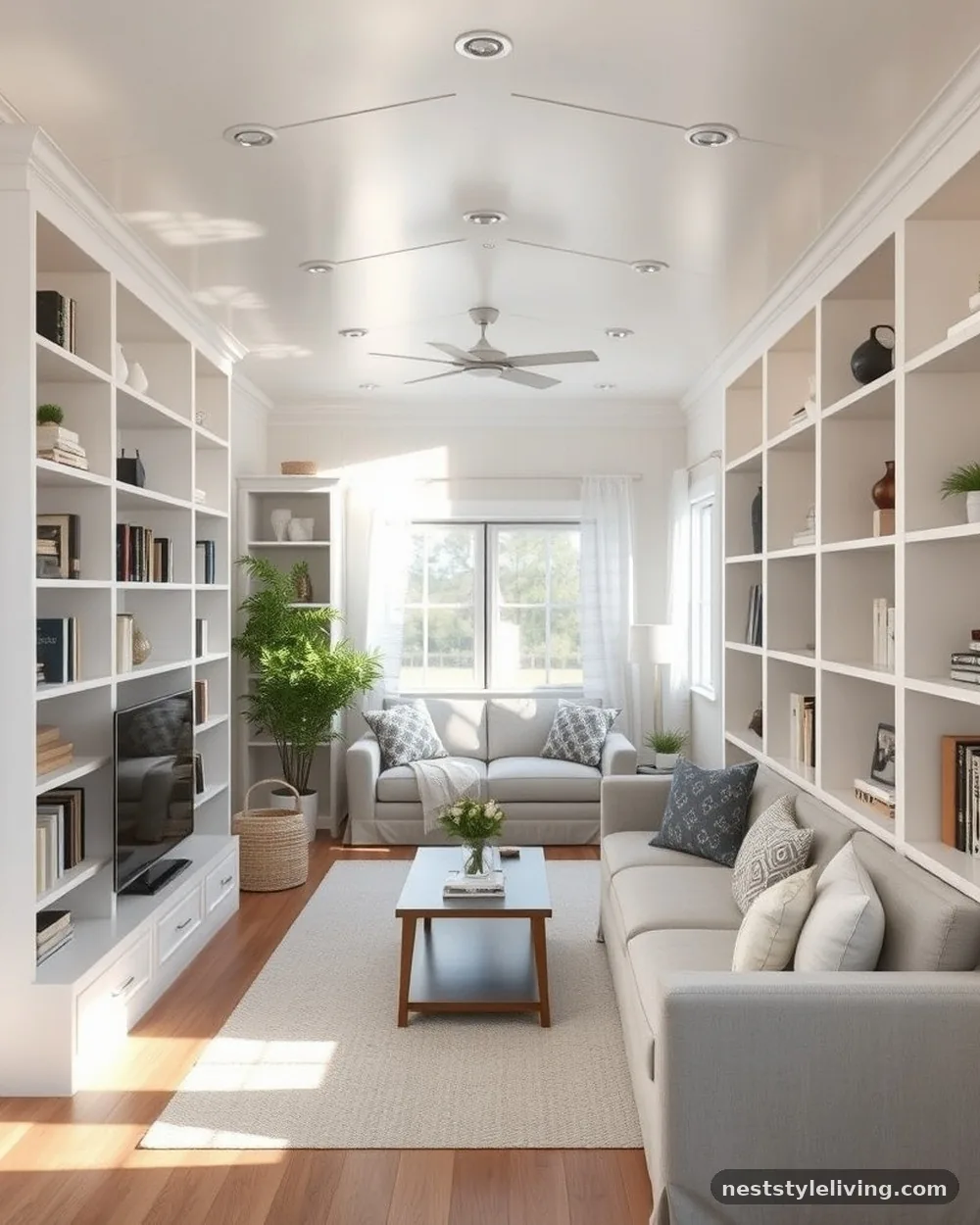
Installing floor-to-ceiling shelving on a single feature wall draws the eye upward, creating an illusion of height in rooms with standard or low ceilings. By utilizing the full height of the wall, you gain significant display and storage space without eating into the limited floor area of a narrow layout. Open shelves work best here to keep the room from feeling closed in, while matching the wood finish to your flooring or trim creates a cohesive, high-end look. This approach is highly effective for organizing books, plants, and decorative objects that would otherwise clutter your surfaces.
Measure the distance between your floor and ceiling precisely before purchasing materials to ensure a tight, custom fit that looks built-in rather than freestanding. If you are handy with tools, use wall-mounted standards and brackets to secure the shelves directly into the studs for maximum stability and weight capacity.
2. Low-Profile Sectional Sofas
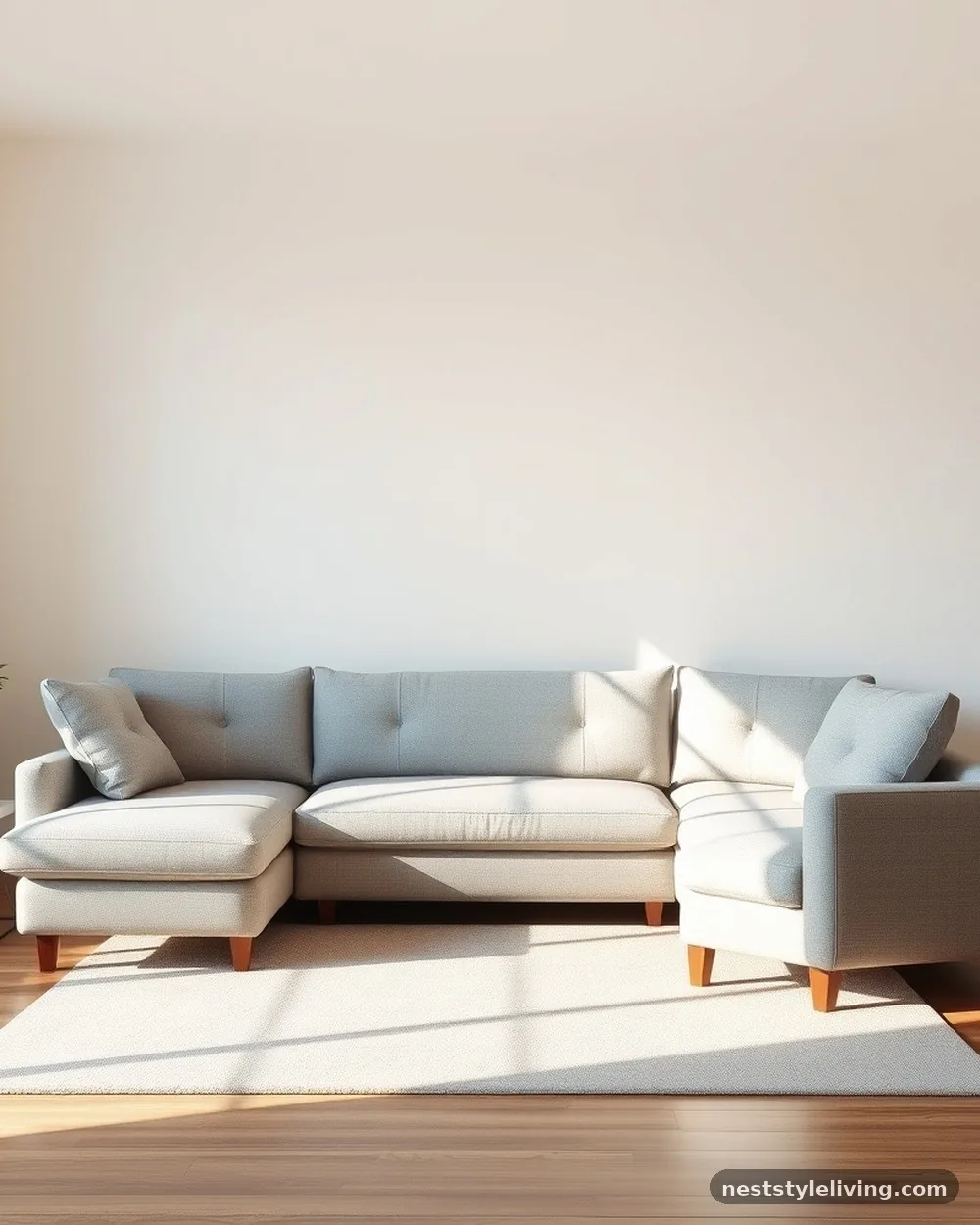
A low-profile sectional with clean lines helps anchor the living room without overwhelming the narrow footprint of a single wide trailer. Because these units sit closer to the ground, they leave more visible wall space above, which trickles down to a more expansive, airy feel. Choosing a model with slim track arms instead of bulky, rolled arms saves precious inches while maintaining ample seating room for guests or relaxation. Neutral upholstery colors like light gray, cream, or soft beige further enhance the sense of space by reflecting light rather than absorbing it.
Look for a modular sectional that allows you to configure the chaise on either the left or right side to suit your specific traffic flow. Test the seat depth in person to ensure it provides back support without forcing you to sit too far forward in the narrow room.
3. Floating Media Consoles
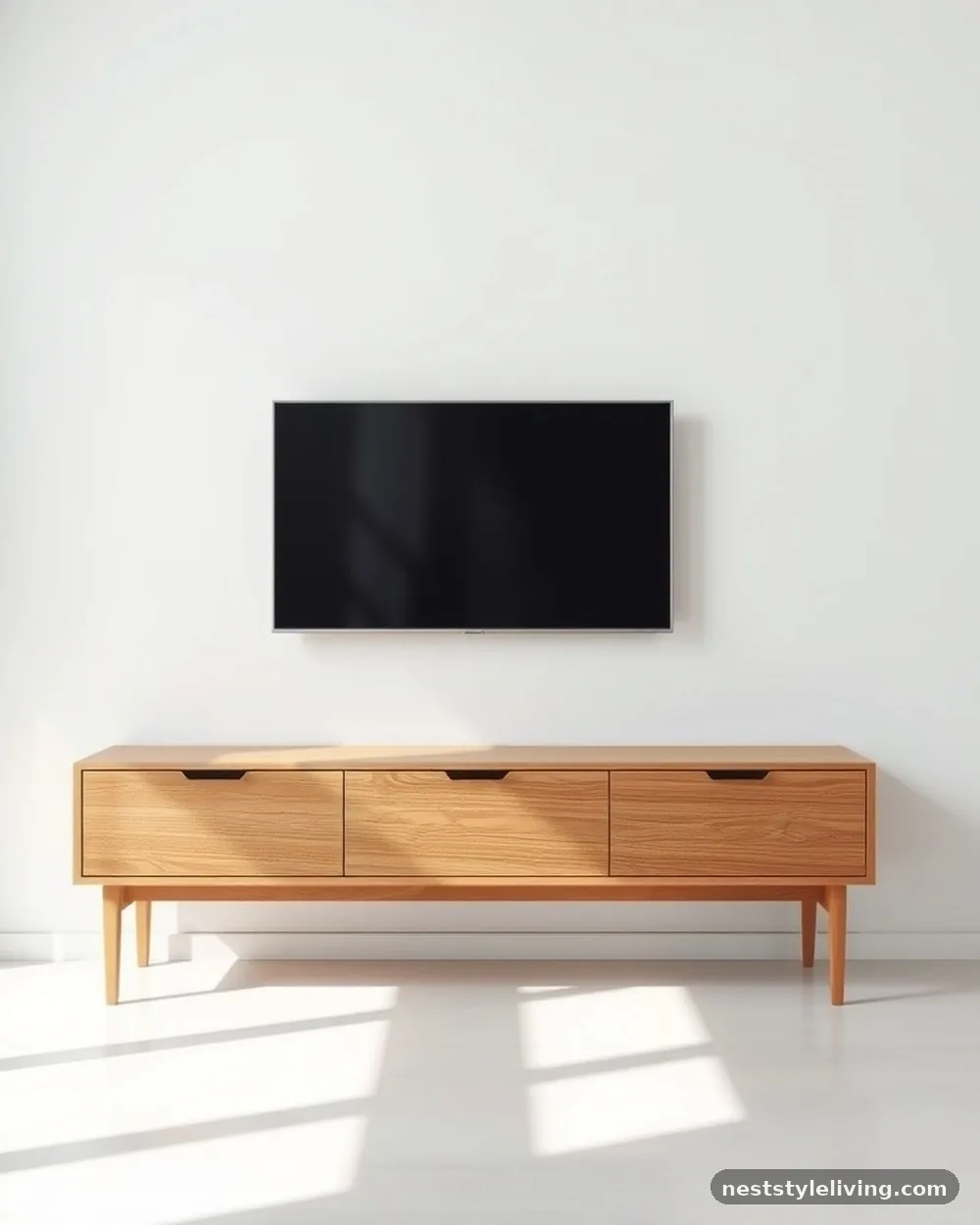
Mounting a media console directly to the wall creates a clean, floating aesthetic that keeps the floor clear underneath, making the room appear larger. This is a vital strategy for single wide living rooms where floor space is at a premium and every square inch counts toward the overall flow. By eliminating bulky legs, you reduce visual noise and make the area easier to clean, which is a major benefit in a high-traffic zone. You can use the space beneath the console to tuck away small ottomans or baskets for extra storage.
Use a heavy-duty stud finder to locate at least two or three wall studs to ensure your console can safely support the weight of your television and components. If your trailer walls are thin, consider using toggle bolts or specialized drywall anchors if you cannot align the unit perfectly with the studs.
4. Large-Scale Wall Mirrors
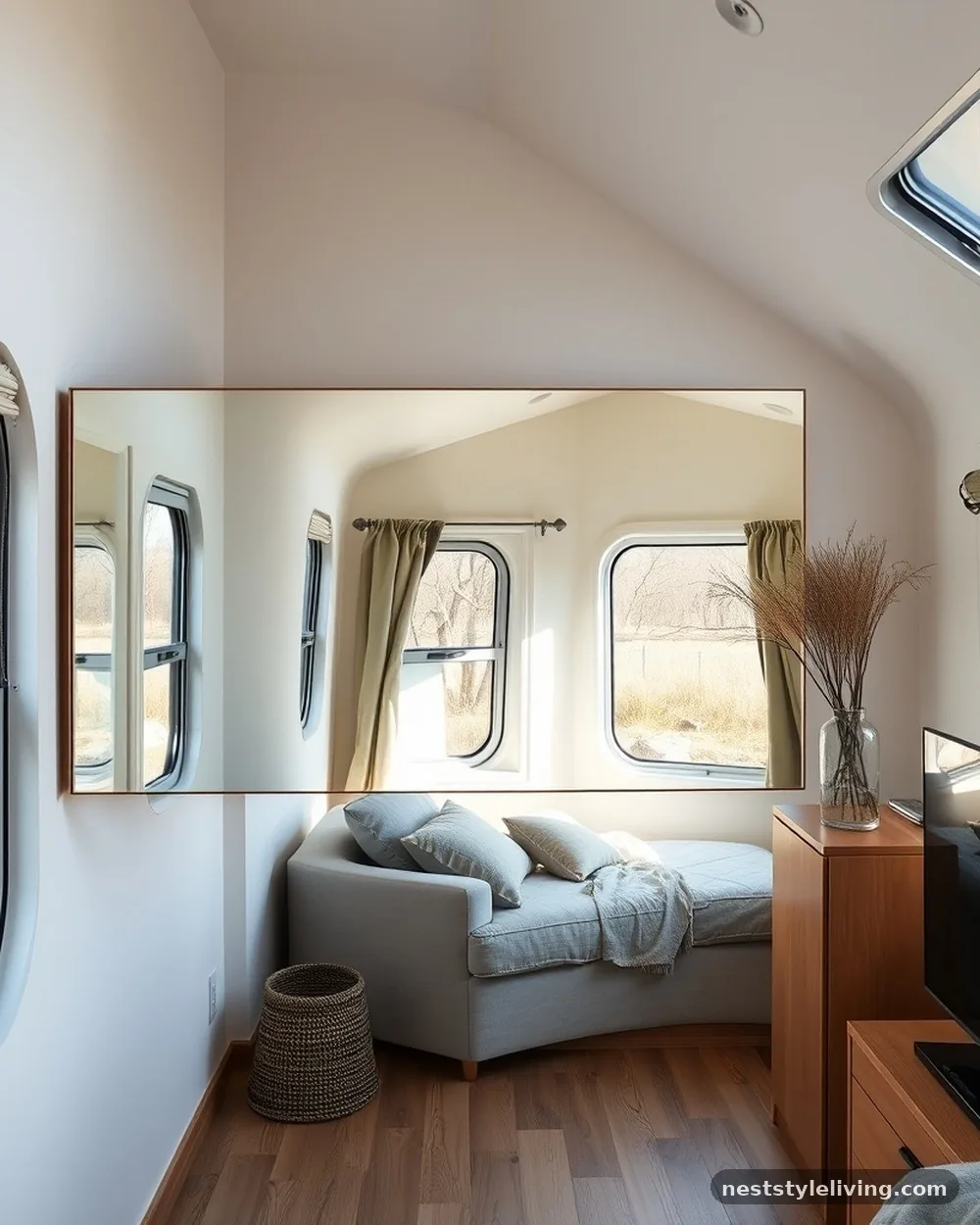
Placing a large, frameless or thin-framed mirror on the longest wall in your living room effectively doubles the visual depth of the space. Mirrors bounce natural light around the room, which is particularly useful in mobile homes where windows might be limited or positioned on only one side of the house. For the best result, position the mirror opposite a window or an entry point to capture incoming light and create a sense of continuity. This trick is a classic design staple for small rooms because it softens the boundaries of the space.
Select a mirror with a simple, metallic frame to add a touch of sophistication without cluttering the visual field. Clean the glass with a microfiber cloth and a streak-free solution to ensure the reflection remains crisp and clear, as smudges can quickly ruin the illusion of extra space.
5. Multi-Functional Ottoman Tables
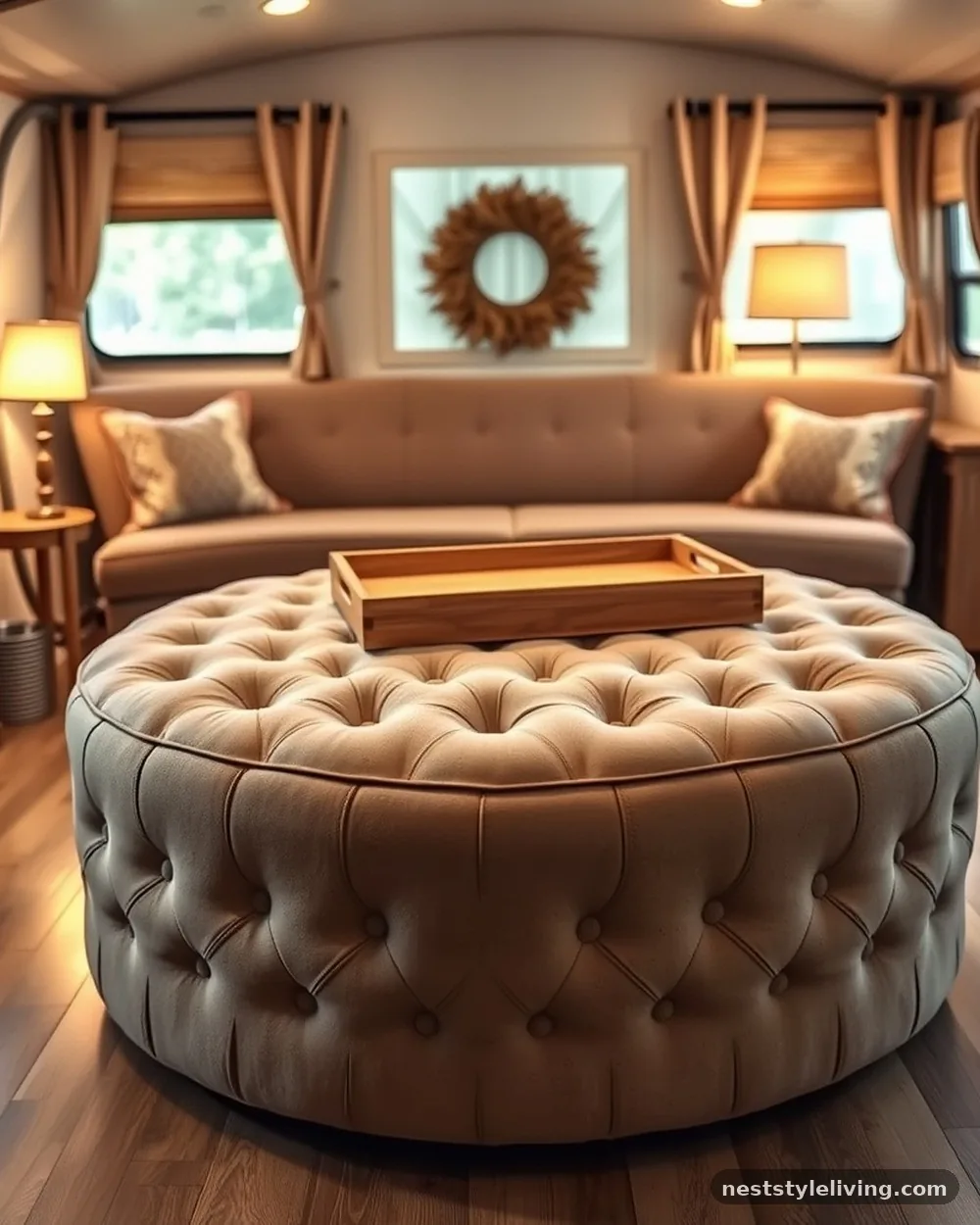
Replacing a traditional coffee table with a large, upholstered ottoman provides a soft landing spot for feet and extra seating for company. In a single wide, you often have to choose between a table and a comfortable place to stretch out, but an ottoman bridges that gap perfectly. Many models feature hidden storage under a hinged top or a tray that sits securely on the surface, giving you the best of both worlds. Opting for a round or oval shape can also help soften the sharp, linear edges typical of narrow trailer floor plans.
Choose a performance fabric that is resistant to stains and easy to wipe down, especially if you plan to use it as a makeshift dining surface with a sturdy tray. If the ottoman feels too heavy, look for one with short, tapered legs that keep it slightly lifted off the floor.
6. Neutral Monochrome Color Palettes
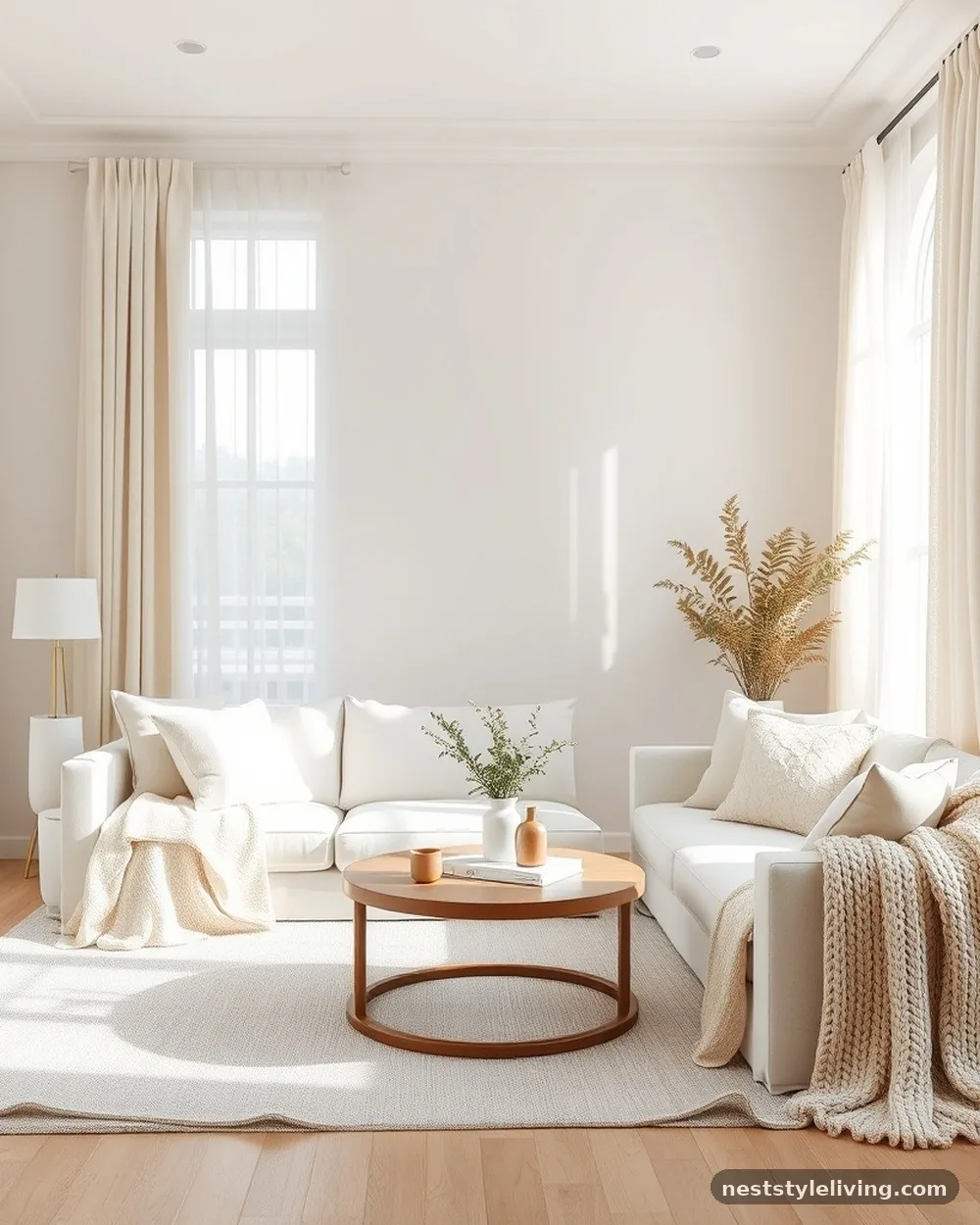
Sticking to a single, light-colored palette—such as shades of white, cream, or light taupe—erases the visual boundaries that make small rooms feel segmented. By painting your walls, trim, and ceiling in variations of the same hue, you create a seamless backdrop that allows furniture and decor to stand out without competing for attention. This technique is particularly effective in single wide homes where you want to minimize the contrast between different surfaces. You can introduce interest through texture rather than color, using chunky knit blankets or linen curtains to add depth.
Use a matte or eggshell finish for walls to hide imperfections in the paneling or drywall common in older mobile homes. Apply a coat of high-quality primer first if you are covering dark paneling to ensure the light color remains true and doesn’t yellow over time.
7. Recessed LED Puck Lighting
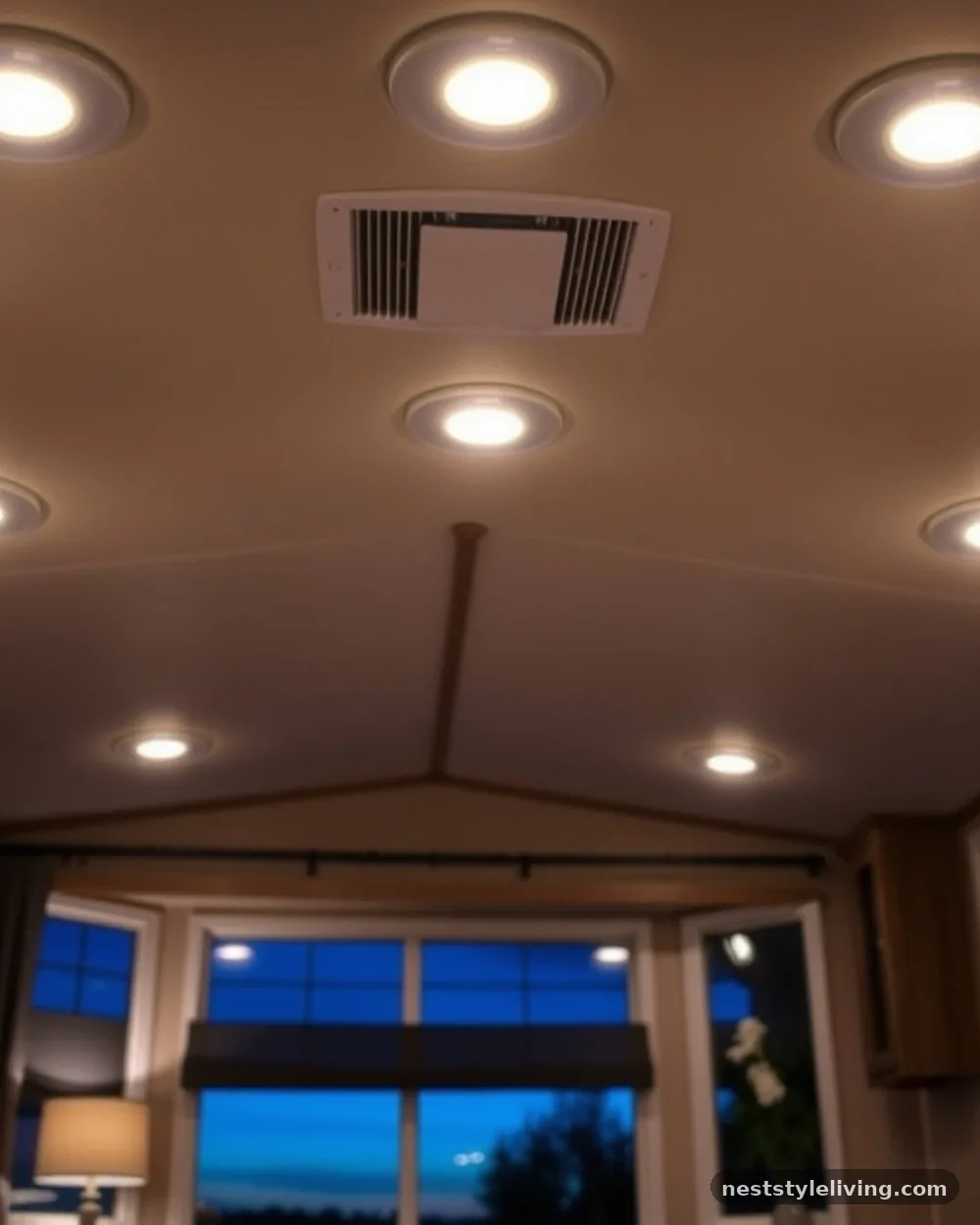
If your trailer has low ceilings, bulky light fixtures can make the room feel even smaller, so consider installing recessed LED puck lights instead. These low-profile lights provide bright, even illumination without protruding into the living space, creating a clean look that feels modern and intentional. They are energy-efficient and generate very little heat, which is a major advantage in smaller, enclosed environments. You can install them on dimmer switches to adjust the mood, allowing you to transition from bright daytime tasks to a cozy evening atmosphere.
Check the clearance behind your ceiling panels before cutting holes to ensure there are no hidden wires or structural joists in the way. Use a hole saw attachment for your drill to get a clean, perfectly circular cut that ensures the light fixture fits snugly against the ceiling.
8. Wall-Mounted Sconces
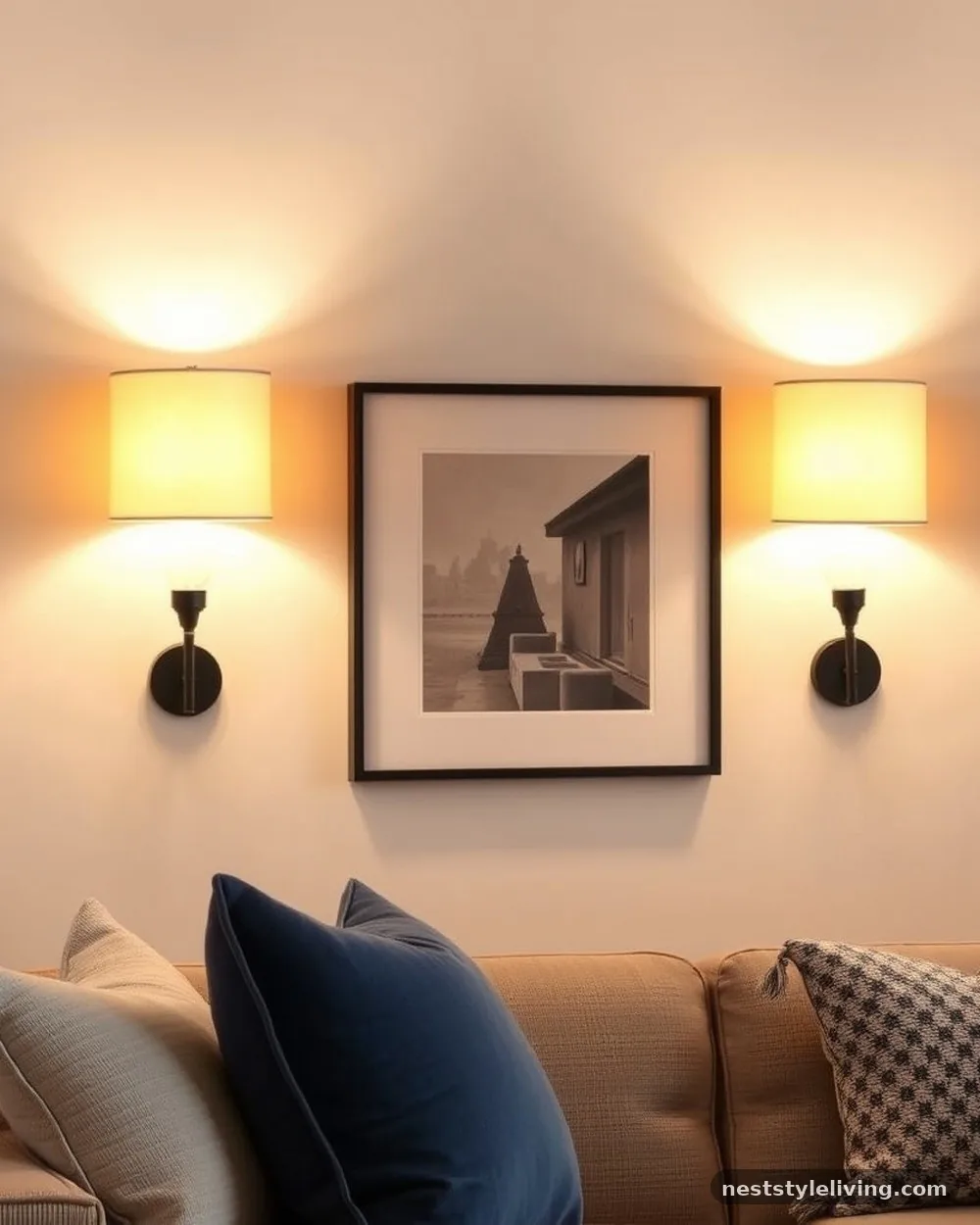
Installing wall-mounted sconces on either side of your sofa or television frees up valuable surface space on end tables and consoles. This lighting choice adds a layer of sophistication and warmth to your home, mimicking the feel of a custom-built living room. Sconces with swing arms are particularly useful, as they allow you to direct light exactly where you need it for reading or relaxing. You can choose plug-in versions if you don’t want to deal with hardwiring, which makes this an accessible project for most homeowners.
Choose sconces with fabric shades to diffuse the light and avoid harsh glare, which can be amplified in small, confined spaces. Position them at eye level when you are seated to prevent the bulbs from being visible and to ensure the light source is comfortable for your eyes.
9. Area Rugs to Define Zones
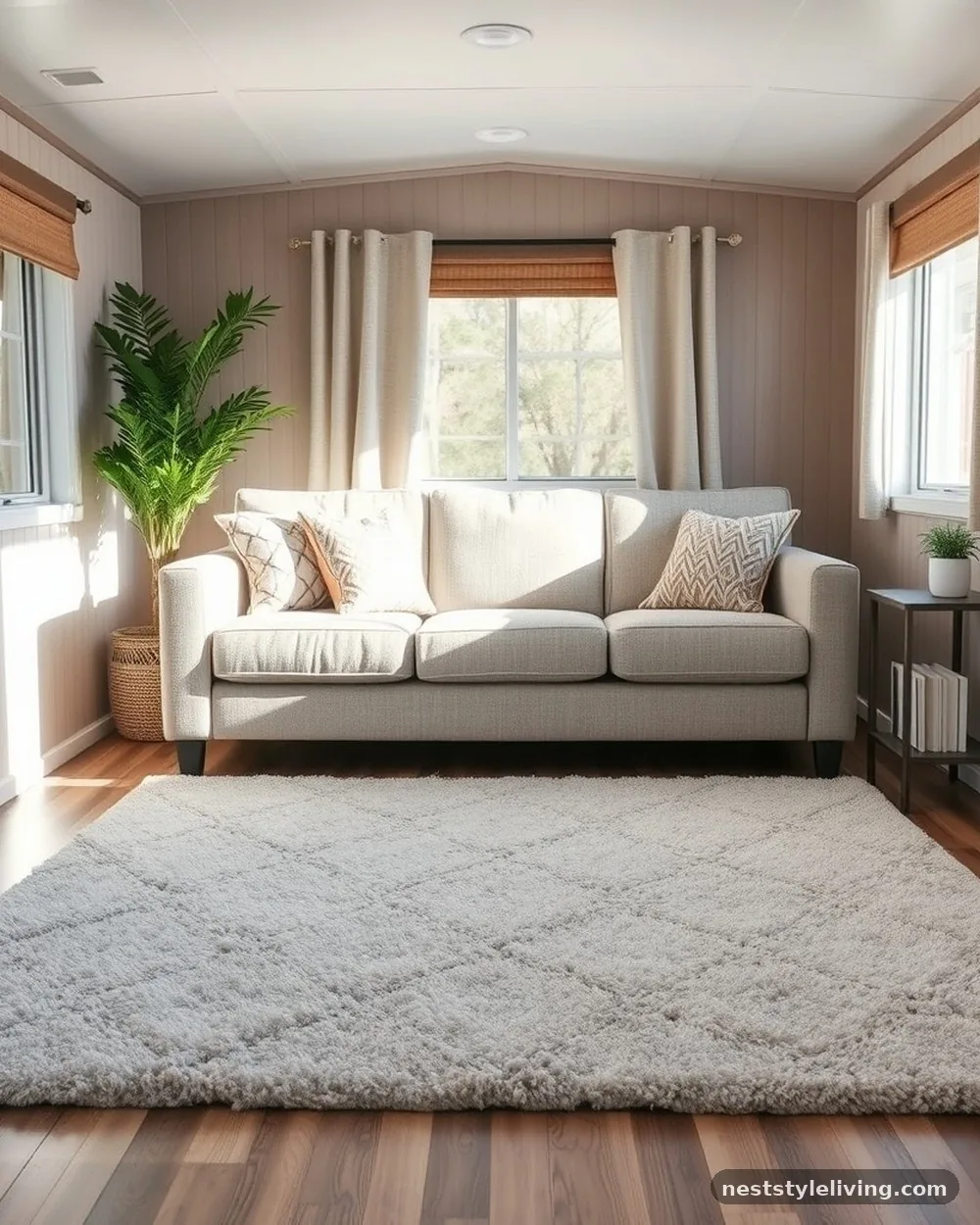
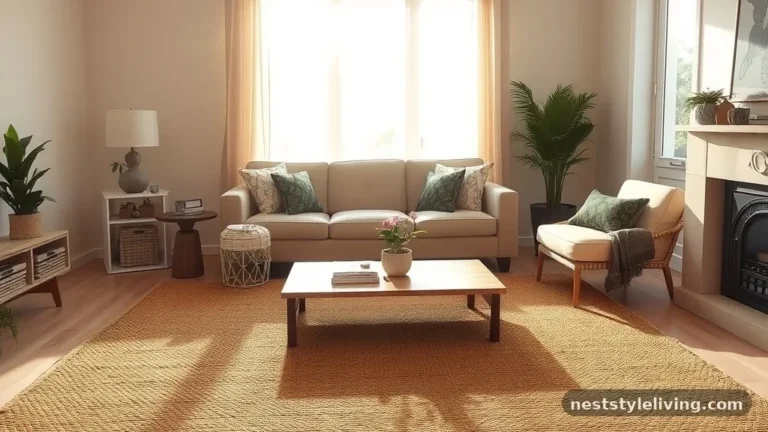
A large area rug acts as a visual anchor, grounding your furniture and defining the living room as a distinct area within the open floor plan. Even in a narrow single wide, a rug that is large enough to have the front legs of your sofa and chairs sitting on it will make the space feel intentionally designed. Avoid choosing a rug that is too small, as it can make the room feel disjointed and emphasize its narrowness. Choose a low-pile or flat-weave rug, as these are easier to vacuum and won’t trip up foot traffic in tight spaces.
Use a high-quality rug pad underneath to prevent slipping and to add a layer of cushioning that makes the floor feel more luxurious. Measure your seating area and aim for a rug that extends at least six inches beyond the sides of your sofa to create a balanced, proportional look.
10. Vertical Window Treatments
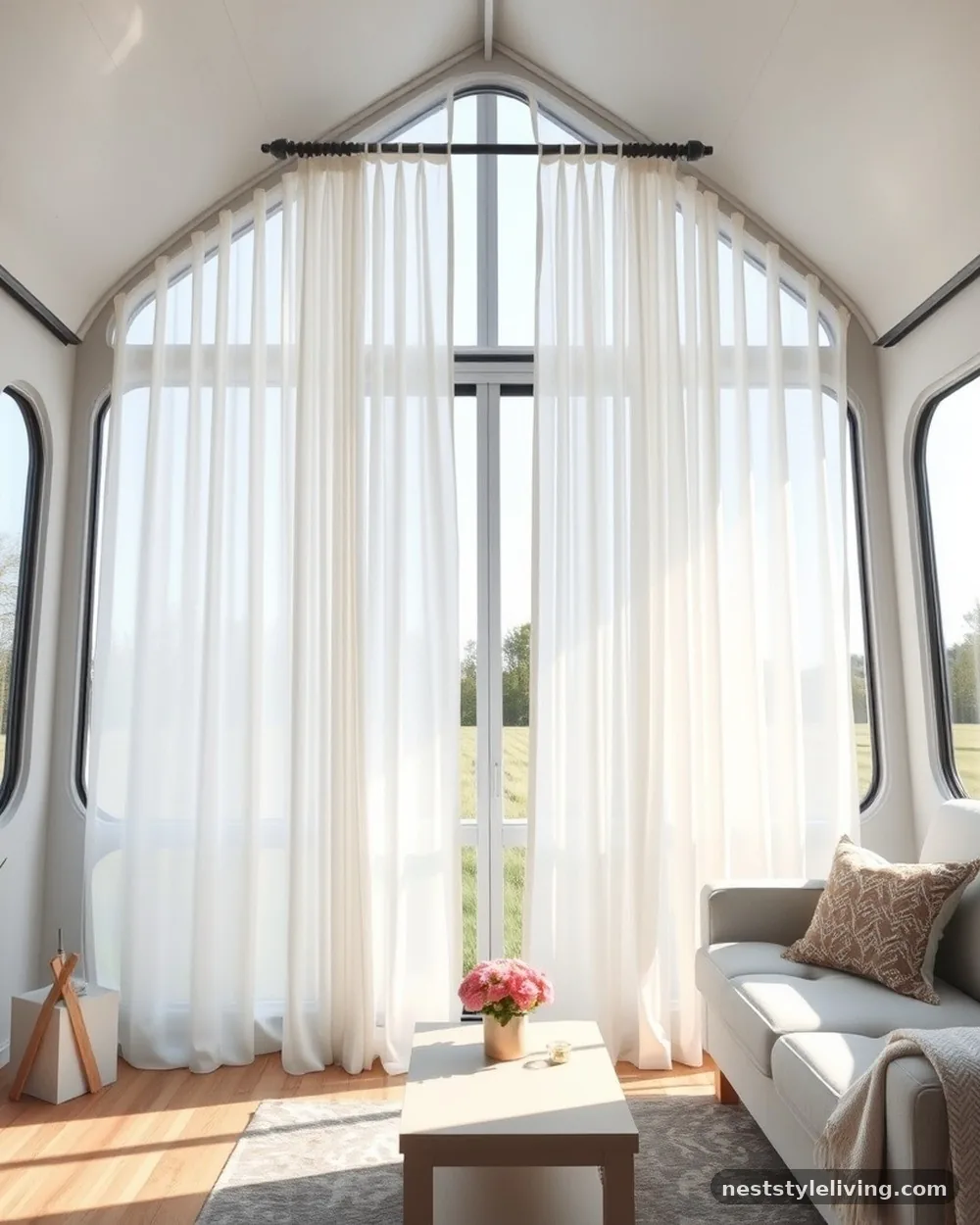
Mounting curtain rods as close to the ceiling as possible—rather than right above the window frame—draws the eye upward and makes your windows appear taller. Use floor-length curtains to complete the effect, as this creates long, vertical lines that emphasize height and add a sense of softness to the room. Light-filtering fabrics in a color similar to your wall paint will keep the space feeling bright and airy, preventing the heavy look that darker, dense curtains can cause. This simple change is one of the most effective ways to change the proportions of a room.
Use rings or grommets for your curtains to ensure they glide easily along the rod, which is helpful if you adjust them frequently throughout the day. If your windows are narrow, extend the rod several inches beyond the window frame on each side so the curtains can sit against the wall, leaving the entire window clear for maximum light.
11. Hidden Cord Management
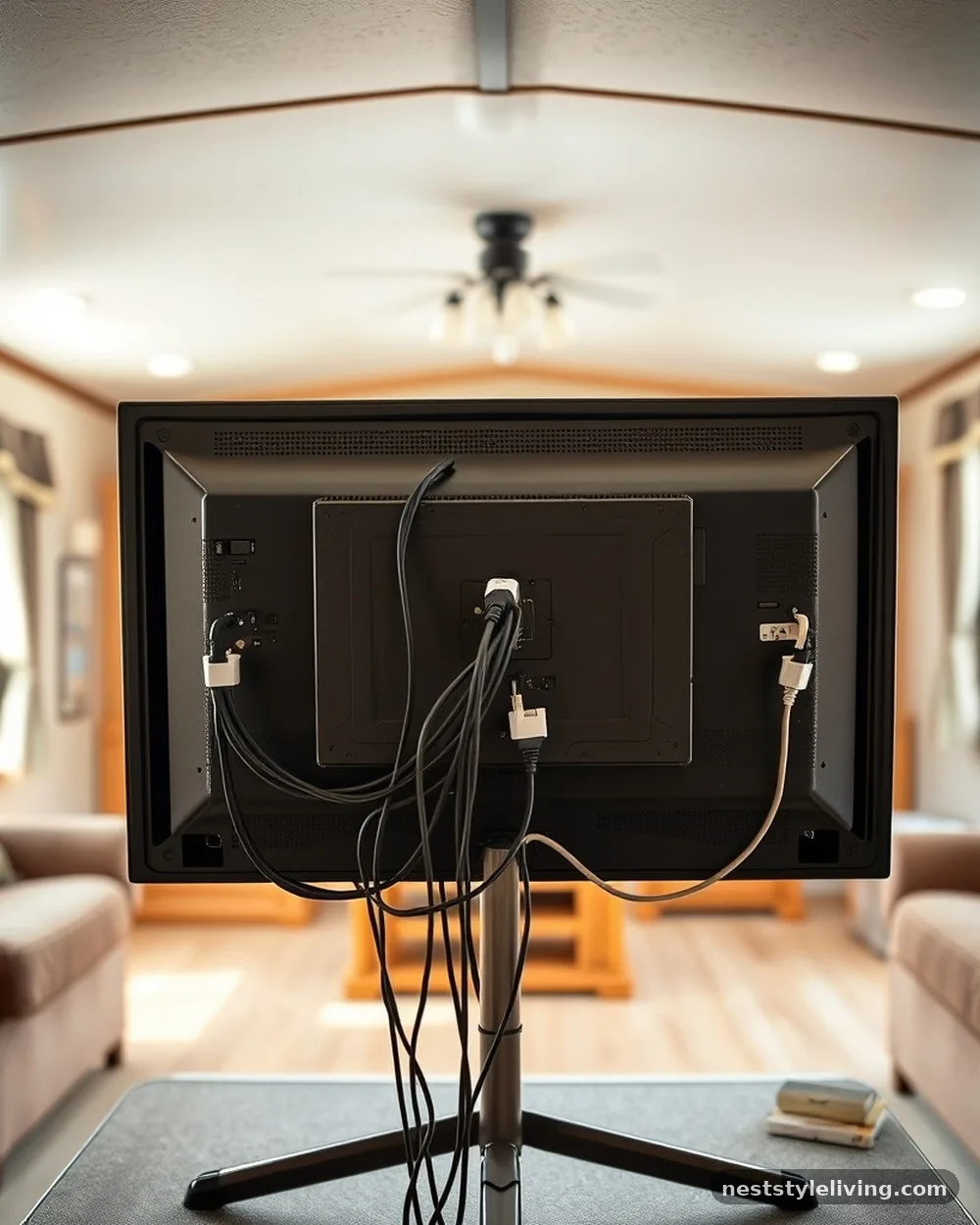
Visible tangles of cords behind a TV or lamp can make a small living room feel messy and chaotic, so prioritize clean cord management. Use adhesive clips to run wires along the underside of your furniture or behind baseboards, and consider using a cable sleeve to bundle multiple wires together. A tidy space feels more expansive and relaxing, which is essential for maintaining a cozy vibe in a single wide. Investing in a small cable box to hide power strips is another simple, inexpensive way to keep your surfaces clear.
Use Velcro cable ties instead of zip ties so you can easily add or remove cords when you upgrade your electronics. This small effort prevents the “clutter creep” that often happens in small rooms, keeping your focus on your decor rather than your technology.
12. Glass-Top Coffee Tables
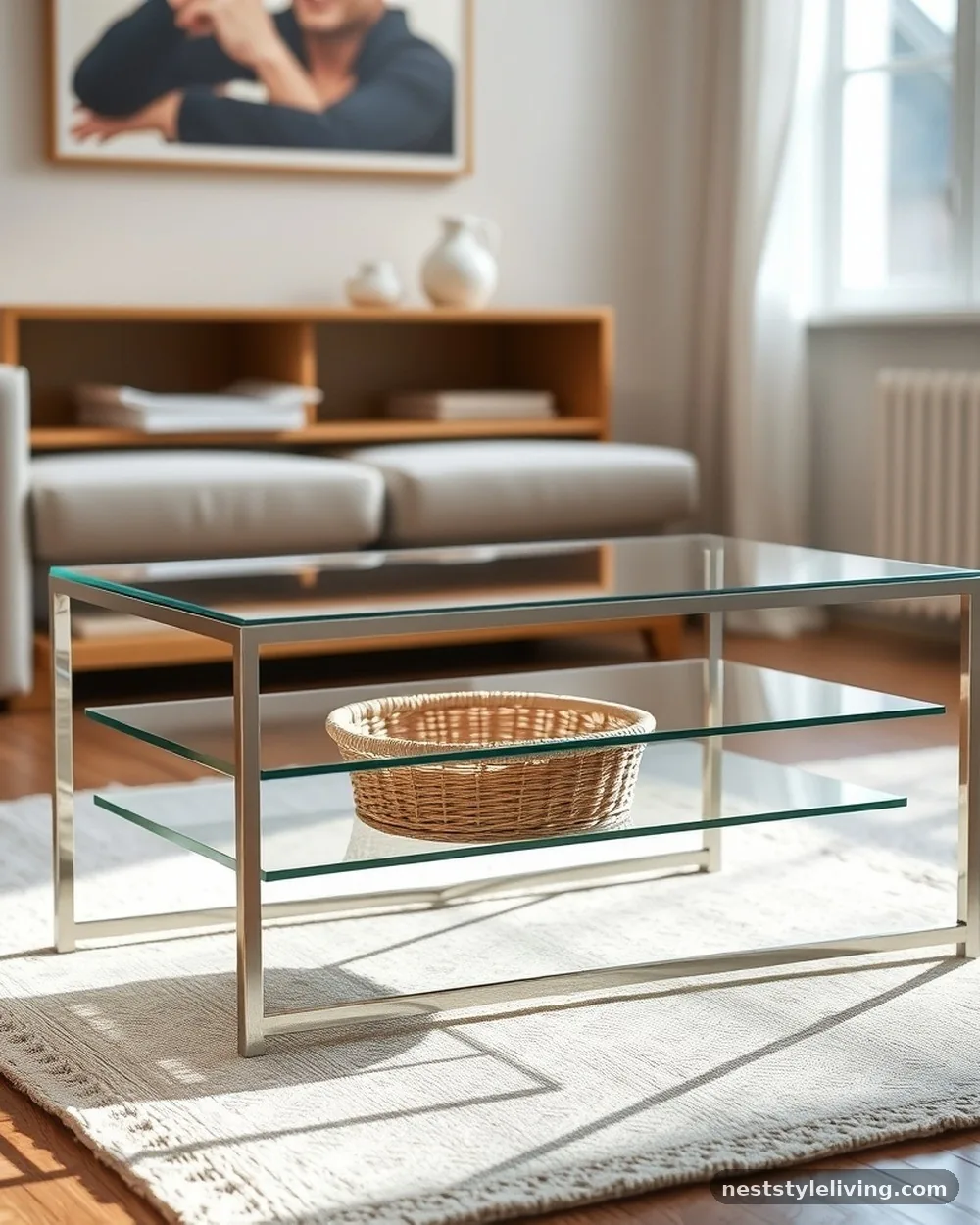
A glass-top coffee table creates a sense of transparency, allowing you to see the floor underneath and making the piece feel like it’s taking up less space than it actually is. This is a classic trick for narrow rooms because it prevents the center of the room from feeling like a heavy, impassable block. Choose a table with a slim metal or wood frame to maintain a light, airy aesthetic that complements the rest of your furniture. You can style the lower shelf with a few decorative books or a basket to keep it functional without adding visual weight.
Look for tempered glass for safety, especially if you have children or pets in the home. Use a dedicated glass cleaner and a soft cloth to keep the surface clear of fingerprints, as a dirty glass table can quickly look cluttered and unkempt.
13. Accent Walls with Vertical Shiplap
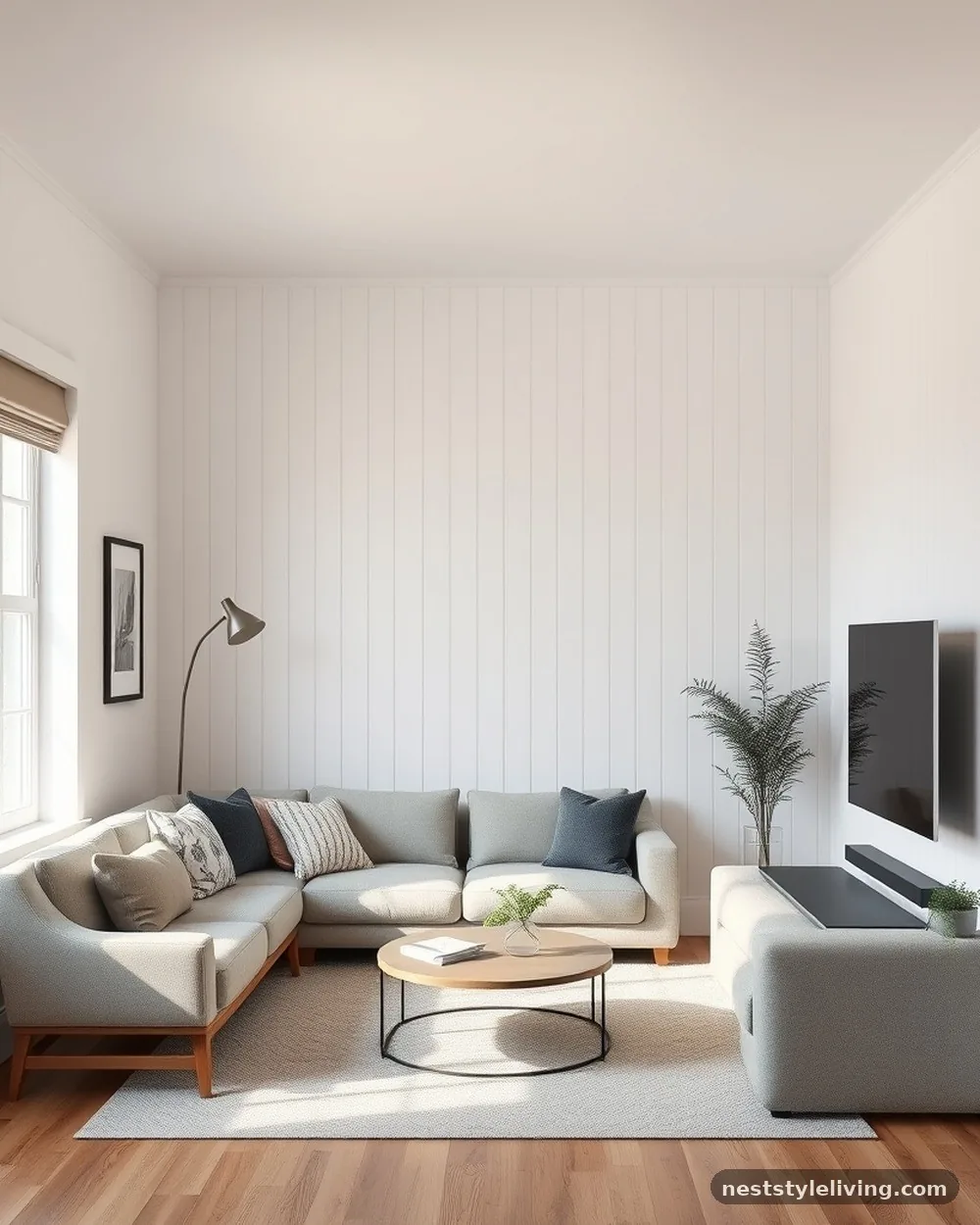
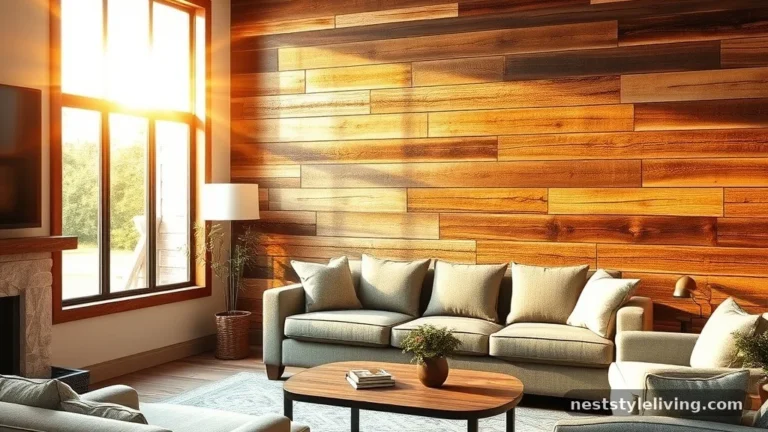
Installing vertical shiplap on one wall adds texture and interest without overwhelming the room, and the vertical lines naturally draw the eye up. In a single wide, this creates a focal point that feels intentional rather than just another wall in a row. Painting the shiplap the same color as the surrounding walls keeps the look subtle, while painting it a contrasting color can make the room feel more dynamic. This project is relatively straightforward to execute using thin, lightweight boards that won’t add unnecessary bulk to your room.
Use a level to ensure your first board is perfectly plumb, as even a slight lean will be noticeable once you reach the end of the wall. Apply a bead of construction adhesive in addition to small finish nails to ensure the boards stay secure against the trailer walls over time.
14. Nested Side Tables
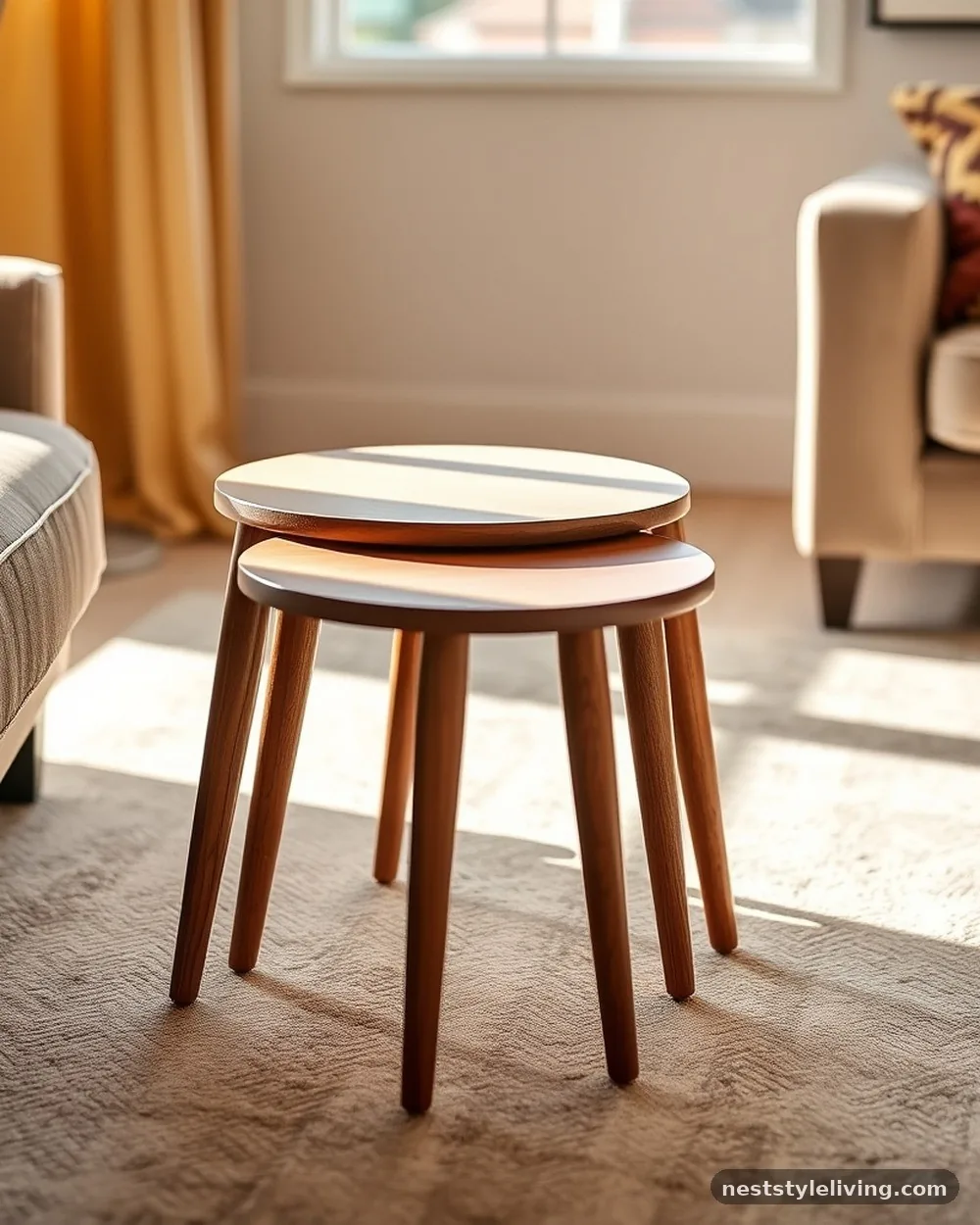
Nested tables provide the flexibility of extra surface space when you have guests without requiring the footprint of a permanent, large end table. When not in use, they tuck neatly under one another, keeping your floor clear and your living room feeling open. This is ideal for a single wide where you might need a spot for a drink or a book one minute and need to clear the way for foot traffic the next. Look for sets made of lightweight materials like metal or bentwood that are easy to move around.
Choose a set with varying heights so they overlap nicely, which adds a bit of visual depth to your room’s layout. If your floors are uneven, add small felt pads to the bottom of the legs to prevent wobbling and protect your flooring from scratches.
15. Hanging Planters
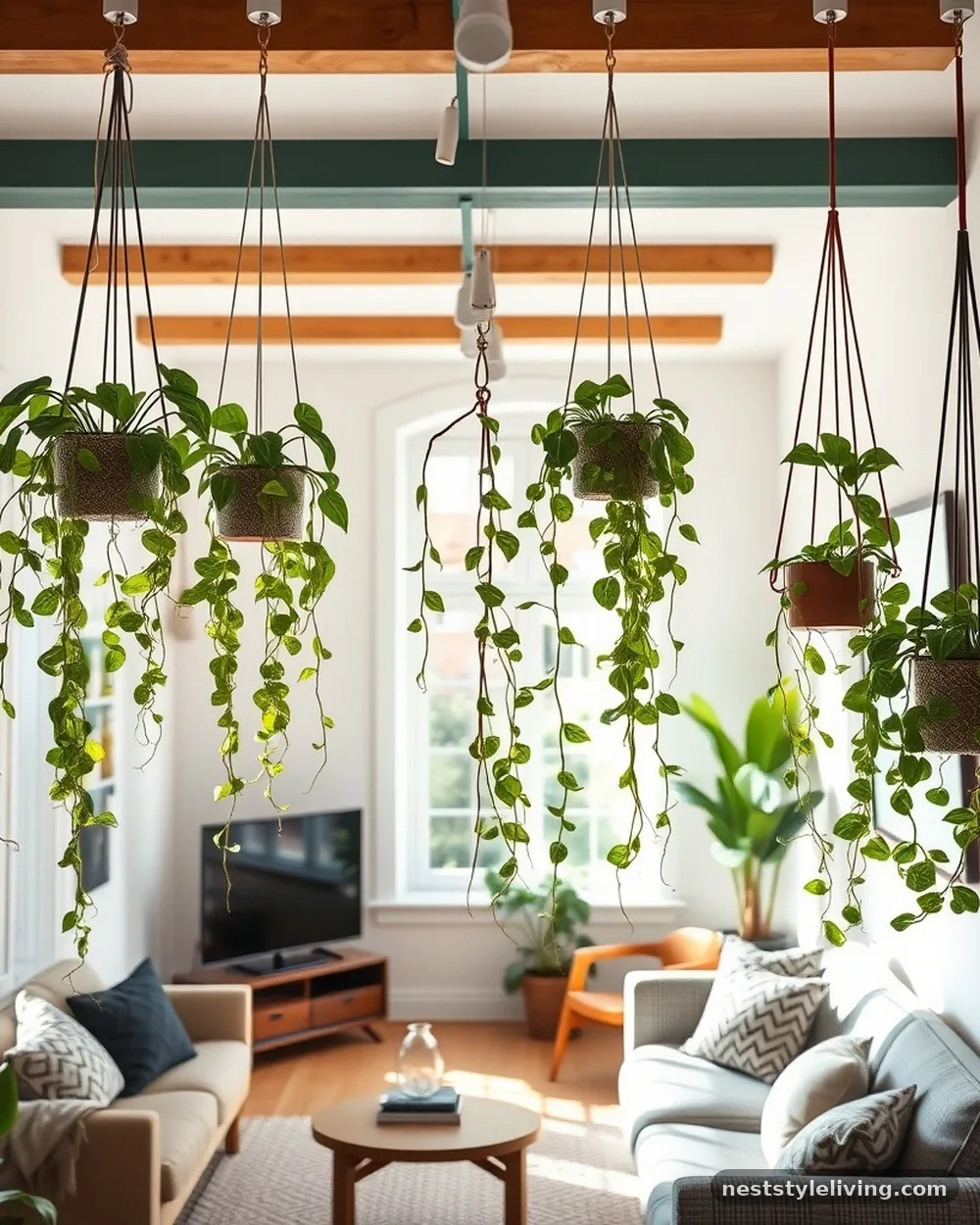
Bringing greenery into your living room adds life and warmth, but floor space is often too limited for large pots. Hanging planters from the ceiling or mounting them on the wall allows you to enjoy plants without sacrificing any square footage. This also directs the eye up, which helps balance the narrow dimensions of a single wide trailer. Choose trailing plants like pothos or string of pearls to create a soft, organic look that contrasts beautifully with the straight lines of the trailer’s interior.
Use a stud finder to locate a ceiling joist before installing a heavy hook, as trailer ceilings may not be strong enough to support a large, soil-filled planter in just the paneling. Ensure your plants receive adequate light by placing them near a window, or choose low-light varieties if your living room has limited sunshine.
16. Slim-Profile Armchairs
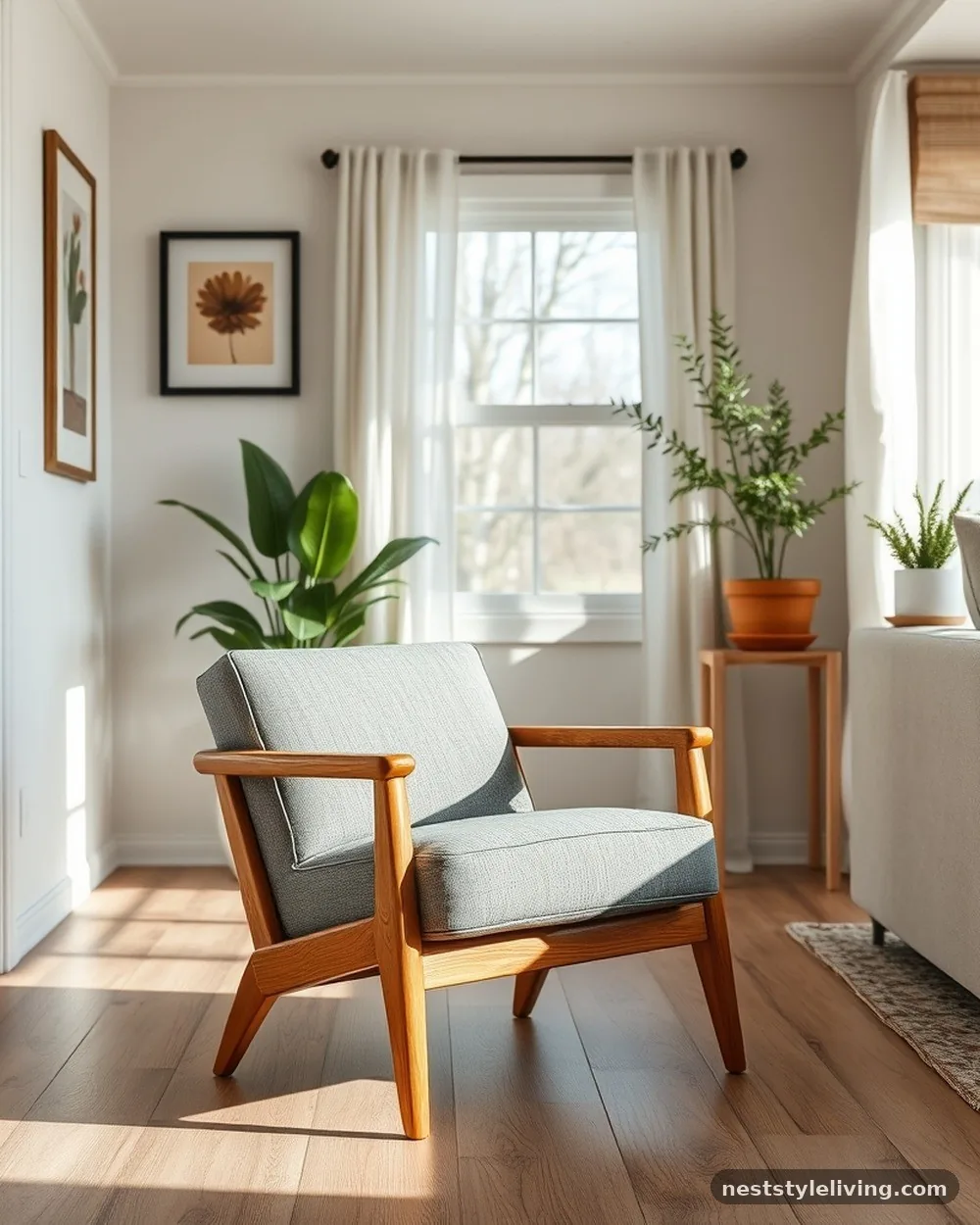
Swapping a bulky recliner for a slim-profile armchair with tapered legs creates a more open, airy feel in your living room. These chairs occupy less visual space while still providing a comfortable spot for reading or conversation. Look for models with an exposed frame, as seeing the floor underneath the chair helps the room feel larger than it actually is. You can add a decorative throw pillow or a small blanket to bring in texture and color, making the chair a cozy focal point.
Test the chair for comfort by sitting in it for several minutes before purchasing, as slim-profile chairs can sometimes trade comfort for aesthetics. Check that the arm height allows you to rest your arms comfortably, and ensure the seat depth is appropriate for your height to prevent awkward posture.
17. Gallery Walls with Consistent Frames
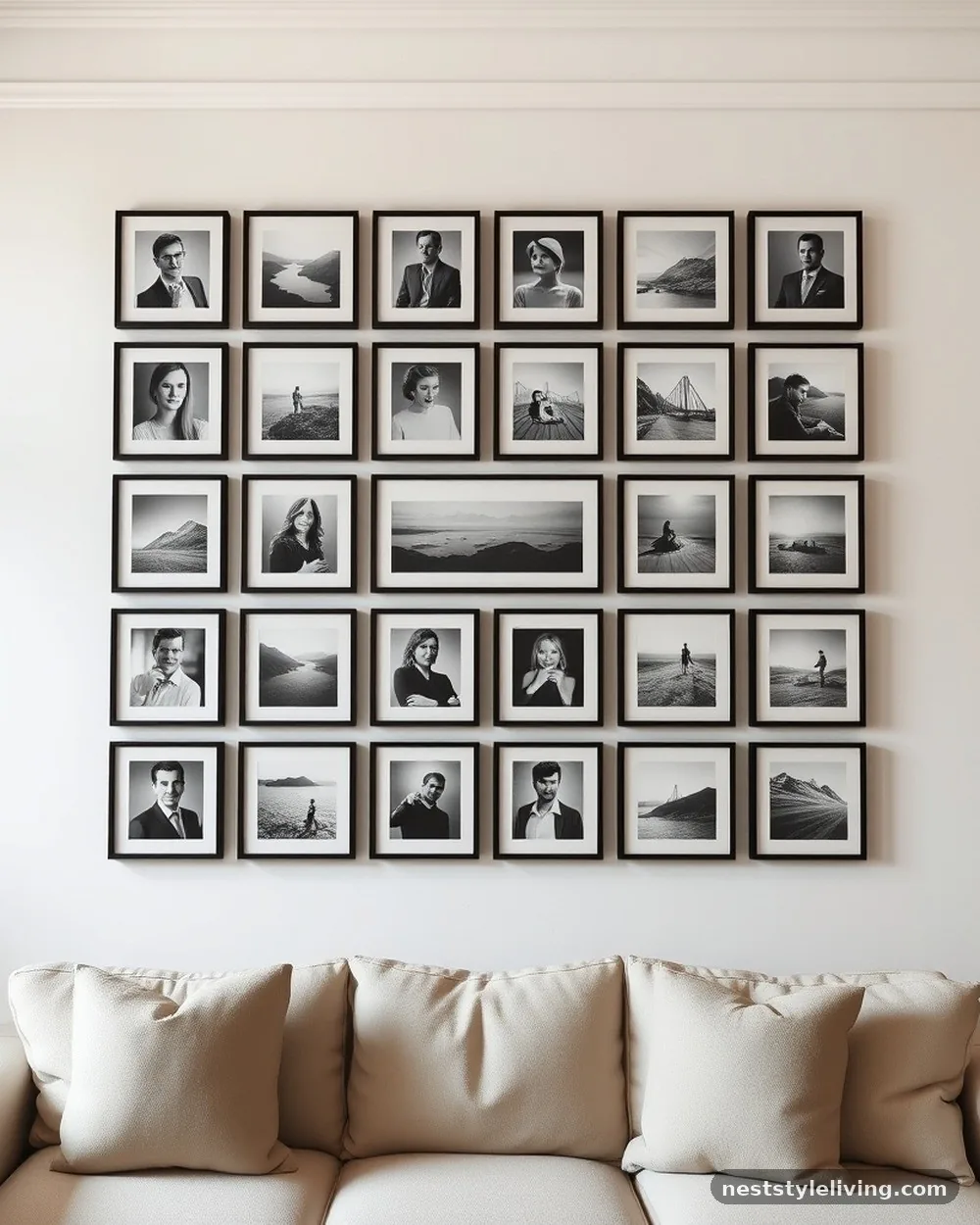
Creating a gallery wall of personal photos or art can personalize your home, but the key to keeping it cozy rather than cluttered is consistency. Use frames that are all the same color or material to create a cohesive look that feels like a deliberate design choice. Arrange the frames in a grid or a tight cluster to keep the visual weight balanced and prevent the wall from feeling scattered. A well-organized gallery wall adds depth and character to a single wide, making it feel more like a permanent, well-loved home.
Use paper templates of your frames to test your layout on the floor before you start putting holes in your walls. This allows you to experiment with spacing and arrangement until you find the perfect balance that makes the wall pop without feeling overwhelming.
18. Under-Sofa Storage Solutions
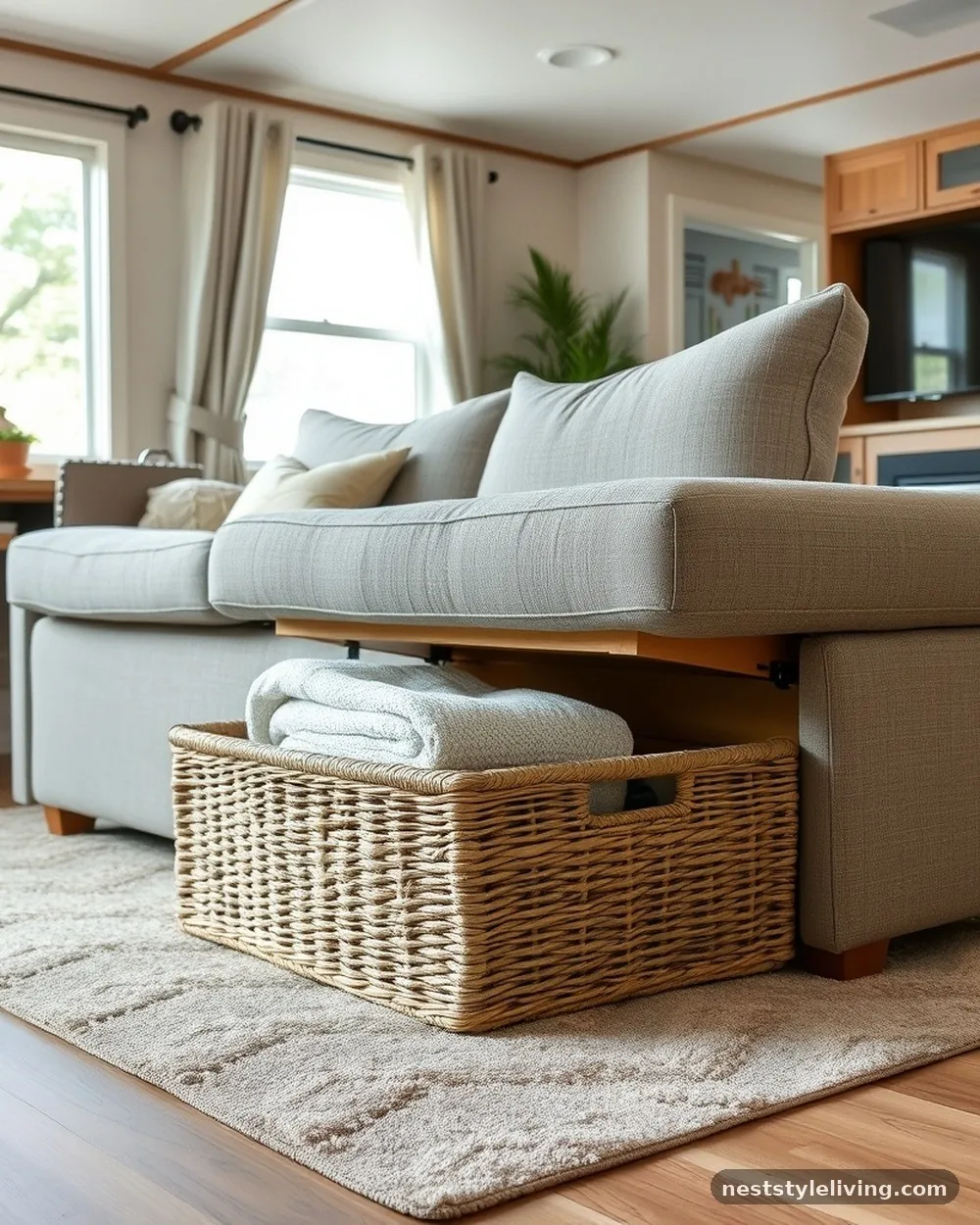
If your sofa has enough clearance, utilize the space underneath for hidden storage of seasonal items like extra blankets or board games. Use low-profile bins or rolling drawers that slide easily in and out, keeping your living room surfaces clear of clutter. This is an excellent way to reclaim space in a single wide where closets are often small or non-existent. Keeping the area under the sofa tidy prevents dust buildup and ensures that your storage remains functional and accessible.
Measure the exact clearance height between the floor and the base of your sofa before buying bins to ensure they will fit without scraping the floor. Use bins with lids to keep your stored items clean and protected, and opt for clear plastic or woven baskets that match your room’s decor.
19. Soft Textiles and Layering
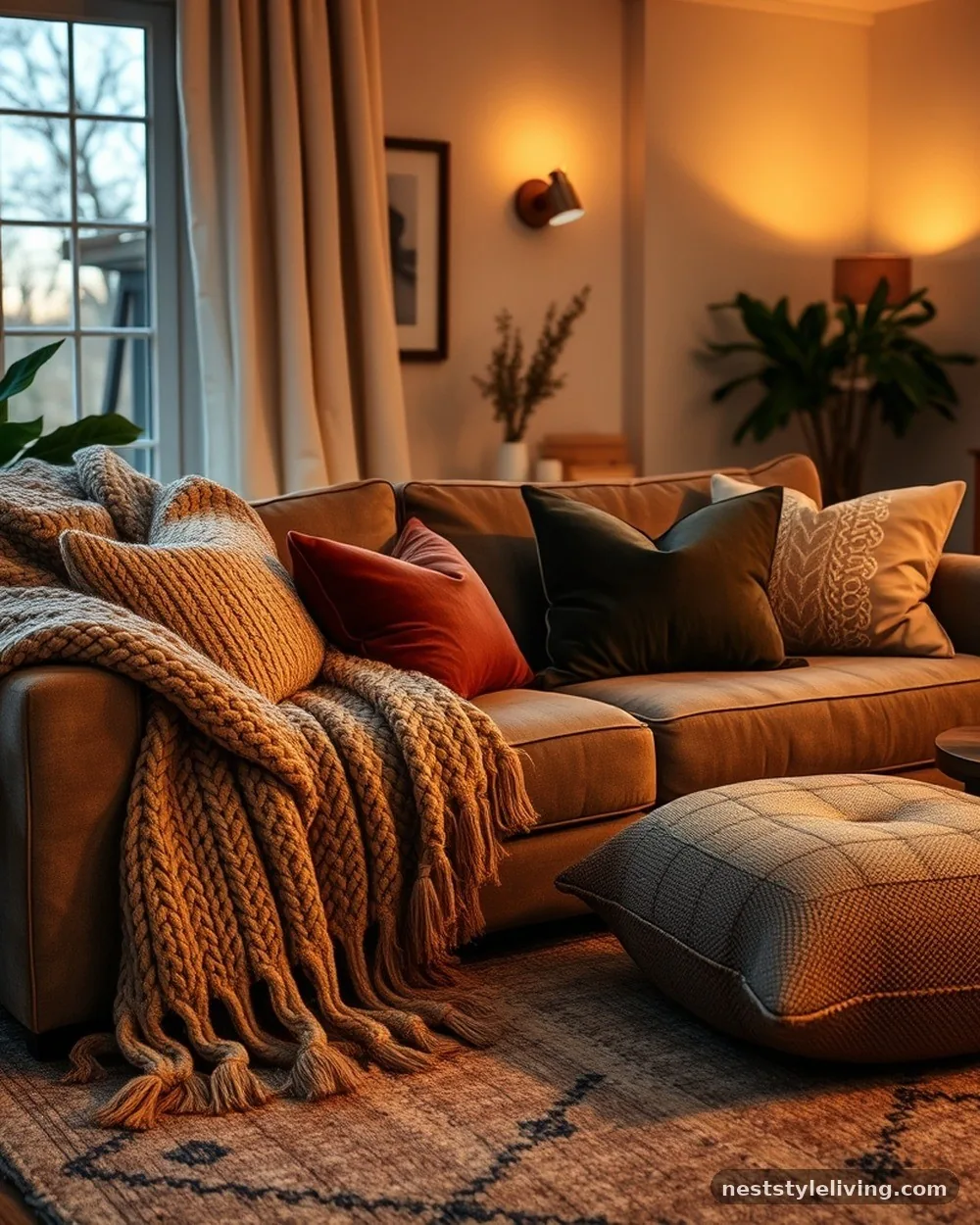
Layering different textures like wool, cotton, and velvet adds a sense of comfort and luxury that makes a small living room feel incredibly inviting. Place a chunky knit throw over the back of your sofa, layer a couple of velvet cushions, and consider a soft, textured rug to ground the space. In a single wide, where surfaces might be smooth or flat, these textiles provide the necessary contrast to make the room feel tactile and cozy. Stick to a cohesive color palette to ensure the layers feel intentional rather than chaotic.
Wash your throw blankets and cushion covers regularly to keep the space feeling fresh, as textiles in a small area can collect dust quickly. If you want to change the look of your room for the seasons, swapping out the pillows and throws is the most budget-friendly way to refresh your home’s vibe.
20. Sliding Barn Doors
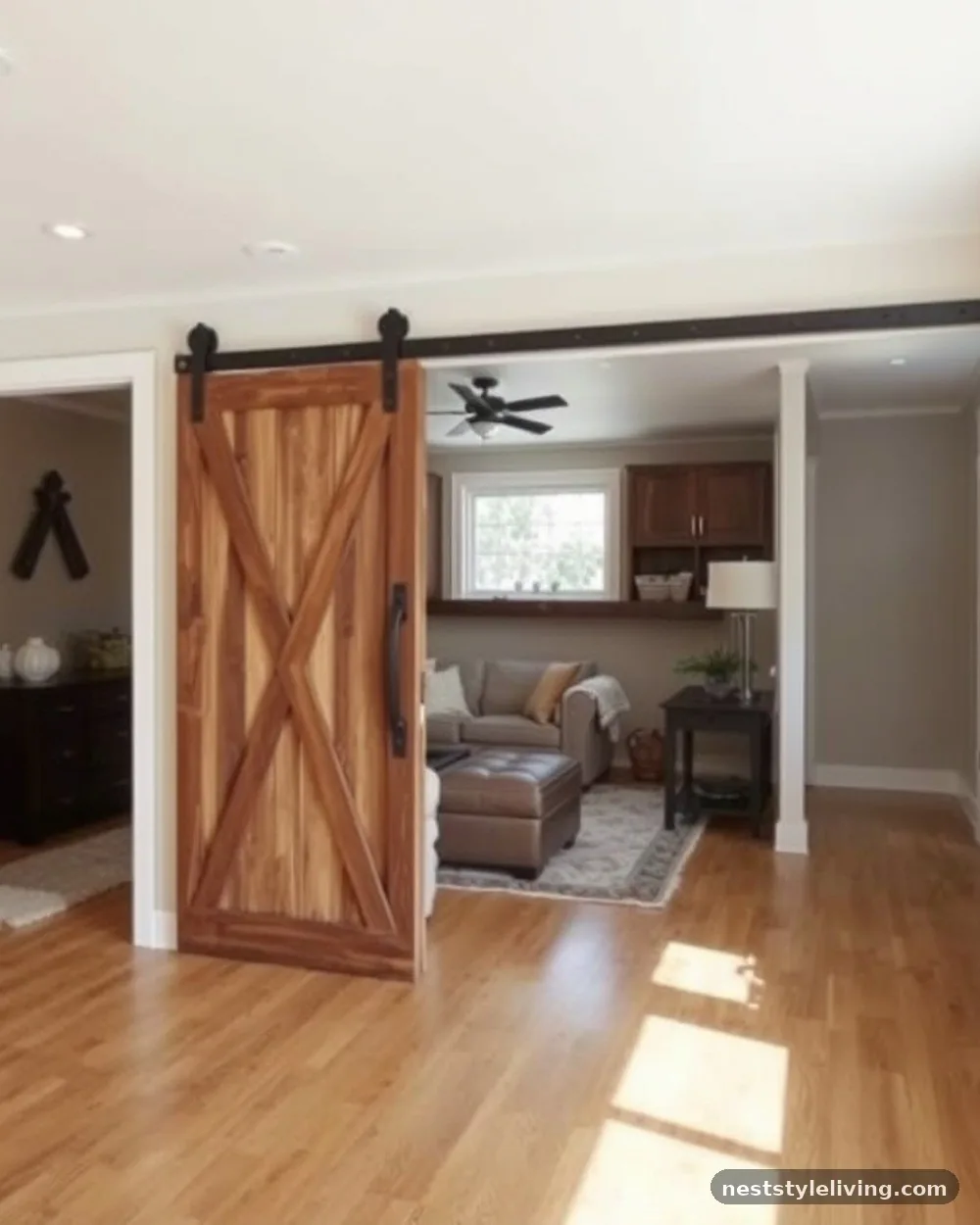
Replacing a standard swinging door that leads into the living room with a sliding barn door saves significant space and adds a architectural element that feels custom. Because these doors slide flat against the wall, you don’t lose any floor area to a door’s swing radius, which is a major advantage in a narrow trailer. You can choose a finish that matches your trim or go with a bold color to make it a focal point. This is a practical solution for separating the living area from a hallway or kitchen while maintaining an open, airy feel.
Ensure you have enough wall space adjacent to the door opening to accommodate the track and the door when it is in the open position. Use high-quality hardware that glides smoothly to prevent the door from feeling heavy or difficult to operate on a daily basis.
21. Minimalist Decor Objects
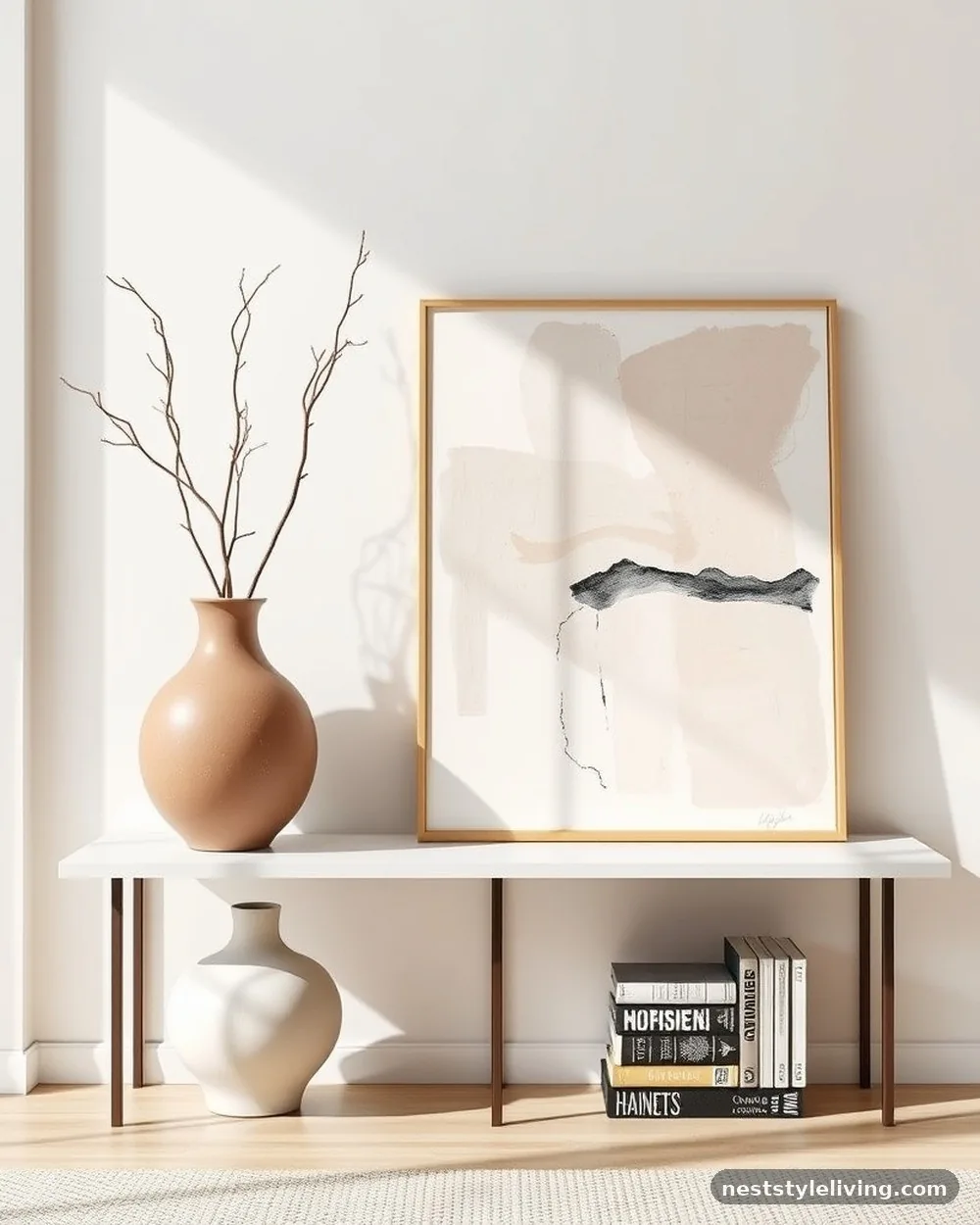
When decorating a small living room, follow the rule of “quality over quantity” by choosing a few high-impact decor objects rather than many small ones. A single large vase, a sculptural piece, or one oversized piece of wall art will make a stronger statement than a collection of small trinkets that can end up looking like clutter. This approach keeps your surfaces clear and your room feeling spacious, which is critical in a single wide. By reducing the number of items, you ensure that every piece of decor has room to breathe and be appreciated.
Group your decorative items in odd numbers, like threes or fives, to create a balanced and pleasing visual arrangement. If you feel like your room needs a refresh, rotate your decor pieces seasonally instead of adding new ones, which keeps your space feeling updated without increasing the amount of stuff you have to clean.
22. Reflective Metallic Accents
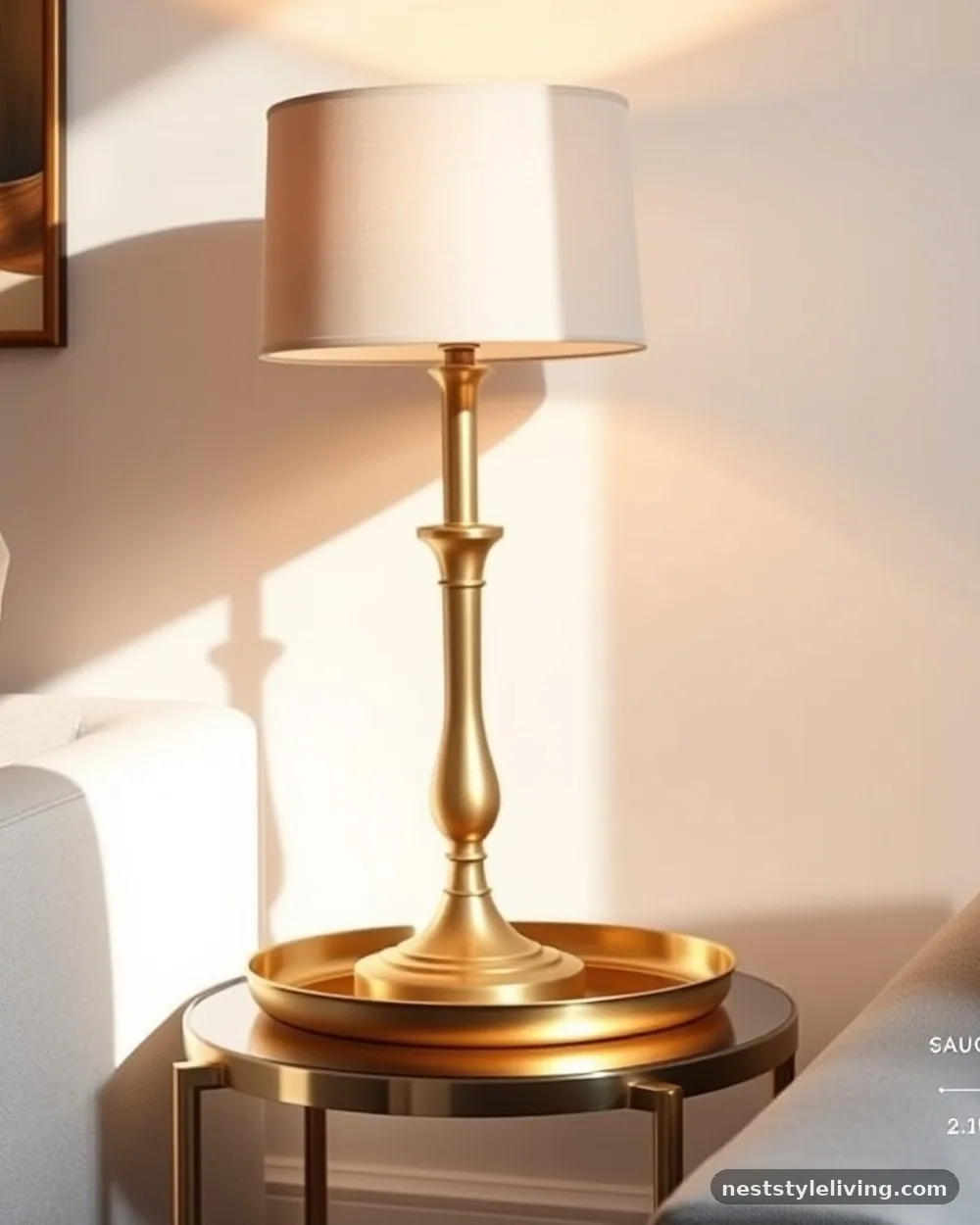
Adding small, reflective metallic accents—like a gold-toned lamp base, silver picture frames, or a brass tray—can brighten up your living room and add a touch of glamour. These elements catch the light and bounce it around the room, which helps to counteract the dimness often found in smaller, enclosed spaces. Don’t overdo it; a few well-placed items are enough to create a subtle glow that elevates the overall feel of your home. Metals work especially well in neutral-toned rooms, adding a bit of warmth or cool contrast as needed.
Mix metals carefully; try to stick to two main tones, like gold and silver, to maintain a sense of balance. If you are worried about the look becoming too busy, start with a single metallic piece, like a side table or a lamp, and see how it interacts with the light in your specific room before adding more.
23. Curated Bookcases
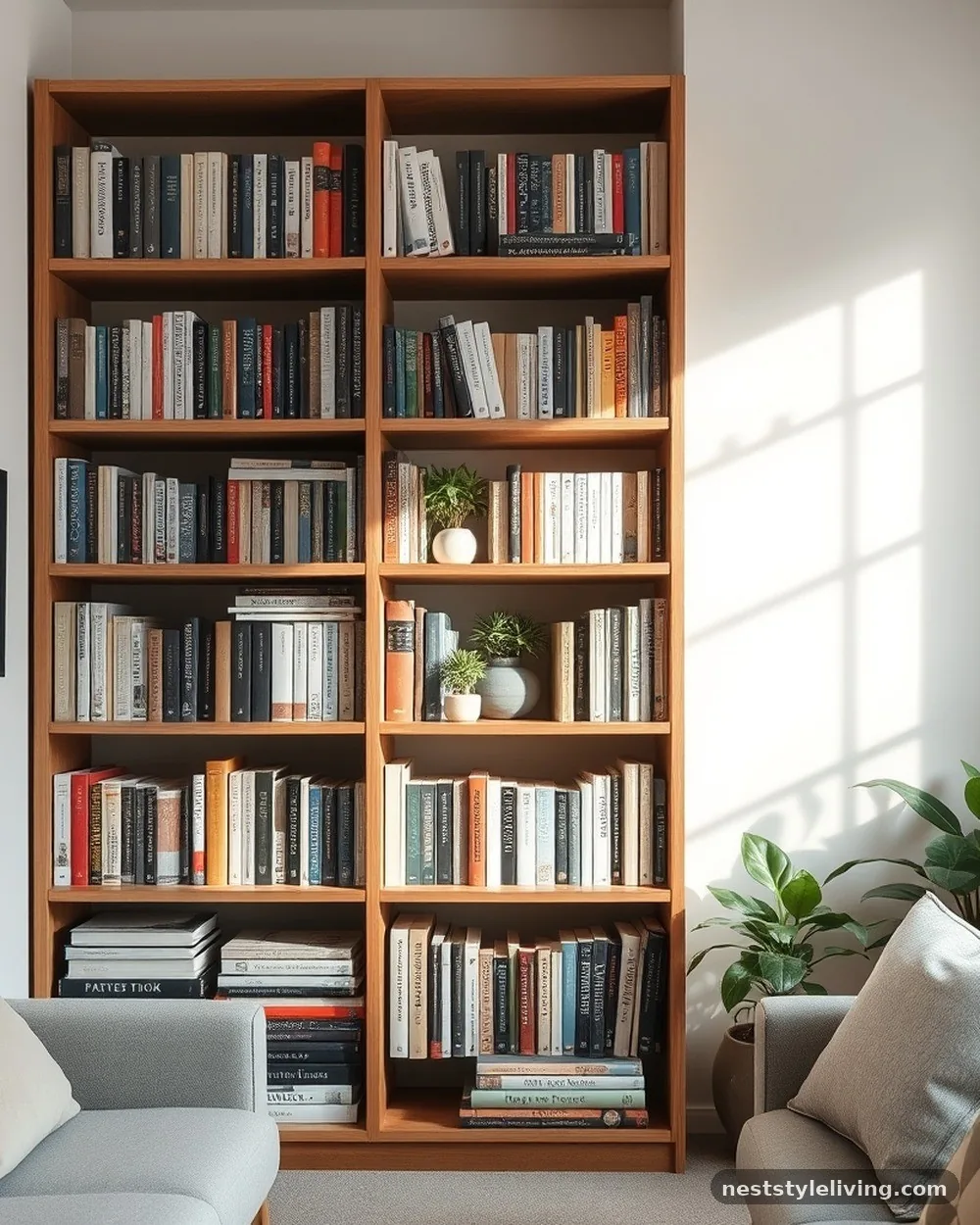
Instead of packing your bookshelves with every book you own, curate your collection to include only the ones you love or that add visual appeal. Arrange some books vertically and others horizontally to create interest, and leave space on each shelf for a decorative object or a small plant. This “breathing room” prevents the bookcase from feeling like a heavy, solid wall of paper, which is important in a narrow living room. A well-curated shelf acts as a personal gallery that reflects your interests while keeping the room feeling light and open.
Organize your books by color if you want a clean, aesthetic look, or by genre if you prefer practicality. Dust your shelves regularly, as open bookcases in a small space can become magnets for dust that quickly make the room feel less clean and inviting.
Frequently Asked Questions
How can I make a narrow mobile home living room look bigger?
The most effective way to expand the feel of a narrow room is to use a light, monochromatic color scheme on the walls and ceiling. This eliminates sharp visual lines and makes the space feel continuous. Additionally, using mirrors to reflect light and opting for furniture with exposed legs or glass surfaces prevents the room from feeling heavy or cramped. Keeping the floor as clear as possible by using wall-mounted storage or floating shelves also makes a significant difference in how large the room feels.
What is the best layout for a cozy living room in a trailer?
A cozy layout usually involves pulling furniture away from the walls slightly to create a more intimate seating area. In a single wide trailer, this might mean placing your sofa perpendicular to the longest wall or using an area rug to define the seating zone. Focus on creating a clear path for movement so the room doesn’t feel like an obstacle course. Placing your television on a wall-mounted bracket or a slim console helps maintain a clean, organized look that keeps the focus on comfort.
How do I choose the right size furniture for a small space?
Measure your room carefully and prioritize pieces that serve multiple functions, like ottomans with storage or nesting tables. Avoid “over-furnishing” the space; it is better to have two comfortable, well-scaled chairs and a sofa than to try to fit a massive sectional that swallows the entire room. Look for low-profile furniture that doesn’t block sightlines, as being able to see more of the floor and walls will make the room appear more substantial. Always leave at least 18 to 24 inches of clearance for walkways.
Can I use large decor items in a small living room?
Yes, using a few large items is actually better than using many small ones. A single large piece of art or one oversized mirror acts as a strong focal point that can anchor the room and give it a sense of purpose. Small items tend to create visual clutter, which makes a small space feel even tighter. By choosing a few high-quality, larger decor objects, you maintain a sense of openness while still allowing your personal style to shine through.
What lighting is best for single wide trailers?
Layered lighting is key to making any room feel cozy, especially in a trailer. Combine ambient lighting, like recessed LED puck lights, with task lighting such as wall-mounted sconces or a floor lamp. This setup allows you to adjust the brightness based on your needs throughout the day. Warm-toned bulbs are generally preferred for living areas because they create a softer, more inviting atmosphere compared to the harsh, clinical feel of cool-toned or daylight bulbs.
Finding the right balance for your home is an ongoing process of refining your space to suit your lifestyle. By focusing on smart, space-saving choices that emphasize light and texture, you can create a single wide trailer living room that feels cozy, functional, and uniquely yours. Whether you start by mounting a few shelves or swapping out your bulky coffee table for a sleek ottoman, every small change contributes to a more open and inviting environment.
Take these ideas one at a time, observe how they change the feel of your room, and don’t be afraid to adjust as you go. Your living room should be a place where you feel relaxed and at home, so prioritize the comfort and layout that works best for your daily life.