14 Full Sun Perennials for Container Gardens to Try
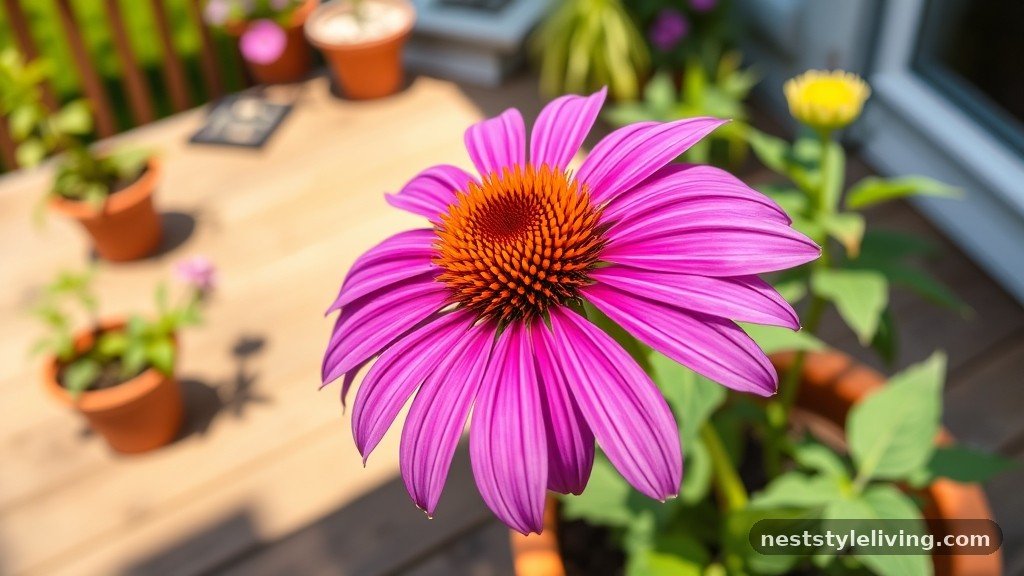
Selecting the right plants for a patio or balcony can be daunting, but finding the best full sun perennials for container gardens to try simplifies the process for any gardener. By focusing on species that tolerate restricted root space and high light exposure, you can enjoy vibrant blooms that return year after year without the need for constant replanting.
These selections provide structure, color, and texture throughout the growing season, transforming small spaces into lush retreats. Whether you are working with a tiny fire escape or a sprawling deck, understanding how to pair these resilient specimens with the right potting media will ensure your display thrives under the summer heat.
1. Purple Coneflower
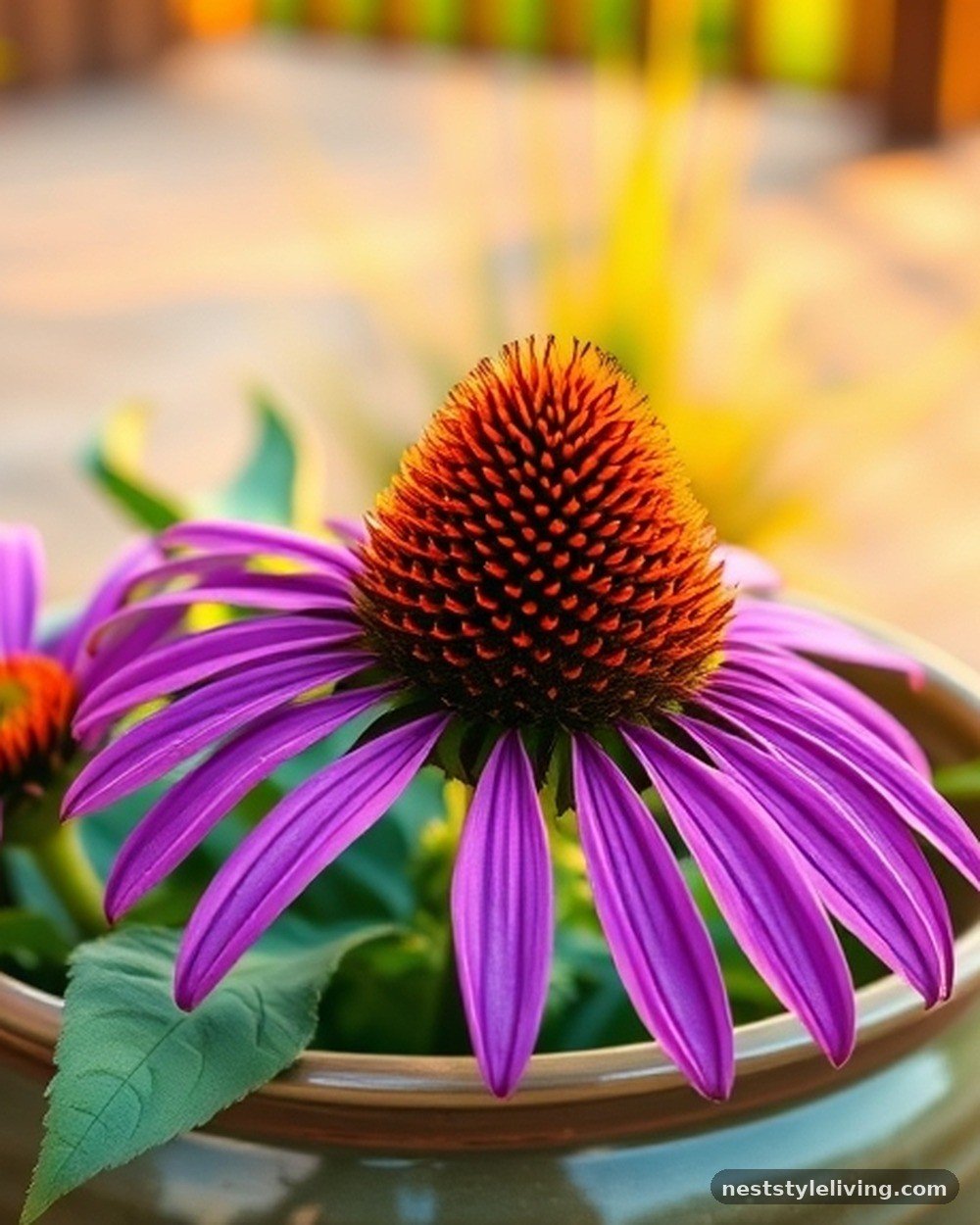
The Echinacea, or Purple Coneflower, offers a sturdy, upright habit that works exceptionally well as a central focal point in a large ceramic pot. Its iconic daisy-like flowers, featuring raised orange-brown centers and drooping rosy-purple petals, attract pollinators like bees and butterflies throughout the mid-to-late summer months.
Because these plants develop long taproots, you should select a container that is at least 14 to 16 inches deep to accommodate their growth. When planting, use a high-quality potting mix amended with a bit of organic compost to retain moisture while allowing for excellent drainage, as these perennials prefer to stay hydrated without sitting in soggy soil.
Psalm 104:14
This verse reminds us that the earth brings forth vegetation for the service of man, reflecting the divine design seen in the resilient nature of the coneflower. Just as the earth is watered from above to sustain life, your container plants rely on consistent care to mirror the beauty found in the natural field.
2. Sedum ‘Autumn Joy’
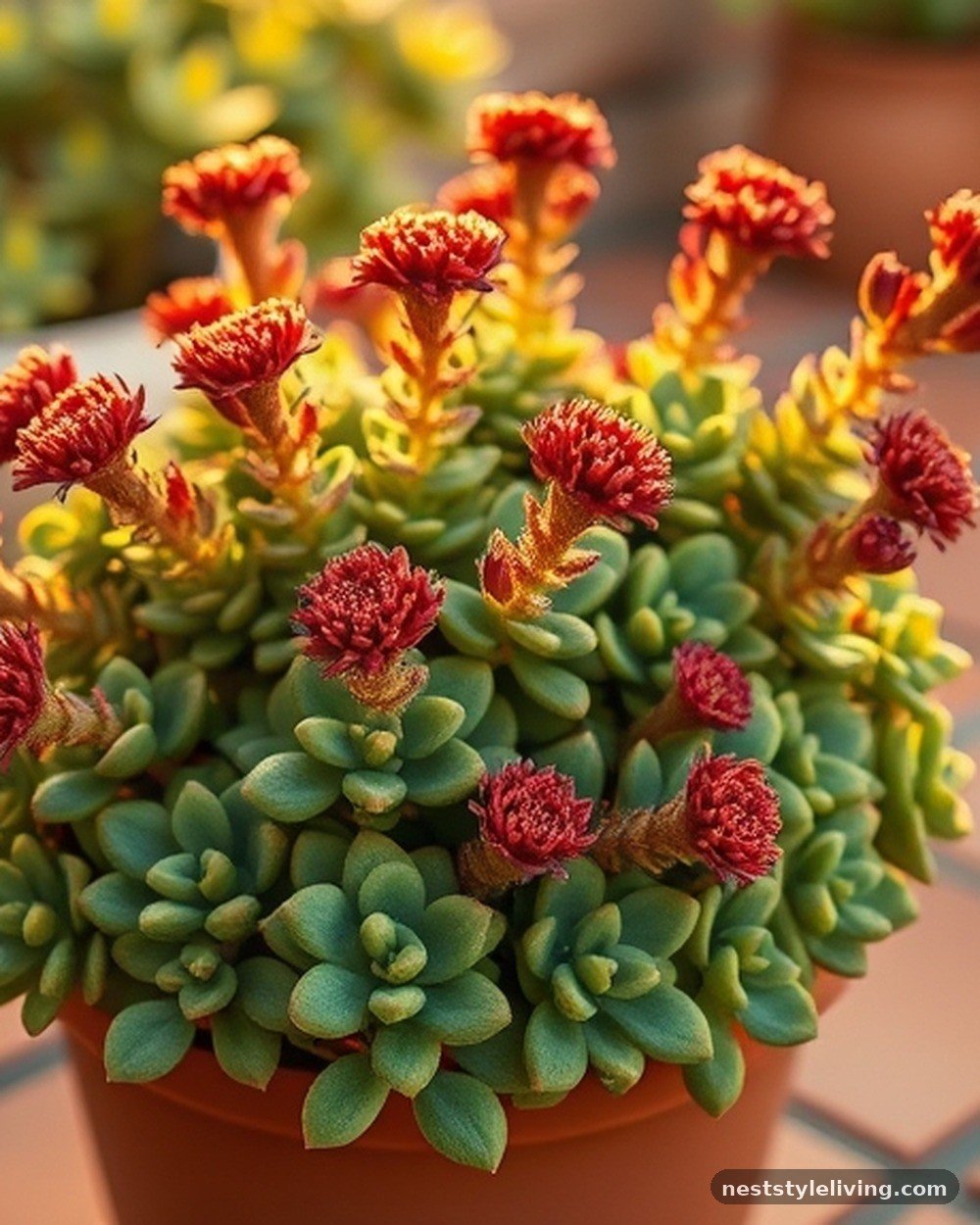
Sedum, specifically the ‘Autumn Joy’ variety, acts as a architectural anchor for containers due to its thick, succulent-like leaves and sturdy stems that never flop over. As the season progresses, the flower heads shift from a light green to a dusty pink, eventually maturing into a deep, rust-red bronze that persists well into the autumn.
This plant is incredibly drought-tolerant, making it a perfect candidate for containers that might occasionally miss a watering during a heatwave. Use a gritty, well-draining soil mix designed for succulents to mimic the rocky environments where these plants naturally thrive, ensuring the crown of the plant stays dry to prevent rot.
Proverbs 30:25
The industrious nature of the ant gathering food in the summer parallels the way gardeners prepare for the changing seasons by choosing hardy plants like sedum. Selecting specimens that endure the heat demonstrates wisdom in managing the resources of your garden, much like the prudent creatures mentioned in the text.
3. Lavender ‘Hidcote’
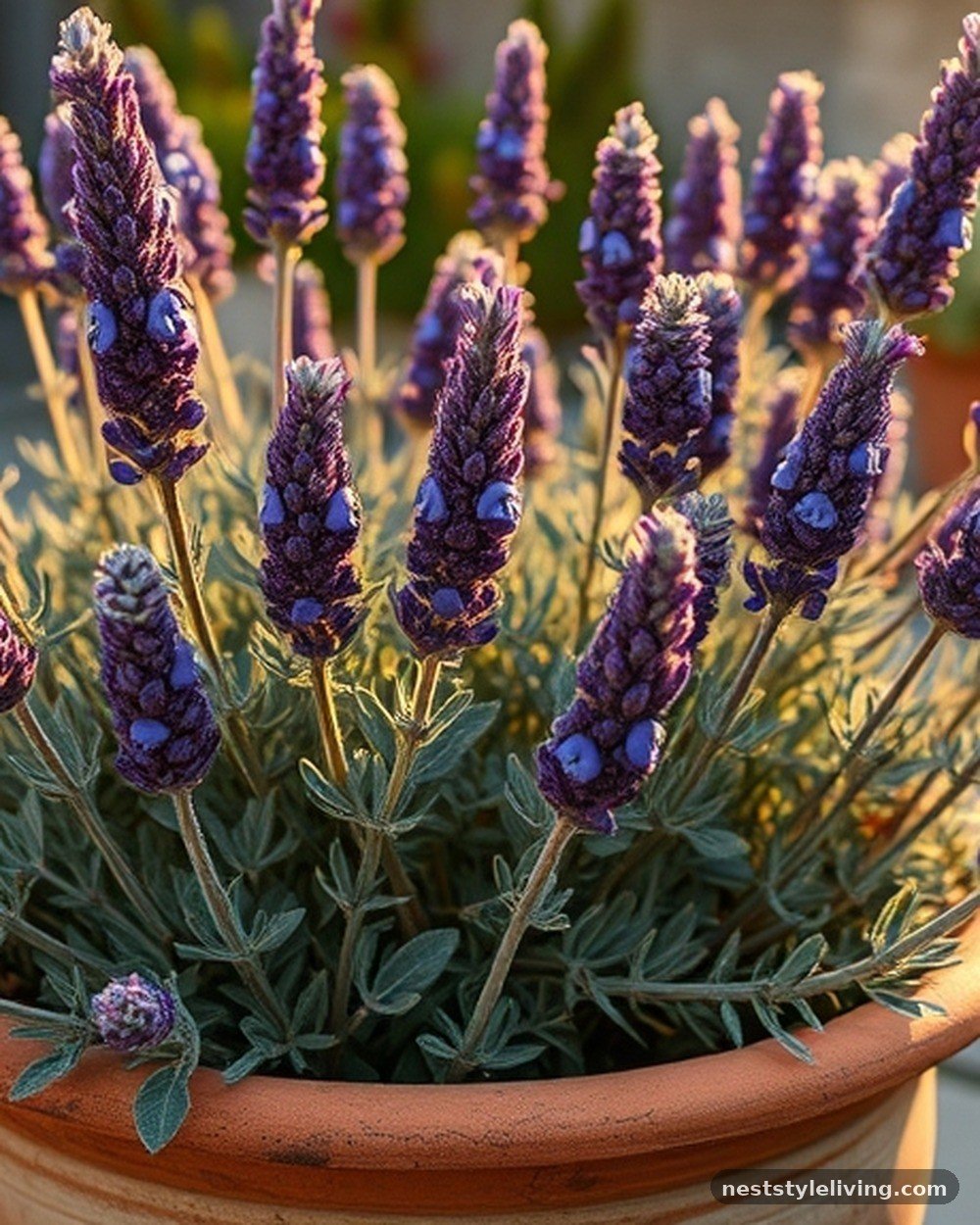
Lavender ‘Hidcote’ is a compact, dwarf variety that fits perfectly into smaller terracotta pots, releasing a soothing fragrance whenever the foliage is brushed against. Its deep violet-blue spikes contrast beautifully against silver-grey, needle-like leaves, providing a Mediterranean aesthetic that thrives in intense heat and high light.
Because lavender hates “wet feet,” you must ensure your container has ample drainage holes and use a potting mix specifically formulated for Mediterranean herbs, which typically includes extra perlite or grit. This plant requires very little fertilizer; in fact, too much nitrogen will lead to leggy growth and fewer flowers, so keep the soil lean and focus on providing maximum sunlight.
Song of Solomon 4:14
The mention of spikenard and saffron alongside other fragrant herbs highlights the historical appreciation for aromatic plants that delight the senses. Lavender serves as a modern equivalent, bringing a sense of peace and sensory beauty to a garden space through its calming presence.
4. Coreopsis ‘Moonbeam’
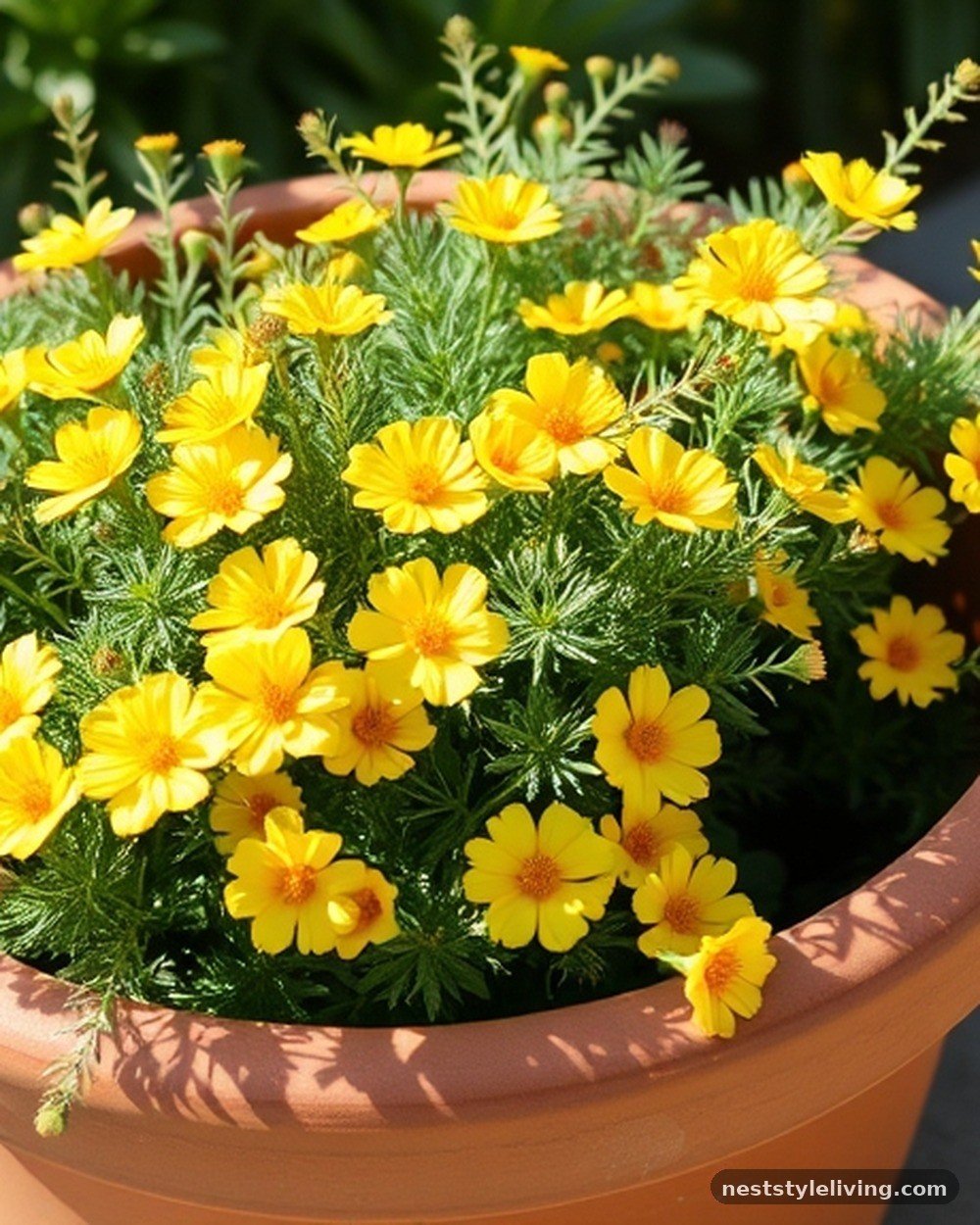
Coreopsis ‘Moonbeam’ features airy, fern-like foliage topped with a constant supply of pale, buttery-yellow flowers that bloom from early summer until the first frost. This plant has a wonderful trailing habit, making it an excellent choice for the edges of a container where it can spill over the sides to soften the look of the pot.
It is exceptionally low-maintenance, requiring only an occasional deadheading to keep the blooms coming, though it will continue to produce flowers even if you miss a few weeks of grooming. Ensure the pot is placed in an area that receives at least six to eight hours of direct sunlight, as this species will become spindly and stop blooming if it is forced into partial shade.
Matthew 6:28
The lilies of the field are noted for their natural beauty that surpasses even the finest human craftsmanship. Similarly, the effortless grace of the coreopsis reminds us that the most stunning displays often come from plants that simply grow as they were intended, without excessive human intervention.
5. Russian Sage
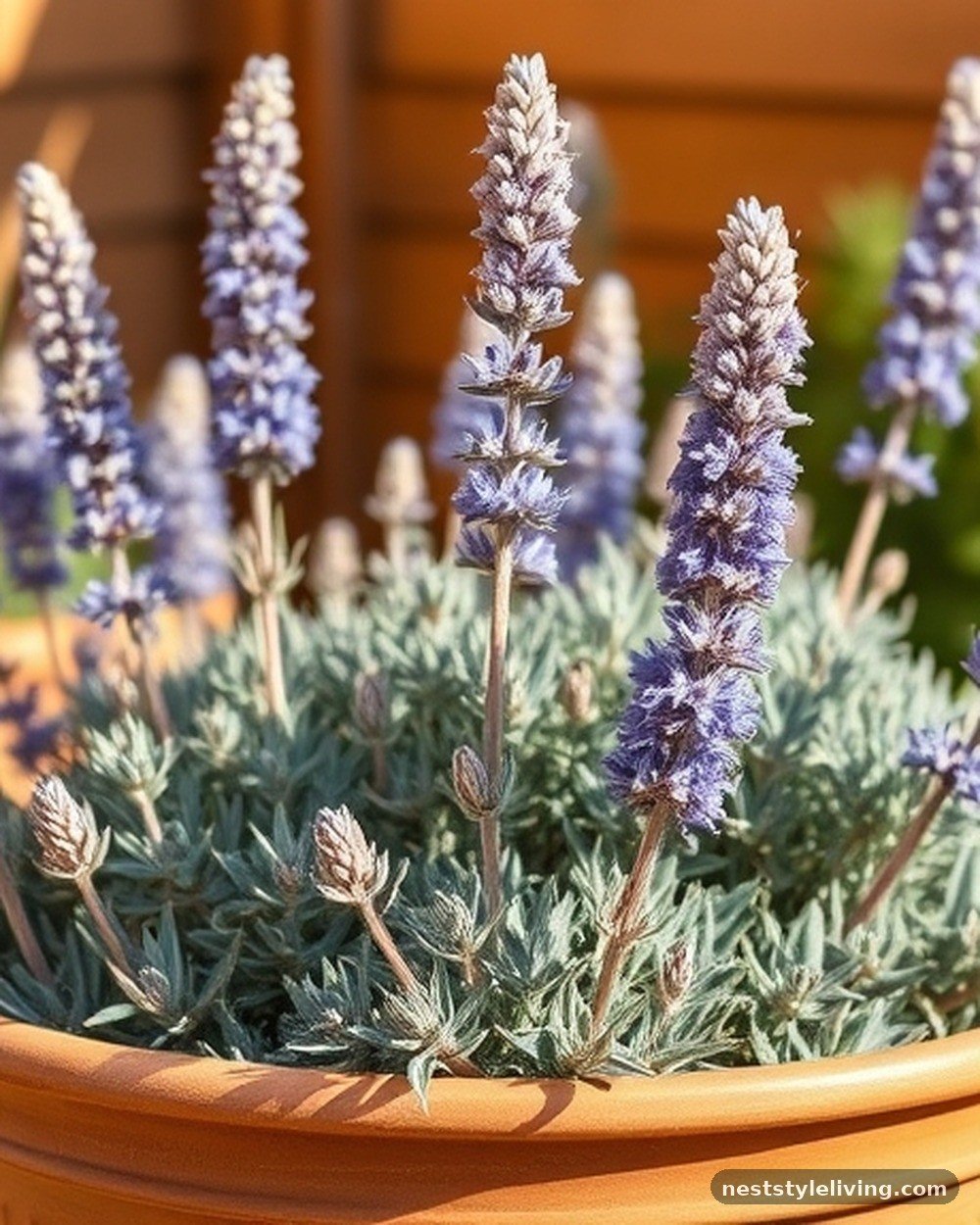
Russian Sage provides a soft, ethereal texture to container gardens with its tall, wispy spikes of lavender-blue flowers and finely cut, silvery foliage. It acts as a perfect vertical element to balance out rounder, lower-growing plants, creating a layered look that draws the eye upward.
While it can grow quite large in the ground, container cultivation keeps its size manageable, though you should still provide it with a pot that has significant weight at the base to prevent it from tipping over in high winds. It is extremely heat-tolerant and thrives in poor, rocky soil, so avoid using overly rich potting mixes that might cause the stems to collapse under their own weight.
Psalm 92:12
The image of the righteous flourishing like a palm tree or cedar suggests growth that remains steady and tall over time. Russian Sage, with its vertical habit and enduring nature, serves as a grounded reminder of the grace and stability that can be cultivated in one’s own living space.
6. Daylily ‘Stella de Oro’
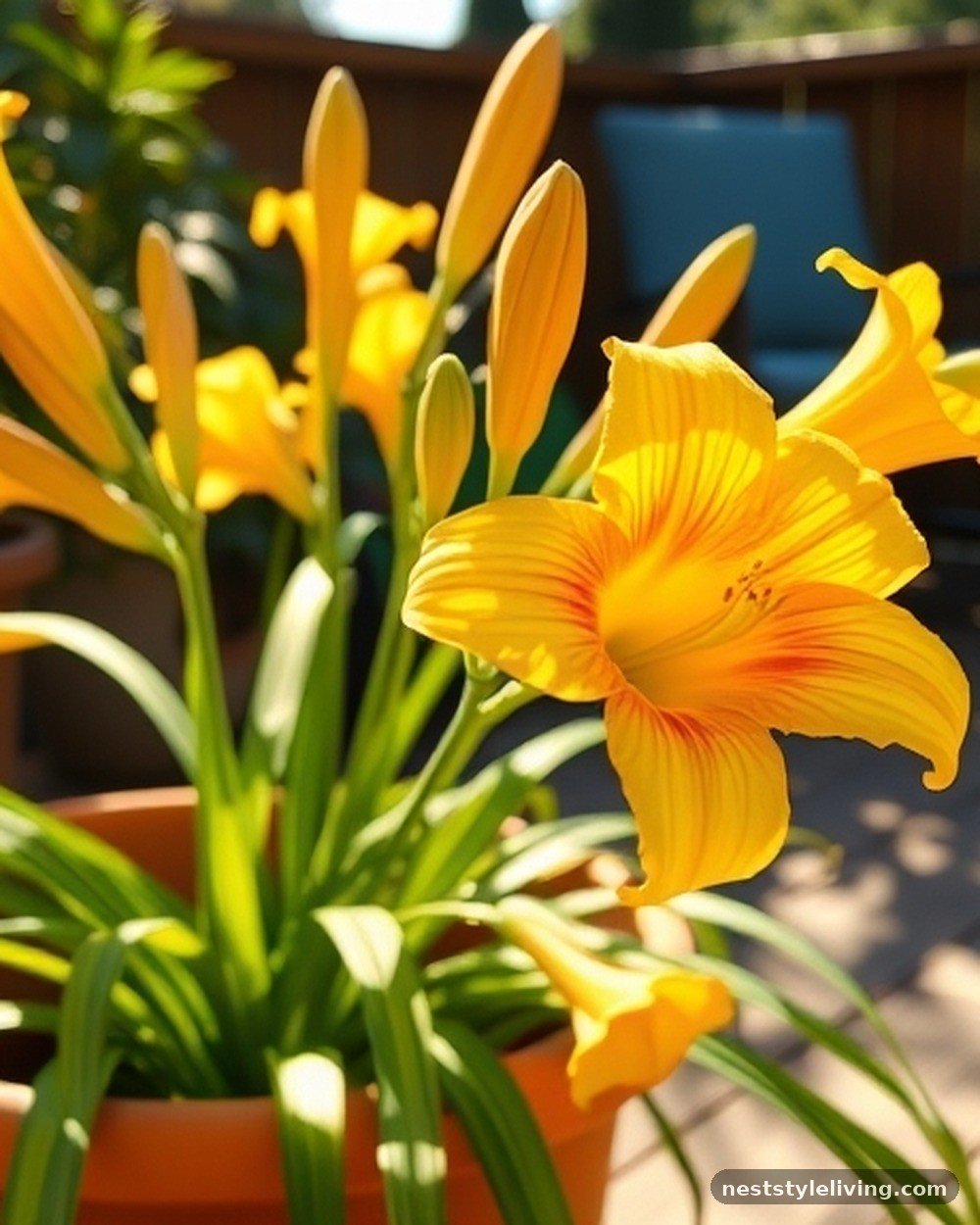
The ‘Stella de Oro’ daylily is a classic choice for containers because of its reliable reblooming habit and ability to withstand extreme summer temperatures. Its golden-yellow, trumpet-shaped flowers emerge in flushes throughout the summer, set against a backdrop of deep green, grass-like leaves that maintain their color even when the plant isn’t in bloom.
These plants are prolific, so you will likely need to divide the root ball every two to three years to ensure the container doesn’t become overcrowded. Keep the soil consistently moist but never waterlogged, and you will be rewarded with a persistent display that requires very little specialized attention compared to other flowering perennials.
Psalm 103:15
The fleeting nature of the flower of the field contrasts with the eternal perspective offered in scripture, yet we are encouraged to appreciate the beauty of the present moment. Daylilies, with their quick, vibrant bursts of life, invite us to find joy in the immediate splendor of the garden.
7. Salvia ‘May Night’
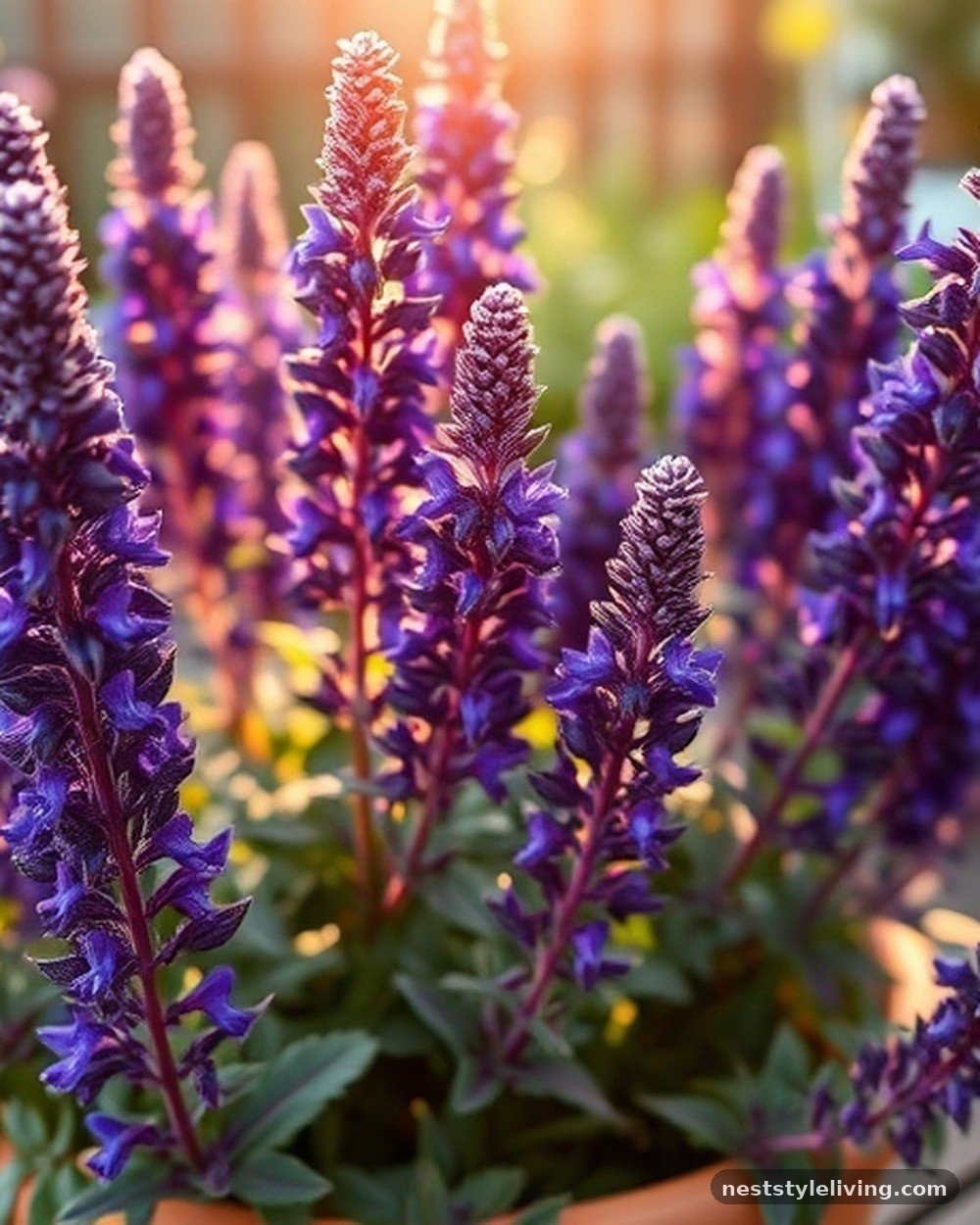
Salvia ‘May Night’ is a powerhouse of color, producing deep, indigo-purple flower spikes that are highly attractive to hummingbirds and beneficial insects. The dark, crinkled foliage provides a rich contrast to the vibrant blooms, and the plant holds its shape well throughout the season without needing staking.
To maximize the blooming period, cut back the spent flower spikes once the first flush is over, which often encourages a second, smaller bloom in late summer. This perennial is quite drought-tolerant once established, but in a container, it will perform best if you maintain a regular watering schedule during the peak heat of July and August.
Psalm 1:3
A tree planted by streams of water represents a life that is nourished and fruitful, mirroring the condition of a container plant that is well-tended. When we provide the right environment for our plants, we enable them to reach their full potential, much like a person rooted in wisdom.
8. Penstemon ‘Husker Red’
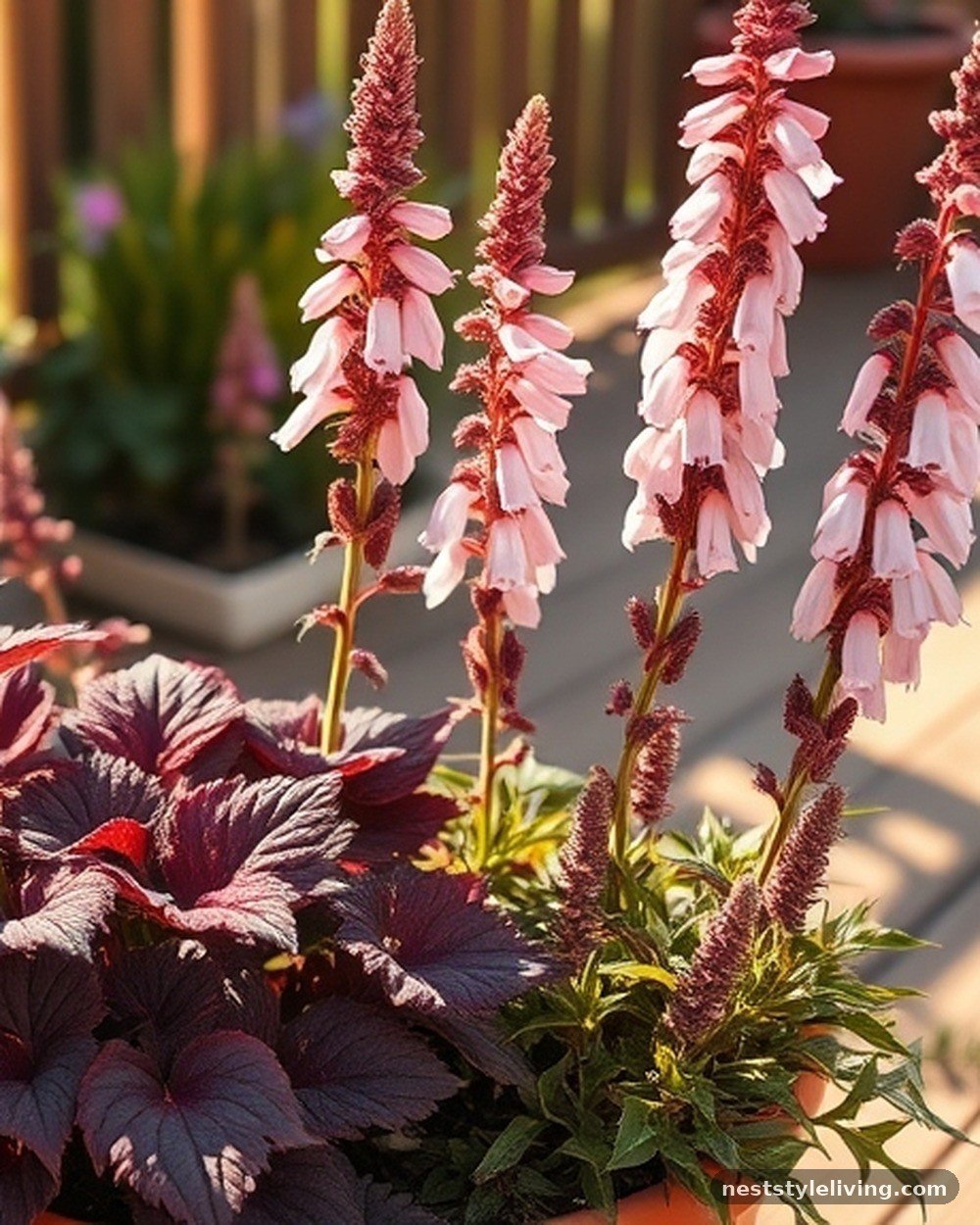
Penstemon ‘Husker Red’ is prized for its striking foliage, which emerges as a deep, bronzy-red and retains a dark purple hue throughout the summer. This foliage creates a dramatic backdrop for the tubular, white-to-pale-pink flowers that bloom on tall, elegant stalks.
It is a fantastic choice for a container that needs a bit of moodiness and color depth, as the leaves stand out against more common bright green plants. Ensure the pot has excellent drainage, as penstemon is susceptible to crown rot if allowed to sit in water during the winter months, and place it in a spot where it can soak up the morning sun.
Isaiah 40:8
While the grass withers and the flower fades, the word of the Lord stands forever, providing a perspective on the temporary beauty of the garden. Appreciating the seasonal life of the penstemon allows us to enjoy the present while acknowledging the enduring nature of deeper truths.
9. Yarrow ‘Paprika’
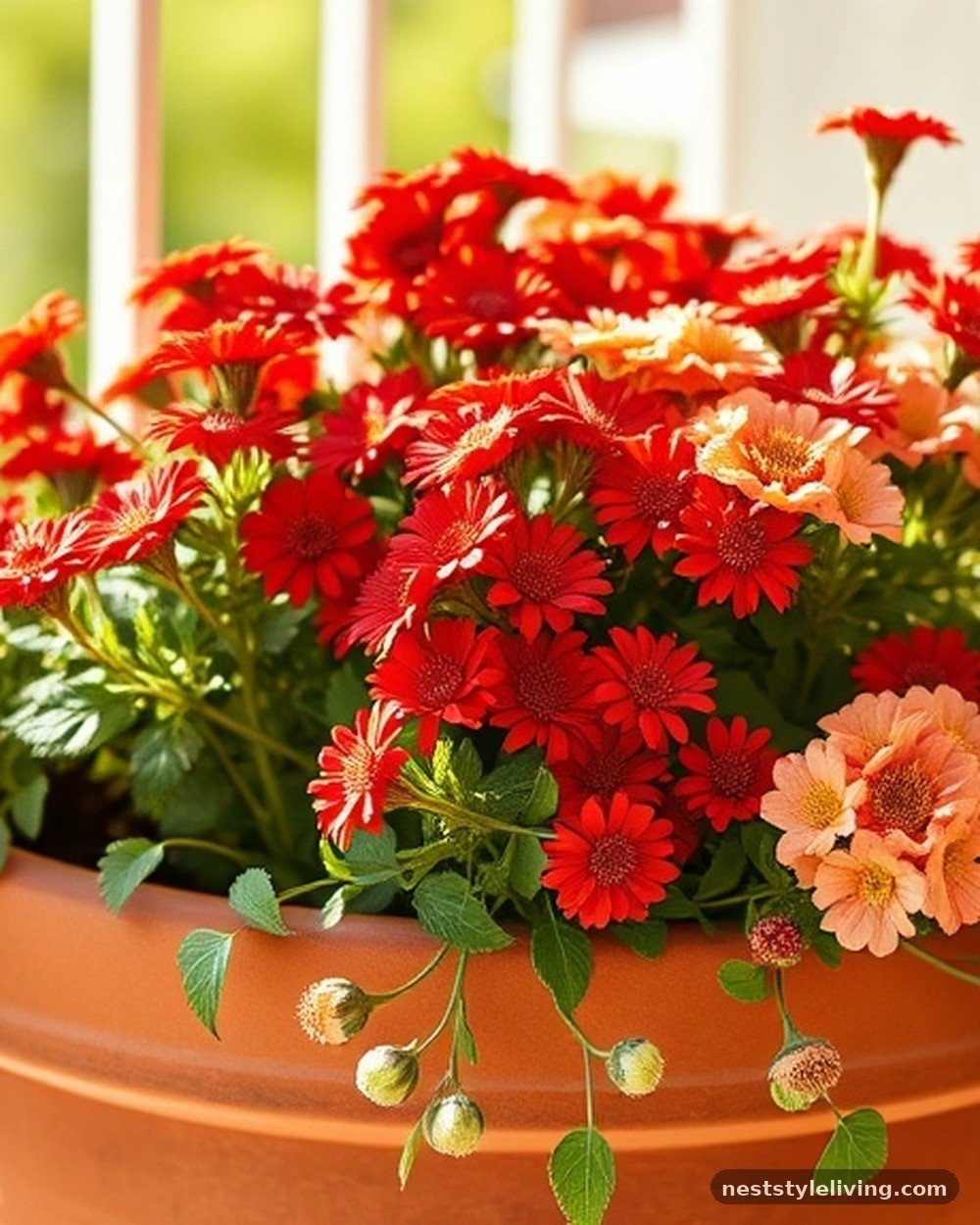
Yarrow ‘Paprika’ produces flat-topped clusters of flowers that start as a deep, intense red and fade to a soft salmon-pink as they age. This creates a multi-tonal effect on a single plant, giving your container a sophisticated, painterly appearance that changes over the course of a few weeks.
The fern-like leaves are highly aromatic and add a feathery texture to the base of the pot, which helps to hide the soil and keep the roots cool. Yarrow is incredibly tough and prefers drier conditions, making it an ideal candidate for containers that are located on sunny, exposed balconies where other plants might wilt under the intensity of the afternoon light.
Psalm 104:24
The vastness and variety of the earth’s works, as described in this psalm, are reflected in the intricate details of a yarrow bloom. Each floret contributes to a larger, complex structure, mirroring the complexity and wonder found in the natural order of creation.
10. Blanket Flower (Gaillardia)
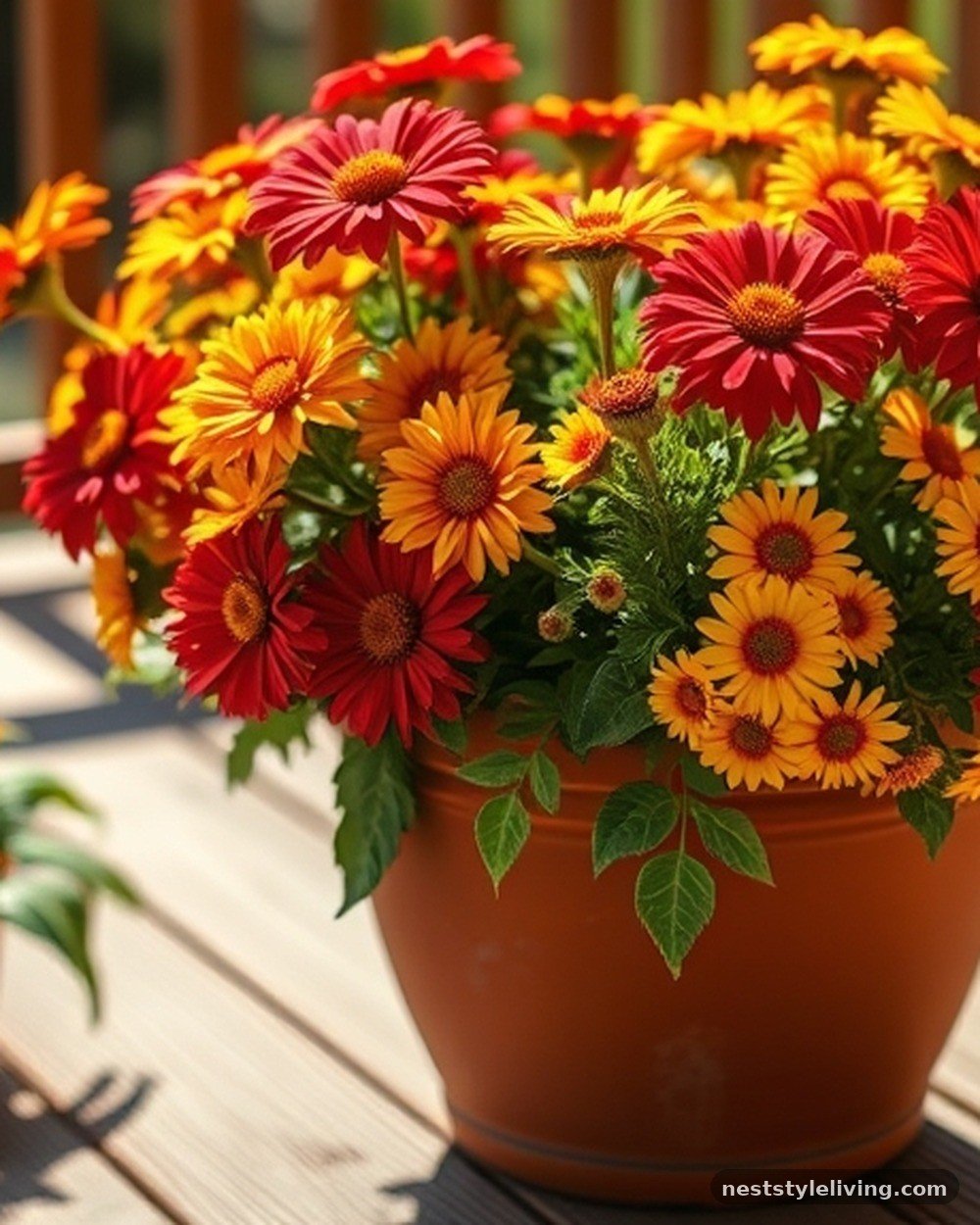
Blanket Flower is a quintessential full-sun perennial that produces bold, sunset-colored blooms in shades of red, orange, and yellow. These flowers are remarkably long-lasting and continue to appear from early summer until the first frost, ensuring your container always has a splash of warm color.
The plant has a mounded, spreading habit that fills out a pot quickly, making it a great value for those looking for an immediate impact. It is highly heat-tolerant and thrives in poor soil, so you don’t need to worry about heavy fertilization; simply ensure the container is in a location with maximum sunlight to prevent the stems from stretching.
Job 12:7
Asking the beasts and birds to teach us reflects the importance of observing the natural world to understand our own place within it. The vibrant colors of the Gaillardia serve as a visual lesson in resilience and joy, traits we can observe and emulate in our daily lives.
11. Catmint ‘Walker’s Low’
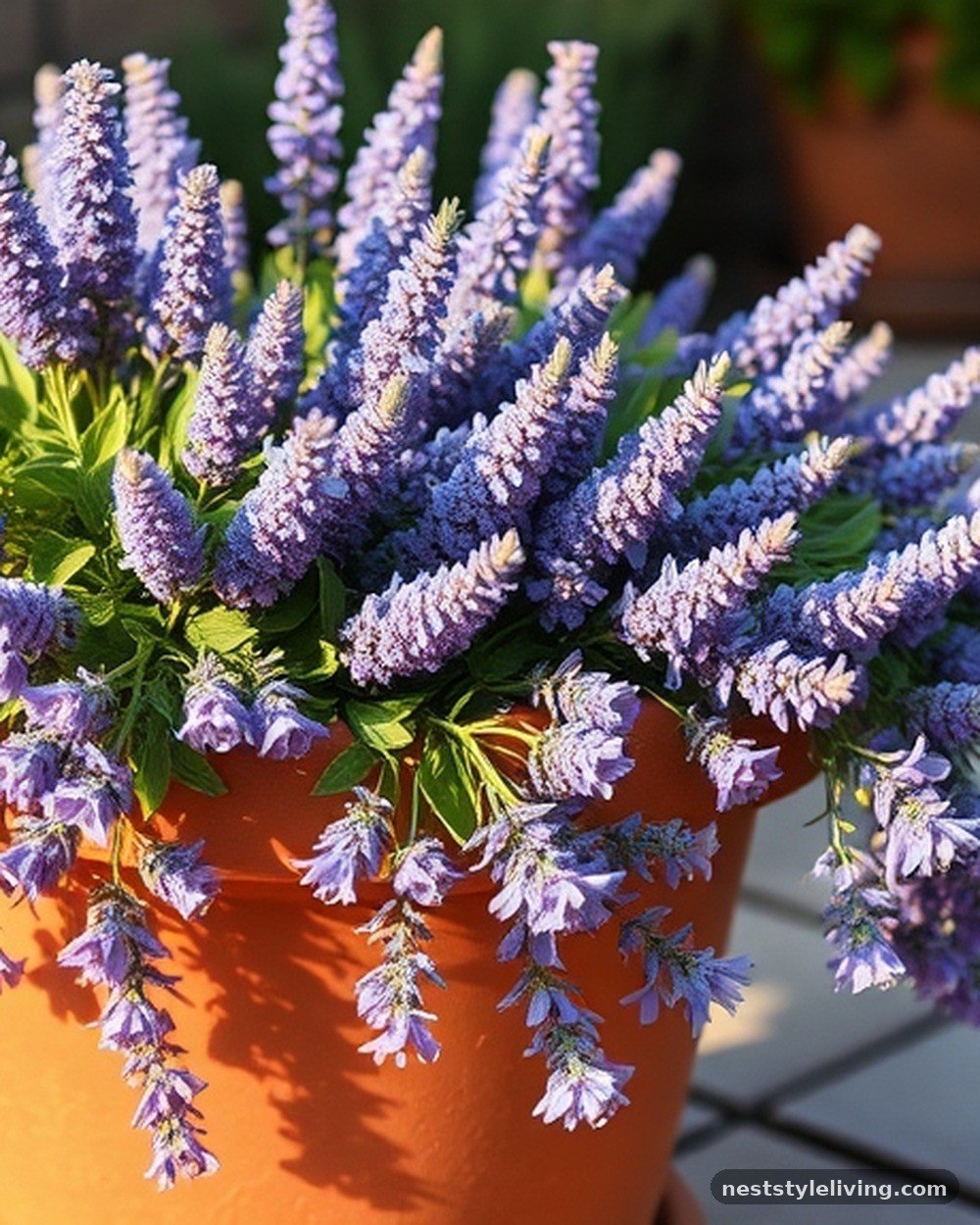
Catmint ‘Walker’s Low’ is a sprawling, soft-textured perennial that features spikes of lavender-blue flowers and grey-green, fragrant leaves. Its habit is naturally cascading, making it the perfect “spiller” for a large container where it can drape over the edges, softening the hard lines of the pot.
Despite its delicate appearance, it is incredibly robust and will bloom repeatedly if you shear the plant back after the first wave of flowers fades. It is a favorite of bees and butterflies, so placing it in a container near a seating area will turn your patio into a lively, buzzing sanctuary that feels connected to the wider ecosystem.
Psalm 65:9
God’s care for the land, providing water and enriching the soil, is the foundation for all growth. Catmint, with its lush and generous habit, acts as a small-scale testament to the abundance that results when we provide the necessary care and attention to the earth entrusted to us.
12. Tickseed (Coreopsis verticillata)
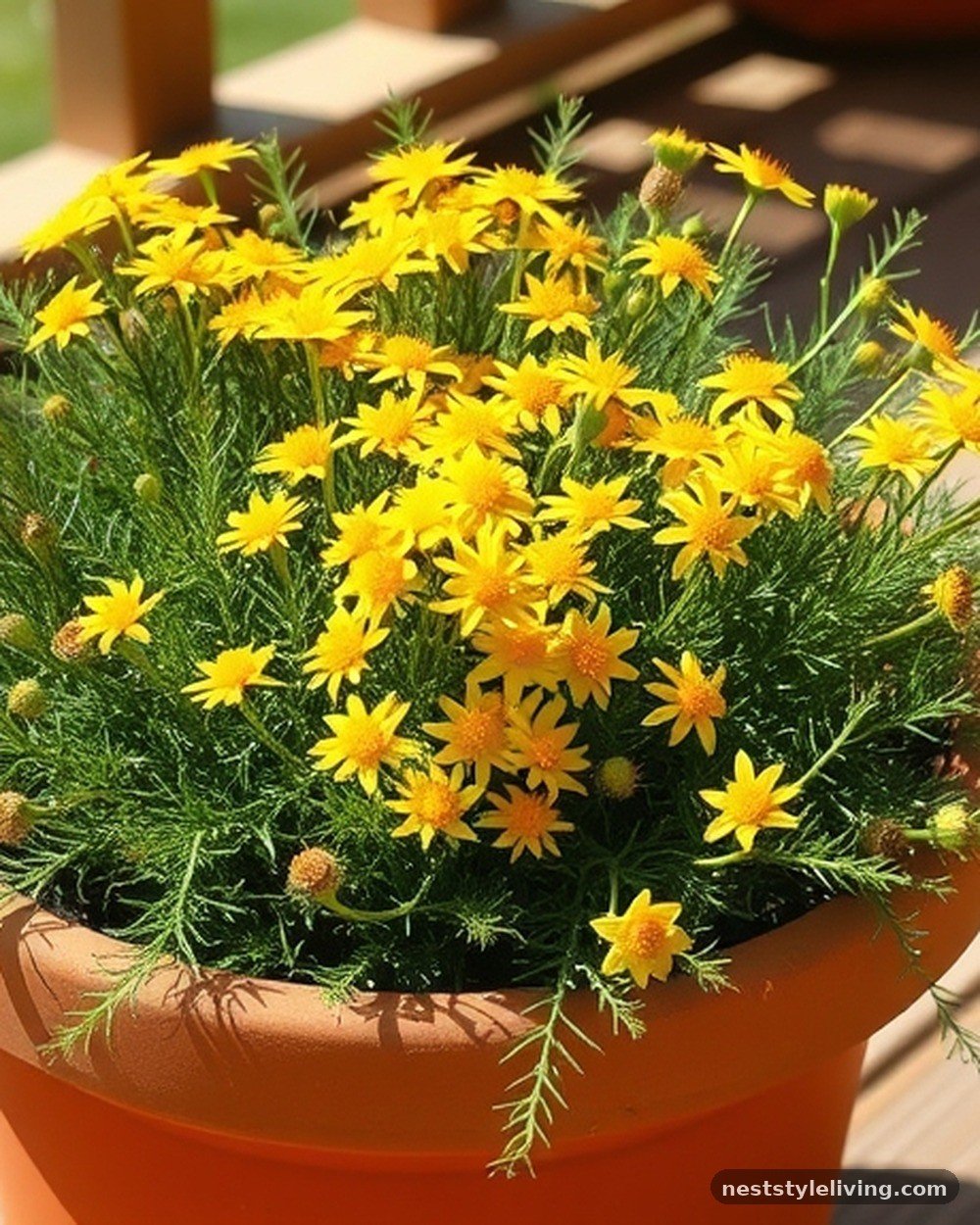
Tickseed is a reliable, tough perennial that produces a profusion of bright yellow, star-shaped flowers on slender, upright stems. Unlike some of the larger-leaved perennials, its foliage is fine and needle-like, which gives the container a light, airy feel that doesn’t overwhelm the space.
It is exceptionally well-suited for containers because it handles heat and drought with ease, and it remains compact enough that it won’t outgrow its pot in a single season. Keep the container in full sun and deadhead the spent flowers periodically to encourage the plant to put its energy into new buds rather than seed production.
Matthew 13:8
The parable of the sower speaks to the importance of good soil for producing a bountiful harvest. By selecting the right potting medium and environment for your tickseed, you are essentially preparing the ground to ensure that the beauty of the plant can flourish as intended.
13. Stonecrop (Sedum ‘Dragon’s Blood’)
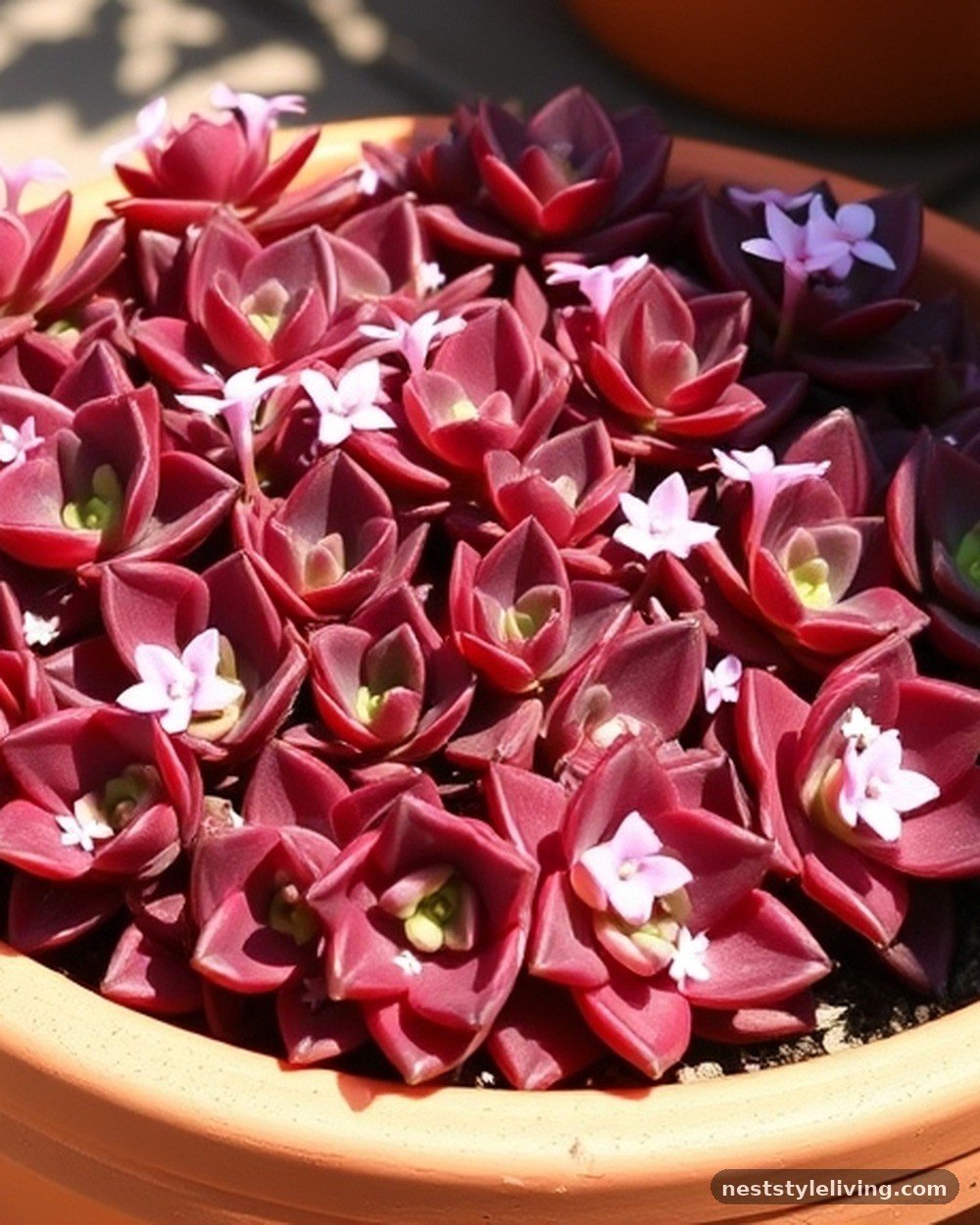
Sedum ‘Dragon’s Blood’ is a low-growing, mat-forming perennial that serves as an excellent ground cover for the top of a container. Its tiny, fleshy leaves are a deep, reddish-bronze color that looks stunning against terracotta or glazed blue pots. In the summer, the mat is covered in clusters of star-shaped, pinkish-red flowers that provide a vibrant contrast to the foliage.
Because it is a succulent, it requires very little water and thrives in the heat, making it a perfect companion for taller perennials that might leave the soil surface exposed. It is virtually maintenance-free and will survive even if you forget to water it during a busy week.
Psalm 19:1
The heavens declare the glory of God, and the beauty of the earth, even in its smallest forms like the stonecrop, serves as a witness to this truth. Each leaf and petal reflects a specific design that invites us to pause and appreciate the meticulous nature of creation.
14. Phlox ‘Jeana’
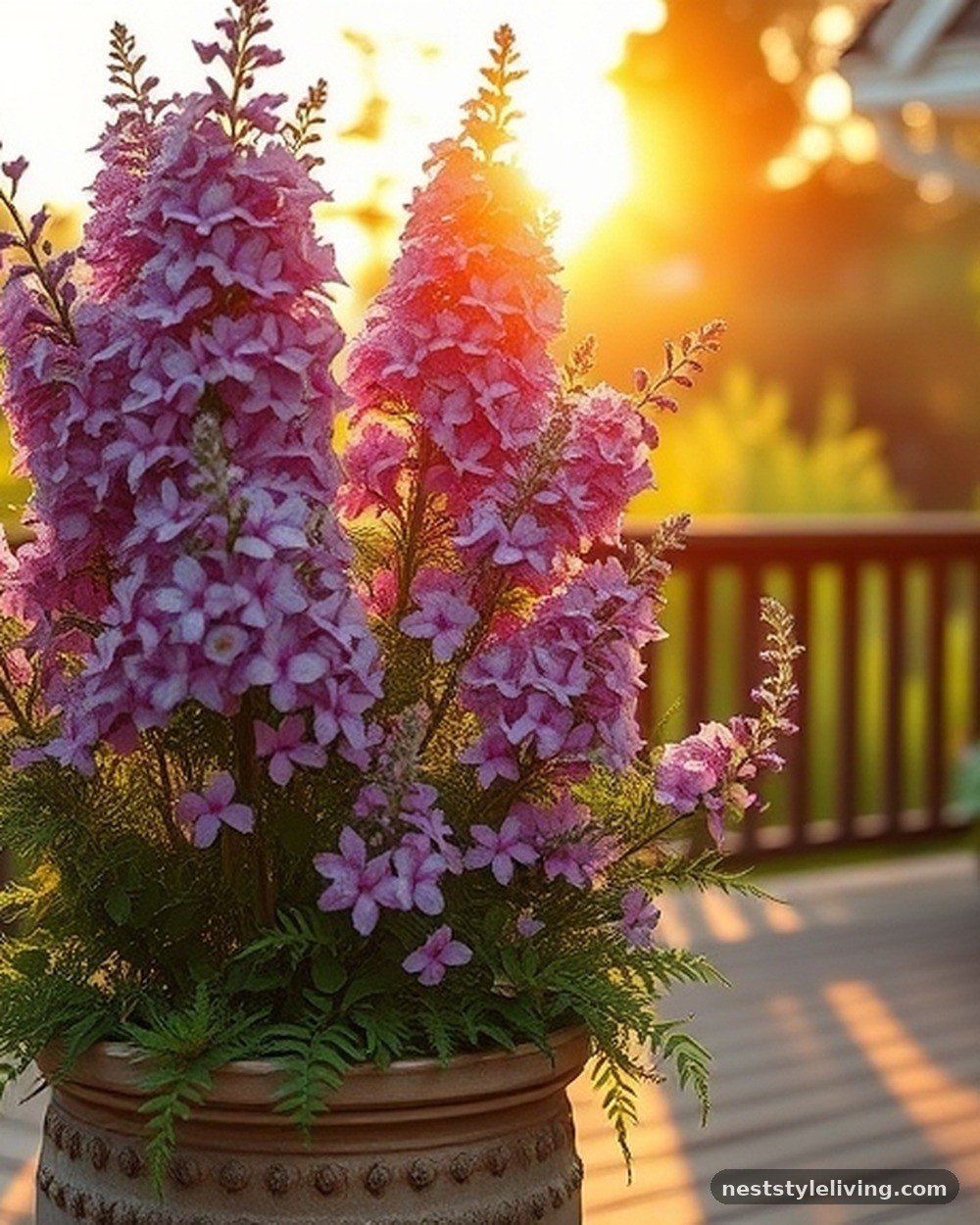
Phlox ‘Jeana’ is a tall, elegant perennial known for its clusters of fragrant, lavender-pink flowers that are highly resistant to powdery mildew. Its height makes it a perfect “thriller” for a large container, providing a vertical element that draws the eye upward and adds a sense of grandeur to a patio arrangement.
The flowers are a magnet for butterflies, particularly swallowtails, adding a layer of movement and life to the container garden. While it requires more water than the drought-tolerant options on this list, its disease resistance and long bloom time make it a top-tier choice for those who want a showy, healthy plant that delivers consistent results throughout the summer.
Psalm 104:31
The glory of the Lord endures forever, and His works are a source of constant joy and reflection. Phlox, with its enduring beauty and resilience against disease, reminds us that what is well-tended and cared for can display a lasting splendor that honors the Creator’s design.
Frequently Asked Questions
How often should I fertilize these perennials in containers?
Container-grown plants have limited access to nutrients compared to those in the ground, so a light application of a balanced, slow-release granular fertilizer in early spring is usually sufficient. Avoid heavy feeding during the hottest weeks of summer, as this can force tender growth that is susceptible to pests and wilt.
Do these plants need to be moved indoors for winter?
Most of the perennials listed are hardy in a wide range of zones, but when grown in containers, their roots are more exposed to freezing temperatures. If you live in a climate with harsh winters, you may need to move the pots into an unheated garage or wrap the containers in burlap to protect the root systems from extreme cold.
What is the best way to ensure proper drainage in pots?
Always use containers with pre-drilled holes at the bottom and avoid placing rocks or gravel at the base, which can actually impede drainage by creating a perched water table. Instead, use a high-quality, porous potting mix and elevate your pots on “pot feet” or bricks to allow water to flow freely out of the bottom.
How do I know when to repot my perennials?
If you notice that the plant has stopped growing, the soil dries out almost immediately after watering, or roots are growing out of the drainage holes, it is time to repot. Typically, you should divide or move these perennials to a larger container every two to three years to refresh the soil and provide more room for the root system to expand.
Can I mix different perennials in the same container?
Yes, mixing plants is a great way to create a lush, professional-looking arrangement, provided they have similar sunlight and water requirements. Aim to include a “thriller” for height, “fillers” for volume, and “spillers” for the edges to create a balanced, cohesive look that maximizes the potential of your container garden.
Conclusion
Cultivating a thriving display of full sun perennials for container gardens to try is an incredibly rewarding way to enhance your outdoor living space. By selecting hardy, heat-tolerant varieties that offer diverse textures and long-lasting blooms, you can enjoy a vibrant, evolving landscape that returns with renewed vigor each season. These plants are designed to endure the intensity of the summer sun, making them practical choices for busy gardeners who want maximum impact with minimal maintenance.
As you begin your journey with these resilient selections, focus on providing consistent moisture and well-draining soil to ensure your pots remain healthy through the peak heat of the year. Whether you start with a single statement pot or a collection of varied containers, you will quickly see how these perennials bring life and color to your home. We invite you to experiment with different pairings and observe how your garden transforms into a beautiful, living sanctuary.