16 Italian Tuscan Kitchen Ideas Full of Timeless Charm
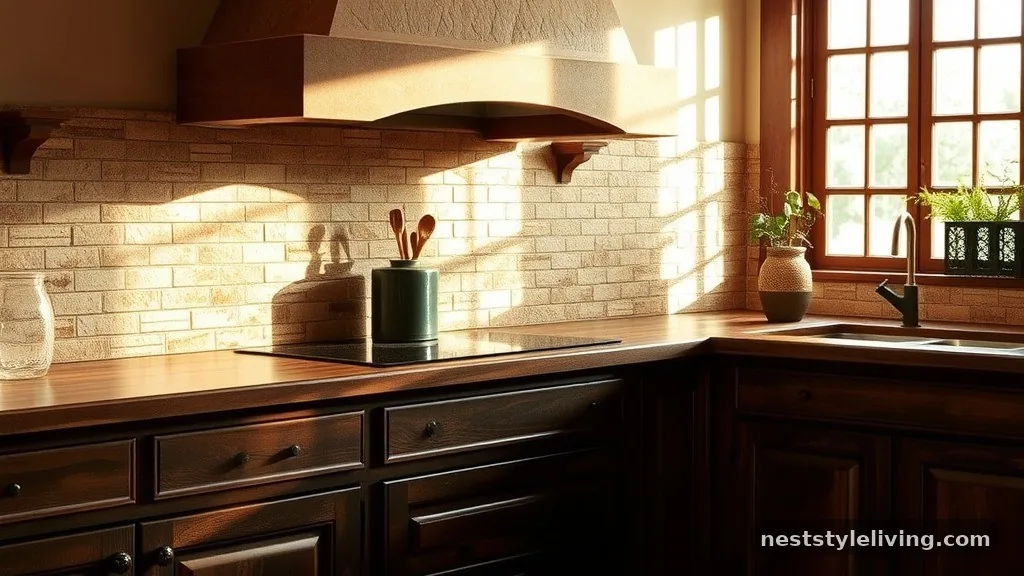
Incorporating Italian Tuscan kitchen ideas full of timeless charm into your home creates a space that feels both grounded and welcoming. These designs prioritize authentic materials, warm color palettes, and a sense of history that transcends passing trends. By focusing on textures like aged stone, distressed wood, and hand-painted ceramics, you can transform a standard cooking area into a villa-inspired retreat.
Whether you are planning a full renovation or looking for smaller updates, these elements provide a blueprint for a balanced, soul-filling environment. Discover how to blend functionality with the rustic elegance that defines the heart of a home.
1. Travertine Stone Backsplashes
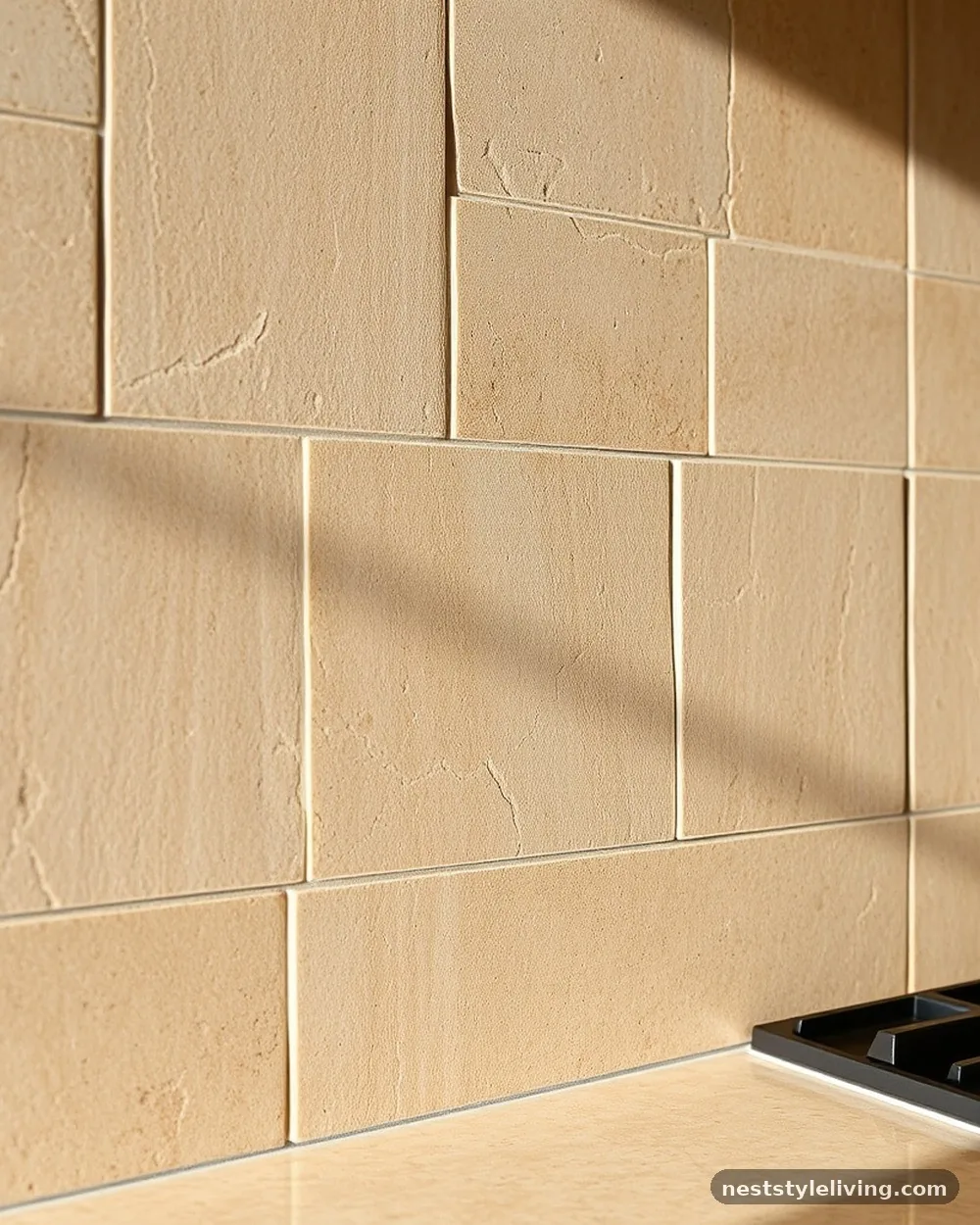
Travertine is a staple in Mediterranean architecture, characterized by its natural pits, crevices, and warm, earthy color variations. Using tumbled travertine tiles for a backsplash provides a soft, matte finish that feels centuries old the moment it is installed.
The variation in color—ranging from cream and beige to deep walnut—adds depth to the wall, making the kitchen feel like a structural extension of an ancient farmhouse rather than a modern addition. Unlike glossy ceramic, travertine absorbs light, which prevents the space from feeling clinical and enhances the cozy, lived-in atmosphere often found in authentic Tuscan kitchens.
To achieve this look, opt for tiles with a “tumbled” or “filled and honed” finish. Install them using a tight grout line in a color that matches the lightest tone in the stone to ensure the pattern looks seamless and stone-focused rather than grid-focused.
2. Reclaimed Chestnut Beam Ceilings
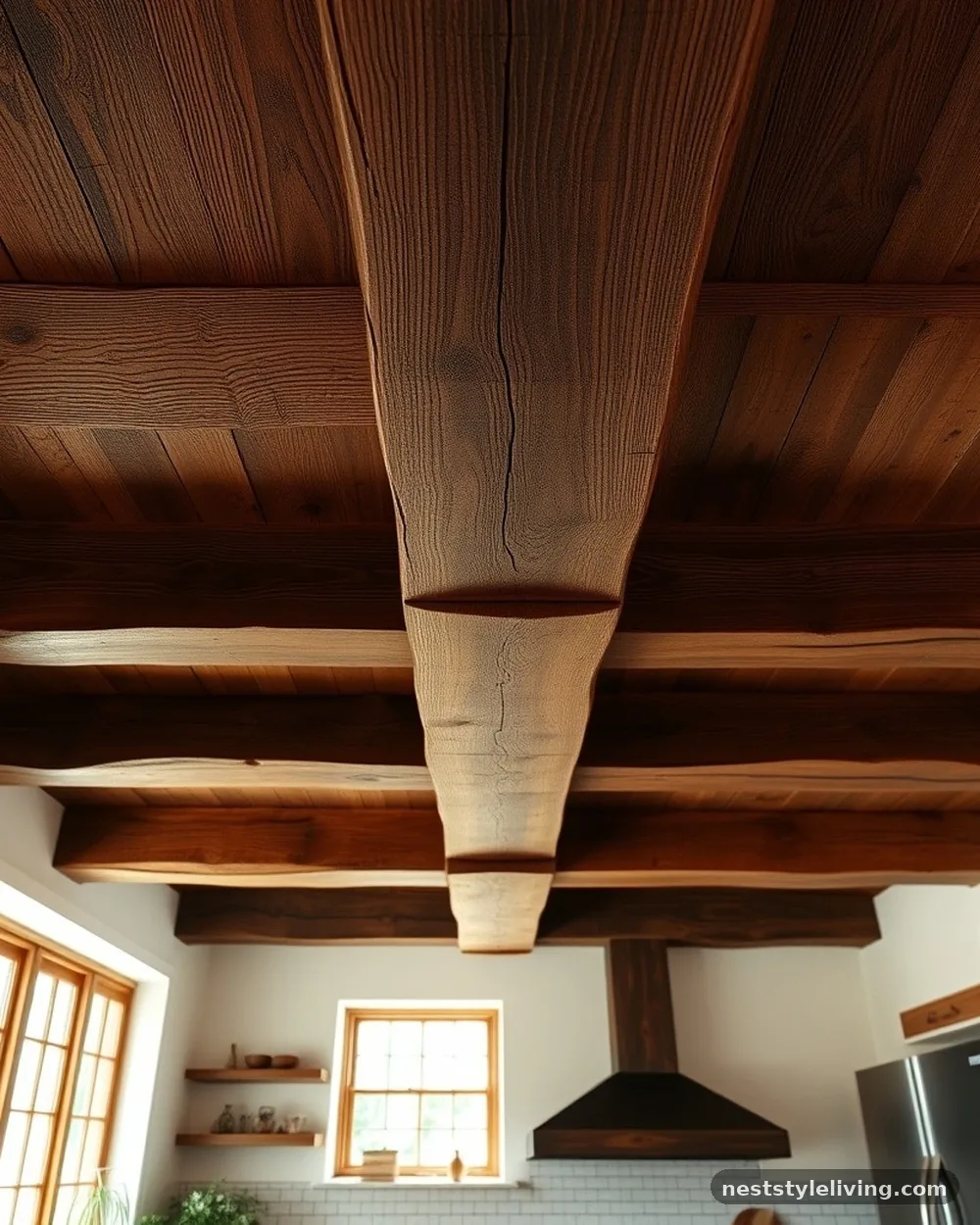
Heavy, exposed wood beams are synonymous with the structural integrity of Italian country homes. Reclaimed chestnut, known for its rich grain and durability, offers an immediate sense of history when installed across a kitchen ceiling.
These beams create a rhythmic architectural element that draws the eye upward, adding height and a sense of “hearth” to the room. When left in their natural, unfinished state or treated with a light wax, they provide the necessary contrast to lighter walls and cabinetry, grounding the room in organic materials that age gracefully over time.
Source your beams from architectural salvage yards to ensure you are getting true, weathered wood with authentic nail holes and character. You can install these as structural elements or as non-load-bearing boxes that wrap around existing supports to simplify the installation process.
3. Hand-Painted Ceramic Tile Accents
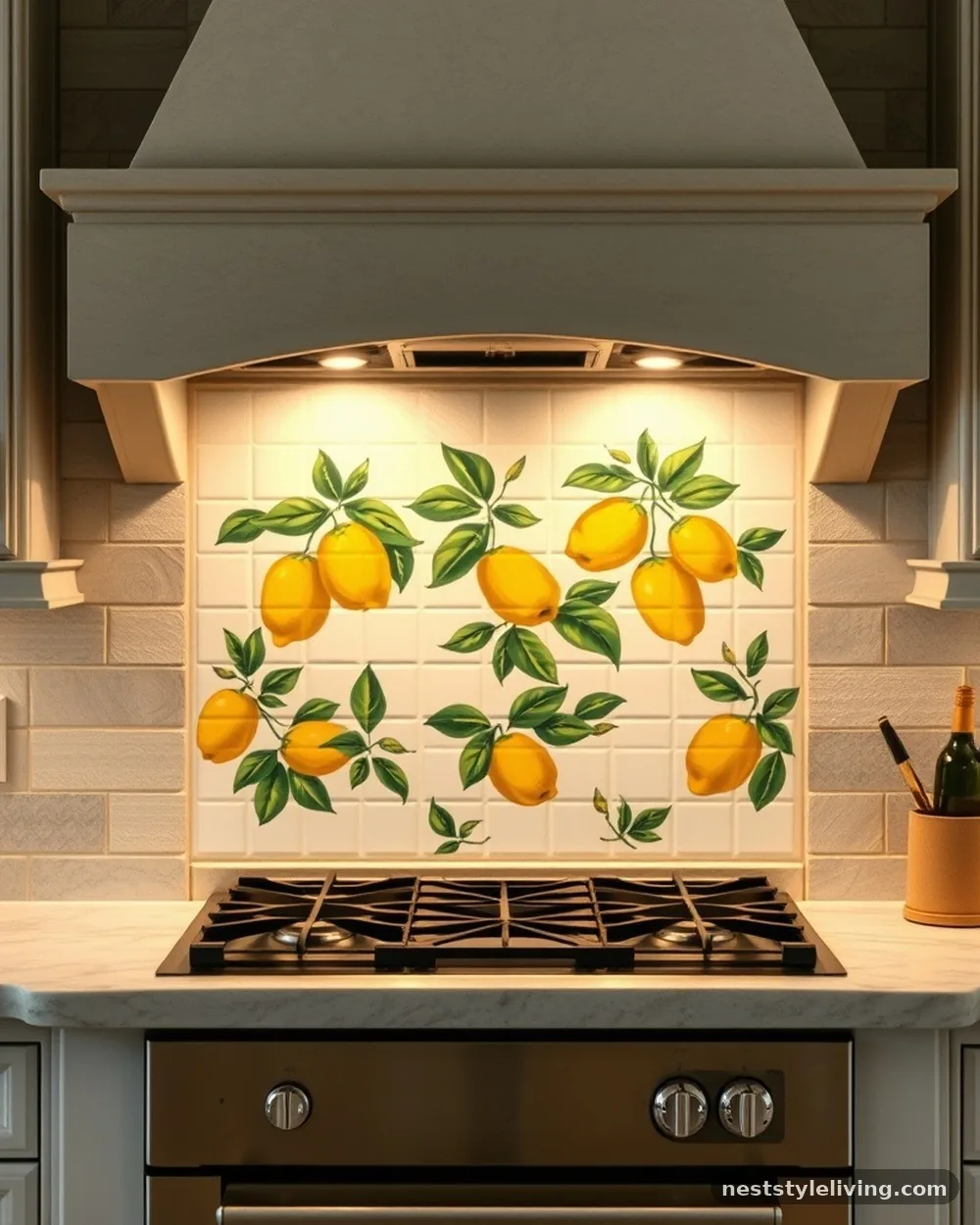
A hallmark of regional Italian design is the use of vibrant, hand-painted ceramic tiles, often featuring botanical motifs, lemons, or geometric patterns. Instead of tiling an entire wall, incorporate these as a focal point, such as a decorative border above the stove or a singular panel within a neutral stone backsplash.
These tiles inject personality and a burst of color into an otherwise muted kitchen palette. They act as the “jewelry” of the room, highlighting the artisan craftsmanship that is central to the charm of a Mediterranean-inspired home.
Look for authentic Deruta or Vietri ceramics to ensure the glazes have the correct depth and color saturation. Use these as a frame for your cooktop area, ensuring the surrounding tiles are a solid, neutral color so the decorative pieces truly stand out.
4. Wrought Iron Pot Racks
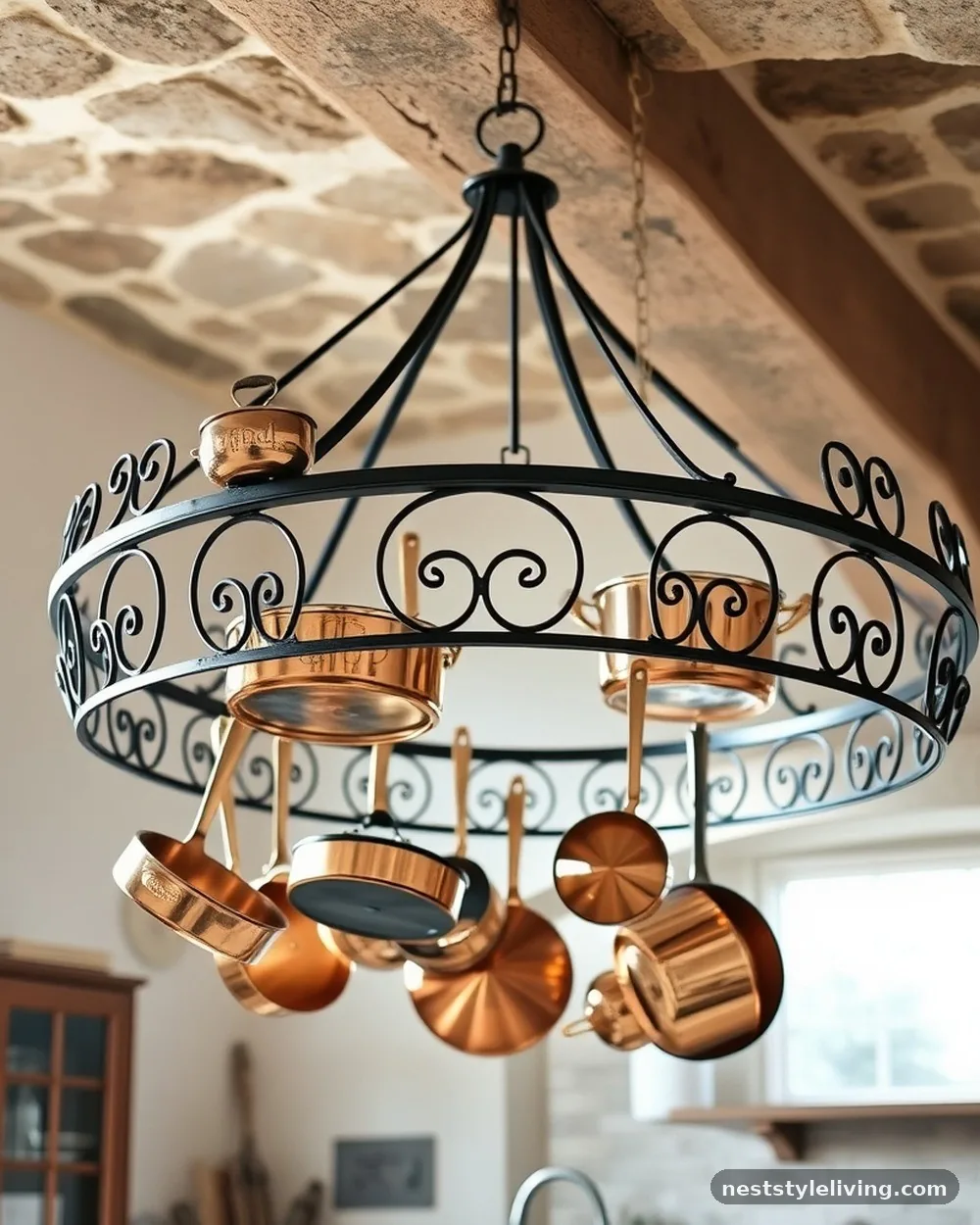
Wrought iron is the definitive metal for Italian Tuscan kitchen ideas full of timeless charm. A large, circular or rectangular iron pot rack suspended above a kitchen island serves both a utilitarian and aesthetic purpose.
It keeps heavy copper or cast-iron cookware within arm’s reach while adding a vertical element that makes the kitchen feel professional yet rustic. The dark, matte finish of the iron provides a necessary visual anchor against lighter plaster walls, and the patina will only improve with age and frequent use.
Ensure your pot rack is mounted directly into the ceiling joists to support the weight of heavy pans. Use matching wrought iron hooks to hang your pots, and arrange them by size to create a balanced, orderly display that feels like a working kitchen rather than a showroom.
5. Distressed Cream Cabinetry
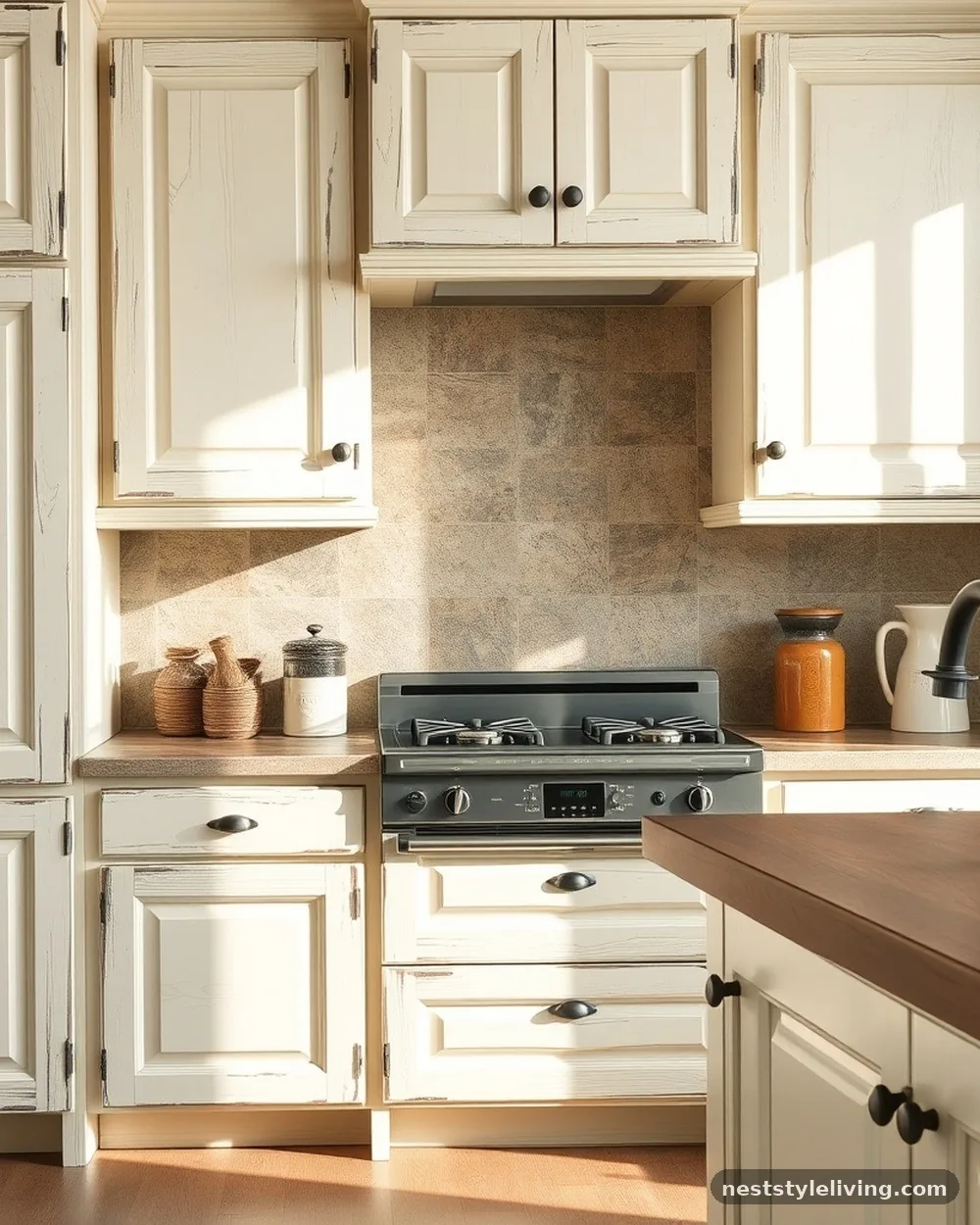
While dark wood is traditional, distressed cream or “off-white” cabinetry is a classic way to achieve a lighter, brighter Tuscan aesthetic without losing the rustic vibe. The key is the finish: a glaze or a light sand-through on the edges reveals the natural wood underneath, mimicking the appearance of furniture that has been in a family for generations. This style of cabinetry pairs exceptionally well with dark stone countertops and iron hardware, creating a high-contrast look that feels both clean and historic.
Select a soft, warm white rather than a stark, blue-toned white. When ordering cabinets, request a “rub-through” or “distressed” finish, or work with a professional painter to apply a dark wax glaze into the crevices of the doors to accentuate the wood grain.
6. Copper Range Hoods
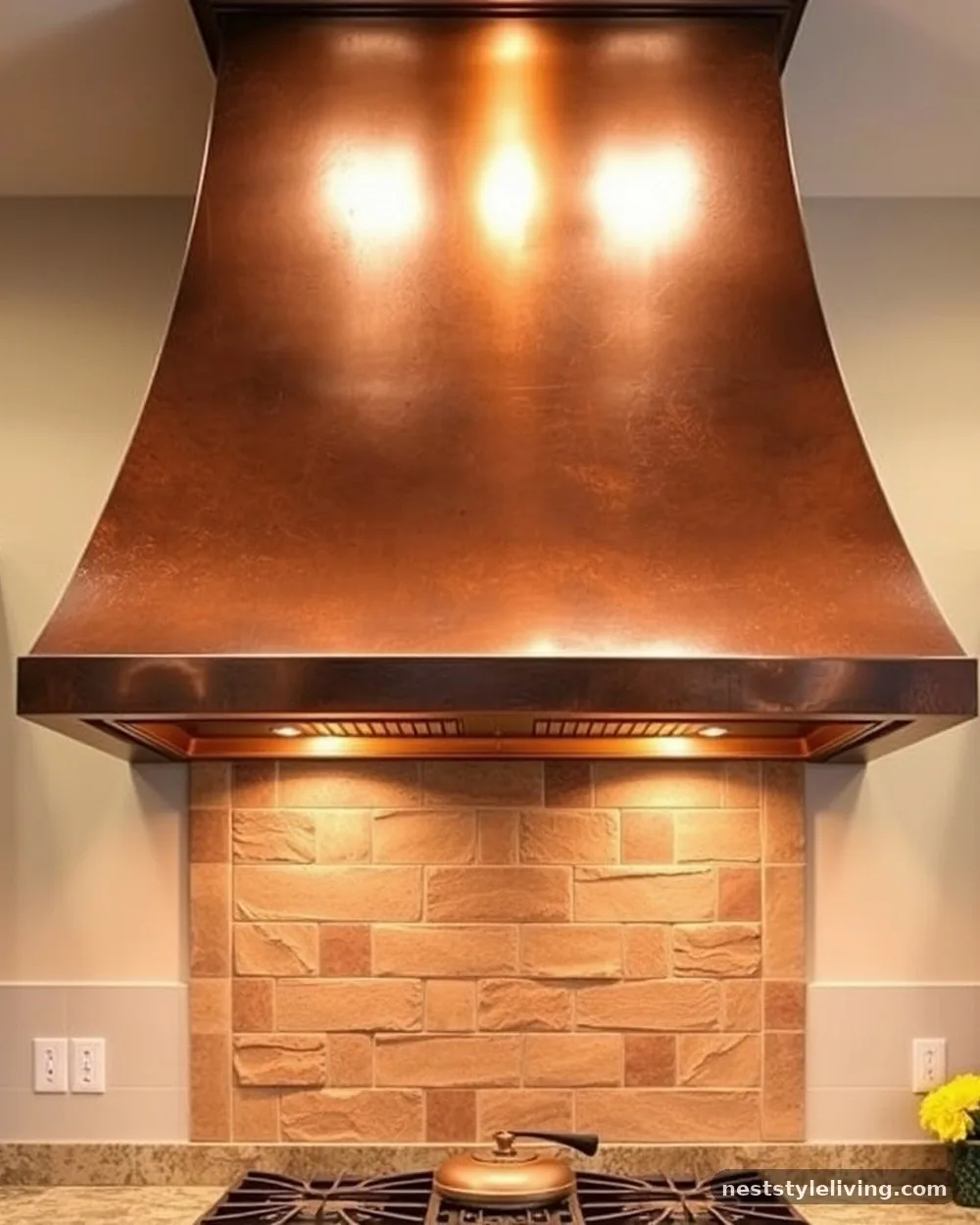
A large, custom-fabricated copper range hood serves as the dramatic centerpiece of a Tuscan-inspired kitchen. Copper is a living metal; it darkens and develops a rich, variegated patina over time, which mirrors the slow-aging process of a farmhouse interior.
Beyond its beauty, copper is highly heat-resistant and durable, making it ideal for a heavy-use cooking area. Its warm, metallic glow reflects ambient lighting, adding a layer of luxury that contrasts beautifully with matte stone walls and wooden cabinetry.
If a solid copper hood is out of budget, consider a stainless steel hood wrapped in copper sheeting. Clean it with a soft cloth and mild soap, but avoid harsh abrasives so you don’t strip away the natural patina that makes the metal look authentic.
7. Wide-Plank Terracotta Flooring
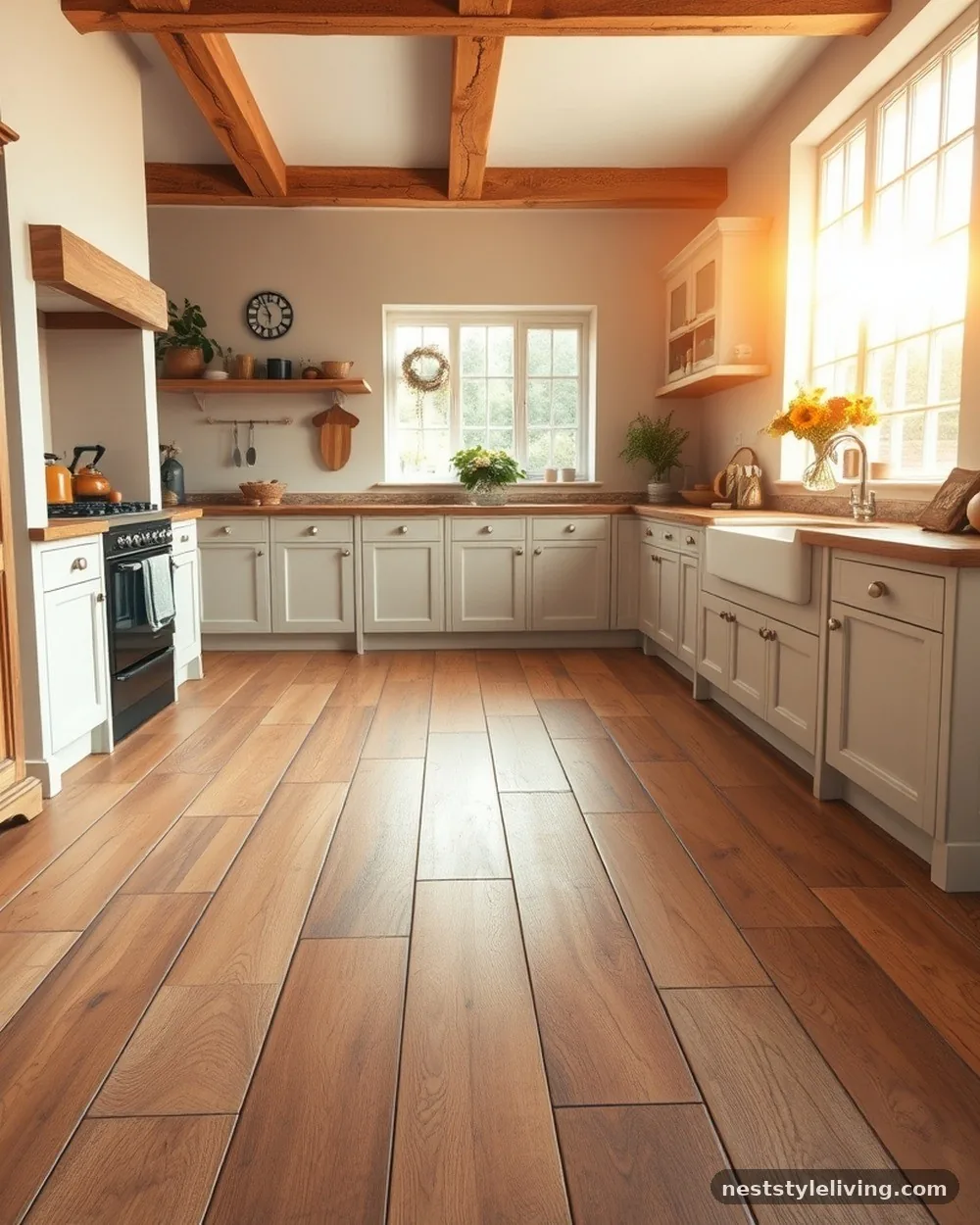
Terracotta tiles are the foundation of many Italian homes, providing a warm, earthy texture that is soft underfoot and incredibly durable. Wide-plank or large-format square tiles in deep, burnt-orange or ochre tones bring an immediate sense of warmth to the kitchen.
These floors are excellent for high-traffic areas, as they hide dust well and gain character from the inevitable nicks and scuffs of daily life. The porous nature of the clay means the tiles will absorb oils and waxes, eventually creating a beautiful, deep sheen over the years.
Seal your terracotta floors with a penetrating stone sealer to protect against spills while maintaining the matte, rustic look. If you live in a colder climate, consider installing radiant floor heating beneath the tiles to ensure they remain comfortable during the winter months.
8. Open Shelving with Corbel Supports
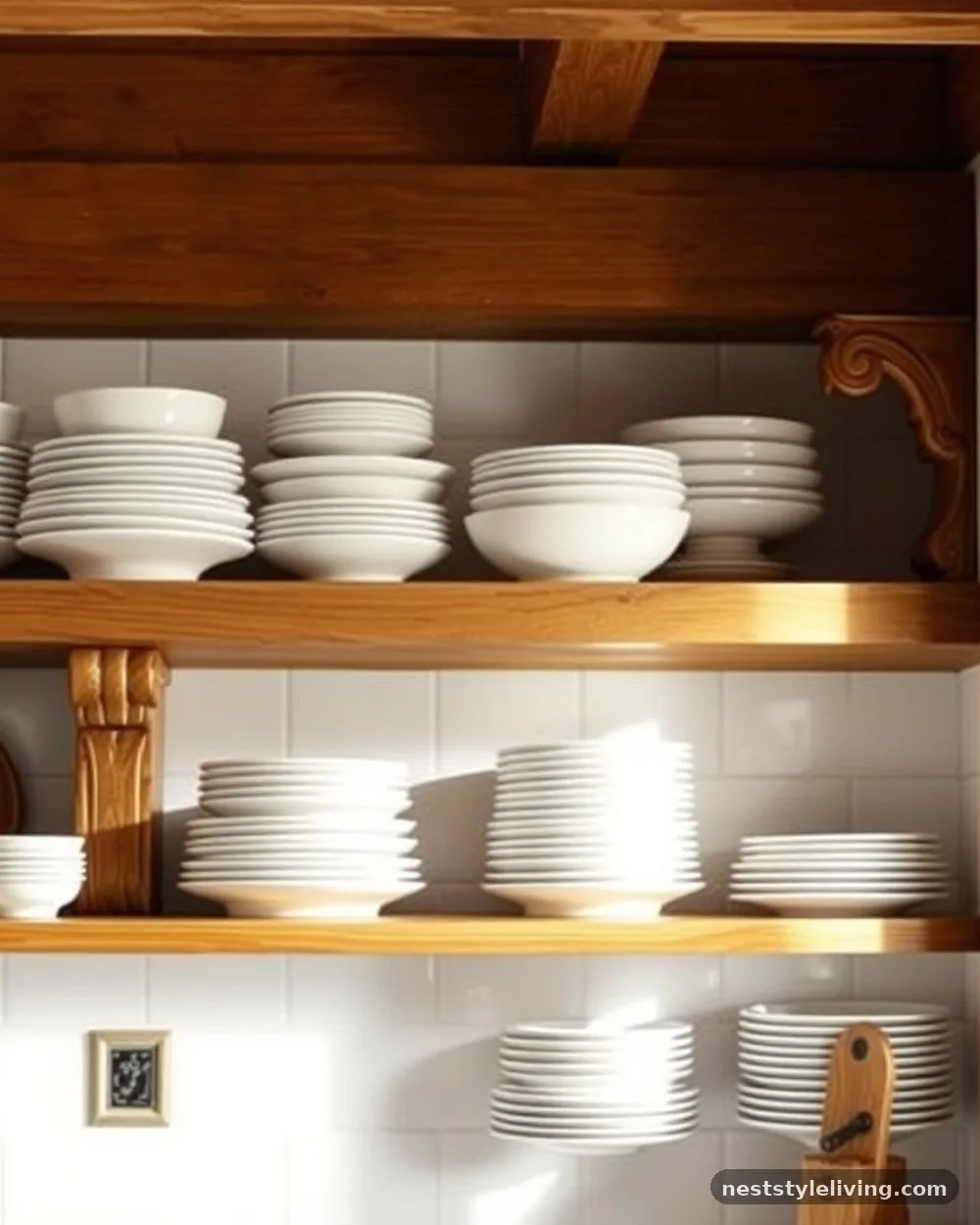
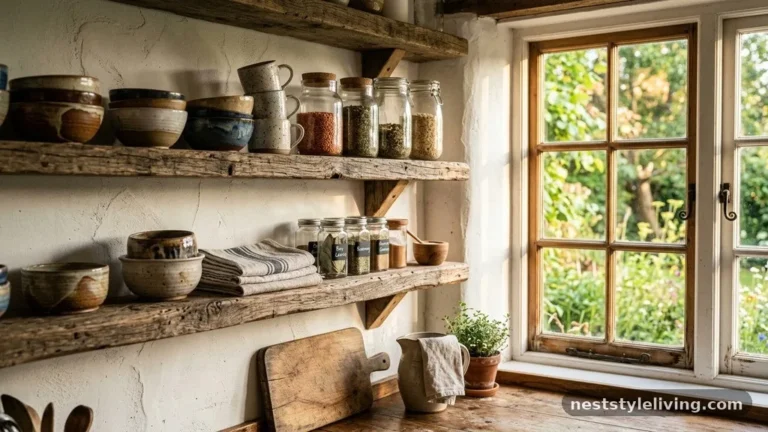
To showcase your collection of stoneware or glassware, open shelving is a must. Instead of modern brackets, use hand-carved wooden corbels or stone brackets to support the shelves.
This detail elevates a simple shelf into an architectural feature, echoing the decorative supports found in historic Italian villas. It keeps the kitchen feeling airy and accessible, allowing you to display items that contribute to the overall aesthetic, such as olive oil cruets, ceramic pitchers, or stacks of linen napkins.
Install your shelves at a height that allows you to easily reach your most-used items. Choose wood for the shelves that matches or complements the existing cabinetry to maintain a cohesive look throughout the space.
9. Apron-Front Fireclay Sinks
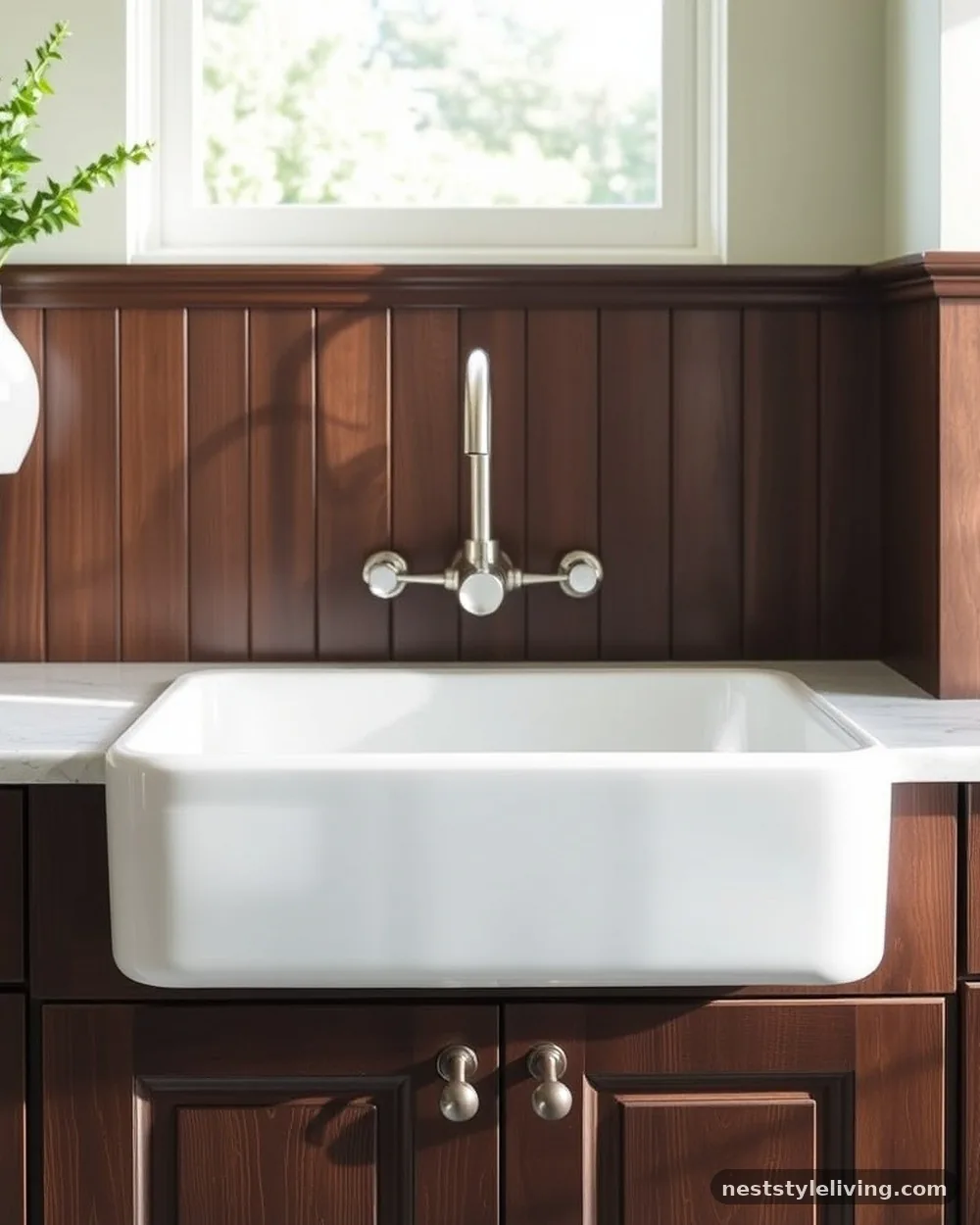
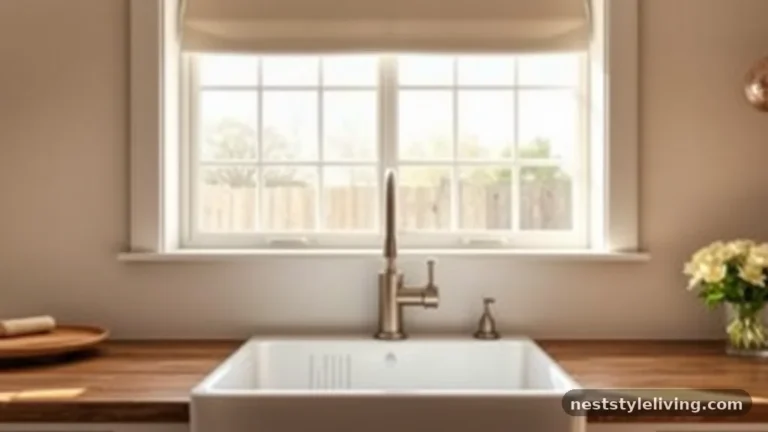
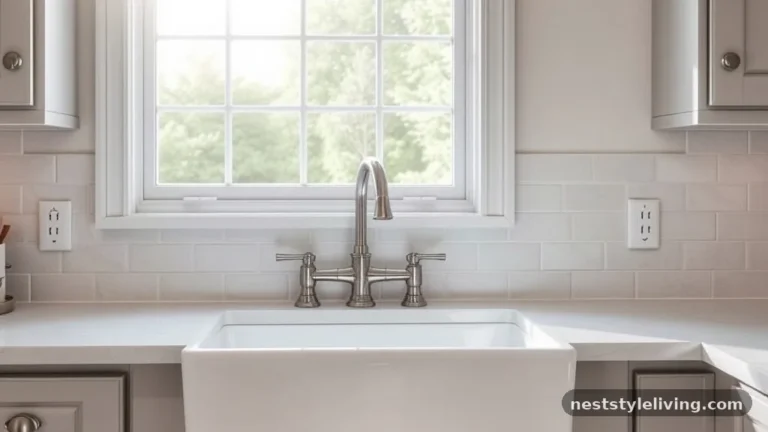
An apron-front sink, often called a farmhouse sink, is an essential element for a kitchen that values tradition. Fireclay is the preferred material for these sinks because it is fired at extremely high temperatures, resulting in a surface that is resistant to scratches, chips, and stains.
The exposed front face of the sink adds a soft, rounded detail to the cabinetry run, breaking up the horizontal lines of the lower cupboards. It feels substantial and permanent, reinforcing the idea that your kitchen is built to last.
Choose a crisp white or biscuit-colored sink for a classic look. Ensure your cabinet base is specifically designed to support the weight of a fireclay sink, as these units are significantly heavier than standard drop-in stainless steel models.
10. Arched Doorways and Niches
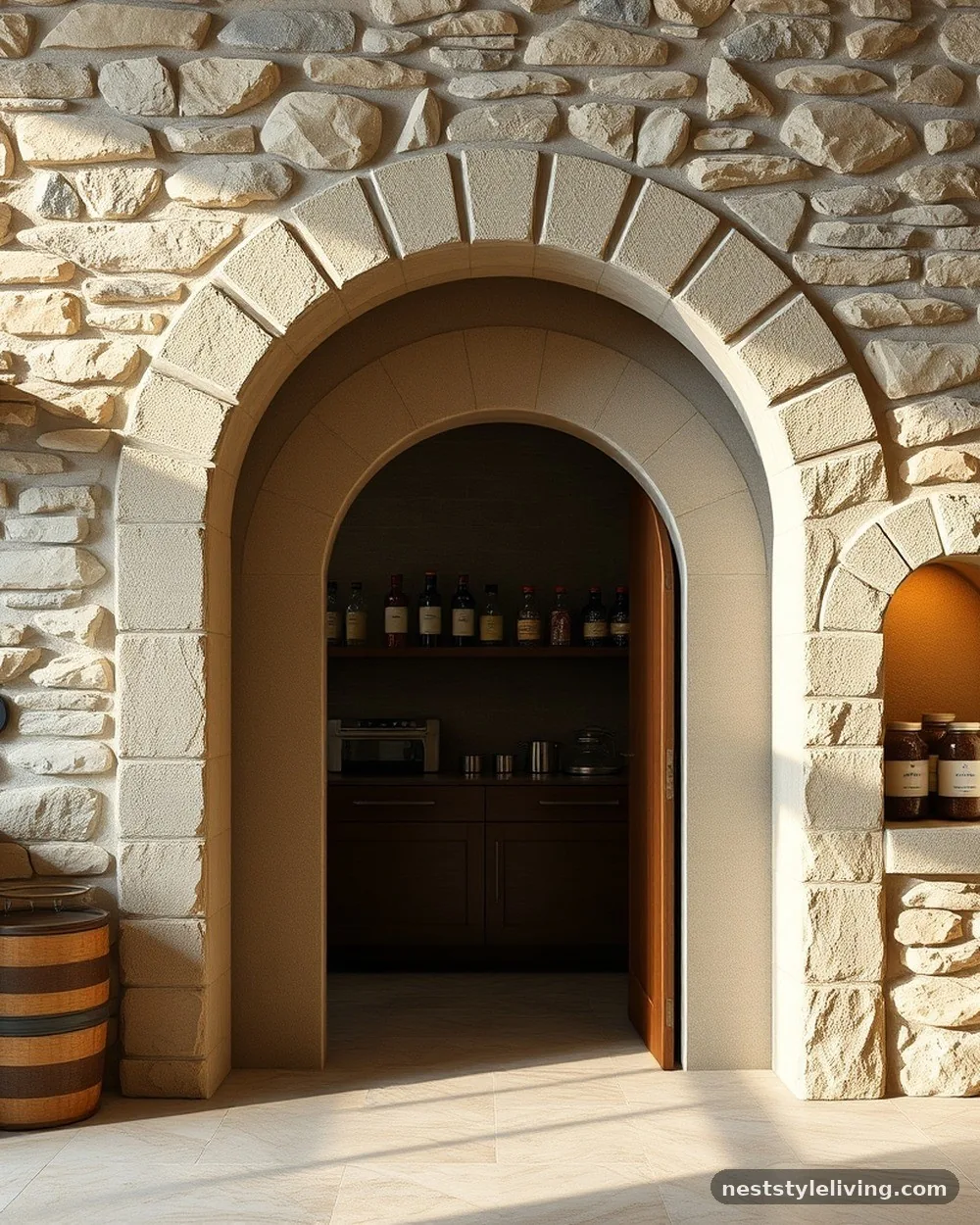
The arch is a defining shape in Italian architecture, and introducing it into your kitchen design instantly adds a layer of sophistication. If your layout allows, incorporate an arched opening between the kitchen and the dining area or create an arched niche above the range to house spices or oil bottles.
These curves soften the hard edges of countertops and cabinets, creating a more organic flow within the room. It is a subtle architectural nod to the vaulted ceilings and doorways found in traditional Italian masonry.
If you don’t have the space for a full architectural arch, you can simulate the look by installing a custom arched cabinet door or using a decorative arched mirror on a wall to reflect light and create the illusion of a deeper, arched space.
11. Oil-Rubbed Bronze Hardware
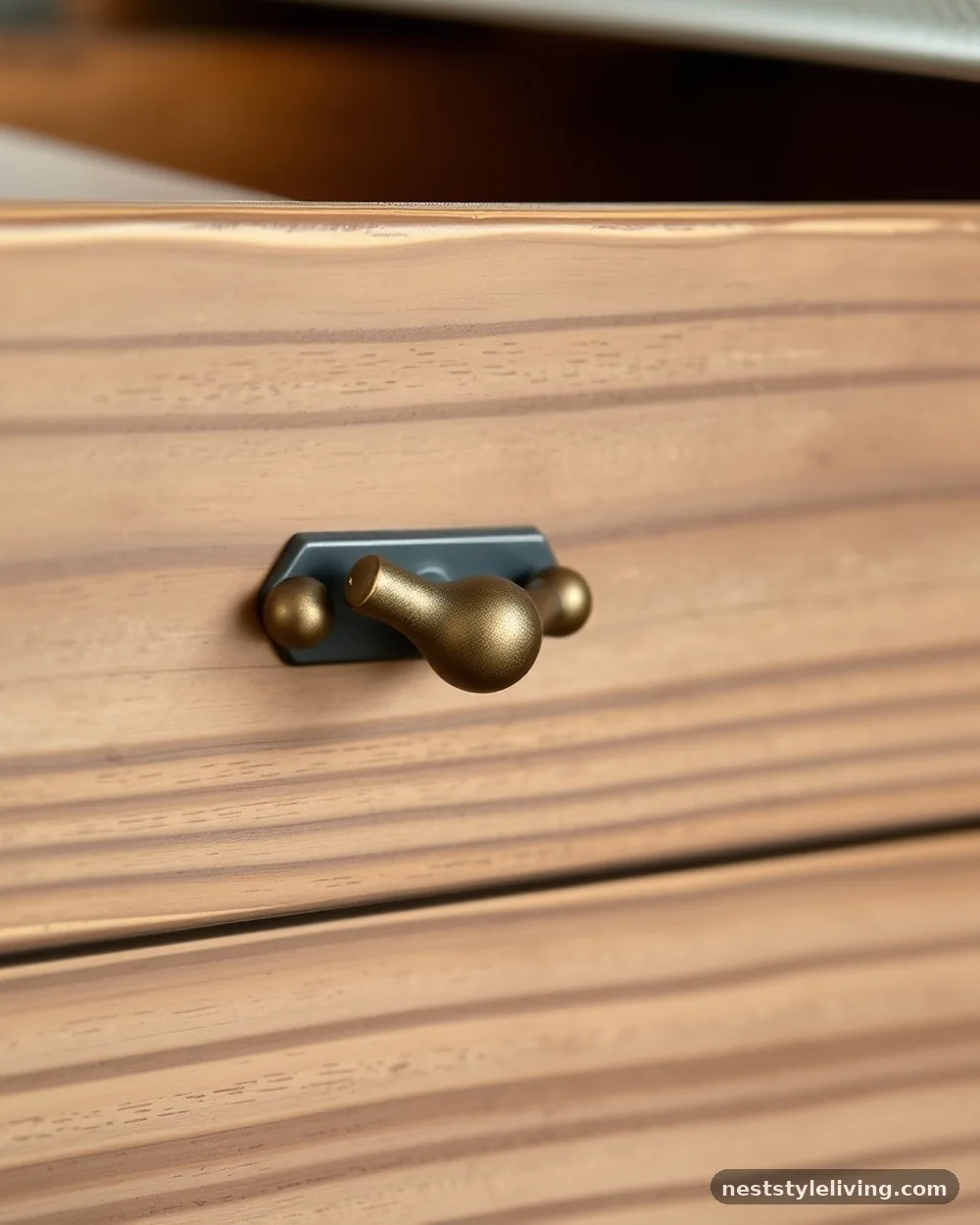
Hardware is the final touch that ties together the various elements of the kitchen. Oil-rubbed bronze is the ideal finish for an Italian Tuscan kitchen because it has a deep, chocolate-brown tone that looks aged and authentic.
Unlike polished chrome, which can feel too modern, bronze hardware feels substantial in the hand and complements both dark and light cabinetry. Whether you choose bin pulls for drawers or simple knobs for doors, the consistency of this finish creates a unified look that feels intentional and curated.
Replace existing cabinet hardware with oil-rubbed bronze pieces that feature a slightly hammered texture. This tactile detail makes the hardware feel like it was forged by hand, which aligns perfectly with the artisan spirit of the Tuscan style.
12. Large-Scale Kitchen Islands
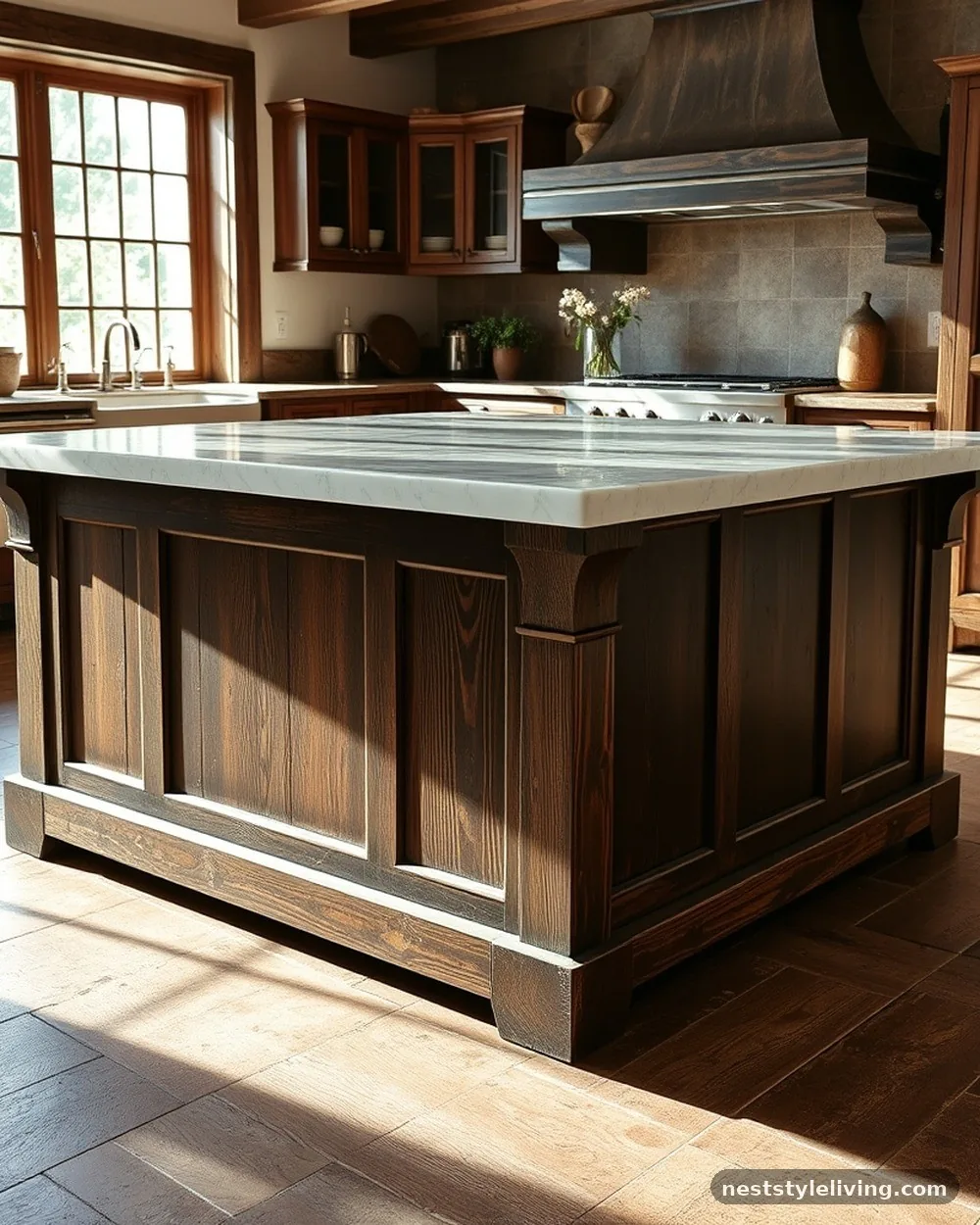
A substantial kitchen island is the heart of the home in Italian culture, serving as a prep station, a dining table, and a social hub. To fit the aesthetic, build or select an island that features a heavy, furniture-like base, perhaps painted in a contrasting color or left as natural, distressed wood.
Top it with a thick slab of honed granite or marble to provide a durable, cool surface for rolling out pasta dough or preparing produce. The island should feel like a piece of furniture that was moved into the space, rather than a built-in cabinet block.
Incorporate a prep sink into the island to make it fully functional. Ensure there is enough overhang on one side to pull up a pair of wooden stools, creating a comfortable space for guests to sit while you cook.
13. Plaster-Finish Walls
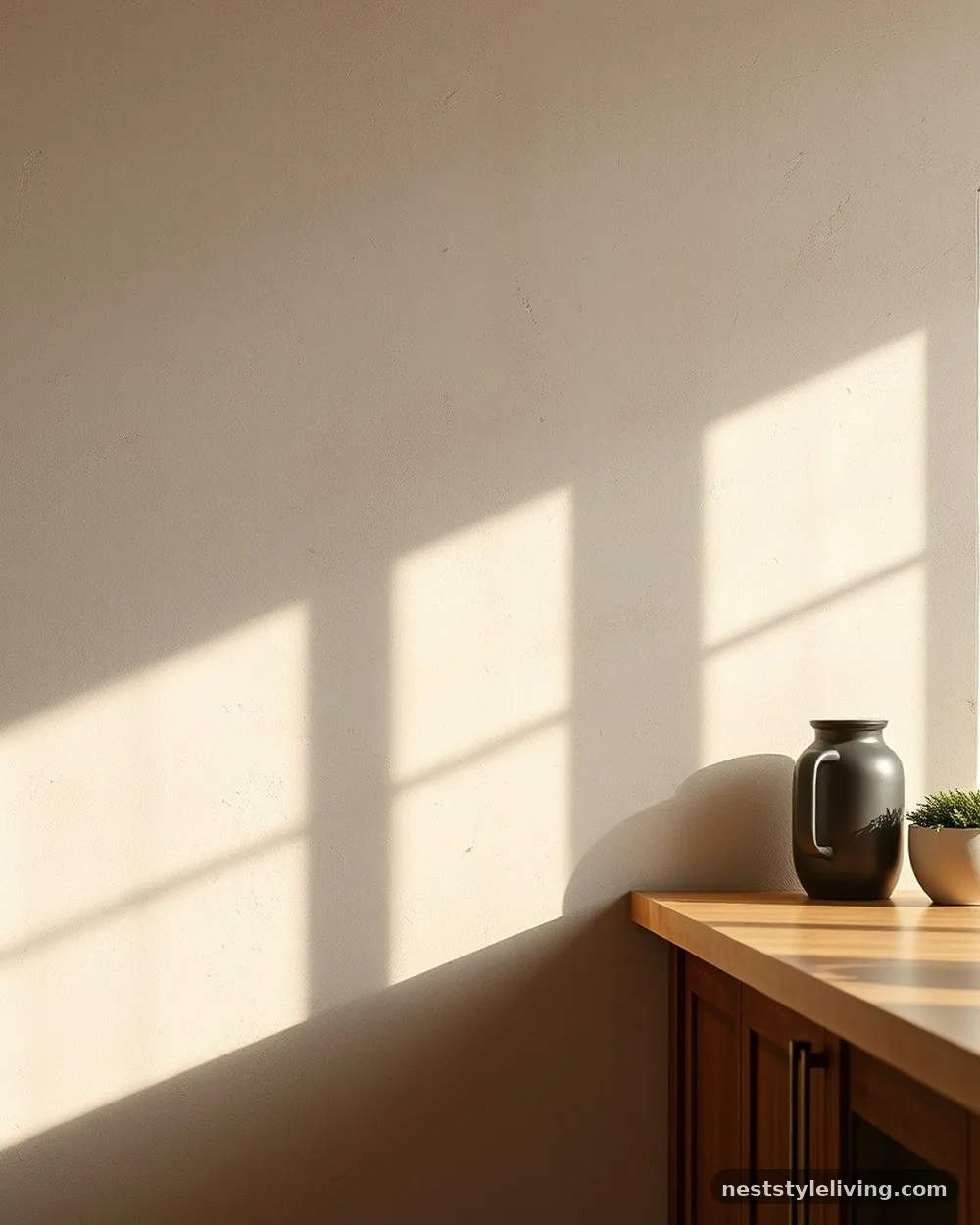
Smooth, painted drywall can sometimes feel too perfect for a rustic-inspired kitchen. Instead, consider a lime-wash or Venetian plaster finish on your walls. These applications create a soft, mottled texture that catches the light and adds depth, making the walls feel like they have a history of layers.
The finish is naturally matte and breathable, which is perfect for a kitchen environment. The subtle color variations in the plaster provide a beautiful backdrop for wooden shelves and iron accents, tying the entire room together with a soft, warm glow.
Apply a lime-wash in a neutral, earthy tone like warm sand or soft terra-cotta. This is a project you can do yourself with a large brush, as the beauty of the finish lies in the slight irregularities of the brushstrokes and the variation in color.
14. Muted, Earth-Toned Palette
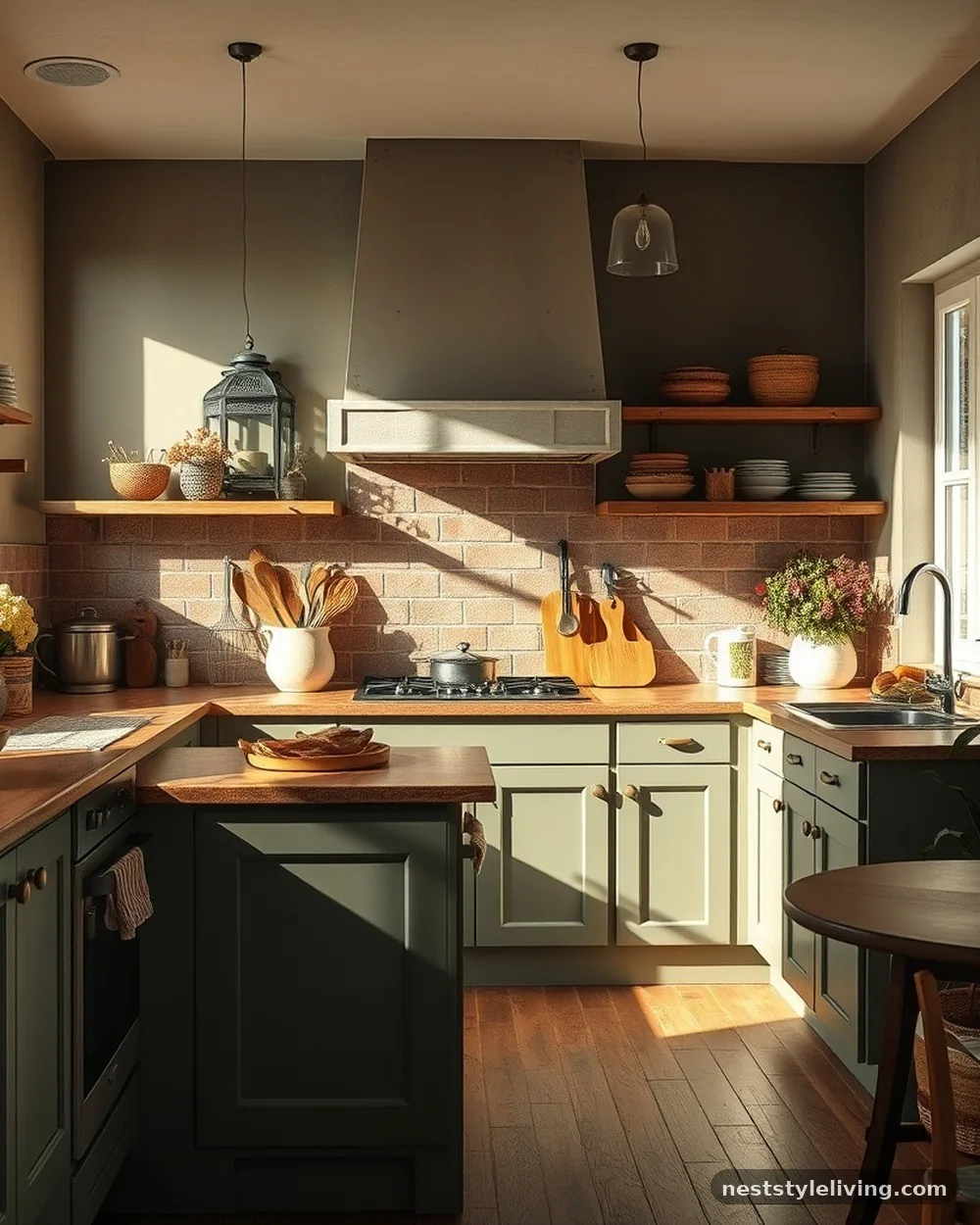
The color palette of an Italian Tuscan kitchen is derived directly from the landscape: sun-baked earth, golden hay, deep olive greens, and terracotta reds. To keep the look timeless rather than kitschy, focus on muted, desaturated versions of these colors. Instead of a bright, fire-engine red, opt for a burnt, brick-like hue.
Instead of a neon green, go for a deep, dusty olive. These colors are inherently sophisticated and create a sense of calm, allowing the natural textures of the wood and stone to remain the focus of the room.
Select three main colors—a neutral for the walls, a deeper tone for the cabinetry, and an accent color for textiles or decor—and repeat them throughout the kitchen. This limited palette ensures that the space feels harmonious and professional.
15. Copper and Ceramic Cookware Displays
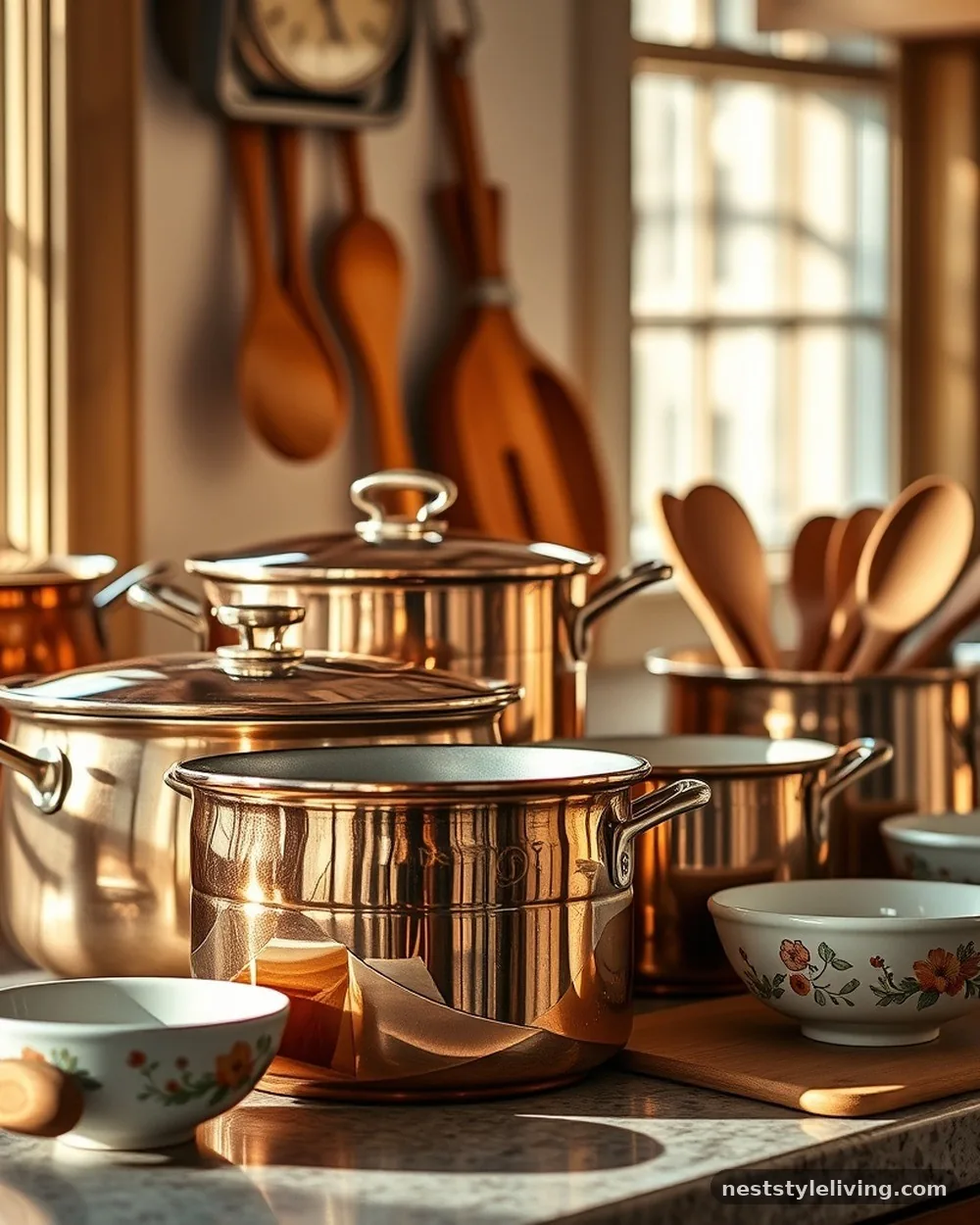
In a traditional kitchen, tools are not hidden away in drawers; they are part of the decor. Displaying copper pots, ceramic mixing bowls, and wooden spoons in visible, accessible locations adds authentic charm.
A copper pot hanging on a wall or a collection of hand-painted ceramic jars on a counter indicates that the kitchen is a space for serious cooking. This “organized clutter” is what makes a kitchen feel welcoming and lived-in, moving away from the sterile, minimalist trends that often strip a space of its personality.
Group your items by material or color to keep the display from looking chaotic. Use high-quality, functional pieces that you actually use daily, as this ensures the display is genuine and avoids the “prop” look that can sometimes feel forced.
16. Task Lighting with Warm Tones
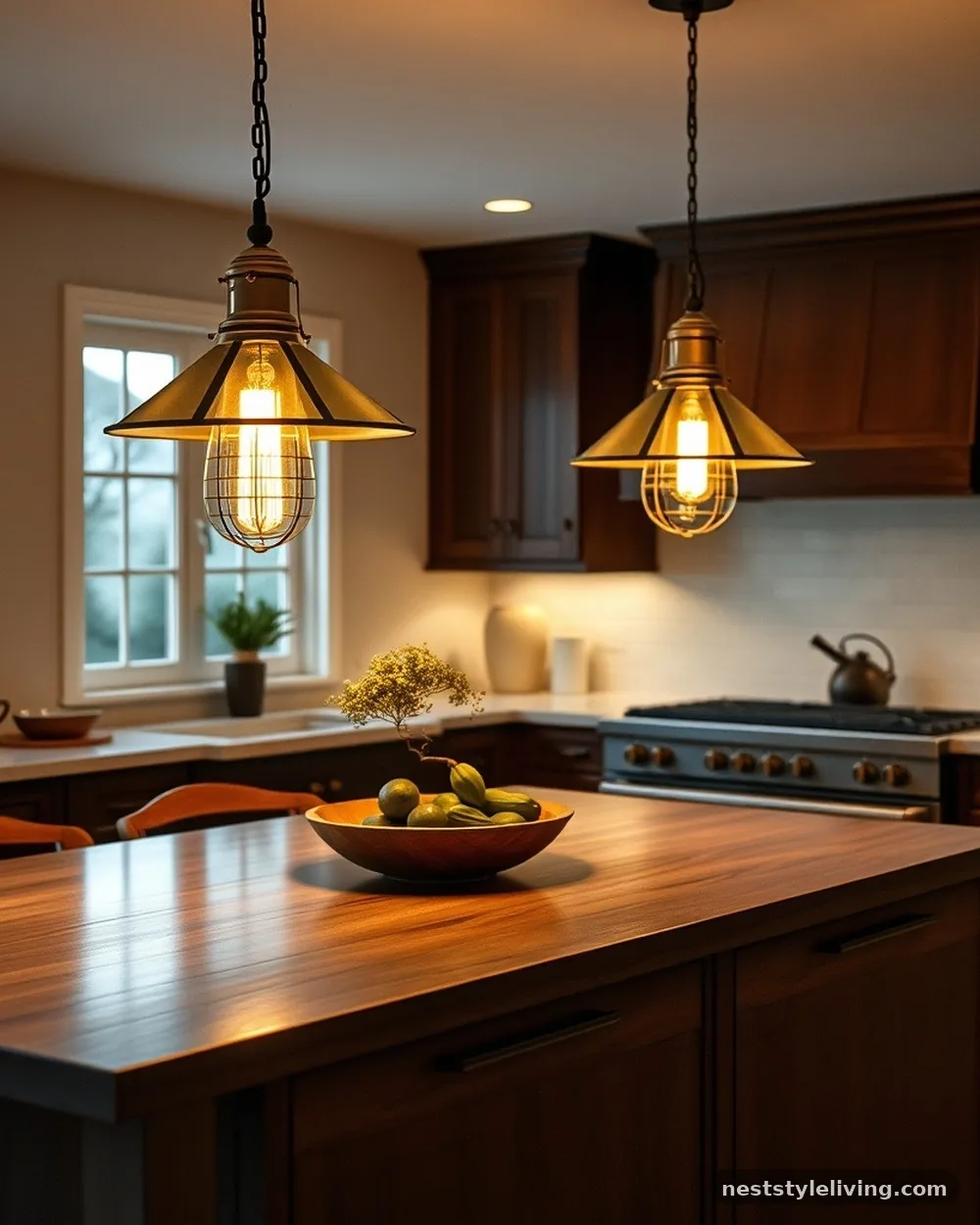
Lighting can make or break the atmosphere of your kitchen. Avoid cool-toned, clinical LED bulbs, which can wash out the warm colors of your wood and stone. Instead, choose bulbs with a warm color temperature to mimic the soft, golden light of the Italian sun.
Use task lighting—such as under-cabinet strips or small pendant lights over the island—that has a dimmable feature. This allows you to transition the kitchen from a bright, functional workspace during the day to a soft, ambient room for evening entertaining.
Install brass or iron pendant lights over your island to add a metallic accent. Always check the Kelvin rating on your light bulbs; aim for 2700K to 3000K for that classic, inviting glow that complements natural materials.
Frequently Asked Questions
What colors are essential for a Tuscan-inspired kitchen?
The color palette should be rooted in the natural landscape of Italy. Think of warm, earthy tones such as ochre, terracotta, sienna, olive green, and soft, creamy whites. These colors are desaturated and muted rather than bright, which helps maintain a sense of timelessness and sophistication in the room.
How can I make a modern kitchen feel more Tuscan?
You can introduce Tuscan charm without a full gut renovation by focusing on textures. Replace sterile hardware with oil-rubbed bronze, add a tile backsplash with a rustic or hand-painted element, and introduce natural wood accents like floating shelves or a butcher-block island top. Softening the walls with a lime-wash paint can also change the entire feel of the room.
What is the most timeless kitchen style?
A style that emphasizes natural materials, craftsmanship, and functionality is generally the most timeless. Italian Tuscan design succeeds because it relies on stone, wood, and metal—materials that age beautifully and do not rely on passing trends. By avoiding overly ornate details and sticking to simple, high-quality finishes, you ensure the kitchen remains relevant for decades.
How do I maintain natural stone and wood surfaces in a kitchen?
Natural stone, such as travertine or marble, should be sealed with a penetrating sealer to prevent staining from oils and acids. For wood, keep it hydrated with food-safe oils or waxes to prevent drying and cracking. Avoid harsh chemical cleaners; instead, use mild soap and water, and always wipe up spills immediately to preserve the beauty of these organic materials.
Are open shelves practical for a busy kitchen?
Open shelves are highly practical if you store your most-used items on them, as they eliminate the need to open and close cabinet doors. The key to keeping them functional is to maintain an organized arrangement. They work best for items you use daily, like coffee mugs, everyday plates, and mixing bowls, which prevents dust from accumulating.
Integrating these Italian Tuscan kitchen ideas full of timeless charm requires a commitment to quality materials and a respect for the history of the home. By prioritizing textures, warm lighting, and functional, rustic elements, you create a space that feels both personal and enduring. These design choices move away from the disposable nature of modern trends, offering instead a sanctuary that invites you to cook, gather, and slow down.
As you implement these changes, remember that the true beauty of this style lies in its imperfections and the way it evolves over time. Whether you start with new hardware or a full ceiling renovation, each step brings you closer to a kitchen that feels truly like the heart of your home. We would love to see how you incorporate these classic elements into your own space.