24 Grandmacore Kitchen Ideas With Warm Vintage Charm
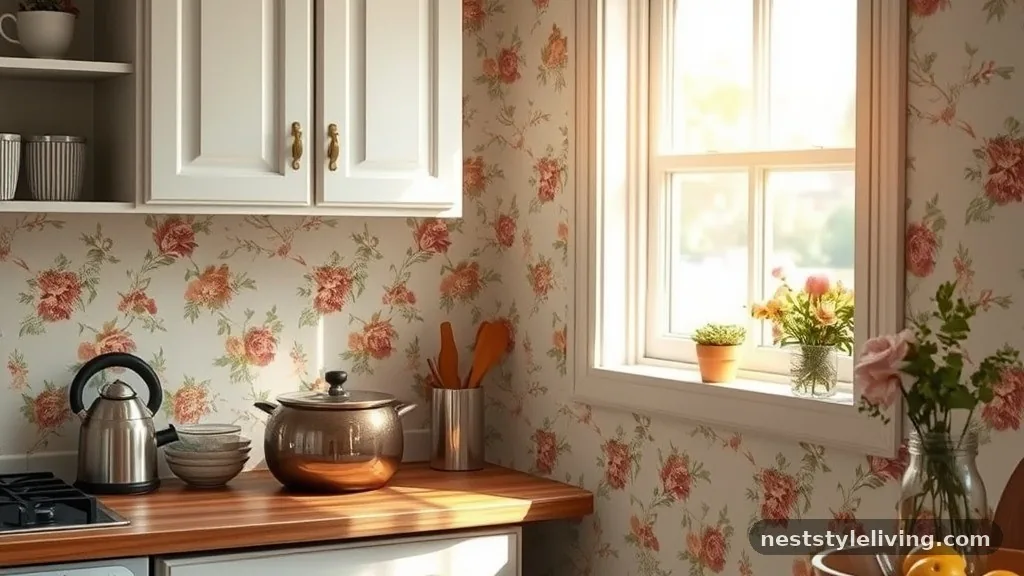
Creating a space that feels like a nostalgic embrace is the goal of many who gravitate toward grandmacore kitchen ideas with warm vintage charm. By prioritizing comfort, heritage, and well-loved textures, you can transform a sterile cooking area into a heart-centered sanctuary.
This design philosophy celebrates the imperfect, the patterned, and the sentimental, ensuring your home feels lived-in rather than showroom-ready. Whether you are looking to integrate subtle antique accents or overhaul your cabinetry, focusing on these elements will help you achieve an authentic, cozy aesthetic that stands the test of time.
1. Floral Wallpaper Backsplashes
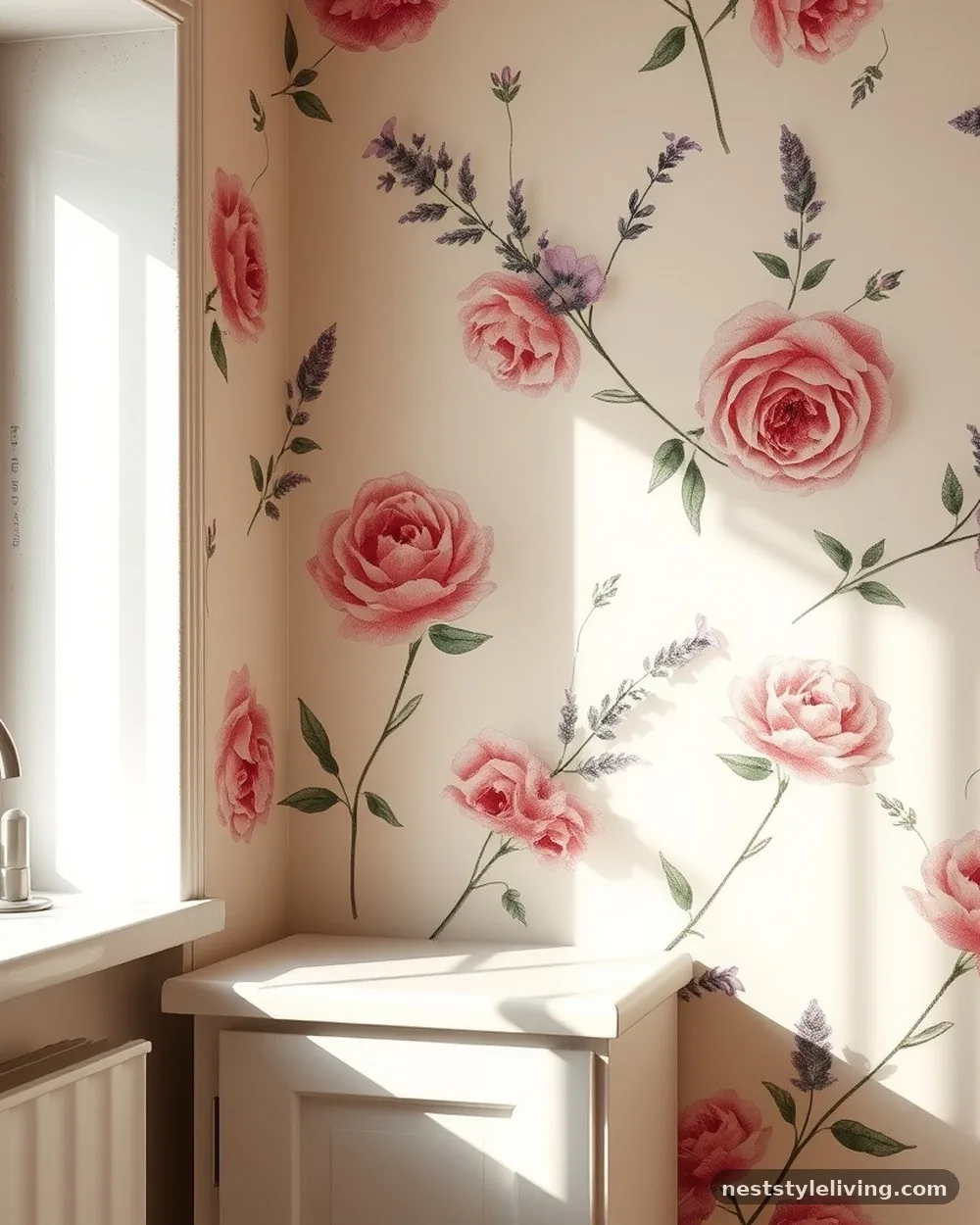
Floral wallpaper in the kitchen introduces an immediate sense of softness and history that paint simply cannot replicate. Look for patterns featuring cabbage roses, small sprigs of lavender, or dense botanical illustrations set against cream or pale yellow backgrounds.
These prints provide a visual break from the hard, cold surfaces of modern countertops and appliances. When chosen with a vinyl coating or sealed with a clear acrylic paste, these papers hold up surprisingly well against the occasional kitchen splash, provided they aren’t placed directly behind a high-heat stove.
Apply a peel-and-stick floral wallpaper to the wall space above your backsplash tiles. If you want a more permanent look, use traditional wallpaper and seal the edges with a moisture-resistant clear caulk to prevent peeling from humidity.
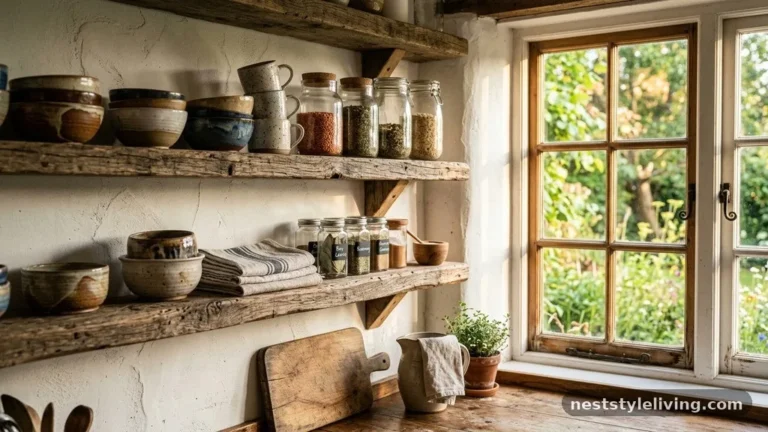
2. Open Shelving with Iron Brackets

Ditching upper cabinets for open wood shelving allows you to display your collection of mismatched china and vintage glassware. Use reclaimed oak or pine boards, pairing them with ornate, cast-iron shelf brackets that feature scrollwork or fleur-de-lis motifs.
This arrangement forces you to curate your kitchenware, keeping only the items that bring you joy or serve a daily purpose. The iron adds a heavy, grounding element that prevents the light wood from feeling too modern or minimalist, ensuring the aesthetic remains firmly rooted in a bygone era.
Source salvaged iron brackets from local architectural salvage yards rather than buying mass-produced replicas. Mount the shelves into wall studs to ensure they can support the weight of heavy ceramic pitchers and stoneware plates.
3. Mismatched Ceramic Tea Cups
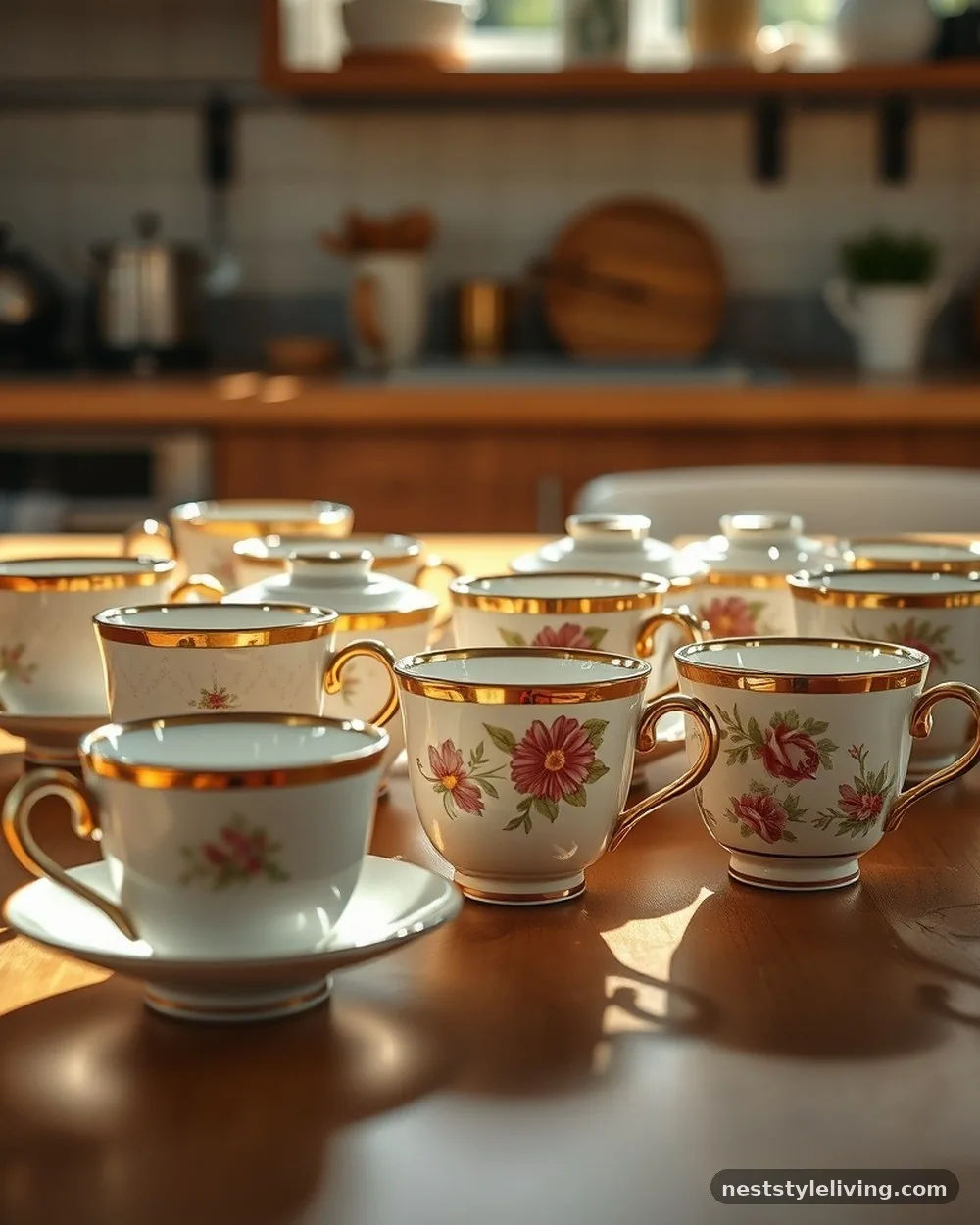
A collection of mismatched tea cups serves as both functional drinkware and decorative art. Scour flea markets for delicate bone china with gold rims or sturdy, colorful stoneware from the mid-century era.
Display these on a dedicated rack or stack them in a glass-fronted hutch to highlight the variety of patterns and colors. Because they are inexpensive and plentiful, you don’t have to worry about a “perfect” set; the charm lies in the chaotic harmony of different florals, stripes, and solid pastels sitting side by side on your shelf.
Create a rotating display by keeping a small wall-mounted rack near your kettle. Regularly cycle through your collection so that every piece gets used, preventing the cups from becoming mere dust-collectors.
4. Copper Pot Rails

Copper pots and pans provide a warm, metallic glow that instantly makes a kitchen feel like a farmhouse kitchen. Install a sturdy wrought-iron rail on an empty wall or beneath a window to hang your copper cookware by their handles.
As the copper ages, it develops a rich, dark patina that adds depth to the room. While copper is an investment, it is highly durable and conducts heat exceptionally well, making it a practical choice for serious home cooks who want their tools to double as interior decor.
Keep your copper looking warm rather than bright orange by cleaning it with a mixture of salt and vinegar. Avoid harsh abrasive scrubs that can strip away the natural character of the metal.
5. Lace-Trimmed Cafe Curtains

Cafe curtains cover only the bottom half of the window, providing privacy while allowing natural light to filter through the top. Choose white or ecru lace with intricate crochet patterns or simple scalloped edges to diffuse the sunlight.
This creates a soft, hazy glow in the kitchen during the morning hours, which is ideal for a breakfast nook. Lace is lightweight and easy to launder, making it a low-maintenance way to introduce a delicate, vintage texture that softens the hard lines of window frames.
Attach a tension rod inside the window frame for a non-destructive installation. Look for vintage lace napkins at thrift stores, which can be easily repurposed into custom-sized cafe curtains with a simple hem.
6. Pastel-Painted Cabinetry
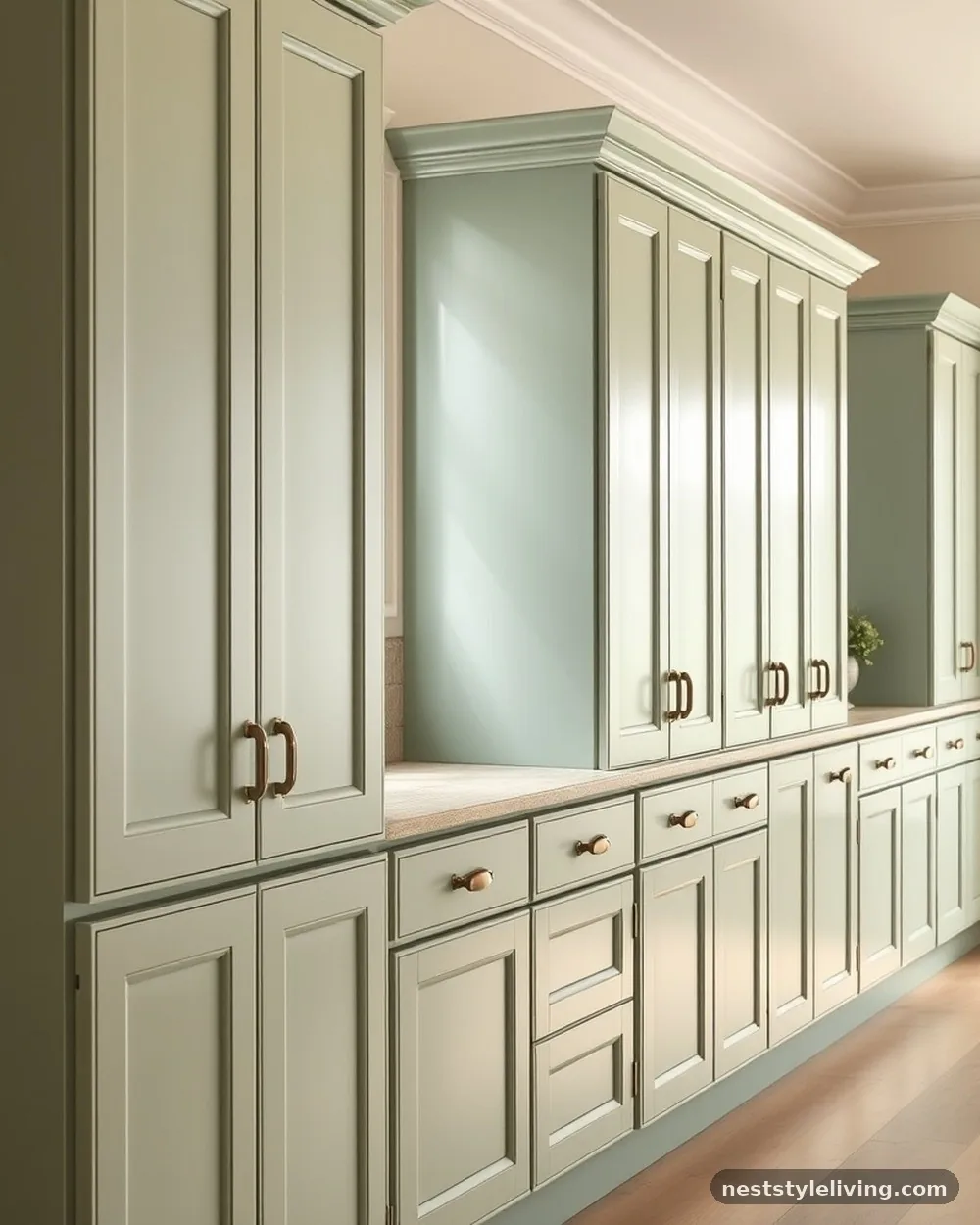
Moving away from white or dark wood, painting your cabinets in soft, buttery yellow, sage green, or powdery blue can instantly change the mood of the room. These colors are hallmarks of mid-century aesthetics and create a welcoming, light-filled environment.
Use a high-quality enamel paint that stands up to grease and scrubbing. A matte or satin finish works best, as it hides minor imperfections in older cabinet doors while maintaining a soft, non-reflective surface that feels authentic to the period.
Test your paint colors on large foam core boards before committing to a full cabinet overhaul. Observe how the light changes the color throughout the day, as pastel tones can shift dramatically under different artificial and natural lighting conditions.
7. Checkerboard Floor Tiles

Nothing says classic kitchen charm like a high-contrast checkerboard floor. Opt for traditional black and white, or go for a softer, more vintage-inspired combination like sage green and cream. Linoleum or vinyl tiles are the most authentic materials for this look and offer a comfortable, slightly cushioned feel underfoot.
They are also incredibly resilient, handling spills and heavy foot traffic with ease. If you are working with a budget, peel-and-stick vinyl tiles can replicate the look of professional-grade flooring for a fraction of the cost and effort.
Choose a matte finish for your tiles to avoid a plastic-like shine. If you are DIYing the installation, ensure your subfloor is perfectly level, as any bumps will show through the thin vinyl material over time.
8. Enamelware Storage Containers

Enamelware is a staple of vintage kitchens, valued for its durability and bright, cheerful appearance. Look for canisters, bread boxes, and pitchers in cream with red or blue rims.
These pieces are excellent for storing dry goods like flour, sugar, or tea bags, keeping them airtight while adding a pop of color to your countertops. Unlike plastic, enameled steel doesn’t absorb odors and is remarkably easy to wipe clean, making it a practical solution for a busy, functional kitchen space.
Check the interior of vintage enamelware for chips or rust before using it for food storage. If the interior is damaged, use the piece as a planter for herbs or a container for kitchen utensils instead.
9. Butcher Block Countertops
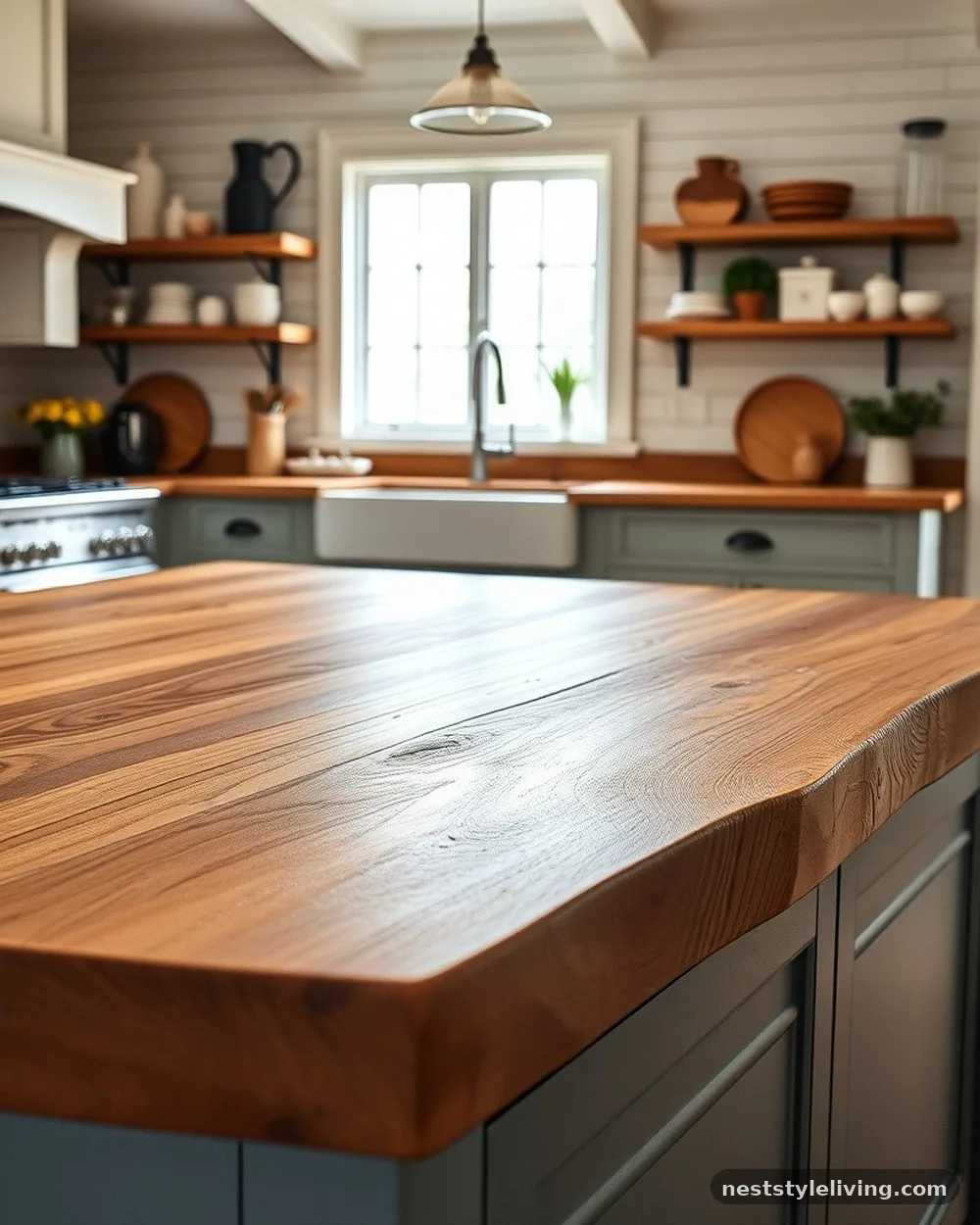
Wood countertops add a natural warmth that stone or laminate simply cannot match. A thick, end-grain butcher block surface becomes more beautiful with age, as it develops scratches and stains that tell the story of your culinary adventures.
While they require regular oiling to prevent drying and cracking, the maintenance is minimal compared to the aesthetic reward. Butcher block provides a soft, forgiving surface that won’t dull your knife blades, making it the preferred choice for those who do a significant amount of food preparation at home.
Apply food-grade mineral oil to your butcher block once a month to keep the wood hydrated. Avoid using vegetable or olive oils, as these can go rancid over time and attract bacteria.
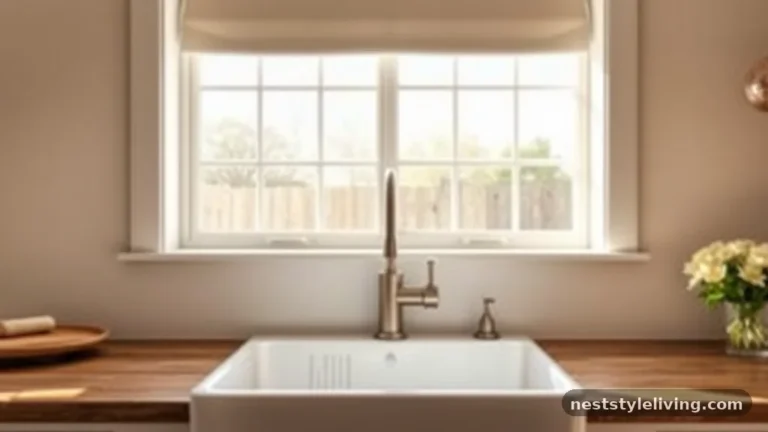
10. Farmhouse Apron-Front Sink

The deep, wide basin of an apron-front sink is the ultimate centerpiece for a grandmacore kitchen. Choose a classic white fireclay or porcelain model to maintain that clean, vintage look. These sinks are designed to hold large pots and baking sheets, making them as practical as they are iconic.
Because they extend beyond the front of the cabinetry, they make it easier to reach into the basin without straining your back. It is a significant installation, often requiring a base cabinet modification, but it immediately defines the character of the entire room.
If you cannot afford a full sink replacement, look for a “short-apron” or “retro-fit” farmhouse sink that can be installed on existing cabinetry with minimal structural changes.
11. Vintage-Inspired Wall Clocks

A large, round wall clock with a distressed face or an ornate metal frame acts as a focal point for your kitchen wall. Look for designs with Roman numerals and elegant, sweeping clock hands.
A clock is an essential element in a kitchen where you spend time baking or simmering stews, and a vintage style keeps the technology hidden behind a charming facade. Whether you choose a classic pendulum clock or a simple battery-operated wall piece, the presence of a ticking clock adds a rhythmic, comforting background noise to the space.
Select a clock that is large enough to be read from across the room. Avoid clocks with loud ticking mechanisms if your kitchen is adjacent to your living area, as the noise can become distracting over time.
12. Botanical Herb Drying Rack
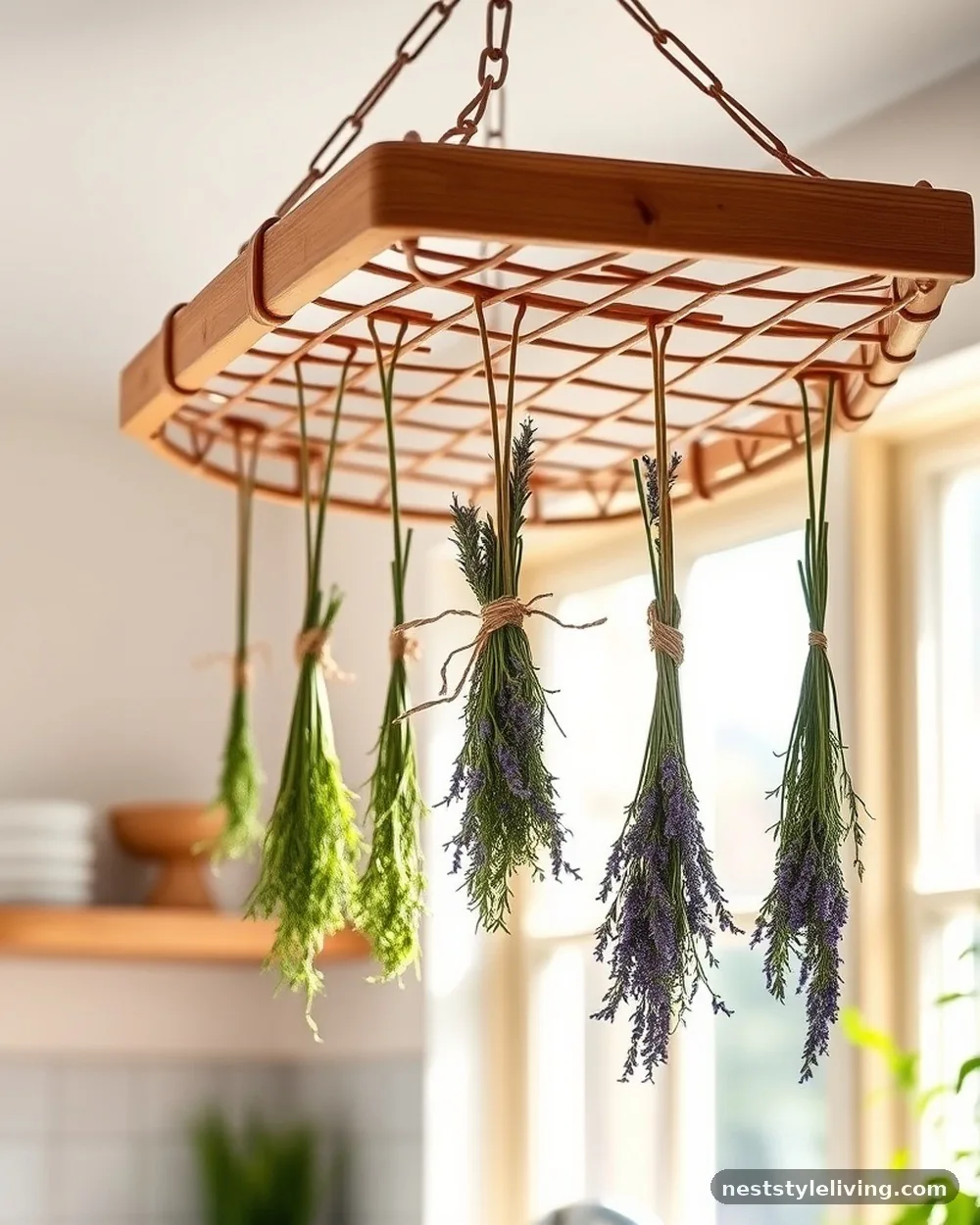
A wooden drying rack suspended from the ceiling or mounted to a wall allows you to hang bunches of rosemary, thyme, and lavender. This provides a functional way to preserve your garden herbs while adding a lush, greenery-filled aesthetic to your kitchen.
The scent of drying herbs acts as a natural air freshener, creating a sensory experience that is quintessentially cozy. This is an ideal solution for small kitchens, as it utilizes vertical space that would otherwise remain empty and unused.
Use jute twine to bundle your herbs, as it holds up well to the weight of the drying stems and adds a rustic, earthy texture. Ensure your rack is placed in an area with good airflow but away from direct heat sources.
13. Wicker and Rattan Baskets
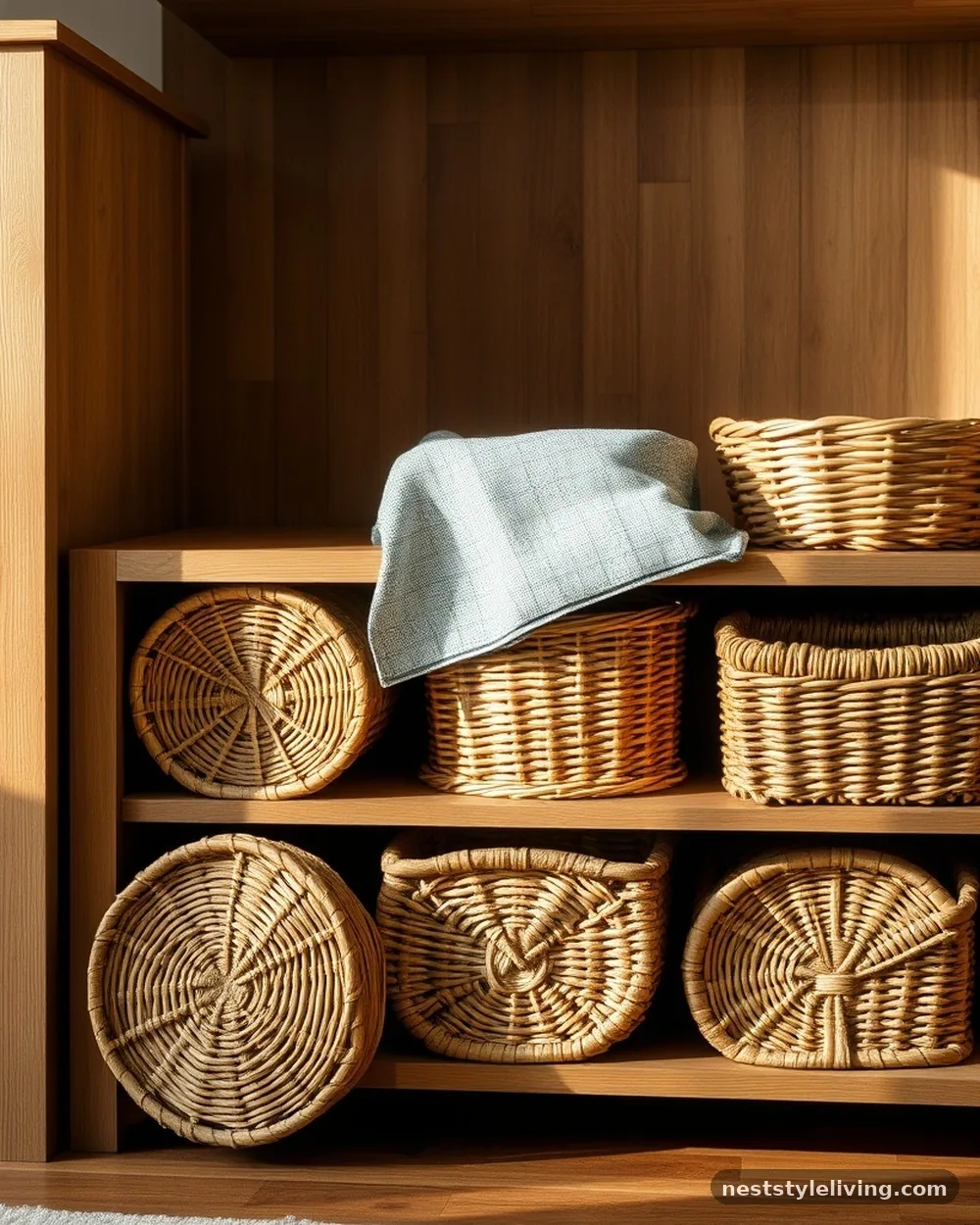
Baskets provide essential hidden storage for items like linens, produce, or extra kitchen gadgets. Choose natural, tightly woven wicker or rattan in warm, golden tones. These materials bring a natural, organic element into the kitchen, balancing out the harder surfaces of metal and tile.
Baskets are lightweight, portable, and incredibly durable, making them perfect for holding heavy potatoes or onions in the pantry or tucked under a console table. They add a layer of texture that makes a room feel complete and well-styled.
Line your baskets with simple linen or cotton fabric to prevent small items from falling through the weave. This also makes the baskets easier to clean, as you can simply wash the liner.
14. Mismatched Bentwood Chairs
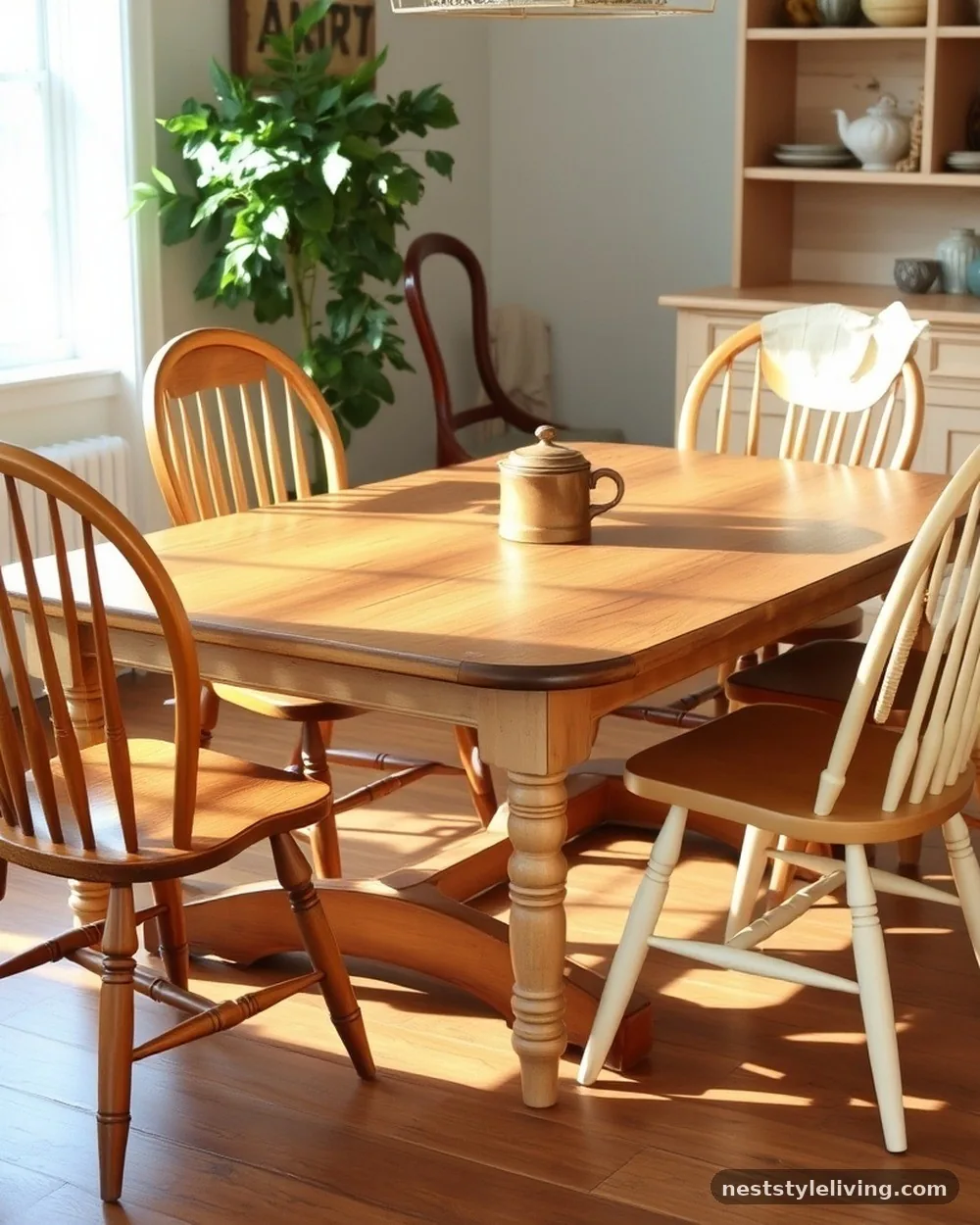
A kitchen table feels much more inviting when surrounded by a collection of chairs that aren’t part of a matching set. Look for bentwood chairs, spindle-back chairs, or traditional farmhouse chairs in varying wood stains or painted finishes.
This eclectic approach makes your kitchen feel like it has been collected over generations rather than purchased from a catalog. It also allows you to source high-quality, solid wood seating from second-hand shops for a fraction of the cost of new furniture.
Ensure the seat heights are relatively consistent so that everyone at the table sits at the same level. If you have chairs of different heights, use seat cushions to level them out while adding another layer of pattern or color.
15. Glass-Fronted Display Cabinetry
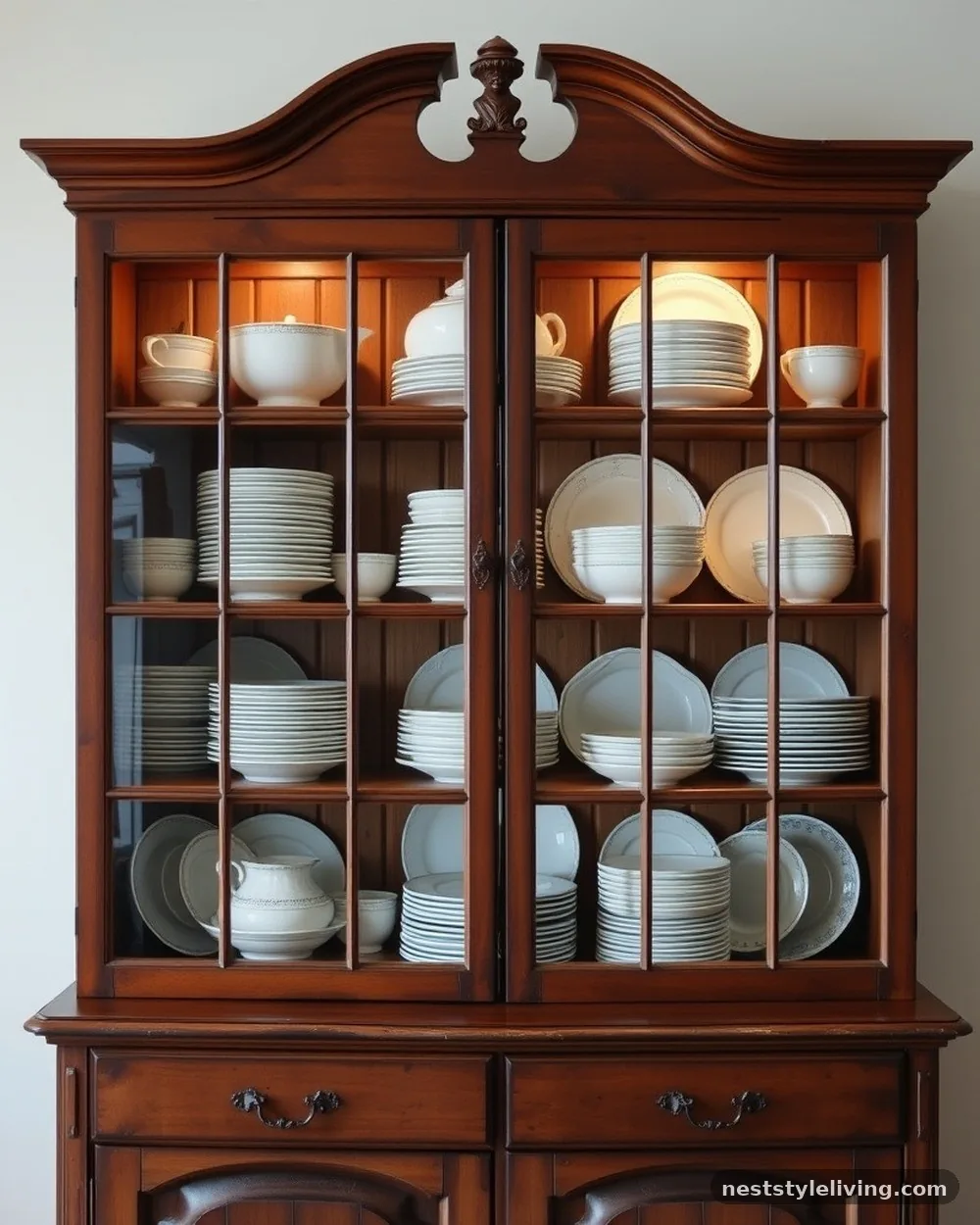
A hutch or a section of upper cabinets with glass doors is the perfect place to show off your favorite serving platters, cake stands, and glassware. This creates a visual “gallery” that breaks up the monotony of solid cabinet doors.
To keep the look cohesive, group similar colors together or stack plates in neat piles. Use the interior of the cabinet to store your best china, which protects it from dust while ensuring it remains visible and ready for use during gatherings.
Add a simple battery-operated LED light strip inside the cabinet to illuminate your collection in the evening. This creates a soft, warm glow that makes the kitchen feel more intimate and inviting after dark.
16. Tiled Countertop Edging

If you have a tiled countertop, consider using a decorative, hand-painted ceramic tile for the edge. This small detail adds a burst of pattern and color that frames your workspace beautifully. Look for patterns that feature fruits, flowers, or geometric motifs common in Mediterranean or Victorian kitchens.
It is a subtle way to incorporate personality without overwhelming the room. These tiles are durable and easy to clean, making them a practical choice for a high-traffic area like a kitchen island or prep counter.
Use a grout color that matches the background of your decorative tiles to ensure the design remains the focus. Seal the grout lines thoroughly to prevent staining from food spills.
17. Cast-Iron Skillets on Display
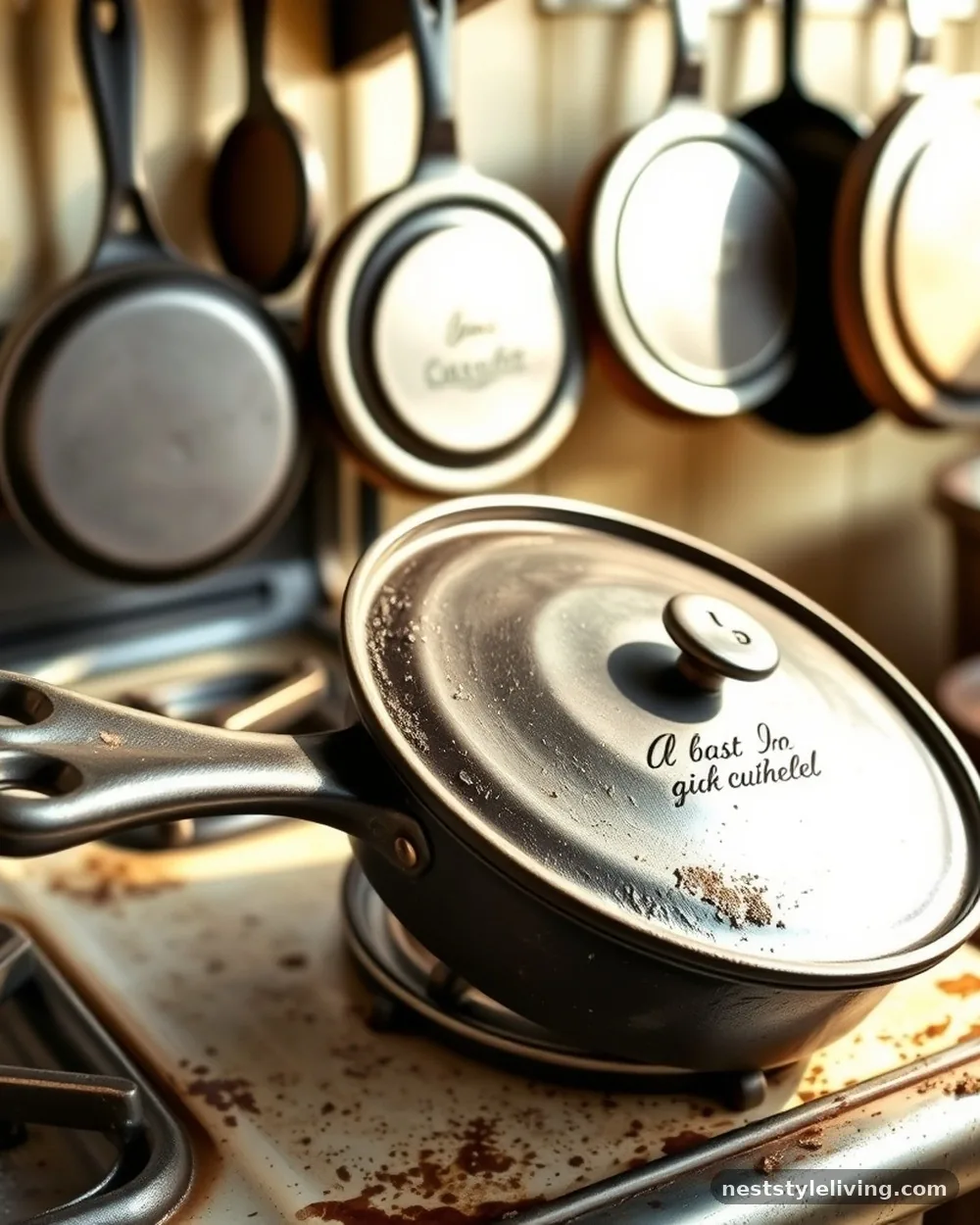
Cast-iron is the ultimate workhorse of the kitchen, and it looks beautiful when left out on the stovetop or hung on a wall. The dark, seasoned finish of well-used cast-iron adds a rugged, masculine contrast to the soft florals and pastels of a typical grandmacore space. These pieces are virtually indestructible and perform better the more they are used.
Keeping them accessible encourages you to cook with them, which in turn keeps the metal seasoned and rust-free. It is a functional display that prioritizes performance alongside style.
Maintain your cast-iron by washing it with hot water and a stiff brush, then drying it immediately on the stove over low heat. Apply a thin layer of oil after every wash to keep the seasoning smooth and non-stick.
18. Vintage Glass Jars for Dry Goods
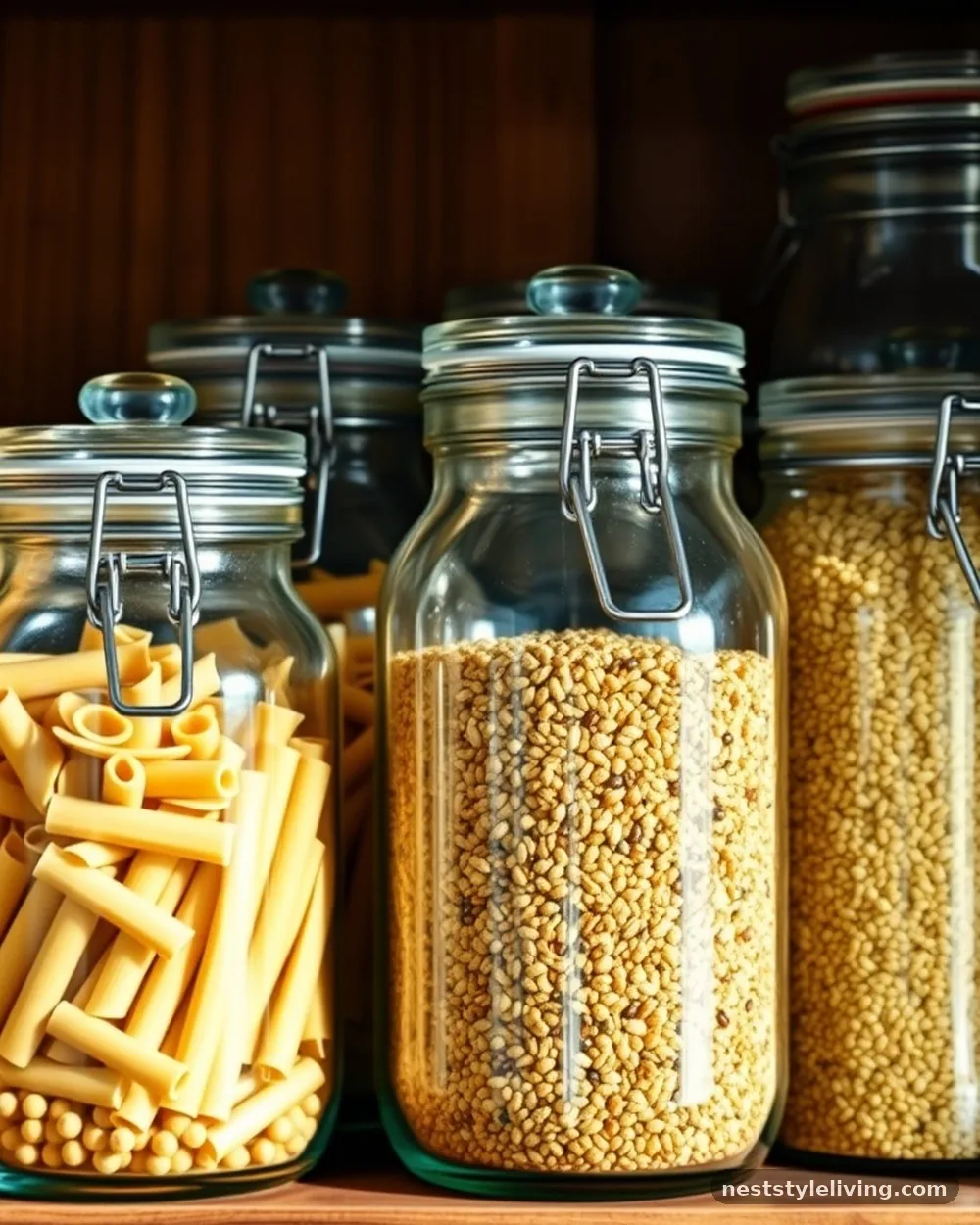
Clear glass jars with bail-and-trigger lids or simple screw-top lids are essential for organizing a pantry. Using matching or varied vintage jars to store pasta, grains, beans, and dried fruit allows you to see exactly what you have at a glance.
This reduces food waste and makes your kitchen look like a professional larder. You can find these jars at estate sales or antique shops, often with the original labels or embossed glass designs that add to their history and charm.
Use a white paint pen to label your jars if you want a uniform look. Wipe the glass clean with vinegar to remove any stubborn adhesive residue from old stickers before using them for food storage.
19. Woven Rag Rugs
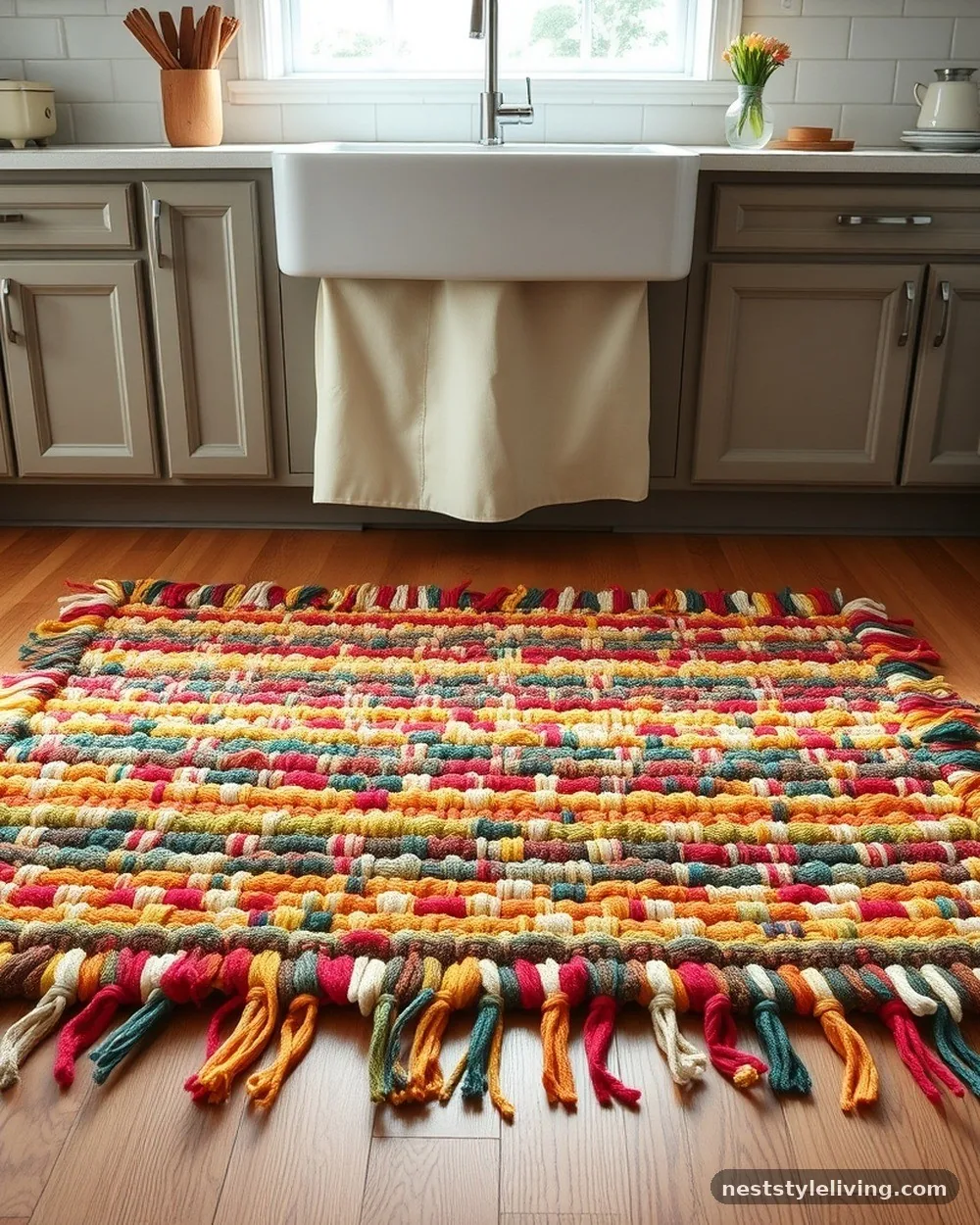
A kitchen rug adds warmth and comfort to a room that is otherwise filled with hard surfaces. Choose a woven rag rug made from strips of cotton fabric in a mix of colors. These rugs are incredibly durable and, most importantly, machine washable, which is a necessity for a kitchen environment.
The textured, colorful surface hides crumbs and stains well, making them a practical choice for high-traffic areas like the space in front of the sink or the stove. They bring a soft, bohemian touch that perfectly complements a vintage aesthetic.
Place a non-slip rug pad underneath your rag rug to keep it in place on tile or hardwood floors. This prevents bunching and tripping, ensuring the rug stays flat and safe.
20. Ornate Brass Faucet Hardware
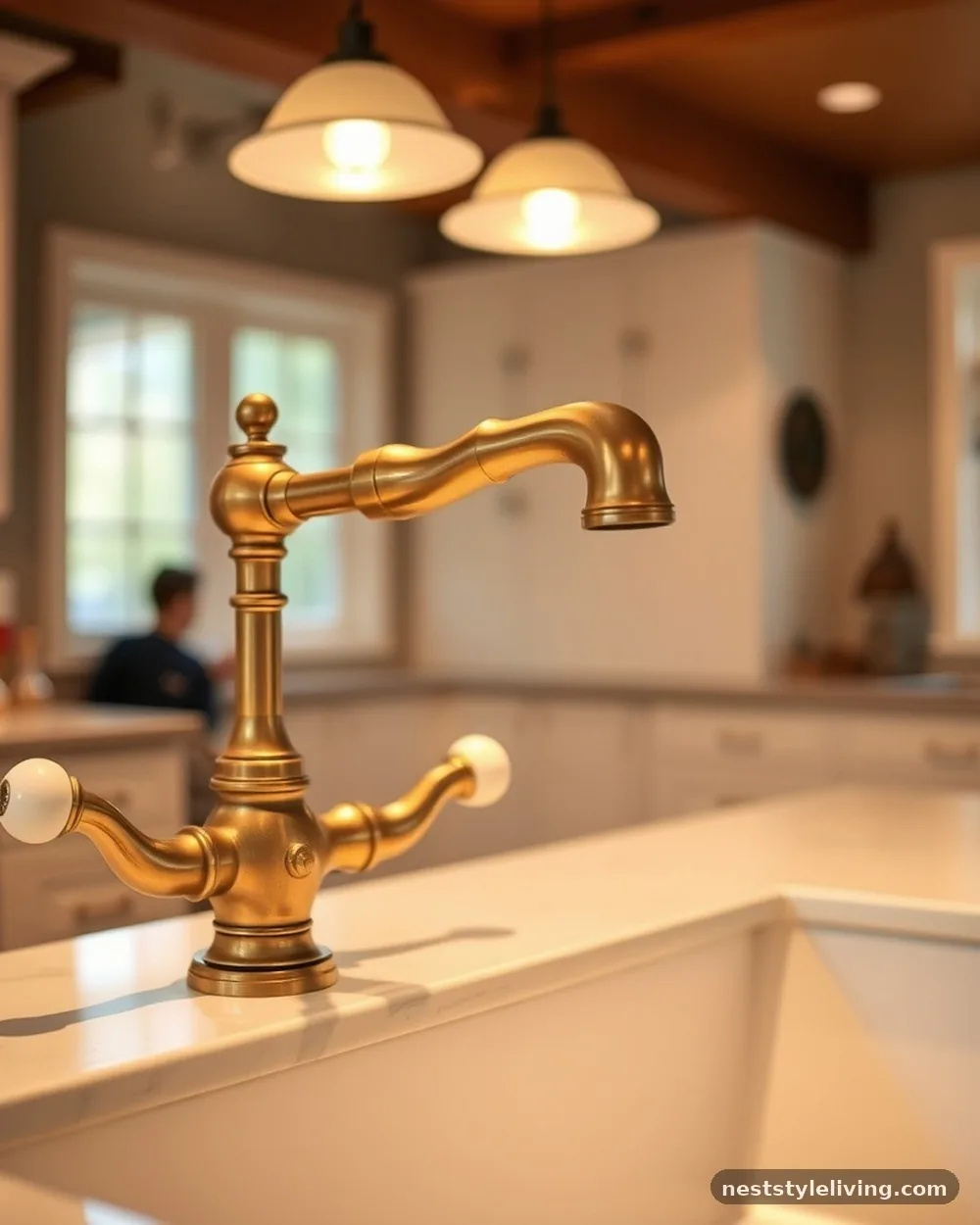
Replacing a standard stainless steel faucet with an ornate brass one can act as the jewelry of your kitchen. Look for bridge-style faucets with porcelain-accented handles or high-arc spouts that feel like they belong in a historic home.
Brass develops a beautiful, warm patina over time, which looks much more natural and inviting than the cold, reflective surface of chrome. It provides a touch of luxury that elevates the entire room, making the simple act of washing dishes feel a bit more refined.
Choose a living finish brass if you want the metal to age naturally over time. If you prefer a consistent look, opt for a PVD-finished brass that is designed to resist tarnishing and spotting.
21. Framed Vintage Botanical Prints

Kitchen walls are often neglected, but hanging a series of framed botanical prints can turn a plain wall into a gallery. Look for old textbook illustrations of herbs, vegetables, or fruits. Using simple wooden frames or thrifted vintage frames creates a cohesive, scholarly look.
These prints are usually inexpensive and can be found in old books or as digital downloads that you can print yourself. They add color and interest without cluttering your counter space, making them a perfect solution for small or minimalist kitchens.
Hang your prints in a grid pattern for a clean, intentional look, or mix and match different frame styles for a more eclectic, “collected” feel. Keep the prints behind glass to protect them from kitchen grease and moisture.
22. Ceramic Butter Crock

A French-style butter crock uses water to create an airtight seal, keeping your butter soft, spreadable, and fresh on the counter for weeks. Look for hand-thrown ceramic crocks with simple, rustic glazes. This is a functional piece that looks beautiful sitting next to your toaster or bread box.
It eliminates the frustration of trying to spread cold butter on toast and adds a touch of old-world charm to your morning routine. It is a small, inexpensive investment that makes a big difference in your daily kitchen experience.
Change the water in your butter crock every two to three days to ensure the seal remains fresh. Use high-quality salted butter, as the salt helps preserve the butter longer in the crock.
23. Rolling Kitchen Island on Casters

If you lack counter space, a vintage-style rolling island with a wood top and open shelves is a game-changer. Look for a cart made from reclaimed wood or an repurposed piece of furniture like an old drafting table or a sturdy sideboard.
The wheels allow you to move the island where you need it most, whether it’s for extra prep space during a holiday meal or as a serving station when you have guests. It provides the flexibility of a modern kitchen layout while maintaining the warm, rustic look of a vintage home.
Ensure your island has locking casters so it doesn’t roll away while you are chopping vegetables. If the cart doesn’t have a shelf, add a basket underneath to hold extra linens or heavy mixing bowls.
24. Hand-Stitched Table Linens
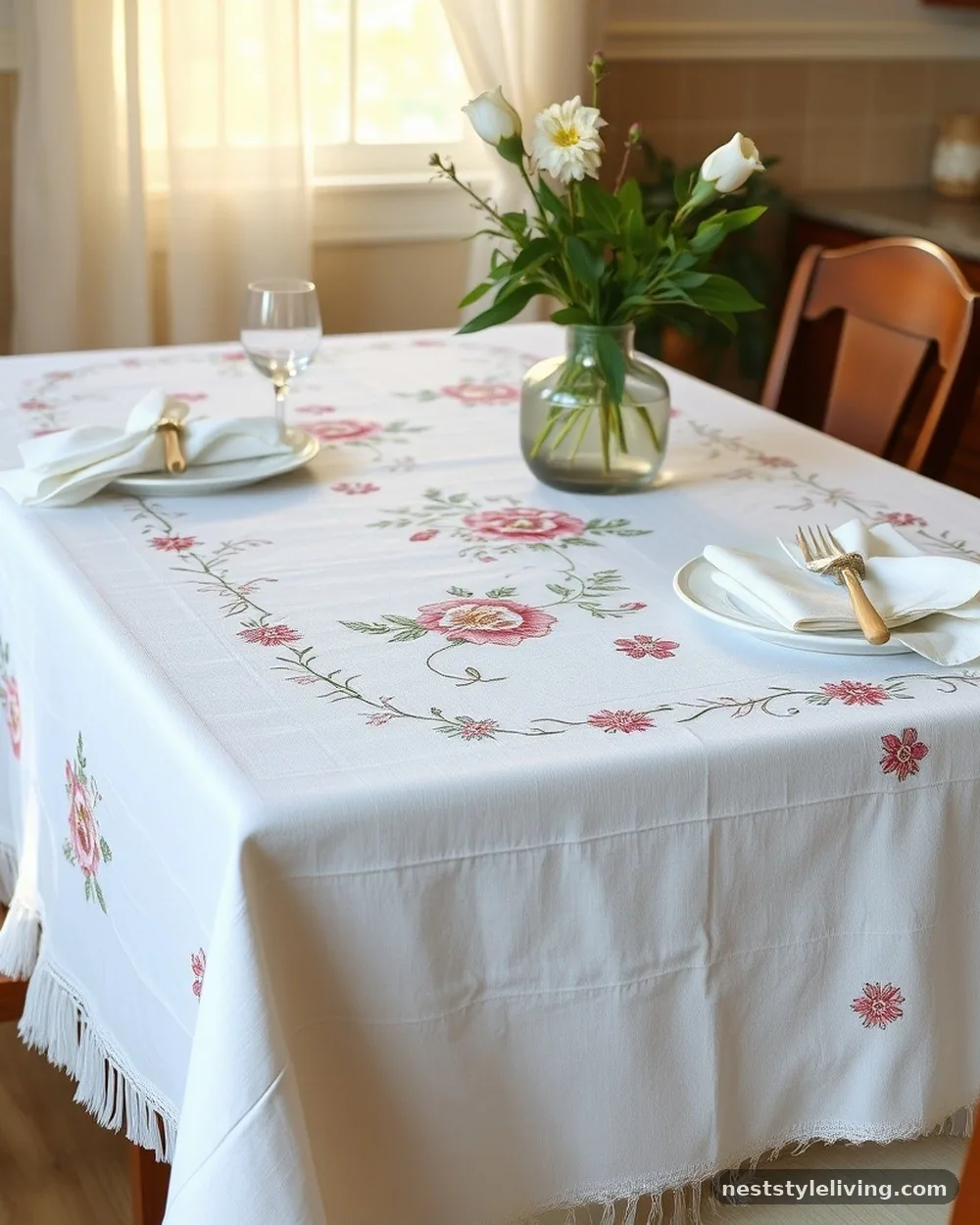
Tablecloths, napkins, and tea towels are the simplest way to add personality to a kitchen. Look for linens that feature embroidery, cross-stitch, or delicate lace edging. These pieces often have a history, and using them daily keeps that tradition alive.
They add softness, color, and texture to your eating area, making every meal feel like a special occasion. Because they are fabric, they are easily stored in a drawer when not in use, meaning you can change the look of your kitchen simply by swapping out your linens.
Wash your vintage linens on a gentle cycle with a mild detergent and hang them to dry outside in the sun. This naturally bleaches and disinfects the fabric without the need for harsh chemicals.
Frequently Asked Questions
How do I mix modern appliances with vintage decor?
The key is to embrace contrast rather than trying to hide the modern pieces. Choose appliances with clean lines and neutral finishes like white or matte black, which tend to blend better than flashy stainless steel. Surround these appliances with warm, textured elements like wood, ceramics, and textiles to anchor the room in a vintage feel.
What are the best colors for a grandmacore kitchen?
Soft, muted tones work best to create that cozy, nostalgic atmosphere. Think buttery yellows, sage greens, dusty blues, and warm creams. Avoid neon or overly saturated colors, as these can clash with the muted, lived-in aesthetic. You can use these colors on your cabinetry, walls, or even through small accessories like canisters and dish towels.
Is it expensive to achieve this look?
Not at all. The beauty of this style is that it thrives on second-hand, thrifted, and salvaged items. You can often find dishes, glassware, and even furniture at flea markets or estate sales for a fraction of what new items would cost. Focus on collecting pieces slowly over time rather than buying everything at once.
How do I make a small kitchen feel grandmacore without clutter?
Focus on “functional decor.” Instead of displaying purely decorative items, display things you actually use, like copper pots, ceramic tea cups, or glass storage jars. This keeps the space feeling curated and intentional rather than cluttered. Utilize vertical space with shelving and racks to keep your countertops clear for food preparation.
Are vintage textiles sanitary for a kitchen?
Yes, as long as you maintain them properly. Natural fibers like cotton and linen are excellent for kitchen use because they are highly absorbent and durable. Simply wash them regularly in hot water with a mild detergent to keep them clean and fresh. Avoid using delicate antique linens for messy tasks like wiping up spills; save those for display or light use.
Conclusion
Embracing grandmacore kitchen ideas with warm vintage charm is about more than just aesthetics; it is about creating a space that feels like a home. By incorporating hand-selected pieces, soft textures, and a color palette that invites comfort, you can build a kitchen that serves as the heart of your house. Remember that this style is meant to be lived in, so don’t shy away from the slight imperfections that come with vintage finds.
Whether you start with a set of mismatched tea cups or a full cabinet repaint, each addition brings you closer to a space that feels authentic, cozy, and uniquely yours. We hope these ideas inspire you to curate a kitchen that reflects your love for warmth and history.