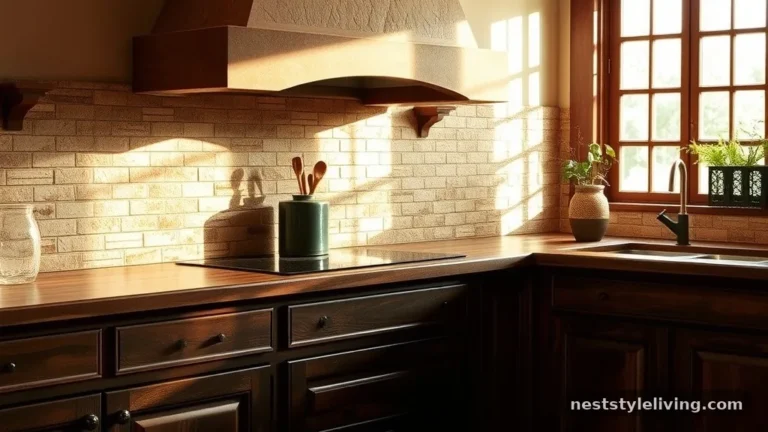
15 Colorful Kitchen Ideas That Make Your Space Pop
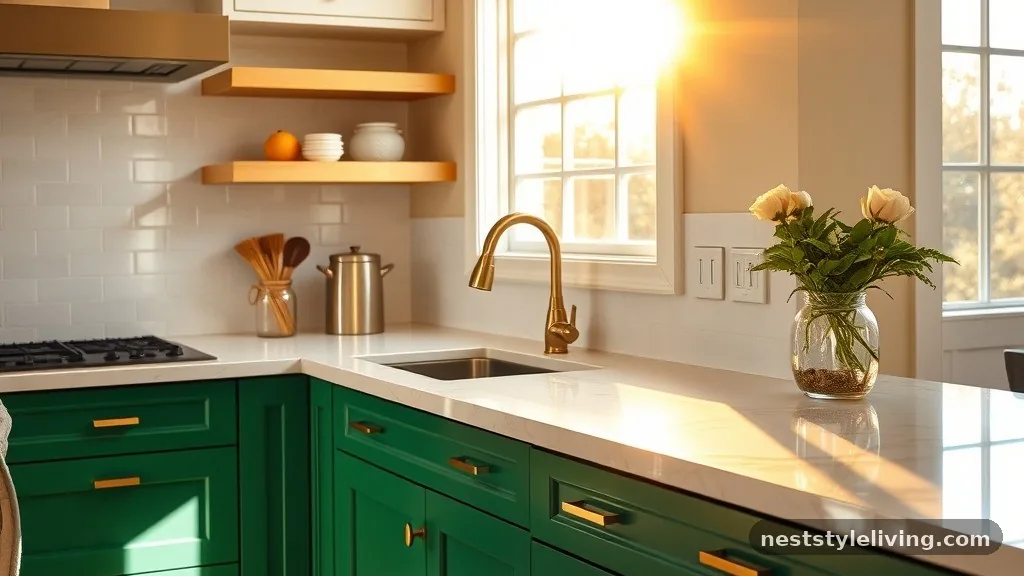
Integrating vibrant hues into your home is the most effective way to transform a sterile cooking zone into a lively hub for gathering. Implementing colorful kitchen ideas that make your space pop allows you to move beyond the traditional monochrome aesthetic, injecting personality into every surface. Whether you prefer subtle hints of pigment or high-contrast saturation, these design choices shift the atmosphere of your home instantly.
You’ll find that balancing bold tones with thoughtful materials creates a professional look that feels both curated and comfortable. This collection explores practical methods to achieve a high-impact design that remains functional for everyday use.
1. Emerald Green Lower Cabinetry
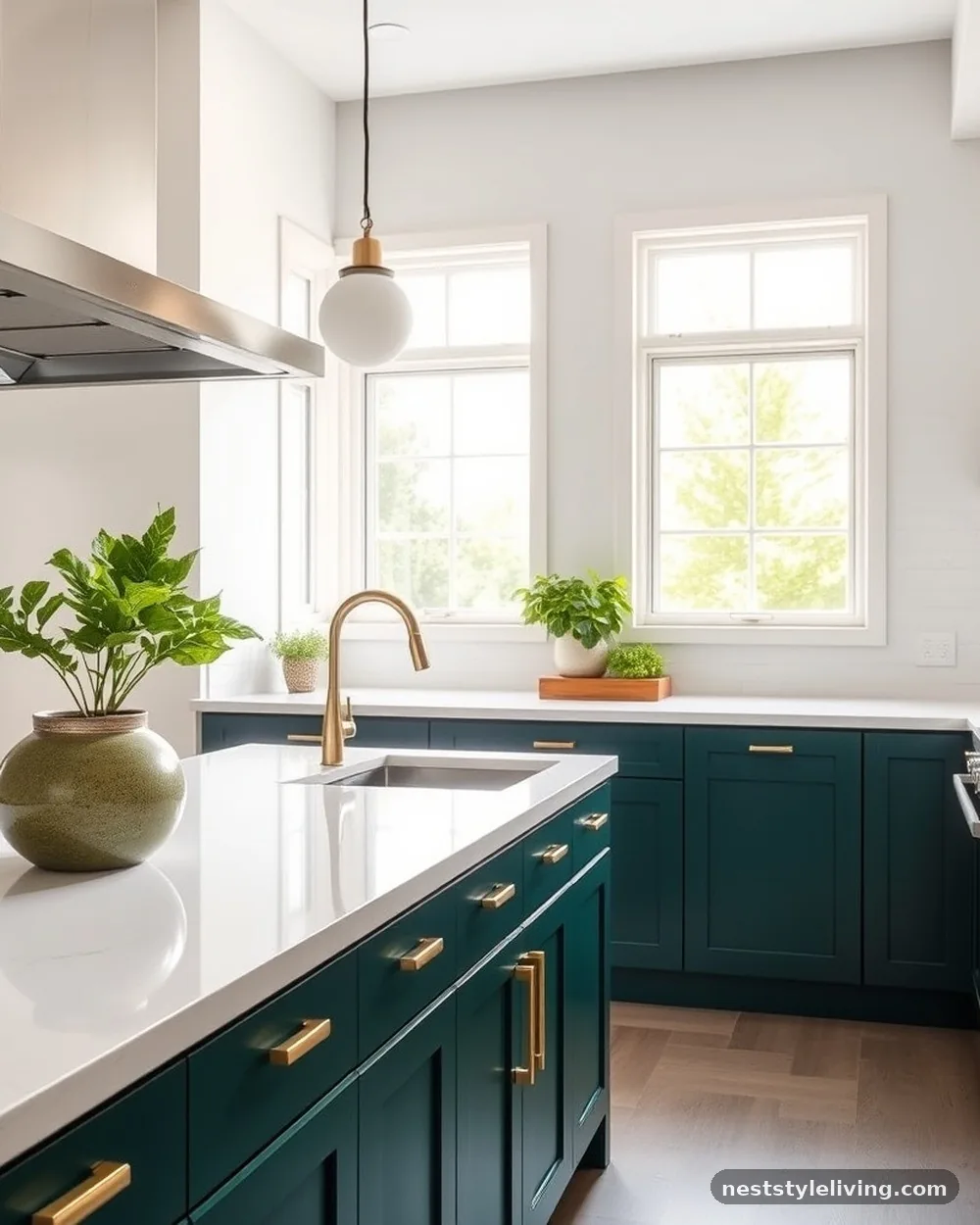
Deep, saturated emerald green cabinetry grounds a room and provides a sophisticated contrast to lighter upper walls or backsplash tiles. This dark, jewel-toned finish hides everyday wear better than white or light grey, making it a practical choice for high-traffic areas.
When paired with brass hardware and warm walnut wood accents, the green appears even richer. The finish should be a high-quality satin or semi-gloss lacquer to ensure that it wipes clean without leaving streaks or water spots.
To achieve this look, avoid painting over old, peeling laminate yourself. Instead, hire a professional to spray-apply a conversion varnish in a custom emerald shade, which ensures a factory-grade, durable finish that resists chipping and moisture for years.
2. Terrazzo Backsplash Tiles
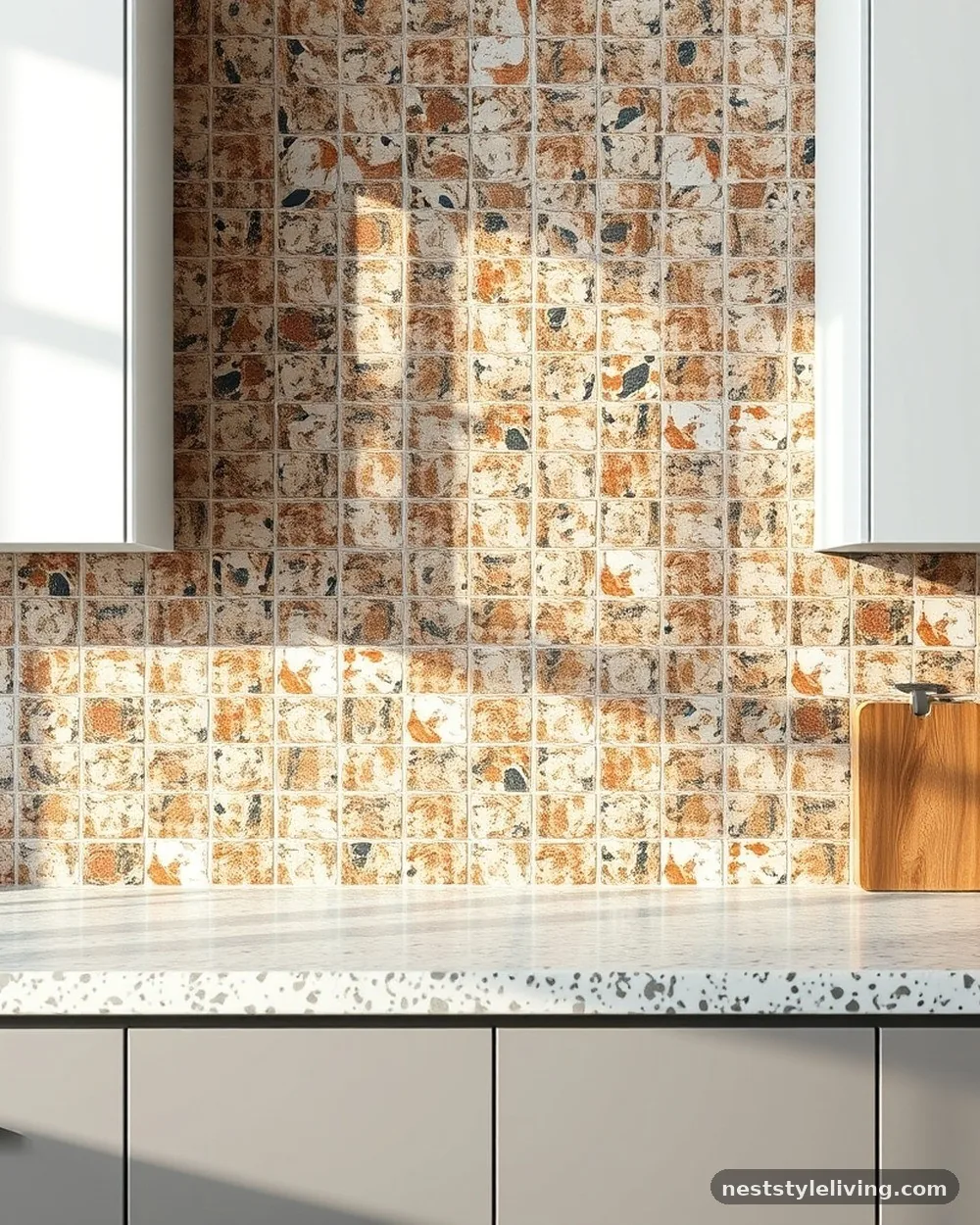
Terrazzo offers a confetti-like explosion of color that brings texture to an otherwise plain wall. By choosing a variety with flecks of terracotta, navy, and forest green, you create a focal point that ties together various shades present elsewhere in the kitchen. The beauty of this material lies in its visual complexity; it hides small splatters and dust, making it far more forgiving than solid-colored subway tiles or polished glass.
Source authentic cement-based terrazzo tiles rather than printed porcelain imitations to get the true depth of the aggregate. Install them using a matching colored grout to keep the lines clean and allow the pattern to flow across the wall without interruption.
3. Sunny Yellow Interior Shelving
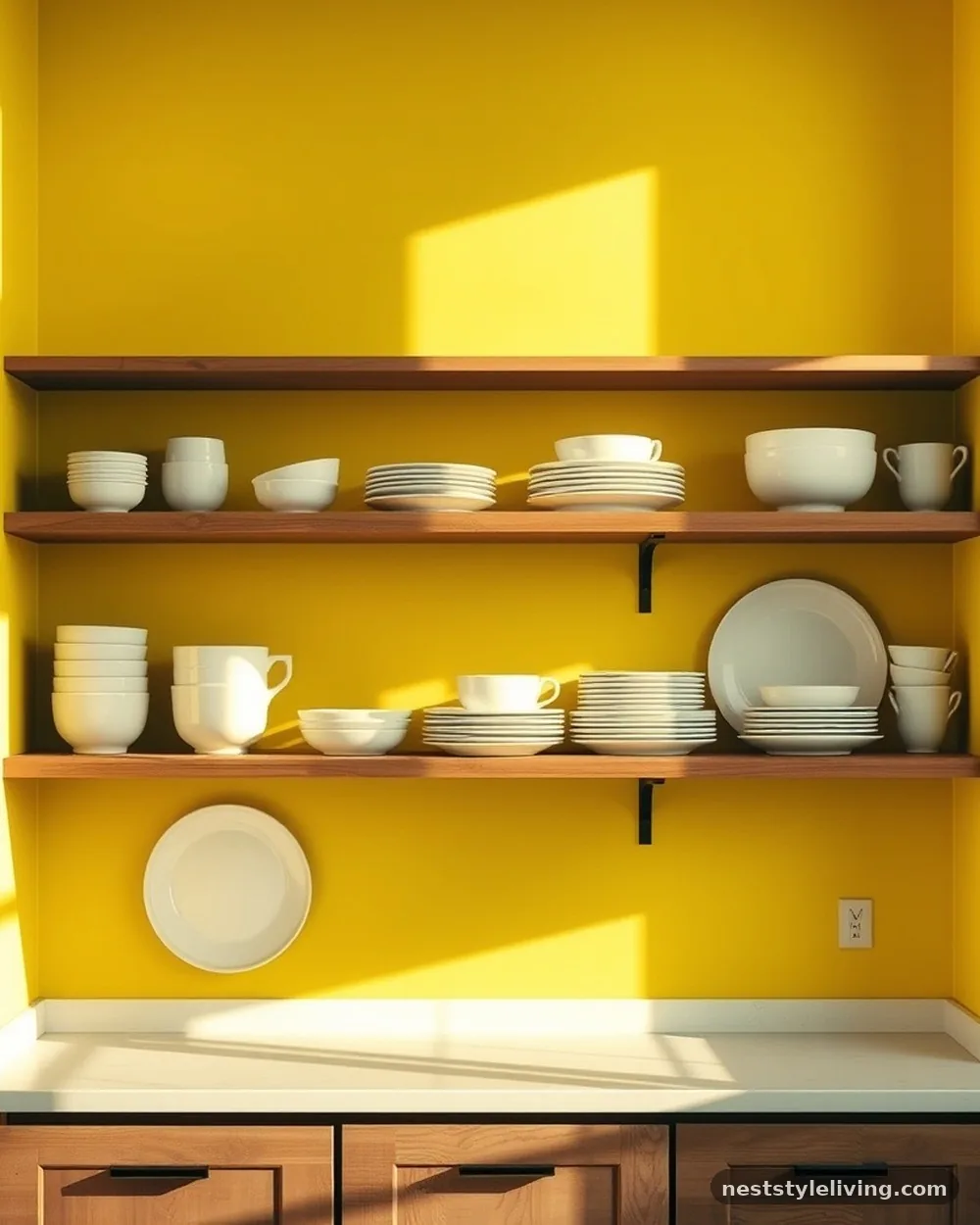
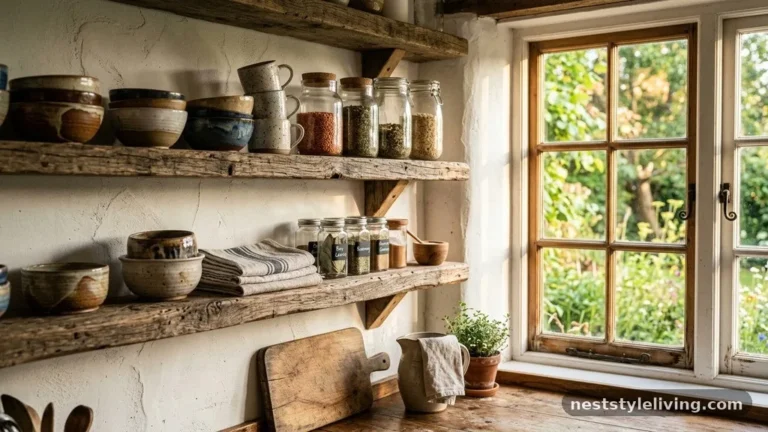
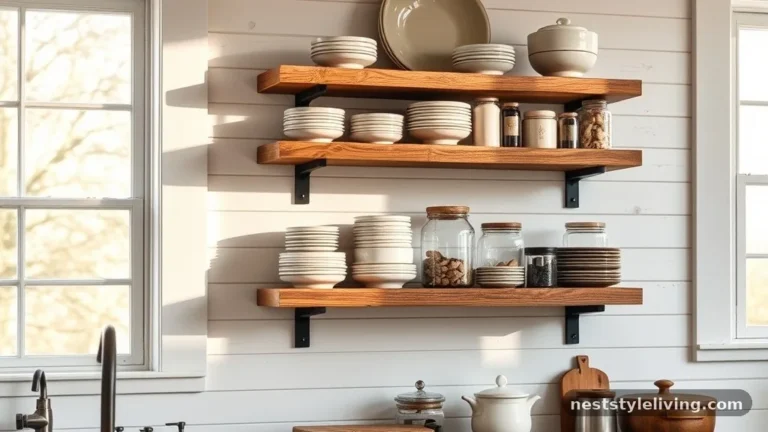
If you have open shelving, painting the back wall of the niche a bright, sunny yellow creates an unexpected glow that draws the eye inward. This is an excellent way to use a bold color in a small dose, ensuring it doesn’t overwhelm the entire room. The yellow backdrop acts like a spotlight for your white dinnerware, making the items look intentional and styled.
Use a high-sheen enamel for the back of the shelves to reflect light, which effectively brightens dark corners. Ensure the shelf brackets are painted or finished in a neutral metallic to prevent them from clashing with the vibrant wall color.
4. Cobalt Blue Kitchen Island
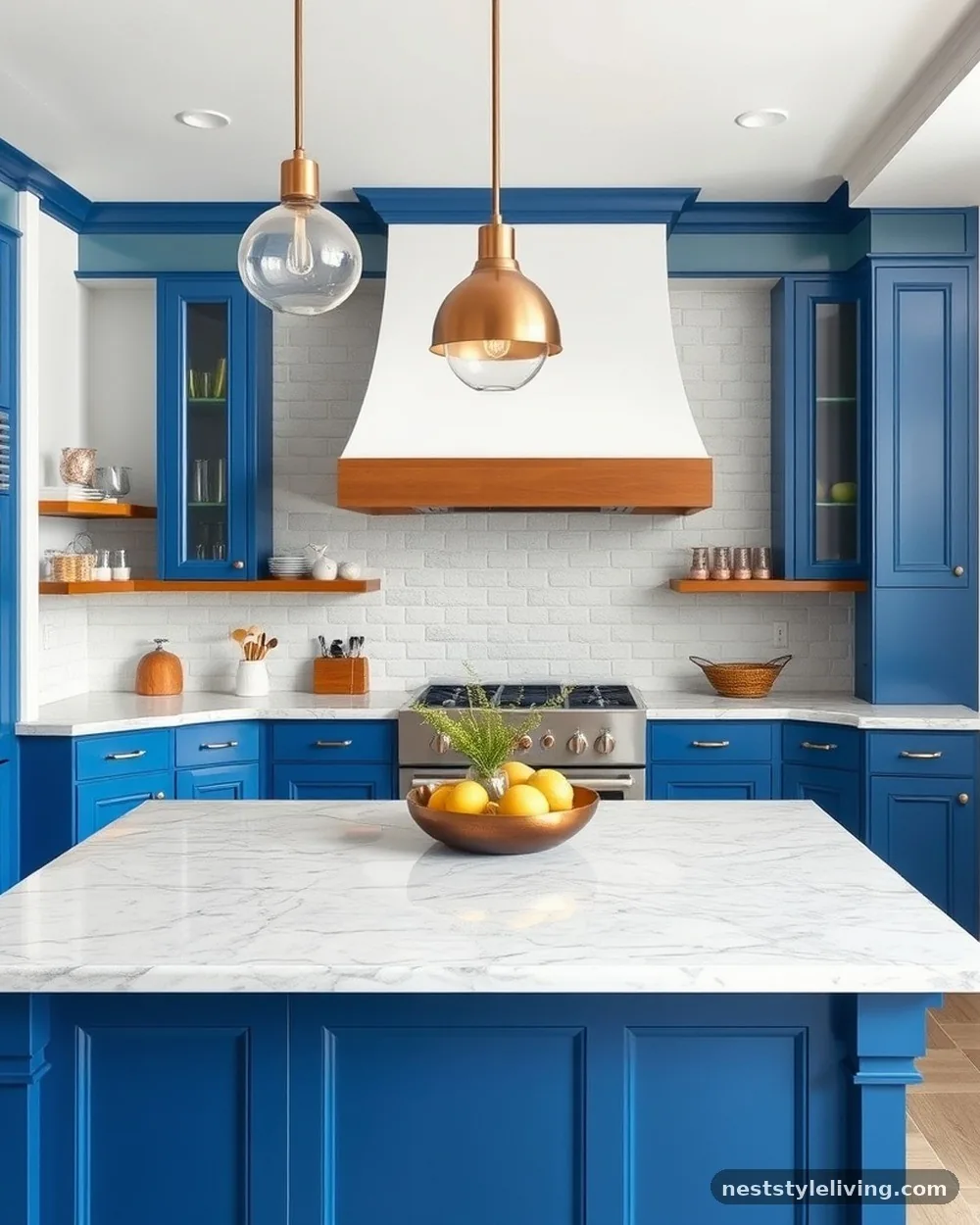
A kitchen island serves as the anchor of the room, and finishing it in a bold cobalt blue makes it the undeniable centerpiece. This shade of blue pairs exceptionally well with cool-toned marble countertops featuring grey veining. Because the island is a distinct furniture piece, you can get away with a much bolder color choice than you might on full-wall cabinetry.
Opt for a durable, moisture-resistant furniture paint if you are DIY-ing, or have the island custom-sprayed. Match the base color to the blue in your upholstery or rug to create a cohesive flow that makes the color feel integrated rather than accidental.
5. Painted Ceiling Accents
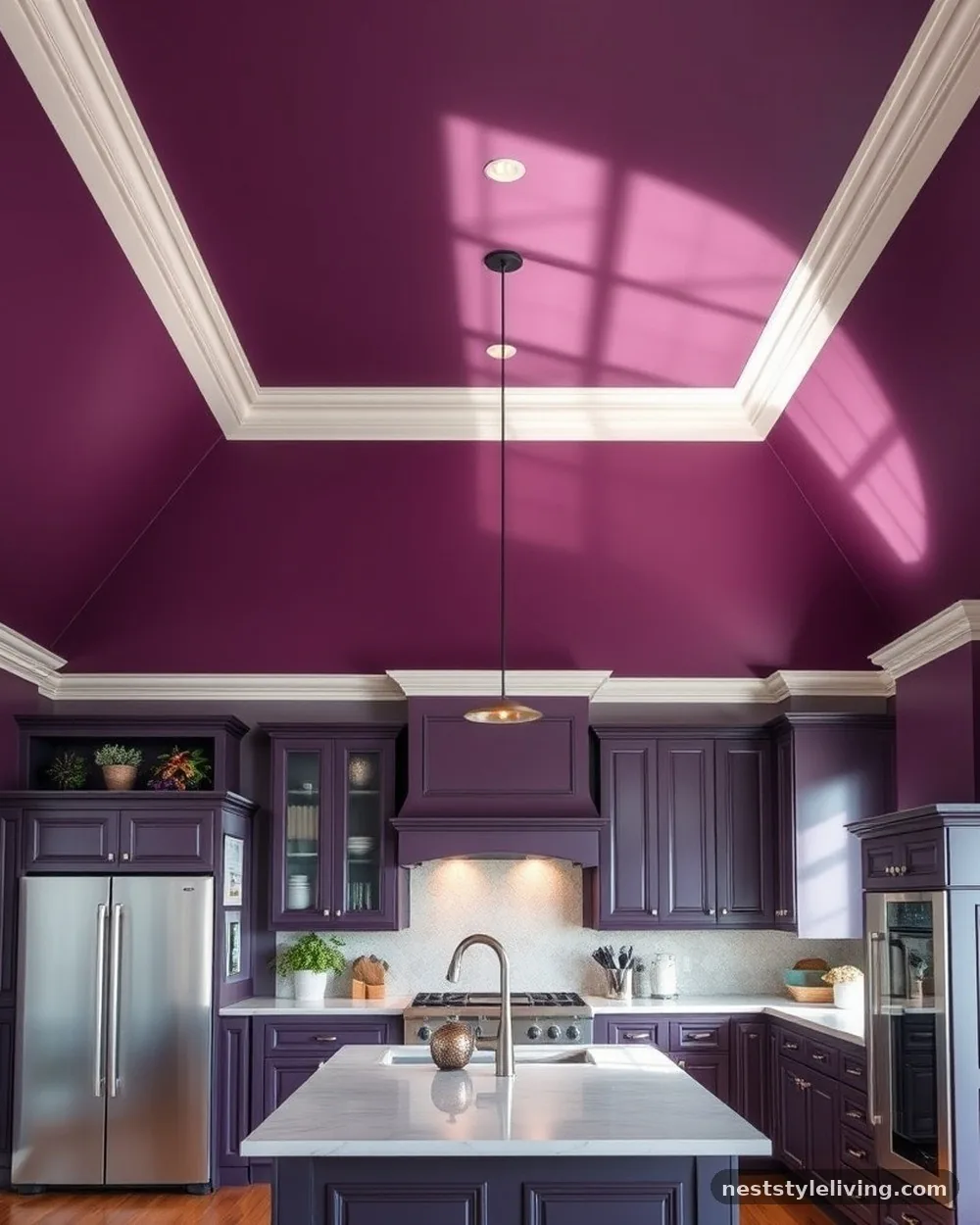
Painting the ceiling a soft pastel or a bold, contrasting color is a daring move that adds incredible architectural interest. If your kitchen has low ceilings, a soft sky blue can create the illusion of height and openness. If you have high ceilings or crown molding, a deeper shade like plum or terracotta can draw the eye upward and add drama to the entire space.
Use a flat or matte finish for the ceiling paint to minimize glare from recessed lighting. This allows the color to look soft and intentional, preventing the ceiling from feeling like it is “dropping” toward you.
6. Patterned Cement Floor Tiles
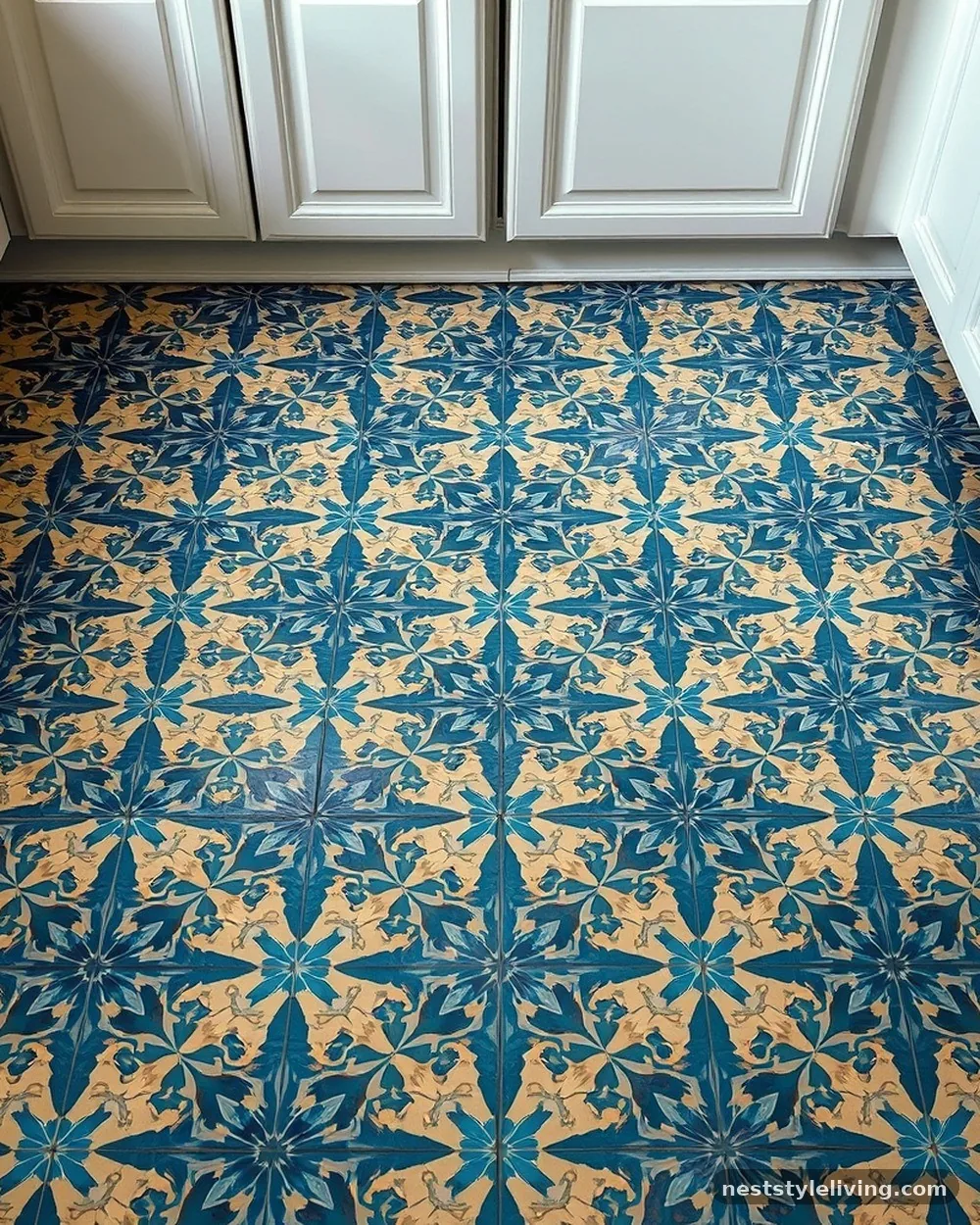
Intricate, colorful cement tiles with geometric or floral patterns provide a vintage, artistic foundation for the kitchen. These tiles are incredibly durable and actually develop a patina over time that adds character to the space. Because the floor is a large surface area, the color variety in the tiles acts as a neutral base, allowing you to pull out different accent colors for your towels, stools, or appliances.
Seal the tiles immediately after installation to protect the porous cement from staining. Avoid using harsh acidic cleaners, which can etch the surface, and stick to pH-neutral soaps to keep the colors vibrant for decades.
7. Matte Red Appliance Suites
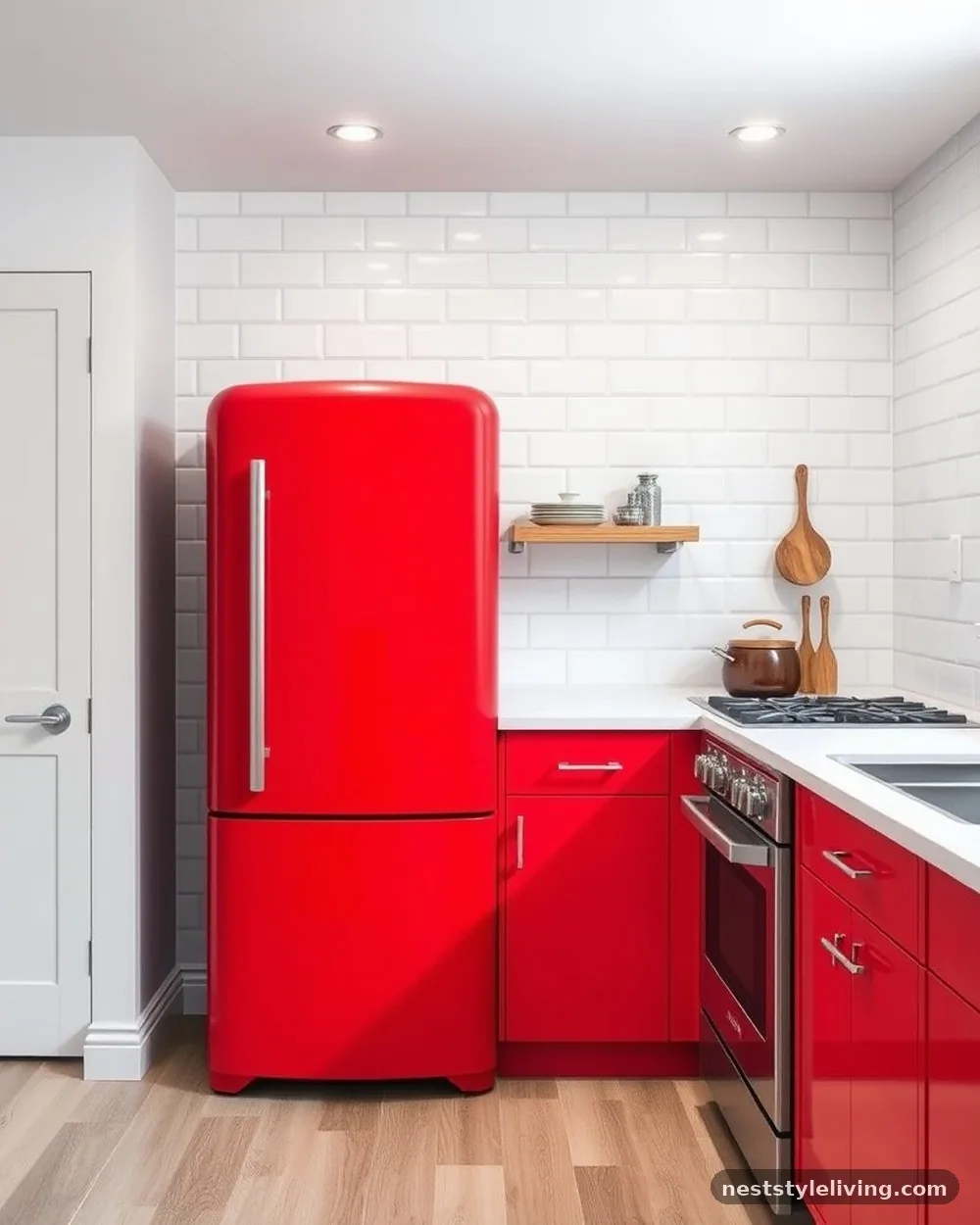
Replacing a standard stainless steel refrigerator or range with a matte red appliance package is the ultimate statement in a modern kitchen. Red appliances evoke a retro, professional-chef aesthetic that feels energetic and warm. Because these items are large, ensure the rest of your kitchen palette remains relatively neutral to avoid visual fatigue.
If purchasing new appliances is outside your budget, look for high-temperature appliance-grade spray paint kits designed for metal surfaces. Clean the existing appliance thoroughly with degreaser before application to ensure the finish doesn’t peel or bubble under heat.
8. Multicolored Glass Pendant Lights
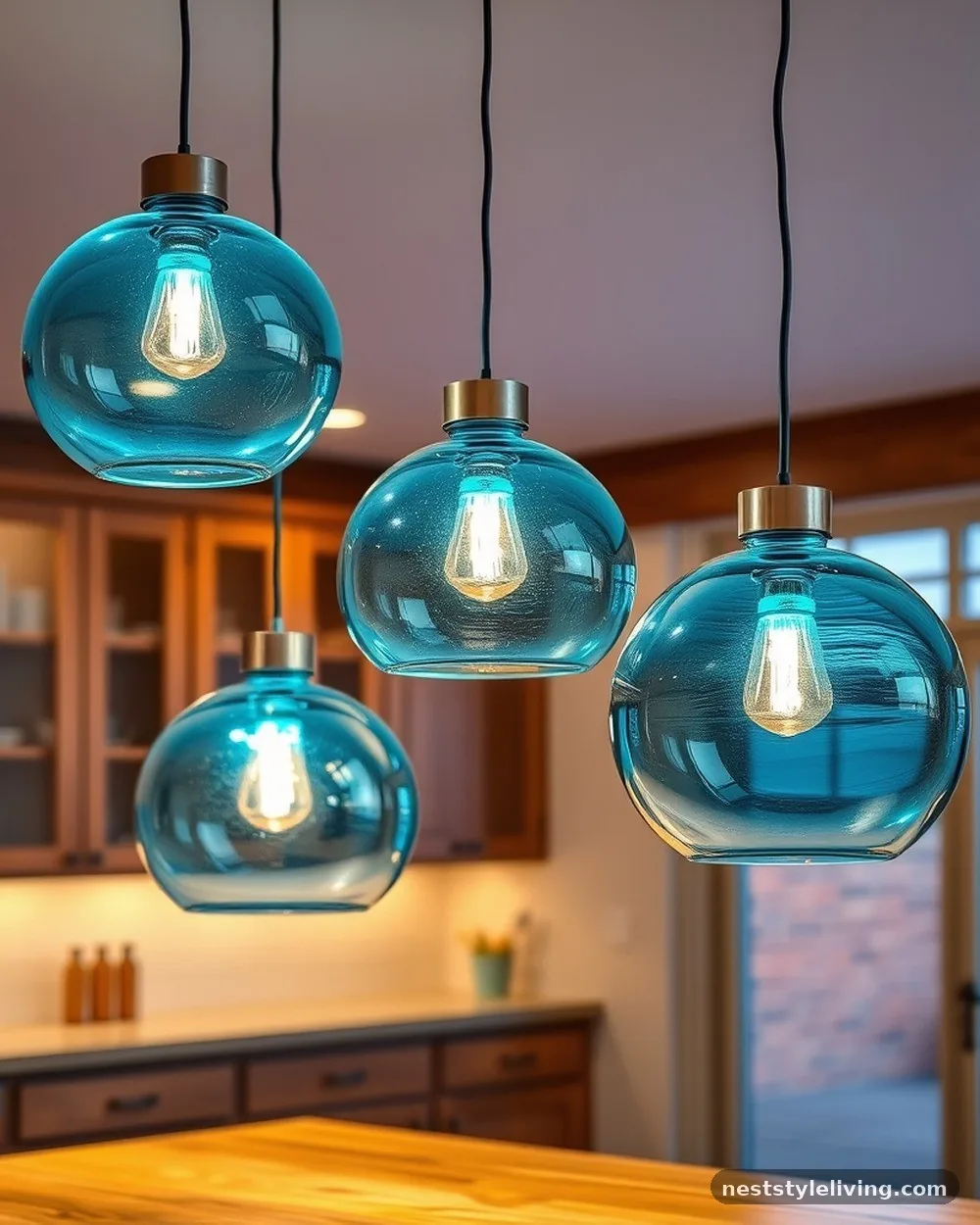
Large-scale pendant lights in vibrant hues like amber, amethyst, or ocean blue add a sculptural element to the kitchen island. These lights act as jewelry for the room, catching sunlight during the day and casting a warm, colored glow when illuminated at night. They provide a focused pop of color at eye level, which is perfect for breaking up the monotony of upper cabinets.
Select pendants with clear glass interiors or frosted bulbs to ensure you still get functional task lighting on your countertop. If the glass is too opaque, you’ll end up with shadows exactly where you need to be chopping vegetables.
9. Terracotta Wall Grout
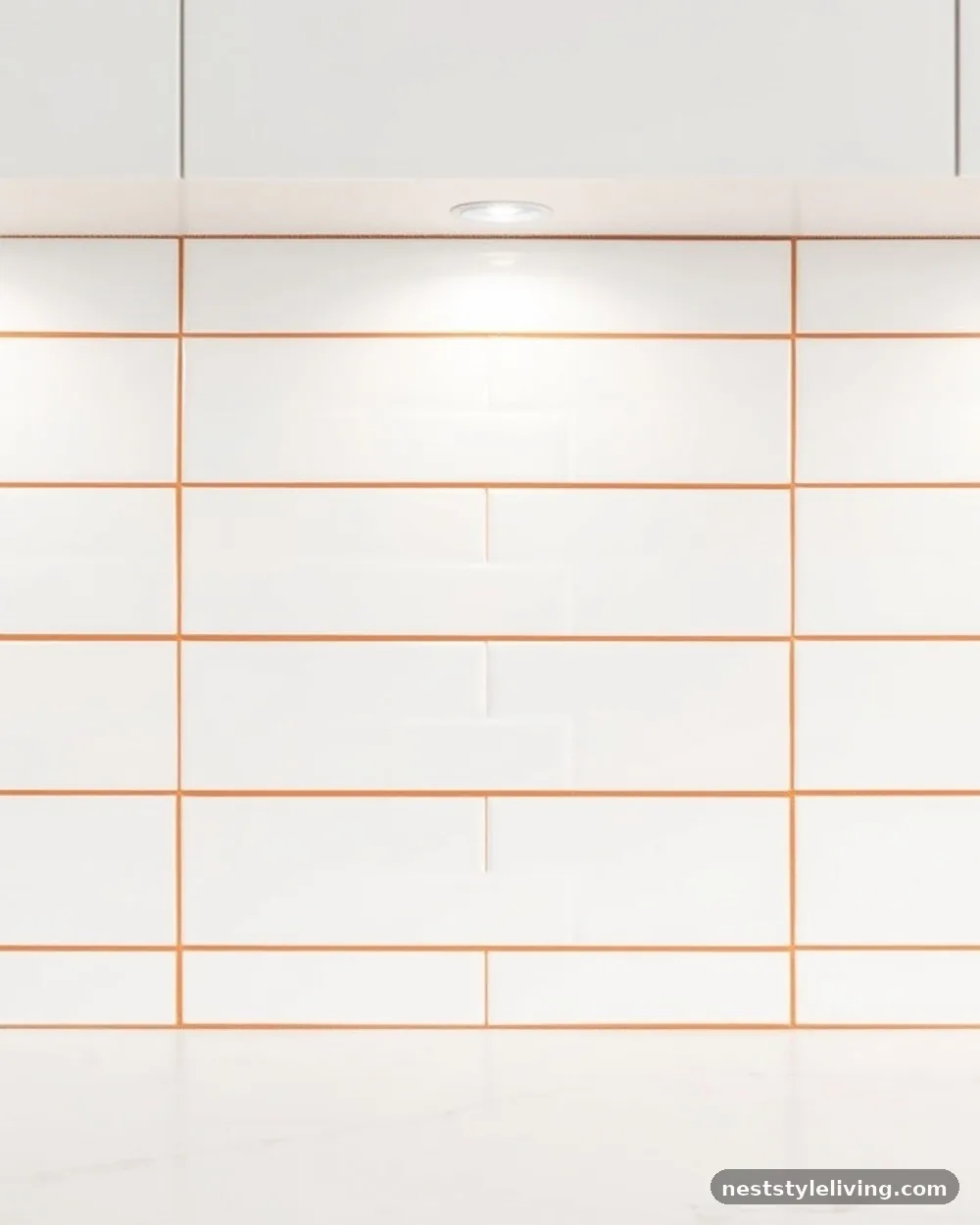
Sometimes, the best way to add color is through the details, and using a bold-colored grout with white or neutral tiles is a subtle but effective technique. A warm terracotta or deep rust grout line creates a grid pattern that defines the shape of your backsplash. This is a significantly more affordable way to introduce color than buying expensive, custom-colored tiles.
Choose an epoxy-based grout instead of traditional cement grout. Epoxy is naturally stain-resistant and won’t fade or discolor over time, ensuring your vibrant grout lines stay sharp and clean even after years of scrubbing.
10. Lavender Velvet Bar Stools
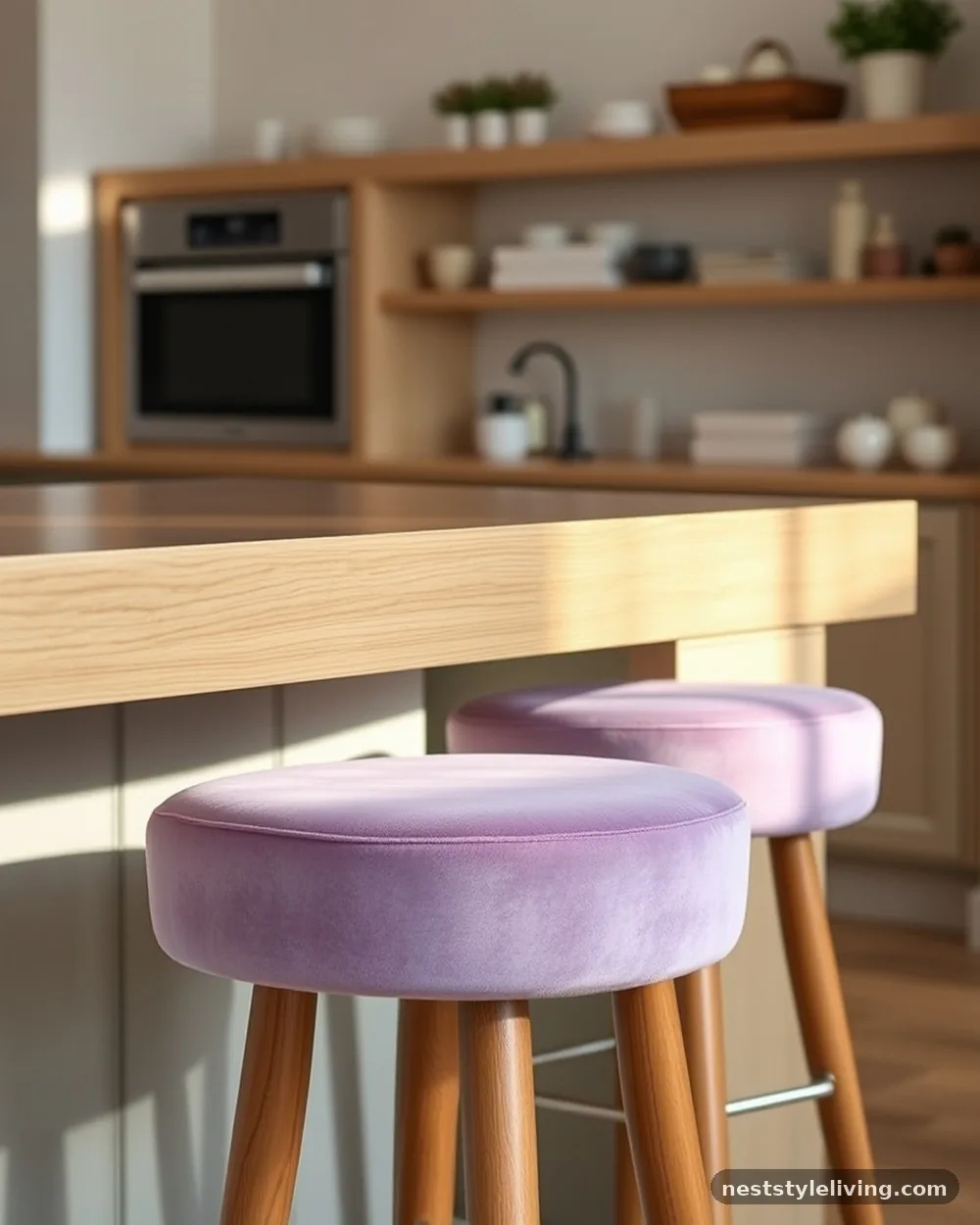
Adding soft furnishings like velvet bar stools in a muted lavender or lilac introduces a tactile, luxurious texture. Lavender works surprisingly well as a neutral when paired with brass hardware and light oak cabinetry. It feels fresh and modern, moving away from the standard black or grey stools found in most homes.
Look for high-performance velvet upholstery that is treated for stain resistance. Since kitchens are prone to spills, check that the fabric is marked as “commercial grade” or “performance” to ensure it can be wiped down without losing its plush feel.
11. Teal Window Treatments
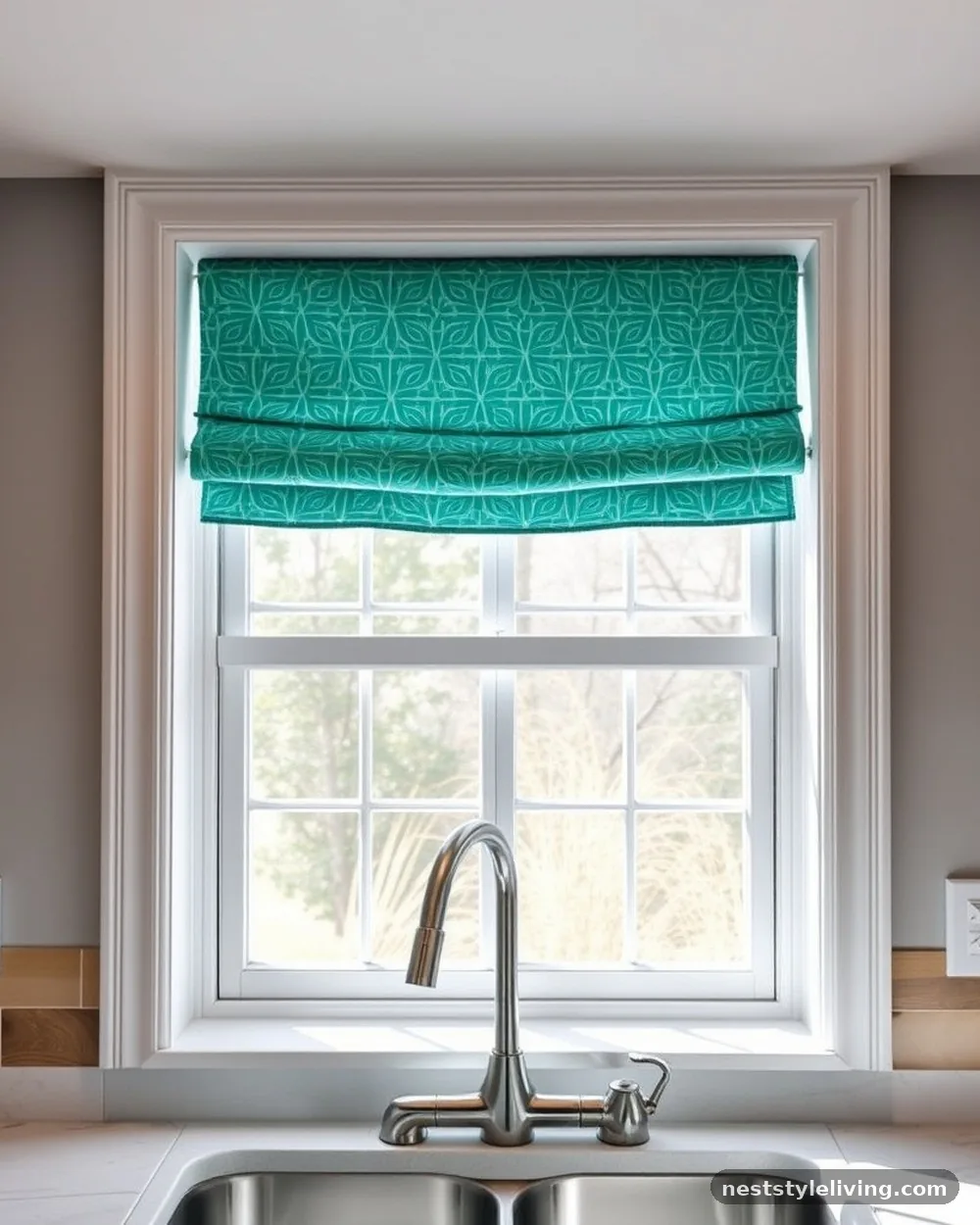
Kitchen windows are often overlooked, but adding a Roman shade in a bold, teal-patterned fabric can completely change the room’s energy. Teal bridges the gap between blue and green, making it a versatile color that complements both warm woods and cool stones. Since you can easily swap out window treatments, this is a low-risk way to experiment with seasonal color changes.
Install the shade inside the window mount to keep the lines of your kitchen clean and uncluttered. Ensure the fabric is moisture-wicking and heat-resistant, especially if the window is located directly above a sink or near the stovetop.
12. Copper or Brass Faucet Fixtures
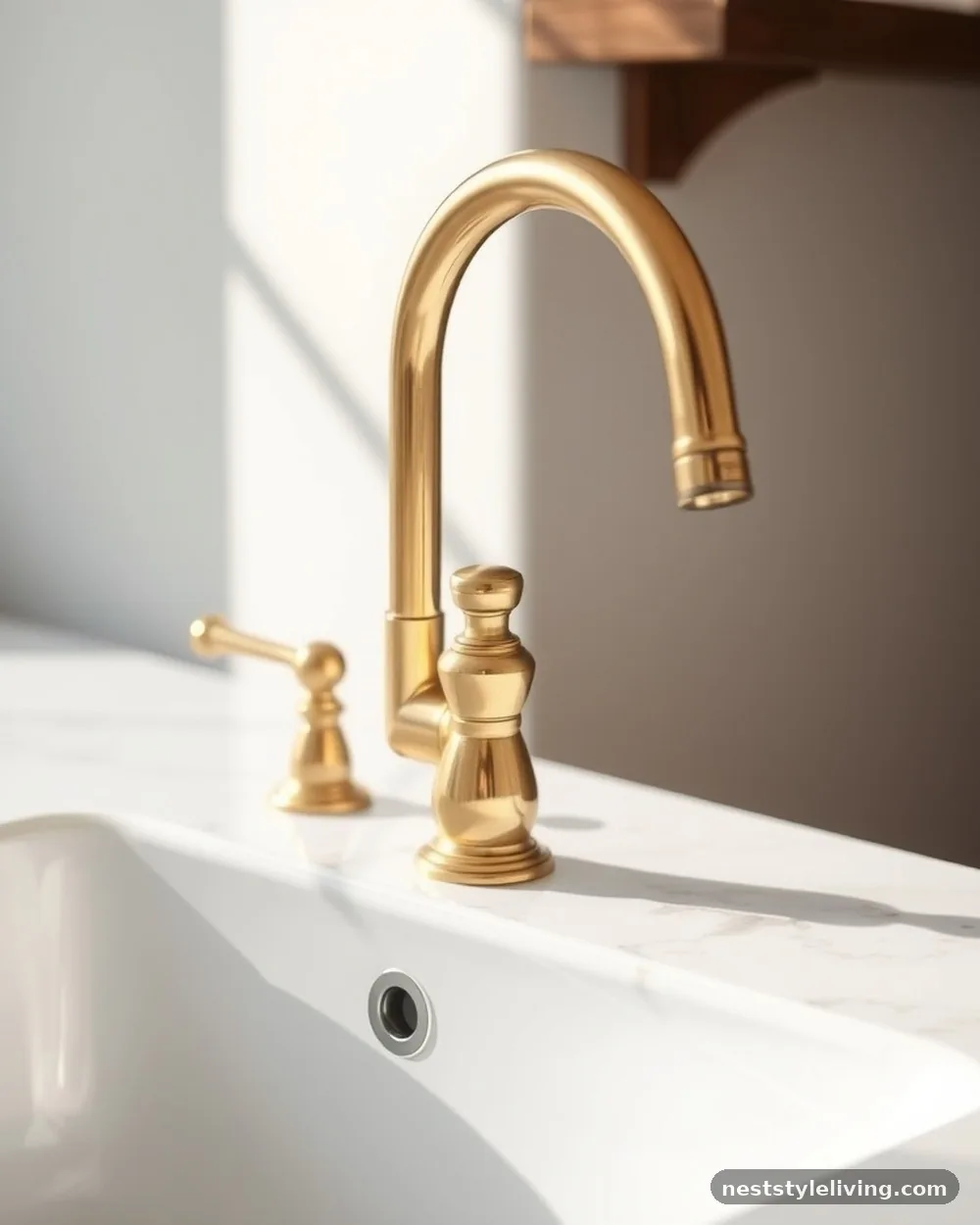
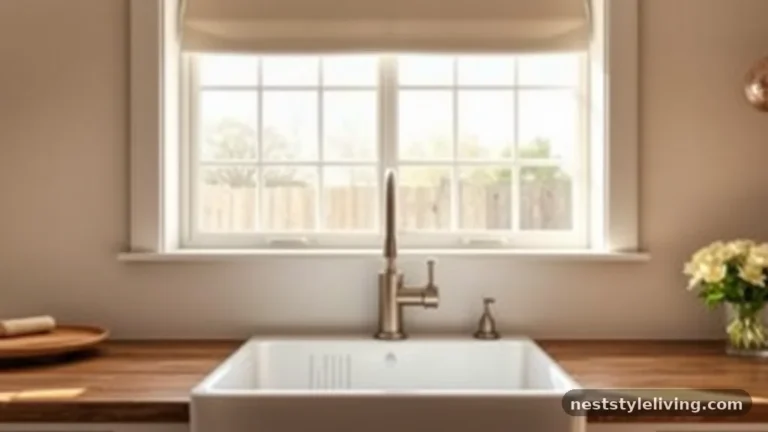
While not a traditional “color” in the sense of paint, the warm, reflective finish of copper or unlacquered brass acts as a vibrant accent that pops against white or dark stone. These materials develop a living finish, meaning they change color slightly over time, adding depth and history to the sink area. It feels warmer and more inviting than standard chrome or brushed nickel.
Choose unlacquered brass if you want the finish to age and darken naturally. If you prefer a consistent, bright shine, opt for PVD-coated brass, which is engineered to resist tarnishing and fingerprints indefinitely.
13. Open Pantry with Color-Coordinated Storage
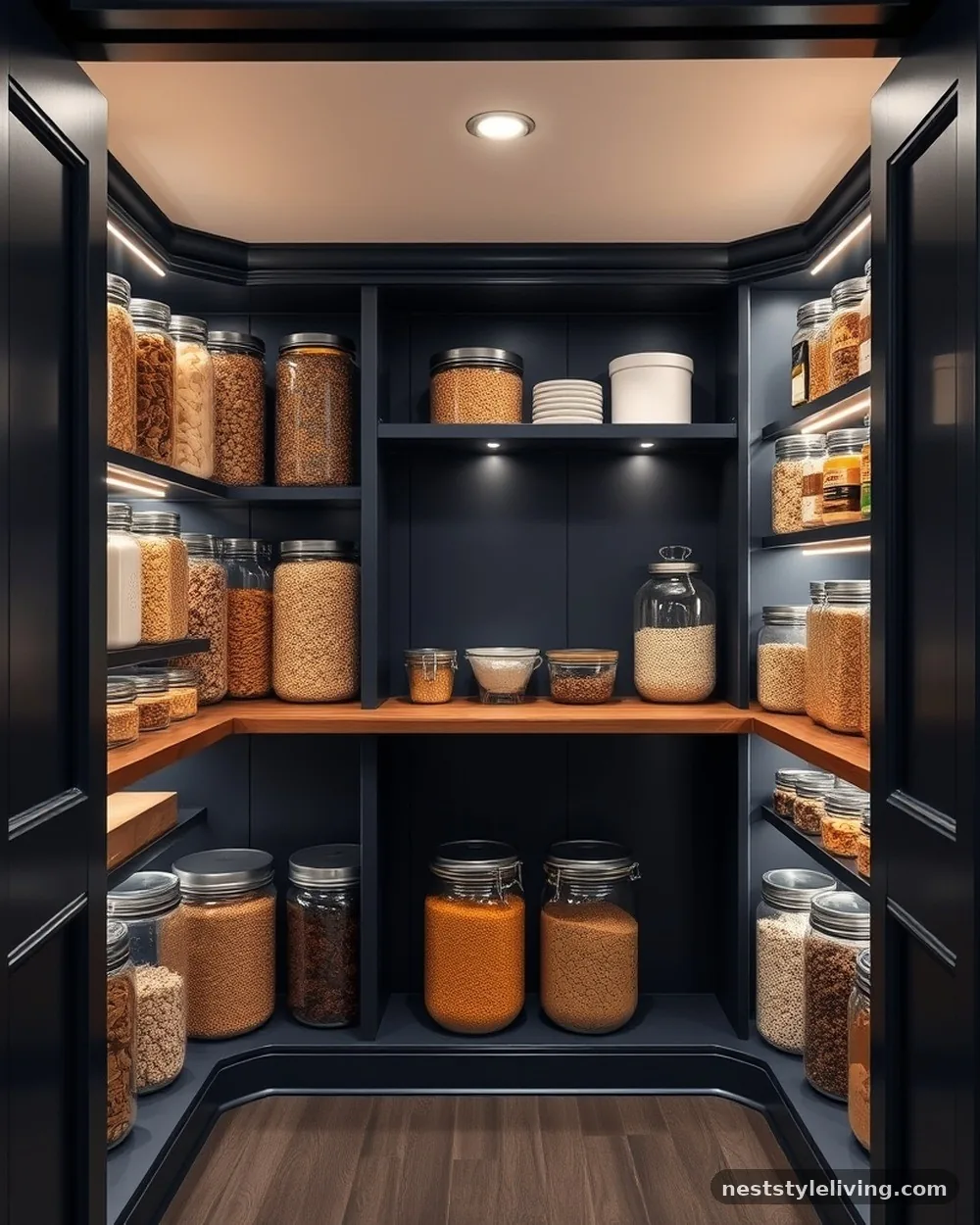
If you have a walk-in or reach-in pantry, paint the interior a bold color like navy or forest green and organize your dry goods in matching containers. Seeing a burst of color every time you open the pantry adds a hidden layer of joy to your daily routine. It turns a functional storage space into an intentional design feature.
Use clear glass canisters with uniform labels to create a sense of order. The color of the wall behind the jars will show through the gaps, creating a professional, boutique-style look that makes the space feel larger and more organized.
14. Deep Plum Kitchen Island Chairs
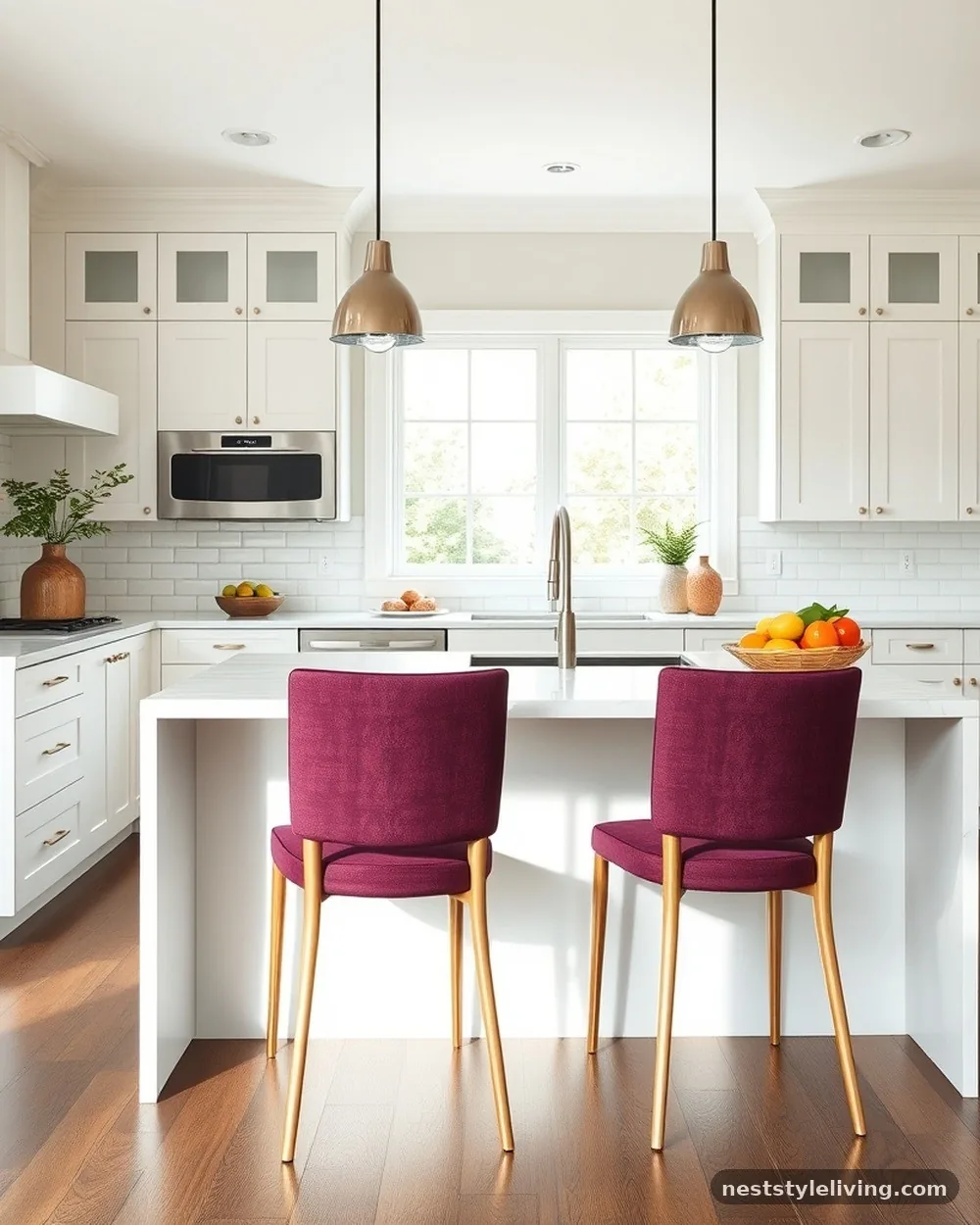
If you prefer to keep your cabinetry neutral, use your seating to introduce a deep, moody plum shade. Plum is a sophisticated color that feels elegant and slightly unexpected in a kitchen setting. It pairs beautifully with grey, white, and even natural light wood tones, acting as a bridge between light and dark elements in the room.
Select chairs with a simple, modern silhouette to ensure the color remains the main focus. Avoid overly ornate designs, as the combination of a bold color and heavy detailing can make the furniture feel bulky rather than stylish.
15. Botanical Wallpaper Accent Wall
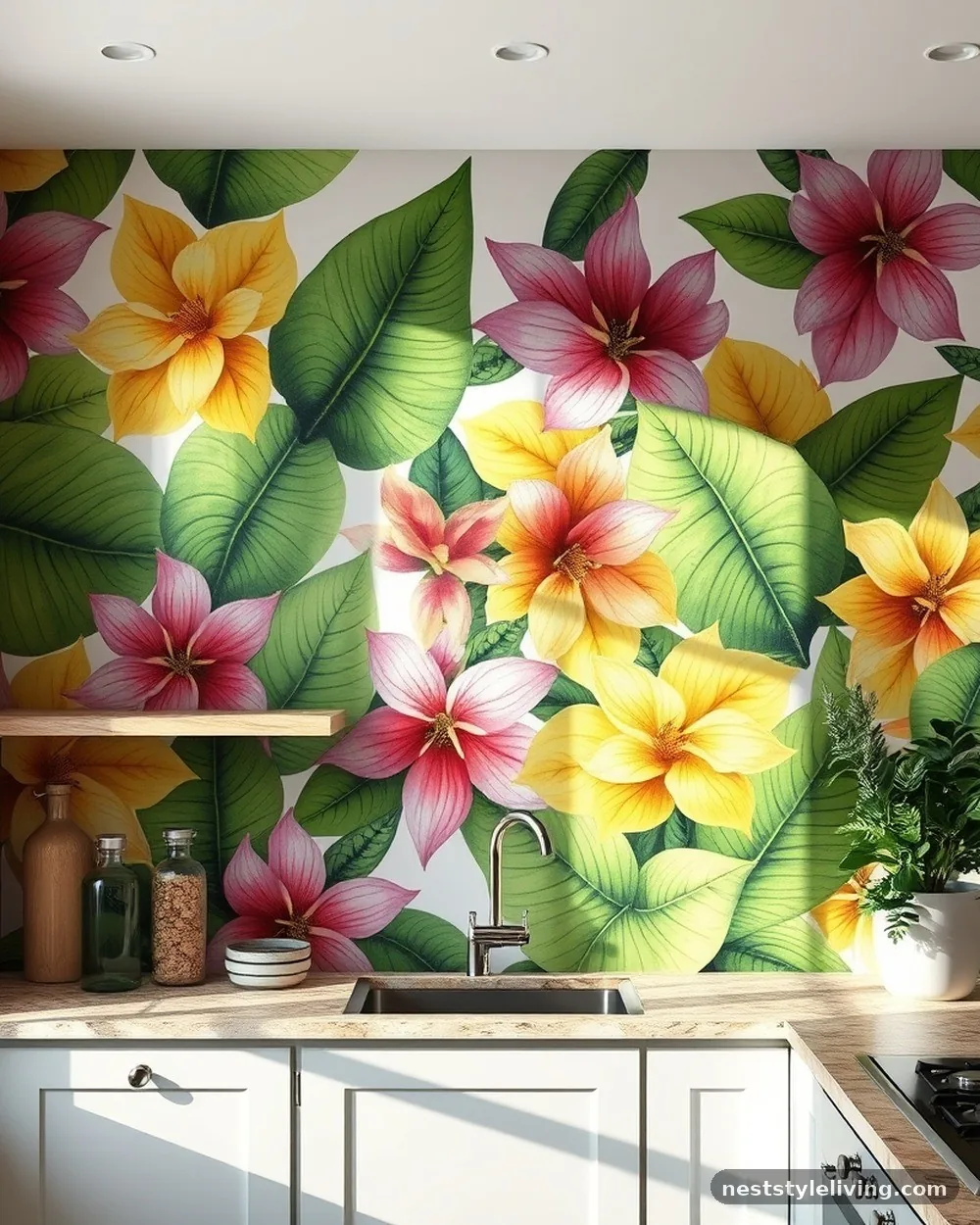
An accent wall featuring large-scale botanical wallpaper in vibrant, lush colors can bring the outdoors inside. Choose a pattern that includes multiple colors, such as greens, pinks, and yellows, which allows you to pull those specific shades into your accessories. It adds a layer of depth and visual interest that paint simply cannot replicate.
Use a high-quality, vinyl-coated wallpaper that is rated for high-moisture environments. This prevents the paper from peeling near the sink or absorbing cooking odors, ensuring the wall remains a vibrant feature rather than a maintenance headache.
Frequently Asked Questions
What kitchen colors make a space look more luxurious?
Deep, saturated colors like navy blue, emerald green, and charcoal grey are widely considered the most luxurious choices for a kitchen. When these dark, rich tones are paired with high-end finishes like unlacquered brass, natural marble, and matte textures, they create a high-contrast, professional look that feels expensive and intentional.
What is the 2026 trend for kitchens?
The current trend leans toward “warm minimalism,” which uses earthy, organic colors like terracotta, sage green, and soft ochre. These colors replace the stark, cold white kitchens of the past, focusing on textures, natural stone, and wood grains to make the room feel lived-in and comfortable while maintaining a clean, modern aesthetic.
What is the new color trend for kitchens?
Designers are moving toward “biophilic” palettes, which use shades inspired by nature. Think muted moss greens, sky blues, and dusty rose. These colors are being used not just on walls, but on cabinetry and large-scale tile, allowing the kitchen to feel like a seamless extension of the natural environment outside.
What are the top 5 kitchen colors?
The top five colors currently dominating kitchen design include sage green, navy blue, warm greige, terracotta, and soft charcoal. These shades are versatile enough to work in almost any kitchen style, from modern farmhouse to industrial, and they provide a strong foundation for adding secondary accent colors through hardware, lighting, and accessories.
Final Thoughts
Designing a space using colorful kitchen ideas that make your space pop is a transformative process that shifts your home from purely functional to deeply personal. By layering bold cabinetry, textured tiles, and intentional accents, you create a kitchen that serves as the heart of your home. Remember that color doesn’t have to be overwhelming; start with one or two elements, like a painted island or a vibrant backsplash, to see how the light in your kitchen interacts with the pigment.
As you refine your palette, prioritize materials that offer durability alongside their aesthetic impact. Embrace the process of curating your space, and don’t be afraid to let your unique style define the atmosphere of your kitchen. We invite you to try one of these suggestions and share how it changes the feel of your home.