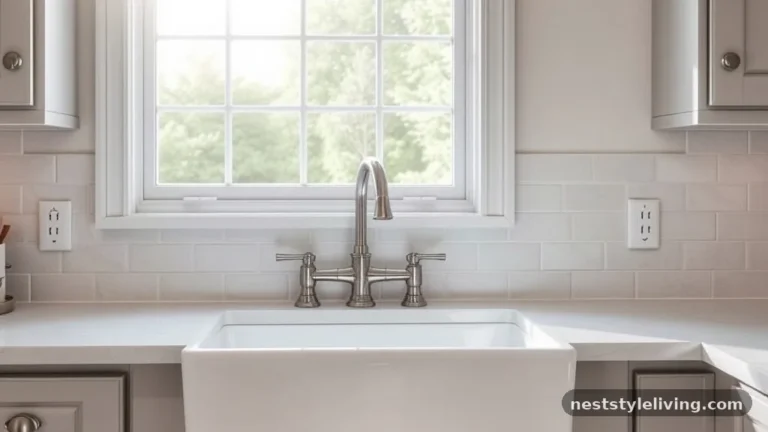
21 Rustic Farmhouse Kitchen Ideas Full of Cozy Charm
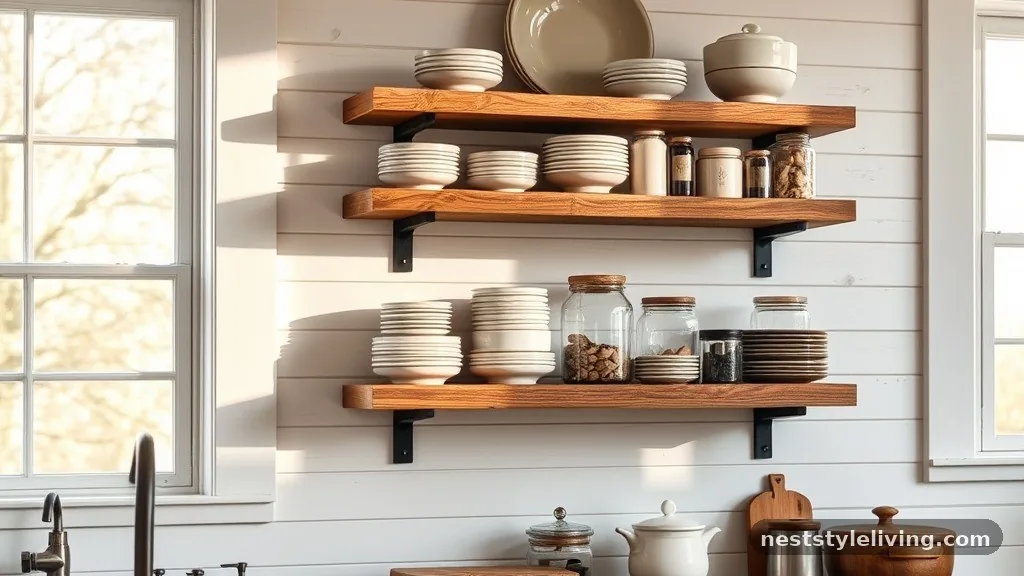
Designing a space that feels both grounded and inviting starts with choosing the right textures and tones. Incorporating rustic farmhouse kitchen ideas full of cozy charm allows you to blend heritage aesthetics with modern functionality, creating a room that serves as the heart of your home. By focusing on raw materials, vintage accents, and warm lighting, you can transform a sterile cooking area into a sanctuary of comfort.
These design choices prioritize durability and character, ensuring your kitchen remains timeless while reflecting your personal style. Whether you are renovating from scratch or simply refreshing your current layout, these specific design elements will help you achieve that sought-after country aesthetic.
1. Reclaimed Timber Open Shelving
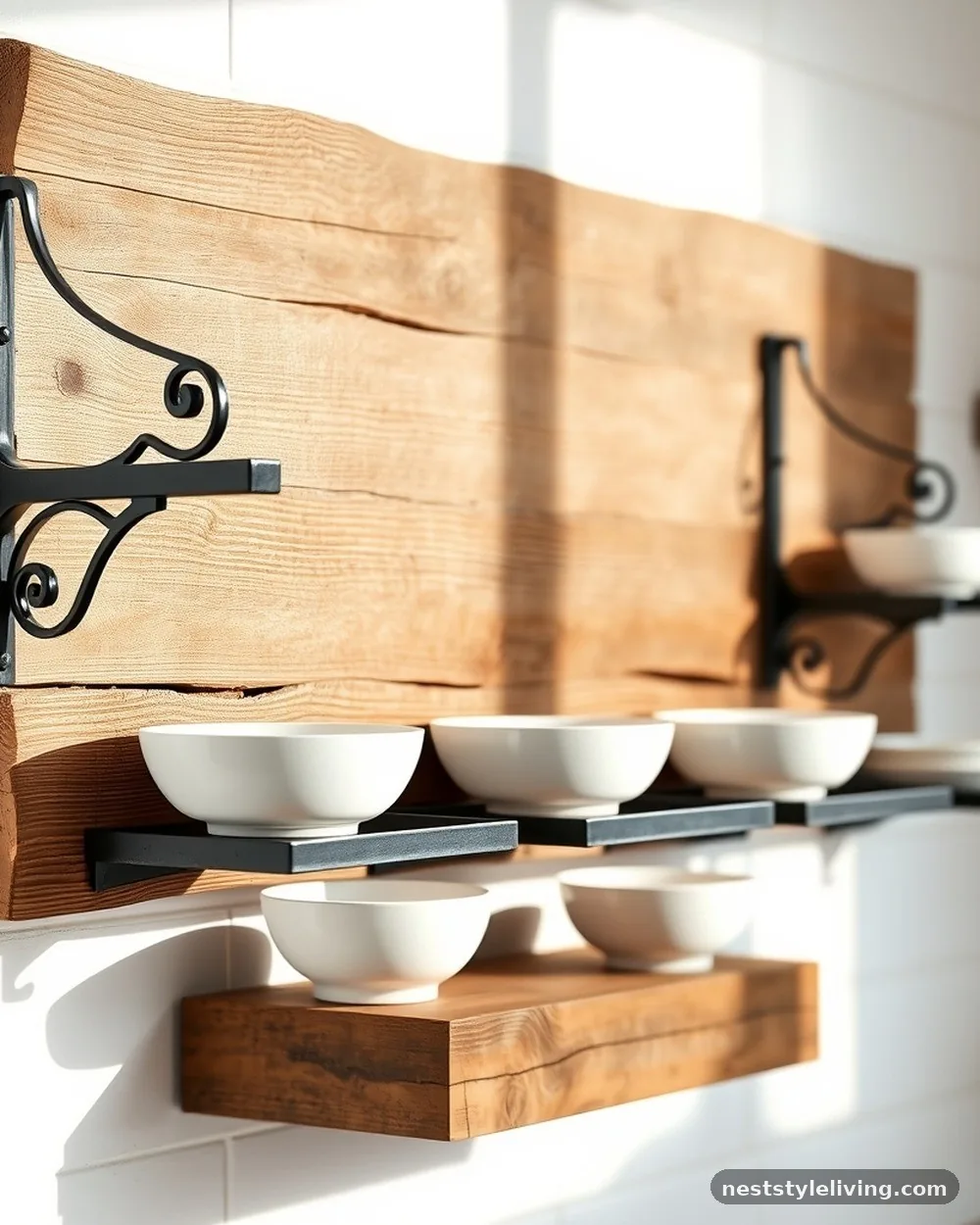
Reclaimed wood shelves provide an immediate sense of history and warmth to any wall. These thick, chunky planks often feature original knots, nail holes, and saw marks that tell a story of their previous life in a barn or warehouse.
When mounted with heavy-duty iron brackets, they create a sturdy display space for everyday ceramics or decorative ironstone. The contrast between the rough, weathered wood and a crisp, clean backsplash creates a focal point that feels intentional and lived-in.
To install these, source kiln-dried reclaimed beams from a local salvage yard to prevent warping or pest issues. Sand the edges lightly to remove splinters while keeping the natural patina intact, then seal them with a matte, food-safe wax or oil to protect the surface from kitchen humidity.
2. Apron-Front Fireclay Sinks
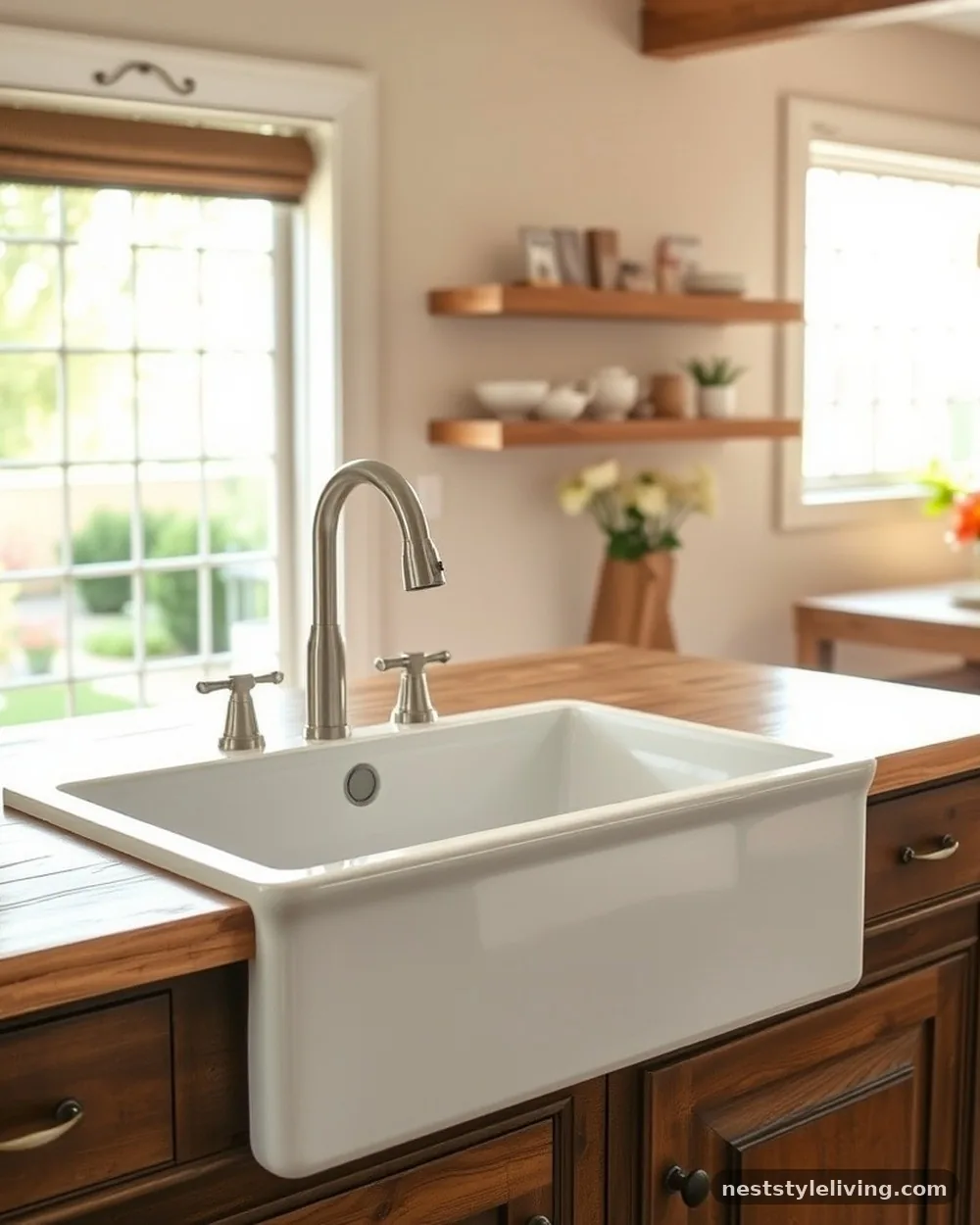
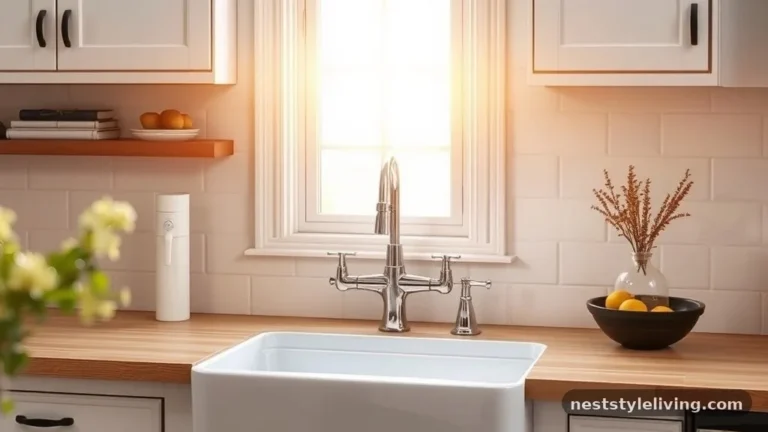
The farmhouse sink, or apron-front sink, is the quintessential anchor of a country-style room. Unlike standard drop-in stainless steel basins, these deep, wide vessels are typically made from fireclay or cast iron, offering a substantial presence that commands attention.
The exposed front panel breaks up the monotony of cabinetry, adding a touch of traditional craftsmanship. They are exceptionally durable and resistant to chips, making them ideal for heavy-duty kitchen tasks while maintaining a clean, classic appearance.
Ensure your base cabinet is specifically designed for a farmhouse sink, as the weight requires reinforced framing. If you are retrofitting, you may need to cut down the existing cabinet face, so consult a professional carpenter to ensure the support structure can handle the significant load of a filled sink.
3. Beadboard Cabinetry Detailing
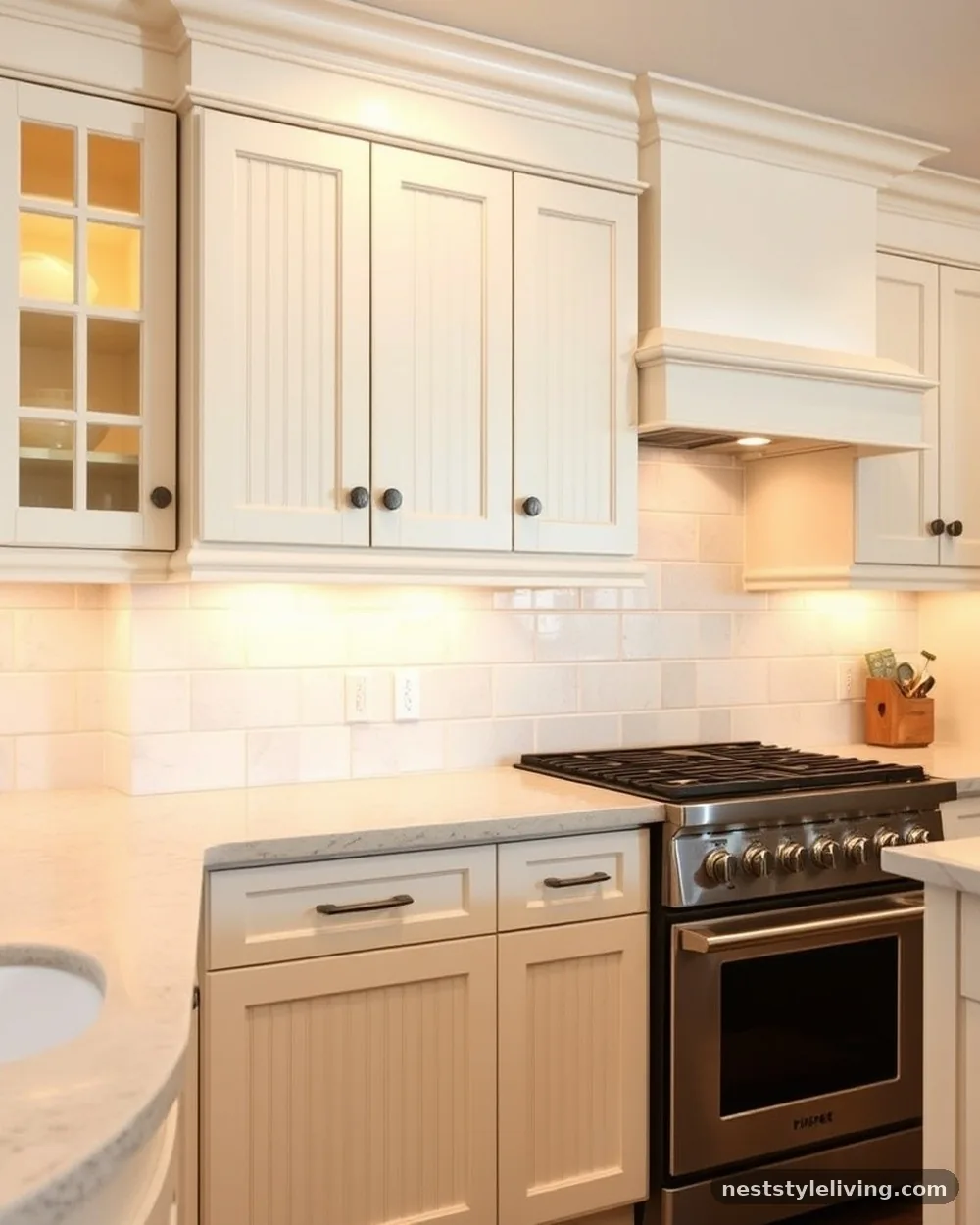
Beadboard paneling brings a rhythmic, vertical texture to kitchen cabinetry, instantly softening the look of flat-front doors. By adding this classic wainscoting detail to the center panels of your upper cabinets or the back of a kitchen island, you introduce a subtle shadow play that adds depth.
It works particularly well in soft, muted tones like cream, sage, or slate blue, which enhance the sense of heritage and comfort. This is a practical way to hide minor imperfections in older cabinetry while adding a layer of architectural interest.
If you have existing shaker-style cabinets, you can achieve this look by cutting thin sheets of beadboard to fit inside the door frames. Secure them with construction adhesive and finish with a high-quality enamel paint, using a small foam roller to ensure an even coat across the narrow grooves.
4. Vintage Brass Bridge Faucets
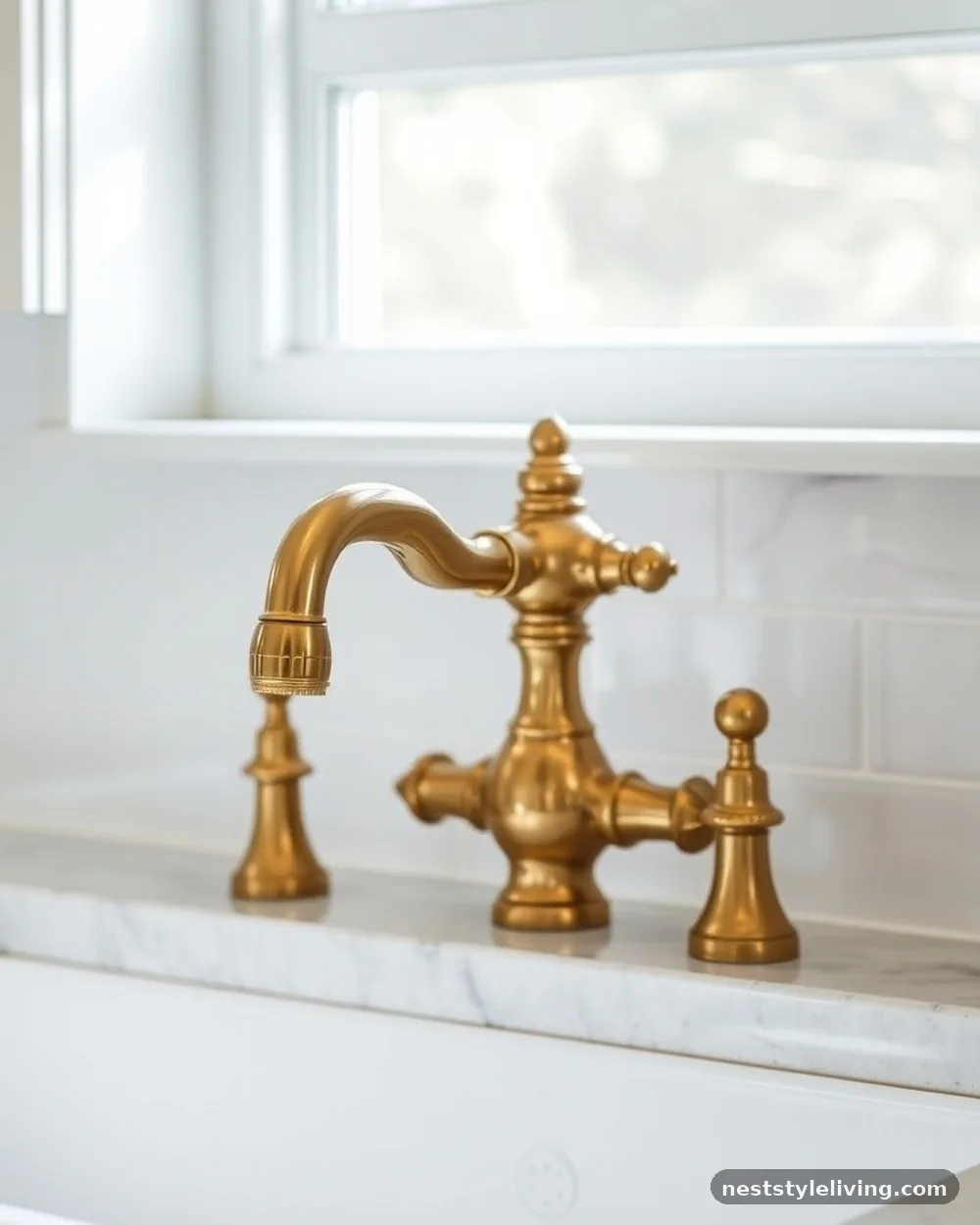
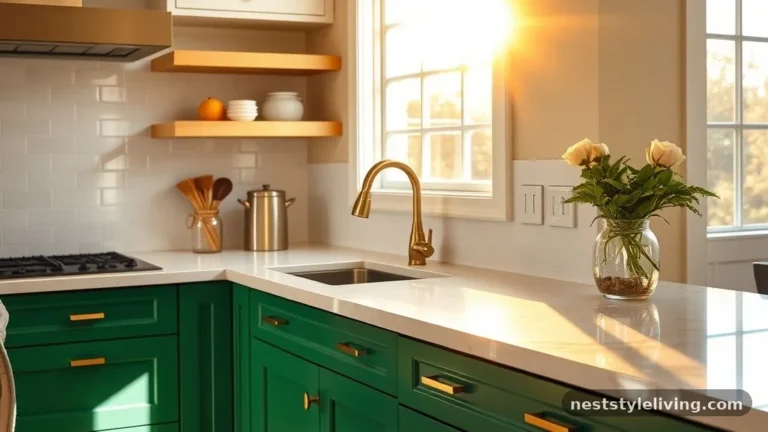
A bridge faucet with a living brass finish serves as a piece of jewelry for your sink area. These fixtures feature two distinct handles for hot and cold water, connected by a central bridge pipe, which evokes a turn-of-the-century aesthetic.
As the unlacquered brass ages, it develops a natural patina that deepens in color over time, reinforcing the idea of a home that matures with grace. The warm, metallic glow contrasts beautifully against white marble or soapstone countertops, providing a sophisticated touch to the rustic surroundings.
Choose an unlacquered finish if you want the metal to change color over time. To maintain a consistent look, wipe the faucet down with a soft, dry cloth after use to prevent hard water spotting, and avoid harsh chemical cleaners that can strip the natural protective layer of the brass.
5. Hand-Hewn Ceiling Beams
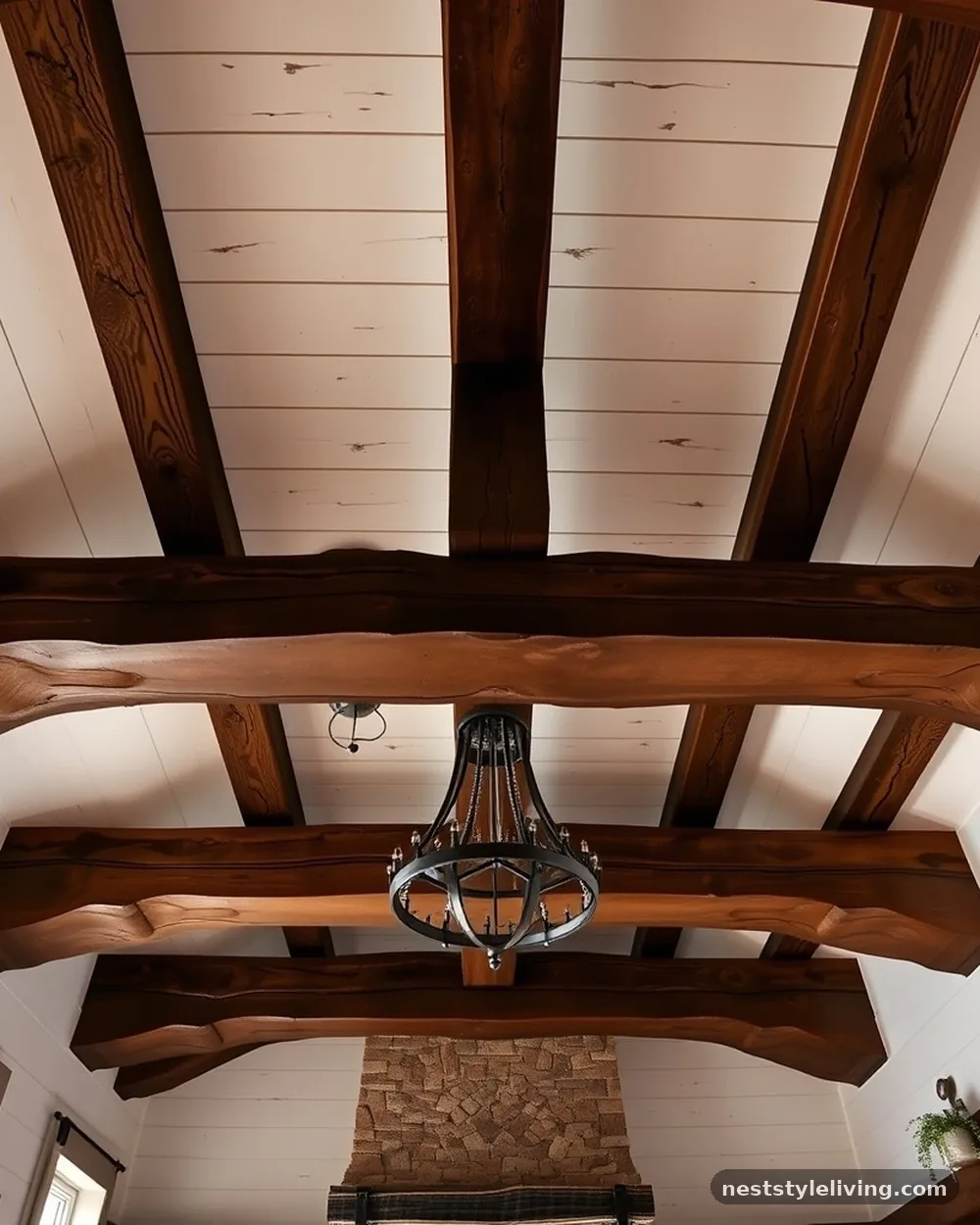
Exposed ceiling beams act as the skeleton of a farmhouse design, grounding the space and adding a sense of structural honesty. Hand-hewn beams—those shaped with an adze or axe—carry unique, jagged markings that mass-produced lumber cannot replicate.
By installing these across your ceiling, you draw the eye upward and add a layer of rustic warmth that defines the room’s proportions. They look best in natural finishes that highlight the grain, contrasting against a light, neutral ceiling color.
If your home does not have structural beams, use hollow, U-shaped faux beams made from reclaimed wood. These are significantly lighter and easier to install, allowing you to achieve the look without major renovations or the need for heavy structural reinforcement of your existing ceiling joists.
6. Shaker-Style Peg Rails
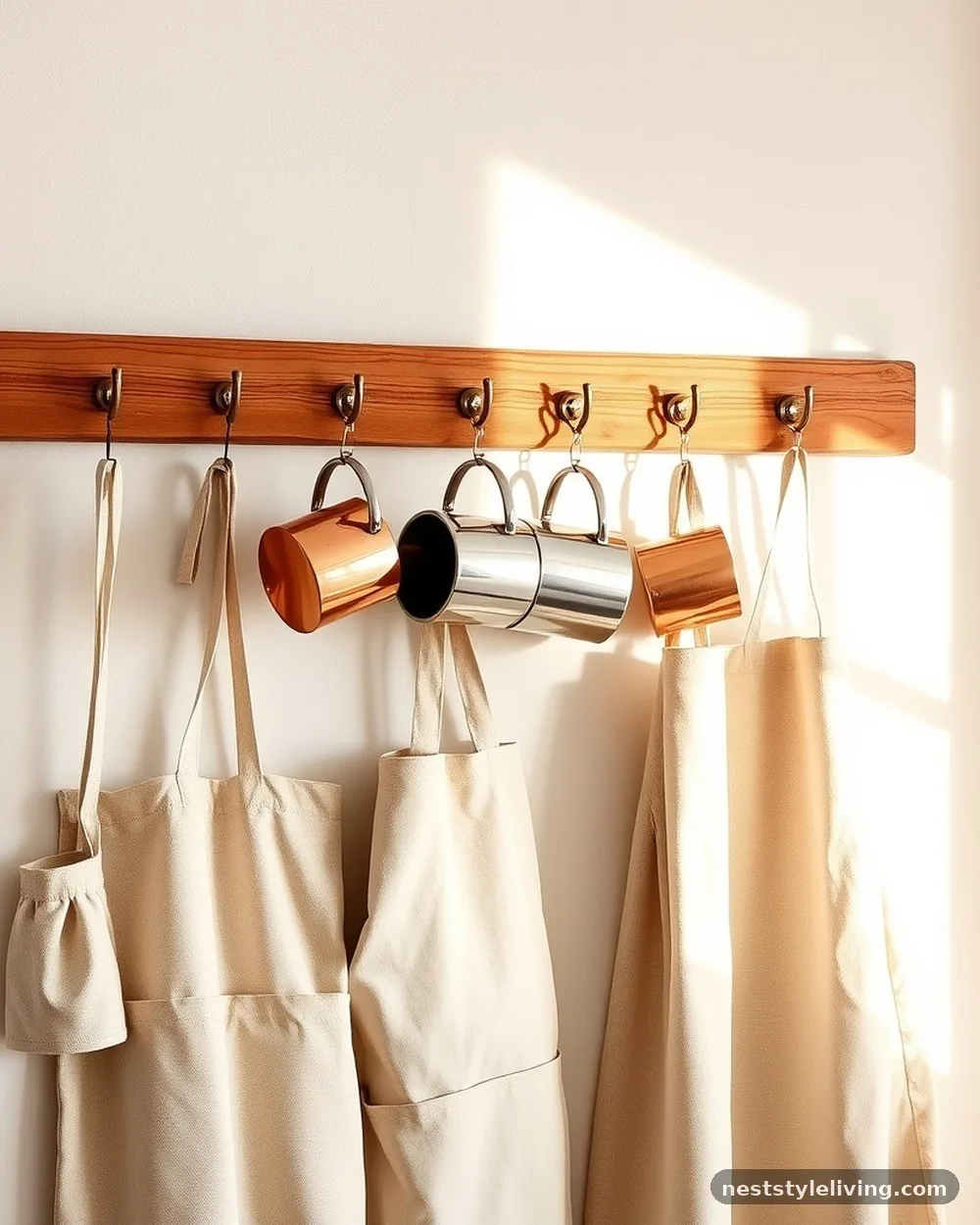
A peg rail is a functional and decorative solution for hanging aprons, dried herbs, or copper mugs. Inspired by traditional Shaker craftsmanship, these simple wooden strips with turned pegs keep items off the counter while putting them on display.
When installed at eye level along a blank wall or above a backsplash, they create a sense of order and utility. This design element excels in smaller kitchens where storage space is at a premium, as it utilizes vertical surfaces effectively.
Mount the rail directly into wall studs for maximum stability, especially if you plan to hang heavy iron cookware. Use a hardwood like maple or oak for the pegs to ensure they don’t snap under weight, and paint the rail the same color as your wall trim for a seamless, built-in appearance.
7. Butcher Block Countertops
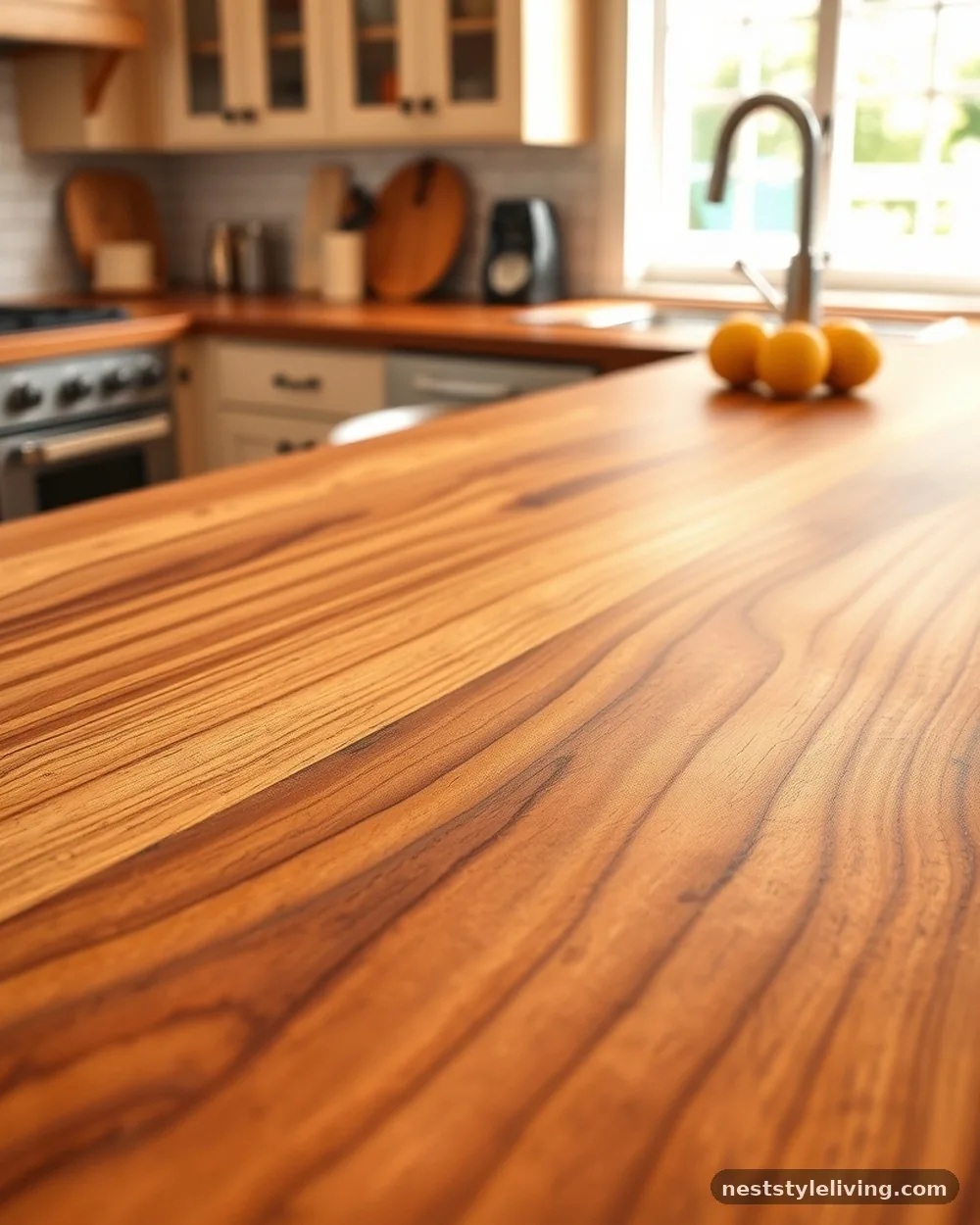
Butcher block provides a warm, organic surface that is far more inviting to the touch than cold stone or quartz. It introduces a rich, honeyed wood tone that anchors the kitchen, making it feel like a true workspace rather than a showroom.
While it requires more maintenance than synthetic materials, the ability to sand out scratches and re-oil the surface means it can last for decades. It is the perfect choice for an island or a prep station, where its resilience and natural beauty can be fully utilized.
Seal your butcher block with food-grade mineral oil or a beeswax blend to keep the wood hydrated and water-repellent. Avoid using harsh disinfectants and ensure you wipe up spills immediately to prevent staining or warping, especially around the sink area where moisture is constant.
8. Exposed Brick Backsplash
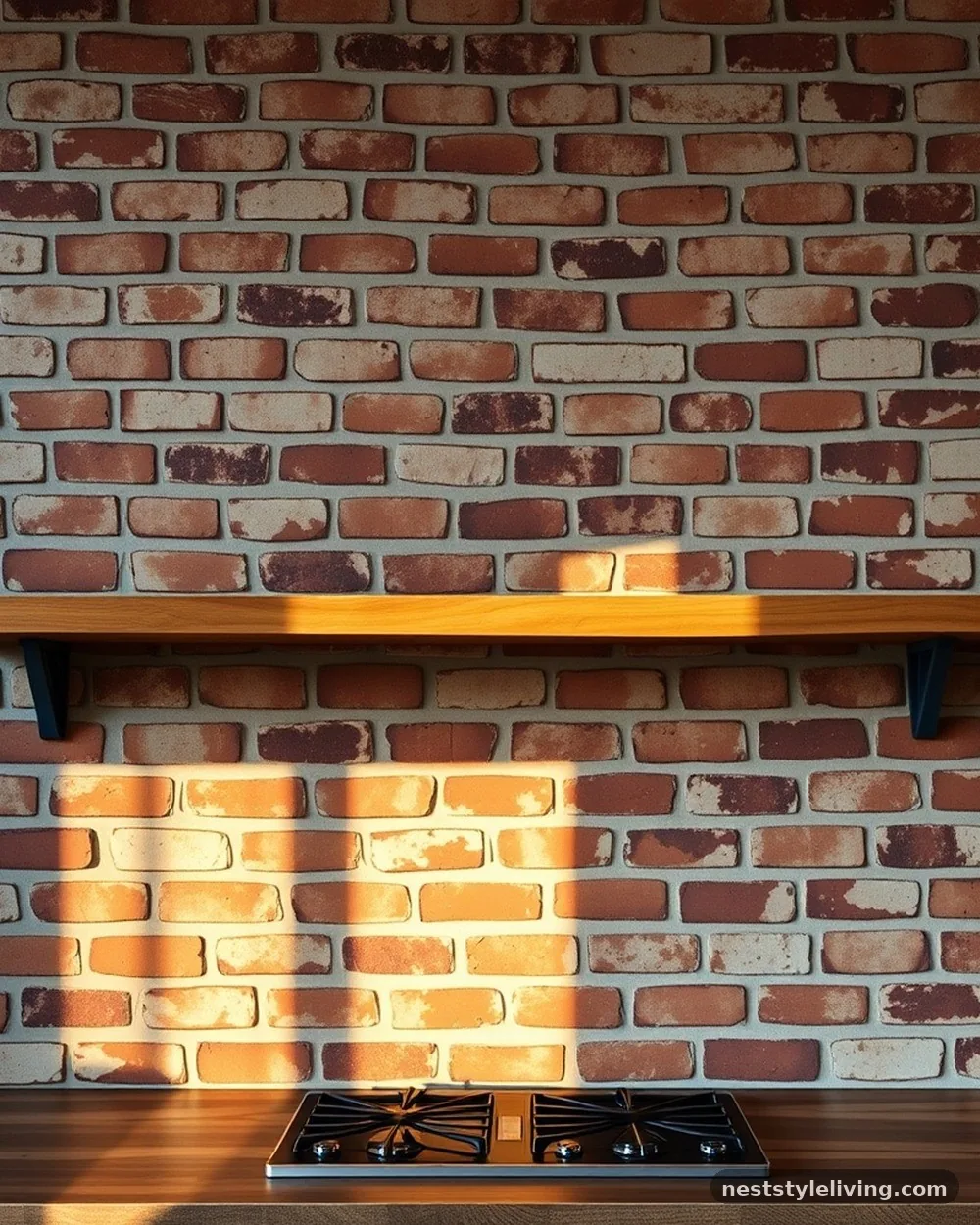
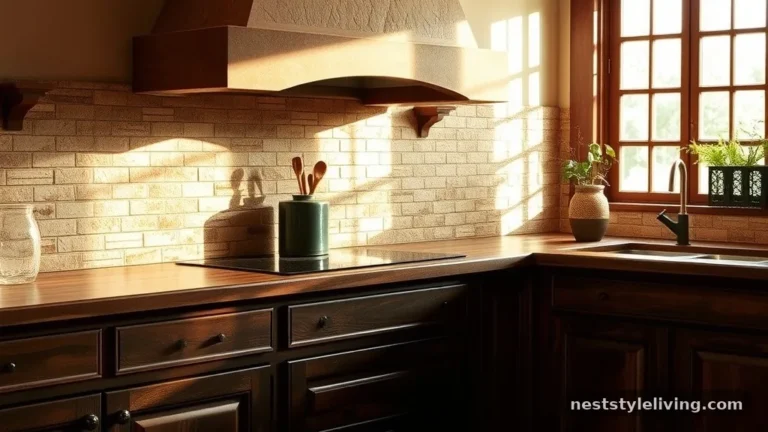
Nothing adds grit and character to a kitchen like a wall of exposed brick. Whether it is original masonry revealed during a remodel or a thin-brick veneer applied to a drywall surface, the texture creates an incredible backdrop for open shelving and range hoods.
The irregular sizes and varying shades of red, tan, and brown provide an instant sense of warmth. It is a timeless choice that feels both historic and tactile, perfectly balancing out sleeker modern appliances.
If you are using thin brick veneers, use a high-quality mortar and ensure the surface is properly primed before application. After the mortar cures, apply a clear matte masonry sealer to prevent brick dust and make the surface easier to wipe clean, as raw brick can be porous and difficult to sanitize.
9. Industrial-Style Metal Pendant Lights
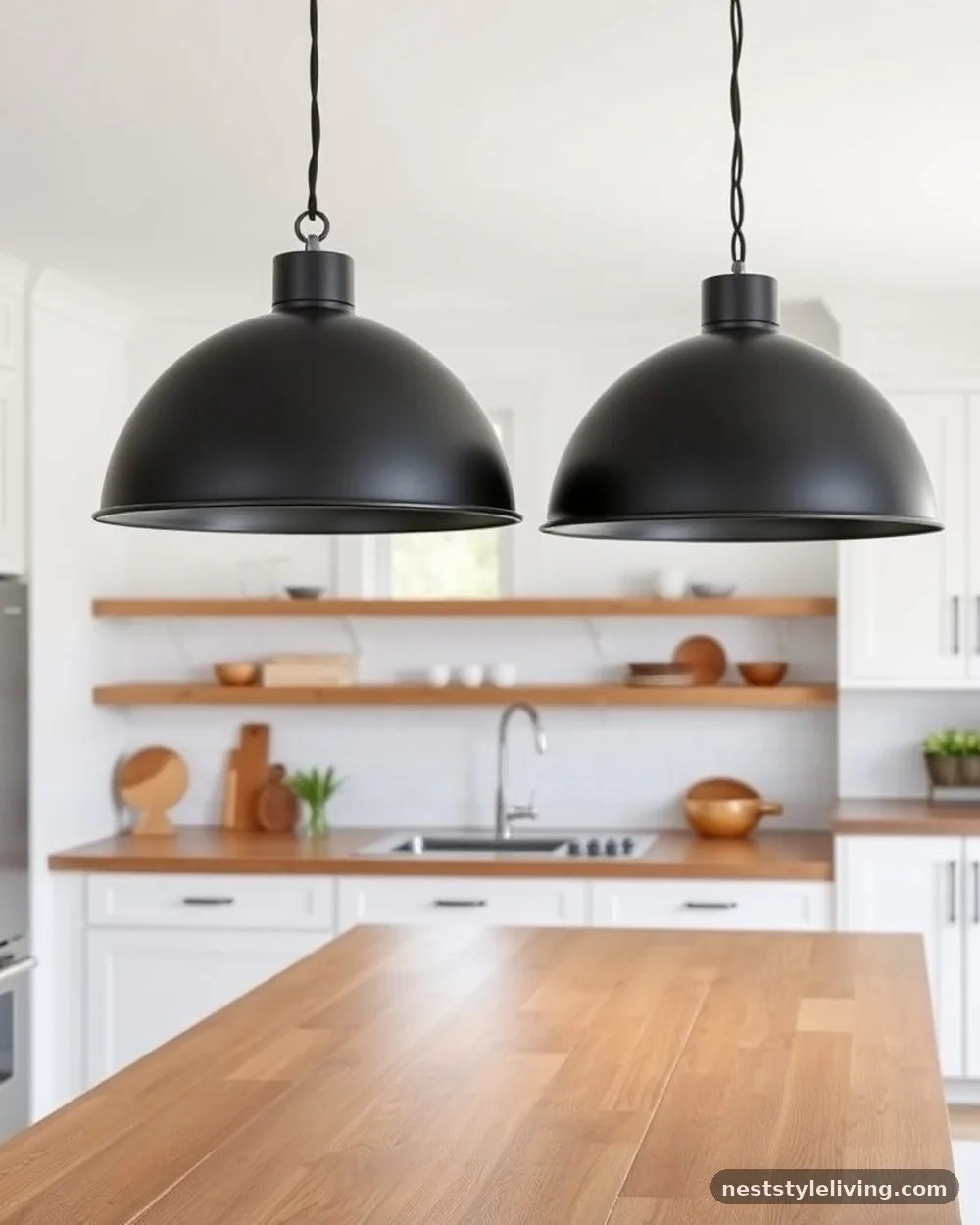
Large, metal-domed pendant lights hanging over a kitchen island provide a necessary industrial edge to the farmhouse look. Typically finished in matte black, oil-rubbed bronze, or aged copper, these fixtures provide focused task lighting while serving as a sculptural element.
The scale of these lights is crucial; oversized domes create a dramatic statement that balances the weight of large islands or farm tables. They offer a clean silhouette that feels purposeful, bridging the gap between utilitarian country living and modern design.
Ensure the bottom of the pendant hangs approximately 30 to 36 inches above the countertop surface to provide adequate light coverage without obstructing your view. Use warm-toned LED bulbs to replicate the soft, inviting glow of incandescent lighting, which enhances the cozy atmosphere of the kitchen in the evening.
10. Wide-Plank Hardwood Flooring
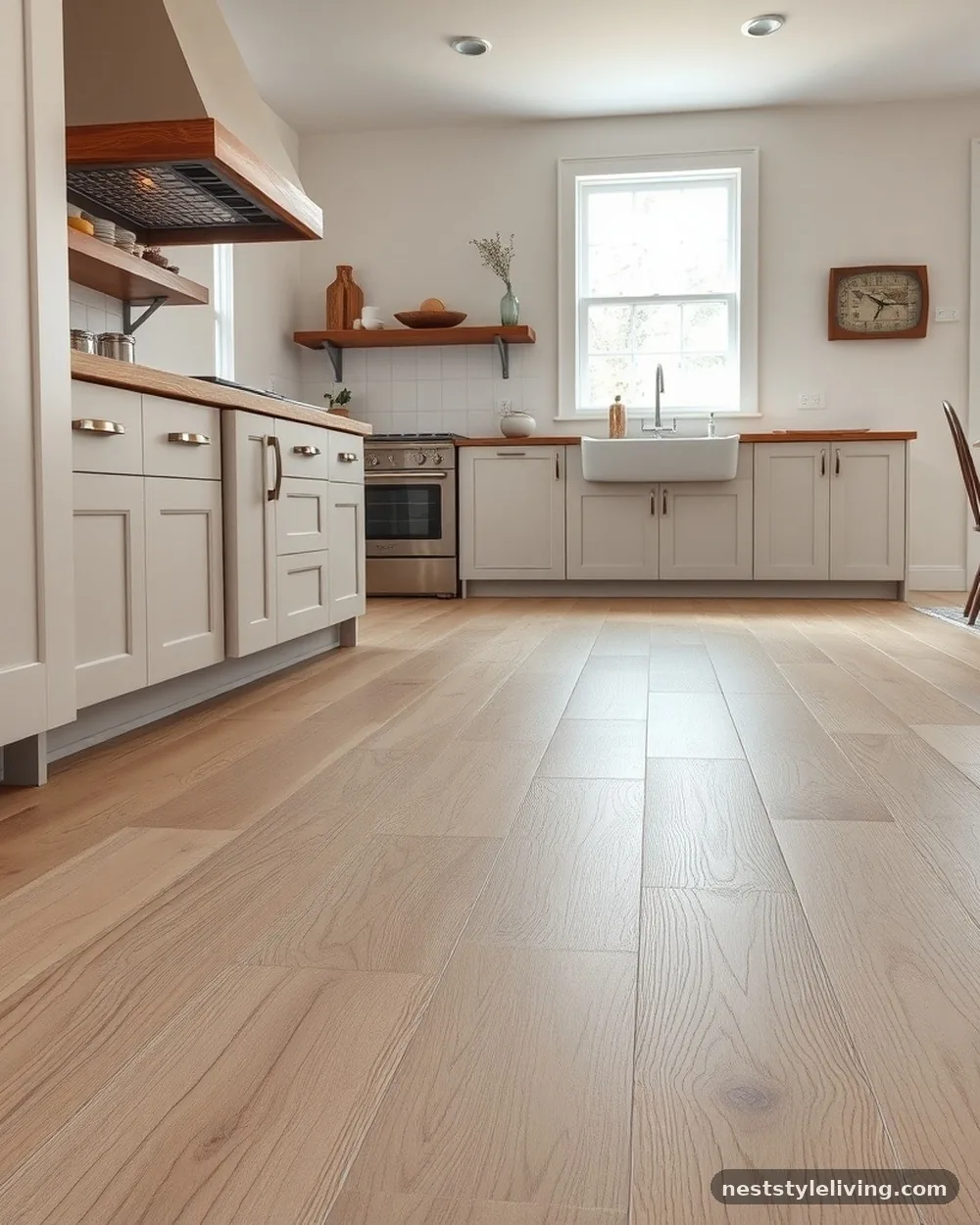
Flooring sets the foundation for the entire room, and wide-plank wood is the gold standard for farmhouse aesthetics. The wider the board, the fewer the seams, which creates a more expansive and authentic look reminiscent of historic farmhouses.
Choose oak or pine with a matte, wire-brushed finish to hide scratches and emphasize the natural grain patterns. This flooring choice feels warm underfoot and ages beautifully, developing a rich patina as it endures the daily traffic of family life.
Opt for engineered hardwood with a thick wear layer if you are installing over a concrete slab or in a high-humidity environment. This provides the classic look of solid timber while offering superior stability, preventing the gaps and cupping that can occur with traditional solid wood planks in fluctuating temperatures.
11. Rolling Library Ladder
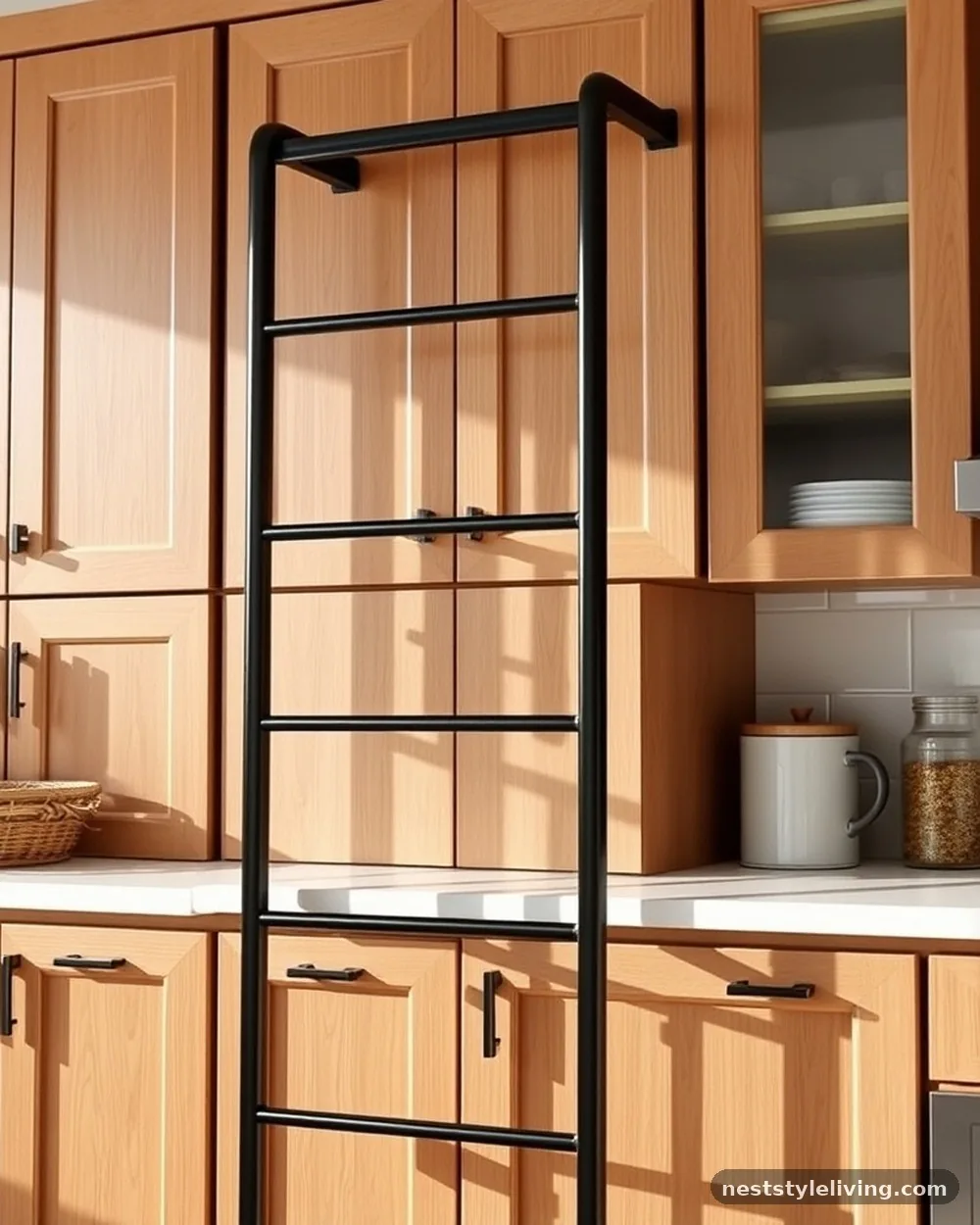
A library ladder mounted to a rail along your upper cabinets is both a whimsical and practical addition to a high-ceilinged kitchen. It allows you to utilize every inch of vertical storage, making top-shelf items accessible without the need for a bulky step stool.
The sliding mechanism adds a mechanical, vintage charm, turning the act of reaching for a serving platter into a refined experience. It looks best when crafted from wood that matches the cabinetry or a dark, contrasting metal.
Verify that your upper cabinets have enough structural integrity to support the mounting rail, or install a dedicated wooden header board to distribute the weight. Choose a ladder with non-slip treads for safety, and ensure the floor rail is recessed or flush to avoid creating a tripping hazard in your walking path.
12. Copper Cookware Display
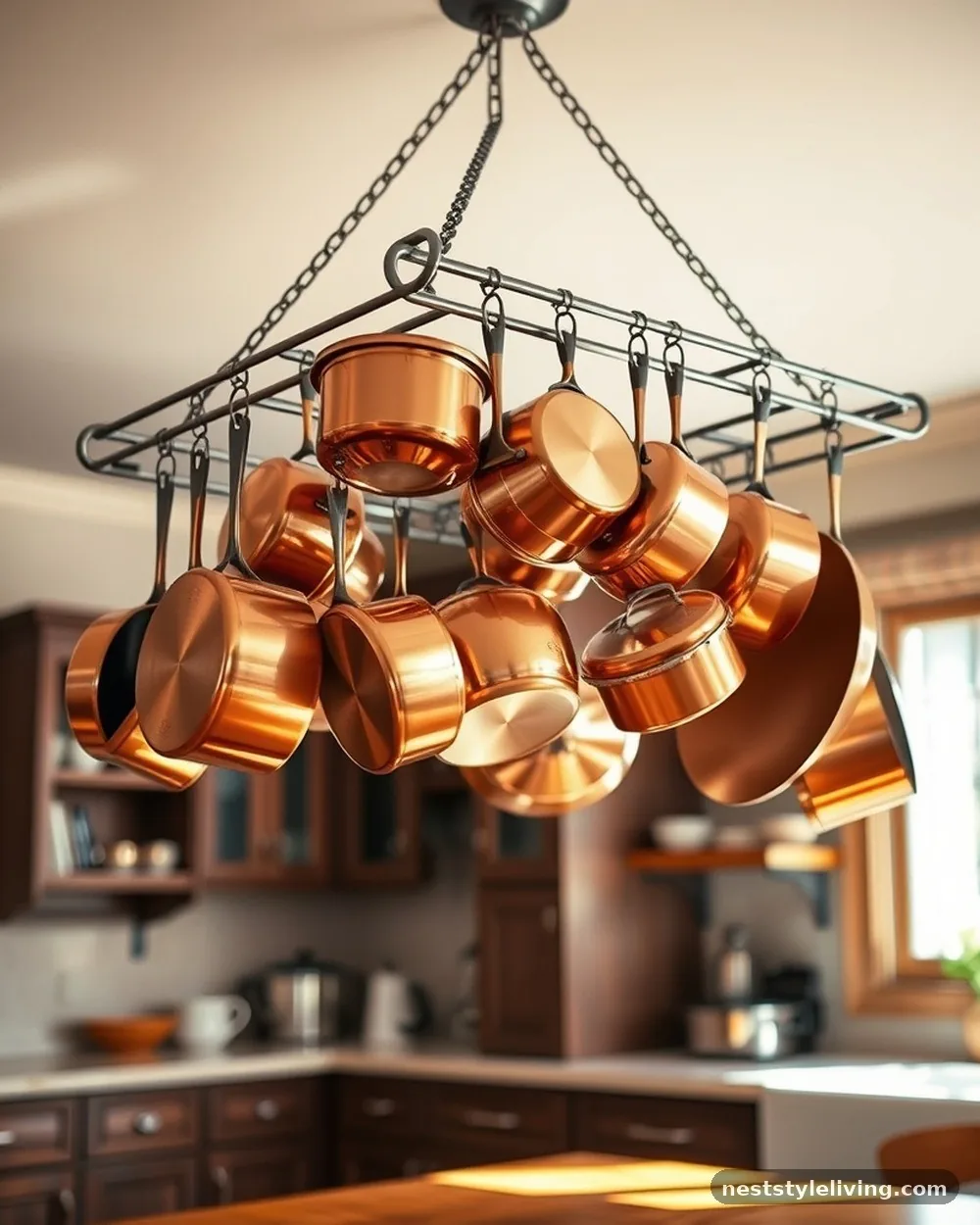
Copper pots and pans are functional works of art that deserve to be seen rather than hidden in dark drawers. Hanging them from a ceiling-mounted rack or a wall-mounted rail introduces a stunning, metallic warmth that reflects light and makes the kitchen feel more professional and welcoming.
The deep, lustrous color of copper complements almost any color palette, from crisp white to deep forest green. Beyond their aesthetic appeal, copper is an excellent conductor of heat, making them a favorite for serious cooks.
To keep copper looking its best, polish it periodically with a mixture of lemon juice and salt if you prefer a bright shine, or let it develop a darker, antique tarnish for a more rustic vibe. Ensure your hanging rack is securely bolted into the ceiling joists, as copper cookware can be surprisingly heavy.
13. Woven Rattan Counter Stools
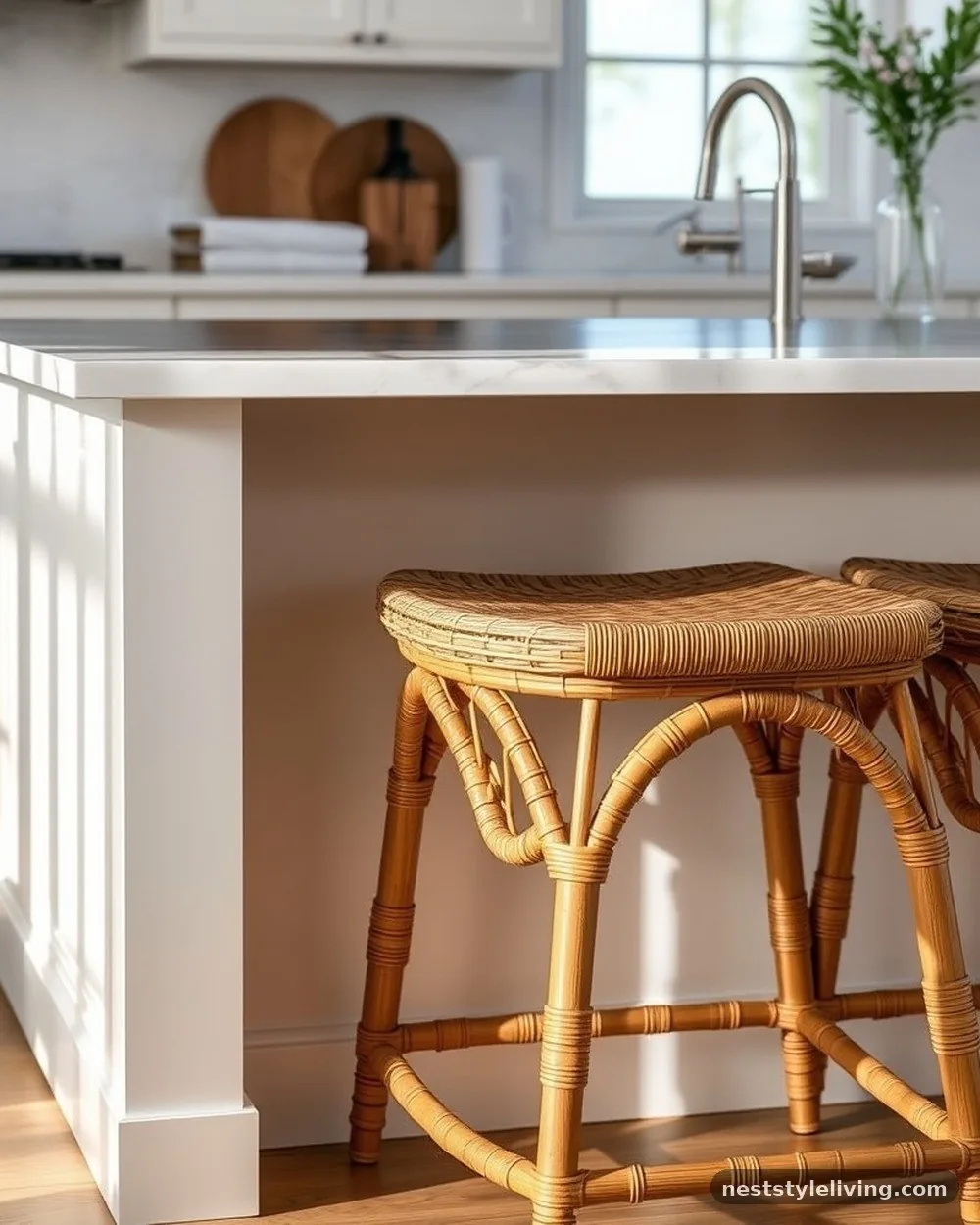
Textural variety is essential for preventing a white kitchen from feeling too clinical, and woven rattan stools are the perfect solution. The organic, braided material brings a layer of nature indoors, adding warmth and a relaxed, breezy feel to the seating area.
Rattan is surprisingly durable and lightweight, making it easy to pull the stools away from the counter when needed. Whether you choose a classic high-back design or a low-profile stool, the natural fiber provides a soft, comfortable contrast to hard stone countertops.
When selecting rattan, ensure it is tightly woven and finished with a clear coat to prevent fraying over time. If the stools are used frequently, consider adding custom seat cushions in a neutral linen or ticking stripe fabric to increase comfort and introduce another layer of soft, farmhouse-appropriate texture.
14. Ticking Stripe Textiles
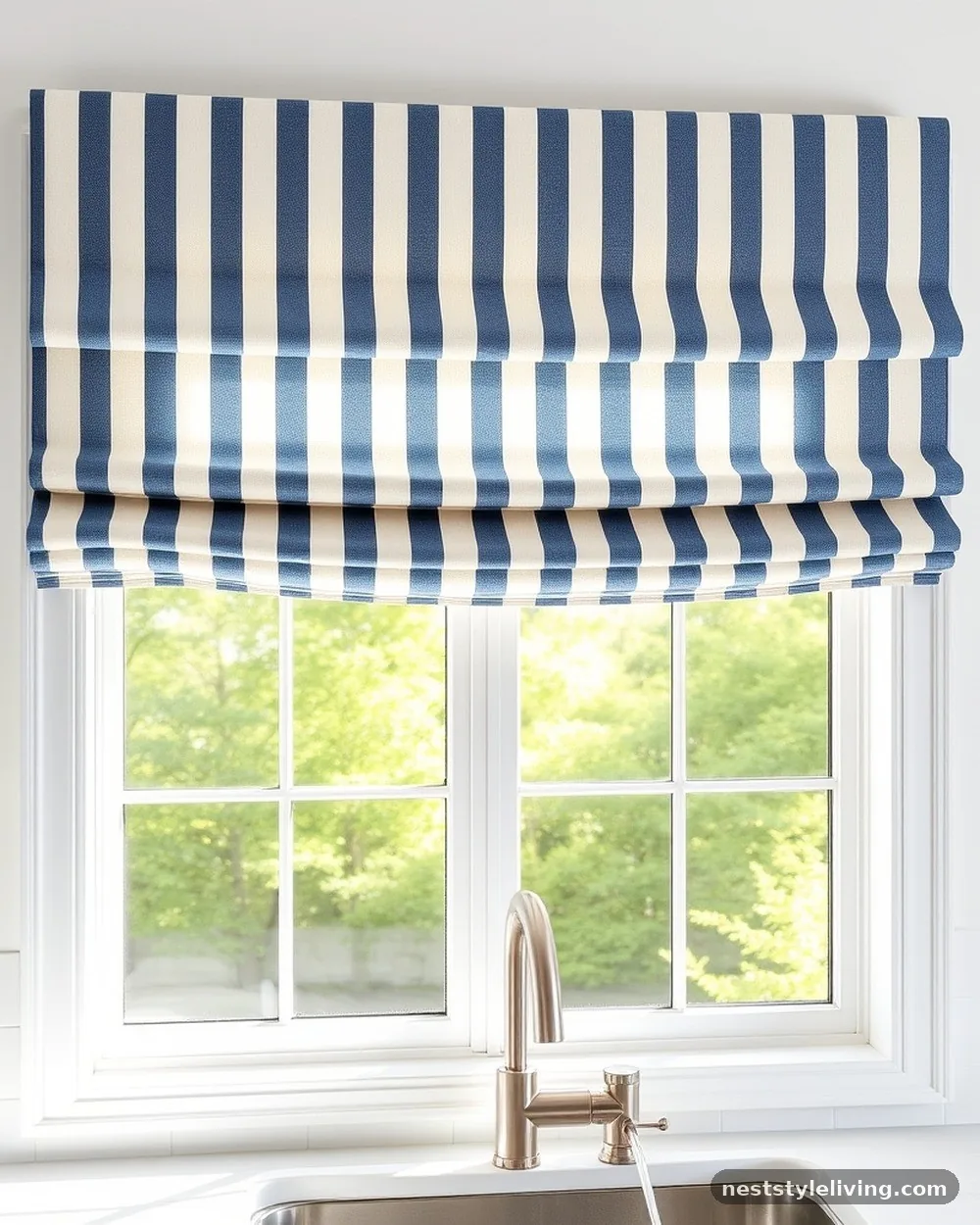
Ticking stripe fabric, characterized by thin, uniform lines, is a staple of farmhouse design that adds a subtle, patterned interest. Using this fabric for Roman shades, seat cushions, or a skirted sink cabinet provides a clean, tailored look that feels nostalgic yet fresh.
It is remarkably versatile, as the neutral palette of blue or gray on cream easily integrates into existing color schemes. The simplicity of the pattern prevents the kitchen from feeling cluttered while adding a touch of classic country charm.
Look for medium-weight cotton or linen-blend fabrics, as these hold their shape well and are machine washable. If you are using ticking for a sink skirt, use a tension rod inside the cabinet frame to hide cleaning supplies, which keeps the visual lines of the kitchen clean and organized.
15. Glass-Front Cabinetry
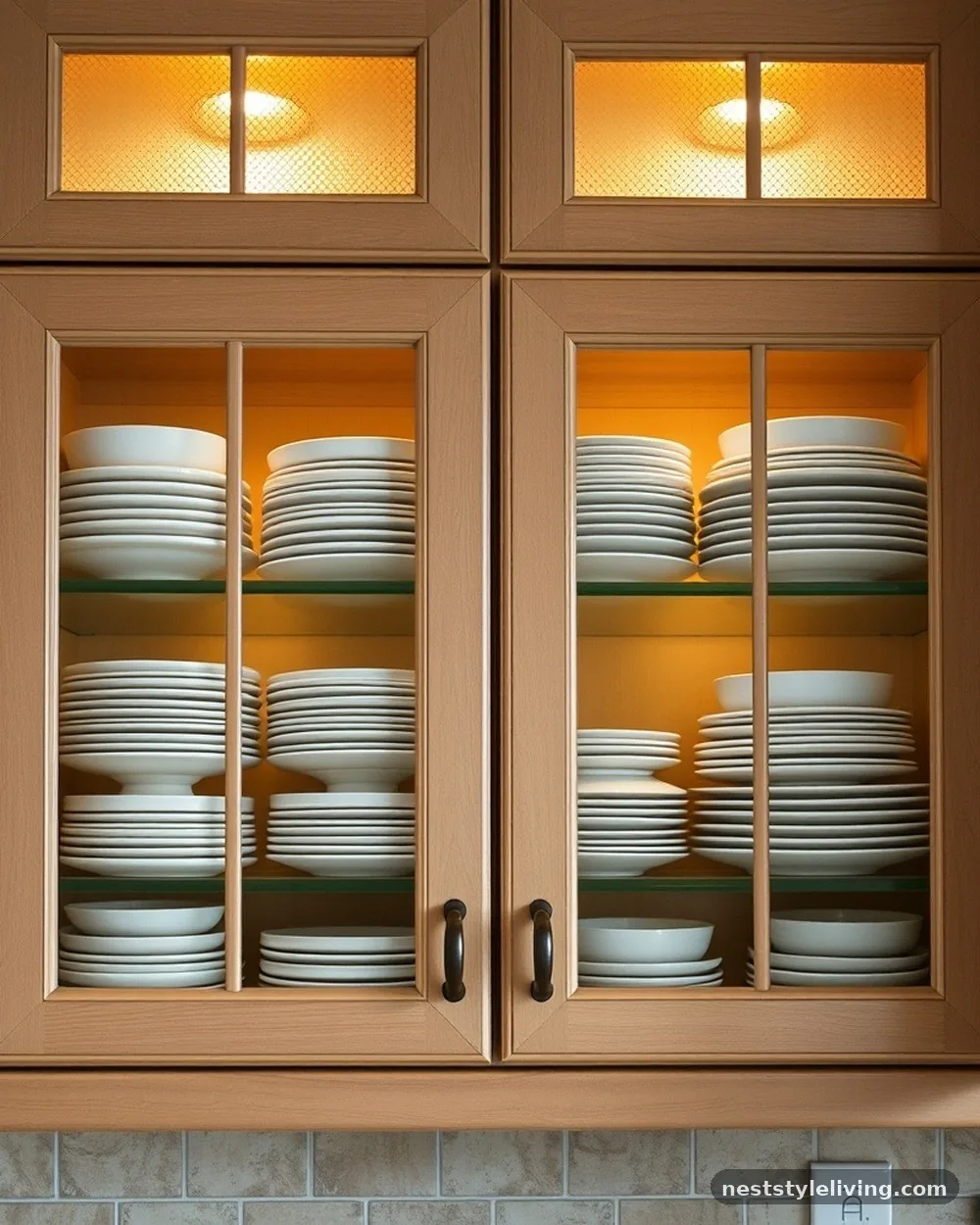
Glass-front doors on upper cabinets break up the solid mass of wood, allowing you to display your favorite dishware and glassware. This creates a sense of openness and depth, making the kitchen feel larger and more welcoming.
To maintain the farmhouse vibe, consider using seeded or reeded glass, which obscures the contents slightly to prevent a chaotic look while still offering a glimpse into the cabinet. It encourages you to curate your collection, ensuring only your most beautiful pieces are on display.
For a cohesive look, paint the interior of the cabinets the same color as the exterior, or line the back wall with a subtle wallpaper or beadboard. Keep the contents neatly stacked to avoid visual noise, and use matching dinnerware sets to create a sense of intentionality and calm.
16. Enamelware Storage Accents
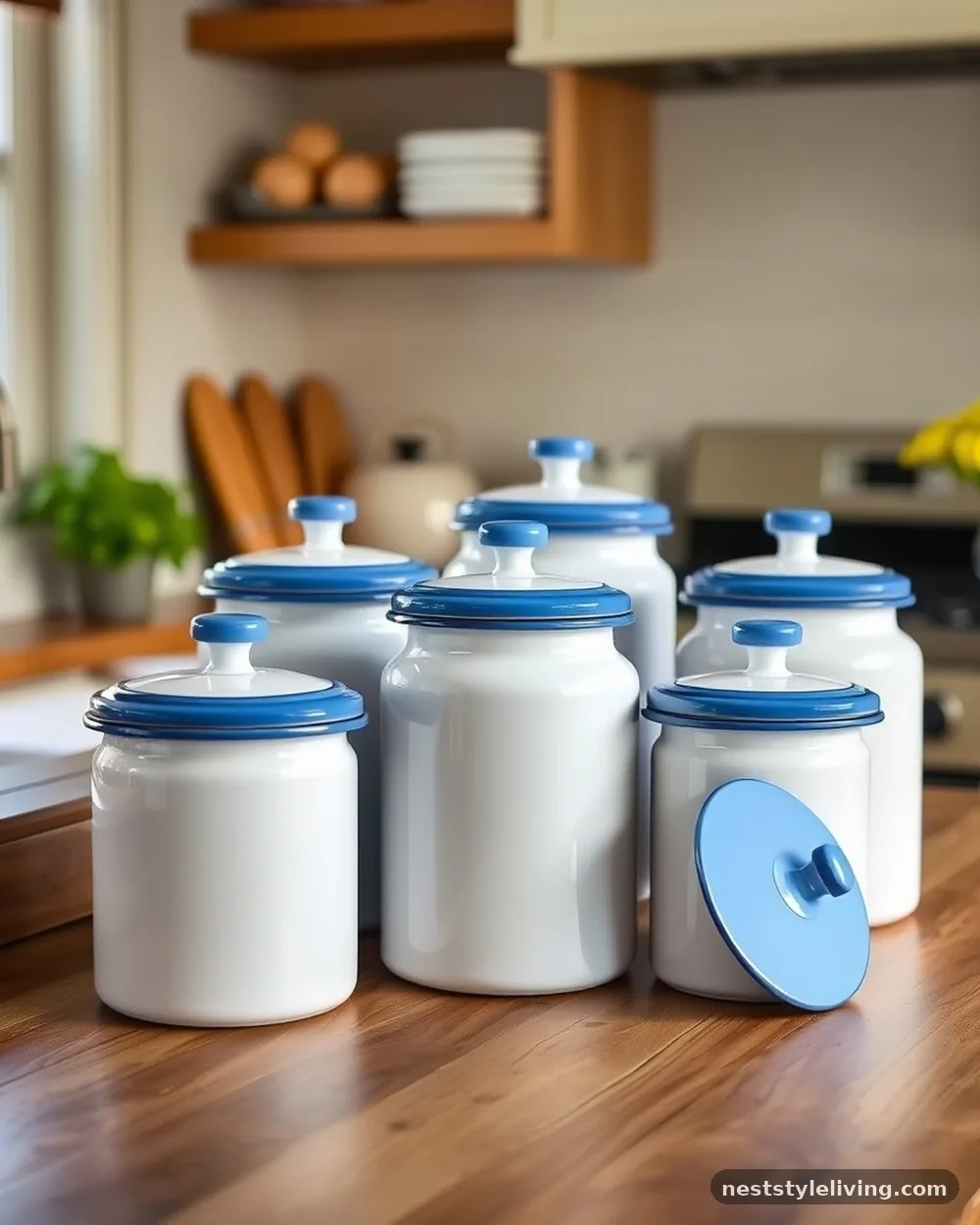
Enamelware, with its smooth, glossy finish and often-contrasting rim, is a hallmark of vintage kitchen utility. Using white or cream enamel canisters for flour, sugar, and coffee adds a layer of practical charm that feels authentic to the farmhouse aesthetic.
These pieces are incredibly durable, heat-resistant, and easy to clean, making them perfect for daily use. Their classic look bridges the gap between old-world utility and modern kitchen organization, providing a clean, retro focal point on your countertop.
Check for vintage enamelware at flea markets, but ensure the interior coating is intact and free of rust before using it for food storage. If you prefer new items, many modern brands recreate the classic look with high-quality, food-safe finishes that are perfectly suited for modern kitchen environments.
17. Subway Tile with Dark Grout
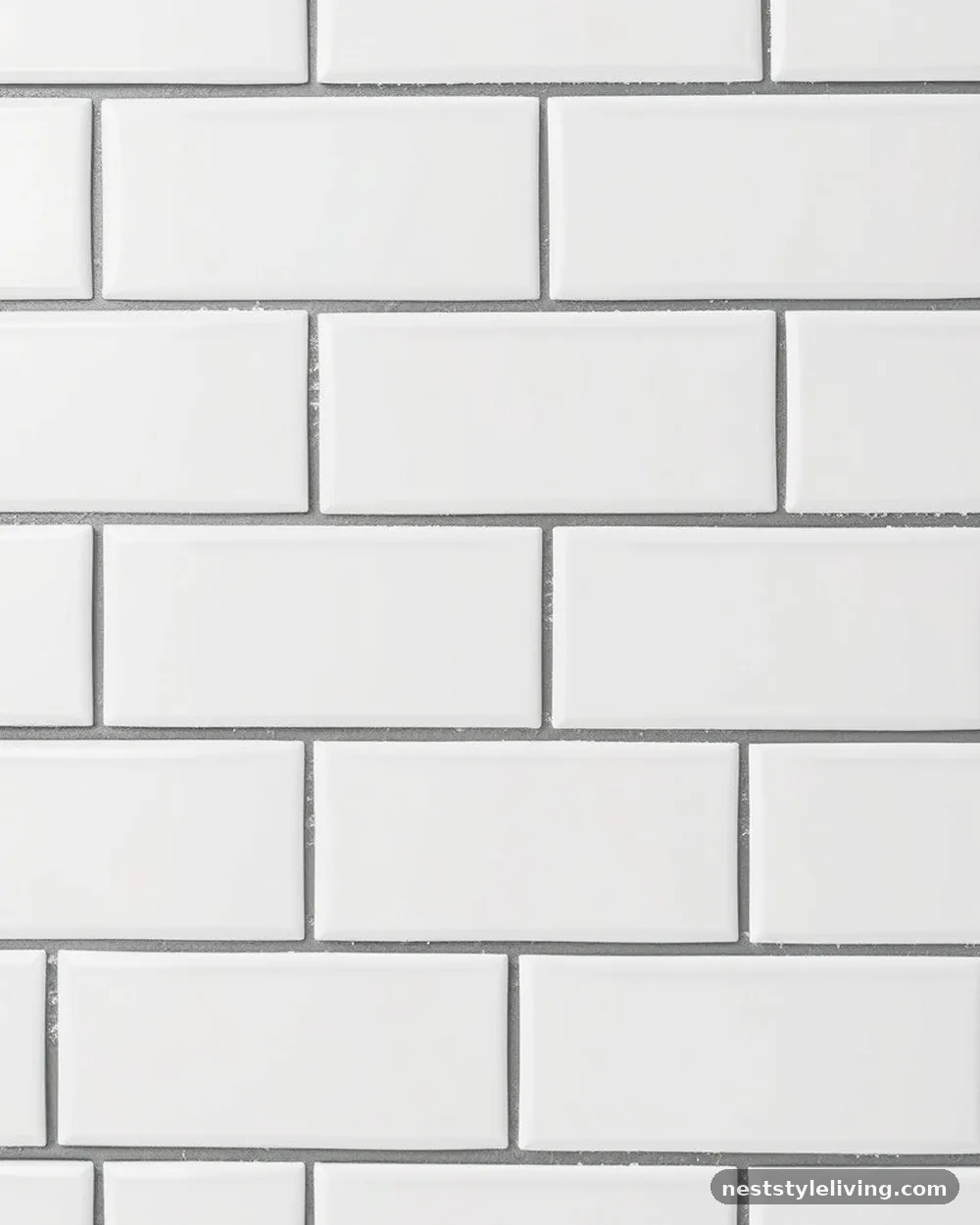
While subway tile is a common choice, pairing it with a dark gray or charcoal grout creates a distinct, graphic look that feels more intentional and rustic. This high-contrast application highlights the shape of the tiles and adds a layer of edge that prevents the backsplash from disappearing into the wall.
It is a timeless, budget-friendly choice that stands up well to splashes and grease, making it as practical as it is visually striking. The grout lines provide a subtle grid that feels classic and grounded.
Use a high-quality, pre-sealed grout to prevent staining, as darker colors can show white mineral deposits if not properly maintained. Use a small grout brush to scrub the lines during your regular cleaning routine to ensure the contrast remains sharp and clear over the years.
18. Oversized Farm Table
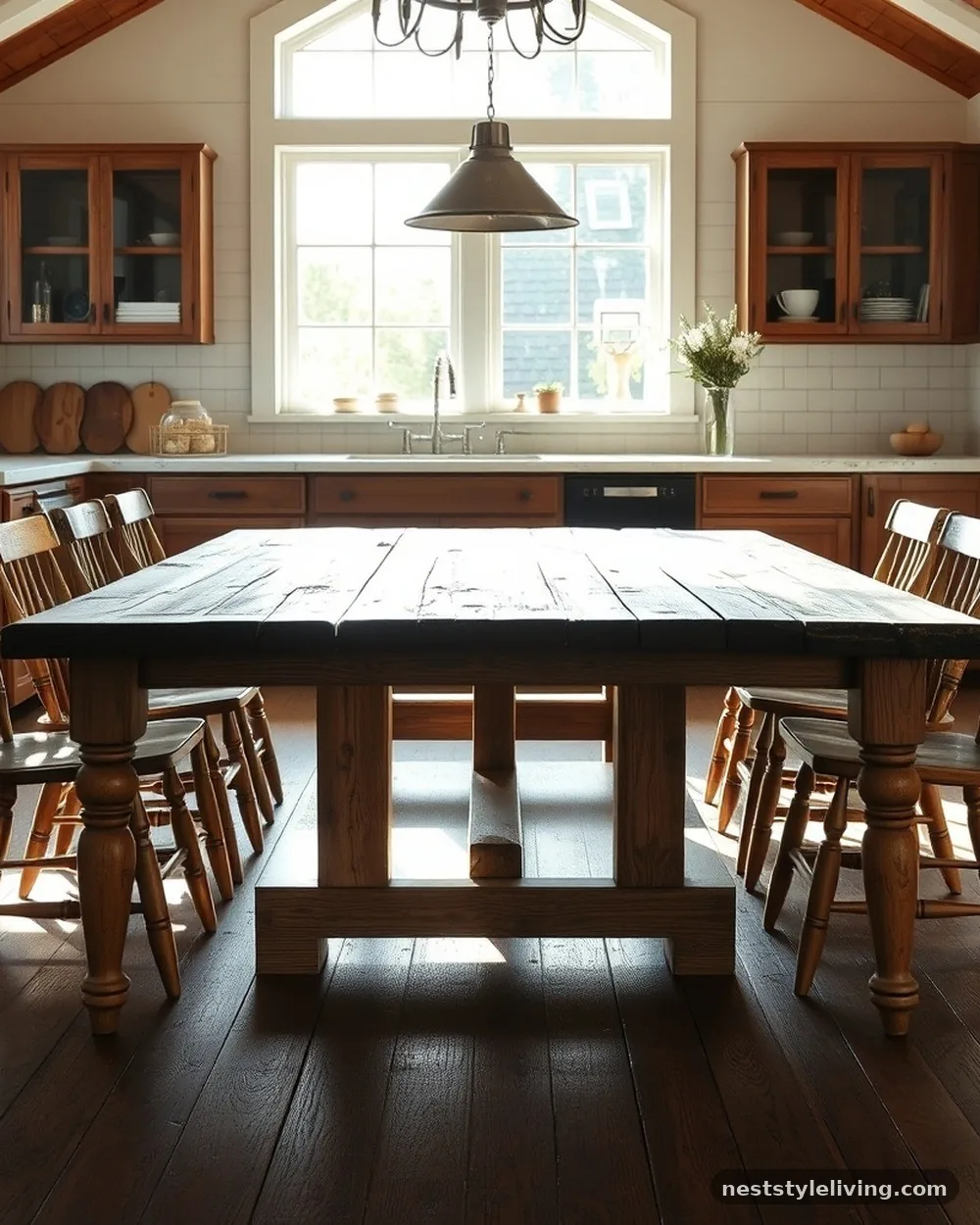
If your kitchen layout allows, replacing a standard island with a long, heavy-duty farm table creates an immediate sense of communal gathering. These tables are designed to handle heavy use and often feature thick legs and a solid wood top that can take a beating.
Using a table instead of a built-in island softens the room, making it feel less like a laboratory and more like a space for cooking and conversation. It provides a massive amount of prep space and acts as a natural magnet for family interaction.
Ensure the height of the table matches your counter height if you want it to function as a primary prep surface, or embrace a standard dining height for a more relaxed, multi-purpose zone. If the table is antique, apply a food-safe wax finish to protect the wood while maintaining its natural texture.
19. Wall-Mounted Pot Filler
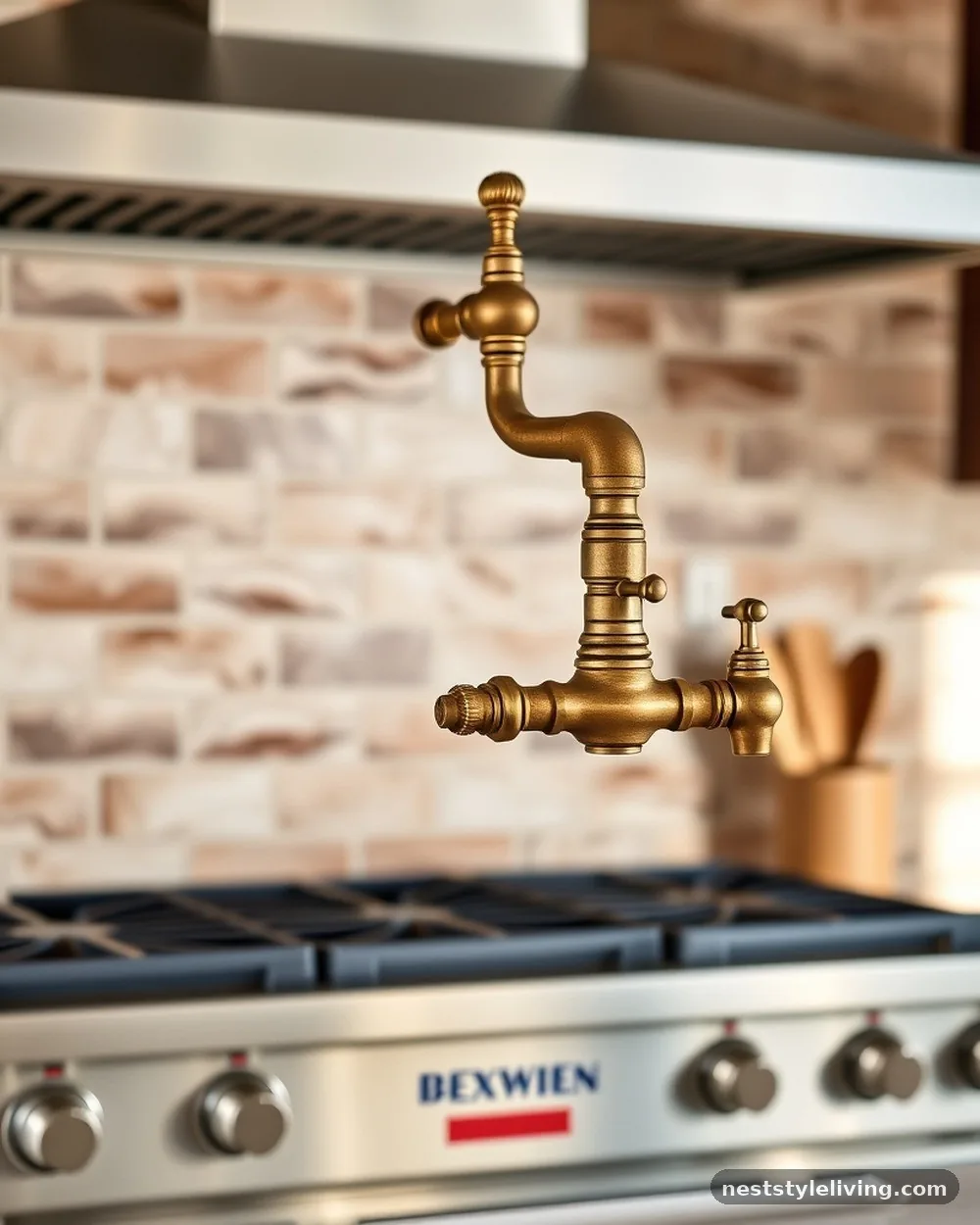
A pot filler is the ultimate luxury for a farmhouse kitchen, combining industrial utility with a sophisticated design aesthetic. Mounted directly above the stove, this articulated faucet eliminates the need to carry heavy pots of water from the sink to the cooktop.
When finished in antique bronze or oil-rubbed brass, it becomes a focal point of the stove area, emphasizing the kitchen’s role as a place of serious work. It is a practical addition that simplifies cooking while adding a layer of professional-grade convenience.
You will need a dedicated cold water line installed in the wall behind your range, so plan this during the rough-in stage of a renovation. Choose a model with a double-jointed arm that can easily fold back against the wall when not in use to keep the stove area clear.
20. Wrought Iron Hardware
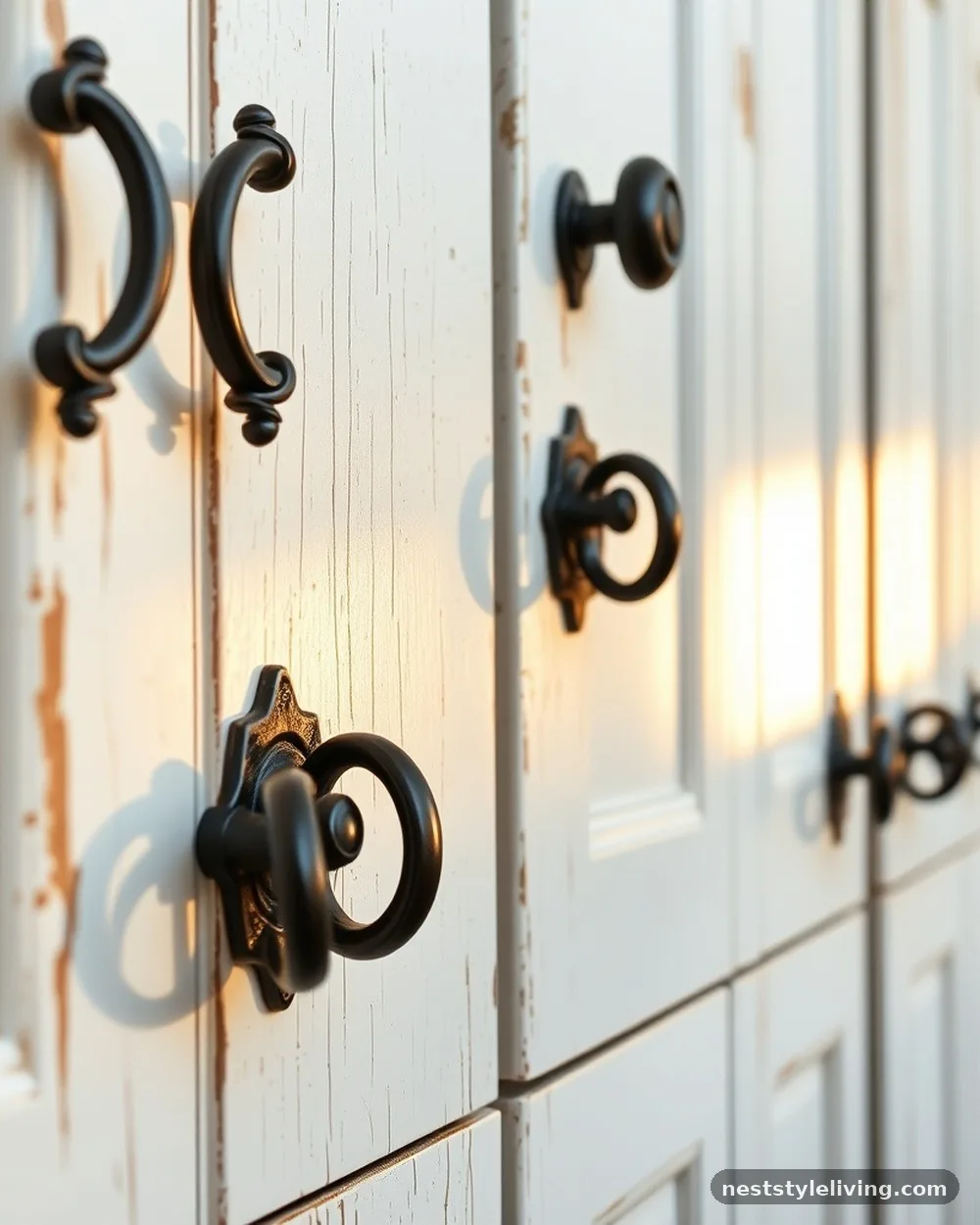
Small details like drawer pulls and cabinet knobs have a massive impact on the overall feel of a room. Replacing modern, shiny hardware with hand-forged wrought iron pieces introduces a heavy, tactile, and historic quality to your cabinetry.
These dark, matte fixtures provide a sharp contrast against light-colored wood or painted cabinets, reinforcing the rustic farmhouse theme. The weight and texture of the iron feel substantial in your hand, signaling quality and craftsmanship that will last for years.
Look for hardware with a “beeswax” or “blackened” finish, which protects the iron from rust while maintaining its authentic, dark appearance. Ensure the screw holes match your existing cabinetry to avoid the need for patching and redrilling, which can compromise the integrity of the cabinet doors.
21. Dried Herb Bundles

Incorporating natural elements like dried herbs or wreaths adds a layer of life and seasonal change to your kitchen. Hanging bundles of lavender, rosemary, or sage from a ceiling rack or a hook near the window introduces subtle color and a pleasant, earthy scent.
This is the ultimate expression of the “farm-to-table” ethos, bringing the bounty of the garden directly into the cooking space. These natural accents soften the hard lines of cabinetry and appliances, making the room feel genuinely lived-in and cared for.
To dry your own herbs, tie them in small bunches with twine and hang them upside down in a warm, dry area away from direct sunlight. Once they are fully dried and crispy, move them to your kitchen display area, but keep them away from the immediate heat of the stove to prevent fire hazards.
Frequently Asked Questions
Is farmhouse decor still in style in 2026?
Yes, the aesthetic has evolved from the highly stylized “modern farmhouse” look of previous years toward a more authentic, rustic version. Today, the focus is on quality materials, heritage pieces, and a warmer, more personal feel rather than mass-produced signage or overly sterile white palettes.
What is the best way to add charm to a modern kitchen?
The most effective way to add character is through texture. Introduce natural wood via open shelving or a butcher block island, swap out modern hardware for something with more weight like iron or brass, and incorporate textiles like linen or ticking stripes to soften the hard surfaces.
How do I make a small kitchen feel like a rustic farmhouse?
Prioritize vertical storage to keep surfaces clear. Use open shelving instead of heavy upper cabinets to create a sense of space, and choose a light, neutral color palette to make the room feel airy. Small, intentional details like a vintage-style faucet or a hanging rack for copper pots can add significant character without requiring much footprint.
What is the difference between rustic and modern farmhouse?
Modern farmhouse typically relies on high-contrast black and white, sleek lines, and new, clean materials. A true rustic farmhouse style embraces imperfection, raw wood, vintage or antique furniture, and a softer, warmer color palette that feels like it has developed over time rather than being installed all at once.
Conclusion
Creating a space that feels like home requires balancing functionality with a deep appreciation for character and texture. By selecting elements that prioritize durability and warmth, you can successfully implement rustic farmhouse kitchen ideas full of cozy charm that will stand the test of time.
Focus on the raw materials—the wood, the stone, and the iron—that make a room feel grounded. These choices move your kitchen away from temporary trends and toward a classic, inviting atmosphere that encourages gathering and cooking.
Start your transformation by identifying one or two key areas that feel the most sterile and address them with natural textures. Whether it’s swapping hardware or adding a single shelf of reclaimed timber, small changes often have the most significant impact on the overall feel of your home. We invite you to continue refining your space, ensuring every detail reflects the warmth and history you want to cultivate in your kitchen.