12 Elegant Dining Room Ideas That Feel Warm and Timeless
Creating a dining space that remains inviting and sophisticated requires balancing structural permanence with soft, tactile layers. You want a room that functions perfectly for daily meals while retaining a sense of occasion for guests. By focusing on high-quality natural materials and balanced lighting, you can craft elegant dining room ideas that feel warm and timeless.
These design choices steer away from passing trends, favoring longevity and comfort instead. Whether you are refreshing an existing layout or planning a total renovation, the following concepts provide a blueprint for a space that matures gracefully alongside your home.
1. Deep Walnut Farmhouse Tables
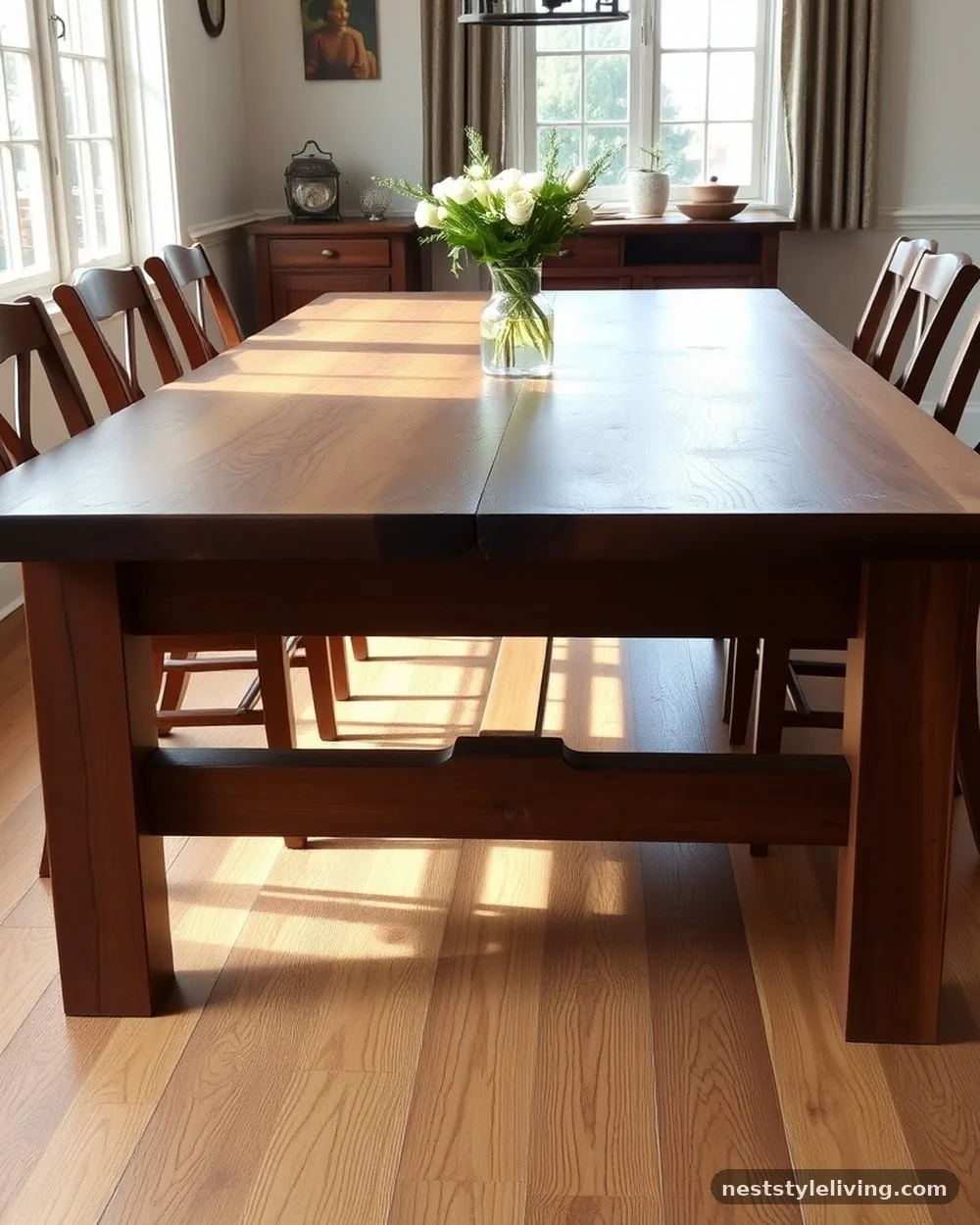
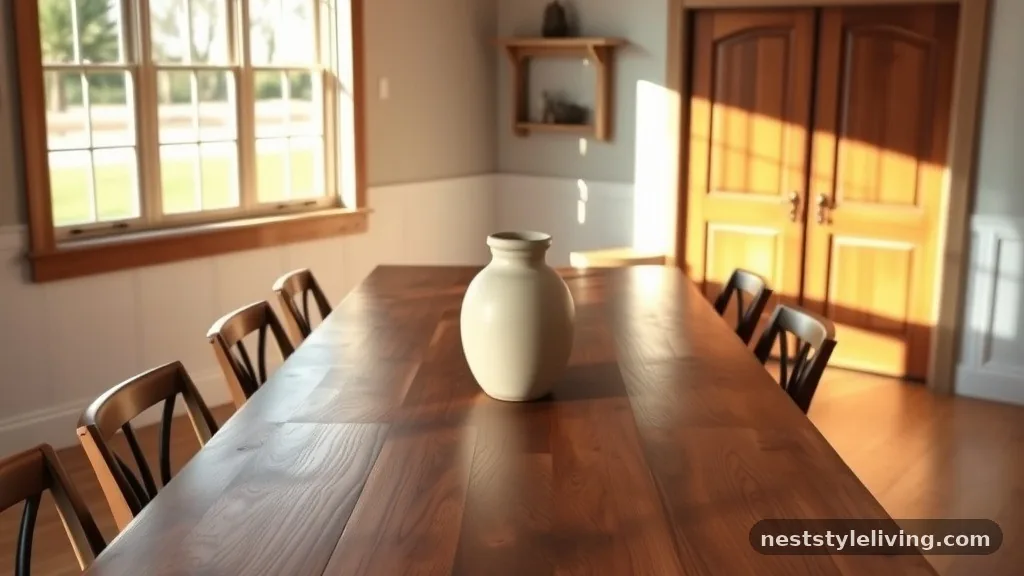
The centerpiece of a classic, enduring dining area is a heavy, solid wood table, specifically in walnut. Walnut offers a rich, chocolatey depth that naturally warms a room, unlike lighter woods that can sometimes feel sterile or overly rustic. A wide-plank construction with a matte, hand-rubbed oil finish highlights the natural grain patterns, which serve as the primary visual interest.
This material choice is inherently durable; it hides scratches well and develops a patina over time that adds to the history of the furniture. When paired with streamlined, mid-century inspired chairs, the weight of the table is balanced by lighter silhouettes, preventing the room from feeling cramped or dated.
To maintain the finish, use a beeswax-based wood polish twice a year rather than harsh chemical sprays. If the surface develops water rings, a gentle buffing with fine-grade steel wool and a light application of walnut oil will restore the luster without requiring a full sanding.
2. Floor-to-Ceiling Linen Drapery
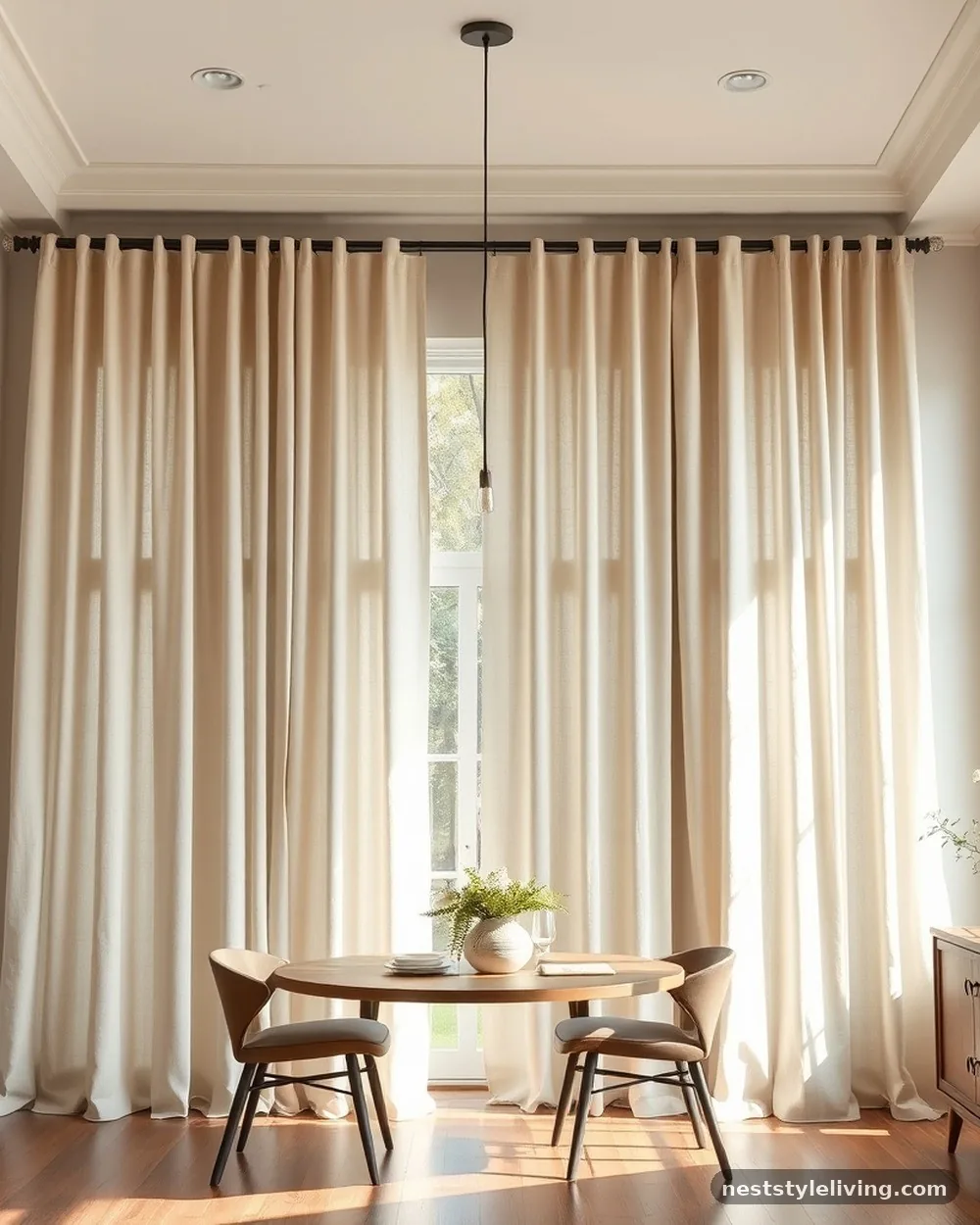
Softening the hard edges of a dining room is essential for acoustics and comfort. Floor-to-ceiling linen curtains in a neutral, earthy tone—such as oatmeal, stone, or muted terracotta—create a sense of verticality and grandeur. Linen provides a beautiful, slightly irregular texture that catches natural light, diffusing it to create a soft, ethereal glow.
By mounting the curtain rod as close to the ceiling as possible, you draw the eye upward, making the room appear taller and more spacious. This treatment works exceptionally well in rooms with traditional crown molding, as the fabric provides a clean, understated contrast to ornate architectural details.
Always opt for double-width panels to ensure the curtains look full and luxurious when closed. If you are worried about sun damage or privacy, layer the linen over a blackout roller shade that can be hidden behind the fabric during the day.
3. Hand-Applied Limewash Walls
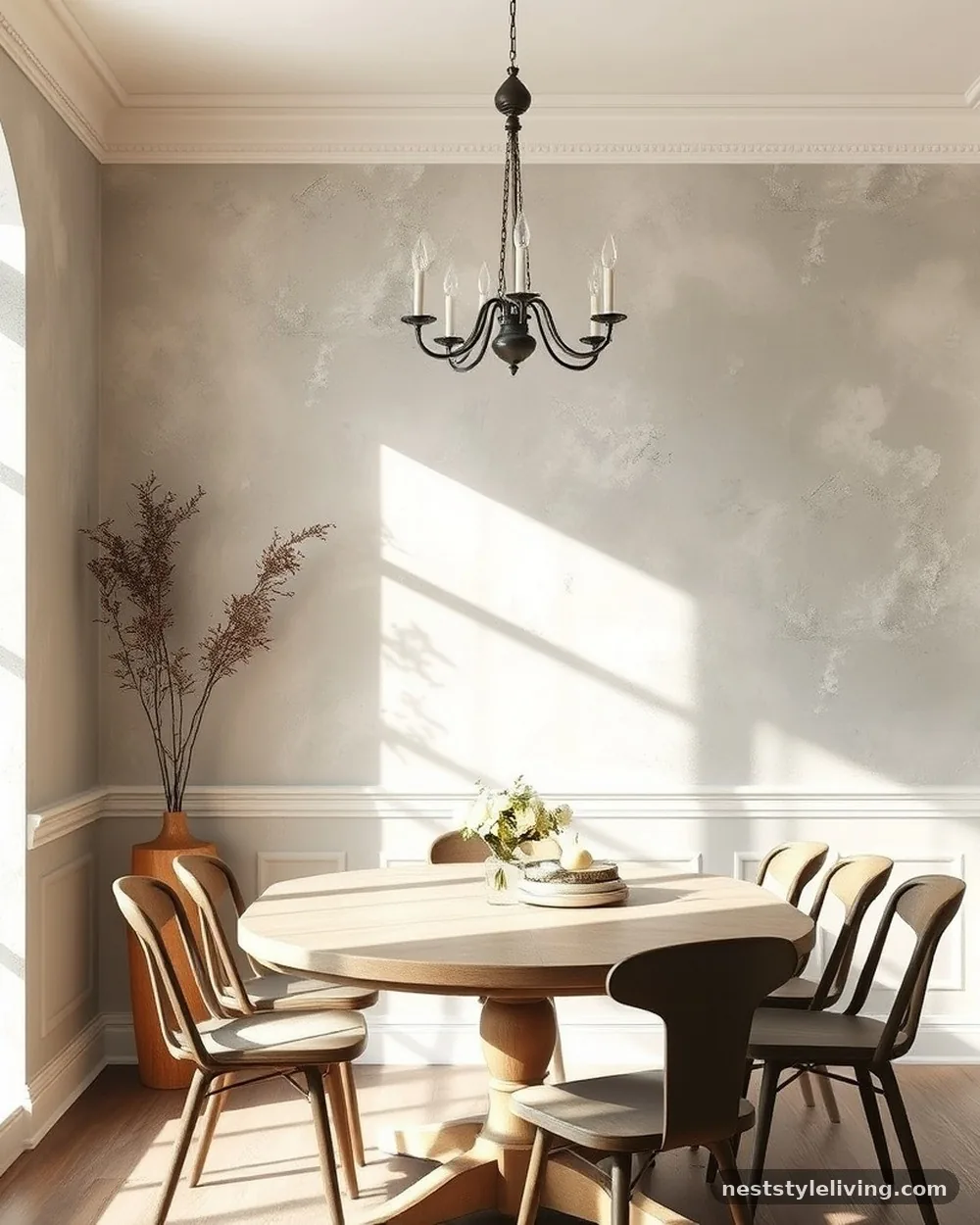
Limewash paint brings a subtle, cloud-like movement to walls that standard matte paint simply cannot replicate. Because it is a mineral-based product, it creates a chalky, breathable finish that reflects light in a way that feels organic and aged. In a dining room, using a warm, off-white or greige limewash creates a backdrop that feels historical and grounded.
The texture is tactile and inviting, softening the overall mood of the space. It is particularly effective in rooms with minimal wall art, as the walls themselves act as the primary decorative feature, providing a sophisticated depth that changes depending on the time of day.
Apply the limewash with a large, wide brush using a cross-hatch motion to achieve the characteristic mottled appearance. Since it is highly absorbent, ensure your walls are properly primed with a mineral-compatible primer to prevent uneven drying and ensure the finish lasts for years.
4. Tapered Candlelight Chandeliers
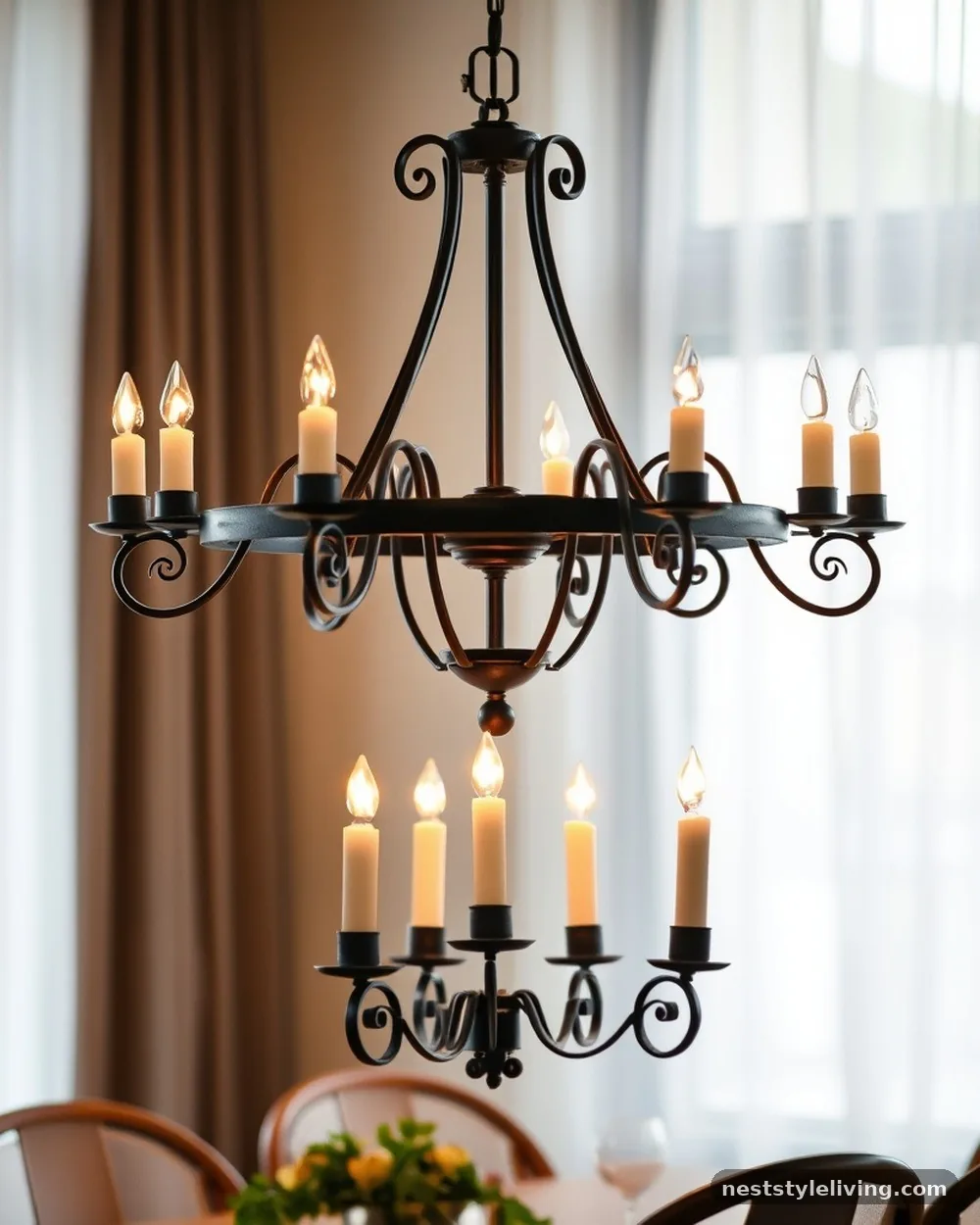
Lighting dictates the mood of your dining experience more than any other element. A chandelier that incorporates real or high-quality LED tapered candles provides a classic, romantic aesthetic that mimics the warmth of a hearth. Look for fixtures made of unlacquered brass or dark wrought iron, which will develop a rich, dark finish over time.
The key is to select a fixture that sits low enough over the dining table to create an intimate “room within a room” feeling. By using a dimmer switch, you can transition the space from a bright, functional area for family homework to a moody, sophisticated setting for evening entertaining.
Install the chandelier so the bottom of the fixture hangs approximately 30 to 34 inches above the surface of your table. If your ceilings are higher than nine feet, add an extra three inches for every additional foot of ceiling height to maintain the correct visual proportions.
5. Velvet Upholstered Dining Chairs
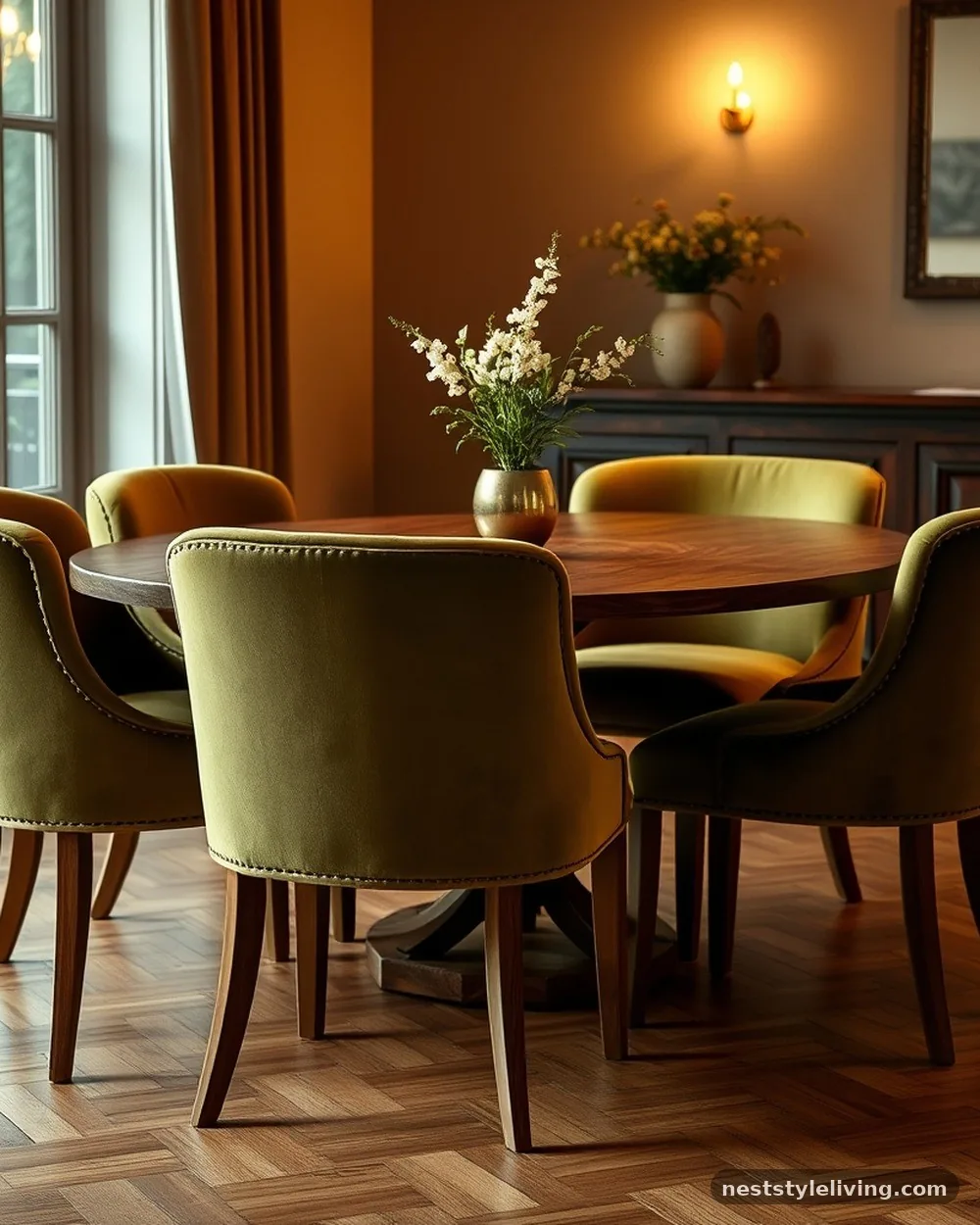
Introducing velvet into a dining room adds an immediate sense of luxury and tactile comfort. Opt for chairs with a curved backrest and a deep, saturated color like moss green, navy, or deep plum to anchor the room. Velvet is surprisingly resilient and, when treated with a high-performance finish, can withstand the occasional spill or mess.
The fabric’s ability to absorb sound helps reduce echoes, making the dining room feel quieter and more private. These chairs provide a necessary softness when placed against a hard wood table and hardwood floors, creating a balanced, high-end look that feels both formal and incredibly cozy.
When choosing velvet, prioritize polyester-blend velvets over pure cotton or silk, as they are significantly more durable and resistant to crushing. You can easily remove crumbs or lint from the pile using a soft-bristled upholstery brush or a handheld vacuum with a fabric attachment.
6. Herringbone Hardwood Flooring
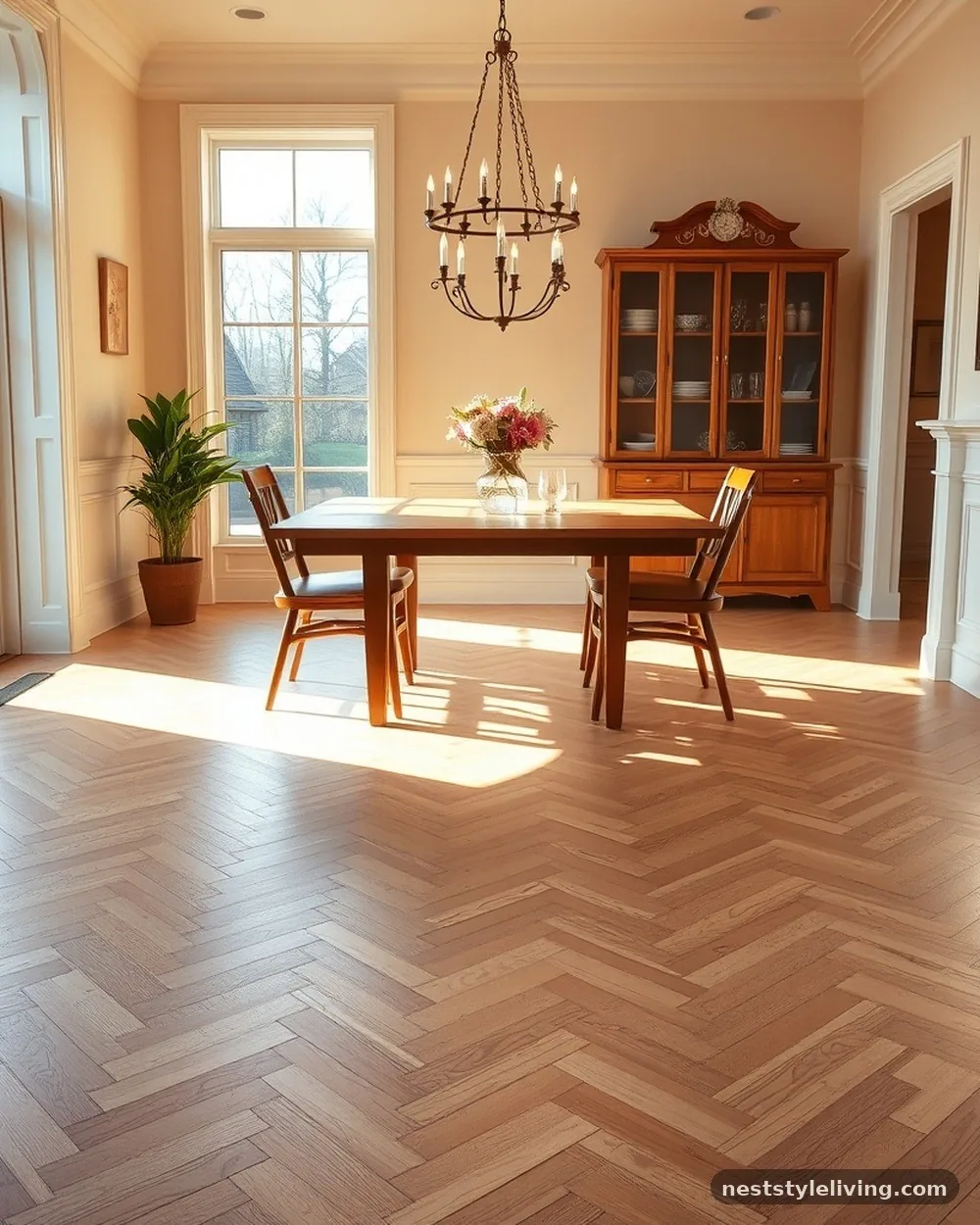
The floor is the foundation of any room’s style, and a herringbone pattern adds a layer of architectural interest that feels both timeless and expensive. Using white oak or walnut in a medium stain allows the grain to show through while keeping the overall tone warm. Herringbone creates a sense of movement across the floor, which helps define the dining area within an open-concept home.
It is a classic European technique that works as well in modern spaces as it does in traditional ones. The pattern is visually dense, which helps ground the furniture and makes the room feel substantial rather than flighty.
For the best results, use engineered hardwood planks, which are more stable than solid wood and less prone to expanding or contracting with seasonal humidity changes. If you are working on a budget, look for luxury vinyl plank flooring that mimics the herringbone pattern, as modern versions are difficult to distinguish from real wood.
7. Built-in Floor-to-Ceiling China Cabinetry
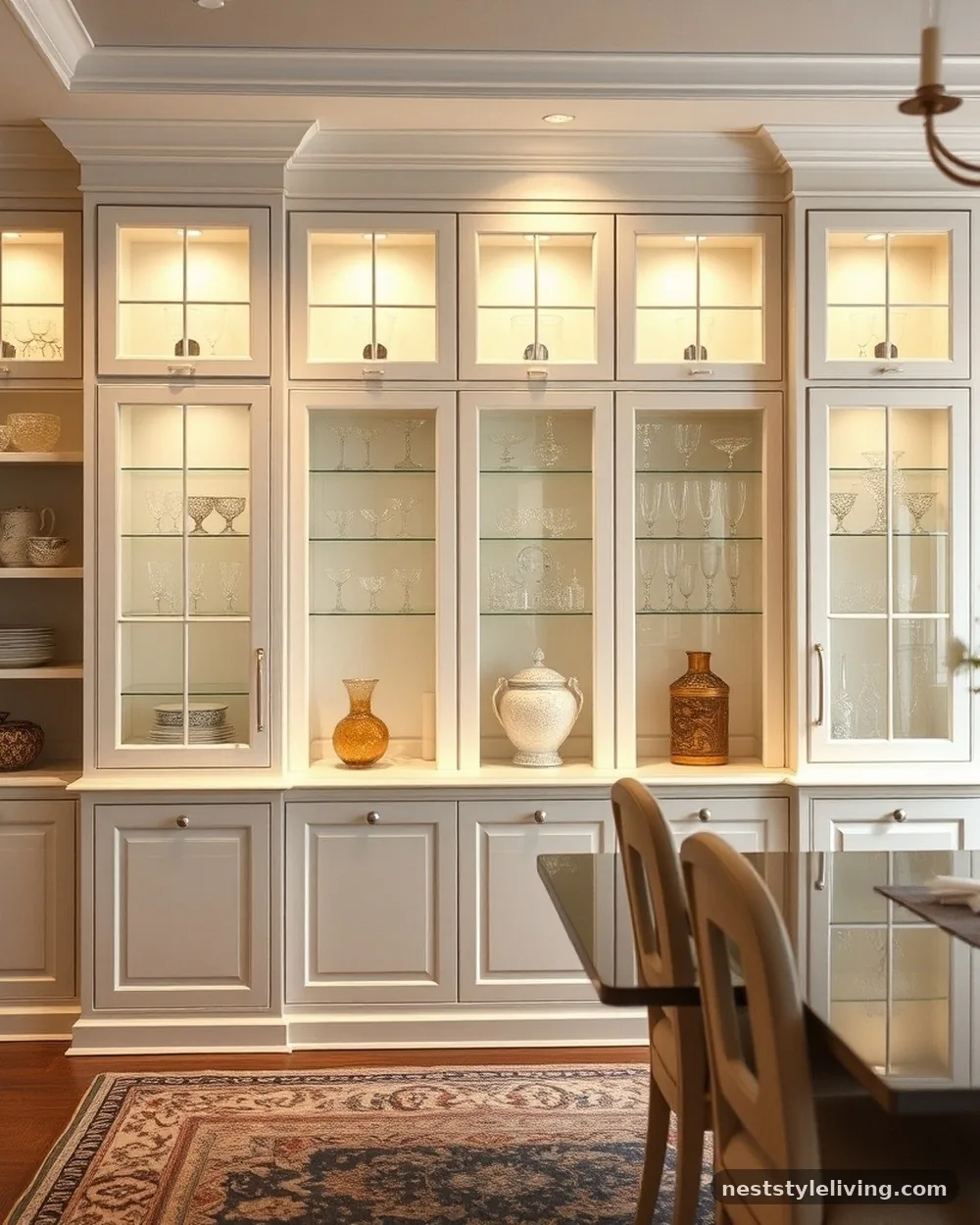
Integrating built-in storage into the architecture of the dining room provides a permanent, custom-designed feel. A floor-to-ceiling cabinet painted in the same color as your walls makes the storage feel like a seamless part of the house. Use a mix of glass-fronted upper doors to display your glassware and solid lower doors to hide less attractive items.
This layout allows you to curate your dining space, turning your everyday plates and serving pieces into part of the decor. It is an excellent way to add character to a builder-grade home, as the millwork adds depth, shadow, and a sense of permanence that loose furniture cannot provide.
Incorporate interior lighting within the glass-fronted sections to highlight your favorite pieces. Use LED strip lights hidden behind the front face frame so the source of the light is invisible, creating a warm, glowing display that adds to the room’s overall atmosphere.
8. Large-Scale Landscape Oil Paintings
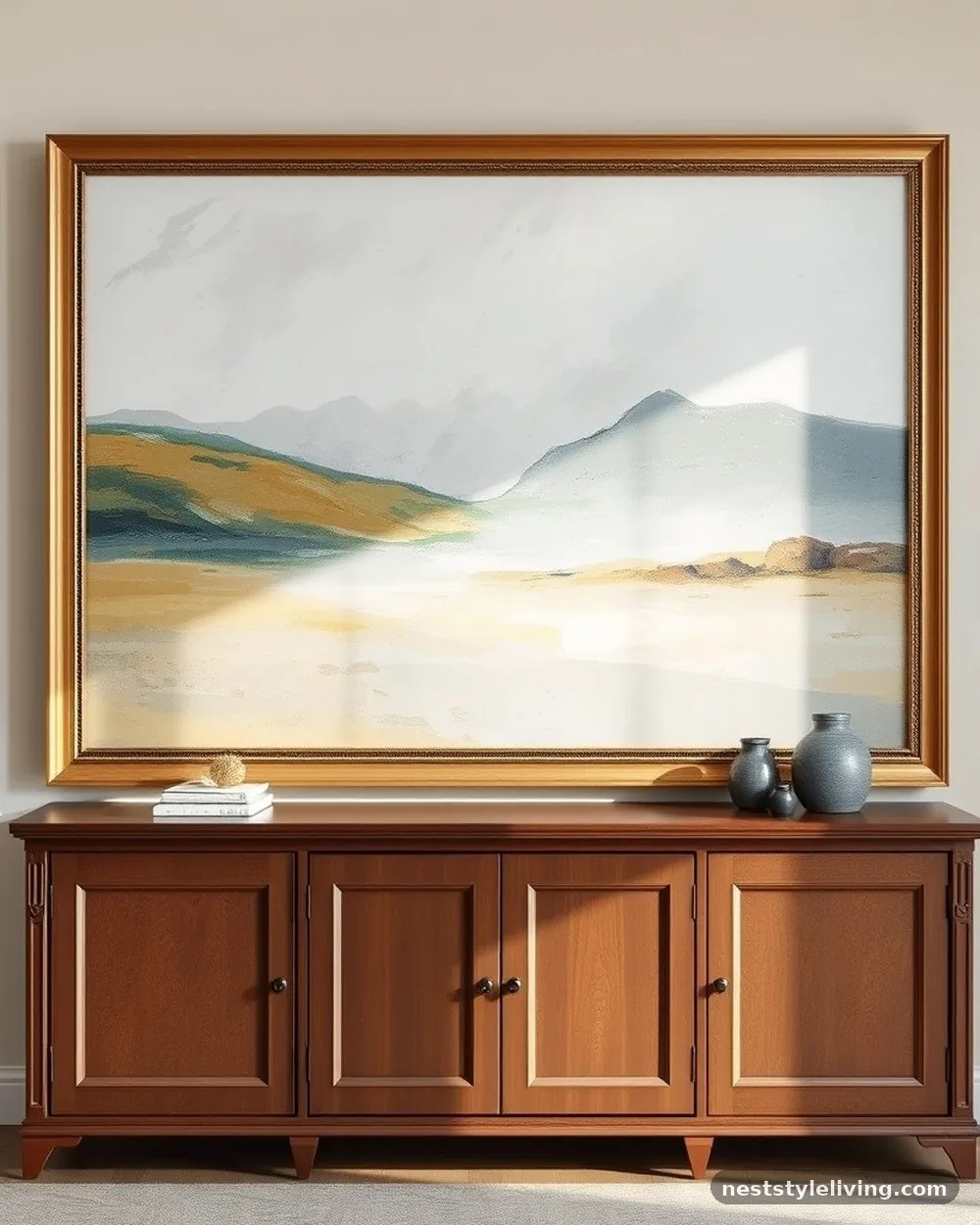
Art in a dining room should be calming and large enough to hold its own against the furniture. A single, oversized landscape painting—perhaps an impressionistic forest or a moody seascape—acts as a focal point that expands the perceived size of the room. By choosing a piece with a muted, earthy color palette, you reinforce the warm and timeless theme of the space.
Avoid busy, chaotic patterns; instead, seek out art that encourages quiet contemplation. A large frame in an antiqued gold or simple wood finish will help the painting feel like a permanent fixture of the room rather than an afterthought.
If you are on a budget, look for high-quality giclée prints of historical landscapes at antique stores or online print shops. You can elevate a simple print by having it custom framed with a wide, neutral mat, which gives it a museum-quality presence that feels far more expensive than it is.
9. Woven Natural Fiber Rugs
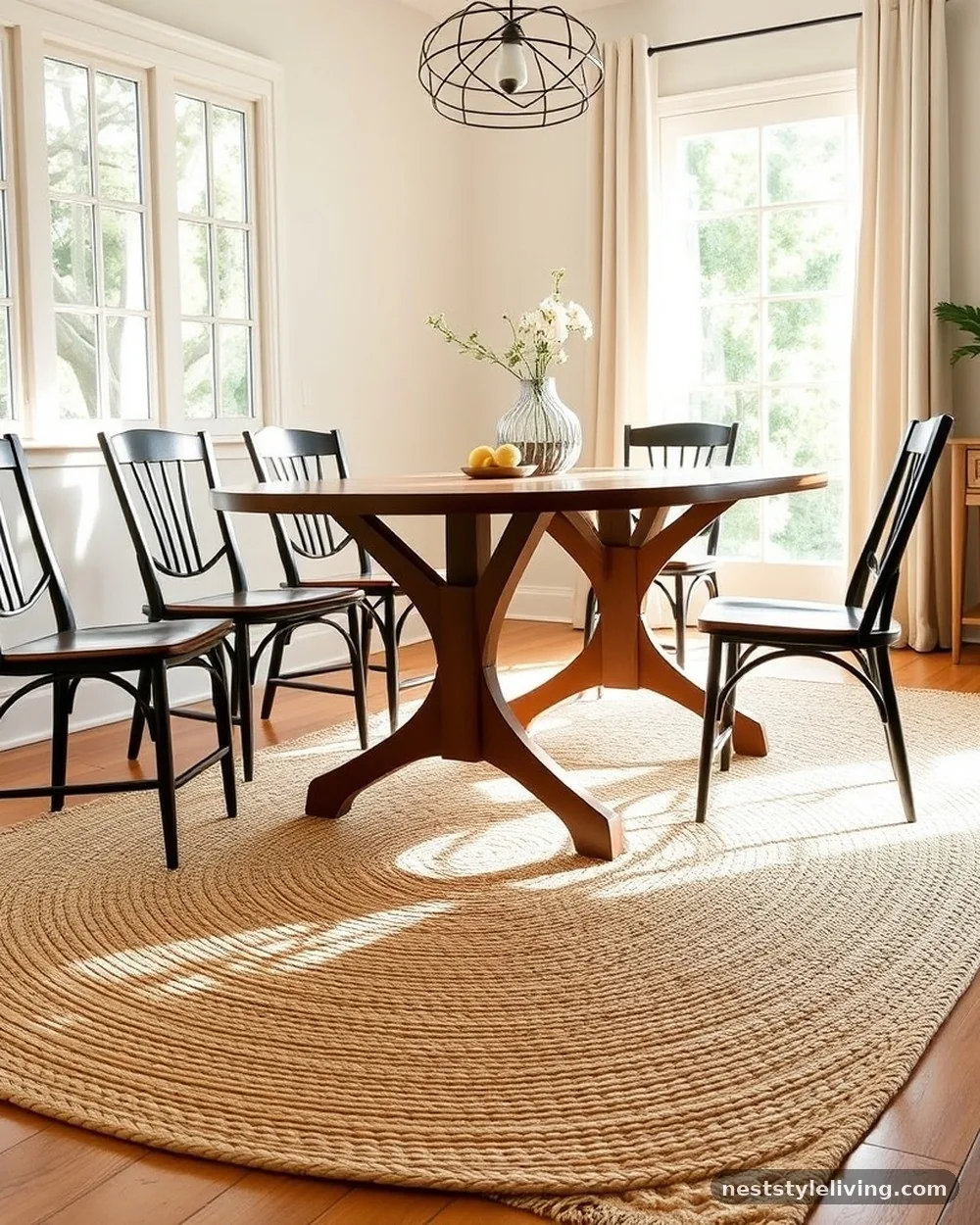
A rug defines the dining zone, and natural fibers like jute, sisal, or seagrass provide a textured, organic base that feels grounded and neutral. These materials are incredibly durable and handle high-traffic areas better than most synthetic fibers. In a dining room, a tight-weave jute rug provides a flat surface that makes it easy to slide chairs in and out without snagging.
The golden, sandy tones of the fiber contribute to the warmth of the room, acting as a bridge between dark wood furniture and lighter wall colors. It is the perfect choice for a space that aims for a relaxed, high-end farmhouse or coastal aesthetic.
To ensure the rug stays flat and doesn’t become a trip hazard, always pair it with a high-quality felt rug pad. If you are worried about spills, treat the rug with a natural fiber protector spray before placing your furniture, which will give you more time to blot up liquids before they soak into the fibers.
10. Antique Brass Wall Sconces
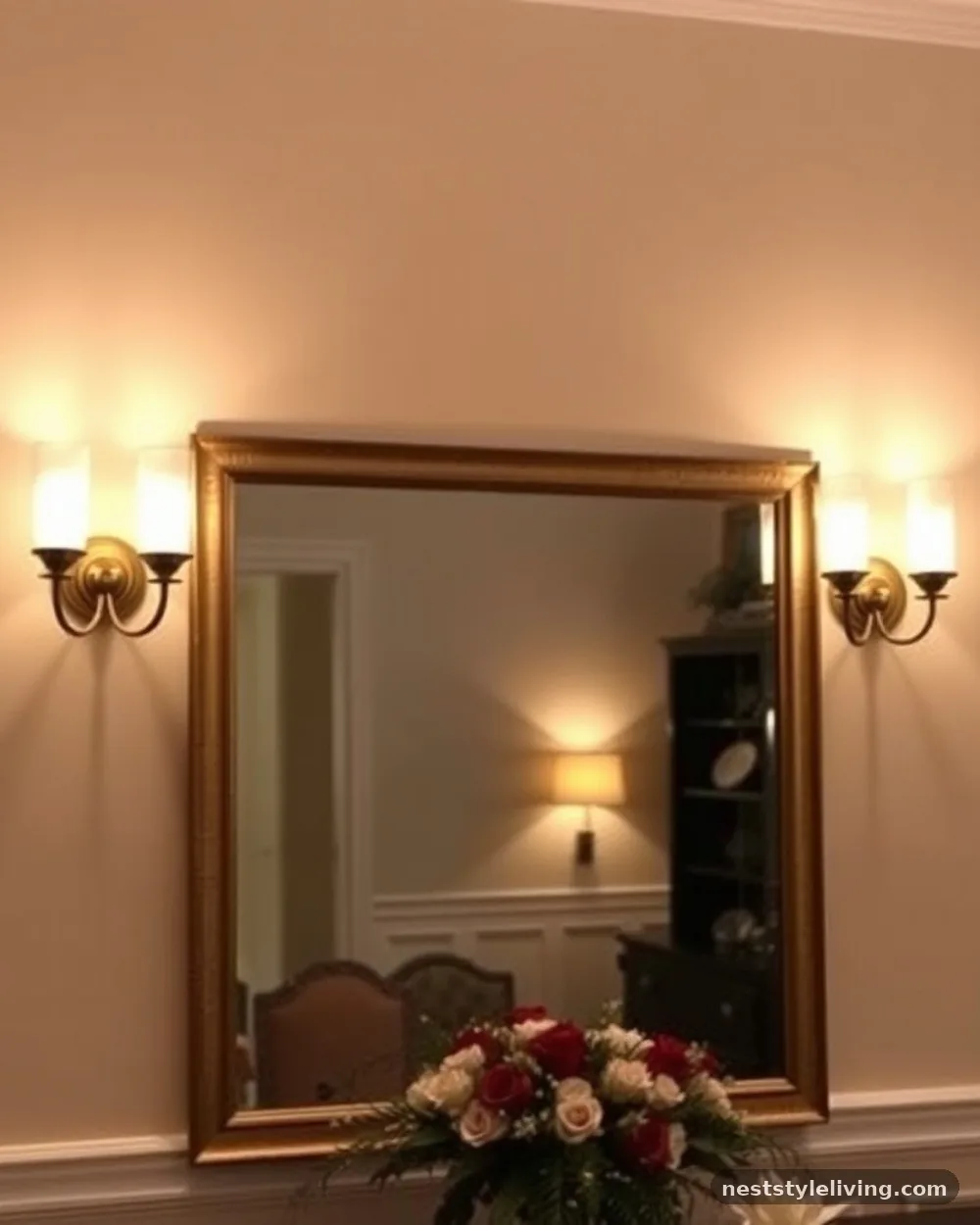
Sconces add a layer of light that is often missing from dining rooms that rely solely on a central chandelier. Placing a pair of sconces on either side of a painting or above a sideboard creates a sense of balance and symmetry. Antique brass, specifically unlacquered, will develop a rich patina over time, adding to the feeling that the room has been curated over many years.
This type of lighting is perfect for creating a secondary, lower level of illumination for evening meals when you want the room to feel intimate but not completely dark. It adds a jewelry-like finish to the walls that elevates the entire design.
Hardwire your sconces into the wall for a clean, professional look without visible cords. If you don’t have existing electrical boxes, you can use “puck lights” with remote controls inside the sconce shades to achieve the same look without the need for an electrician or major renovations.
11. Exposed Ceiling Beams
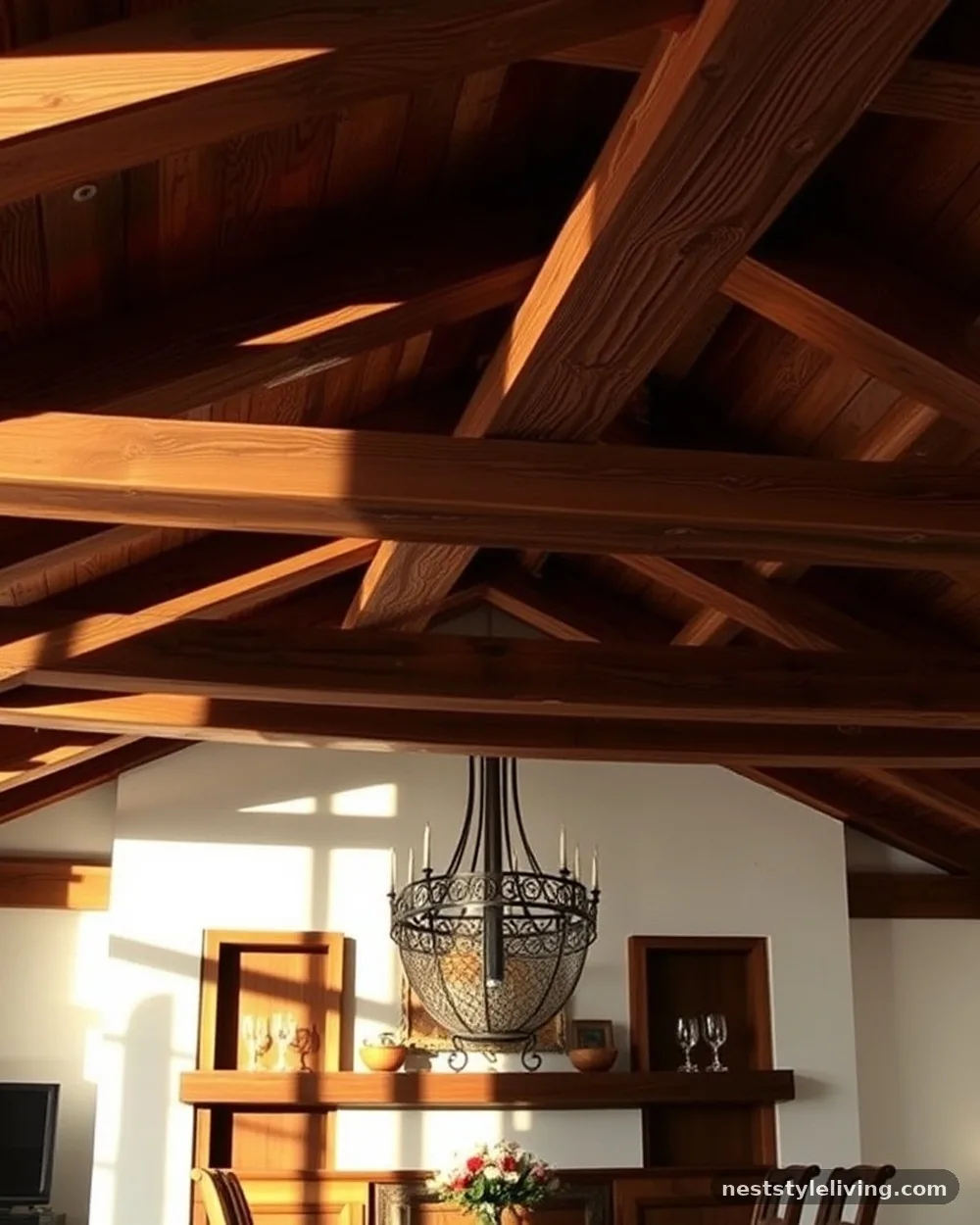
If your dining room has the ceiling height, adding exposed wooden beams creates an immediate sense of architectural history and warmth. Whether they are structural or decorative, beams break up the monotony of a flat white ceiling and draw the eye across the expanse of the room. Use reclaimed wood for a rustic, lived-in feel, or smooth, stained timber for a more polished, traditional look.
The wood tones connect with the dining table and floor, creating a cohesive design language that feels intentional and well-thought-out. This is a powerful way to add character to a room that feels too simple or boxy.
If you don’t have the budget for solid timber, look into hollow faux-wood beams made of high-density polyurethane. They are lightweight, easy to install, and can be stained to perfectly match your existing furniture, providing the exact look of heavy beams without the massive weight or cost.
12. Sculptural Ceramic Centerpieces
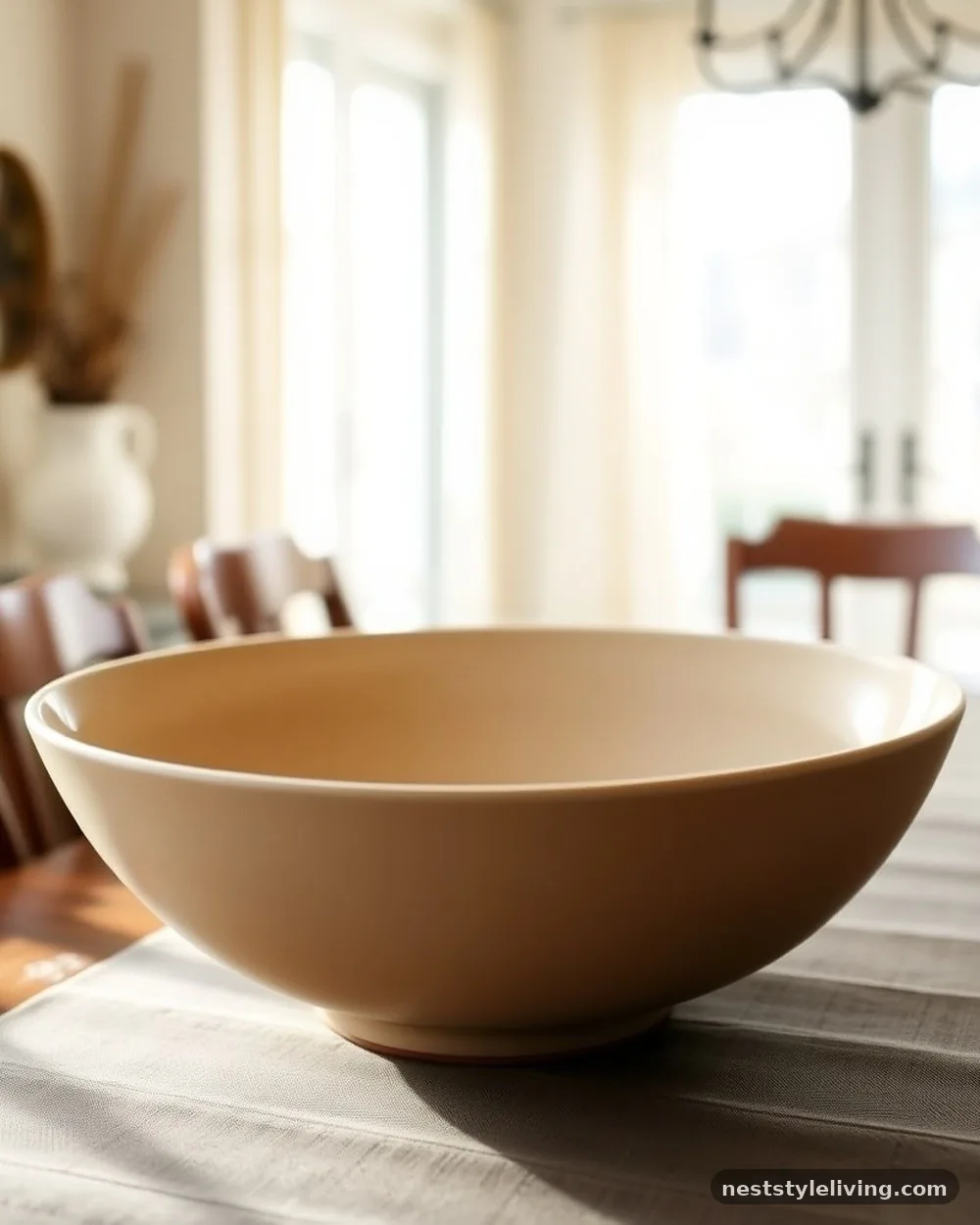
A dining table needs a focal point that isn’t always fresh flowers. A large, hand-thrown ceramic bowl or a collection of sculptural vases creates a permanent, interesting centerpiece that feels artistic and refined. Choose pieces with matte, stone-like glazes in neutral tones like cream, terracotta, or charcoal.
The tactile, imperfect nature of handmade ceramics brings a human element to the room, contrasting with the precise lines of the table and chairs. These items are timeless because they focus on form and texture rather than color trends, making them versatile enough to work with any seasonal decor you might add throughout the year.
Group your ceramics in odd numbers—three or five pieces—to create a visually balanced arrangement. Vary the heights of the pieces to prevent the display from looking flat, and keep the overall footprint of the centerpiece small enough that it doesn’t interfere with your ability to pass dishes across the table.
Frequently Asked Questions
What are the essential elements for a timeless dining room?
The most important elements are high-quality, natural materials such as solid wood, linen, and wool. Focus on a neutral color palette that relies on texture rather than bright patterns to provide interest. By choosing classic furniture silhouettes and avoiding overly trendy shapes, you ensure the space remains relevant for decades.
How do I make a small dining room look more elegant?
Focus on verticality to maximize your space. Use floor-to-ceiling curtains, tall mirrors, or built-in cabinetry to draw the eye upward. A large, singular light fixture can also act as a focal point that anchors the room, while keeping the floor clear of excess furniture helps maintain an open, uncluttered feel.
What is the best way to light a dining room for warmth?
Layered lighting is the secret to a warm atmosphere. Always include a primary chandelier on a dimmer switch, and complement it with secondary light sources like wall sconces, lamps on a sideboard, or even candles. Warm-toned light bulbs (2700K) are essential for creating that inviting, cozy glow that makes guests feel comfortable.
How do I mix different wood tones in a dining room?
You can successfully mix wood tones by ensuring they share a similar undertone. If your table is a cool-toned oak, try to keep other wood elements in the same temperature range. Alternatively, use a “bridge” piece—like a rug or a painted cabinet—that incorporates both the dark and light wood tones to tie the room together visually.
What is the most durable fabric for dining chairs?
Performance velvets and tightly woven linens are excellent choices. Performance fabrics are specifically engineered to be stain-resistant and easy to clean, while still providing the soft, luxurious feel you want in a dining space. Always check the “double rub” count of a fabric if you are buying upholstery, as a higher number indicates greater durability.
Creating a space that lasts requires choosing pieces that prioritize quality and classic form over the fast-paced cycle of modern trends. By focusing on materials like solid walnut, linen, and brass, you build a foundation that is both beautiful and functional. These elegant dining room ideas that feel warm and timeless serve as a guide to help you invest in items that grow more beautiful with age.
The key is to avoid over-decorating and instead let the natural beauty of your chosen materials define the room’s character. Once you have established these core elements, you will find that your dining room becomes a naturally inviting place for your family and guests. We hope these suggestions inspire you to refine your space and create a home that feels both sophisticated and deeply comfortable.