16 Boho Kitchen Ideas That Feel Collected and Beautiful
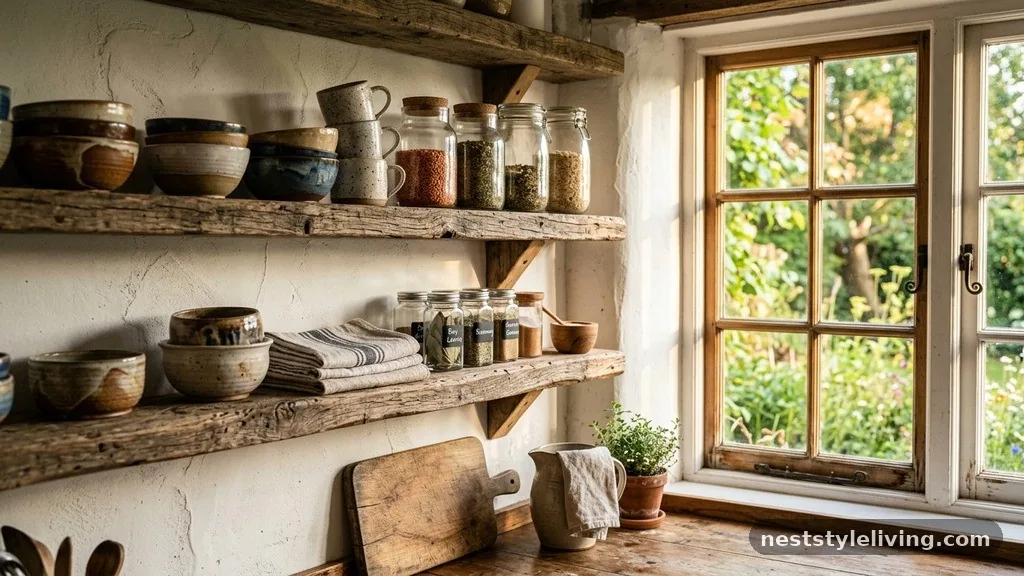
Designing a space that truly reflects your personality often leads to embracing a layered, eclectic aesthetic. When you look for boho kitchen ideas that feel collected and beautiful, you are seeking a balance between functional utility and artistic expression. This approach prioritizes texture, warmth, and the intentional curation of objects over the sterile perfection often found in modern renovations.
By focusing on natural materials, vintage finds, and personal mementos, you transform a standard culinary area into a room that tells a unique story. These concepts help you build a kitchen that feels lived-in, welcoming, and entirely your own.
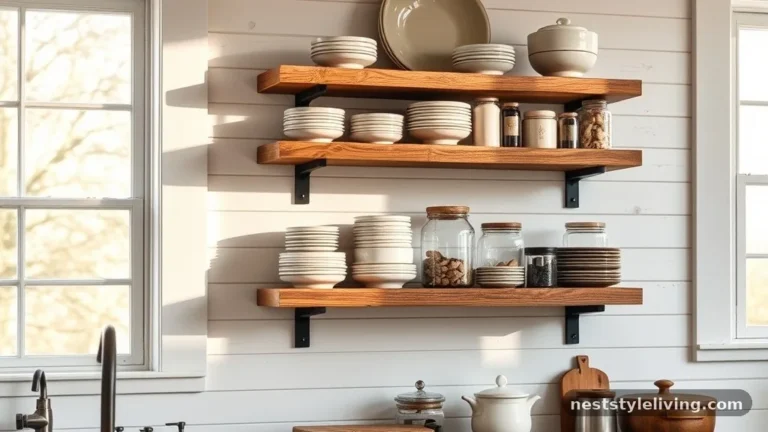
1. Reclaimed Timber Open Shelving
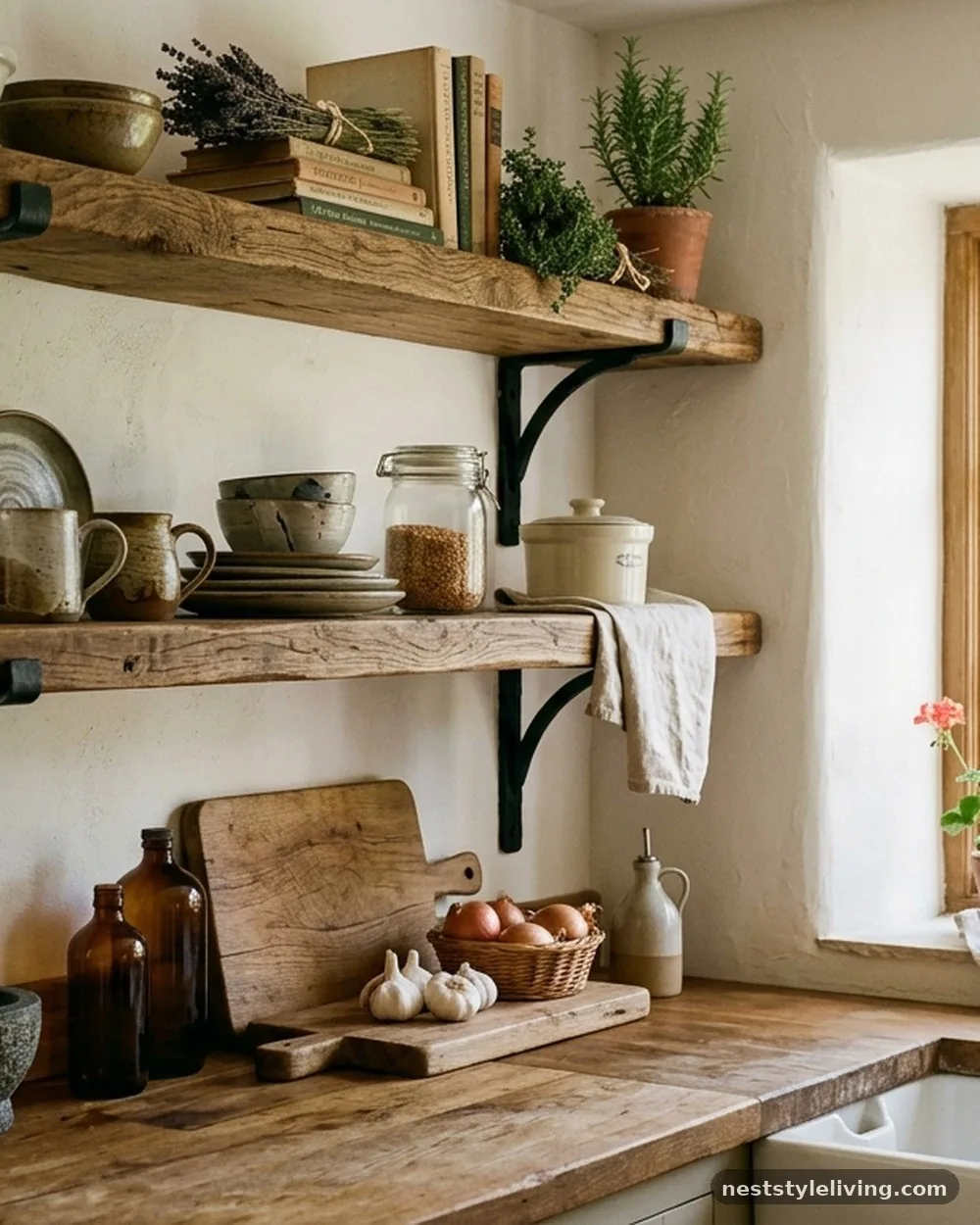
Open shelving serves as the backbone of a relaxed kitchen, replacing heavy upper cabinets with a sense of openness and airiness. Using thick, reclaimed timber planks creates a grounding effect, especially when paired with iron or brass brackets.
The raw texture of the wood, complete with its knots, grains, and historical imperfections, provides a necessary contrast to smooth countertops. Unlike factory-made cabinetry, these shelves invite you to display your most beautiful ceramics and glassware, turning everyday kitchen tools into integral parts of your home’s visual narrative.
Source your timber from local architectural salvage yards rather than big-box stores to ensure you get authentic, aged wood. Before installation, sand the boards lightly to remove splinters, then treat them with a matte, food-safe beeswax or natural oil to protect the surface without creating an artificial shine.
2. Hand-Painted Moroccan Zellige Tile
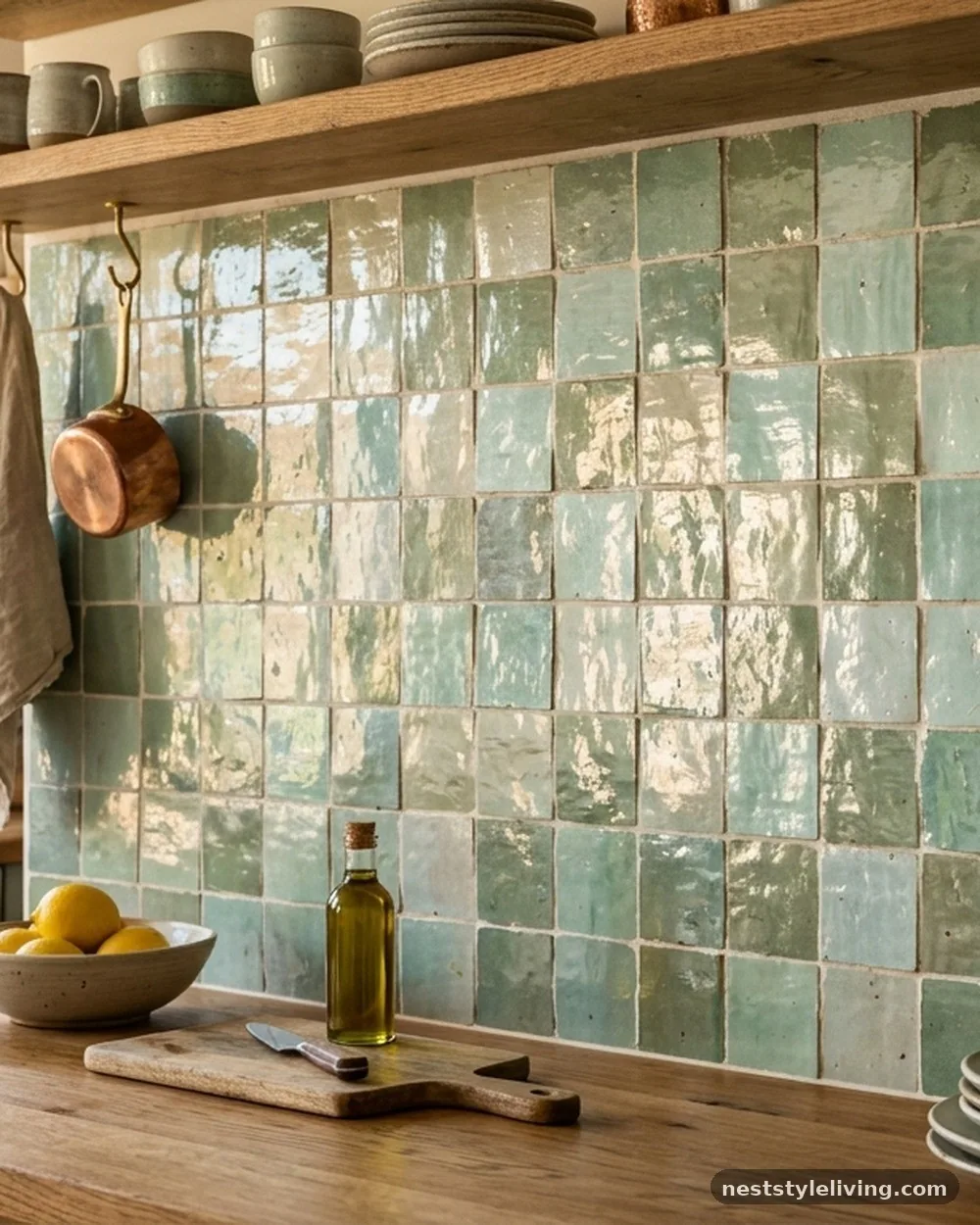
Zellige tiles bring an inherent depth to a backsplash that mass-produced subway tiles simply cannot replicate. Each tile is fired in a kiln and finished with a unique glaze that results in subtle variations in color, tone, and surface texture.
When arranged, these tiles reflect light in an uneven, shimmering way that creates a soft, organic glow throughout the room. Choosing earthy, muted tones like terracotta, sage, or seafoam ensures the installation remains classic while offering the handcrafted charm that defines a collected space.
When installing these, work with a professional who understands that the beauty of Zellige lies in the irregular, tighter grout lines. Avoid using spacers, as the slight variations in tile shape are meant to be embraced, creating a fluid, seamless look that feels as though it were crafted by hand centuries ago.
3. Vintage Kilim Runner Rugs
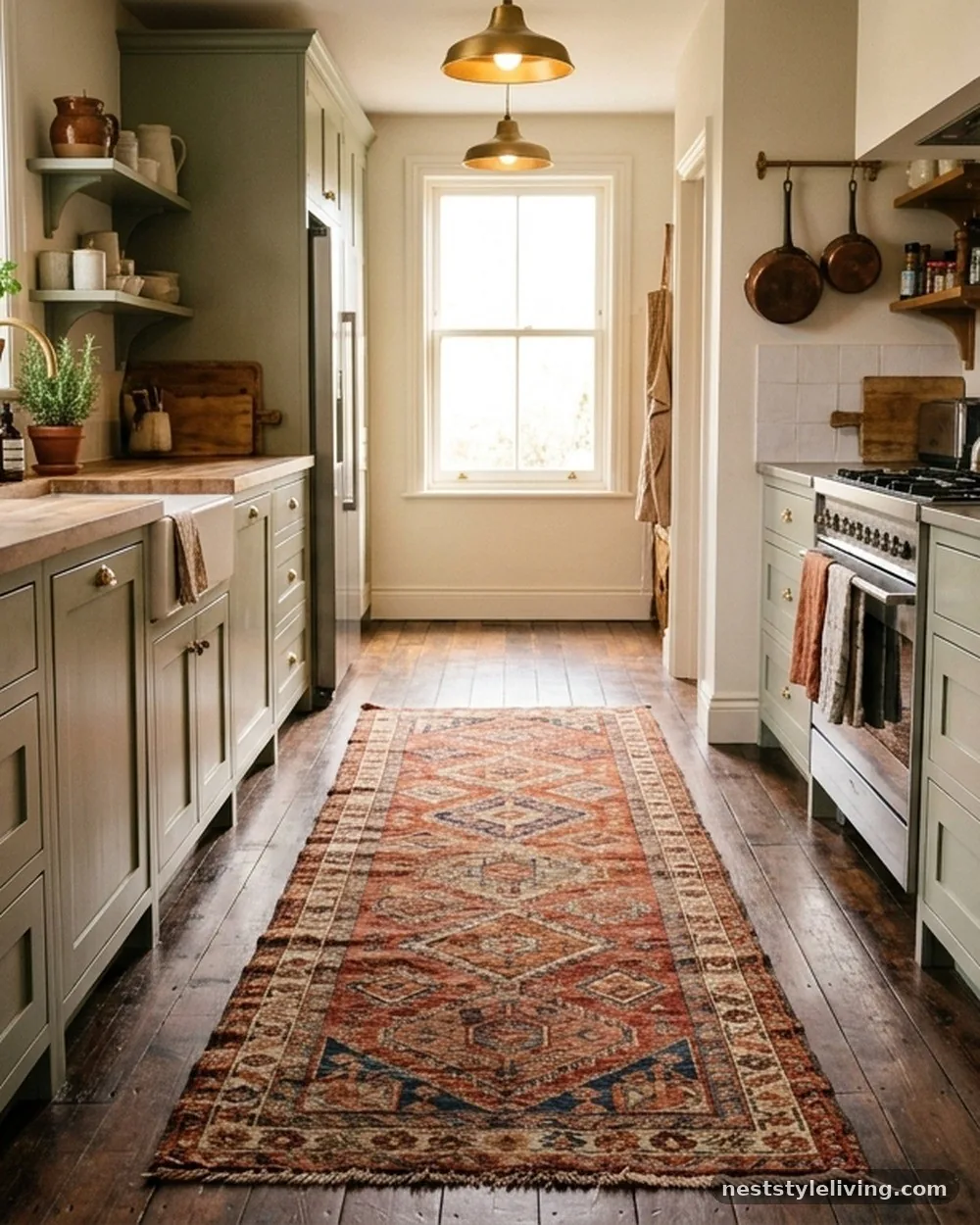
A kitchen is often a high-traffic zone dominated by hard surfaces, making the introduction of textiles essential for softening the acoustics and visual weight. A vintage Kilim rug, characterized by intricate geometric patterns and vegetable-dyed wool, adds instant warmth and a sense of history.
These flat-weave textiles are durable enough for foot traffic but carry enough visual impact to anchor an island or a galley walkway. The faded hues of an aged Kilim complement both modern white cabinetry and dark wood tones, bridging the gap between old-world craftsmanship and current design preferences.
Place a high-quality, slip-resistant rug pad underneath your Kilim to prevent it from sliding on tile or hardwood floors. Since kitchens are prone to spills, keep a gentle wool-safe cleaner on hand and rotate the rug every few months to ensure even wear and prevent fading from direct sunlight.
4. Copper Pot Rail Systems
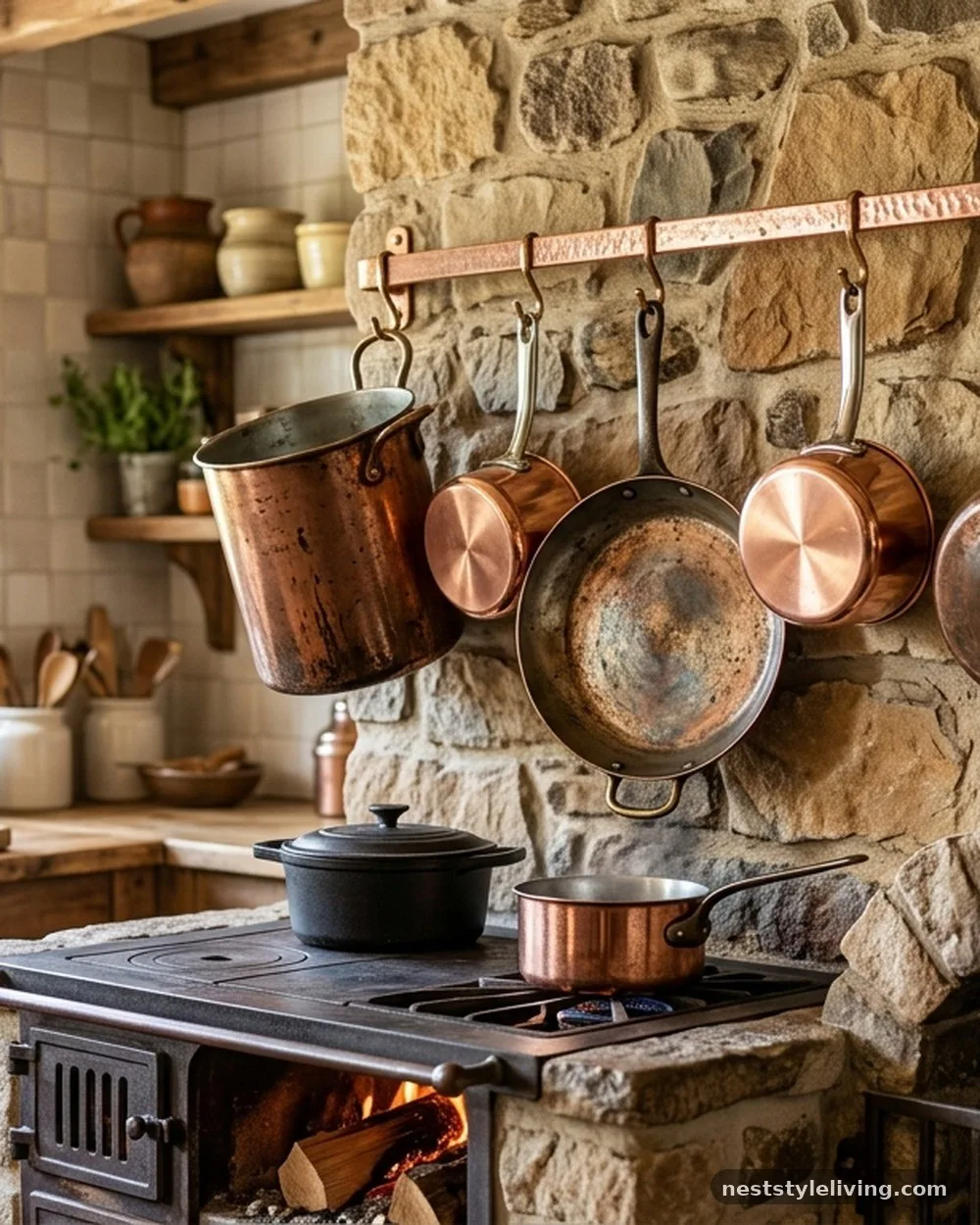
Functionality meets display in a kitchen when you hang your cookware on a wall-mounted rail system. Copper, in particular, patinas beautifully over time, moving from a bright, metallic sheen to a deep, burnished bronze that feels at home in a curated environment.
Installing a sturdy rail above your stove or near the prep area clears valuable drawer space and puts your most useful tools within arm’s reach. This arrangement creates a professional, rustic atmosphere that signals a space where cooking is a central activity rather than a chore.
Purchase a solid copper rail rather than a copper-plated version to ensure it holds the weight of heavy cast iron or copper pots. Mount the rail directly into wall studs, as the cumulative weight of hanging cookware can easily pull drywall anchors loose over time.
5. Mismatched Ceramic Serveware
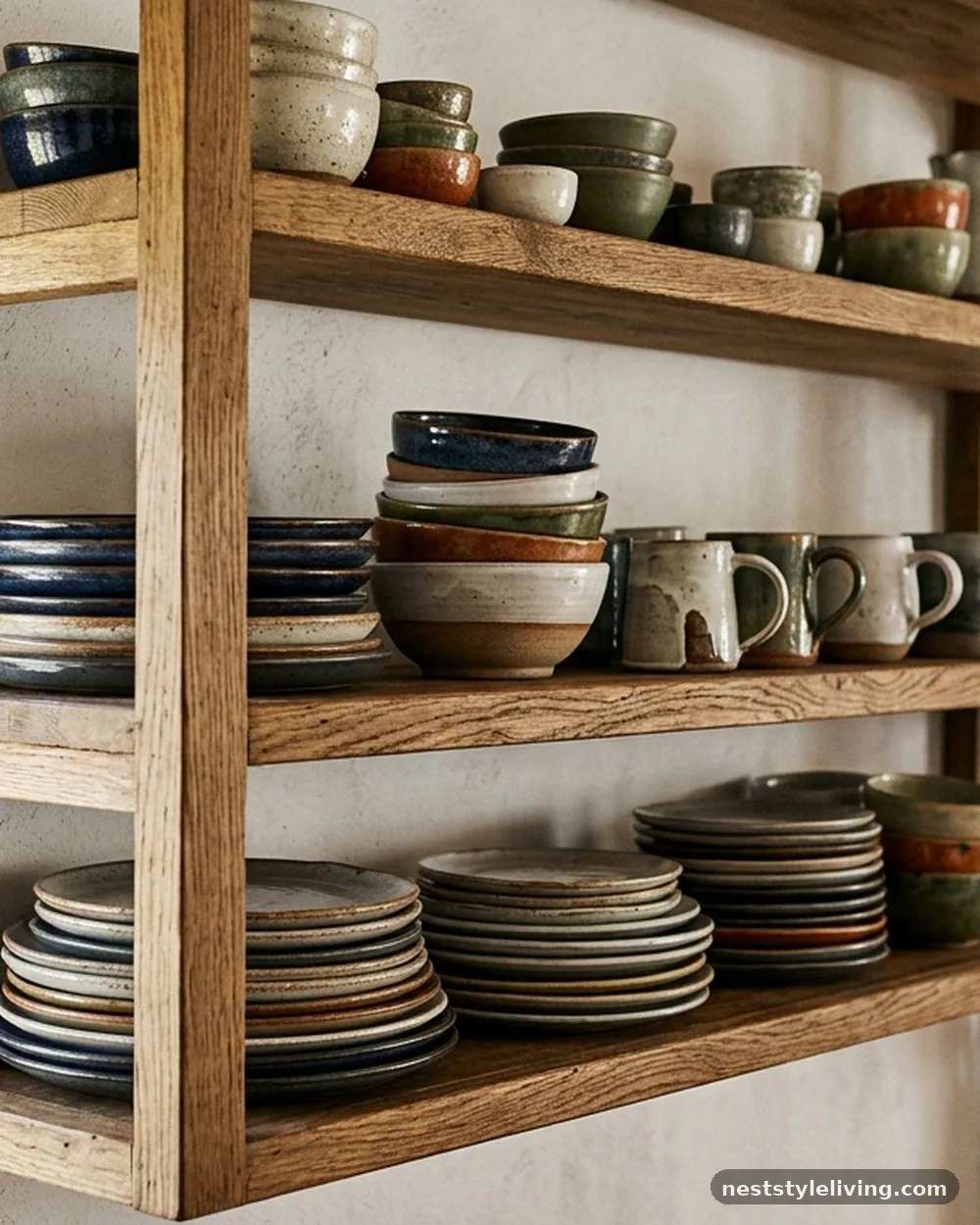
A collected kitchen thrives on the absence of perfectly matching sets. Instead of buying a coordinated collection of plates and bowls, curate an assortment of artisan-made ceramics in varying shapes, sizes, and glazes.
Look for pieces with hand-thrown imperfections, such as thumbprints near the base or uneven rims, which signify the artist’s touch. Stacking these on your open shelves or keeping them in glass-front cabinets allows the diversity of your collection to act as a permanent art installation that feels both personal and curated.
Start your collection by visiting local craft fairs or independent pottery studios, selecting pieces that share a common color palette, such as warm neutrals, deep blues, or earthy greens. This keeps the visual variety from becoming chaotic, allowing the different textures and forms to sit harmoniously together.
6. Rattan and Wicker Pendant Lighting
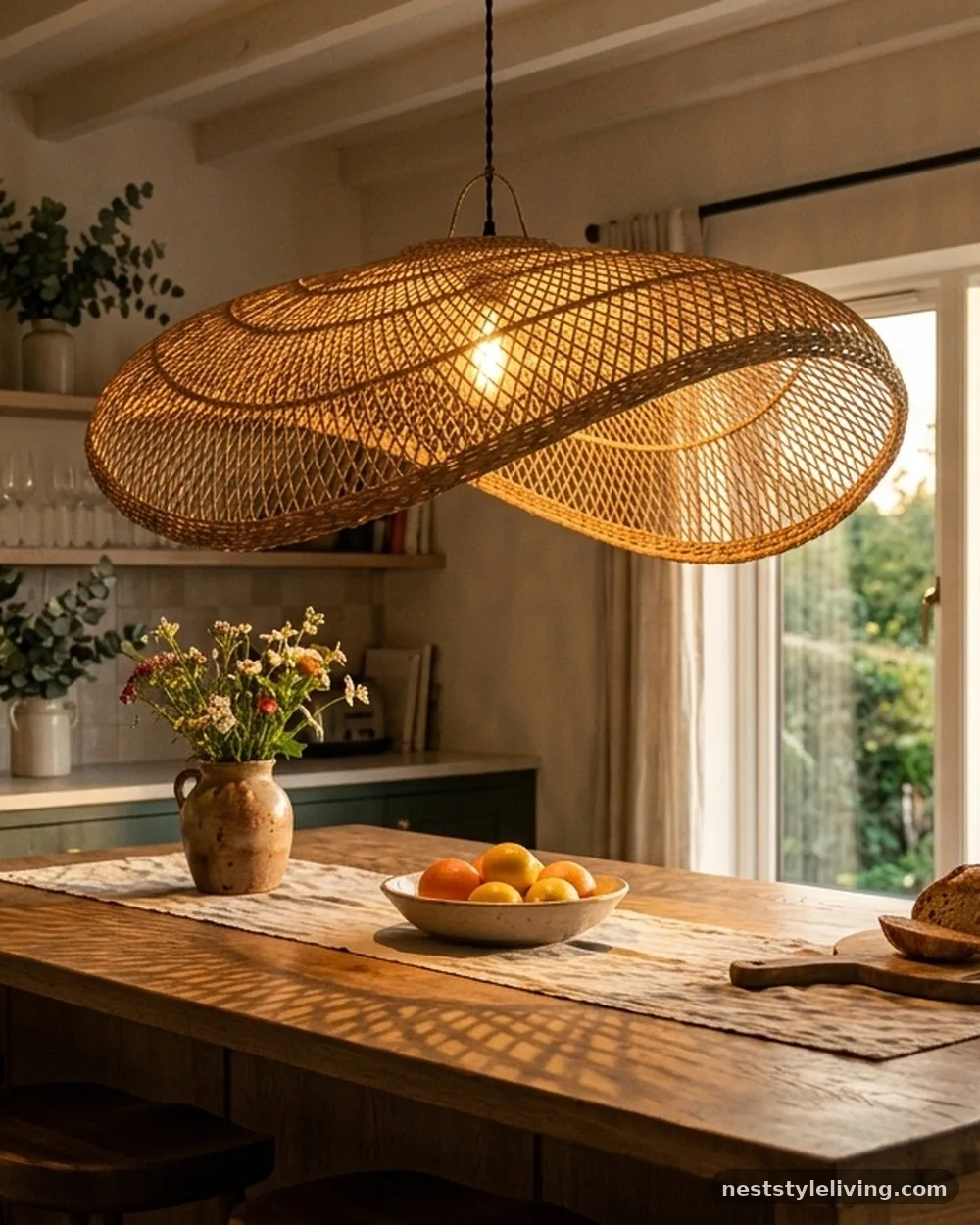
Lighting acts as the jewelry of the kitchen, and natural fibers are the perfect medium for a boho-inspired room. A large, woven rattan or wicker pendant light introduces a sculptural element that draws the eye upward and adds a layer of organic texture.
The way these fixtures filter light creates soft, dappled shadows on the walls, making the kitchen feel more intimate and cozy during evening hours. Whether you choose a tight, basket-weave style or a loose, oversized dome, these fixtures provide a warm, tactile counterpoint to sleek appliances.
Ensure your pendant light is hung at the correct height for your island or dining area—usually about thirty inches above the countertop. If you have low ceilings, opt for a semi-flush mount version using the same woven material to maintain the aesthetic without sacrificing clearance.
7. Botanical Window Displays
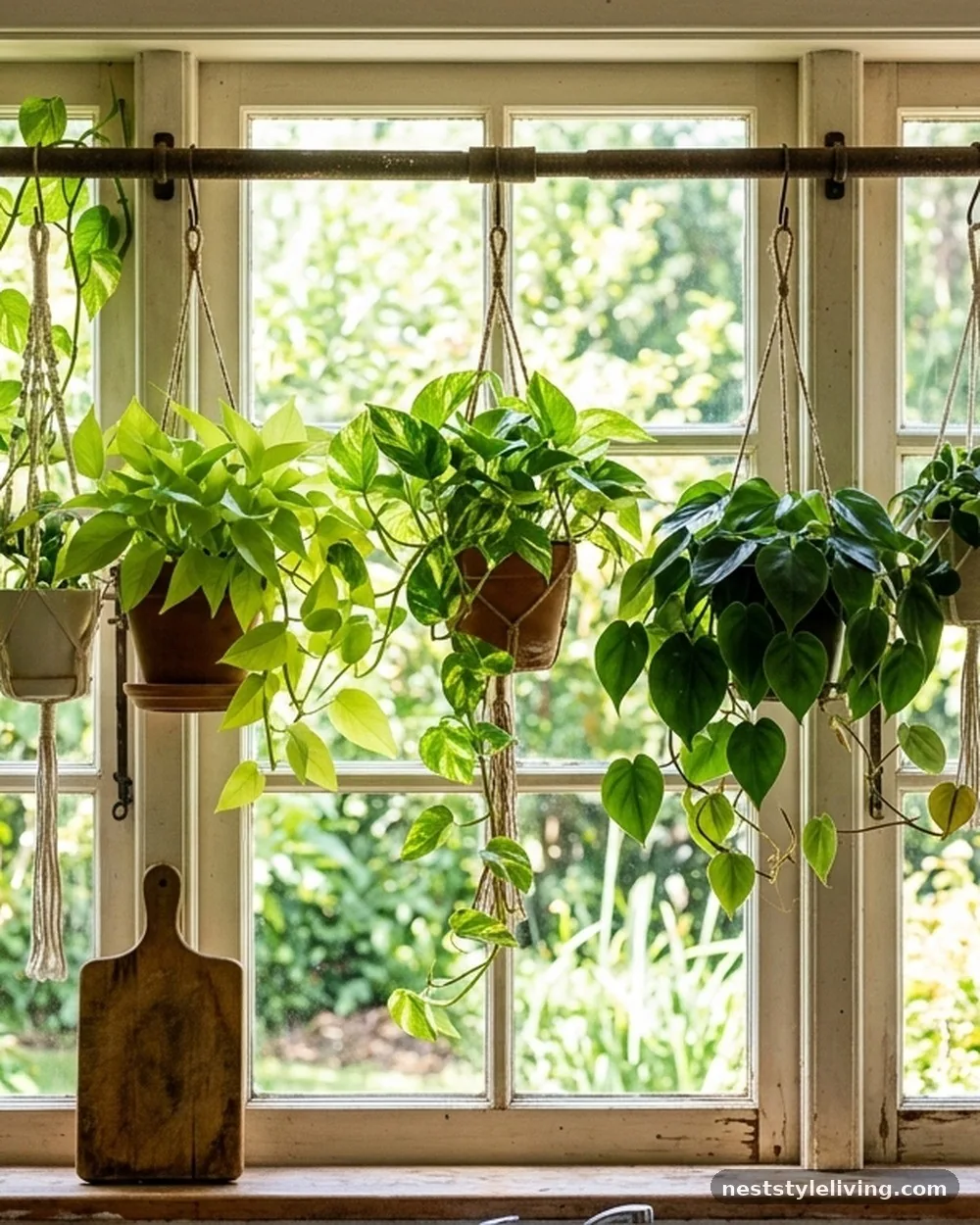
Incorporating greenery into your kitchen design breathes life into the space and reinforces the connection to nature. Rather than grouping plants in a corner, try installing a tension rod or a series of hooks in front of a window to hang trailing plants like Pothos or Philodendrons.
This creates a living curtain that provides privacy while allowing light to filter through the foliage. Using varied terracotta pots or hanging macramé planters adds another layer of texture, turning your window into a lush, functional focal point.
Choose plants that thrive in high-humidity environments since kitchens naturally generate steam. If your window lacks direct sunlight, select low-light varieties like snake plants or ZZ plants, and ensure your pots have drainage saucers to prevent water from damaging your windowsill or countertops.
8. Exposed Brick or Lime-Washed Walls
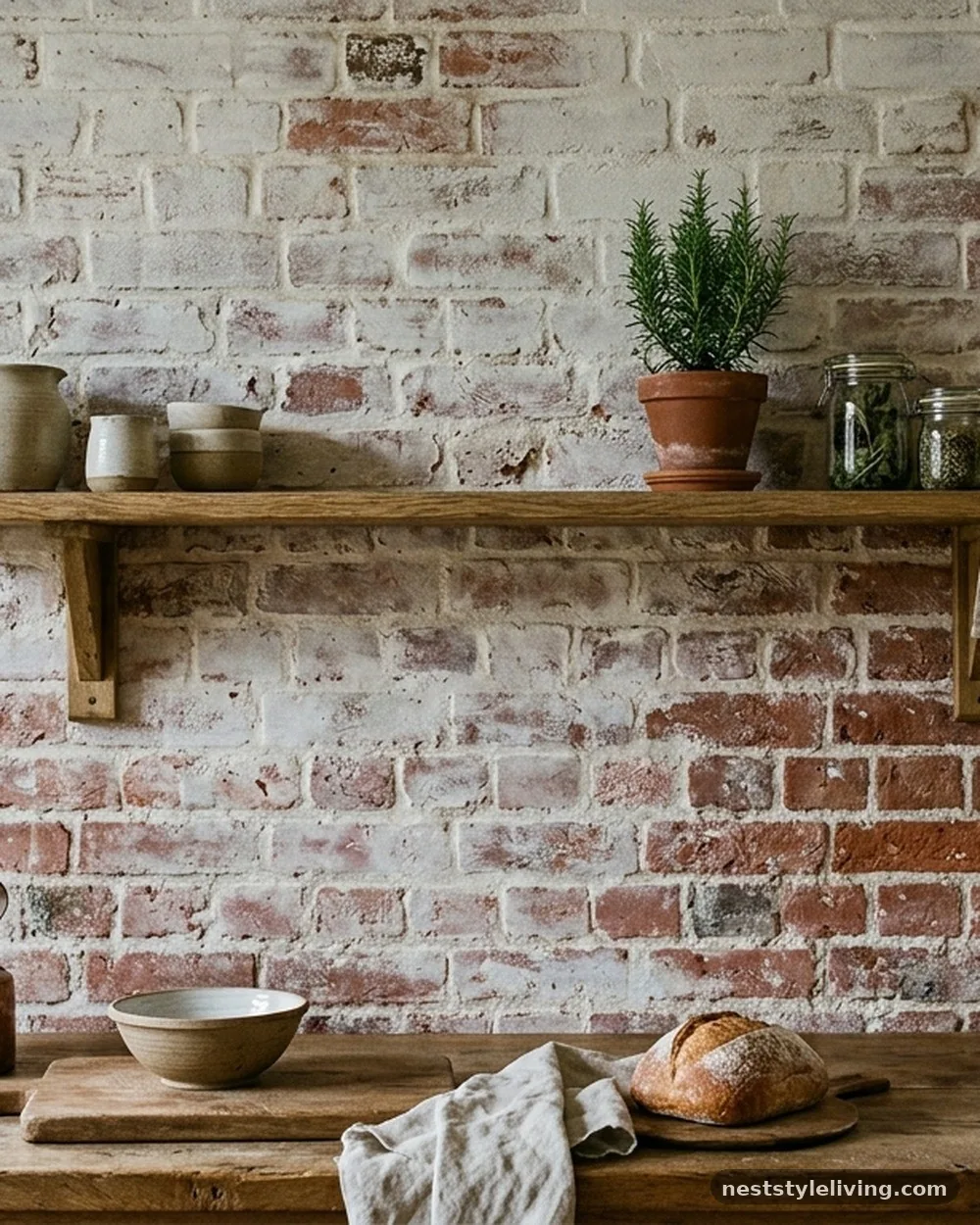
Walls in a boho kitchen should offer more than just a flat coat of paint. If your home has original brick, stripping away layers of plaster or paint can reveal a rich, textured surface that provides an immediate sense of history.
If you don’t have exposed brick, consider using a lime-wash finish to create a soft, chalky, and slightly mottled appearance. This technique adds depth and a subtle, cloud-like movement to the walls, making the room feel more established and less like a sterile, newly renovated box.
For a DIY lime-wash project, buy a mineral-based lime paint and apply it using a large, natural-bristle brush in a cross-hatch pattern. This technique is more forgiving than standard paint and results in a unique, breathable finish that develops character as it ages and interacts with the room’s humidity.
9. Woven Bar Stools with Leather Accents
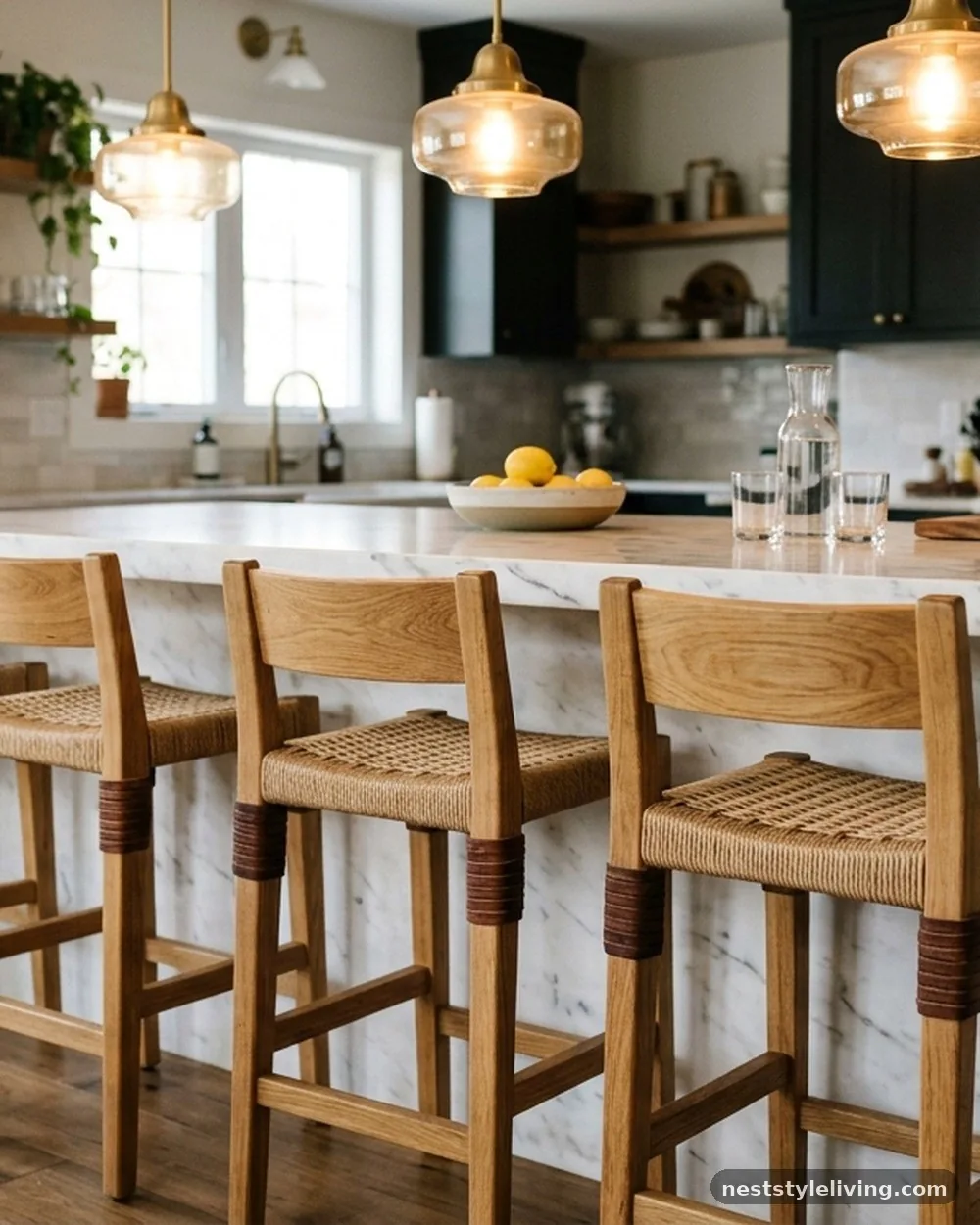
Seating provides a crucial opportunity to introduce comfort and tactile variety into your kitchen. Opt for bar stools that combine natural materials, such as a teak wood frame, with a woven cord seat or leather-wrapped accents.
This blend of materials feels sophisticated yet grounded, offering a high-quality look that improves with age as the leather develops a patina. The warmth of the wood and the softness of the leather make your kitchen island a comfortable place to linger, softening the hard lines often found in kitchen architecture.
Check the seat height carefully before purchasing; standard counter stools are about twenty-four inches high, while bar stools are thirty inches. When shopping, prioritize frames with mortise-and-tenon joinery, as these are significantly more durable than styles held together by simple screws and glue.
10. Antique Brass Cabinet Hardware
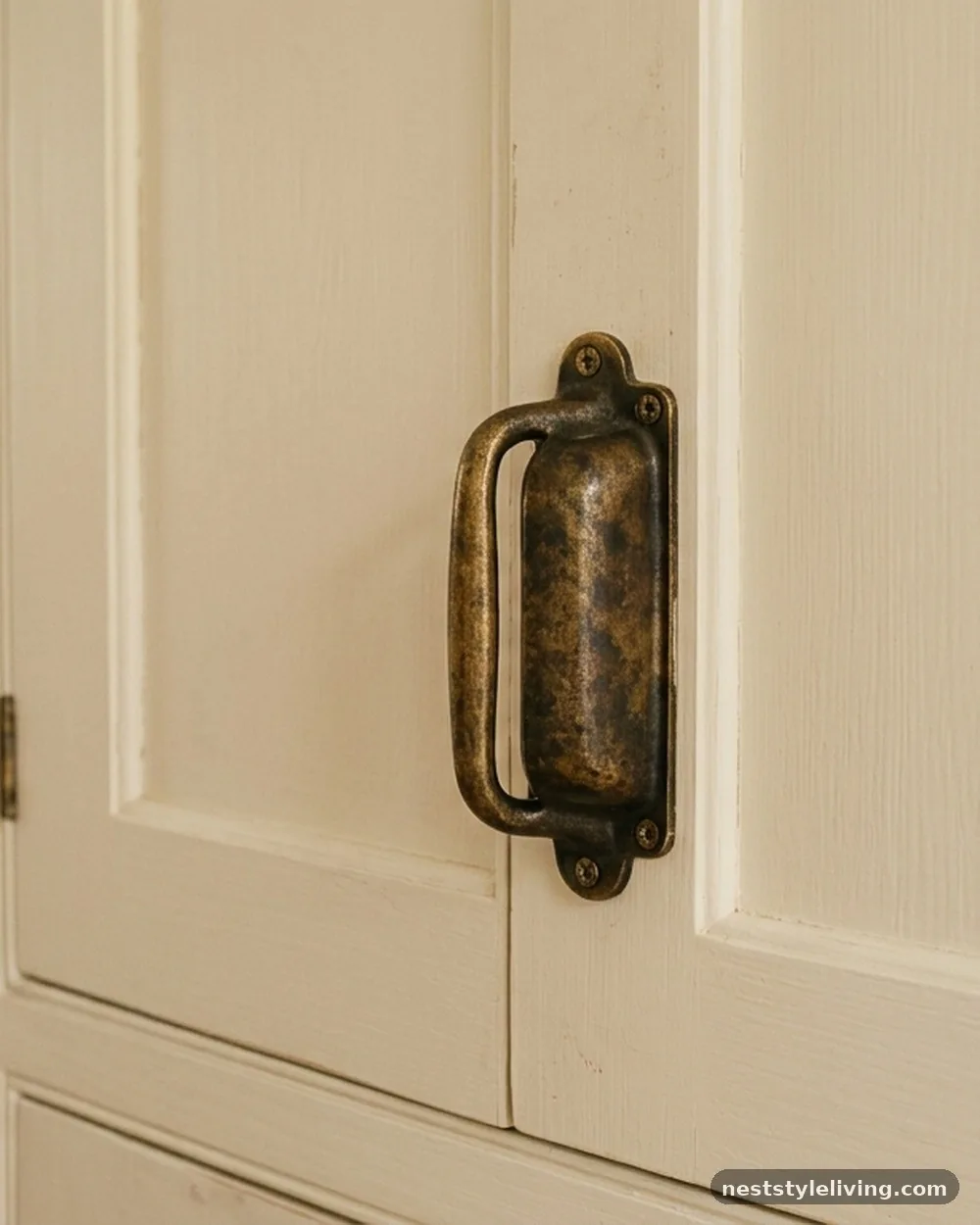
Replacing standard, builder-grade cabinet pulls with antique brass hardware is one of the most effective ways to change the mood of a kitchen. Look for unlacquered brass, which will slowly darken and develop a unique character over time based on how often you touch the handles.
The warm, golden undertones of brass complement both dark wood and painted cabinetry, adding a touch of vintage elegance to your design. This small, intentional detail contributes to that collected feeling by suggesting that the fixtures were chosen individually rather than bought in a pre-packaged set.
When installing new hardware, use a template to ensure your holes are perfectly centered and level. If your new pulls have different screw spacing than the old ones, fill the existing holes with wood filler, sand them smooth, and touch up the paint before drilling new holes for the updated hardware.
11. Oversized Wooden Dough Bowls
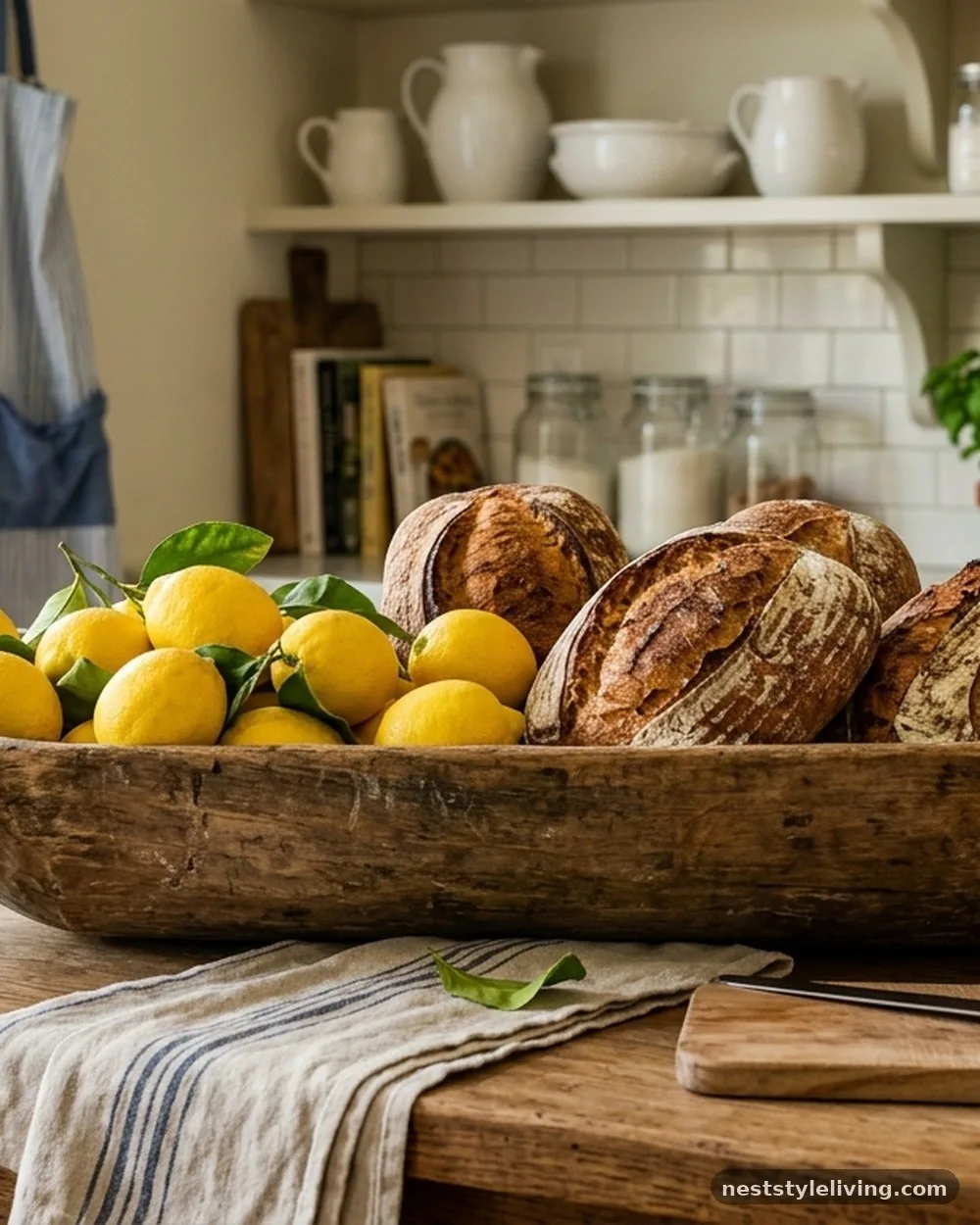
A large, shallow wooden dough bowl placed on a kitchen island or a wide countertop instantly grounds the space with a sense of rustic utility. These antique vessels, often carved from a single piece of wood, provide a perfect home for seasonal produce, fresh bread, or even a collection of dried herbs.
The sheer scale and the weathered, deep-toned wood offer a strong visual anchor that keeps the kitchen from feeling too scattered. It is a simple, functional piece that emphasizes the beauty of natural, aged materials.
Maintain the wood by occasionally wiping it down with food-grade mineral oil to keep it from drying out or cracking. Avoid using it for wet items like washed fruit unless you line it with a cloth or a barrier, as prolonged moisture can warp the antique wood.
12. Displayed Collections of Wooden Spoons
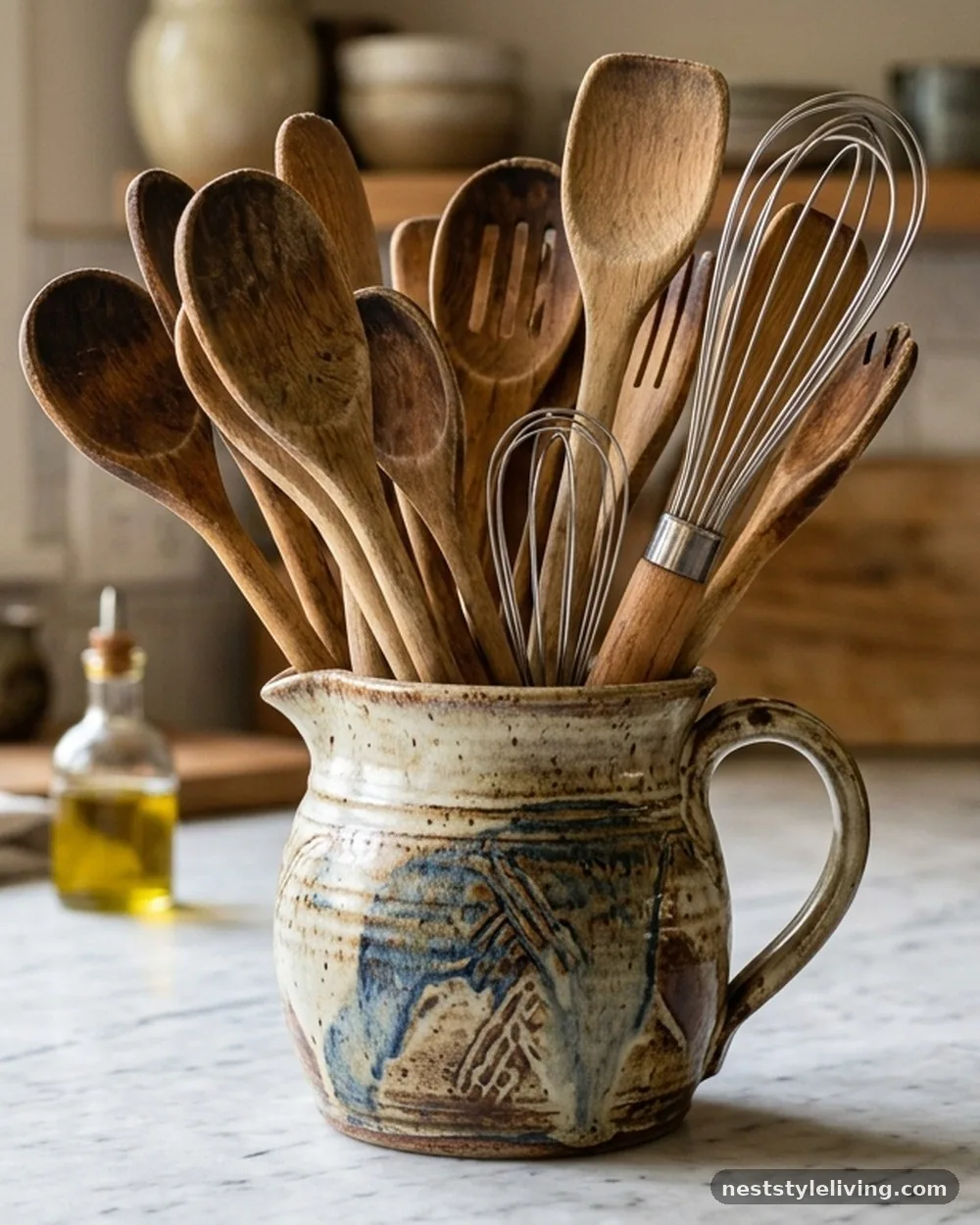
Instead of hiding your cooking utensils in a drawer, turn them into a display. A wide, ceramic pitcher filled with an assortment of wooden spoons, spatulas, and whisks creates a charming, utilitarian look.
Look for spoons carved from various woods—olive, cherry, or walnut—to bring different tones and textures to your countertop. This simple arrangement makes the kitchen feel ready for use and highlights the beauty of everyday objects, moving away from the “show kitchen” aesthetic toward a space that is truly lived in and enjoyed.
Keep your wooden utensils in good condition by hand-washing them and letting them air dry completely before returning them to the jar. Once a month, rub them down with a mixture of beeswax and mineral oil to keep the wood supple and prevent it from splintering or absorbing food odors.
13. Patterned Cement Floor Tiles
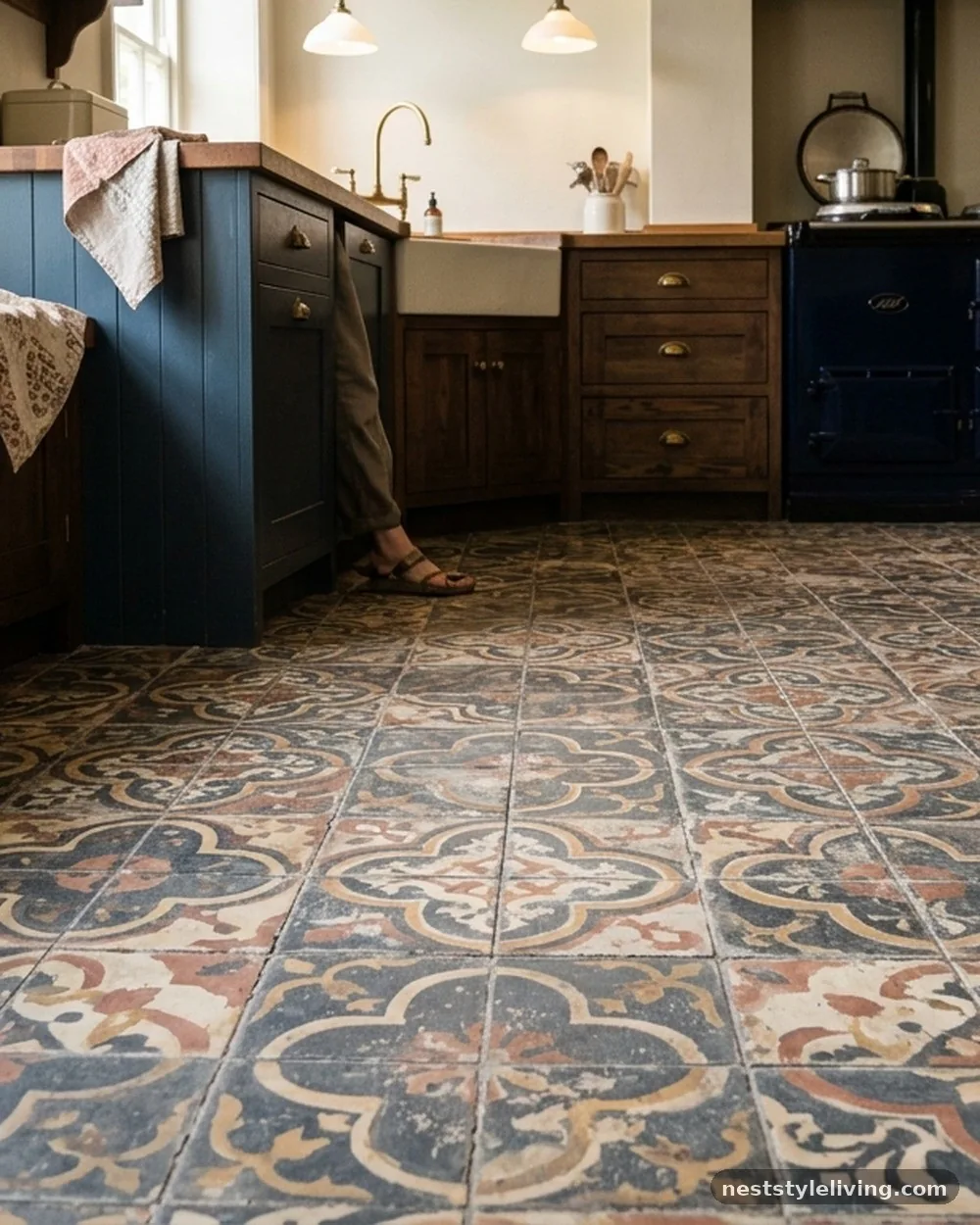
If you are looking to make a bold design statement, patterned cement tiles are an excellent choice for a boho kitchen. These tiles often feature intricate, geometric, or floral motifs inspired by traditional Mediterranean or Latin American designs.
The muted, matte finish of cement tiles feels less clinical than ceramic or porcelain, and the patterns help hide crumbs and minor spills, making them surprisingly practical for a busy room. The visual weight of these floors grounds the entire space, allowing your cabinets and shelves to remain simpler in design.
Cement tiles are porous and require sealing immediately after installation and periodically thereafter to prevent staining. When choosing a pattern, select one with a high-contrast palette to ensure the design remains a focal point even as the floor experiences the natural wear and tear of daily kitchen life.
14. Hanging Dried Herb Bundles
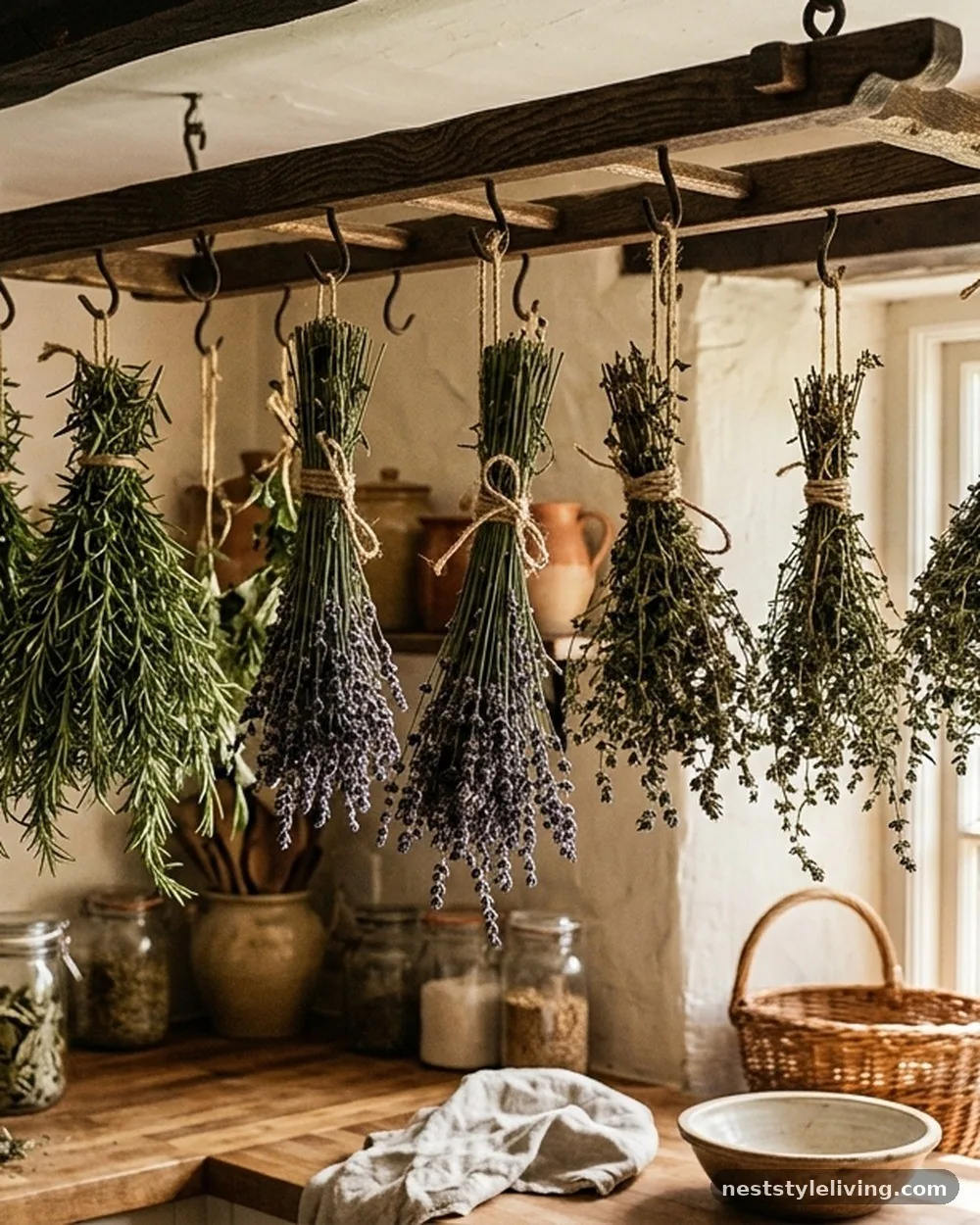
Nothing brings a sense of artisanal, collected charm to a kitchen quite like bundles of drying herbs hanging from a rack or a hook. Lavender, rosemary, sage, and thyme can be bundled with twine and suspended in a sunny spot.
This adds a vertical, aromatic, and visual layer that feels completely authentic to a kitchen centered on cooking. It softens the hard corners of the room and brings in natural, muted greens and browns that work perfectly with a boho color palette.
Harvest your herbs in the morning after the dew has evaporated but before the sun gets too hot, as this is when their essential oils are most concentrated. Tie the stems securely and hang them upside down in a well-ventilated area away from direct sunlight to ensure they dry without losing their color or flavor.
15. Mismatched Cabinetry Finishes
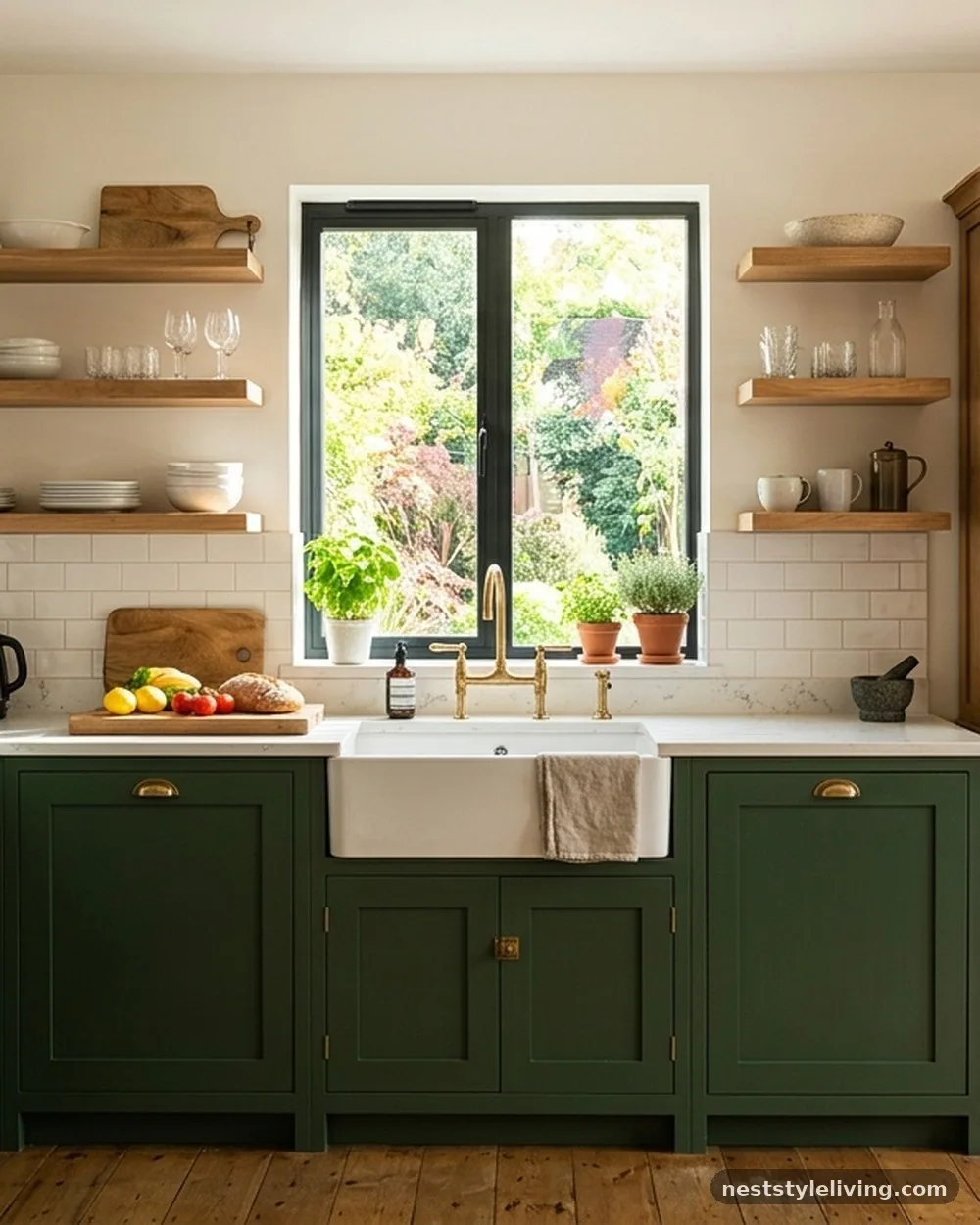
Breaking up the uniformity of kitchen cabinets is a hallmark of a collected, boho-style home. Consider painting your lower cabinets a deep, earthy tone like forest green or charcoal, while keeping the upper shelves or a single hutch in a natural wood finish.
This creates a visual divide that makes the room feel larger and more interesting. By treating different sections of the kitchen as distinct pieces of furniture, you avoid the “showroom” look and create a space that feels as though it has been curated over time.
If you are painting cabinets yourself, prioritize preparation by sanding the surfaces thoroughly and using a high-quality bonding primer. Use a durable, cabinet-grade enamel paint that can withstand the high-traffic, high-moisture environment of a kitchen, and allow for a full curing period before reattaching the hardware and using the drawers.
16. Framed Vintage Botanical Prints
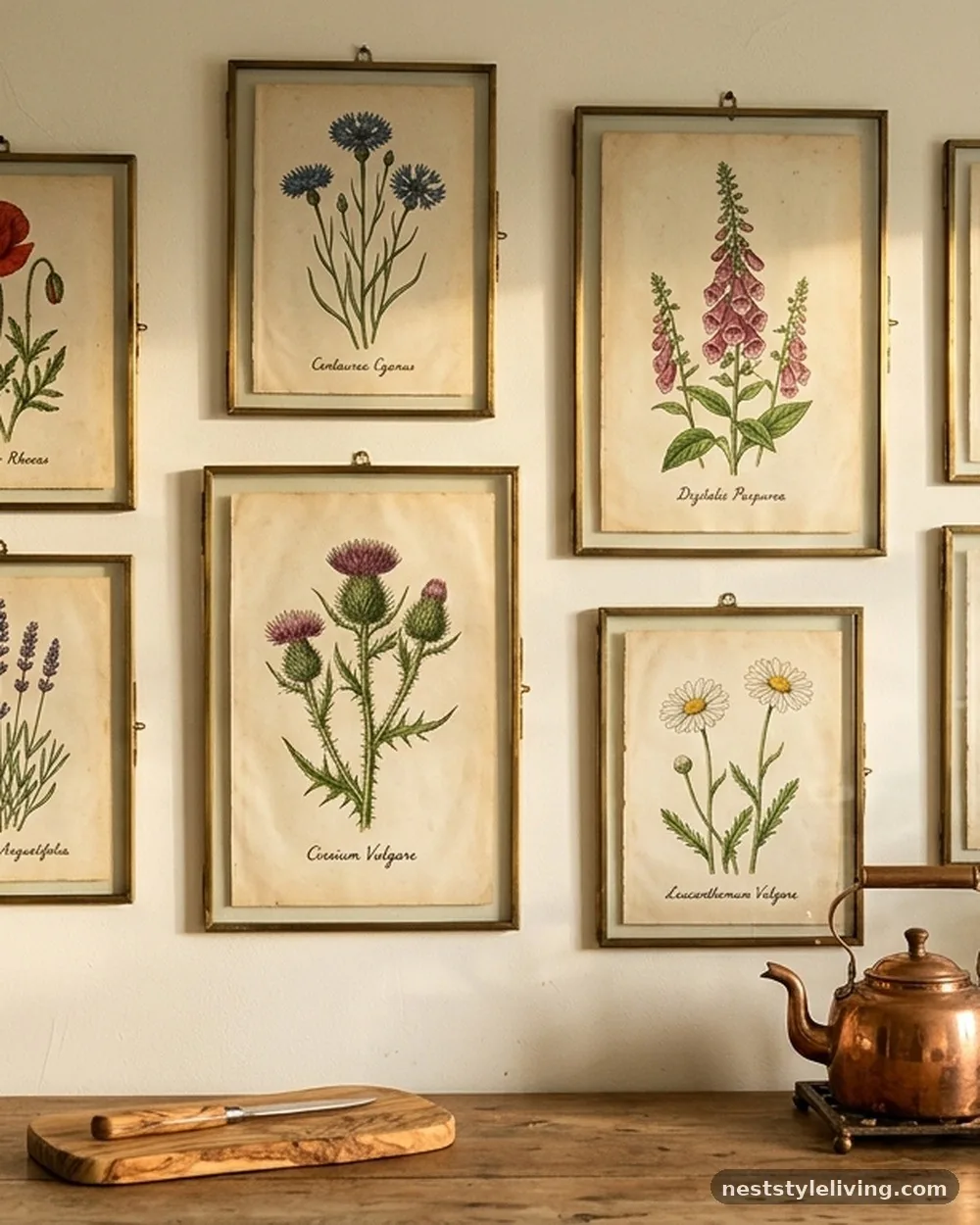
Art doesn’t stop at the kitchen door. Adding framed vintage botanical prints to your kitchen walls brings a sense of softness and color that ties the whole space together. Look for antique illustrations of herbs, fruits, or flowers in simple, thin wooden or brass frames.
Hanging them in a gallery-style arrangement or leaning them against a backsplash creates a sophisticated, layered look. This small detail elevates the kitchen from a purely functional zone to a room that feels like a deliberate extension of the rest of your home’s decor.
Use glass with a non-reflective or anti-glare finish to ensure the art remains visible even in bright kitchen lighting. If you are worried about grease or moisture, place the prints on a wall away from the stove or sink, or ensure the frames are properly sealed to protect the paper from humidity.
Frequently Asked Questions
Is boho style still popular in 2026?
Boho style has evolved into a more refined, “collected” aesthetic that remains highly relevant. It has moved away from the cluttered, neon-heavy look of the past toward a focus on high-quality natural materials, sustainable practices, and timeless, earthy palettes that feel permanent rather than trendy.
What is the biggest mistake when decorating a boho kitchen?
The most common mistake is over-accessorizing, which can lead to a cluttered and impractical workspace. A successful boho kitchen relies on a balance between open display and hidden storage, ensuring that the items you choose to show are both beautiful and genuinely useful to your daily routine.
How do I make a small kitchen feel boho without it looking messy?
Focus on vertical space and cohesive colors. Use open shelving to draw the eye upward and keep your color palette limited to three or four earthy tones to prevent the space from feeling cramped. By keeping your items organized by type, you can achieve a curated, bohemian vibe even in a tight footprint.
What are the essential materials for an earthy boho kitchen?
Prioritize natural, tactile materials that age well. Think reclaimed wood, unlacquered brass, stone, linen, and hand-fired ceramics. These materials provide a sensory experience that defines the boho aesthetic and ensures the space feels grounded and authentic.
Conclusion
Creating a space that feels deeply personal requires a commitment to selecting objects and materials that resonate with your own sense of history and style. By focusing on the texture of wood, the warmth of brass, and the unique character of handcrafted ceramics, you can easily develop boho kitchen ideas that feel collected and beautiful. Remember that this aesthetic is not about perfection, but rather about the intentional arrangement of items that bring you joy.
Start small by replacing a few hardware pieces or introducing a vintage rug, and allow your kitchen to evolve naturally over time. Embracing this slow, thoughtful approach to design ensures that your home remains a welcoming, authentic reflection of your life for years to come.