20 Japandi Kitchen Ideas for a Calm, Modern Kitchen

Integrating Japandi Kitchen Ideas for a Calm, Modern Kitchen into your home requires a careful balance between Scandinavian functionality and the rustic minimalism found in traditional Japanese design. This aesthetic prioritizes clean lines, muted color palettes, and a deep respect for natural materials, ensuring your cooking space remains a sanctuary rather than a source of clutter.
By focusing on intentional textures and subtle lighting, you can cultivate an environment that feels both sophisticated and deeply grounded. Whether you are renovating from scratch or looking for smaller updates, these strategies will help you achieve a serene atmosphere that emphasizes quality over quantity, resulting in a timeless, high-functioning culinary space that truly lasts.
1. White Oak Cabinetry

White oak is the hallmark of the Japandi look, offering a light, neutral grain that brightens the room without feeling cold. Unlike darker woods, white oak keeps the space feeling airy and open, which is essential for smaller footprints. The wood should be finished with a matte, clear coat to highlight the organic texture rather than hiding it under heavy stains or high-gloss lacquers.
This cabinetry style pairs exceptionally well with stone countertops and matte black hardware, creating a sharp contrast that defines the modern edge of the design. Because white oak is durable and holds up well to the humidity of a kitchen, it remains a long-term investment that ages gracefully.
To achieve this look, specify rift-sawn white oak for your cabinetry to ensure a straight, consistent grain pattern. Ask your cabinet maker for a zero-sheen, water-based polyurethane finish to maintain the raw, natural appearance of the timber.
2. Matte Black Hardware

Incorporating matte black hardware provides the necessary anchor for an otherwise light and neutral kitchen palette. These pulls, knobs, and faucet fixtures act as the “punctuation” in the room, drawing the eye to the clean lines of the cabinetry. Opt for minimalist, geometric shapes such as square-profile bar pulls or slim, cylindrical knobs.
The matte finish is superior to polished chrome or brass because it absorbs light rather than reflecting it, which aligns with the subdued, restful nature of the space. It is a cost-effective way to modernize existing cabinets without needing a full overhaul.
Source solid brass hardware with a powder-coated matte black finish, as this is significantly more durable than paint-dipped alternatives. When installing, use a template to ensure every pull is perfectly centered to maintain the precision required by the style.
3. Honed Basalt Countertops
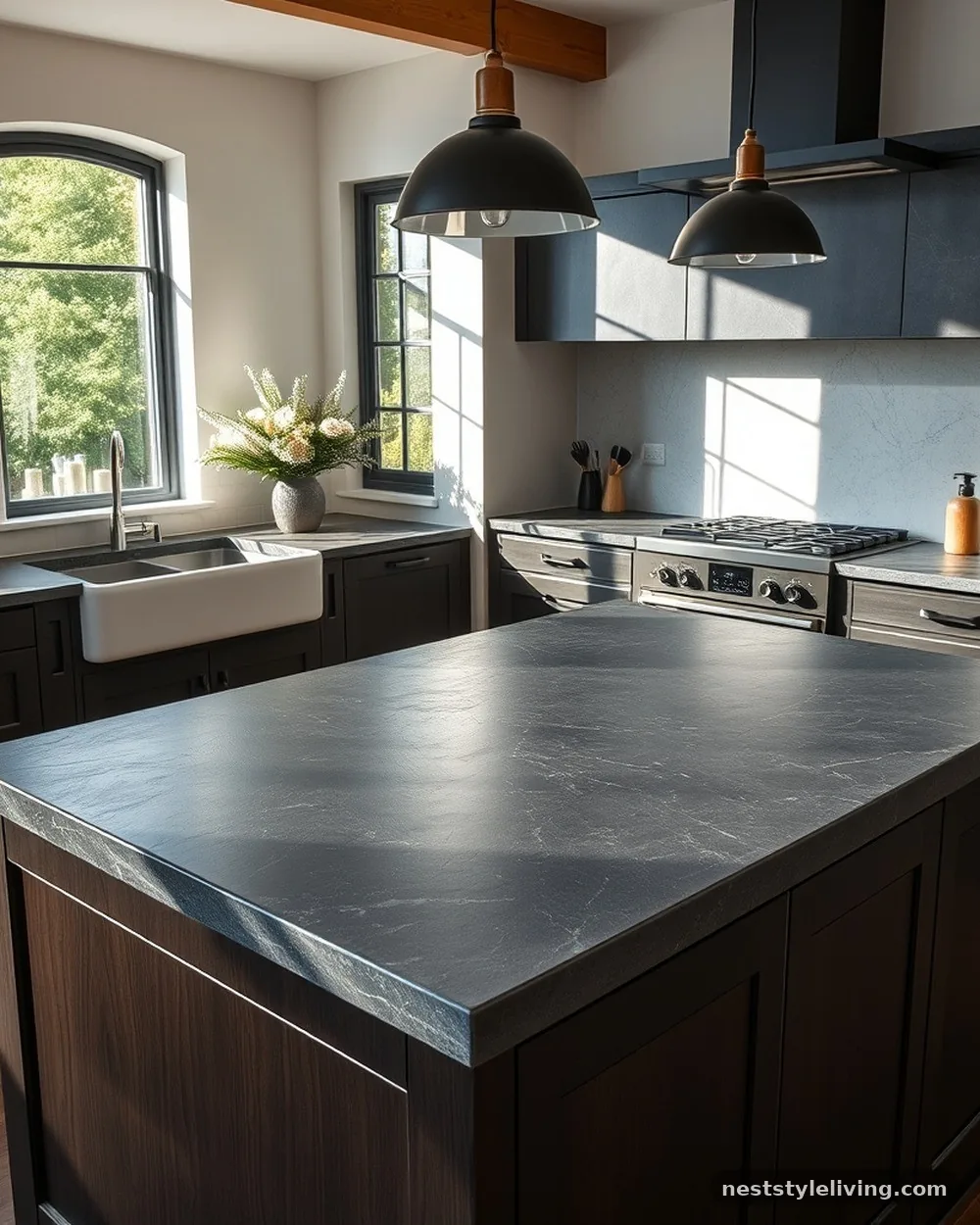
Honed stone, specifically basalt or dark granite, brings a grounding, earthy element to the kitchen that contrasts beautifully with lighter wood tones. Honing the stone removes the reflective polish, resulting in a velvety, matte texture that feels soft to the touch and hides fingerprints better than glossy surfaces.
This material choice is inherently durable, heat-resistant, and capable of withstanding heavy daily use. The dark, charcoal-grey tones of basalt provide a sense of weight and stability, preventing the kitchen from feeling too clinical or sterile while maintaining a modern, monochromatic appeal.
When ordering your stone, explicitly request a “honed” or “leathered” finish from your fabricator. Be aware that honed surfaces may require more regular sealing to prevent oil staining, so select a high-quality penetrating sealer to keep the stone looking pristine.
4. Integrated Recessed Lighting

Japandi design relies heavily on the quality of light, favoring soft, diffused glows over harsh, direct spotlights. Integrated recessed lighting, specifically LEDs tucked into coves or under upper cabinets, creates a gentle wash of illumination that highlights the textures of your materials.
Avoid cool-toned bulbs, which can make a kitchen feel like a laboratory; instead, aim for a color temperature between 2700K and 3000K. This warm light mimics the golden hour, making the room feel inviting and calm as the day transitions into evening.
Install dimmable LED strips in aluminum channels beneath your upper cabinets to create a continuous, shadow-free workspace. Use a warm-dim technology that shifts the color temperature to an even deeper amber as you lower the intensity for evening tasks.
5. Paper Lantern Pendants
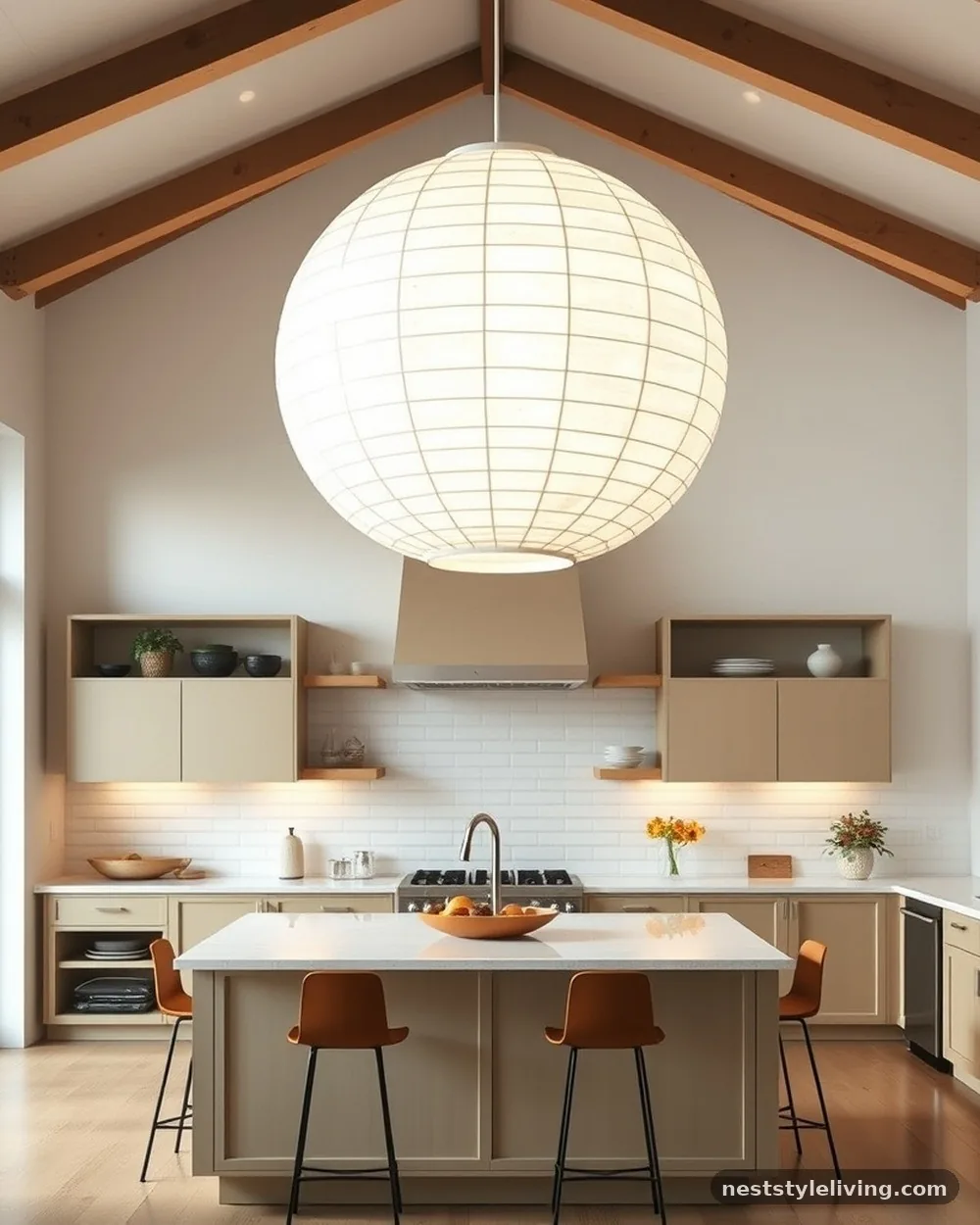
Large, sculptural paper lanterns serve as the primary focal point in many Japandi-inspired spaces, bridging the gap between traditional Japanese aesthetics and modern Scandinavian light design. The parchment-like material softens the light, diffusing it evenly across the kitchen island or dining area.
These fixtures are lightweight and add a necessary organic, rounded shape to a room that is often dominated by the straight lines of cabinetry and appliances. They provide a high-impact visual element that is relatively budget-friendly compared to heavy metal or glass chandeliers.
Choose a lantern with a reinforced rice paper or tyvek shade to ensure it can withstand the occasional grease-splatter or steam found in a kitchen environment. Position the fixture at least thirty inches above your island to maintain proper clearance and sightlines.
6. Vertical Slatted Wood Panels
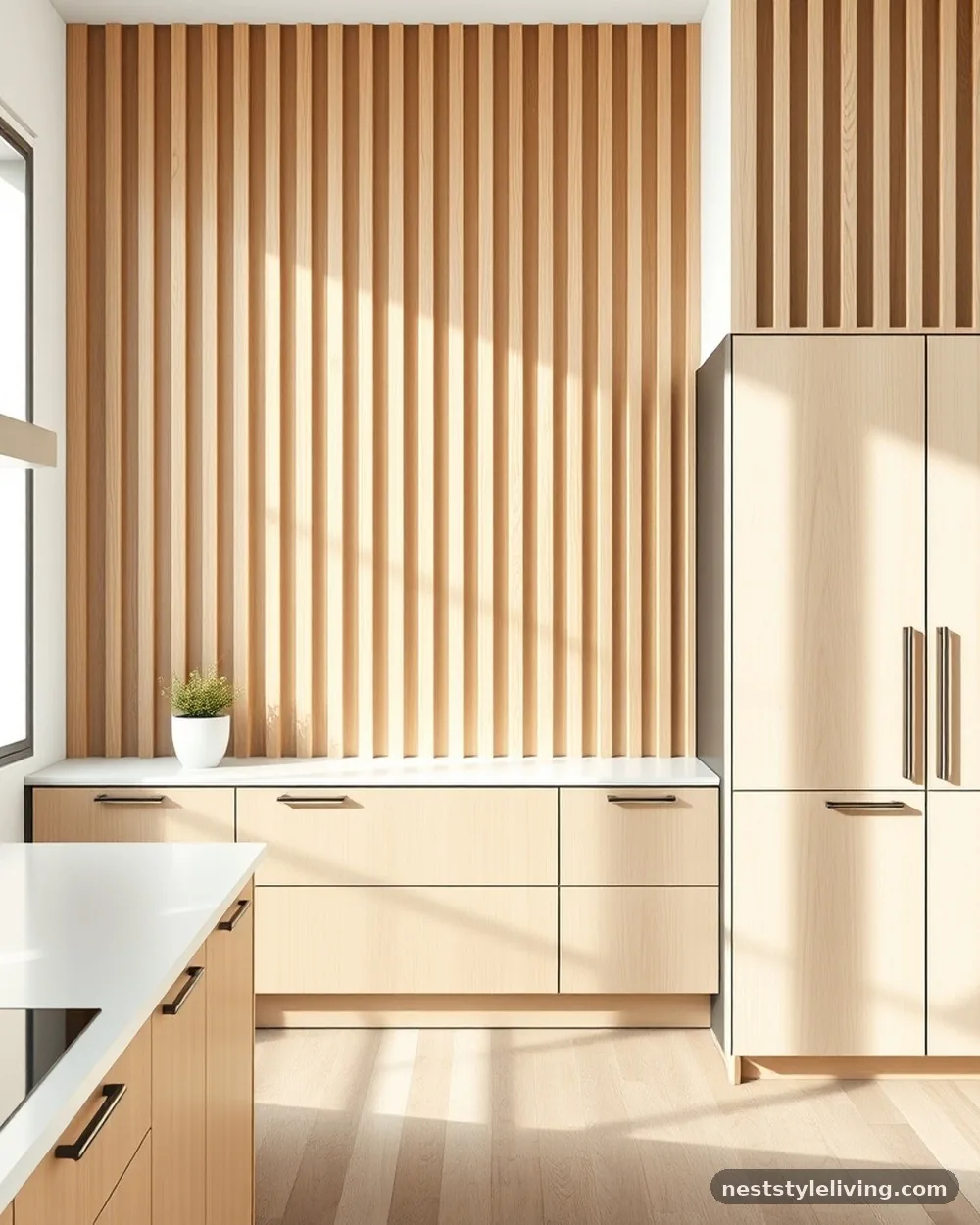
Vertical wood slats add depth and rhythm to a kitchen, functioning as a sophisticated way to introduce texture without cluttering the space. These panels can be used on the front of a kitchen island, as a feature wall behind open shelving, or even to hide integrated appliances like the refrigerator.
The repetition of the vertical lines creates a sense of height, making the room feel taller and more expansive. This architectural detail is deeply rooted in traditional Japanese woodwork, providing a refined, rhythmic backdrop that complements the simplicity of the surrounding surfaces.
You can purchase pre-fabricated slat wall panels that come on a felt backing, which simplifies installation significantly. For a more custom look, use solid white oak strips spaced exactly one inch apart to create an intentional, high-end finish that integrates seamlessly with your cabinetry.
7. Zellige Tile Backsplash

The uneven, artisanal surface of Zellige tiles brings a subtle, reflective texture to the kitchen wall, breaking up the flatness of modern cabinetry. These handcrafted clay tiles are known for their slight variations in tone and texture, which prevent the kitchen from feeling too perfect or industrial.
The natural glazing reflects light in unpredictable ways, creating a sense of movement across the backsplash. Choose a neutral color—such as bone, sand, or soft sage—to keep the space feeling calm while adding a layer of tactile interest that draws the eye upon entry.
When installing Zellige tiles, use a very tight grout joint to allow the edges of the tiles to touch, which emphasizes the handmade quality of the product. Use a high-quality grout color that matches the tile exactly to ensure the focus remains on the texture of the glaze.
8. Open Floating Shelves
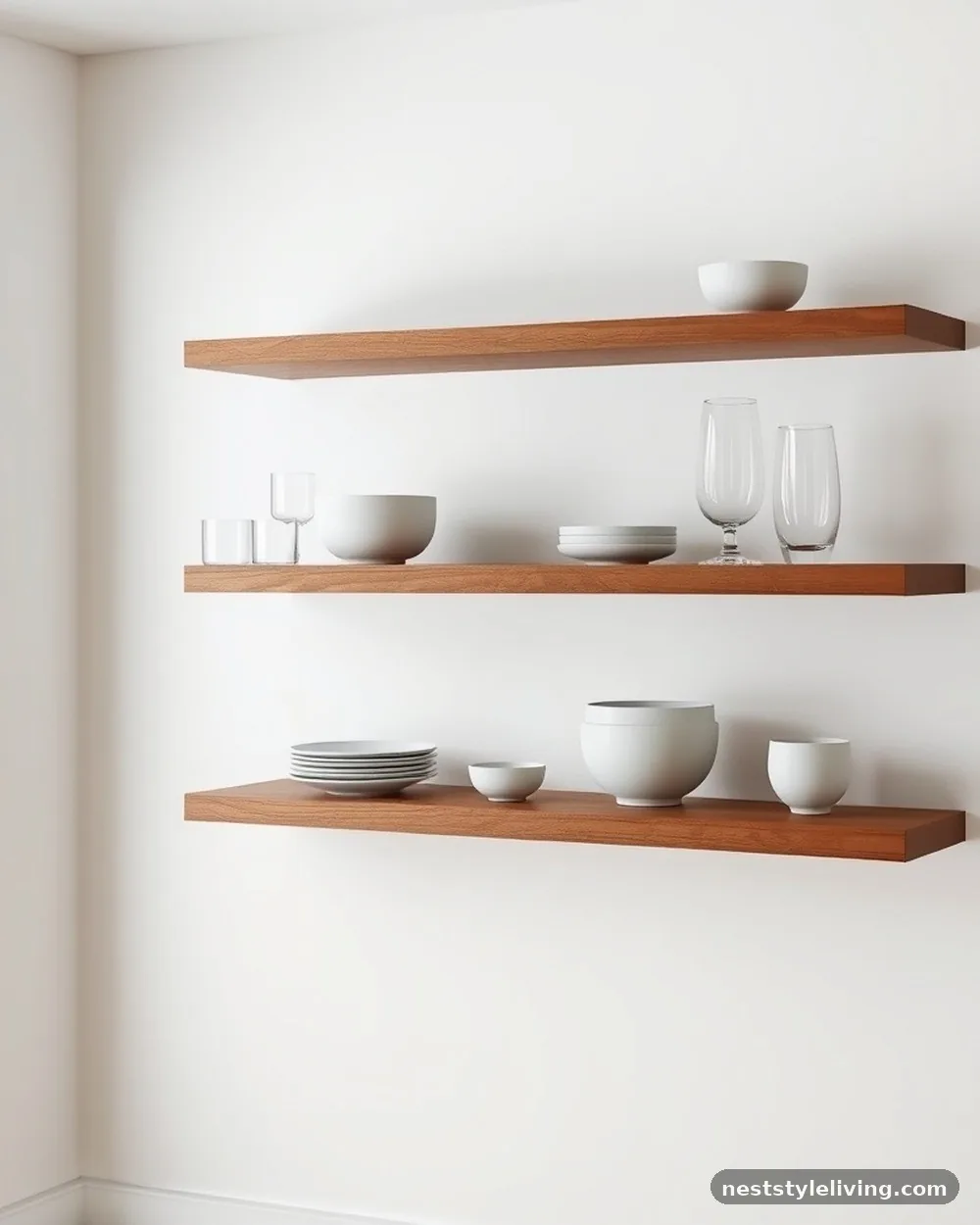
Open shelving is a staple of the Japandi movement, encouraging you to curate your kitchenware and display only the items that are both functional and beautiful. Use thick, solid wood shelves that match your cabinetry to keep the visual flow consistent.
This arrangement forces you to declutter, as open shelves do not hide mismatched plastics or chaotic kitchen gadgets. By displaying handmade ceramics, glass jars of dry goods, and a few essential tools, the kitchen becomes a space of intentional living, where your daily objects serve as part of the decor.
Ensure your shelves are mounted with hidden heavy-duty steel brackets that are drilled directly into the wall studs. This provides the necessary support for heavy stoneware and prevents the shelves from sagging over time, maintaining the clean, minimalist look.
9. Minimalist Ceramic Dinnerware

The items you store on your open shelves should be an extension of the design itself, featuring earth-toned ceramics and matte finishes. Avoid overly ornate patterns or bright colors; instead, look for pieces with organic shapes, hand-thrown textures, and muted glazes.
Stacking these items neatly on your shelves or in glass-fronted cabinets adds a layer of warmth and human touch to the kitchen. This approach turns everyday dinnerware into a decorative element, reinforcing the Japandi philosophy that beauty exists in the utility of everyday objects.
Build your collection slowly by sourcing items from local potters or specialty boutiques that focus on stoneware. Stick to a cohesive palette of three or four neutral colors to ensure that even when mixed, the display remains visually balanced and calm.
10. Hidden Appliance Garage
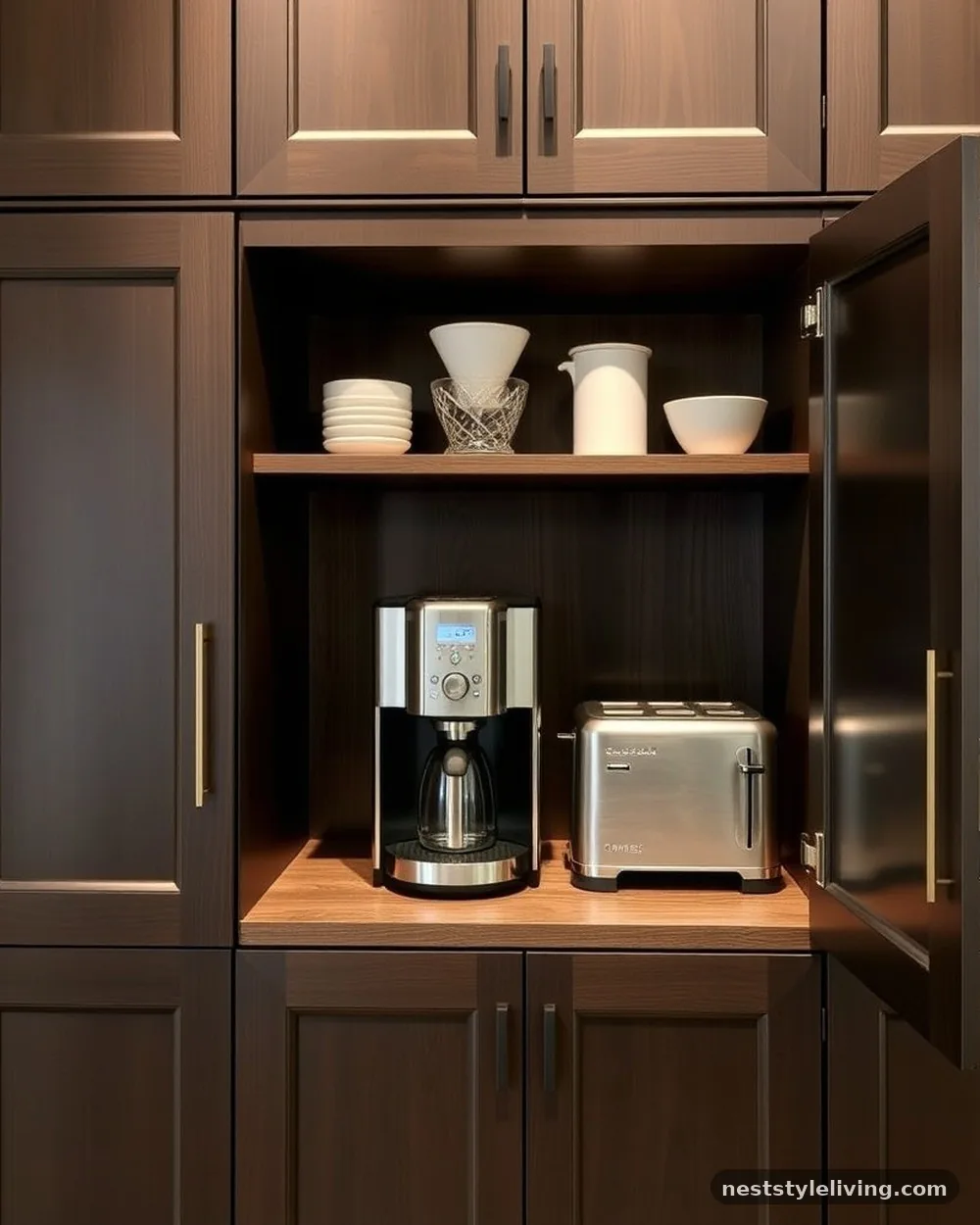
A “garage” or specialized cabinet for small appliances is essential for maintaining the clean, serene aesthetic of a Japandi kitchen. By tucking your toaster, blender, and coffee maker behind a pocket or tambour door, you eliminate the visual noise of cords and clutter.
This keeps your countertops completely clear, which is a fundamental requirement for a modern, calm space. The garage should be designed with integrated power outlets so that you can use the appliances in place, then simply close the door to return the kitchen to its minimalist state.
If you are planning a renovation, design a dedicated cabinet with a slide-out tray that allows you to pull the appliance forward for use. Ensure the cabinet has proper ventilation if it houses heat-generating appliances like a toaster or espresso machine.
11. Soft Grey Stone Flooring

Large-format stone tiles in soft, muted grey tones provide a neutral foundation for the kitchen, mimicking the look of natural concrete or slate. These tiles should have a honed or matte finish to avoid reflections that can make the floor look dated.
Stone is an incredibly durable choice for a high-traffic area, and its thermal mass can be helpful if you choose to install radiant floor heating beneath it. The coolness of the stone creates a nice contrast to the warmth of the wooden cabinets, balancing the two primary elements of the Japandi style perfectly.
Select a rectified tile, which has perfectly straight edges, to allow for the smallest possible grout lines. This creates a nearly seamless floor surface that is easier to clean and contributes to the overall minimalist, uncluttered feel of the room.
12. Incorporate Indoor Greenery

Plants are essential for bringing the “natural” aspect of Japandi into the kitchen, providing a living connection to the outdoors. A single, well-placed plant—like a bonsai, a trailing pothos on a high shelf, or a small olive tree in a corner—adds a vibrant pop of color that feels organic rather than artificial.
Choose pots made from natural materials like terracotta, concrete, or unglazed ceramic to complement the overall palette. Plants not only improve air quality but also soften the hard lines of the cabinetry and appliances, making the room feel more alive and less like a showroom.
Place your greenery in areas with indirect sunlight to ensure the plants thrive without needing constant maintenance. Use a simple, unglazed clay pot to keep the focus on the foliage and maintain the earthy, grounded aesthetic of the space.
13. Hidden Integrated Refrigeration
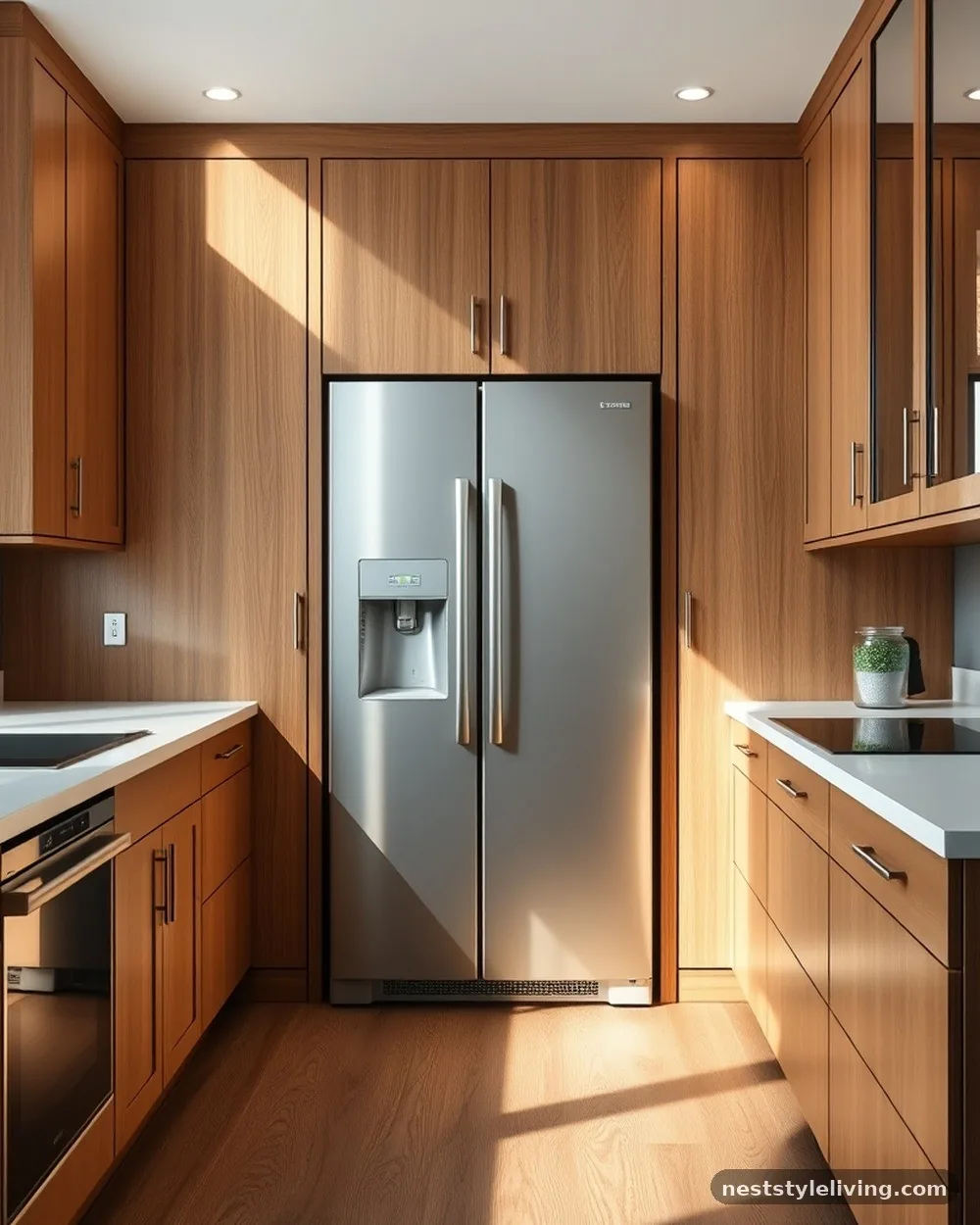
Visible, stainless steel appliances can often clash with the warm, woody tones of a Japandi kitchen. Integrating your refrigerator and dishwasher behind custom wood panels that match your cabinets creates a seamless, furniture-like appearance.
This design choice makes the kitchen feel less like a utility room and more like an extension of the living area. When the appliances disappear into the wall of cabinetry, the focus shifts to the materials and the architecture, which is the hallmark of a truly sophisticated, modern, and calm kitchen environment.
Work with your cabinet maker to ensure the door panels are perfectly aligned with the surrounding drawers and doors. Use heavy-duty, adjustable hinges designed specifically for panel-ready appliances to ensure the doors operate smoothly and stay perfectly plumb over time.
14. Muted Earth-Tone Palette

The color palette of a Japandi kitchen should never be stark white or overly vibrant; instead, it should rely on a spectrum of soft, muted earth tones. Think of colors inspired by nature: warm sand, soft charcoal, mushroom grey, sage green, and creamy off-white.
These colors work together to create a cohesive, soothing environment that feels intentional. By avoiding high-contrast, primary colors, you allow the textures of the wood, stone, and tile to take center stage, which is the key to achieving a truly serene and modern atmosphere.
Create a mood board with physical samples—wood, stone, and paint chips—before finalizing your choices. Look at these samples in the actual kitchen at different times of the day to see how the light changes the colors, ensuring they maintain their warmth and neutrality.
15. Hand-Forged Iron Accents
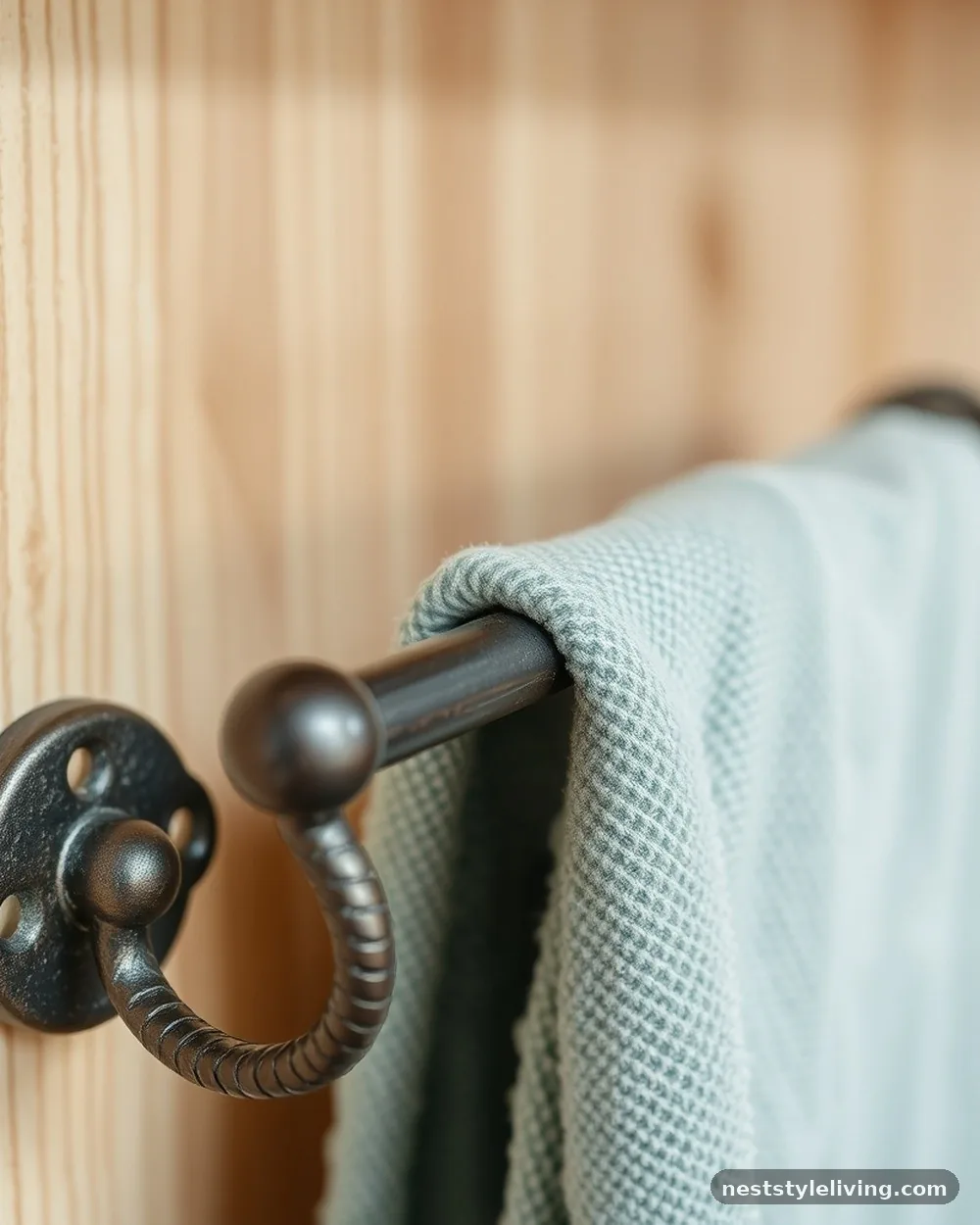
While matte black is common, incorporating a few elements of hand-forged iron adds a unique, artisanal quality that aligns with the Japanese influence of the style. This could be a wrought iron towel bar, a custom bracket for a shelf, or a heavy-duty hook for hanging a copper pot.
The irregularities in hand-forged metal provide a sense of history and craftsmanship that mass-produced hardware cannot replicate. These pieces should be used sparingly to act as accents, ensuring they do not overwhelm the clean lines of the space while adding a touch of rustic character.
Look for local metalworkers or artisan shops that specialize in traditional forging techniques. Even a single piece, such as a hand-forged handle on a pantry door, can act as a subtle “signature” that elevates the entire room’s design quality.
16. Low-Profile Furniture

If your kitchen includes a dining area or an island with seating, keep the furniture low-profile to maintain a horizontal visual flow. Low-backed stools or chairs with clean, simple silhouettes prevent the room from feeling crowded or top-heavy.
This design choice is a direct nod to traditional Japanese living, where furniture is kept close to the ground to emphasize the openness of the space. Choose natural materials like woven rush, light wood, or linen upholstery to keep the seating light and airy, ensuring it complements rather than distracts from the cabinetry.
Select stools with a simple, three-legged or four-legged wooden frame and a woven seat. This adds a layer of natural texture while keeping the visual weight low, which is essential for maintaining the spacious, calm feeling of the kitchen layout.
17. Consistent Grain Direction

When using wood for cabinets or paneling, the direction of the grain is a detail that separates a good kitchen from a great one. For a modern, calm look, all wood grain should run vertically on doors and horizontally on drawers, or vice versa, but it must be consistent throughout the entire room.
This attention to detail creates a sense of order and intentionality. When the grain flows across multiple cabinets, it emphasizes the precision of the design, making the kitchen feel like a single, cohesive piece of furniture rather than a collection of separate boxes.
During the design phase, ask your cabinet manufacturer to “bookmatch” or “sequence” the wood veneers. This ensures the grain continues seamlessly from one door to the next, which is a hallmark of high-end, custom cabinetry and essential for a truly polished look.
18. Decluttered Countertops

The most important element of any Japandi kitchen is the absence of visual clutter. Every item left on the counter should have a purpose and a place, or it should be put away. This doesn’t mean the kitchen should look empty or unused; rather, it should be curated.
A single wooden cutting board, a stone mortar and pestle, or a ceramic bowl filled with fruit can stay out, but the toaster, coffee maker, and spice racks should be hidden. This constant editing keeps the space feeling calm, modern, and ready for use at any moment.
Commit to a “everything has a home” rule. If an item doesn’t have a designated storage space inside a cabinet or drawer, consider whether you actually need it in your kitchen. This habit is the single most effective way to maintain the aesthetic without spending money.
19. Woven Textile Accents

Introduce texture through soft goods like linen tea towels, woven floor mats, or a small fabric window treatment. These textiles should be in neutral, natural fibers like cotton, linen, or jute. The goal is to add a layer of warmth and softness to the hard surfaces of the stone and wood.
Avoid patterns, choosing instead to focus on the quality of the weave or a subtle, muted color that ties in with the rest of the room. Textiles are an easy, inexpensive way to change the feel of the kitchen without a major renovation.
Choose high-quality, heavy-weight linen for your kitchen towels, as they are absorbent, durable, and look better the more they are washed. For floor mats, opt for a flat-weave jute or cotton rug that can be easily shaken out or machine-washed to keep the floor clean.
20. Tactile Natural Finishes
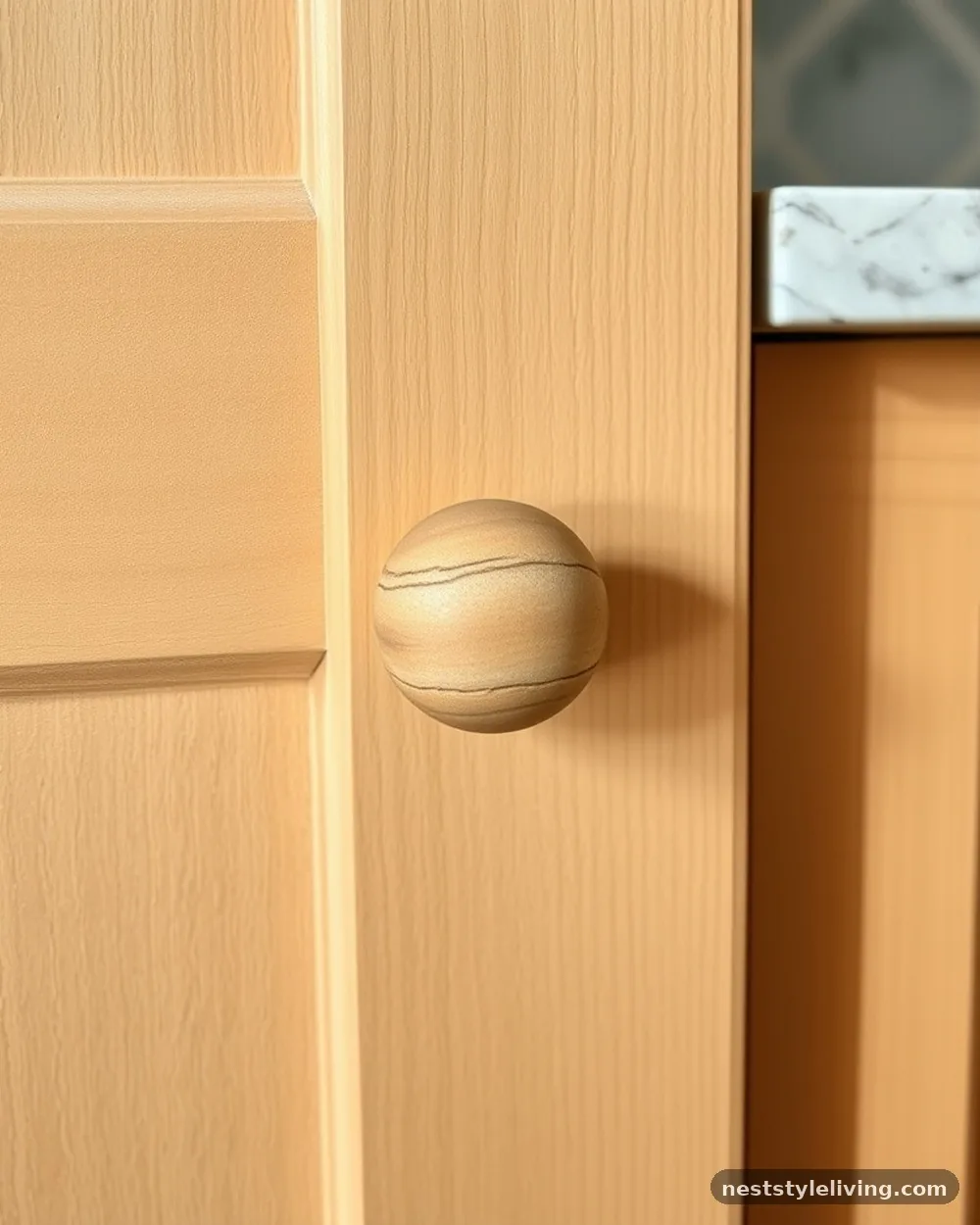
Every surface in your kitchen should invite touch, from the raw wood of the cabinets to the honed finish of the stone. Japandi design is not just about how the room looks; it is about how it feels. Avoid high-gloss plastics, synthetic veneers, or cold, polished metals.
Instead, prioritize materials that have a natural, matte, or slightly textured finish. This makes the kitchen feel more grounded and connected to the earth, creating a calming atmosphere that is a pleasure to spend time in every single day.
When shopping for materials, always ask for a physical sample and hold it in your hand. If it feels cold, artificial, or slippery, it likely doesn’t fit the Japandi aesthetic; look for materials that have a natural “grip” or warmth to them to ensure the space remains inviting.
Frequently Asked Questions
What kitchen trends will be outdated in 2026?
High-gloss, reflective cabinetry and overly ornate, “busy” designs with complex moldings are expected to fade as the preference shifts toward the quiet, matte, and minimalist aesthetic of Japandi. Bright, artificial color palettes and heavy, decorative hardware are also being replaced by more grounded, natural choices.
What colors are typically used in a Japandi kitchen?
The palette consists of soft, neutral earth tones including warm whites, mushroom greys, muted sages, and charcoal. These colors are chosen to mimic the natural world and provide a calm, non-distracting environment that emphasizes the texture of the materials.
What are common Japandi decor mistakes?
A common mistake is incorporating too many decorative items, which creates visual clutter that contradicts the minimalist philosophy of the style. Another error is using cool-toned or overly bright lighting, which ruins the warm, serene atmosphere essential for a successful Japandi design.
Is Japandi style still trending?
Yes, the style remains popular because it focuses on functional, high-quality, and timeless design rather than fleeting fads. As more people seek out home environments that promote mental calm and organization, the intersection of Scandinavian and Japanese design continues to be a top choice for modern renovations.
Conclusion
Achieving a serene home environment is well within reach when you embrace the core principles of simplicity, texture, and natural materials. By integrating these Japandi Kitchen Ideas for a Calm, Modern Kitchen into your own space, you create a functional area that supports both your cooking needs and your desire for a peaceful sanctuary. Remember that the goal is not to achieve a showroom look, but to curate a space that feels intentional and grounded.
Start with the surfaces you interact with most, like your countertops or cabinet finishes, and build your collection of tools and decor slowly. This deliberate approach ensures your kitchen remains a place of comfort and clarity for years to come. We invite you to begin your transformation today by focusing on one of these elements to see how small, thoughtful changes can redefine your daily experience.