14 Mid Century Modern Bathroom Ideas With Retro Charm
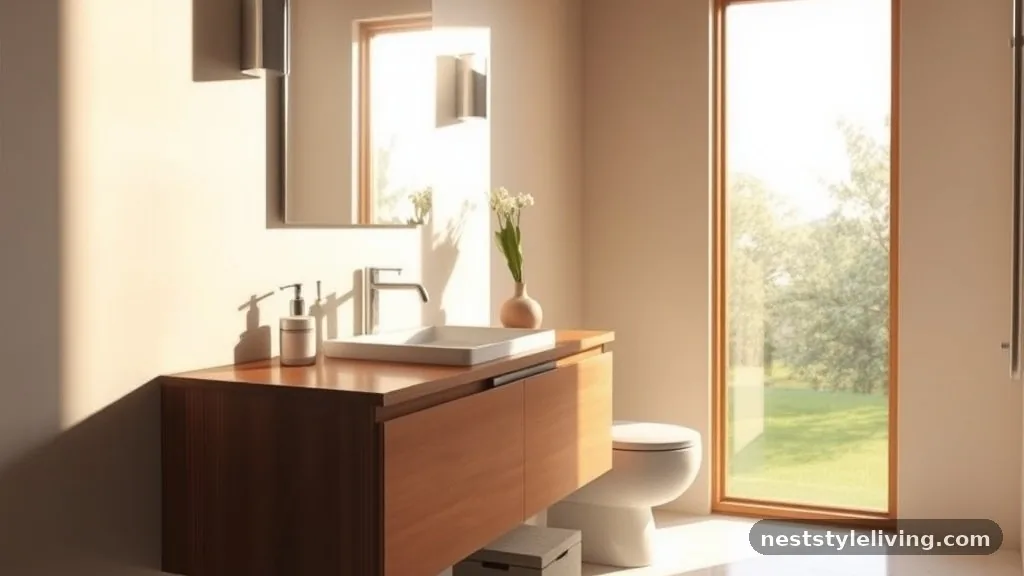
Integrating Mid Century Modern Bathroom Ideas With Retro Charm into your home renovation allows you to balance functional, clean lines with the warmth of classic design history. These spaces prioritize organic forms, natural materials, and a sense of playfulness that remains timeless even as trends shift.
By focusing on iconic color palettes and intentional hardware choices, you can create a sanctuary that feels both curated and comfortable. Whether you are aiming for a full restoration or just adding subtle hints of the 1950s, these design strategies offer a clear path to achieving that specific, nostalgic aesthetic in your daily routine.
1. Teak Floating Vanities
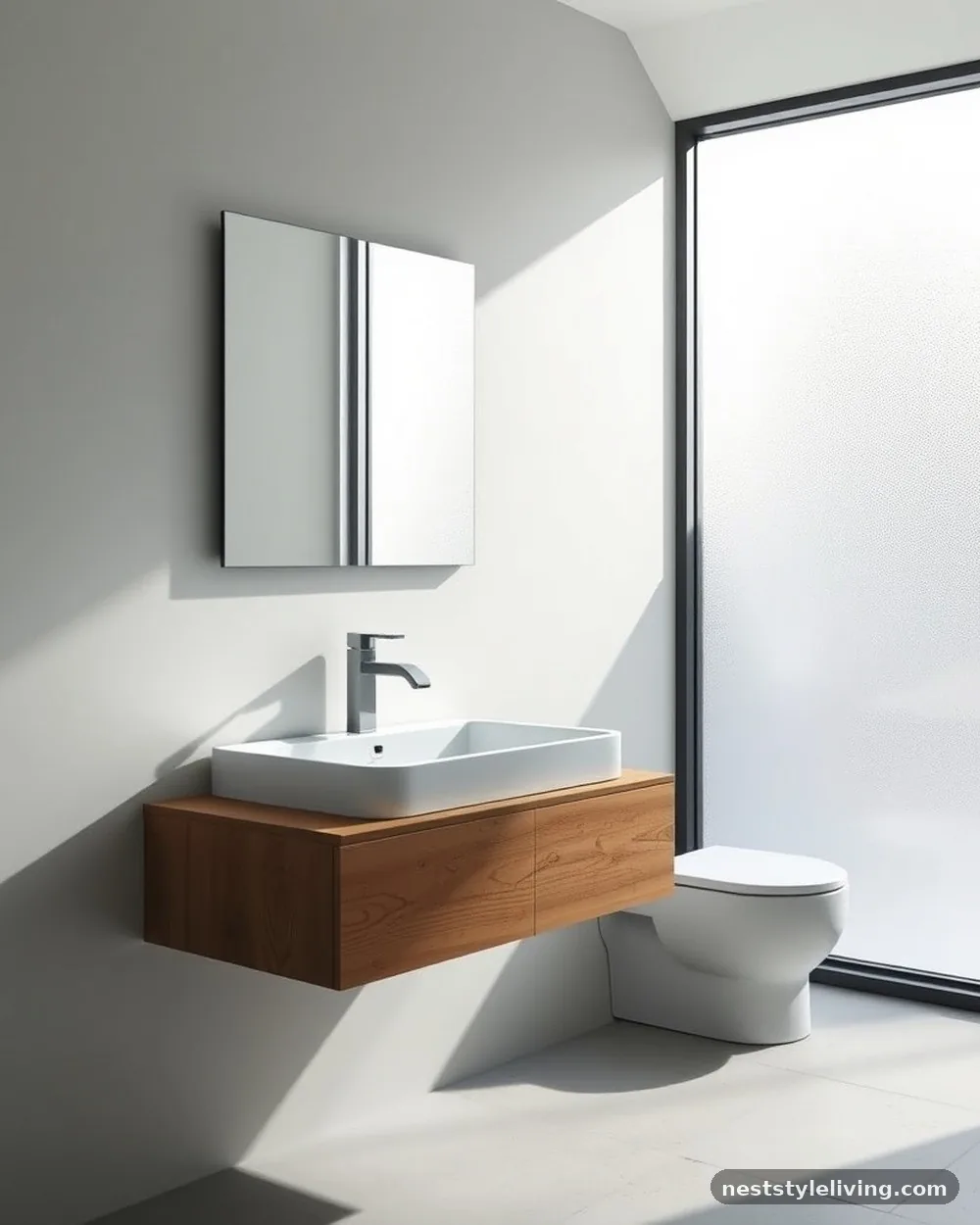
Floating vanities crafted from warm-toned teak are a hallmark of this design period because they emphasize open floor space while providing a rich, organic texture. The wood grain is typically horizontal and prominent, acting as the primary visual anchor in a room that might otherwise feel cold due to porcelain and glass surfaces.
These vanities often feature slim, tapered legs or are mounted directly to the wall to enhance the sense of airiness, which was a critical goal for architects of the era. The durability of teak in high-moisture environments makes it a practical choice, though it does require periodic oiling to prevent the finish from dulling over time.
To maintain the wood’s luster, apply a teak oil or a high-quality marine-grade sealer every six months. This prevents water spotting and keeps the natural golden-brown hue from graying, ensuring the piece remains a focal point of your bathroom for years.
2. Geometric Penny Tile Floors
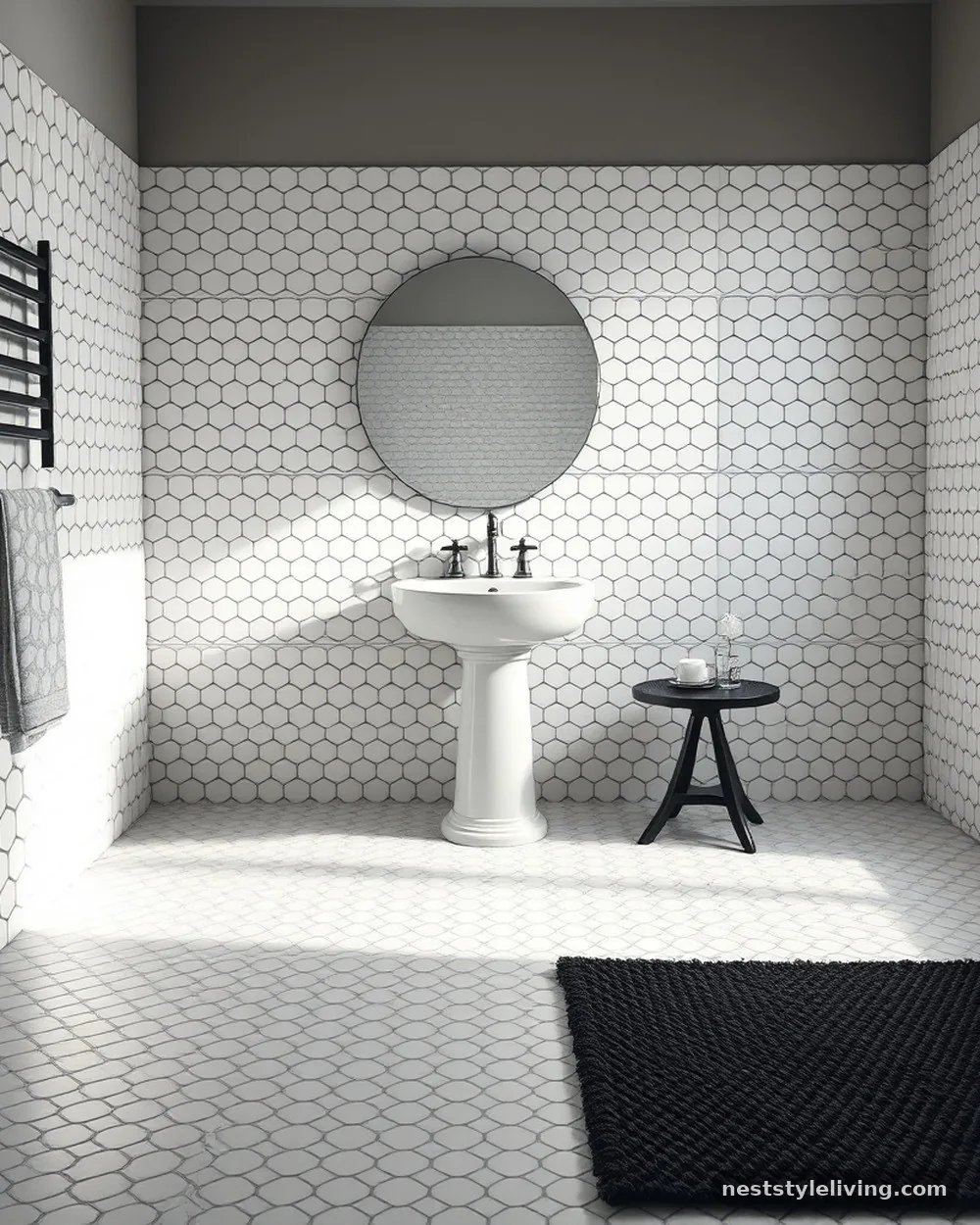
Penny tiles, particularly in matte white or soft pastel hues like pale mint or dusty pink, provide a subtle geometric pattern that feels inherently retro without overwhelming the space. When these small, circular tiles are laid in a grid or a loose random pattern, they add texture underfoot and break up the rigid lines of modern plumbing fixtures.
Using a contrasting grout color, such as charcoal or dark grey, forces the circular shapes to pop, highlighting the craftsmanship of the installation. This flooring choice is remarkably slip-resistant due to the high density of grout lines, making it a functional upgrade for a busy household.
When selecting your tiles, prioritize porcelain over ceramic, as porcelain is less porous and better suited for the high-humidity environment of a bathroom floor. Use a pre-sealed grout to reduce the maintenance burden, as keeping small grout lines clean can be labor-intensive in a wet area.
3. Sunburst Mirrors
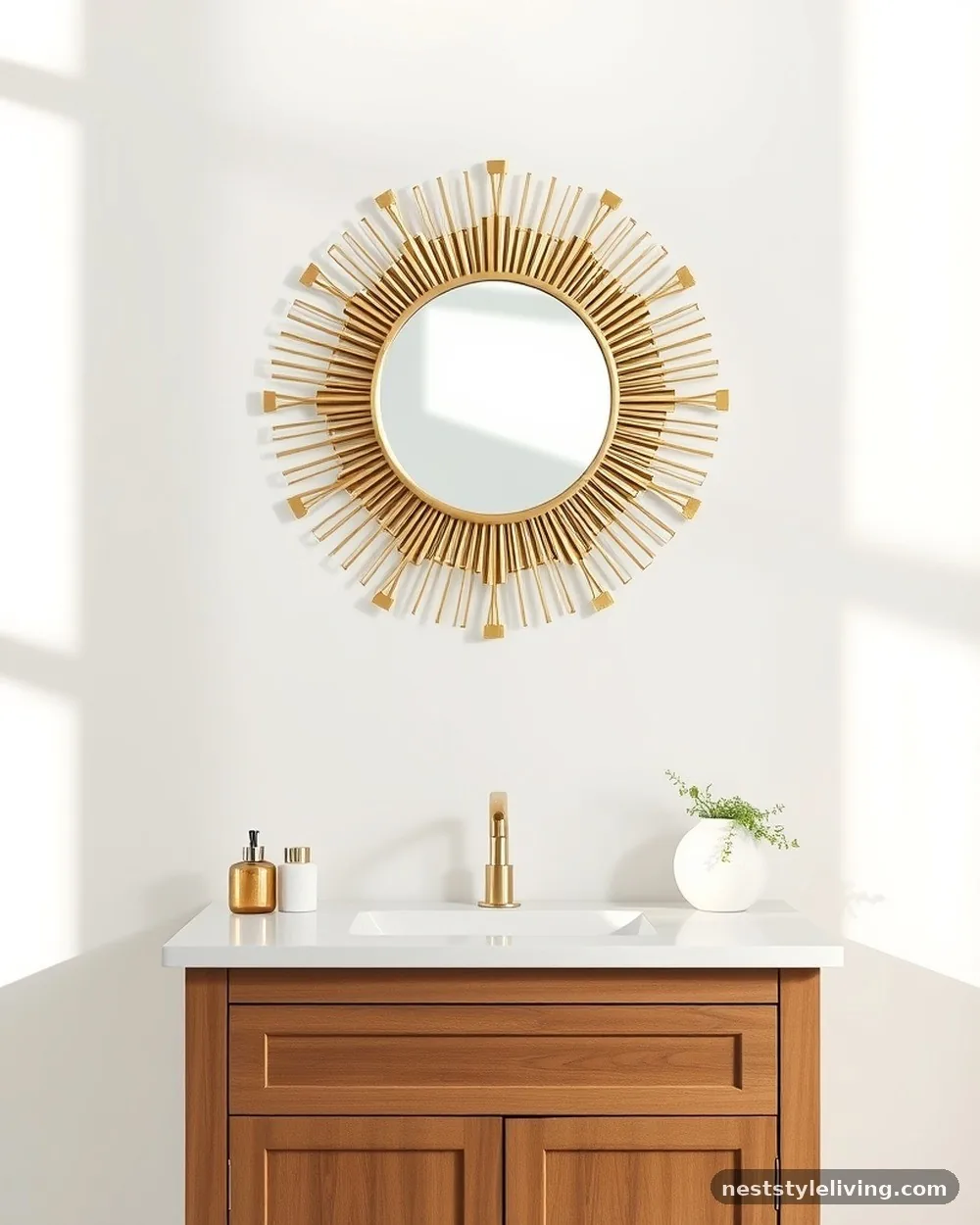
A sunburst mirror acts as a sculptural element that draws the eye upward, effectively serving as the primary decorative feature in a minimalist bathroom. These mirrors often feature radiating metal or wooden spokes that evoke the optimistic, space-age aesthetic of the 1950s, adding a sense of movement to a static wall.
Because they are highly reflective and ornate, they function best when placed above a simple, unadorned vanity to prevent the space from feeling cluttered. The contrast between the intricate frame and the clean, functional surfaces of the sink area creates a balanced visual weight that is characteristic of high-end mid-century interiors.
Position the mirror at eye level, ensuring there is at least six inches of clearance above the faucet to prevent water splashing onto the frame. If your bathroom lacks natural light, choose a version with a polished brass finish, as the metal will catch and amplify whatever ambient light is available in the room.
4. Tapered Leg Consoles
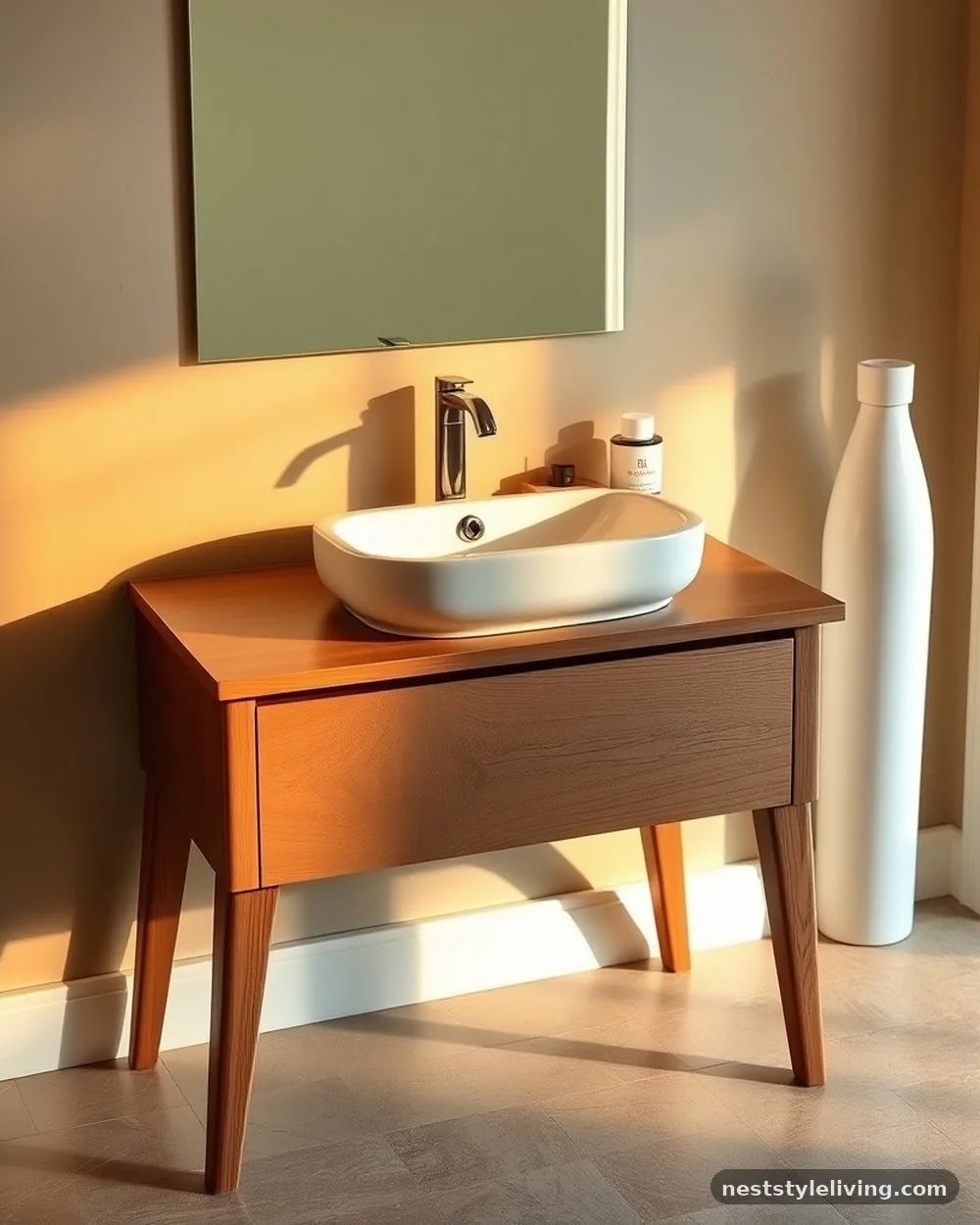
Tapered legs are the defining architectural detail of mid-century furniture, and bringing this silhouette into the bathroom adds a sophisticated, furniture-like quality to the space. Whether you choose a metal-framed console or a wooden cabinet, the outward-angled legs create a sense of lightness that makes a small bathroom feel larger.
This style often pairs well with integrated ceramic sinks that drop into a stone or wooden countertop, offering a seamless transition between the basin and the base. It is a departure from the heavy, boxy vanities that dominated later decades, favoring a design language that emphasizes structural elegance.
When shopping for a console, ensure the legs are fitted with adjustable levelers at the bottom to account for uneven tile flooring. This prevents the unit from wobbling and protects the base of the legs from sitting directly in any standing water that might collect on the floor.
5. Pastel Ceramic Wall Tiles
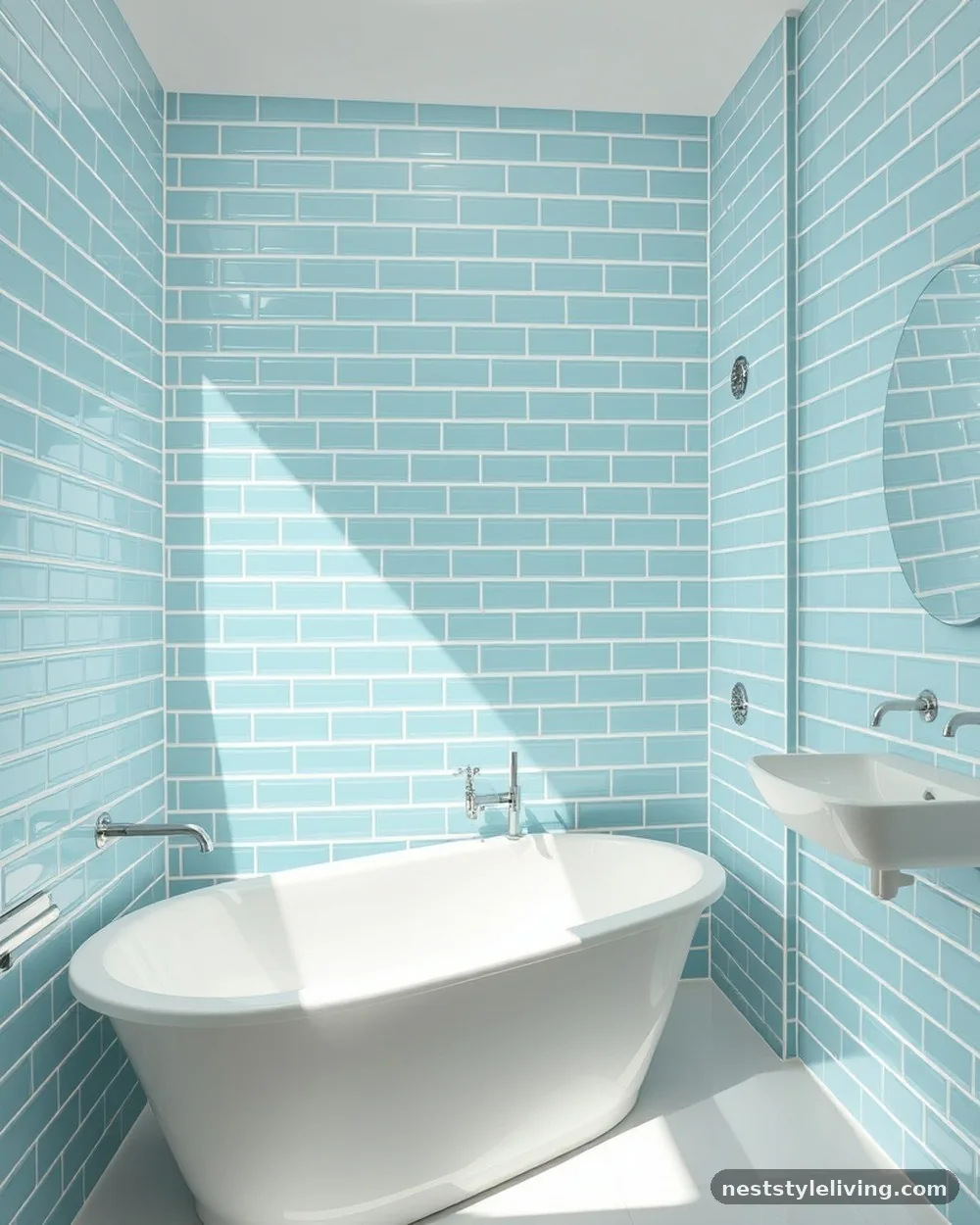
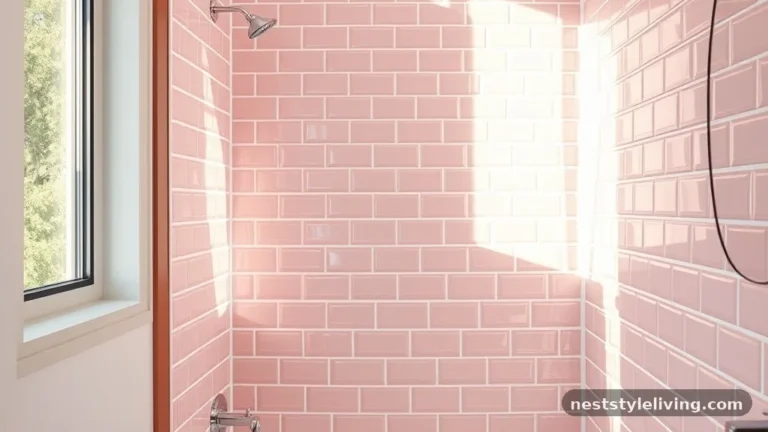
Incorporating soft, muted colors like robin’s egg blue, butter yellow, or seafoam green through wall tiling is an effective way to inject personality into a neutral bathroom. These colors were ubiquitous in post-war residential design and continue to provide a cheerful, calming atmosphere that feels distinct from the monochrome greys often found in modern homes.
Using subway-style tiles in these shades allows for a versatile application—you can tile the entire room for a dramatic, immersive effect or limit the color to a wainscoting height to ground the space. The glossy finish of these tiles reflects light, which helps brighten smaller rooms.
To ensure a timeless look, pair these pastel tiles with neutral, warm-toned hardware like brushed brass or unlacquered copper. Avoid high-contrast border tiles, which can make the space feel dated rather than intentionally retro; instead, finish the edges with a simple bullnose tile for a professional, clean transition.
6. Brass Wall-Mounted Faucets
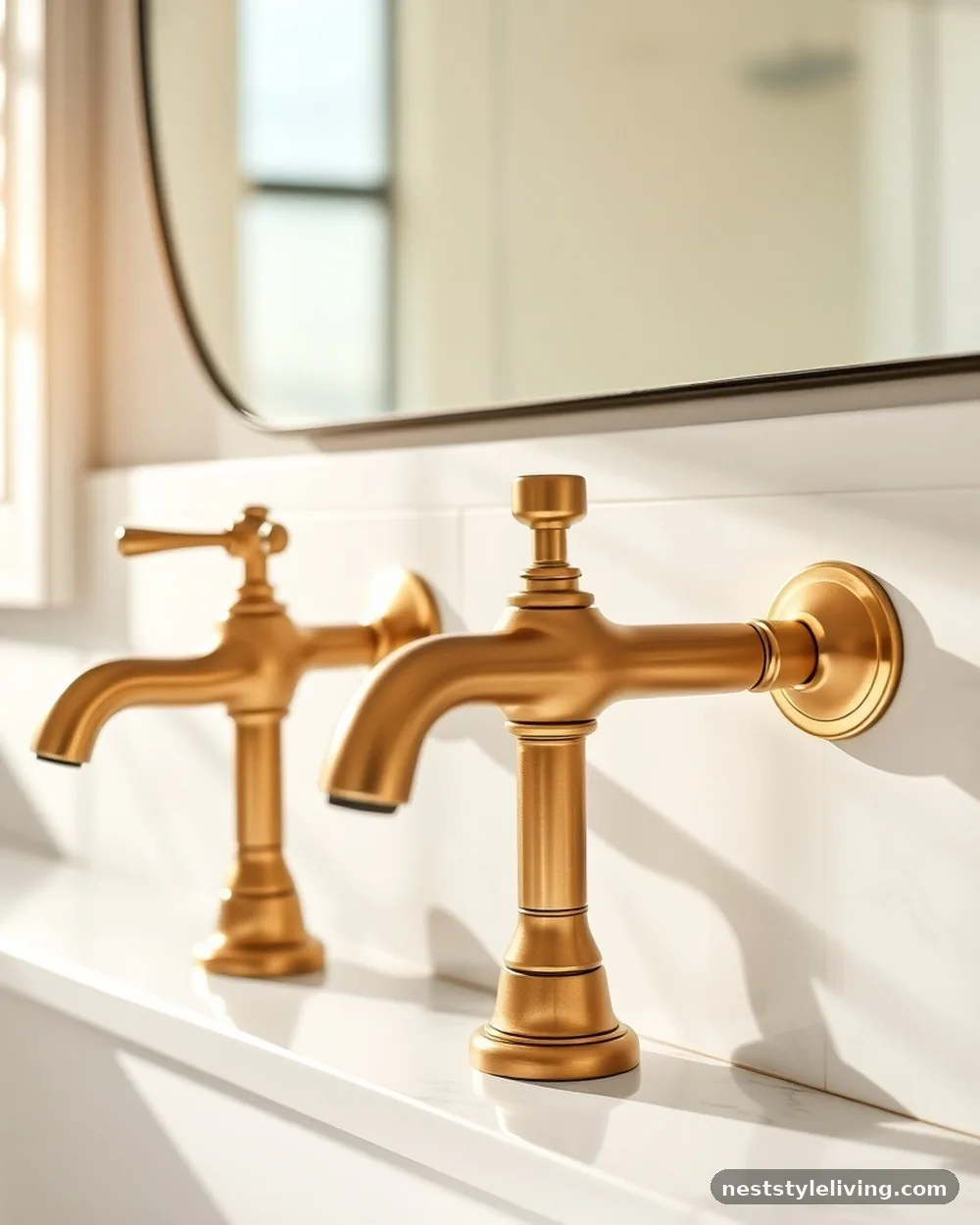
Wall-mounted faucets in a brushed or satin brass finish eliminate clutter on the vanity top and introduce a metallic warmth that ages beautifully over time. This hardware choice is quintessentially mid-century, reflecting the era’s fascination with refined, industrial-inspired materials that were both functional and decorative.
The clean lines of a wall-mount design draw attention to the backsplash, making it an excellent opportunity to feature a unique tile pattern or a slab of natural stone. Because the faucet is separated from the sink, cleaning the vanity surface becomes significantly easier, which is a major benefit for long-term maintenance.
Verify your wall depth before purchasing, as wall-mounted systems require the valve to be installed inside the wall cavity behind the finished tile. If your plumbing infrastructure is rigid, you may need a professional plumber to reroute the supply lines to ensure the spout clears the sink basin at the correct angle.
7. Globe Sconce Lighting
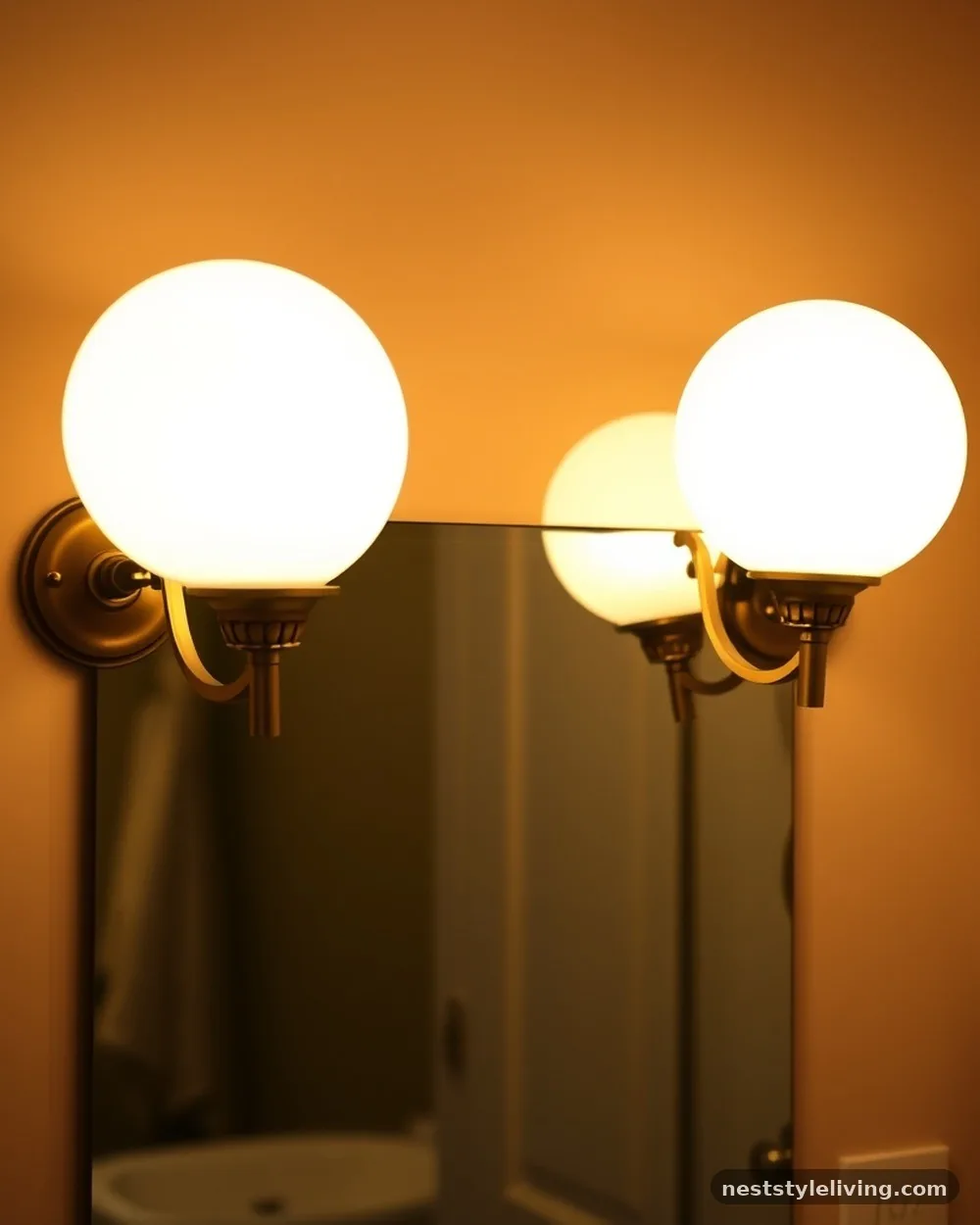
Globe lighting, specifically milk glass spheres mounted on simple brass or matte black arms, provides a soft, diffused glow that mimics the warmth of vintage incandescent bulbs. These fixtures are iconic for their simplicity, representing the mid-century preference for functional, geometric shapes that don’t distract from the rest of the room’s design.
Placing them at eye level on either side of the mirror is the most effective way to provide even, flattering light for grooming while reinforcing the symmetry often found in period-appropriate bathrooms. They work exceptionally well in rooms with lower ceilings, as the compact, rounded design doesn’t visually crowd the vertical space.
Opt for LED bulbs with a warm color temperature, typically between 2700K and 3000K, to replicate the soft, inviting light of the original era. This temperature prevents the bathroom from feeling sterile or clinical, maintaining the cozy, residential feel that is essential to mid-century modern design.
8. Terrazzo Countertops
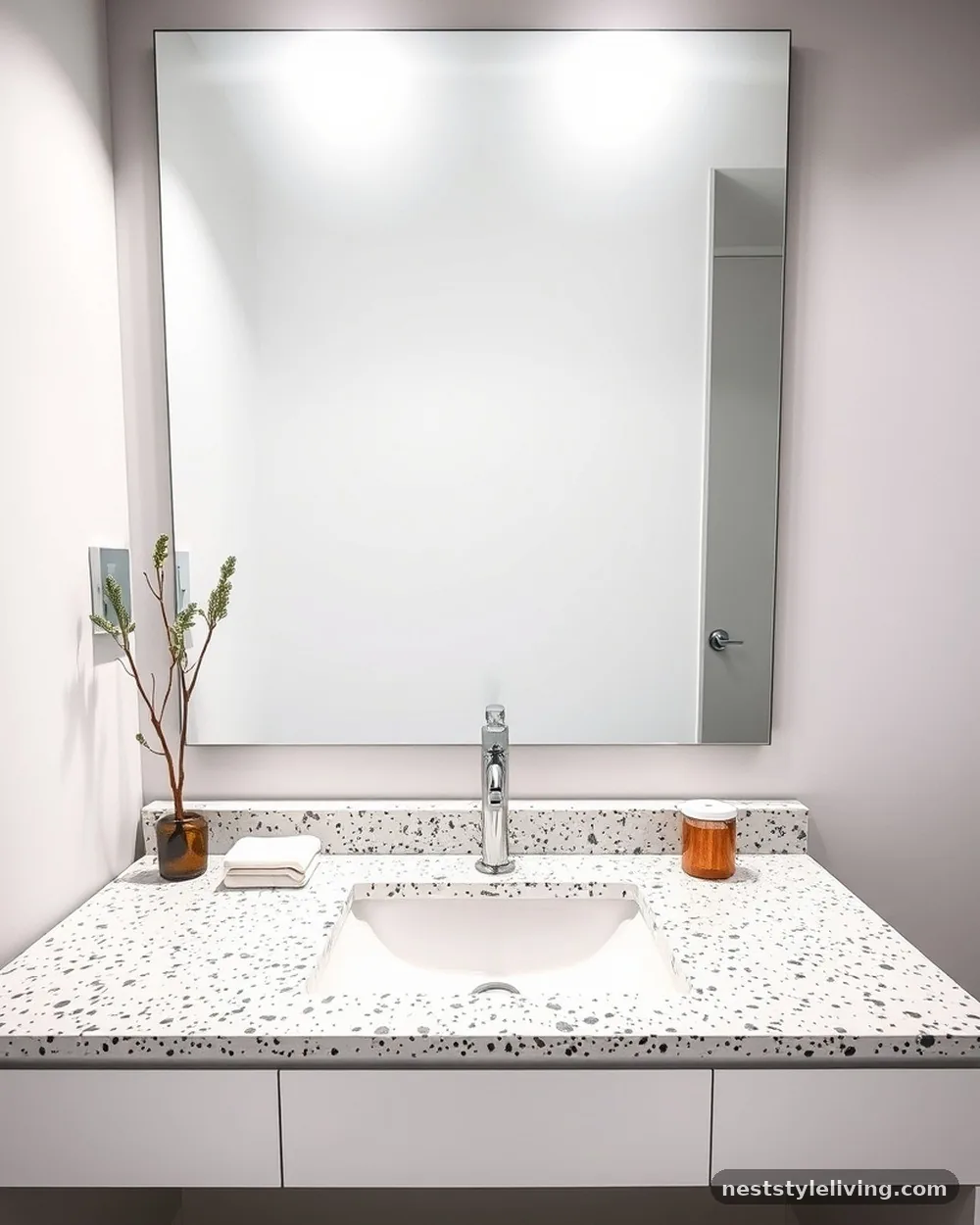
Terrazzo, a composite material made of marble, quartz, granite, or glass chips set in cement, offers a durable and visually interesting alternative to solid-color quartz or marble. The speckled appearance adds a layer of texture and color variation that hides water spots and dust better than uniform surfaces, making it a practical choice for a high-traffic bathroom.
During the mid-century period, terrazzo was a popular choice for flooring and interior surfaces due to its strength and versatility; bringing it onto the vanity countertop creates an immediate retro focal point. It can be poured in place or installed as pre-cast slabs, depending on the complexity of your vanity’s geometry.
Seal your terrazzo surface with a high-quality penetrating sealer immediately upon installation to prevent staining from toiletries or cosmetics. Because it contains cement, the material is porous and will absorb liquids if not properly protected, so re-sealing it once a year is a necessary step to keep it looking pristine.
9. Frameless Medicine Cabinets
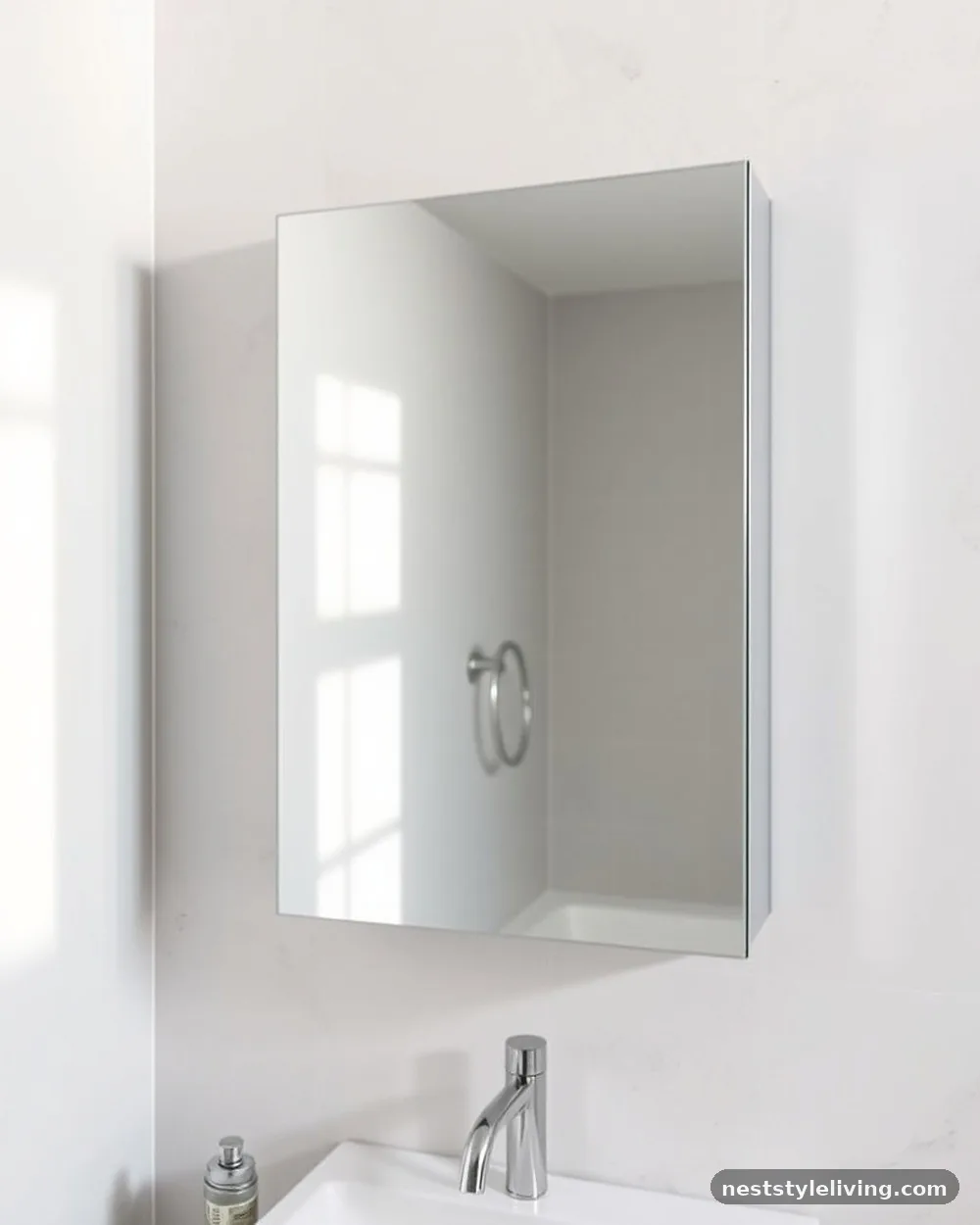
A sliding or recessed medicine cabinet without a heavy frame is the ultimate space-saving solution that keeps your bathroom looking sleek and uncluttered. By opting for a design that sits flush with the wall, you maintain the minimalist aesthetic while providing hidden, vertical storage that is often lacking in vintage-style homes.
These cabinets often feature a simple mirror front that reflects light back into the room, making the space feel larger than it actually is. The lack of visible hardware or bulky trim allows the cabinet to disappear into the wall, keeping the focus on other design elements like tile or lighting.
Ensure that the wall cavity is deep enough to accommodate the cabinet box before you commit to a recessed model. If you are retrofitting an older home, use a surface-mount kit with a minimal, thin-profile frame to achieve a similar clean look without needing to alter your wall studs.
10. Integrated Ceramic Sinks
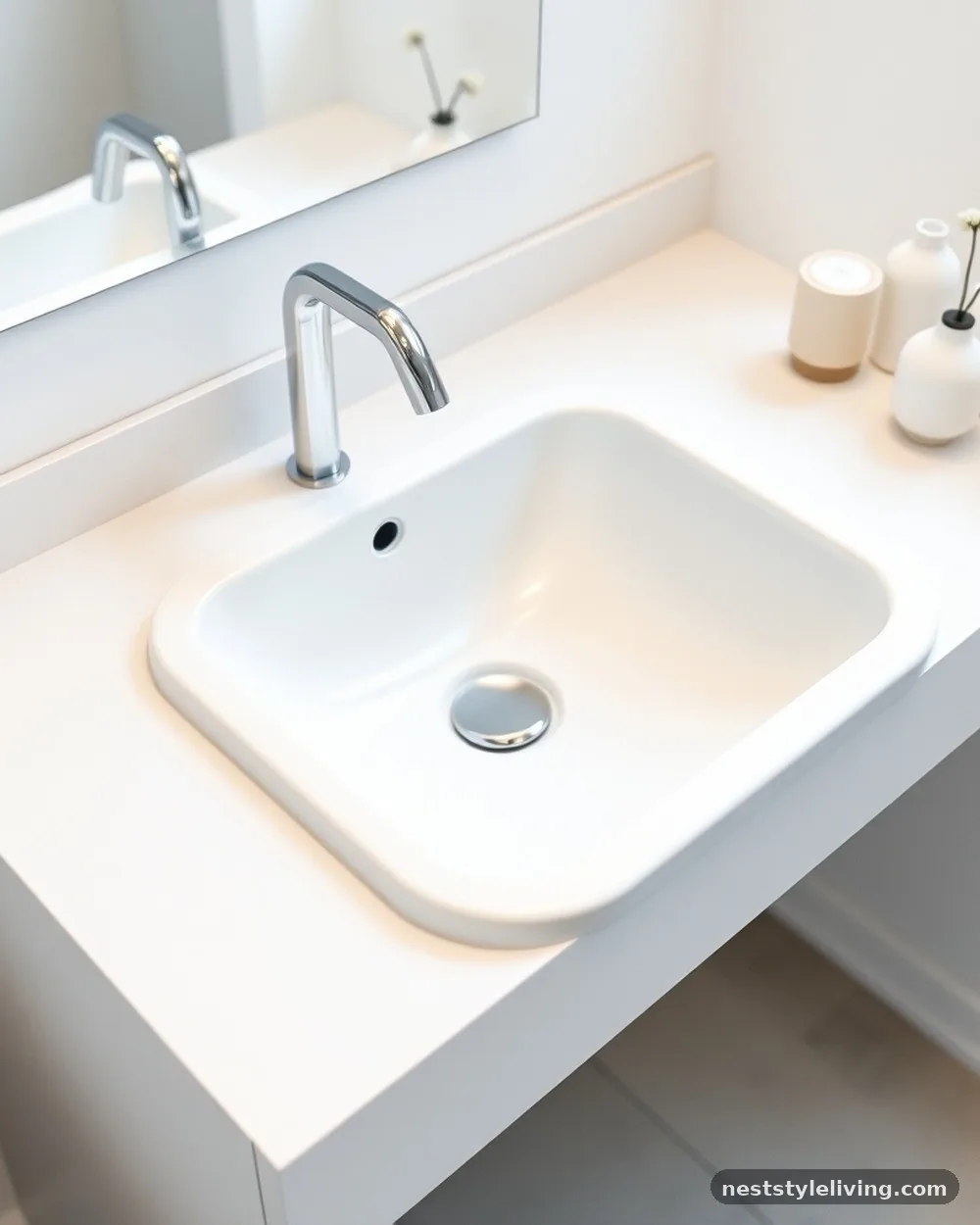
Integral sinks, where the basin and the countertop are molded from a single piece of porcelain or vitreous china, offer a seamless, hygienic, and authentic retro appearance. This design eliminates the crevice between the sink and the counter, preventing grime buildup and making the vanity much easier to wipe down.
In the mid-century aesthetic, these sinks often featured slightly rounded, organic edges that softened the overall look of the vanity. They are available in a variety of configurations, from single-basin wall-mounted units to large double-basin designs, and their durability is unmatched, as they are resistant to chips and most household cleaners.
When choosing a sink, look for a model that has an overflow drain, as this provides a necessary safety feature in a bathroom where water levels might otherwise rise unexpectedly. If you are installing an older, reclaimed sink, be sure to check the porcelain for hairline cracks, which can be difficult to repair and may compromise the integrity of the unit over time.
11. Geometric Wall Paper
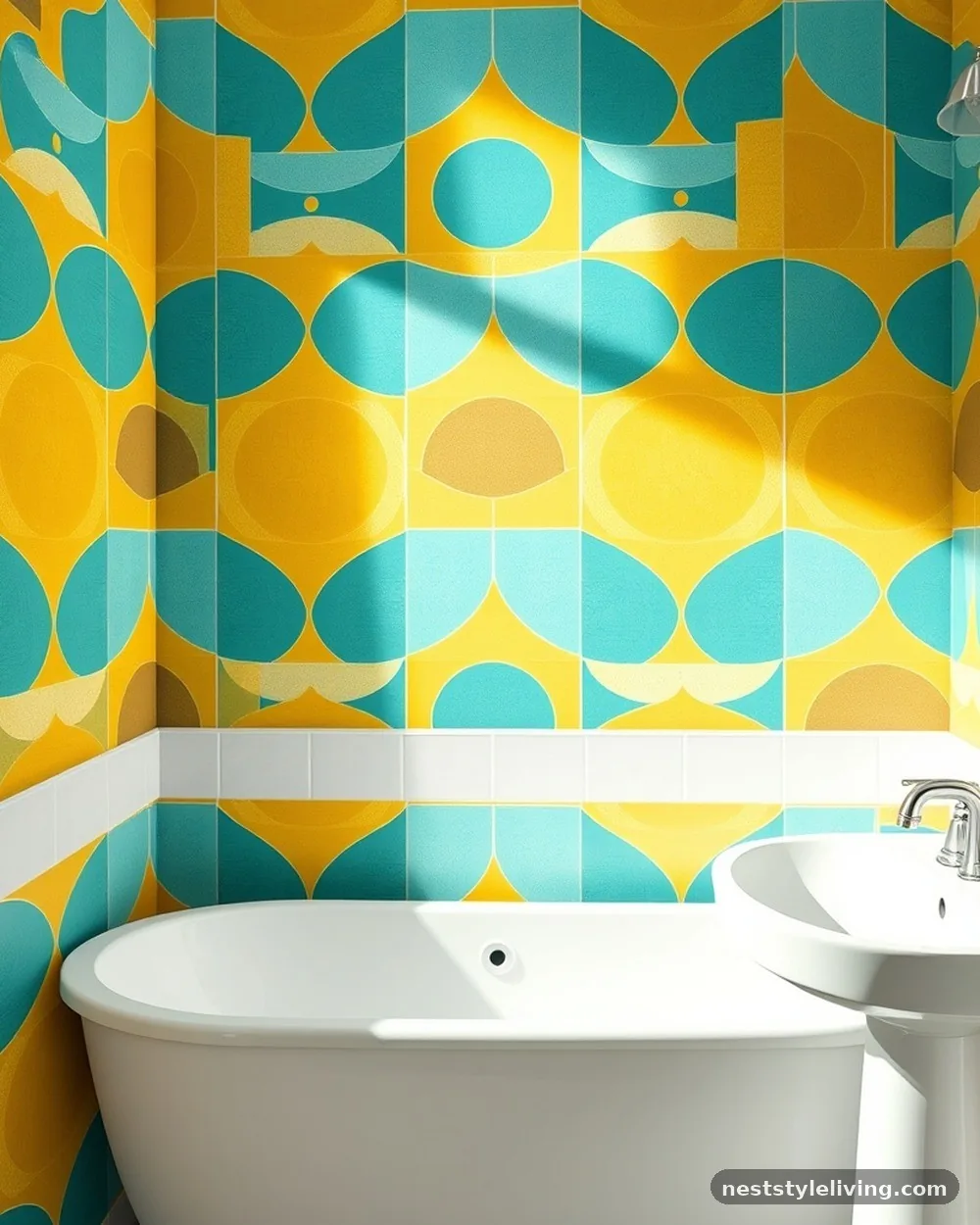
Applying wallpaper with a bold, geometric, or abstract organic print is a classic way to add character to a bathroom, especially when used on a single accent wall or above a wainscot. The mid-century era was defined by its use of stylized, repeating patterns that ranged from atomic starbursts to flowing, botanical-inspired lines.
In a bathroom, this provides a necessary punch of color and energy that contrasts well with plain white fixtures and wood furniture. Modern vinyl-coated wallpapers are designed to stand up to the moisture of a bathroom environment, making this an accessible way to change the look of the room without a major renovation.
Choose a moisture-resistant or vinyl-coated wallpaper specifically formulated for bathrooms to prevent peeling or mold growth. Use a high-quality, mold-inhibiting adhesive during the installation process to ensure the paper remains securely bonded to the wall, even during hot showers.
12. Recessed Niche Shelving
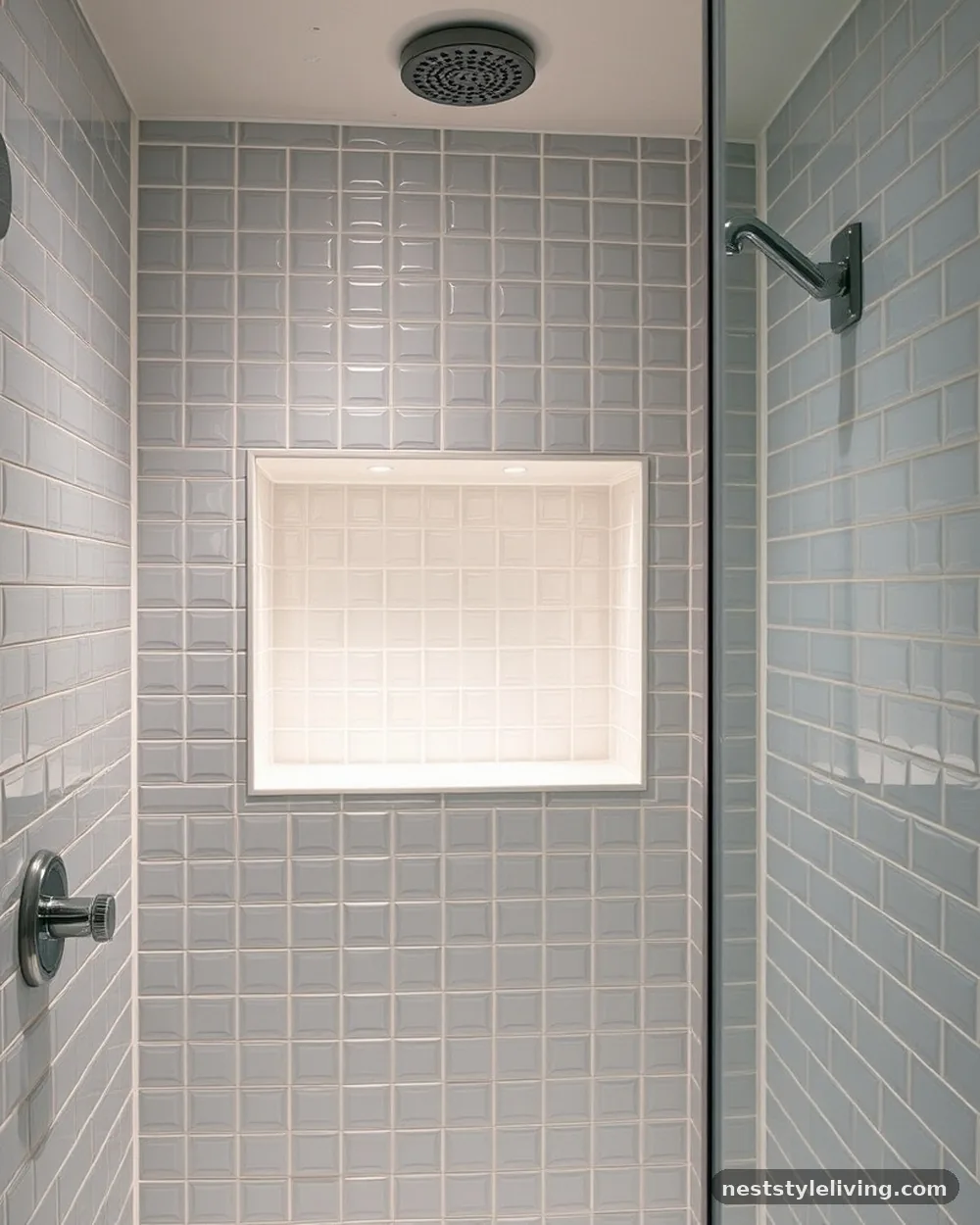
Recessed shelving built into the shower wall or above the bathtub provides a clean, architectural solution for storing bottles and soaps without the need for clunky, protruding racks. This feature maximizes the usable square footage of a walk-in shower and allows you to continue the tile pattern inside the shelving unit for a cohesive, built-in look.
It is a hallmark of thoughtful, custom design that was common in well-planned mid-century homes. By installing the niche at a height that is easy to reach, you improve the functionality of the shower while keeping the aesthetic of the space uncluttered and serene.
When planning your niche, ensure the bottom shelf is slightly sloped—about a quarter-inch—toward the shower drain. This subtle angle prevents standing water from pooling inside the niche, which is the most common cause of mold and mildew in shower storage areas.
13. Matte Black Hardware
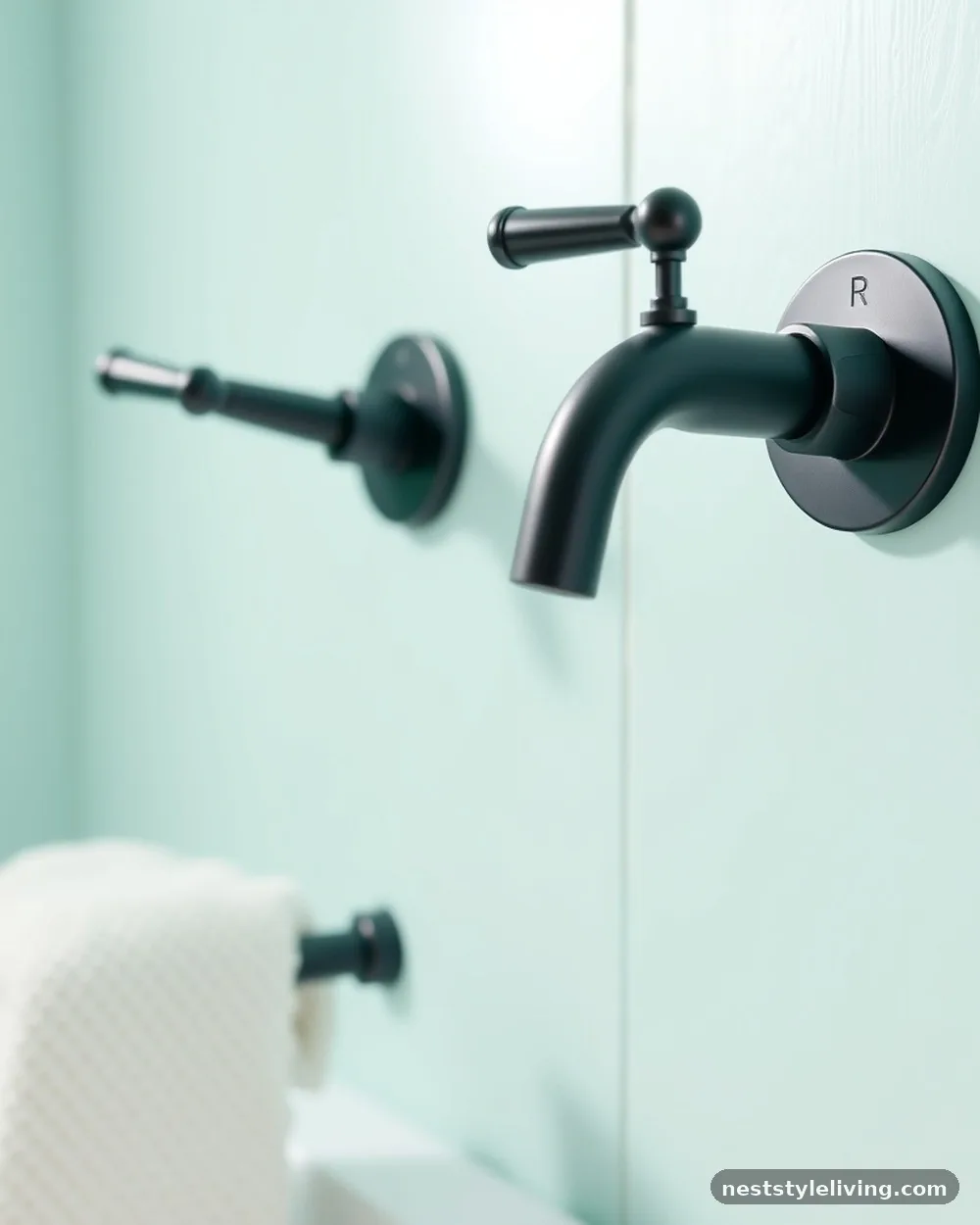
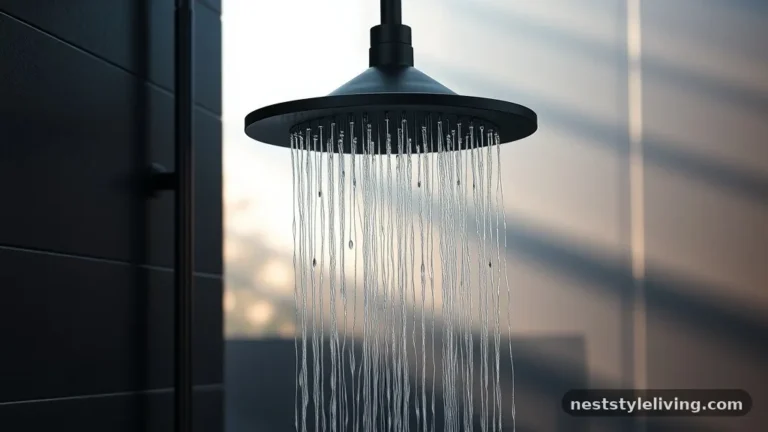
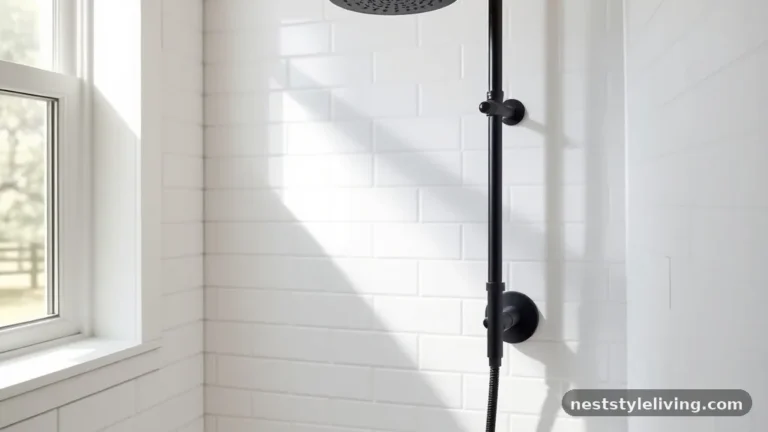
While polished brass is a classic choice, matte black hardware provides a sharper, more graphic contrast that fits well within a modern interpretation of mid-century aesthetics. The dark, non-reflective finish highlights the geometric shapes of towel bars, knobs, and faucet handles, making them stand out against lighter walls or colorful tiles.
This finish is particularly effective at hiding fingerprints and water spots, making it a low-maintenance option for busy households. Because it is neutral, matte black works with almost any color palette, from warm wood tones to vibrant pastels, allowing you to update your hardware without worrying about clashing with your existing decor.
Periodically clean your matte black hardware with a soft, damp cloth and mild soap. Avoid using abrasive sponges or harsh chemicals, which can strip the finish and leave the metal vulnerable to oxidation or permanent scratching.
14. Slatted Wood Dividers
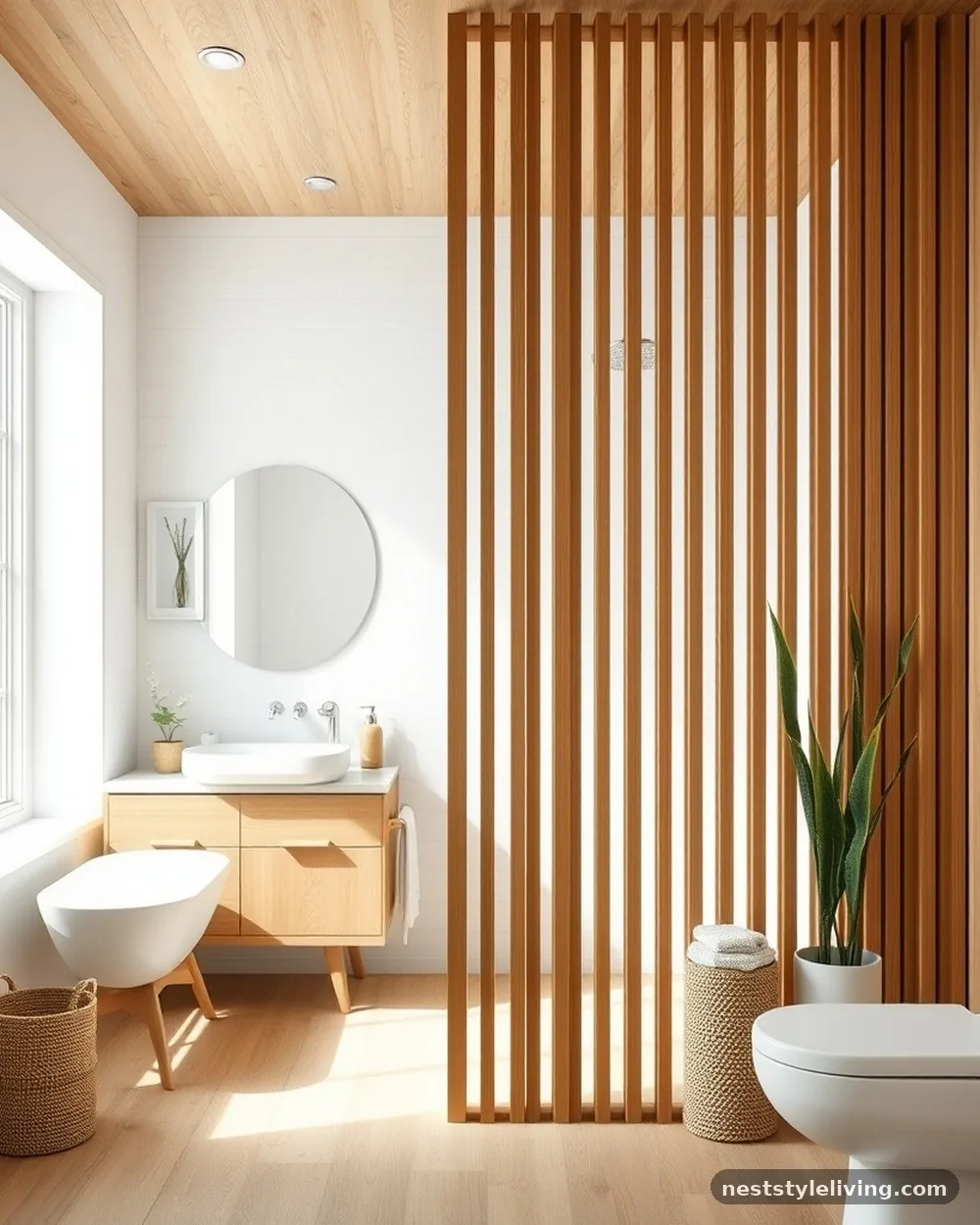
A floor-to-ceiling slatted wood screen can be used to separate the vanity area from the toilet or shower, providing privacy without blocking the flow of light or air. These dividers are a direct nod to the open-plan layouts favored by mid-century architects, who often used screens to define zones within a larger space.
By using vertical slats, you draw the eye upward, which can make a bathroom with a low ceiling feel significantly taller. The warmth of the wood provides a beautiful contrast to the harder surfaces of the bathroom, adding a tactile element that softens the overall design of the room.
If you are building a custom screen, use a moisture-resistant wood species like cedar or redwood, which are naturally resistant to decay and warping. Ensure the slats are spaced at least two inches apart; this allows for adequate airflow, which is essential to prevent moisture from getting trapped behind the divider.
Frequently Asked Questions
Are midcentury modern bathrooms still in style?
Yes, this aesthetic remains highly relevant because it emphasizes functionality and natural materials, which are core priorities for modern homeowners. The clean lines and avoidance of unnecessary ornamentation ensure that these spaces feel timeless rather than dated, making it a popular choice for both renovations and new builds.
What are the most important features of a midcentury modern bathroom?
The most critical elements include the use of warm woods like teak or walnut, geometric tile patterns, and a focus on organic, sculptural shapes. Lighting is also key, with globe-style sconces and mirrors serving as focal points. These features combine to create a space that feels both nostalgic and highly functional.
How can I achieve the look on a budget?
You can capture the aesthetic by focusing on high-impact, low-cost upgrades such as changing your hardware to brass or matte black and adding a vintage-inspired light fixture. Painting the walls in a soft pastel shade or installing simple subway tile can also transform the space without requiring a full gut renovation.
What kind of vanity works best for this style?
A floating vanity or one with tapered legs is the most authentic choice for a mid-century look. These designs create a sense of openness and reflect the era’s preference for furniture-like bathroom fixtures rather than heavy, built-in cabinets.
Is it possible to mix modern technology with retro design?
Absolutely. You can integrate modern smart features, such as touchless faucets or heated floors, while maintaining the retro aesthetic by concealing the technology behind clean, mid-century-inspired finishes. The key is to prioritize the visual design while ensuring the mechanical components support your modern lifestyle.
Conclusion
Creating a space that reflects Mid Century Modern Bathroom Ideas With Retro Charm is about striking a balance between the era’s playful optimism and today’s need for functional, durable interiors. By focusing on natural wood textures, geometric patterns, and the intentional use of warm metals, you can build a bathroom that feels both grounded in history and perfectly suited for your daily life. These design choices are not merely about aesthetics; they are about creating a room that is efficient, easy to maintain, and visually calming.
As you begin your project, start by identifying which elements of the mid-century look speak to your personal style—whether it is the warmth of teak or the boldness of a geometric tile. Small, thoughtful updates often have the greatest impact on the overall feel of the room. We invite you to experiment with these ideas and transform your bathroom into a truly unique sanctuary.