14 Cottage Kitchen Ideas for a Timeless Cozy Look
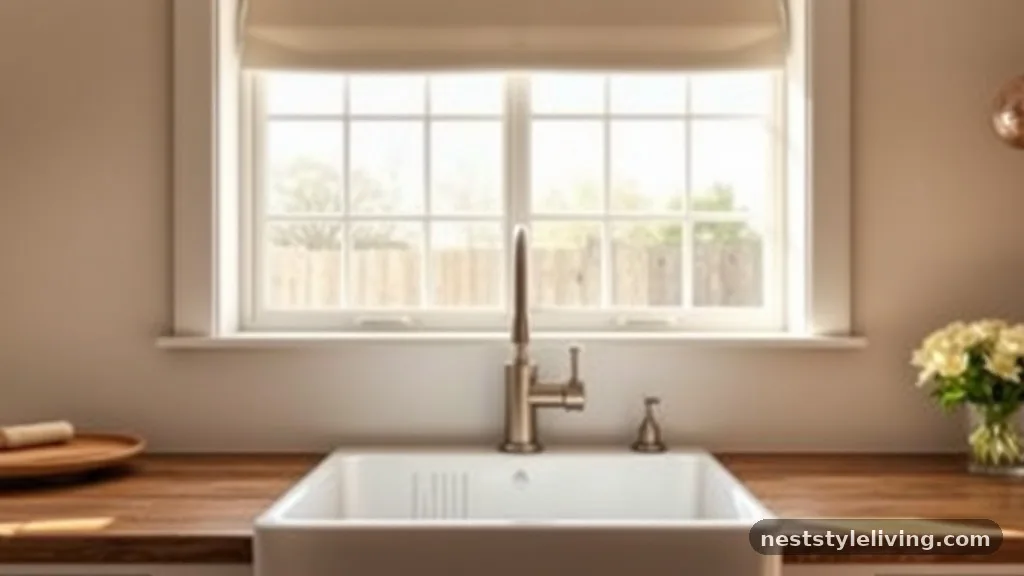
Designing a space that balances functional utility with a warm, lived-in atmosphere is the heart of achieving the perfect cottage kitchen ideas for a timeless cozy look. By focusing on natural materials, soft color palettes, and curated vintage accents, you can transform a sterile cooking area into the most inviting room in your home.
This approach relies on textures that tell a story, prioritizing character over clinical perfection to ensure your kitchen remains relevant for years. Whether you are renovating a historic property or adding charm to a modern build, these design principles will provide the inspiration you need to build a space that feels genuinely personal, welcoming, and enduringly stylish.
1. Apron-Front Farmhouse Sinks
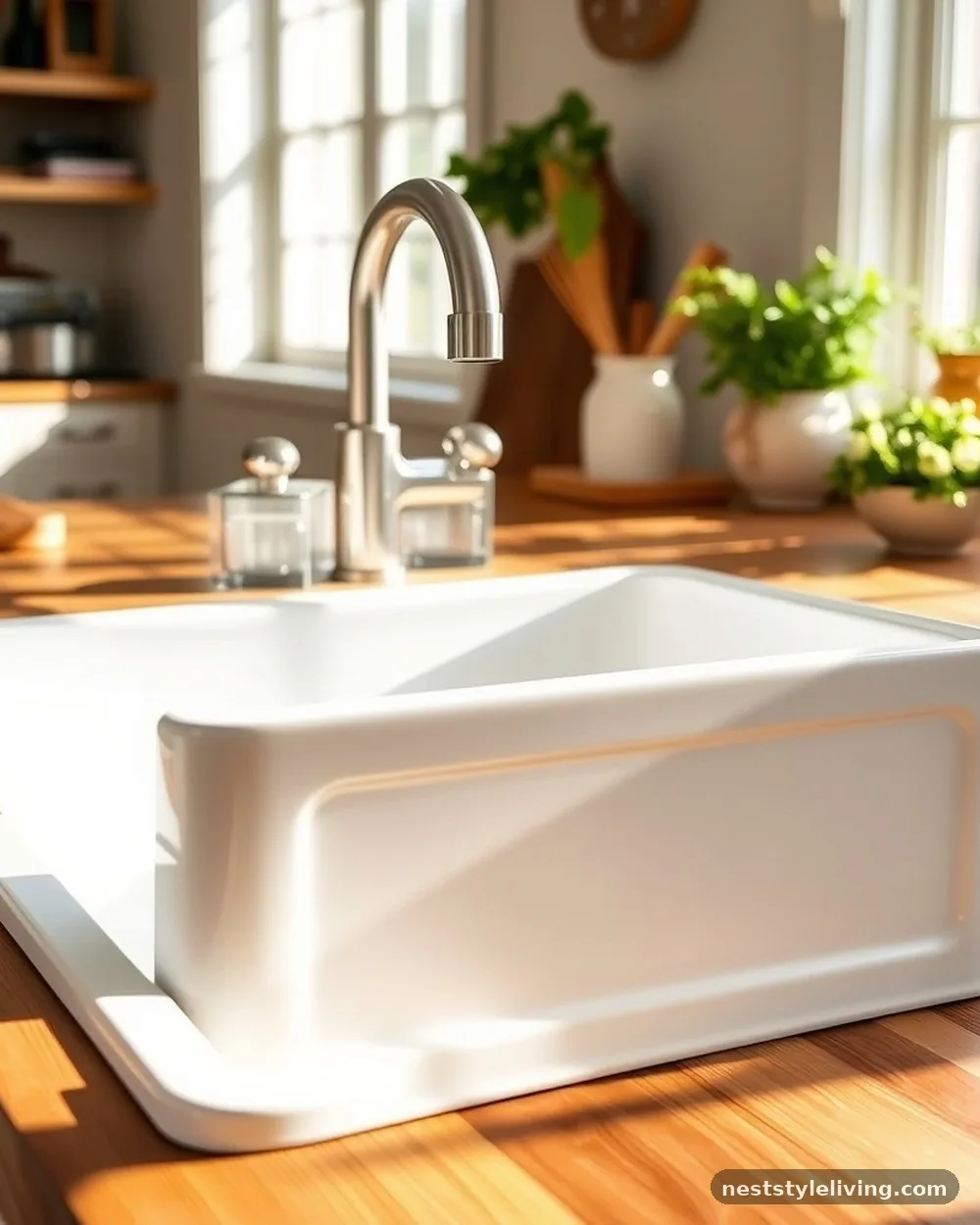
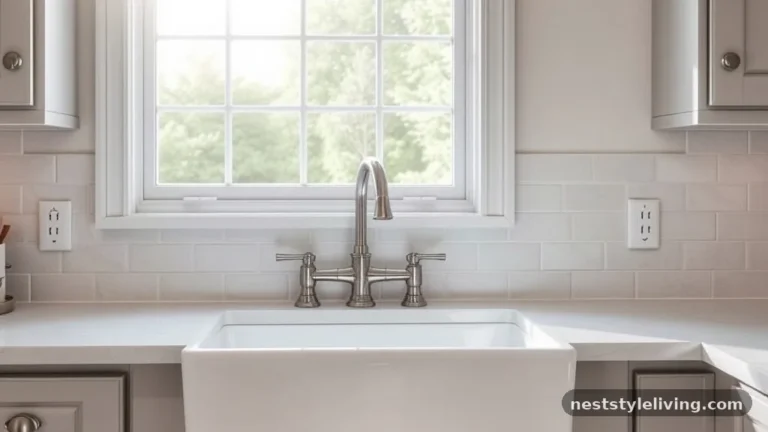
An apron-front sink, often referred to as a farmhouse sink, serves as the undeniable focal point of a traditional kitchen. These deep, wide basins are typically crafted from fireclay, porcelain, or cast iron, offering a substantial weight and a smooth, durable surface that handles heavy pots and pans with ease.
Visually, the exposed front panel breaks up the horizontal line of your cabinetry, providing a rustic, purposeful aesthetic that feels both hardworking and elegant. Because they are designed to be mounted slightly forward from the countertop, they eliminate the gap where water often pools, making them as practical as they are visually striking.
To integrate this into your space, select a high-quality fireclay model that resists chips and scratches. When planning your layout, ensure the base cabinet is specifically designed for a farmhouse sink, as the weight of the basin—especially when filled with water—requires a reinforced support frame to prevent sagging over time.
2. Tongue-and-Groove Wall Paneling
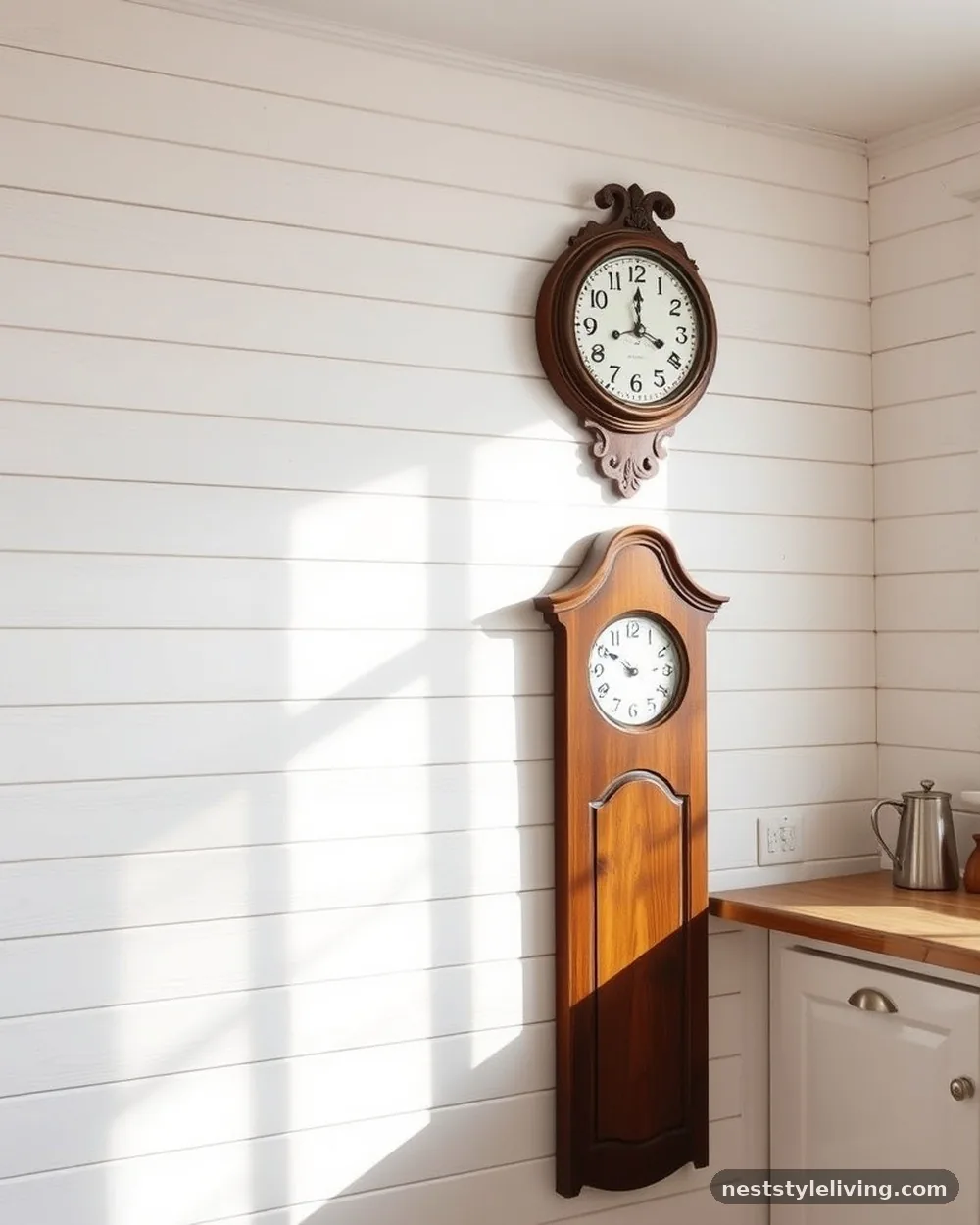
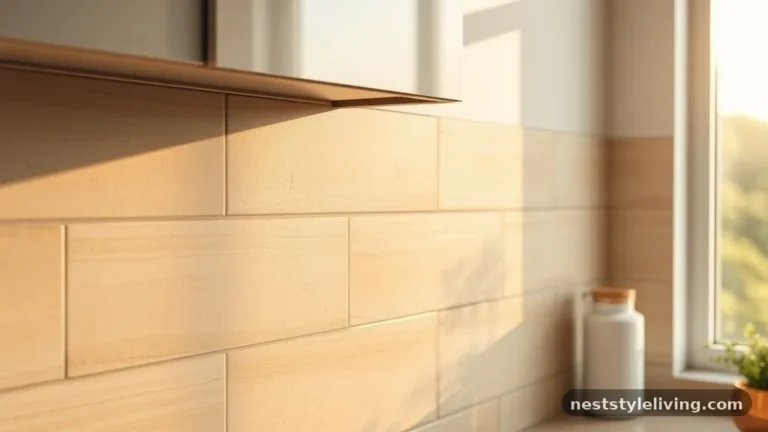
Horizontal tongue-and-groove boards, or beadboard, add immediate architectural interest to flat, uninspired drywall. This material creates a subtle linear texture that catches light differently than smooth walls, fostering an environment that feels grounded and historic.
By installing these panels, you inject a sense of craftsmanship and depth that is essential to the cottage style, helping to soften the hard edges of modern appliances and countertops. This paneling is particularly effective in smaller kitchens, as it can be painted in light, reflective tones to expand the visual boundaries of the room while maintaining a cozy, enclosed feel.
Install vertical or horizontal beadboard as a backsplash or wainscoting to protect high-traffic areas. Use moisture-resistant MDF or cedar boards in the kitchen to ensure longevity, and finish them with a semi-gloss or satin enamel paint that can be easily wiped down after cooking splatters.
3. Open Timber Shelving
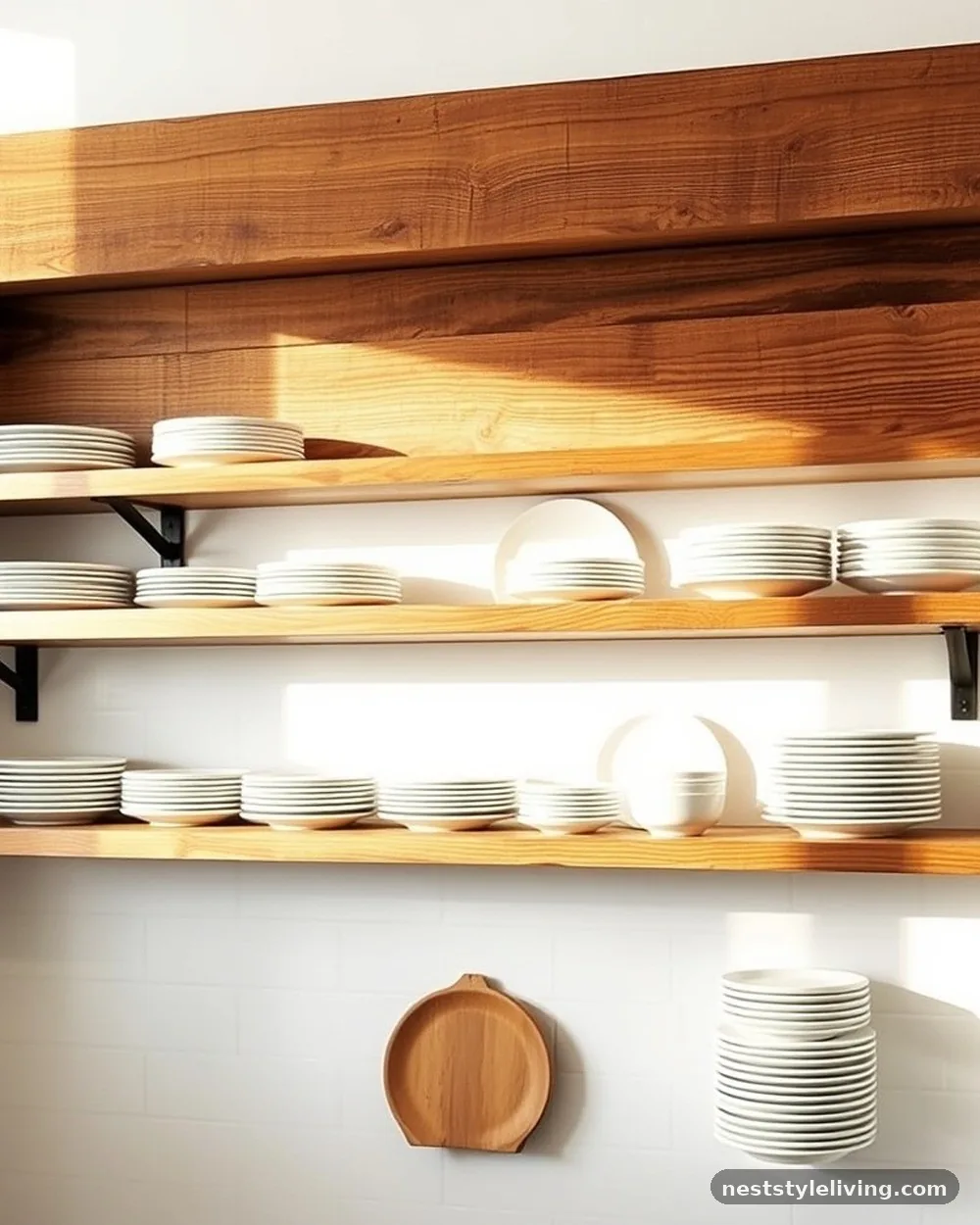
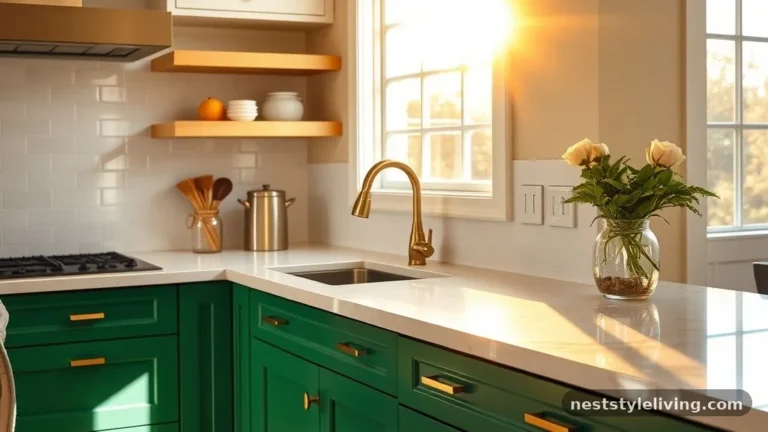
Replacing heavy upper cabinets with open timber shelving instantly opens up a kitchen, making the room feel larger and more airy. Using reclaimed wood beams or thick butcher block planks adds a layer of organic warmth that contrasts beautifully with painted lower cabinetry.
These shelves serve as a display area for everyday items like ironstone pitchers, woven baskets, and stacks of ceramic bowls, turning your functional kitchen tools into part of the decor. This design choice encourages a more curated approach to storage, forcing you to keep only the items you truly love and use on a daily basis.
Mount your shelves using heavy-duty iron brackets that complement your hardware finishes. Ensure the wood is properly sealed with a food-safe oil or matte polyurethane to prevent staining from moisture or food oils, and space them at least 15 inches apart to accommodate taller glassware and serving platters.
4. Distressed Painted Cabinetry
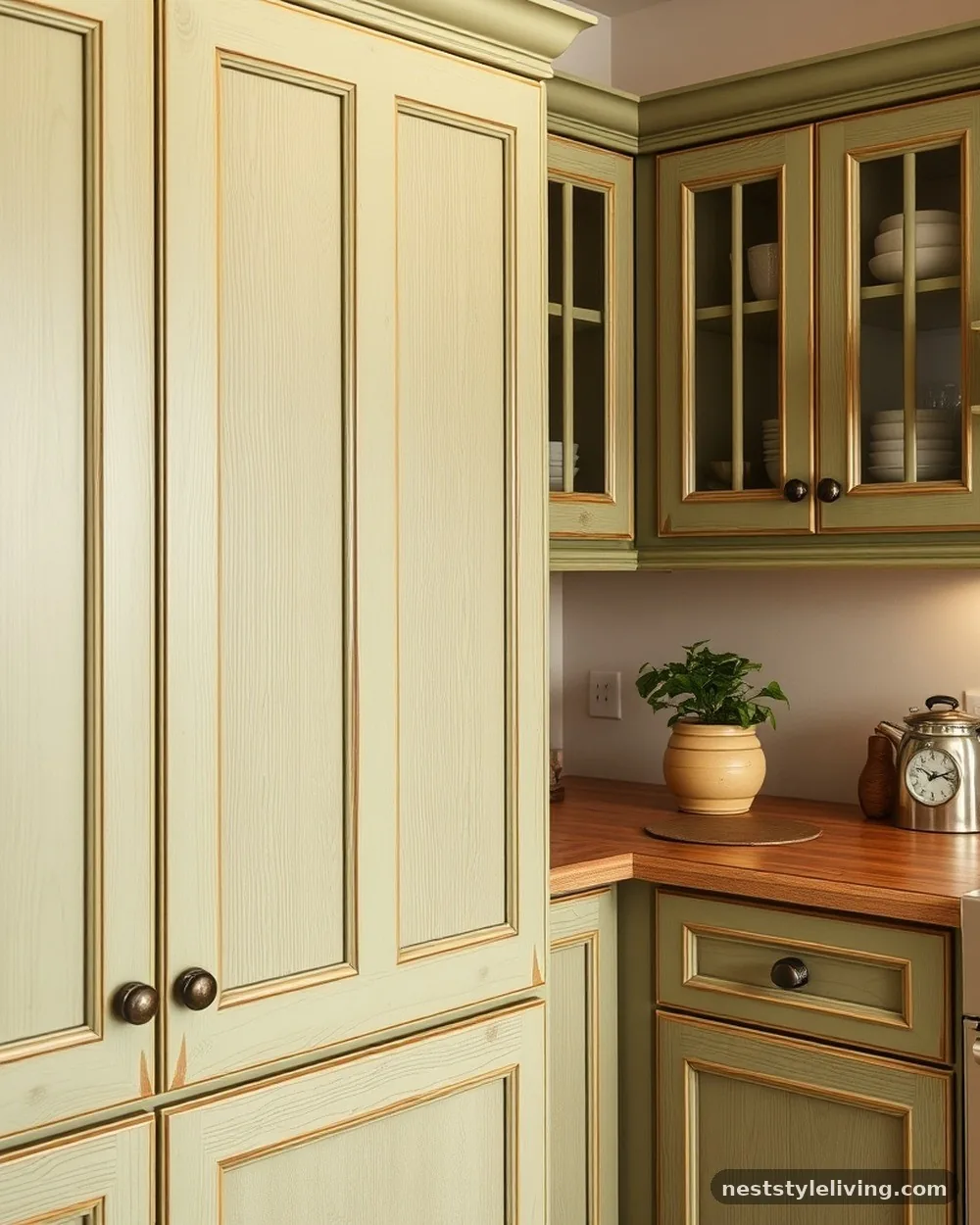
Opting for cabinetry with a soft, hand-painted finish rather than a factory-sprayed lacquer provides a much more authentic cottage feel. Shades of sage green, buttery cream, or dusty blue work exceptionally well, especially when the edges are lightly sanded to reveal the wood grain underneath.
This technique mimics the natural wear of antique furniture, suggesting that the kitchen has evolved over decades rather than being installed in a single weekend. It creates a forgiving surface that hides minor dings and scratches, making it a highly practical choice for busy, family-oriented homes that prioritize comfort over pristine, showroom-style surfaces.
Apply a high-quality furniture paint using a brush rather than a sprayer to maintain the subtle texture of the strokes. Once dry, use a fine-grit sandpaper to gently distress the corners and areas around handles, then seal the entire surface with a clear matte wax or water-based topcoat for protection.
5. Butcher Block Countertops
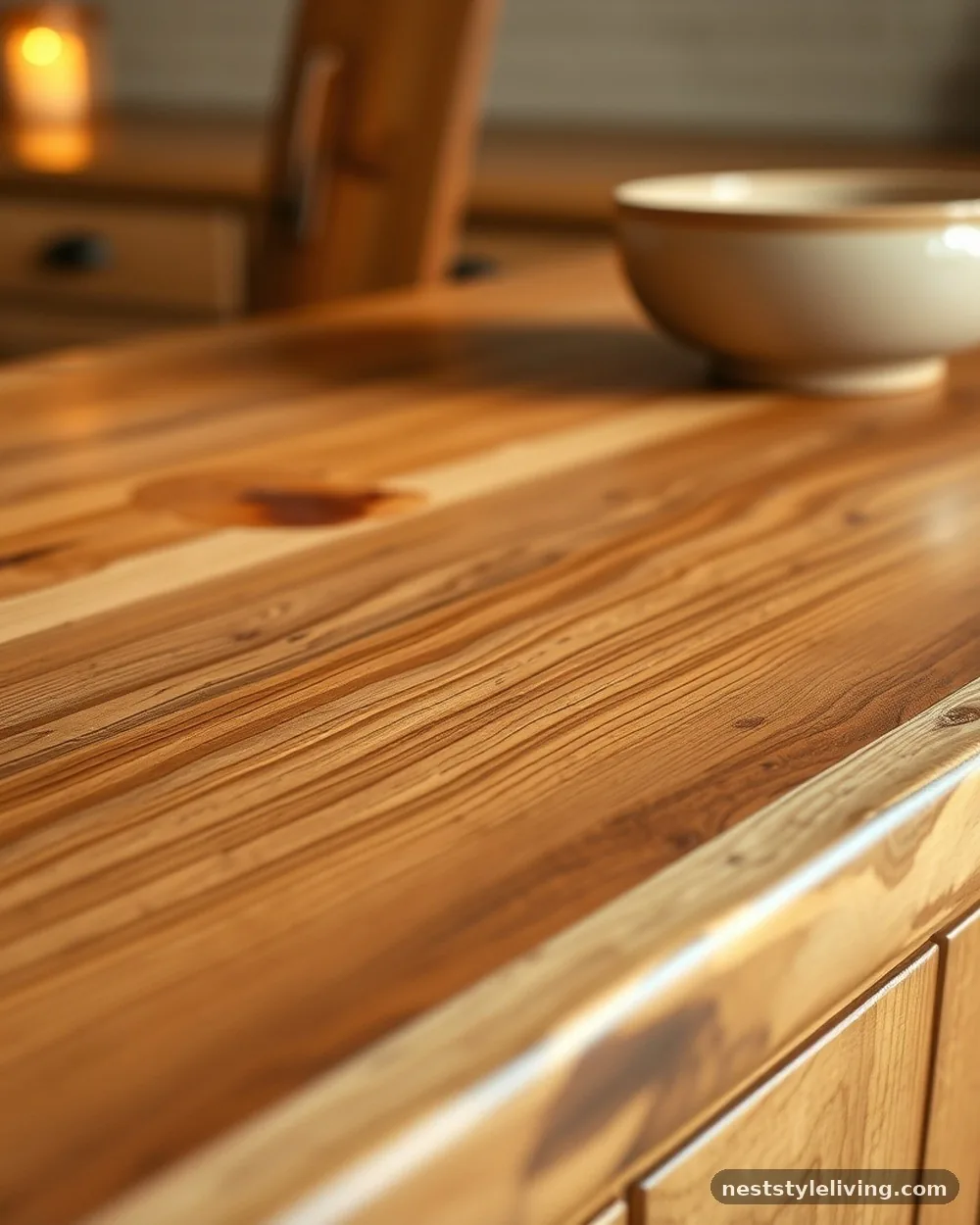
Butcher block is the quintessential material for a cozy cottage kitchen, offering a tactile warmth that stone or synthetic surfaces simply cannot replicate. As a natural wood product, it ages gracefully, developing a patina that reflects the history of your culinary activities.
While it requires more maintenance than quartz or granite, the ability to sand out nicks and re-oil the surface makes it a permanent fixture that can last for generations. It provides a soft, forgiving surface that is gentle on glassware and ceramic dishes, significantly reducing the clatter often associated with harder kitchen environments.
Regularly treat your butcher block with food-grade mineral oil or a beeswax-based wood conditioner to keep the surface hydrated and water-repellent. Avoid using harsh chemical cleaners, opting instead for mild soap and water, and always wipe up standing water immediately to prevent the wood from expanding or warping near the sink area.
6. Vintage-Inspired Hardware
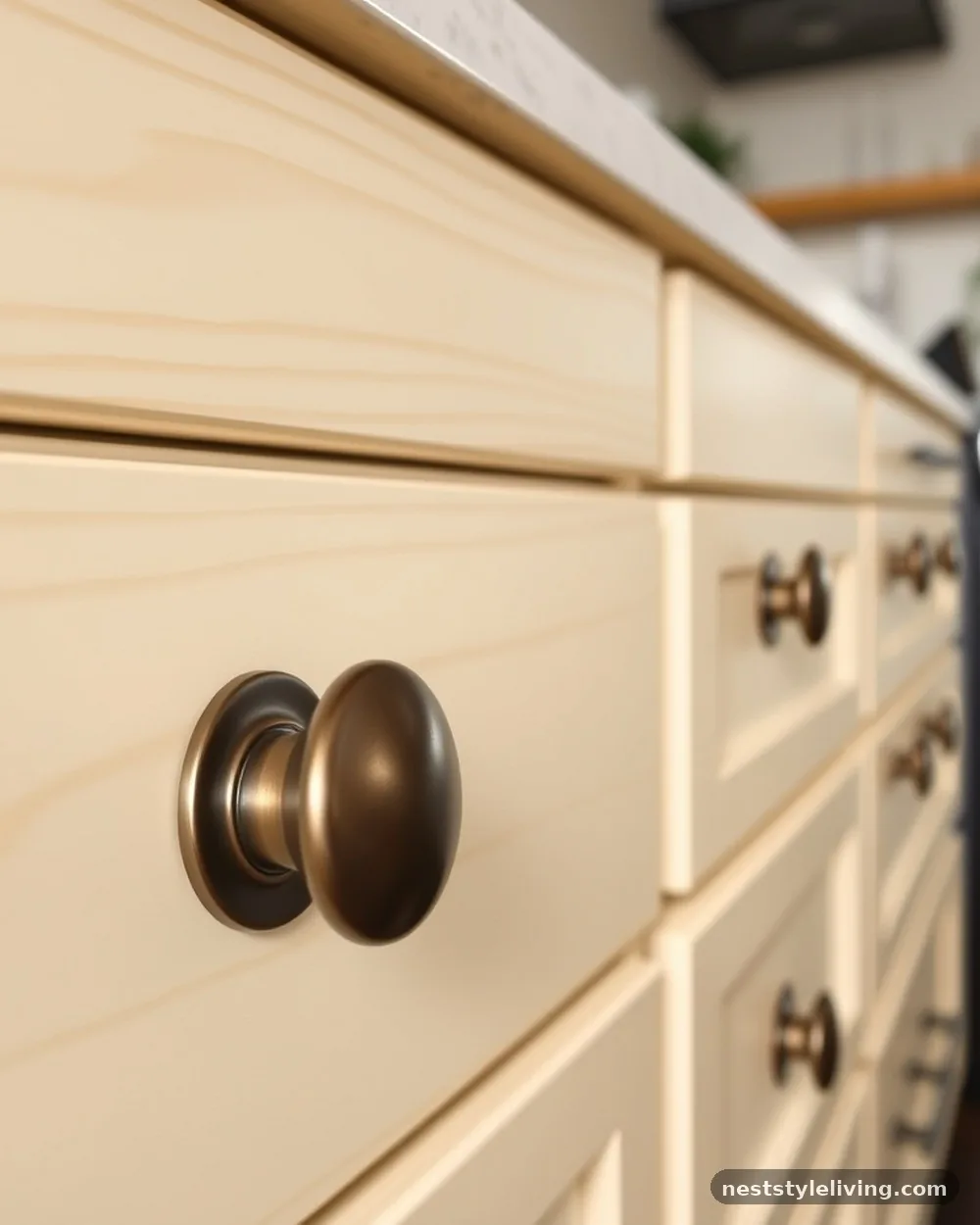
The hardware you choose acts as the jewelry of the kitchen, defining the final character of your cabinetry. Brass, oil-rubbed bronze, or unlacquered copper pulls and knobs provide a sense of weight and history that modern stainless steel cannot achieve.
Look for patterns like cup pulls on drawers and simple mushroom knobs on doors, which evoke the feel of early 20th-century craftsmanship. These pieces develop a beautiful, darkened patina over time as they are handled, reinforcing the timeless quality of your space and grounding your kitchen in a sense of tradition.
Swap out generic builder-grade hardware for solid brass or iron pieces to immediately upgrade the feel of your existing cabinets. When selecting new handles, ensure the hole spacing matches your current drill pattern to avoid the need for patching or re-drilling the cabinet faces, which can weaken the wood structure.
7. Checkerboard Floor Tiles
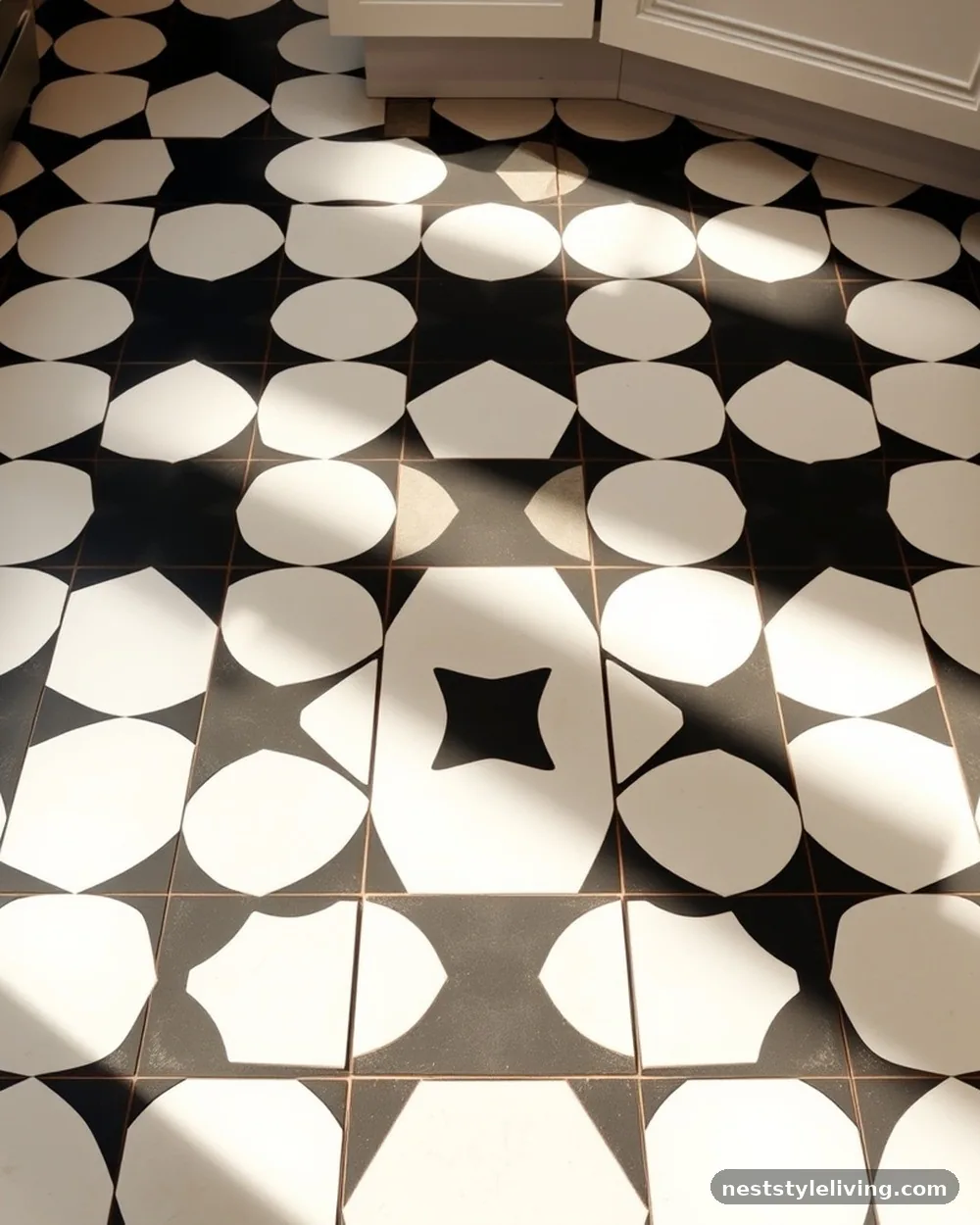
A classic checkerboard floor pattern, whether achieved through terracotta and cream tiles or painted wood planks, provides a playful yet sophisticated foundation for a cottage kitchen. This design element draws the eye across the floor, creating a sense of movement and visual interest that balances out more neutral wall and cabinet tones.
It is a timeless choice that has been used in farmhouse kitchens for centuries, proving its durability and style longevity. The contrast between the two colors adds a graphic element that prevents a cozy space from feeling too cluttered or monochromatic.
Use durable materials like natural stone or high-quality porcelain for high-traffic kitchen floors to ensure the pattern holds up under heavy use. If you are on a budget, consider vinyl or linoleum tiles, which offer the same aesthetic impact while being easier to install and maintain, providing a softer, warmer feel underfoot during long hours of cooking.
8. Decorative Plate Racks
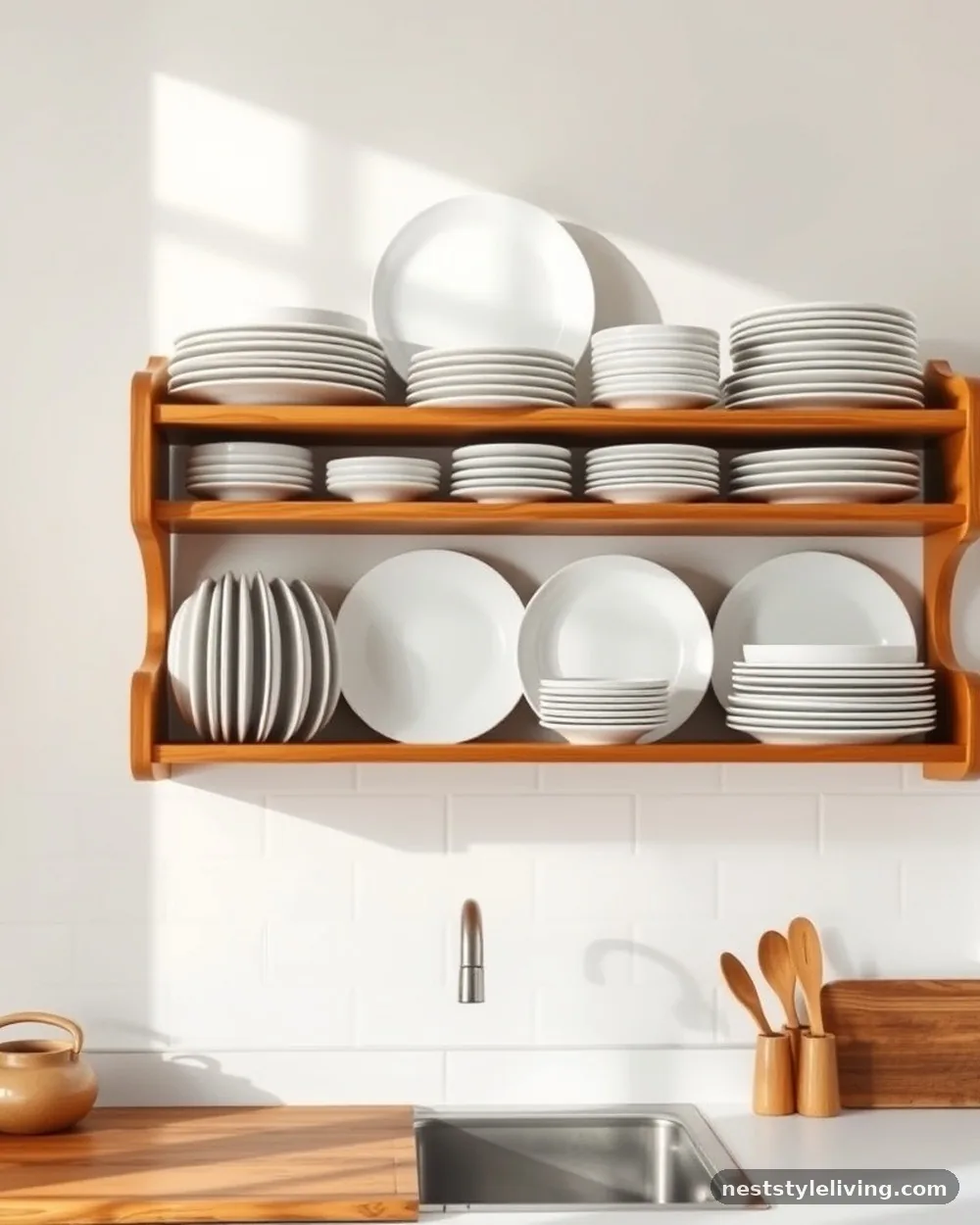
A built-in plate rack is a functional piece of wall art that highlights your collection of ceramics while keeping your most-used dishes within arm’s reach. These racks create a vertical rhythm in the kitchen, breaking up solid wall spaces and adding a layer of texture that feels distinctly European and charming.
They are particularly effective when placed near a window or above a prep area, turning your daily dinnerware into a decorative feature. This is a practical storage solution that allows plates to air dry thoroughly after washing, preventing the trapped moisture that often occurs in closed cabinets.
Incorporate a plate rack into your cabinetry design by choosing vertical dowels or wire inserts that fit your specific dish sizes. If you lack the space for a built-in unit, opt for a wall-mounted wooden rack, ensuring it is anchored securely into wall studs so it can safely support the significant weight of heavy ceramic plates.
9. Soft Linen Window Treatments
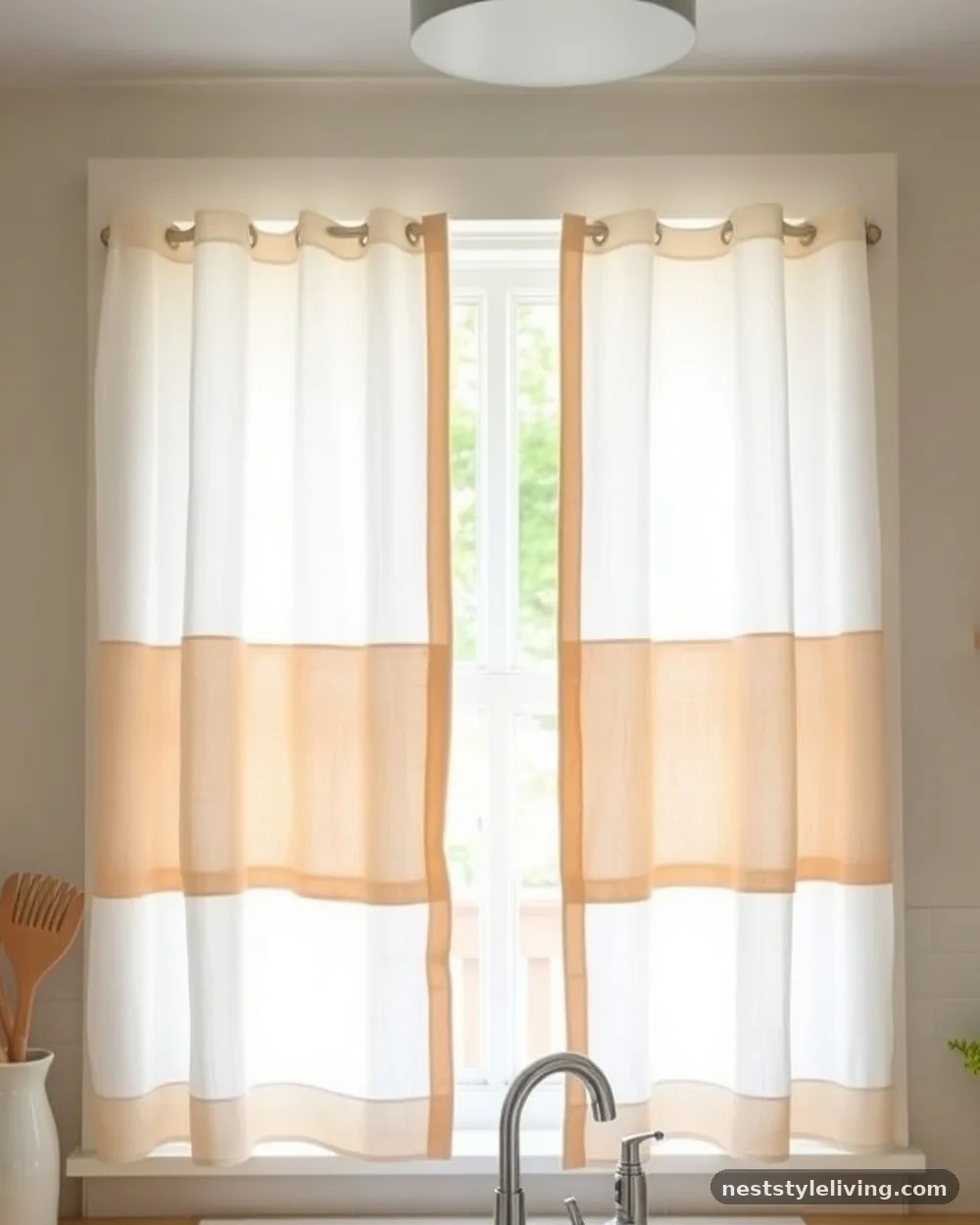
Curtains made from natural linen or lightweight cotton allow soft, diffused light to enter the kitchen while maintaining a sense of privacy and warmth. Unlike heavy blinds or shutters, fabric treatments add movement to the room, swaying slightly with the breeze and softening the hard edges of window frames.
A simple cafe curtain, covering only the bottom half of the window, is a classic cottage choice that provides functionality without blocking your view or natural light. These textiles are easy to launder and can be changed seasonally to refresh the color palette of your kitchen without requiring a major renovation.
Select a natural, unbleached linen for a rustic look or a floral-patterned cotton for a more whimsical, traditional English cottage feel. Use simple clip-on rings for easy removal when the curtains need a wash, and ensure the rod is mounted high enough to allow the curtains to hang gracefully without obstructing your workspace.
10. Pendant Lighting with Glass Shades
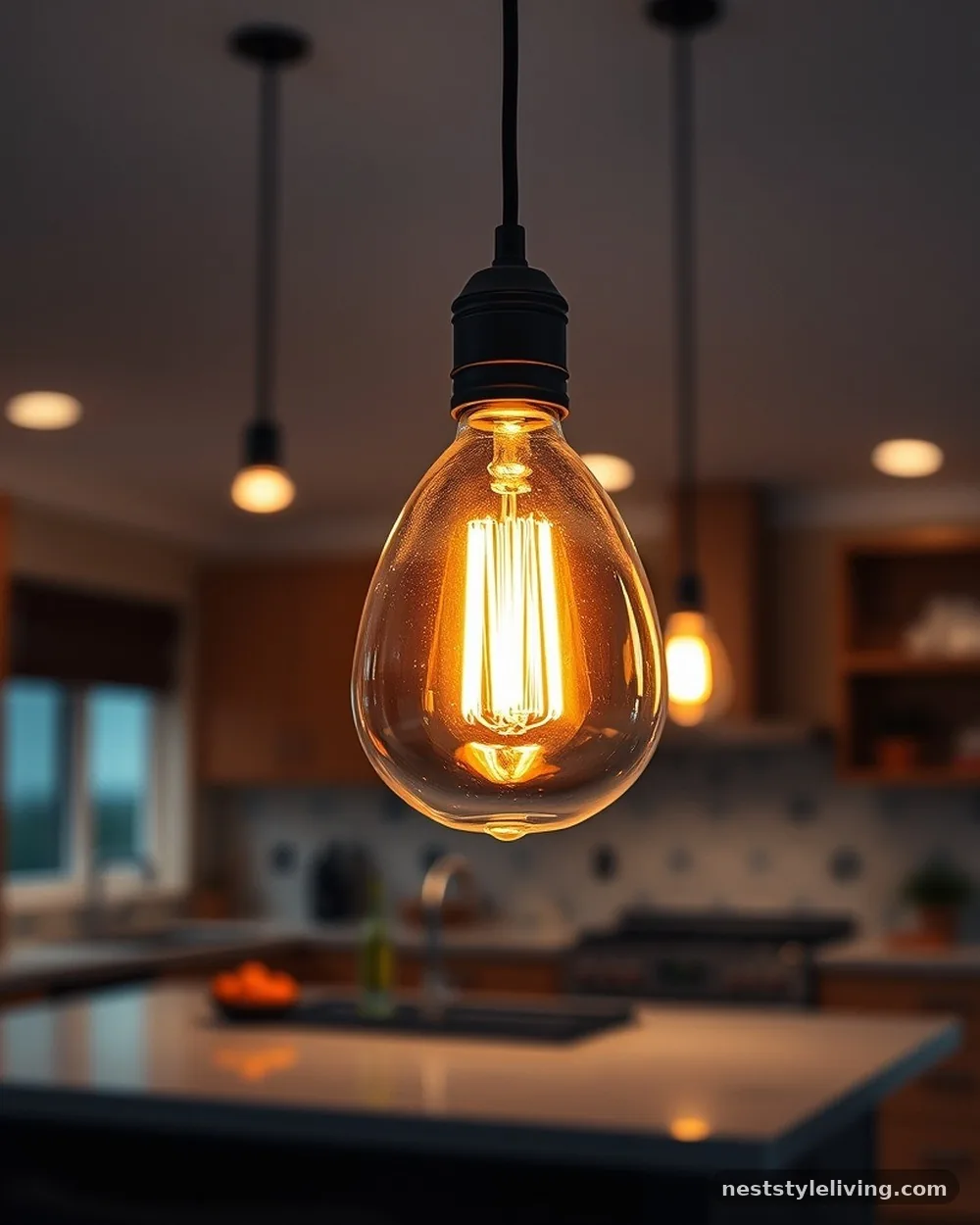
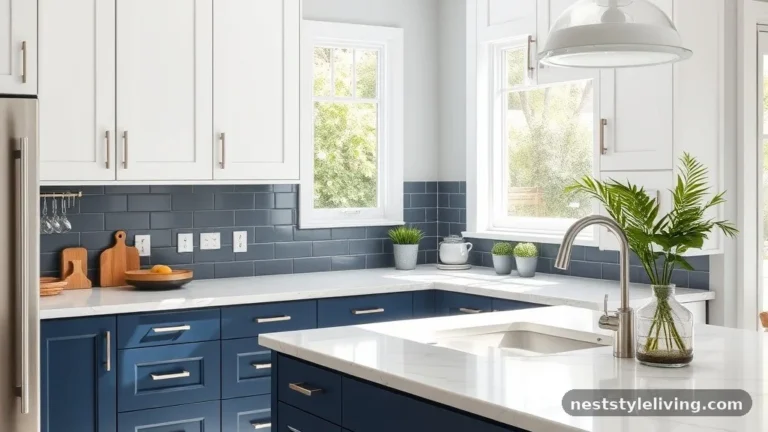
Lighting is critical for achieving a cozy feel, and nothing says cottage like a clear or seeded glass pendant. These fixtures provide ample task lighting over an island or sink while maintaining an unobstructed view of the room, which helps the space feel larger.
The glass shade allows the light source itself to be part of the design; using an Edison-style bulb with a warm color temperature creates a soft, golden glow that instantly makes the kitchen feel inviting and intimate. These lights bridge the gap between vintage charm and modern efficiency, offering a clean, simple silhouette that works with any color scheme.
Choose pendant lights with adjustable cord lengths so you can position them at the perfect height for your workspace—ideally 30 to 36 inches above the countertop. Opt for seeded or frosted glass if you want to soften the glare of the bulb, ensuring the fixture is dimmable so you can transition the mood from bright task-lighting to a warm, ambient evening glow.
11. Exposed Ceiling Beams
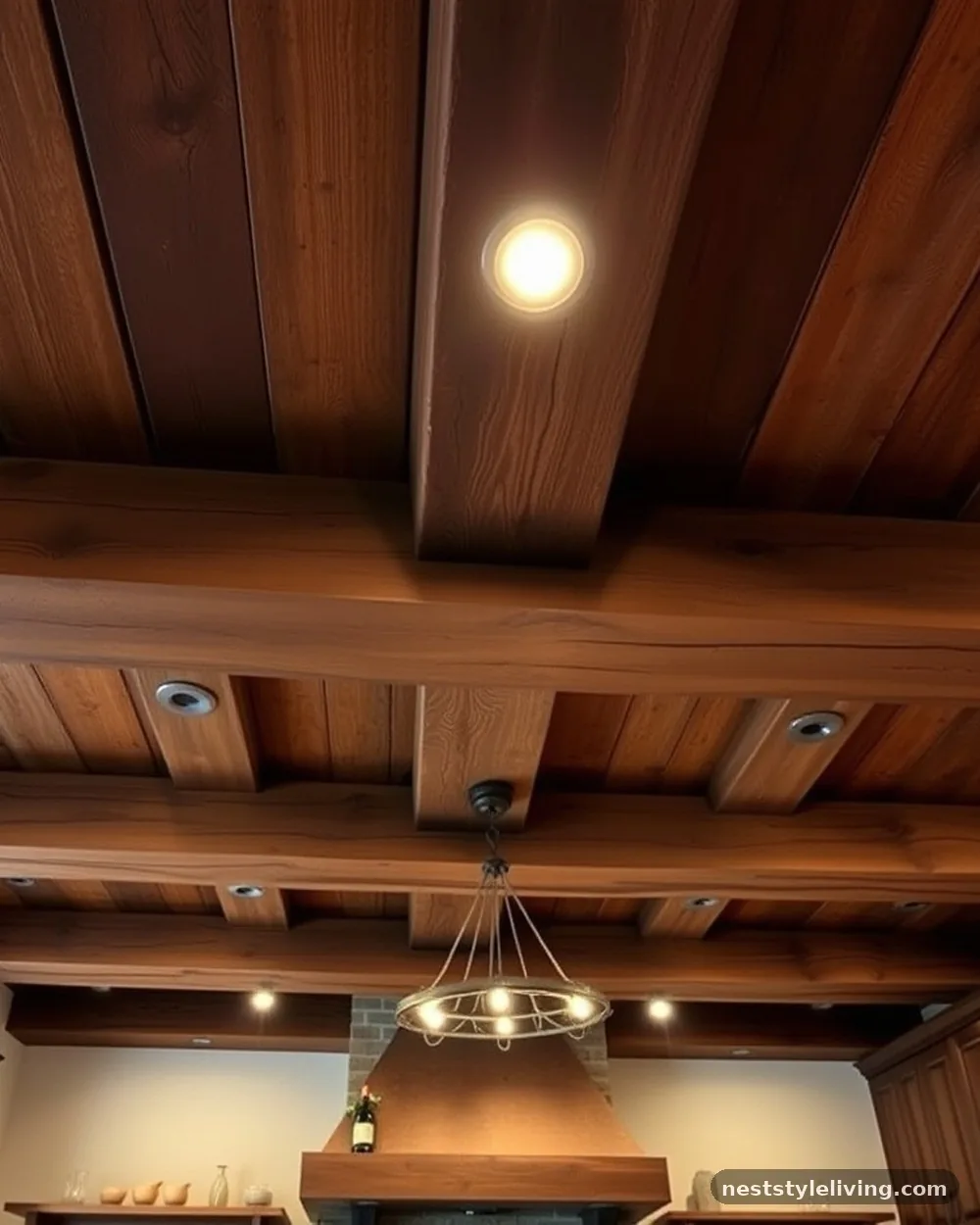
If your home’s architecture allows, exposing or adding faux wood ceiling beams can transform the entire scale and character of your kitchen. These elements draw the eye upward, adding architectural weight and a sense of history that is central to the cottage aesthetic.
Whether they are original reclaimed timber or stained pine, beams provide a rustic counterpoint to painted surfaces and smooth stone, creating a layered, textured environment. This is especially effective in kitchens with high ceilings, as it helps bring the scale down to a more human, comfortable level, making the space feel more like a cozy retreat.
If you are adding faux beams, choose lightweight polyurethane or hollow wood box beams that can be installed without structural modifications to your ceiling. Stain the wood in a warm, medium tone to contrast with white or light-colored ceilings, or paint them to match your trim for a more subtle, integrated look that highlights the architectural lines of the room.
12. Botanical or Floral Textiles
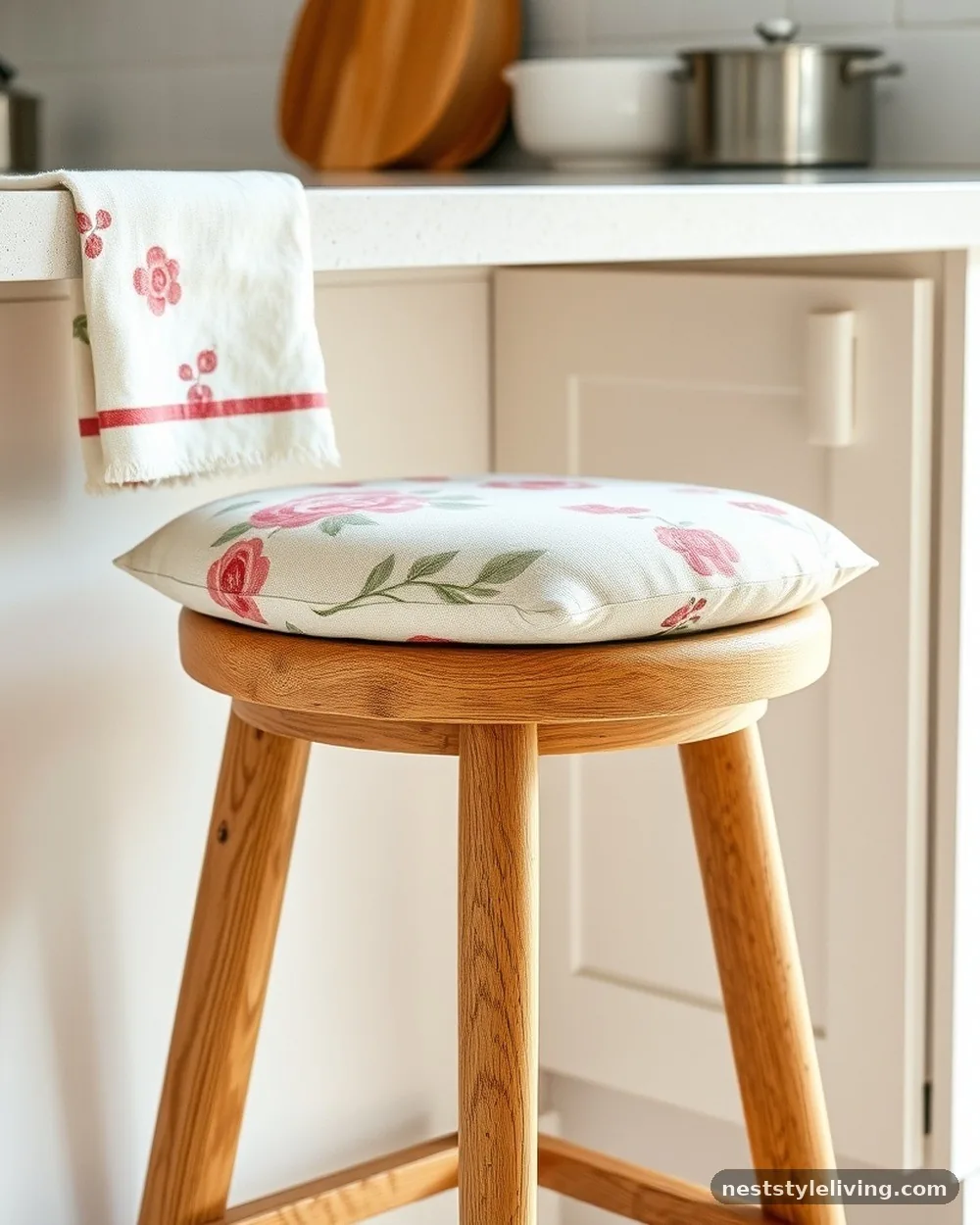
Incorporating soft textiles with subtle floral or botanical prints—whether through table runners, seat cushions, or tea towels—adds a touch of nature and whimsy to your cottage kitchen. These patterns are a hallmark of the style, bringing a sense of life and color to a space that might otherwise rely heavily on solid-colored cabinetry and wood.
By keeping the color palette muted or tonal, you ensure the prints feel timeless rather than overwhelming, providing a fresh, airy feel that complements the classic elements of the room. Textiles are the easiest way to inject personality and change the mood of the kitchen without a permanent commitment.
Start by adding a set of vintage-inspired botanical tea towels or a seat cushion on your breakfast nook bench. Look for prints that use watercolor techniques or traditional block-print styles, as these feel more authentic and less “mass-produced” than modern, high-contrast digital prints, ensuring your kitchen maintains that curated, cozy charm.
13. Open-Shelf Pantries
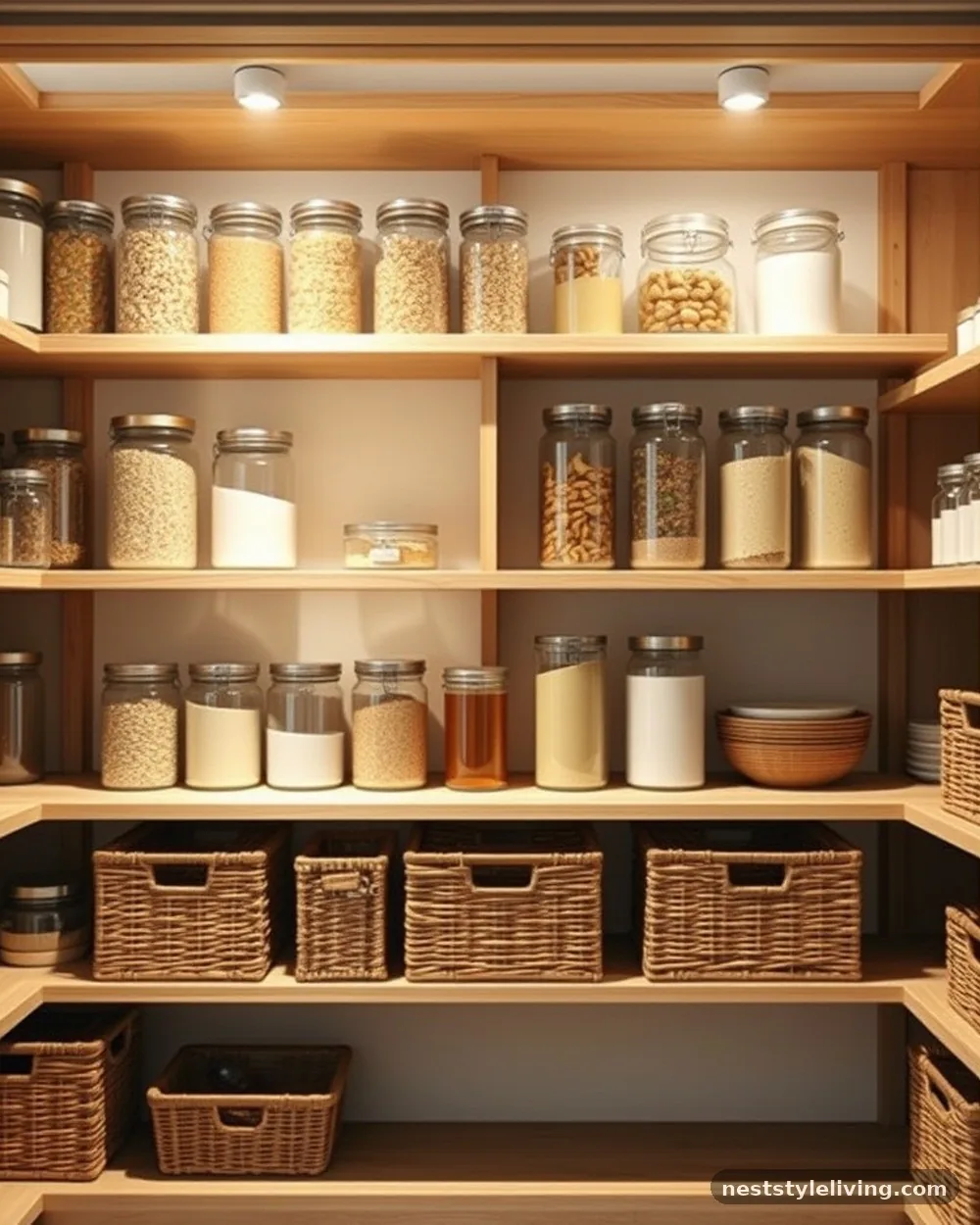
An open-shelf pantry system, often framed with simple wooden supports, creates a highly visible and organized storage solution that feels like a country larder. By grouping dry goods in clear glass jars, woven baskets, and ceramic canisters, you create a visual display that is both functional and decorative.
This style of storage encourages you to keep your pantry staples tidy, as they are always on view, and it makes it significantly easier to see exactly what you have in stock, reducing food waste. It is a charming, practical alternative to deep, dark cabinets where items often get lost in the back.
Use uniform glass canisters for grains, flour, and pasta to create a consistent, clean look that prevents visual clutter. Ensure your shelving is adjustable so you can accommodate different container heights, and label your jars with simple, hand-written tags to add a personal, rustic touch that makes the kitchen feel truly lived-in.
14. Mismatched Vintage Seating
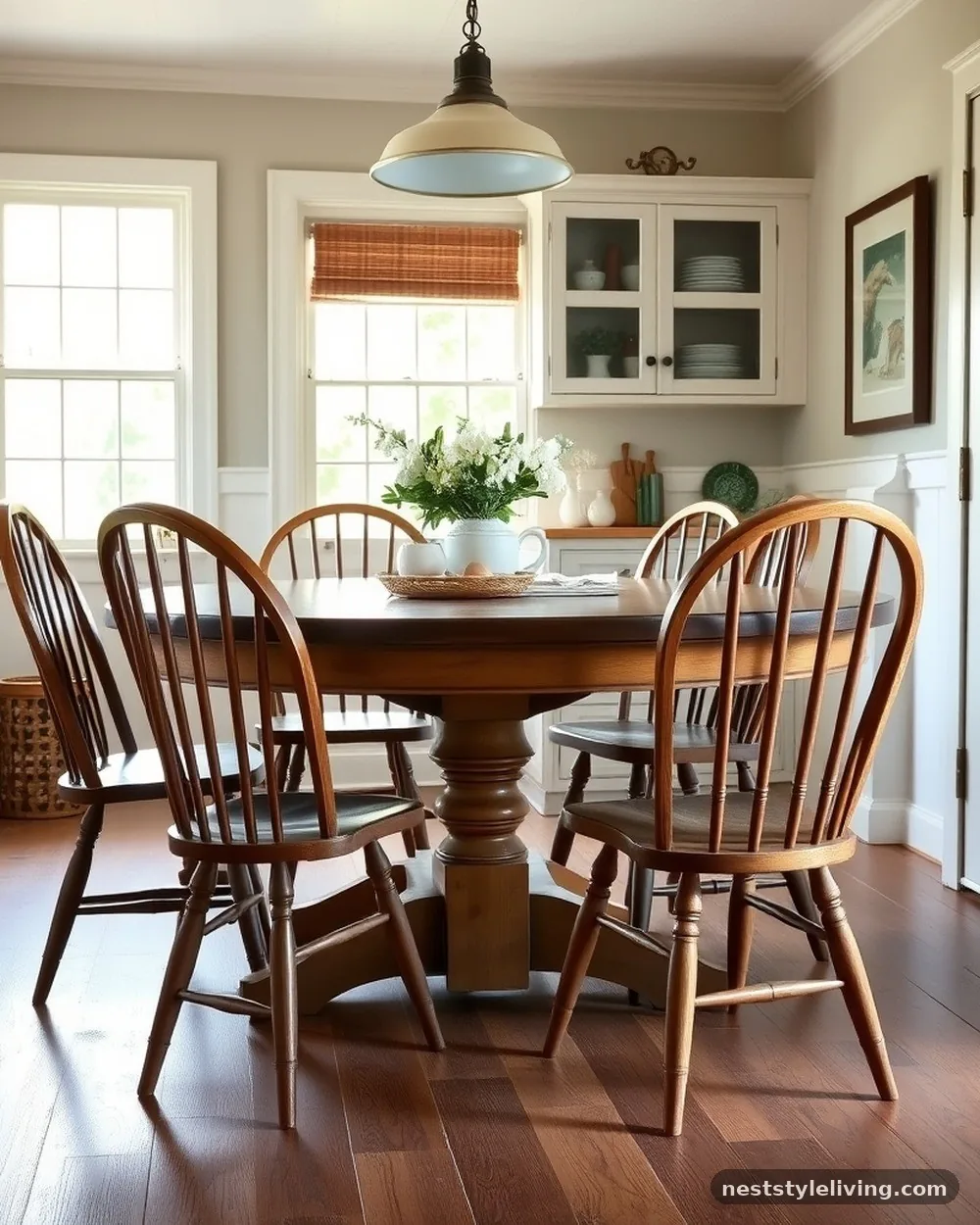
A dining set consisting of mismatched wooden chairs around a farmhouse table adds a layer of character and history that is impossible to achieve with a matching set. This approach suggests that your home has been gathered over time, with each piece holding its own story.
Look for chairs with spindle backs, ladder backs, or classic Windsor designs, and finish them in a cohesive color palette—perhaps all in varying shades of white, or a mix of natural wood and painted black. This creates a relaxed, eclectic vibe that is perfectly at home in a cottage kitchen, inviting guests to sit and stay a while.
Scour local flea markets and antique shops for sturdy wooden chairs that can be easily sanded and repainted. If you are worried about the look feeling too chaotic, unify the mismatched chairs by painting them all the same shade of cream or sage, which creates a harmonious look that lets the different shapes and textures shine while maintaining a sense of order.
Frequently Asked Questions
What is the best color for a cottage kitchen?
The most effective colors for this style are soft, nature-inspired tones that reflect the outdoors. Buttery creams, sage greens, dusty blues, and warm whites are standard choices because they keep the space feeling bright and airy while providing a sense of comfort. Avoid overly bright or neon colors, as they clash with the natural materials like wood and stone that define this look.
How can I make my kitchen feel like a cozy cottage on a budget?
Focus on changing small, high-impact items that don’t require professional installation. Swapping out your cabinet hardware for vintage-style brass or iron pulls, adding a simple linen curtain to the window, and introducing open shelving using affordable wood planks are all effective ways to shift the aesthetic. You can also paint existing cabinets a soft, muted color, which is one of the most cost-effective ways to fundamentally change the room’s character.
What defines a timeless kitchen design?
A timeless kitchen avoids fleeting fads in favor of classic materials and proportions that remain functional and visually appealing for decades. This includes the use of natural stone, solid wood, high-quality metals, and neutral color palettes. The design focuses on longevity, ensuring that the layout is practical and that the finishes age gracefully rather than showing wear and tear in an unattractive way.
Are open shelves practical for a busy family kitchen?
Open shelves are highly practical if you use them for items you reach for every day, such as everyday plates, bowls, and mugs. Because these items are used and washed frequently, they don’t have time to gather dust. They actually encourage a more organized kitchen, as you are forced to keep your stacks neat and your inventory streamlined to ensure the space remains visually appealing.
How do I mix modern appliances with a cottage style?
The trick is to either integrate your appliances into the cabinetry using panel-ready fronts or to choose appliances that have a retro or professional-grade aesthetic. If you have modern stainless steel appliances, you can soften their impact by surrounding them with warm wood tones, natural textures, and soft textiles. This creates a balanced environment where the modern technology is present but does not dominate the cozy, traditional atmosphere of the room.
Conclusion
Creating a space that honors the principles of cottage kitchen ideas for a timeless cozy look is about choosing elements that prioritize comfort, history, and natural beauty. By focusing on tactile textures like wood and linen, and incorporating functional, character-filled details like apron sinks and open shelving, you build a room that feels both lived-in and thoughtfully designed. These ideas serve as a framework, but the final result is always dictated by your personal collection of items and your specific needs.
Take these concepts and start with one small change, such as updating your hardware or installing a single shelf, to see how the atmosphere of your home begins to shift. Embrace the process of layering and curating, and you will soon have a kitchen that feels perfectly at home in your life.