22 Pond Landscaping Ideas for a Serene Outdoor Space

Developing the perfect pond landscaping ideas for a serene outdoor space requires balancing organic textures with structural elements to ensure your water feature feels like a natural extension of the landscape. Whether you are working with a compact container garden or a sprawling koi sanctuary, the right choice of stone, foliage, and lighting can transform a simple basin into a focal point of calm.
By integrating these design principles, you can create an inviting backyard pond that provides a soothing auditory experience and a thriving habitat for aquatic life. This collection of approaches offers practical ways to refine your water feature while maintaining a clean, professional aesthetic throughout the year.
1. Layered River Rock Borders

Using smooth, rounded river rocks of varying sizes creates a naturalistic edge that softens the transition between the water and the surrounding turf. By placing larger boulders at the base and filling gaps with smaller pebbles, you mimic the appearance of a dried creek bed or a mountain stream bank. This technique prevents soil erosion and keeps the liner edges completely hidden, ensuring the pond looks like it was shaped by the landscape itself rather than installed by a contractor.
To execute this, dig a shallow shelf around the perimeter of your pond, lay your liner, and place the largest stones first to anchor the fabric. Fill the remaining space with pea gravel or river cobbles to lock the base boulders into position, ensuring no plastic edge is visible.
2. Floating Water Lettuce Colonies
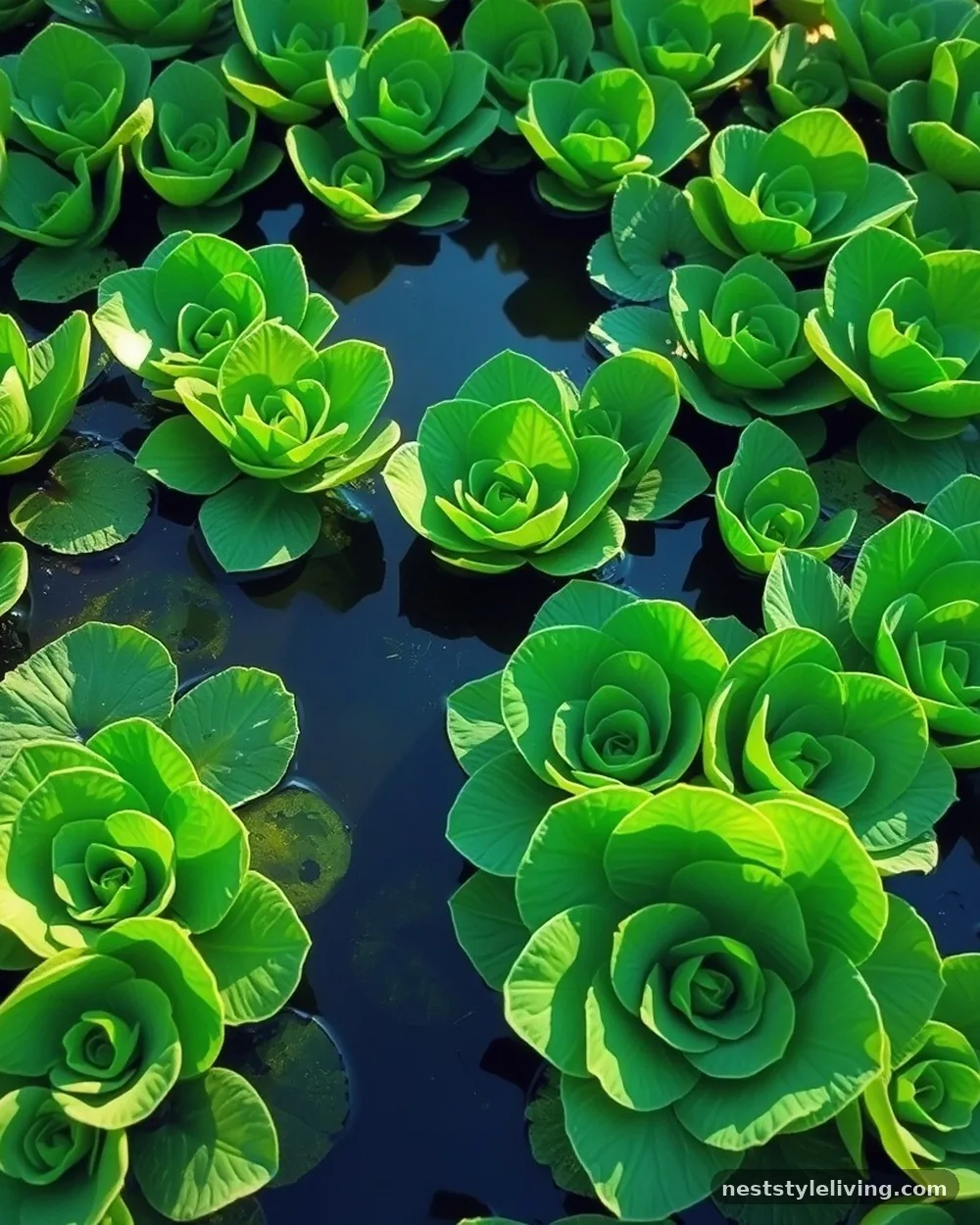
Floating plants provide essential shade for fish and help regulate water temperature during the height of summer. Water lettuce forms delicate, velvet-like rosettes that drift across the surface, creating a lush, green carpet that reduces algae growth by outcompeting it for sunlight and nutrients. These plants add a sense of movement and softness to the surface of the water, making the pond feel alive and dynamic.
You can purchase these in small starter packs from local nurseries; simply place them directly onto the water surface. They propagate quickly, so plan to thin them out every few weeks during the peak growing season to ensure the fish still have access to oxygenated water.
3. Natural Stone Stepping Paths
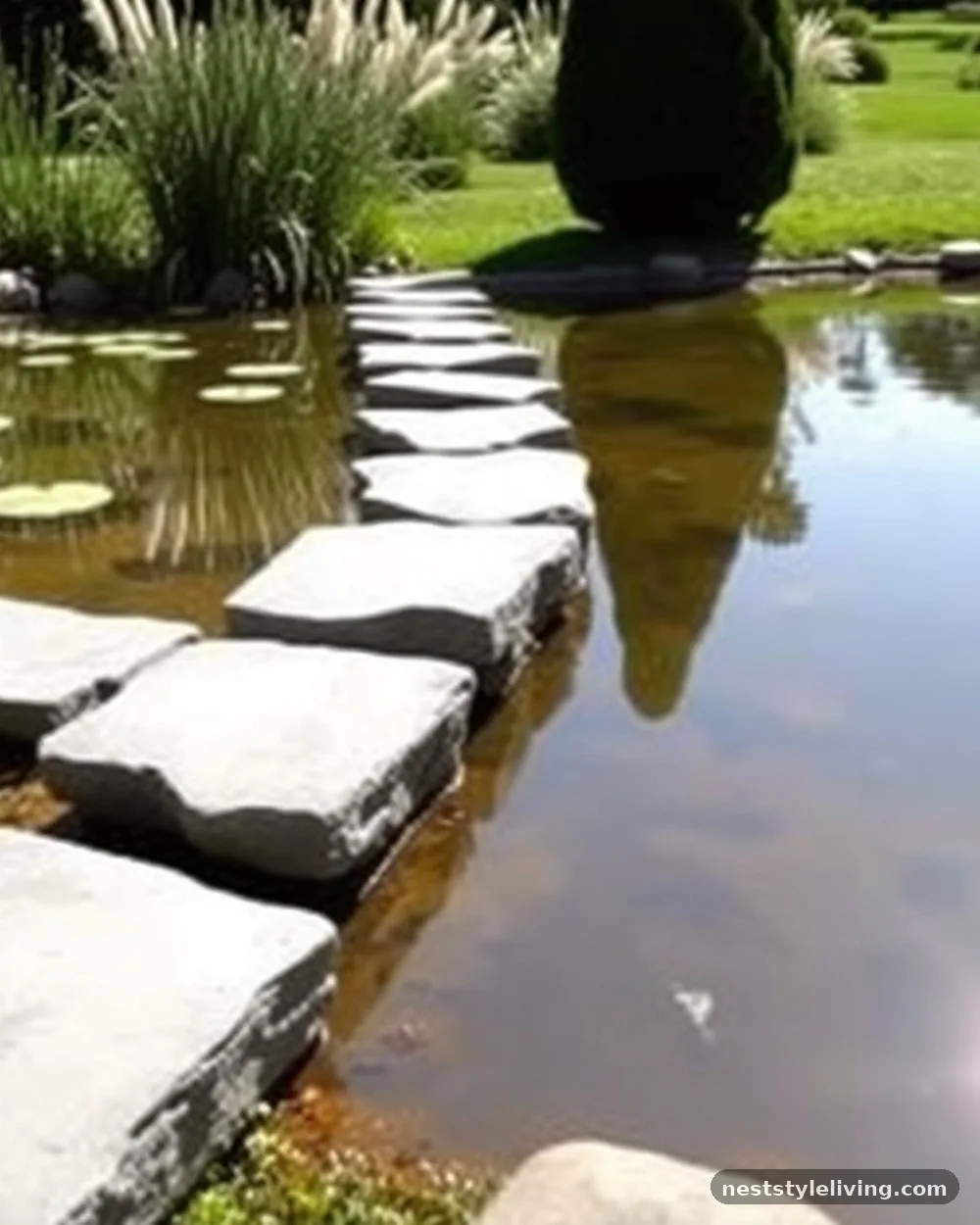
Integrating flat, irregular flagstone pieces that bridge the water or hug the perimeter encourages interaction with your pond. These stones provide a stable platform for maintenance access while adding a rustic, timeless aesthetic that grounds the water feature in the garden. When placed strategically, they create a sense of discovery, inviting guests to walk right up to the water’s edge to observe the fish or aquatic plants.
Select heavy, flat stones with a non-slip texture, such as sandstone or slate, and set them on a bed of compacted sand or stone dust. Ensure they are level and stable so they don’t rock underfoot, which is crucial for safety near wet surfaces.
4. Cascading Waterfall Spillways
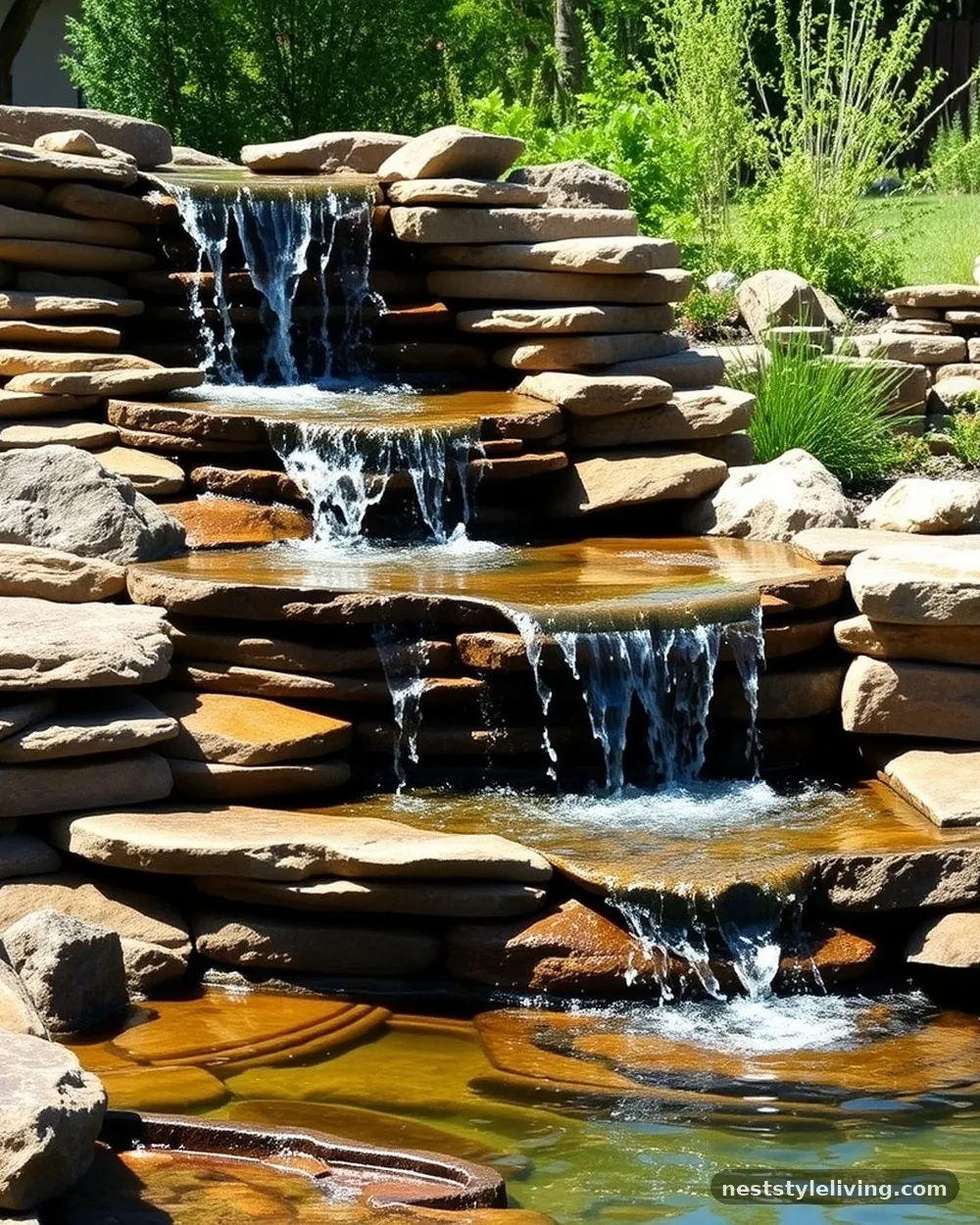
A small, tiered waterfall adds a vital auditory element to your garden, masking neighborhood noise with the rhythmic sound of falling water. By using flat, slate-like stones stacked in a slight overhang, you can create a gentle, bubbling flow that oxygenates the pond and keeps the water healthy. This feature is particularly effective in small spaces where a dramatic drop is not feasible but a peaceful trickle is desired.
Install a submersible pump at the opposite end of the pond to circulate water upward through a hidden hose behind the waterfall structure. Use black pond foam to seal the gaps between stones so that the water is forced over the surface of the rock rather than leaking behind it.
5. Marginal Bog Planting Zones
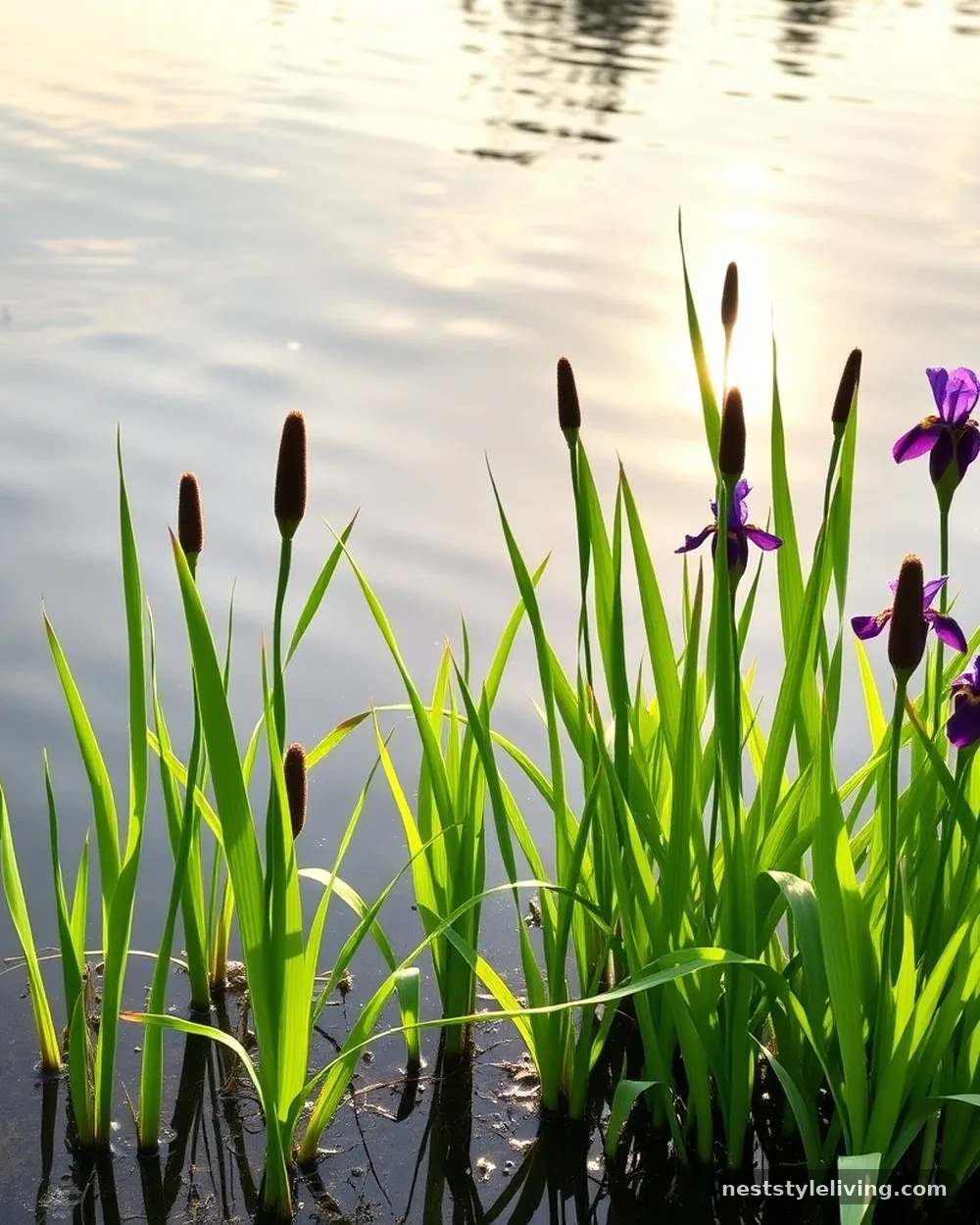
Marginal plants like sweet flag, cattails, and irises thrive in the shallow, muddy edges of a pond where the water meets the land. These species act as a natural filter, absorbing excess nitrates from the water and providing cover for beneficial insects and amphibians. By grouping these plants in distinct zones, you create a lush, swamp-like aesthetic that feels authentic and wild.
Use aquatic plant baskets filled with heavy, clay-based soil and top them with a layer of gravel to keep the dirt from floating away. Position these baskets on the shallow shelves of your pond so the crown of the plant is just an inch or two below the water line.
6. Submerged LED Lighting
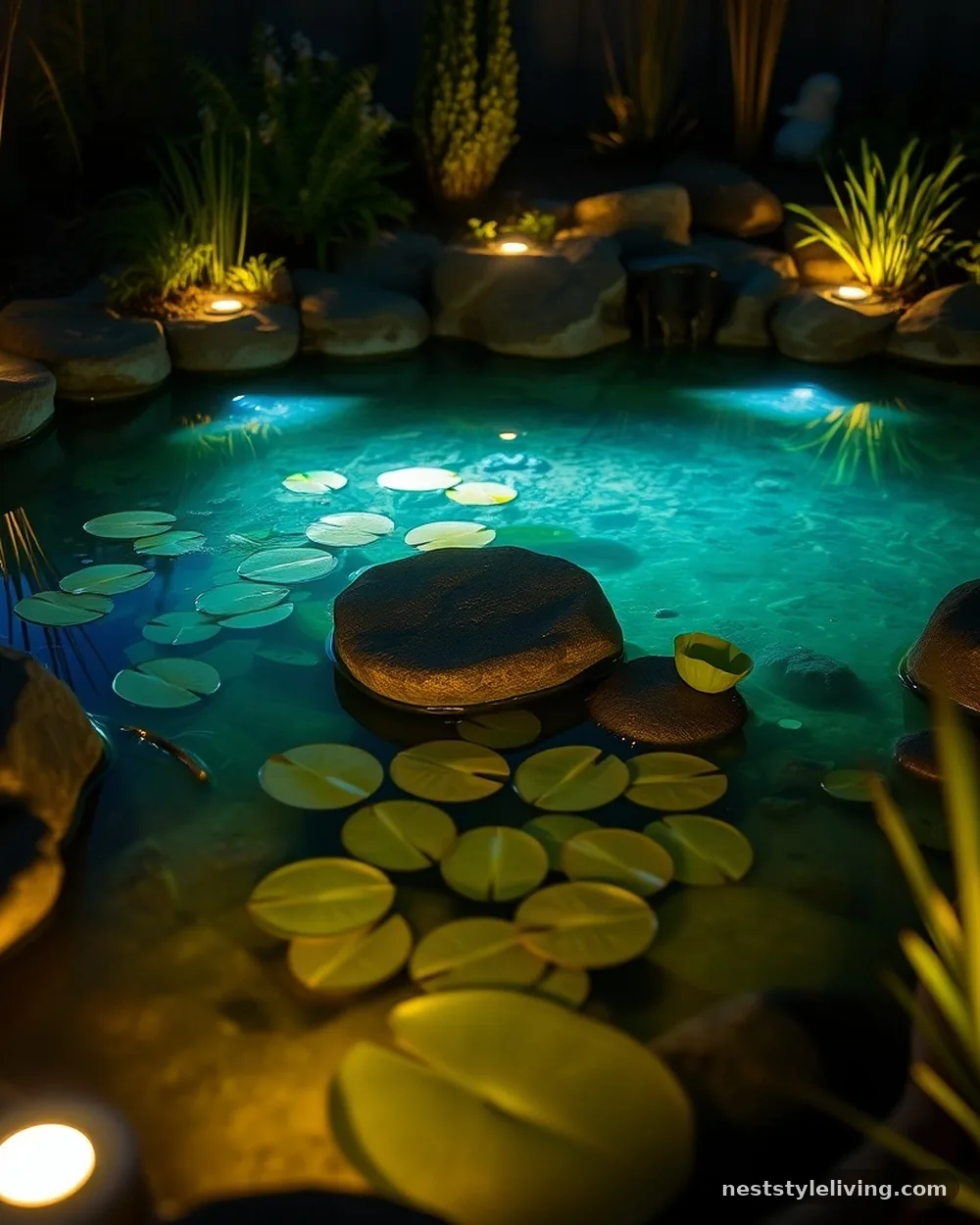
Underwater lighting transforms a pond into a magical feature after dark, highlighting the movement of fish and the shimmering texture of the water. Using waterproof, low-voltage LED puck lights directed upward or across the pond base creates dramatic silhouettes and reflects light off the surface. This adds a sophisticated, resort-like feel to your outdoor space without requiring extensive electrical work.
Choose warm-white bulbs to keep the water looking inviting rather than sterile. Connect them to a dusk-to-dawn timer so the pond illuminates automatically as the sun sets, ensuring you never have to remember to switch them on.
7. Japanese Maple Overhangs

Planting a Japanese maple near the edge of your pond provides a stunning, architectural focal point that reflects beautifully in the water. The delicate, lace-like leaves and vibrant autumn colors add a sense of movement and seasonal change to the garden. Because these trees have non-invasive root systems, they are safe to plant close to water features without the risk of damaging the pond liner.
Select a weeping variety, such as ‘Tamukeyama’, to encourage the branches to drape gracefully toward the water surface. Ensure the tree is planted slightly elevated to provide good drainage, as maples do not like to sit in waterlogged soil.
8. Decorative Ceramic Urns
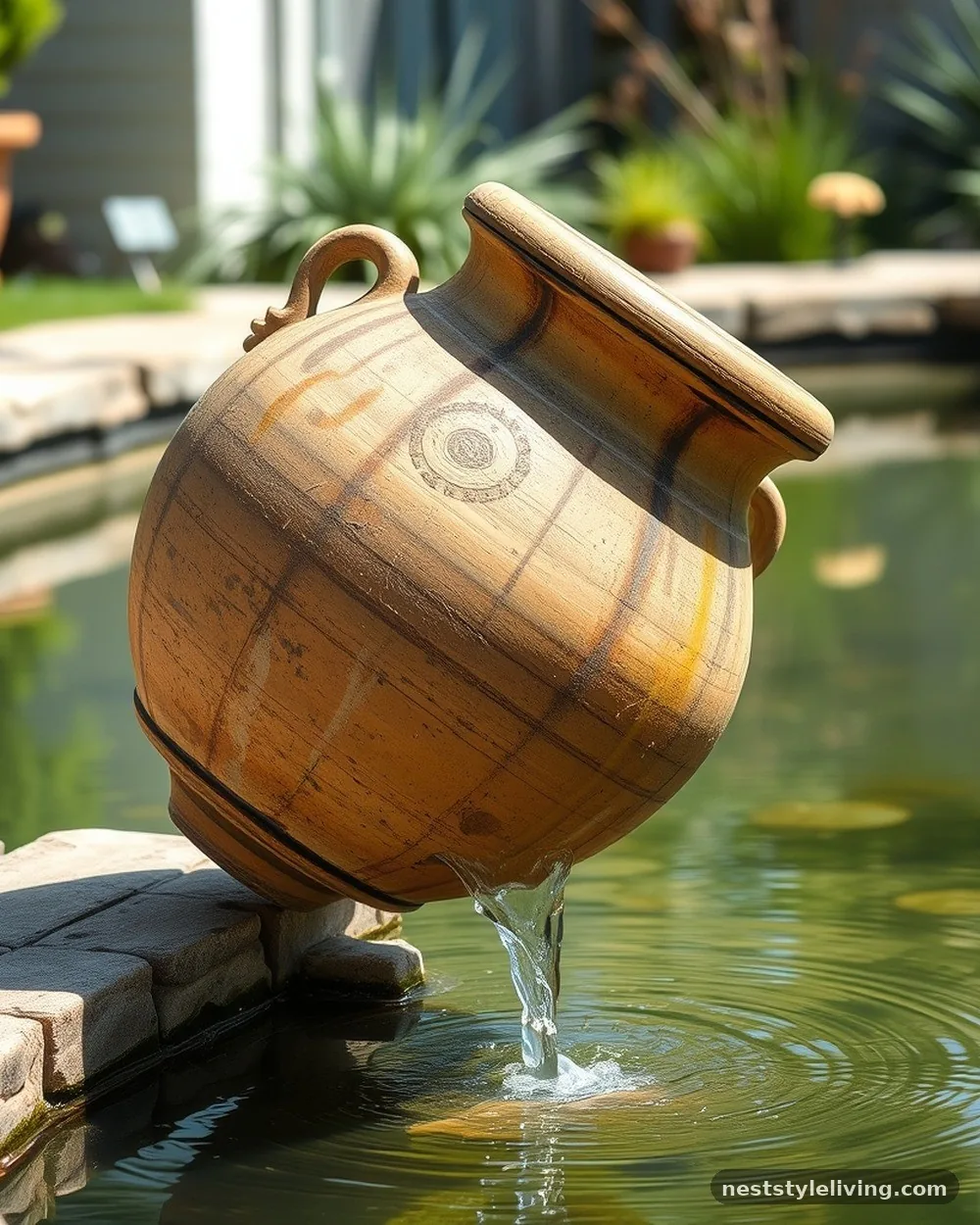
Placing a weathered ceramic urn on the edge of a pond can serve as a decorative focal point or even a functional water outlet. When partially buried or tilted into the water, the urn looks as though it has been unearthed from the garden, adding a layer of history and mystery to the design. This works well in formal or Mediterranean-style gardens where you want to emphasize artistic structure alongside organic water elements.
If you want the urn to act as a fountain, run your pump tubing through the base and up through the center of the vessel. Use a silicone sealant around the tube entry point to prevent leaks and ensure the water flows continuously from the mouth of the jar.
9. Timber Decking Extensions
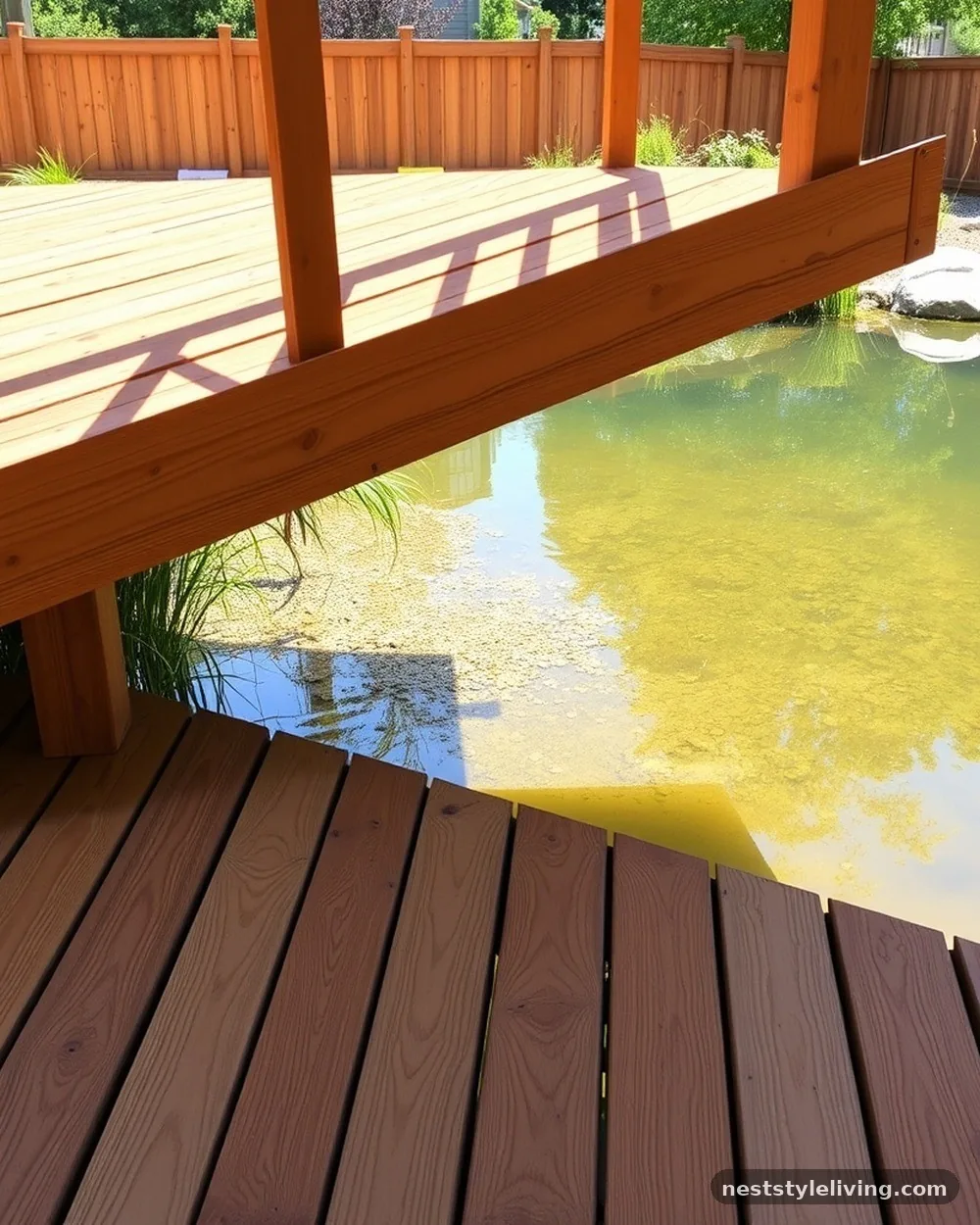
Building a wooden deck that cantilevers slightly over the water creates a clean, modern edge that is perfect for seating. The warmth of natural cedar or composite wood contrasts beautifully with the blue or dark tones of the water, providing a comfortable place to sit and feed the fish. This structure also provides a clear, level surface that keeps the surrounding mulch or lawn from falling into the pond.
Use pressure-treated lumber for the frame and cedar or high-quality composite for the surface boards to ensure longevity. Build the deck frame with a slight overhang, but secure it to a concrete footing set back from the pond edge to avoid putting weight on the liner.
10. Moss-Covered Boulder Accents

Adding mossy rocks around the pond perimeter gives the impression that the water feature has been there for decades. Moss thrives in the cool, humid microclimate created by the pond, and it softens the harsh lines of man-made materials. This creates an immediate sense of maturity and serenity, making the pond feel like a natural spring in a forest clearing.
Collect moss from shady, damp areas of your own yard or purchase pre-grown moss mats from a nursery. Press the moss firmly into the crevices of your rocks and mist it with water during dry spells until it establishes itself on the stone surface.
11. Deep-Water Lily Pads
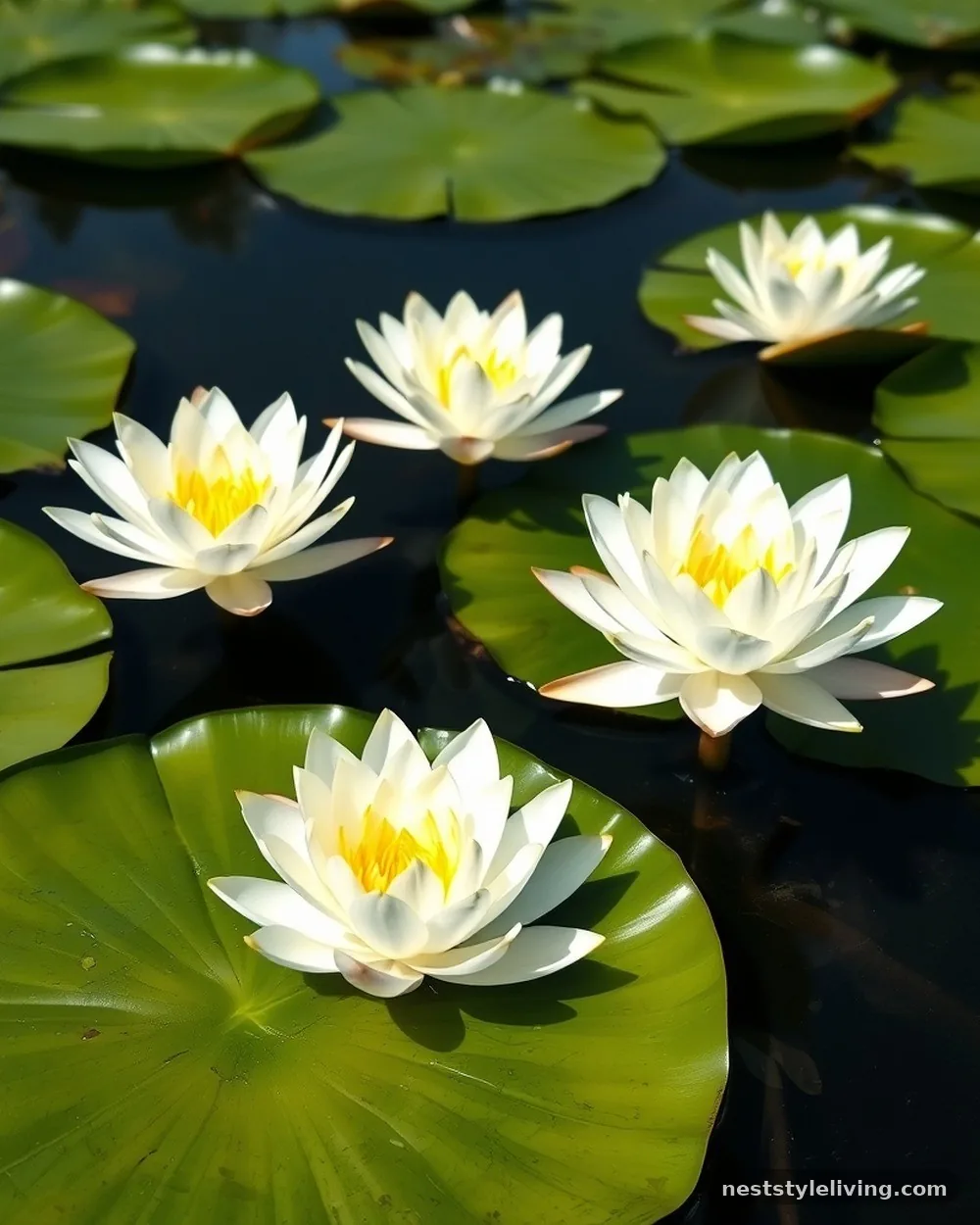
Water lilies are the classic centerpiece of any pond, offering large, flat leaves and vibrant flowers that sit elegantly on the surface. They provide essential cover for fish, protecting them from predators while keeping the water cool during the summer. The contrast between the broad, circular leaves and the vertical growth of marginal plants creates visual depth and interest.
Plant lilies in large, wide containers to give their tubers room to grow, and sink them to the deepest part of the pond. Use specialized aquatic fertilizer tablets pushed into the soil once a month to ensure the plants produce consistent, healthy blooms throughout the season.
12. Gravel Beach Entry
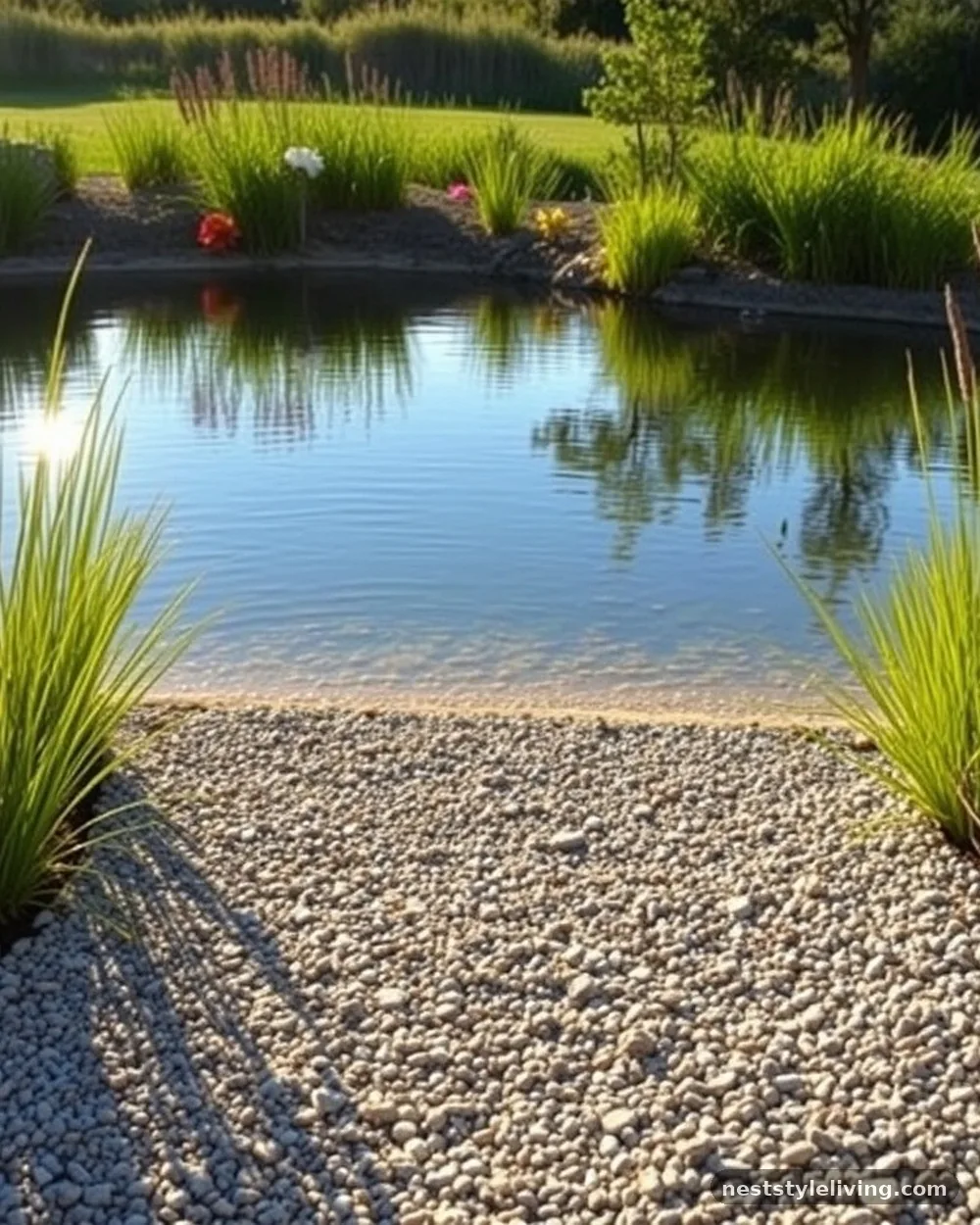
Creating a gradual, sloped entry into the pond with pea gravel creates a beach-like effect that is welcoming for birds and beneficial wildlife. Unlike steep, vertical walls, this beach transition allows animals to walk into the water safely to drink or bathe. It also provides a beautiful, bright contrast to the darker, deeper areas of the pond.
Ensure the slope is shallow—ideally a 3:1 ratio—and use a heavy-duty underlayment beneath the liner to prevent stones from puncturing the material. Spread a thick layer of smooth, rounded pea gravel over the liner, ensuring no sharp edges are exposed that could harm wildlife.
13. Vertical Bamboo Screening
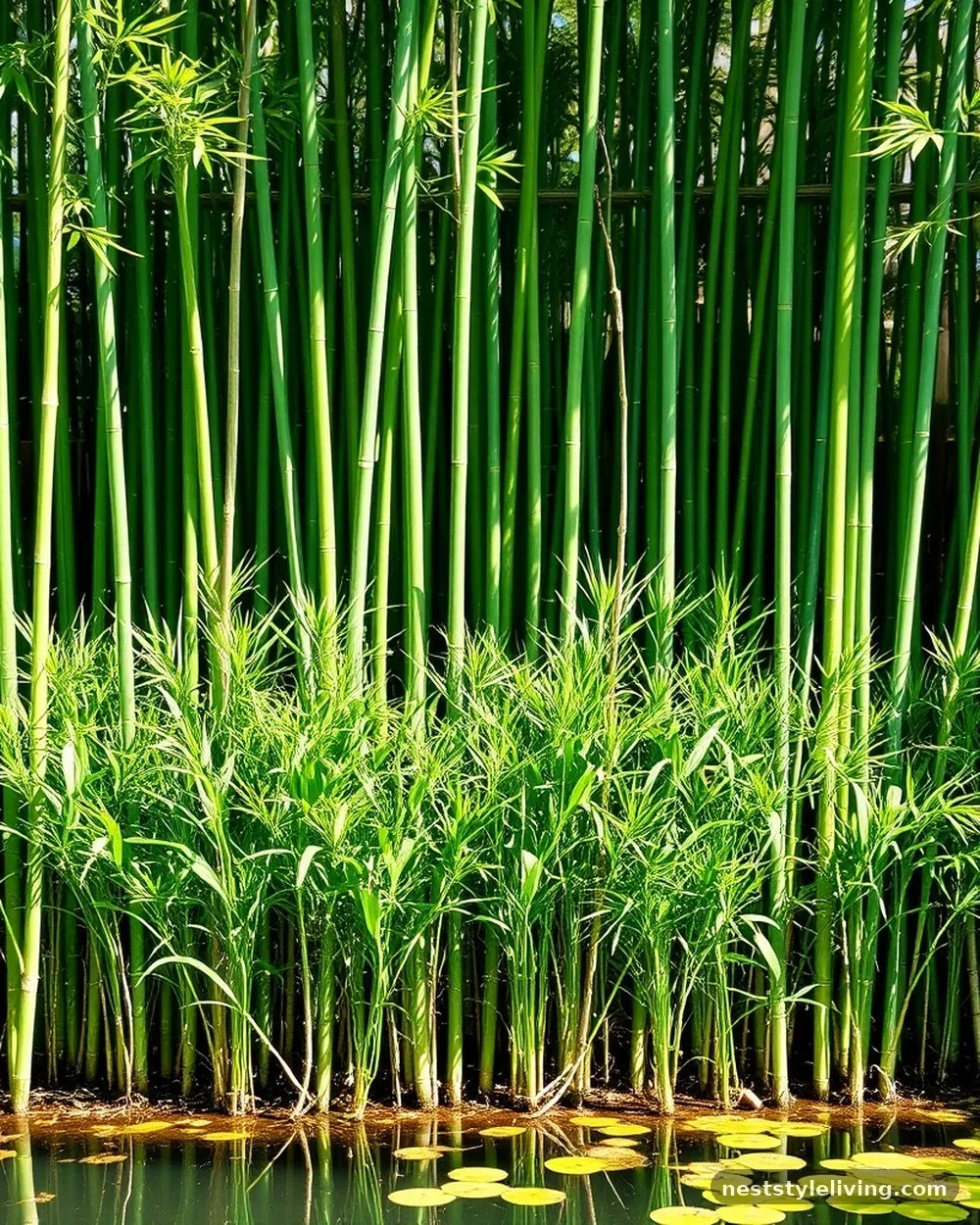
If your pond is near a property line or a busy patio, installing a bamboo screen provides privacy and a natural, Zen-like aesthetic. The vertical lines of the bamboo stalks echo the reflection in the water, creating a sense of tall, slender movement that draws the eye upward. This helps to enclose the space, making your pond feel like a private, secluded sanctuary.
Choose clumping bamboo varieties rather than running ones to ensure the plant stays contained in its designated area. Plant them in large, bottomless containers or behind a solid landscape barrier to maintain control over their growth while enjoying the visual benefits of their height.
14. Sunken Stone Bench
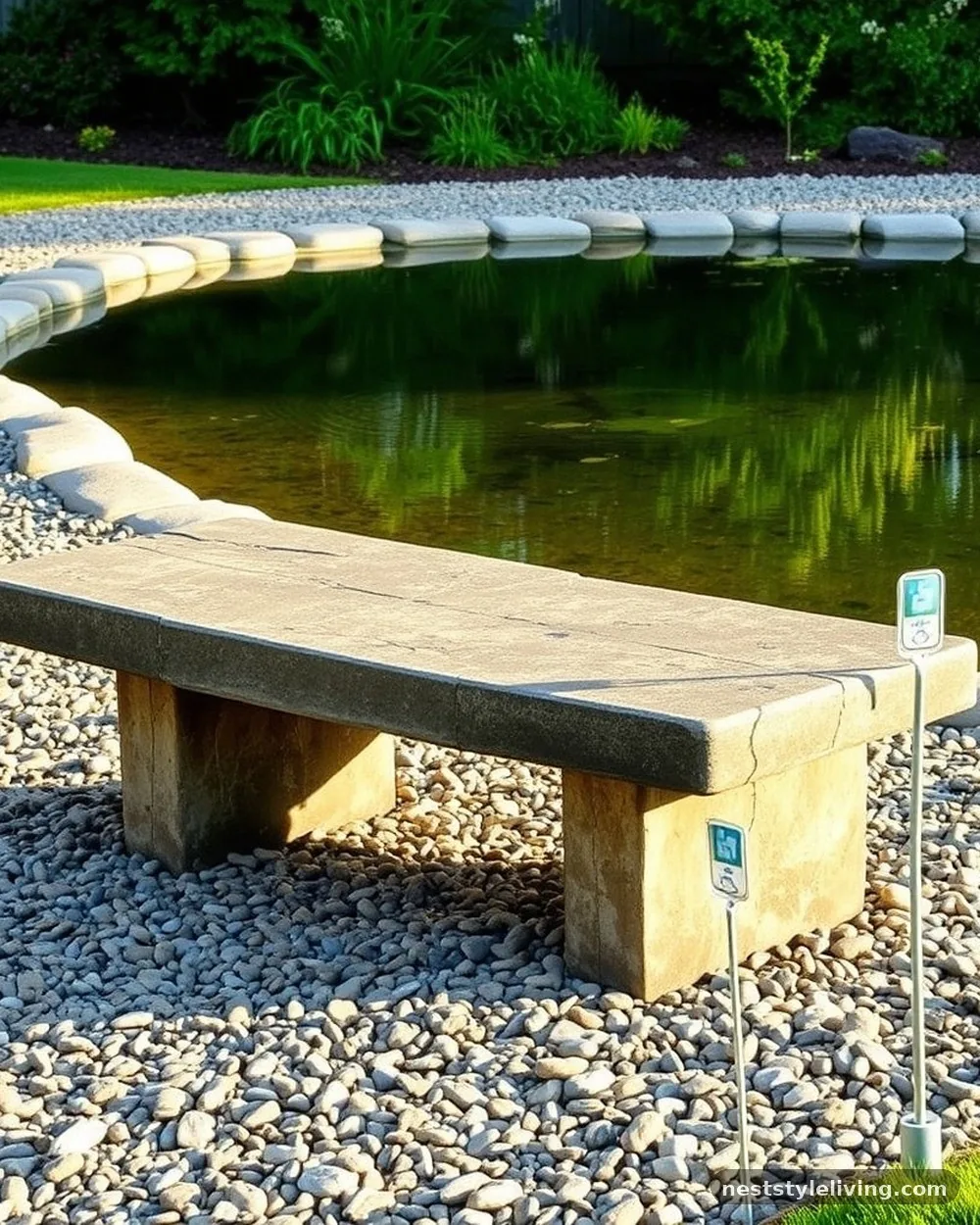
Placing a heavy stone bench near the water’s edge provides a dedicated spot for quiet reflection. When positioned so that you can see the water from a seated angle, the bench becomes a functional part of the pond landscaping rather than just an accessory. This is an ideal way to enjoy the sights and sounds of your garden without needing to be right at the water’s edge.
Choose a bench made from natural granite or limestone that will weather gracefully over time. Ensure the ground beneath the bench is leveled with crushed stone to prevent it from sinking or tilting as the soil settles over the seasons.
15. Ornamental Grass Borders
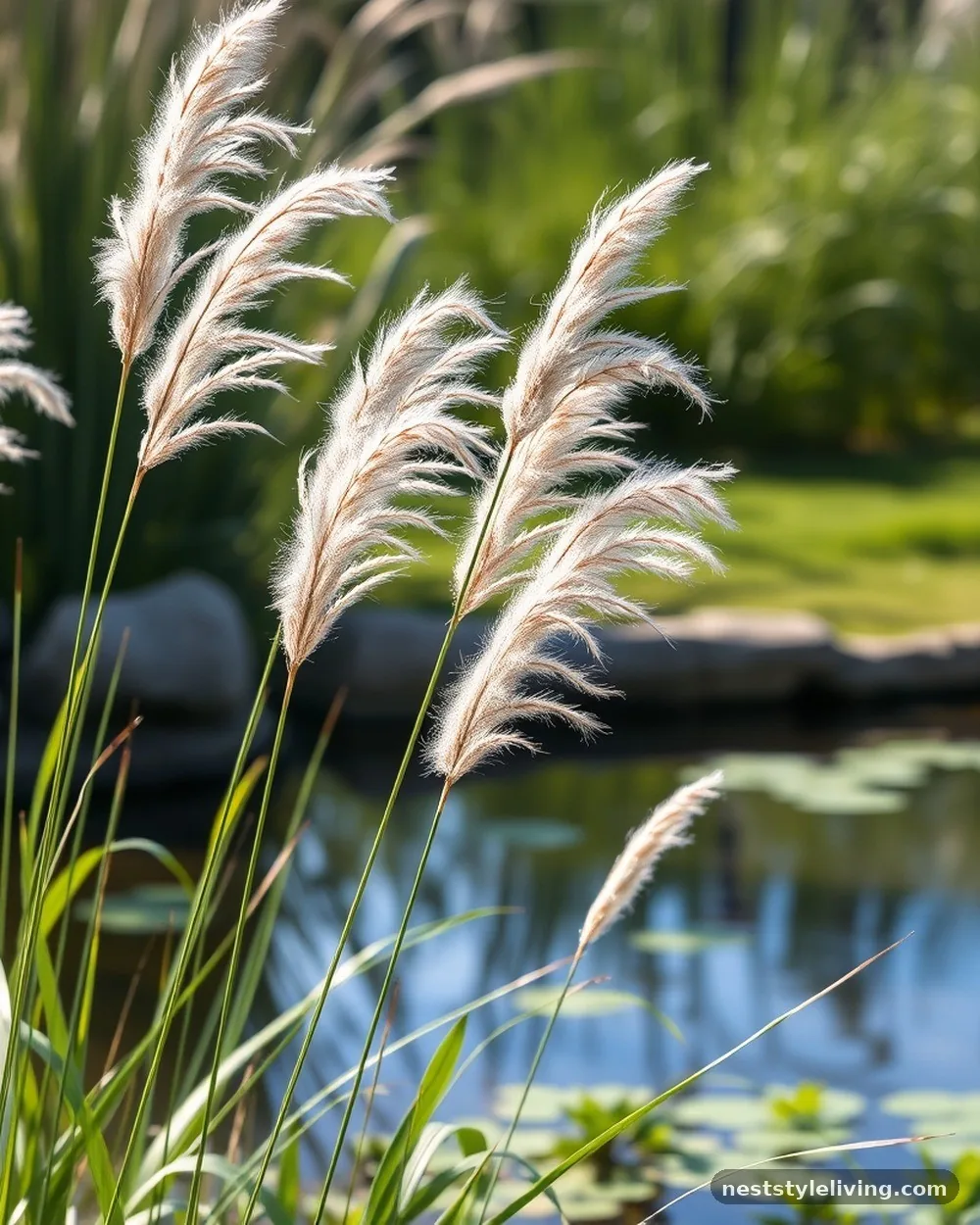
Grasses like fountain grass or sedge add texture and height that sways with the wind, mimicking the movement of water. They are excellent for softening the corners of a pond and creating a transition between the aquatic environment and the rest of the garden. Their fine blades provide a beautiful contrast to the solid, heavy appearance of pond boulders and flagstones.
Plant these in clusters around the back or sides of the pond, leaving a clear view from your primary seating area. Cut them back once a year in late winter to encourage fresh, vibrant growth when spring arrives, keeping the landscape looking neat and maintained.
16. Floating Solar Aerator
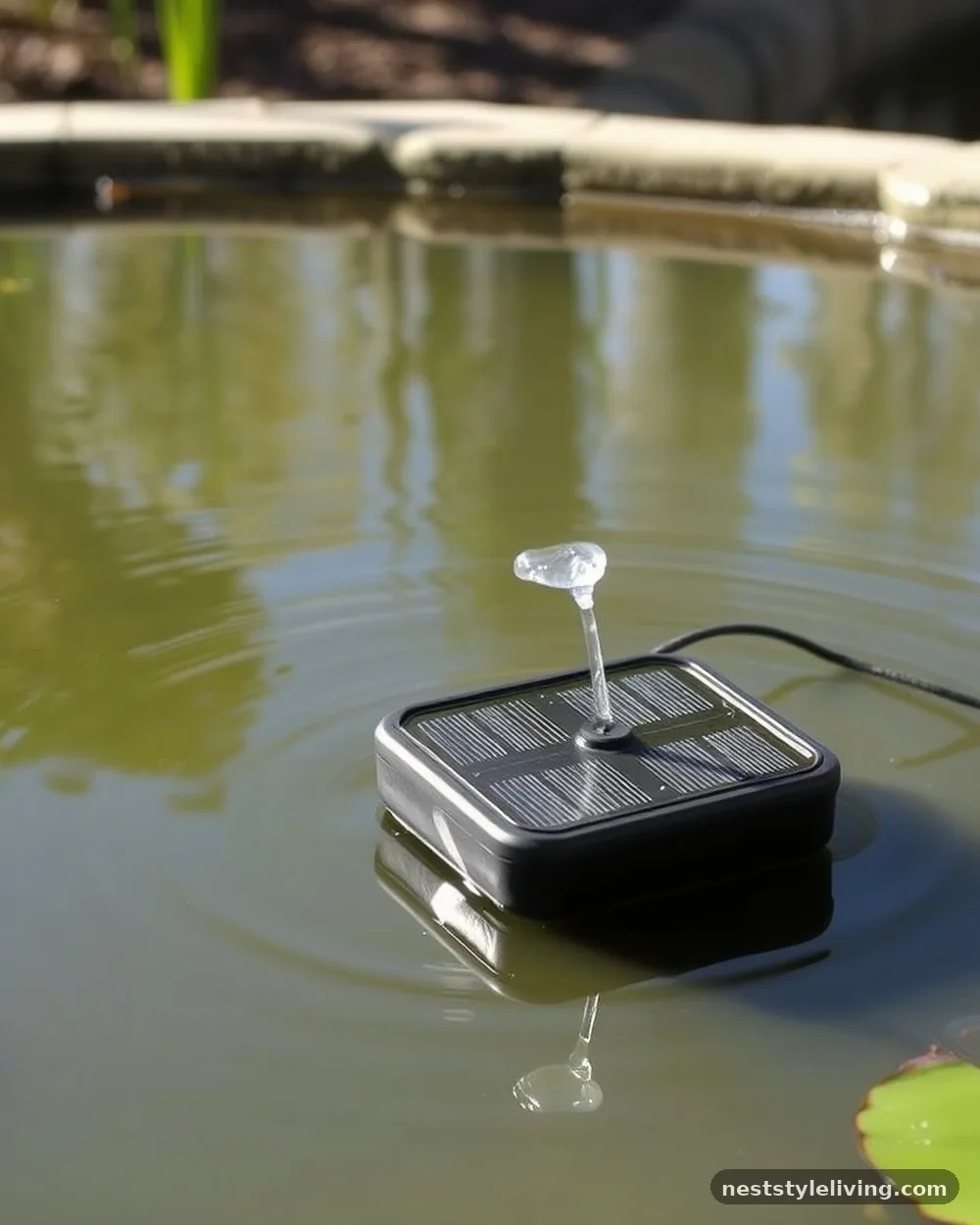
A solar-powered aerator adds a gentle, bubbling movement to the surface of your pond without the need for complex wiring or electricity. The constant movement prevents the water from becoming stagnant, which is critical for fish health and mosquito control. These devices are compact, unobtrusive, and function automatically as long as there is daylight.
Simply set the unit on the surface of the water in a spot that receives full sun. Clean the solar panel every few weeks to ensure maximum efficiency, and store the device indoors during the winter if you live in a climate with freezing temperatures.
17. Contrasting Color Palettes
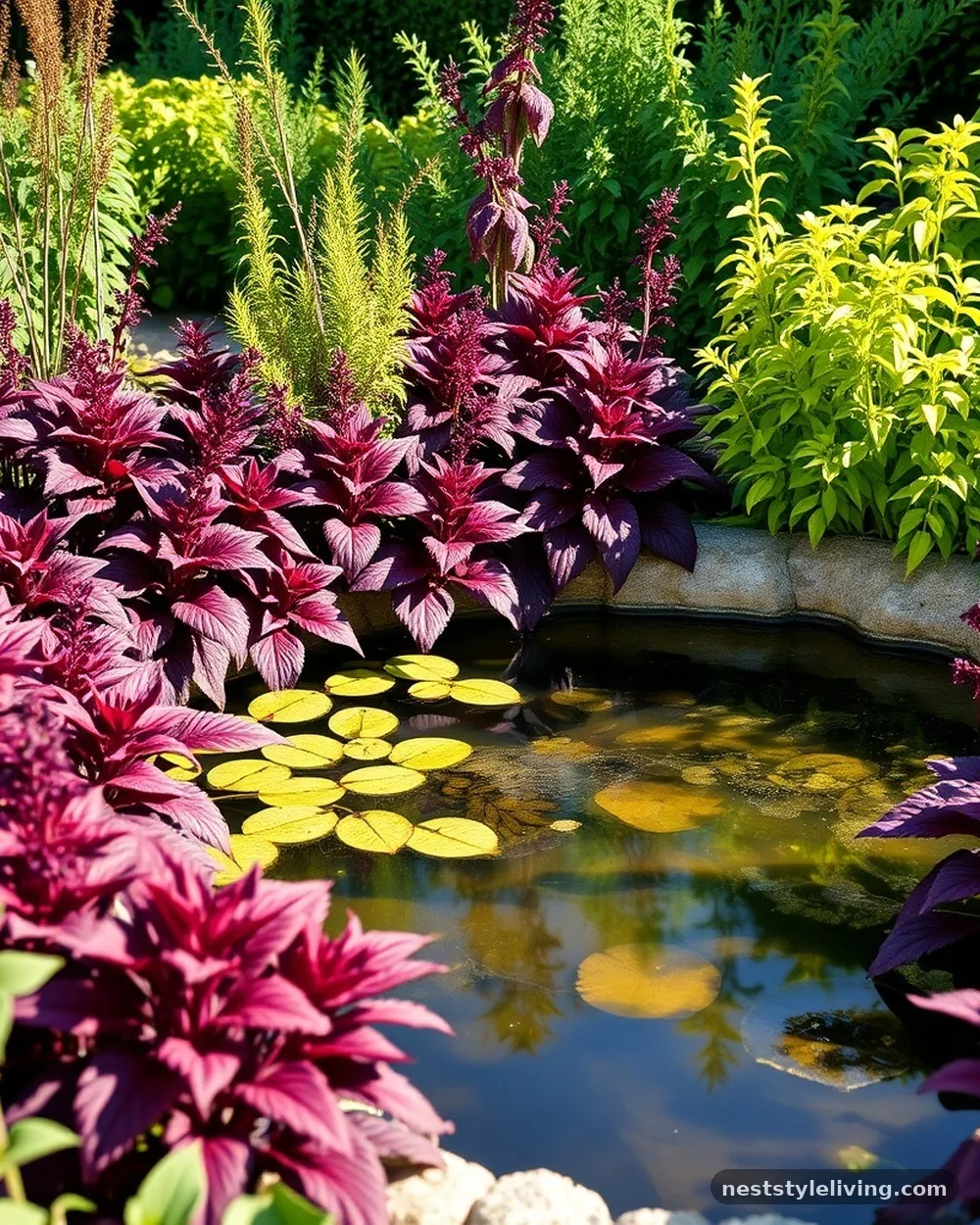
Using plants with deep purple or bronze foliage, such as heuchera, against the green of the pond plants creates a high-contrast, professional design. This color theory helps the pond stand out as a piece of art rather than just a utility feature. By repeating these colors in other parts of the garden, you tie the pond into the overall landscape design.
Select plants with contrasting leaf shapes, such as broad-leafed hostas next to fine, needle-like grasses. This creates a layered, rich look that feels curated and intentional, making the pond area feel like a high-end garden installation.
18. Hidden Filtration Vaults

A well-landscaped pond shouldn’t be cluttered with visible pipes or bulky filter boxes. By using a false rock cover or burying the filter intake within a thicket of marginal plants, you maintain the “natural” look of the water feature. This keeps the focus on the water and the fish rather than the mechanical equipment required to keep them healthy.
Design your filter housing to be easily accessible for cleaning, but mask it with a removable faux-rock lid or a strategic placement of tall perennials. Ensure there is enough airflow around the pump to prevent overheating, even if it is tucked away behind a screen of foliage.
19. Gravel Mulch Pathways
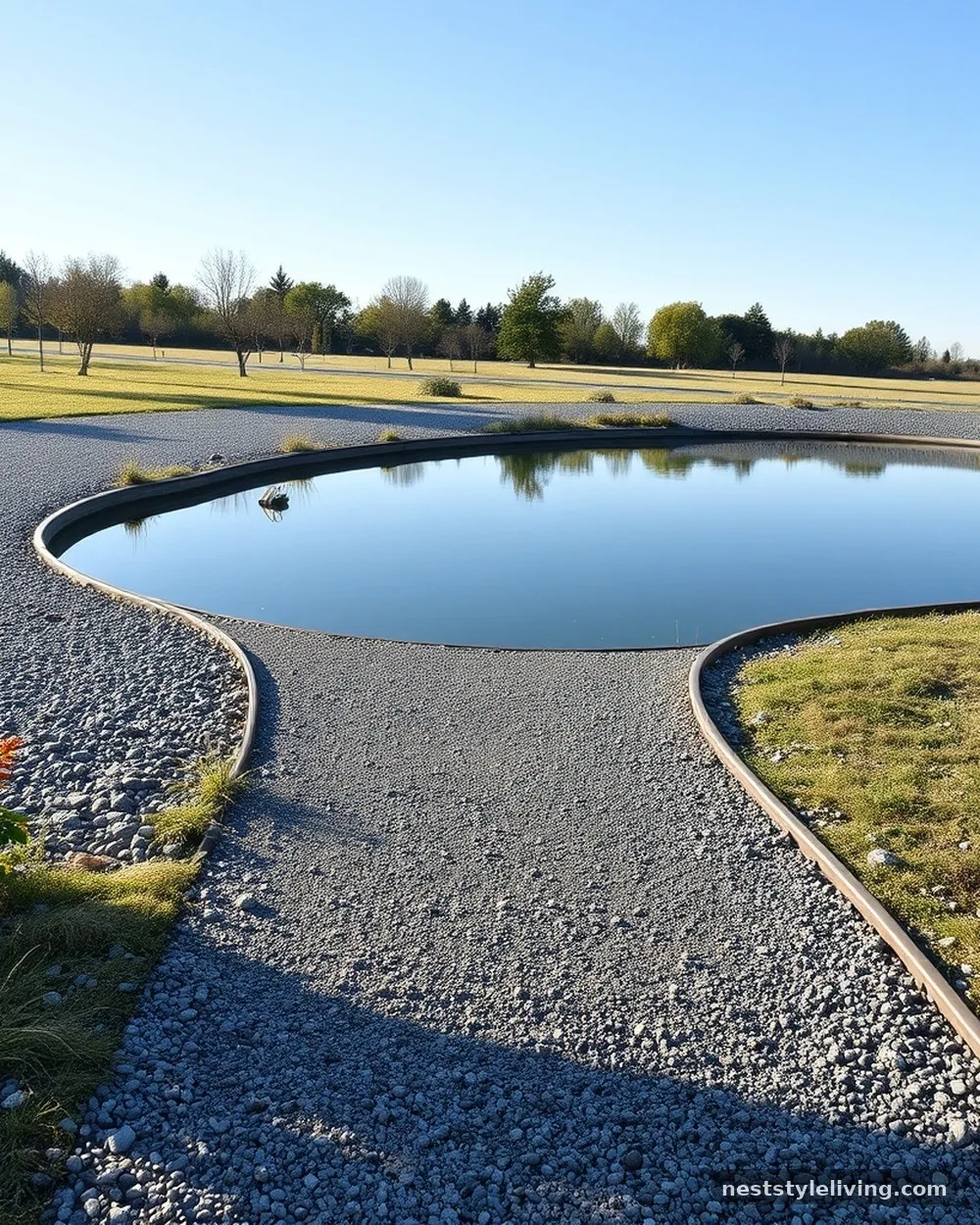
Instead of wood mulch, which can blow or wash into the water, use crushed granite or river gravel for the pathways surrounding your pond. This creates a clean, dry surface that is easy to keep tidy and prevents organic matter from decaying in the pond. The sound of walking on gravel is also distinct and adds to the sensory experience of being in the garden.
Clear the area of grass and weeds, lay down a heavy-duty landscape fabric, and spread a two-inch layer of decorative gravel. Use metal or stone edging to keep the gravel contained and prevent it from migrating into your garden beds or the pond itself.
20. Reflection-Enhancing Dark Liners
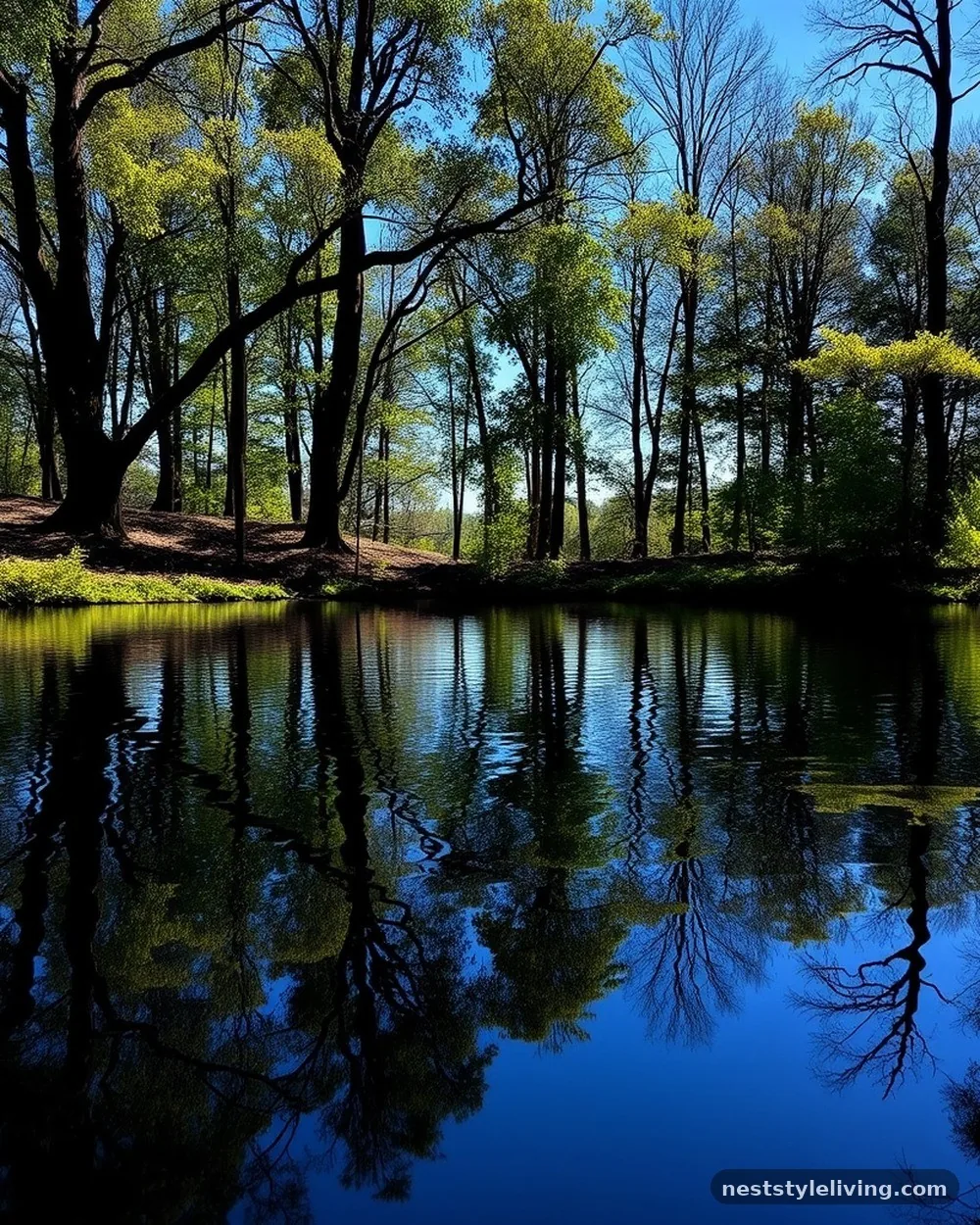
Using a black or dark blue pond liner creates a mirror-like effect on the surface of the water, reflecting the sky and surrounding trees. This deep, dark color also makes the pond look significantly deeper than it actually is, adding a sense of mystery and grandeur to the space. It is the secret to getting those professional, high-end landscape images where the water looks like a dark, still pool of ink.
Always use a high-quality EPDM rubber liner rather than a plastic sheet, as rubber is more flexible and durable. Ensure the liner is free of wrinkles as much as possible when installing, as smooth surfaces provide the best reflection and are easier to clean of debris.
21. Perennial Border Backdrop

A backdrop of tall, flowering perennials behind the pond creates a vibrant, colorful frame that draws the eye toward the water. Plants like coneflowers, black-eyed Susans, or daylilies provide a long season of color that keeps the pond area looking lively. This layer of height behind the pond creates a focal point that is visible from inside the house or from across the yard.
Group your plants in odd-numbered clusters to create a natural, flowing appearance. Ensure the tallest plants are at the back of the border to avoid blocking the view of the water, and choose varieties that bloom at different times to ensure continuous color through the summer.
22. Stone Lantern Accents
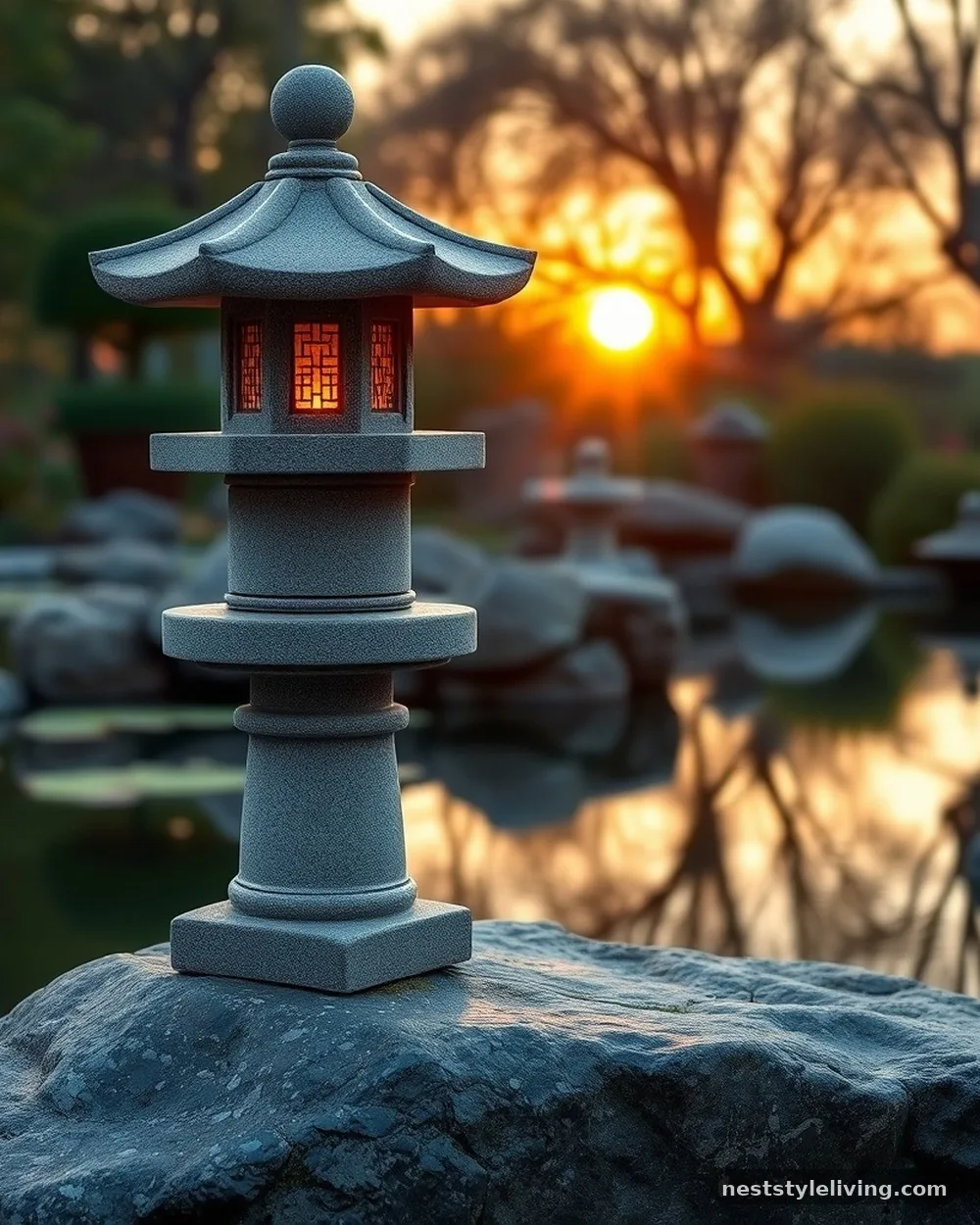
Adding a traditional stone lantern near the pond edge is a classic design element that brings a sense of structure and peace. These lanterns, often made of granite, weather beautifully over time and look particularly good when surrounded by low-growing groundcovers. They act as a silent guardian of the water, adding a touch of elegance that works in both formal and informal pond settings.
Place the lantern on a stable, flat stone base near the edge of the pond where it can be reflected in the water. If you want to add light, choose a version with a hollow center where you can place a small, waterproof LED candle to provide a soft, flickering glow in the evening.
Frequently Asked Questions
How do I keep my pond water clear naturally?
Achieving clear water relies on a balance of plants and mechanical filtration. Incorporate plenty of oxygenating plants, such as hornwort or anacharis, which consume the same nutrients as algae.
Additionally, ensure you are not overfeeding your fish, as excess food is a primary cause of nutrient spikes that trigger algae blooms. A properly sized biological filter that stays running 24/7 is essential for maintaining the beneficial bacteria that break down organic waste.
What is the best way to hide a pond liner?
The most professional way to hide a liner is by creating a shelf around the perimeter of the pond during the excavation phase. You can place flat rocks on this shelf, allowing them to overhang the water by an inch or two, which completely obscures the black plastic edge. Alternatively, you can use a layer of gravel or river stones to cover the liner, ensuring the stones are large enough not to be displaced by water movement.
Can I have a pond if I have small children?
Safety is the priority when installing a water feature in a family home. Consider a formal, raised pond with walls at least 24 inches high, which prevents toddlers from wandering into the water. If you prefer a ground-level pond, install a sturdy, hidden wire mesh grid just below the water surface; this allows water and plants to pass through while providing a firm barrier that supports a child’s weight if they were to fall in.
How often should I clean my backyard pond?
A well-balanced pond with adequate filtration and plants requires surprisingly little heavy cleaning. You should perform a partial water change—about 10 to 15 percent—every few weeks during the active season to refresh the water. Remove decaying leaves and debris from the surface regularly with a net to prevent them from sinking and rotting, which can foul the water quality and lead to long-term maintenance issues.
What are the best plants for a small pond?
For small water features, choose slow-growing or compact varieties to avoid overcrowding. Dwarf water lilies, like ‘Helvola’, are perfect because they don’t take over the surface.
Marginal plants like creeping jenny or dwarf rushes add texture without dominating the space. Always use planting baskets to keep the roots contained, which makes it much easier to manage the growth and move the plants around if you need to perform maintenance on the pond.
Conclusion
Creating a beautiful water feature is an investment in the overall atmosphere of your home. By thoughtfully applying these pond landscaping ideas for a serene outdoor space, you can transform a simple basin into a thriving, peaceful sanctuary that evolves with the seasons. Focus on the interplay between stone, water, and foliage to ensure your design feels grounded and intentional.
Start by addressing your pond’s edge, as this is the most visible transition point, and then layer in plants and lighting to build depth. Whether you are adding a single stone lantern or re-landscaping the entire perimeter, each change contributes to the quiet, soothing environment you desire. We encourage you to observe how your pond interacts with the changing light throughout the day, as this will guide your next steps in refining your outdoor retreat.