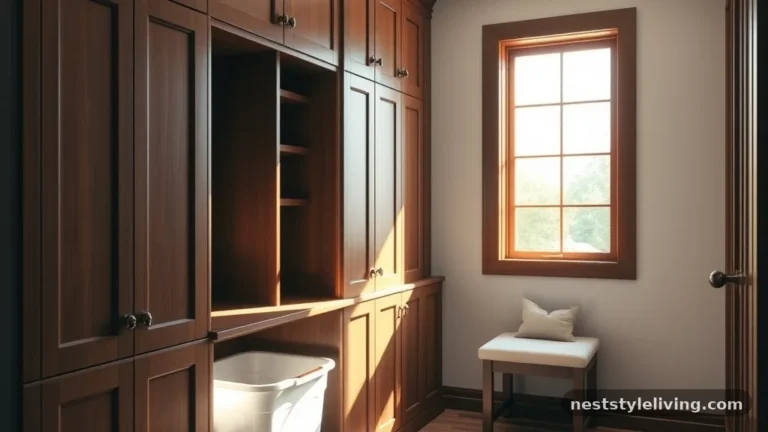
16 Industrial Farmhouse Ideas for a Bold Rustic Look
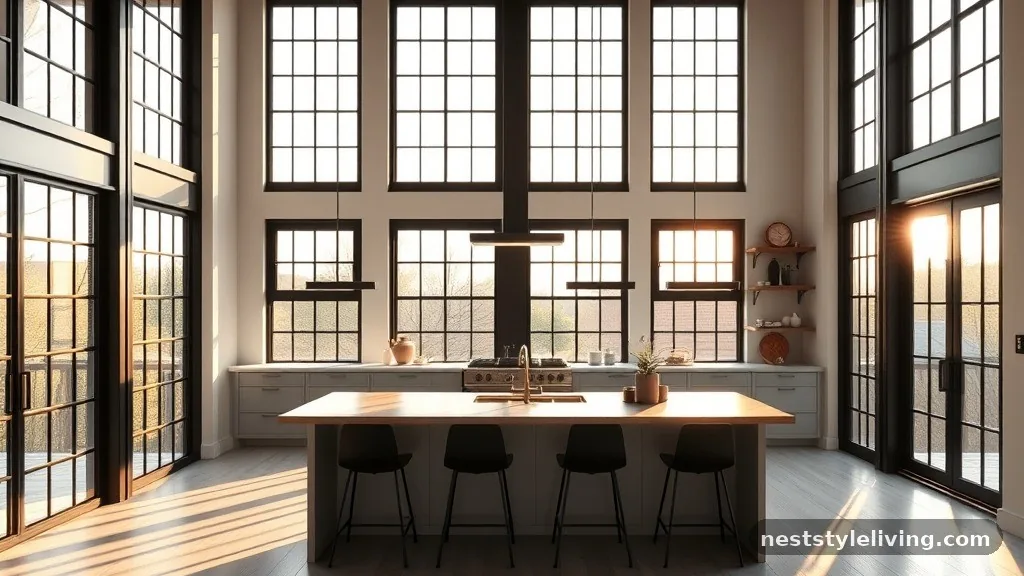
Achieving the perfect balance between raw utility and cozy warmth is the primary goal when executing industrial farmhouse ideas for a bold rustic look. By blending reclaimed wood, exposed structural components, and soft textiles, you create a space that feels both lived-in and intentionally designed. This aesthetic relies on high-contrast textures—think cool steel against warm oak—to anchor rooms in a way that feels timeless rather than trendy.
Whether you are renovating a kitchen or refining a living room, the focus remains on honest materials that tell a story. Implementing these specific design choices will help you transform your home into a sophisticated, rugged retreat.
1. Matte Black Steel Window Frames
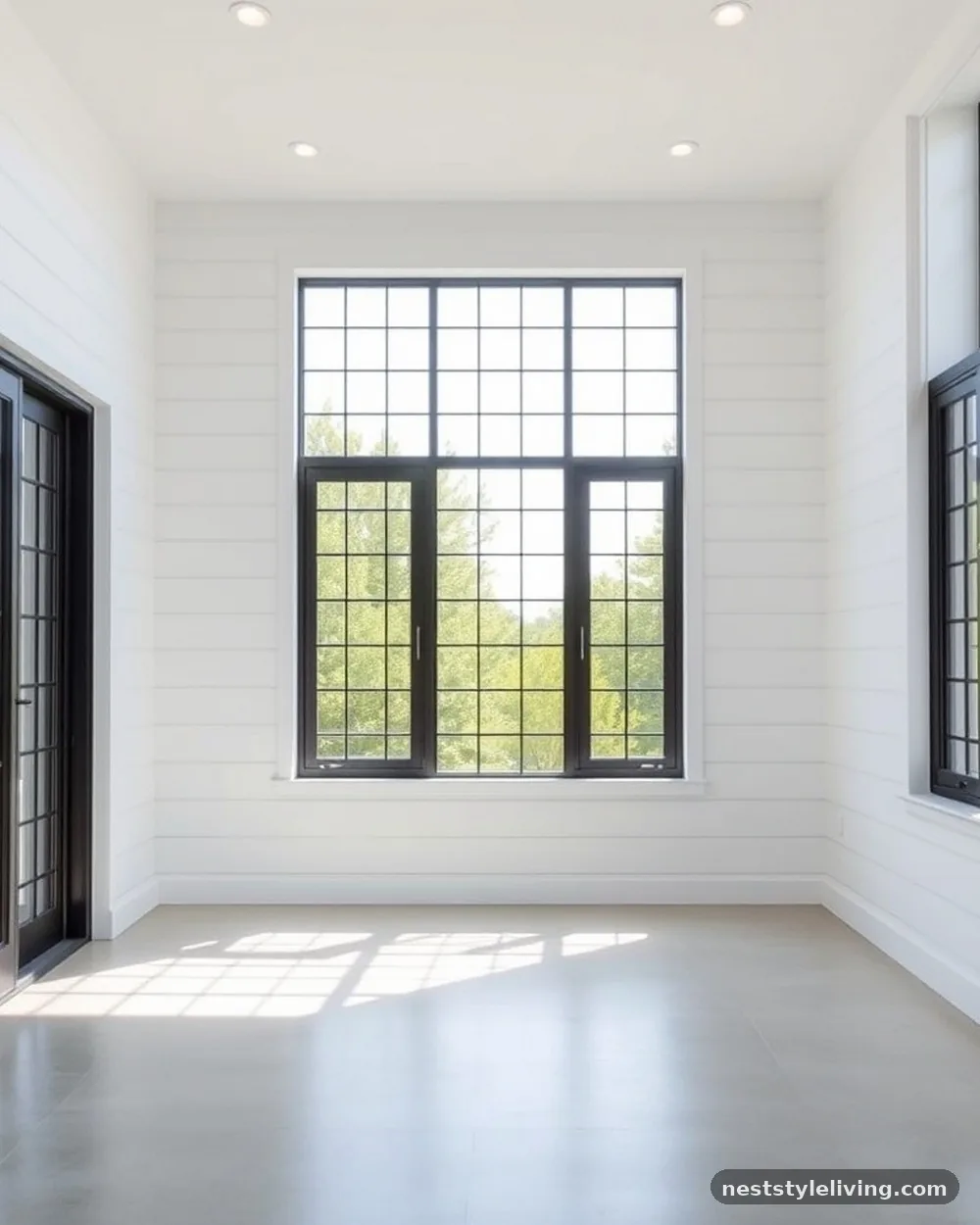
Using thin, matte black steel frames for windows or room dividers immediately injects a factory-inspired edge into any space. These frames act as a striking architectural grid, contrasting sharply against light-colored walls or whitewashed shiplap.
In an industrial farmhouse setting, they replace traditional timber molding, adding a sleek, geometric silhouette that draws the eye upward. The finish should be powder-coated to ensure it withstands daily wear without chipping or fading over time.
To install these, look for steel-look aluminum partitions or window grids that mimic the appearance of expensive custom ironwork without the massive weight or cost.
2. Reclaimed Timber Floating Shelves
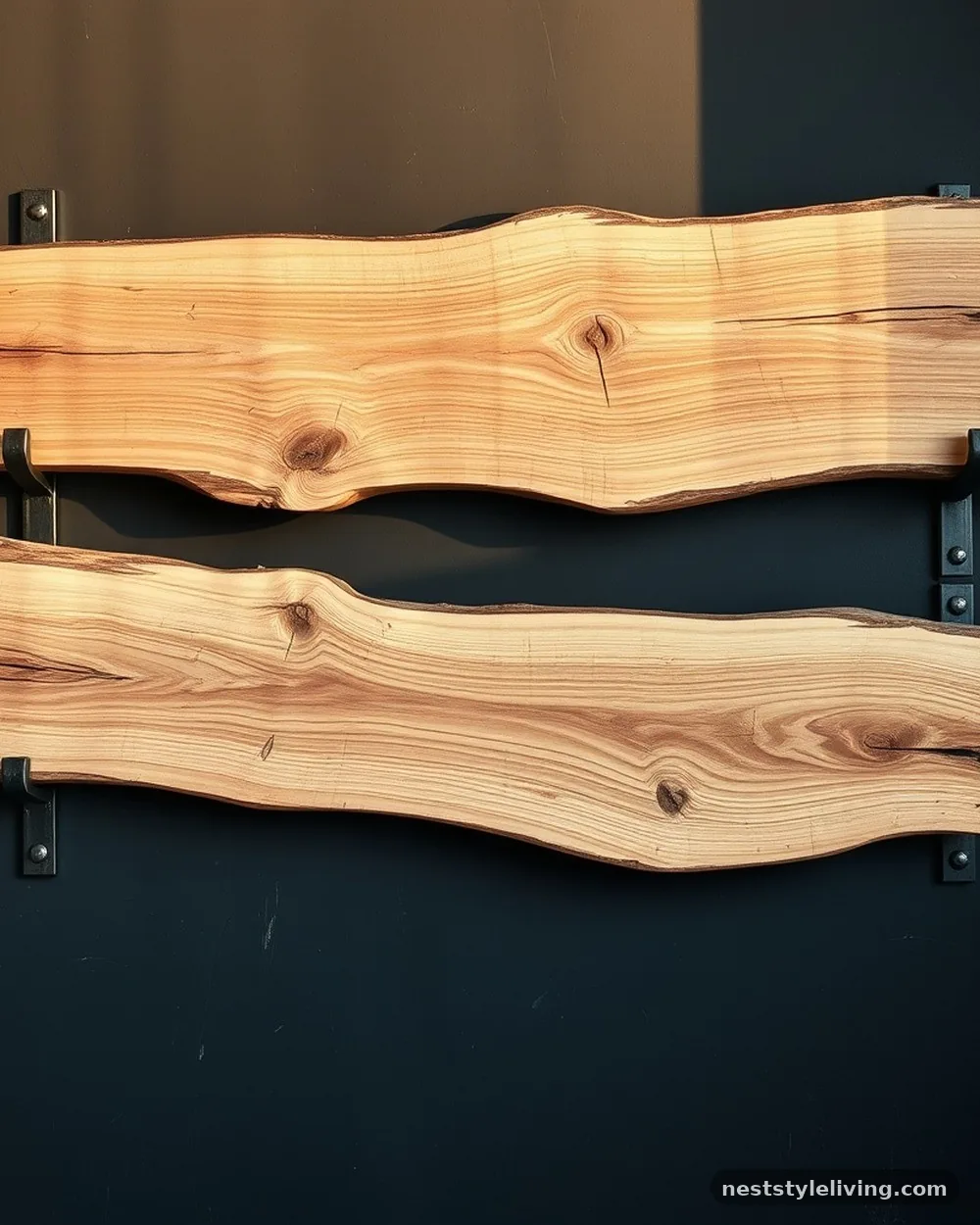
Floating shelves crafted from thick, salvaged beams provide the necessary warmth to keep the industrial aesthetic from feeling too sterile. Choose wood that retains its original saw marks, nail holes, or weathering, as these imperfections are essential for the rustic narrative. Mounting these with heavy-duty hidden steel brackets creates the illusion that the wood is emerging directly from the wall, emphasizing the clean lines of the design.
For the best result, sand the timber just enough to prevent splinters while keeping the rough, natural grain intact, then seal it with a matte hard-wax oil to protect the wood.
3. Exposed Galvanized Ductwork
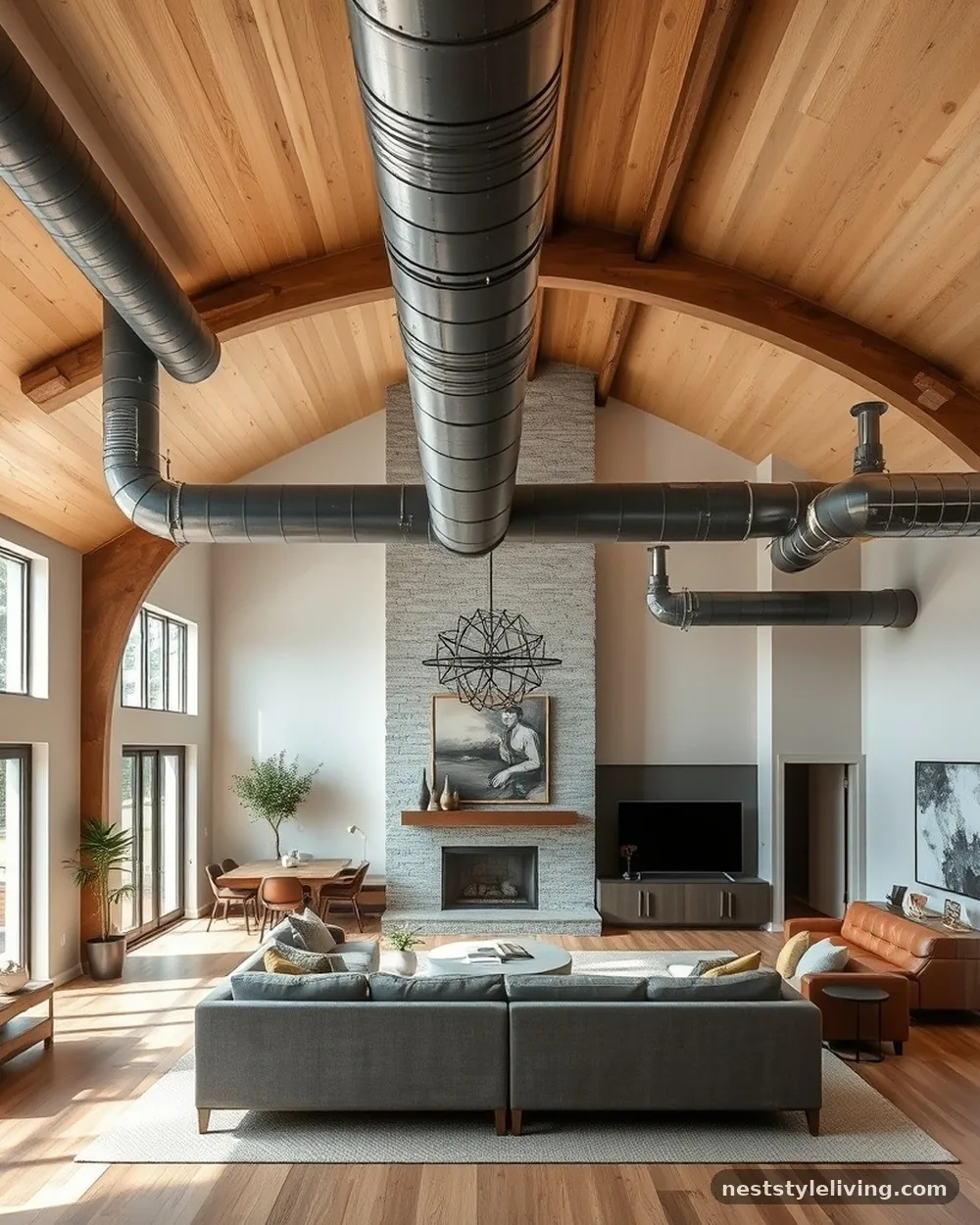
Instead of hiding HVAC components behind drywall, celebrate the mechanical bones of your home by leaving ductwork exposed. Painted in a charcoal or matte black finish, these pipes add an authentic factory vibe that defines the industrial half of the farmhouse equation. When combined with wood ceiling beams, the ductwork creates a visually complex ceiling plane that adds depth to open-concept dining or living areas.
If you are renovating, use rigid spiral ducting rather than flexible hoses, as the rigid material maintains a cleaner, more intentional industrial shape that feels like a deliberate design choice.
4. Distressed Leather Club Chairs
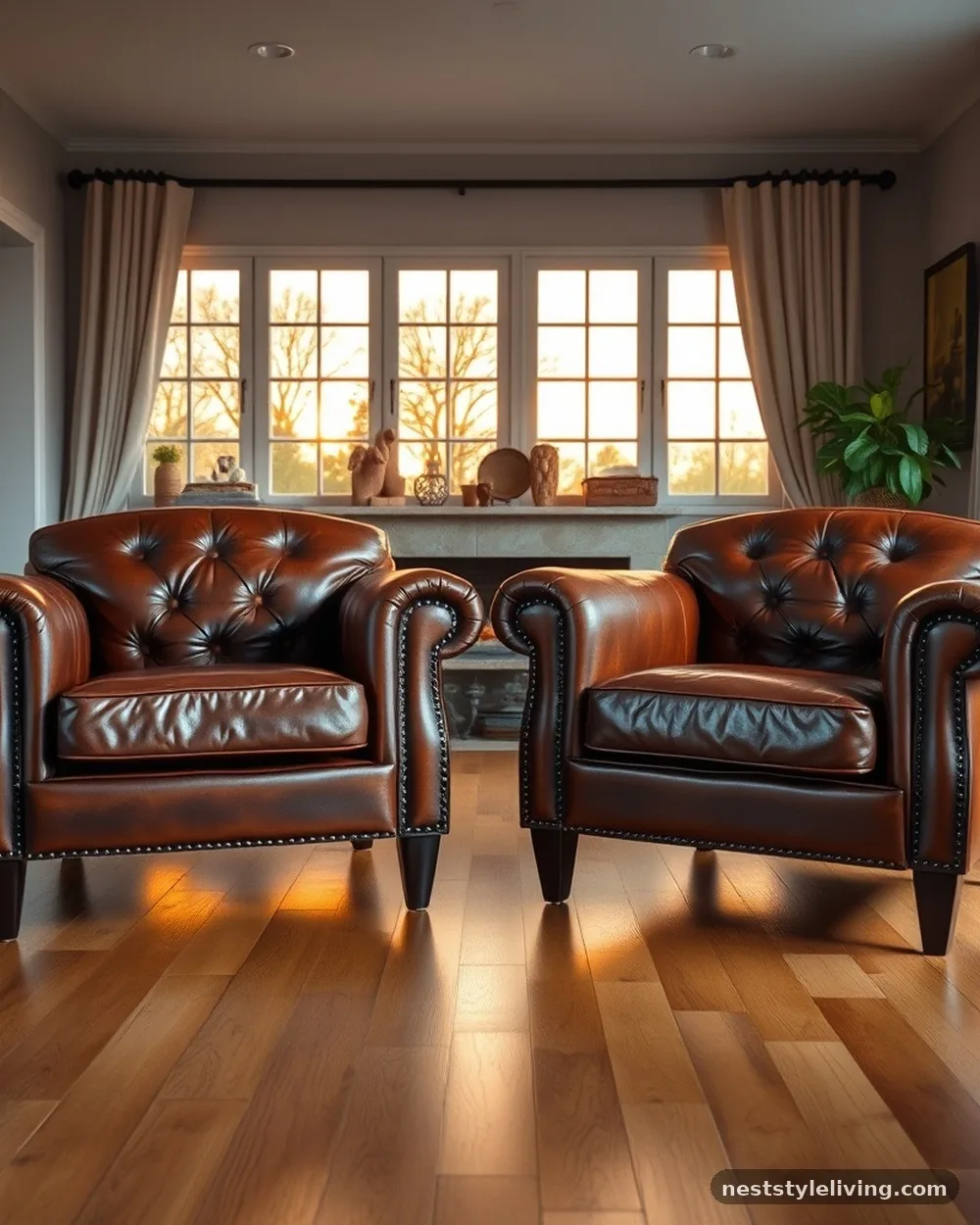
A pair of deep, cognac-colored leather club chairs serves as the ultimate anchor for a rustic living room. The leather should show signs of natural aging or be treated with a distressed finish to ensure it doesn’t look overly polished or brand new. These chairs offer the physical comfort required for a home while introducing a rich, earthy tone that pairs perfectly with reclaimed wood coffee tables and gray stone fireplaces.
When shopping, prioritize top-grain leather that will develop a unique patina through years of use, as this ensures the piece improves in character rather than wearing out.
5. Oversized Factory Pendant Lighting
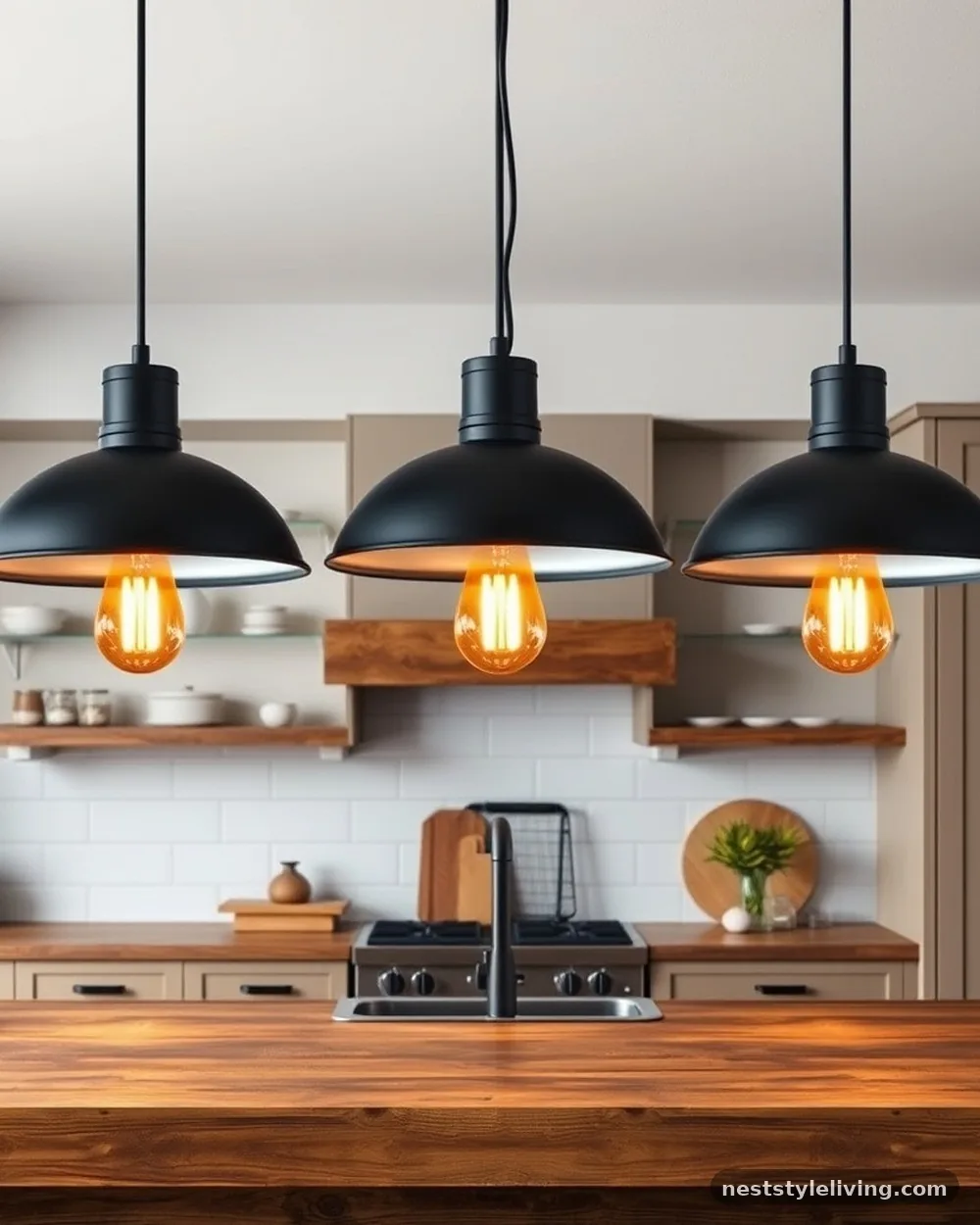
Pendant lights made from spun aluminum or rusted iron are the quintessential statement pieces for an industrial farmhouse kitchen. Look for fixtures with wide, bowl-shaped shades and exposed hardware, such as chains or fabric-covered cords, to emphasize the utility-first aesthetic. Hanging these in a row over a kitchen island or a long dining table provides focused task lighting while serving as a structural focal point in the room.
Select bulbs with a warm color temperature to counteract the cool metal of the shades, ensuring the space feels inviting rather than like a warehouse.
6. Concrete Countertops
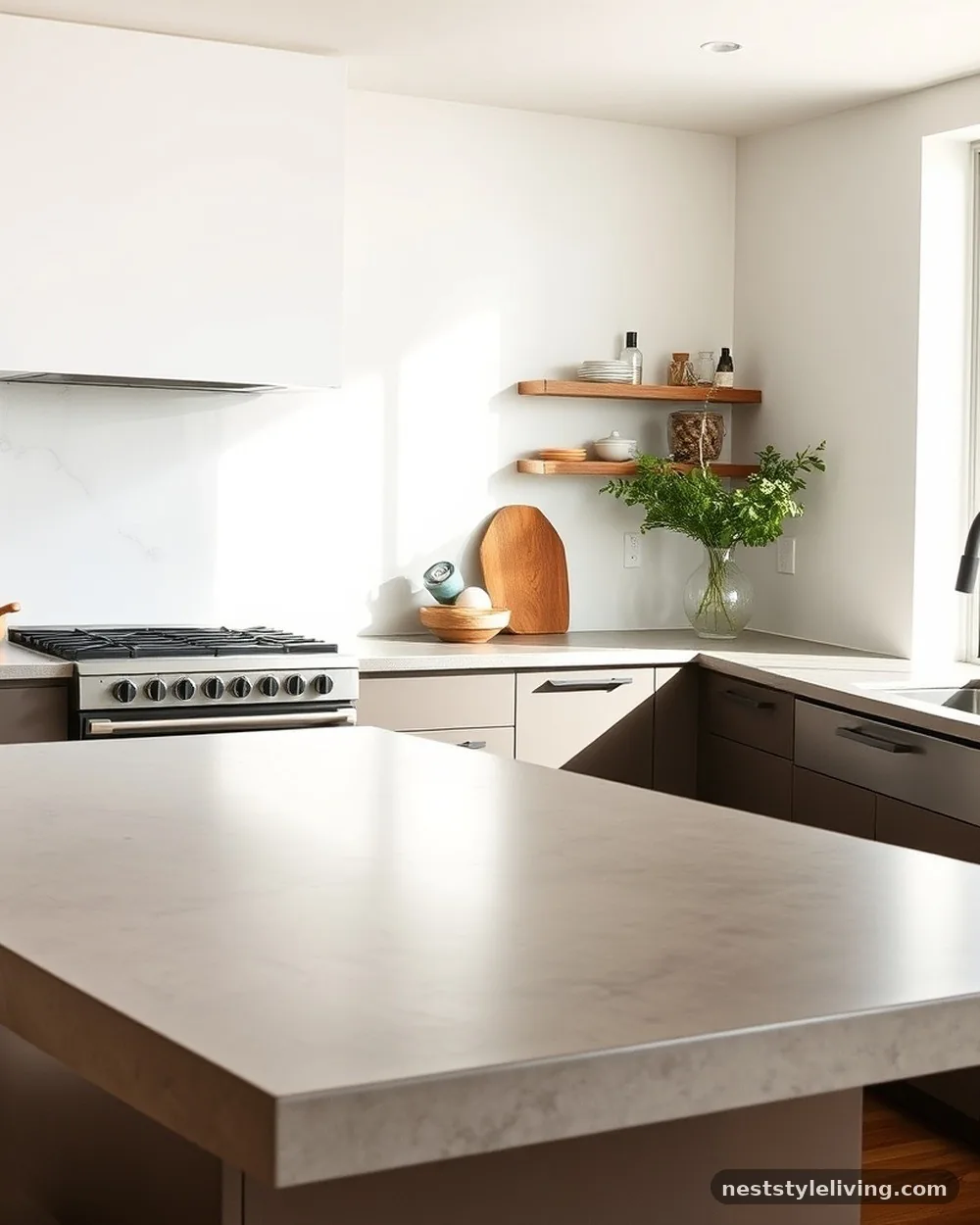
Concrete offers a seamless, durable surface that bridges the gap between industrial minimalism and farmhouse practicality. When cast in place, it creates a monolithic look that feels substantial and grounded, providing a neutral backdrop for brass or black hardware. The key to a bold look is keeping the concrete natural and unpainted, allowing for the subtle mottling and slight variations in tone that make each countertop unique.
To maintain the surface, apply a high-quality, food-safe penetrating sealer every year to prevent staining from acidic liquids like lemon juice or wine.
7. Sliding Barn Doors with Exposed Hardware
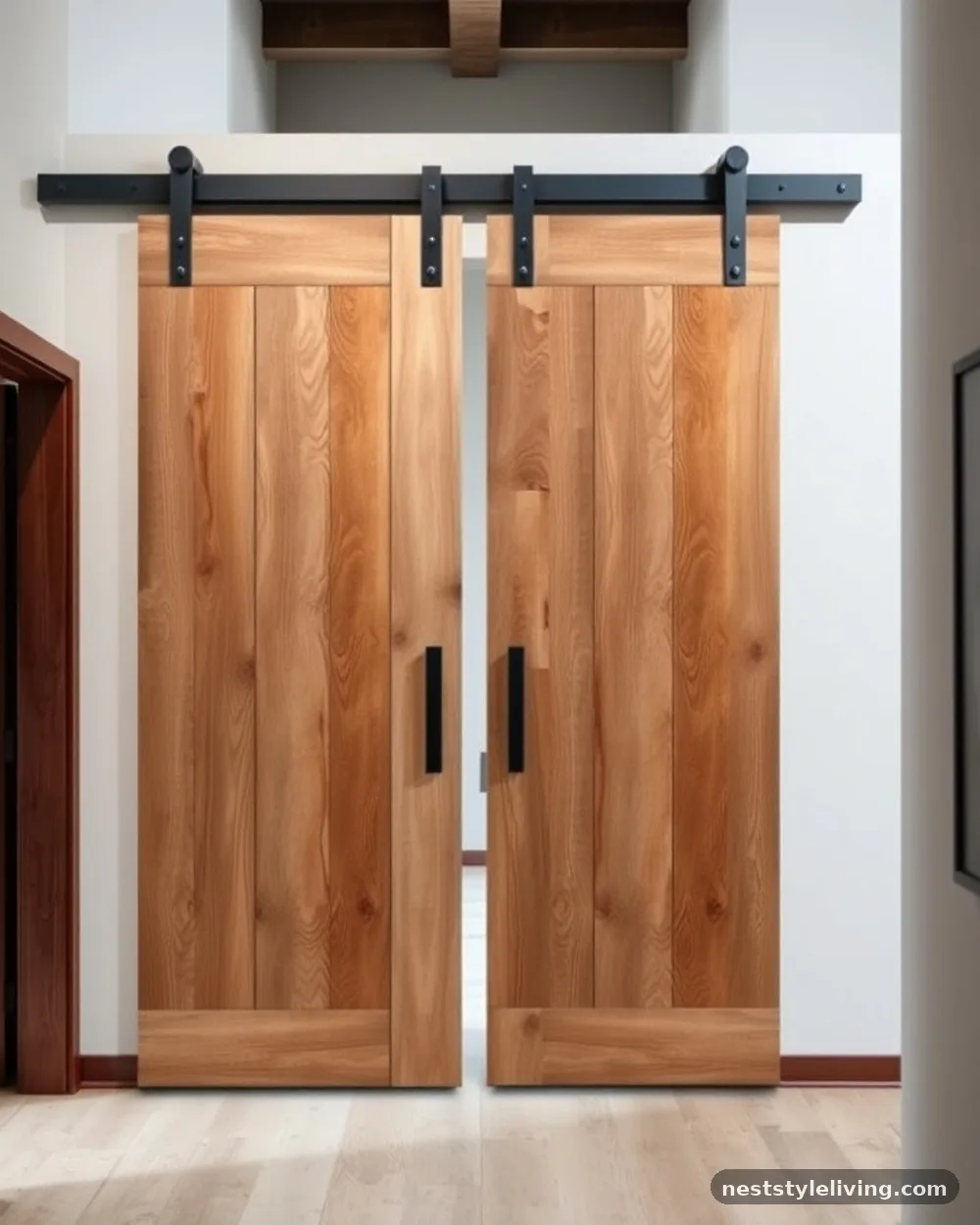
A sliding barn door is the most recognizable element of farmhouse design, but the industrial twist comes from the hardware. Opt for a raw, sandblasted steel track system with oversized wheels that clearly show the mechanical operation of the door. Using a door slab made of salvaged wood—or even a metal-framed glass panel—adds a layer of contrast that elevates the door from a simple partition to a functional piece of art.
Ensure the wall header is reinforced with a solid wood beam before mounting the track, as the weight of an authentic steel-and-wood door requires significant structural support.
8. Brick Veneer Accent Walls
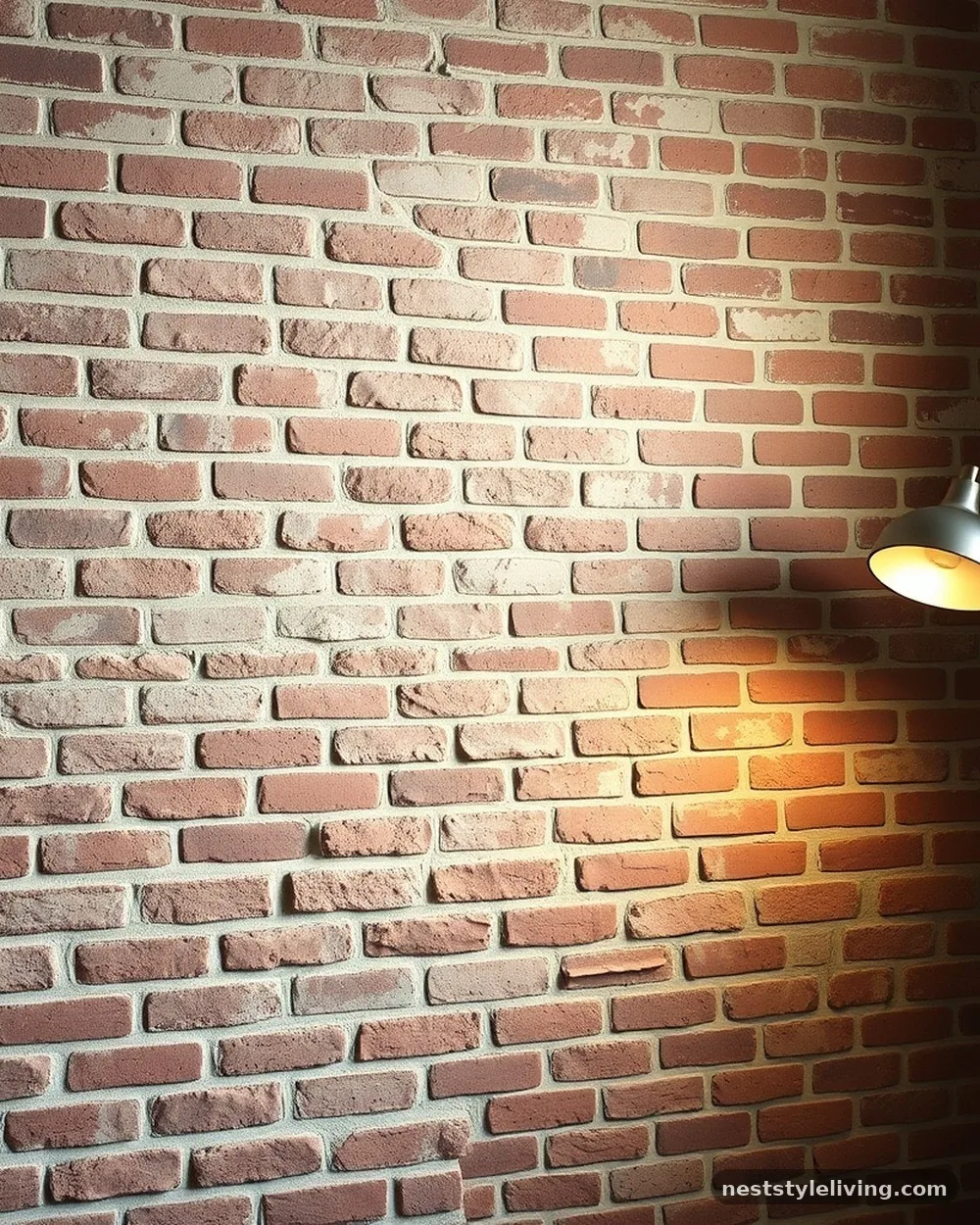
Exposed brick adds an undeniable layer of history and texture to a room, mimicking the look of old converted factory lofts. If your home doesn’t have original brick, use high-quality thin brick veneers to create a faux-exposed wall in a bedroom or behind a bar area. Keep the mortar joints slightly messy or recessed to enhance the aged, rustic appearance of the wall.
When installing, use a lime-wash finish to soften the red tones of the brick, which helps the wall integrate more easily with softer, neutral farmhouse decor.
9. Metal and Wood Dining Chairs
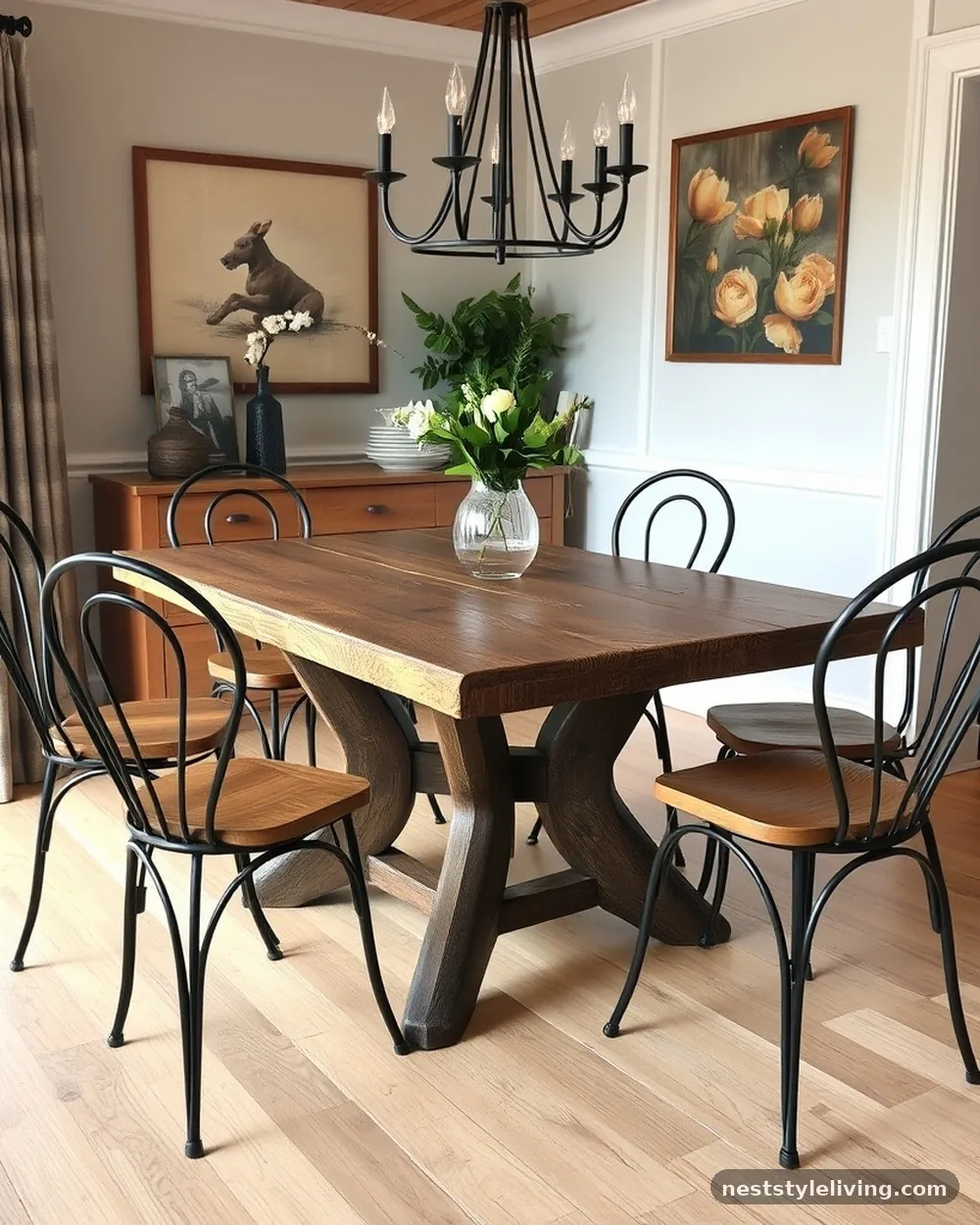
Mixing metal bistro-style chairs with a heavy, rustic wood dining table creates a dynamic visual tension. The chairs should feature clean, bent-metal frames that provide a lightness to the room, preventing the heavy wooden table from feeling too bulky. This combination is highly functional, as metal chairs are easy to clean and stackable, making them ideal for high-traffic dining areas.
Choose chairs with a cross-back design or industrial-style rivets to lean further into the vintage aesthetic, and add felt pads to the feet to protect your flooring.
10. Industrial Pipe Shelving Units
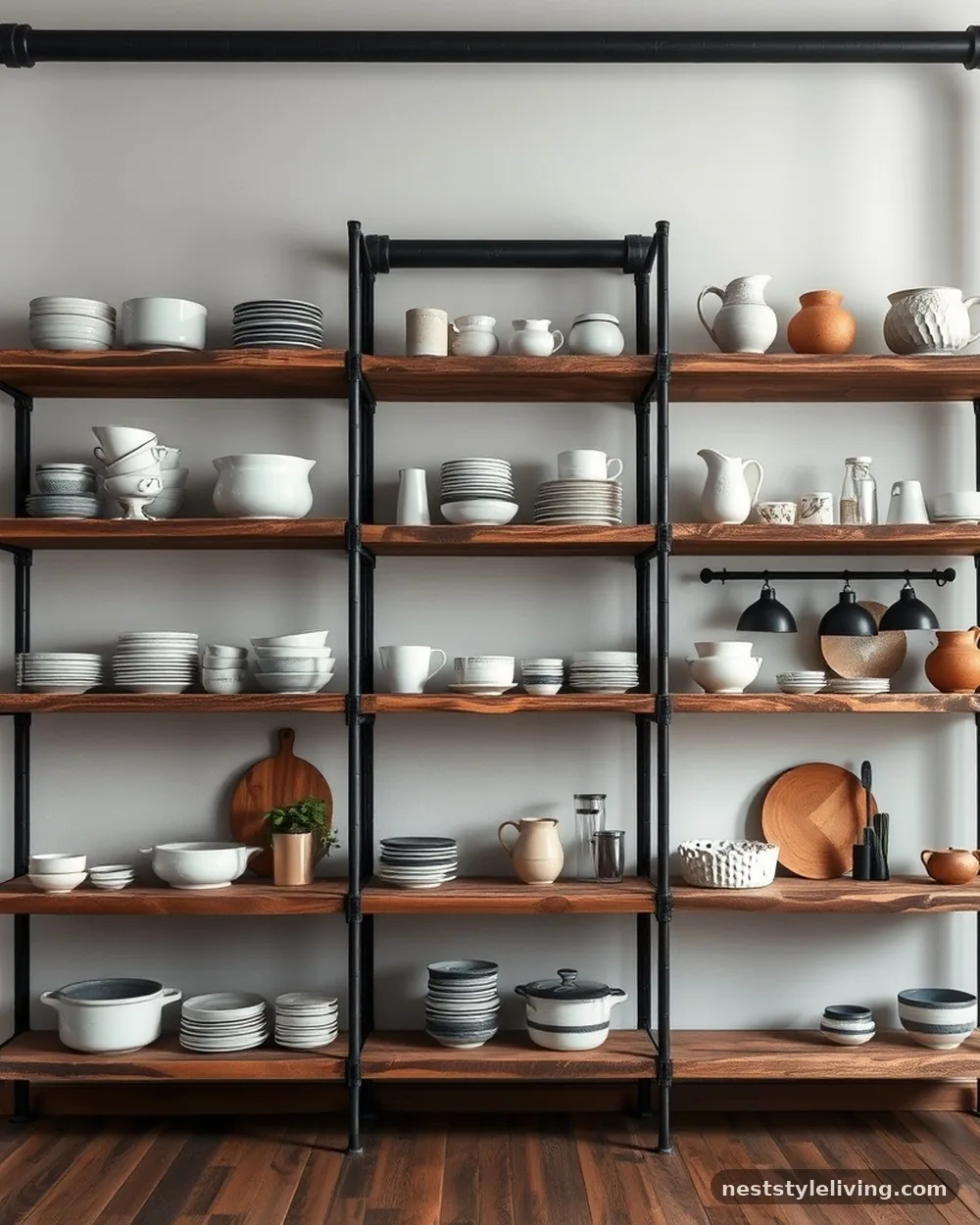
Constructing shelving using black iron plumbing pipes and thick planks of wood is a quintessential DIY project that perfectly captures the industrial vibe. The pipes provide a rigid, vertical structure that frames the wood shelves, creating an open storage system that is perfect for displaying kitchenware or books. This design is highly adaptable, allowing you to customize the height and width of the unit to fit specific niches or wall lengths.
Use a degreaser to clean the pipes thoroughly before installation, then apply a clear matte spray paint to prevent the raw iron from rusting or leaving residue on your hands.
11. Hammered Copper Farmhouse Sinks
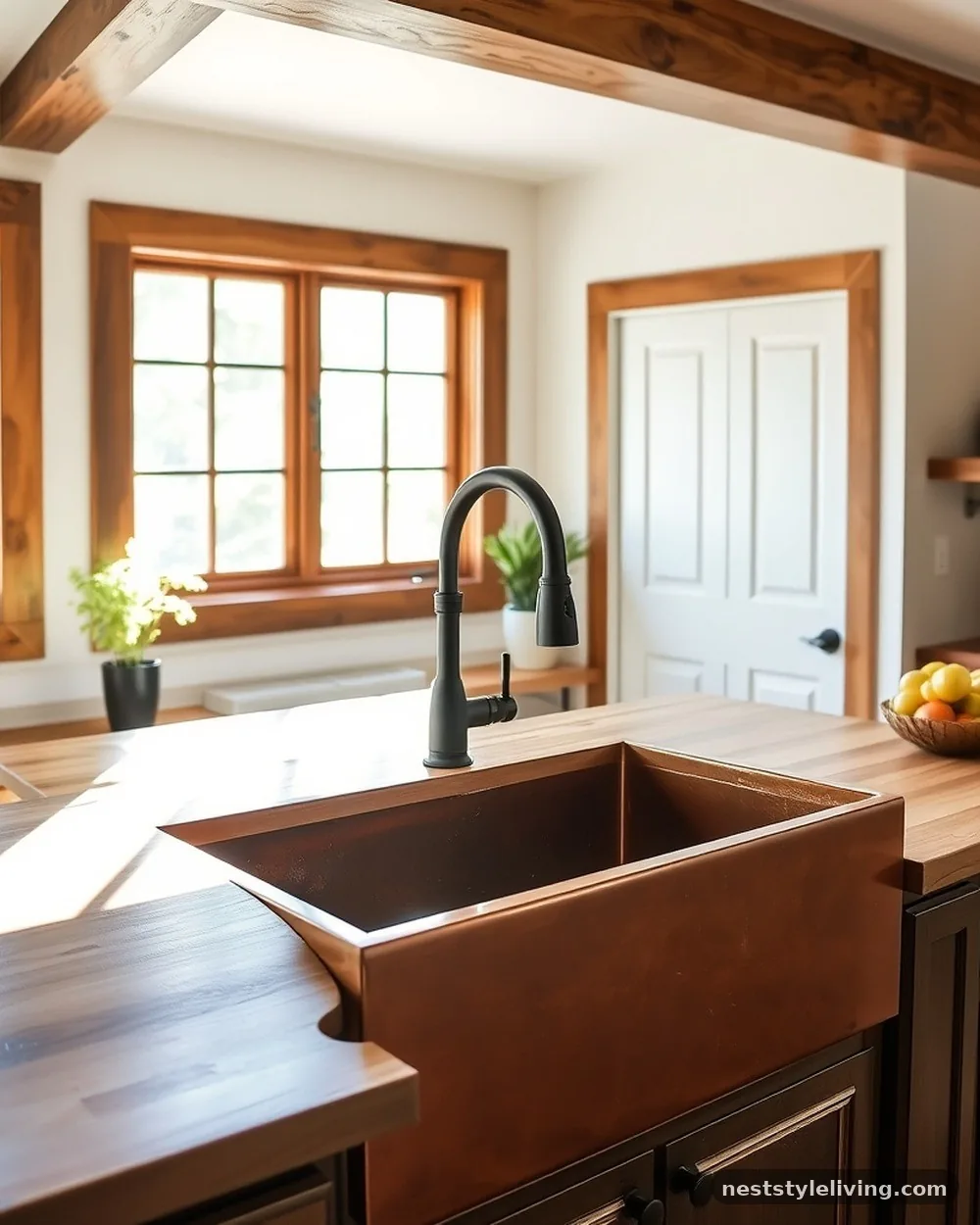
A hammered copper apron-front sink brings warmth and a sense of craftsmanship to a cold, industrial kitchen. The material is naturally antimicrobial and develops a living finish, meaning it changes color and character over time based on how it is used. Pair this with a wall-mounted bridge faucet in an oil-rubbed bronze or matte black finish to reinforce the vintage, utilitarian feel of the workstation.
Avoid using harsh abrasive cleaners on the copper; instead, simply rinse with mild soap and water to preserve the natural patina as it darkens gracefully.
12. Large-Scale Floor Mirrors
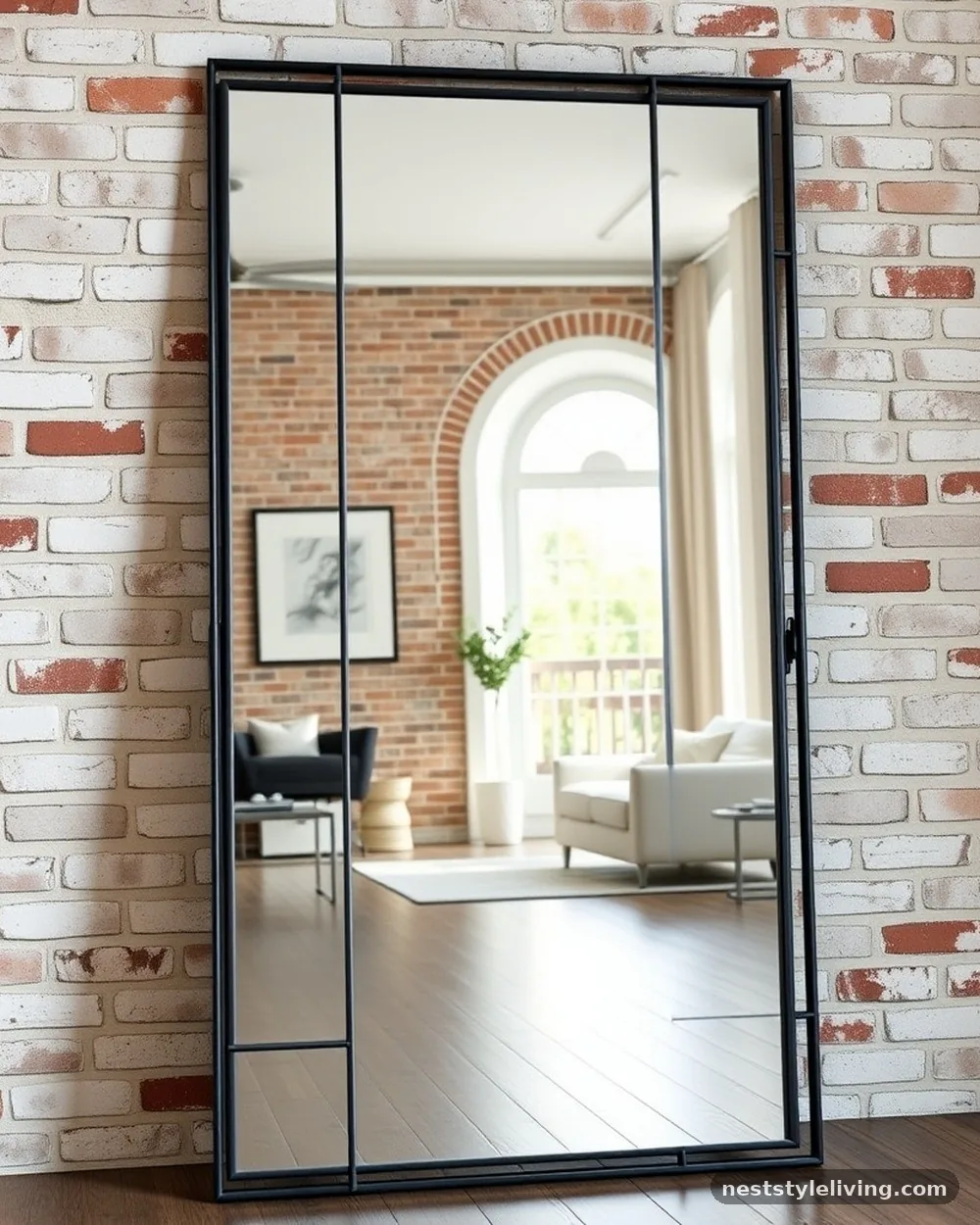
A floor-length mirror framed in reclaimed wood or heavy steel acts as a window, reflecting light and making smaller rooms feel expansive. Placing a mirror with an industrial-style gridded frame against a brick or shiplap wall creates a striking juxtaposition of materials. The mirror should be substantial in size to act as a focal point, grounding the room while adding a layer of sophisticated, reflective depth.
Secure the mirror to the wall using hidden L-brackets to prevent it from tipping, especially in homes with children or pets, to ensure safety without compromising the aesthetic.
13. Rolling Library Ladders

Adding a rolling ladder to high cabinetry or bookshelves is a functional way to lean into the “factory” aspect of the style. The ladder should be made of dark iron or steel with a smooth track system that allows it to glide along the length of your storage wall. This adds vertical interest and a sense of scale, making even modest ceilings feel grander while providing easy access to hard-to-reach items.
When mounting the track, ensure it is perfectly level across the entire span to prevent the ladder from drifting or becoming difficult to move during daily use.
14. Neutral Linen Upholstery
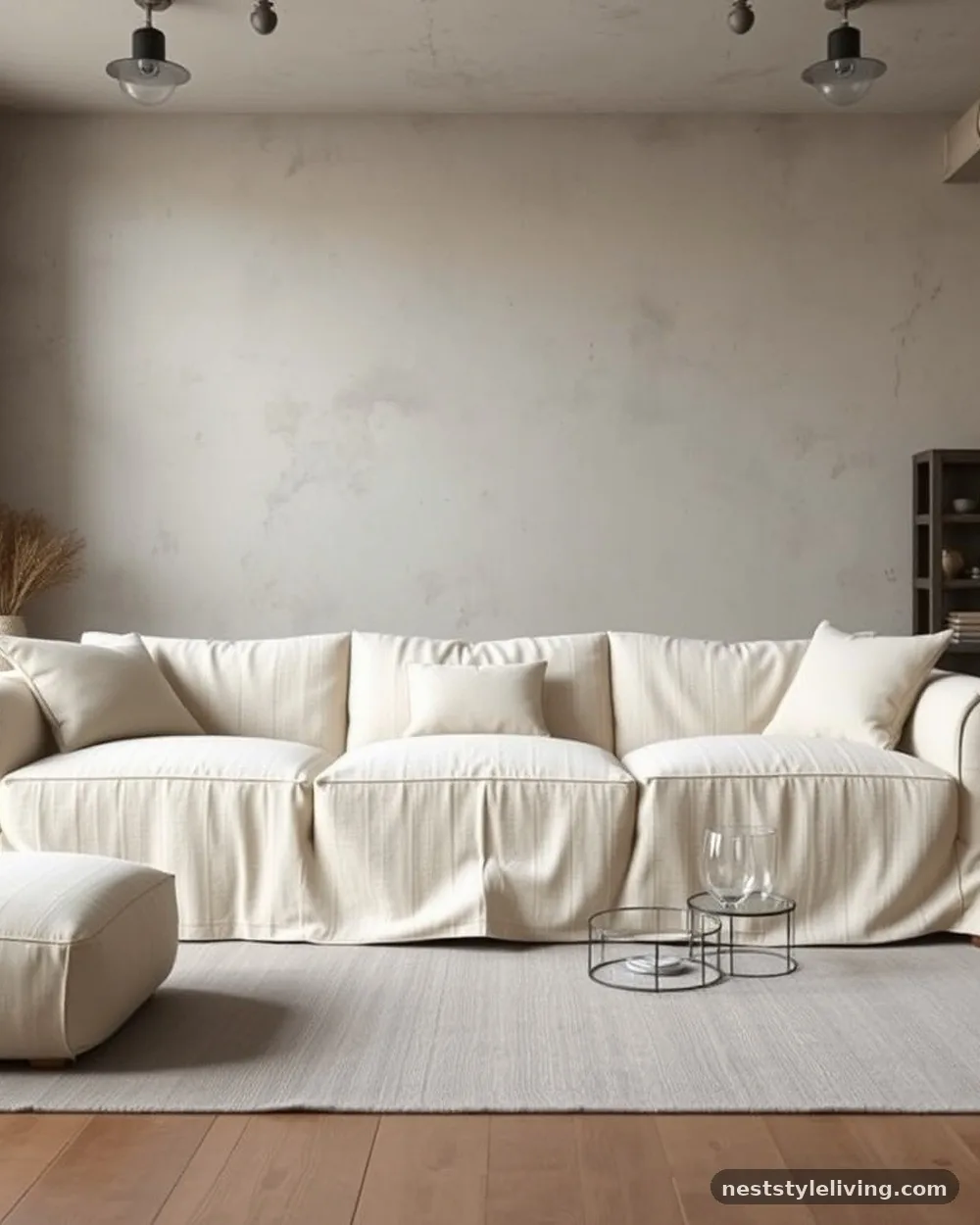
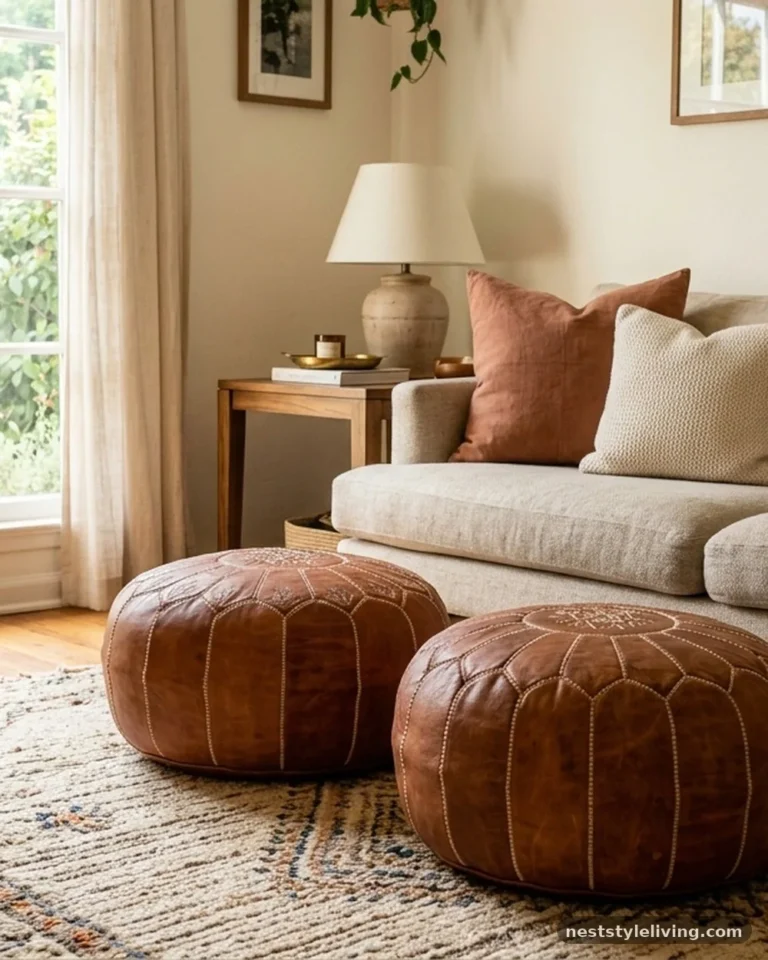
To prevent the industrial elements from feeling too harsh, use soft linen or canvas upholstery on sofas and ottomans. These natural, breathable fabrics provide a tactile contrast to the cold metal and wood surfaces, grounding the room in a classic farmhouse palette of oatmeal, cream, or soft gray. Choose slipcovered styles to maintain a relaxed, unpretentious vibe that invites guests to sit and stay a while.
Look for high-performance linen blends that offer the look of natural fiber while providing superior stain resistance and durability for heavy-use living room furniture.
15. Wire Mesh Cabinet Inserts
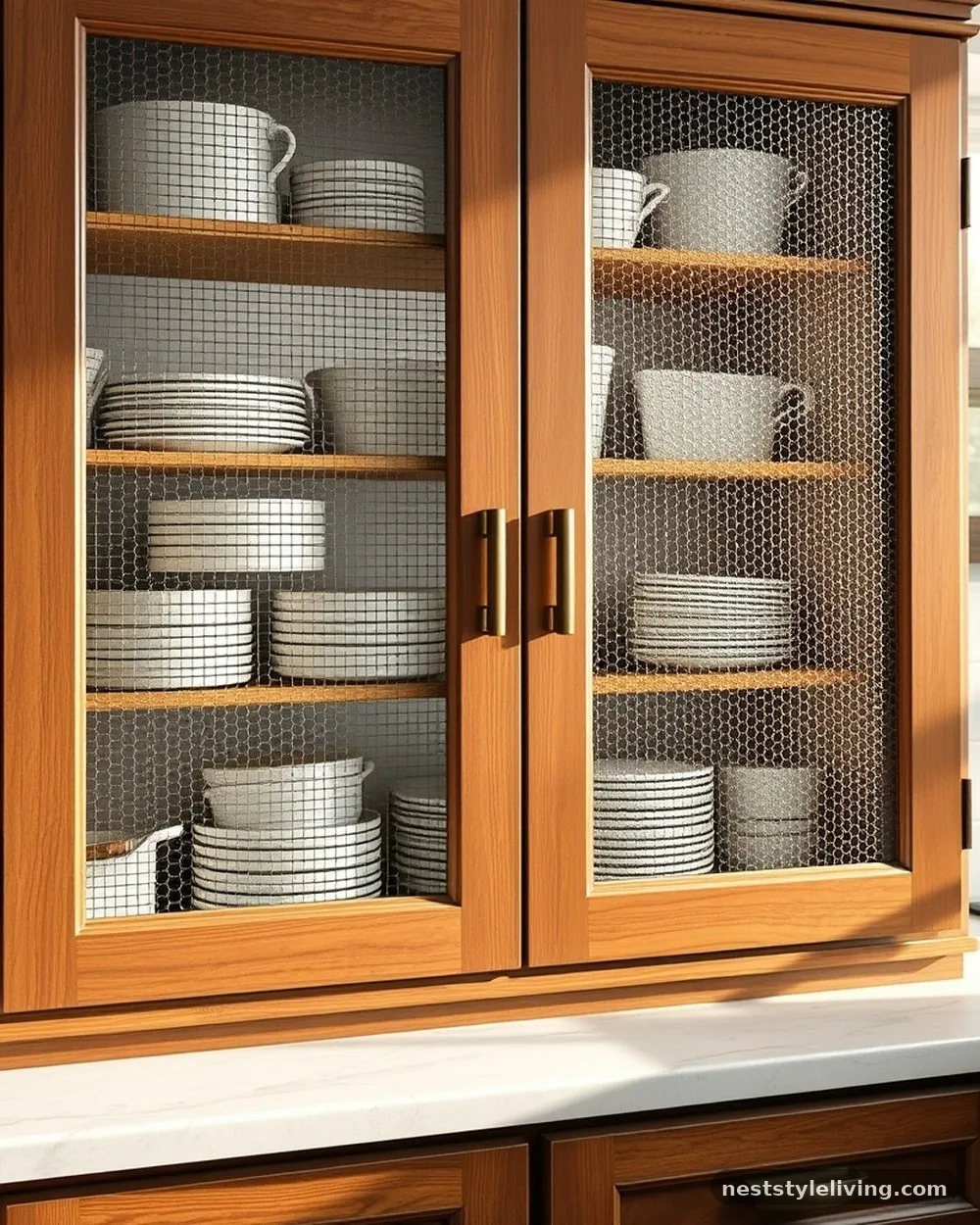
Replacing solid cabinet panels with woven wire mesh is a simple way to introduce industrial texture into a kitchen or pantry. This allows you to see the contents of your cabinets, encouraging you to organize your dishware and glassware as part of the decor. The mesh should be a dark bronze or black finish, which looks sophisticated against wood or painted cabinetry while maintaining a rugged, workshop-inspired appearance.
Use a staple gun to attach the mesh to the back of the cabinet frame, then cover the raw edges with a thin trim piece for a professional, clean finish.
16. Task-Oriented Wall Sconces
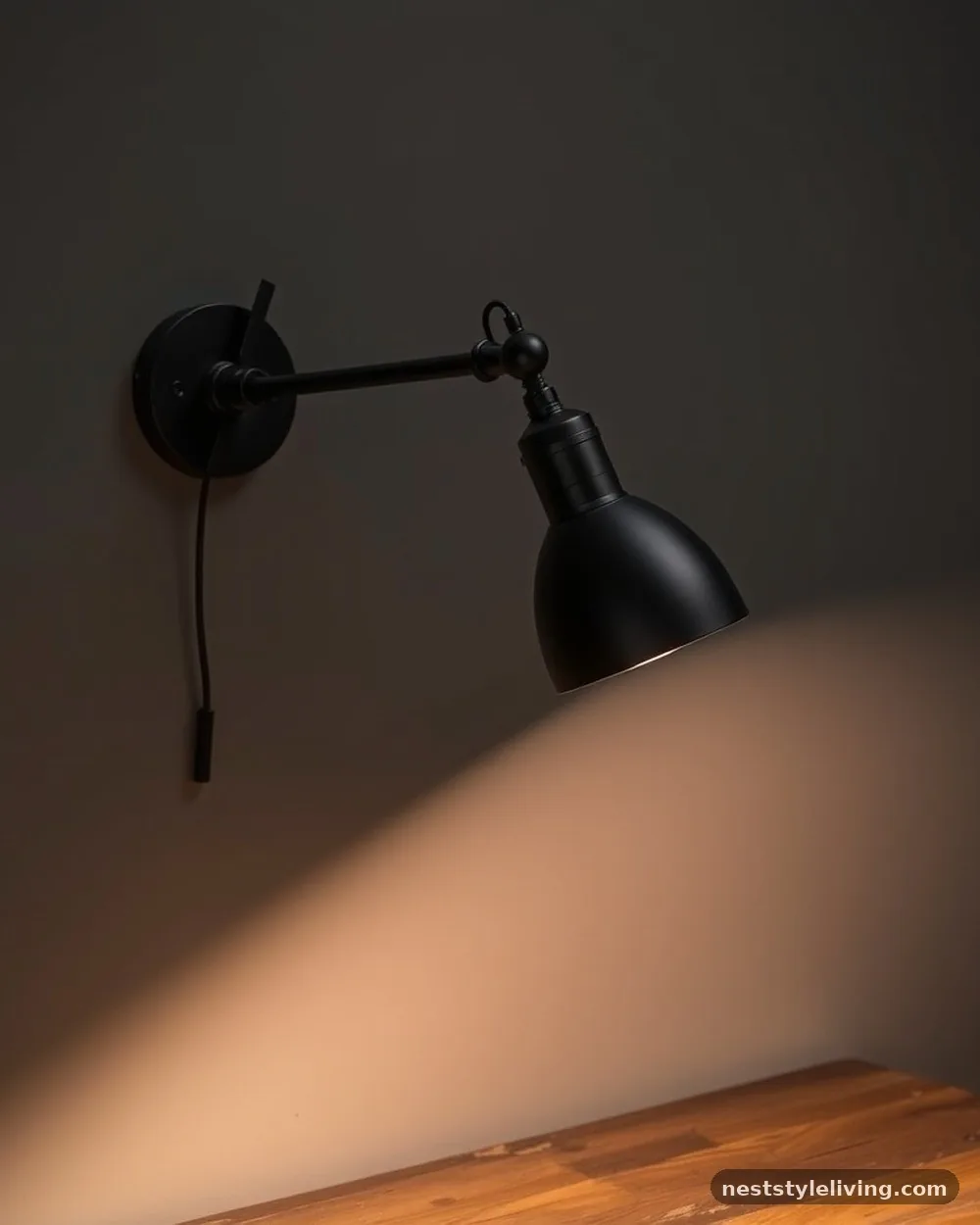
Wall-mounted sconces with accordion arms or articulated joints are perfect for bedside lighting or above a workspace. These fixtures allow you to direct light exactly where you need it, mimicking the functional lighting found in old drafting rooms or manufacturing plants. Look for designs that feature exposed knobs, wing nuts, or brass accents to lean into the antique, mechanical aesthetic that defines the industrial farmhouse look.
Install these using hardwired connections for a clean, permanent look, or use cloth-covered cords to drape the wire for a more temporary, flexible installation.
Frequently Asked Questions
Do industrial and farmhouse styles work well together?
Yes, they complement each other perfectly because they share an appreciation for honest, raw materials. The farmhouse side brings warmth, wood, and comfort, while the industrial side adds structure, metal, and utility.
What is the best color palette for this look?
Stick to a neutral base of whites, creams, and grays to keep the space feeling airy. Use black or charcoal as your primary accent color for hardware and frames, and introduce warm wood tones or cognac leather to prevent the room from feeling cold.
How do I keep an industrial room from feeling too cold?
Focus on adding layers of texture. Use chunky wool blankets, linen pillows, and sheepskin rugs to soften the hard edges of metal and concrete. Warm-toned lighting also makes a significant difference in perceived temperature.
What materials are essential for this style?
You should prioritize reclaimed wood, matte black steel, exposed brick, natural leather, and linen. These materials provide the necessary mix of ruggedness and comfort that defines the aesthetic.
Can I mix modern furniture with these rustic elements?
Absolutely. A sleek, modern sofa or a minimalist dining table can look excellent when placed against a backdrop of exposed brick or rustic beams. The key is to keep the lines clean so the room doesn’t feel cluttered.
Conclusion
Integrating industrial farmhouse ideas for a bold rustic look requires a commitment to balancing strength with softness. By prioritizing raw materials like reclaimed timber and iron while softening the edges with natural textiles, you create a home that feels both grounded and refined. This design approach is not about perfection; it is about celebrating the character of the materials you choose and creating a functional space that ages beautifully over time.
As you begin your own renovation or styling project, remember that the most successful rooms are those that feel collected rather than curated. Take these ideas, adapt them to your specific layout, and enjoy the process of building a home that reflects a rugged, authentic, and cozy personality.