20 Basement Laundry Room Ideas for a Better Setup
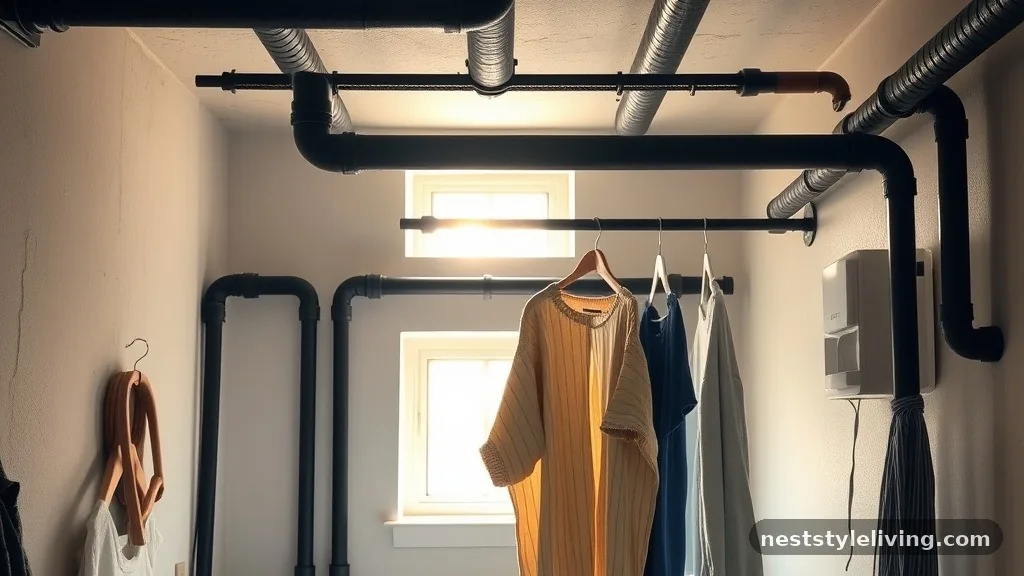
Transforming a dark, utilitarian corner into a functional workspace requires thoughtful design. Implementing effective basement laundry room ideas for a better setup turns an often-neglected area into a highly efficient part of your home. By focusing on lighting, moisture control, and smart storage, you can create a laundry zone that feels intentional rather than like an afterthought.
This collection of approaches provides practical ways to maximize your square footage, improve organization, and bring a professional aesthetic to your subterranean chores. Whether you have a tiny nook or an expansive basement footprint, these strategies will help you build a space that manages your household needs with ease and style.
1. Industrial Pipe Hanging Rails
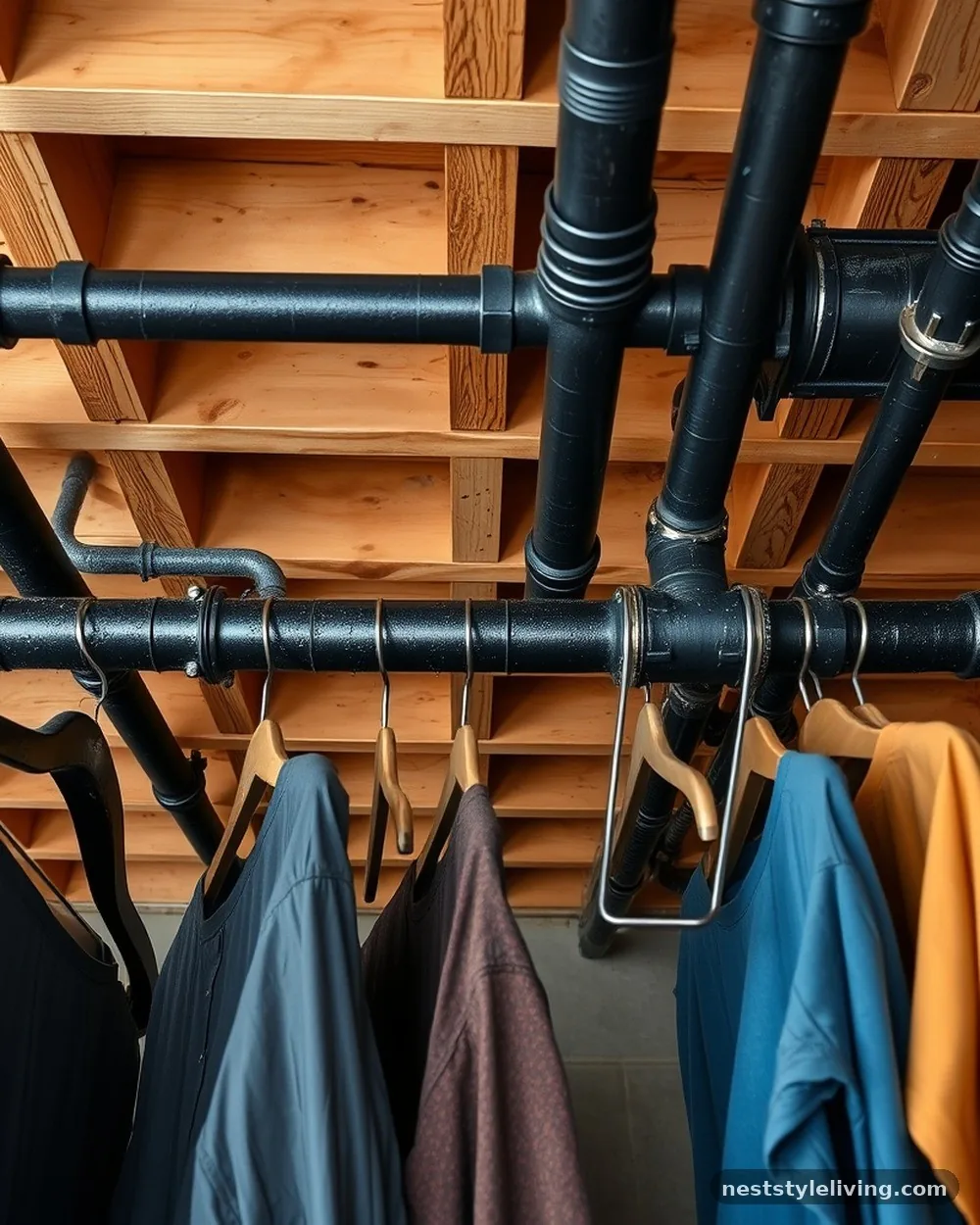
Installing industrial-style black iron pipes creates a rugged, durable drying station that fits perfectly with the exposed aesthetic often found in basements. These rails are mounted directly into ceiling joists or wall studs, providing a high-capacity area for hanging wet clothes.
Unlike traditional plastic drying racks, they don’t collapse or warp under the weight of heavy winter coats or damp linens. They maximize vertical space, keeping the floor clear for hampers and laundry baskets.
To install this, purchase threaded black iron pipe sections and matching floor flanges from a hardware store. Use a stud finder to locate ceiling joists, then secure the flanges directly into the wood using heavy-duty lag screws. Test the weight capacity before hanging heavy wet items to ensure the connection is rock-solid.
2. Glossy White Backsplash Tiles
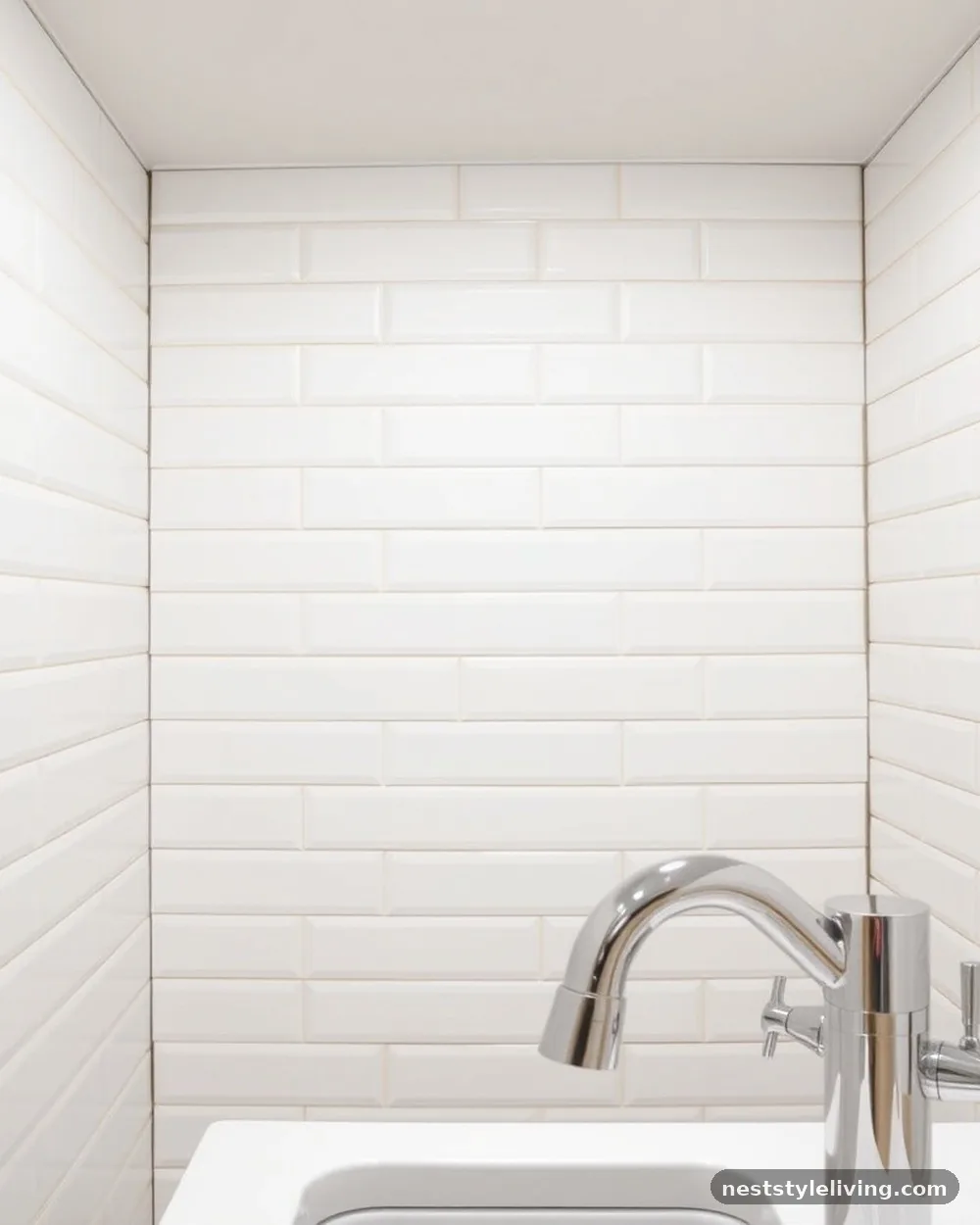
Basements often suffer from a lack of natural light, which makes the area feel smaller and more enclosed. Adding a high-gloss white subway tile backsplash reflects artificial light, making the laundry room feel brighter and cleaner.
The reflective surface is easy to wipe down, resisting the moisture and lint buildup that can occur near a washer and dryer. This choice adds a touch of classic refinement to what might otherwise be a raw, concrete-walled room.
Select a white ceramic tile with a high-gloss glaze for maximum light reflection. Use a bright white grout to maintain a seamless look, and apply a high-quality grout sealer once the installation is complete to prevent moisture penetration. This is particularly effective behind your sink or folding table area.
3. Elevated Platform Bases
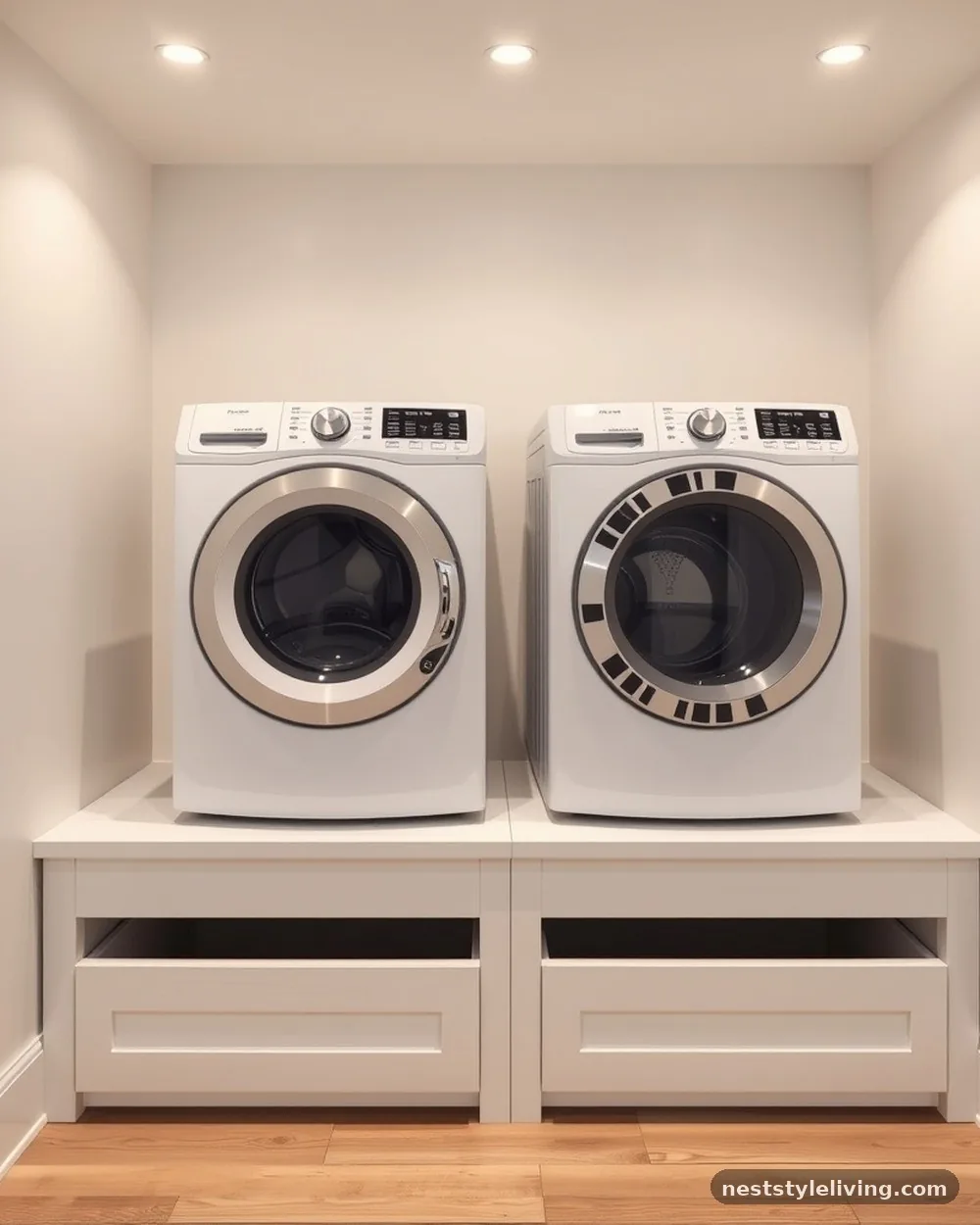
Raising your washer and dryer on custom-built wooden platforms saves your back during heavy laundry days. These platforms keep appliances off the basement floor, which is a critical safety feature if you live in an area prone to minor flooding or dampness. The space underneath the platform can be utilized for slim storage bins or floor drains, ensuring your machines remain dry and accessible.
Construct the base using pressure-treated lumber to prevent rot from basement humidity. Frame the box to be slightly larger than the footprint of your machines, and top it with a sturdy sheet of plywood. Finish the edges with trim to match your cabinetry, and ensure the entire structure is perfectly level before placing your appliances on top.
4. Recessed LED Puck Lighting
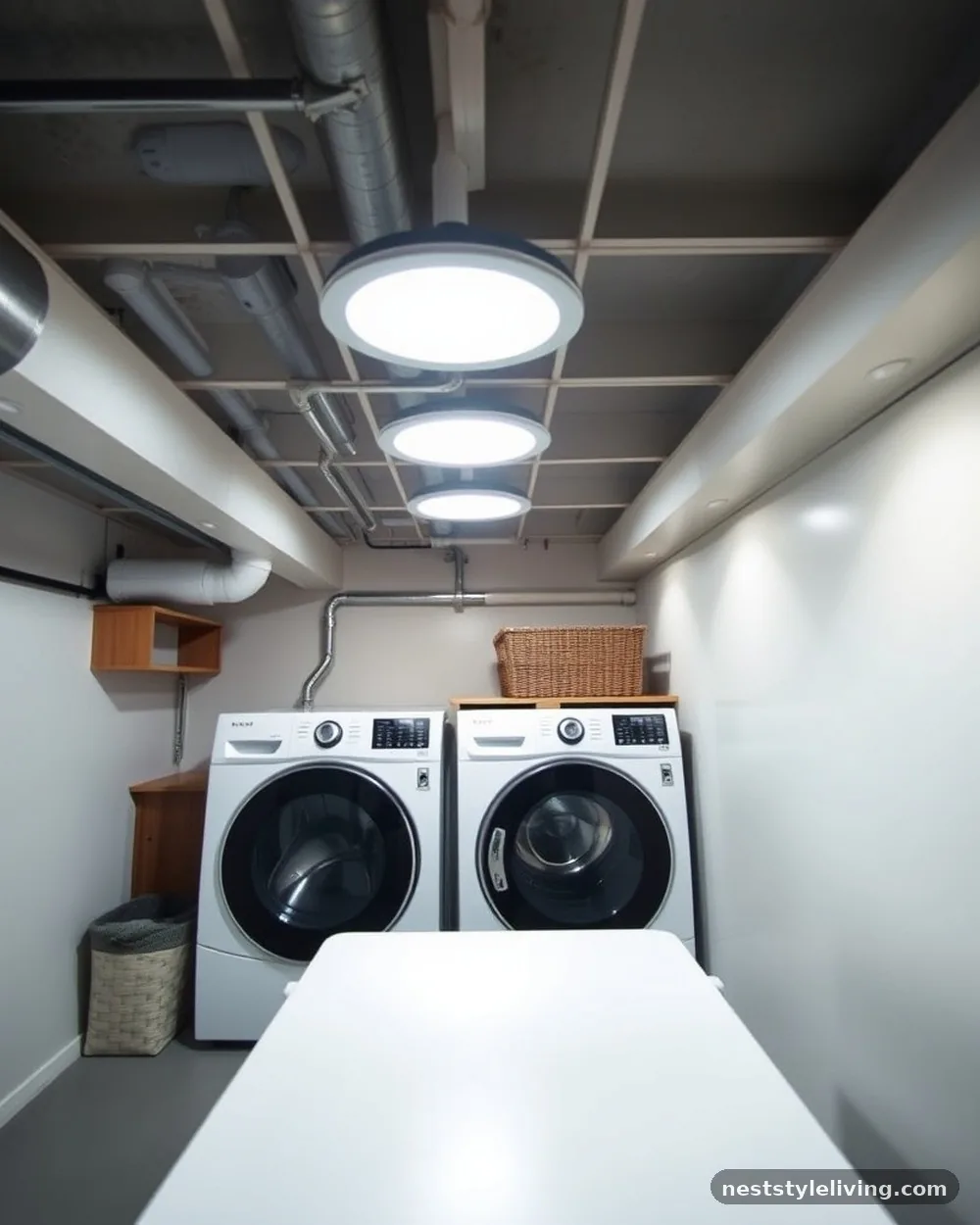
Standard fluorescent shop lights can make a basement feel cold and sterile. Recessed LED puck lights provide focused, warm illumination directly over your folding station or sorting area, eliminating the shadows that make it difficult to spot stains on clothing. These lights are energy-efficient, produce very little heat, and fit flush against the ceiling to keep the room feeling tall and open.
Purchase a dimmable LED puck light kit that includes a remote or a hardwired switch. Use a hole saw bit that matches the diameter of the puck housings to cut into your ceiling drywall. Follow the manufacturer’s wiring instructions carefully, or hire an electrician to daisy-chain the lights to an existing junction box for a clean, professional finish.
5. Folding Countertop Over Machines
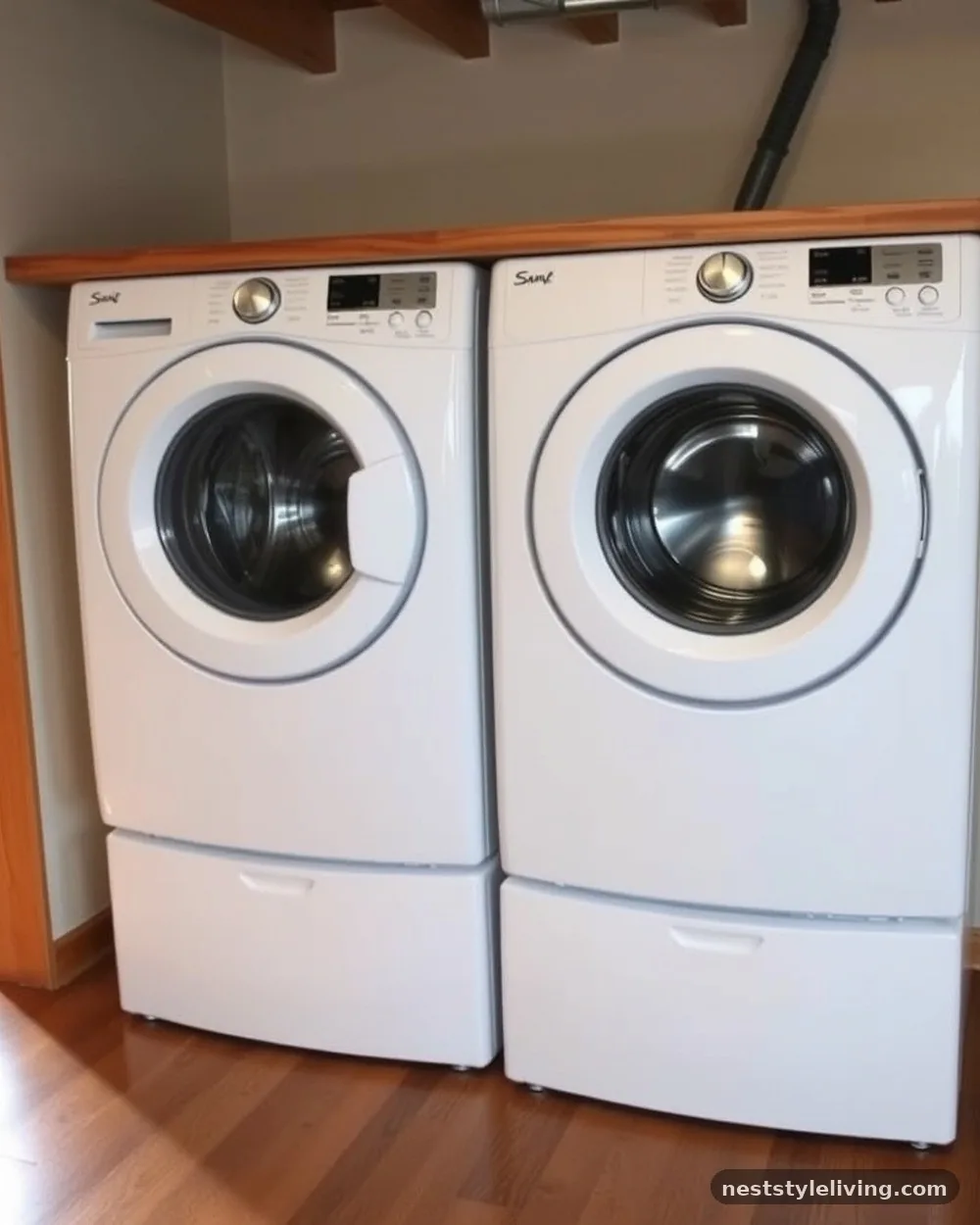
If you have a front-loading washer and dryer, building a continuous countertop across the top of both units creates a massive, dedicated space for folding clothes. This setup prevents socks and small items from falling behind the machines, which is a common frustration in tight spaces. You can use butcher block or laminate, provided you secure it to the wall studs rather than resting it directly on the vibrating machines.
Measure the total width of your machines and add two inches for clearance. Buy a piece of butcher block countertop cut to size and seal it with multiple coats of food-grade mineral oil or polyurethane to protect it from moisture. Secure the back and sides to the wall using heavy-duty L-brackets to ensure the counter stays stationary during spin cycles.
6. Rolling Laundry Sorter Carts
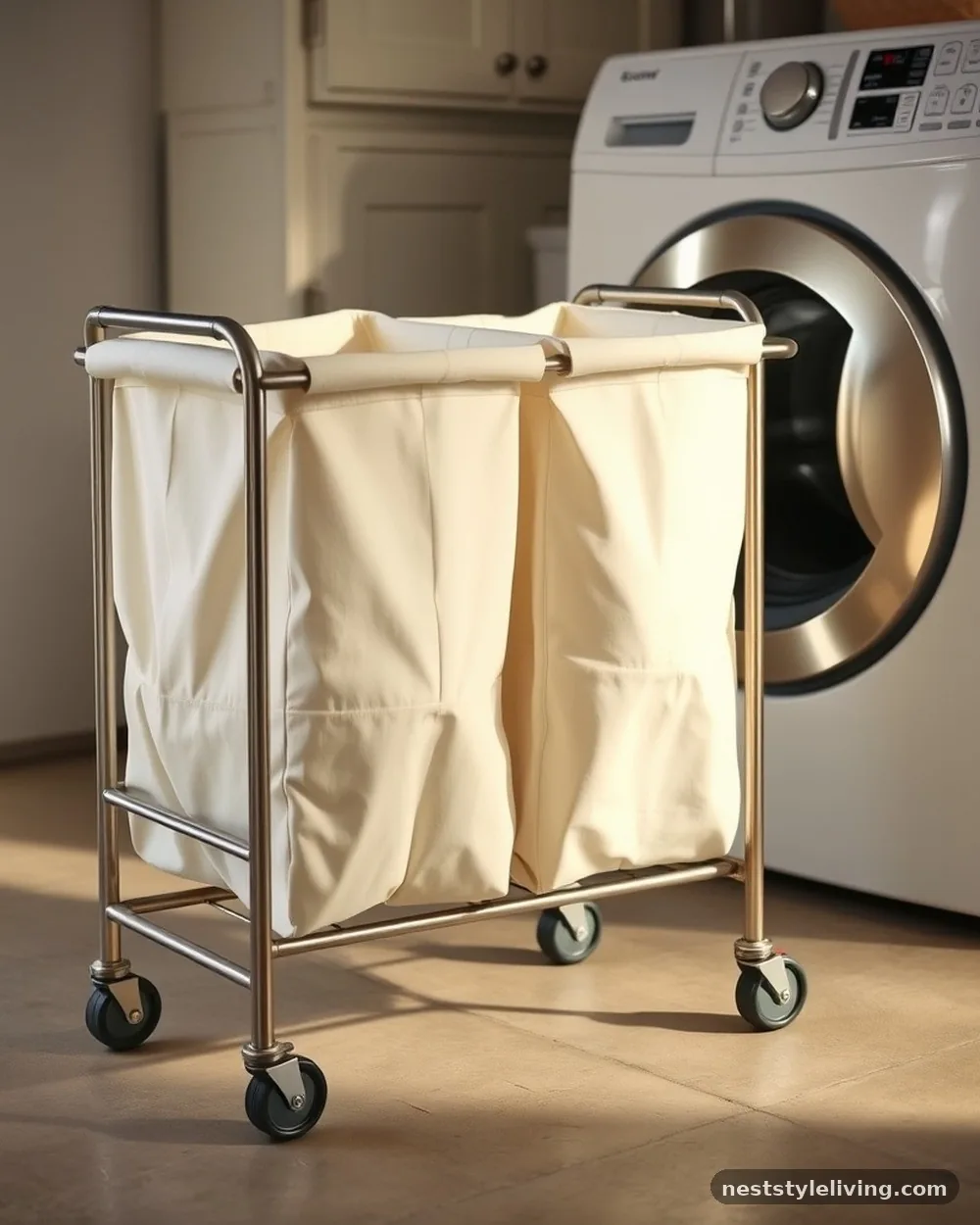
A multi-bin rolling cart allows you to sort lights, darks, and delicates before they ever reach the machine. In a basement, mobility is key; having your sorter on heavy-duty casters lets you push it out of the way when you need to access plumbing panels or floor drains. Look for carts with canvas or polyester bags that are removable and machine-washable for easy maintenance.
Choose a cart with a sturdy steel frame and rubberized wheels to prevent scratching your basement floor. If the floor is uneven, look for casters with locking mechanisms to keep the unit in place while you load it. Periodically wash the fabric bags in your machine to prevent dust and mildew from accumulating in the fabric fibers.
7. Vertical Pegboard Tool Wall
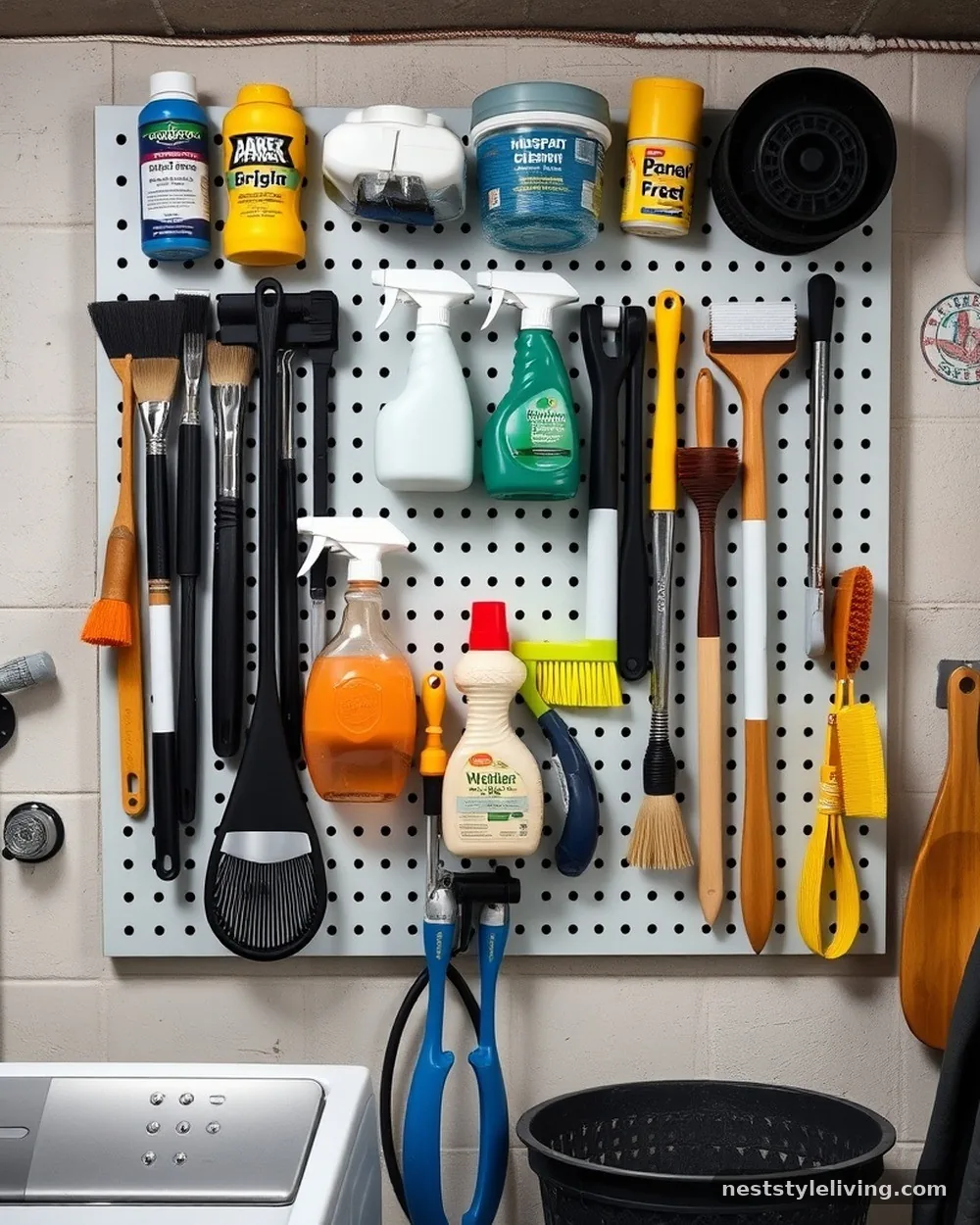
A large pegboard panel mounted on the wall is an excellent way to keep supplies organized and visible. You can hang brushes, lint rollers, stain removers in spray bottles, and even small hand tools for quick machine repairs. This keeps your limited drawer space free for detergents and dryer sheets, and it turns your cleaning supplies into a functional display.
Install a sheet of quarter-inch tempered hardboard using spacers to keep it away from the wall. This allows you to insert hooks and baskets easily.
Use a variety of straight, angled, and double-prong hooks to customize the layout for your specific items. Group items by frequency of use, placing the most common supplies at eye level for quick access.
8. Moisture-Resistant Vinyl Plank Flooring
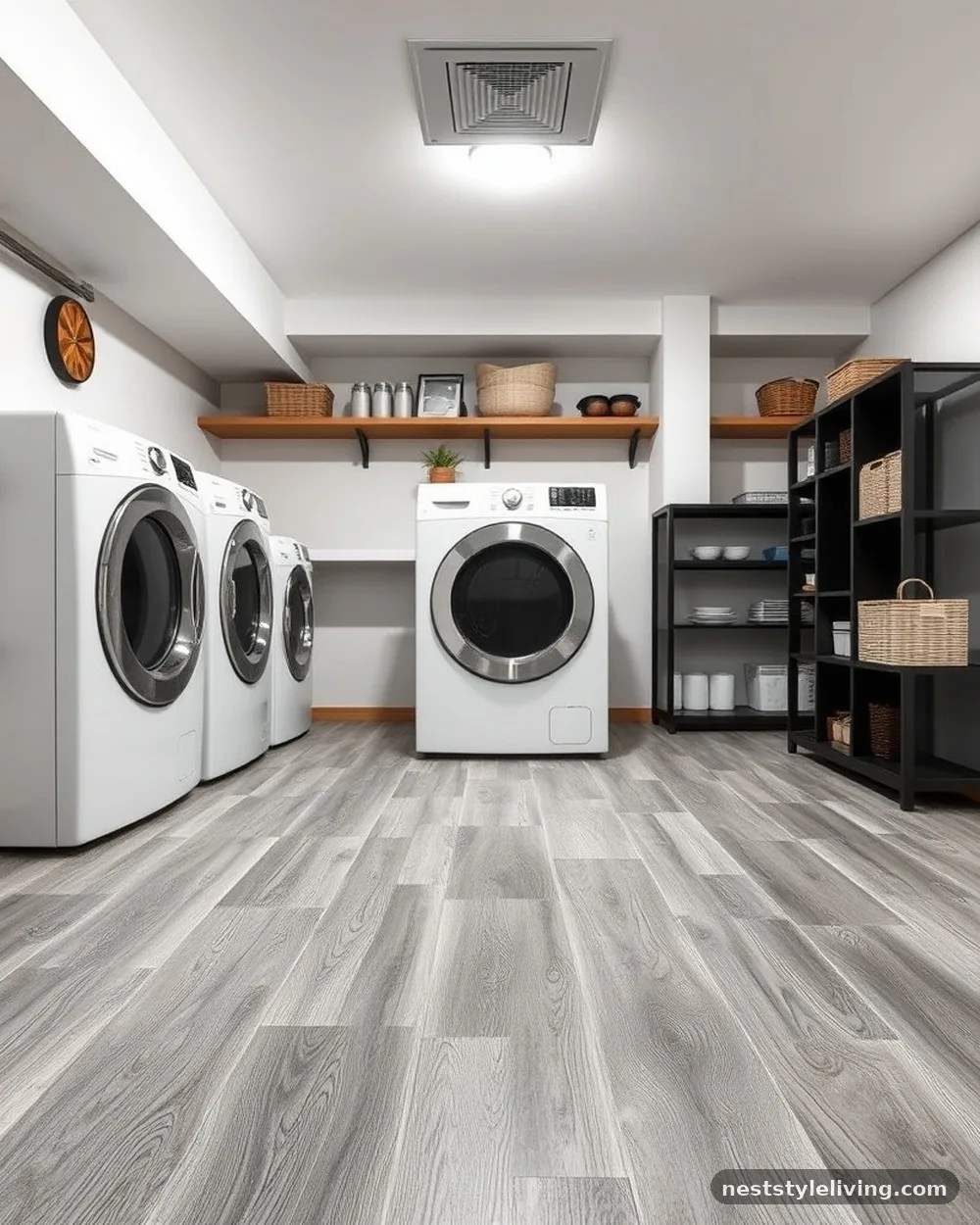
Standard carpet or wood is a poor choice for a basement laundry room due to the risk of moisture and leaks. Luxury vinyl plank flooring mimics the look of hardwood but is 100% waterproof and incredibly easy to clean. It provides a warmer, more comfortable surface underfoot than concrete, making standing for long periods while folding much more pleasant.
Select a commercial-grade vinyl plank with a thick wear layer for maximum durability. Ensure the basement floor is level and dry before starting the installation. Use a moisture barrier underlayment if your basement concrete is prone to sweating, and snap the planks together according to the manufacturer’s floating floor instructions.
9. Built-in Drying Rods

Rather than relying on bulky floor racks, install a fixed drying rod between two cabinets or across a recessed wall nook. This utilizes the “dead” space above your machines or sink, allowing delicates and drip-dry items to hang out of the way. It creates a boutique-like appearance while maximizing every square inch of your laundry area.
Measure the distance between your mounting points and purchase a heavy-duty stainless steel closet rod. Use matching rod sockets to secure the ends into wall studs or cabinet sides. Make sure the rod is high enough that your longest garments, like maxi dresses or trousers, can hang without touching the top of your folding counter or the machine lids.
10. Cabinetry with Toe-Kick Drawers
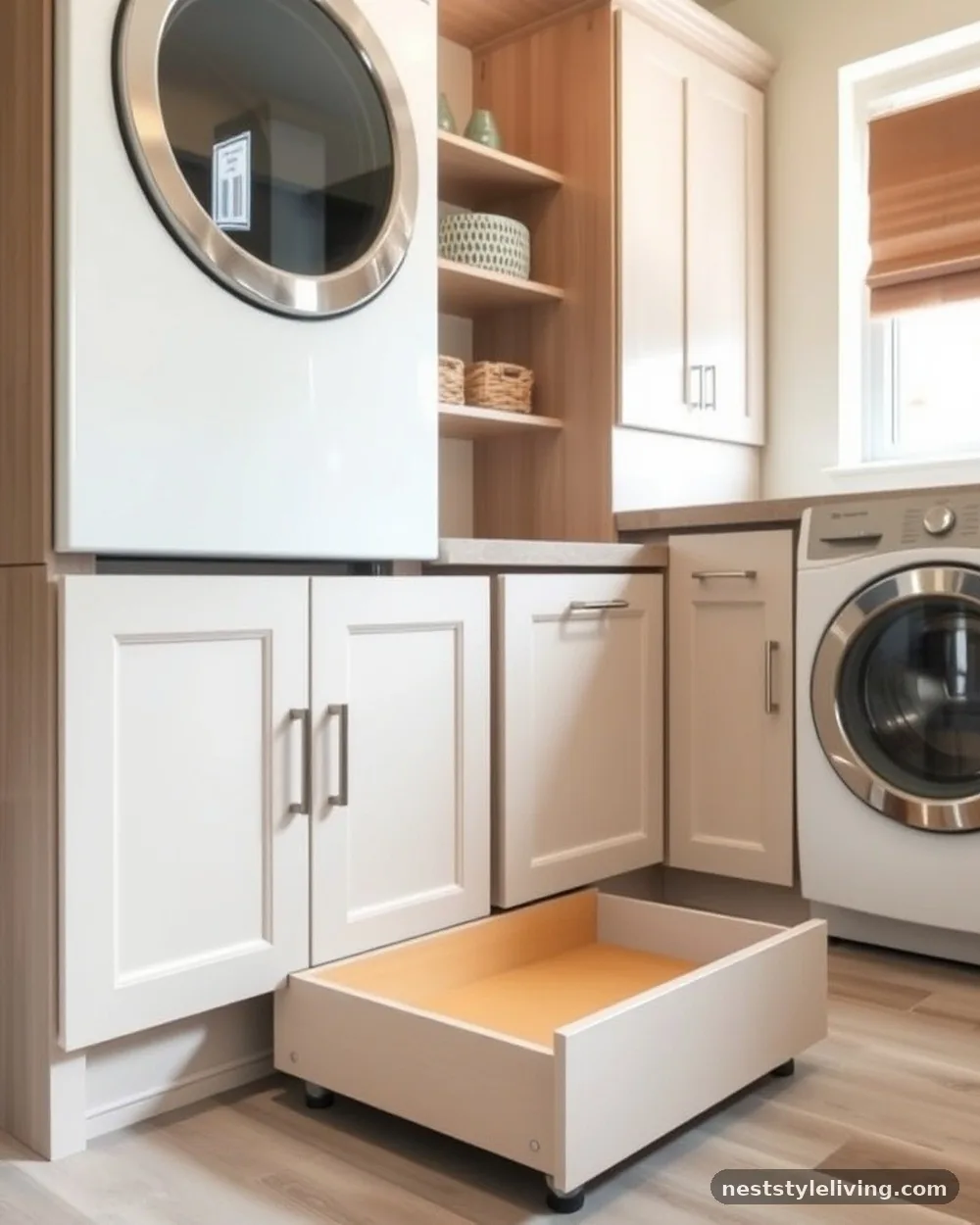
In a small laundry room, every inch of storage matters. Installing cabinets with functional toe-kick drawers—the space usually wasted at the very bottom of a cabinet—provides a perfect spot for flat items like dryer balls, extra laundry bags, or small cleaning brushes. This feature is particularly useful for keeping these items off the main counter surfaces.
When ordering your cabinets, specify units that include toe-kick storage options. If you are retrofitting existing cabinets, you can purchase drawer kits that attach to the existing framing. Ensure that the drawer slides are rated for the weight of the items you plan to store, as these drawers are often close to the floor and require sturdy hardware.
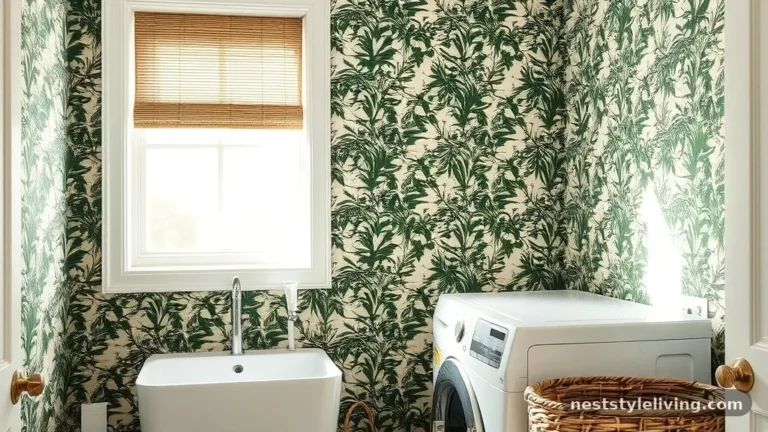
11. Bold Patterned Wallpaper
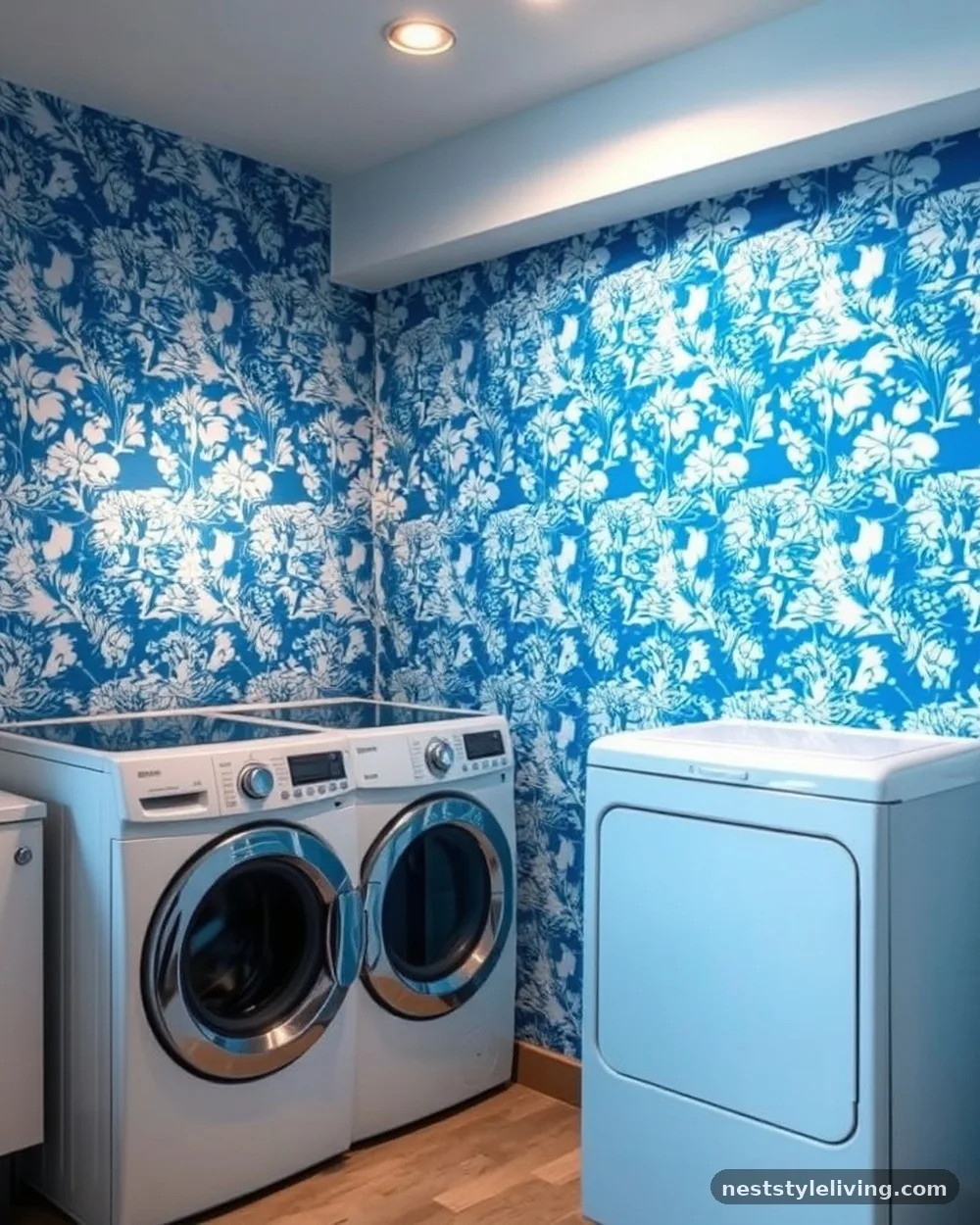
A basement laundry room is often a closed-off space, making it the perfect candidate for a bold design choice you might be hesitant to use in a main living area. Applying a vibrant, moisture-resistant wallpaper to one accent wall adds personality and depth. Geometric patterns or botanical prints can distract from the utilitarian nature of the appliances and make the room feel like a finished interior space.
Choose a high-quality, peel-and-stick vinyl wallpaper designed for bathrooms or laundry rooms, as these are easier to clean and resist peeling in humid environments. Clean the wall thoroughly with a degreaser before application to ensure the adhesive bonds properly. Use a smoothing tool to push out air bubbles as you apply each strip.
12. Deep Utility Sink
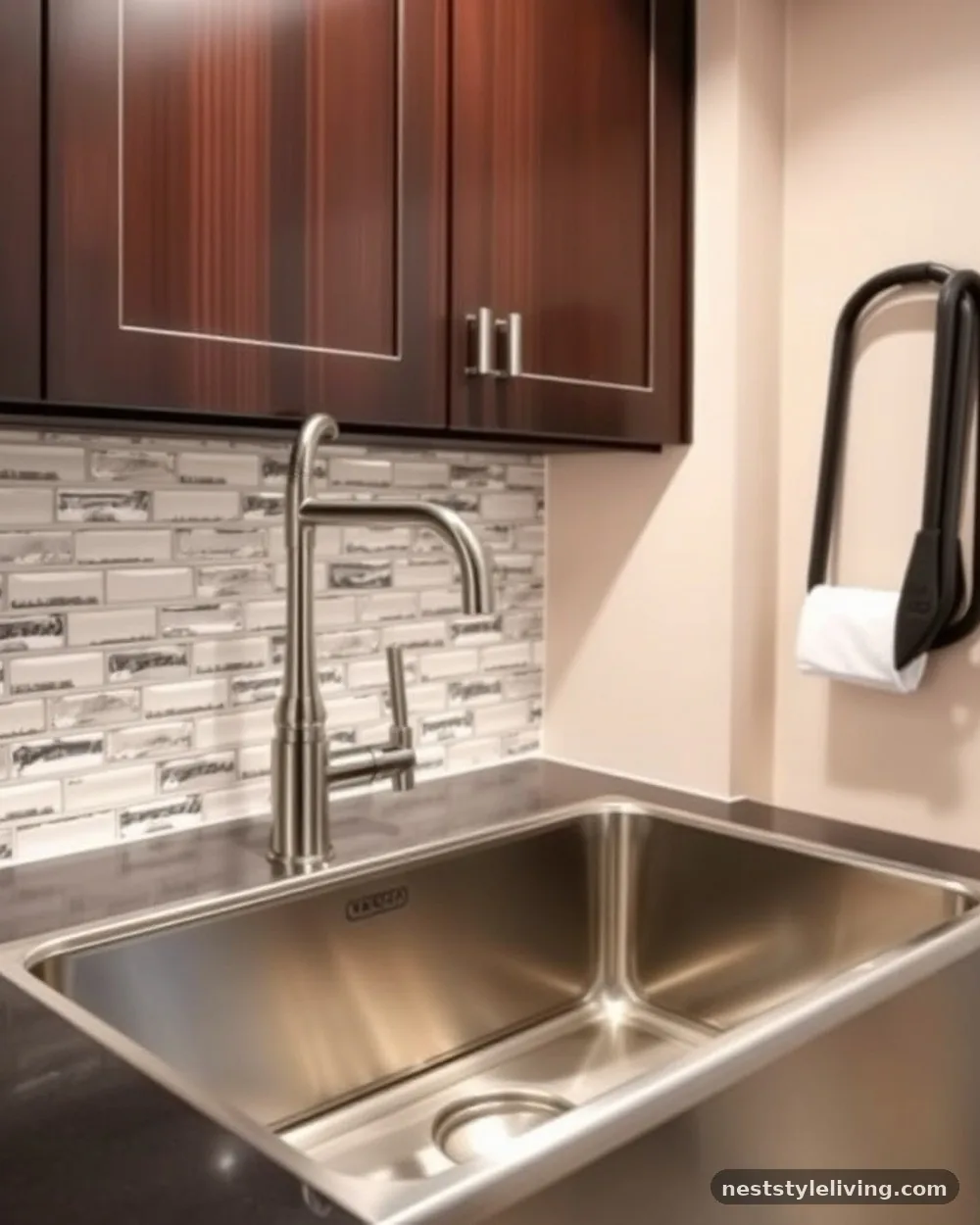
A deep farmhouse-style or stainless steel utility sink is essential for hand-washing delicate items or soaking stained clothes. Placing this near your washer simplifies the process of pre-treating laundry. A pull-down spray faucet makes it much easier to rinse out the sink after cleaning muddy boots or washing delicate knitwear.
If you are installing a new sink, choose a deep-basin model that can accommodate a large bucket or a tall laundry basket. Install it with a high-arch, pull-down faucet to provide maximum clearance. Ensure the plumbing is properly vented and consider adding a small backsplash to protect the wall from splashes during heavy-duty cleaning tasks.
13. Open Wire Shelving
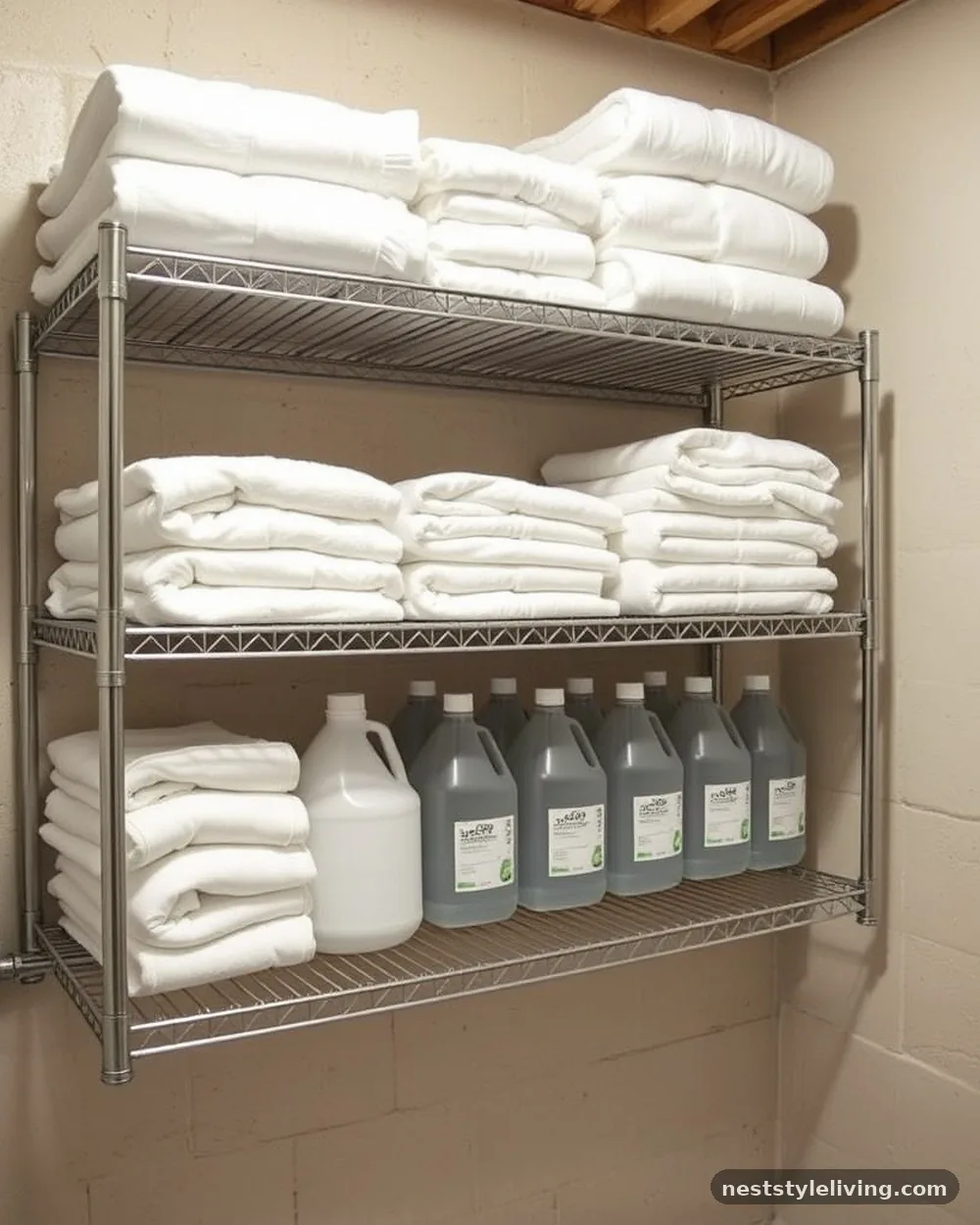
Wire shelving is ideal for a basement laundry room because it allows for airflow, which is critical for preventing mildew in humid underground spaces. It is lightweight, affordable, and easy to install. You can easily adjust the height of the shelves as your storage needs change, such as adding more space for tall detergent jugs or clearing space for folded baskets.
Mount the support tracks directly into the wall studs using heavy-duty anchors. Attach the shelf brackets at your desired heights and snap the wire shelves into place. Use shelf liners on the middle tiers if you have smaller items that might tip over on the wire surface, but keep the top and bottom tiers open to encourage air circulation.
14. Hidden Hamper Cabinetry
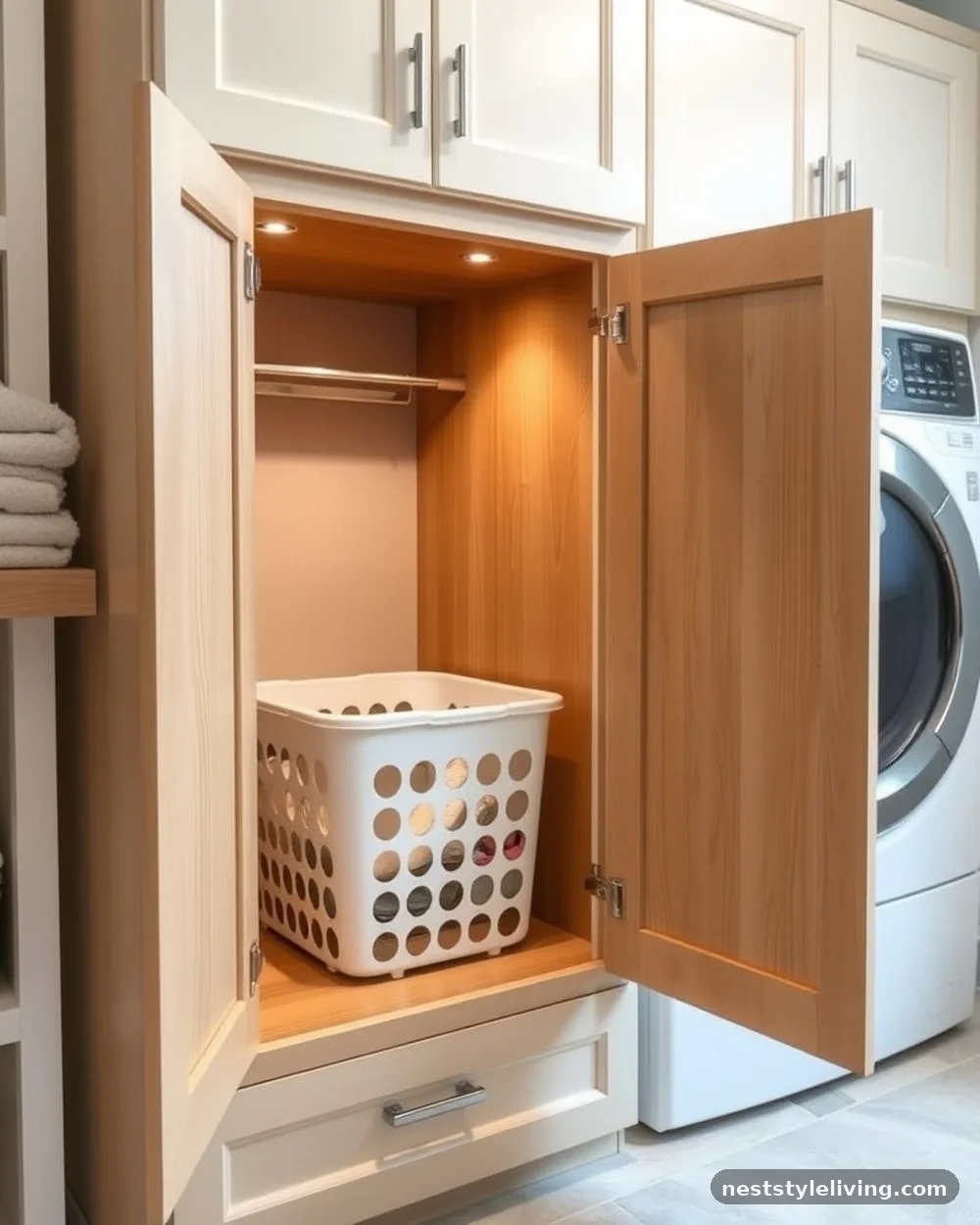
Integrating hampers directly into your cabinetry hides the mess of dirty laundry from view. This keeps the room feeling tidy and prevents the “pile-up” that often happens in laundry areas. You can use tilt-out drawers or pull-out bins that match the rest of your cabinet doors for a cohesive, built-in appearance.
Purchase a tilt-out hamper kit designed for standard base cabinets. Remove the existing drawer or door front and attach it to the tilt-out mechanism.
Use plastic or wicker bins that fit within the frame so they can be easily removed and carried to the washer. This keeps your floor clear and makes the room look like a high-end mudroom.
15. Magnetic Knife Strip for Tools
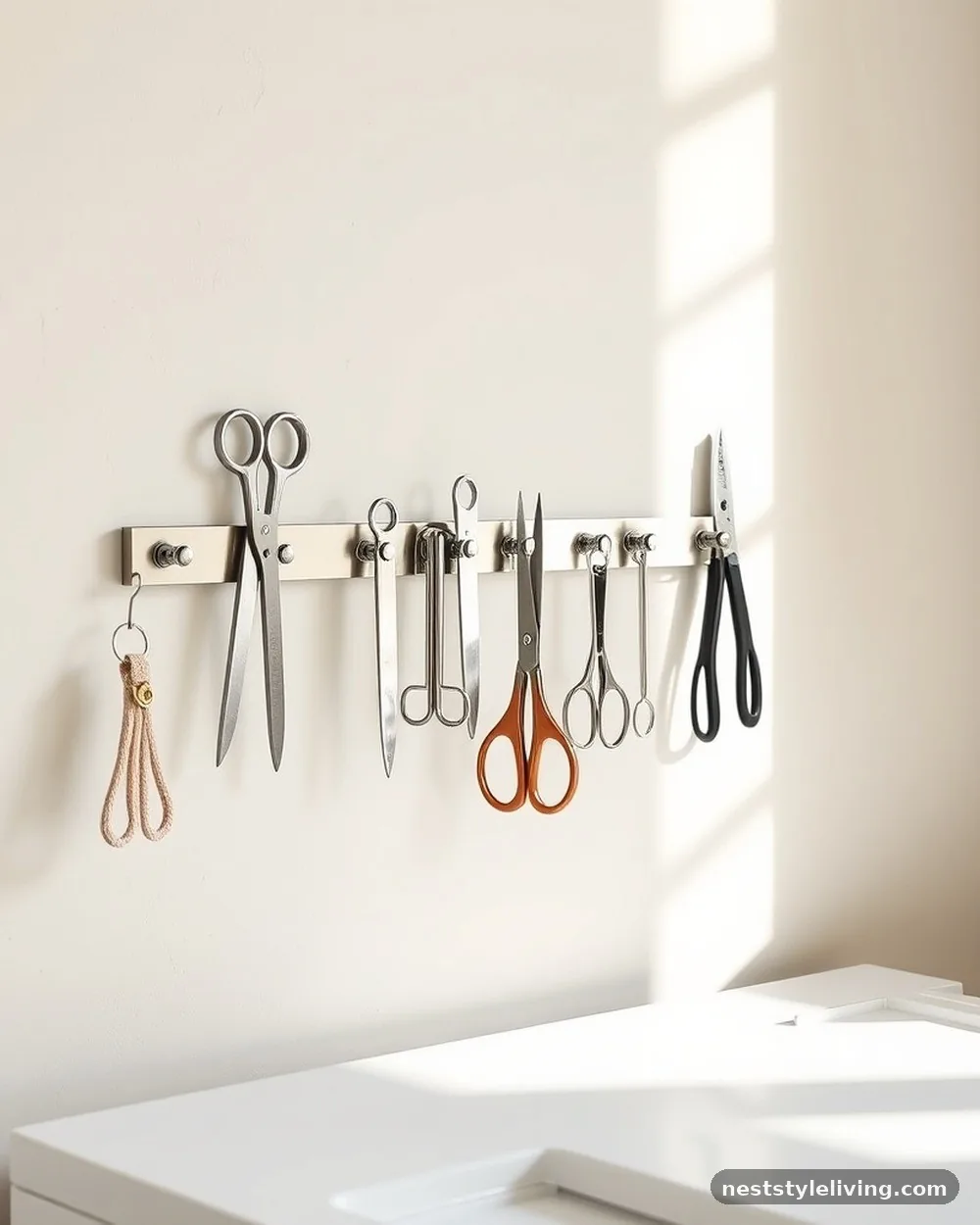
A magnetic strip is not just for kitchens; it is an ingenious way to keep small metal laundry tools like lint scrapers, sewing shears, and metal clips organized. It takes up virtually zero space and keeps these items within arm’s reach of your folding area. It is a simple, low-cost solution that prevents these small items from getting lost in junk drawers.
Mount a high-strength magnetic strip on the wall above your folding table using the provided screws. Ensure the strip is long enough to hold all your tools with space between them so you can grab what you need without knocking others off. This is a very secure way to store sharp objects, provided you mount it away from the reach of young children.
16. Under-Cabinet Task Lighting
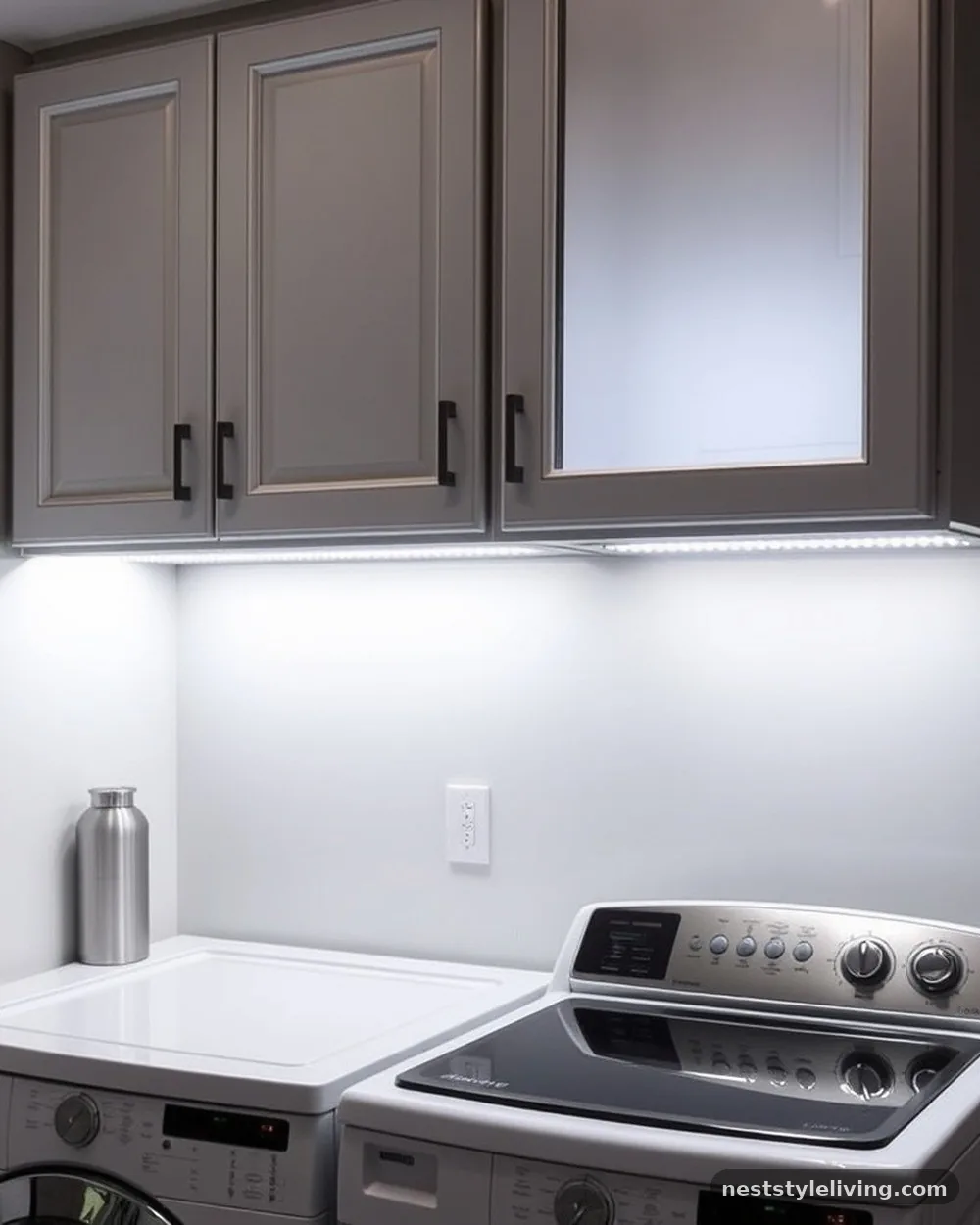
Adding LED light strips underneath your upper cabinets illuminates your workspace directly. This is crucial for basement rooms where overhead lighting might be blocked by your own body while you are working at the counter. It provides a clean, focused glow that makes reading garment care labels and spotting stains much easier.
Buy a low-profile, plug-in LED light strip kit with a motion sensor or a simple touch switch. Clean the underside of your cabinets with rubbing alcohol to remove dust and grease, then peel and stick the light strips in place. Run the power cord behind the cabinets or along the wall using adhesive cable clips to keep the installation looking neat.
17. Ceiling-Mounted Drying Rack
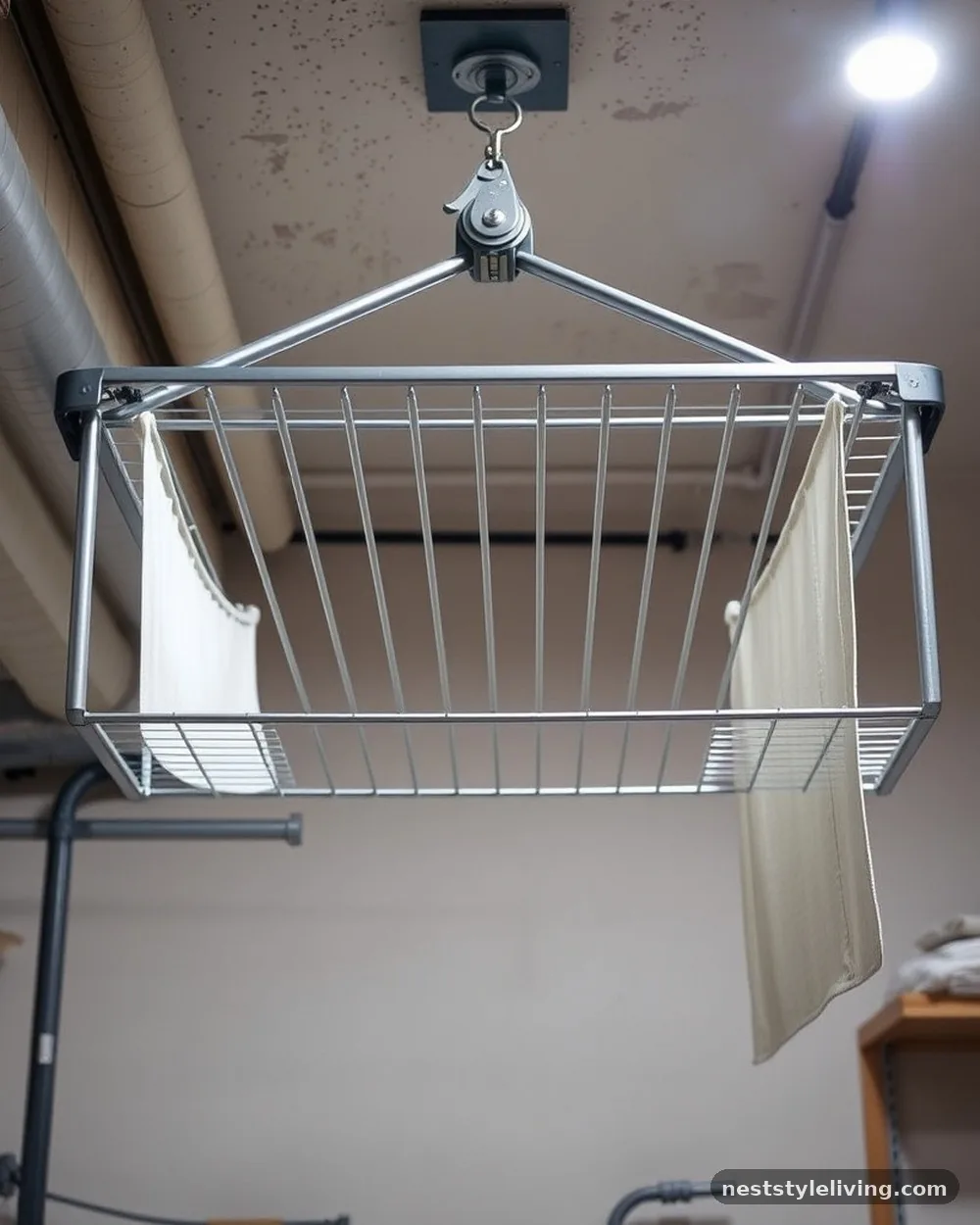
A pulley-operated drying rack that hangs from the ceiling is the ultimate space-saver. You can lower it to load your clothes and then hoist it up to the ceiling, where your damp items can dry in the warmest part of the room without taking up any floor space. This is perfect for small basements where every square foot of floor is needed for movement.
Install a heavy-duty ceiling-mounted pulley system into the rafters of your basement ceiling. Ensure the ropes are long enough to reach the floor comfortably. Use a cleat on the wall to lock the ropes in place once the rack is raised to your desired height, ensuring the rack stays level while the clothes dry.
18. Matching Decanter Set

Transferring detergents, fabric softeners, and stain removers into uniform glass or high-quality plastic decanters removes visual clutter. The bright, clashing labels of various laundry products can make a room feel chaotic. By using consistent containers, you create a calm, organized aesthetic that makes the space feel more like a professional boutique.
Purchase a set of clear, leak-proof decanters with labels that designate the contents. Use a funnel to fill them carefully to avoid spills.
If you use powdered detergents, choose jars with wide mouths and matching scoops. Keep these on an open shelf or a tray to create a clean, intentional look that is easy to maintain.
19. Wall-Mounted Ironing Board
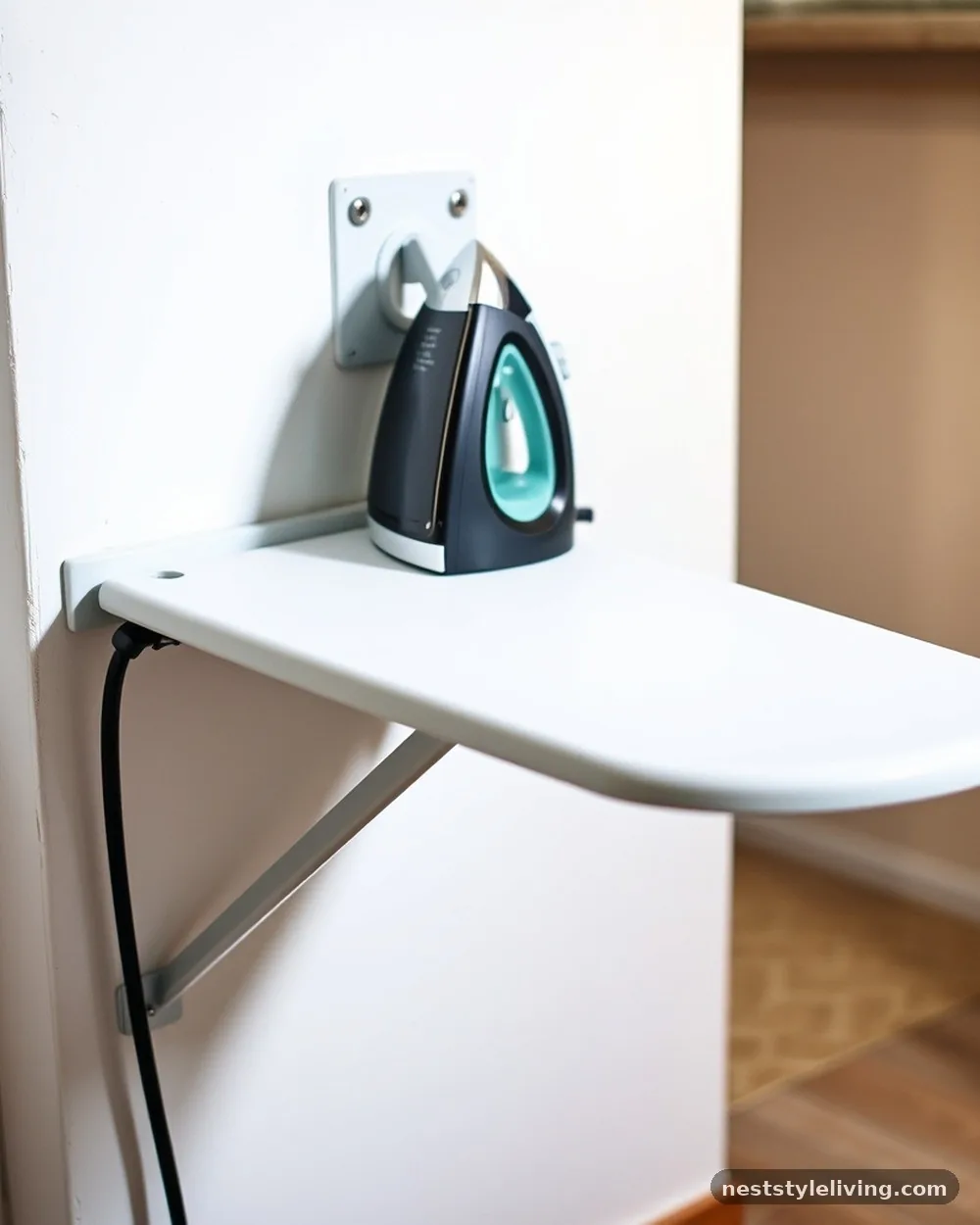
An ironing board that folds into the wall—or behind a door—eliminates the need for a bulky, freestanding board that is difficult to store. When you need to press shirts or linens, simply pull it down, use it, and tuck it away. It is a discreet solution that keeps your laundry area looking clean when it is not in use.
Purchase a wall-mounted ironing board kit that includes a cabinet or a simple folding mechanism. Mount it securely into the wall studs, as the board will experience significant downward pressure during use. Ensure the mounting height is comfortable for your arm length, and consider adding a small heat-resistant pad to the storage area so you can stow the iron quickly.
20. Large-Scale Floor Mirror
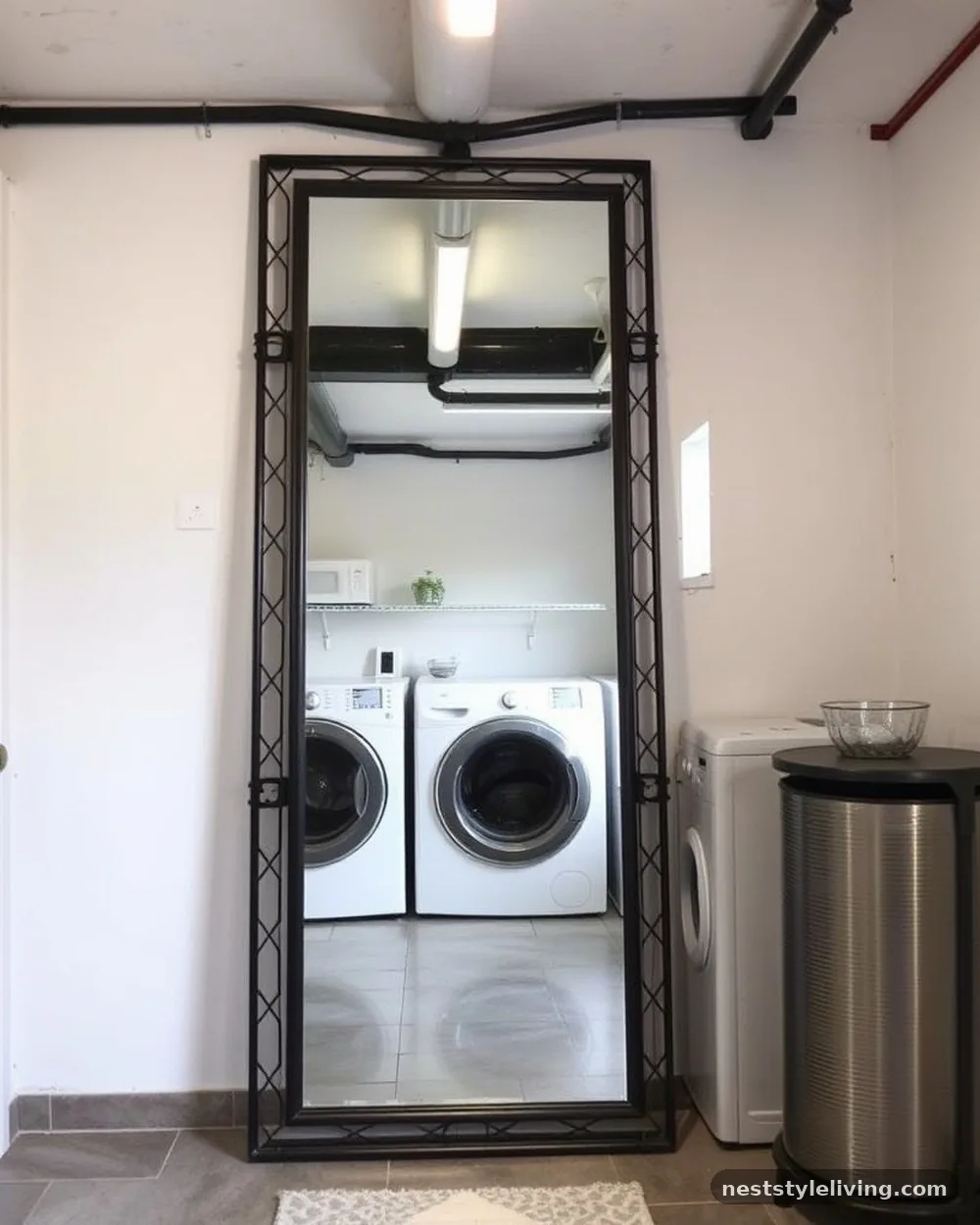
A large mirror might seem unconventional in a basement laundry room, but it serves two purposes: it makes the room feel twice as large and provides a space to check your clothes after steaming or ironing. In a basement, a mirror can help bounce light around the room, making it feel less like a dungeon and more like a functional home office or utility suite.
Lean a large, full-length mirror against a wall, or mount it securely if you have space concerns. Choose a frame that matches your other hardware—like black metal or wood—to tie the room’s design together. Position it so it reflects a light source, such as your ceiling lights or a window, to maximize the sense of openness and brightness in the room.
Frequently Asked Questions
How do I handle moisture in a basement laundry room?
Moisture is common in basements due to poor ventilation and concrete walls. The most effective way to handle this is by installing a high-quality dehumidifier that drains directly into your floor drain or laundry sink. You should also ensure that your dryer vent is properly sealed and exhausted to the outside, rather than venting into the basement air, which adds significant humidity.
What is the best way to light a basement laundry room?
Layered lighting is the best approach. Start with bright, cool-toned overhead LED panels or recessed lights to provide general illumination.
Then, add task lighting—such as under-cabinet strips or focused puck lights—over your folding counter and sink. This eliminates shadows and makes it easier to work on detailed tasks like stain removal or sorting small items.
Can I put cabinets in a basement laundry room?
Yes, but you must be careful about the material. Avoid particle board or low-quality laminate, as these materials absorb moisture and will swell or rot over time.
Instead, opt for plywood-core cabinets, stainless steel, or moisture-resistant plastic cabinetry. Ensure the cabinets are installed slightly off the floor or on a platform to protect them from potential basement flooding.
How do I make a small basement laundry area look bigger?
Use light colors, such as white or soft gray, on the walls and cabinets to reflect as much light as possible. Keep the floor clear by utilizing vertical storage, such as wall-mounted shelves, hanging rods, and pegboards. A large mirror can also create the illusion of depth, while keeping the floor surface uniform—using the same flooring throughout—helps the space feel larger.
What flooring is most durable for basement laundry?
Luxury vinyl plank or tile is the gold standard for basement laundry rooms. It is 100% waterproof, resistant to mold and mildew, and significantly more comfortable to stand on than concrete. Unlike ceramic tile, it is not prone to cracking if the basement floor shifts, and unlike hardwood or laminate, it will not warp if there is a minor water leak.
Conclusion
Creating a functional and inviting space in your home is entirely possible when you focus on the right elements. By applying these basement laundry room ideas for a better setup, you can transform a neglected area into an efficient, organized, and pleasant environment. Whether you start with simple changes like adding better lighting or invest in structural upgrades like custom shelving and moisture-resistant flooring, every improvement makes your household chores more manageable.
Take the time to assess your specific basement layout and identify which of these strategies fits your needs and budget best. A well-organized laundry room saves you time and reduces stress, proving that even the most utilitarian parts of your home deserve thoughtful design and careful attention to detail.