21 Master Bedroom Ideas for a Stylish Cozy Retreat
Transforming your sleeping space into a sanctuary requires careful attention to texture, lighting, and layout. When you curate your environment with intention, you create a personal haven that promotes rest and rejuvenation.
These master bedroom ideas for a stylish cozy retreat focus on balancing modern aesthetics with tactile comfort to ensure your room feels both polished and lived-in. Whether you are aiming for a minimalist look or a layered, bohemian vibe, these design choices will help you build a private escape that reflects your taste while maximizing the functionality of your floor plan.
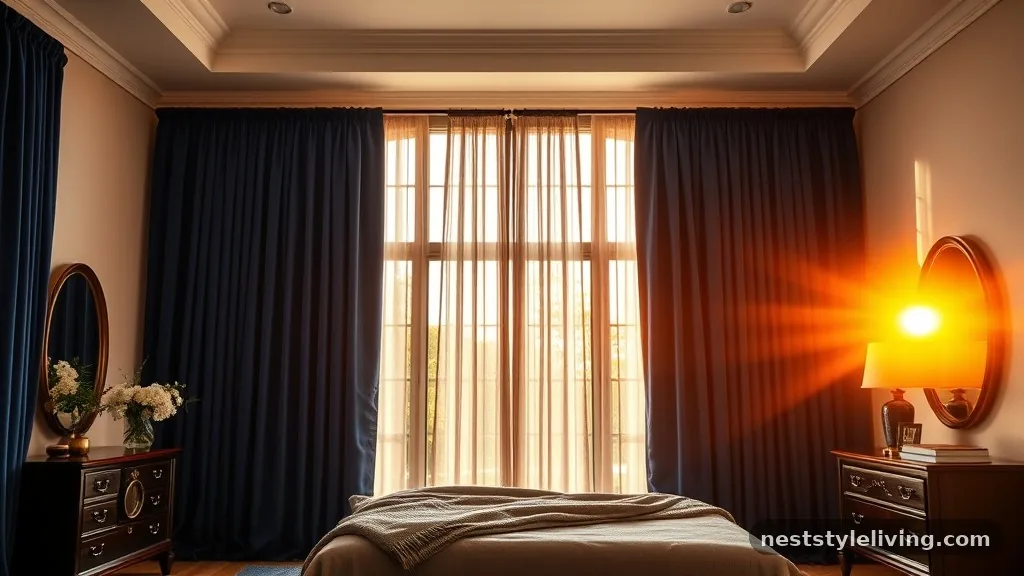
1. Floor-to-Ceiling Velvet Curtains
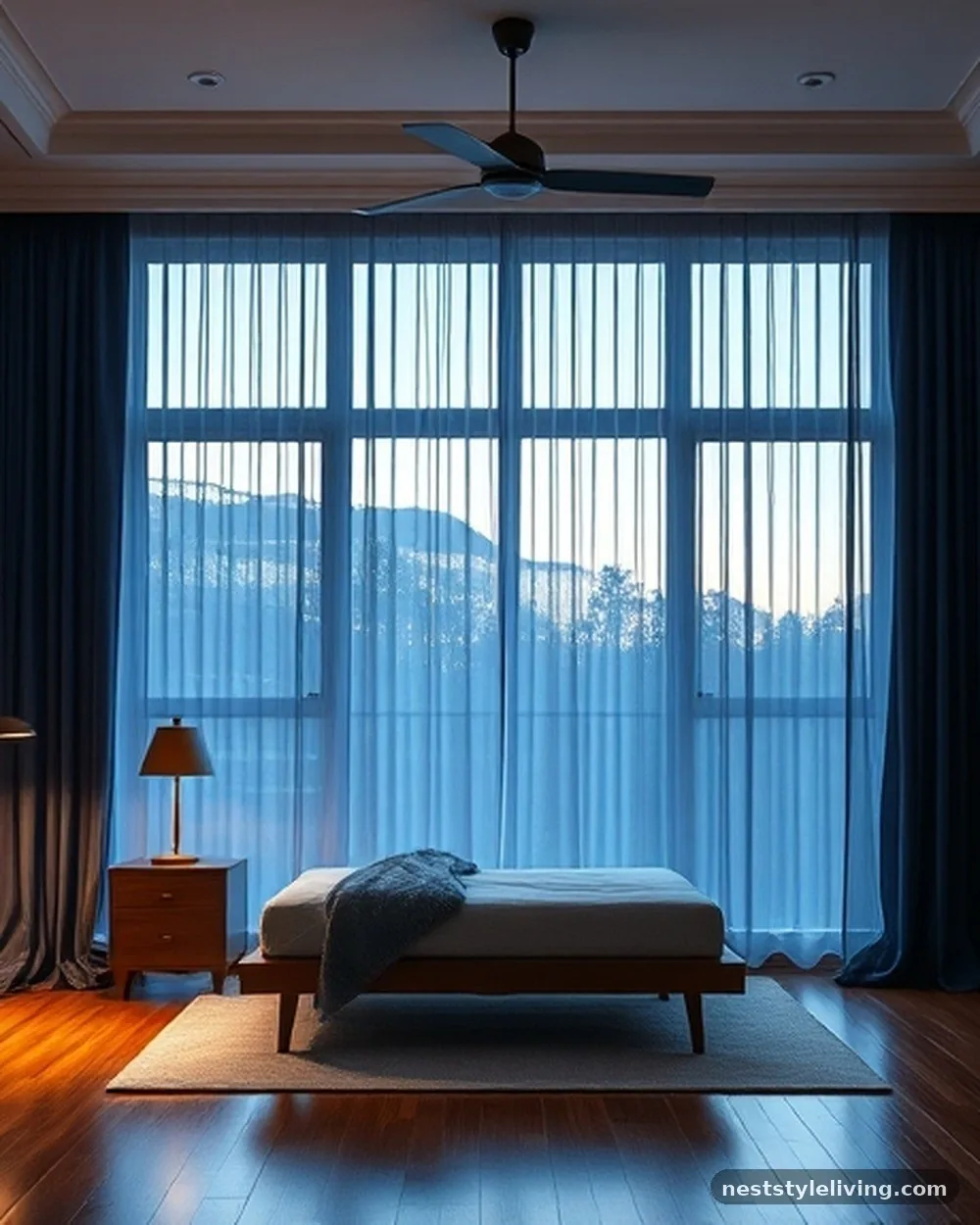
Heavy velvet drapes in deep, saturated tones like charcoal or midnight blue provide an immediate sense of weight and luxury. By mounting the rod as close to the ceiling as possible and letting the fabric pool slightly on the floor, you create the illusion of higher walls and a more dramatic, intimate atmosphere. Velvet’s light-absorbing properties also help dampen ambient noise, making the room feel like a private cocoon.
To install these, use a heavy-duty track system or a sturdy metal rod that extends at least six inches beyond the width of the window frame on each side. This ensures the curtains block out all external light when closed, which is essential for deep sleep.
2. Low-Profile Platform Bed
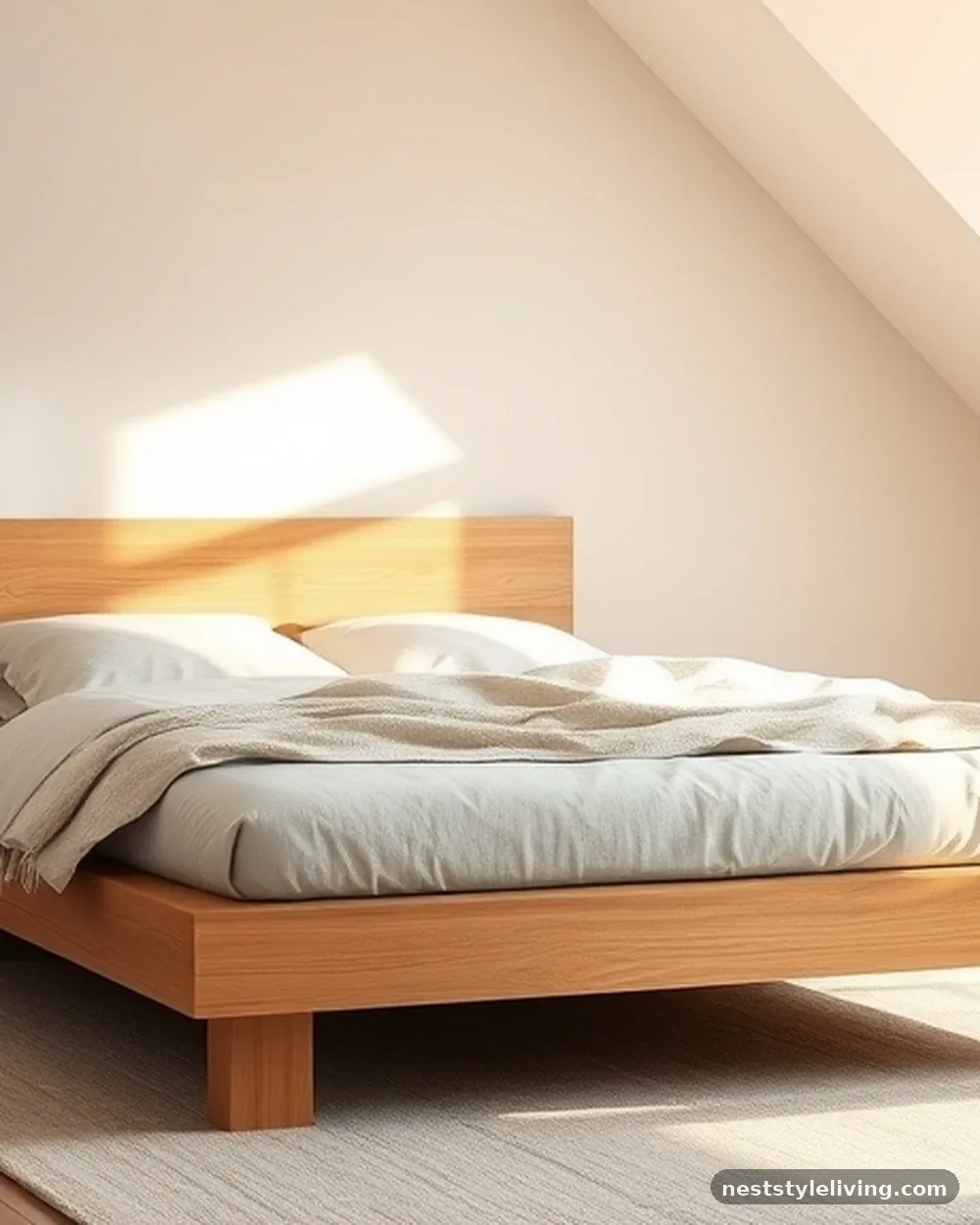
A platform bed with a minimal, low-profile frame grounds the room and draws the eye toward the center of the space. Opting for a light oak or walnut finish adds organic warmth, while a fabric-upholstered base in a neutral linen offers a softer aesthetic. This style works exceptionally well in rooms with sloped ceilings or limited square footage, as it keeps the visual weight low and prevents the room from feeling cramped.
Look for models that include integrated slats, which eliminate the need for a bulky box spring. This choice keeps the silhouette clean and modern while still providing the necessary support for your mattress.
3. Statement Pendant Lighting
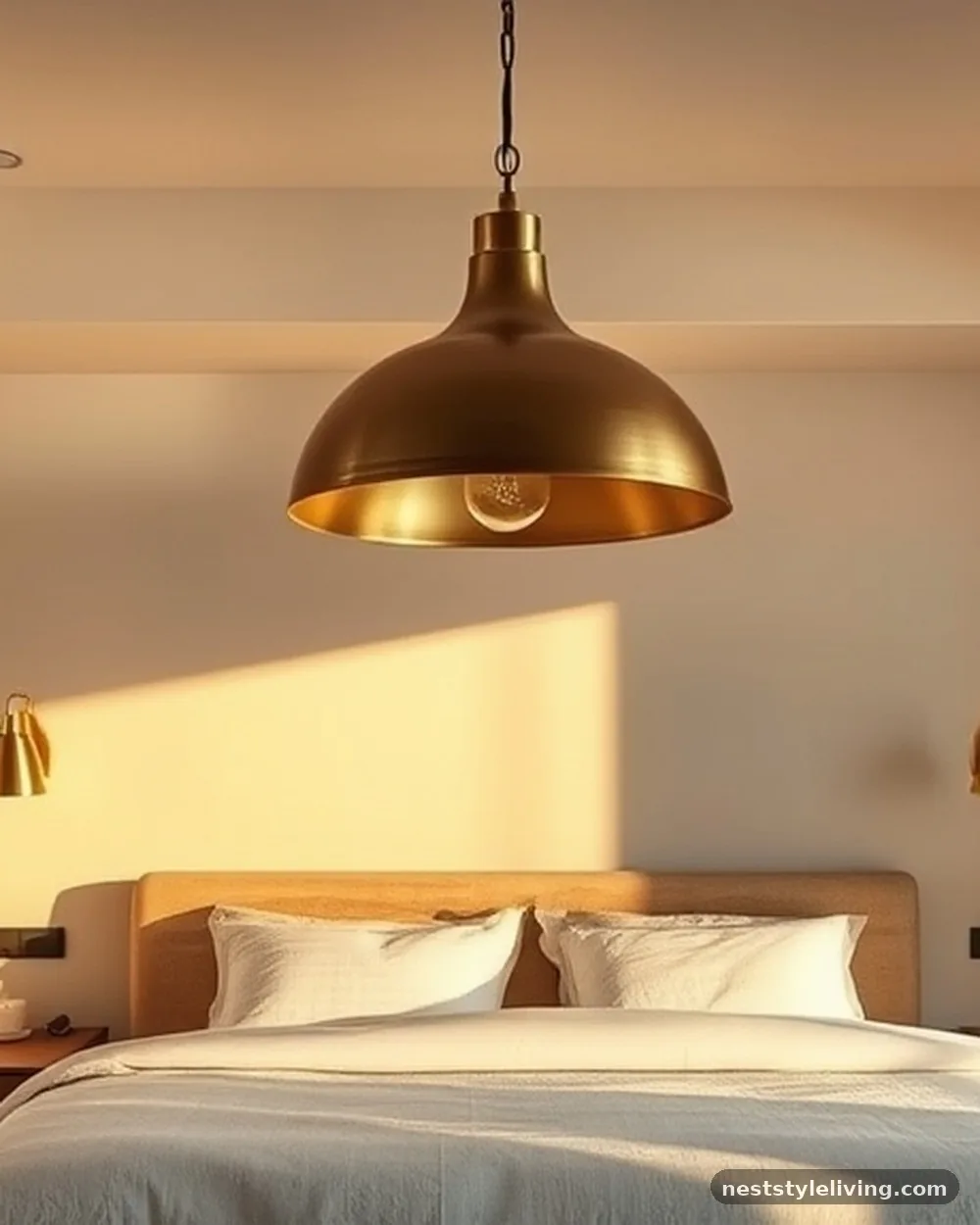
Replacing standard flush-mount fixtures with a large, sculptural pendant light transforms the ceiling into a design feature. Choose materials like woven rattan for a natural, airy feel or brushed brass for a more refined, modern edge. Positioning the fixture centered above the bed or slightly toward the foot creates a warm, downward-facing glow that feels much more inviting than harsh overhead illumination.
When choosing a size, ensure the diameter of the fixture is proportional to the size of your room; a common rule is to add the length and width of the room in feet and convert that sum into inches for the ideal diameter.
4. Chunky Knit Throw Blankets
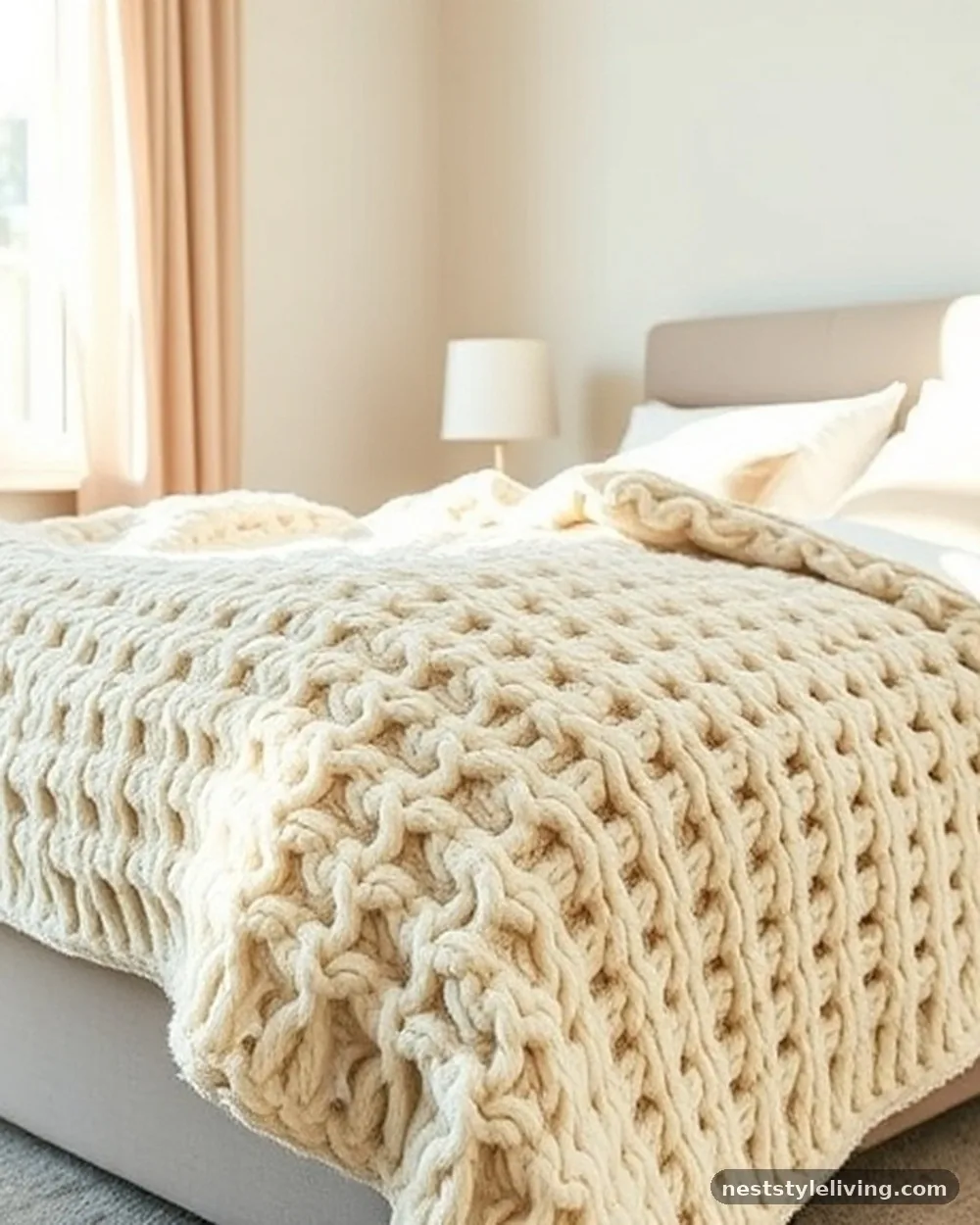
Layering a oversized, hand-knitted wool throw at the foot of the bed adds an immediate tactile element that signals comfort. The chunky weave creates a beautiful contrast against smooth sheets and crisp pillows. Choose a neutral cream, oatmeal, or slate grey to keep the look sophisticated rather than cluttered.
You can maintain the appearance of these blankets by storing them flat when not in use; hanging them for long periods can cause the heavy yarn to stretch and lose its structural integrity over time.
5. Asymmetric Nightstand Pairings
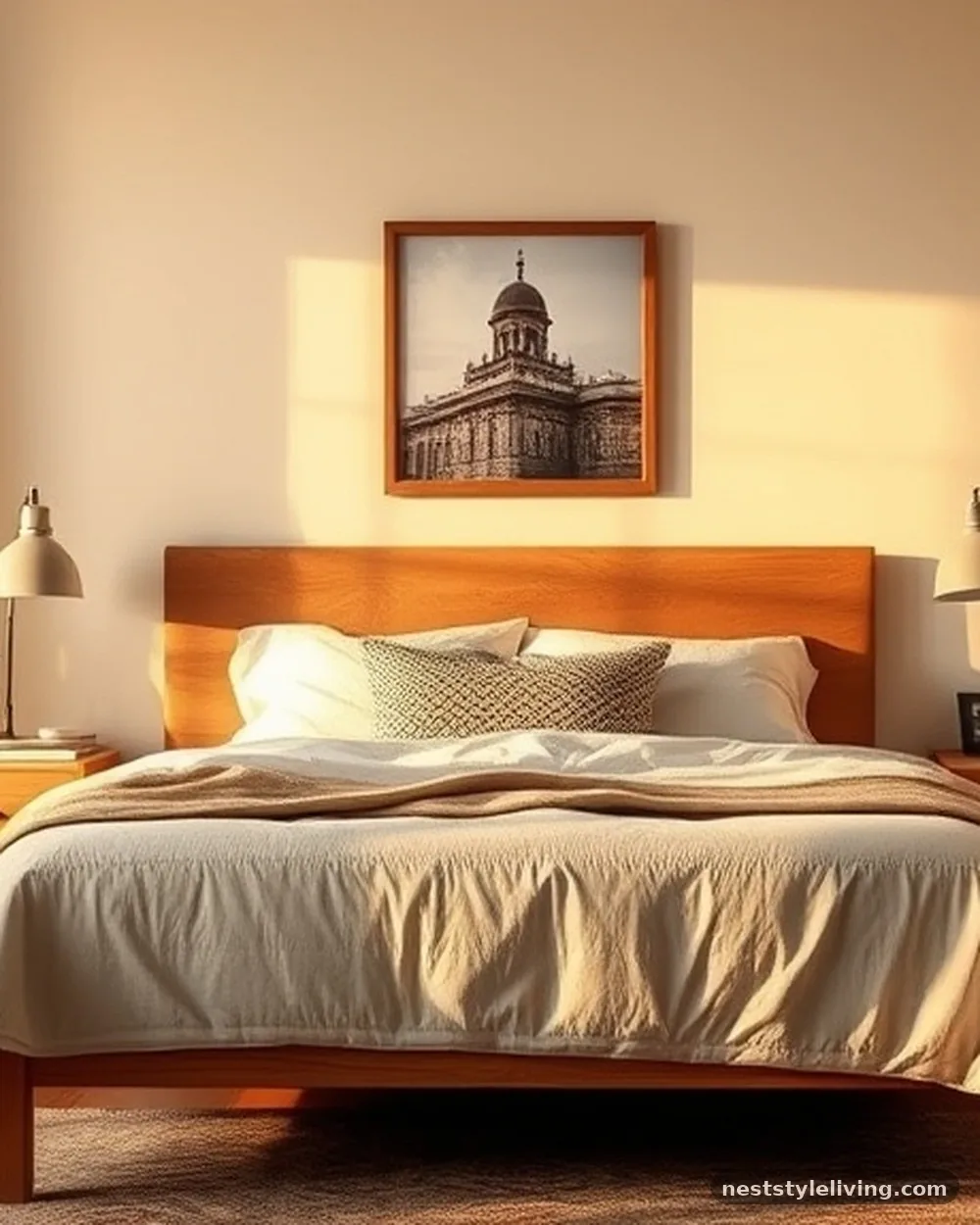
Moving away from a matching set of nightstands creates a curated, collected look that feels less like a showroom and more like a home. Pair a small wooden stool on one side with a sculptural, metal-legged table on the other. This visual imbalance adds interest and allows you to tailor the storage to your specific needs, such as a drawer for the person who likes to hide clutter and an open shelf for the person who enjoys displaying books.
Ensure both pieces are roughly the same height as the top of your mattress to keep bedside items within easy reach, regardless of their differing styles.
6. Textured Wallpaper Accent Wall
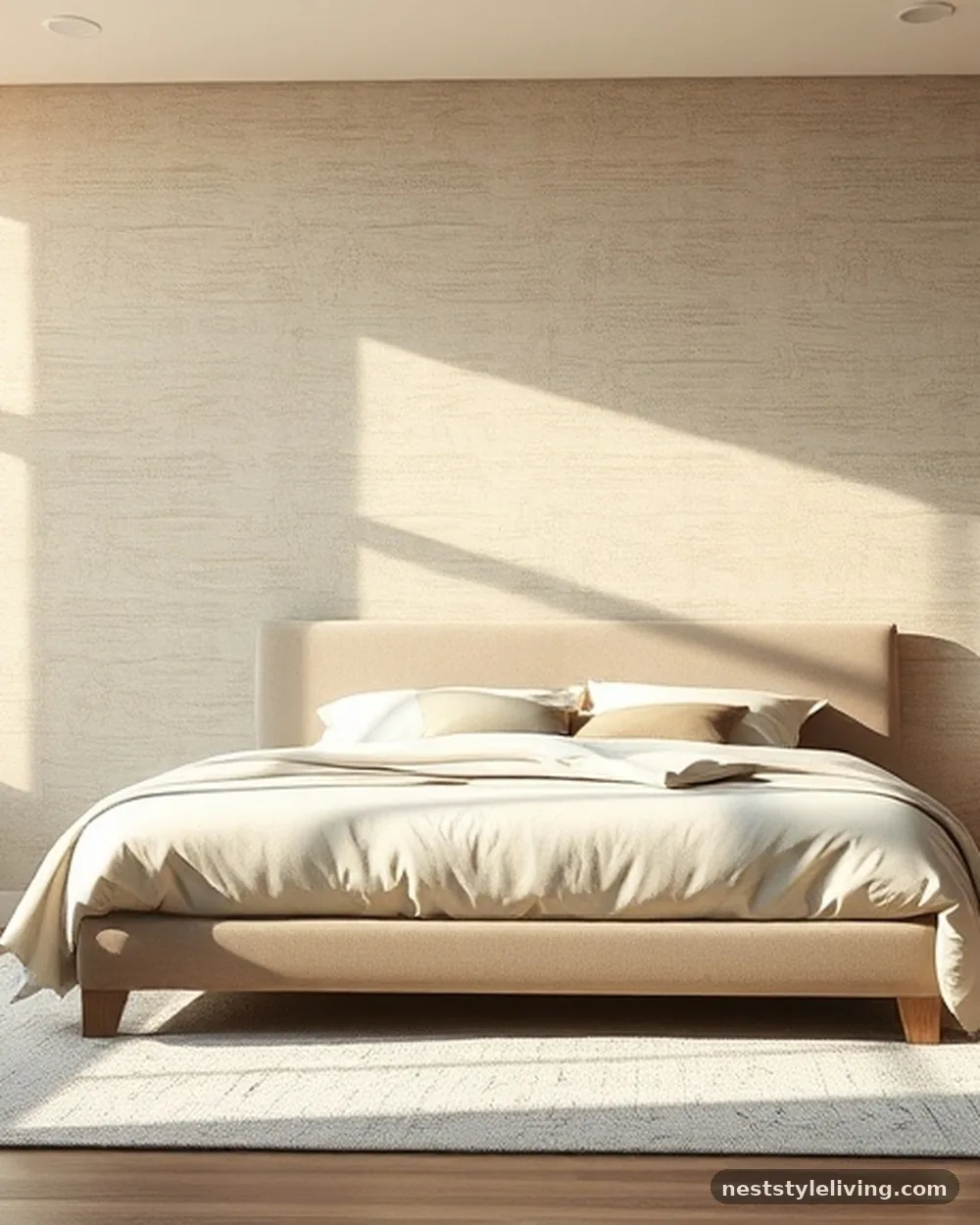
Applying a subtle, textured wallpaper behind the headboard adds depth without overwhelming the space. Grasscloth, linen-weave, or even embossed geometric patterns provide a sophisticated backdrop that makes the bed the undisputed focal point. Stick to monochromatic palettes to keep the room feeling calm and conducive to sleep.
When installing, use a high-quality paste specifically formulated for the material you choose. If you are a renter, look for high-end peel-and-stick versions that mimic the texture of natural fibers without the permanent commitment of traditional wallpaper glue.
7. Layered Area Rugs
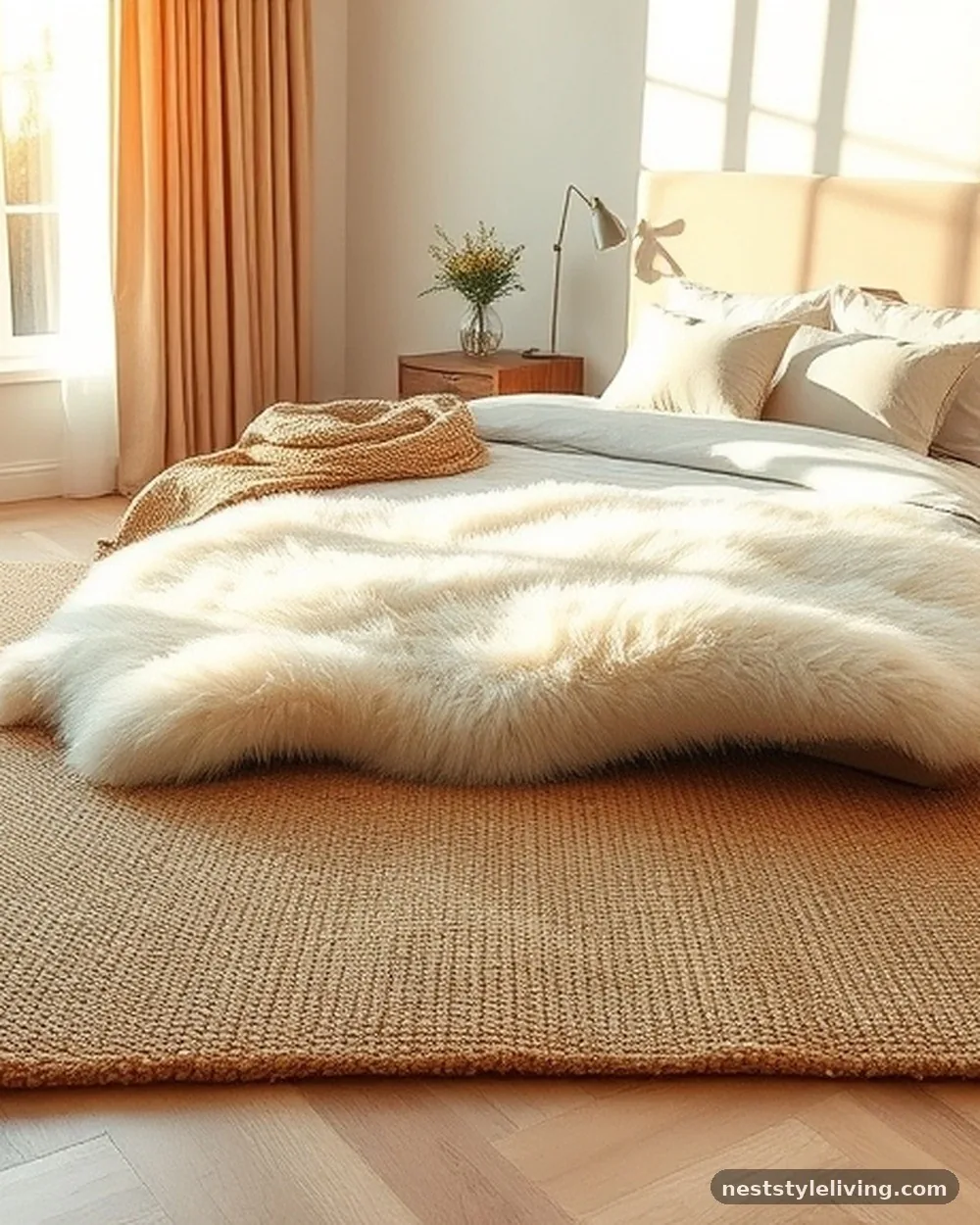
Placing a large, low-pile jute rug under the entire bed frame and layering a smaller, plush sheepskin or vintage Persian rug at the foot creates a cozy foundation. This technique adds warmth to cold hardwood floors and defines the sleeping zone as a distinct area within the larger room. The contrast between the rough natural fiber and the soft, shaggy top layer creates a rich sensory experience.
Rotate your area rugs every six months to ensure even wear and tear, especially in high-traffic areas near the bedside and the bedroom door.
8. Bench at the Foot of the Bed
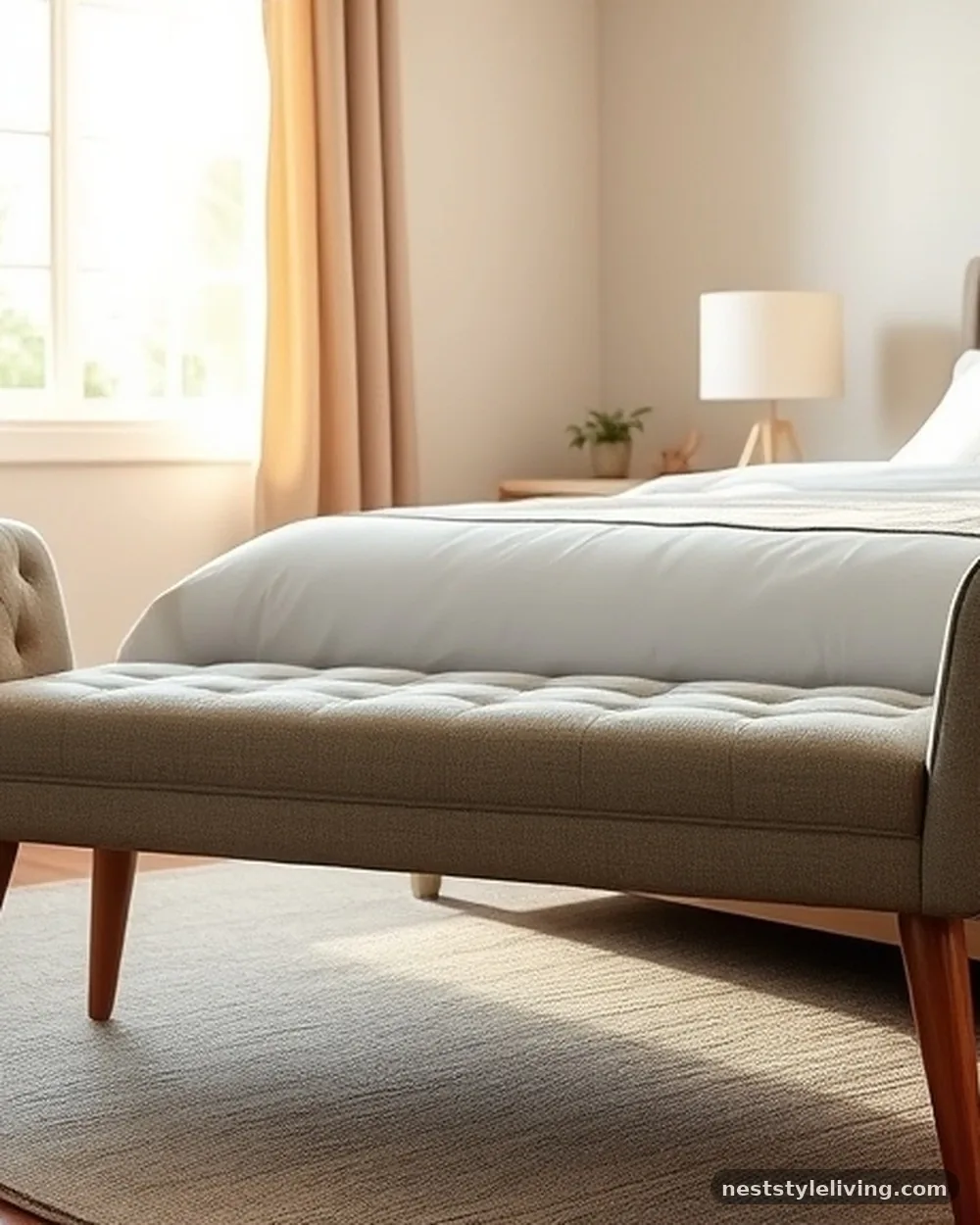
A upholstered bench provides both a functional place to sit while putting on shoes and a visual anchor for the bed. Opt for a style with tapered legs and a tufted seat to introduce a touch of mid-century modern influence. Choosing a fabric that complements your duvet cover creates a cohesive, high-end look.
Select a bench that is approximately two-thirds the width of your bed frame to maintain visual balance and prevent the piece from looking like an afterthought.
9. Wall-Mounted Sconces
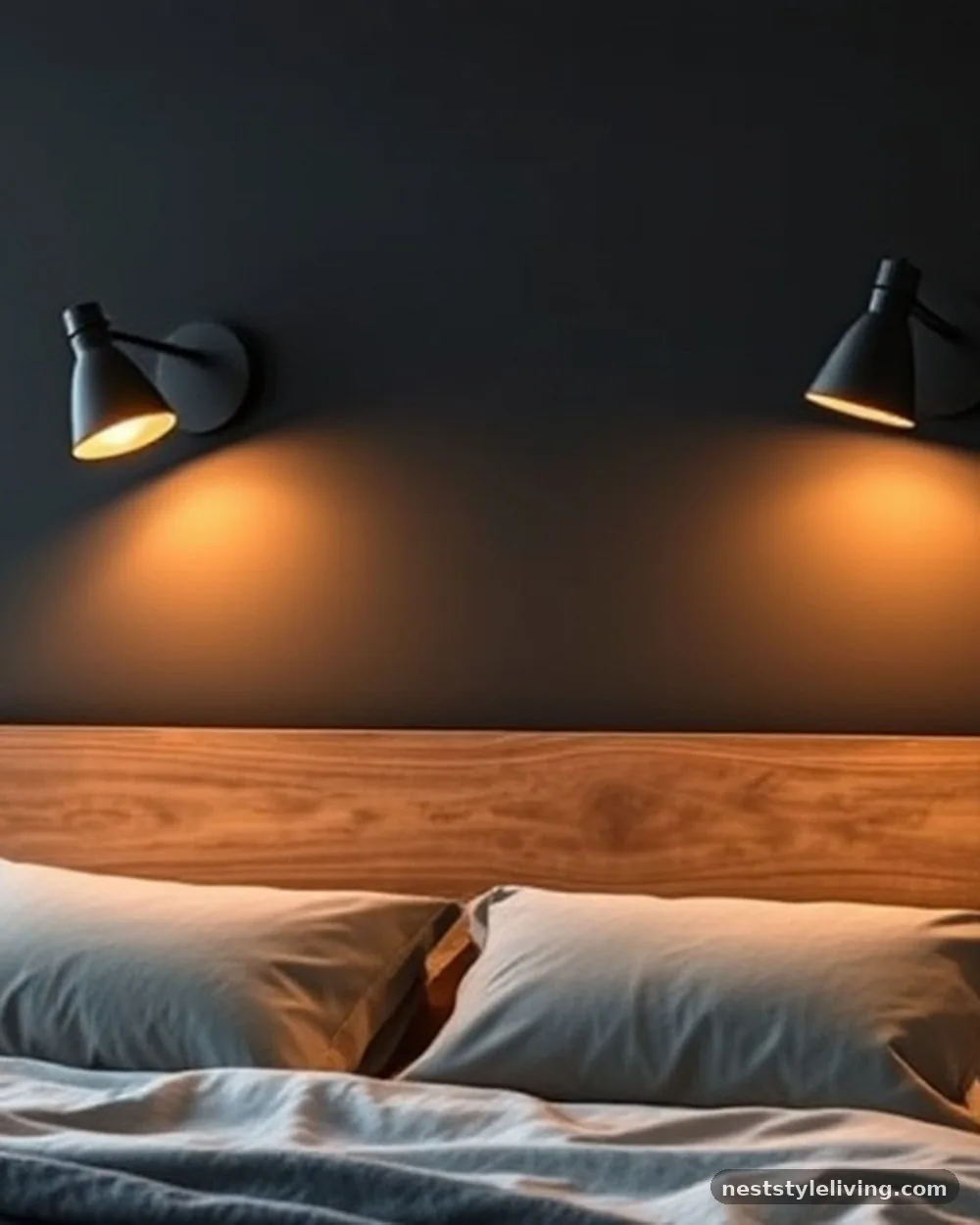
Installing swing-arm wall sconces on either side of the headboard frees up valuable surface area on your nightstands. This lighting choice allows you to direct light exactly where you need it for reading without disturbing your partner. Brass finishes provide a classic contrast against dark-painted walls, while matte black works well in minimalist, modern interiors.
Use LED bulbs with a warm color temperature, ideally around 2700K, to maintain the relaxing, cozy feel of the room during evening hours.
10. Oversized Floor Mirror
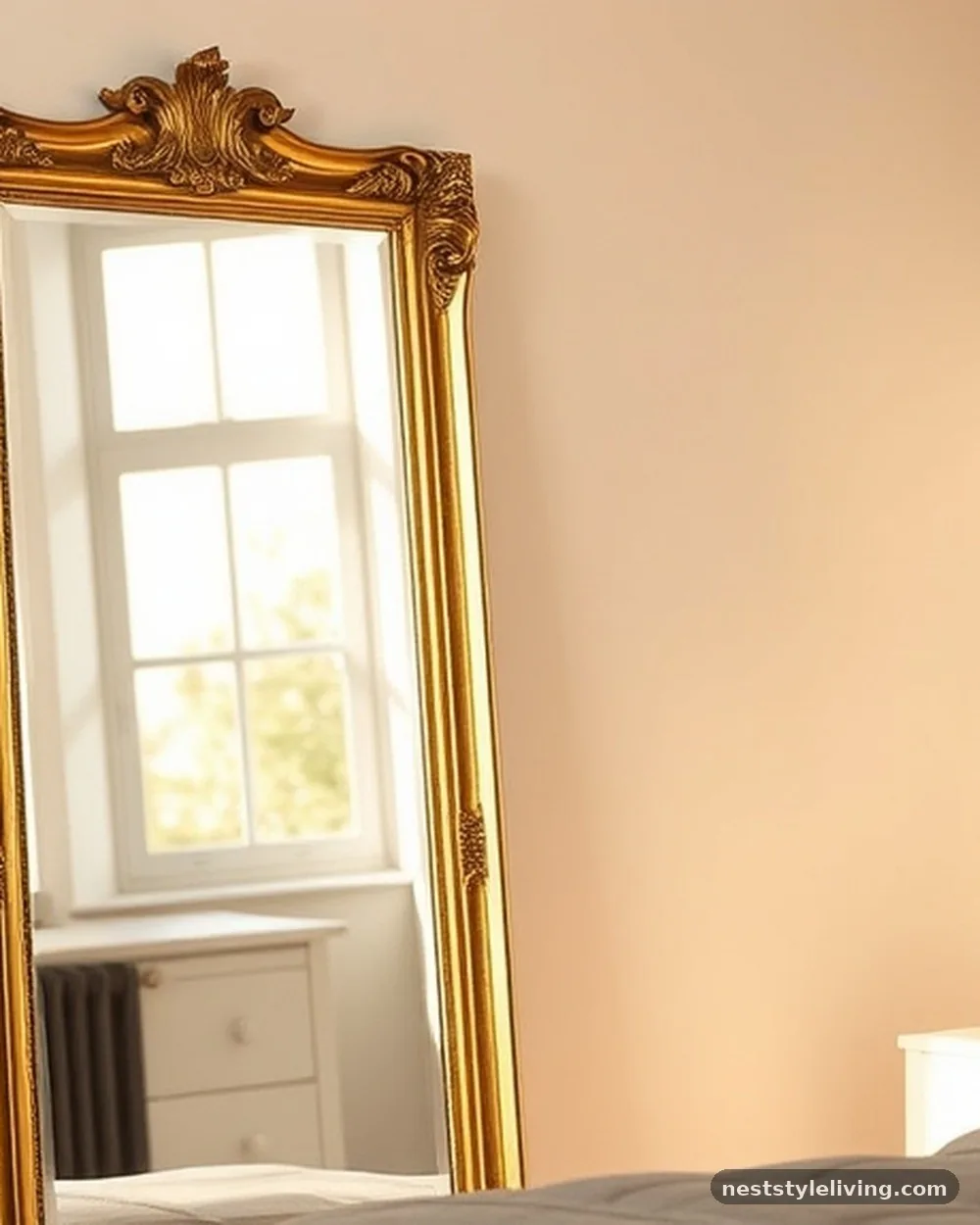
Leaning a large, full-length mirror against a wall opposite a window maximizes natural light and makes the room appear significantly larger. A mirror with a distressed gold or rustic wood frame adds character and serves as a functional piece for your morning routine. This simple addition creates a sense of openness even in smaller master bedrooms.
Anchor the mirror to the wall using a discreet anti-tip kit to ensure safety while maintaining the effortless, leaned look.
11. Hidden Cord Management
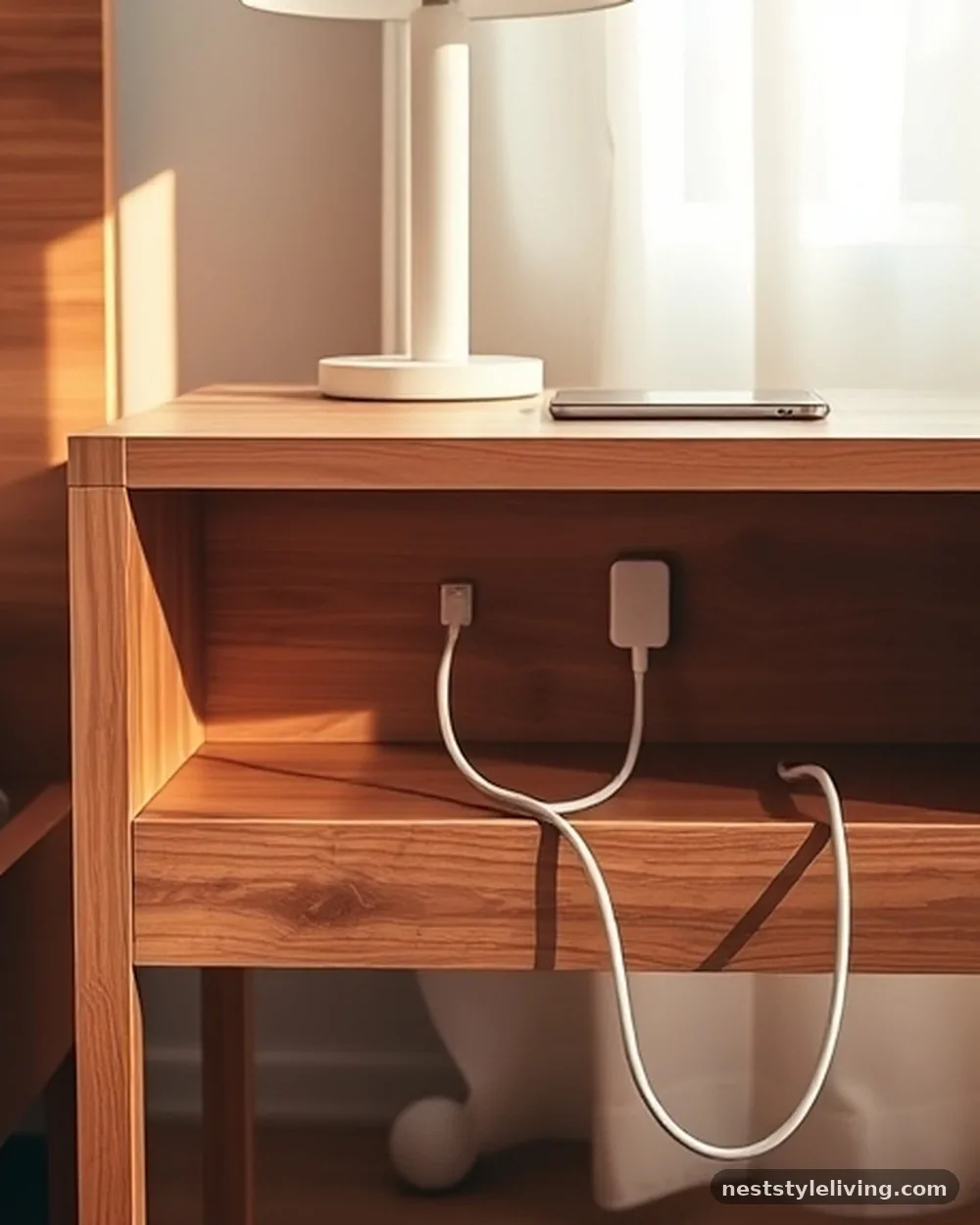
Visible charging cables and power strips detract from a peaceful, serene environment. Use cable management boxes to hide power bricks and tuck wires into adhesive channels along the back of your furniture legs. This small detail prevents visual noise and keeps the area around your bed looking clean and intentional.
Invest in a nightstand with a built-in USB port or a small hole pre-drilled in the back panel to facilitate clean charging without needing to run cords across the top surface.
12. Gallery Wall of Personal Art
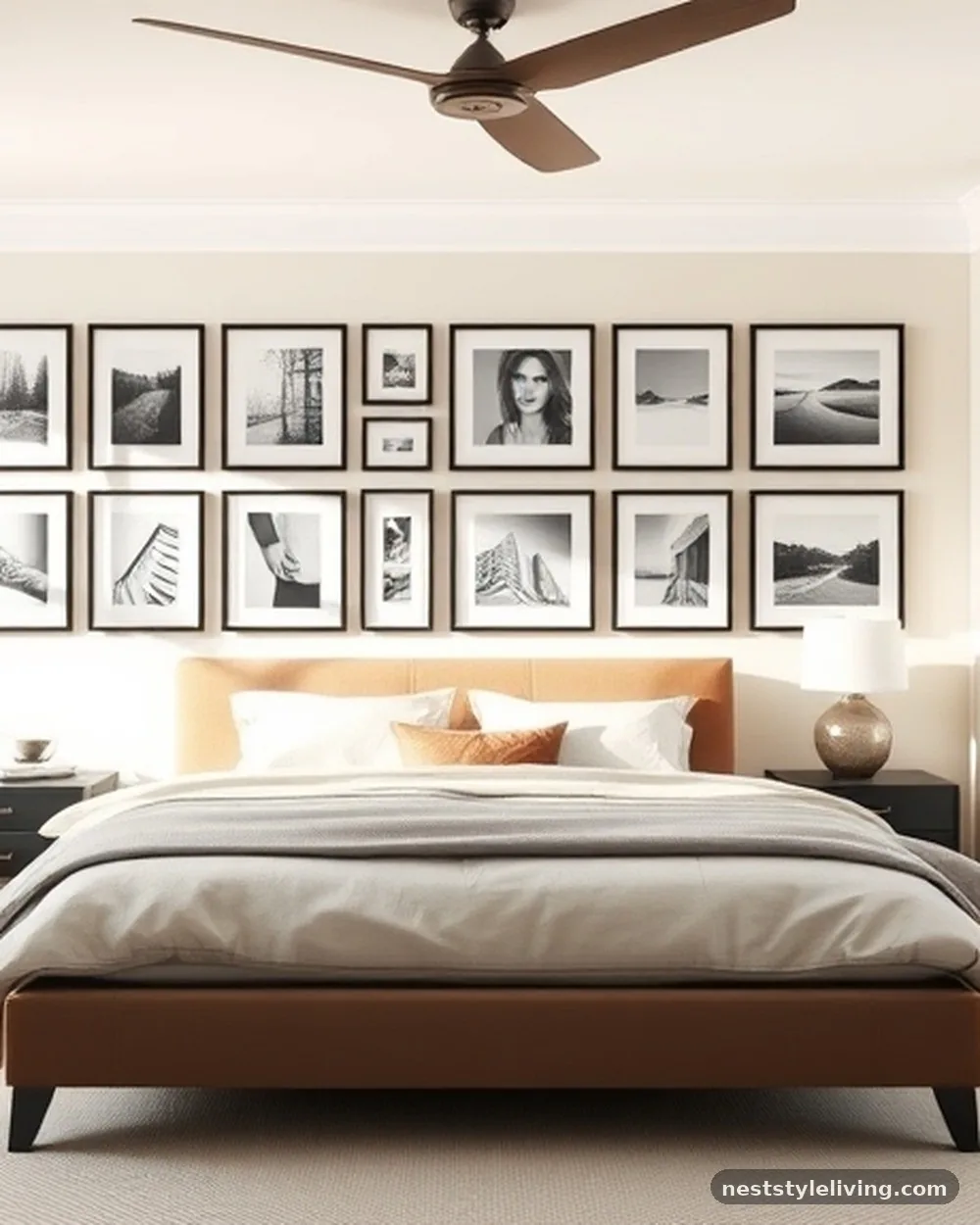
Curating a collection of monochromatic prints or black-and-white photography above the bed creates a personal, artistic statement. Use matching frames in a uniform finish, such as black or white, to tie the disparate images together into a cohesive display. This approach allows you to showcase your interests while keeping the bedroom’s overall palette calm and neutral.
Use removable adhesive strips to arrange your gallery wall, which allows you to experiment with spacing and layout without damaging your walls.
13. Linen Bedding Sets

Investing in high-quality, pre-washed linen sheets provides an effortless, lived-in texture that is both breathable and incredibly soft. Linen bedding looks best when it isn’t perfectly ironed, making it the perfect choice for a relaxed, stylish retreat. These sheets regulate temperature well throughout the year, keeping you cool in the summer and cozy in the winter.
Wash your linen bedding on a gentle cycle with a mild detergent and avoid high heat in the dryer, as this can weaken the natural fibers over time.
14. Potted Indoor Plants

Adding a large, sculptural plant like a fiddle leaf fig or a snake plant brings life and color into the bedroom. Plants improve air quality and add an organic shape that softens the hard lines of bedroom furniture. Place your plant in a woven basket or a ceramic pot that complements the room’s color scheme.
Choose low-maintenance varieties if your bedroom doesn’t receive significant natural light, and always use a saucer under the pot to protect your floors from water damage.
15. Ceiling Medallions
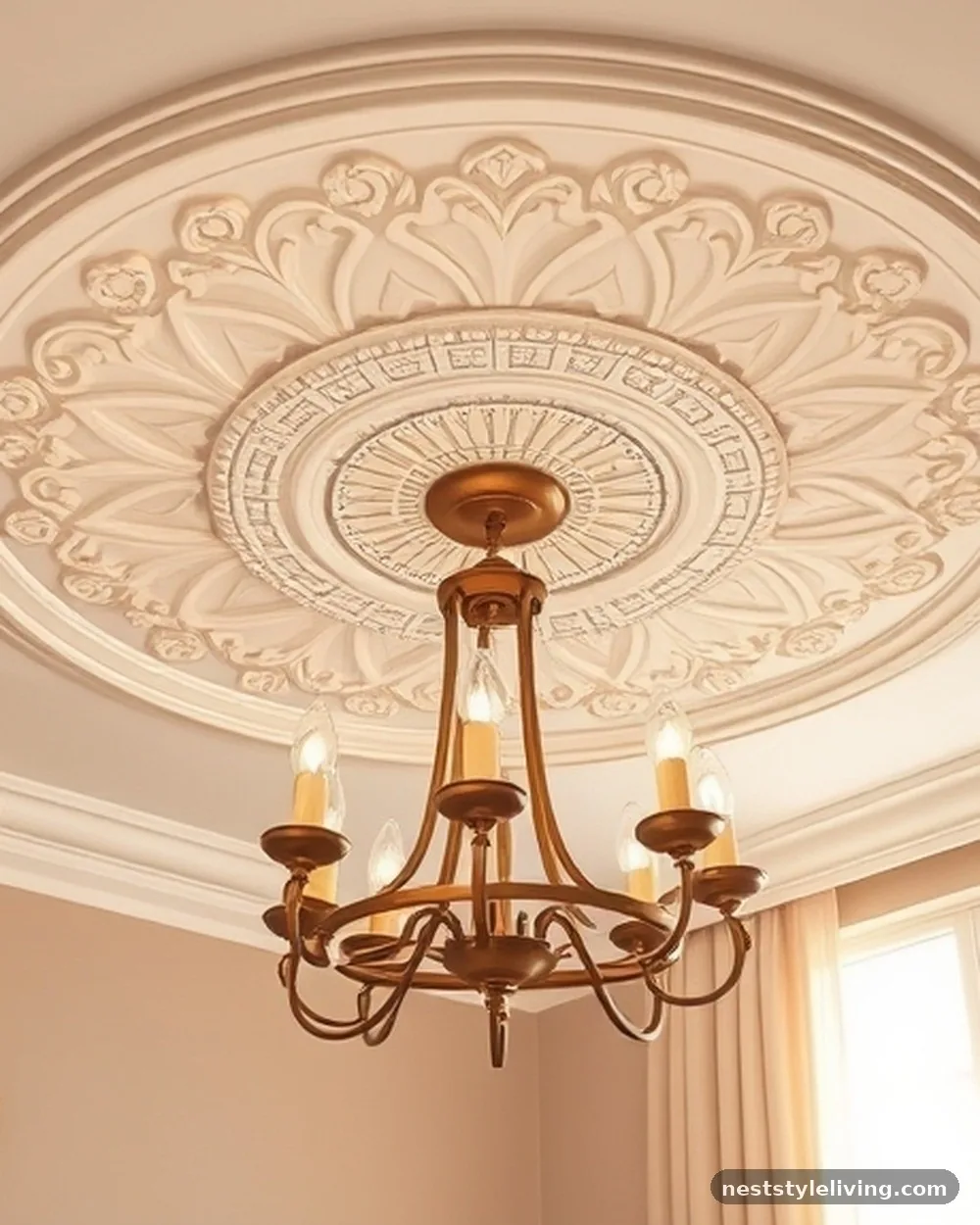
Adding a decorative ceiling medallion around your light fixture brings a touch of architectural character to an otherwise plain room. These are available in lightweight, paintable polyurethane that mimics the look of historic plasterwork. It’s a subtle detail that makes the room feel custom-designed and architecturally significant.
Apply the medallion using a high-strength construction adhesive and seal the edges with a thin bead of paintable caulk for a seamless transition between the medallion and the ceiling.
16. Dark Feature Wall
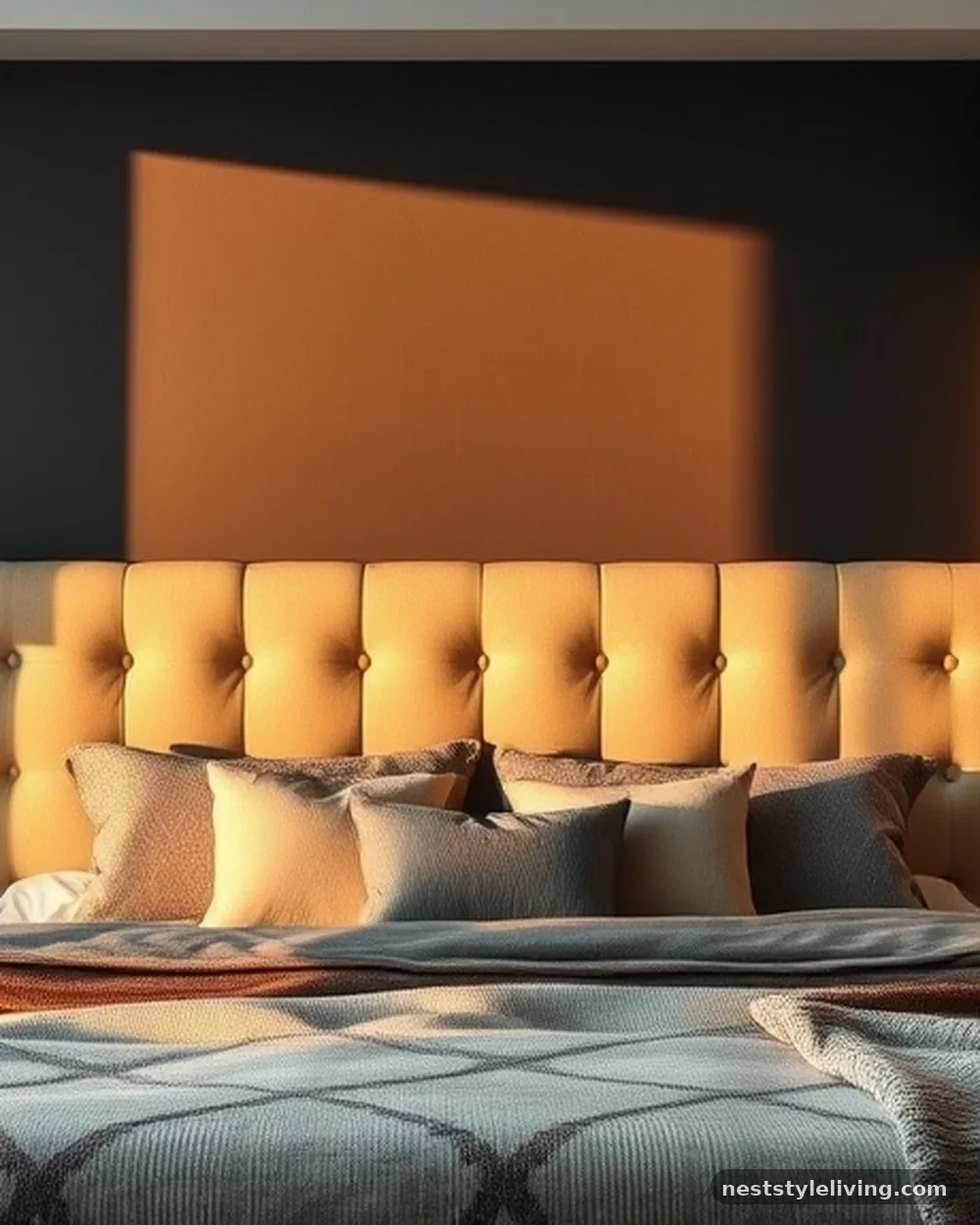
Painting the wall behind your headboard in a deep, moody shade like navy, forest green, or charcoal creates a dramatic focal point. This depth makes the space feel more intimate and provides a stunning contrast for lighter-colored headboards and bedding. The darkness also helps minimize the visual presence of technology, like a television, if it is mounted on that same wall.
Use a flat or matte finish paint for the feature wall, as this absorbs light and prevents glare, contributing to the calming environment.
17. Floating Shelves for Decor
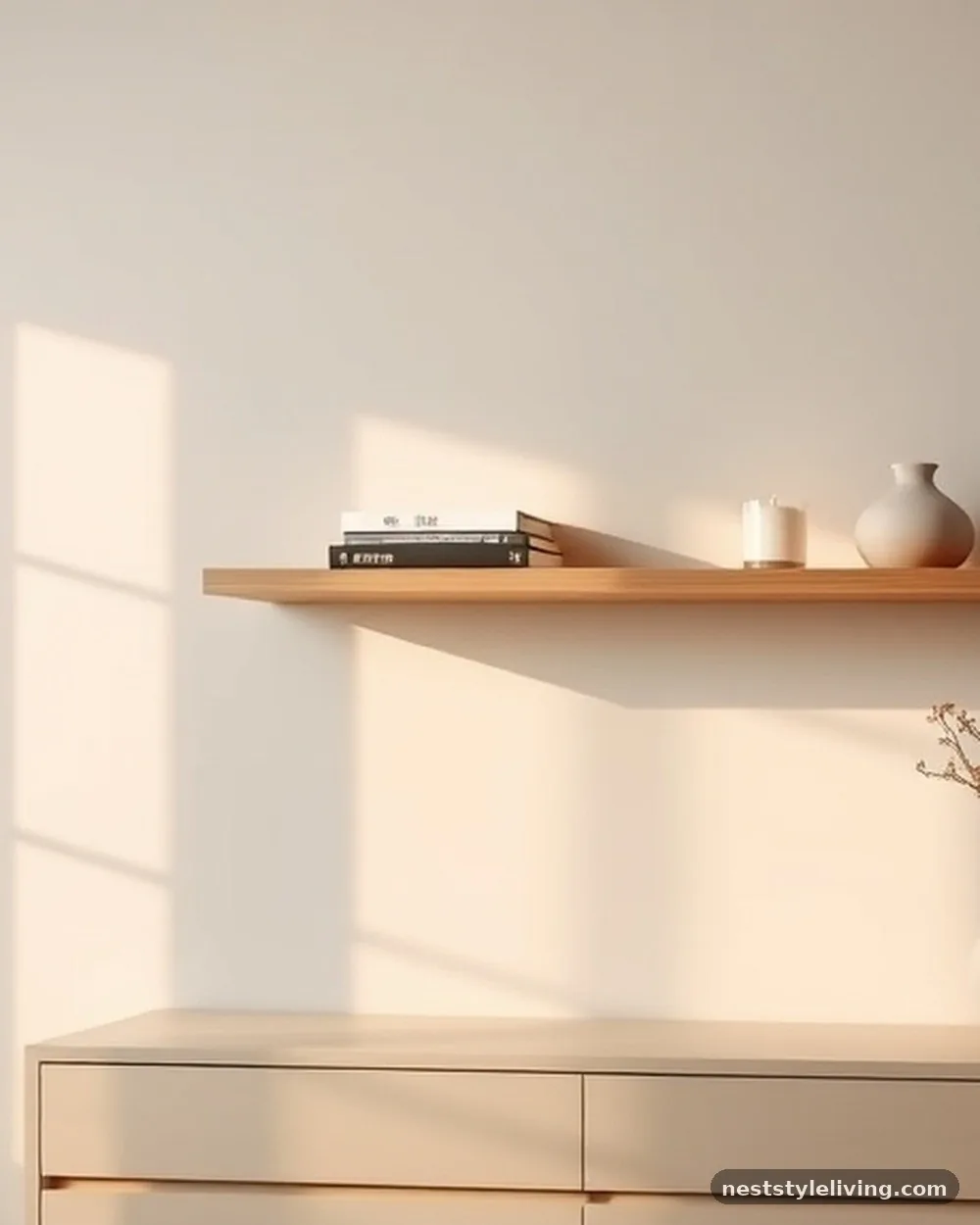
Installing two or three floating shelves above your dresser or in an empty corner provides space to display meaningful objects without requiring bulky furniture. Use these for small stacks of books, a scented candle, or an heirloom piece. Keep the styling minimal to prevent the area from looking cluttered and distracting.
Ensure the shelves are mounted directly into wall studs or use high-quality toggle bolts, as floating shelves rely on the strength of the wall attachment to support weight.
18. Upholstered Headboard
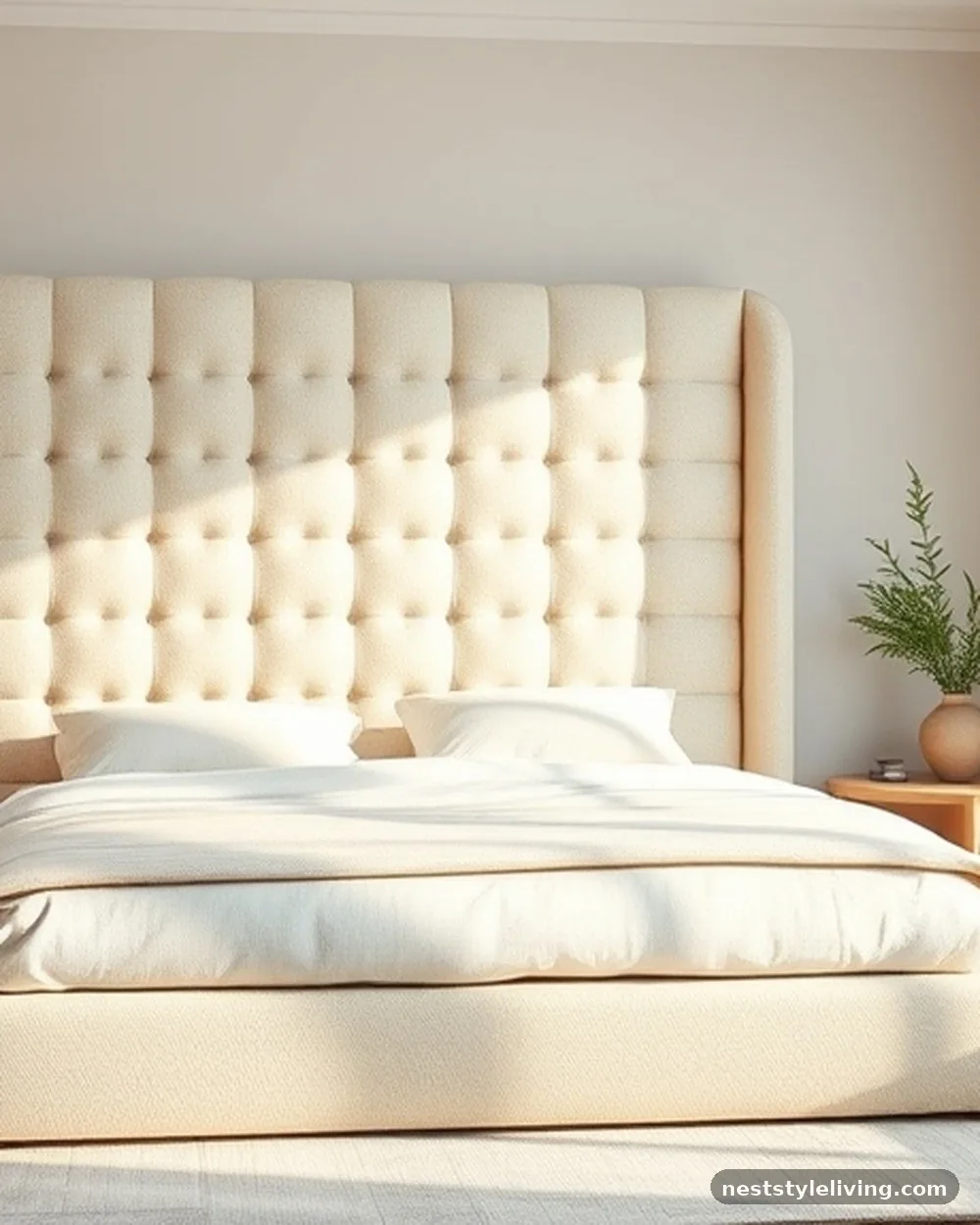
A floor-to-ceiling upholstered headboard adds immediate luxury and provides a comfortable backrest for reading in bed. Choose a fabric with a subtle texture, like bouclé or velvet, in a neutral tone to keep the room feeling soft. This element acts as a sound buffer, further contributing to the quiet, retreat-like feel of the space.
Vacuum the headboard regularly with an upholstery attachment to prevent dust buildup, and spot-clean spills immediately with a mild fabric-safe cleaner.
19. Window Bench with Storage
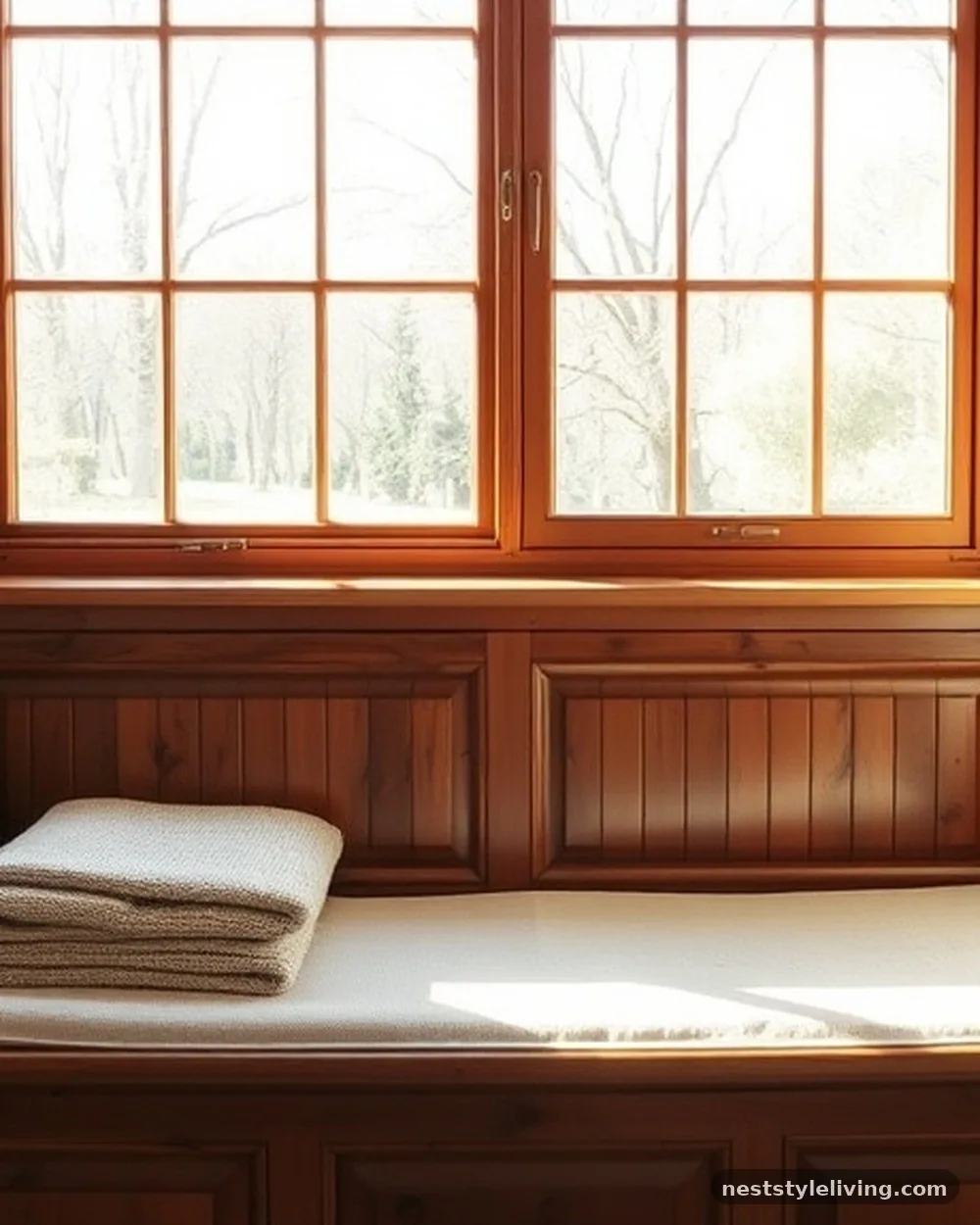
If you have a window with a deep sill or a bay area, building a custom window bench adds seating and hidden storage for off-season linens or extra pillows. Top the bench with a custom-fitted cushion in a durable, coordinating fabric. This creates a perfect nook for morning coffee or evening reflection.
Use a piano hinge for the lid if you are building the bench yourself, as it provides a smooth, stable opening mechanism for the storage compartment.
20. Dimmer Switches
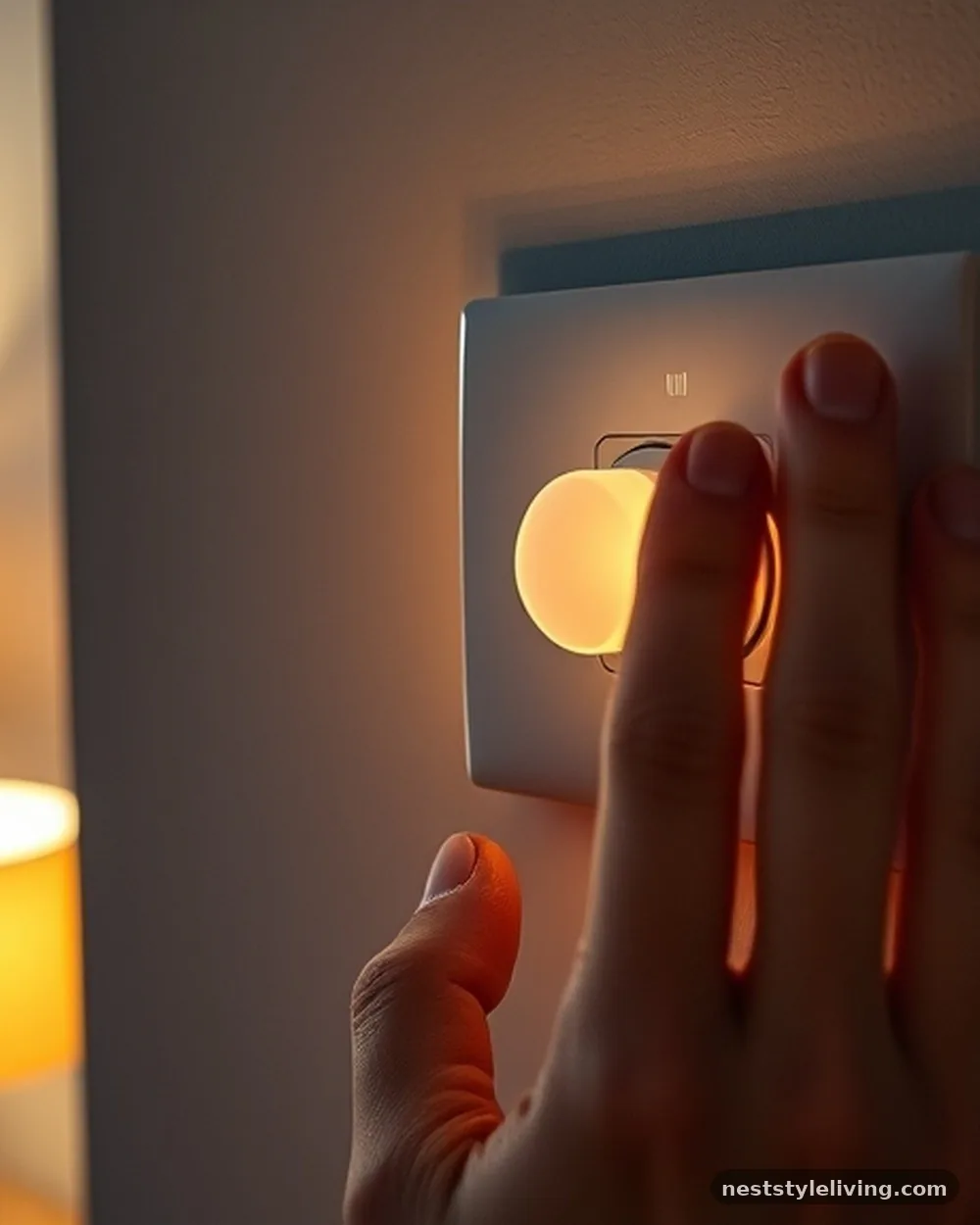
Installing a dimmer switch for your main overhead light is perhaps the most effective way to control the mood of the room. It allows you to transition from bright, functional light for cleaning or getting dressed to a soft, warm glow for winding down before sleep. This simple electrical upgrade is inexpensive and significantly impacts the overall atmosphere.
Ensure your light bulbs are marked as “dimmable” before installing the switch, as standard LED bulbs may flicker or hum if used with an incompatible dimmer.
21. Scents and Sensory Details

A stylish cozy retreat is not just about visual aesthetics; it’s about how the room feels and smells. Incorporate a high-quality essential oil diffuser or a soy-wax candle with calming notes like sandalwood, lavender, or bergamot. The scent should be light and consistent, creating a subconscious trigger that tells your brain it is time to relax the moment you enter the room.
Rotate your scents seasonally to keep the experience fresh, using lighter citrus or floral notes in the spring and warmer, woodsy scents during the colder months.
Frequently Asked Questions
How can I make a small master bedroom feel larger?
Focus on vertical space by mounting curtains high and using tall, narrow furniture. Incorporate large mirrors to bounce light around the room and use a light, monochromatic color palette to prevent visual fragmentation. Keeping the floor clear of clutter is also essential for maintaining a sense of openness.
What colors are best for a cozy bedroom?
Warm neutrals like cream, taupe, and soft grey are excellent for creating a calm, soothing environment. If you prefer color, deep earth tones like forest green, muted terracotta, or navy blue can make a space feel more intimate and grounded. Always test paint swatches on your wall before committing to a full room color.
How do I mix different furniture styles?
The key to mixing styles is to maintain a common thread, such as a consistent color palette or similar scale. If you have a modern bed, you can pair it with a vintage-inspired nightstand if they share a similar wood tone or metal finish. Balance is everything; if one piece is ornate, keep the surrounding items more streamlined.
Should I put a rug under my bed?
Placing a rug under the bed is highly recommended for adding warmth and defining the space. Ensure the rug is large enough that it extends at least 18 to 24 inches beyond the sides and foot of the bed. This provides a soft landing for your feet when you wake up and anchors the furniture grouping.
How often should I update my bedroom decor?
There is no fixed schedule, but refreshing your soft goods, such as throw pillows, blankets, and bedding, every season can make the room feel new without a major renovation. Larger furniture pieces should be chosen for longevity and timeless appeal so that they remain relevant as your style evolves.
Creating master bedroom ideas for a stylish cozy retreat is an ongoing process of refining your environment to match your evolving needs. By focusing on textures like velvet and linen, incorporating warm, layered lighting, and keeping your surfaces clear, you establish a foundation that feels both sophisticated and deeply personal. Whether you choose to install a bold feature wall or simply add a plush, chunky throw to your bed, these adjustments transform your living space into a true sanctuary.
Take the time to evaluate which of these elements best serves your daily routine, and start by implementing one or two changes to see how they shift the energy of your home. Your bedroom is the most important room in your house; treat it with the care it deserves.