20 Rock Landscaping Ideas for a Bold Natural Backyard
Transforming an outdoor area into a striking sanctuary requires more than just plants and soil. Incorporating various rock landscaping ideas for a bold natural backyard allows you to build texture, define boundaries, and reduce long-term maintenance needs. Whether you prefer the raw, jagged edges of mountain stone or the smooth, meditative quality of river-washed pebbles, stone elements ground a space in ways that wood or metal cannot.
By balancing mineral weight with living greenery, you create a timeless aesthetic that endures through every season. This collection provides twenty specific, actionable approaches to help you integrate natural stones into your landscape design for a sophisticated, high-impact finish.
1. Monolithic Standing Stones

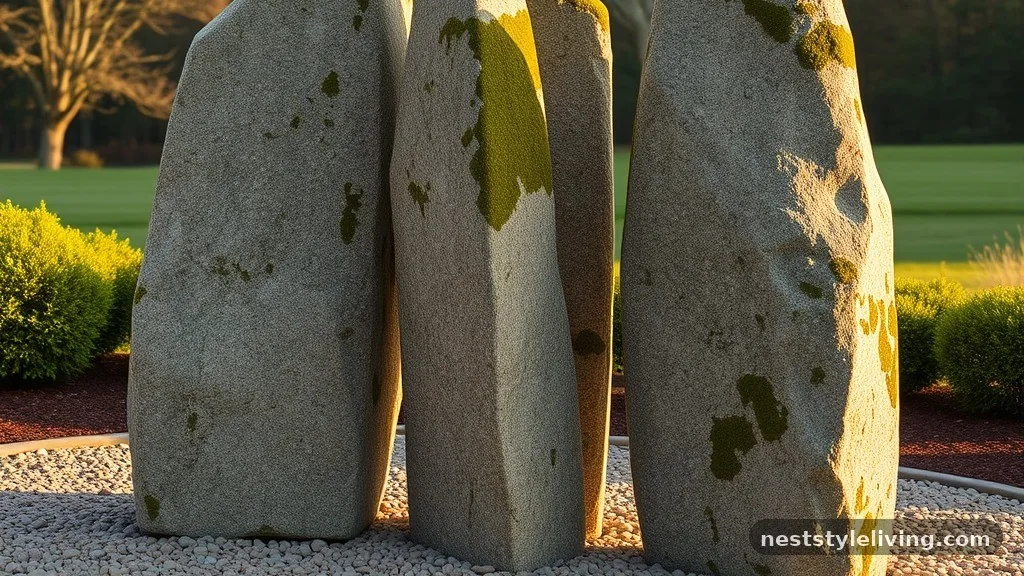
A single, massive vertical stone serves as an immediate focal point, mimicking the rugged beauty of a natural cliffside or a standing monument. These monoliths should ideally be sourced from local quarries to ensure the stone type matches the geological character of your region, providing a sense of authenticity. The key is to bury at least one-third of the stone’s height to ensure stability and to make it appear as though it has emerged naturally from the earth rather than being placed on top of it. Surround the base with smaller, complementary river rocks to soften the transition between the monolith and the surrounding lawn or garden bed.
To install a monolith effectively, dig a hole significantly deeper than you think is necessary, place a bed of crushed gravel at the bottom for drainage, and use a heavy-duty tripod or a tractor with a lifting strap to lower the stone into position.
2. Dry Creek Bed Installation
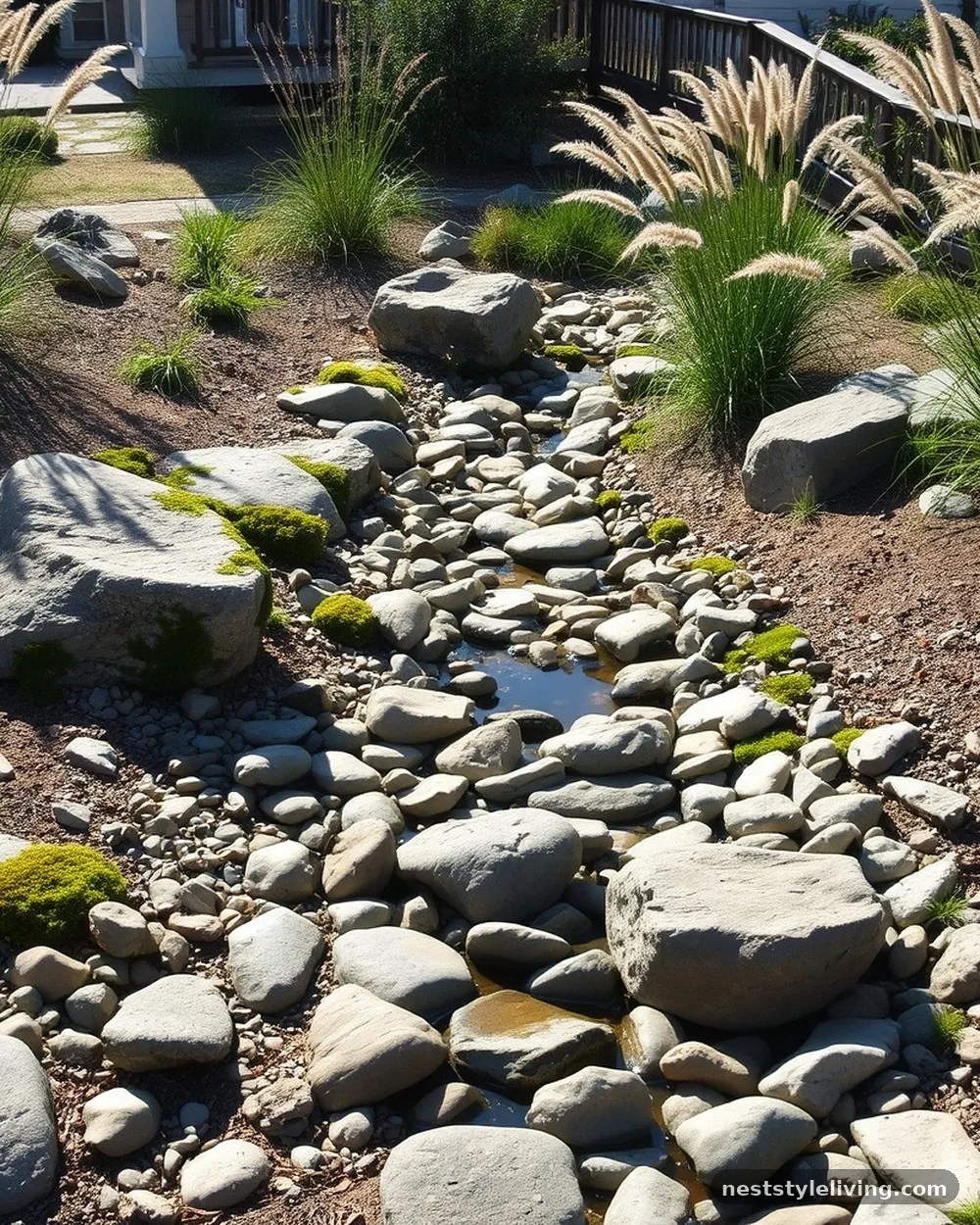
Creating a dry creek bed involves excavating a shallow, winding trench through your landscape and lining it with a mix of river stones, smooth cobbles, and larger boulders. This feature mimics the path of a seasonal stream and serves a dual purpose: it adds visual interest and functions as a natural drainage solution for areas prone to heavy water runoff. By varying the sizes of the stones and placing larger boulders at the bends of the “creek,” you create a realistic sense of movement and depth. Adding native grasses along the edges will further blur the line between a man-made feature and a natural watercourse.
Start by digging a shallow, irregular trench and lining it with heavy-duty landscape fabric to prevent weeds, then fill it with a base layer of smaller, angular stones before topping it with smooth, decorative river stones of varying colours.
3. Geometric Basalt Column Clusters
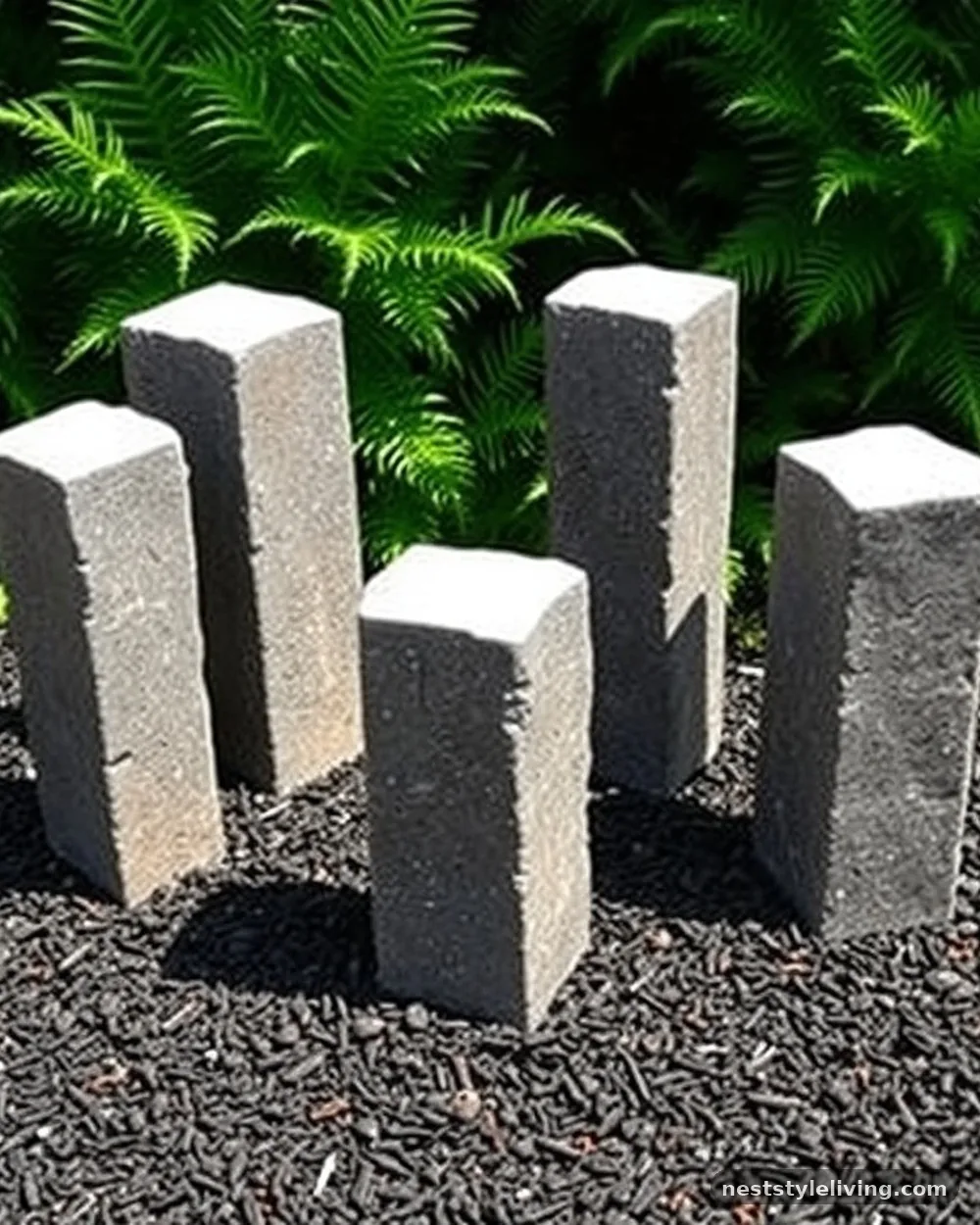
Basalt columns are hexagonal pillars formed by cooling lava, offering a sleek, architectural look that feels both ancient and modern. Grouping these columns in sets of three or five at varying heights creates a sculptural arrangement that draws the eye upward. These stones work exceptionally well in minimalist or contemporary outdoor designs, particularly when set against a backdrop of dark mulch or deep green foliage. The contrast between the sharp, rigid lines of the basalt and the organic, flowing shapes of nearby ferns or ornamental grasses is visually arresting.
Place these columns on a stable, compacted base of sand or crushed stone to prevent them from shifting or sinking over time, and ensure they are tilted slightly toward each other to create a sense of unity in the cluster.
4. Terraced Flagstone Retaining Walls
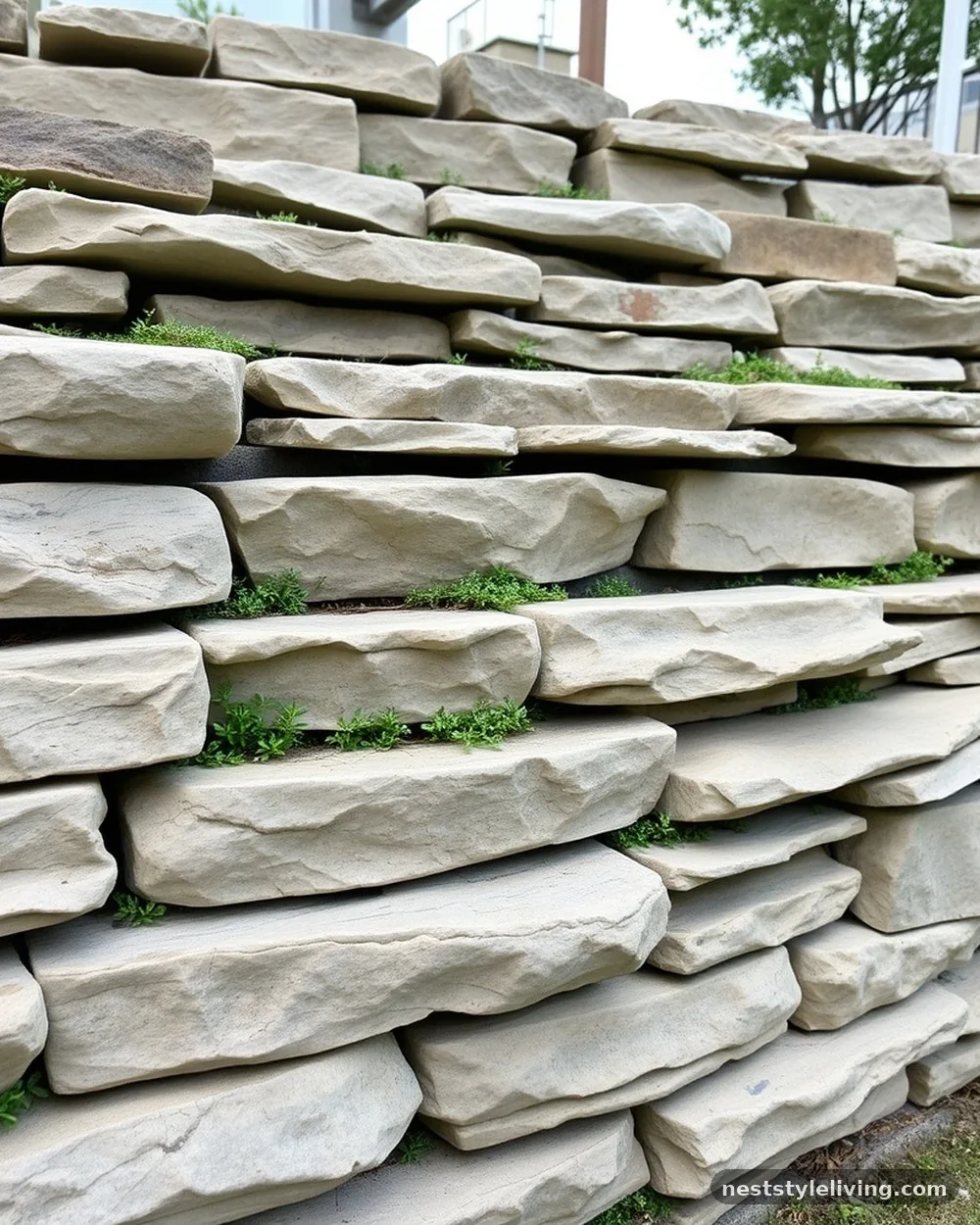
If your yard features a slope, using stacked flagstone to create a series of low, dry-laid retaining walls provides both structural integrity and a rustic, natural aesthetic. Unlike concrete blocks, flagstone allows for small pockets of soil between the layers, which can be planted with creeping thyme or stonecrop. This approach turns a functional necessity into a vibrant, living element of your garden. The irregular shapes of the stones require a bit of patience to fit together, but the resulting texture is far more rewarding than uniform, manufactured materials.
When building your wall, ensure each stone is laid with a slight backward tilt into the slope, known as a “batter,” to increase stability and prevent the pressure of the earth from pushing the wall outward over time.
5. Zen-Inspired Raked Gravel Zones

A dedicated gravel zone, raked into patterns that mimic moving water, offers a peaceful, meditative space that requires almost no maintenance. Using fine, light-colored granite or quartz gravel allows you to create crisp lines that catch the morning and evening light, turning a simple patch of ground into a work of art. This style works best in a contained area, surrounded by a low wooden border or a line of larger, smooth boulders to keep the gravel from migrating into the rest of your landscape. It is the perfect solution for a shaded corner or a quiet retreat area.
Choose a light-colored, angular crushed stone that compacts well underfoot, and invest in a wide, wooden-toothed rake specifically designed for gravel to keep your patterns sharp and defined throughout the season.
6. Boulder-Bordered Fire Pit

Instead of a standard metal ring or brick structure, use large, heat-resistant boulders to form the perimeter of your backyard fire pit. This creates a rugged, “campfire in the wilderness” feel that blends perfectly with a natural landscape. The boulders should be arranged in a circle, with enough space between them to allow for airflow, and the interior floor should be filled with lava rock or crushed stone to ensure safety and drainage. This setup is incredibly durable and will weather the elements far better than traditional masonry, gaining character as the stone darkens with smoke and time.
Select stones that are clearly igneous or metamorphic, as sedimentary rocks like sandstone or limestone can contain trapped moisture that may cause them to crack or pop when exposed to extreme heat.
7. Slate Shingle Pathways
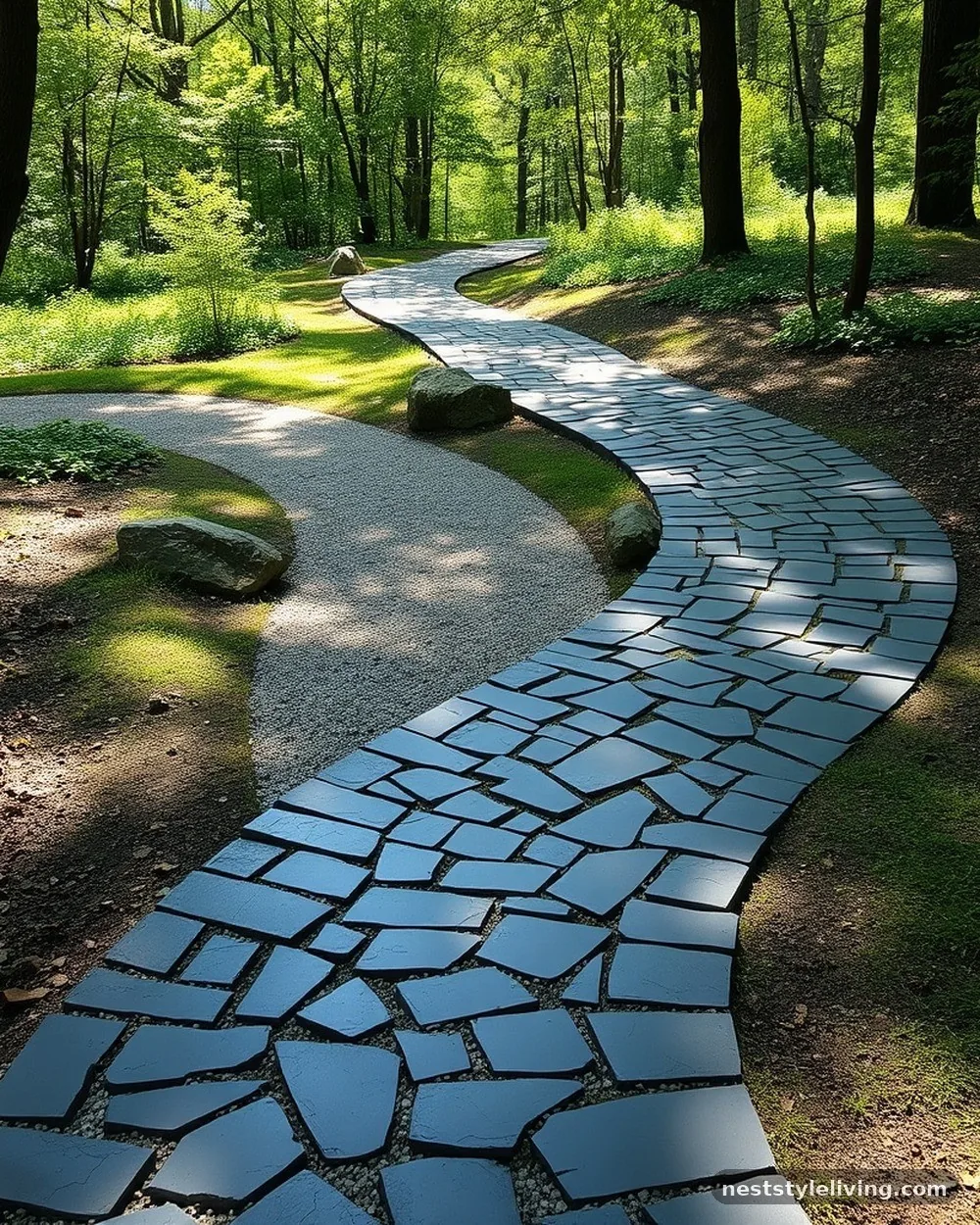
Using thin, flat pieces of slate to create a pathway provides a sophisticated, dark-toned texture that feels cool and grounded. Unlike standard pavers, slate shingles offer an irregular, organic edge that makes a path look like a natural geological formation. Lay these pieces in a “crazy paving” style, leaving small, deliberate gaps between them to be filled with fine gravel or low-growing, drought-tolerant moss. The result is a path that feels like it has been part of the landscape for decades, perfectly suited for winding through woodland areas or connecting different zones of your garden.
Set your slate pieces into a base of stone dust rather than concrete, which allows the path to flex and shift with the ground during freeze-thaw cycles, preventing cracks and long-term structural failure.
8. Exposed Rock Garden Mound

A rock garden mound is a raised bed constructed by layering soil and rocks to create a miniature hilly landscape that showcases alpine or rock-loving plants. By using a mix of large boulders to provide structure and smaller stones to act as mulch, you create a microclimate that is perfect for plants that require excellent drainage and a bit of protection from the wind. This technique adds significant visual height to a flat yard and makes your garden feel much larger and more complex. It is an excellent way to use up rocks gathered from other parts of your property.
Construct the mound with a core of rubble or old stone to ensure the center remains airy, then cover it with a high-drainage sandy soil mix before placing your feature rocks and planting your selection of succulents or alpine species.
9. Floating Stone Stepping Stones
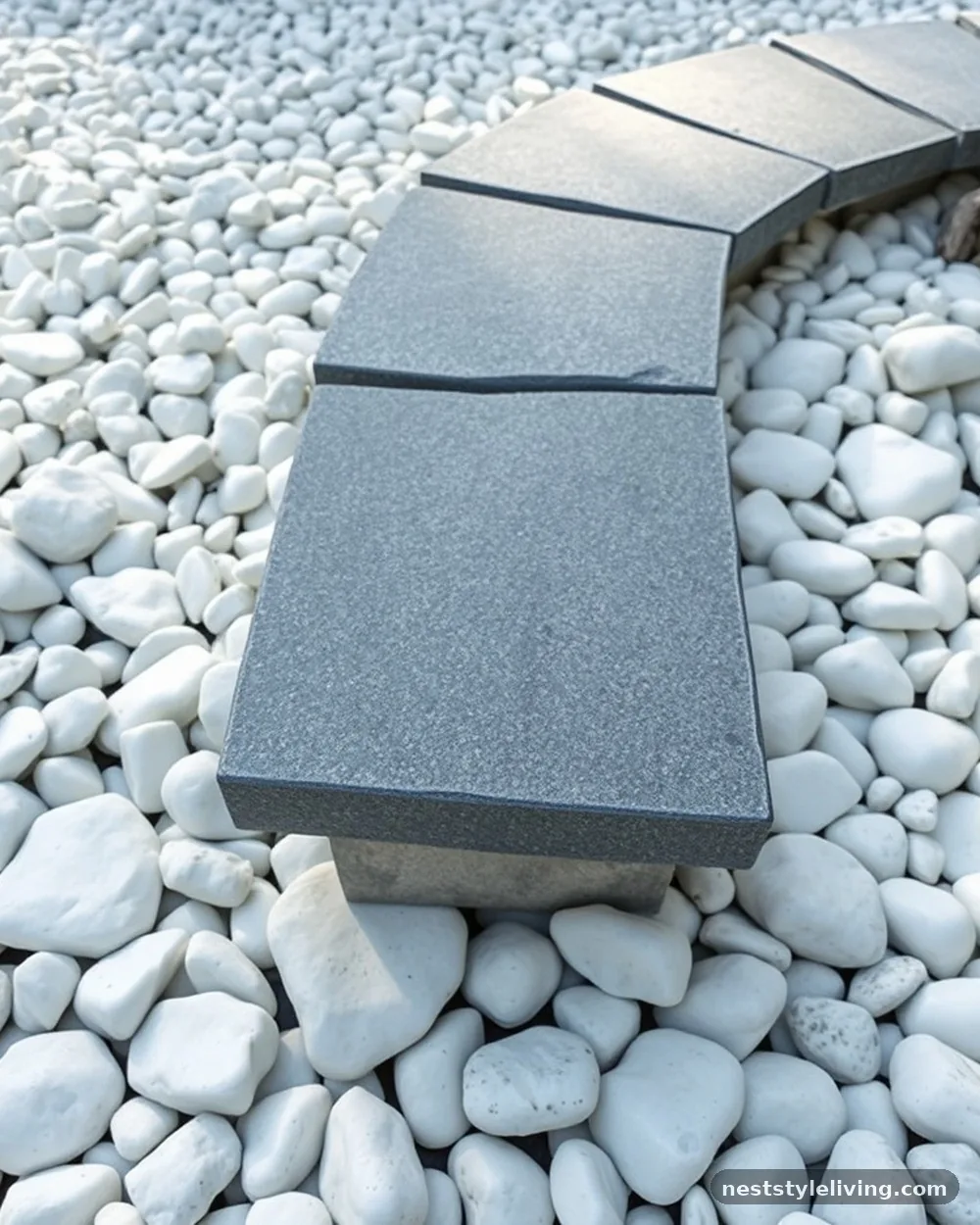
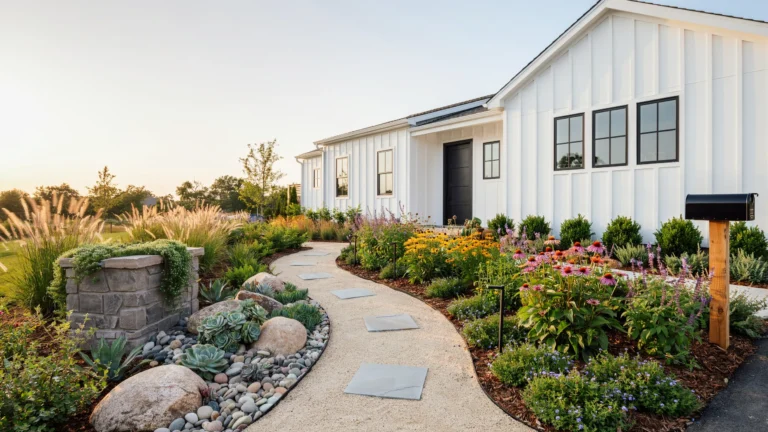
Large, flat slabs of bluestone or granite “floating” above a bed of smooth white river stones create a striking contrast in both color and texture. The dark, solid slabs seem to hover, while the river stones provide a fluid, light-colored base that highlights the geometry of the steps. This design is highly effective for transitioning between a patio and a lawn or as a subtle path through a garden bed. It is clean, modern, and keeps your feet out of the mud, all while looking like a high-end landscape feature.
Lay a heavy-duty landscape fabric under the river stones to prevent weeds from growing through, and ensure your stepping stones are spaced at a consistent distance that matches a comfortable stride length for ease of movement.
10. Tiered Stone Water Feature

A water feature built from stacked, flat-sided rocks creates a naturalistic cascade that sounds as good as it looks. By layering stones of varying sizes, you can create a series of small “steps” for the water to tumble over, which helps oxygenate the pond and provides a gentle, soothing sound. Using moss-covered or weathered rocks makes the feature look established immediately, as if the water has been carving its path through the stone for years. This is a bold addition that serves as the centerpiece of any naturalistic backyard.
Use a high-quality pond liner and an appropriately sized submersible pump, and spend time “tuning” the waterfall by adjusting the position of the top stones until the water cascades in the desired pattern without splashing outside the basin.
11. Crushed Granite Ground Cover
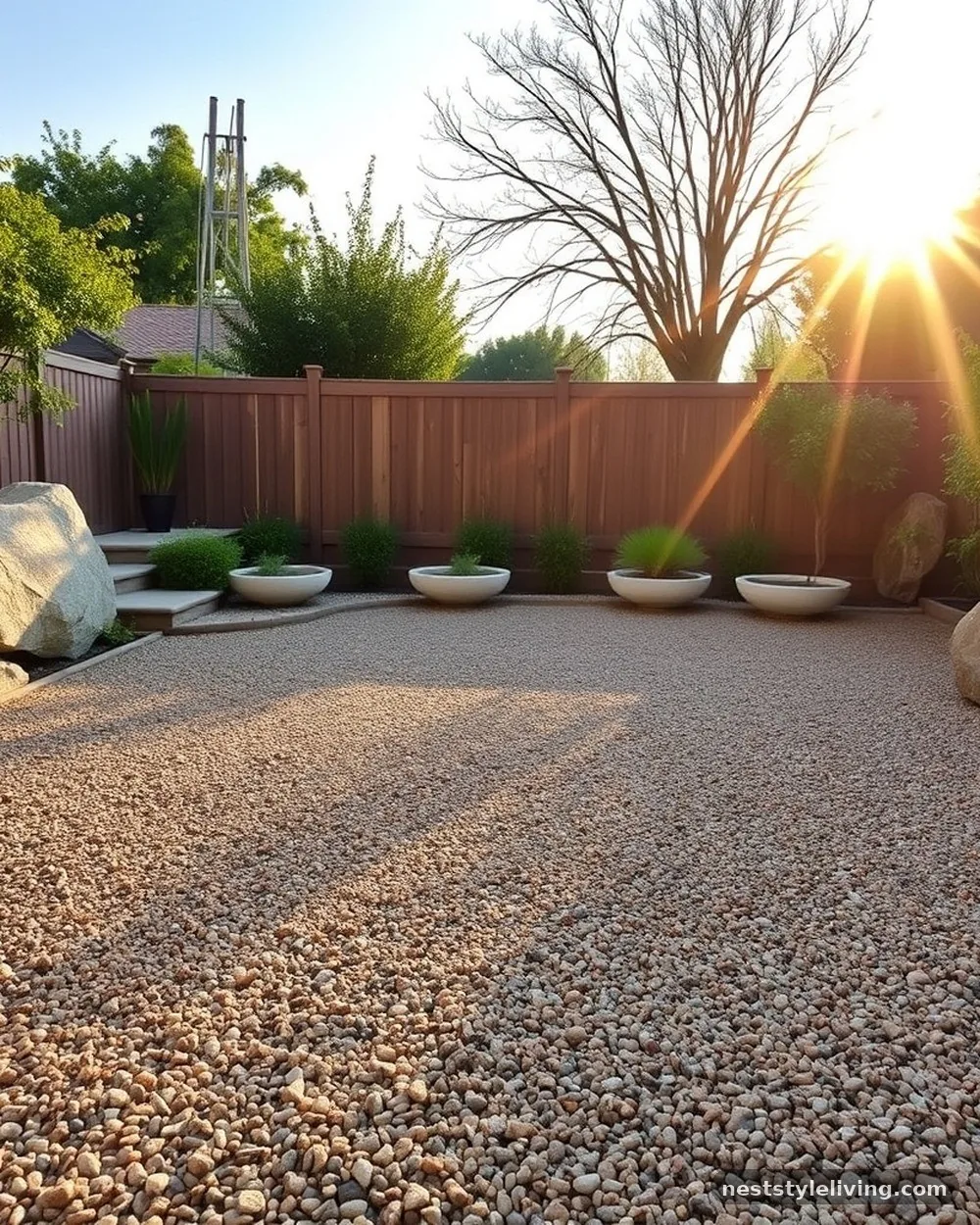
Replacing large sections of grass with crushed granite provides a crisp, clean aesthetic that is both water-wise and visually bold. The fine, angular texture of the stone creates a stable surface that looks tidy and professional, especially when contrasted with larger boulders or vibrant green planters. Unlike mulch, crushed granite does not decompose, meaning it won’t need to be replaced every year, making it a great low-maintenance solution for high-traffic areas or spots where grass struggles to grow. The neutral grey or gold tones of the stone act as a perfect canvas for your other landscaping elements.
Apply the granite in a two-to-three-inch layer over a weed-suppressing fabric, and use a heavy lawn roller to compact the surface, which will make it easier to walk on and prevent the stones from shifting underfoot.
12. Natural Stone Staircase
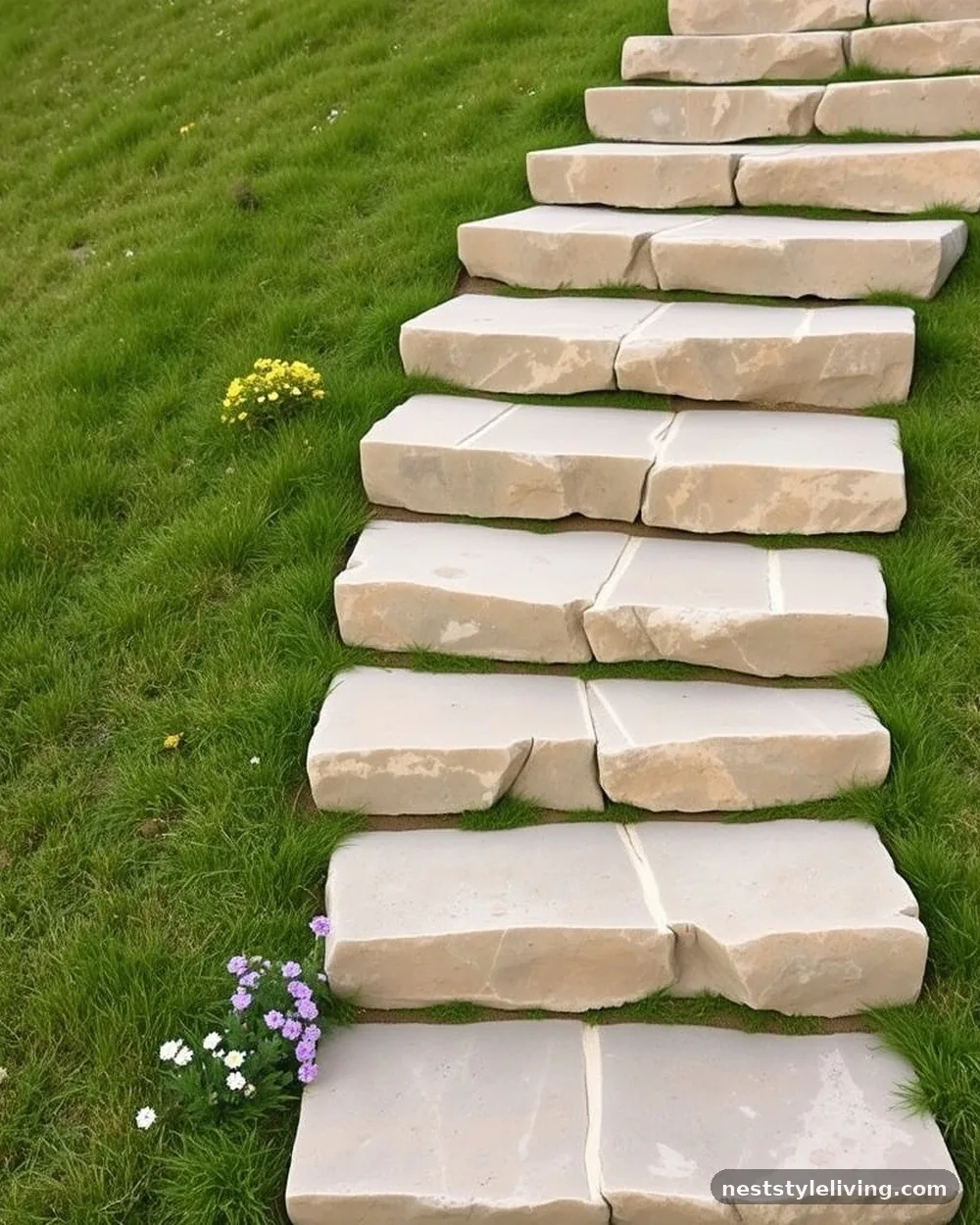
Replacing wooden steps with solid stone slabs is a significant upgrade that adds weight and permanence to your backyard. Large, rough-hewn granite or sandstone slabs provide a sturdy foundation and a timeless look that integrates seamlessly into a sloped landscape. These stairs do not rot or warp, making them a one-time investment that will last for generations. For an even more natural appearance, allow the edges of the steps to be slightly irregular and plant low-growing perennials in the gaps between the stones on the sides of the staircase.
Ensure each step has a slight forward pitch—about one-quarter inch per foot—to prevent water from pooling on the treads, which can lead to ice accumulation in winter and moss growth in the summer.
13. Boulder Seating Circles
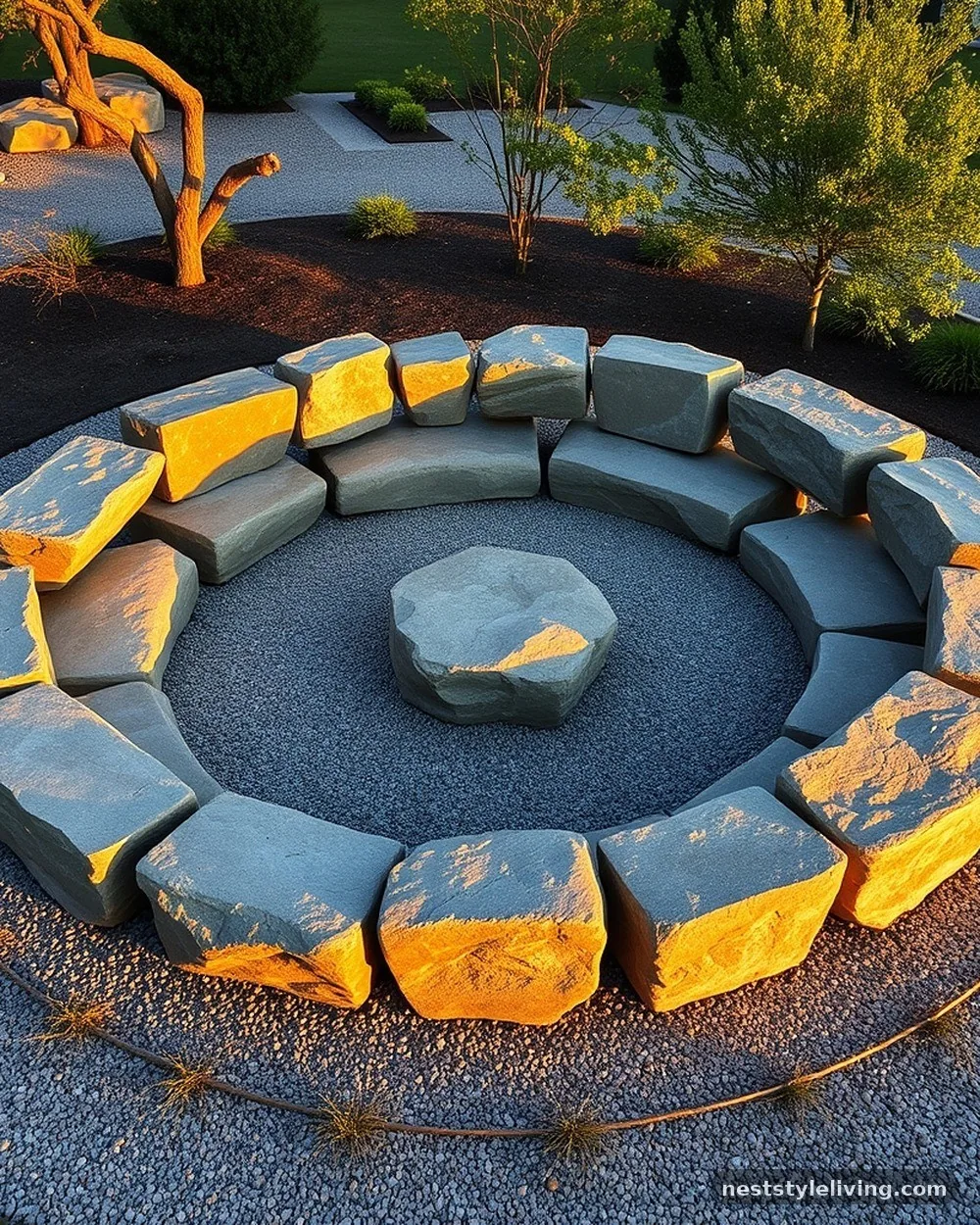
Instead of traditional patio furniture, arrange large, flat-topped boulders in a circular formation to create a natural, permanent seating area. This setup encourages social interaction and feels like a gathering spot in a park or wilderness area. The stones retain heat during the day and release it slowly in the evening, making them surprisingly comfortable on cool nights. By choosing boulders with relatively flat tops, you ensure that they are functional as well as decorative. This is an ideal solution for a wilder, more organic backyard design.
Clean the tops of the boulders with a stiff brush and water to remove any loose lichen or debris, and consider adding small, discrete outdoor cushions if you want to increase the comfort level for long-term use.
14. Stone-Mulched Garden Beds
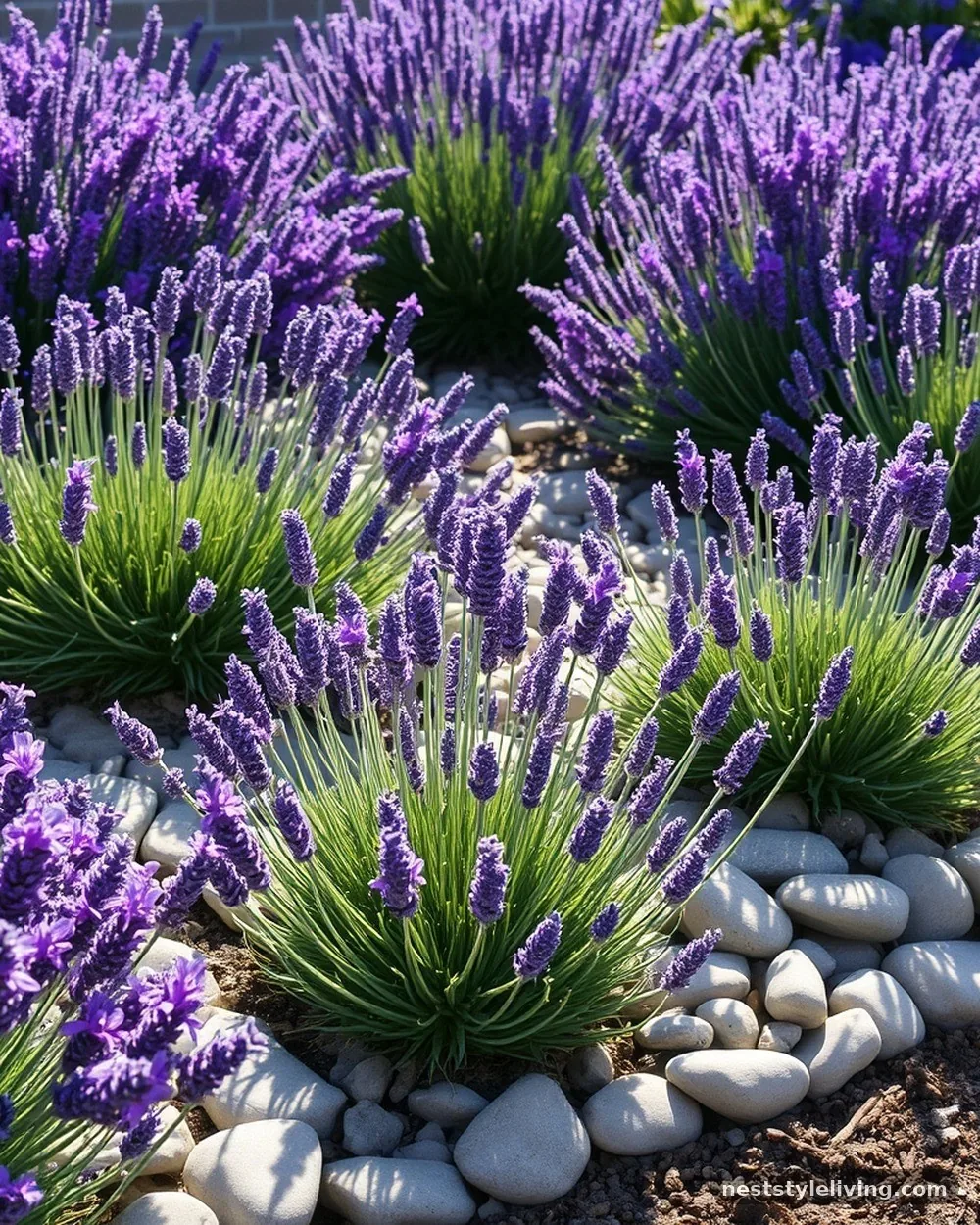
Using small, uniform river stones or volcanic rock as mulch in your garden beds is a highly effective way to suppress weeds and retain soil moisture. Unlike wood mulch, stone mulch doesn’t break down or attract termites, and it provides a sharp, clean look that highlights the colors of your plants. This is particularly effective in xeriscapes or gardens featuring drought-tolerant plants like lavender, succulents, or ornamental grasses. The stone acts as a thermal mass, keeping the soil temperature more stable throughout the day.
Avoid using stone mulch around plants that prefer acidic soil or high organic matter, as the minerals in the stone can sometimes alter the soil pH or leach chemicals over time depending on the rock type.
15. Stacked Stone Privacy Screen
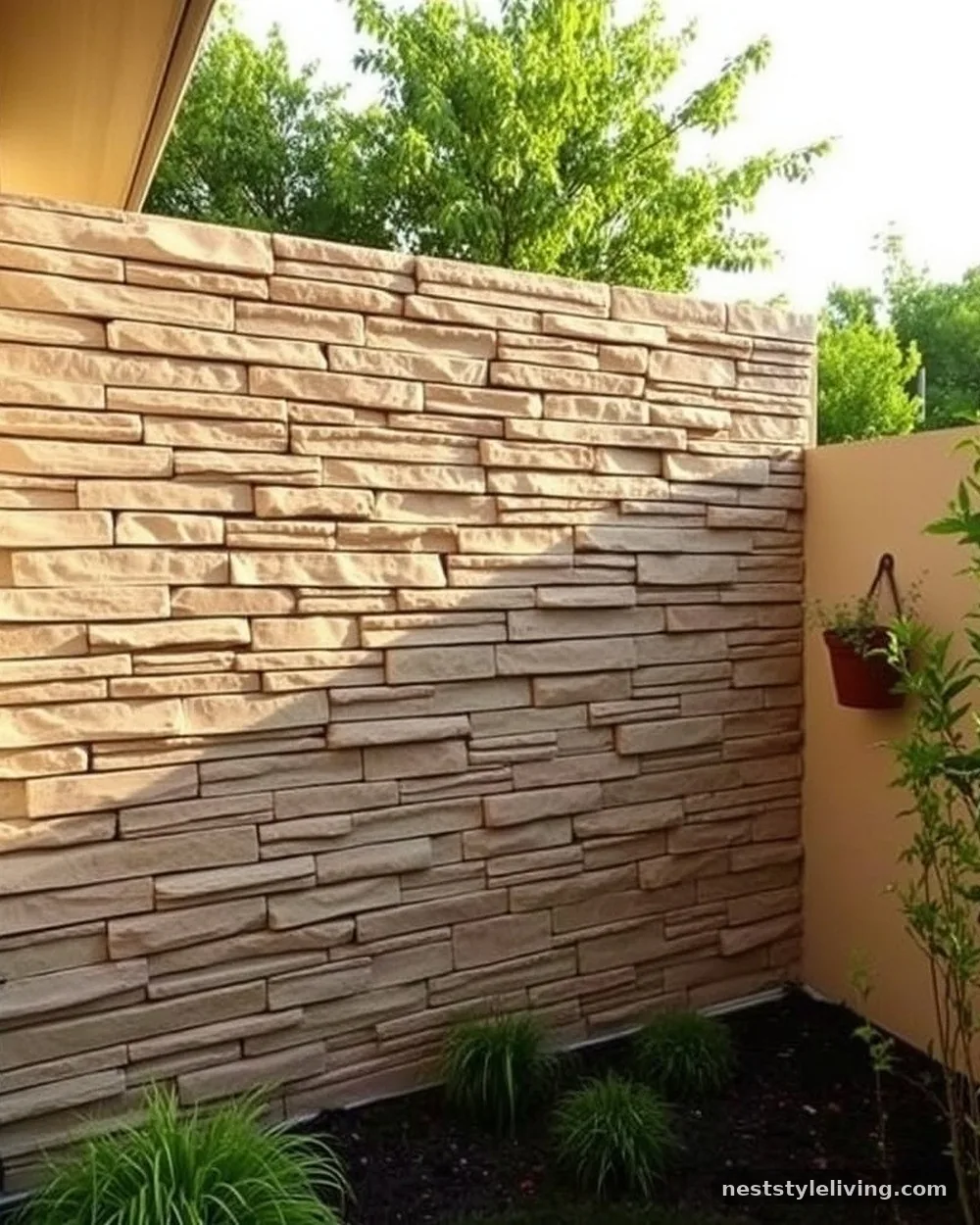
A thin, vertical wall of stacked, dry-laid stone can act as a natural privacy screen or a windbreak for a dining area. By using thin, flat stones, you can create a wall that is narrow but high, providing a solid barrier that feels more substantial than a wooden fence. The visual texture of the stones adds depth to your backyard, and the wall can be used as a backdrop for wall-mounted planters or garden art. This is a sophisticated, structural element that brings a sense of enclosure and protection to an outdoor space.
If building a screen higher than three feet, incorporate a hidden internal support frame made of steel rebar or pressure-treated posts to ensure the wall remains stable and safe against high winds or accidental impact.
16. Cobblestone Edging
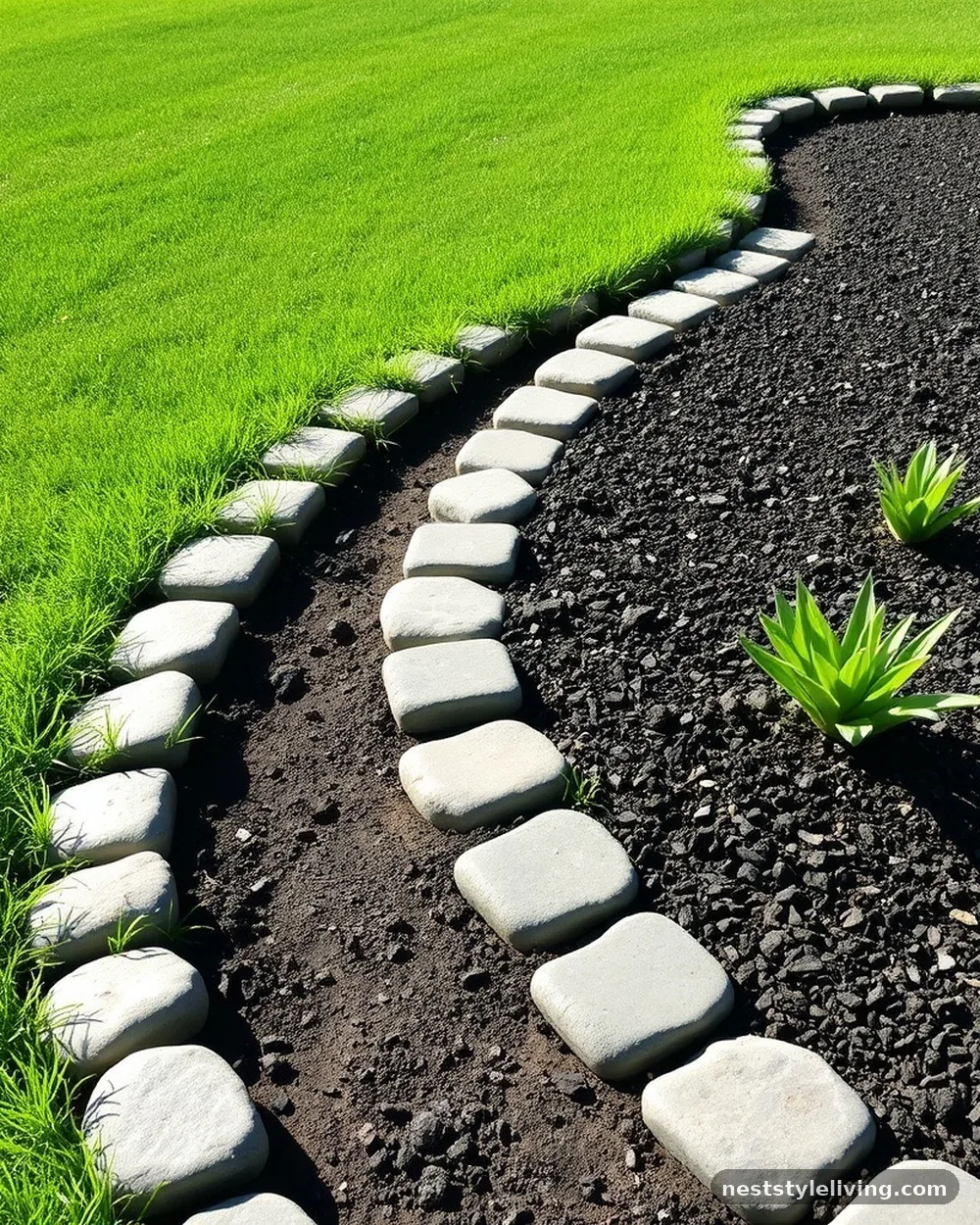
Defining the edge of your lawn or garden beds with a double row of rounded cobblestones provides a clean, classic look that prevents grass from creeping into your flower beds. This simple addition creates a crisp line that makes the entire yard look more intentional and well-maintained. The contrast between the smooth, rounded stones and the soft, organic shapes of the plants creates a professional polish that is easy to achieve. You can install these stones in a shallow trench of sand, making them easy to adjust or remove if your garden layout changes.
Use a rubber mallet to tap the cobblestones into a bed of mortar or compacted stone dust, ensuring they sit slightly below the level of the lawn so you can run your mower wheels over them without damaging the blades.
17. Inset River Rock Paths

Embedding smooth river rocks into a concrete or mortar walkway adds a touch of texture and color to an otherwise plain surface. This is a great way to break up large expanses of gray concrete and make a path feel more “natural.” By choosing stones in shades of blue, gray, and tan, you can create a subtle, mosaic-like effect that feels artisanal and bespoke. This technique works best for paths that are meant to be walked on barefoot or with light footwear, as the smooth stones provide a gentle, massaging surface.
Press the stones into the wet mortar or concrete while it is still plastic, and use a sponge to wipe away any excess material from the tops of the stones before it fully cures to reveal their natural color and texture.
18. Boulder Retaining Wall Planters
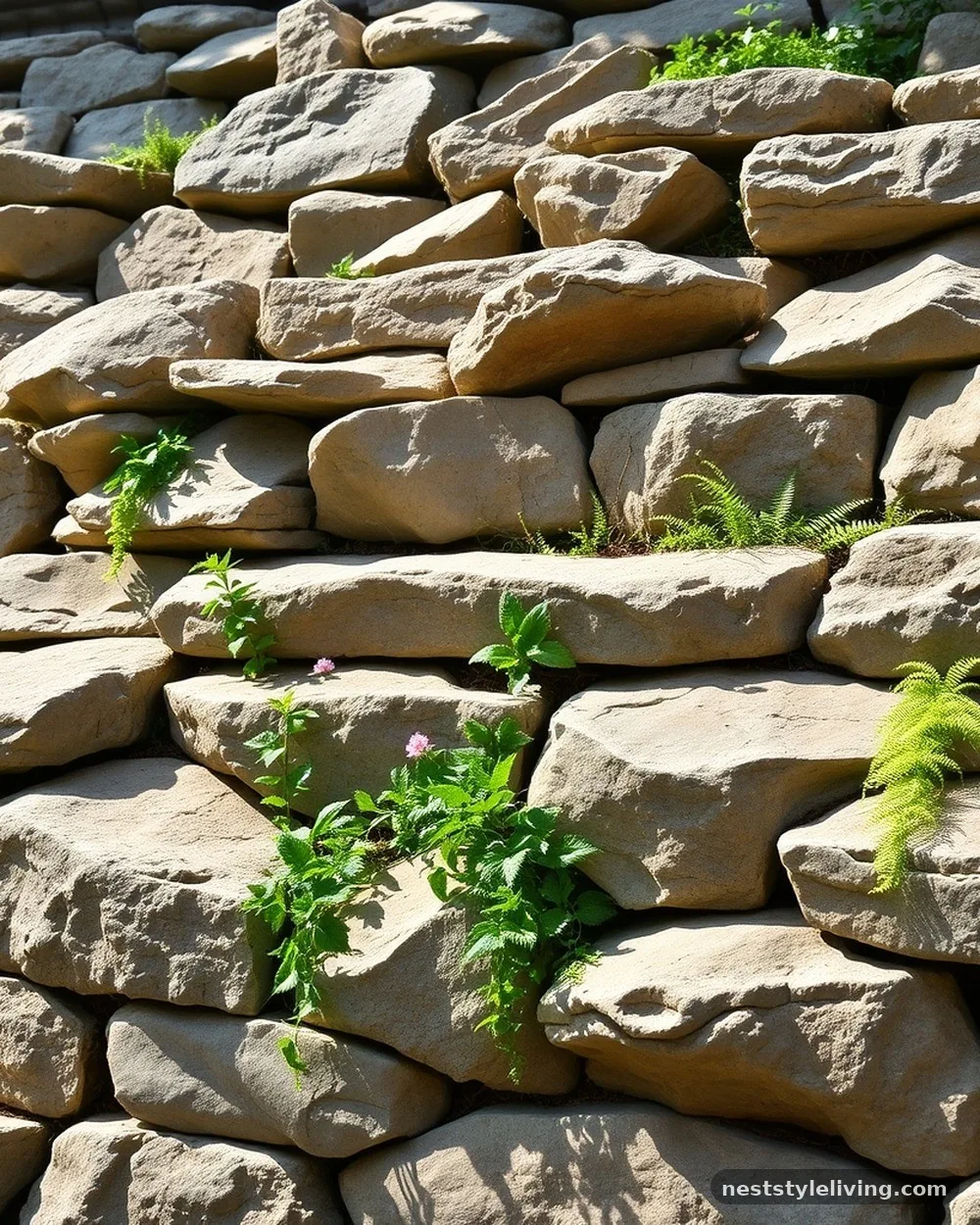
Use large boulders to create a tiered retaining wall, and use the gaps between the rocks as built-in planters for trailing flowers or ferns. This design turns a wall into a vertical garden, adding color and life to the stone structure. The rock crevices provide a cool, protected environment that many plants thrive in, especially in hotter climates where the stone helps retain moisture. It is a bold, dramatic way to incorporate greenery into a hardscape, making the transition between the ground and the wall feel soft and inviting.
Choose plants that are naturally adapted to rocky conditions, such as rock soapwort, creeping phlox, or various types of sedum, which require minimal soil and can handle the unique moisture levels found within stone crevices.
19. Granite Post Markers
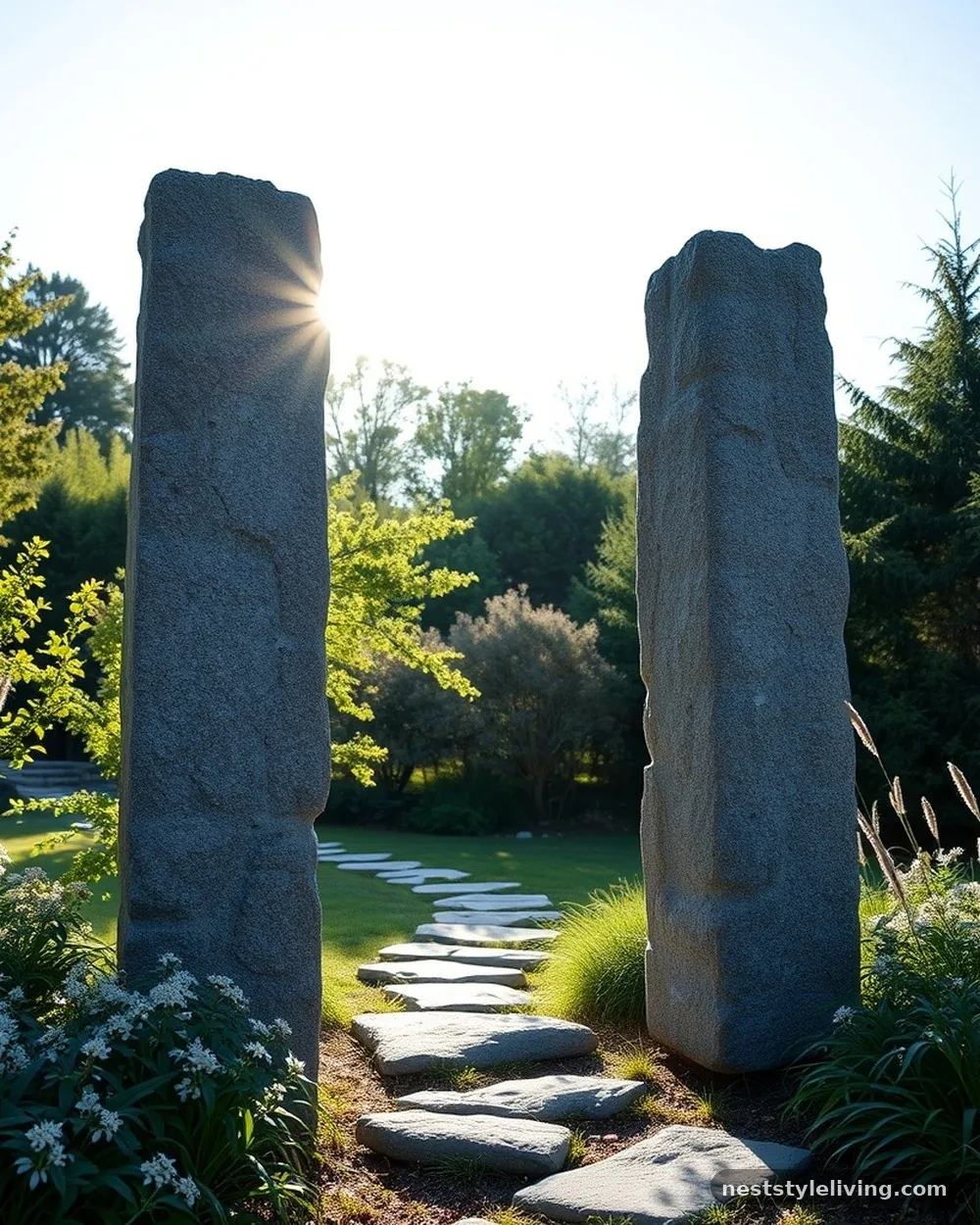
Using tall, slender granite posts as corner markers or entrance pillars adds a sense of grandeur and structure to your outdoor space. These posts act as “bookends” for your landscape, defining the transition from the driveway to the backyard or from one garden zone to another. Their verticality draws the eye and provides a sense of scale, especially when paired with low-growing plants or a stone path. Granite is incredibly durable and will look as good in fifty years as it does today, making it a sound long-term design choice.
Set the posts at least 24 inches deep into a concrete footing to ensure they remain perfectly vertical and do not lean over time, as their weight can cause them to shift if not properly anchored.
20. Pebble Mosaic Medallions

A pebble mosaic is a detailed, decorative pattern created by embedding small, uniform pebbles into a mortar base to form a specific design. These medallions can be used as accents in a patio, a path, or even as a focal point in a garden room. By using stones of different colors, you can create intricate patterns like sunbursts, spirals, or geometric shapes. This is a high-effort, high-reward project that adds a unique, handcrafted element to your backyard. It turns a functional surface into a piece of art that reflects your personal style.
Draw your design on the concrete base with chalk first, then work in small sections, applying mortar and setting the stones one by one, ensuring each is firmly embedded to prevent them from loosening over time.
Frequently Asked Questions
What rock looks best for landscaping?
The “best” rock depends on the style of your home and the intended function. For a natural, woodland feel, river rock with its smooth, rounded edges and varied colors is ideal. If you are aiming for a modern or architectural look, angular crushed granite or basalt columns provide sharp, clean lines. Always consider the geological context of your area; using locally sourced stone ensures your landscaping looks like it belongs in the environment rather than being imported.
What is the rule of 3 in landscaping?
The rule of three is a design principle suggesting that items arranged in odd numbers—specifically three—are more visually appealing and balanced than even numbers. In rock landscaping, this means grouping three boulders of different sizes together rather than placing a single rock or a symmetrical pair. This creates a natural, asymmetrical look that mimics the way stones settle in nature, preventing the garden from appearing too staged or artificial.
What landscaping ideas keep a yard beautiful all year?
To maintain beauty through all seasons, focus on the permanent structure of your yard. Using high-quality stone features like flagstone paths, boulder retaining walls, and basalt columns ensures your landscape has a strong foundation even when plants are dormant. Incorporating evergreen shrubs alongside your rock elements provides year-round color. Additionally, using stone mulches instead of wood mulch keeps the beds looking clean and tidy throughout the winter, as they do not decompose or fade.
What are some new backyard ideas for 2026?
The trend for 2026 is moving toward “rewilding” and low-maintenance, drought-tolerant design. This includes creating large, open rock garden mounds that support native pollinators and using permeable stone pathways that allow rainwater to soak directly into the ground. There is also a shift toward using larger, “statement” boulders as sculptural elements rather than just functional fill, turning the backyard into a personal, naturalistic art installation that requires minimal human intervention to stay vibrant.
Conclusion
Integrating stone into your outdoor space is one of the most effective ways to build a landscape that feels permanent, sophisticated, and deeply connected to the natural world. By carefully selecting textures—from the smooth curves of river stones to the sharp, geometric lines of basalt—you can solve common garden challenges like drainage, slope management, and weed control while simultaneously elevating the visual appeal of your home. These rock landscaping ideas for a bold natural backyard are designed to be durable, requiring little maintenance once installed.
As you begin your project, start with one or two key areas to establish a theme, then expand your design over time. By focusing on quality materials and thoughtful placement, you will create an outdoor environment that remains a bold, beautiful asset for years to come.