18 Deck Stain Color Ideas That Make Wood Look Expensive
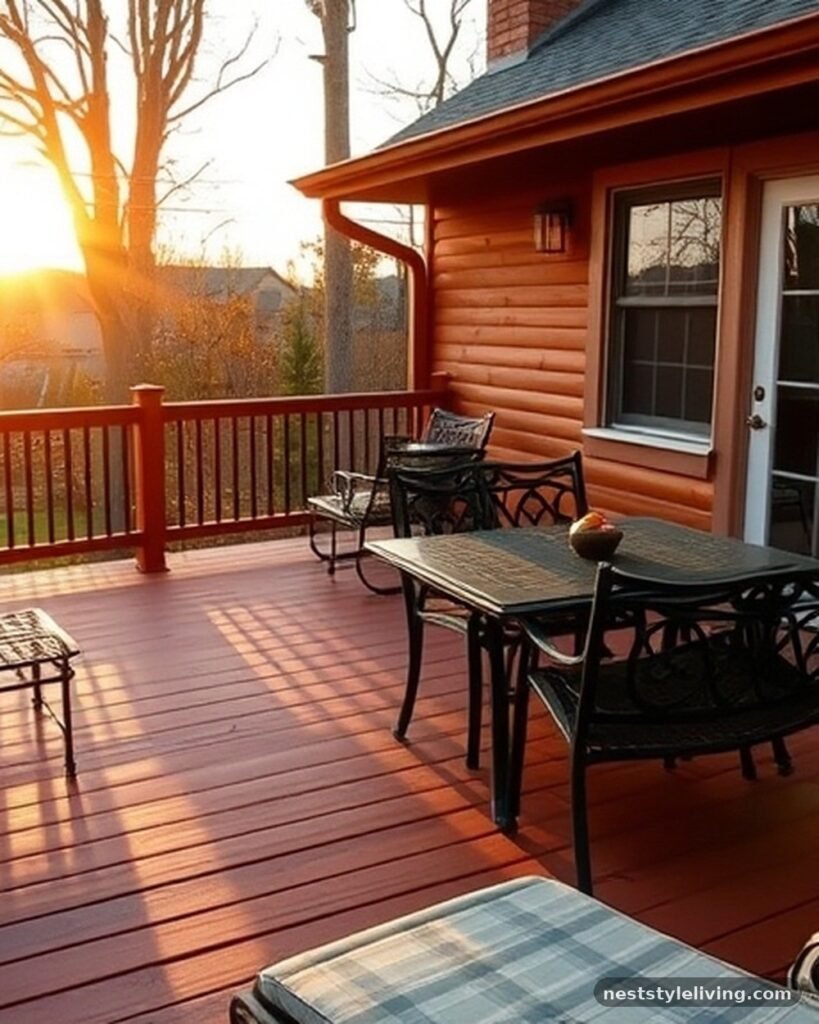
Selecting the right finish for your outdoor space is the most effective way to transform a standard backyard into a premium retreat. By choosing specific deck stain color ideas that make wood look expensive, you can bridge the gap between simple construction and high-end architectural design. These selections rely on depth, richness, and the ability to highlight the natural grain of your lumber rather than obscuring it with heavy, paint-like coatings.
Whether you are aiming for a modern aesthetic or a timeless, weathered look, the right pigment choice dictates the character of your home. This collection offers professional insights into how to achieve a sophisticated, luxury finish using modern staining techniques.
1. Deep Espresso Charcoal
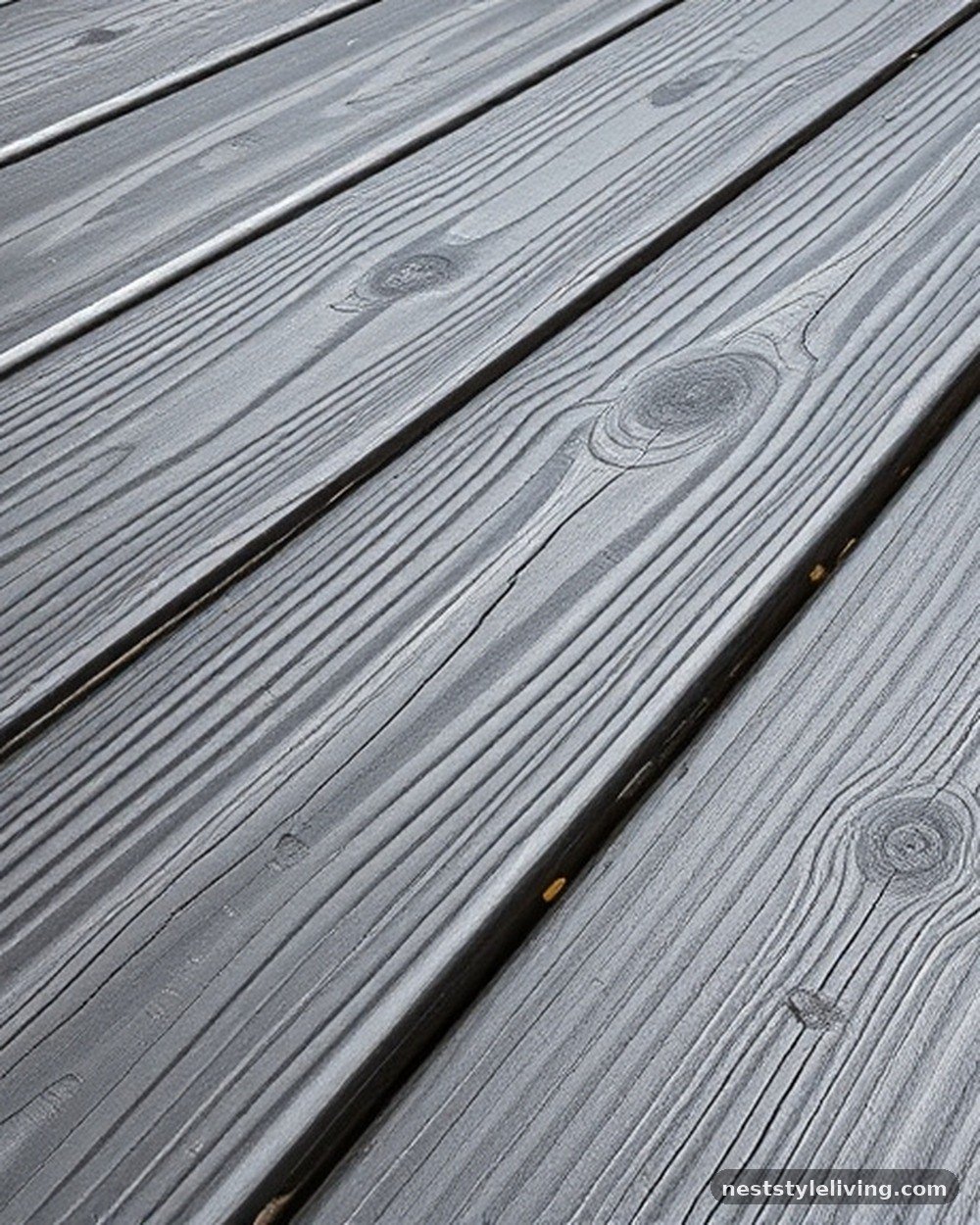
Deep espresso charcoal creates a dramatic, high-contrast look that mimics the appearance of charred shou sugi ban wood. This stain color is exceptionally dark, almost approaching black, which helps ground the deck against lighter-colored home siding or vibrant green landscaping.
To achieve this, use a high-quality oil-based penetrating stain that allows the texture of the wood to remain visible despite the heavy pigment. Because the color is so dark, it hides minor imperfections in older wood, making it an excellent choice for revitalizing weathered decking that might otherwise look tired or aged.
Psalm 104:16 — The trees of the Lord are well watered, the cedars of Lebanon that he planted. This verse highlights the inherent beauty of wood as a natural creation, and using a stain that respects the grain—rather than covering it—honors that natural texture found in the finest cedars.
2. Weathered Driftwood Grey
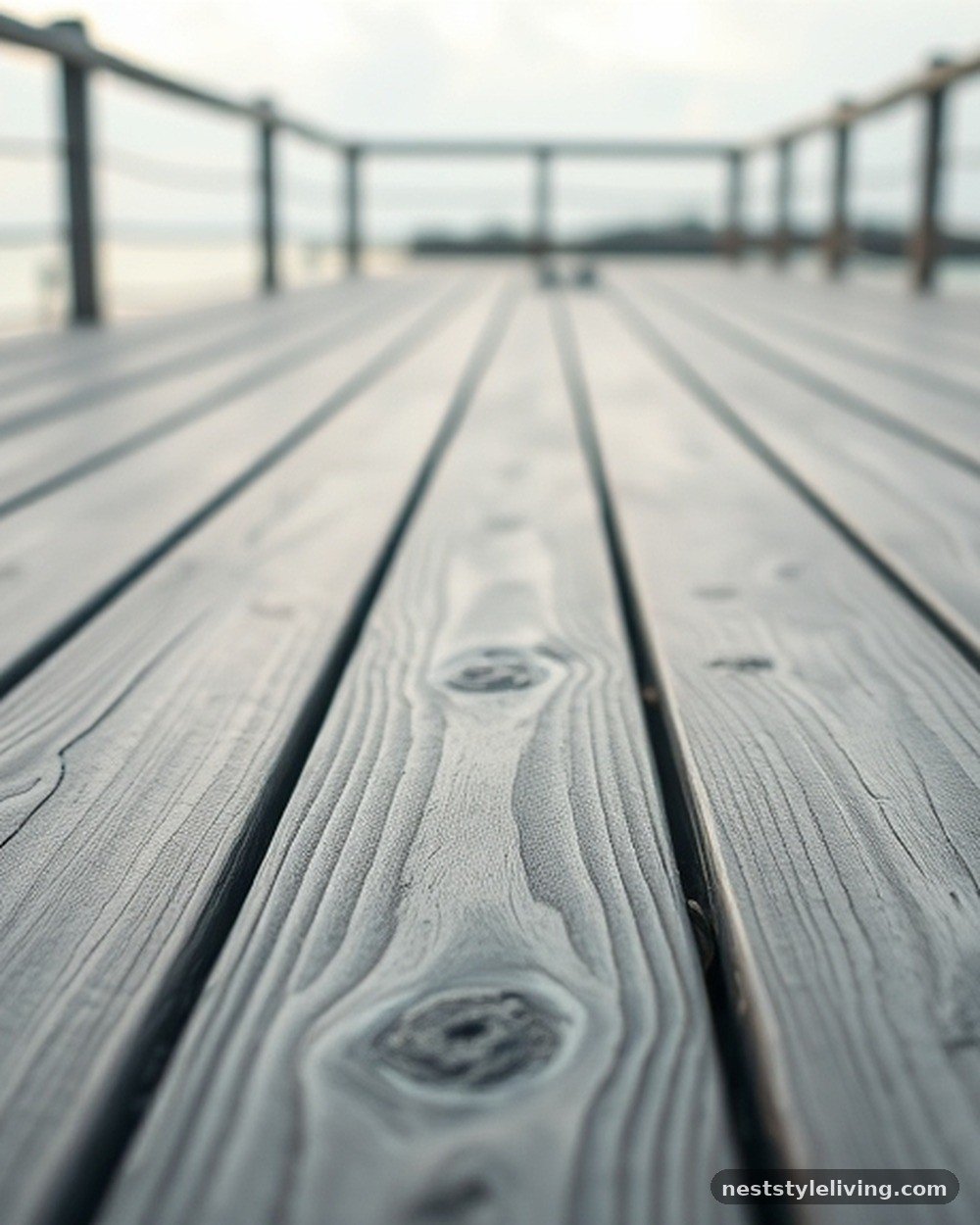
Weathered driftwood grey is the gold standard for a coastal, high-end aesthetic that suggests years of exposure to salt air and sun. This look relies on cool, silvery undertones rather than flat, opaque grey paint, which can often look plastic or artificial.
To get this effect, look for semi-transparent stains that feature blue and grey pigments, as these interact with the yellow or tan undertones of pine or cedar to create a sophisticated, muted finish. It pairs perfectly with white railings and navy outdoor furniture, creating a crisp, clean environment that feels intentionally curated and expensive.
Job 14:8 — Though its roots grow old in the earth and its stump dies in the soil. Even as wood ages, its structural integrity remains, and a driftwood grey stain celebrates the grace of that aging process rather than trying to hide it under a coat of solid color.
3. Rich Walnut Brown
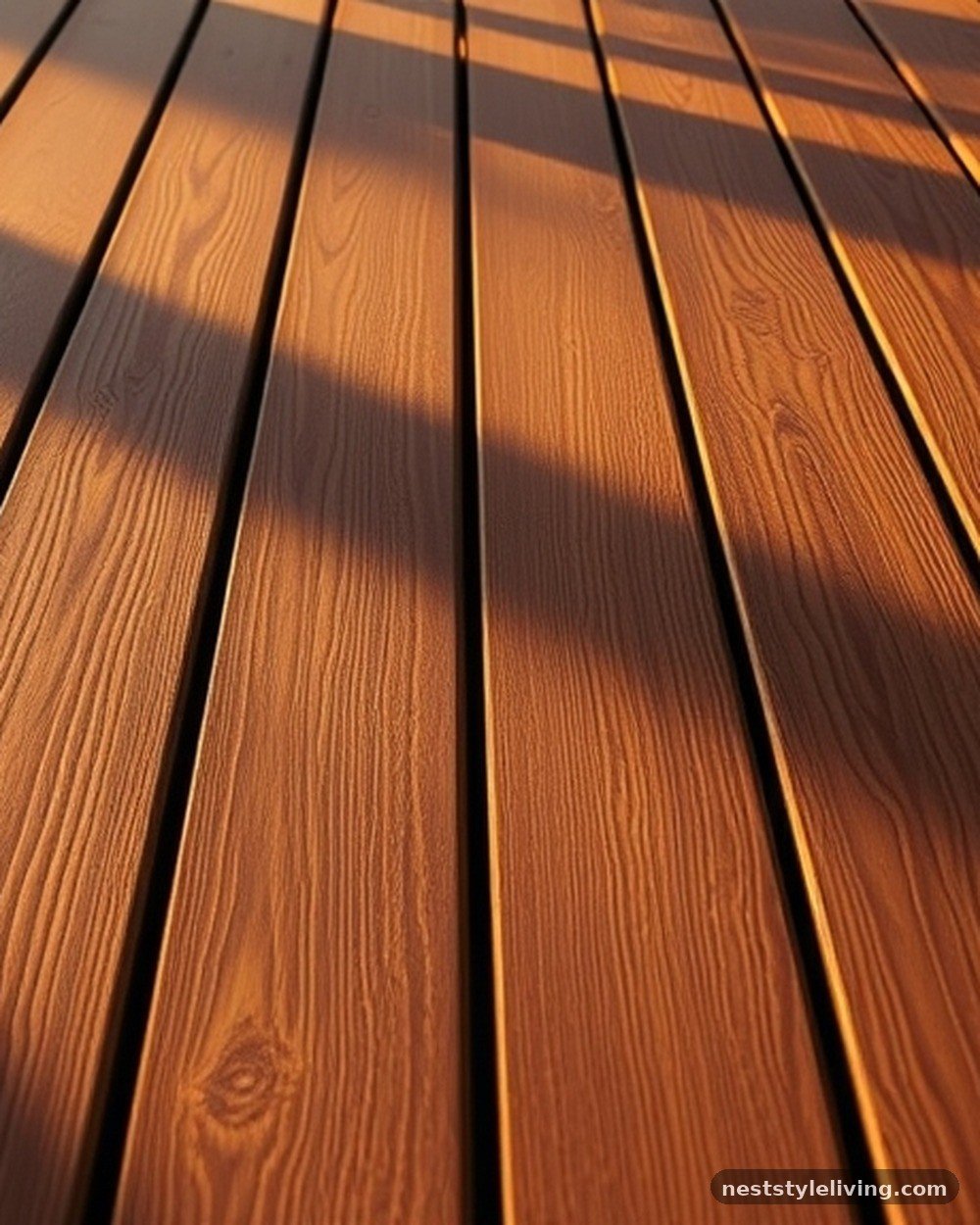
Rich walnut brown provides a warm, classic depth that instantly makes soft woods like pressure-treated pine look like premium hardwoods such as black walnut or mahogany. This color is timeless and avoids the orangey or reddish undertones that often make cheaper decks look dated or amateurish.
When applying this stain, opt for a penetrating oil formula that saturates the fibers of the wood, ensuring that the color doesn’t just sit on the surface but becomes part of the board itself. It is particularly effective on decks with intricate patterns or herringbone layouts.
1 Kings 6:15 — He paneled the interior walls of the temple with cedar boards, paneling them from the floor of the temple to the ceiling. The use of rich, dark woods has long been associated with quality and craftsmanship in high-end construction, mirroring the luxury of the temple.
4. Midnight Navy Blue
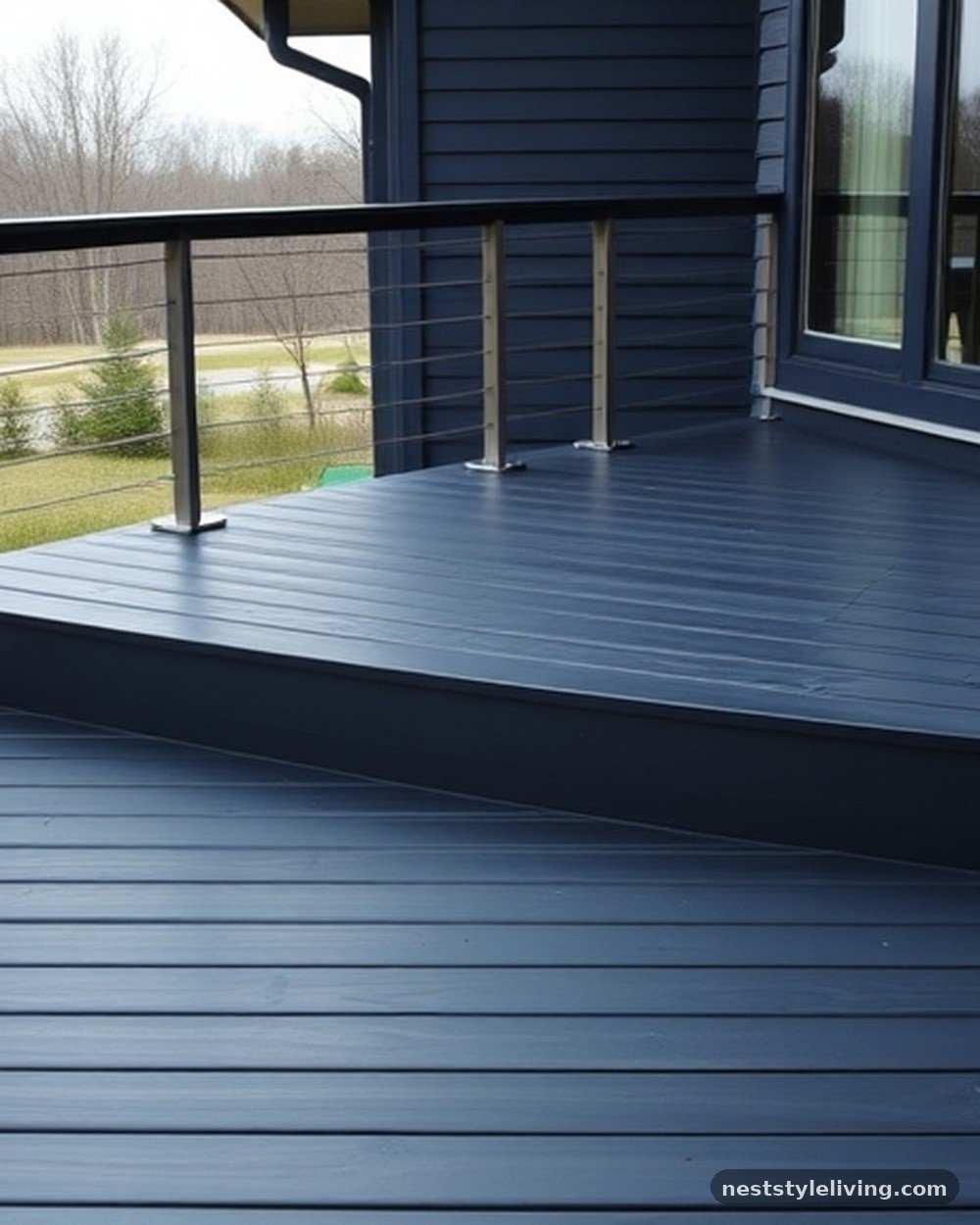
Midnight navy blue is a bold, modern choice that turns a deck into a statement piece. While blue might sound unusual for wood, a deep, desaturated navy acts as a neutral that feels significantly more expensive than standard browns or greys.
This color works exceptionally well on modern, minimalist decks with clean lines and glass or cable railings. Because navy absorbs light, it creates a sleek, matte appearance that makes the deck feel like an extension of the interior living space rather than just a utility area.
Exodus 24:10 — And they saw the God of Israel. Under his feet was something like a pavement made of lapis lazuli, as bright blue as the sky. The beauty of deep blue tones has been recognized as a symbol of majesty and refinement since ancient times.
5. Honey Teak Gold
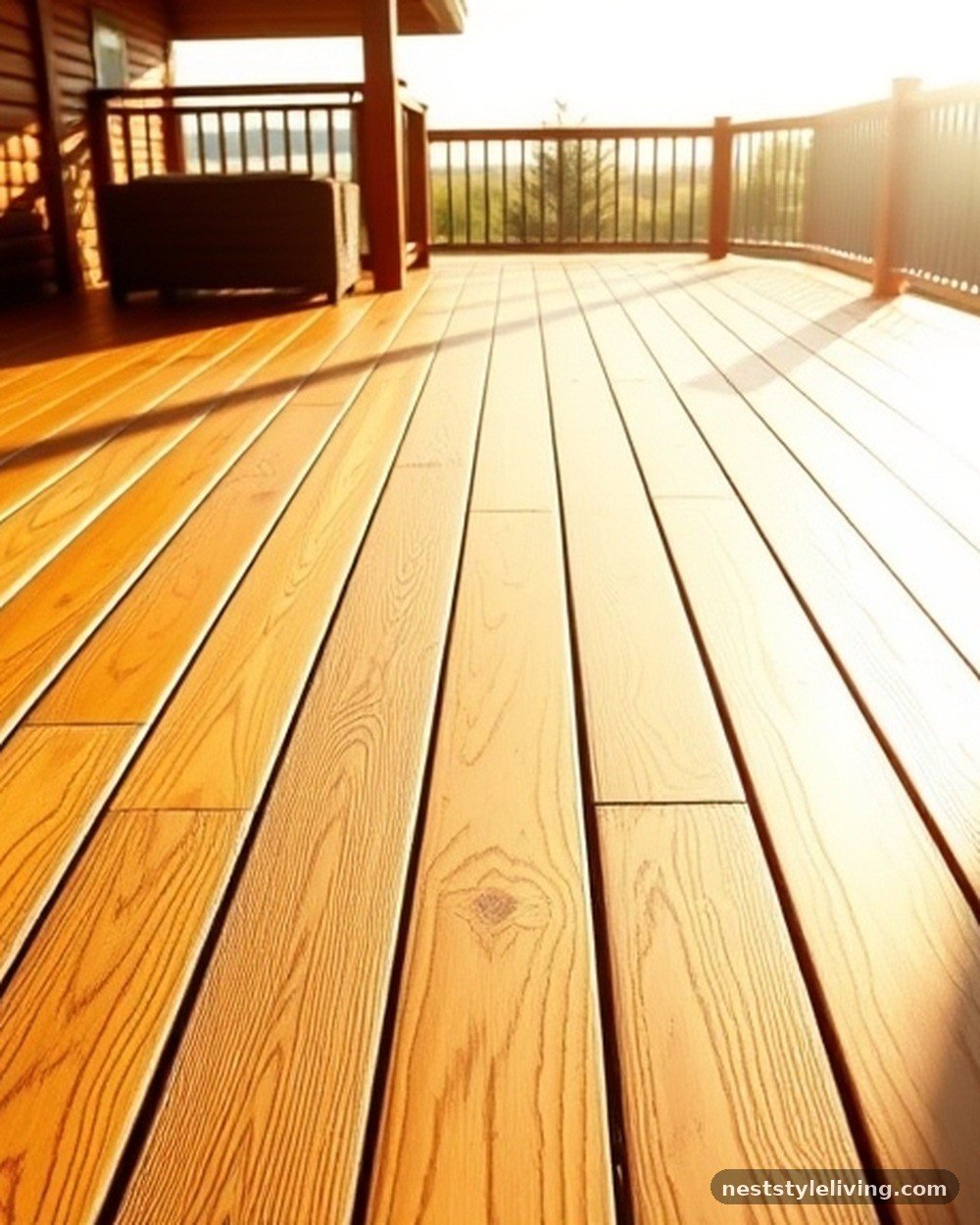
Honey teak gold offers a luminous, sun-drenched appearance that makes a deck feel warm and welcoming year-round. This stain color highlights the natural golden hues of tropical hardwoods, making even common lumber look like expensive teak or ipe.
To maintain this look, you must choose a high-quality UV-blocking stain, as the lighter pigment is more susceptible to fading than darker options. It is a fantastic choice for decks in shaded areas where you want to add a sense of brightness and warmth without relying on artificial lighting.
Proverbs 16:24 — Gracious words are a honeycomb, sweet to the soul and healing to the bones. Just as the honey mentioned here brings comfort, the warm, honey-like tones of a teak stain bring a sense of ease and luxury to an outdoor living space.
6. Muted Sage Green
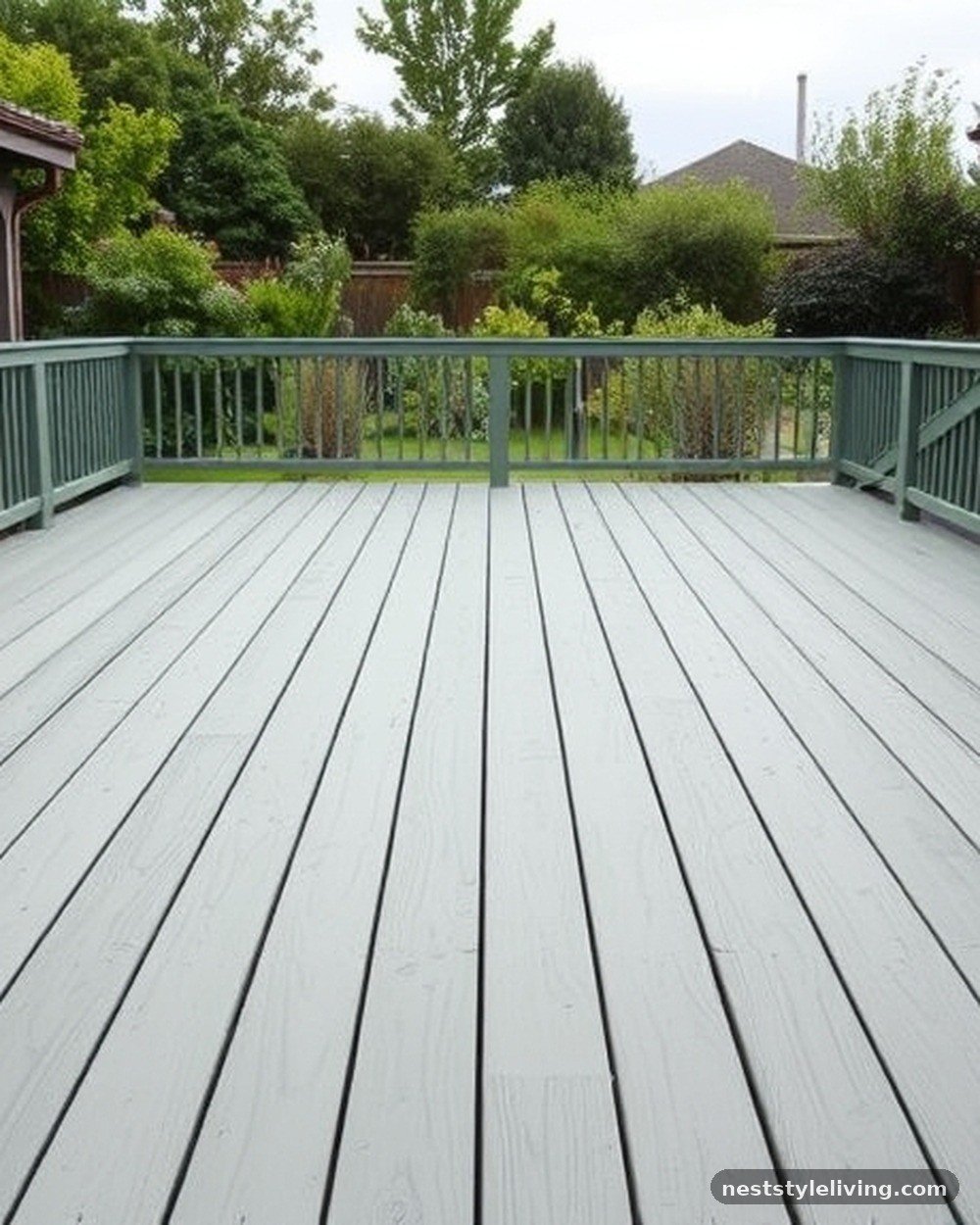
Muted sage green is an sophisticated, earthy choice that allows your deck to blend seamlessly into the surrounding garden or forest. Unlike bright, artificial greens, a desaturated sage looks like natural moss or lichen, providing an organic feel that is both calming and expensive.
This color works best on decks with a rustic or cottage-style aesthetic, particularly those surrounded by lush landscaping. Use a semi-transparent stain to ensure the wood grain still shows through, preventing the deck from looking like it has been painted with solid latex.
Genesis 1:11 — Then God said, “Let the land produce vegetation: seed-bearing plants and trees on the land that bear fruit with seed in it, according to their various kinds.” The natural green of vegetation is the ultimate standard for organic beauty, and a sage stain brings that harmony to your deck.
7. Burnt Sienna Red
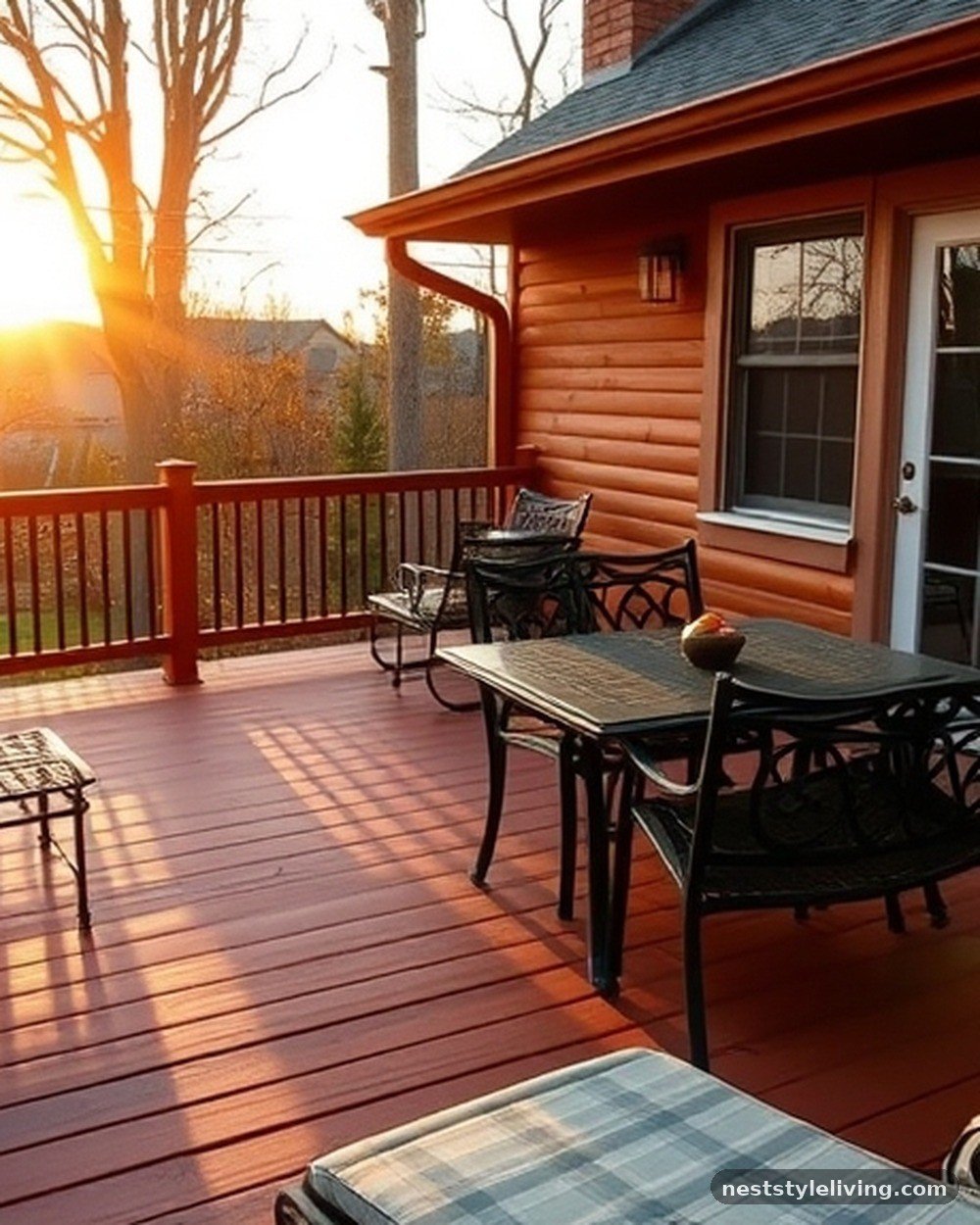
Burnt sienna red provides a sophisticated, historic look reminiscent of traditional colonial architecture. This is not the bright, candy-apple red that can look tacky; instead, it is a deep, earthy, clay-like pigment that looks elegant and established.
It pairs beautifully with stone masonry and dark-trimmed homes, creating a cohesive, high-end visual flow. Because red pigments are naturally durable, this color choice often holds up better against UV exposure than lighter, more delicate stain colors, meaning your deck will look better for longer with less maintenance.
Numbers 19:2 — This is a requirement of the law that the Lord has commanded: Tell the Israelites to bring you a red heifer without defect or blemish. The color red has historically been associated with value and significance, a sentiment that translates to the rich, earthy tones of a high-quality stain.
8. Slate Blue-Grey
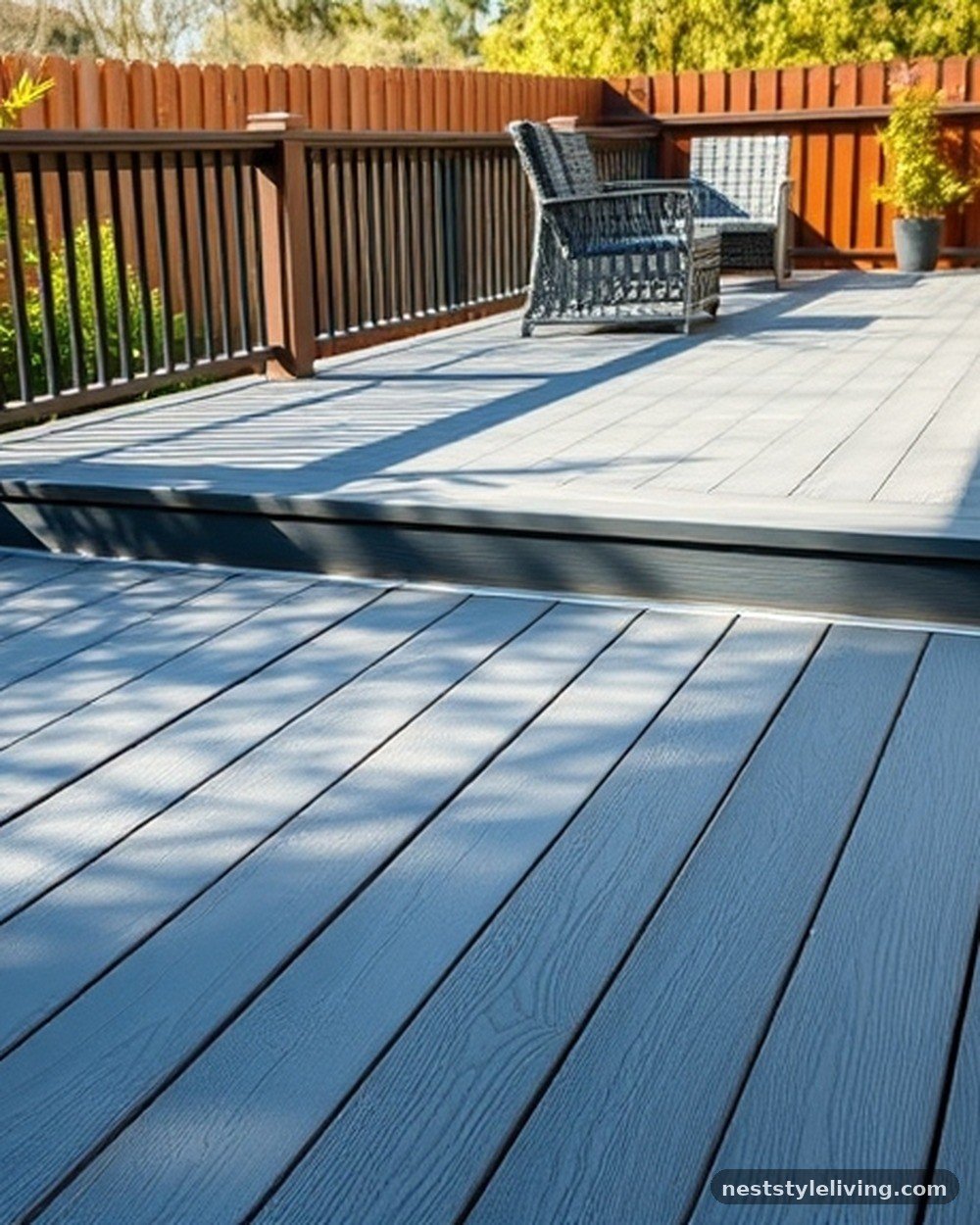
Slate blue-grey is a cool, modern alternative to standard grey that adds a touch of personality while remaining professional and understated. This shade is highly versatile, looking just as good in a suburban backyard as it does on a mountain retreat.
The blue undertones help to neutralize the yellowing that often happens as wood ages, keeping the deck looking crisp and intentional. It is a particularly good choice for areas with high humidity, as the cool tones feel refreshing against a hot, sunny backdrop, making the space feel more comfortable during the summer months.
Isaiah 54:11 — O afflicted city, lashed by storms and not comforted, I will build you with stones of turquoise. The inclusion of blue-toned stone in this passage represents beauty and durability, much like the sleek, resilient look a slate-colored stain provides to a well-maintained deck.
9. Warm Chestnut
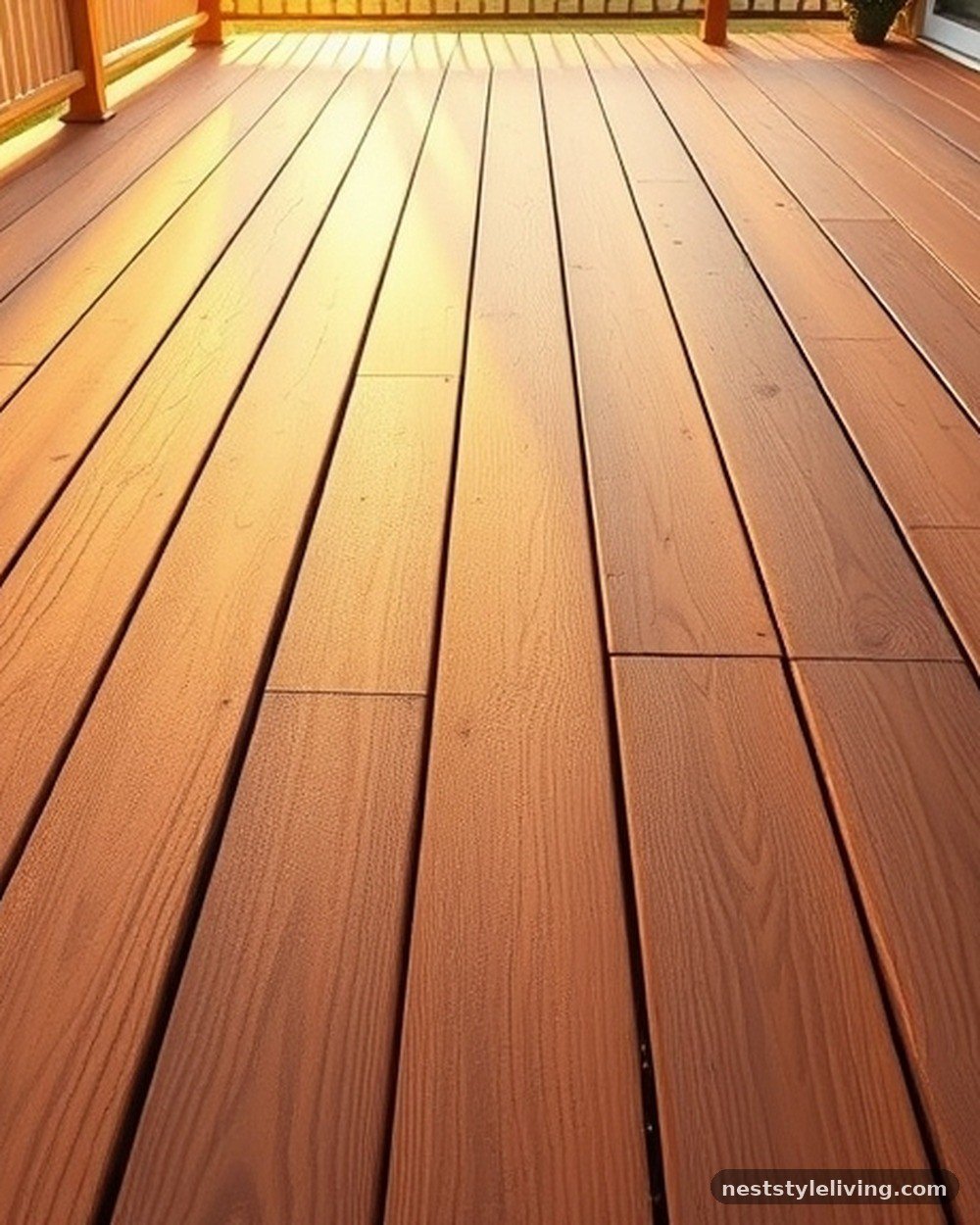
Warm chestnut is a classic, mid-tone brown that offers a sophisticated balance between light and dark. It is arguably the most timeless choice for a deck, as it mimics the look of aged, high-quality timber that has been treated with natural oils.
This color is incredibly forgiving, hiding dust, dirt, and water spots better than almost any other shade. If you are uncertain about which direction to take your renovation, warm chestnut is the safest and most effective way to ensure the wood looks expensive and well-cared for without being overly trendy.
Genesis 30:37 — Jacob, however, took fresh-cut branches from poplar, almond and plane trees and made white stripes on them by peeling the bark and exposing the white inner wood of the branches. The appreciation for the natural appearance of wood—like the chestnut wood mentioned—has been a cornerstone of quality craftsmanship throughout history.
10. Silvered Cedar
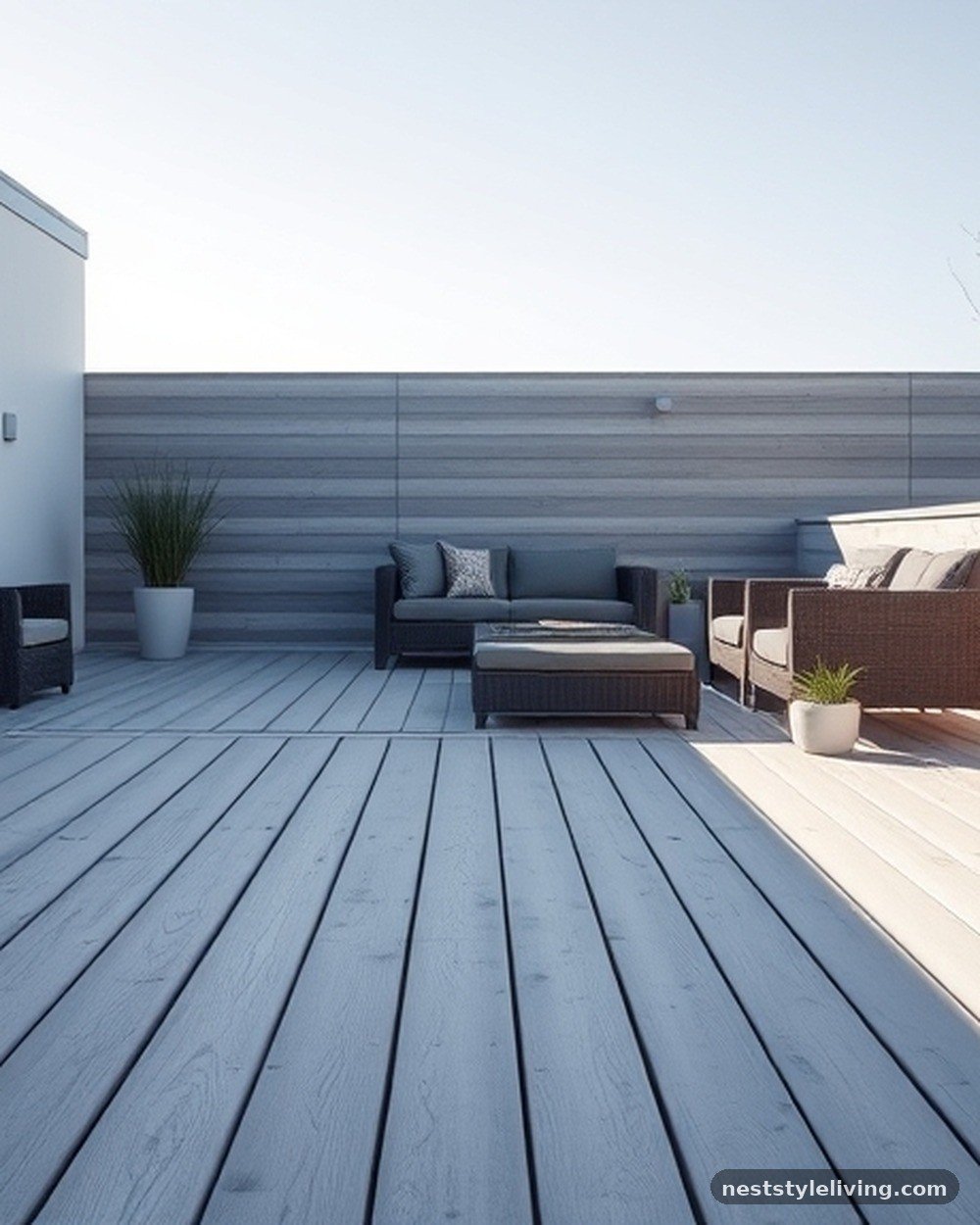
Silvered cedar is a light, airy stain that mimics the look of expensive, naturally aged Western Red Cedar. While raw cedar turns grey unevenly, a silvered cedar stain provides that same desirable patina uniformly across the entire deck.
This look is perfect for modern homes with minimalist architecture, as the light color reflects sunlight and keeps the deck surface cooler to the touch. It feels incredibly premium and suggests a relaxed, effortless luxury that is highly sought after in contemporary outdoor design.
Zechariah 11:2 — Wail, O pine tree, for the cedar has fallen; the stately trees are ruined. The cedar is long held as a symbol of strength and beauty, and staining a deck to match its natural, silvered state preserves that sense of stately elegance.
11. Espresso Bean Brown
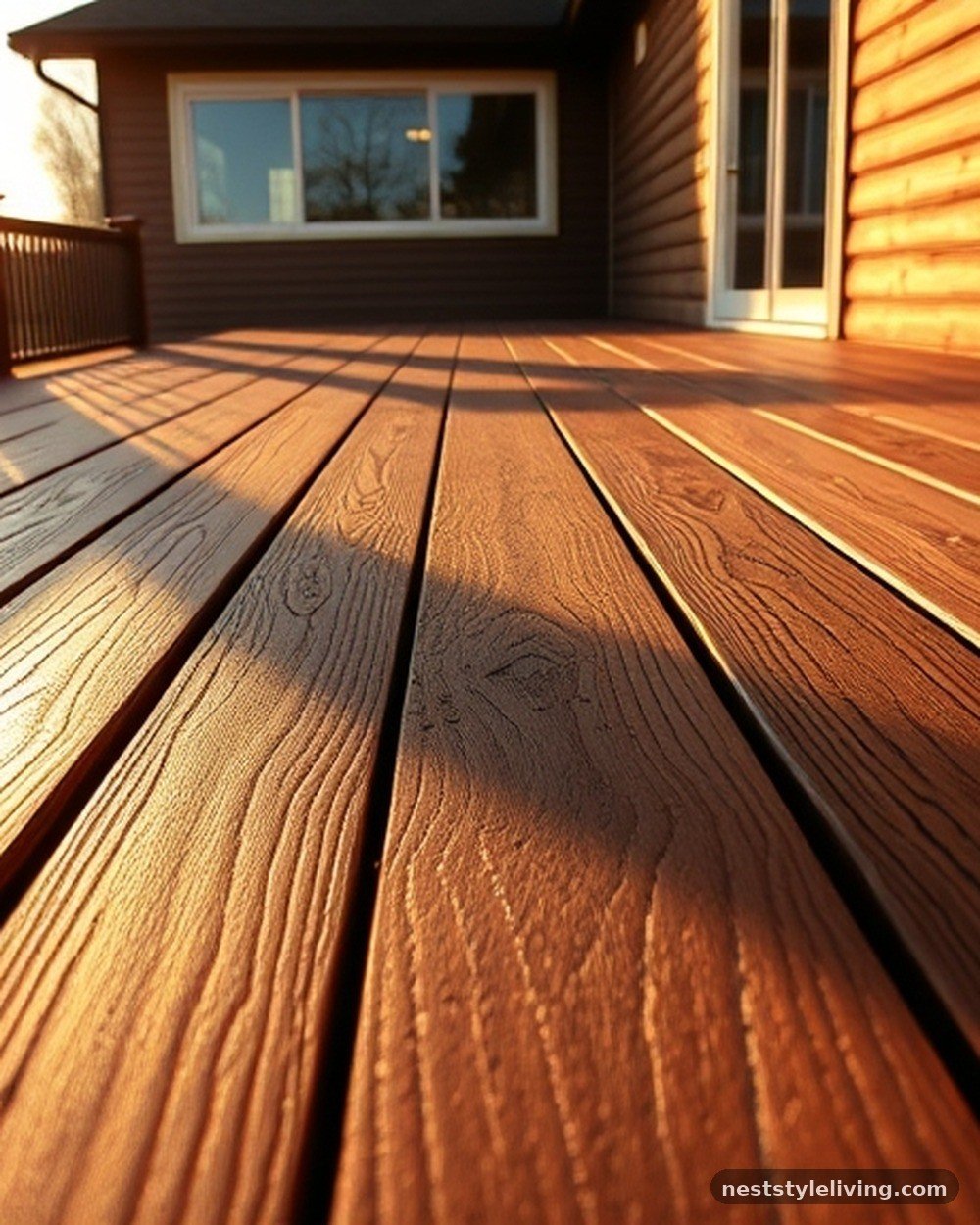
Espresso bean brown is a deep, saturated, near-black brown that provides a high-end, furniture-like finish. Unlike black, which can sometimes appear flat or industrial, the dark brown undertones of espresso bean provide a warmth that keeps the deck looking organic and inviting.
This color is ideal for decks with high-quality woodwork, as the dark pigment accentuates the depth of the grain patterns. Because it is a darker stain, it requires more frequent cleaning to remove surface dust, but the trade-off is a finish that looks undeniably luxurious and polished.
Song of Solomon 5:11 — His head is purest gold; his hair is wavy and black as a raven. The contrast of rich, dark tones—like the raven-black hair described here—is a classic way to express depth and beauty, much like the deep tones of an espresso stain.
12. Toasted Pecan
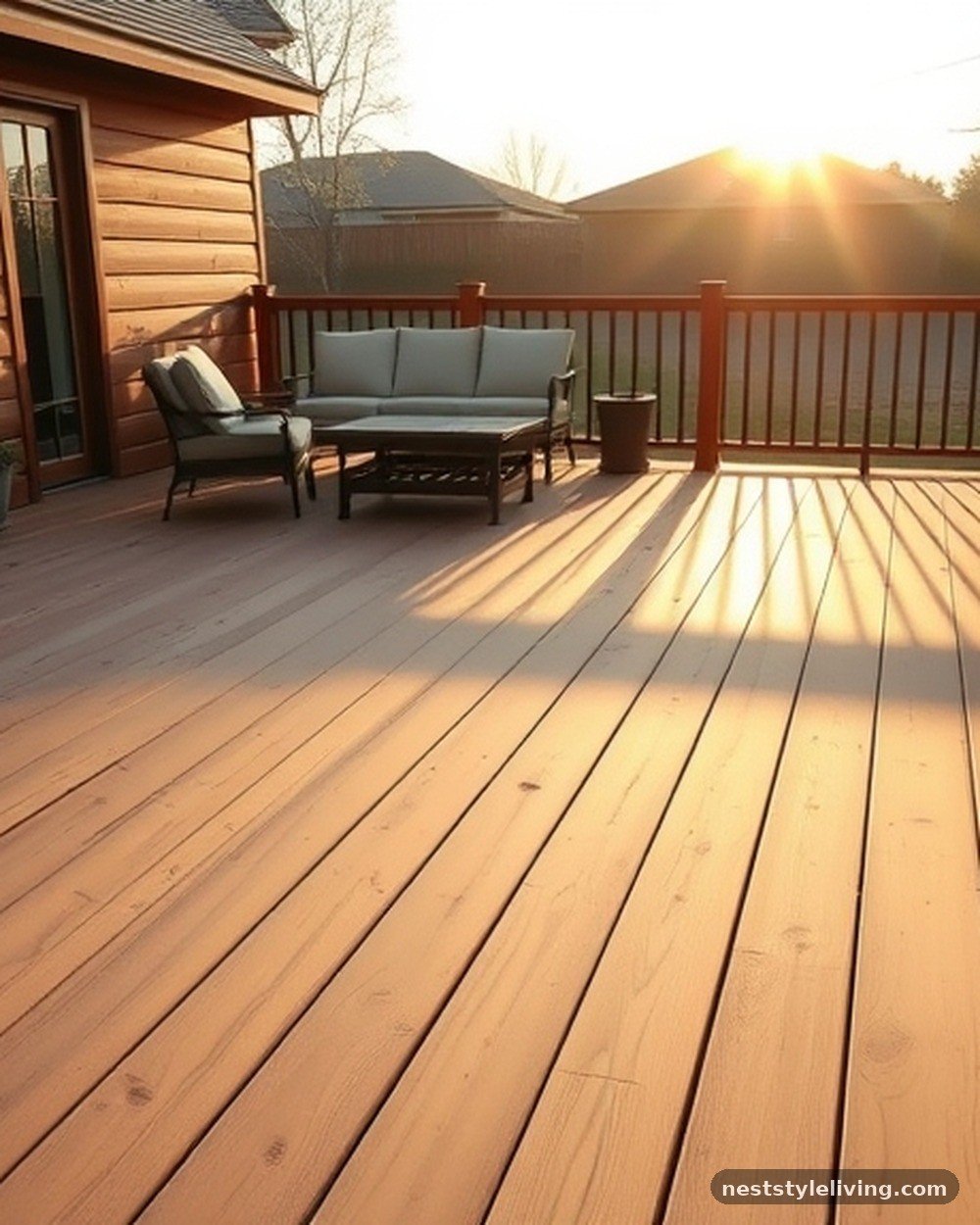
Toasted pecan is a warm, medium-light brown that leans slightly towards a golden, nutty hue. It is an excellent choice for smaller decks, as the lighter color helps the space feel larger and more open. This stain color is particularly flattering on softwoods, as it adds a rich, professional finish that masks the inherent yellowing of the lumber.
It pairs beautifully with neutral-toned home exteriors and provides a welcoming, cozy atmosphere that feels like an extension of a living room. It is a low-maintenance choice that looks great even as it begins to wear.
Numbers 17:8 — The next day Moses entered the tent and saw that Aaron’s staff, which represented the tribe of Levi, had not only sprouted but had budded, blossomed and produced almonds. The beauty of natural, nut-toned woods is a recurring theme of natural wonder and quality.
13. Faded Denim
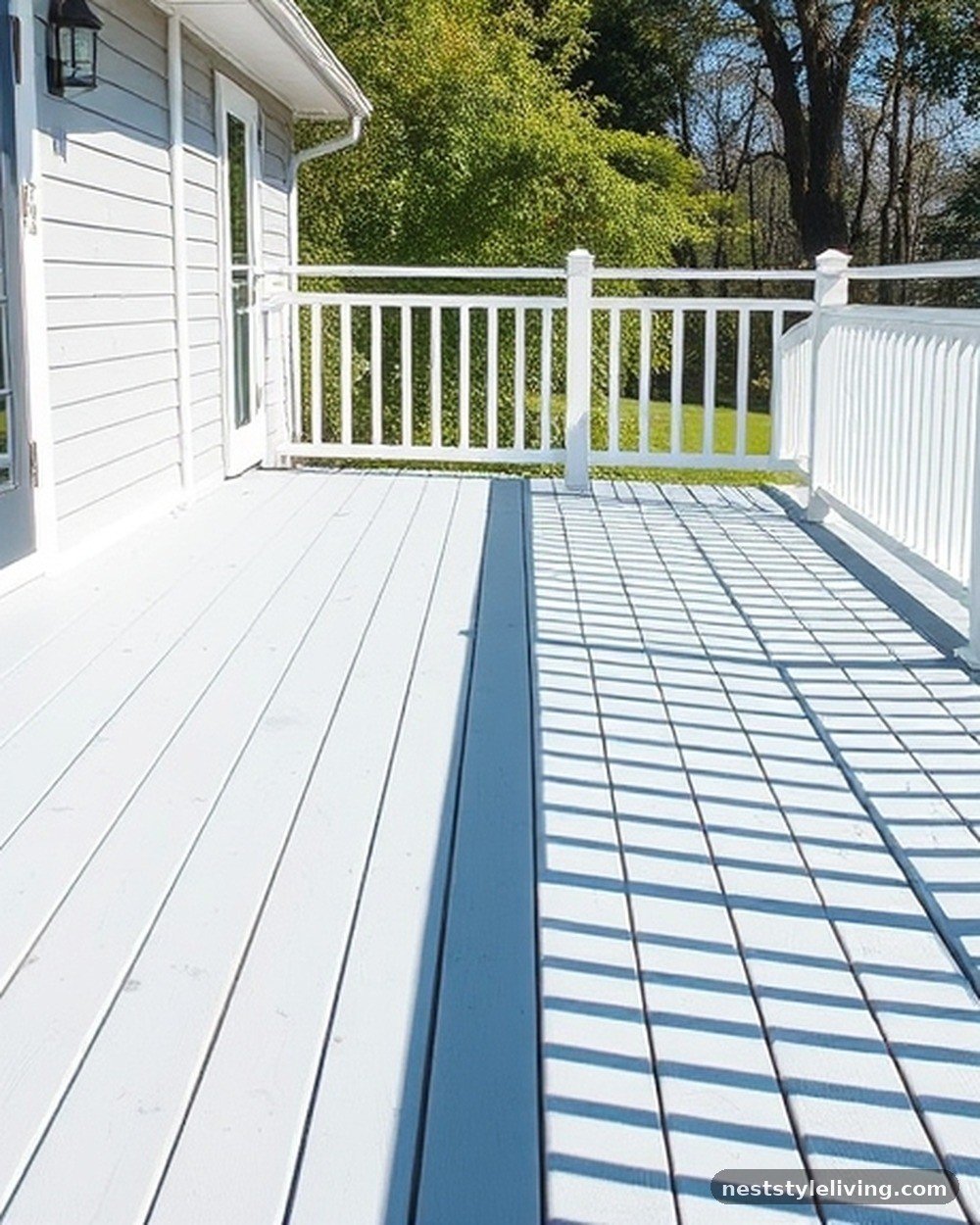
Faded denim is a unique, soft blue-grey that offers a relaxed, casual elegance. This color is perfect for those who want something different from the standard brown or grey but are wary of going too bold with a dark navy.
It has a slightly washed-out appearance that mimics the look of vintage textiles, making the deck feel comfortable and lived-in. This shade works exceptionally well with white railings and natural wood accents, creating a high-end, beach-house aesthetic that is both charming and sophisticated.
Numbers 15:38 — Speak to the Israelites and say to them: ‘Throughout the generations to come you are to make tassels on the corners of your garments, with a blue cord on each tassel.’ The use of blue as a refined, intentional choice has long signaled importance and careful design.
14. Dark Walnut
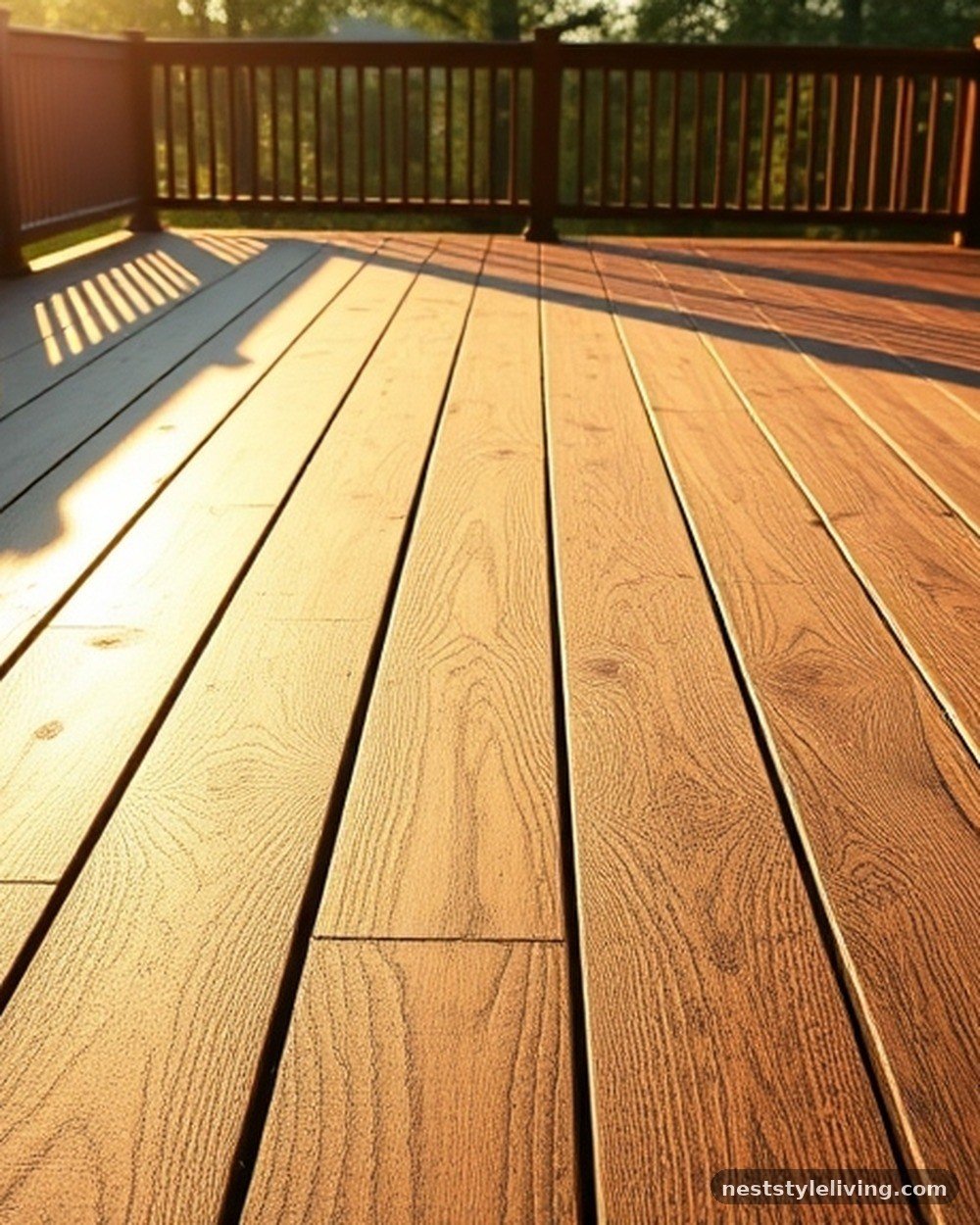
Dark walnut is the quintessential luxury stain color, favored for its ability to transform humble materials into something that looks like fine cabinetry. It is deep, rich, and possesses a subtle red-brown undertone that makes the wood grain pop.
This color is particularly effective on decks with large, wide planks, as it highlights the scale and quality of the lumber. It is a timeless choice that never goes out of style and adds immediate value to the home by creating a sophisticated, high-end outdoor environment.
1 Kings 10:12 — The king used the algumwood to make supports for the temple of the Lord and for the royal palace, and to make harps and lyres for the musicians. The use of fine woods like walnut and algumwood has always been a sign of status, wealth, and exquisite taste.
15. Charcoal Mist
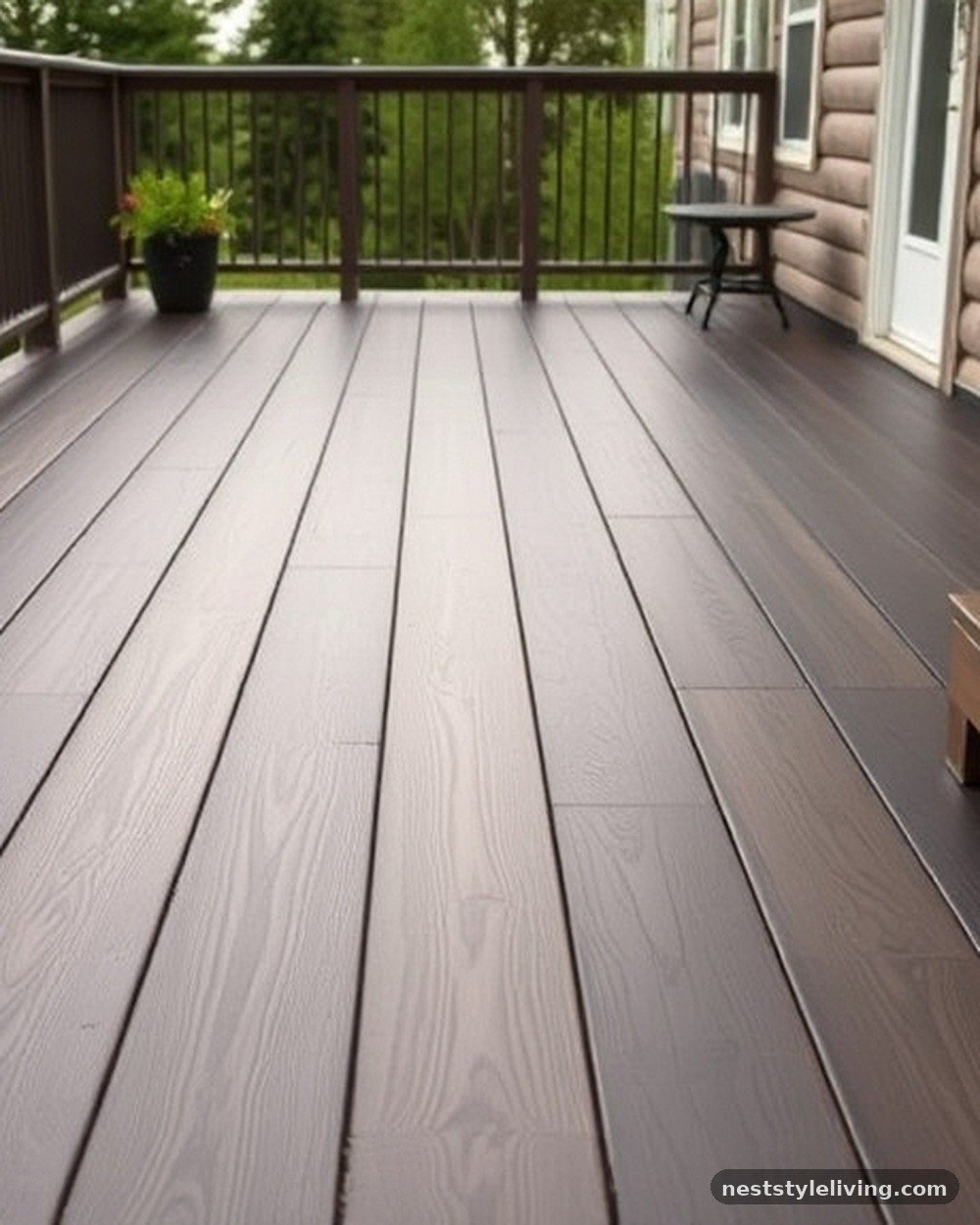
Charcoal mist is a lighter, more transparent version of a charcoal stain. It allows the natural texture of the wood to show through clearly while providing a modern, sleek finish that feels very intentional. This color is excellent for those who want a contemporary look without the intensity of a solid black or dark grey.
It works well on decks that are partially shaded, as the grey tones help to brighten the space while still providing a modern edge. It is a very forgiving color that hides dirt well, making it a practical choice for busy households.
Psalm 18:11 — He made darkness his covering, his canopy around him—the dark rain clouds of the sky. The beauty of shifting, misty tones is captured here, reflecting the subtle, modern aesthetic of a charcoal mist finish.
16. Golden Oak
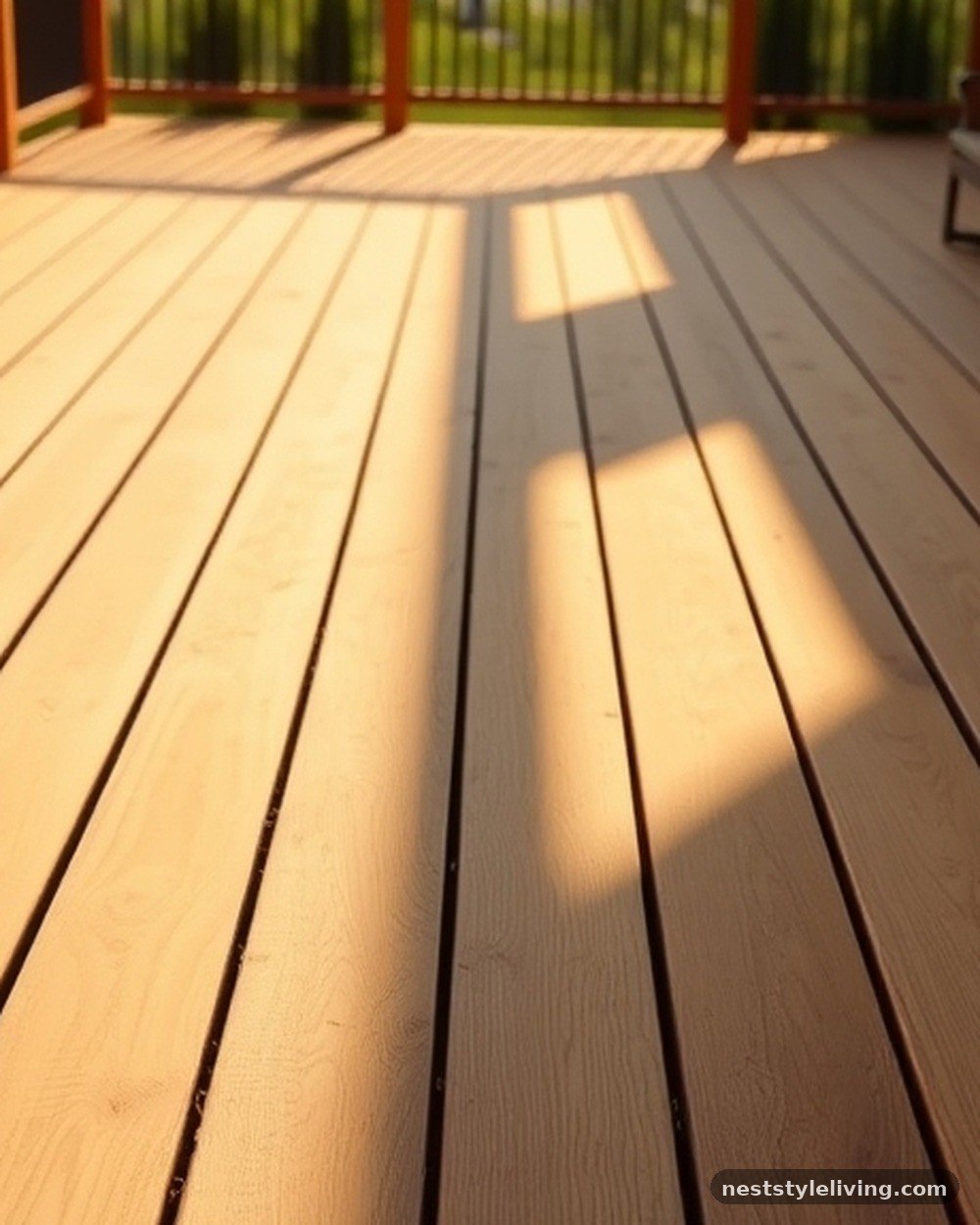
Golden oak is a classic, warm-toned stain that celebrates the natural beauty of wood rather than trying to change it. It provides a bright, cheerful finish that feels very traditional and welcoming. This color is perfect for larger decks where you want to maintain a sense of openness and light.
It pairs well with almost any home exterior, making it a safe but effective choice for increasing curb appeal. To ensure a professional result, use a high-quality penetrating oil that enhances the natural amber tones of the wood fibers.
Psalm 92:12 — The righteous will flourish like a palm tree, they will grow like a cedar of Lebanon. The health and vibrancy of a tree are reflected in the golden, living tones of an oak-stained deck that highlights the natural beauty of the wood.
17. Slate Black
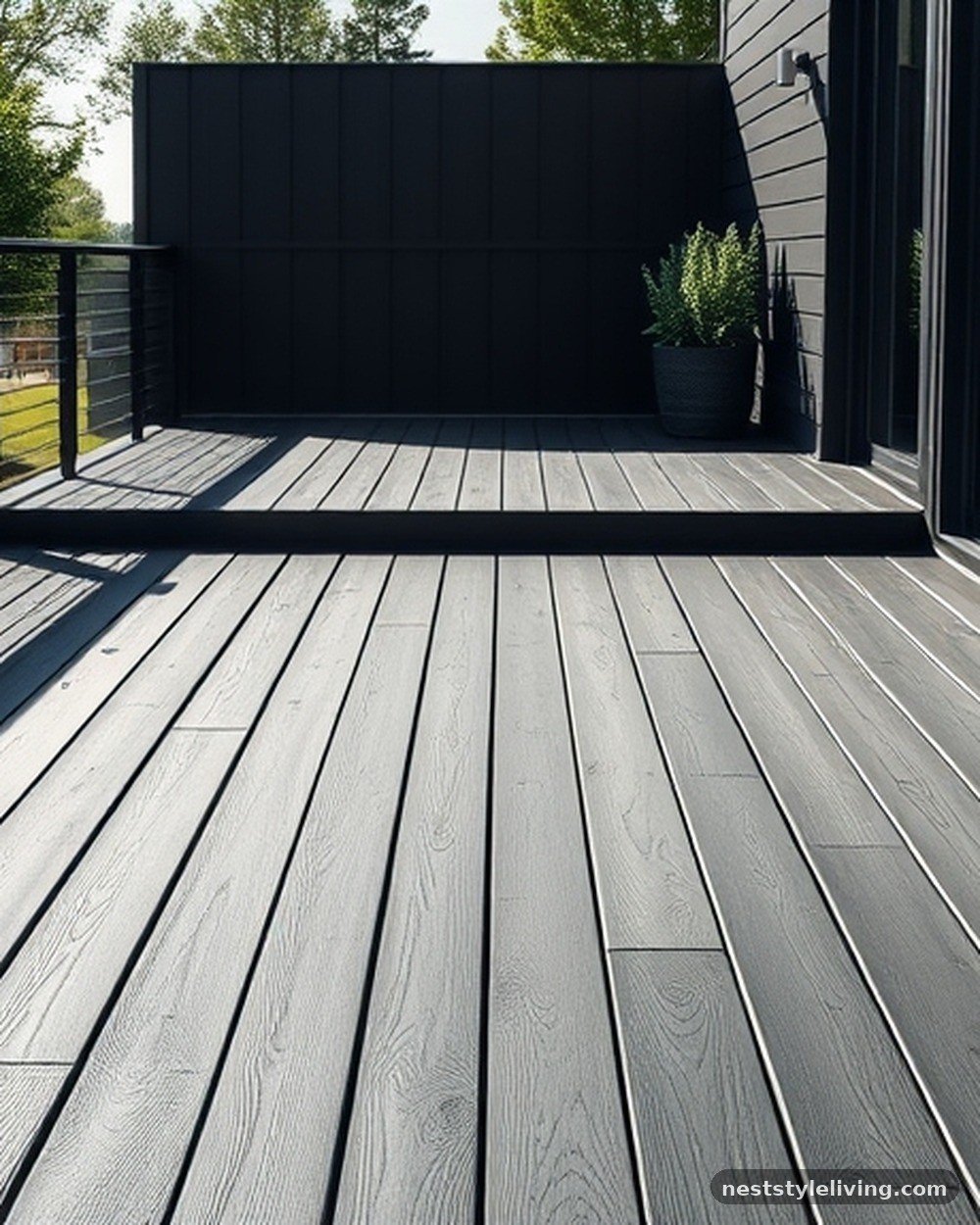
Slate black is a matte, non-reflective stain that provides the ultimate modern, architectural look. It is the most dramatic choice on this list and is intended for those who want their deck to be a bold, high-end design element. This color works best on decks with clean, sharp lines and minimal detailing.
Because it absorbs so much light, it is best suited for open, sunny decks where the matte finish can truly shine. It is a high-maintenance color that shows dust, but the visual impact is unmatched for those seeking a luxury aesthetic.
Job 6:16 — Which are dark with melting ice and shrouded in thawing snow. The intensity of dark, deep colors is a natural phenomenon that translates well into the modern, striking look of a slate black deck stain.
18. Earthy Olive
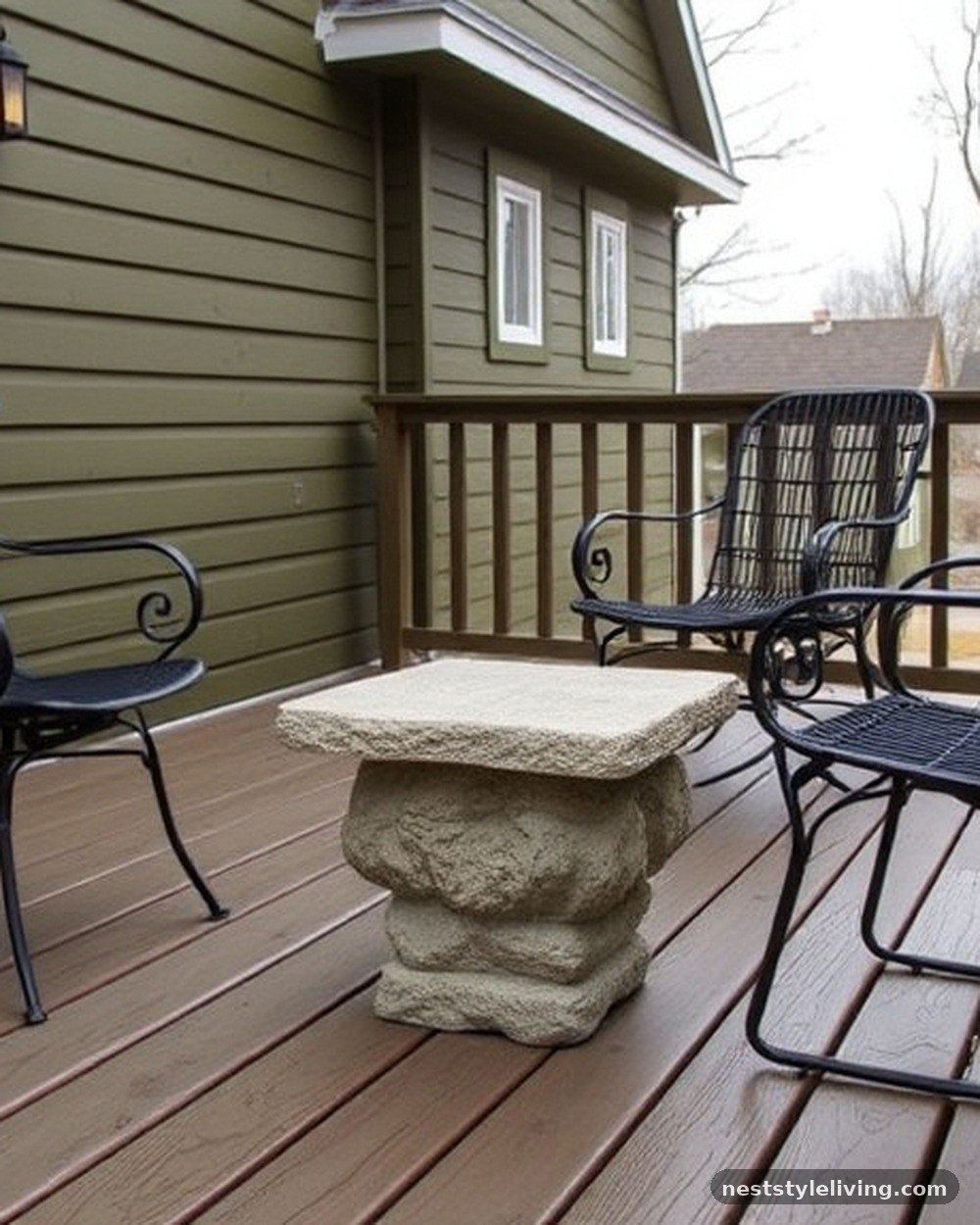
Earthy olive is a sophisticated, muted green that feels organic and high-end. Unlike brighter greens, this shade has heavy grey and brown undertones that make it look like part of the natural landscape. It is an excellent choice for homes in wooded areas or properties with extensive gardens.
This stain color is very durable and holds up well against the elements, making it a practical choice for those who want a unique look that doesn’t require constant upkeep. It pairs beautifully with natural stone and dark metal accents, creating a cohesive, high-end outdoor retreat.
Psalm 52:8 — But I am like an olive tree flourishing in the house of God; I trust in God’s unfailing love for ever and ever. The olive tree is a symbol of peace and prosperity, and its earthy, muted tones bring a sense of grounded luxury to any space.
Frequently Asked Questions
How often should I restain my deck to keep it looking expensive?
To maintain a high-end look, you should typically reapply a penetrating stain every two to three years. Factors like direct sun exposure, moisture levels, and the quality of the initial application will determine if you need to do it sooner. Always clean the wood thoroughly and let it dry completely before reapplying to ensure the new layer bonds correctly.
Should I choose a solid or semi-transparent stain for a luxury look?
Semi-transparent stains are generally considered more “expensive” looking because they allow the natural grain and texture of the wood to remain visible. Solid stains act more like paint, which can mask the beauty of the wood and look artificial over time. For a premium, high-end aesthetic, lean toward semi-transparent or transparent formulas that provide depth while showcasing the lumber’s character.
What is the most popular color for a modern high-end deck?
Currently, shades of charcoal, deep espresso, and weathered grey are the most popular choices for modern, high-end decks. These colors provide a sophisticated, architectural feel that pairs well with contemporary home designs and minimalist landscaping. You can find more professional advice on wood care through the USDA Forest Products Laboratory regarding the best maintenance practices for outdoor structures.
Does a dark stain make a deck get hotter in the sun?
Yes, darker stains absorb more solar radiation, which can make the surface of the deck significantly hotter to the touch compared to lighter colors. If your deck is in a location that receives intense, direct sunlight for most of the day, you may want to consider a lighter shade like silvered cedar or toasted pecan to keep the surface comfortable for bare feet.
Is it possible to change a dark stain to a lighter color later?
Changing from a dark stain to a lighter one is difficult and often requires stripping or sanding the existing finish down to the raw wood. Because stains penetrate the fibers, simply painting over a dark color with a light one will not work. If you plan to switch colors in the future, it is best to consult with a professional to see if your current deck boards are in good enough condition to withstand the necessary stripping process.
Conclusion
Investing in the right finish is the most impactful decision you can make to elevate your outdoor space. By selecting from these sophisticated deck stain color ideas that make wood look expensive, you turn a functional structure into a refined architectural feature.
The key to a luxury appearance lies in respecting the natural grain of the wood, choosing pigments that offer depth and character, and committing to regular maintenance to protect your investment. Whether you prefer the dramatic contrast of deep charcoal or the timeless warmth of chestnut, the right color choice will define the mood of your home’s exterior for years to come.
Begin your transformation by testing samples on an inconspicuous area of your deck. Observe how the stain reacts to your specific wood species and how it looks at different times of the day.
A small investment in high-quality materials and careful application will provide the professional, high-end result you desire. We invite you to share which of these ideas best suits your home’s aesthetic and how your renovation project progresses.