15 Future Home Design Ideas for Smarter Living
Integrating forward-thinking technology into domestic environments is no longer a luxury reserved for high-end developments. By focusing on modularity, sustainable materials, and adaptive automation, homeowners can create spaces that respond to their daily needs while remaining flexible for years to come.
Implementing these future home design ideas for smarter living allows you to build a residence that prioritizes efficiency without sacrificing personal style. From intuitive lighting controls to hidden storage solutions that maximize every square inch, the following concepts offer a blueprint for creating a more responsive, efficient, and comfortable environment that truly supports your modern lifestyle.
1. Adaptive Modular Wall Systems
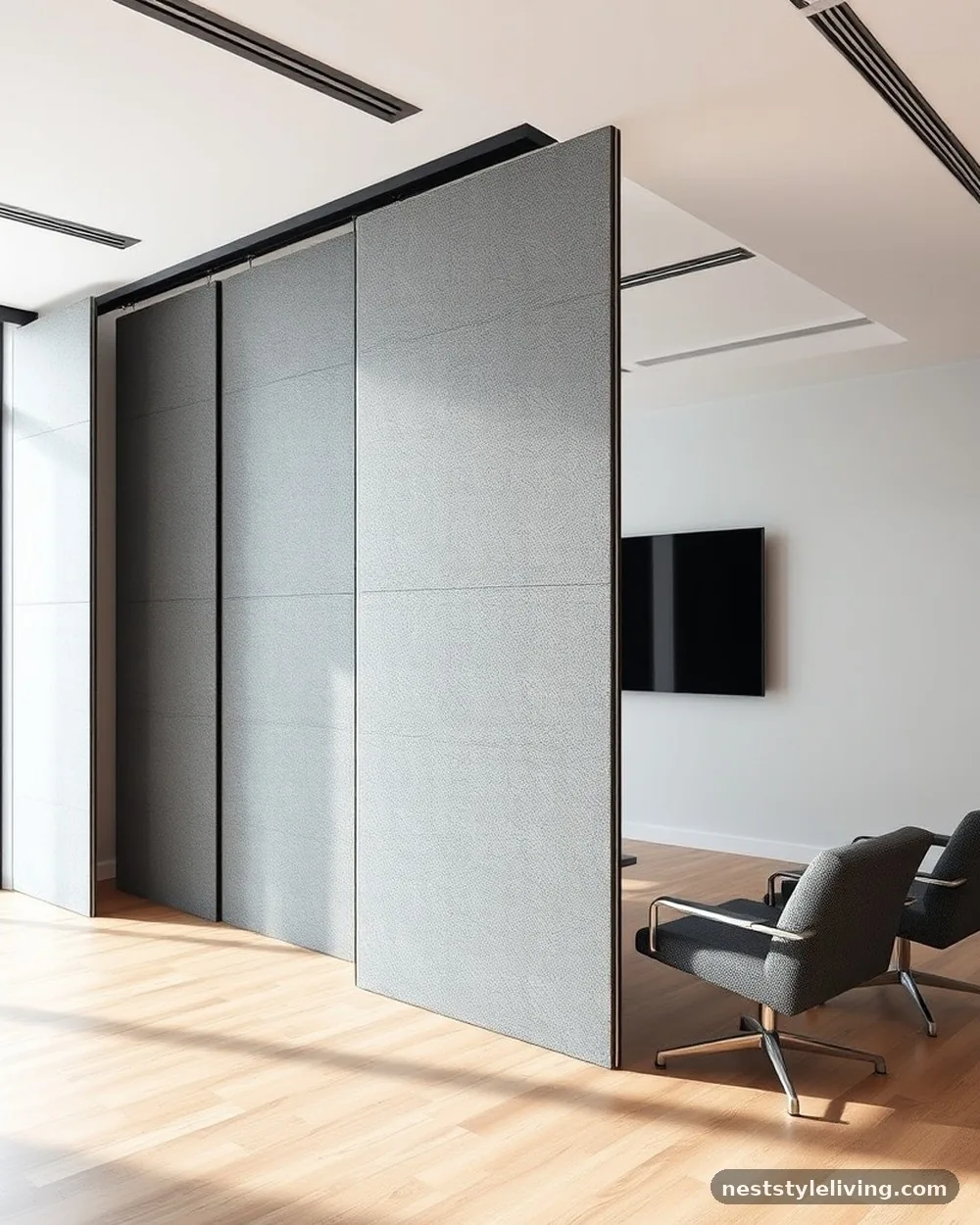
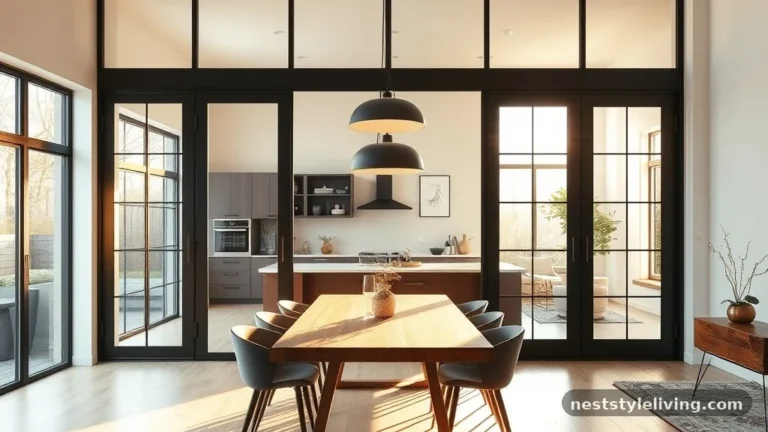
Modular wall systems consist of track-mounted panels that slide or fold to reconfigure a floor plan in minutes. These systems are typically constructed from lightweight aluminum frames filled with acoustic-dampening foam or recycled fabric panels. By installing these, you effectively turn a single static room into a multi-purpose area that shifts from a home office by day to a guest bedroom or cinema room by night.
They eliminate the need for permanent drywall construction while providing excellent sound insulation, which is essential for busy households. The aesthetic is clean, industrial, and highly architectural, often featuring matte black or brushed metal hardware that complements minimalist decor.
To implement this, look for tension-mounted room dividers or sliding track systems that do not require drilling into the floor. You can anchor the track to the ceiling joists to ensure stability, which allows the panels to glide smoothly without damaging your existing flooring.
2. Bioluminescent Ambient Lighting
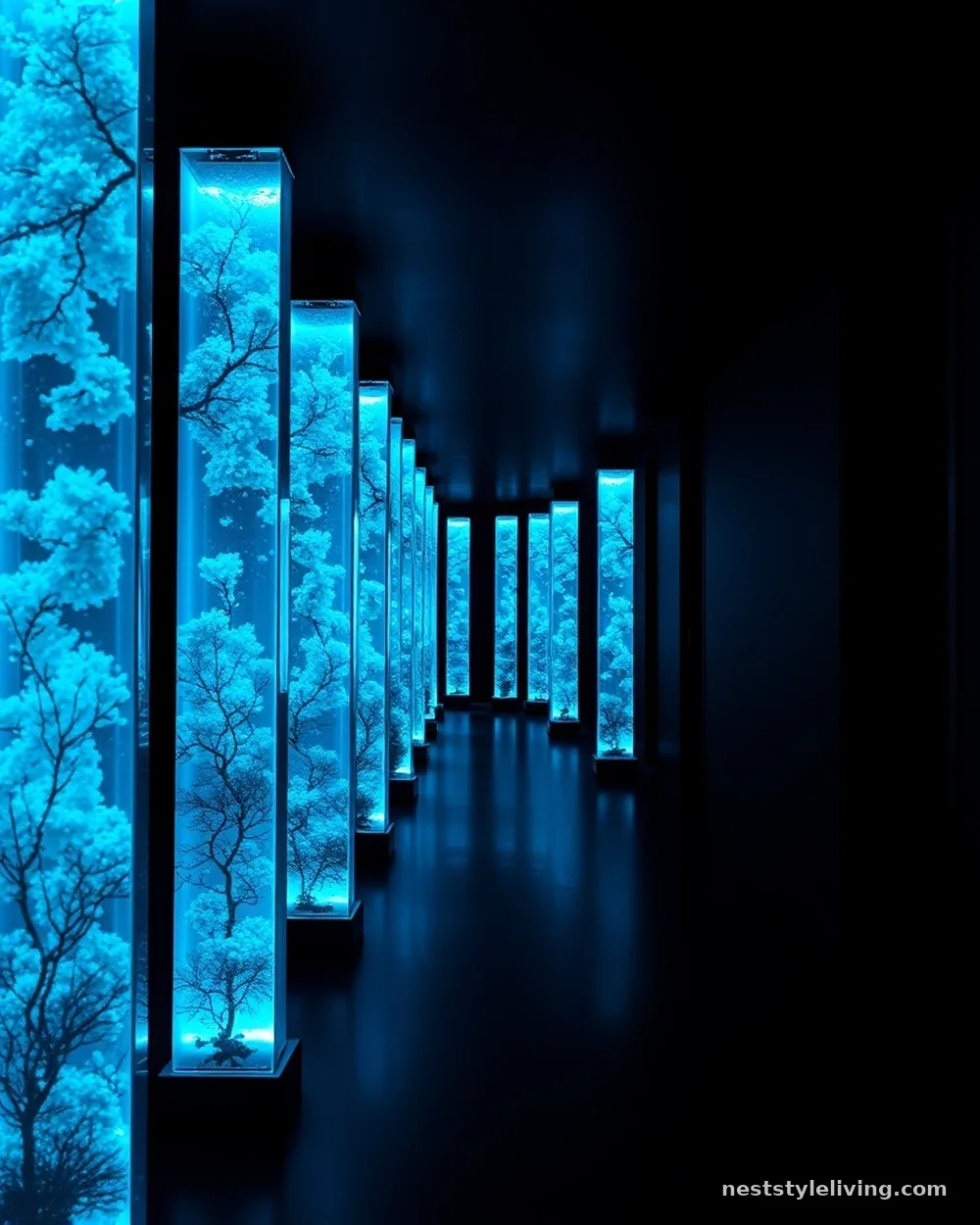
Bioluminescent lighting utilizes synthetic biology to create light through organic chemical reactions, providing a soft, ambient glow that requires no electricity. While currently in the early stages of commercial application, designers are integrating these glass-encased algae colonies into feature walls or decorative pillars to provide low-level navigation light at night.
The visual effect is a soft, pulsating blue or green light that mimics natural phenomena, creating a calming atmosphere in bedrooms or hallways. These living light sources are housed in sealed, self-sustaining glass vessels that require minimal maintenance beyond occasional exposure to natural light to photosynthesize.
Start small by incorporating a desktop-sized bioluminescent orb into a living room or study. These units are self-contained and require only a steady temperature and occasional manual agitation to keep the algae healthy and glowing.
3. Self-Healing Bioconcrete Surfaces
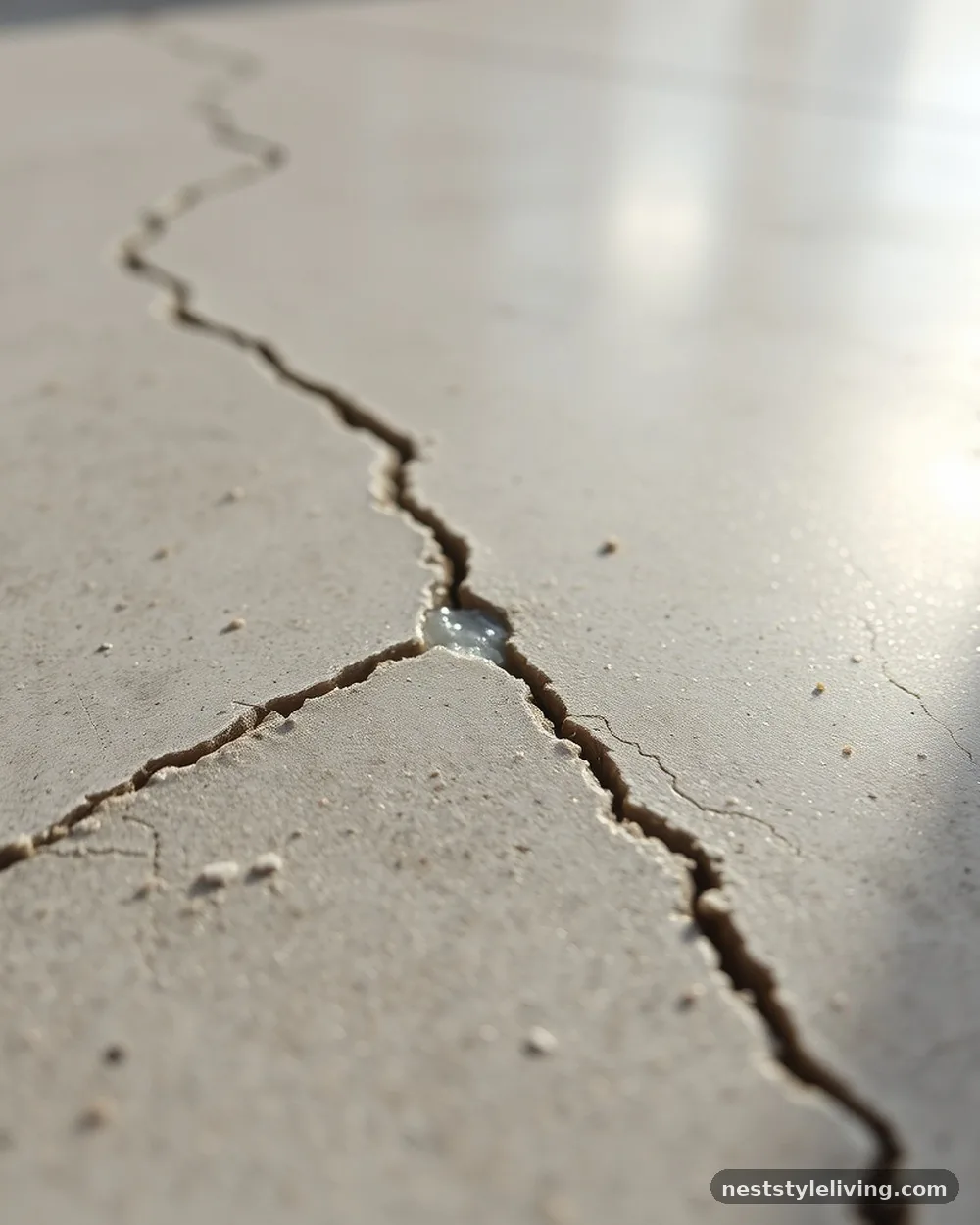
Bioconcrete is a specialized material infused with dormant bacteria and capsules of calcium lactate that activate when water enters a crack. As the bacteria feed on the lactate, they produce limestone, effectively sealing the fissure from within. This is a game-changer for high-traffic entryways, basement floors, or exterior patios where structural integrity and aesthetics are constantly challenged by settling or weather.
Visually, it looks like high-end polished concrete, providing a brutalist, industrial foundation for your interior design. It reduces the long-term maintenance costs significantly, as you no longer need to patch small cracks or worry about water seepage causing structural rot.
If you are planning a renovation involving concrete flooring or countertops, inquire with your contractor about adding a self-healing admixture to the mix. It is a one-time investment during the pour that pays for itself by preventing the need for future professional repairs.
4. Kinetic Energy-Harvesting Floors

Kinetic flooring technology uses piezoelectric sensors embedded beneath floor tiles to capture the energy generated by human footsteps. This energy is then converted into electricity, which can be stored in a battery bank or used to power low-voltage LED strips along baseboards. These systems are ideal for high-traffic corridors or kitchen zones where family members congregate frequently.
The tiles themselves are often made of recycled rubber or durable composite materials that feel slightly cushioned underfoot, providing ergonomic benefits alongside their power-generating capabilities. They look like standard luxury vinyl or rubber flooring, meaning they integrate seamlessly into any modern home design.
Focus your installation on the primary “runway” of your home, such as the hallway connecting the kitchen to the living area. Even a small section of energy-harvesting tiles can provide enough power to keep night-lights or smart sensors running indefinitely without drawing from the grid.
5. Smart Hydroponic Kitchen Islands
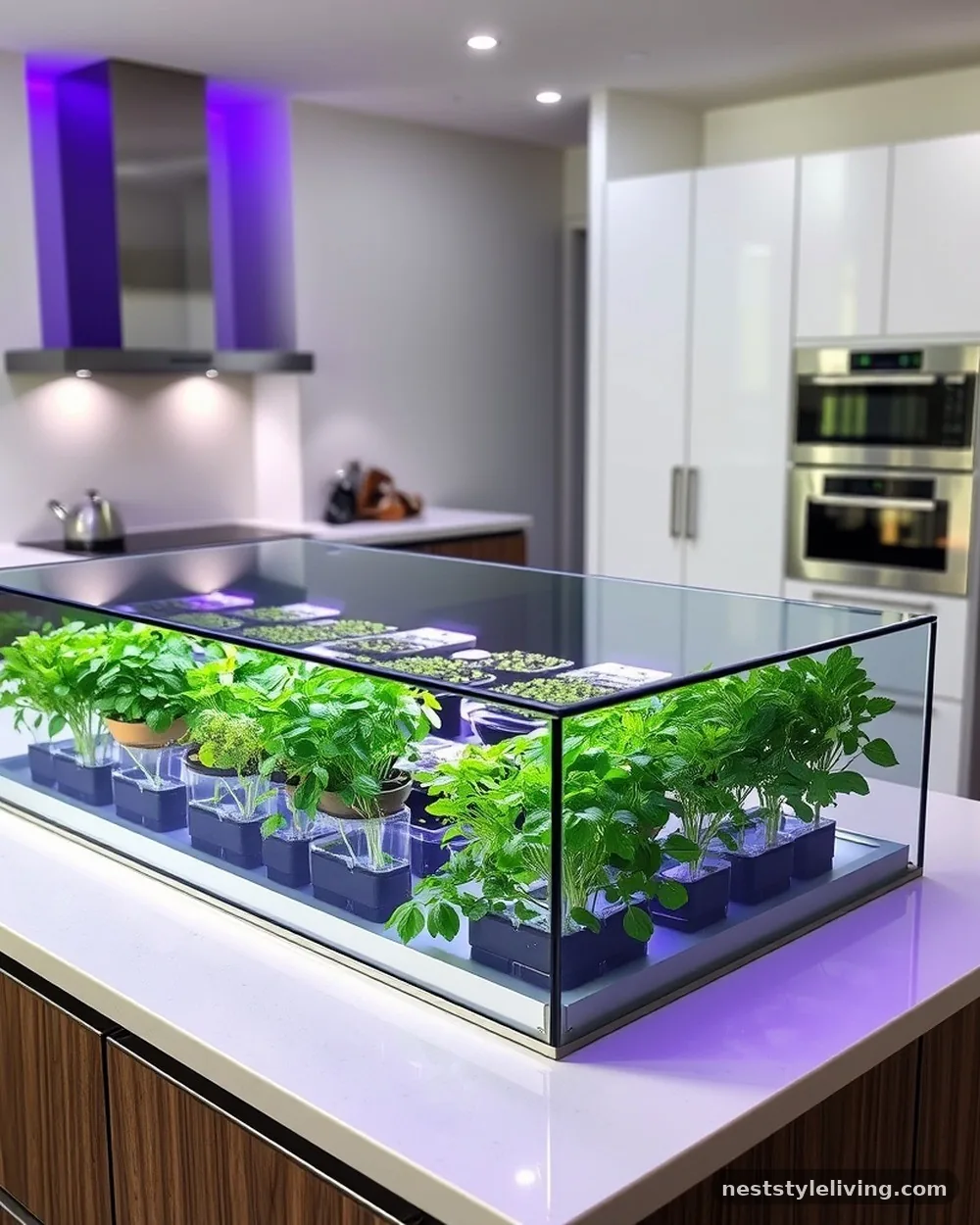
A smart hydroponic island replaces traditional kitchen storage with a built-in, automated growth chamber for herbs and leafy greens. These units are integrated directly into the cabinetry, featuring UV-spectrum LED lighting and a recirculating water system that monitors pH and nutrient levels automatically.
The visual appeal comes from the lush, vibrant greenery framed by sleek stone or wood countertops, effectively bringing the garden into the heart of the home. This setup ensures you have access to fresh, pesticide-free produce year-round, which is a major advantage for those living in urban environments where outdoor gardening space is limited.
You can purchase modular hydroponic inserts that fit into standard kitchen island dimensions. Ensure you have an electrical outlet nearby and a water connection if you prefer an automated refill system, though many units use manual reservoirs that only need filling once a week.
6. Electrochromic Smart Glass Windows
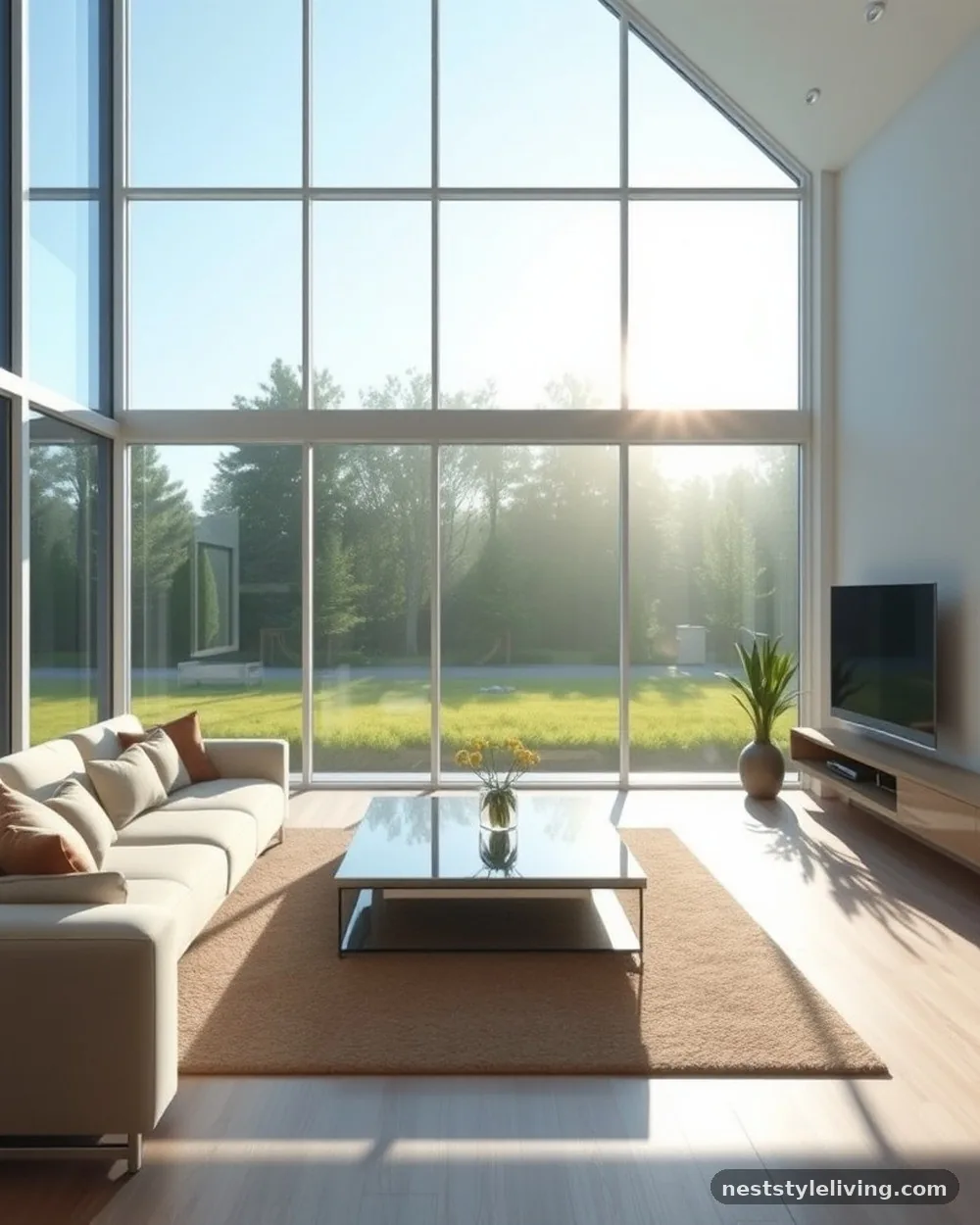
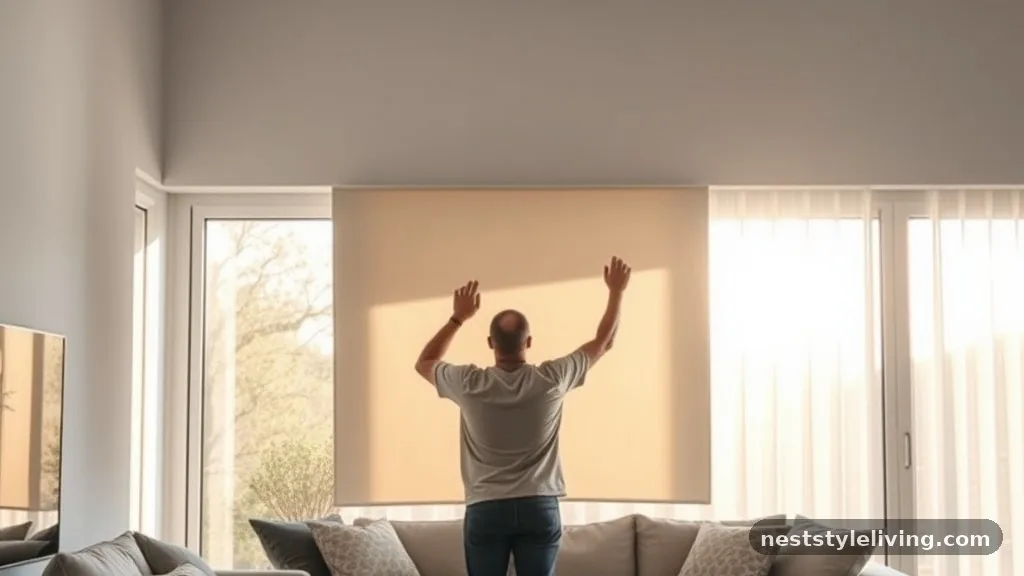
Electrochromic glass, or “smart glass,” changes its tint level in response to an electrical current, allowing you to control the amount of heat and light entering a room. By adjusting the opacity, you can eliminate the need for heavy curtains or blinds, creating a clean and unobstructed view of the outdoors at all times.
This technology significantly improves the energy efficiency of your home by blocking harsh solar gain during the summer and retaining heat during the winter. The glass can be set to clear, tinted, or fully opaque, providing both climate control and instant privacy at the touch of a button or via a smartphone app.
Consult with a glazing specialist to replace south-facing windows with electrochromic panels. While this is a larger initial investment than standard double-pane glass, it eliminates the need for expensive window treatments and reduces cooling costs during peak summer months.
7. Integrated Air-Purification Wall Panels
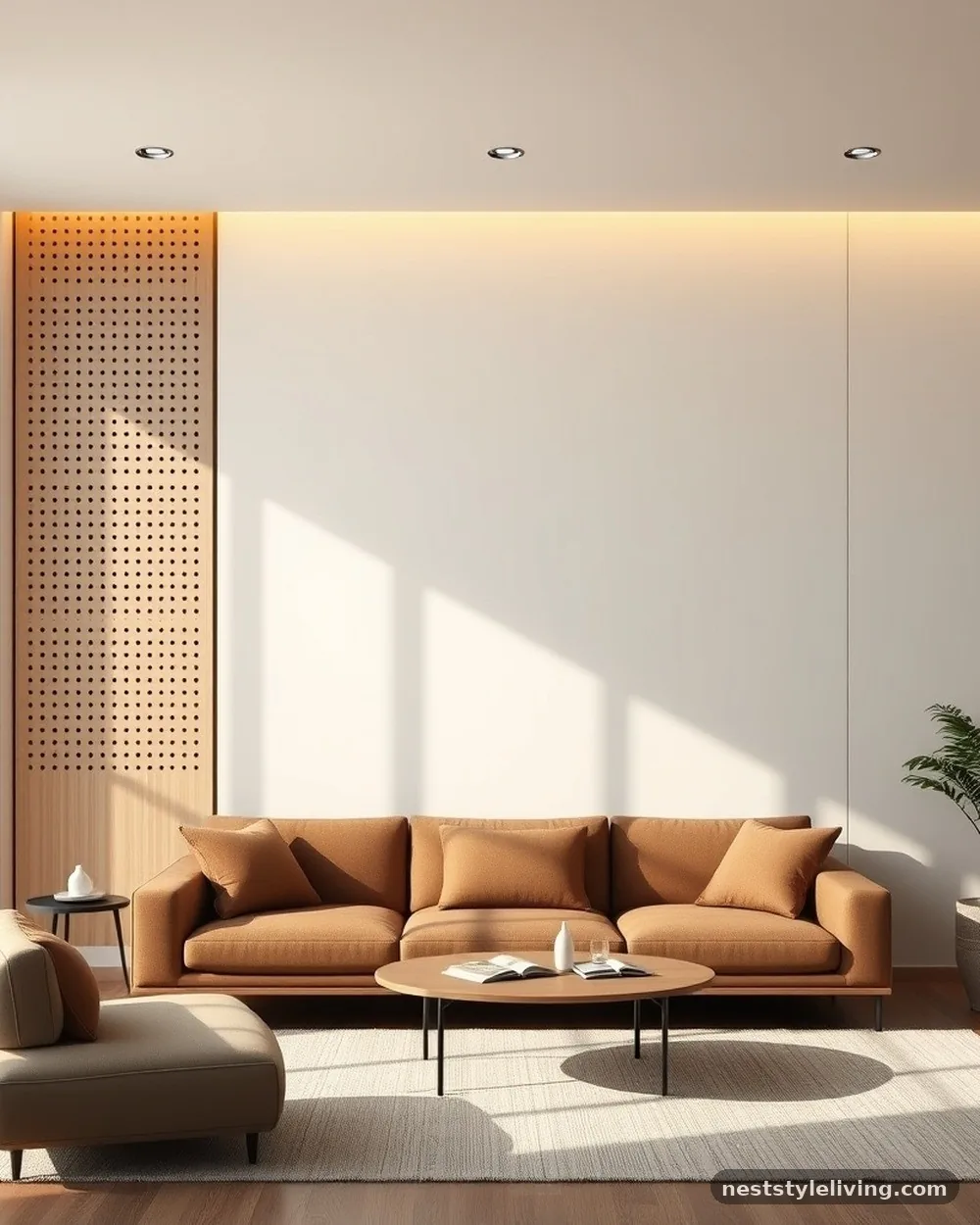
These wall panels are designed with advanced HEPA and activated carbon filtration systems hidden behind decorative, perforated wood or metal screens. They continuously circulate air through the wall cavity, removing pollutants, allergens, and odors without the noise of a bulky, standalone unit.
Because the filtration system is part of the wall itself, it remains invisible, keeping your interior design focused on aesthetics rather than appliances. The panels can be finished in various veneers or paints to match your wall color, making them look like standard architectural trim or decorative wall art while silently improving the indoor air quality of your home.
When designing a room renovation, plan for a “utility wall” where you can recess these filtration units. Ensure there is access for filter changes, typically via a magnetic panel that matches the rest of the wall finish, allowing for easy maintenance every few months.
8. Modular Magnetic Kitchen Backsplashes
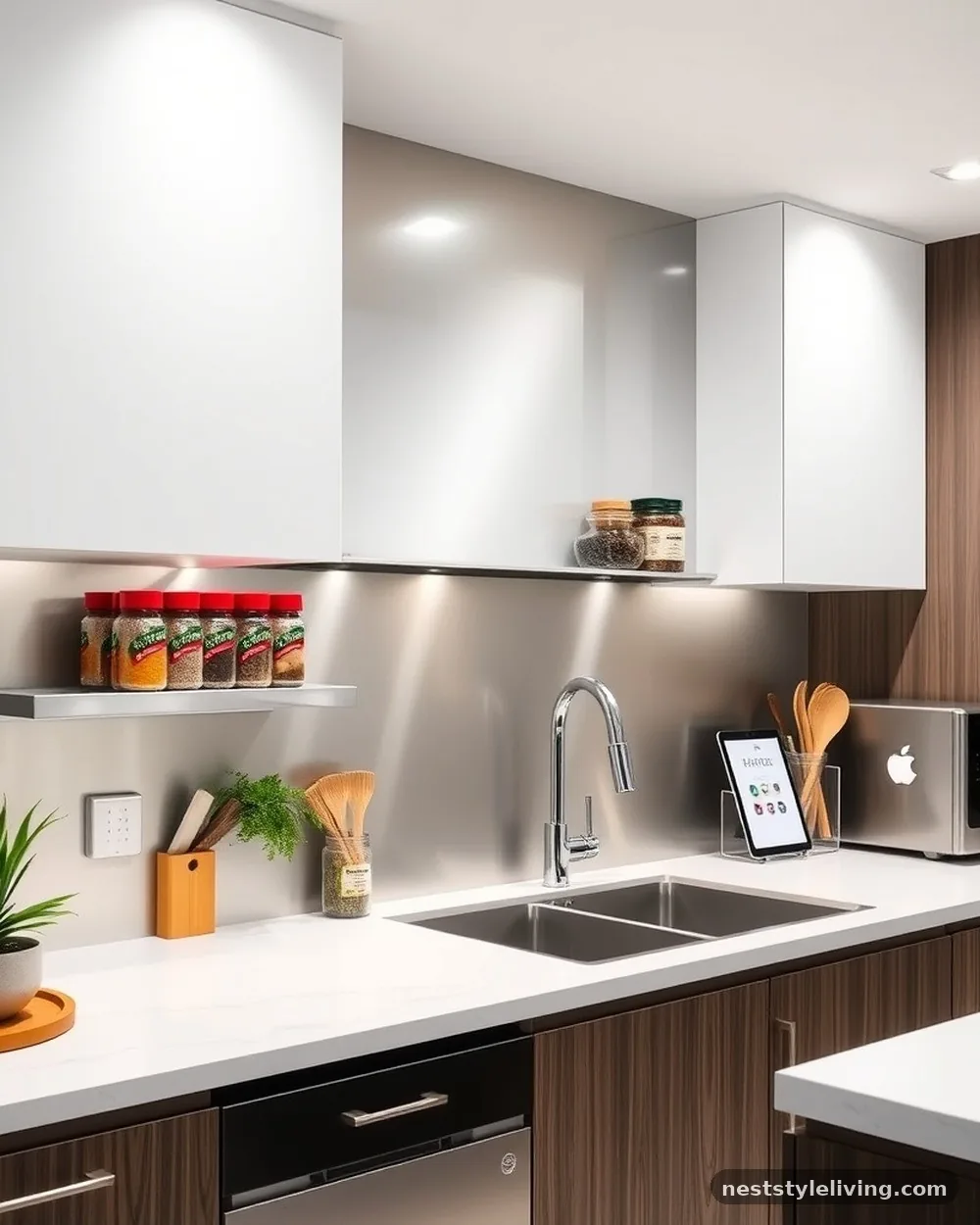
A magnetic backsplash is a functional wall surface made of high-grade, brushed stainless steel or powder-coated metal that serves as an anchor for modular storage. Instead of traditional cabinetry, you can snap on magnetic shelves, spice racks, utensil holders, and even tablet docks that hold your recipes. This approach keeps your countertops completely clear, which is essential for small-space living.
You can rearrange your entire kitchen layout in seconds, moving your most-used tools to where you need them most. It looks modern, professional, and is incredibly easy to wipe down, making it a hygienic choice for busy home cooks.
Install a continuous sheet of magnetic stainless steel across your entire backsplash area. Use strong, industrial-grade magnets for your storage attachments to ensure they can hold the weight of heavy cast-iron pans or full spice jars without slipping.
9. Responsive Haptic Flooring
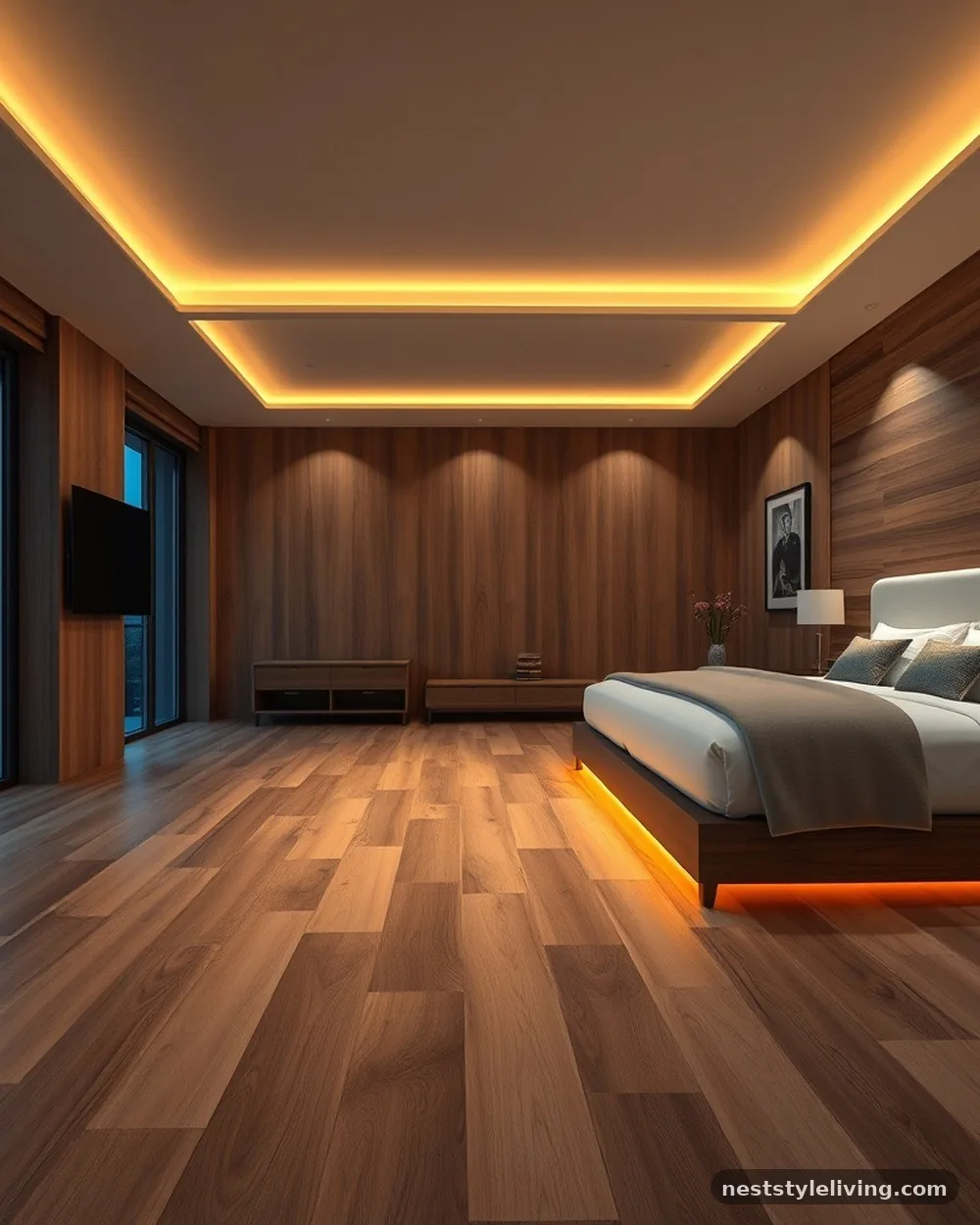
Haptic flooring uses embedded vibration sensors to provide subtle feedback to the inhabitants, such as notifying you of a doorbell ring, a timer completion, or an incoming call through gentle pulses. This technology is particularly useful for people with hearing impairments or for those who spend time in rooms with loud equipment. The floor remains indistinguishable from standard hardwood or tile, as the actuators are installed beneath the subfloor.
This creates a tactile layer of communication that feels natural and intuitive, reducing the reliance on loud, jarring audio alerts throughout the house. It is a sophisticated way to make your living space feel more connected to your smart home ecosystem.
Work with an AV or smart-home integrator to map out the zones where you want haptic feedback, such as the kitchen or home office. The system is best installed during a flooring replacement project, as it requires access to the subfloor to place the vibration actuators correctly.
10. Vacuum-Insulated Structural Panels
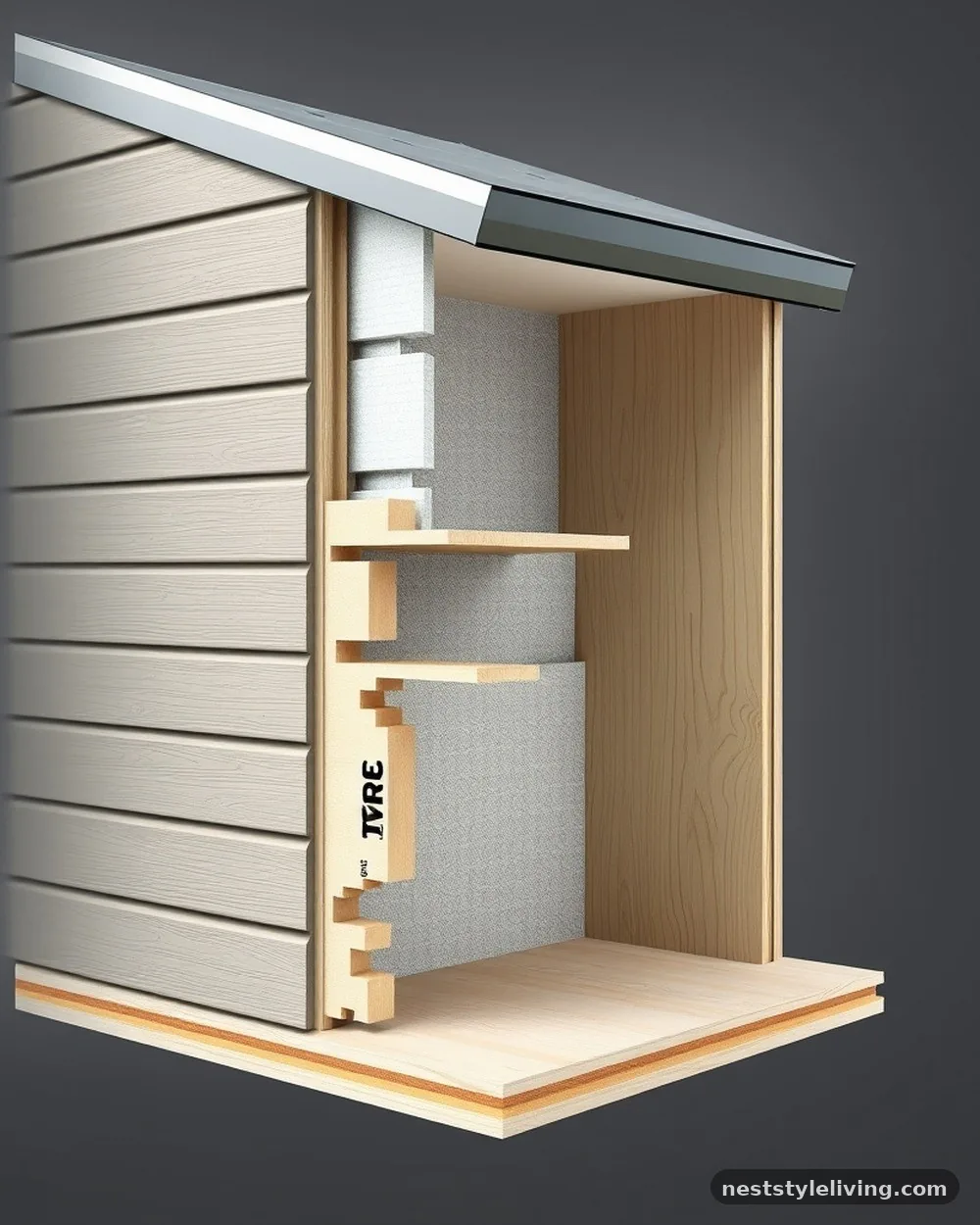
Vacuum-insulated panels (VIPs) are thin, high-performance insulation boards that provide the same thermal resistance as several feet of traditional fiberglass. By using these in your exterior walls, you can maintain a much thinner wall profile while drastically increasing the energy efficiency of your home. This gives you more usable interior square footage without sacrificing comfort or energy costs.
These panels are ideal for home additions or major retrofits where maximizing space is a priority. They create an airtight, thermal-bridge-free envelope that keeps the interior temperature consistent, regardless of the outdoor weather, making your living spaces incredibly comfortable year-round.
When planning a room addition, specify vacuum-insulated panels to your architect. While they are more expensive than traditional batts, the space-saving benefit allows for larger windows or more floor space, which adds significant long-term value to your property.
11. Hidden Retractable Furniture
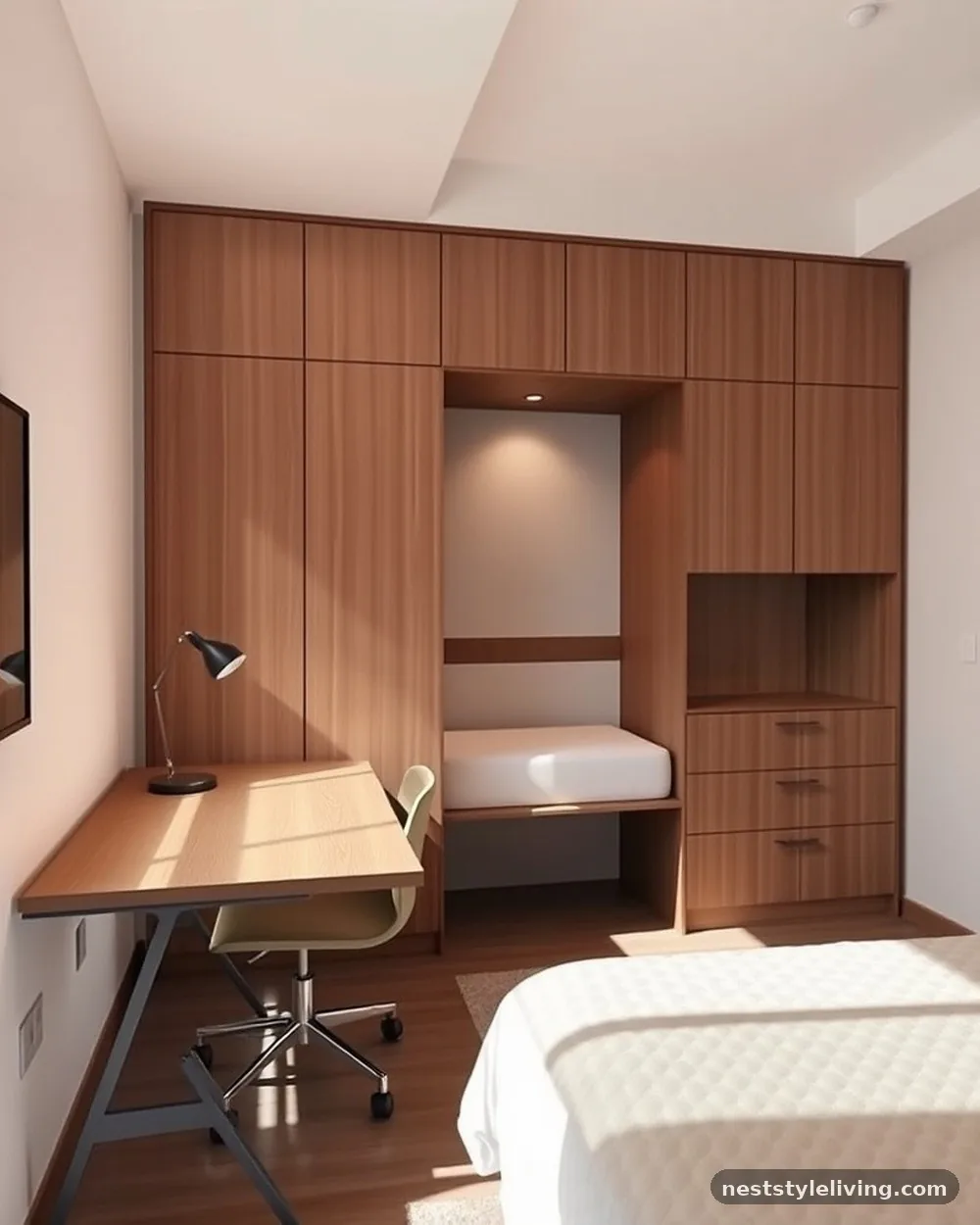
Hidden furniture, such as beds that fold into desks or tables that retract into walls, is the ultimate solution for maintaining a minimalist aesthetic in small homes. These systems use precision-engineered counterbalanced mechanisms that allow you to transition a room from a workspace to a bedroom in seconds. The furniture is custom-built to match your cabinetry, meaning when it is stowed away, it looks like a seamless wall of storage.
This approach is perfect for studio apartments or multi-functional rooms that need to serve several purposes throughout the day. The hardware is designed for heavy, daily use, ensuring it lasts for years without failing or jamming.
Focus on high-quality, professional-grade hardware kits when building your hidden furniture. The mechanism is the most important part; avoid cheap alternatives that are prone to sticking, as a smooth, one-handed operation is essential for the functionality of these pieces.
12. Smart Mirror Vanity Stations
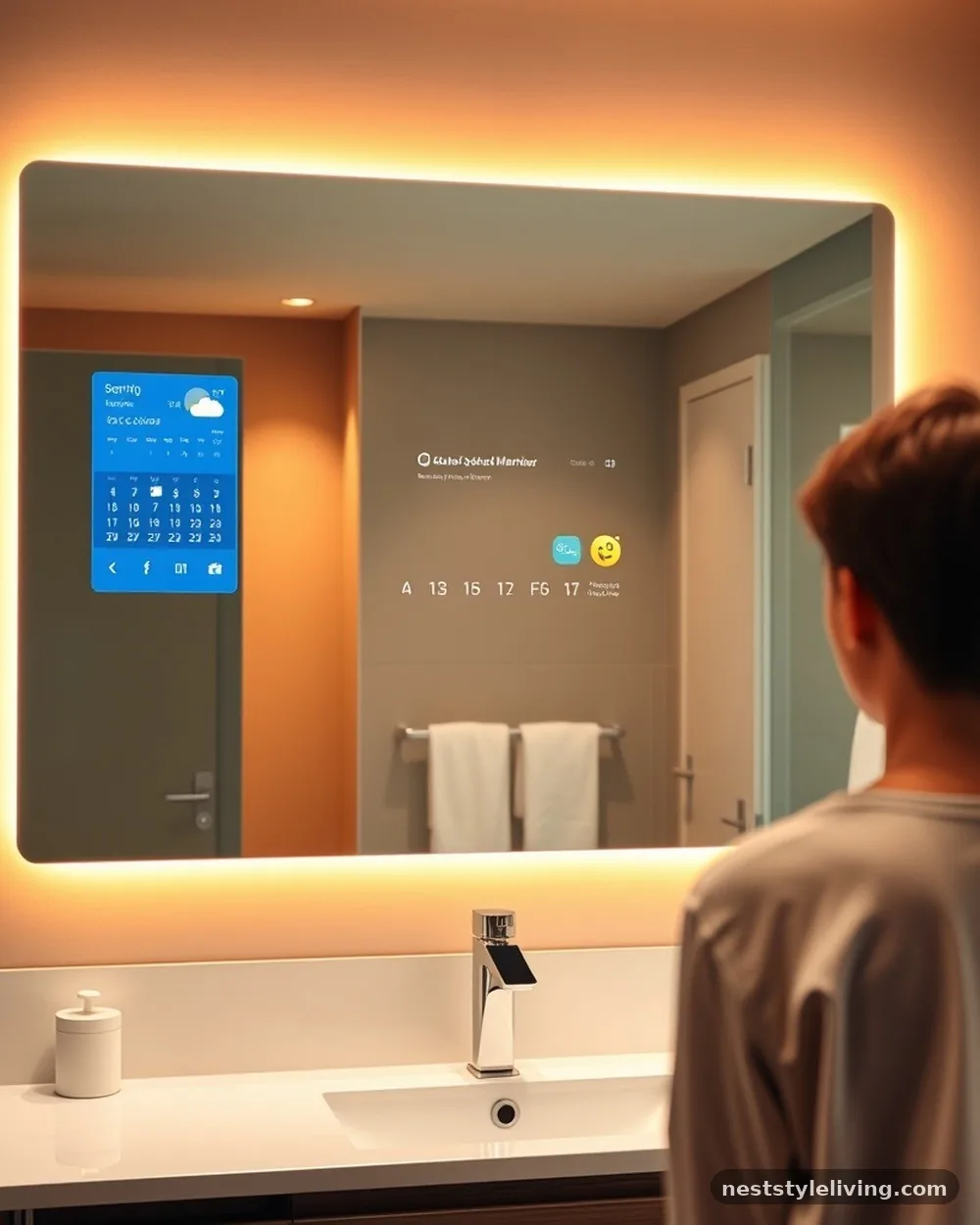
A smart mirror vanity station is a bathroom or bedroom mirror with an integrated, edge-to-edge transparent OLED display. It provides real-time information such as your calendar, weather, traffic, or even skin-care tutorials while you get ready. When not in use, it functions as a standard, high-quality mirror.
The interface is touch-sensitive and voice-controlled, allowing you to keep your hands free while applying makeup or grooming. This integration of technology into a daily habit saves time and keeps you organized, all while maintaining a sleek, futuristic look that removes the need for extra screens or clutter on your vanity surface.
You can purchase pre-made smart mirrors that mount over existing electrical boxes. Ensure you choose a model with a high-definition display and a waterproof rating appropriate for bathroom use to prevent fogging or moisture damage to the electronic components.
13. Recycled Plastic 3D-Printed Accents
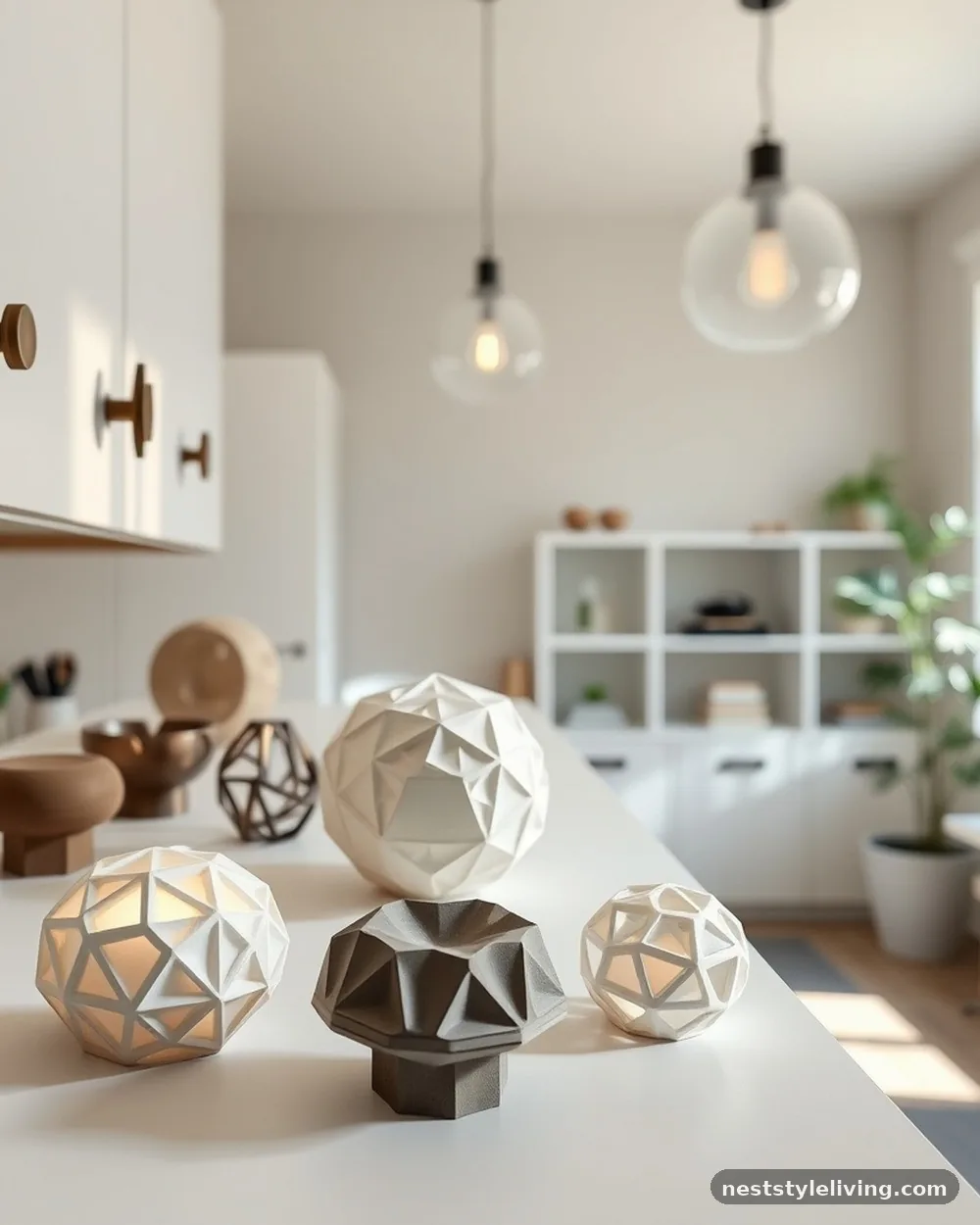
3D printing allows homeowners to create custom, geometric accents like light fixtures, cabinet pulls, and wall tiles from recycled ocean plastics. These pieces can be printed on-demand, allowing for unique, intricate shapes that are impossible to manufacture through traditional methods. They are durable, lightweight, and can be finished with various textures, from matte to high-gloss.
By choosing this route, you are supporting sustainable manufacturing and adding a one-of-a-kind design element to your home that reflects your values. These accents are perfect for adding personality to a room without the need for mass-produced, generic decor items.
Find a local 3D-printing service that uses recycled filaments. You can download existing designs or work with a designer to create custom pulls and knobs that perfectly match the scale of your existing furniture, providing a bespoke look for a fraction of the cost of artisan-made hardware.
14. Acoustic Cork Wall Treatments
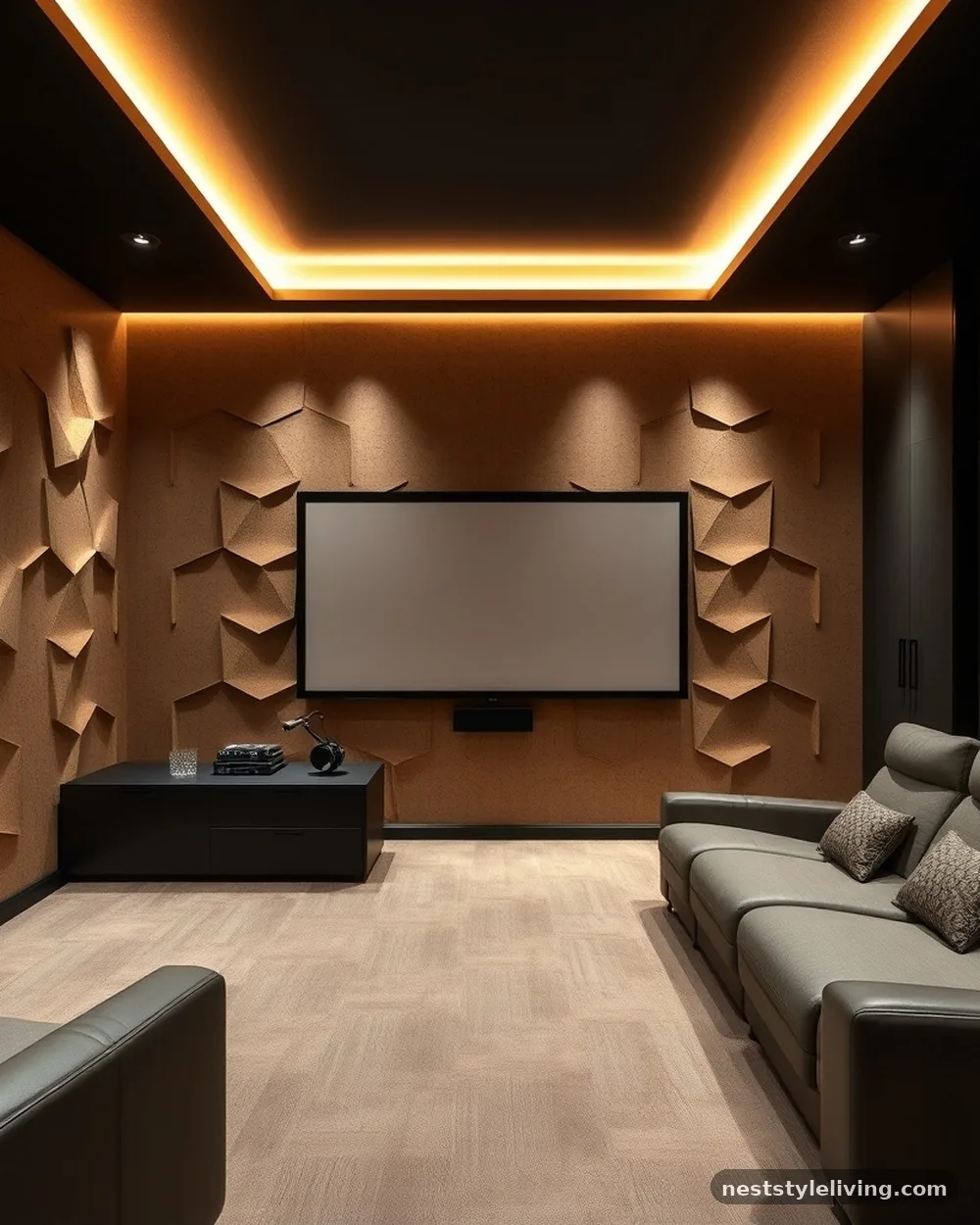
Cork is a naturally sustainable, anti-microbial, and highly effective sound-dampening material that can be used as a modern wall treatment. Modern applications involve laser-cutting the cork into geometric patterns or layering it to create 3D textures that look like high-end art. It is perfect for home theaters, bedrooms, or open-plan living areas where echo and noise pollution are common issues.
Beyond its acoustic benefits, cork provides a warm, organic texture that contrasts beautifully with modern materials like glass and steel. It is easy to clean, holds up well to wear, and can be easily replaced or updated if you decide to change your design scheme.
Apply cork tiles using a strong, low-VOC adhesive directly to your drywall. For a more sophisticated look, use cork panels that have been treated with a dark stain or metallic finish, which masks the traditional “bulletin board” appearance and gives the room a luxury, studio-like aesthetic.
15. Smart Water-Recycling Shower Systems
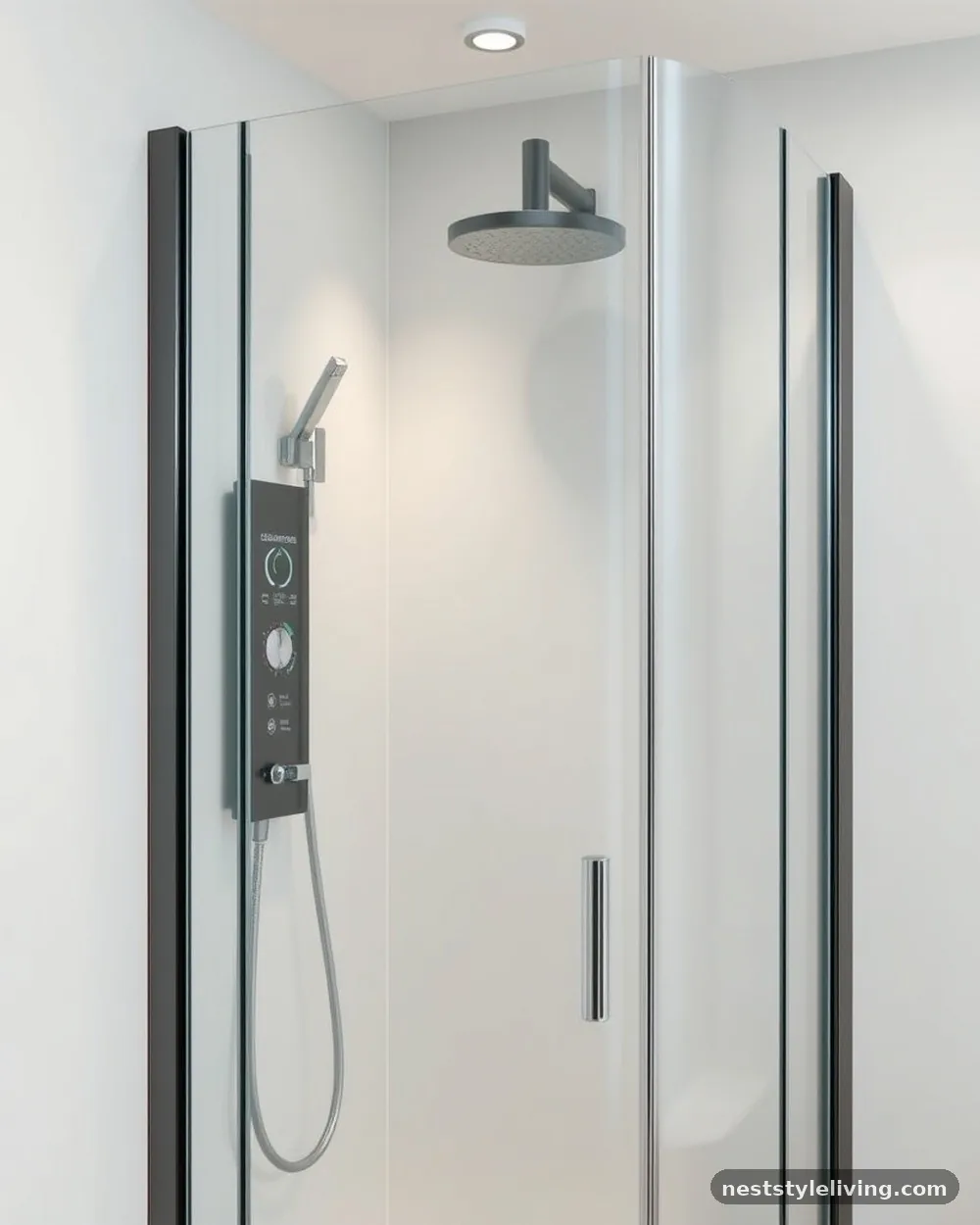
These systems capture, filter, and reheat the water used during your shower, circulating it in a closed loop to reduce water consumption by up to 90%. By using a high-flow, pressurized system, you get the experience of a powerful shower while using only a fraction of the water typically required. This is a significant step toward making your home more energy efficient and environmentally sustainable.
The hardware is sleek and modern, often featuring digital displays that show you exactly how much water and energy you are saving in real-time. It is a high-impact upgrade for any bathroom renovation focused on long-term sustainability.
If you are undergoing a major bathroom remodel, speak with a plumber about installing a closed-loop recycling shower unit. It requires a specific drainage setup to ensure the water is filtered and sanitized before it is reheated, so early planning with your contractor is vital for a successful installation.
Frequently Asked Questions
How do I start integrating future home design ideas without a complete renovation?
You can begin by focusing on “smart” accessories that do not require structural changes, such as smart mirrors, 3D-printed hardware, or modular storage solutions. These items offer the aesthetic and functional benefits of advanced design without the need for major demolition or electrical work.
Are these technologies difficult to maintain over time?
Most modern smart home systems are designed for reliability and ease of use. While some require occasional software updates or filter replacements, they generally follow the same maintenance cycles as standard appliances, provided you purchase high-quality, professional-grade equipment from reputable manufacturers.
Can these design ideas work in a traditional or historic home?
Yes, many of these concepts are highly adaptable. For example, acoustic cork wall treatments or modular storage can be integrated into older homes to improve comfort and functionality without compromising the historic character of the architecture, provided you choose finishes that complement the existing style.
Which of these ideas offers the best return on investment for property value?
Structural improvements like vacuum-insulated panels, electrochromic glass, and self-healing bioconcrete provide the most tangible long-term value. These upgrades directly improve the performance and durability of the house, which is highly attractive to future buyers who prioritize efficiency and low maintenance.
Is it necessary to hire a specialized architect for these technologies?
For complex systems like kinetic flooring or closed-loop water recycling, working with a specialist or a contractor experienced in high-performance building is recommended. For smaller-scale items, such as modular walls or smart vanity stations, a skilled general contractor or even a DIY approach is often sufficient.
Conclusion
Adopting these concepts allows you to create a living space that is as efficient as it is beautiful. By prioritizing materials that heal themselves, systems that reclaim energy, and modular layouts that adapt to your changing needs, you ensure your residence remains comfortable and relevant for years to come. Future home design ideas for smarter living are not about filling your rooms with gadgets, but about selecting high-performance elements that simplify your daily life and reduce your environmental footprint.
Whether you start with a single room update or plan a comprehensive renovation, focusing on these intentional, responsive design choices will provide lasting benefits. Take the first step by identifying which area of your home could most benefit from added efficiency, and begin your journey toward a more responsive and intelligent living space today.