20 80s Bedroom Ideas for a Fun Retro Look
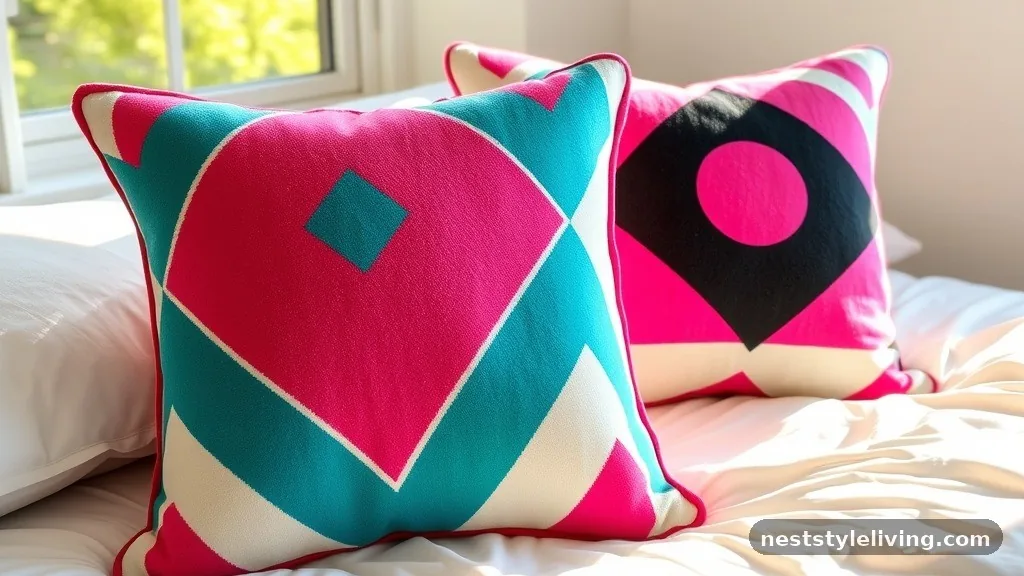
Transforming your space into an authentic time capsule is easier than you might think when you focus on the bold textures and vibrant palettes that defined the decade. Exploring 80s bedroom ideas for a Fun Retro Look allows you to blend high-energy patterns with the soft, cozy elements that make a room feel like home.
Whether you are aiming for a subtle nod to the era or a full-blown neon sanctuary, the following list highlights the core components that bring this aesthetic to life. You will discover how to source the right accessories and curate a collection that honors the past while feeling fresh and unique in your modern living environment.
1. Memphis Design Accent Pillows
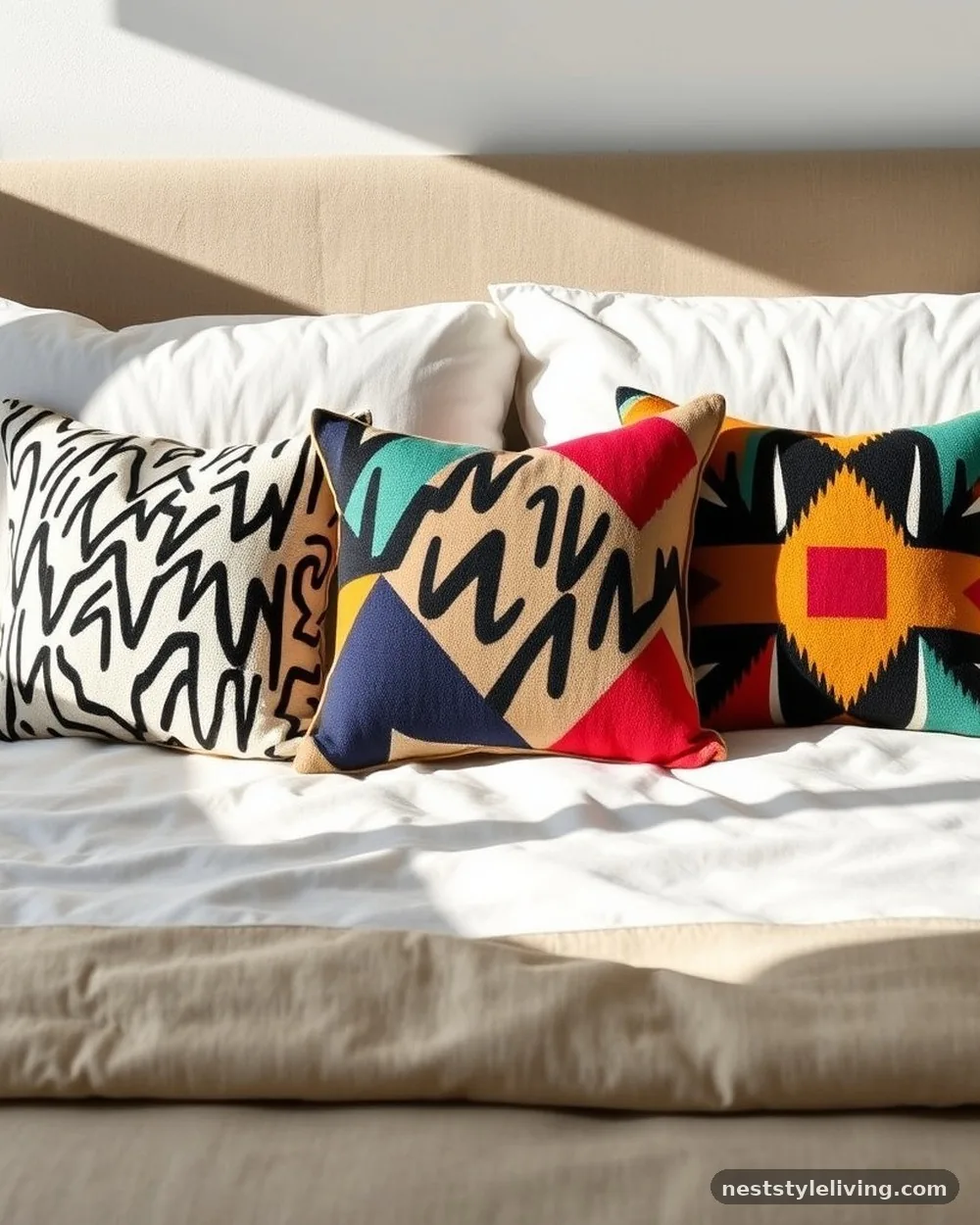
The Memphis Group aesthetic is arguably the most recognizable visual shorthand for the decade, characterized by jagged lines, squiggly patterns, and bold primary colors. You want to look for throw pillows that feature geometric shapes like triangles and circles paired with black-and-white grids. These items act as a focal point on a neutral bedspread, immediately signaling the era’s playful rejection of traditional minimalism. The heavy use of cotton or poly-blends makes these durable enough for daily lounging, though you should avoid washing them with harsh detergents to keep the vibrant dyes from bleeding into the lighter patterns.
To integrate this look, purchase fabric remnants featuring Memphis-inspired prints and sew them onto existing pillow inserts. If you aren’t a seamstress, look for vintage-style graphic covers on artisan marketplaces that prioritize geometric motifs.
2. Neon Tube Wall Lighting
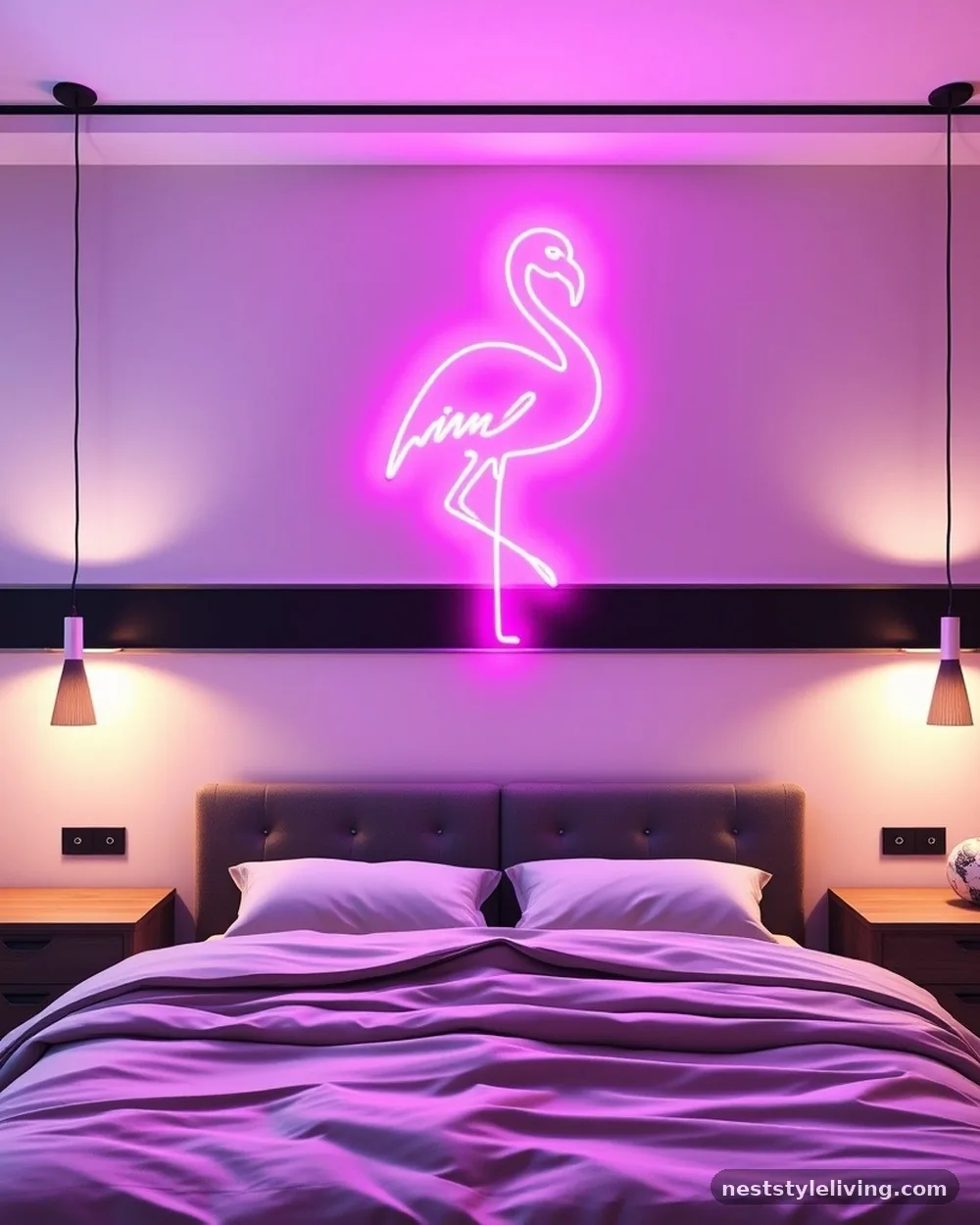
Nothing screams 1980s quite like the glow of neon. While actual glass gas-filled tubes are fragile and expensive, modern LED neon flex offers the same vibrant aesthetic without the risk of shattering or high electrical consumption. A custom sign featuring a lightning bolt, a flamingo, or a geometric shape adds instant personality to a blank wall. These lights provide an ambient, moody illumination that softens the room at night, making the space feel like a high-end lounge. They are lightweight and typically come with adhesive backing or simple mounting brackets, which makes them perfect for renters who cannot drill deep holes into drywall.
Install these using command strips to ensure the wall finish remains intact. Ensure you place the power adapter near an existing outlet, as the cords are usually short and look messy if they have to snake across the room.
3. Lucite and Acrylic Furniture
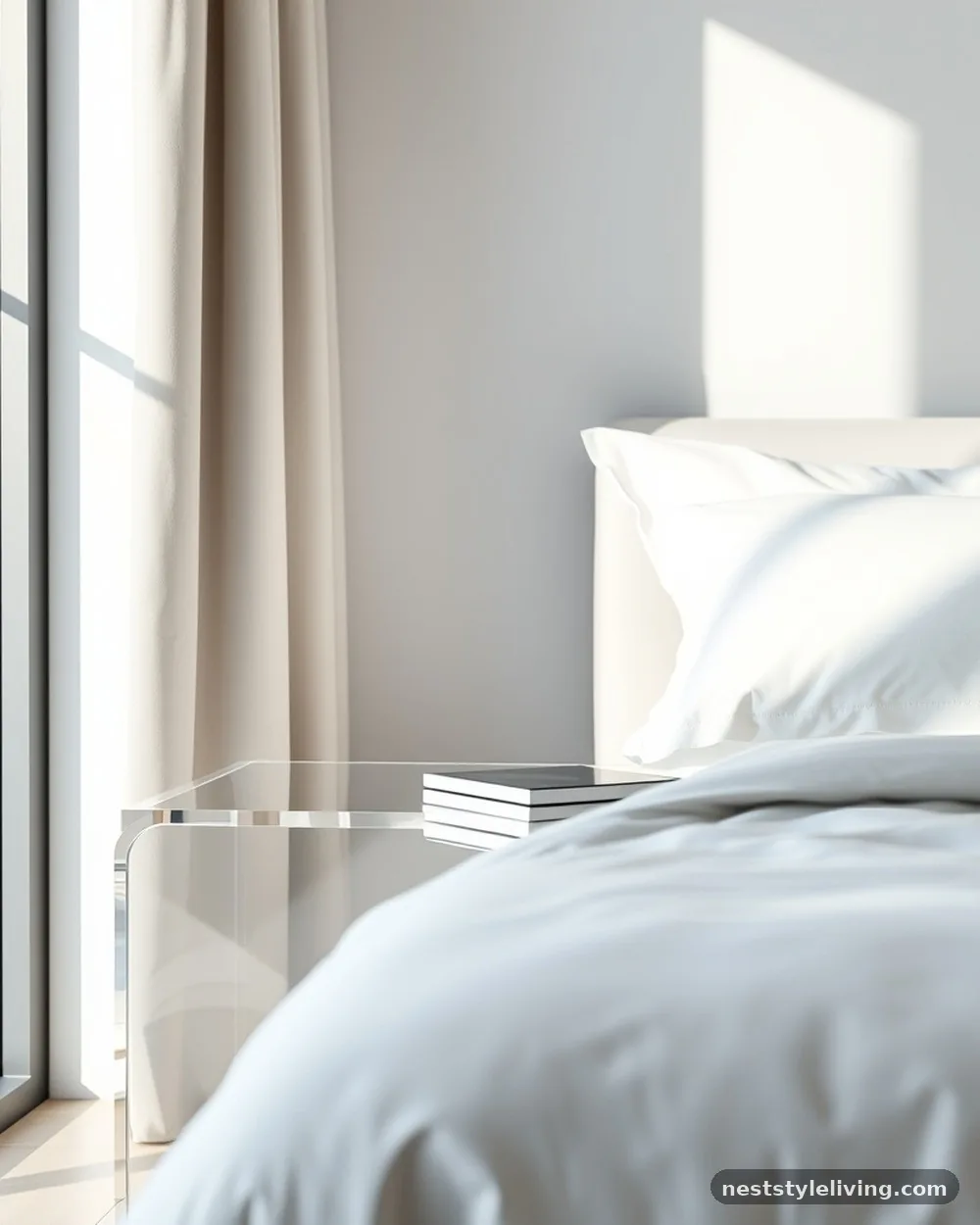
Transparent furniture was a huge trend, favored for its ability to save visual space while maintaining a futuristic, high-tech appearance. A bedside table or a small vanity stool made from clear Lucite adds a sleek, airy quality to a bedroom that might otherwise feel cluttered with heavy wood pieces. These items are incredibly easy to wipe down, though they do attract fingerprints and scratches over time. To maintain that crystal-clear look, use a specialized acrylic cleaner rather than standard glass spray, which can cause the plastic to develop micro-cracks or cloudiness after repeated exposure to ammonia.
When buying, check the thickness of the material; thicker acrylic is significantly more stable and less prone to warping under the weight of lamps or books. Place them on a colorful rug to emphasize the transparency.
4. Glass Block Room Dividers
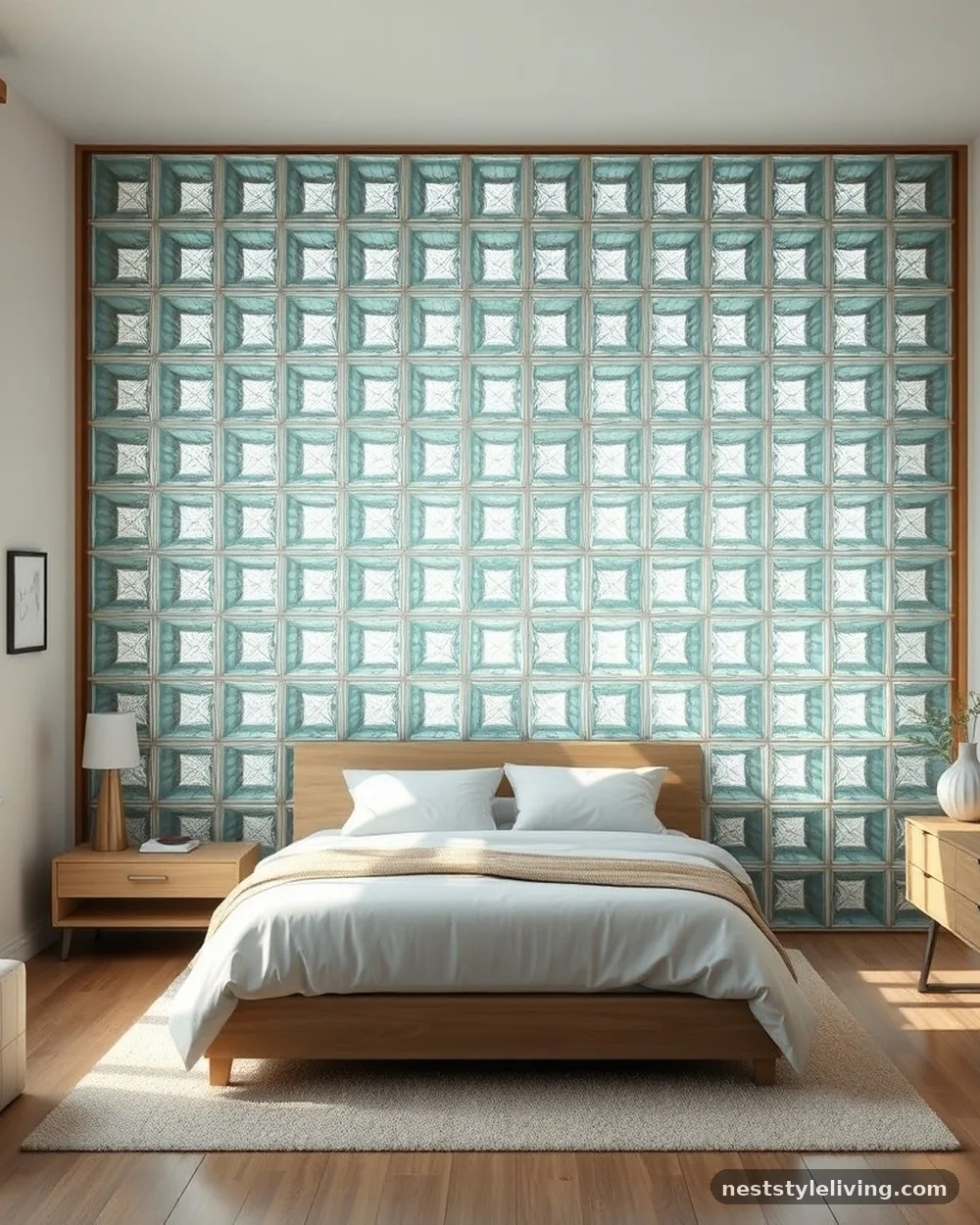
Glass blocks were the architectural hallmark of the decade, often used to partition bathrooms or create privacy walls in open-concept spaces. In a bedroom, you can simulate this look by using adhesive glass-look tiles or finding a vintage freestanding partition to separate your sleeping area from a desk or dressing zone. These blocks diffuse light beautifully, creating a soft, ethereal glow that masks clutter behind them while keeping the room feeling open. They are heavy, so ensure any permanent structure is anchored properly to the floor and wall to prevent tipping.
If you are on a budget, use translucent window film that mimics the texture of glass blocks on an existing window or a room screen. This provides the same visual interest for a fraction of the cost.
5. High-Pile Shag Carpeting
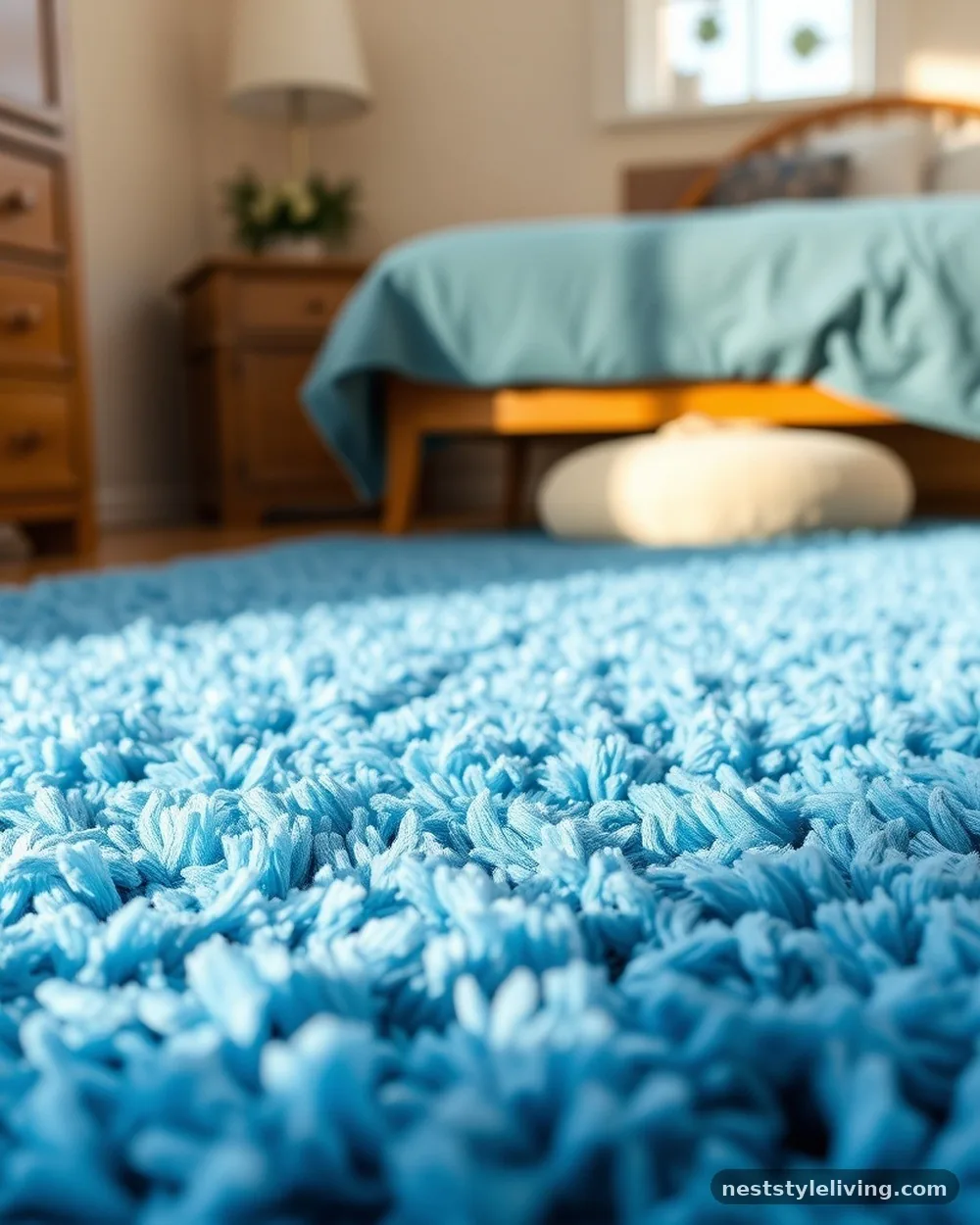
Shag rugs were everywhere in the 80s, providing a tactile, cozy foundation for the entire room. You want a deep-pile rug, ideally in a saturated color like electric blue, hot pink, or deep emerald green, to ground your bedroom furniture. The texture provides excellent sound dampening and makes the floor feel luxurious underfoot, though it does require regular vacuuming to prevent dust from settling deep into the fibers. Look for synthetic blends like nylon or polyester, which are more resistant to crushing and staining than natural wool alternatives.
Use a high-quality rug pad underneath to provide extra cushioning and prevent the rug from sliding. This also helps extend the life of the fibers by reducing the friction against the floorboards.
6. Pastel Color Blocking
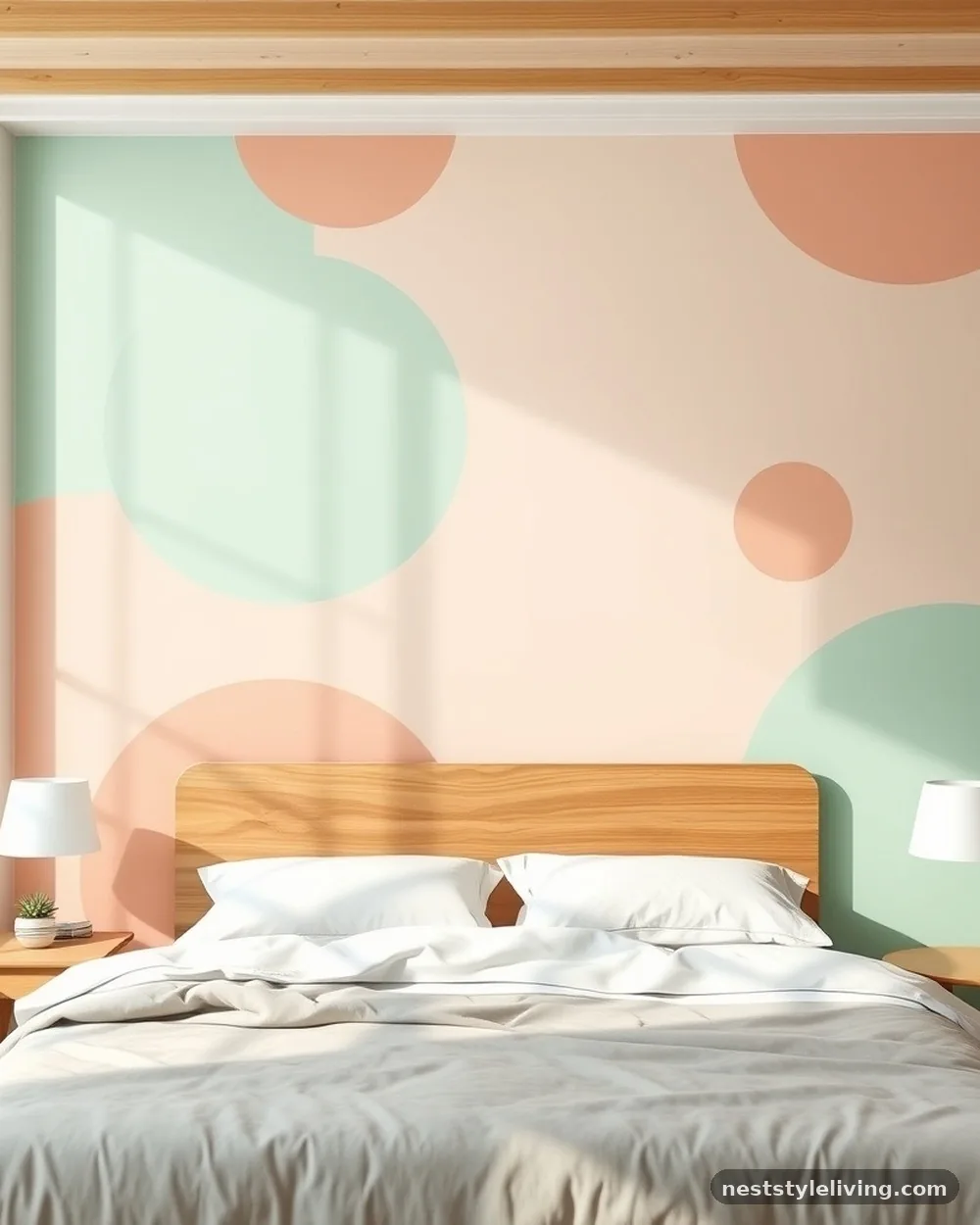
While neon gets all the credit, the 80s also mastered the art of the soft, powdery pastel. Incorporating mint green, peach, and lavender through color blocking on your walls creates a calm yet distinctly retro atmosphere. You can paint a large circle behind your headboard or create horizontal stripes that wrap around the lower half of the room. This technique adds depth and interest without the need for expensive wallpaper or artwork. Use painter’s tape to ensure your lines are razor-sharp, and always prime the wall first to prevent the lighter colors from looking streaky.
Pick three complementary pastels and use them consistently across your bedding, curtains, and wall accents. This creates a cohesive look that feels deliberate rather than accidental.
7. Faux Leather Bean Bag Chairs
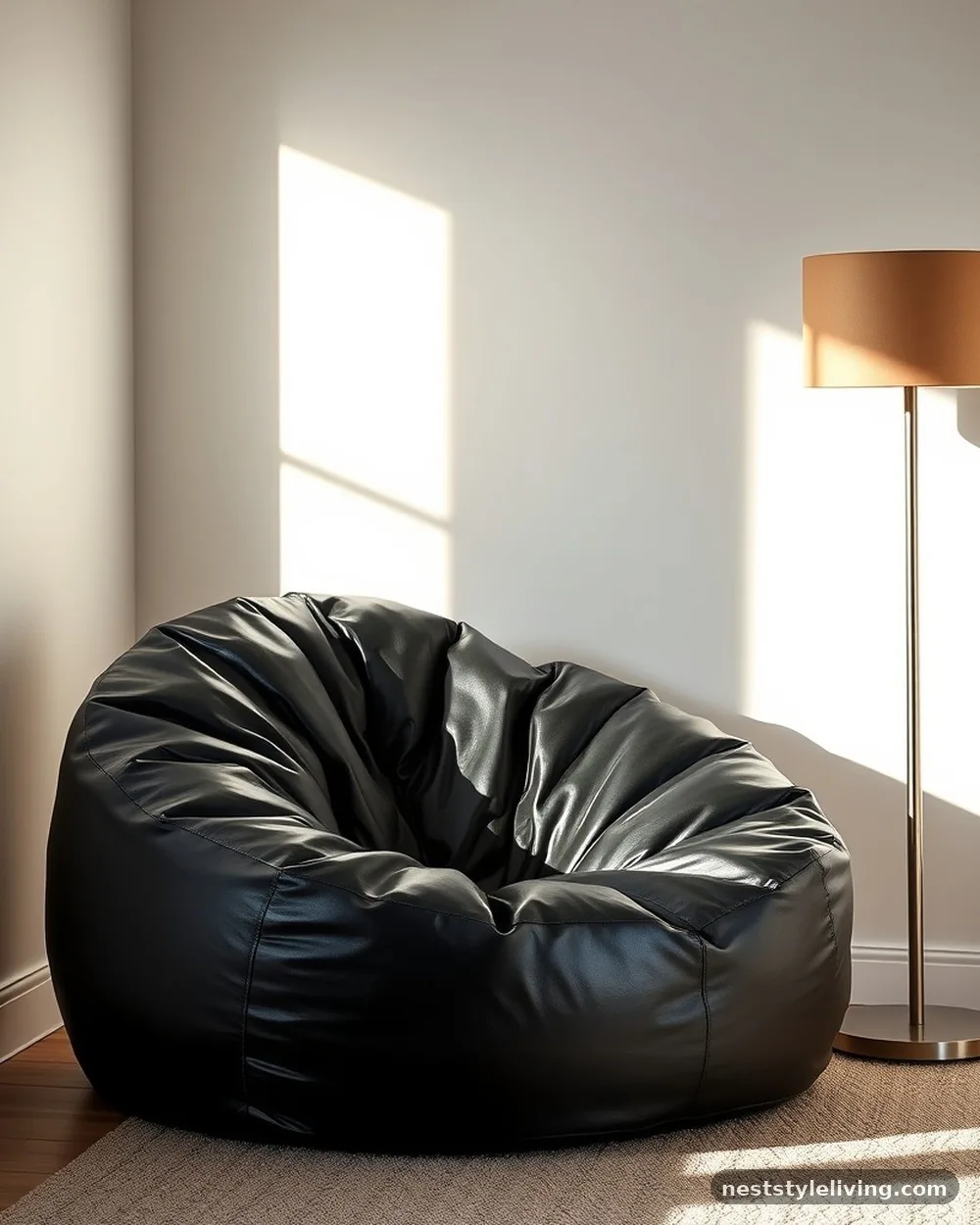
The bean bag chair is the ultimate symbol of 80s casual living. A version upholstered in shiny faux leather or vinyl elevates the concept from a dorm-room staple to a sophisticated piece of decor. It provides a flexible seating option that can be tucked into a corner when not in use. The material is very easy to wipe clean, which is a major advantage for bedroom furniture, though it can become sticky in hot weather. Look for models with reinforced double-stitched seams to ensure the beans don’t leak over time.
Place the chair in a corner near a window or a floor lamp to create a dedicated reading nook. Use a small, matching ottoman to complete the setup and maximize comfort.
8. Geometric Wall Stencils
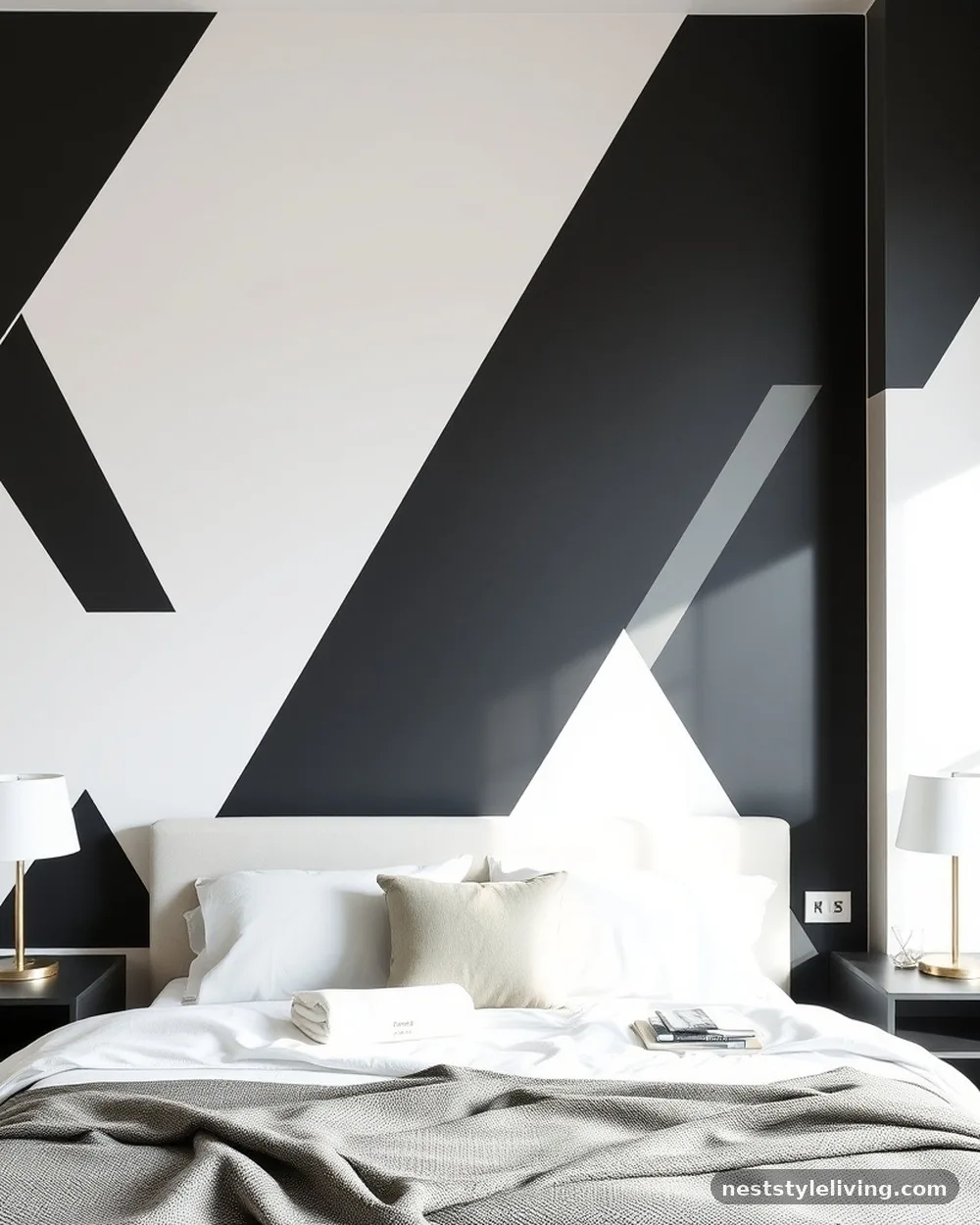
Wall art in the 80s often leaned into the post-modern fascination with shapes. Using large, bold stencils, you can paint repeating patterns of diamonds, zig-zags, or fragmented squares directly onto your walls. This is a budget-friendly way to make a huge impact, allowing you to customize the color palette to match your existing bedding. The process is labor-intensive, requiring patience and a steady hand, but the result is a custom mural that feels professional. Use high-density foam rollers to apply the paint to prevent bleeding under the stencil edges.
Choose a single accent wall behind the bed to stencil rather than the entire room. This prevents the pattern from becoming overwhelming and keeps the bedroom feeling restful.
9. Mirrored Closet Doors
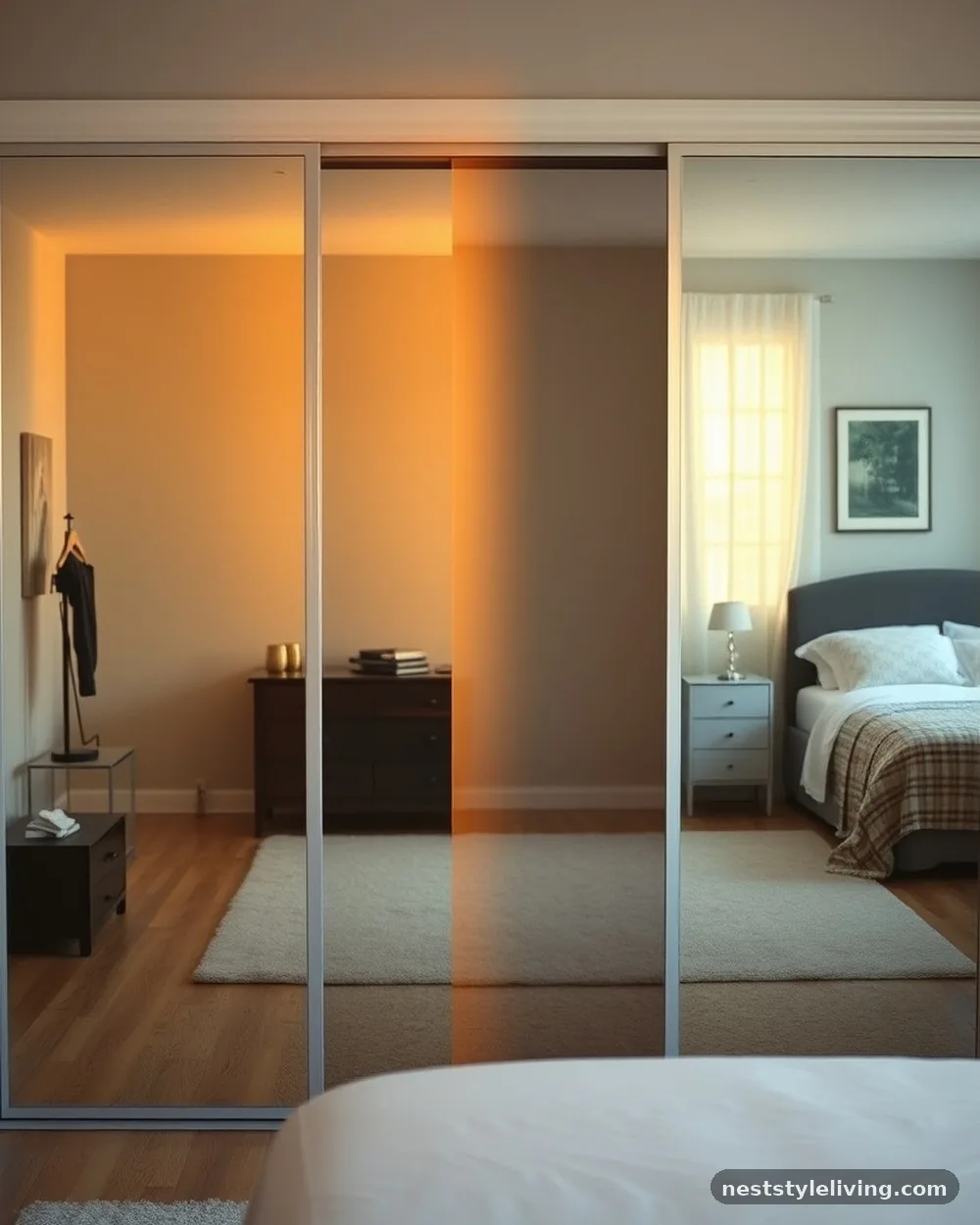
Mirrored sliding doors were an absolute staple, used to make smaller bedrooms feel twice as large. If you have standard doors, you can achieve this effect by applying self-adhesive mirror tiles or installing full-length mirror panels. These surfaces reflect light throughout the space, brightening up dark corners and providing a functional place to check your outfit. The main downside is maintenance; you will need to keep them streak-free, as even a small smudge is highly visible. Use a microfiber cloth and a vinegar-based cleaner to maintain the shine without damaging the silver backing.
Add a border of metallic gold or black tape around the edge of the panels to give them a custom, framed look. This simple detail mimics the high-end finishes found in 80s interior design magazines.
10. Memphis-Style Table Lamps
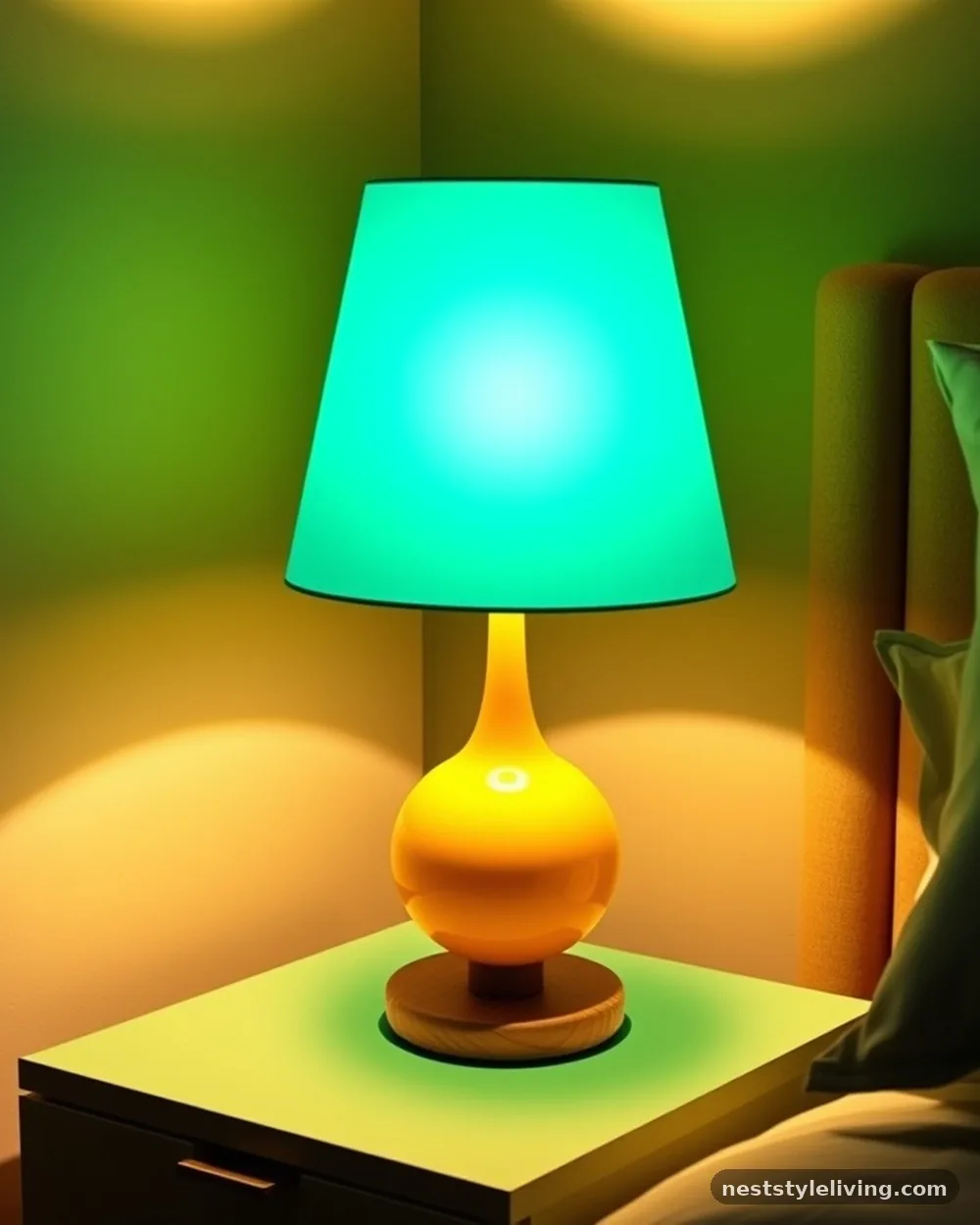
Lighting in the 80s was sculptural, often resembling abstract art more than functional home goods. Search for lamps that feature contrasting shapes—a spherical base with a cone-shaped shade, for example—in bright colors like yellow, red, or teal. These pieces serve as functional sculptures, adding a playful element to your nightstand. Look for vintage originals or high-quality reproductions made from powder-coated metal, which holds up well over time. Avoid cheap plastic versions that feel hollow and light, as they won’t provide the stability needed for a bedside lamp.
Use a warm-toned LED bulb to ensure the light emitted feels cozy rather than harsh. This balances the sharp, modern design of the lamp with a comfortable ambient glow.
11. Ruffled Bed Skirts and Shams
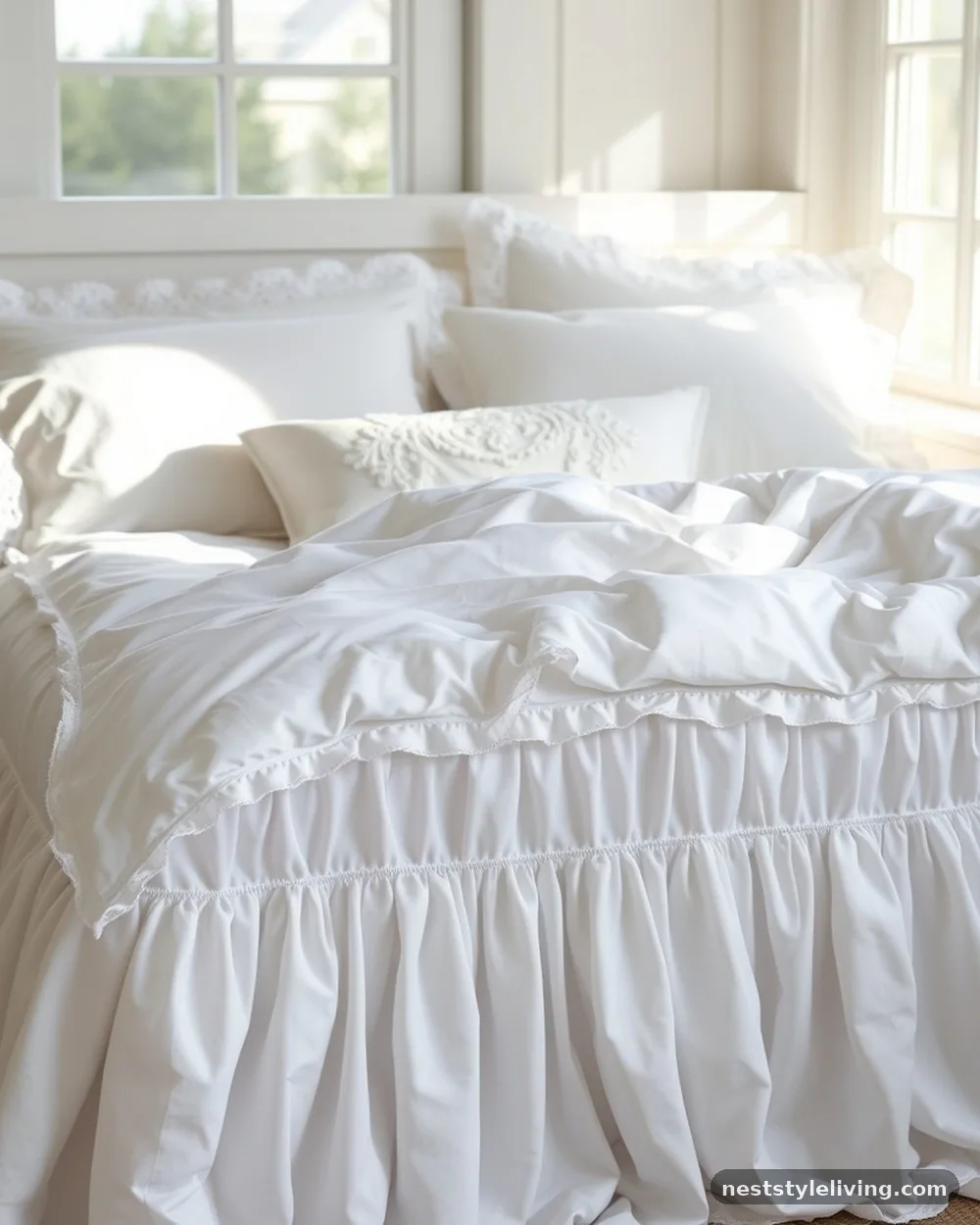
The softer side of the 80s aesthetic featured an abundance of lace, ruffles, and floral patterns. A bed skirt with a generous ruffle adds a touch of romantic nostalgia to the room, especially when paired with matching pillow shams. This look works best in a bedroom that leans toward a cottage or “shabby chic” vibe, contrasting with the sharper Memphis-style elements. Opt for cotton or linen fabrics, which drape better than synthetic blends and don’t look overly shiny or cheap. These items are machine-washable, though you will need to iron them to keep the ruffles looking crisp.
Layer the ruffles with a solid-colored quilt to keep the look from becoming too busy. This provides a balance between the busy texture of the ruffles and the clean lines of the bedding.
12. Bold Tropical Prints
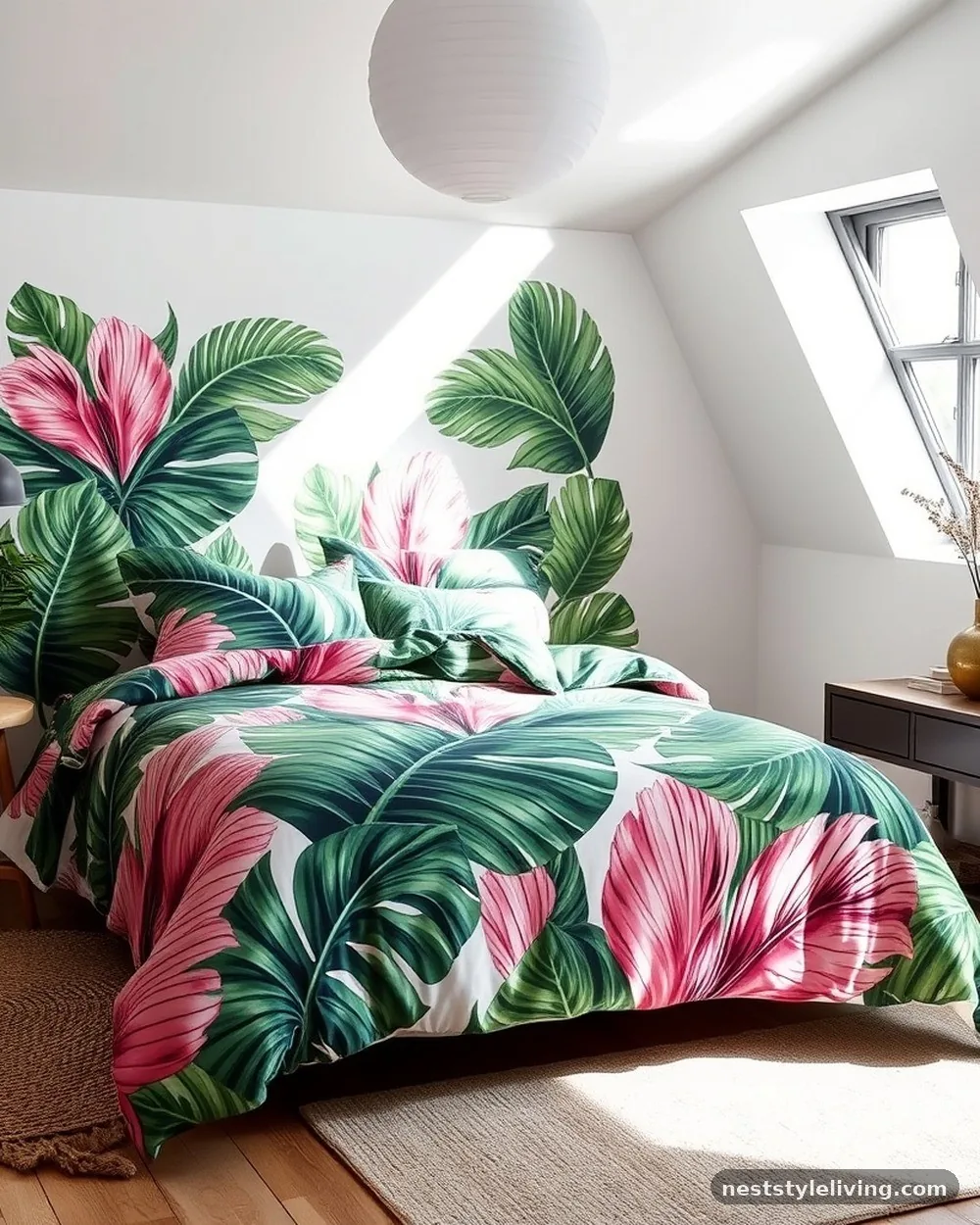
Tropical motifs were massive in the mid-to-late 80s, influenced by a desire for vacation-inspired relaxation at home. Large-scale palm leaf prints on duvet covers or curtains bring a sense of warmth and energy to the bedroom. Choose prints that feature deep greens, vibrant pinks, or sunny oranges to maintain that authentic retro feel. When mixing patterns, ensure the scales are different—for example, pair a large-scale tropical print with a smaller, subtle geometric print on your throw pillows to create visual balance.
Use the print sparingly on one large item, like the duvet, and keep the rest of the bedding solid. This prevents the room from feeling like a resort lobby and keeps the bedroom cozy.
13. Wall-Mounted Grid Shelving
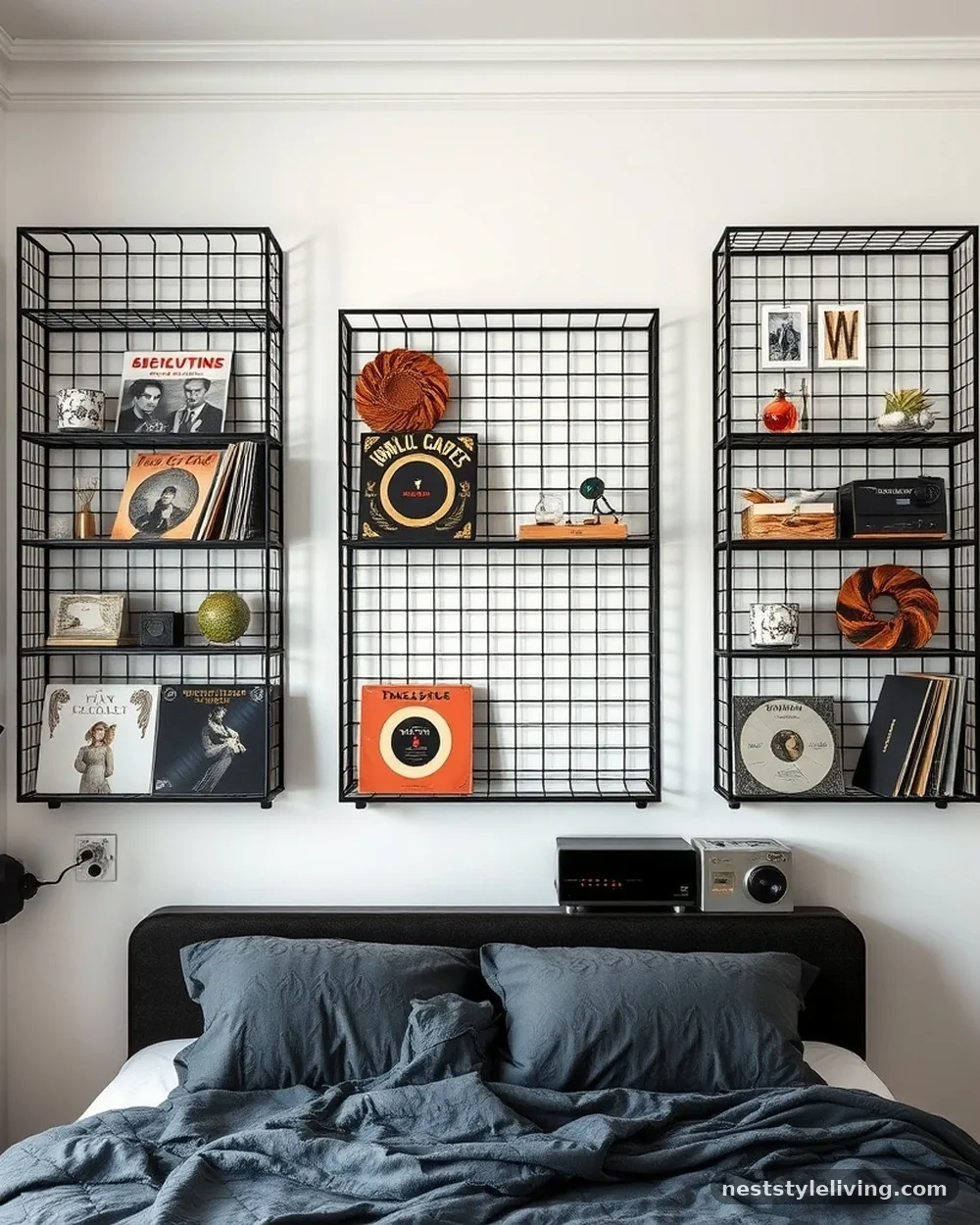
Wire grid shelving was a practical, industrial-inspired storage solution that defined the era’s utilitarian chic. You can mount these grids on your walls to display books, collections of records, or small decorative trinkets. They are incredibly versatile and allow you to rearrange your decor as often as you like without needing to drill new holes. The black powder-coated finish is durable and resists chipping, making it a great long-term investment. Use S-hooks to hang lighter items directly onto the grid for a customized look.
Place the grid shelving above your desk or bed to draw the eye upward. This creates a vertical focal point that keeps your floor space clear.
14. Lacquer-Finished Dressers
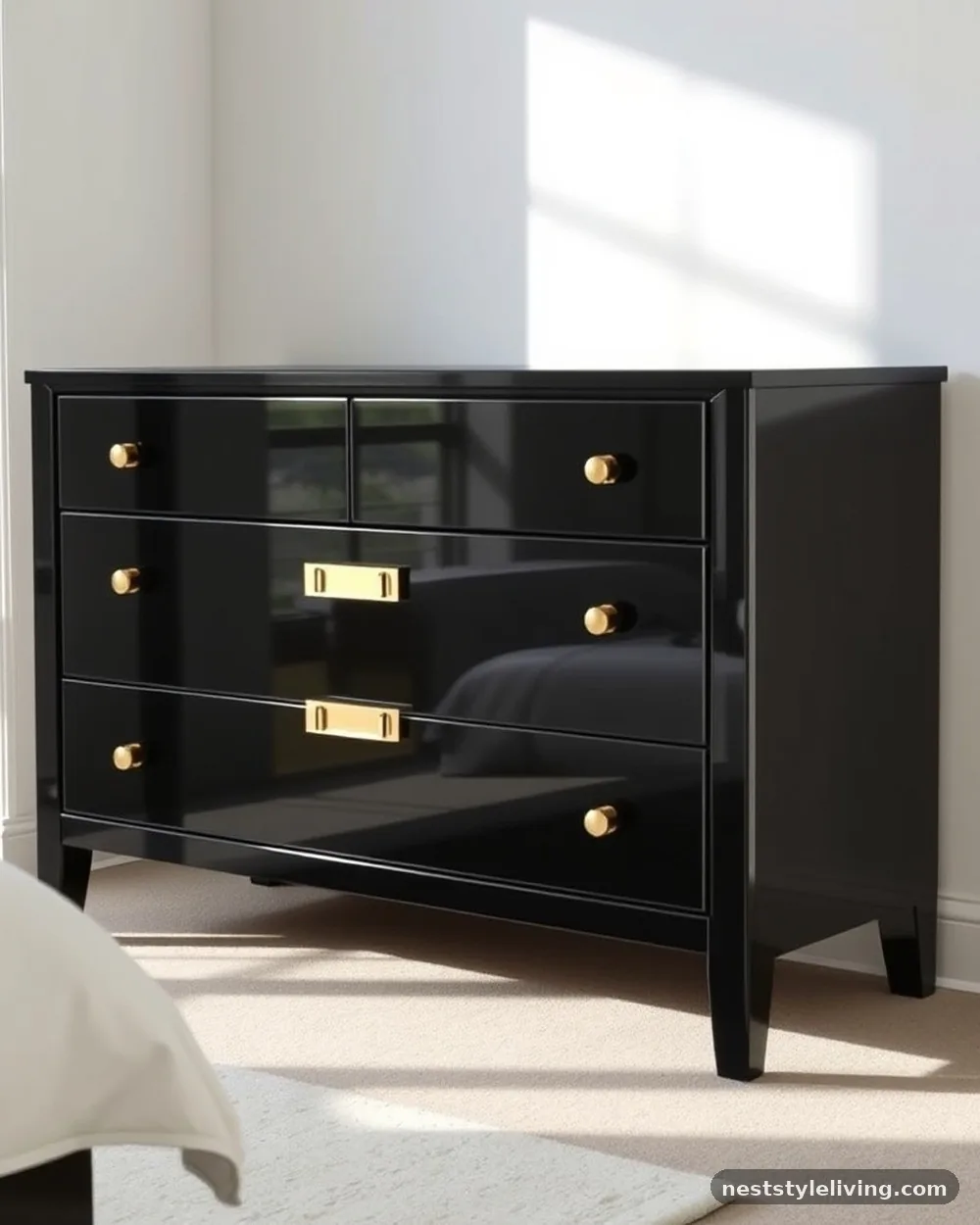
High-gloss lacquer furniture was the height of luxury, reflecting light and adding a sense of polish to any bedroom. Whether you choose a vintage piece or update an old dresser with a coat of high-gloss enamel paint, the result is a sleek, reflective surface that anchors the room. The finish is durable and water-resistant, though it is susceptible to deep scratches if you aren’t careful. Use a soft cloth for dusting to avoid creating micro-abrasions that dull the high-shine finish over time.
Apply a fresh coat of high-gloss paint to an existing wooden dresser for a quick, budget-friendly transformation. Use metallic drawer pulls to complete the sophisticated, high-end look.
15. Neon-Colored Accent Rugs
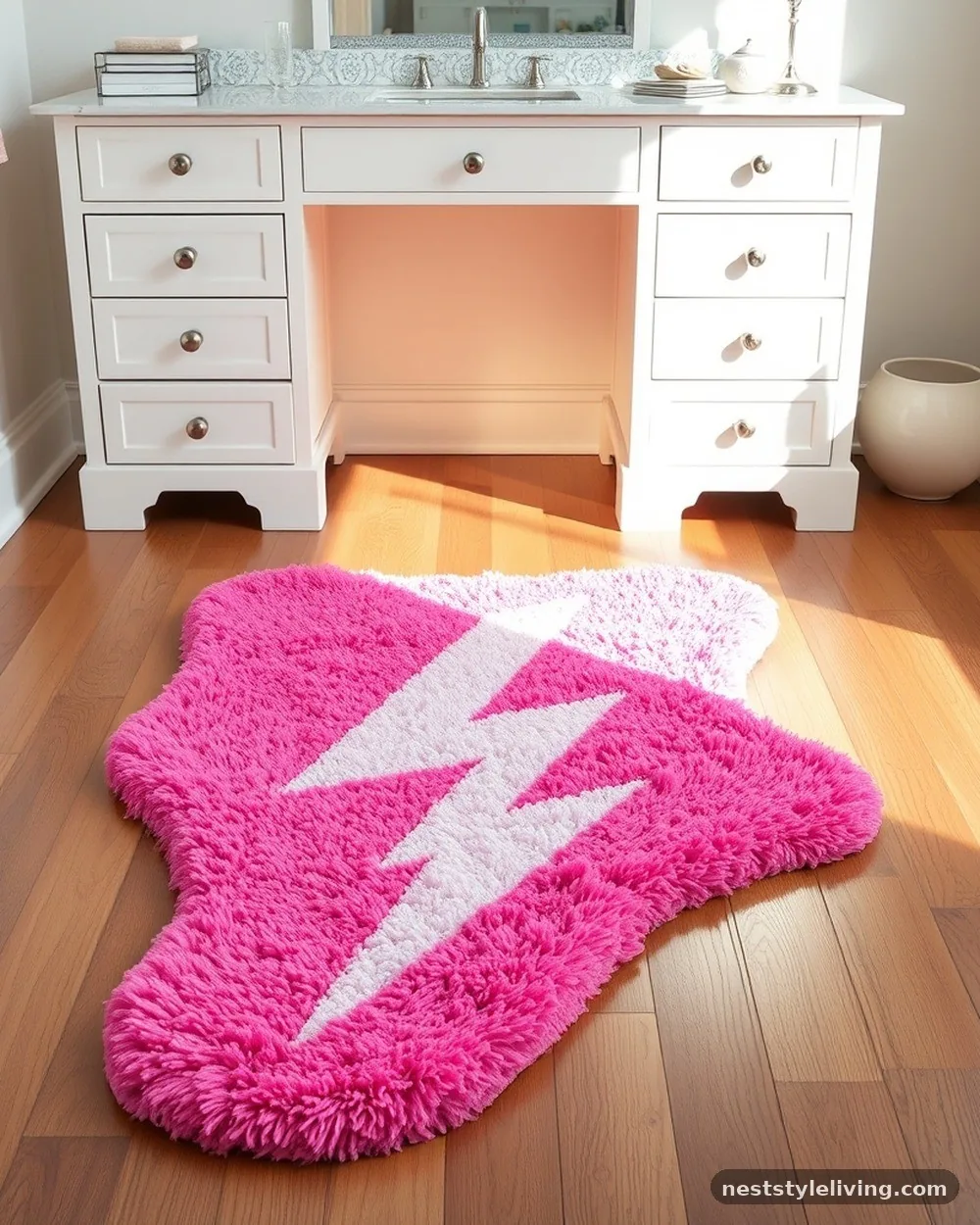
Small, irregularly shaped rugs in neon colors are a fun way to inject the 80s aesthetic without committing to a full-room theme. Look for rugs in shapes like lightning bolts, lips, or abstract blobs to place in front of your vanity or bed. These pieces add a pop of color that contrasts beautifully with hardwood or neutral carpets. Because they are smaller, they are easy to clean and can be replaced if your style evolves. Look for cut-pile construction, which holds up better to foot traffic than loop-pile rugs.
Use a non-slip backing to ensure the rug stays in place on smooth surfaces. This prevents slipping and keeps the rug perfectly positioned in your high-traffic areas.
16. Framed Graphic Posters
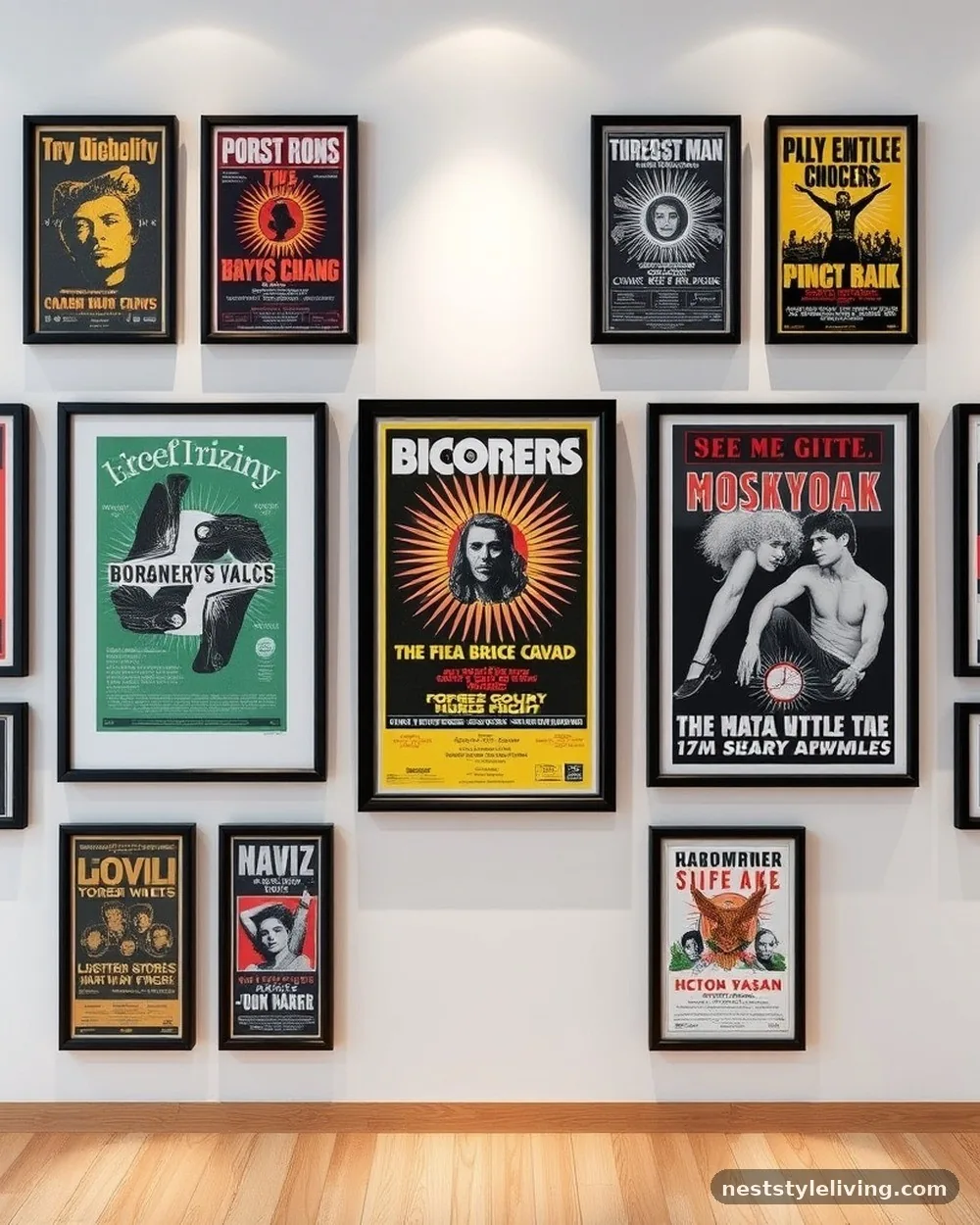
The 80s were a golden age for graphic design, with bold typography and vibrant, surreal illustrations dominating the visual landscape. Frame vintage concert posters, movie advertisements, or even abstract art prints from the era to create a gallery wall. The key is to use matching frames—perhaps thin black or metallic silver—to unify the collection. This creates a cohesive look that feels curated rather than cluttered. Ensure the frames are hung at eye level to make the most of the artwork’s impact.
Use acid-free matting to protect the posters from fading or damage over time. This keeps your collection looking fresh for years to come.
17. Lucite and Gold Bedside Carts
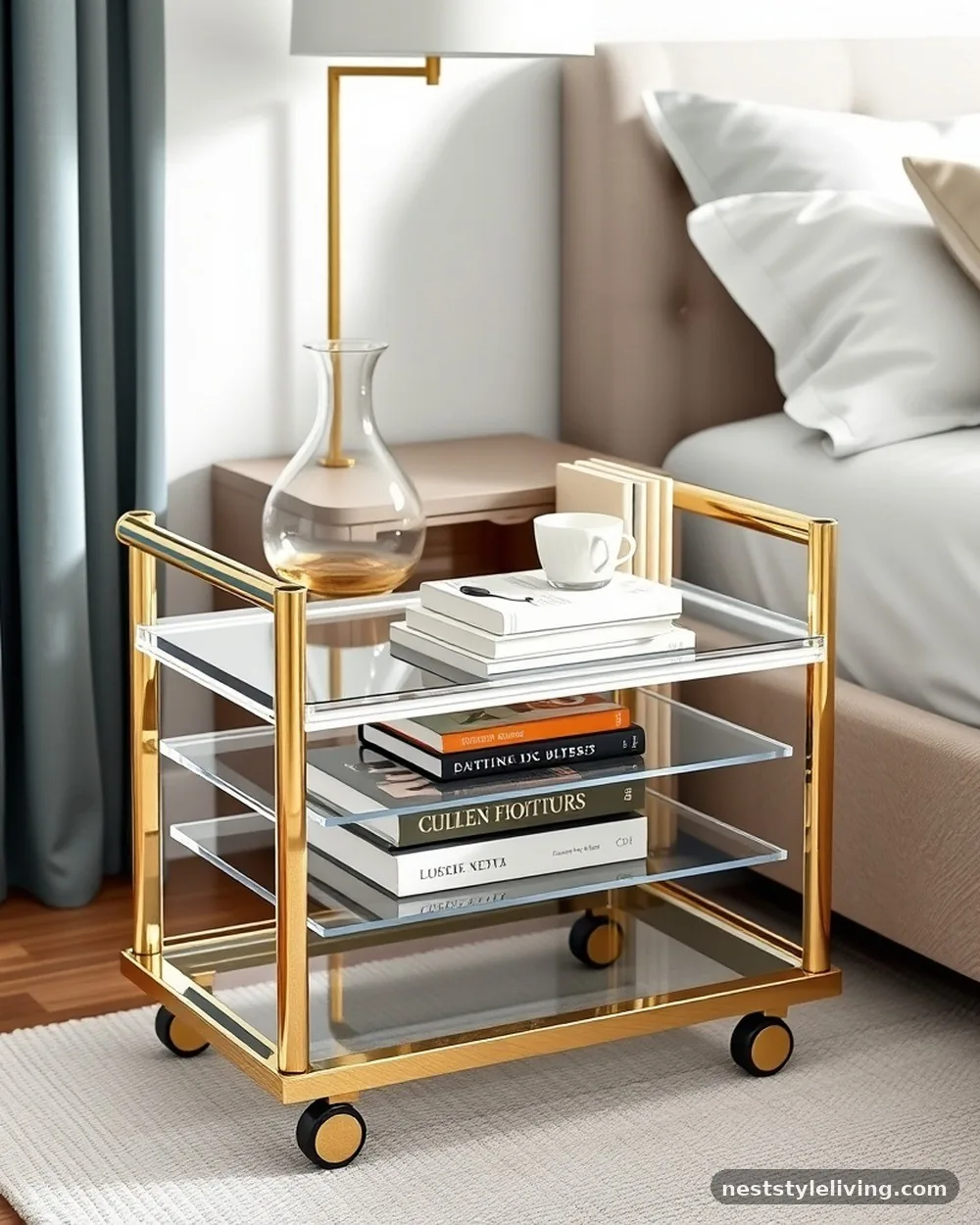
A small rolling cart made from Lucite and gold-toned metal is a functional and stylish addition to your bedroom. It acts as a mobile nightstand, allowing you to move it around as needed. The gold accents provide a touch of glamour, while the clear acrylic keeps the piece feeling light and modern. These carts are perfect for storing books, a carafe of water, or a small plant. The metal frame is usually plated, so avoid using abrasive cleaners that could strip the finish.
Use a soft, damp cloth to clean the metal and a dedicated acrylic cleaner for the shelves. This ensures the cart stays looking brand new for as long as possible.
18. Puffy Comforters
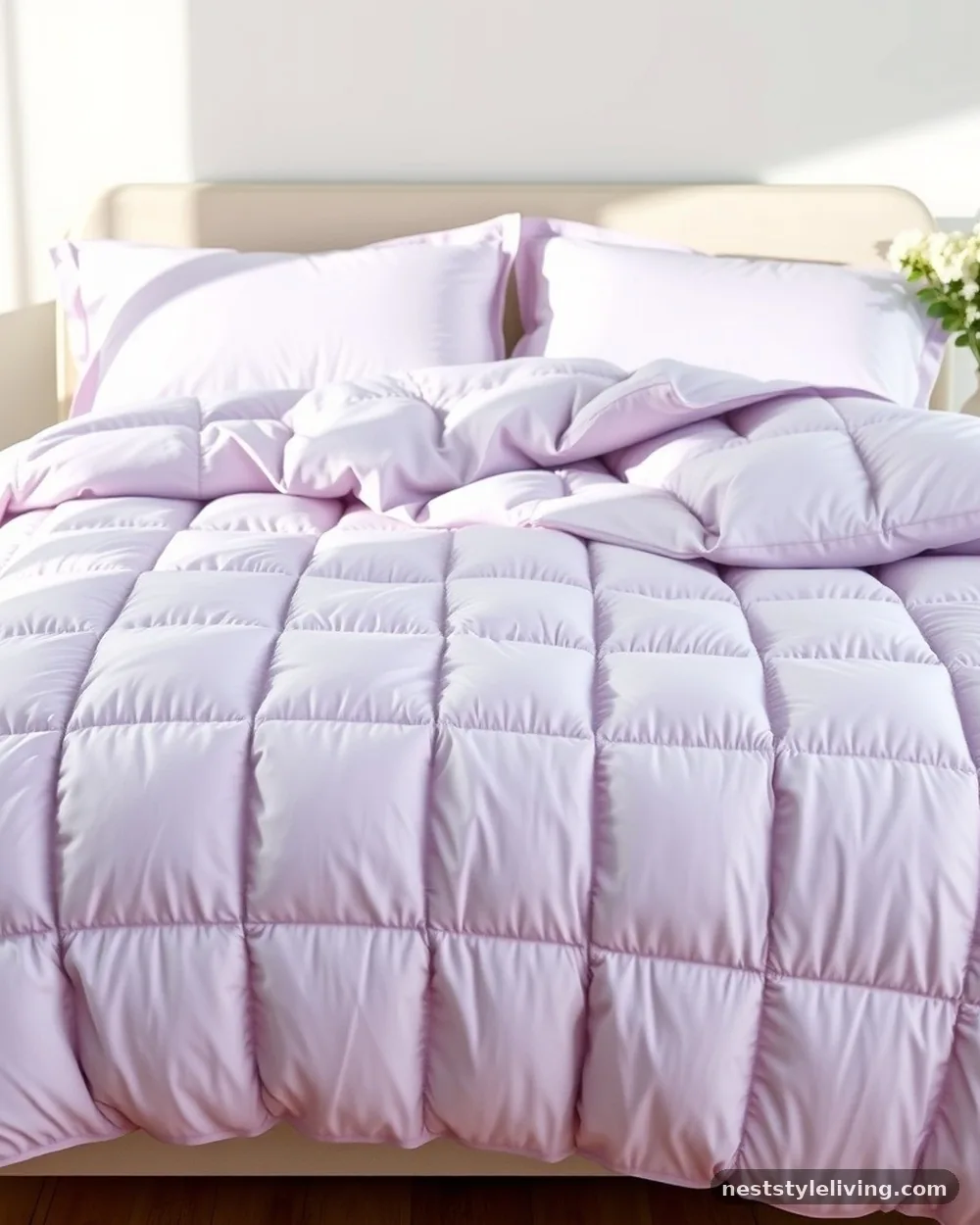
The “puffy” look was the standard for bedding, with oversized, quilted comforters that looked exceptionally soft and inviting. Choose one in a solid, bright color or a subtle pastel to anchor your bed. The volume of the comforter makes the bed the undeniable center of the room, creating a cozy sanctuary. Look for synthetic down-alternative fills, which are hypoallergenic and hold their shape better than traditional down, preventing the “lumpy” look that can happen after a few years of use.
Fluff the comforter daily to maintain its volume and prevent the filling from settling. This simple habit keeps your bed looking like a page out of a vintage catalog.
19. Vertical Blind Alternatives
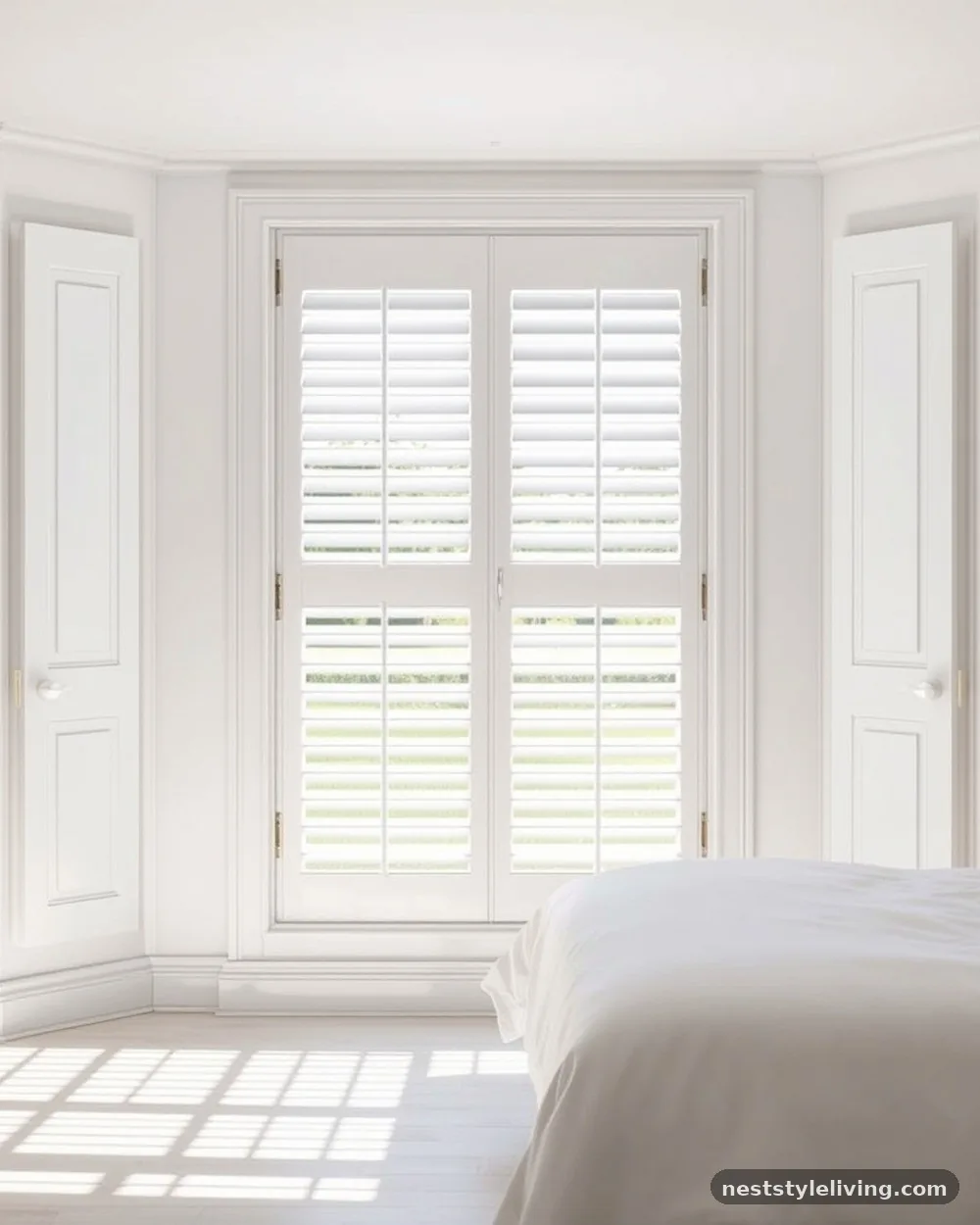
While vertical blinds were common in the 80s, they often look dated today. A better way to get the same clean, linear look is by using wide-slat wooden blinds or soft, floor-to-ceiling sheer curtains. These provide the same sense of privacy and light control while feeling more modern and intentional. If you want to lean into the 80s look, choose curtains in a metallic fabric or a soft, dusty rose velvet. These materials add a layer of texture that makes the room feel more luxurious and finished.
Install the curtain rod as high as possible, close to the ceiling, to make your windows appear larger. This trick instantly elevates the entire room’s aesthetic.
20. Sculptural Ceramic Vases
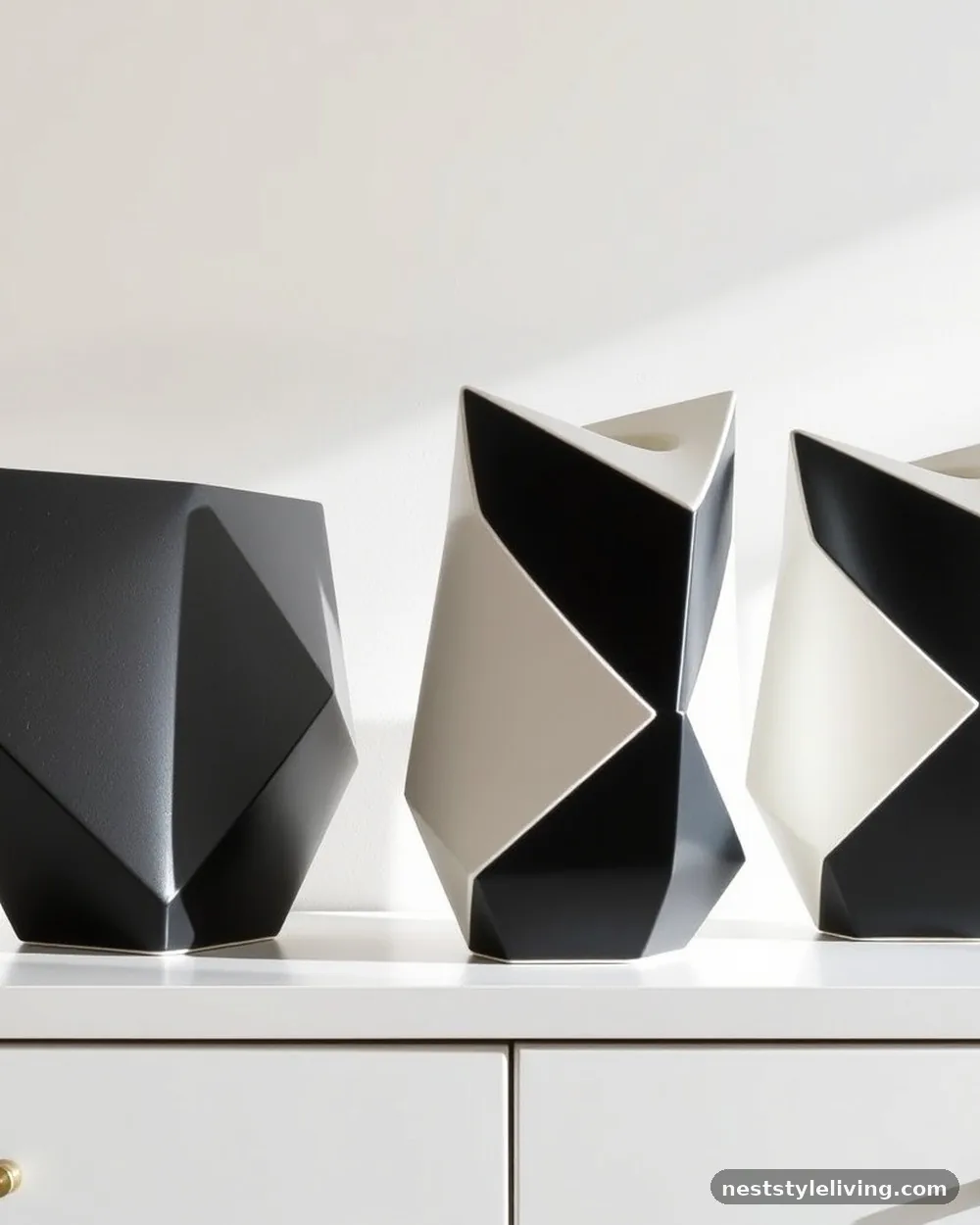
Ceramic vases in the 80s were often geometric, featuring sharp angles and bold, contrasting colors. Look for pieces with unique silhouettes—triangular, stepped, or stacked shapes—to display on your dresser or shelves. These items act as small pieces of art, adding personality to your space. They are durable, though they can chip if dropped, so place them in stable locations away from the edge of furniture. Use them to hold dried grasses or simple, architectural flowers like calla lilies to maintain the minimalist, retro vibe.
Grouping three vases of different heights creates a balanced, professional display. Ensure the colors are cohesive, perhaps sticking to a palette of black, white, and one accent color.
Frequently Asked Questions
What defines the 80s bedroom aesthetic?
The 80s style is defined by a mix of high-energy neon colors, bold geometric patterns, and futuristic materials like Lucite, glass blocks, and high-gloss lacquer. It balances the playful, post-modern Memphis design influences with softer, cozy elements like shag rugs, ruffled bedding, and large-scale tropical prints.
How can I make my room look 80s without spending much?
Start by focusing on small, high-impact changes like adding a few graphic throw pillows, a neon-style LED sign, or framing vintage-inspired posters. You can also use paint to create geometric accent walls or update existing furniture with high-gloss enamel paint to mimic the popular lacquer look of the time.
Is 80s retro style still considered trendy?
Yes, the 80s aesthetic has seen a significant resurgence as designers and homeowners seek to inject more personality and color into their living spaces. The trend focuses on “fun retro,” prioritizing nostalgia and bold self-expression over the stark, neutral minimalism that dominated the previous decade of interior design.
How do I mix 80s decor with modern furniture?
The secret is to use 80s pieces as accent items rather than replacing every piece of furniture. A Memphis-style lamp or a Lucite side table can look fantastic next to a modern platform bed. Keep your base furniture neutral and let the retro accessories provide the color and character.
Conclusion
Creating a space that embraces 80s bedroom ideas for a Fun Retro Look is all about finding a balance between the bold, experimental energy of the era and the comfort required for a modern sleeping space. By carefully selecting a few statement pieces—whether it is a neon light, a geometric rug, or some high-gloss lacquer furniture—you can transform your room into a vibrant sanctuary that feels both nostalgic and fresh.
Remember that the goal is to curate an aesthetic that reflects your personal taste while honoring the iconic design language of the decade. Start with one or two of these ideas, see how they fit your existing layout, and enjoy the process of building a collection that makes your bedroom a truly unique reflection of your style.