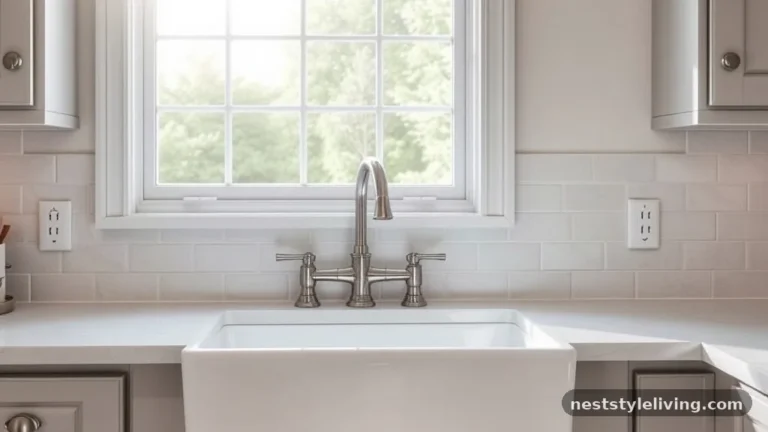
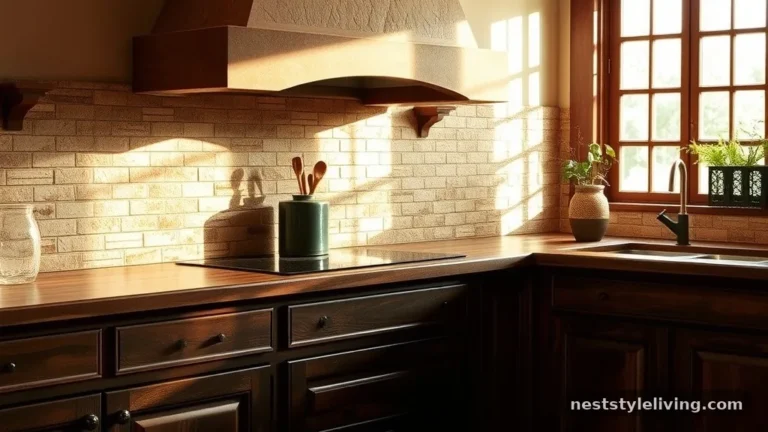
15 Warm Neutral Kitchen Ideas for a Cozy Stylish Look
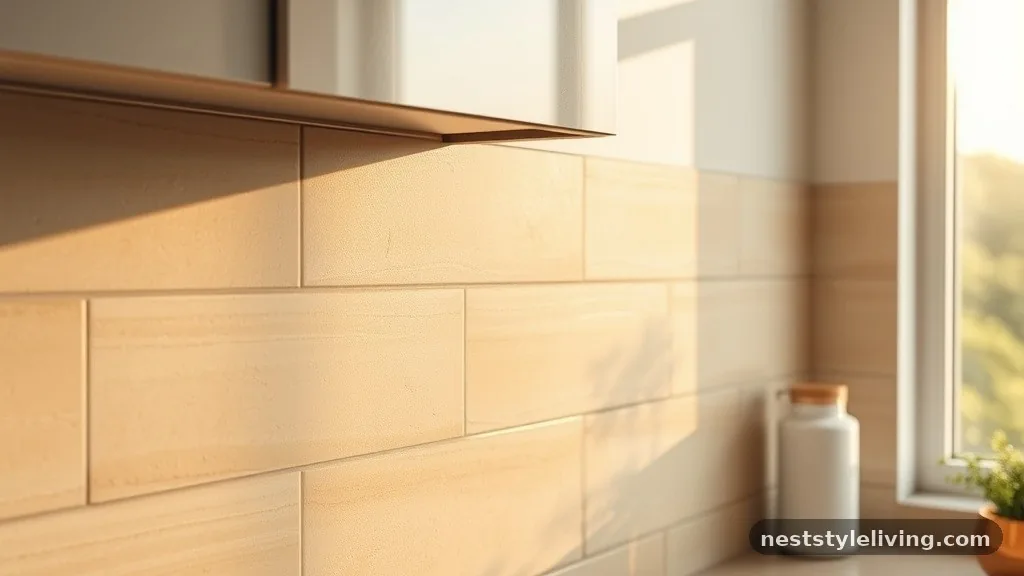
Achieving a balance between modern sophistication and inviting comfort is the primary goal for anyone exploring warm neutral kitchen ideas for a cozy stylish look. By moving away from stark, sterile whites and embracing earthy undertones, you transform the heart of the home into a space that feels grounded and welcoming.
These design choices rely on layering textures, utilizing natural light, and selecting materials that age gracefully over time. Whether you are planning a full renovation or simply looking to update your current cabinetry and hardware, focusing on warmth ensures your kitchen remains timeless, functional, and deeply personal.
1. Creamy Limestone Backsplash
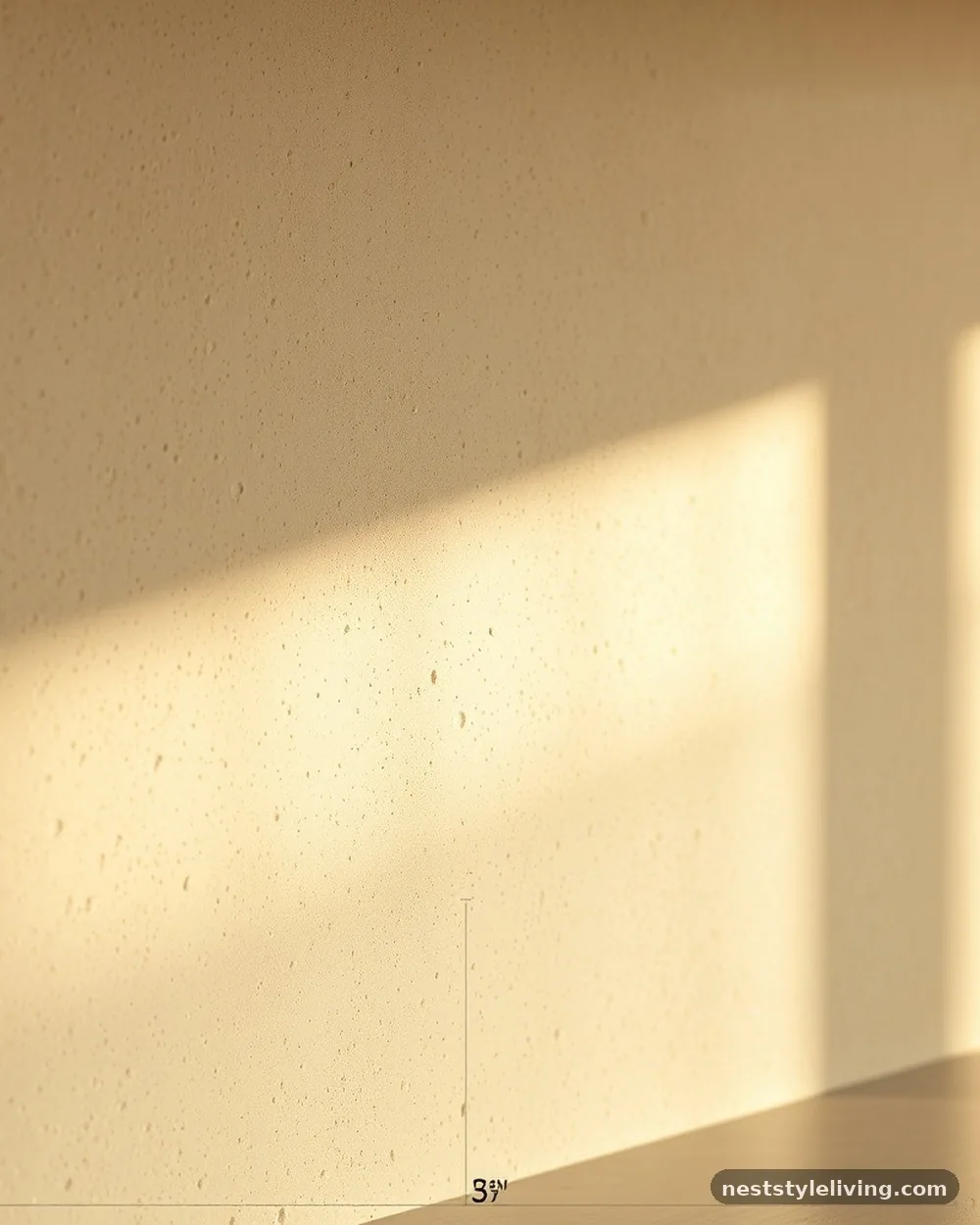
A creamy limestone backsplash provides a soft, organic texture that instantly anchors a room. Unlike polished marble, limestone has a matte, porous finish that absorbs light rather than reflecting it, creating a gentle atmosphere. The natural variations in the stone—ranging from soft beige to pale sand—add depth without overwhelming the eye.
Because the material is inherently neutral, it pairs exceptionally well with both dark wood cabinetry and painted shaker styles. Over time, limestone develops a patina, which only enhances its cozy character, though it does require sealing to prevent stains from cooking oils and acidic liquids.
To maintain the look, apply a high-quality penetrating sealer during installation. Once a year, use a pH-neutral stone cleaner to keep the surface pristine without damaging the delicate, porous structure of the limestone tiles.
2. White Oak Floating Shelves
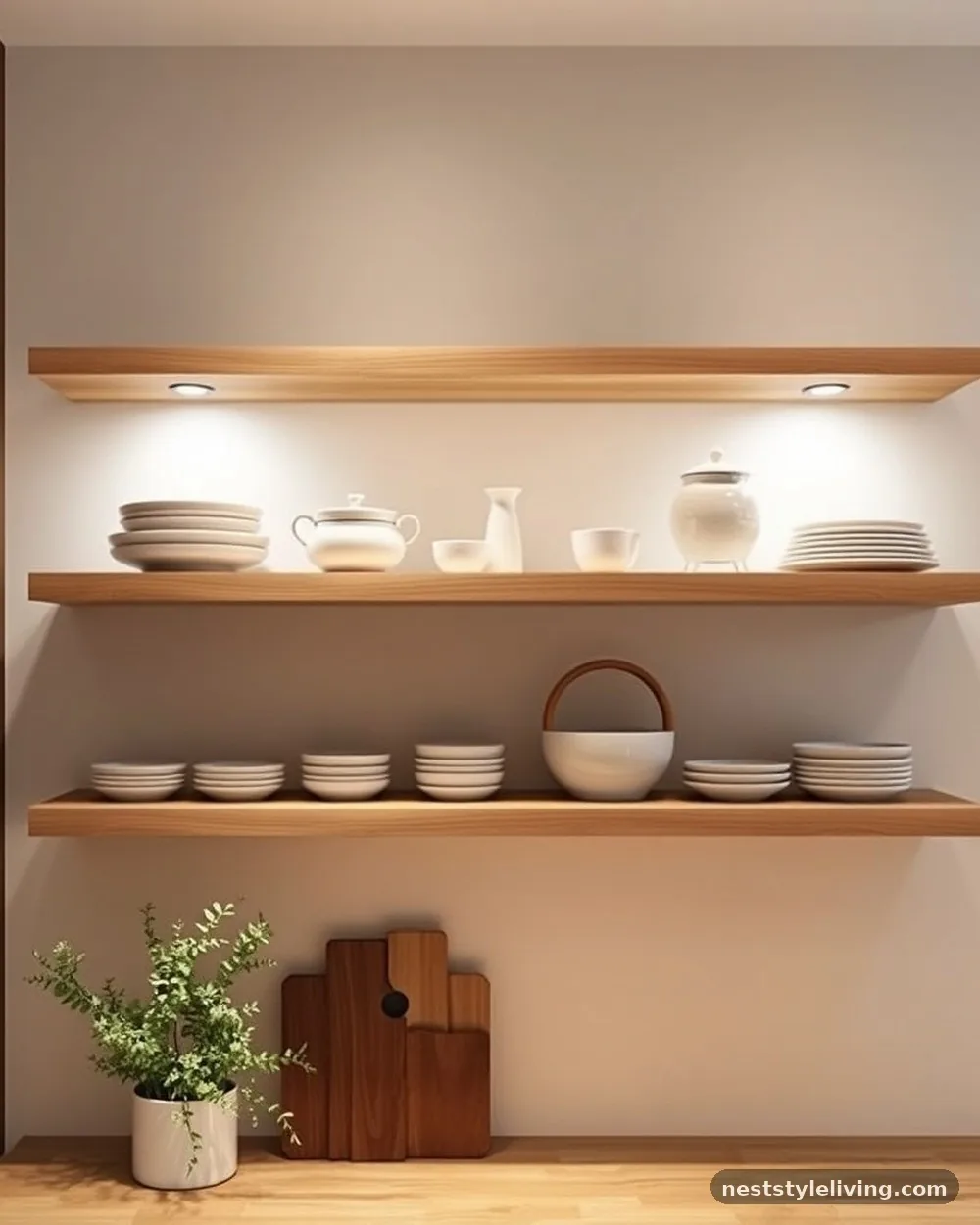
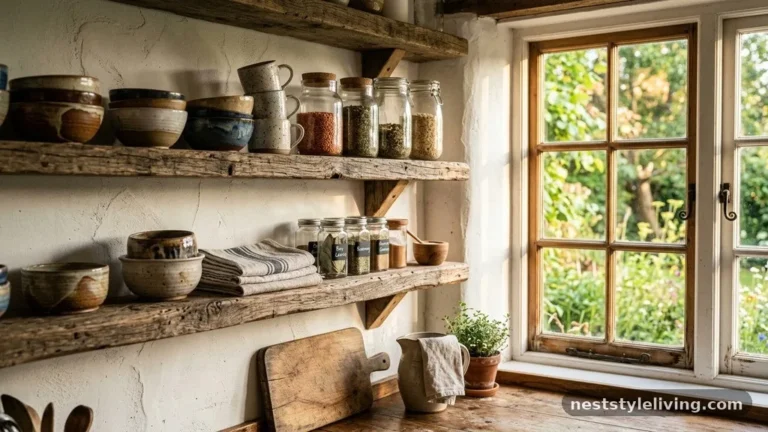
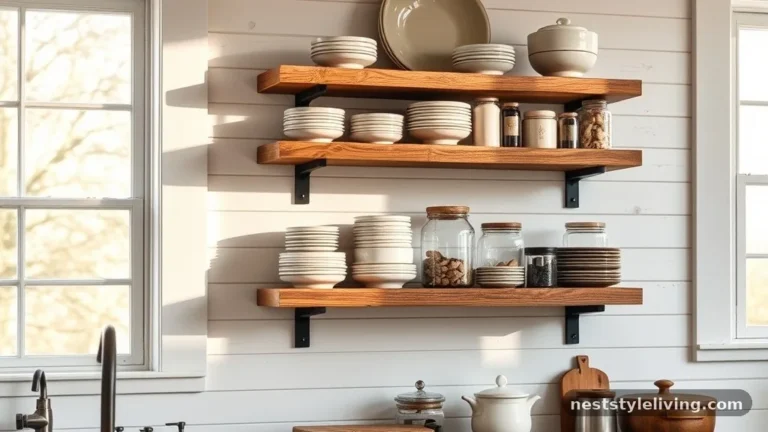
Floating shelves crafted from white oak bring a raw, tactile element to neutral walls. The light, honeyed tones of the wood introduce immediate warmth, breaking up the monotony of upper cabinets.
By mounting these shelves above a countertop, you create a dedicated space for styling ceramics, glassware, or small potted plants, which keeps the kitchen from feeling like a clinical showroom. The straight grain of white oak is subtle enough to blend with most design schemes, yet the wood itself provides the necessary organic contrast to painted surfaces.
Anchor your shelves directly into the wall studs using heavy-duty hidden steel brackets. This ensures the shelves can support the weight of heavy stoneware dishes without bowing or pulling away from the drywall over time.
3. Terracotta Floor Tiles
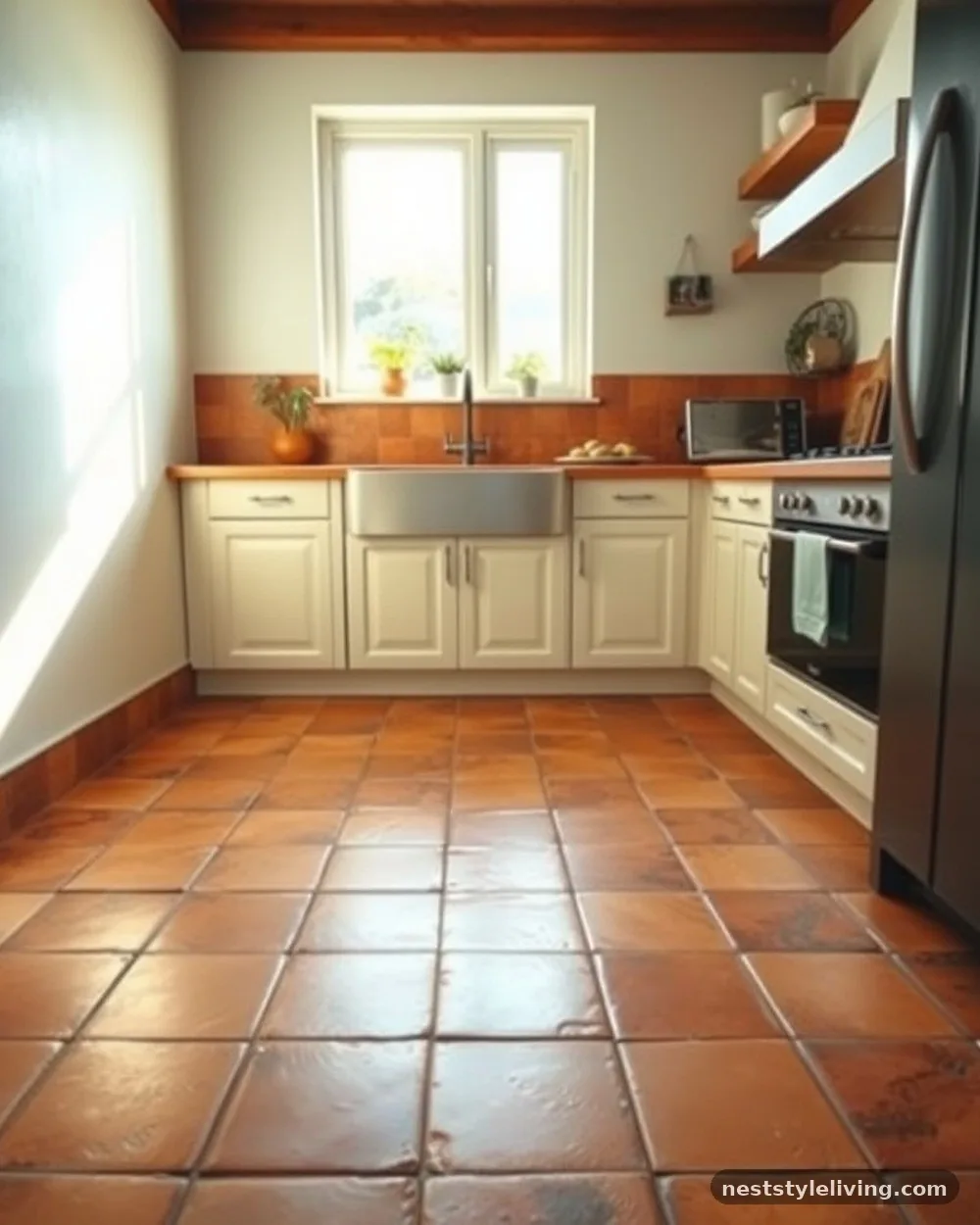
Terracotta flooring is the ultimate foundation for a warm, inviting kitchen. These fired-clay tiles possess a rich, burnt-orange hue that makes a large space feel intimate and grounded.
While traditional glazed tiles can feel cold underfoot, natural terracotta retains heat, making it a functional choice for cooler climates. The irregular edges and slight color variations inherent in handmade terracotta tiles provide a rustic charm that softens the rigid lines of modern appliances and cabinetry.
Select a sealant designed specifically for terracotta that allows the tile to breathe while repelling moisture. For a cleaner look, use a light-colored grout that matches the primary tone of the clay to minimize the visual grid on the floor.
4. Matte Brass Hardware
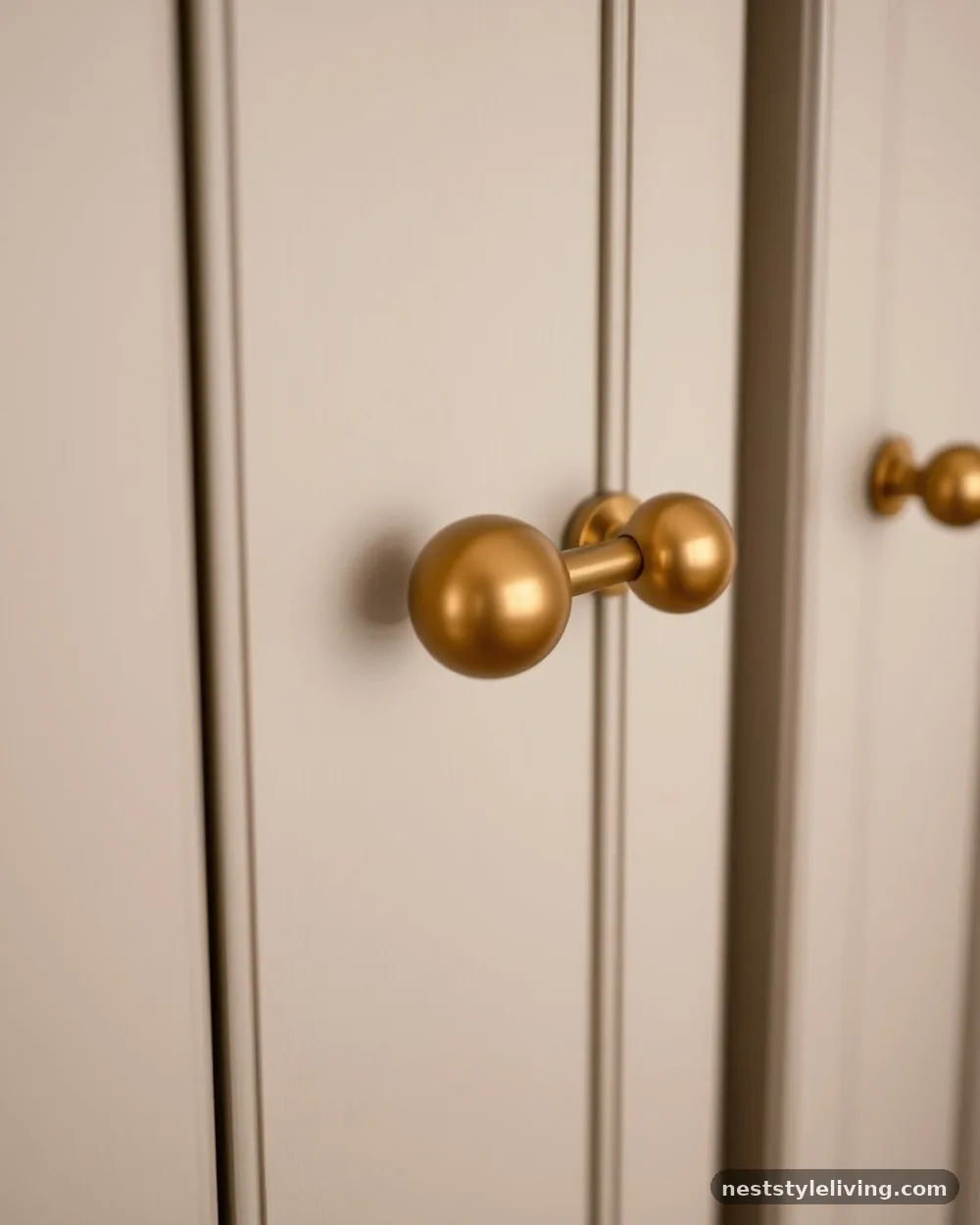
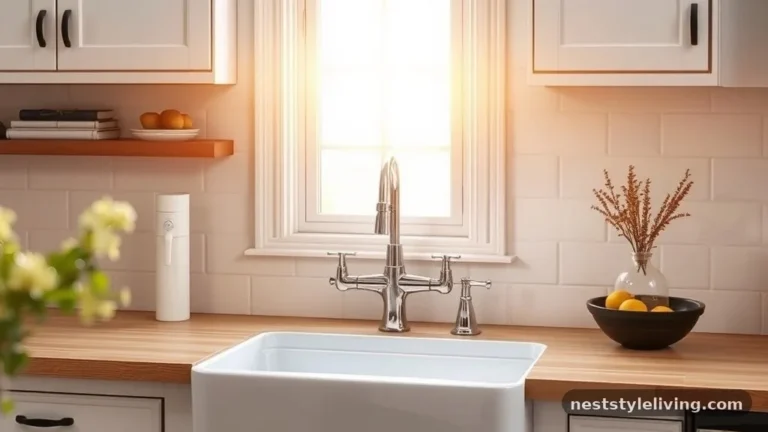
Hardware acts as the jewelry of the kitchen, and matte brass is the perfect finish for a warm neutral palette. Unlike polished gold, which can feel flashy, or chrome, which feels cold, matte brass offers a muted, sophisticated glow.
It bridges the gap between traditional and modern, looking equally at home on deep taupe cabinets or creamy off-white doors. The soft, brushed texture hides fingerprints better than glossy finishes, making it a practical choice for high-traffic areas where functionality is as important as aesthetics.
Replace your existing hardware by measuring the center-to-center distance of your current drawer pulls. Stick to a consistent finish across the entire kitchen to ensure the brass elements feel intentional rather than like an afterthought.
5. Greige Shaker Cabinetry
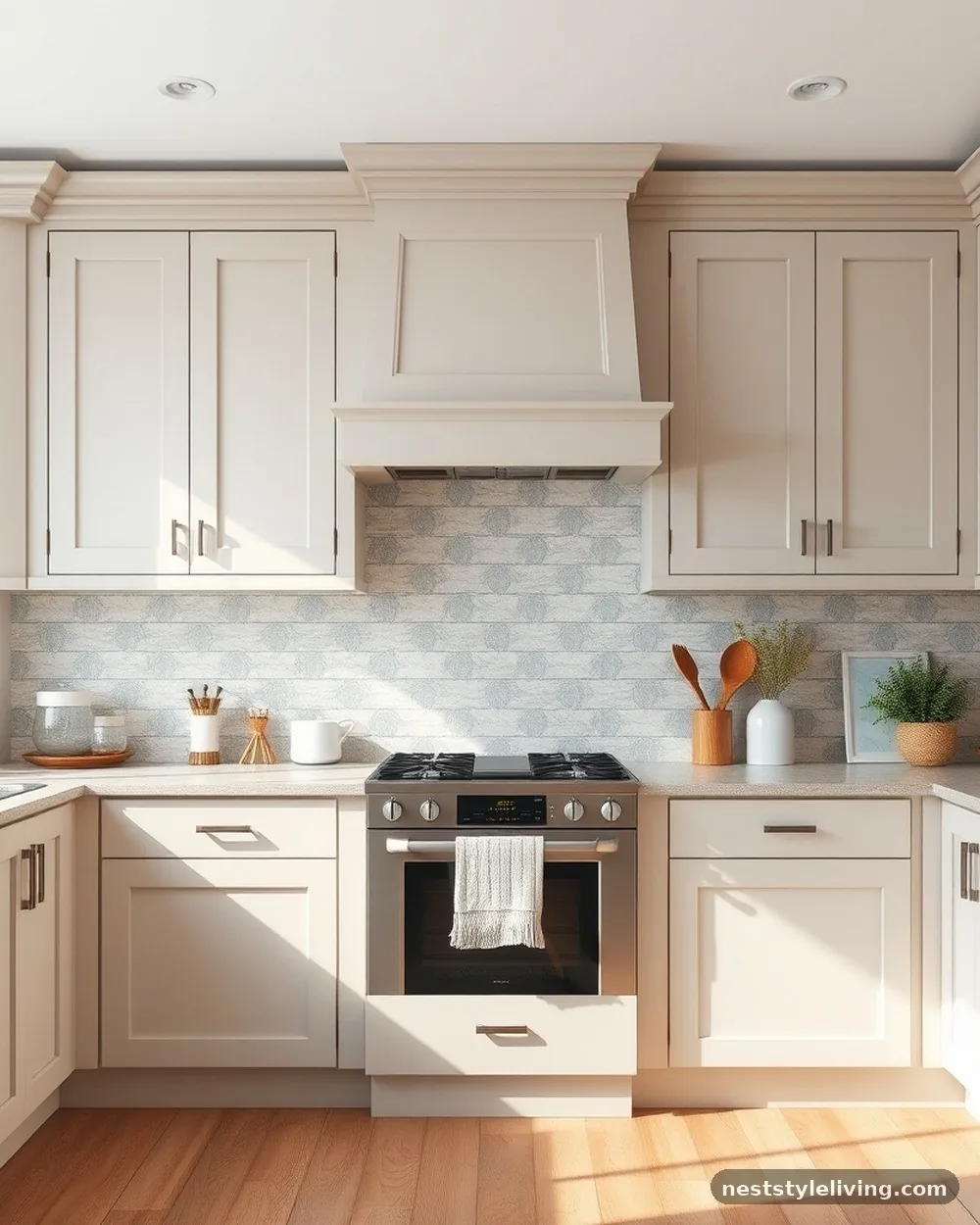
Greige—a precise blend of gray and beige—is the quintessential neutral for cabinetry. It avoids the clinical chill of pure gray while steering clear of the yellow undertones found in some beiges. Painting shaker-style cabinets in a soft greige creates a clean, uniform look that serves as a versatile backdrop for other decor.
This color choice is particularly effective in spaces with limited natural light, as it maintains its warmth even during cloudy days. It is a durable, timeless choice that transitions well through changing seasonal trends.
Use a high-quality, water-based enamel paint designed for cabinetry to ensure a hard-wearing finish. Clean the surfaces with a degreaser before priming, and apply at least two thin coats with a foam roller for a factory-smooth result.
6. Woven Rattan Bar Stools
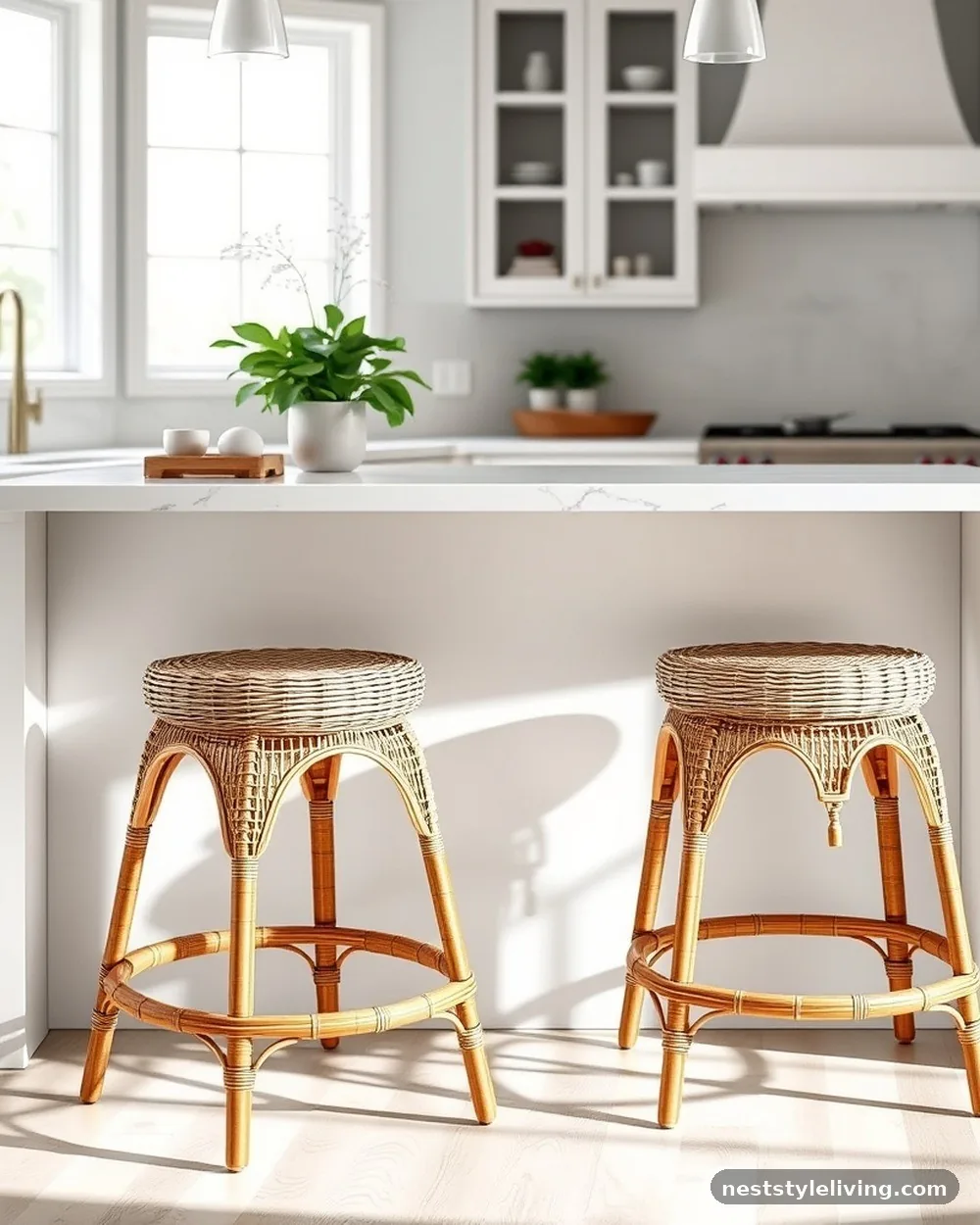
Adding woven rattan stools introduces a necessary layer of texture to a kitchen island. The intricate, hand-woven patterns provide a visual break from smooth surfaces like granite countertops or painted wood. Rattan is lightweight, making it easy to move, yet remarkably durable.
The natural blonde or honey shades of the material reinforce the warm neutral theme, creating a casual, organic vibe that invites people to linger. These stools pair perfectly with wood-toned islands or white marble surfaces, acting as a bridge between the furniture and the architecture.
Vacuum the woven fibers regularly using a brush attachment to remove dust and crumbs. If the rattan begins to look dry or brittle, apply a light coat of lemon oil or furniture wax to restore its flexibility and shine.
7. Zellige Tile Accents
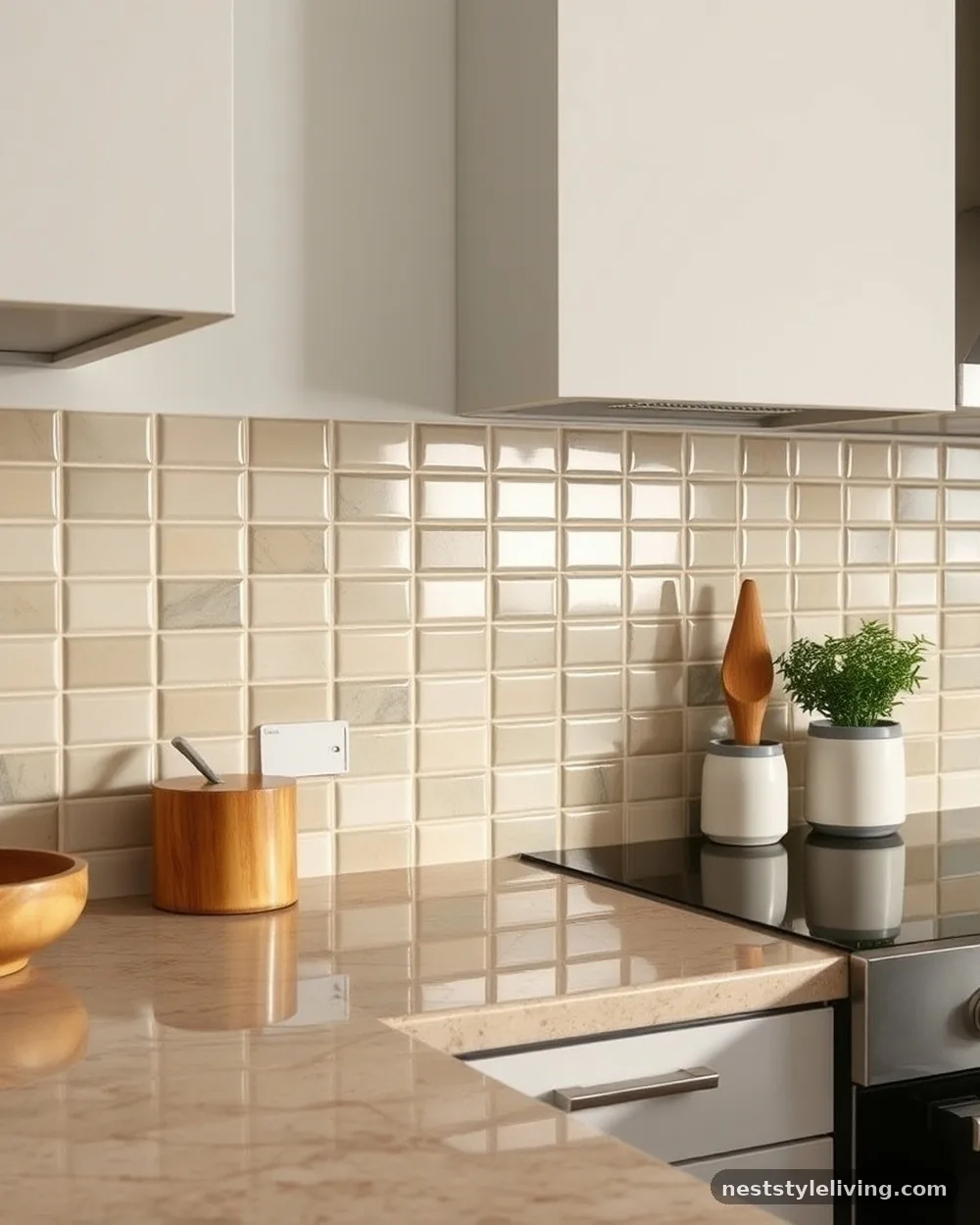
Zellige tiles are handmade glazed terracotta squares from Morocco that feature intentional surface irregularities and color variations. When used as an accent—perhaps behind the range or as a feature wall—they create a shimmering, liquid-like surface that catches the light in complex ways.
Their pearlescent or soft-toned glazes add depth that standard mass-produced tiles cannot replicate. Because each tile is unique, the finished installation feels artisanal and bespoke, instantly elevating the room’s character.
Install these tiles with a very tight joint, using a matching grout color to emphasize the texture of the tiles themselves rather than the pattern of the grid. Because they are handmade, always order 15% more than the measured square footage to account for variations and necessary cuts.
8. Linen Roman Shades
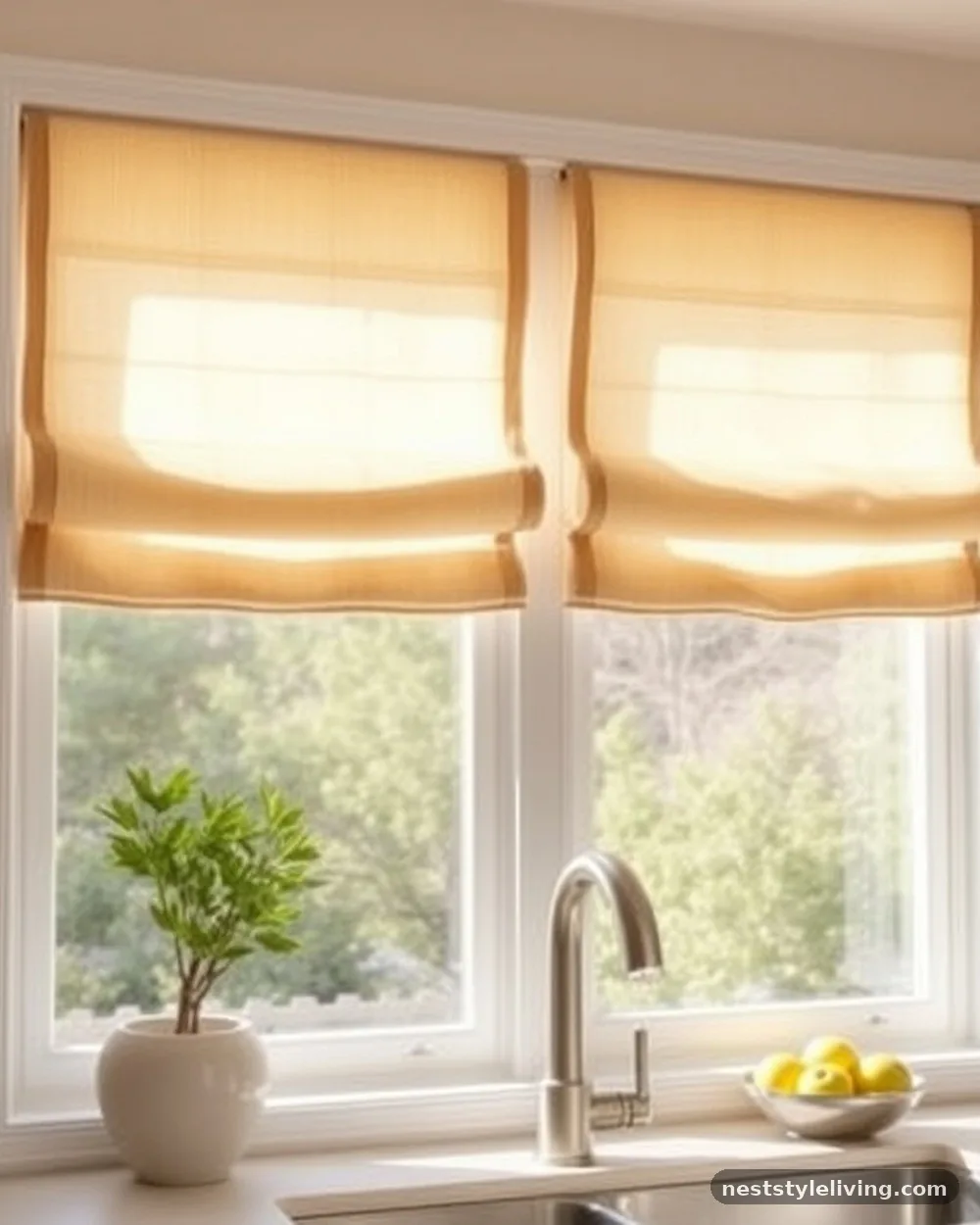
Window treatments often get overlooked, but linen roman shades are essential for a cozy kitchen. Linen has a beautiful, slubby texture that filters sunlight into a soft, diffused glow, eliminating harsh glares on countertops.
Choose a shade in a warm oatmeal, sand, or soft cream to maintain the neutral flow of the room. Roman shades offer a clean, tailored look that doesn’t obstruct the view or clutter the counter space, making them a superior choice for kitchens compared to heavy drapes or blinds.
Choose a fabric with a slight synthetic blend if you are concerned about moisture or grease, as pure linen can absorb kitchen odors. Mount the hardware inside the window frame for a sleek, custom appearance that highlights the architectural detail of the window.
9. Honed Quartzite Countertops
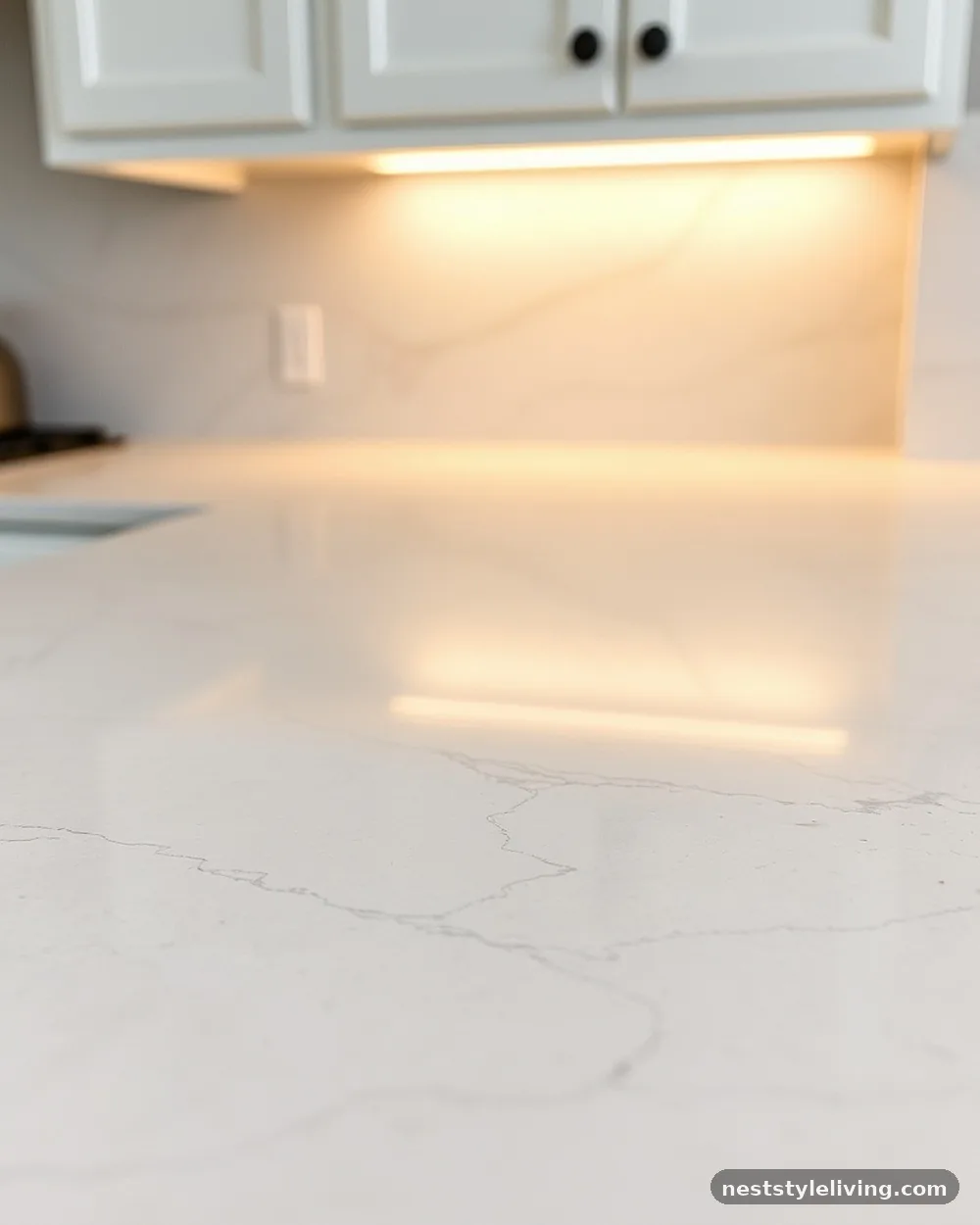
Honed quartzite is a natural stone that mimics the look of marble but offers significantly higher durability. The honing process removes the shine, leaving a matte, velvety surface that feels soft to the touch. With its subtle veining and warm, creamy undertones, quartzite provides a luxurious, high-end feel without being pretentious.
It stands up well to heat and staining, making it a practical long-term investment for a busy kitchen. The matte finish helps hide minor scratches, ensuring the surface looks great even after years of heavy use.
Seal the stone upon installation to ensure the pores are protected. Use a soft cloth and a mild soap-and-water solution for daily cleaning, avoiding harsh abrasive scrubbers that could polish the honed finish over time.
10. Oversized Ceramic Pendant Lights
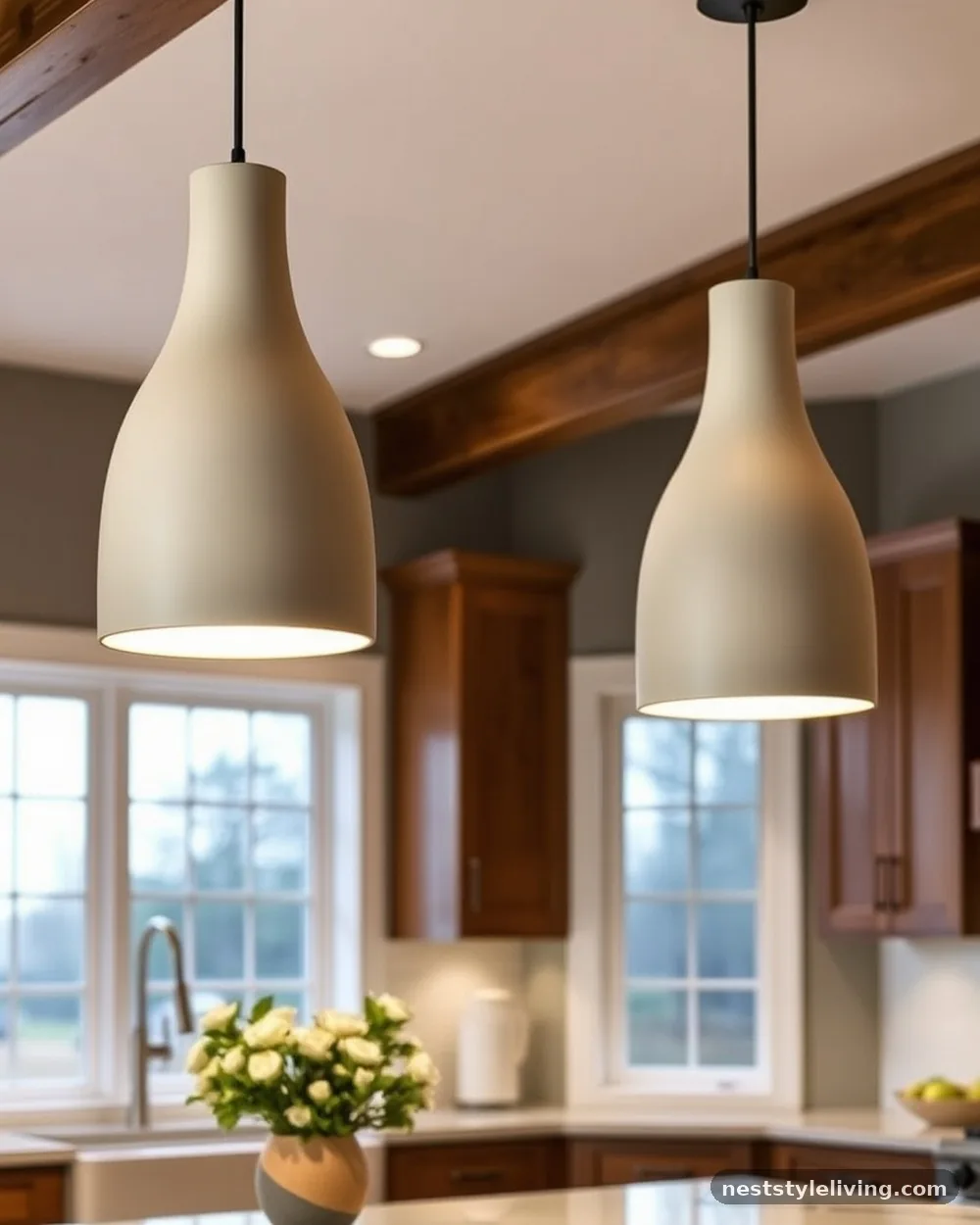
Lighting is the primary tool for creating a cozy mood, and oversized ceramic pendants make a bold statement. Ceramic pendants in earthy, unglazed, or matte-cream finishes contribute to the warm neutral aesthetic by adding a sculptural element to the ceiling.
The material itself feels grounded and artisan-made. When these lights are hung in pairs over an island, they define the space and provide a warm, downward pool of light that makes the area below feel like a cozy, intimate zone for food preparation or conversation.
Choose warm-toned LED bulbs with a color temperature around 2700K to ensure the light emitted matches the warm color palette of your cabinetry and walls. Adjust the height of the pendants so they hang approximately 30 to 36 inches above the countertop for the best visual balance.
11. Exposed Wood Ceiling Beams
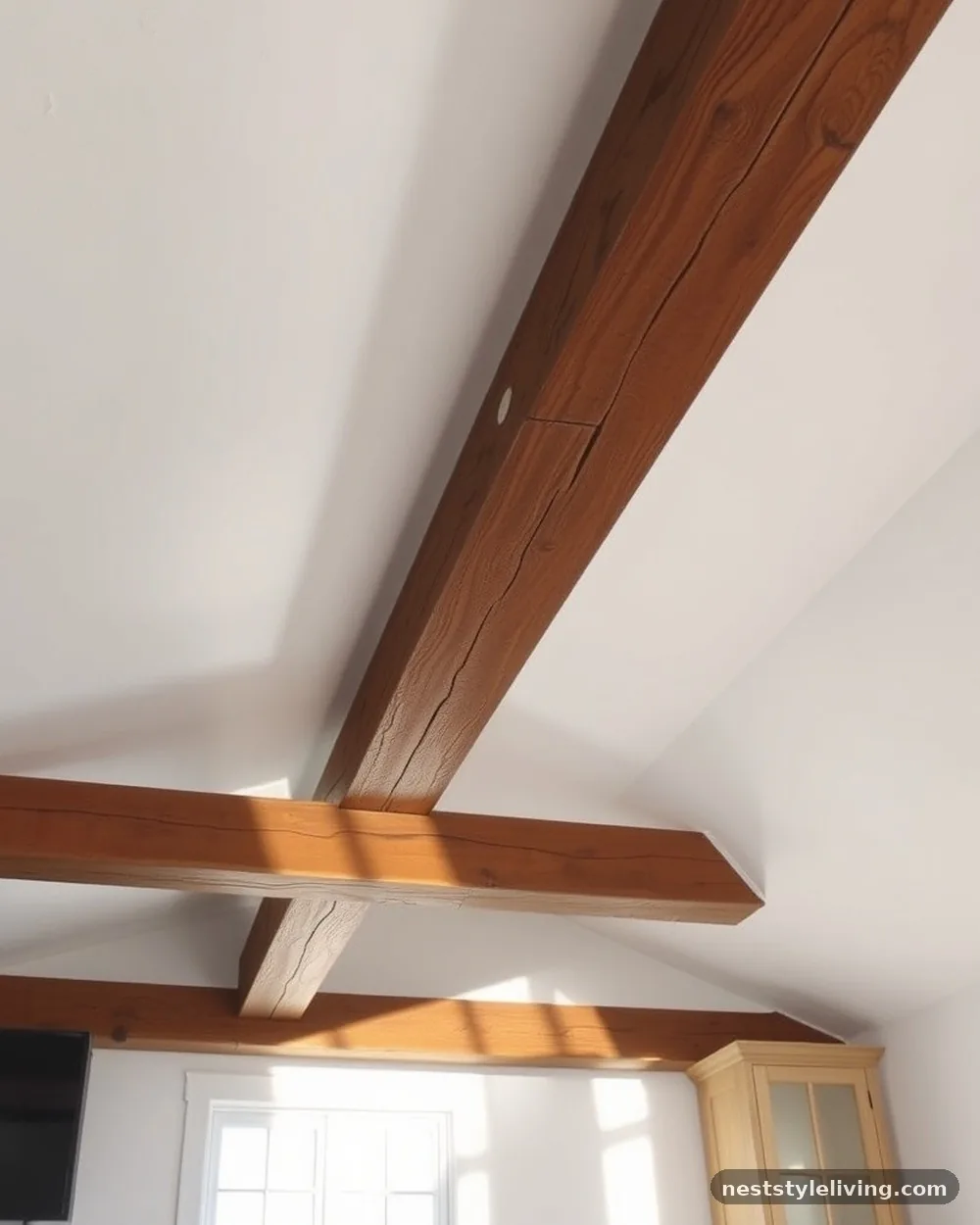
If your kitchen layout allows, adding exposed wood beams is a transformative design choice. Reclaimed wood, with its weathered texture and deep, warm hues, adds history and architectural weight to the room. The beams draw the eye upward, making the space feel larger while simultaneously adding a layer of rustic comfort.
They look particularly striking against white or off-white ceilings, creating a high-contrast yet neutral visual. The wood acts as a natural element that warms up the entire kitchen, balancing out colder materials like stainless steel or stone.
If you don’t have structural beams, consider installing hollow-box faux beams made from reclaimed lumber. These are significantly lighter and easier to install while providing the same aesthetic warmth as solid timber, and they can be finished with a matte wax to protect the wood.
12. Butcher Block Prep Station
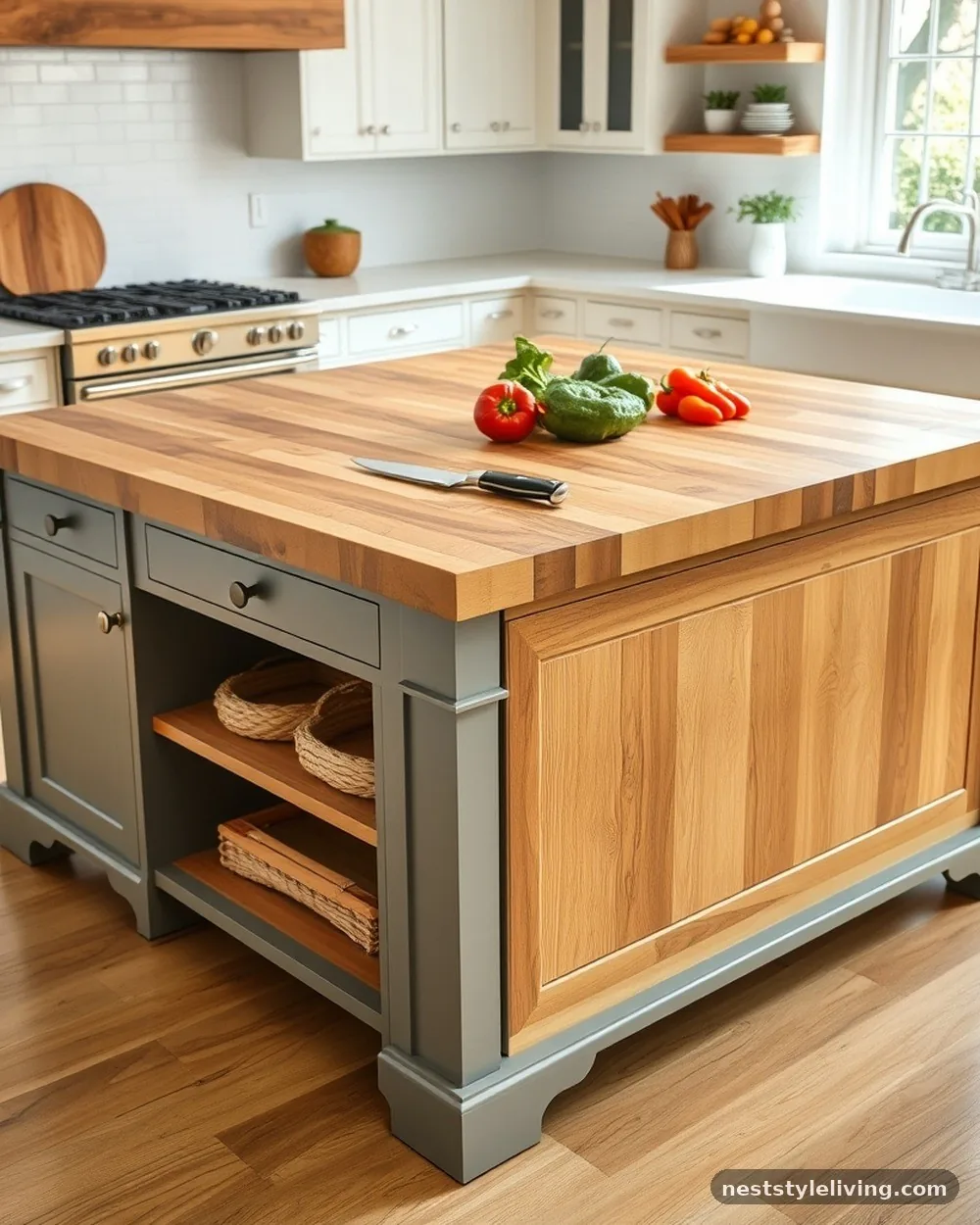
A butcher block section of the countertop is a highly functional feature that adds a warm, organic texture to the kitchen. Whether it is an end-grain island top or a simple integrated cutting board section, the wood provides a soft surface that is gentle on knives and pleasant to touch.
The honey-toned wood complements almost any neutral color scheme, from soft whites to deep stone grays. It encourages a more tactile, hands-on approach to cooking, reinforcing the kitchen’s role as a place of creation rather than just a storage area.
Maintain the wood by applying a food-safe mineral oil or beeswax once a month. This prevents the wood from drying out and cracking while providing a protective barrier against moisture and bacteria from food preparation.
13. Hand-Thrown Ceramic Vases
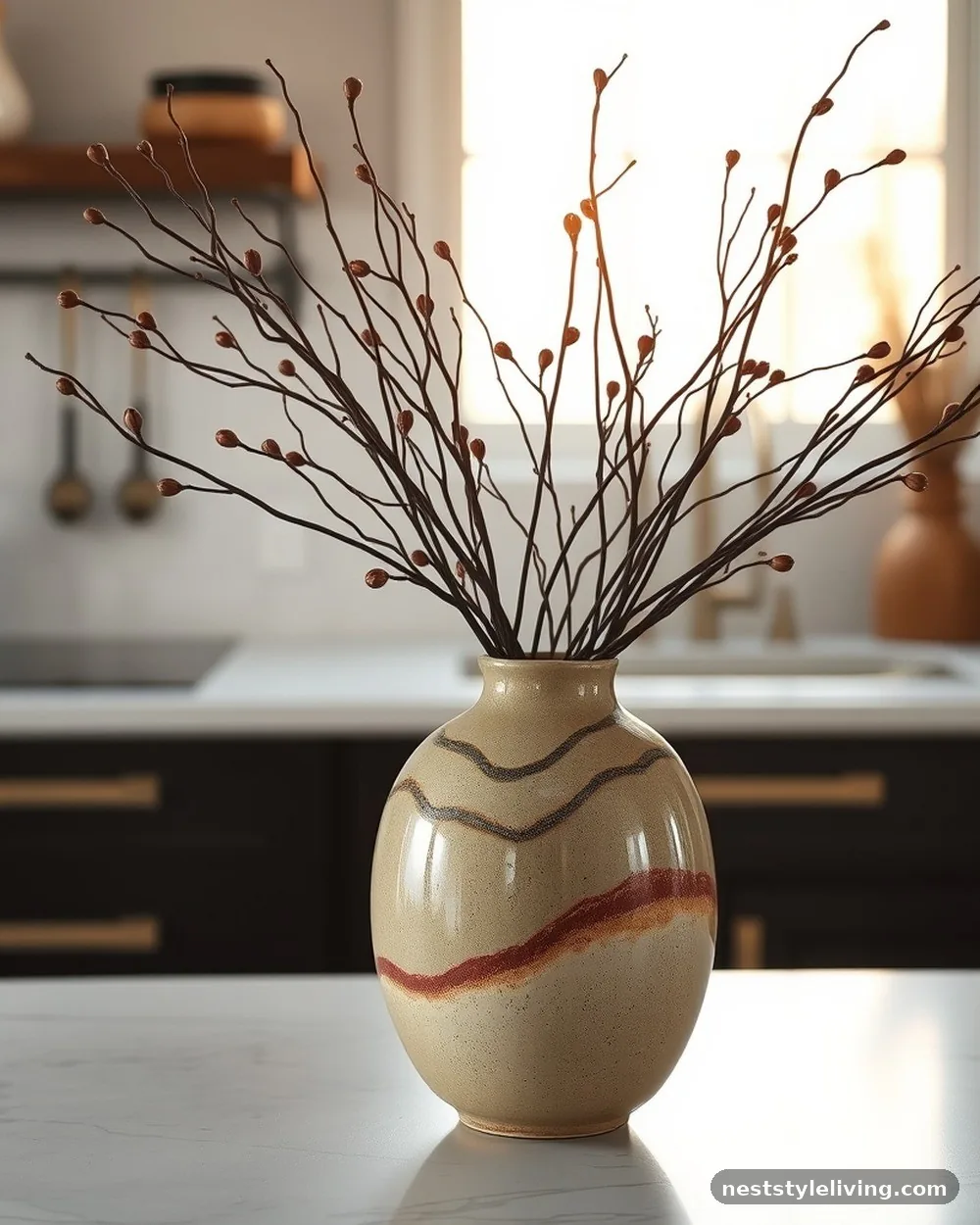
Accessories are the easiest way to inject personality into a neutral space, and hand-thrown ceramic vases are an ideal choice. Seek out pieces with organic, asymmetrical shapes and earthy glazes in shades of taupe, cream, or soft terracotta.
Placing a large, textured vase on the counter filled with dried branches or fresh flowers brings life and vertical interest to the room. The human touch visible in the pottery aligns perfectly with the cozy, stylish look of a neutral kitchen, making the space feel curated rather than mass-produced.
Look for local pottery markets or independent artisans to find unique pieces that have character. Group vases in odd numbers—three is usually the sweet spot—on a corner of the counter to create a focal point without cluttering the workspace.
14. Soft Wool Area Rug
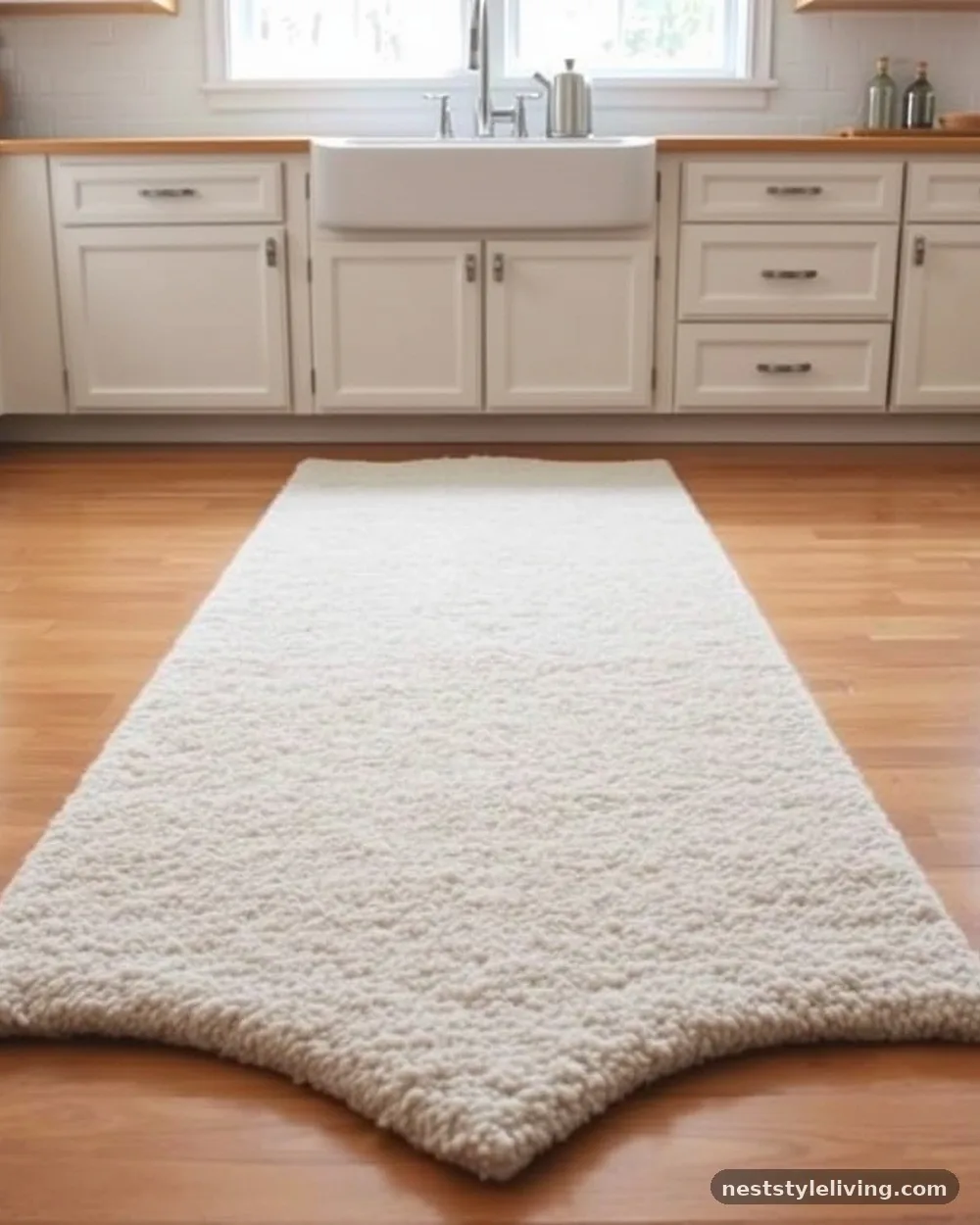
A runner rug made of wool adds comfort and warmth to a kitchen floor, especially in front of the sink or stove. Wool is naturally stain-resistant and durable, making it surprisingly well-suited for the kitchen environment.
Choose a low-pile, tightly woven rug in a neutral geometric pattern or a solid, warm tone to ground the room. The rug provides a soft landing for your feet during long periods of standing and adds a layer of sound absorption, which helps reduce the echo often found in kitchens with hard surfaces.
Use a high-quality, non-slip rug pad underneath to prevent slipping and to provide extra cushioning. If a spill occurs, blot the liquid immediately with a clean cloth, as wool’s natural lanolin will resist absorption better than synthetic fibers.
15. Integrated Panel-Ready Appliances
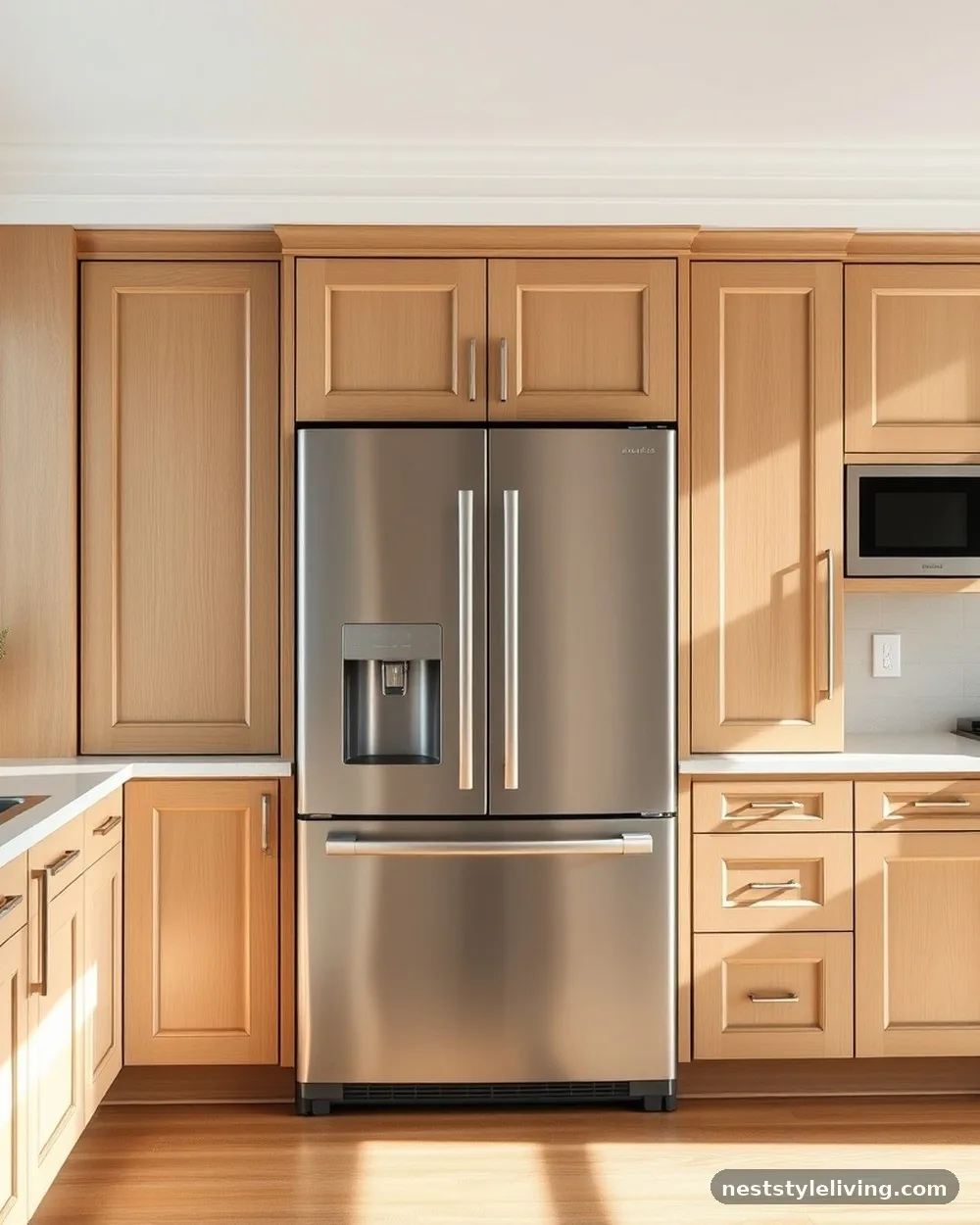
For a truly cohesive and serene look, hide your appliances behind cabinet panels. Panel-ready dishwashers and refrigerators disappear into the wall of cabinetry, allowing the focus to remain on the textures and colors of the kitchen’s design. This is essential for a warm neutral kitchen, where the goal is to create a sense of harmony.
By eliminating the visual “noise” of stainless steel or black plastic, the room feels more like a living space than a utilitarian work zone. It is a sophisticated, high-end design choice that yields a seamless, high-style result.
Confirm that your chosen appliances are specifically designed to accept custom panels before purchasing. Work with a cabinet maker to ensure the panels match the grain, color, and finish of your existing cabinetry perfectly for a truly hidden effect.
Frequently Asked Questions
How do I stop a neutral kitchen from feeling boring?
The secret to avoiding a dull look is layering textures rather than relying on color. Combine smooth stone countertops with rough wood beams, matte ceramic accessories, and woven textiles. By mixing materials that have different tactile qualities, you create visual interest that keeps the space feeling rich and layered, even if the color palette is limited to shades of cream, beige, and soft gray.
What are the best warm neutral paint colors?
Look for paints with strong yellow or red undertones rather than blue or green bases. Shades like soft mushroom, warm greige, and creamy off-whites are excellent choices. Always test a sample on your wall and observe it at different times of the day, as natural light can change the way a neutral paint feels—sometimes turning a warm beige into a muddy yellow or a flat gray.
Are warm neutral kitchens still trendy for 2026?
Neutral kitchens have shifted from the stark, cold trends of the past toward warmer, more organic versions. This move toward “warm minimalism” is expected to remain a dominant design direction well into 2026. Homeowners are prioritizing comfort and natural materials, which means the focus is on creating a space that feels grounded and timeless rather than following fleeting, high-contrast fads that may look dated in a few years.
Can I mix different wood tones in a neutral kitchen?
Yes, you can and should. Mixing wood tones—such as a dark wood island with light oak floating shelves—adds depth and prevents the room from looking like a catalog set. The key is to ensure the wood tones share a similar undertone, such as keeping them all in the warm or honeyed family, rather than mixing cool, ash-toned woods with warm, red-toned mahogany.
What is the most durable neutral countertop material?
Quartzite is widely considered the most durable natural stone for kitchens. It is harder than marble and, when properly sealed, is resistant to heat and acidic substances like lemon juice or wine. If you want the look of natural stone with even less maintenance, high-quality engineered quartz in a matte finish can mimic the look of natural materials while providing a non-porous, highly stain-resistant surface.
Conclusion
Creating a space that feels both grounded and sophisticated is entirely achievable by focusing on the interplay of texture, lighting, and natural materials. By incorporating elements like warm oak, soft limestone, and matte brass, you can curate a room that avoids the common pitfalls of clinical, sterile design. These warm neutral kitchen ideas for a cozy stylish look serve as a foundational approach to building a home that feels intentional and inviting.
Whether you start with small updates like changing your hardware or commit to larger changes like new cabinetry, the result will be a timeless kitchen that serves as the heart of your home. Take the first step today by identifying one or two textures that resonate with your personal style and begin layering them into your space.